




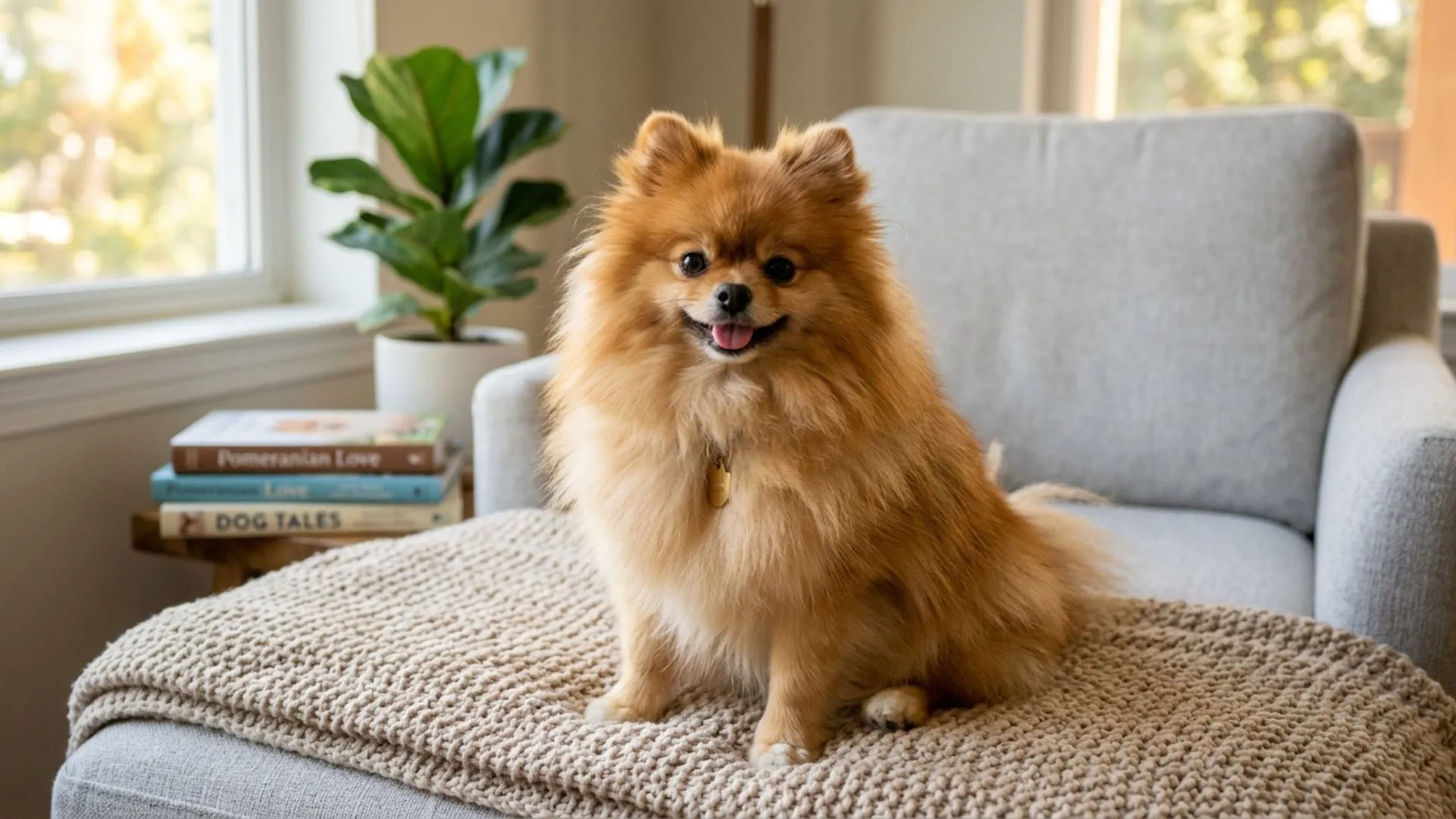
A dog the size of a loaf of bread just made eye contact with you… And now you’re reconsidering your entire living situation.
There’s something almost suspiciously delightful about small dog breeds. They don’t walk into a room—they arrive, like tiny celebrities on a red carpet made of carpet.
One minute, they’re peeking out of a tote bag looking innocent enough to be mistaken for a plush toy, and the next, they’re confidently ruling your home like they pay rent (they don’t, but try telling them that).
Every tail wag feels oversized for their body, every bark feels dramatically unnecessary, and somehow—against all logic—you start apologizing to them for moving their blanket.
And the real magic? These little dynamos don’t just stay small for a phase. They stay consistently, adorably, unapologetically petite, like nature decided to hit the “mini mode” button and never switch it back.
So, which tiny companions manage to stay forever pocket-sized while still packing enough personality to run a household?
Did You Know?
Dogs classified as “toy breeds” typically weigh under 10–15 pounds as adults. Despite their size, many were historically bred for very “serious jobs”—from warming laps in royal courts to acting as alert little watchdogs with surprisingly big opinions.
Best Small Dog Breeds That Stay Petite and Precious
1. Bichon Frise
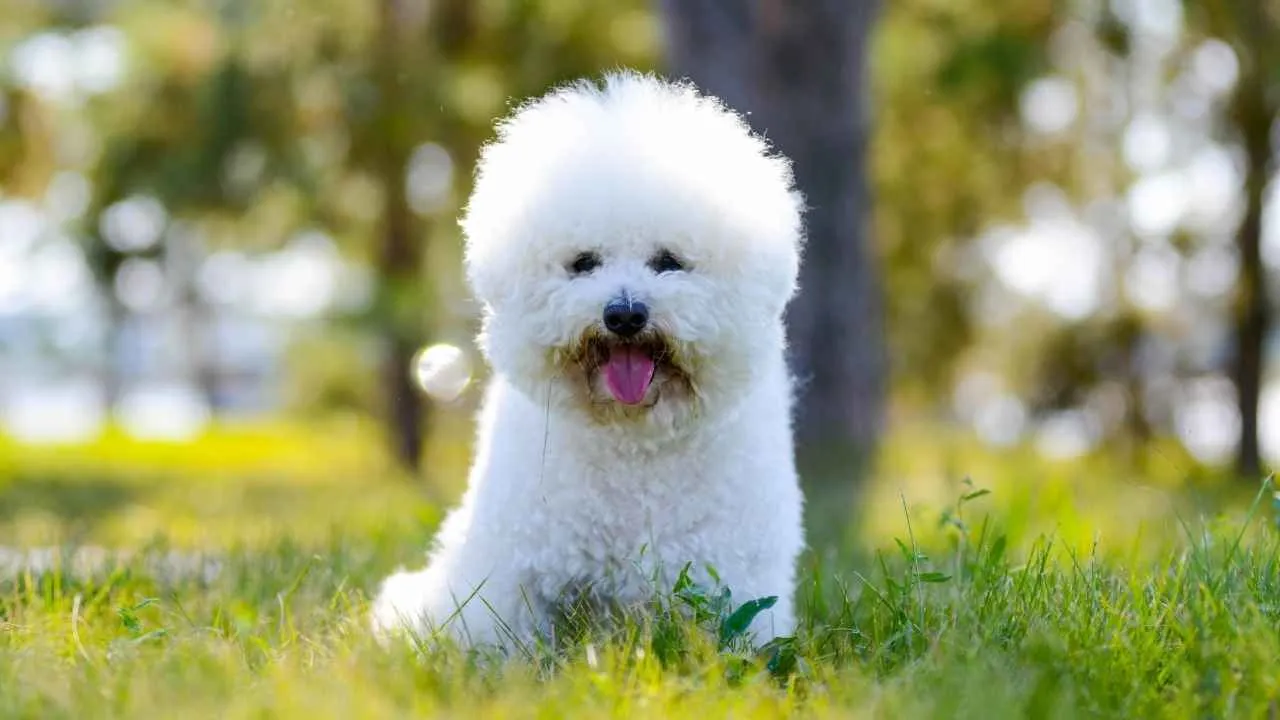
The Bichon Frise is a compact canine companion that stays small throughout its life, usually standing under 12 inches and weighing around 12–18 pounds, as mentioned by PetMD.
Its size makes it especially suitable for apartment living or homes with limited space, where a larger, energetic breed dog might feel overwhelming.
Despite its small frame, it carries a curious temperament, lively and social nature, often seeking interaction with people and adapting easily to family routines.
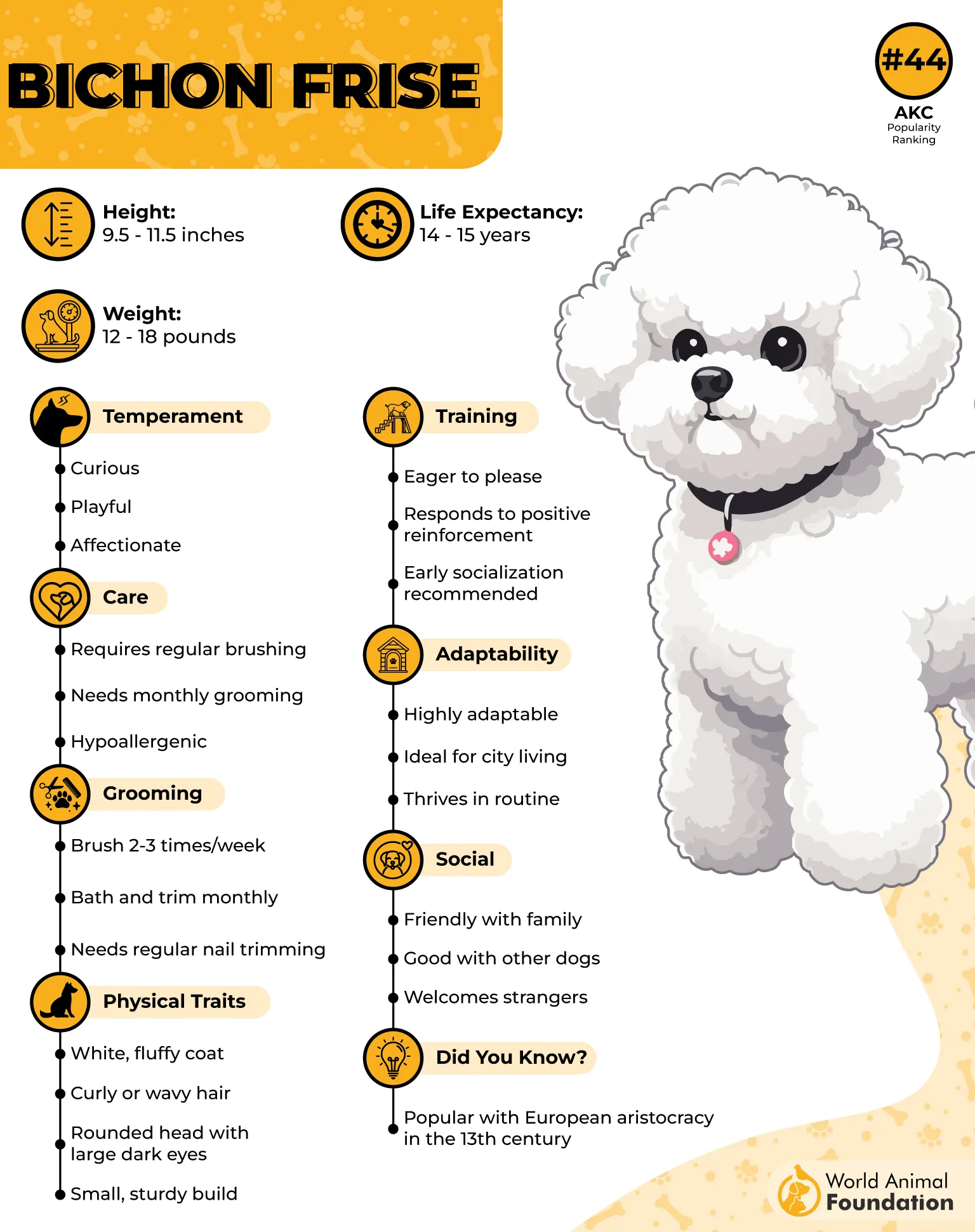
This very small breed is known for being people-oriented, enjoying close contact such as sitting on laps or following owners from room to room.
Its playful energy shows up in short bursts of indoor play, making this cuddly companion a good match for owners who can offer regular attention rather than long outdoor exercise demands.
Because it responds well to training and enjoys companionship, it tends to settle comfortably into daily household life once its basic activity needs are met.
Its consistently small size and easy adaptability make it a strong example of a great pet that remains petite while fitting smoothly into modern living spaces.
2. Maltese
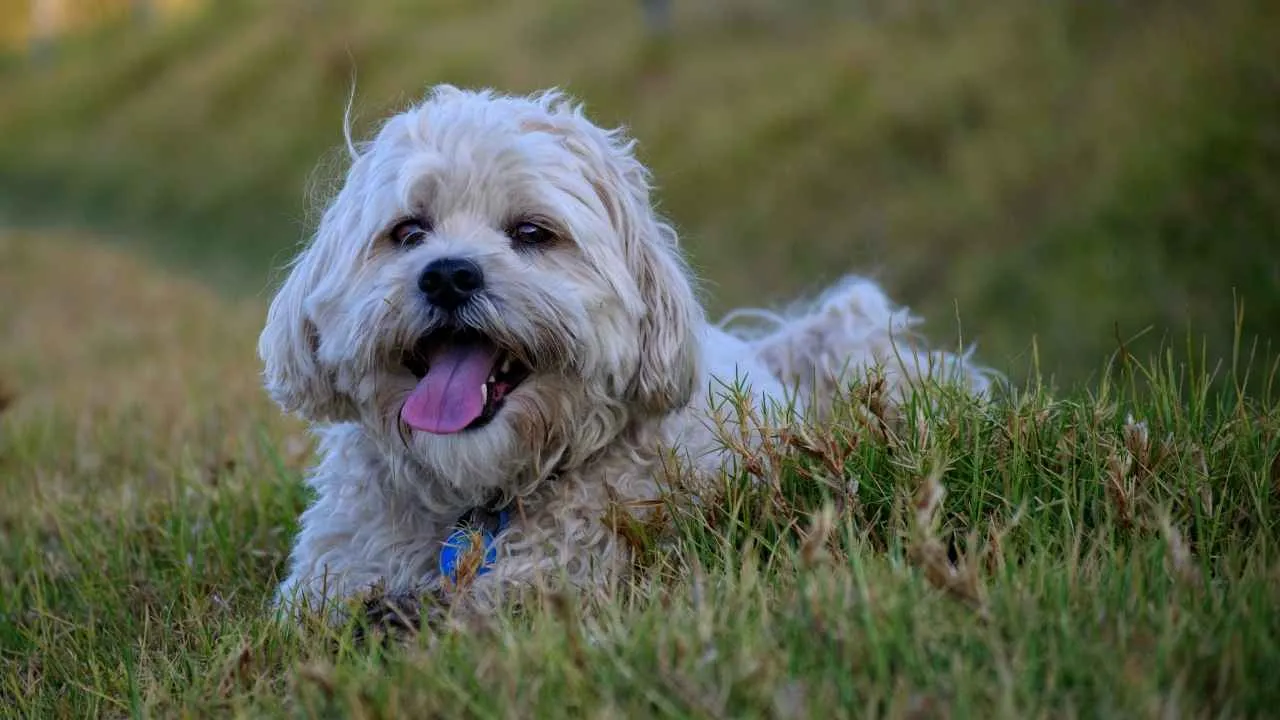
The Maltese is a tiny companion breed that stays delicately small into adulthood, typically weighing under seven pounds, and is known for its long, silky white coat, making it a popular choice for those seeking a small companion dog.

The Maltese’s beautiful, long, silky white coat requires consistent grooming, often needing near-daily brushing to prevent tangles and maintain its signature elegance, as noted by the ASPCA.
This breed has a long history as a close human companion, originally associated with Mediterranean households and later favored in refined domestic settings for its manageable size and affectionate nature.
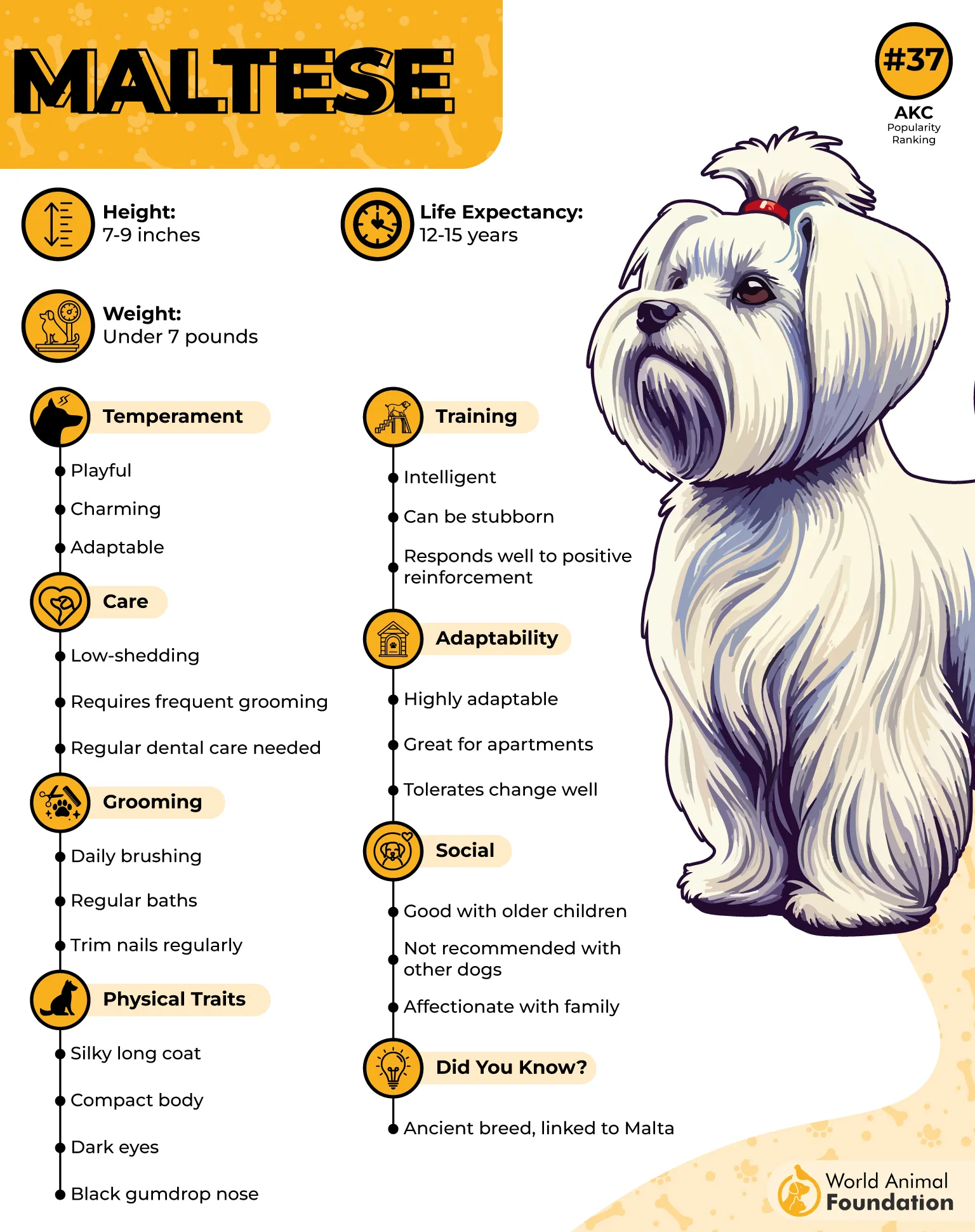
In everyday life, these gentle and affectionate companions tend to stay close to their caregiver, often following them from room to room rather than roaming independently. This makes it especially suited for people who want a constant, small presence at home.
Because of its strong attachment to people, it does best in environments where it receives regular attention throughout the day. Short play sessions indoors and gentle interaction are usually enough to keep it content.
It generally adapts well to calm households, but may struggle when left alone for long periods, preferring consistent companionship and routine over extended solitude.
3. Shih Tzu
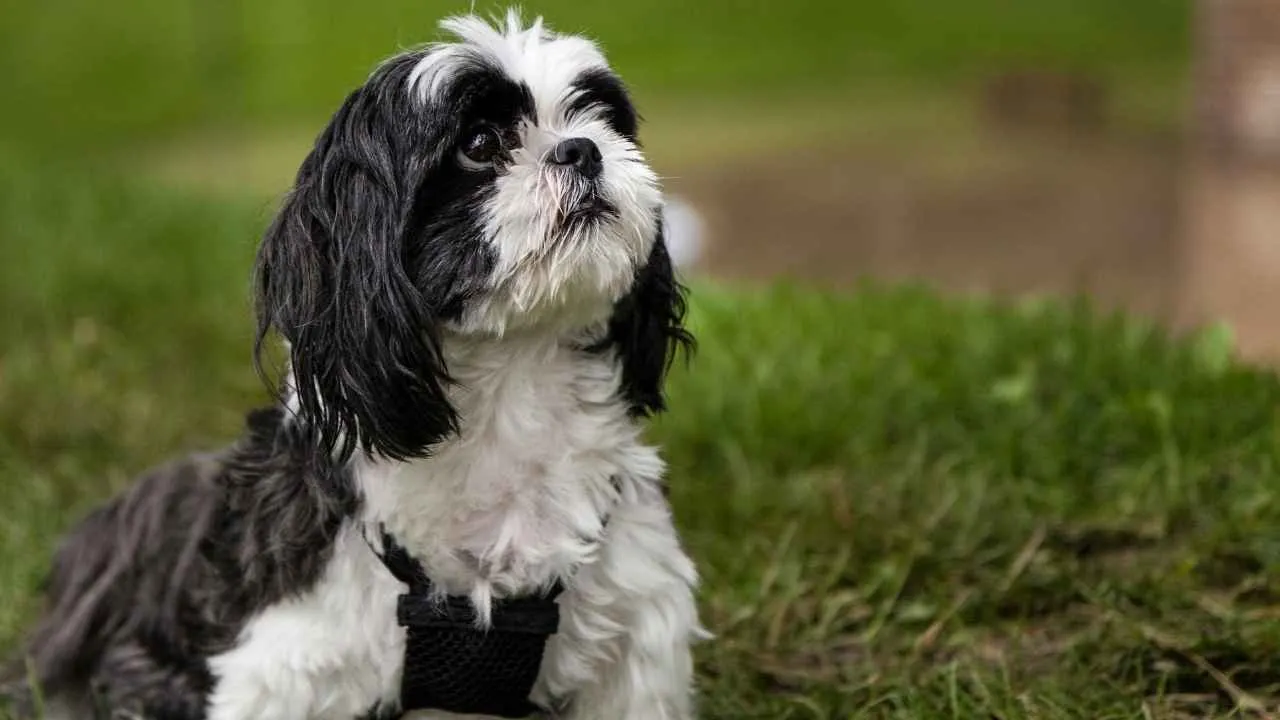
The Shih Tzu remains a compact dog breed that stays small forever, typically weighing between 9 and 16 pounds, with a low, sturdy build that suits indoor living.
Its size and calm indoor behavior make it especially suitable for apartments or homes where space is limited, as it does not require large areas to stay content.
Originally bred in China, this breed was historically kept as a companion in palace settings, which shaped its strong preference for human attention and indoor comfort.
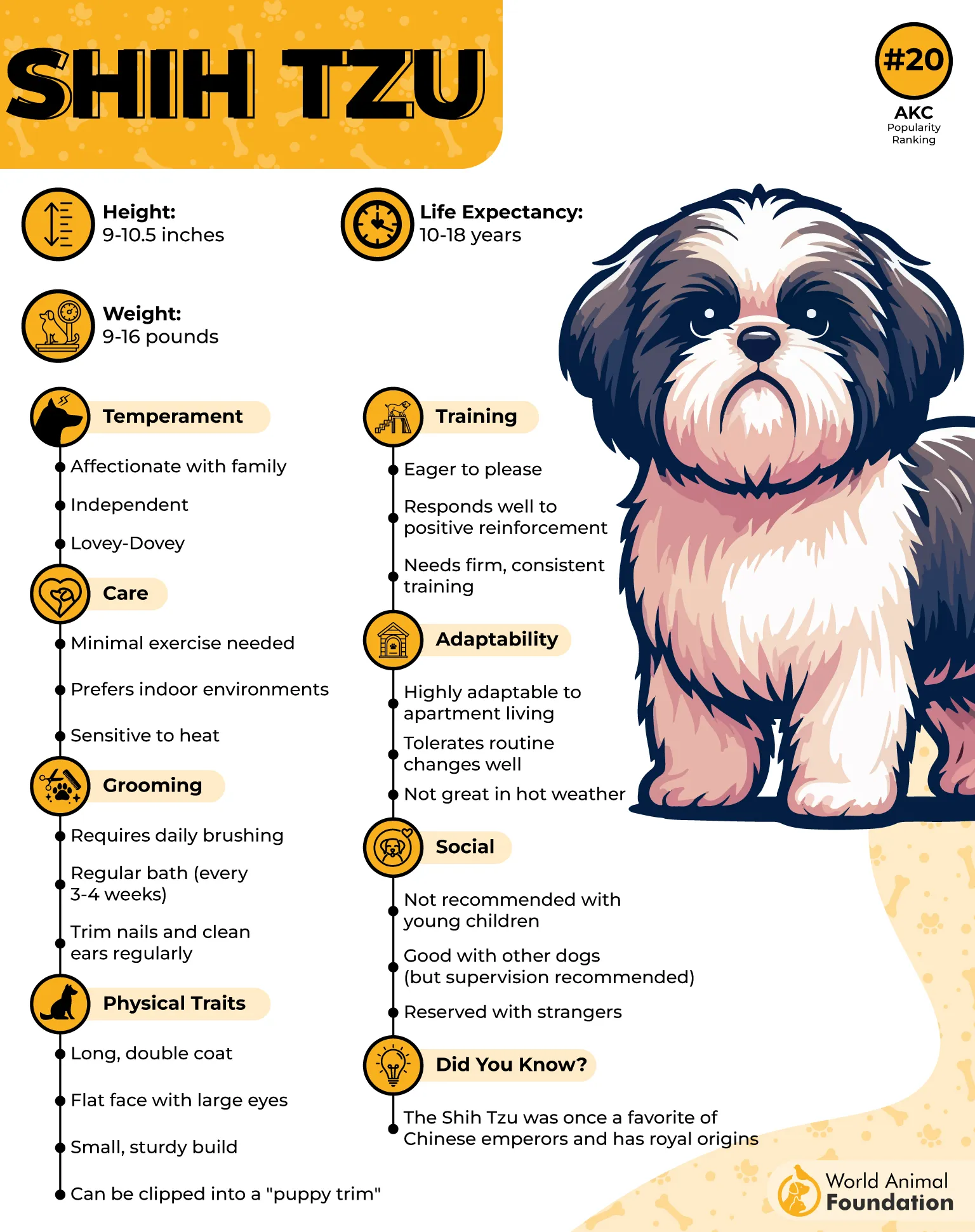
In everyday routines, it often stays close to its owners, choosing to rest nearby rather than roam independently. Its gentle nature makes it a steady presence in households that prefer a calm, manageable pet.
The coat is long and flowing, requiring regular brushing or trimming to keep it practical for daily living. While it enjoys short bursts of play indoors, it is generally not demanding in terms of exercise, making it suitable for people with quieter lifestyles.
Its affectionate temperament and small, stable size help it fit naturally into modern homes where a consistently petite companion is preferred.
4. Pomeranian
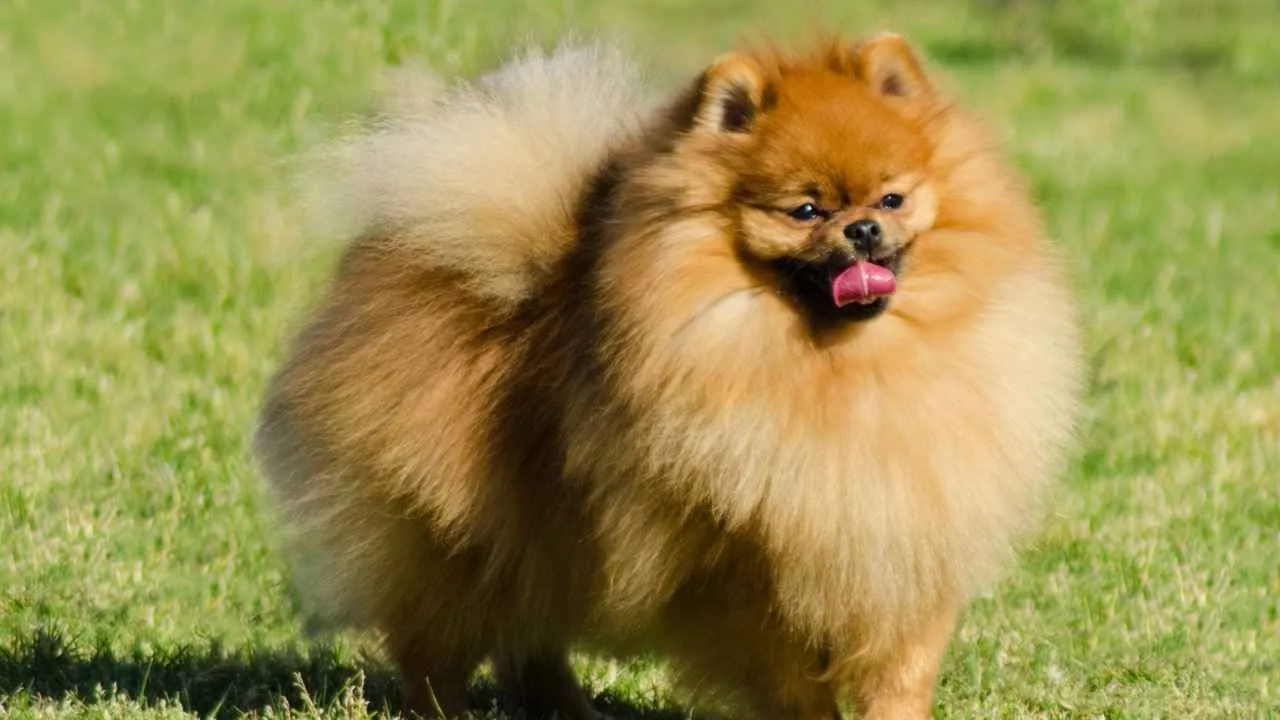
The Pomeranian is a tiny spitz-type companion that remains firmly in the toy-size category, usually weighing just a few pounds while maintaining a compact, fluffy frame that fits easily into small living spaces, as mentioned by Purina.
Its dense double coat creates a rounded, cloud-like appearance, giving it the look of a much larger personality packed into a very small body.
In everyday home settings, this small-scale dog tends to stay highly alert and active indoors, often moving quickly from room to room and reacting to sounds or movement around the house.
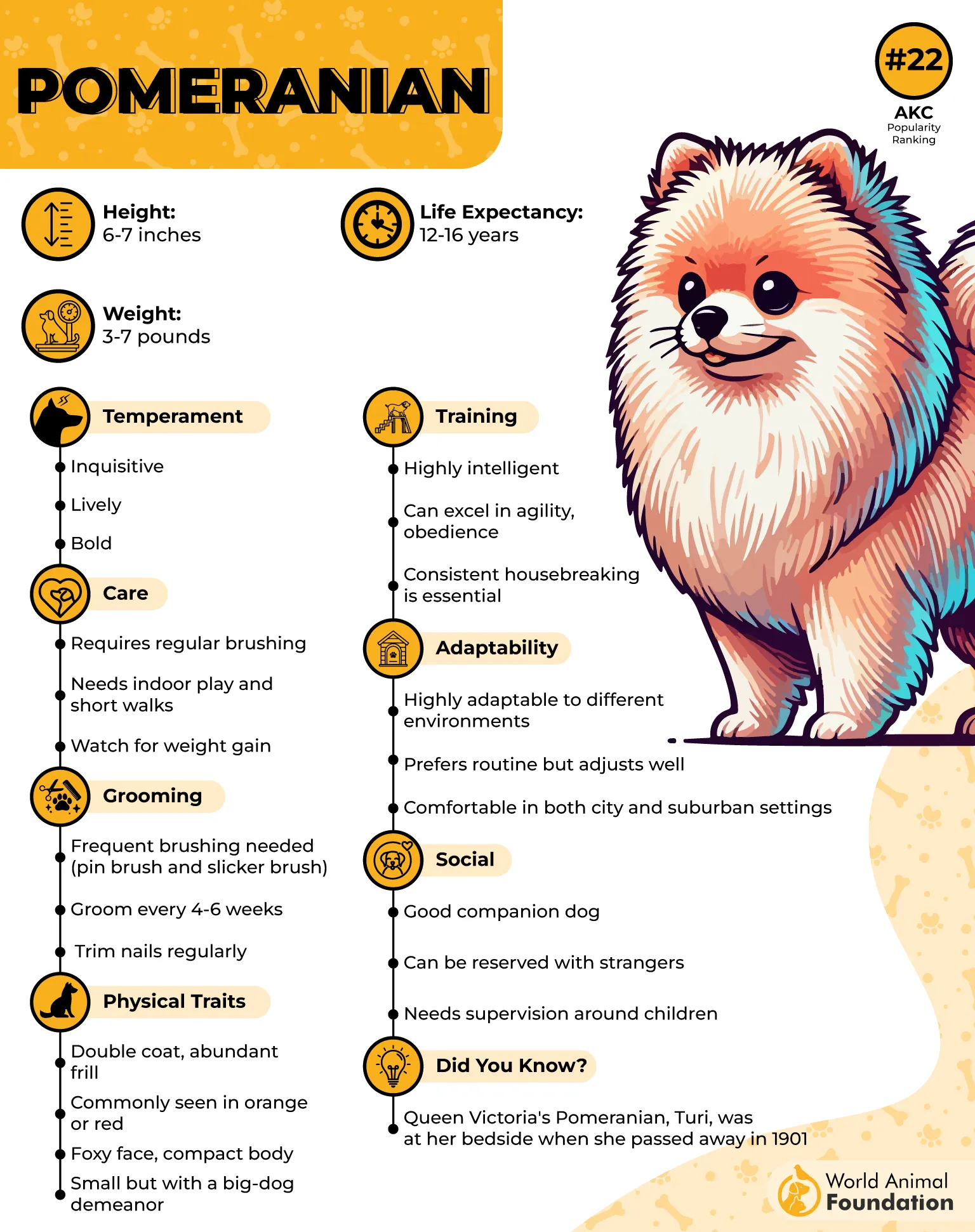
Because of its small structure, it is better suited to gentle handling and controlled environments where it can interact safely without rough play.
It typically forms strong bonds with its main caregiver and prefers staying close, often choosing to observe daily routines from nearby spots like sofas or laps.
While this lap dog enjoys bursts of energy and short play sessions, it does not require long exercise periods, making it manageable in compact homes.
Its expressive nature and constant awareness of surroundings make it feel like a lively presence in the household, offering companionship in a very small, consistently petite form that fits easily into modern indoor living.
5. Chihuahua
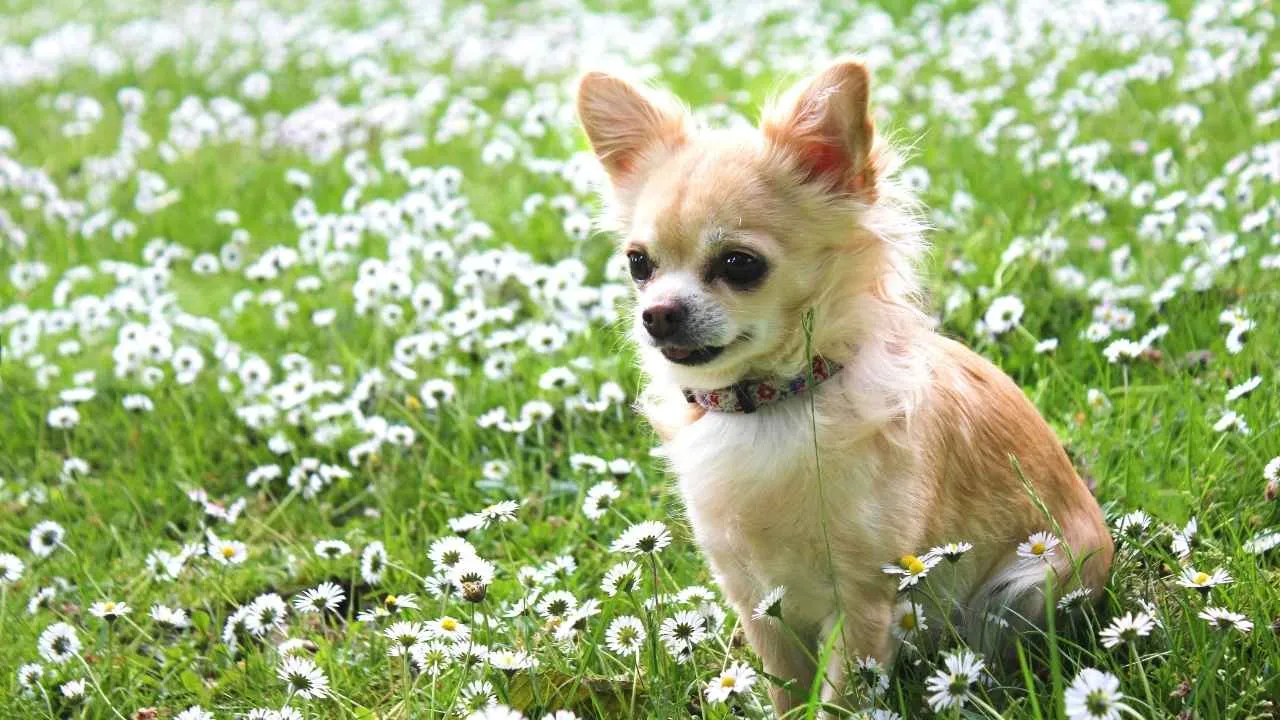
The Chihuahua is one of the tiniest companion dogs, typically standing just a few inches tall and weighing only a handful of pounds, which keeps it firmly in the “always small” category throughout its life.
Its compact frame makes it easy to manage in tight living spaces, where it can comfortably settle into blankets, cushions, or even small carry bags during travel.
Chihuahua is a confident and alert breed known for being exceptionally loyal, requiring training to manage their “big dog” attitude. In daily home life, this national dog breed tends to stay closely attached to its main caregiver, often choosing proximity over independence.
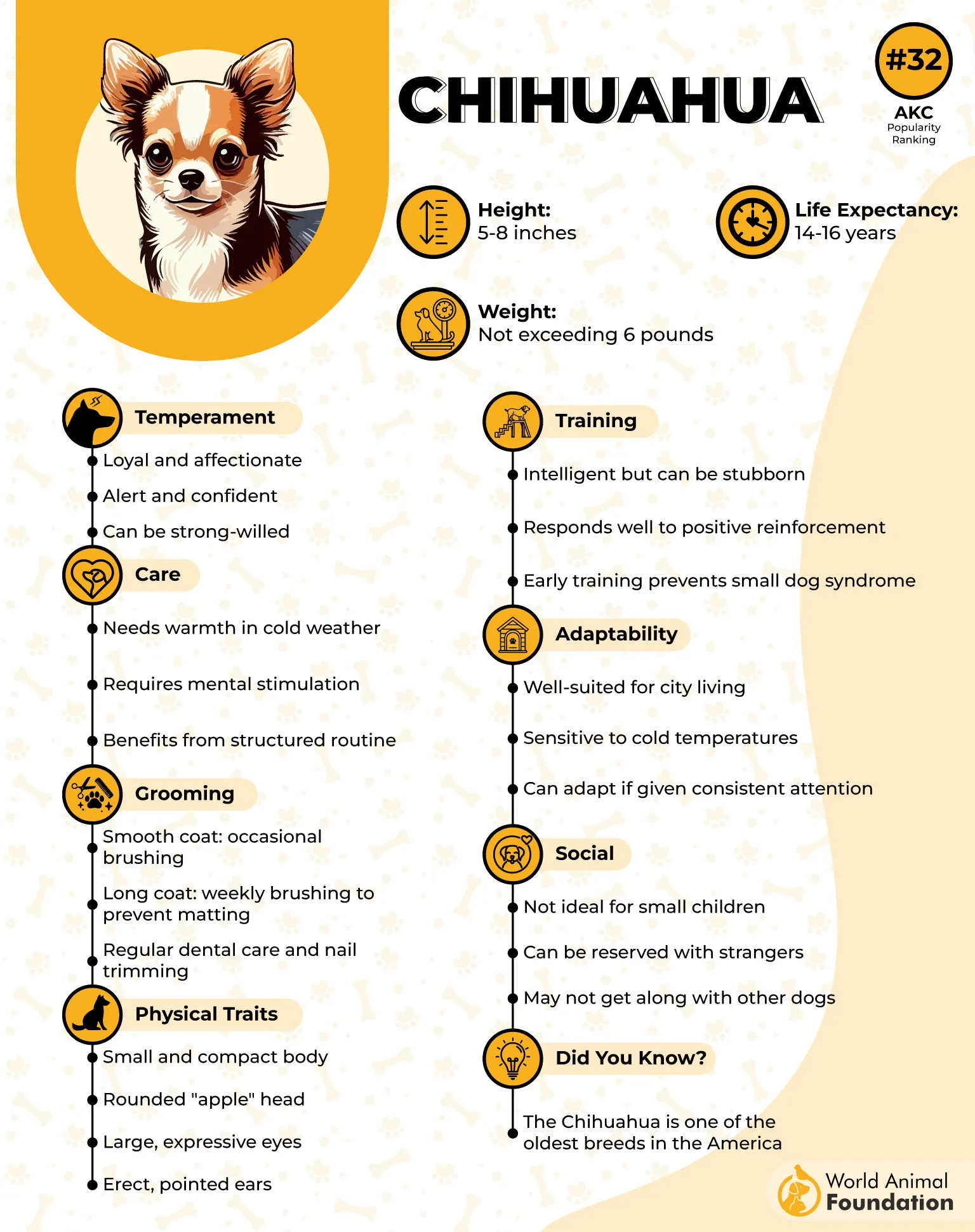
This watchdog and rat catcher breed moves easily around the house without needing much space, making it a practical option for apartments or compact urban living. Despite its size, it is alert and expressive, often reacting quickly to household sounds or unfamiliar movement.
Its small body structure means it benefits from gentle handling and calm surroundings, especially in busy households. Short play sessions indoors are usually enough to keep it engaged, as it prefers frequent companionship over long periods of activity.
Because it remains so lightweight and portable, it adapts well to routines where it can stay near its person throughout the day, reinforcing its role as a consistently petite and close-contact companion.
6. Havanese

The Havanese is a small companion breed that stays small forever, typically weighing under 13 pounds, making it well-suited for indoor living and smaller home environments.
Havanese dogs are known for being intelligent, outgoing, and affectionate, making them a great family dog. Its lightweight frame allows it to move comfortably in close quarters, where it often adapts easily to daily household routines without requiring large spaces.
This breed traces its roots to the Bichon family, with historical ties to Cuba, where it was kept as a close indoor companion. Over time, it developed a strong attachment to human interaction, often staying near people rather than spending time alone.
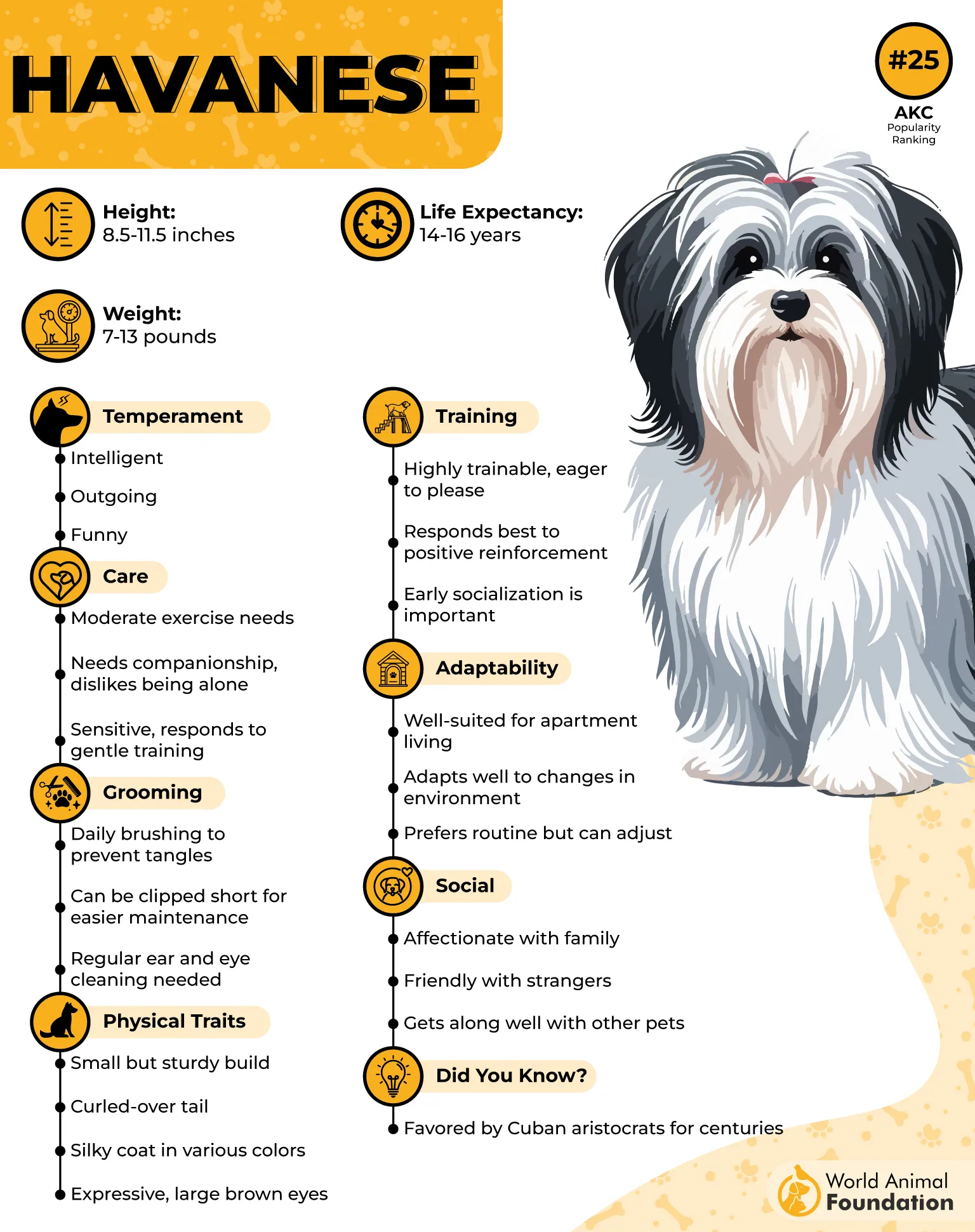
In modern homes, this little dog tends to follow its caregiver from room to room, preferring constant companionship and involvement in everyday activity.
Its soft, silky coat needs regular grooming to stay manageable in practical living conditions, especially for owners maintaining it as a household pet.
While it enjoys playful interaction and light indoor activity, it does not demand intense exercise, making it easier to care for in structured routines.
The Havanese remains a consistently petite companion that fits naturally into compact living spaces while offering steady, close-contact companionship.
7. Yorkshire Terrier
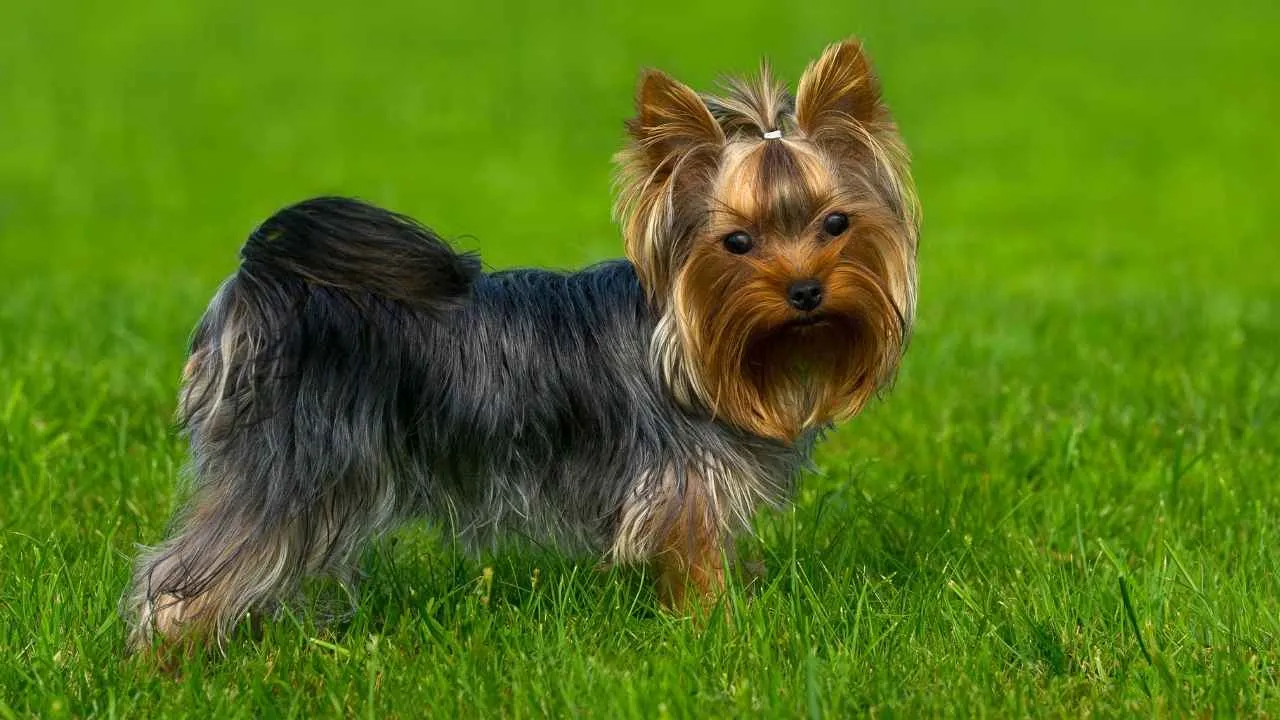
The Yorkshire Terrier, one of the consistently tiny dog breeds, typically weighs around 7 pounds or less and is known for its bold personality and hypoallergenic coat.
The long, silky coat of the Yorkshire Terrier requires regular grooming to keep it healthy and tangle-free, often needing daily brushing to prevent matting.
Its lightweight frame makes it easy to keep in close indoor spaces, where it can comfortably move around without needing much room.
The Yorkshire Terrier, specifically bred in England, was once used for catching small pests, but over time it transitioned into a close household companion.
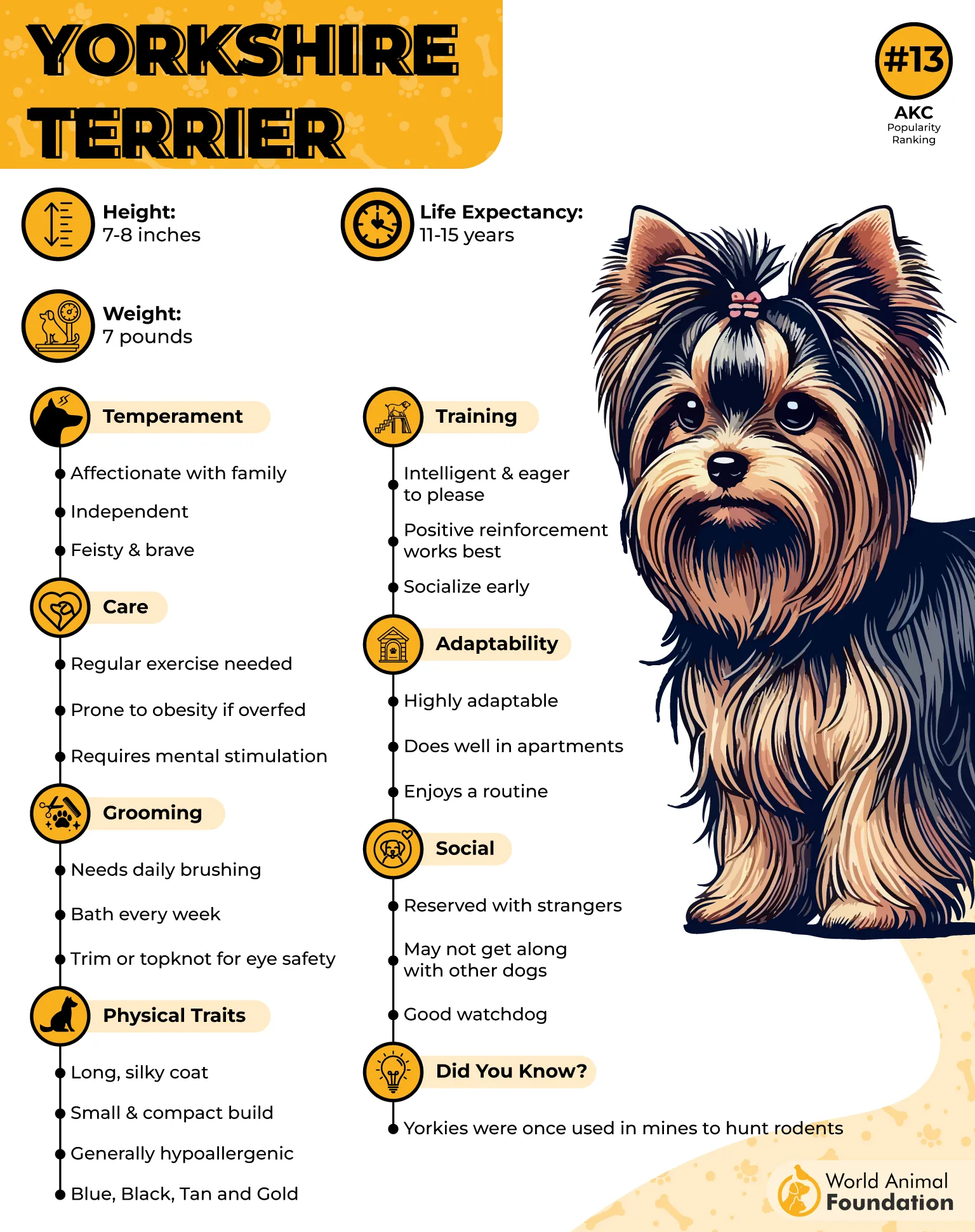
In everyday living, this hypoallergenic breed often stays very near its caregiver, choosing lap time or nearby resting spots rather than independent roaming. Its small size makes it highly portable, which is why it often fits well into travel-friendly routines or city lifestyles.
Despite their compact body, teacup Yorkies are naturally alert and energetic, often staying aware of sounds and movement around the home. Short bursts of indoor activity and interactive play are usually enough to keep it engaged.
One of the cutest dog breeds, it also adapts well to training and structured routines, making it a perfect dog companion, easier to manage in modern homes where space is limited but companionship is valued.
Conclusion
Small companion dogs bring a unique mix of charm, convenience, and personality that fits naturally into modern living spaces. Their compact size makes them easy to manage in apartments, smaller homes, and urban settings where space is limited.
Despite their petite build, they often display lively, affectionate, and expressive temperaments that create strong bonds with their caregivers. Many adapt well to indoor routines, needing only moderate activity and consistent companionship.
Their portability and close-contact nature make them ideal for people seeking a manageable yet emotionally engaging pet that stays comfortably small throughout life.
