




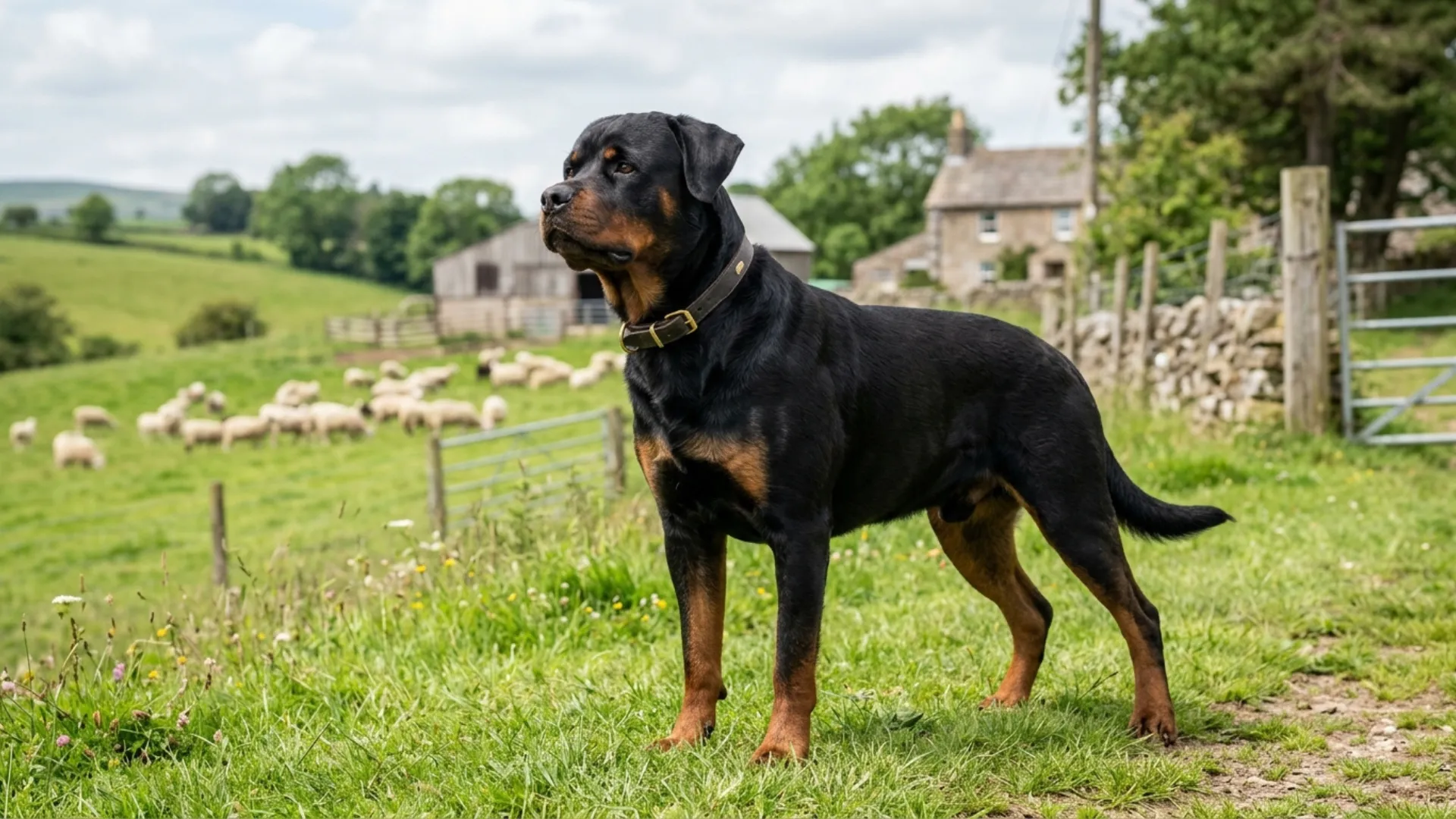
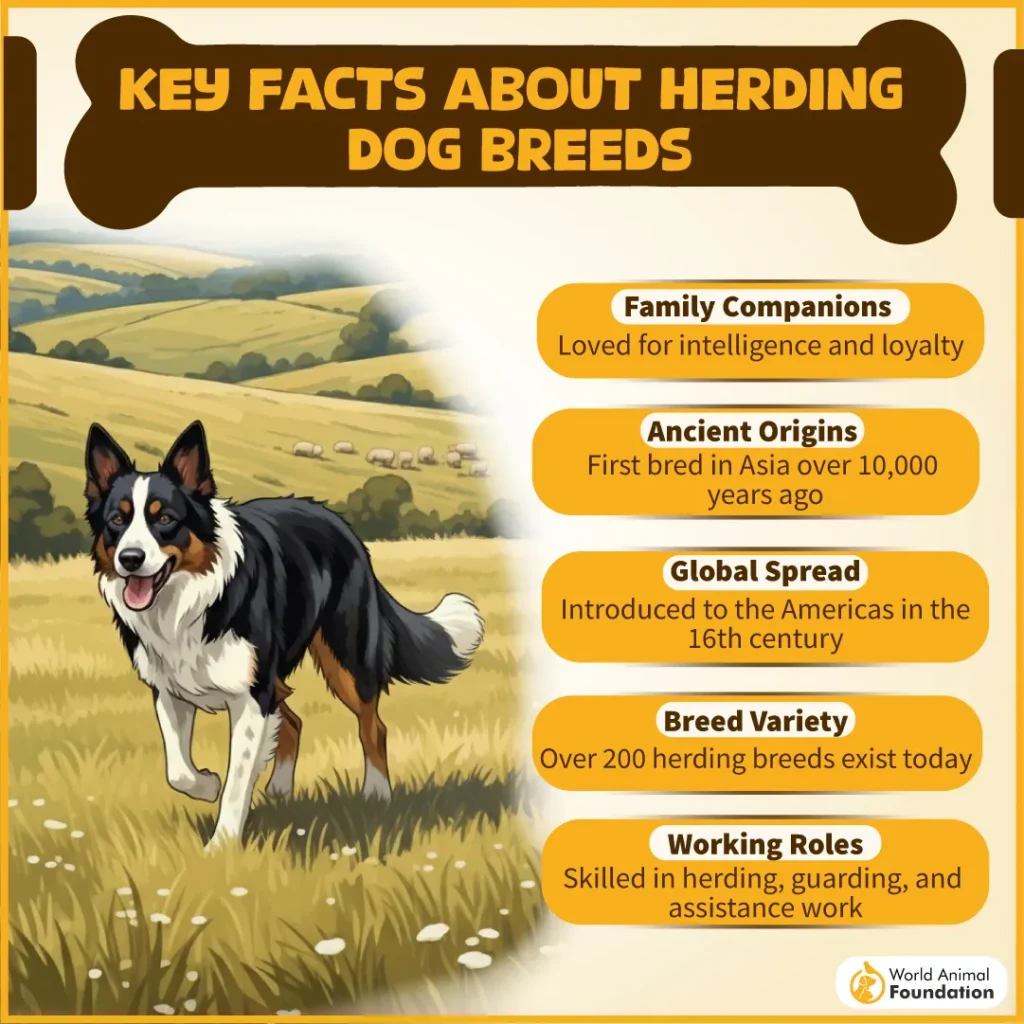
Some dogs were bred to cuddle on couches. Others were literally developed to protect livestock from wolves, move stubborn cattle across rough terrain, and stand guard over farms for hours without backup. Herding and guardian breeds belong to that second category.
What makes these dogs fascinating is the balance between intelligence and instinct. Guardian breeds, meanwhile, require confidence, territorial awareness, and calm decision-making under pressure. When a breed combines both skill sets, you get dogs that are basically the multitaskers of the canine world.
Many of these breeds date back centuries and were developed in mountain regions, open farmland, and harsh climates where humans depended on them daily. Modern owners may not need protection from wolves anymore, but these dogs still carry the same instincts today.
But owning one is not like adopting a casual companion breed. These dogs are intelligent, energetic, emotionally intense, and often highly independent. If under-stimulated, they can become destructive, stubborn, or overly protective.
These breeds represent some of the most capable canine workers on the planet. Let’s break down seven mighty breeds that excel at both herding and protection.
Mighty Dog Breeds Suited for Herding and Guard Duty
1. Briard
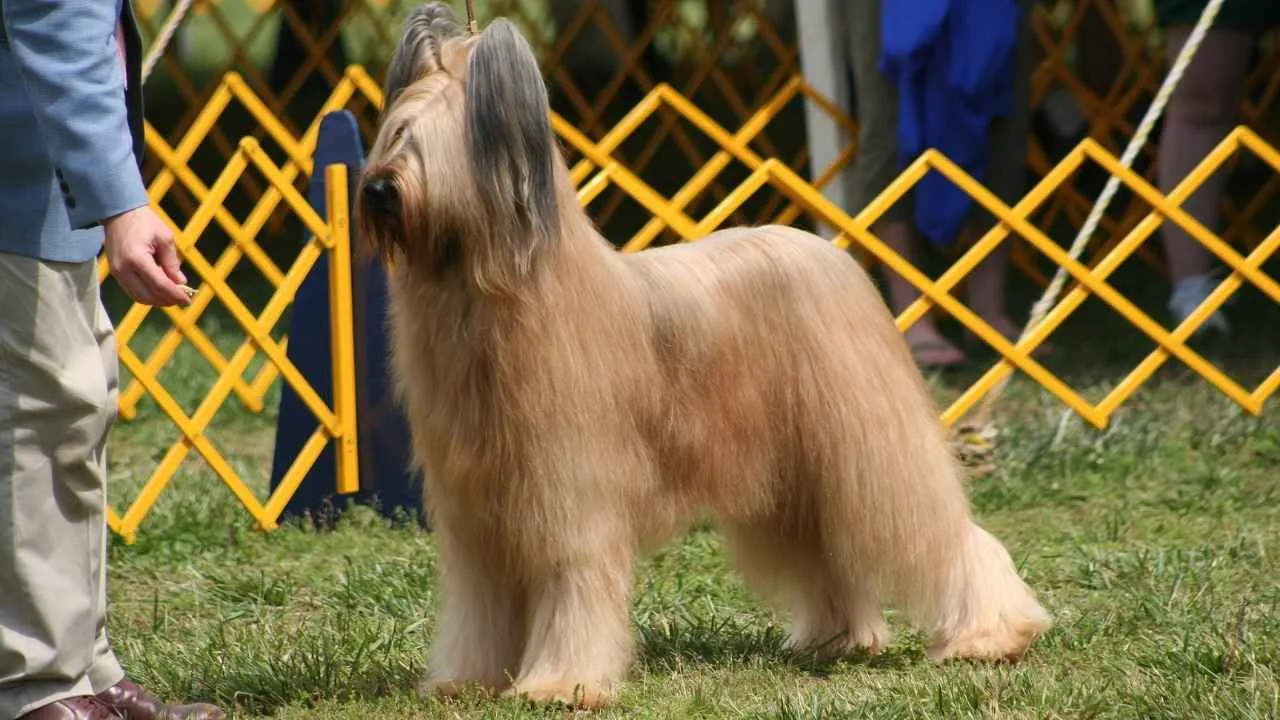
The Briard is one of France’s oldest herding and guardian breeds, with records dating back hundreds of years. Historically, it protected sheep from wolves while also guiding livestock across open farmland.
This dual-purpose role shaped the breed’s intelligence, courage, and strong protective instincts. Even today, this dog is known for balancing calm companionship with serious working ability.
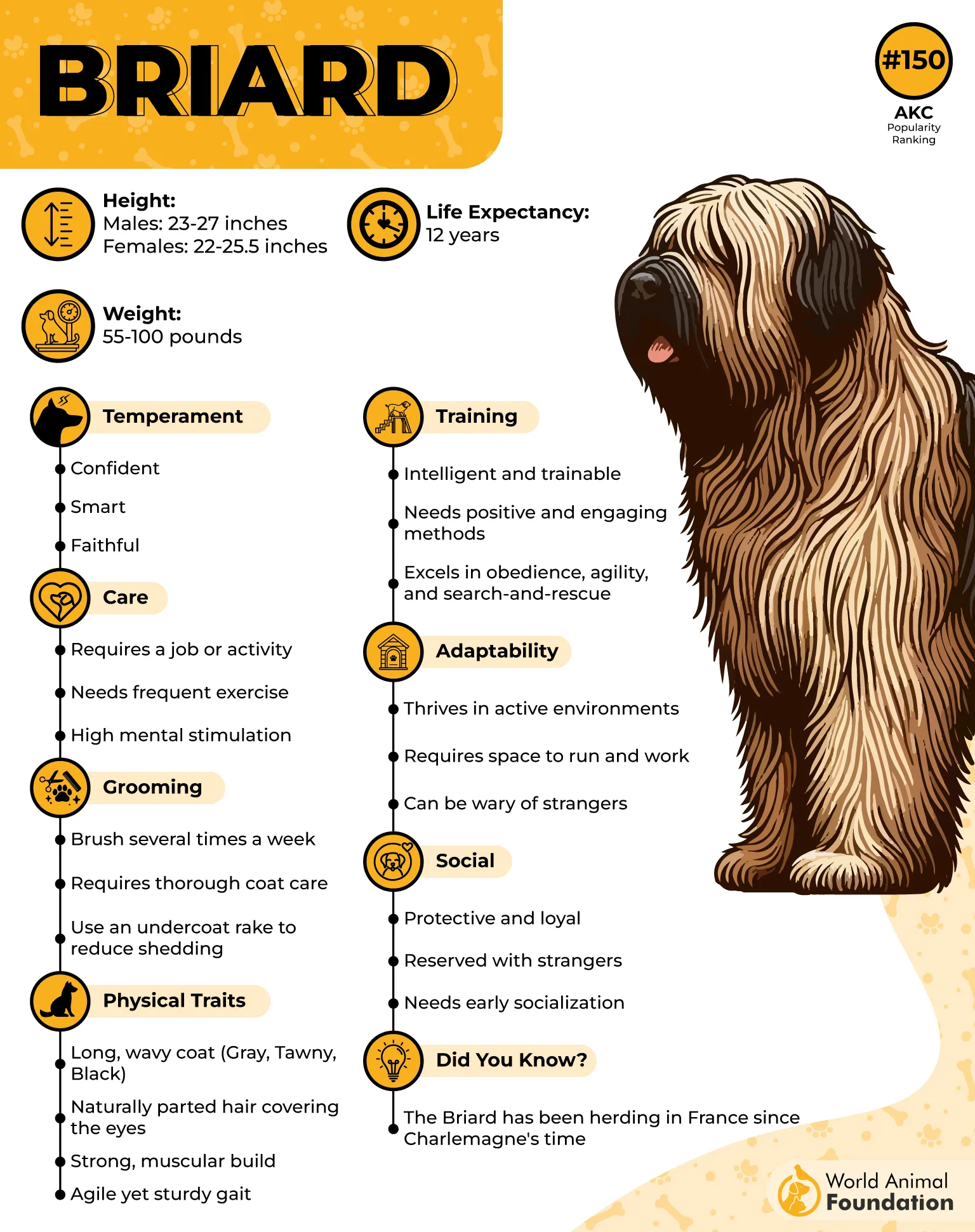
Physically, these perfect farm dogs are instantly recognizable because of their long, flowing coat and expressive eyes hidden beneath thick hair.
Despite their elegant, fluffy appearance, these dogs are muscular, athletic, and surprisingly agile. Their movement is often described as smooth and gliding rather than heavy or clumsy.
Briards are highly attached to their families and often form deep emotional bonds with children. Many owners describe them as “Velcro dogs” because they constantly monitor family members throughout the day.
However, their herding instinct can sometimes appear as gentle nudging or attempts to “organize” children and pets. Early training helps redirect those instincts appropriately.
Dog trainers say their intelligence is one of their strongest traits, but it also means they dislike repetitive or harsh training methods. Briards respond best to positive reinforcement and structured leadership built on trust.
Because they were bred to work independently, they may occasionally question commands rather than obey instantly. Training a Briard often feels less like commanding a dog and more like negotiating with a very hairy coworker.
Reason for Popularity: Emotional Awareness. They seem unusually tuned into human moods and household tension.
2. Rottweiler
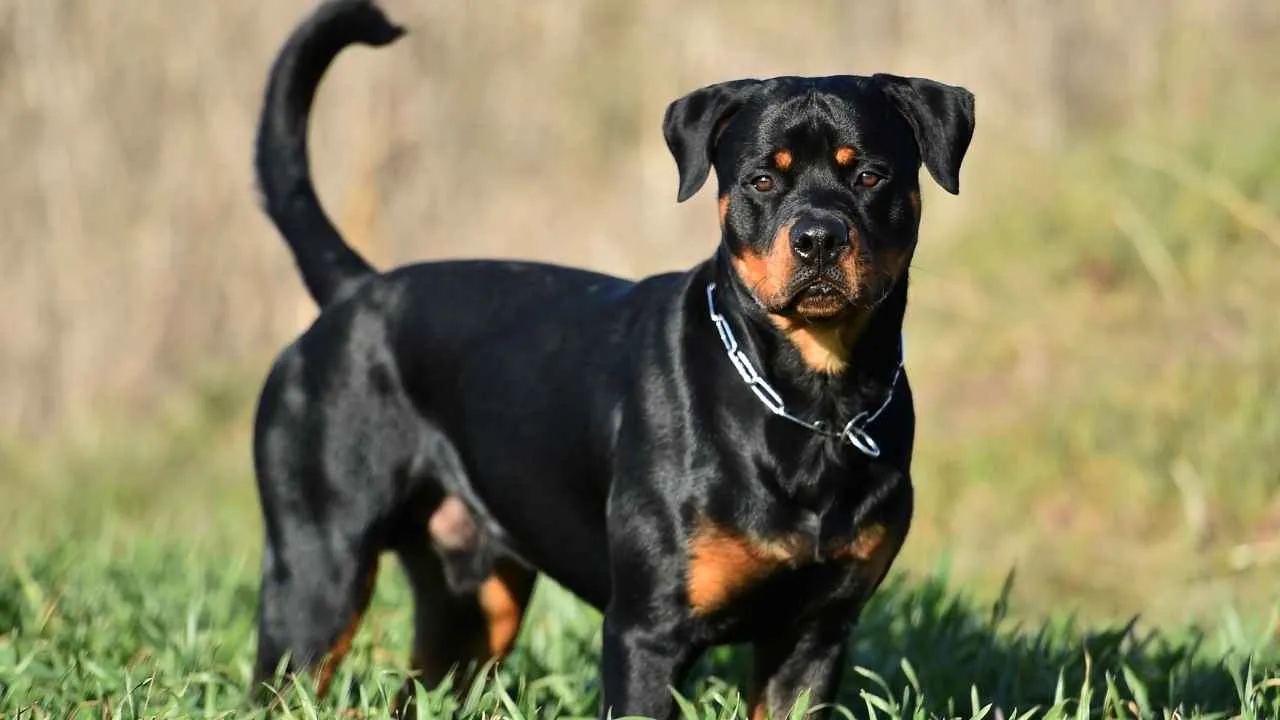
The Rottweiler traces its ancestry back to the Roman Empire, where powerful drover dogs were used to move cattle and guard supplies. Over time, these dogs evolved into one of the world’s most recognizable protection breeds.
Their reputation as fearless guardians comes from centuries of real-world experience rather than internet hype. Even without formal protection training, most Rottweilers naturally monitor territory and family members.
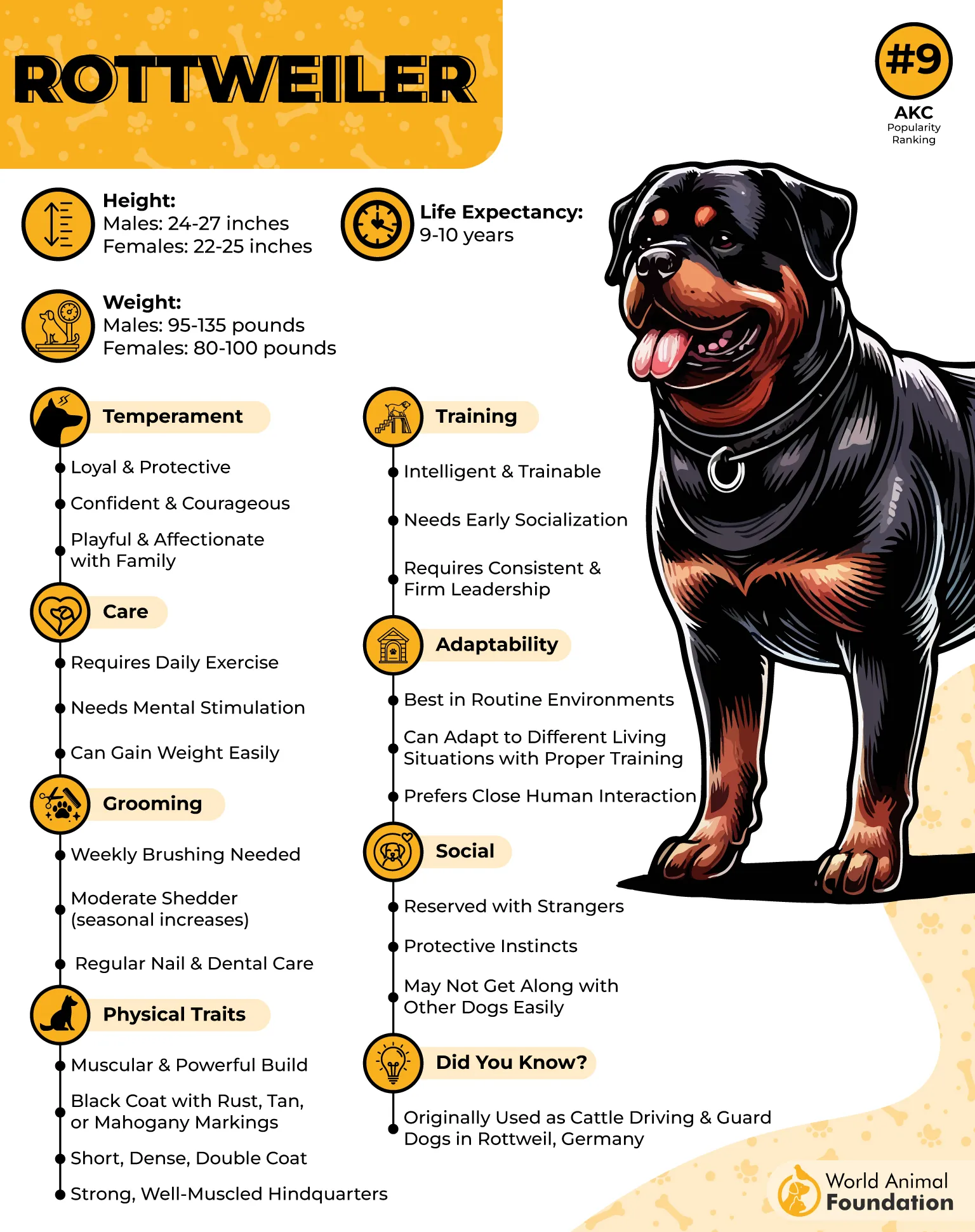
Physically, they are massive, muscular dogs with broad chests and immense strength. Their powerful frame gives them an intimidating presence even when standing still. With their confident posture, they naturally deter intruders without resorting to excessive aggression.
The AKC describes them as “silent guardians” because they don’t waste energy on unnecessary chaos.
Training is absolutely critical for this breed, given its size and strength. A poorly socialized Rottweiler can become difficult to manage simply because of its physical power.
Early obedience work, confidence-building, and positive social exposure are essential for developing stable adult behavior. Responsible training helps them distinguish between genuine threats and normal daily situations.
Reason for Popularity: Psychological Deterrence. Their reputation alone often discourages unwanted visitors or intruders before conflict even begins.
3. Polish Lowland Sheepdog
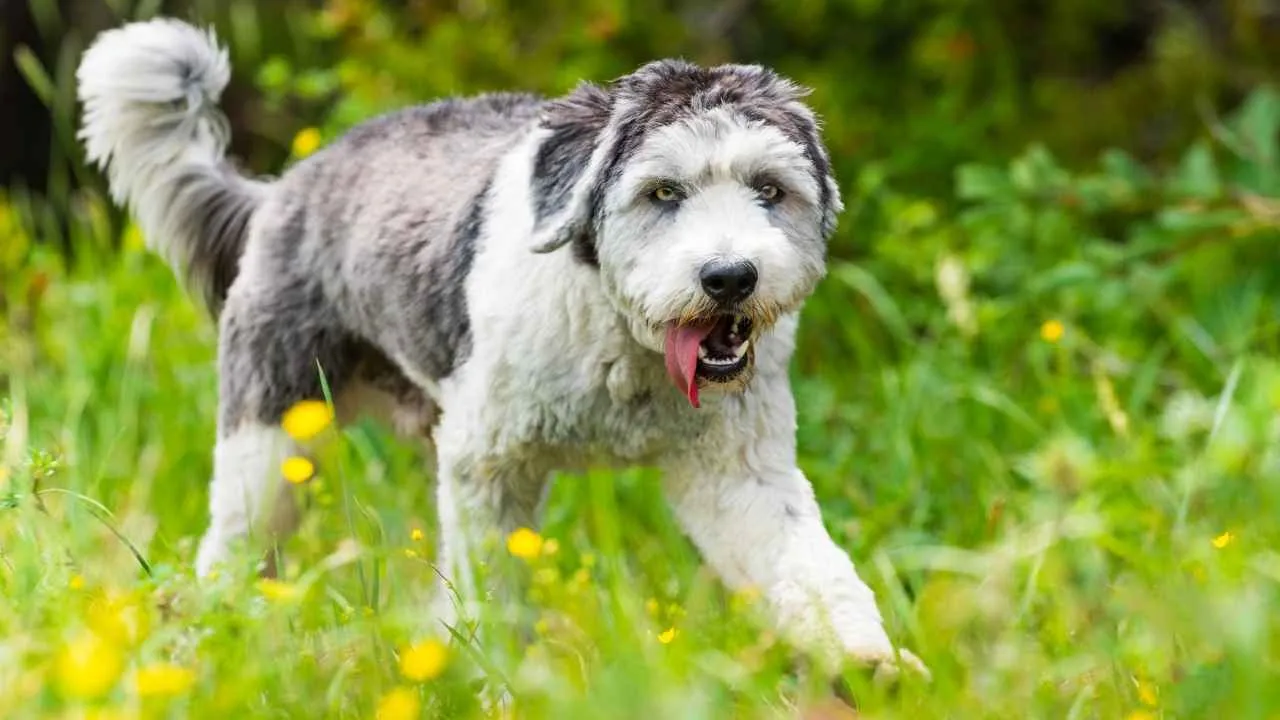
The Polish Lowland Sheepdog, often shortened to PON from its Polish name Polski Owczarek Nizinny, is one of Europe’s lesser-known but highly capable herding breeds.
Developed in Poland centuries ago, Purina says these dogs were used for both livestock herding and flock protection. Farmers valued them because they combined intelligence, endurance, and natural alertness in one compact working dog.
Historically, the breed likely descended from Central Asian and Tibetan-type herding dogs mixed with Hungarian working breeds. Some historians even believe PONs influenced the development of the Bearded Collie in Scotland.
It is medium-sized but sturdy and muscular beneath its thick coat. Its expressive eyes are often partially hidden beneath long facial hair, giving them a permanently thoughtful expression. It basically looks like wise farm dogs that know everyone’s business.
PON is highly intelligent and naturally suspicious of unfamiliar people, making it an excellent watchdog. It quickly notices environmental changes and is rarely unaware of what’s happening around it. However, unlike aggressive protection breeds, it usually prefers to alert owners rather than escalate situations physically.
Agility, scent work, obedience training, and advanced trick routines all help keep these dogs mentally balanced.
Reason for Popularity: Versatility. It combines herding ability, watchdog awareness, family companionship, and adaptability into one medium-sized package.
4. Bergamasco Sheepdog
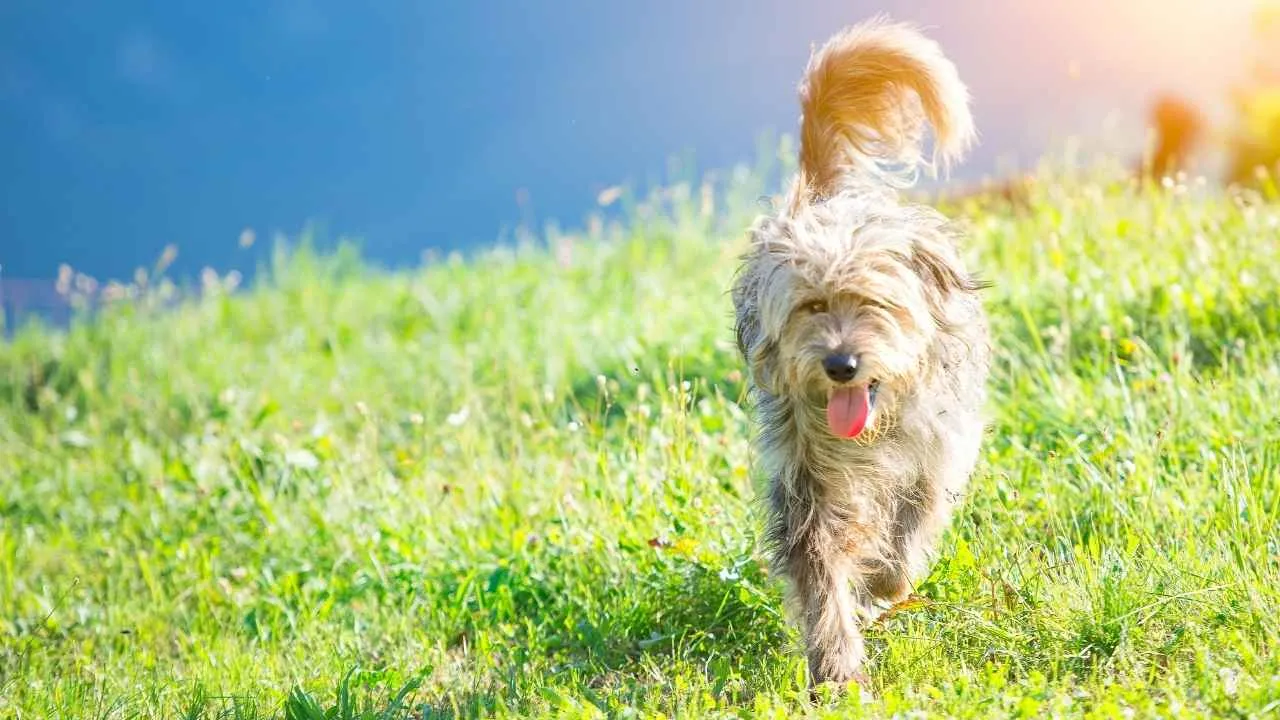
The Bergamasco Sheepdog comes from the Alpine regions of northern Italy, where it spent centuries herding and protecting livestock in rough mountain terrain. Shepherds needed dogs capable of working independently while remaining calm and reliable under pressure.
That environment shaped the Bergamasco into a breed known for patience, endurance, and balanced judgment. Unlike hyper-reactive working dogs, they were originally bred to think carefully before reacting.
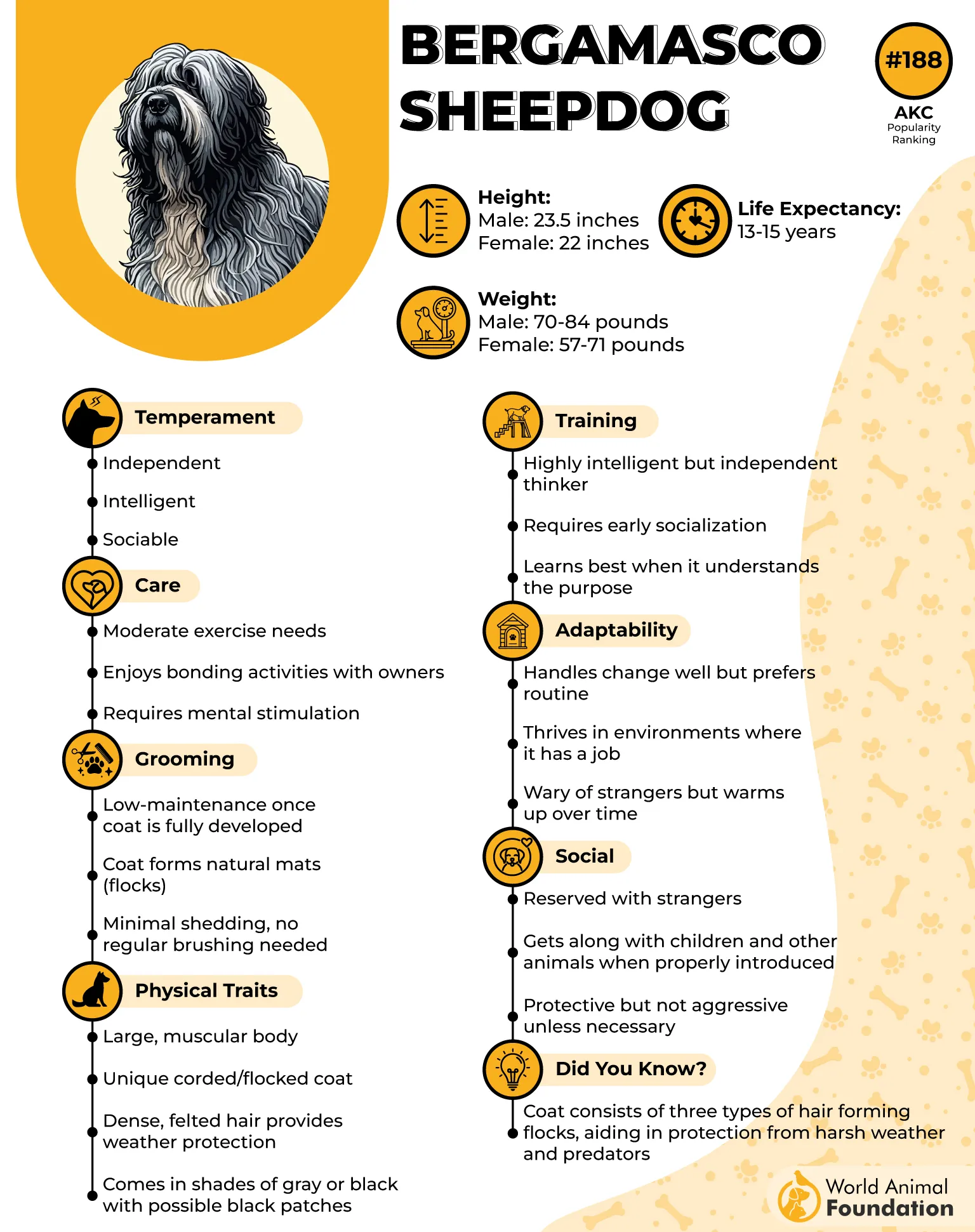
The first thing most people notice about the Bergamasco is its unusual coat. Their dense, naturally matted “flocks” are not just aesthetic—they evolved as protection against cold weather, rain, and predator bites.
Beneath the coat is a surprisingly athletic and agile dog capable of moving confidently across difficult terrain.
They are calm, observant, and deeply people-oriented. They are affectionate with family members but often reserved around strangers until trust is established. Unlike breeds bred for explosive response work, Bergamascos rely more on steady confidence and environmental awareness.
Their intelligence is highly practical rather than flashy, says Showsight Magazine. Bergamascos excel at problem-solving and independent work, but are not “perform tricks endlessly for attention” type dogs. Training works best when sessions are varied, engaging, and respectful.
Exercise requirements are moderate to high. Long walks, hiking, obedience work, and mentally stimulating activities help keep them fulfilled.
Reason for Popularity: Its psychological balance. Bergamascos are rarely described as nervous, chaotic, or overly aggressive.
5. Puli
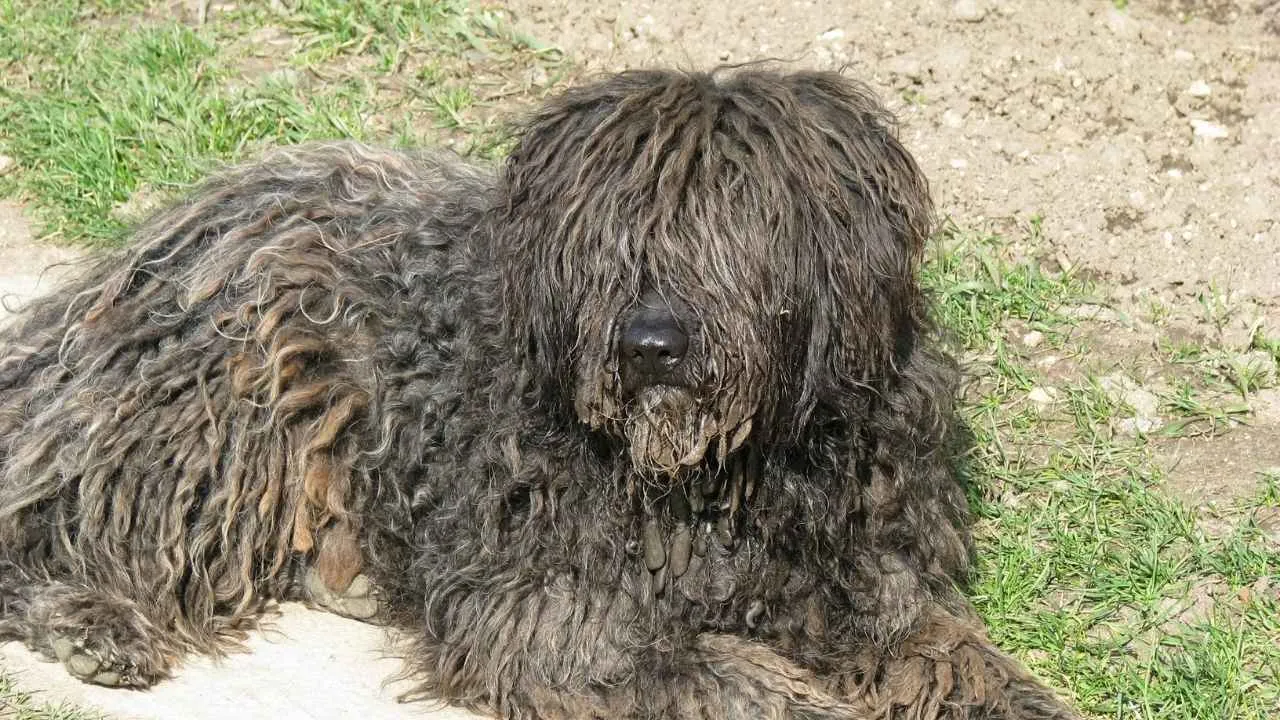
The Puli is one of Hungary’s most iconic herding breeds and is instantly recognizable because of its naturally corded coat. Historically, Pulik worked alongside shepherds to move and manage livestock across open land.
Their compact size, speed, and agility made them incredibly effective at controlling sheep and other animals. Despite their funny mop-like appearance, Chewy says they were serious working dogs for centuries.
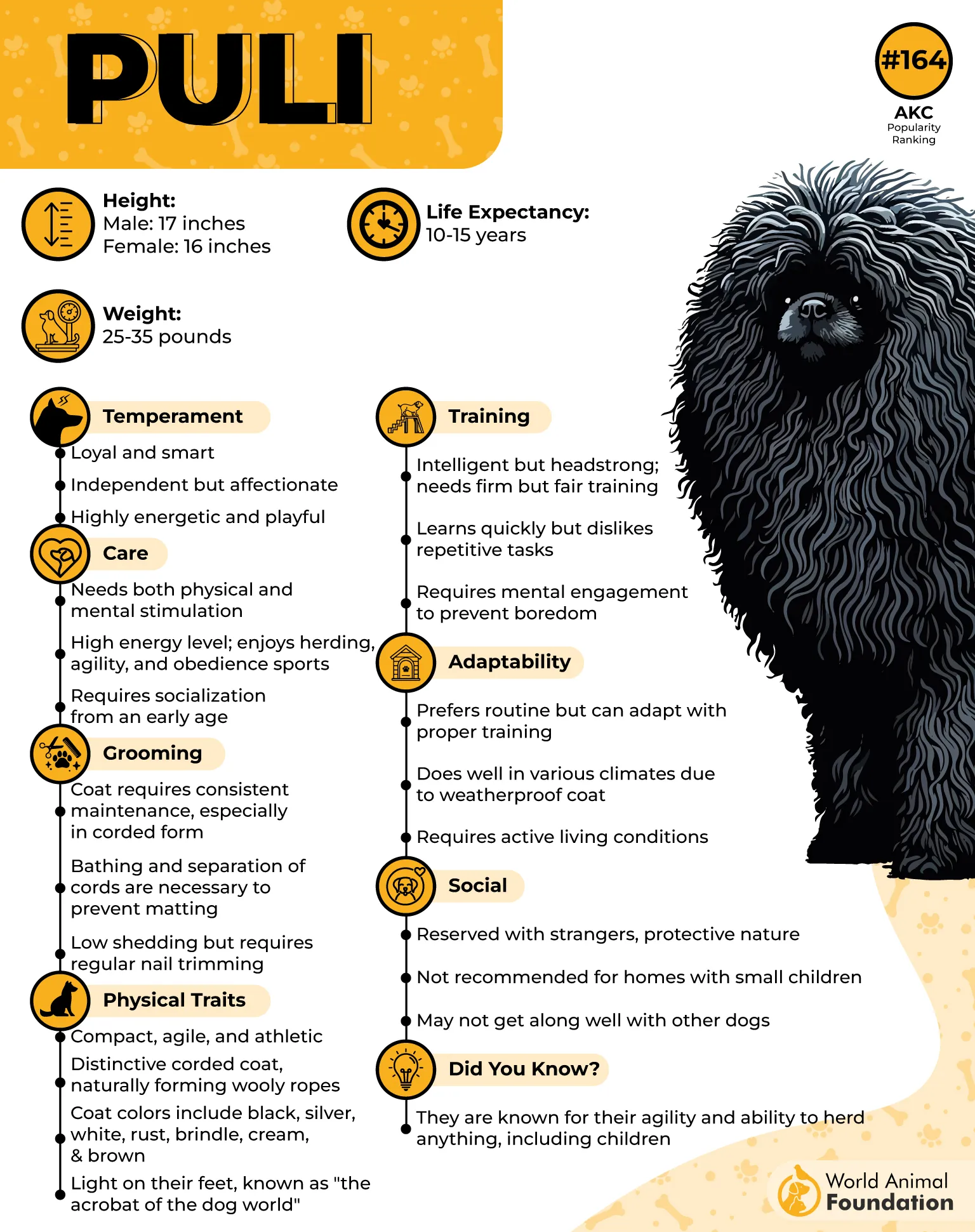
The breed traces back to Hungarian pastoral dogs brought westward by the Magyars over 1,000 years ago. Shepherds valued Pulik for their intelligence, energy, and responsiveness to human direction. Their corded coat provided insulation against harsh weather while protecting them from bites and environmental conditions.
It’s basically nature’s built-in armor system.
Pulik are extremely alert and deeply attached to their owners. They naturally monitor movement and quickly react to environmental changes. Because of this, they often become excellent watchdogs despite their medium size. Many owners describe them as tiny security guards with permanent “online status.”
Unlike some herding breeds that rely heavily on staring or crouching, these high-energy dogs use fast movement and body positioning to control livestock. They are agile, quick-thinking, and capable of changing direction instantly.
Reason for Popularity: Loyalty. Many Pulik instinctively check on their owners during walks or outdoor activities.
6. Belgian Malinois
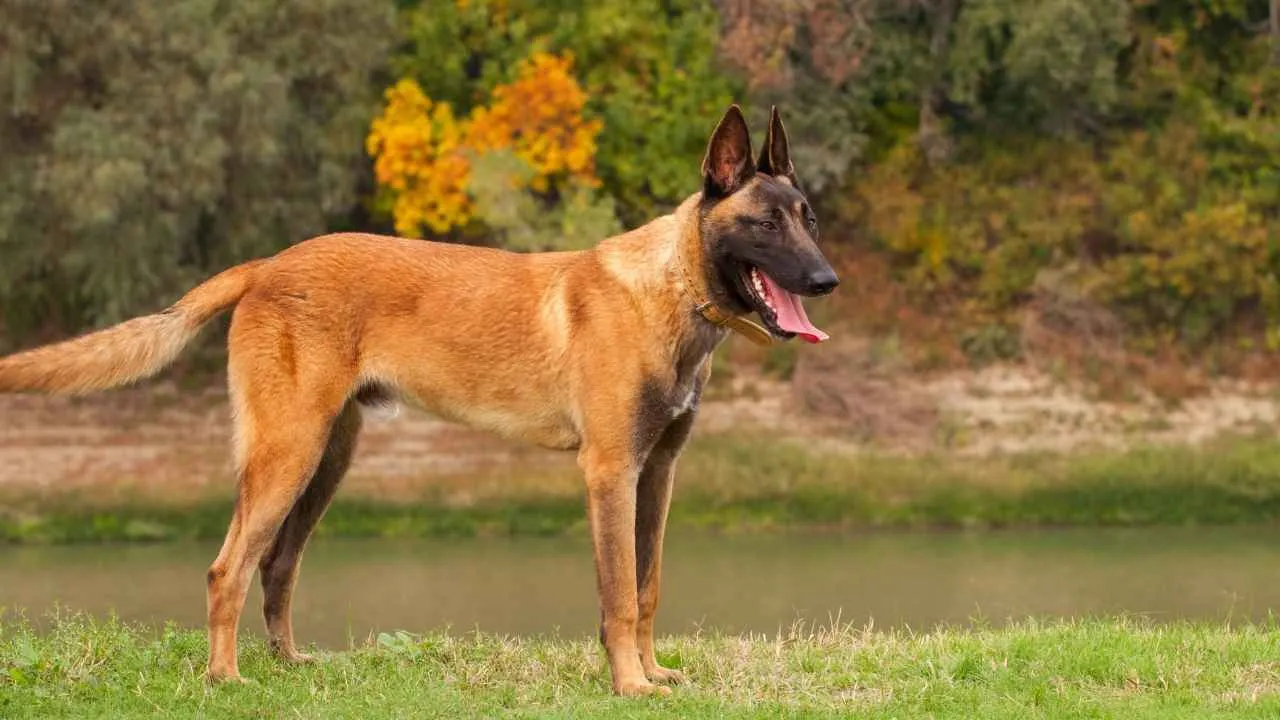
The Belgian Malinois is one of the most intense and high-performance working dogs in the world. Originally developed as a herding breed in Belgium, the Malinois later became famous for its intelligence, athleticism, and relentless work ethic in military, police, and protection work.
Today, they are widely used by elite military and law enforcement units globally. This breed basically operates as a canine special forces recruit.
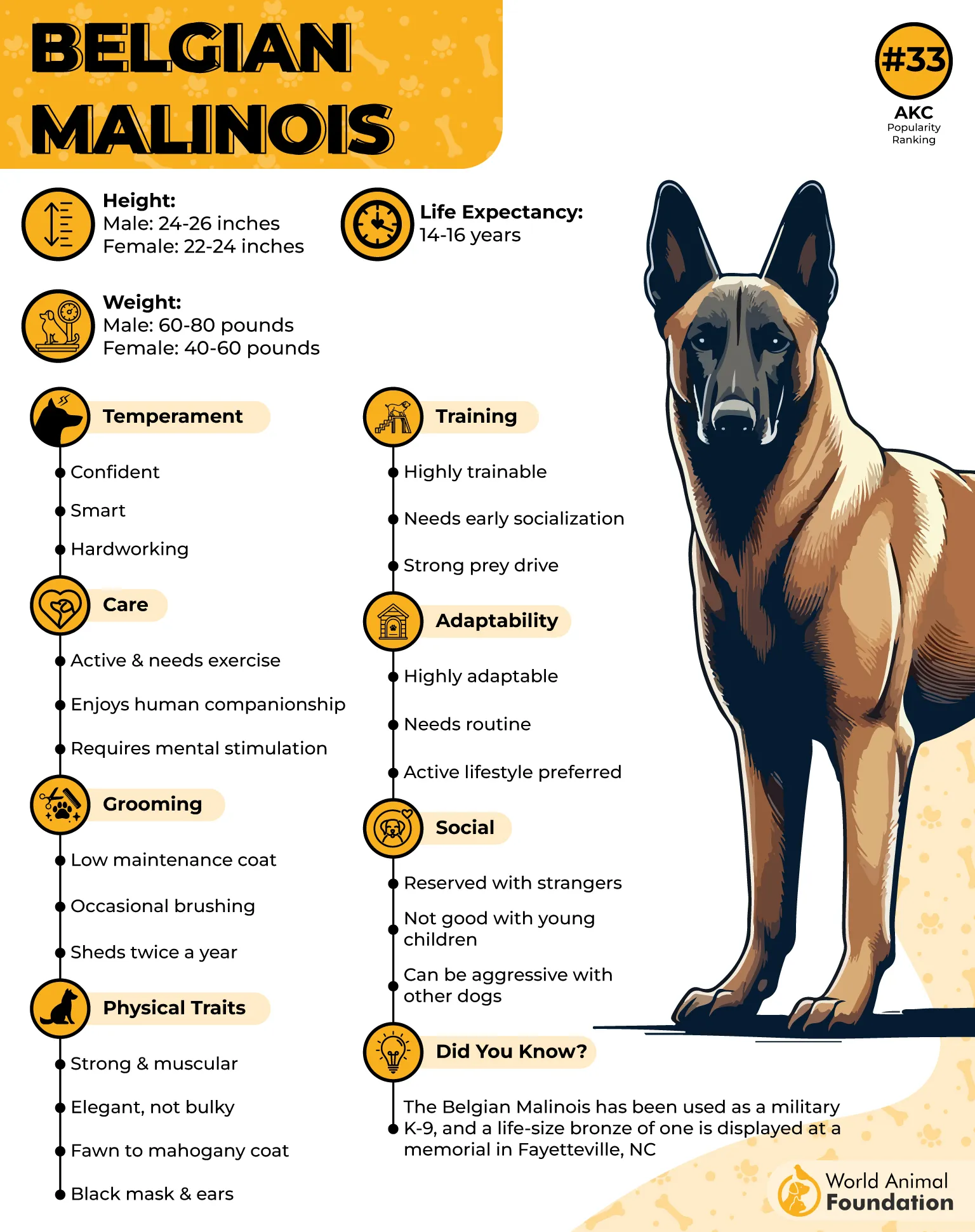
Unlike heavier guardian breeds, they are built for endurance, rapid movement, and precision. Their athleticism allows them to jump, sprint, and maneuver at an almost absurd level.
What makes them extraordinary is their mental intensity. These dogs are constantly analyzing environments, responding to movement, and anticipating tasks. They thrive on structure, challenge, and engagement.
Herding instincts remain deeply embedded in the breed. Many Malinois naturally chase, circle, or attempt to control movement around them.
This behavior can show up in family environments if not redirected through proper training. Early socialization and structured outlets are critical for preventing unhealthy over-control behaviors.
Exercise requirements are extremely high. This is not a “walk around the block and relax” type breed. Malinois need intense physical exercise, advanced training, scent work, agility, obedience routines, or working tasks almost daily.
Reason for Popularity: Deep Loyalty. They form strong bonds with handlers and often become emotionally invested in teamwork.
7. German Shepherd
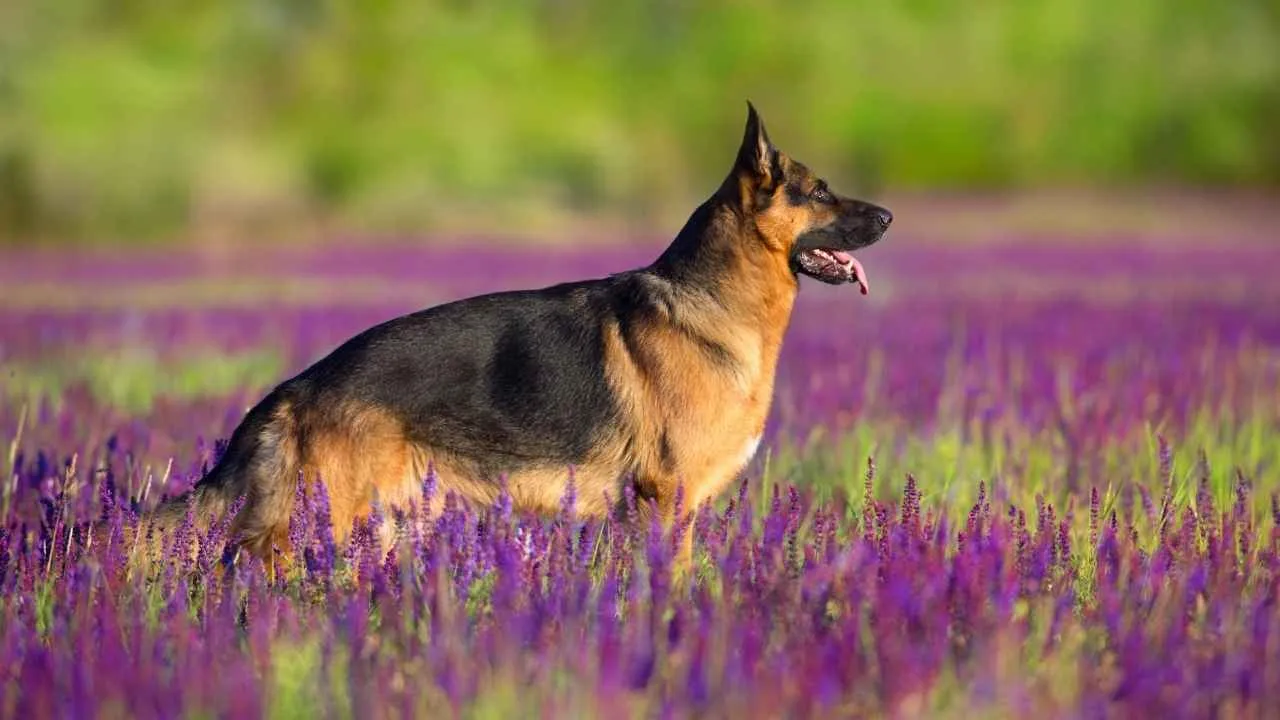
The German Shepherd Dog, often shortened to GSD, is one of the most versatile working breeds in the world. Originally developed in Germany for herding sheep, the breed quickly became famous for intelligence, trainability, and adaptability.
Today, German Shepherds are widely used in police work, military operations, search-and-rescue, service work, and family protection. Few breeds match their balance of brains, loyalty, and physical capability.
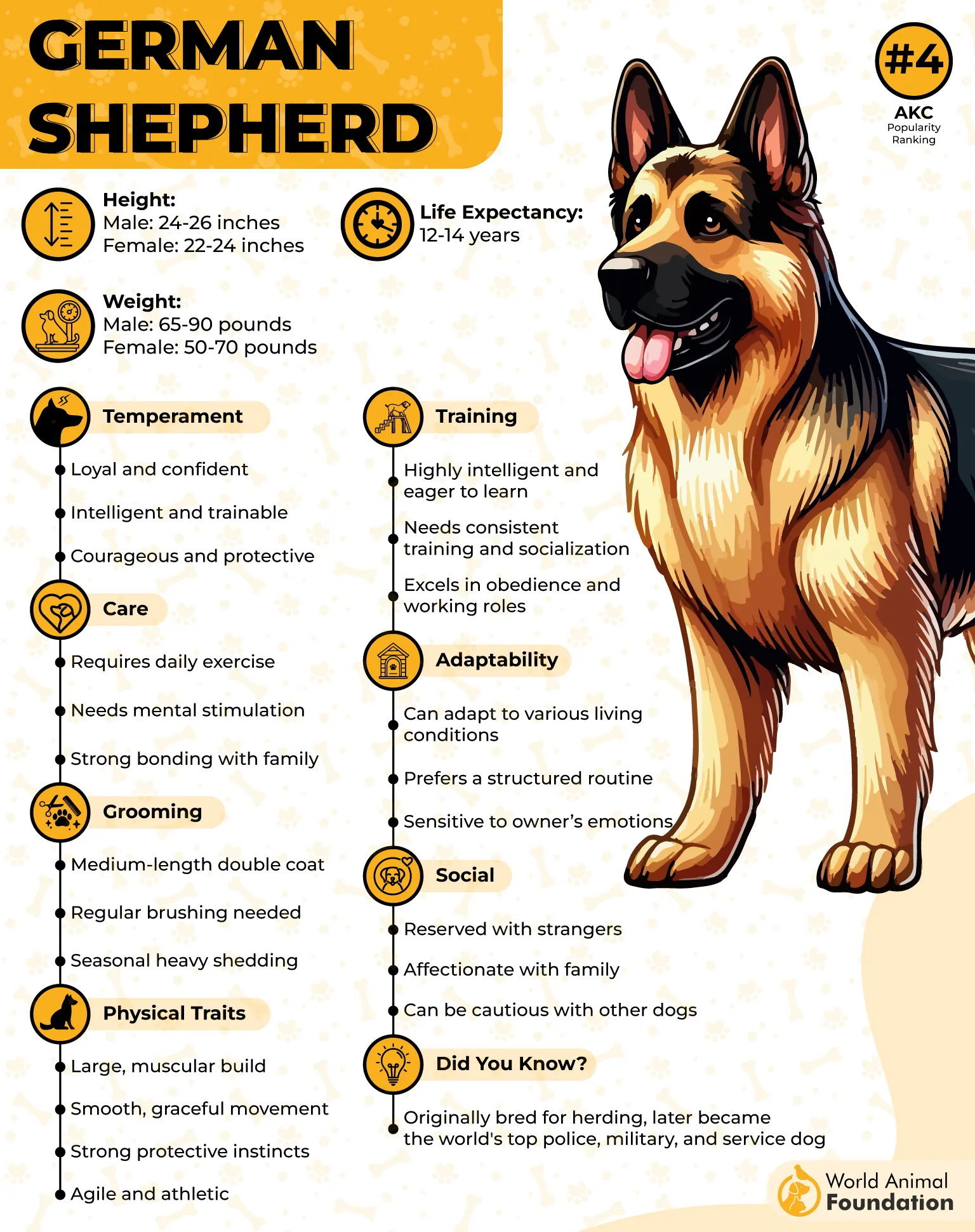
They are large, athletic dogs built for endurance and movement. Their body structure allows them to trot efficiently for long distances, which was essential for traditional sheep herding. Even modern GSDs still carry that natural stamina.
Unlike some herding breeds that rely heavily on crouching and “eye control,” these are considered upright herders. They control livestock through movement, confidence, and positioning rather than stalking behavior.
This gives them a different working style from that of Border Collies. They operate more like calm managers than obsessive micromanagers.
They are known for their exceptional trainability and emotional connection with owners. These Shepherd dogs learn commands quickly and usually enjoy having structured work or tasks. However, they require consistent leadership and mental stimulation to remain balanced.
Reason for Popularity: Versatility. They can transition more easily between family life, sport work, livestock management, protection tasks, and service roles than many specialized breeds.
Conclusion
Herding and livestock guardian dogs are some of the most intelligent, capable, and emotionally complex dogs on the planet. These aren’t casual “background pets.” They were developed to think independently, protect livestock, move animals, solve problems, and work alongside humans in difficult environments.
What makes these herding dog breeds so impressive is their balance of instincts. Some lean more toward calm protection like the Briard or Bergamasco, while others bring intense working-drive energy like the Belgian Malinois or German Shepherd. But all of them combine intelligence, awareness, and loyalty in ways that make them unforgettable companions for the right owners.
For active owners willing to invest time and consistency, though, these guard dog breeds offer something special. They’re not just pets—they’re partners, protectors, and living proof of how deeply humans and working dogs have evolved together over thousands of years.
