




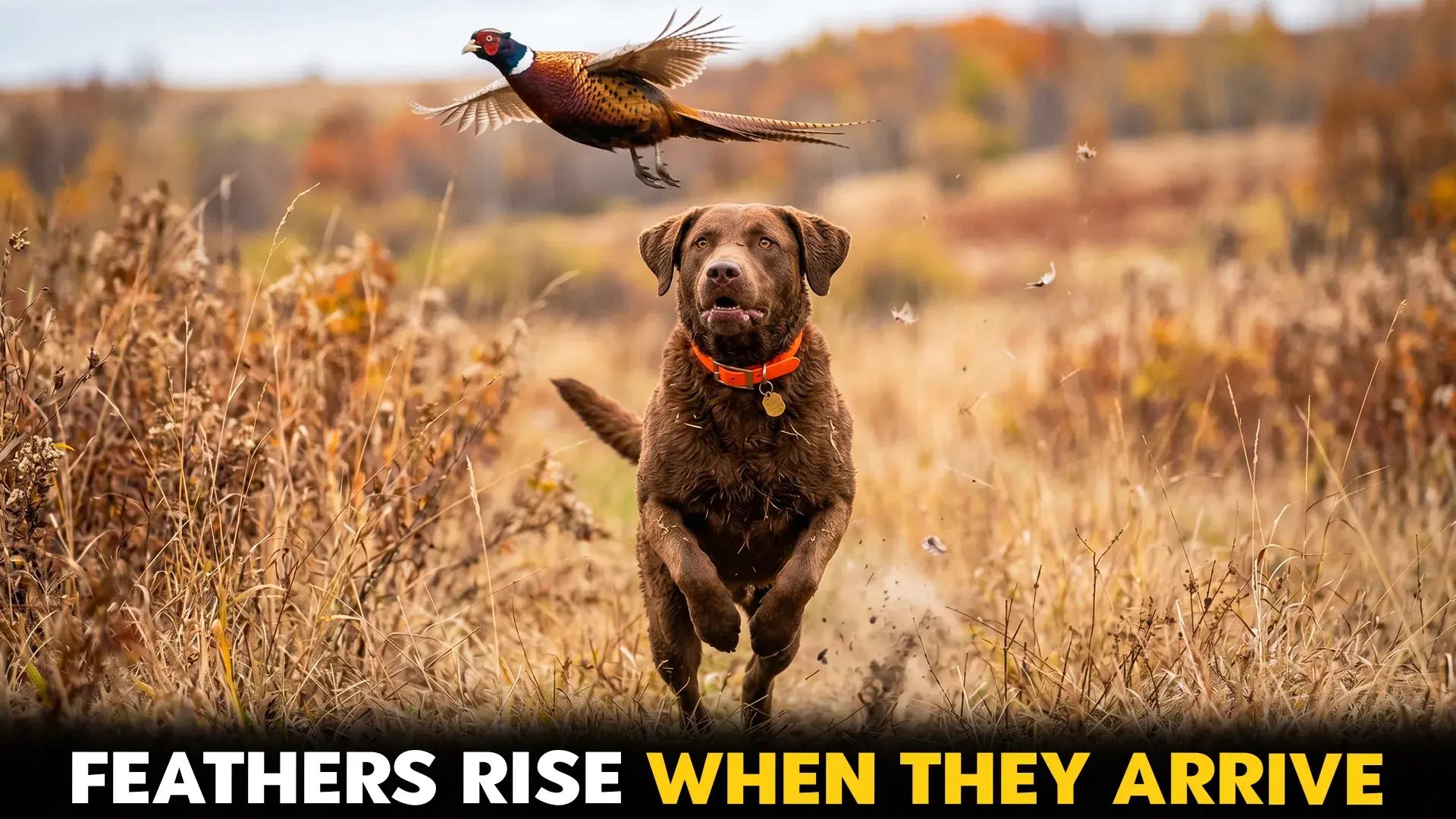
Anyone who has spent time around upland bird-hunting dogs knows the work demands far more than excitement and speed. Long hours in uneven fields, sudden movement in thick cover, and the constant need to stay focused can quickly expose dogs that are not built for the job.
Some lose patience too early. Others struggle to stay consistent once the terrain becomes difficult or the weather starts working against them. That is why experienced hunters pay close attention to instinct, endurance, and the ability to remain sharp deep into the day.
The dogs that truly excel in upland bird hunting tend to carry a different kind of drive. They move with purpose, respond naturally to changing conditions, and handle pressure without becoming reckless. Those qualities separate reliable hunting companions from dogs that simply enjoy running outdoors.
Ahead are the breeds known for handling upland bird work with remarkable control, stamina, and natural field awareness.
Key Takeaways
The real challenge in upland bird hunting begins when the weather shifts, the terrain gets heavier, and the dogs are still expected to stay sharp.
Labrador Retrievers and Vizslas keep pushing forward with sharp focus, while English Springer Spaniels move through dense fields with the kind of energy hunters rely on.
Irish Water Spaniels and Chesapeake Bay Retrievers bring another layer of toughness, handling cold water and difficult terrain without losing control or patience.
Spend a little time with these breeds, and it becomes clear why experienced hunters trust them season after season.
Dog Breeds That Excel at Upland Bird Hunting
1. Labrador Retriever
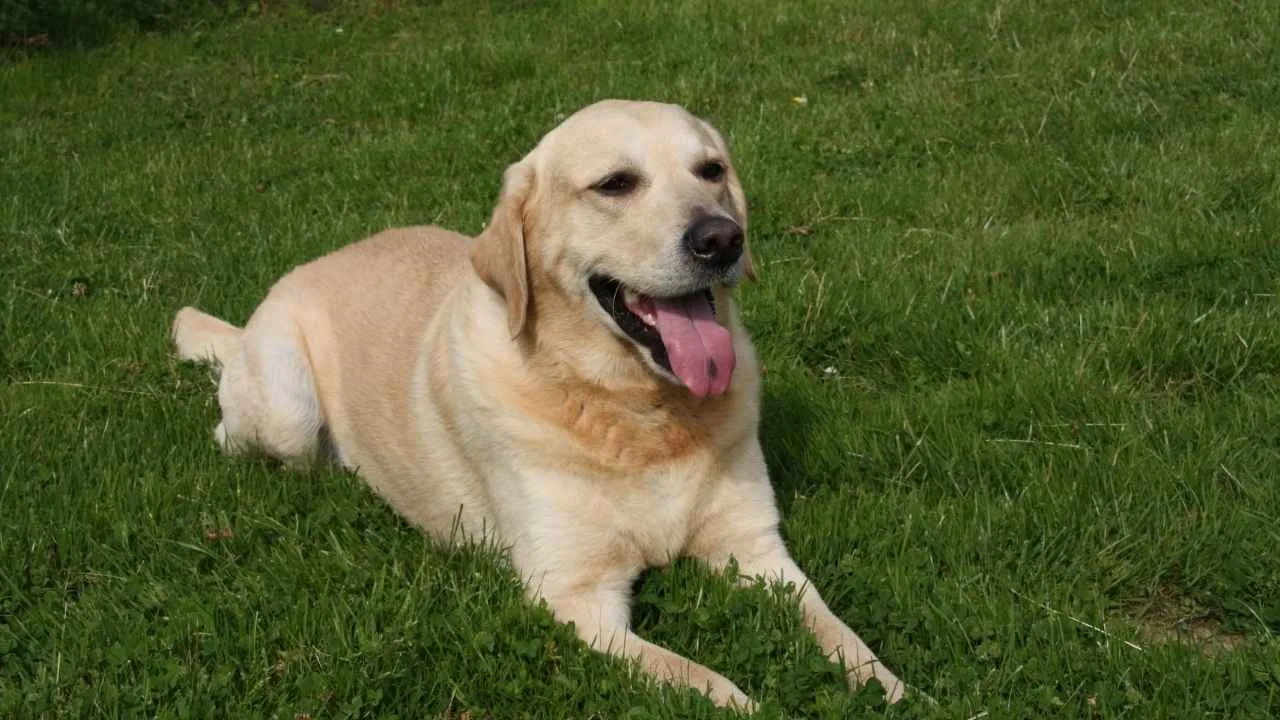
Labrador Retrievers began beside Newfoundland fishermen, hauling ropes, retrieving fish, and swimming through icy water with steady confidence.
English breeders later refined those hardworking dogs into the Labrador recognized today. That early water work still shapes the breed’s natural retrieving instincts.
Field Partner
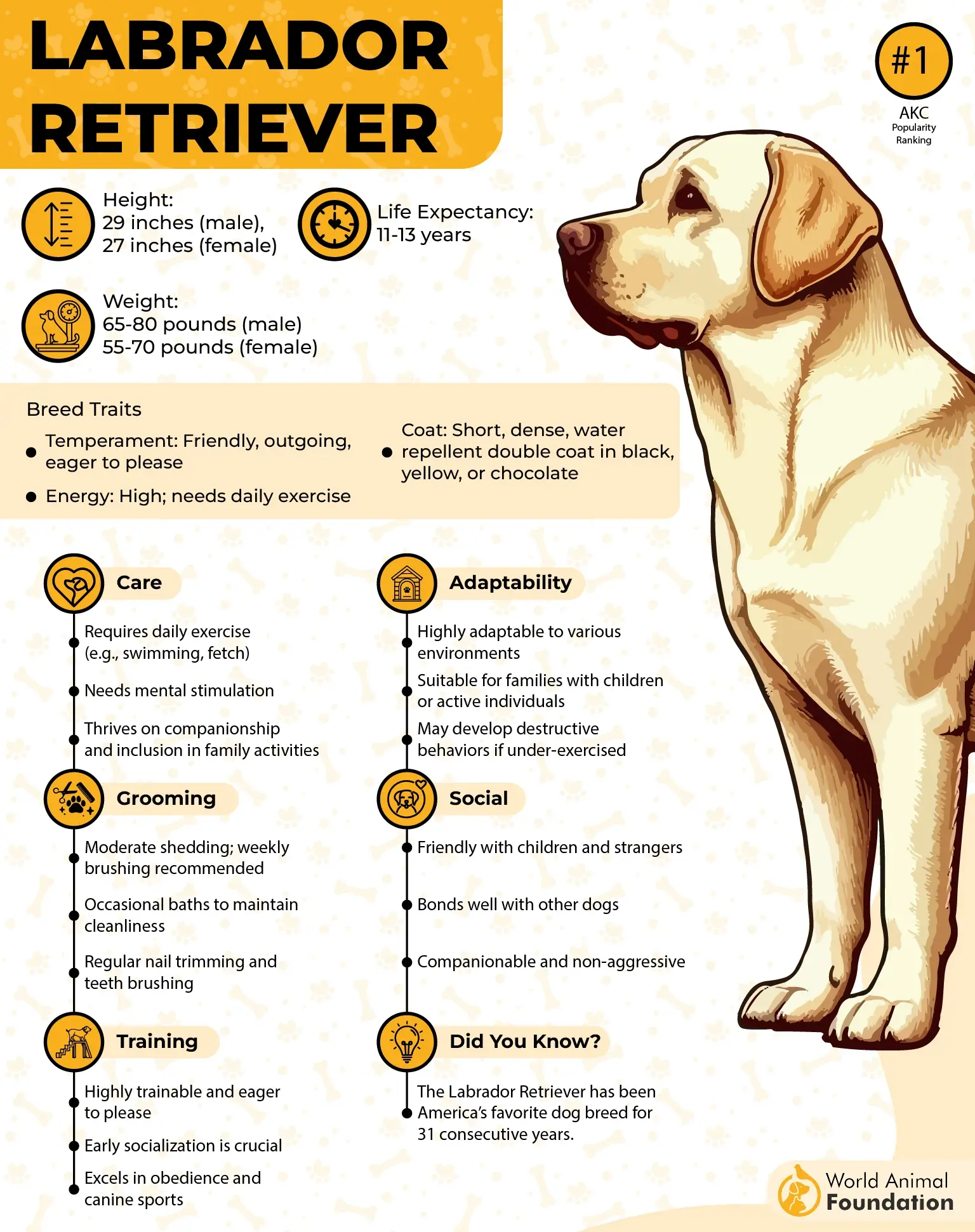
This hunting dog combines trainability with a calm, people-focused temperament that suits long hunting days. Their intelligence and willingness to learn explain why they appear in assistance, therapy, and scent-detection roles, as mentioned by PetMD.
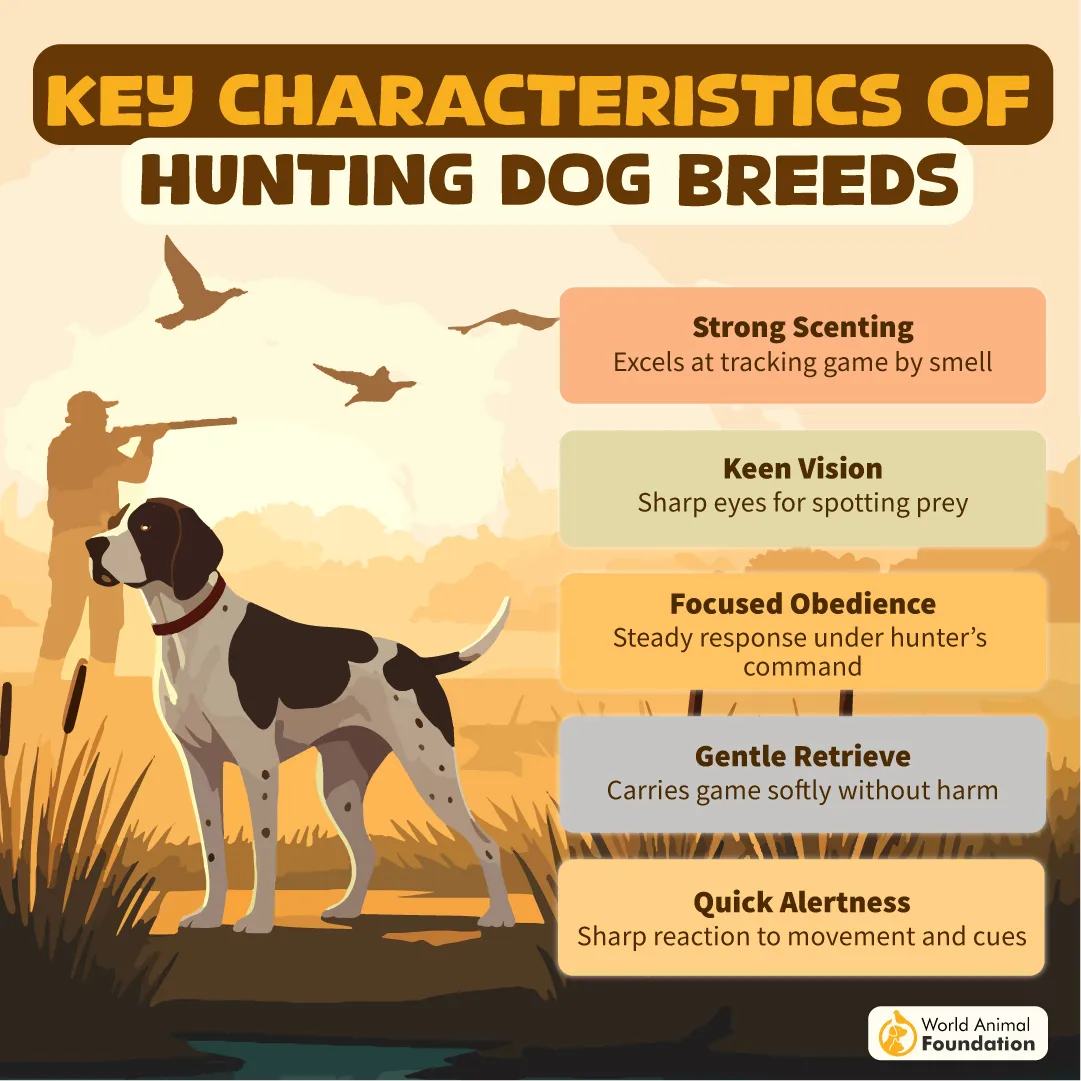
Several qualities support upland work naturally:
Strong retrieving instinct
Excellent swimming ability
Quick response to training
Driven By Scent
Labs enjoy covering ground while tracking scents, especially in fields, marshes, and wooded trails where birds frequently flush.
Fetch games and floating dummies hold their attention for long periods because water retrieval remains deeply rooted in the breed. Early training channels this enthusiasm into focused field behavior.
2. Irish Water Spaniel
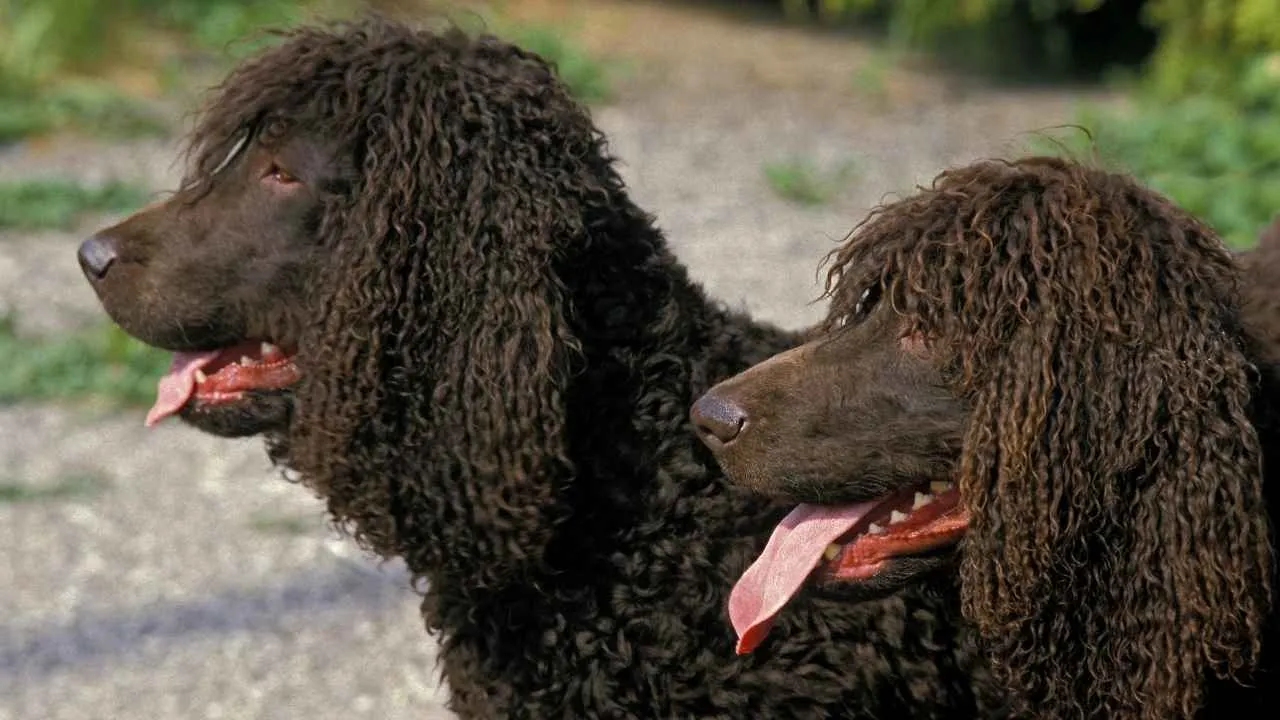
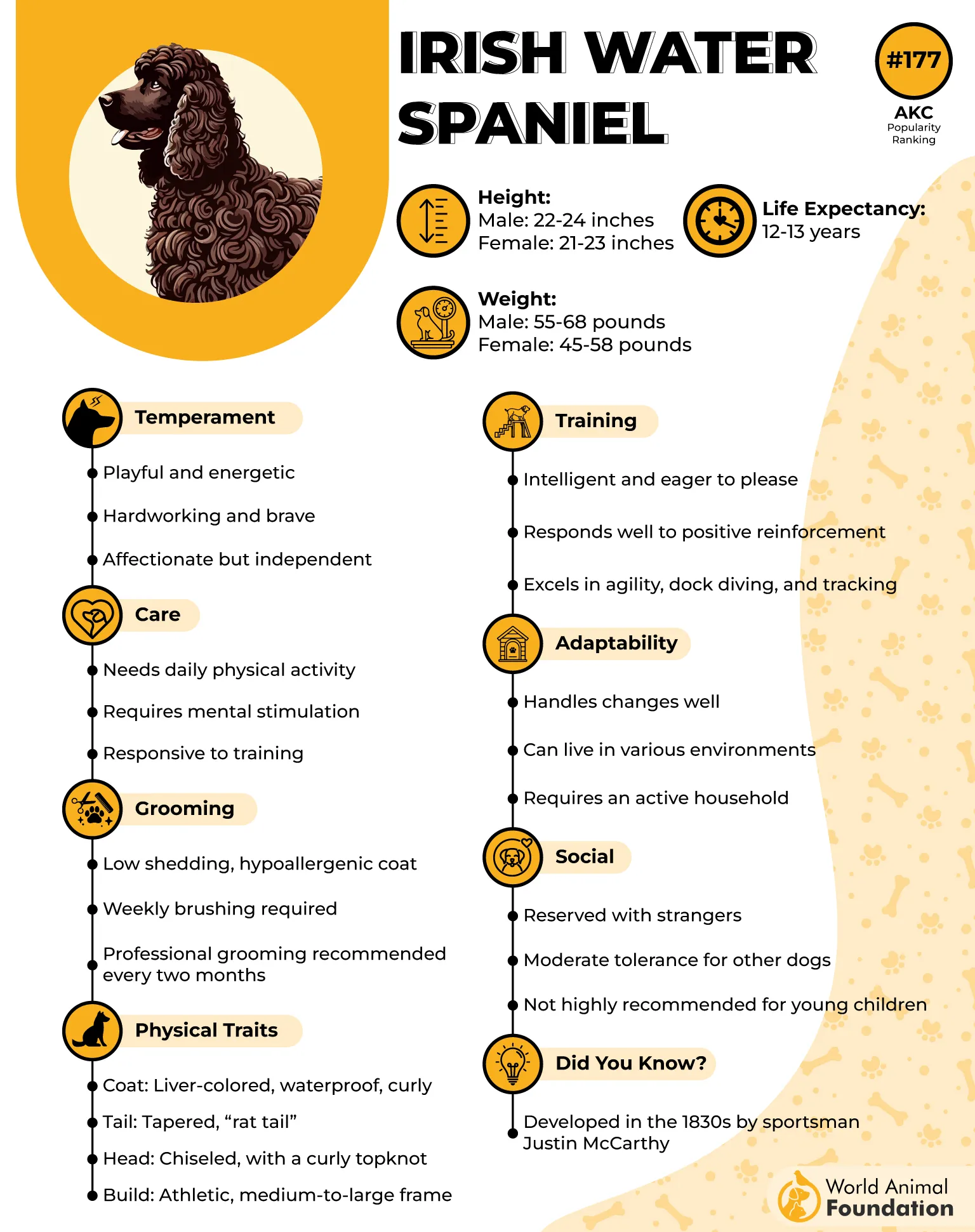
The Irish Water Spaniel spent centuries beside fishermen and hunters, retrieving birds from marshes and open water with remarkable precision. Webbed feet and a soft mouth allowed it to bring back game without damage. That versatility still shapes the breed’s confident working style today.
Built for Retrieval
Irish Spaniels can handle both upland birds and waterfowl with equal confidence, shifting easily between field searches and deep-water retrieves, as stated by Omlet.
Several physical traits contribute to that efficiency:
Webbed feet for strong swimming
Soft mouth for careful retrieval
Powerful frame suited for rough terrain
Calm Inside the Home
This spaniel breed settles comfortably into family routines once its working energy is properly directed outdoors. Children, other pets, and familiar people are usually met with patience, though unfamiliar visitors may receive cautious observation first.
3. Boykin Spaniel
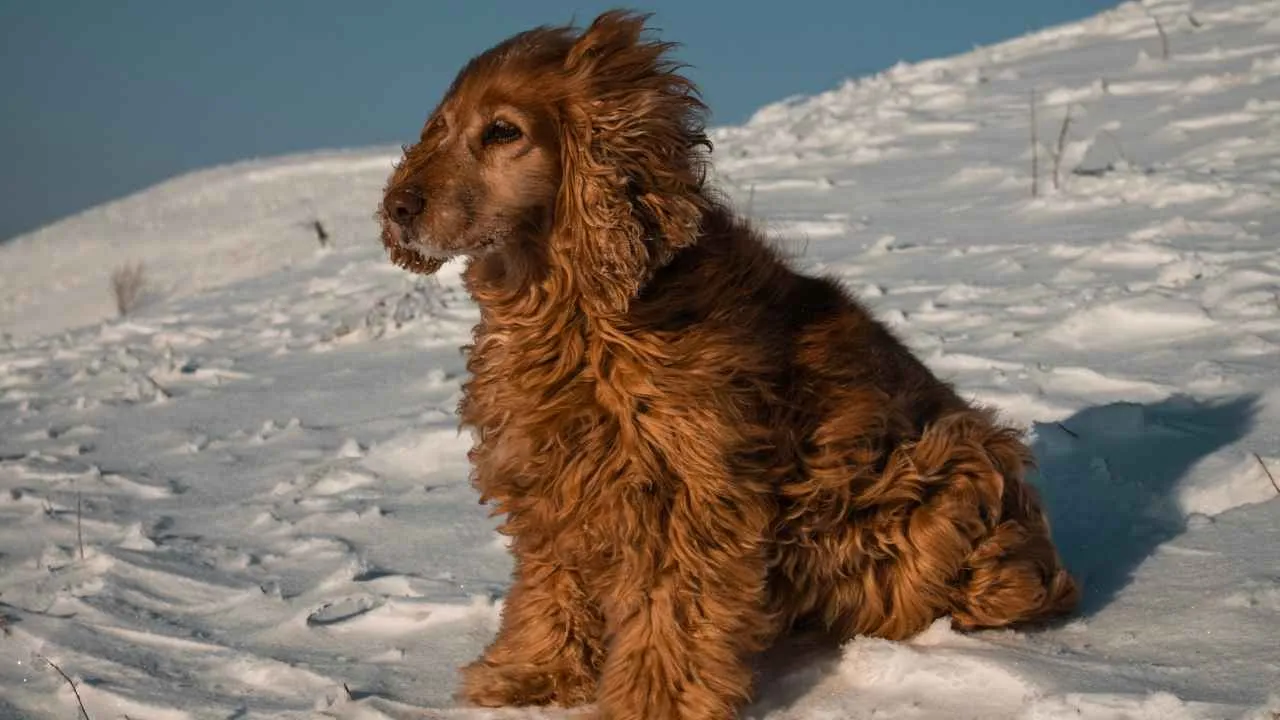
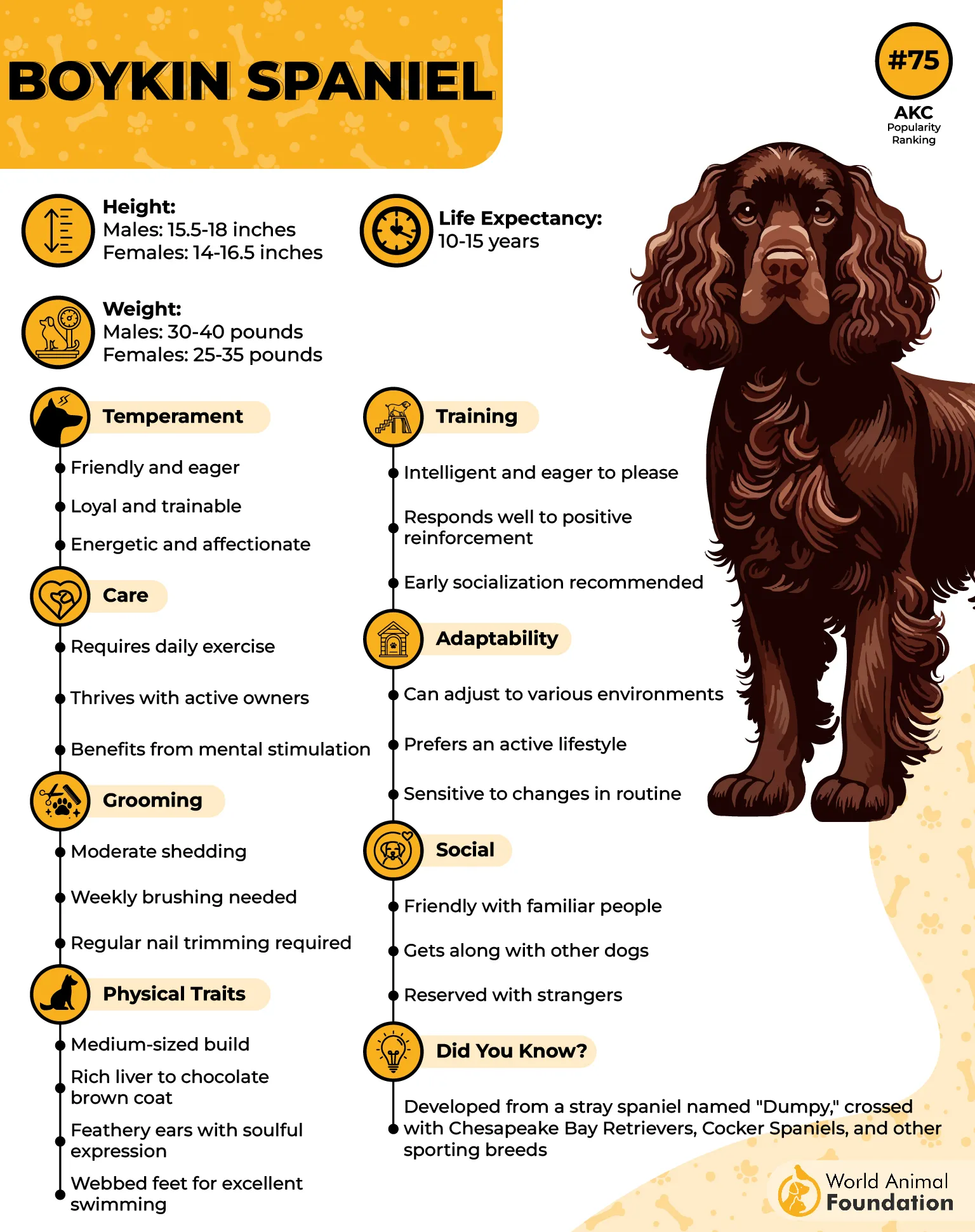
The Boykin Spaniel rose from the swamps and riverbanks of South Carolina, where hunters needed a compact dog capable of handling turkeys, ducks, and doves through difficult terrain.
The breed’s partnership with water shaped both its stamina and steady working attitude. Friendly by nature, Boykins balances field focus with easy companionship inside the home.
Built for Long Days
It approaches upland work with persistence, covering ground for hours while remaining attentive to direction and changing scent trails. Water plays a major role in its hunting ability, especially during bird retrieval.
A few details explain this versatility:
Webbed toes suited for swimming
Medium frame built for mobility
Strong endurance for extended hunts
Eager and Responsive
This breed learns quickly because it naturally looks for interaction and approval during work. This responsiveness helps during training sessions where retrieving, flushing, and recall need consistency rather than harsh correction. Around family, the breed stays social and usually adjusts well to children and other household pets.
4. Golden Retriever
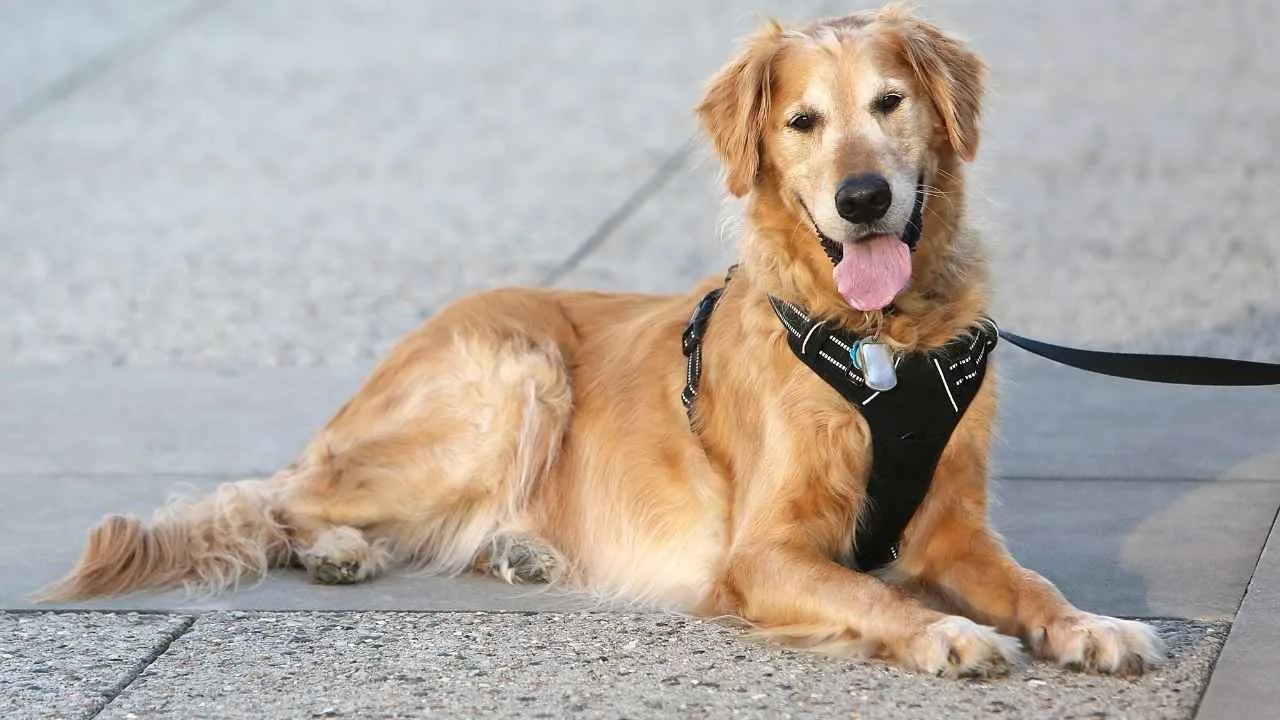
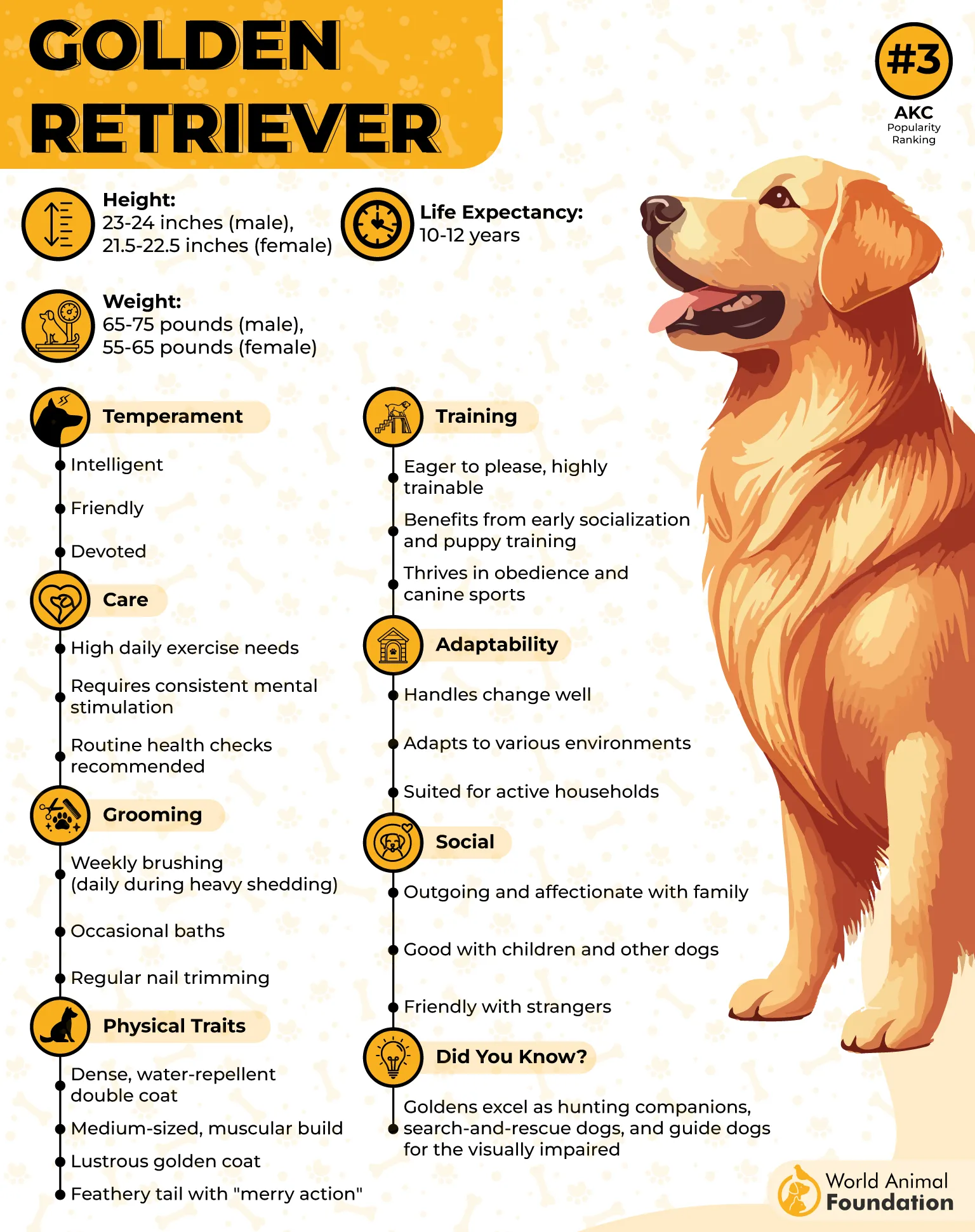
The Golden Retriever became well known in bird fields for its gentle retrieving style and natural drive to return game straight to hand. Hunters value this breed during migratory bird hunts where multiple birds may need retrieving across wet ground and water.
Built Around Retrieval
As a versatile dog, it approaches field work with focus, stamina, and steady cooperation rather than reckless speed. Water rarely slows this breed, which explains its frequent role in water rescue work and retrieving sports, as per the AKC.
Several qualities shape that versatility:
Soft, reliable retrieving grip
Strong swimming ability
Responsive attitude during training
Friendly Temperament
The Golden Retriever settles easily into family life despite its strong working ability, greeting visitors and other animals with unusual openness.
Its playful side often continues into adulthood, especially during outdoor games and long walks. Children usually respond well to the breed’s patient nature and steady affection inside the home.
5. Chesapeake Bay Retriever
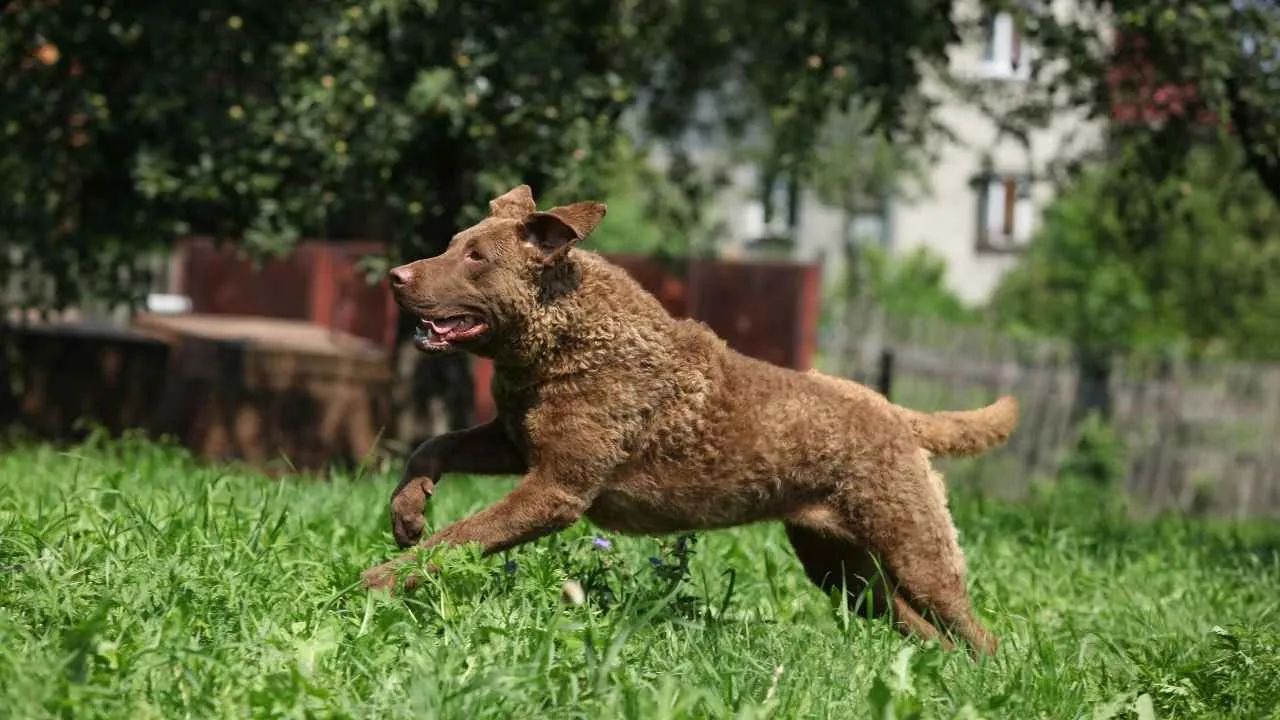
The Chesapeake Bay Retriever emerged in the United States after two shipwrecked dogs were bred with local retrieving dogs, later joined by breeds like the Newfoundland and Irish Water Spaniel. Its reputation grew through demanding waterfowl work rather than appearance alone.
Retrieving style shaped by work ethic
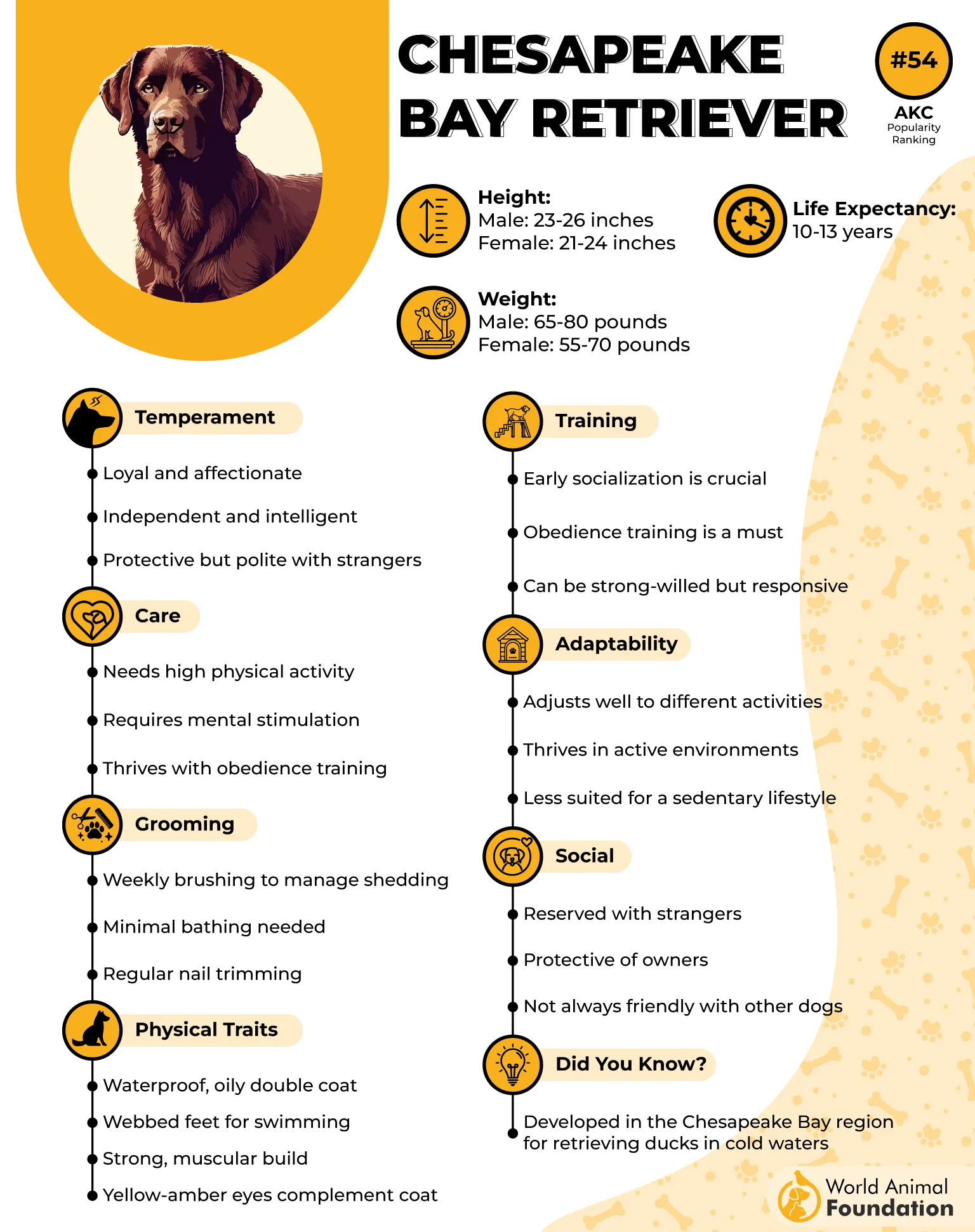
This retrieving breed completes hunting tasks with determination, relying on intelligence and persistence during retrieving tasks. Its field behavior reflects a serious working attitude that separates it from softer-natured retrievers commonly grouped beside it.
That difference becomes easier to notice through:
Strong focus during retrieving tasks
Persistent approach in rough conditions
More reserved reactions around unfamiliar people
Steady around familiar company
It interacts patiently with children and household animals when raised alongside it from an early stage. Inside the home, its protective behavior feels controlled rather than reactive or noisy. Some even “smile” by pulling back its lips when excited or submissive.
6. Vizsla
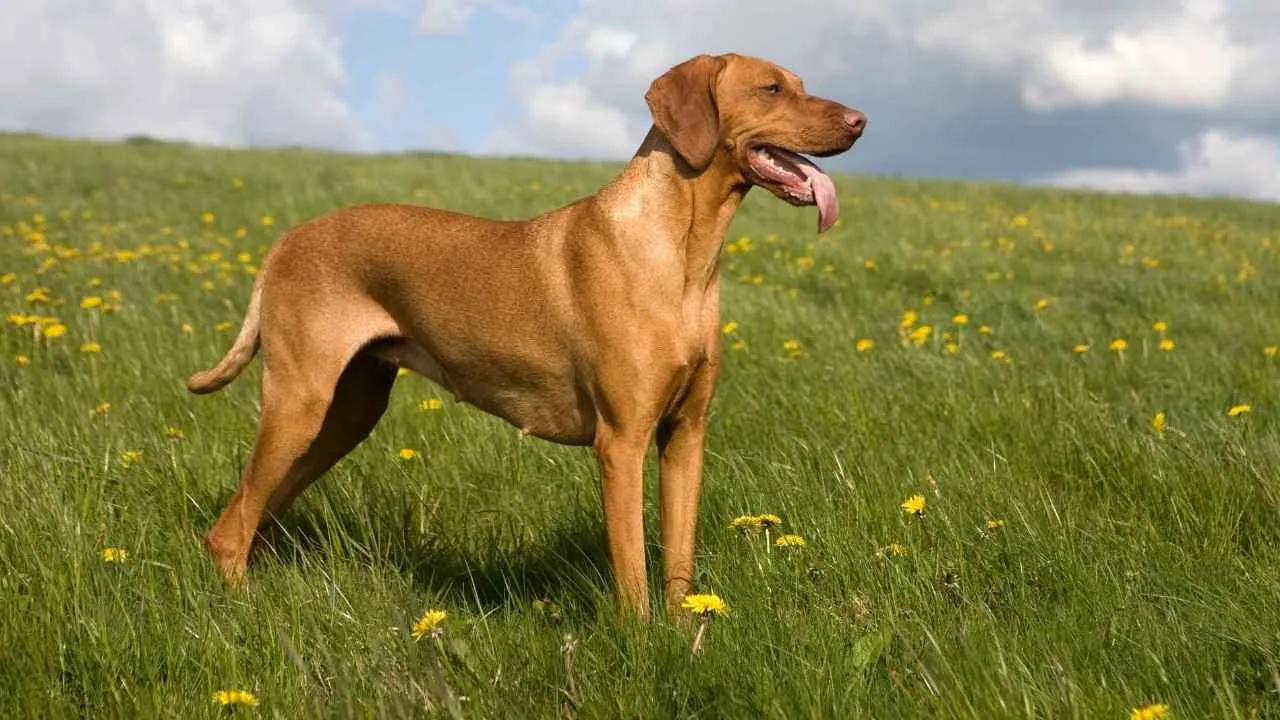
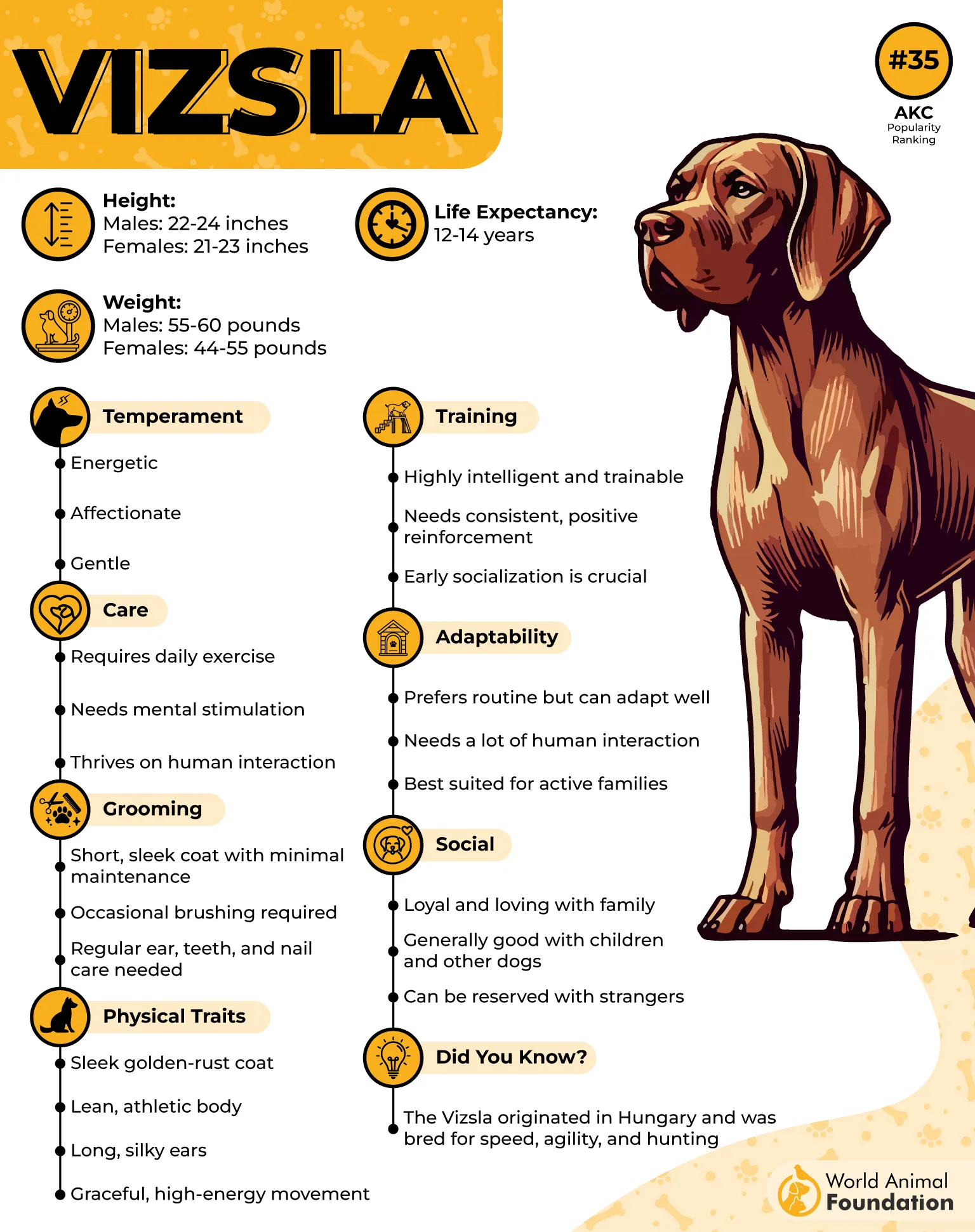
The Vizsla earned its reputation across the Hungarian countryside by working close to hunters, tracking scent trails through dense cover, then locking onto game with sharp concentration. Its lighter frame slips through rough terrain quickly, while strong retrieving instincts keep the work going from field to water.
Close Range Hunter
Vizslas prefer teamwork over distance, often checking back with the handler instead of ranging too far ahead. They spend long days outdoors comfortably, whether jogging on trails, swimming, or covering open land in search of scent.
That cooperative nature shapes how it hunts:
Fast through thick undergrowth
Reliable water retriever
Strong pointing instincts
Always Within Reach
As a family dog, the Vizsla formed unusually close bonds with people long before becoming a household companion, which explains the breed’s “Velcro dog” nickname. It follows its person from room to room, seeks physical closeness constantly, and responds poorly to isolation or harsh correction.
7. English Springer Spaniel
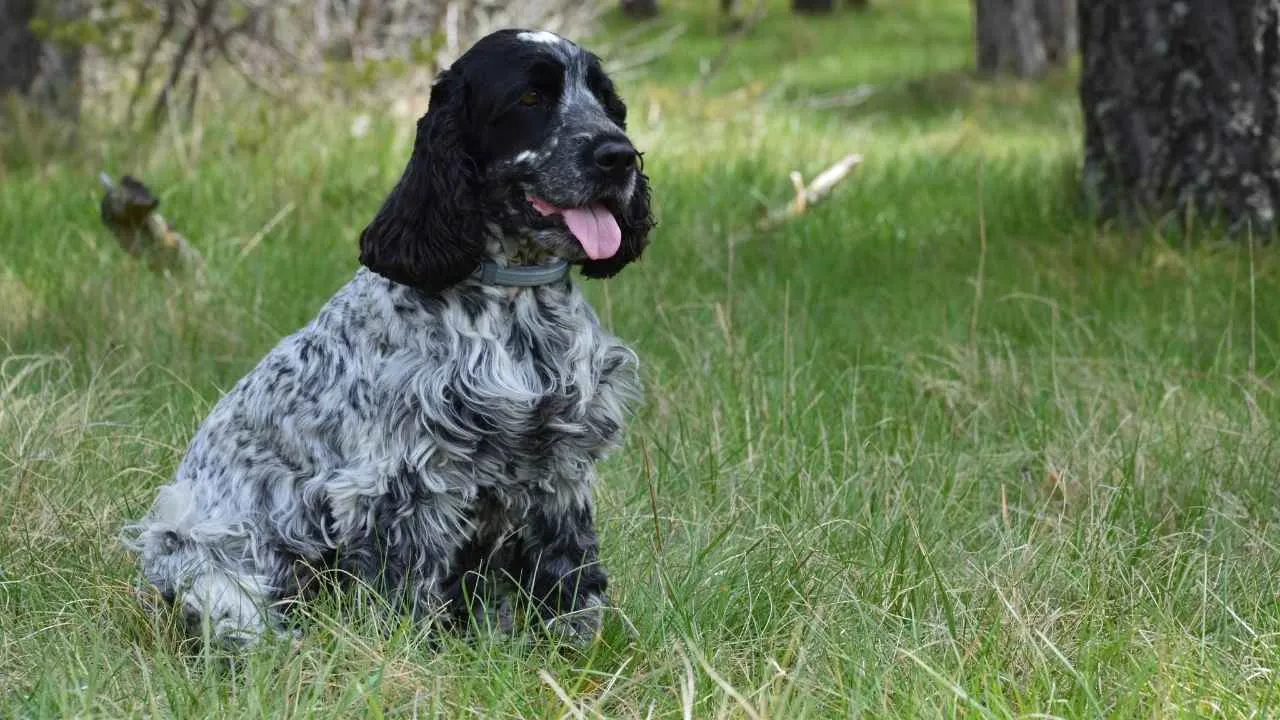
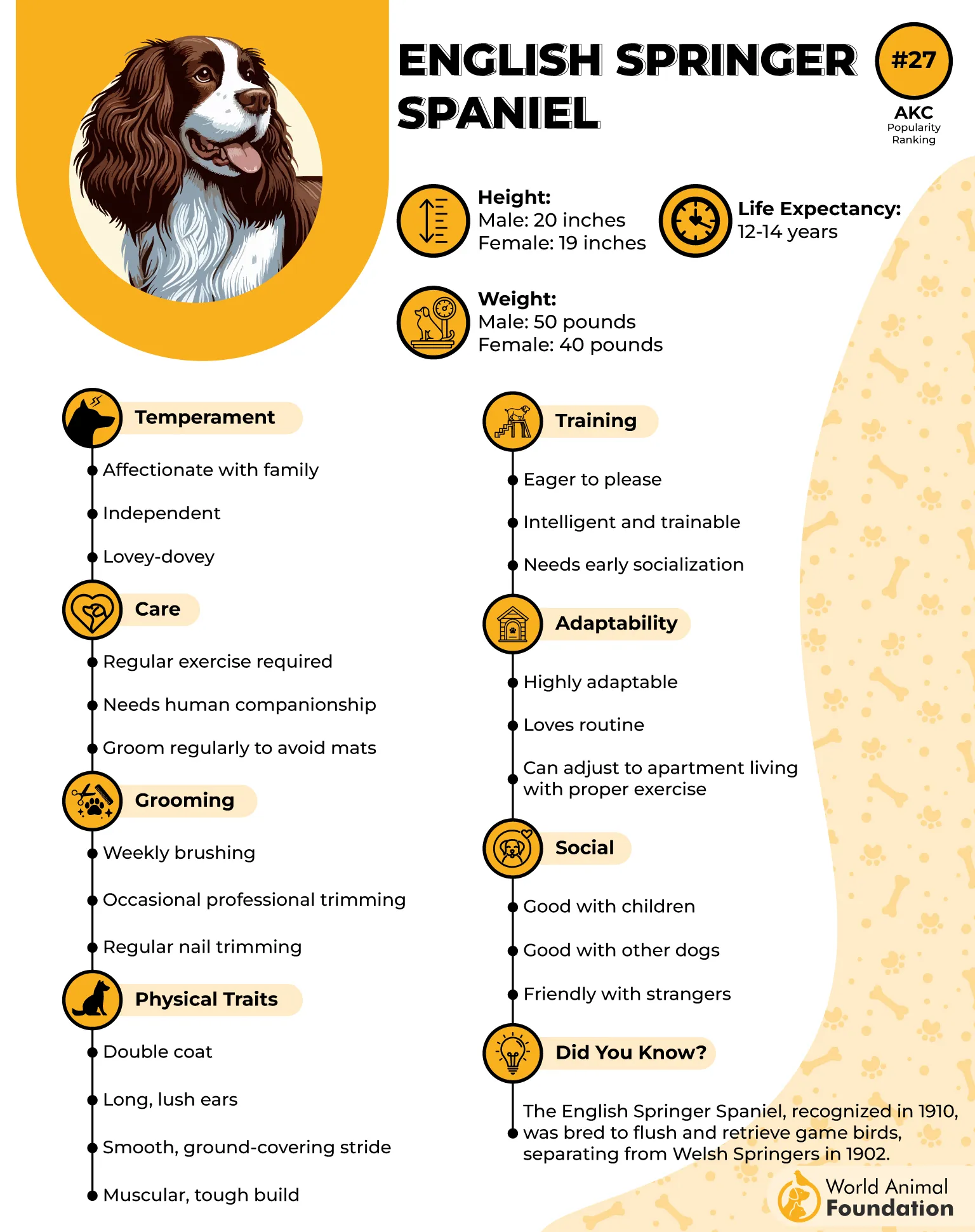
The English Springer Spaniel was shaped around flushing birds into flight, combining rapid responses with close cooperation beside hunters.
Early sporting lines valued dogs that could cover rough ground for hours without losing focus. That eagerness to engage still shapes the breed’s personality today.
Built Around Field Work
These spaniels combine athletic movement with an alert, people-focused nature that keeps them responsive in changing terrain. The breed adapts well to both outdoor work and family life.
A few details explain that balance clearly:
Fast flushing instincts in dense cover
Wavy coat offering weather protection
Strong scent awareness during long searches
Eager and Responsive
English Springer Spaniels learn quickly through patient handling and consistent routines, especially when training includes activity and interaction.
Their sensitivity to human cues made them dependable sporting partners rather than independent wanderers. Gentle guidance and enrichment help channel their enthusiasm productively.
8. Nova Scotia Tolling Retriever
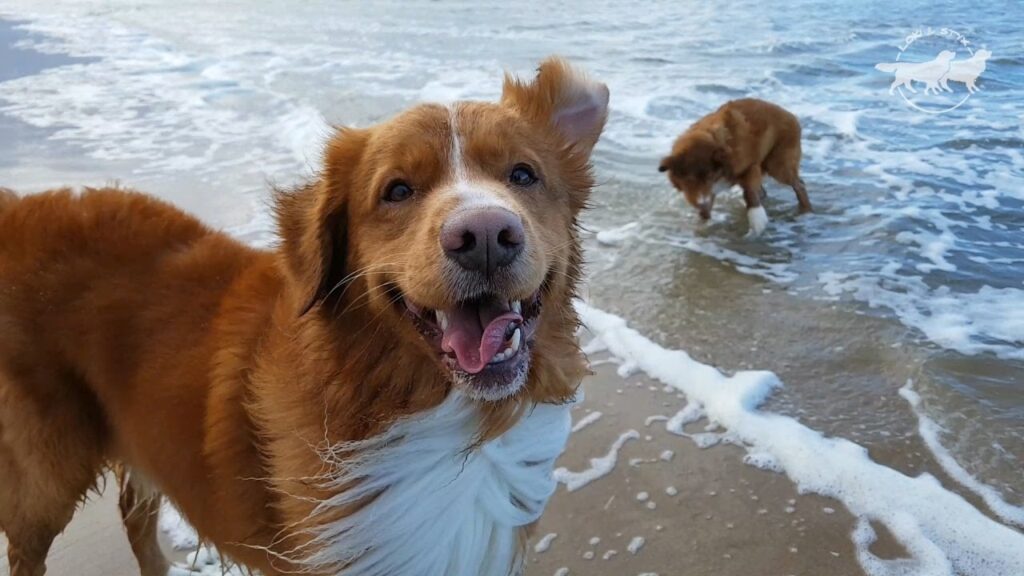
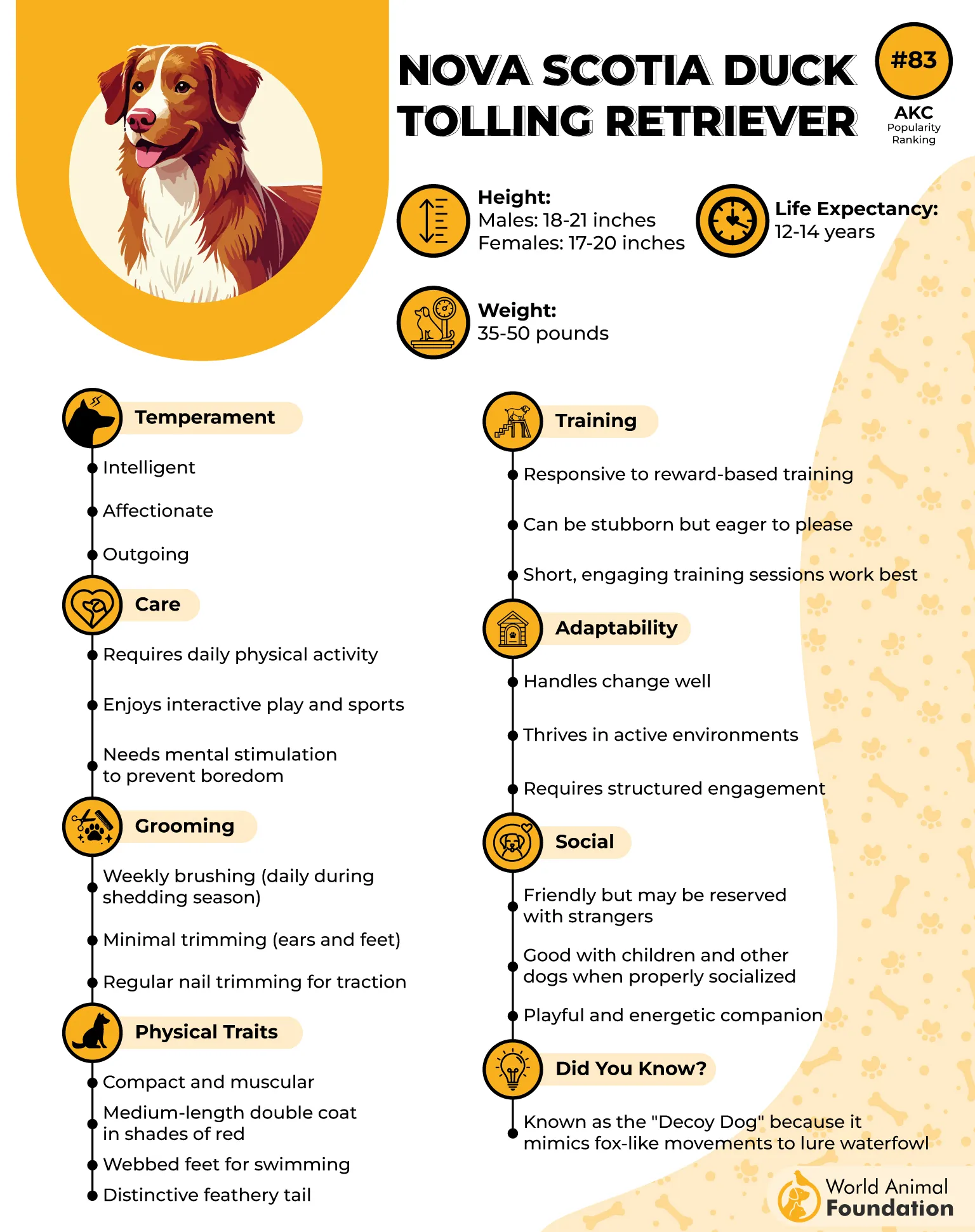
The Nova Scotia Duck Tolling Retriever became known for luring ducks closer using playful movement along the shore and a noticeable white-tipped tail.
Hunters later relied on the breed to retrieve birds from cold water with precision. Compact size, sharp focus, and relentless energy shaped a retriever built for long sporting days.
Built Around Retrieval
Tollers combine endurance, swimming ability, and quick decision-making in the field. Webbed feet and strong athletic balance help them handle demanding outdoor work across changing terrain.
Several traits explain that versatility:
Webbed feet for strong swimming
White-tipped tail used for tolling
High stamina during long hunts
Energetic at Home Too
They usually bond closely with family members and interact well with respectful children who understand boundaries during play.
Smaller household pets can awaken the breed’s chase instincts, especially during early introductions. Their affectionate nature sits alongside alert sporting instincts that rarely switch off completely.
9. Brittany
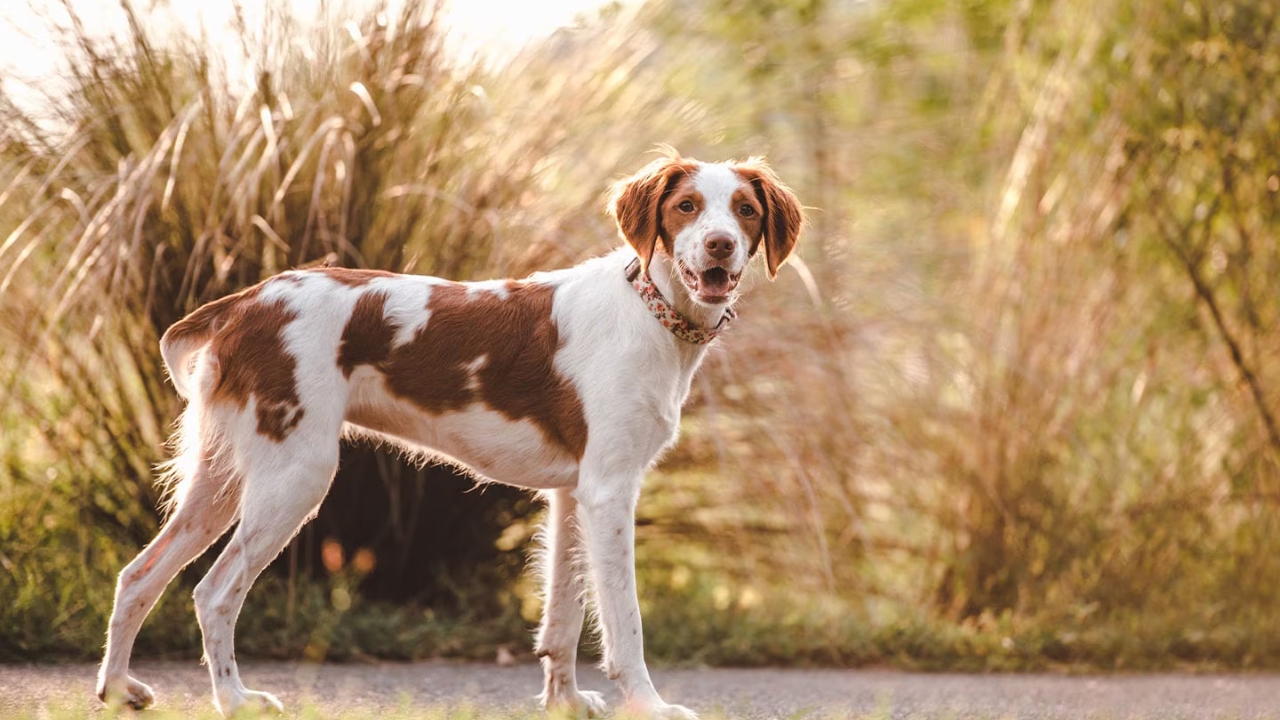
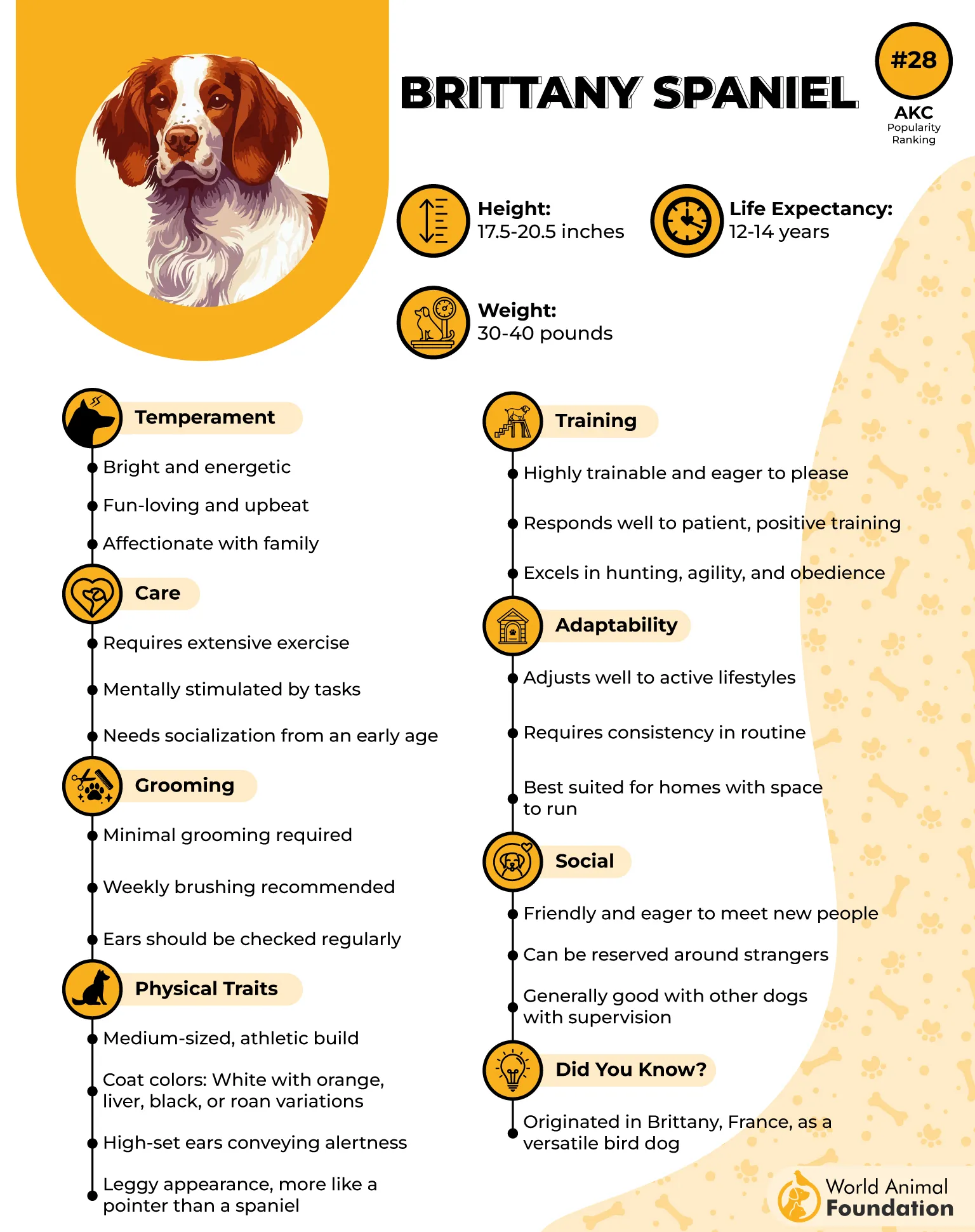
The Brittany emerged from the French countryside, where hunters needed a compact gun dog capable of pointing, retrieving, and working through dense woodcock cover. Crosses between local spaniels and English Setters shaped a fast, responsive hunter with remarkable field awareness.
Driven By Scent
Brittanys spend little time wandering without purpose, constantly reading ground scent and air currents while covering large areas with speed. Their obedience in the field made them valuable hunting partners long before modern sport trials gained popularity.
Several qualities contribute to that reputation:
Excellent nose for locating hidden birds
Natural pointing and retrieving instincts
Reliable recall after training
Energy That Needs Purpose
The Brittany settles best in homes where outdoor activity is part of regular life, since short daily walks rarely satisfy its working instincts.
The breed was shaped for hours of exploration, often hunting and playing across rough countryside without tiring easily. Friendly behavior around children, dogs, and visitors adds warmth away from the field.
10. Curly Coated Retriever
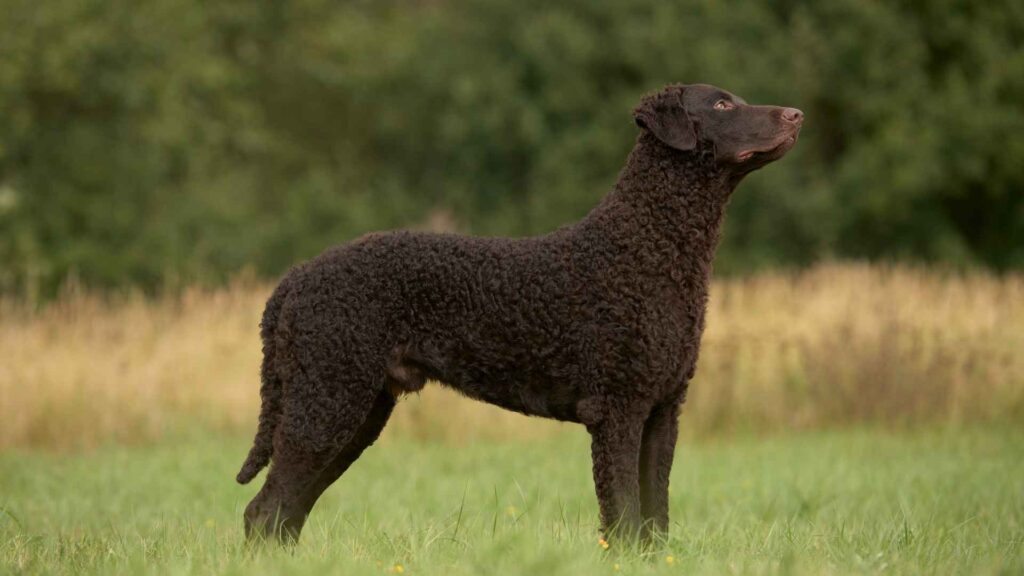
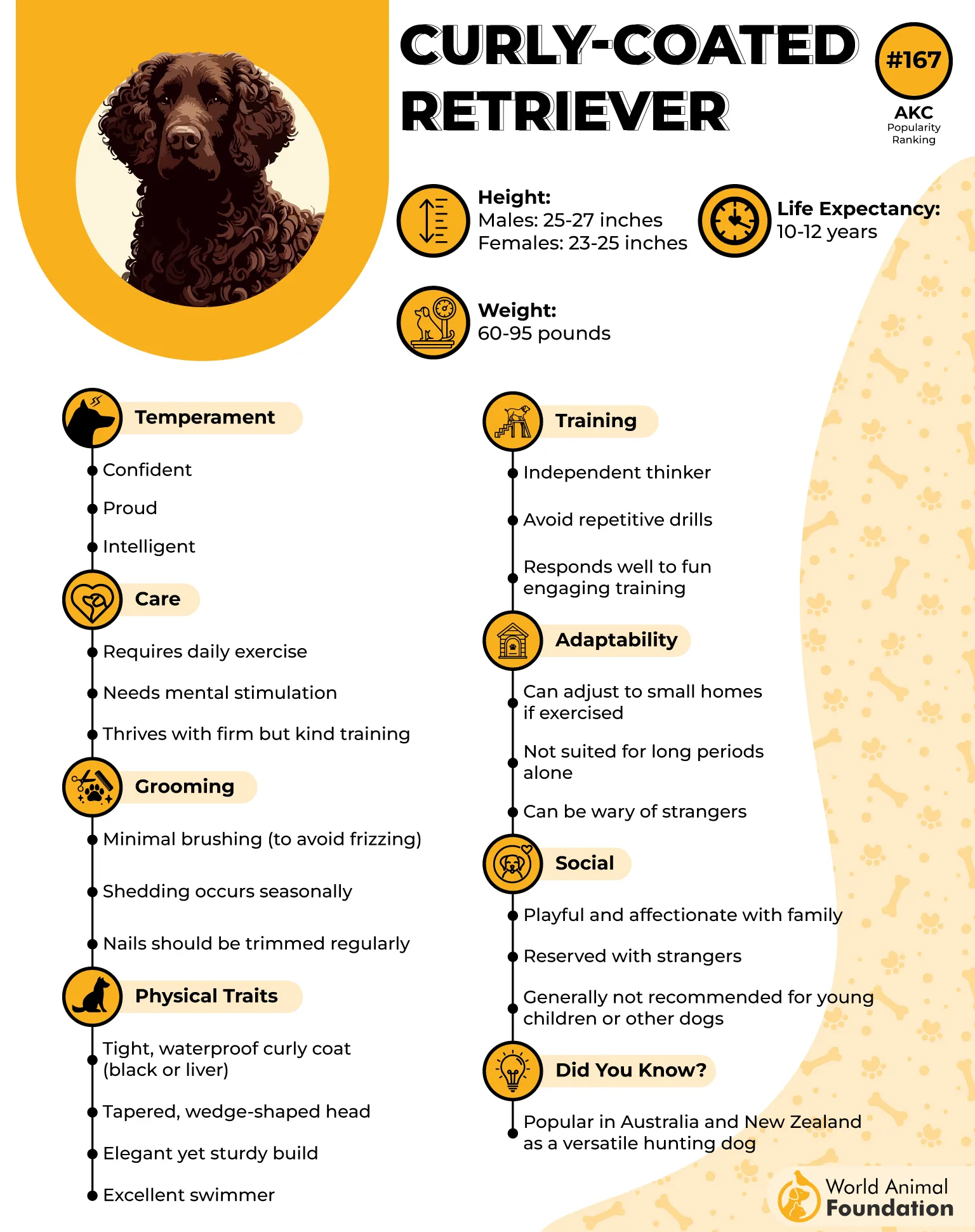
The Curly-Coated Retriever developed a strong reputation in late 1700s England for working through dense brush and rough water during bird retrieval.
Tight curls helped keep water away from the skin while pushing through thick cover. Crosses with Irish Water Spaniels and Poodles shaped a dog built for wet, demanding terrain.
Built to Retrieve
They approach field work with endurance and sharp focus, covering ground for long periods without losing enthusiasm. Their intelligence keeps them engaged when given practical tasks and retrieving work.
These traits shape that ability naturally:
Water-repellent tight curls
Strong retrieving instinct
High stamina outdoors
Energetic Yet Steady
Curly-Coated Retriever matures slowly, often behaving like an oversized puppy through the early years while remaining deeply attached to family life.
The breed enjoys long walks, retrieval games, and active routines that prevent boredom from turning destructive. Around strangers, the personality stays reserved rather than reactive.
Conclusion
The best upland bird-hunting dogs do more than cover ground quickly. They stay composed in heavy cover, adjust naturally to changing conditions, and continue working with focus long after less capable dogs lose consistency. That balance between endurance, instinct, and responsiveness is what separates reliable bird dog breeds from dogs that simply enjoy outdoor activity or a certain hunting style.
Many of these working traits remain deeply rooted even in everyday life, shaped by a natural hunting instinct and strong engagement with their surroundings. For hunters who value dependable performance across long seasons or while hunting pheasants, these upland breeds continue to stand apart through control and lasting field reliability.
