




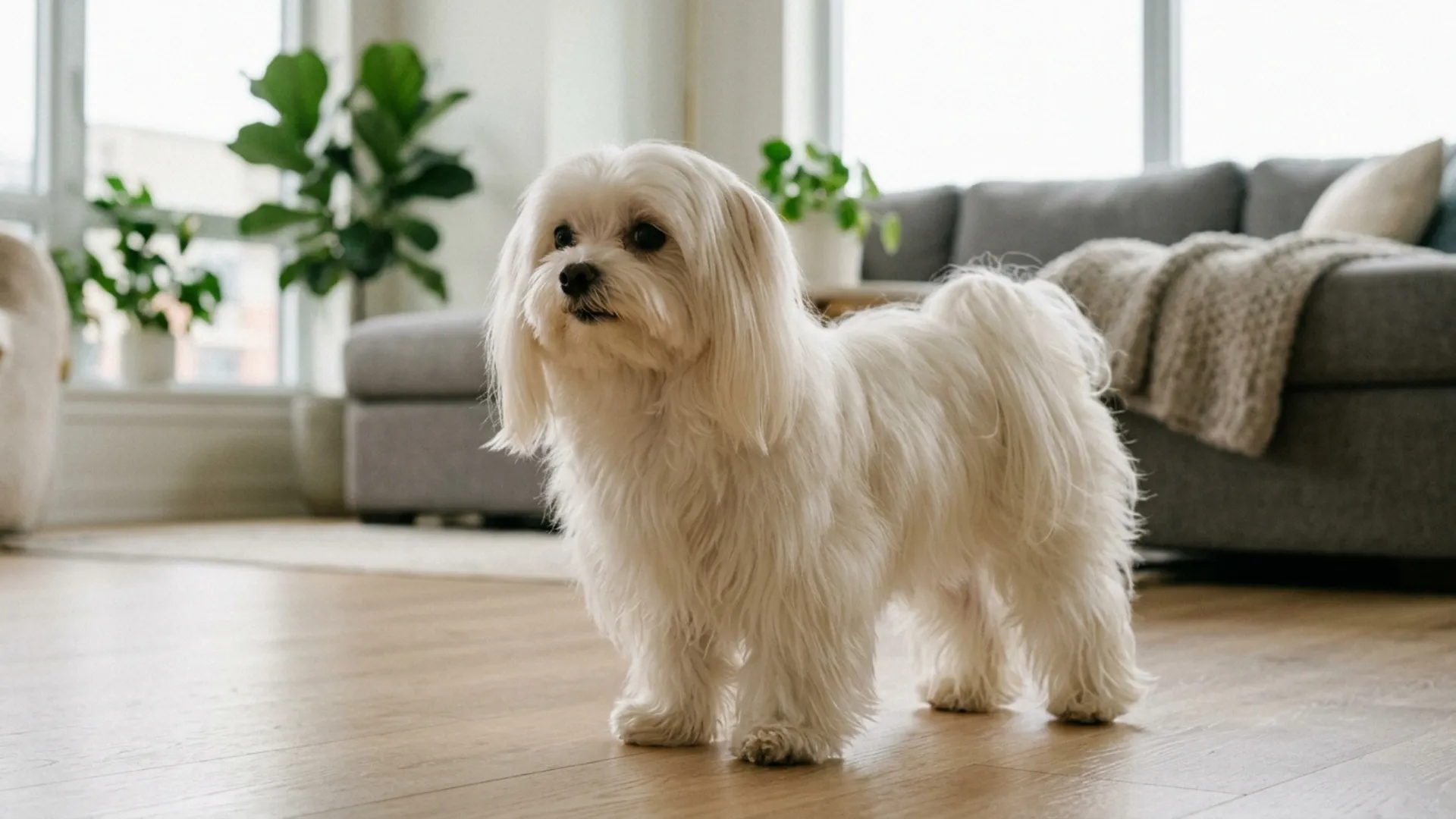
The apartment felt quiet again after months of hesitation about getting a dog. There were concerns about space, noise, furniture, and whether daily routines would become harder to manage.
Friends kept warning that small homes and dogs rarely work well together for long. But slowly, something unexpected happened. The routines became smoother instead of busier. The rooms never felt overcrowded, the neighbors never complained, and evenings felt warmer simply because another calm presence existed in the home.
That experience changed the entire perception of apartment dog ownership. It became clear that the problem was never small-space living itself. The real difference came from choosing a breed naturally suited for compact environments and close daily companionship. Some dogs know how to live comfortably beside people without overwhelming the space around them.
The breeds ahead are perfect examples of that balance, bringing personality, comfort, and easy companionship into homes where every corner matters more.
Key Takeaways
Compact homes feel different when a dog knows how to share the space instead of taking it over.
Chihuahuas and Maltese settle naturally into smaller homes, staying close to their people and turning ordinary evenings into something warmer.
Papillons and French Bulldogs carry surprisingly expressive personalities, filling compact spaces with energy, curiosity, and calm companionship all at once.
Somewhere in this list is the breed that can make a small home feel fuller in the best possible way.
Wonderful Dog Breeds for Small-Space Living
1. Chihuahua
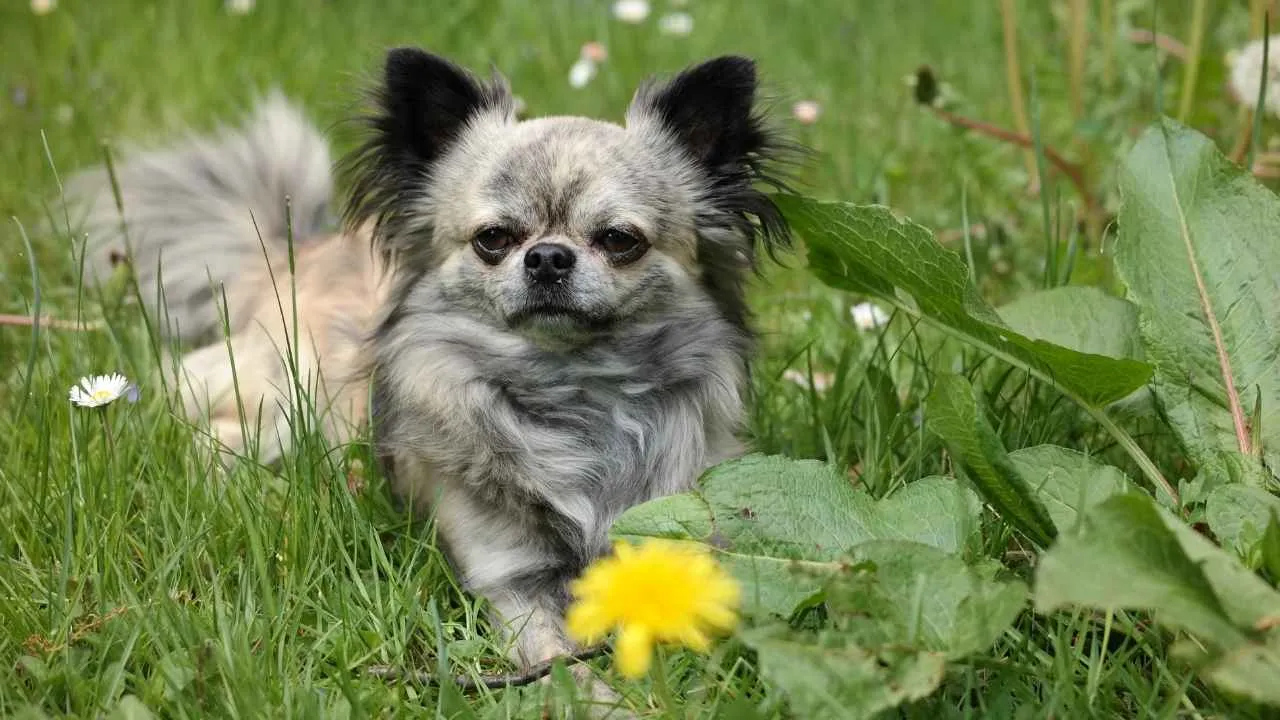
Chihuahua ranks among the oldest dogs of the Americas, tied closely to pre-Columbian cultures and later becoming a symbol of Mexico. Its small body pairs with a terrier-like attitude that often feels far larger than its size. The expression and posture reflect confidence rather than fragility.
Daily Life Inside Compact Homes
This small dog breed settles easily into indoor living, as it prefers staying close to people over roaming constantly. Much of its daily movement comes from following family members from room to room or engaging in short bursts of play.

A few habits shape this rhythm clearly:
Prefers laps and close physical contact
Gets exercise through indoor activity
Responds well to short neighborhood walks
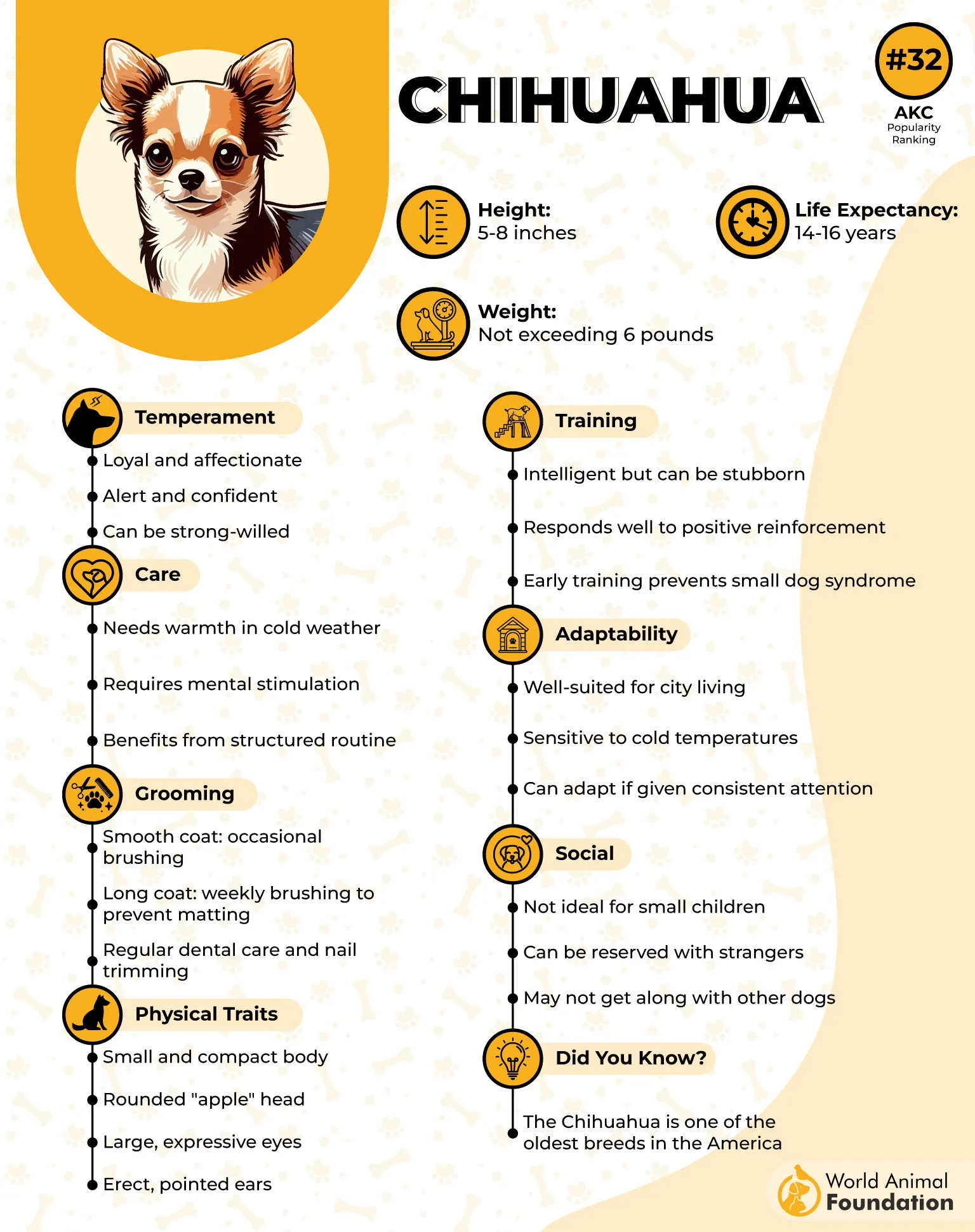
Personality Shaped Through Attention
Chihuahua forms strong attachment patterns and often expects direct involvement in household activity. Without early boundaries, its clever and assertive nature can quickly take control of routines and attention, as PetMD writes. Consistent training influences how that confidence is expressed indoors.
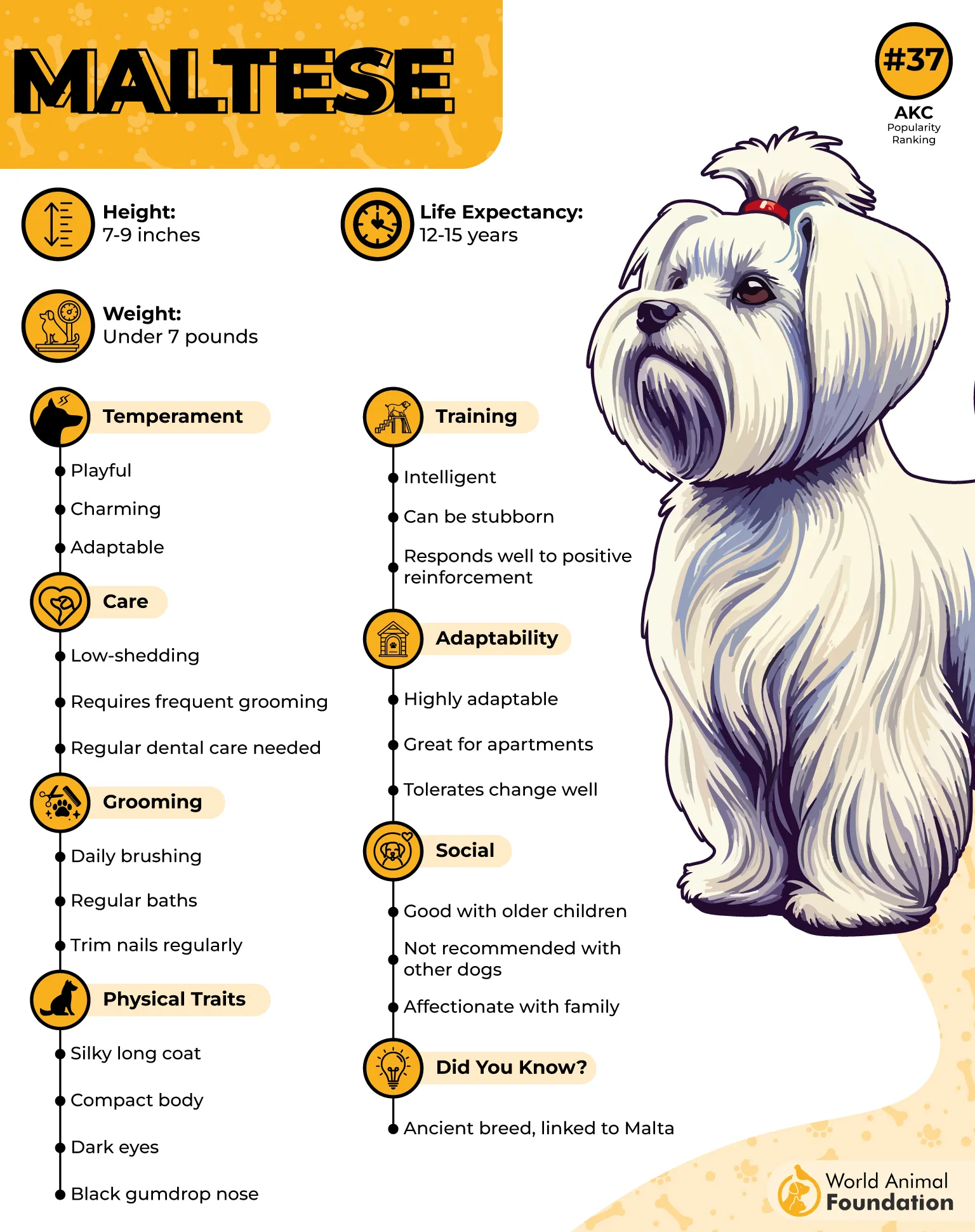
2. Maltese
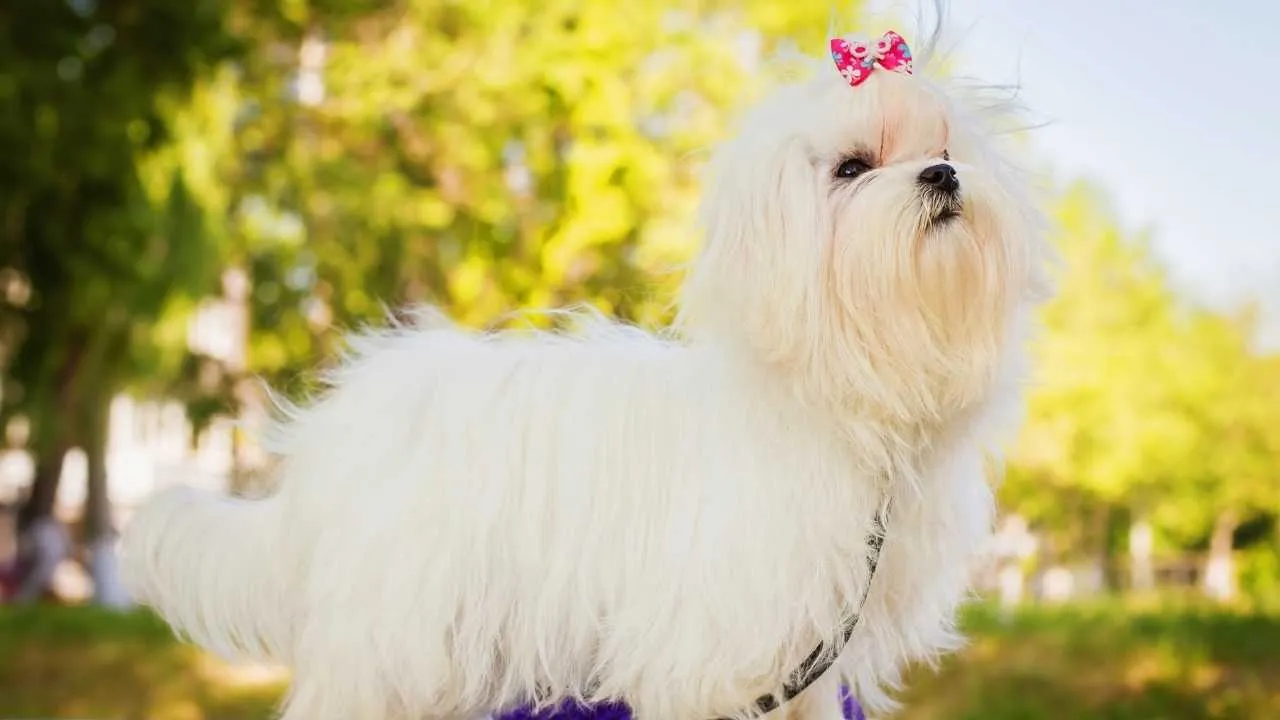
Maltese dogs gained admiration for their flowing white coat and companion-focused nature, appearing in Greek and Roman writings centuries ago.
Its small frame fits naturally into compact homes where constant activity is limited. The breed connects closely with people and responds quickly to household attention.
Daily Rhythm
This charming dog prefers interaction throughout the day, often shifting between playful bursts and relaxed indoor companionship, as Hills Pet stated. Boredom affects this breed more than physical space, especially when left isolated for long periods.
These details shape that routine clearly:
Enjoys short interactive play sessions
Responds best to positive reinforcement
May become vocal when lonely
Compact Yet Expressive
Maltese brings a surprisingly bold personality into a very small body, creating a lively presence inside apartments or smaller homes. Its affectionate nature blends easily into close living arrangements where human interaction happens frequently. The breed also adapts well to quieter indoor routines.
3. Papillon
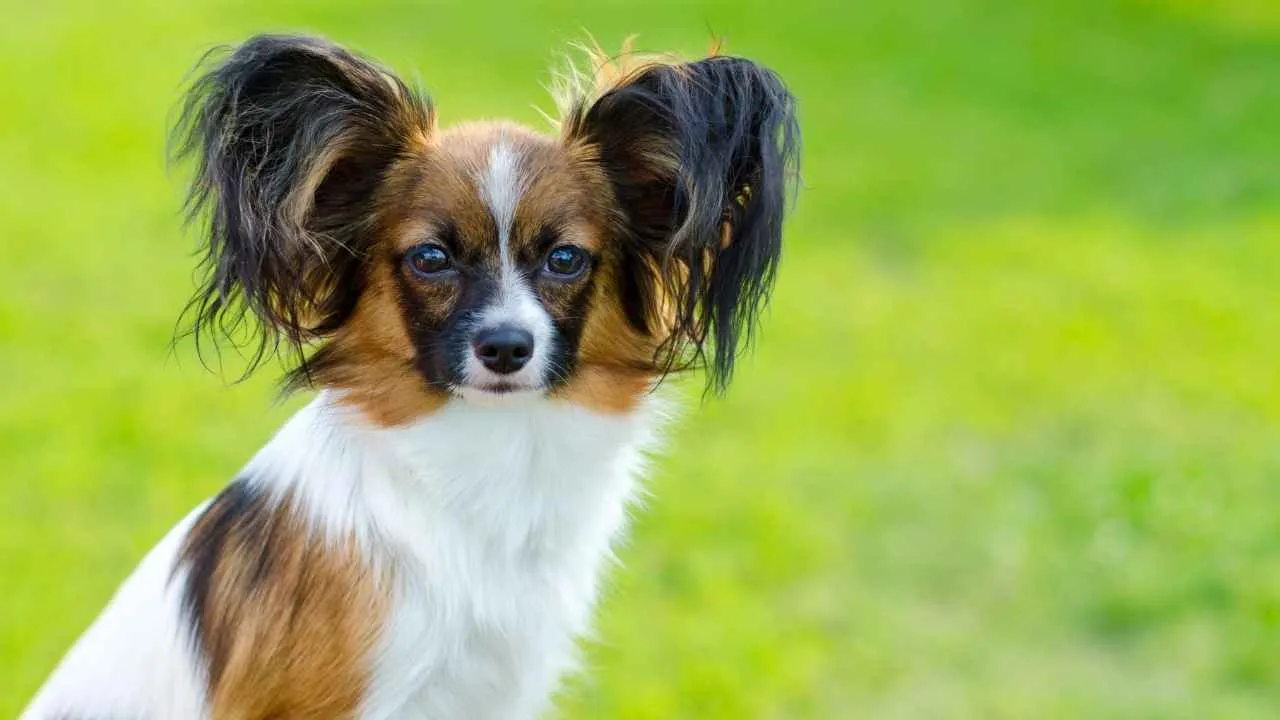
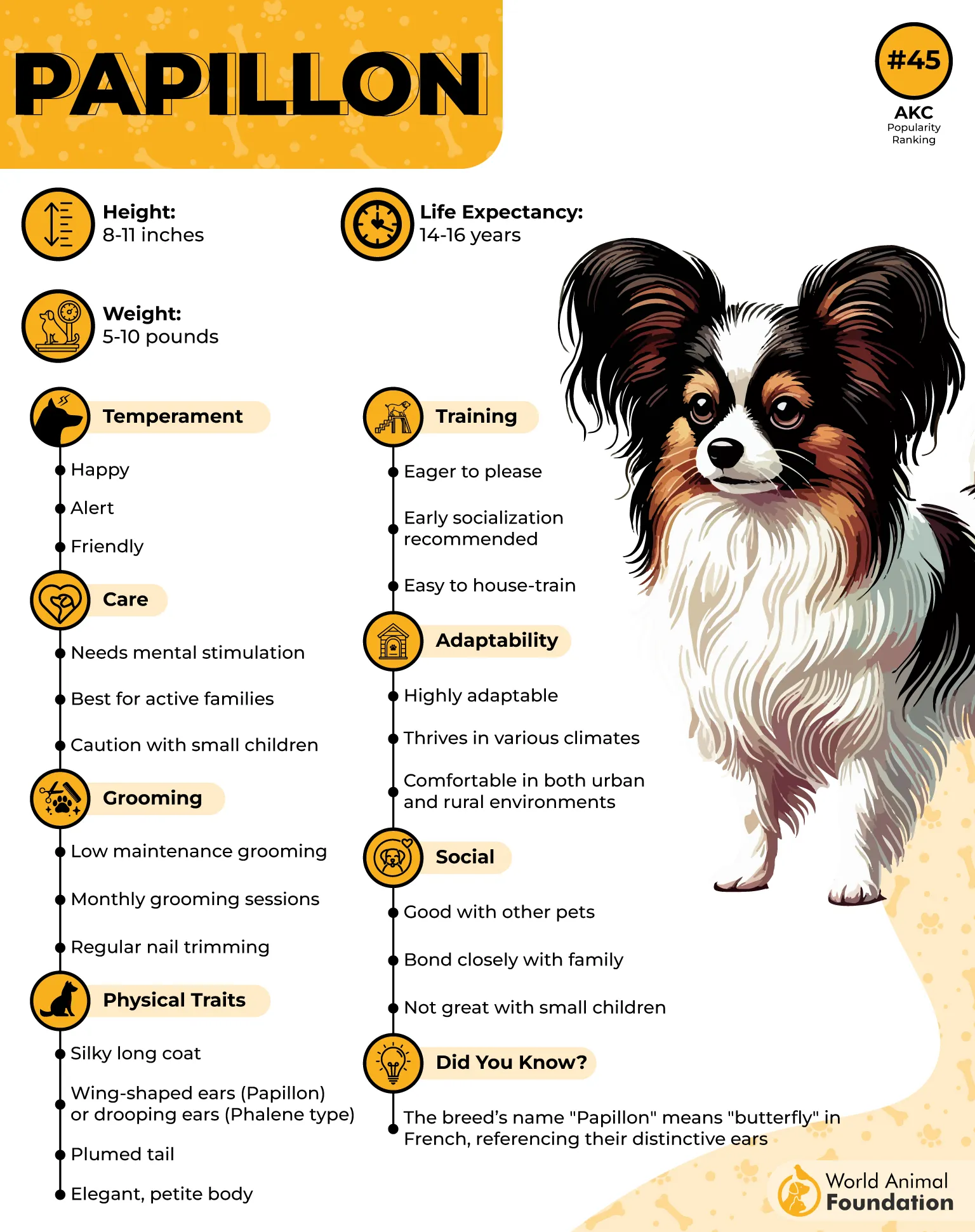
Papillon takes its name from the French word for butterfly, inspired by the breed’s wide, fringed ears that frame the face like delicate wings. Beneath that elegant appearance lives a lively companion that adjusts easily to apartment settings, city homes, and quieter indoor routines.
Small Dog, Busy Mind
Papillons learn quickly and enjoy activities that keep both body and mind occupied inside compact living spaces. After playful bursts around the home or a brisk neighborhood walk, they happily curl beside their favorite person, as per the AKC.
These characteristics shape a balance well:
Fast learner during games
Enjoys indoor toy activities
Petite-sized suits for apartment life
Curious and Social
This little breed often looks for another game long after the lap time ends. Fenced spaces, leash walks, and interactive play help direct that curiosity into something enjoyable indoors. Also, they get along comfortably with dogs, cats, adults, and seniors, which helps in homes where space is shared closely.
4. French Bulldog
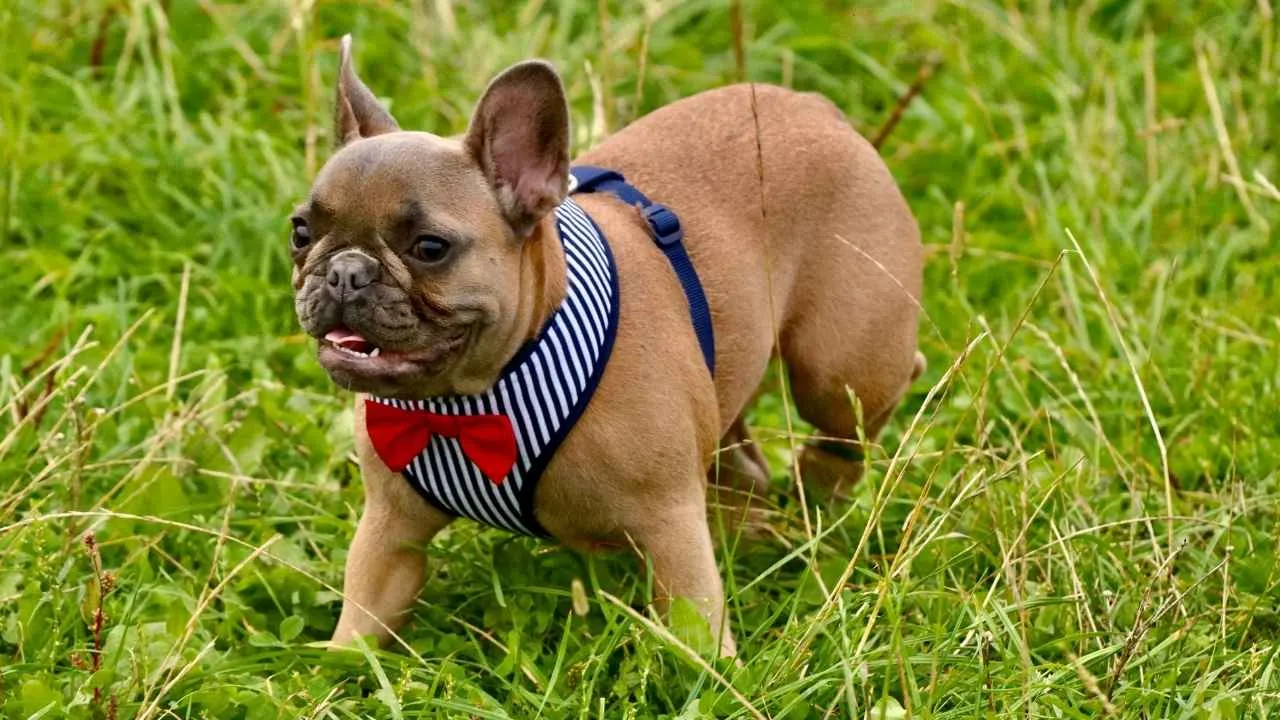
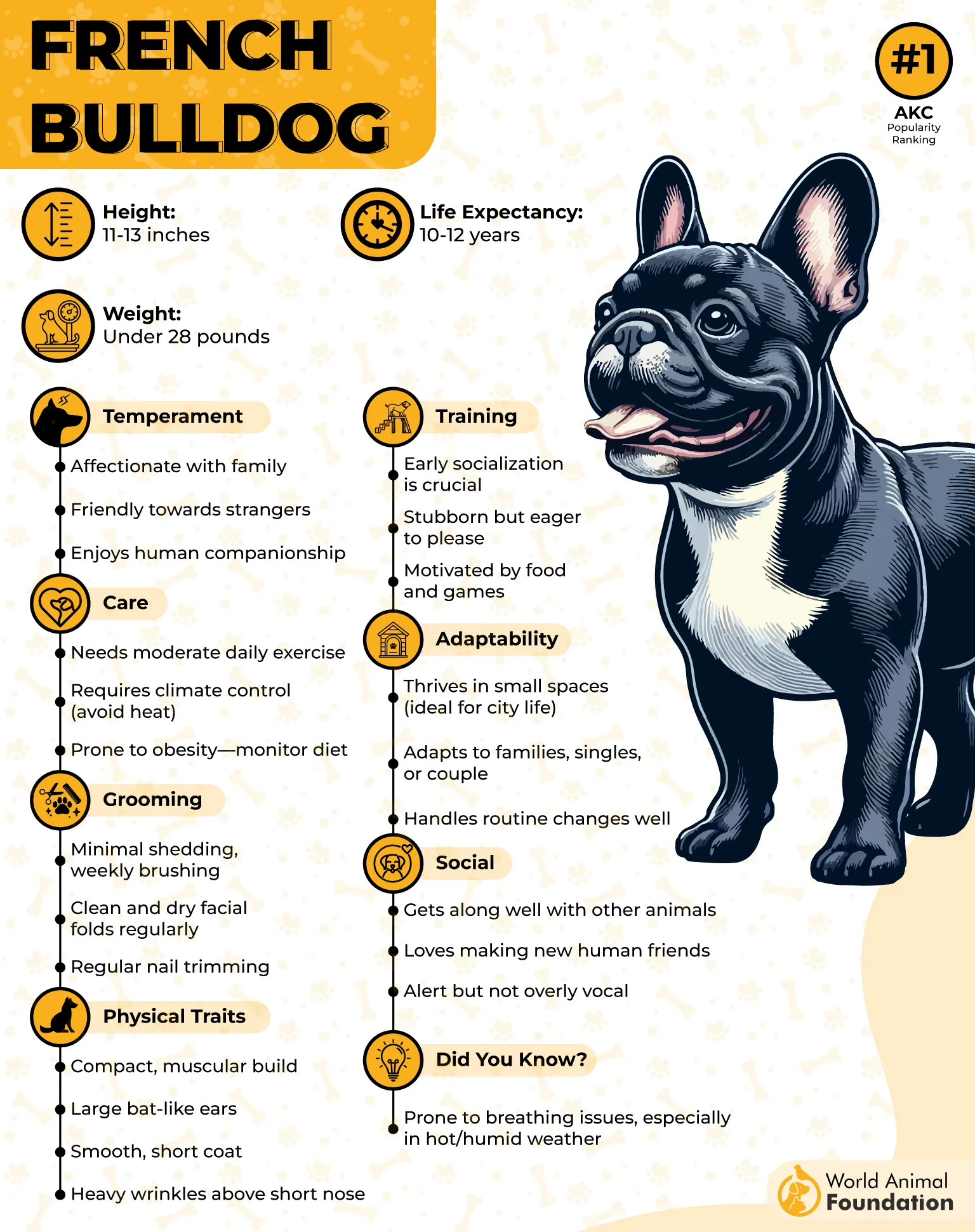
French Bulldog catches attention immediately through its oversized bat ears, compact frame, and expressive face. Its easygoing nature fits naturally into busy urban environments where constant activity surrounds daily life. The breed’s quiet manner adds to its appeal in shared living spaces.
Social Habits
Frenchies connect easily with people and other animals, often treating unfamiliar visitors with curiosity rather than hesitation. Their affectionate temperament blends closely with routines built around indoor interaction and short outdoor outings.
Small details explain this appeal clearly:
Rarely barks without reason
Welcomes new people with ease
Adjusts quickly to changing household routines
Daily care Without Excessive Demands
The French Bulldog does not demand heavy exercise, staying happy with short walks and playful moments throughout the day. Its short coat sheds lightly, making grooming simpler through weekly brushing. Physical activity remains moderate compared to more demanding companion breeds.
5. Shih Tzu
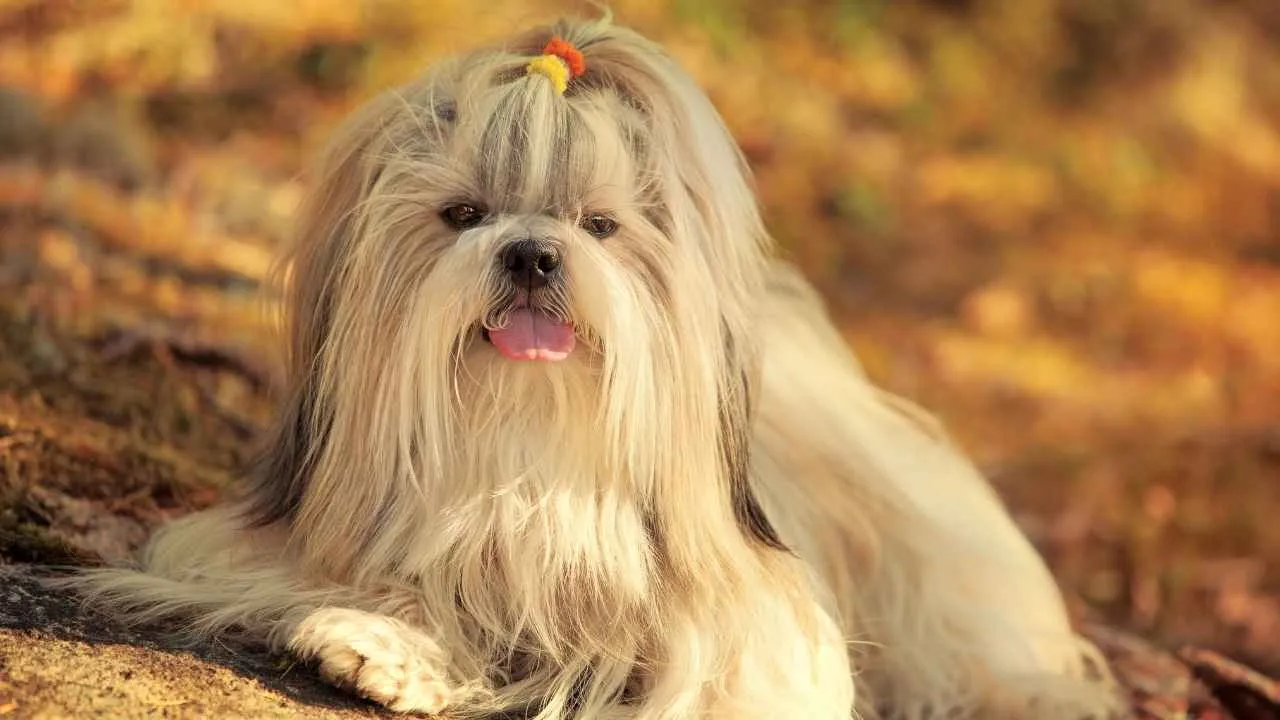
The Shih Tzu built its reputation inside royal palaces, where close companionship mattered more than rugged outdoor work.
Its large dark eyes and expressive face create constant interaction, often turning ordinary moments into attention-seeking little performances. Mischief and affection tend to arrive together with this breed.
Comfort-First Routine
It adapts smoothly to smaller homes because most of its daily routine revolves around staying close to people indoors. Time beside people matters more to this breed than running long distances or exploring large spaces.
That indoor lifestyle connects closely with habits like:
Prefers laps and soft resting spots
Enjoys short walks over long outings
Finds entertainment through indoor interaction

Grooming With Flexibility
Shih Tzu’s coat allows different upkeep routines depending on how much maintenance fits the household. A shorter puppy trim changes the overall routine significantly while keeping the breed’s charm intact. This option works especially well for apartment dwellers or busy pet parents.
6. Bichon Frise
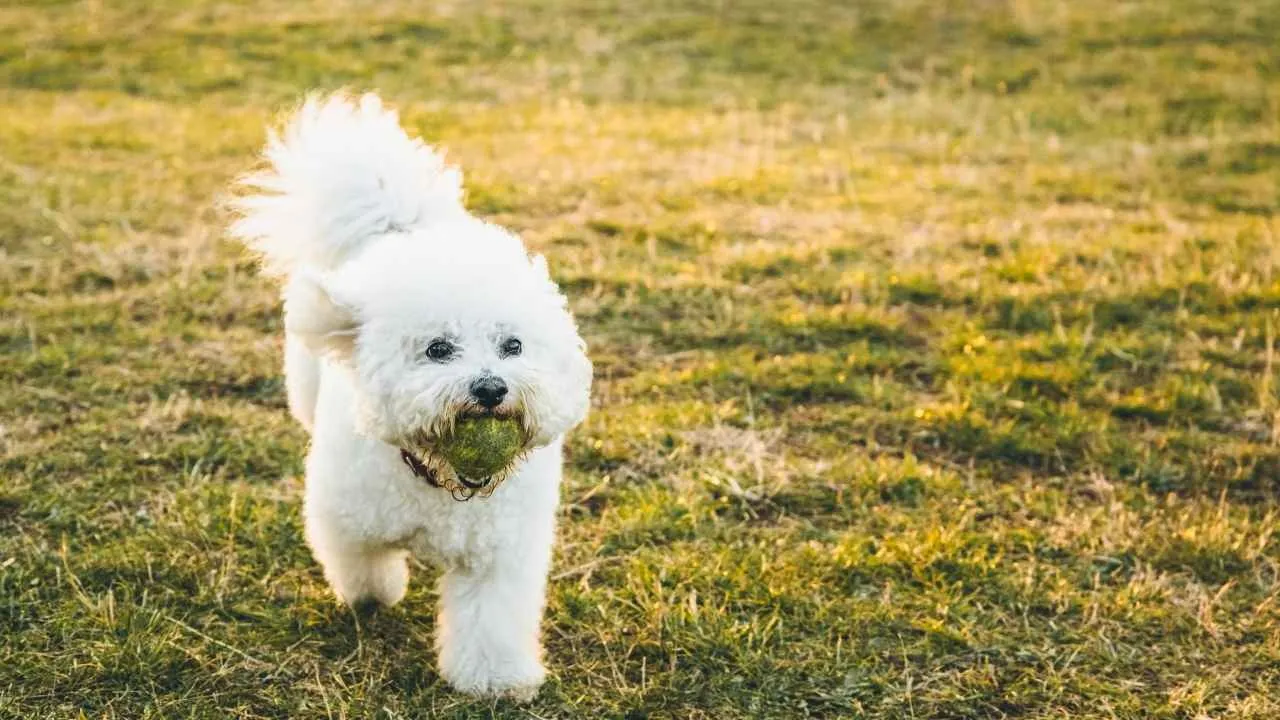
The Bichon Frise built its reputation through personality as much as appearance, relying on intelligence and sociable behavior for centuries.
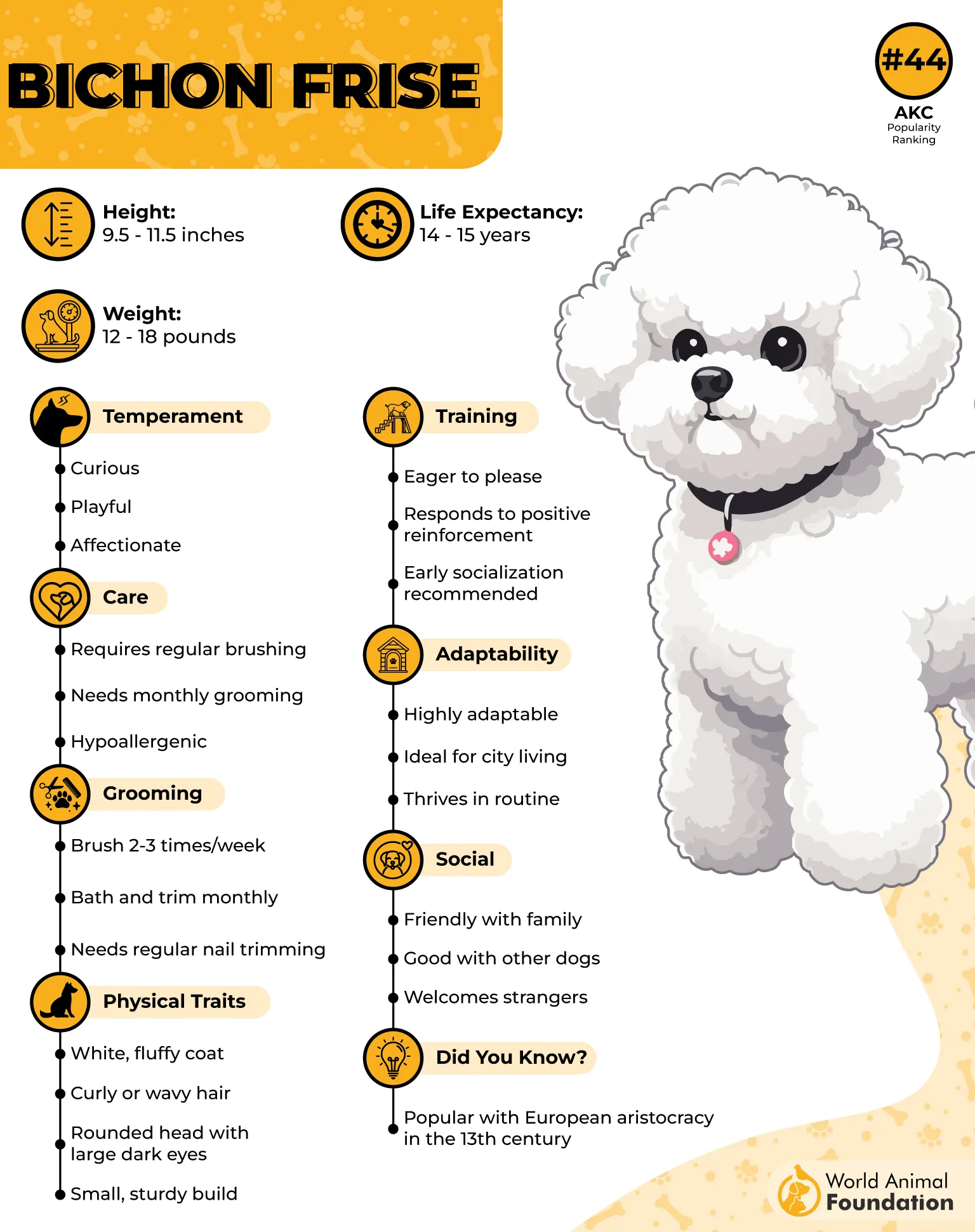
Its sturdy little frame pairs with a naturally animated attitude that keeps indoor life feeling lively. The breed approaches people with openness rather than caution.
Social Habits Shaped by Curiosity
As a great apartment dog, it interacts easily with children, guests, and other dogs, often treating unfamiliar faces as future playmates instead of intruders. Its alert nature notices household activity quickly without creating tension indoors.
That temperament appears through small but telling habits:
Greets newcomers with curiosity
Responds quickly during games and tricks
Adapts easily to shared living spaces
Energy Bursts Balanced by Calm Periods
The Bichon Frise alternates between relaxed downtime and sudden playful runs through the home or yard. Its activity pattern fits compact living because intense energy appears in shorter bursts rather than constant pacing. Daily walks and interactive play help direct that enthusiasm productively.
7. Yorkshire Terrier
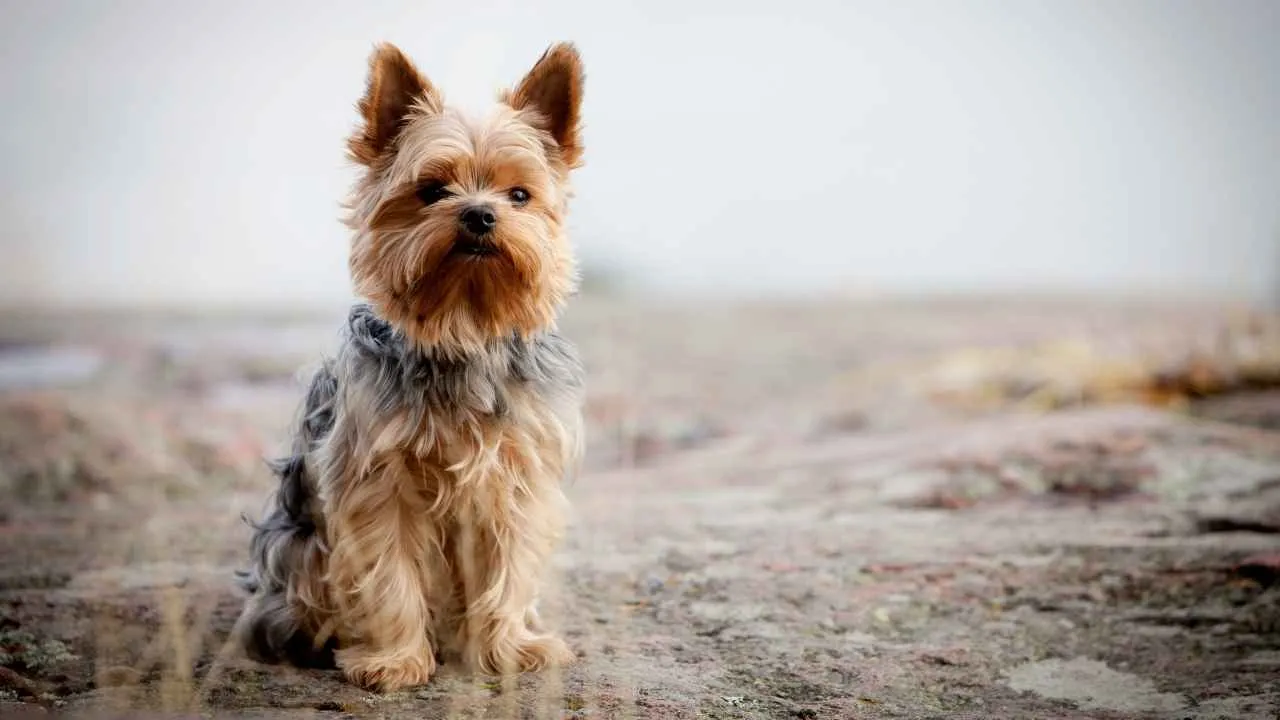
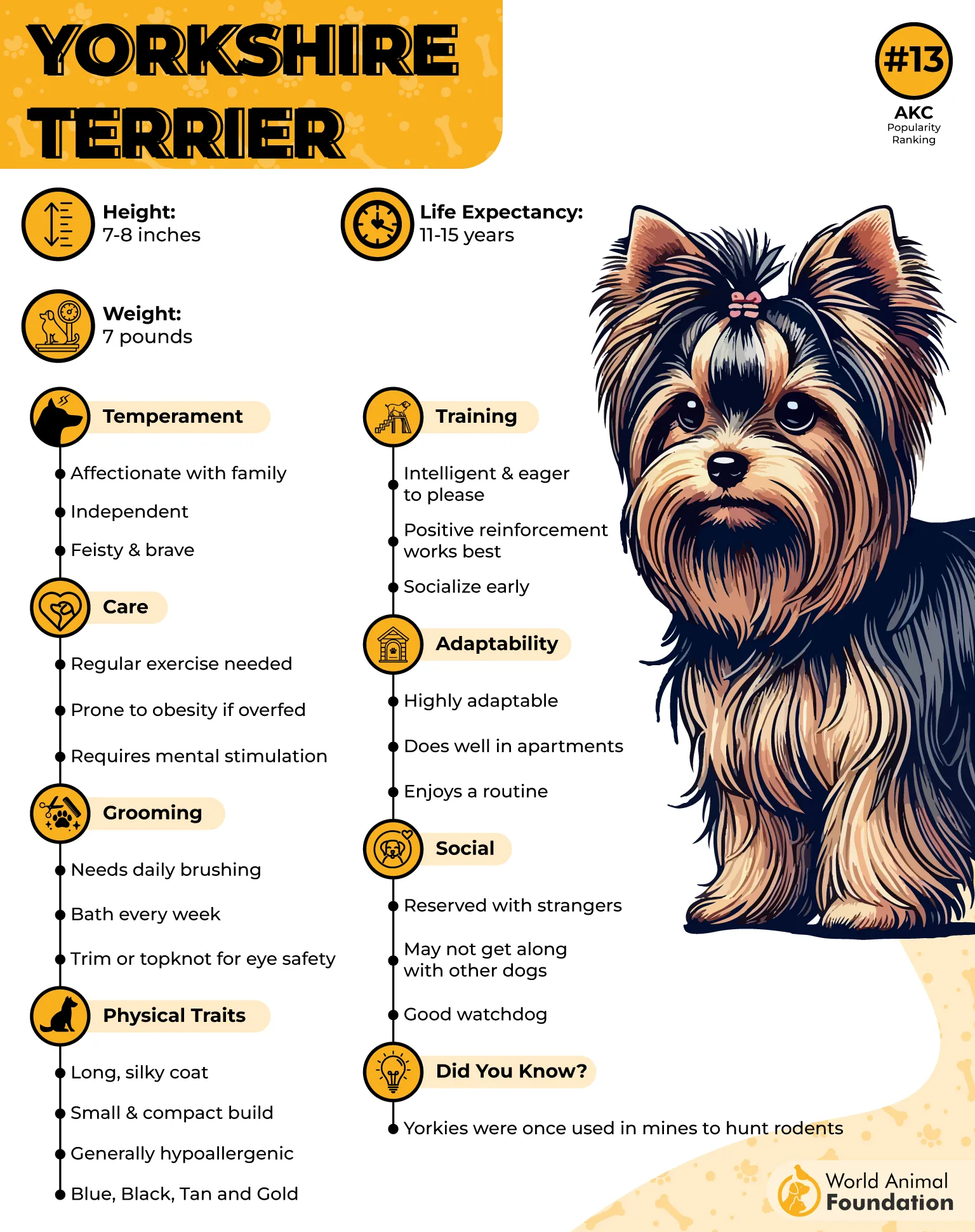
The Yorkshire Terrier first earned respect in mills and mines, hunting rats through cramped industrial spaces before becoming a fashionable companion in Victorian homes.
That fearless terrier instinct still shapes the breed today. Its compact size, sharp awareness, and confident attitude fit naturally into busy urban living.
Small Dog, Sharp Presence
Yorkies react quickly to unfamiliar sounds and remain surprisingly observant inside compact homes. Their fine-textured coat resembles human hair more than typical fur, adding another layer to their appeal.
A few details shape daily life with them:
Alert and vocal around new activity
Moderate exercise suits indoor routines
Lightweight body fits limited spaces
Close Companion Energy
They form strong attachments and prefer staying involved in household activities rather than lounging in isolation. Short walks, hallway games, and quick bursts of chasing satisfy their active side without demanding constant outdoor time. Their playful energy keeps compact spaces feeling lively.
Conclusion
The best dogs for small-space living are not simply the smallest ones. They are the companions that know how to stay close without overwhelming the home around them. Some adapt through calm routines and quiet affection, while others bring playful energy before settling comfortably beside their people again, which is why many are seen as the best small dog breeds for living in an apartment.
That balance makes daily life feel easier, especially in homes where every room matters. With the right dog and suitable breed characteristics, limited space feels more personal and connected. Over time, these excellent apartment dogs turn small shared routines into a meaningful part of coming home each day.
