




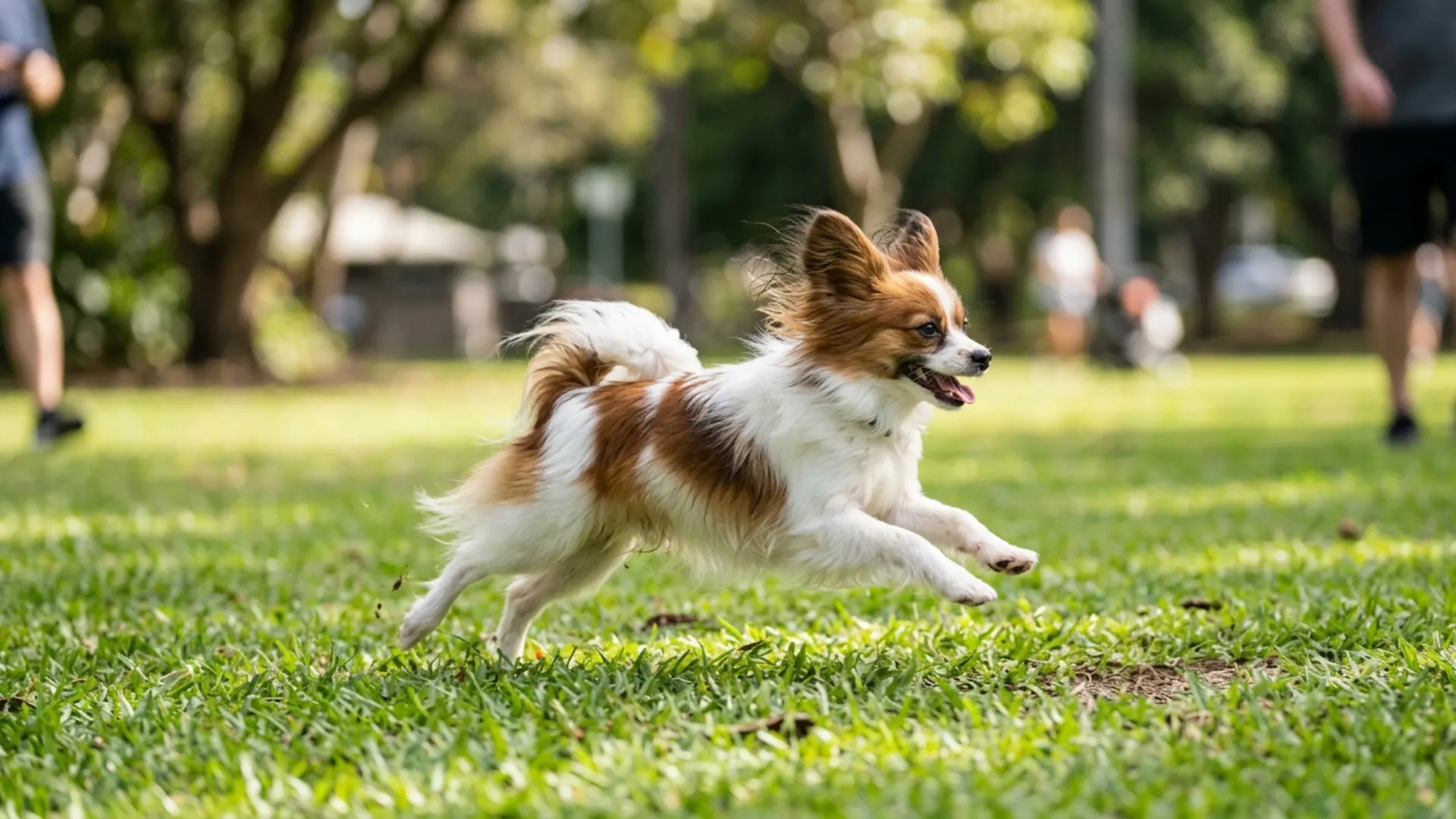
Small dogs often get a bad rap. Many people assume they’re just lap dogs; cute but lazy, better at looking pretty than actually doing anything. That couldn’t be further from the truth. Some of the most energetic, spirited, and sharp dogs come in surprisingly compact packages.
Small dogs often live longer than their larger counterparts due to a mix of genetic, physiological, and evolutionary factors. Studies show that mixed-breed dogs, which often include smaller breeds, tend to live longer than purebreds. This is largely because purebred dogs are more prone to inheriting genetic disorders, often a byproduct of inbreeding and unethical breeding practices.
In contrast, smaller dogs benefit from greater genetic diversity, which contributes to their longer life expectancy and overall health. In the U.S., small breeds make up a significant portion of dog registrations, and a large number of those choices are driven by their playful, lively personalities.
If you’re looking for a dog that can match your energy, make your mornings more exciting, and never seem to run out of steam, this list of small, high-energy breeds is for you.
Most Lively Small Dog Breeds That Love to Play
1. Jack Russell Terrier
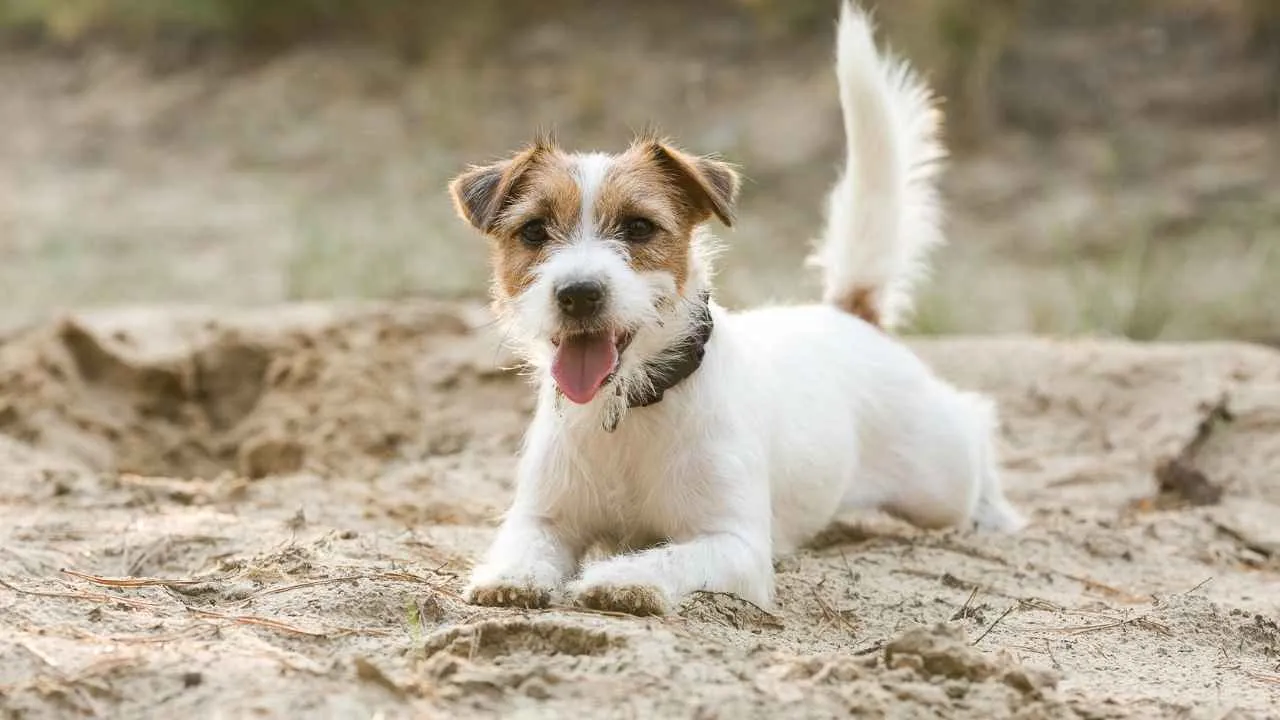
Originally bred in Great Britain in the early 19th century, the Jack Russell Terrier was designed for one main purpose: hunting foxes. Known for its incredible energy and agility, this breed can navigate burrows and narrow spaces with ease while staying focused on the hunt.
Jack Russells have a long body, narrow chest, and V-shaped “button ears” that fold forward to keep dirt out while digging. Their thick double coat comes in three textures: smooth, rough (wiry), or broken (mixed), providing protection in a variety of weather conditions.

Despite their small size, Jack Russells have a powerful bite, with a scissor-type bite force of 150–200 PSI. This makes them effective hunters, but also a breed that requires proper training and socialization to prevent aggression toward people or other dogs.
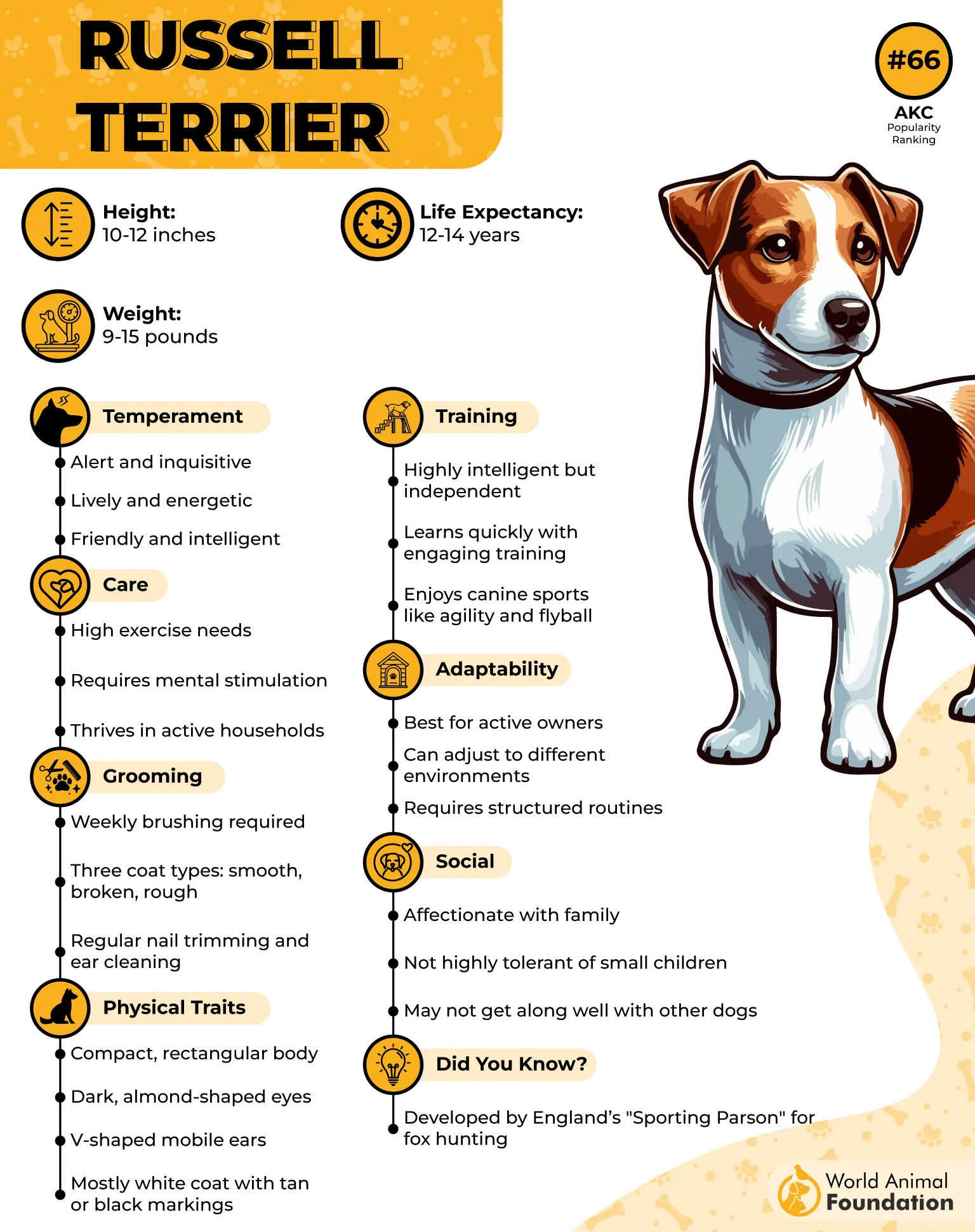
These high-energy dogs need daily exercise, about 1–2 hours, split into short 5–10 minute sessions to prevent boredom. Activities can include fetch, tug-of-war, obedience training, running, hiking, or mentally stimulating games. With a strong prey drive, they should always be leashed outdoors to prevent escapes.
2. Papillon
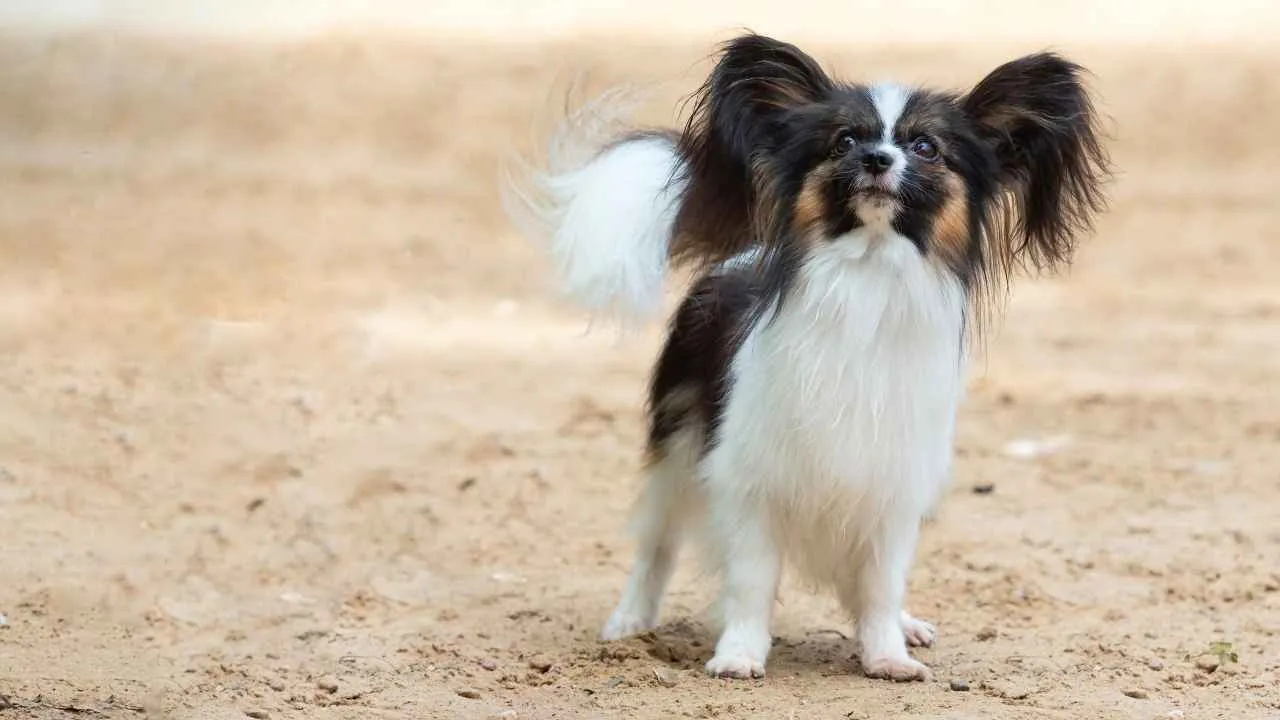
Once favored by Marie Antoinette, the Papillon is an ancient breed originating from either France or Belgium, cherished for centuries as a royal lapdog. Its name, meaning “butterfly,” comes from the breed’s large, butterfly-shaped ears that resemble outstretched wings.
There are two distinct types: the Papillon, with upright butterfly ears, and the Phalène, with droopy ears. Papillons have a long, silky coat without an undercoat, which reduces shedding and matting. Their long “hare feet” give them a delicate, graceful gait, adding to their playful charm.
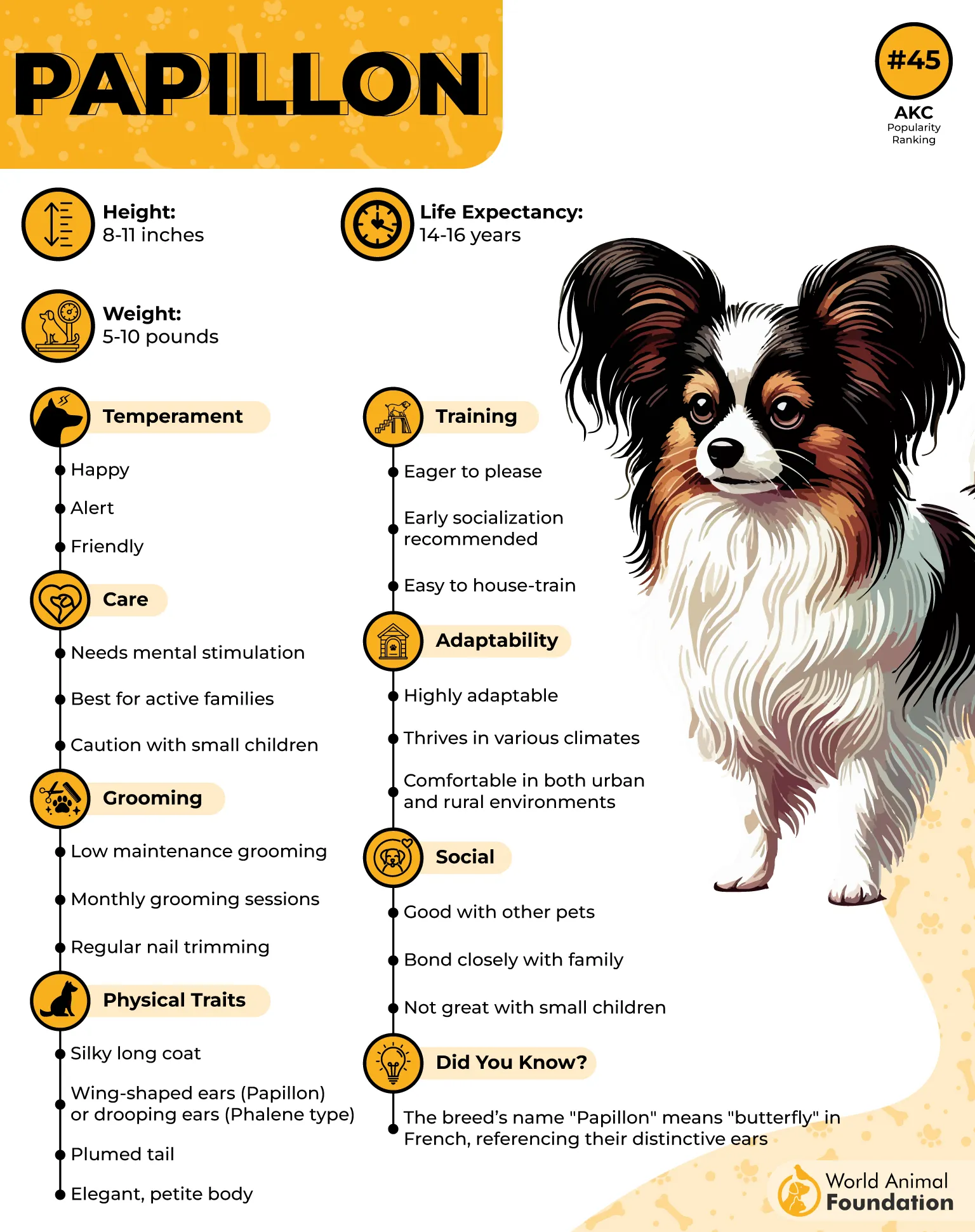
Papillons are intelligent, energetic, and highly trainable. They excel in agility trials, mental stimulation games, and daily activities such as two short walks or interactive play sessions. This breed has a long lifespan of 12–15 years, often maintaining a “puppy-like” personality well into old age.
With a natural curiosity and velcro-like attachment to their owners, Papillons are affectionate, active companions. Their high prey drive and speed can reach up to 45 mph, making them lively and engaging pets.
3. Miniature Poodle
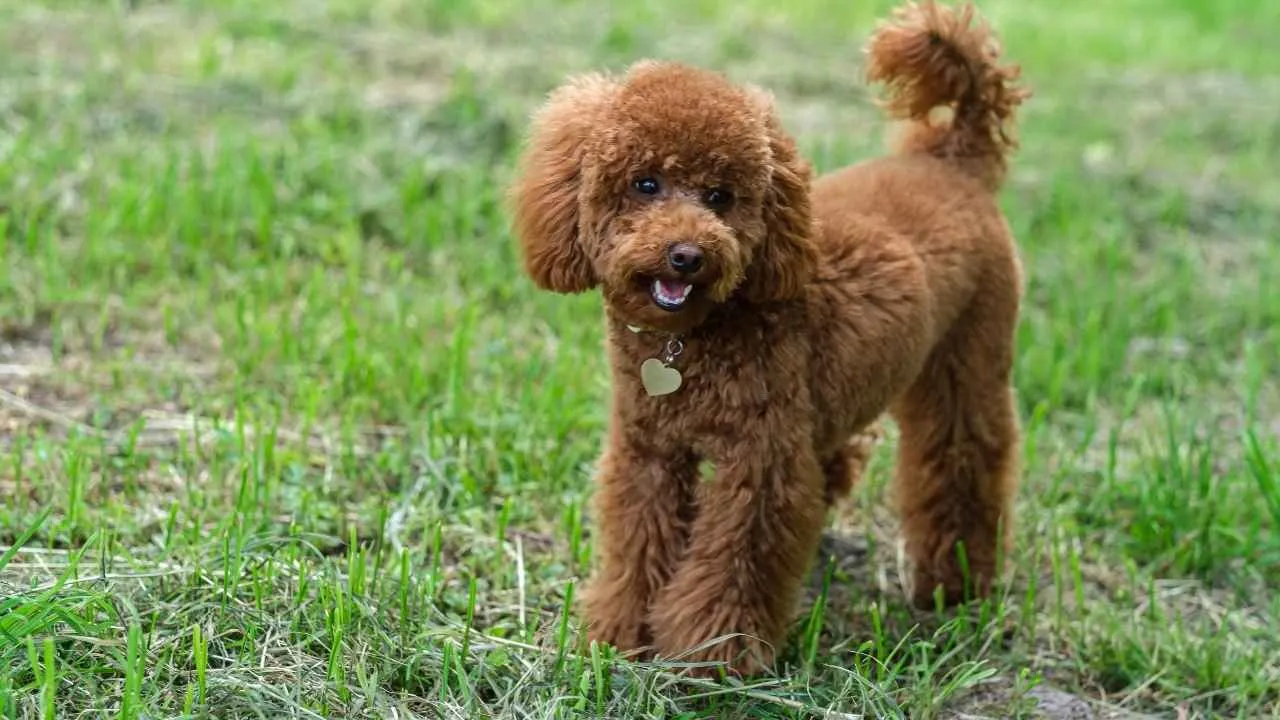
The Miniature Poodle traces its roots back to the Standard Poodle, a breed originally developed for water retrieving. The Miniature variety was selectively bred for people who wanted the same elegance, intelligence, and playful personality in a smaller, more manageable size. Historically, this breed was also influenced by circuses, adding to its lively and entertaining nature, according to Omlet UK.
Weighing between 10 and 17 pounds and standing 11–15 inches tall, Miniature Poodles are highly intelligent and agile. Their single-layered curly coat consists primarily of hair rather than fur, producing less dander and making them ideal for allergy-sensitive households. Grooming styles, such as shaved hindquarters, were originally designed to aid in water retrieval for the Standard Poodle.
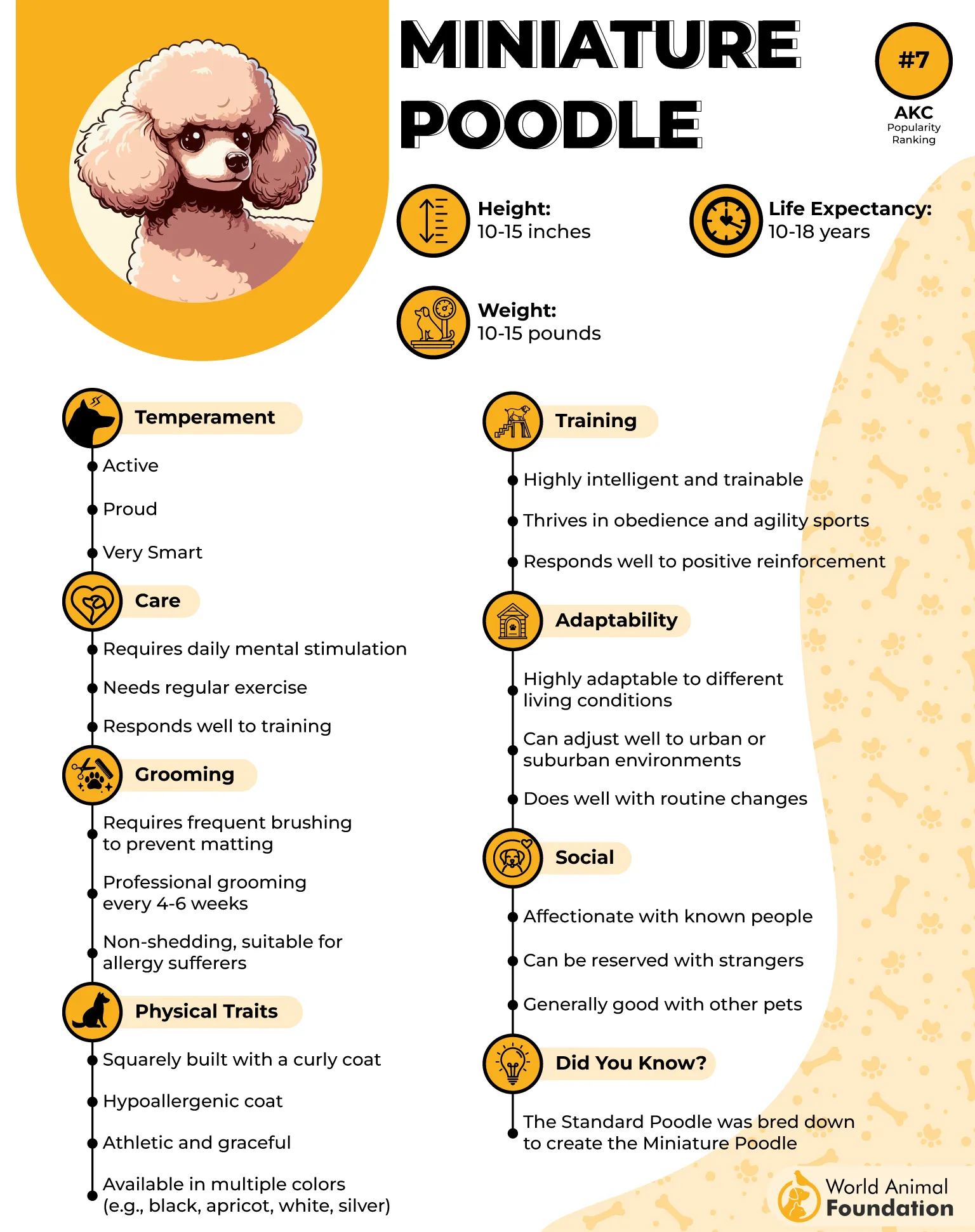
Miniature Poodles have oval, alert eyes, a fine, chiseled muzzle, and a well-defined chin, giving them a perceptive, intelligent expression. Their light-footed, bouncy gait and straight, high-set tail add to their charming and animated appearance.
Despite being hypoallergenic, this breed requires regular grooming, including professional clipping every 4–6 weeks, to maintain coat health and prevent discomfort at the hair roots.
4. Miniature American Shepherd
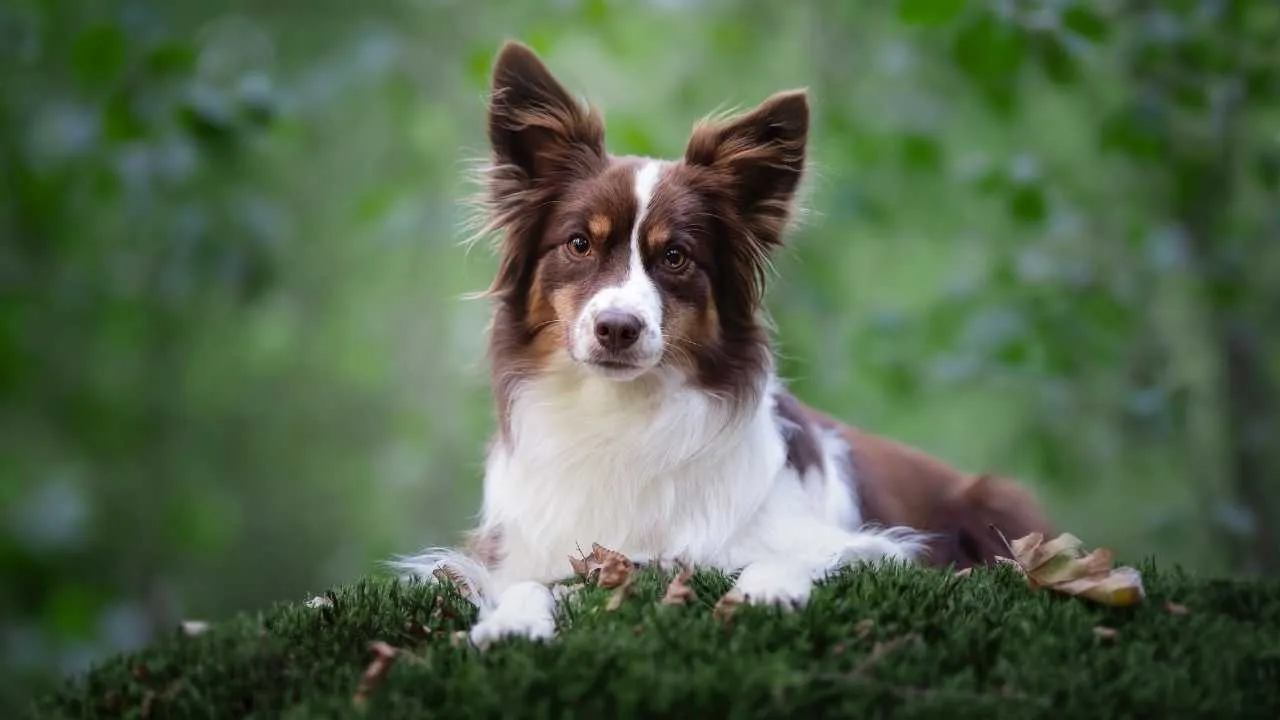
Developed in the United States during the 1960s as a herding and working dog, the Miniature American Shepherd excels in dog sports such as agility, flyball, canine freestyle, and obedience. Known for its affectionate, eager-to-please nature, this breed makes an excellent family companion and generally gets along well with children and other pets, according to PetMD.
Slightly longer than it is tall, the Miniature American Shepherd has a ground-covering, agile build. Its almond-shaped eyes, often heterochromatic, can appear in brown, hazel, amber, or marble shades. Naturally wary of strangers, this attentive watchdog acts as a “fun police,” often herding children or other pets by gently nipping at their heels to keep them safe.
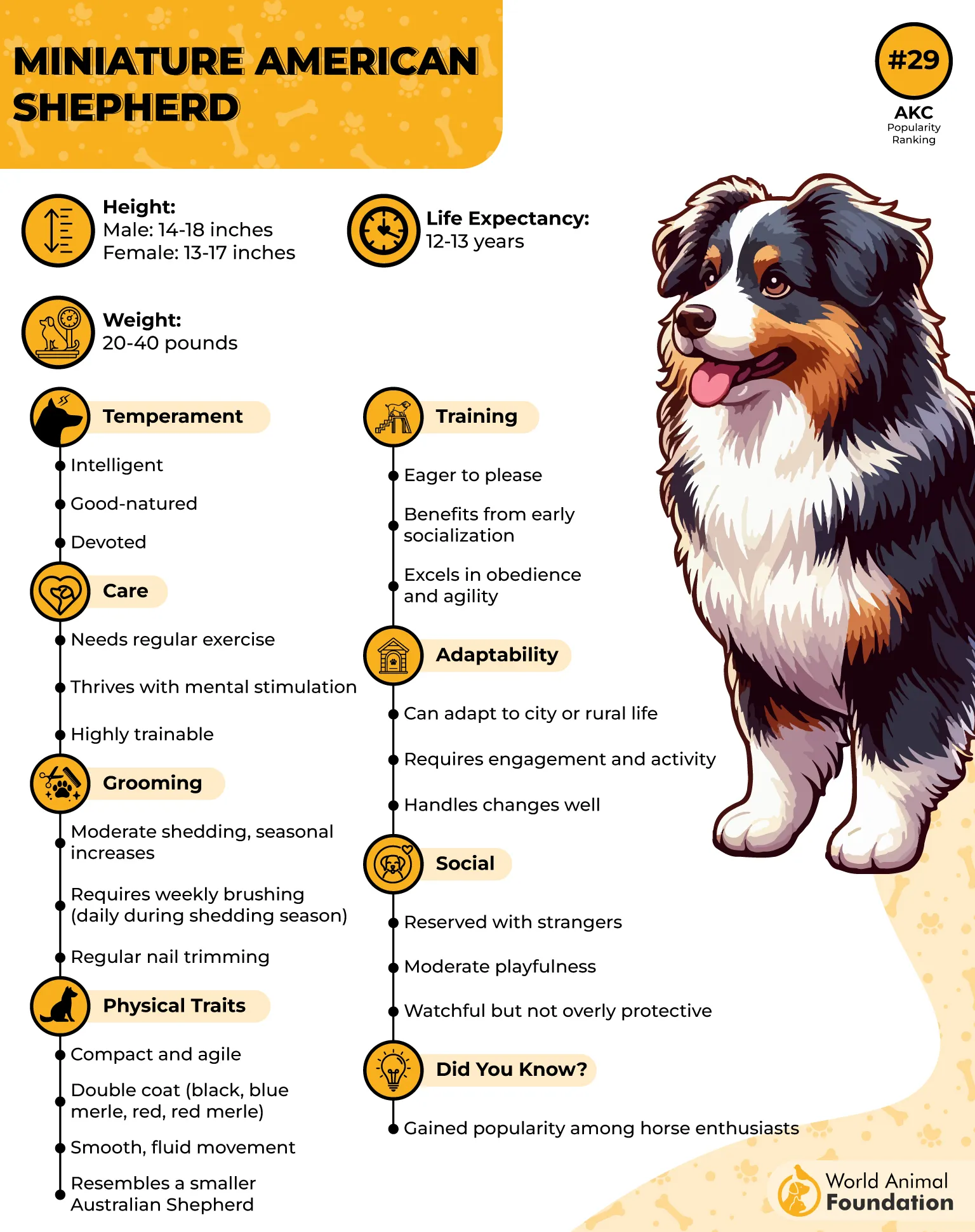
With a strong herding background, this breed thrives on activities that engage its instincts to pivot, chase, and organize moving objects. It enjoys puzzle toys, frisbee, fetch, hiking, and running, requiring moderate-to-high exercise, about 1–2 hours daily.
Despite its energetic, “always-on-task” personality, the Miniature American Shepherd is deeply affectionate, often cuddling with family members and forming close bonds. If left alone for long periods, it may develop separation anxiety due to its desire for companionship and purpose.
5. Miniature Pinscher
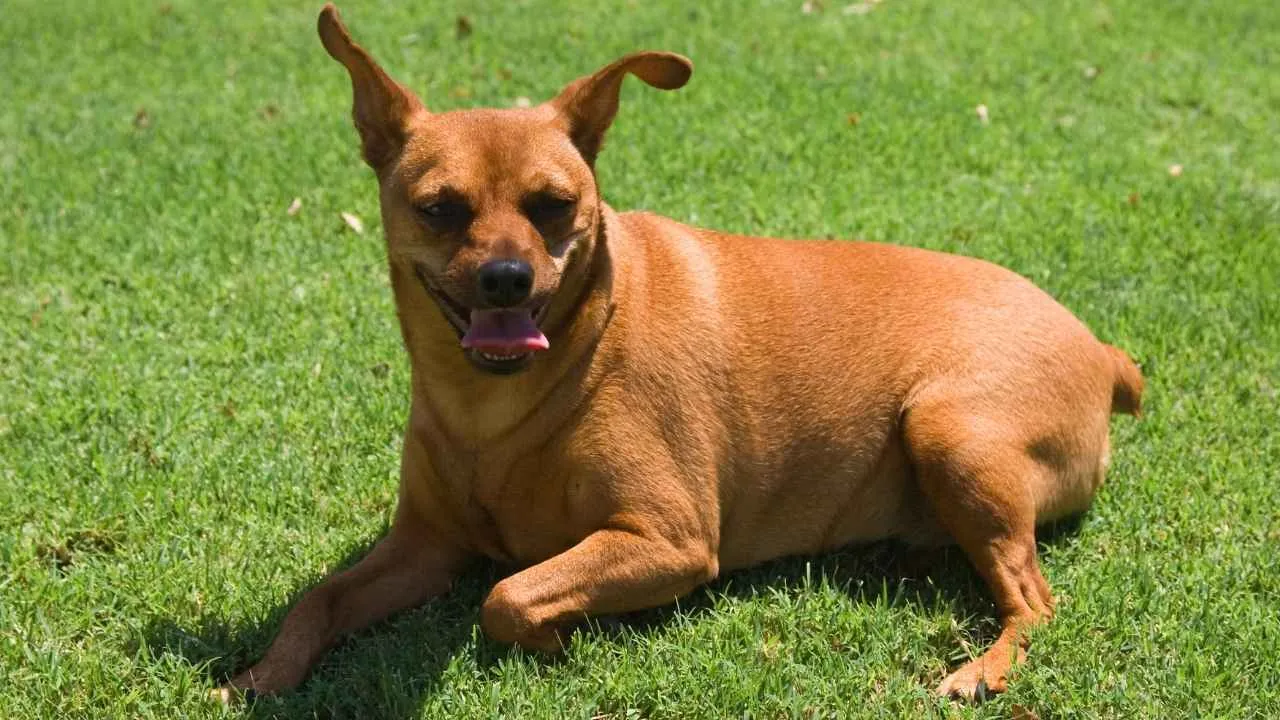
The Miniature Pinscher, the smallest of the Pinscher breeds, including German and Dobermann varieties, originated in Germany and quickly gained popularity as a companion and show dog. Also known as the Zwergpinscher, this tiny powerhouse stands about 1 foot tall and weighs around 11 pounds. Despite its small size, it carries a confident, energetic, and curious personality, never acting like a “little dog.”
Miniature Pinschers have a distinctive high-stepping, prancing gait, lifting their front feet and bending at the wrist, reminiscent of a Hackney horse. Their single-layered, short coat lacks an undercoat, making them hypoallergenic, though they are prone to skin issues and have low insulation. Originally bred to hunt vermin on farmland, Min Pins are natural burrowers and enthusiastic chewers.
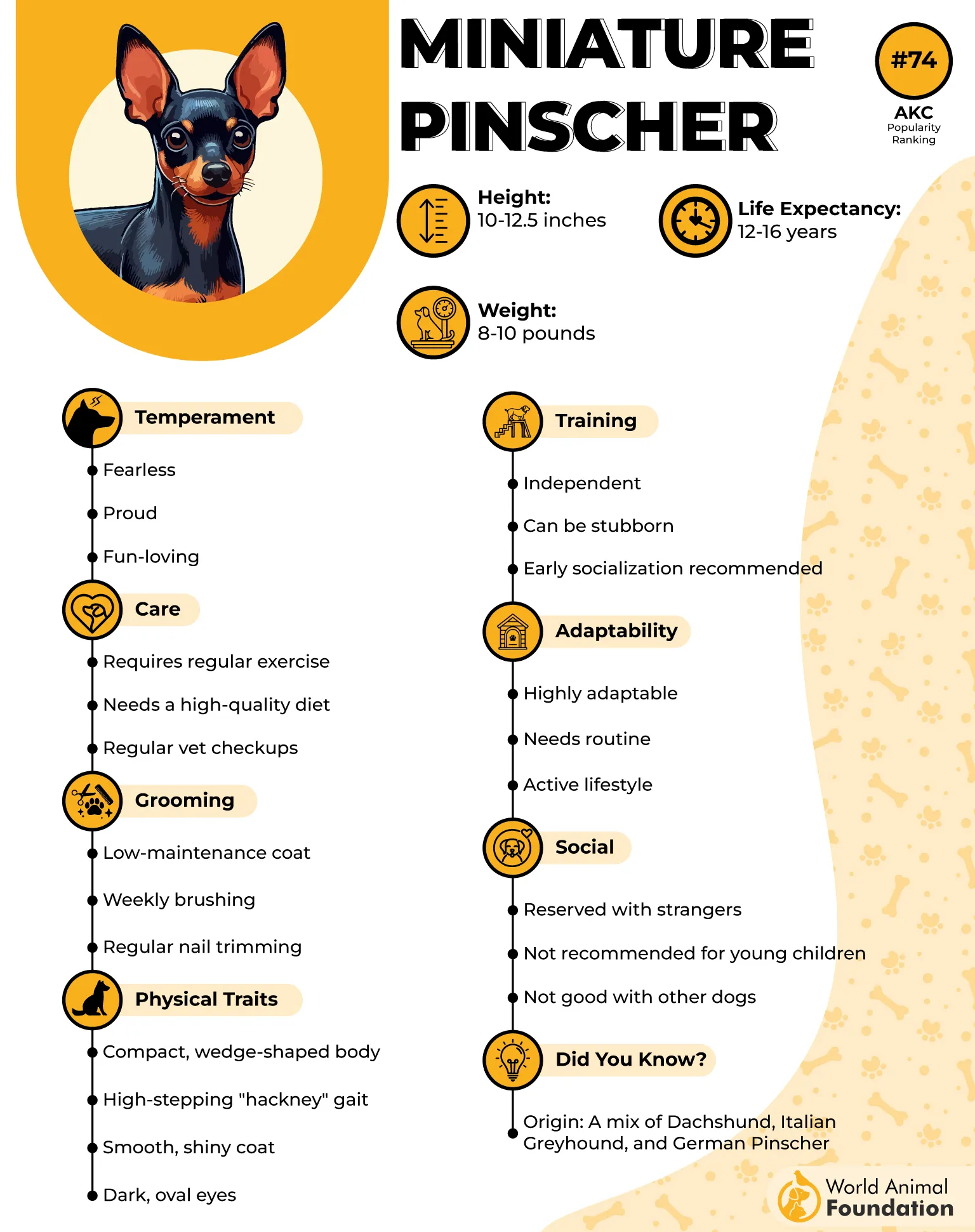
Perfect for active families, this breed has a high metabolic rate and benefits from small, frequent meals to prevent hypoglycemia. They need 30–60 minutes of daily exercise, which can include brisk walks, scent games, puzzle toys, and basic obedience training.
Miniature Pinschers are known for their playful, clownish antics: hopping like kangaroos when excited, making theatrical sounds when bored, and nudging hands for attention, keeping their owners entertained at all times.
6. Bichon Frise
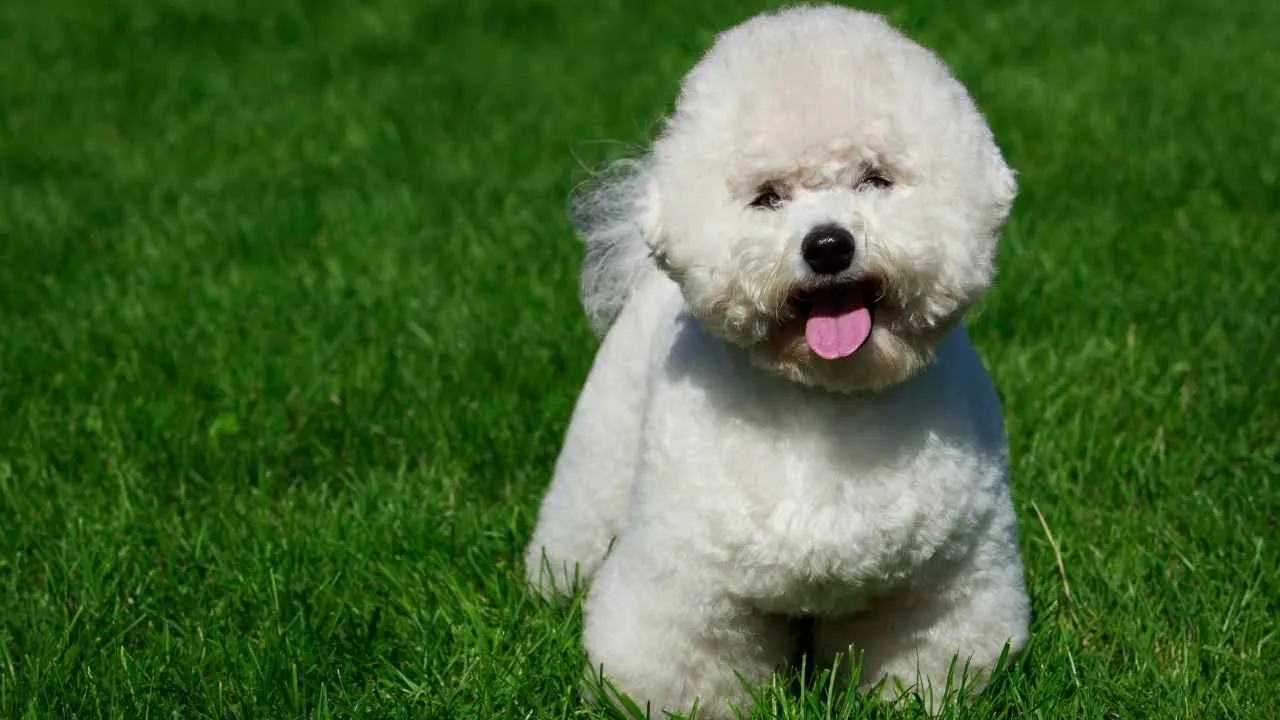
Originating from the Canary Islands, the Bichon Frise was a favorite among aristocrats and cherished as a lapdog. Sailors also kept them aboard ships, and they played a role in trade, according to Hill’s Pet. Following the French Revolution in 1876, many Bichons adapted to new circumstances, often performing in circuses to survive.
This pure white breed is not allowed to have more than 10% colored shading. Its round head resembles a full moon, complemented by black, round eyes and a black nose, giving it a signature teddy bear appearance. The Bichon Frise is known for bursts of high energy, running wildly, circling, and zooming through the house before settling down, an activity affectionately called the “Bichon Blitz.”
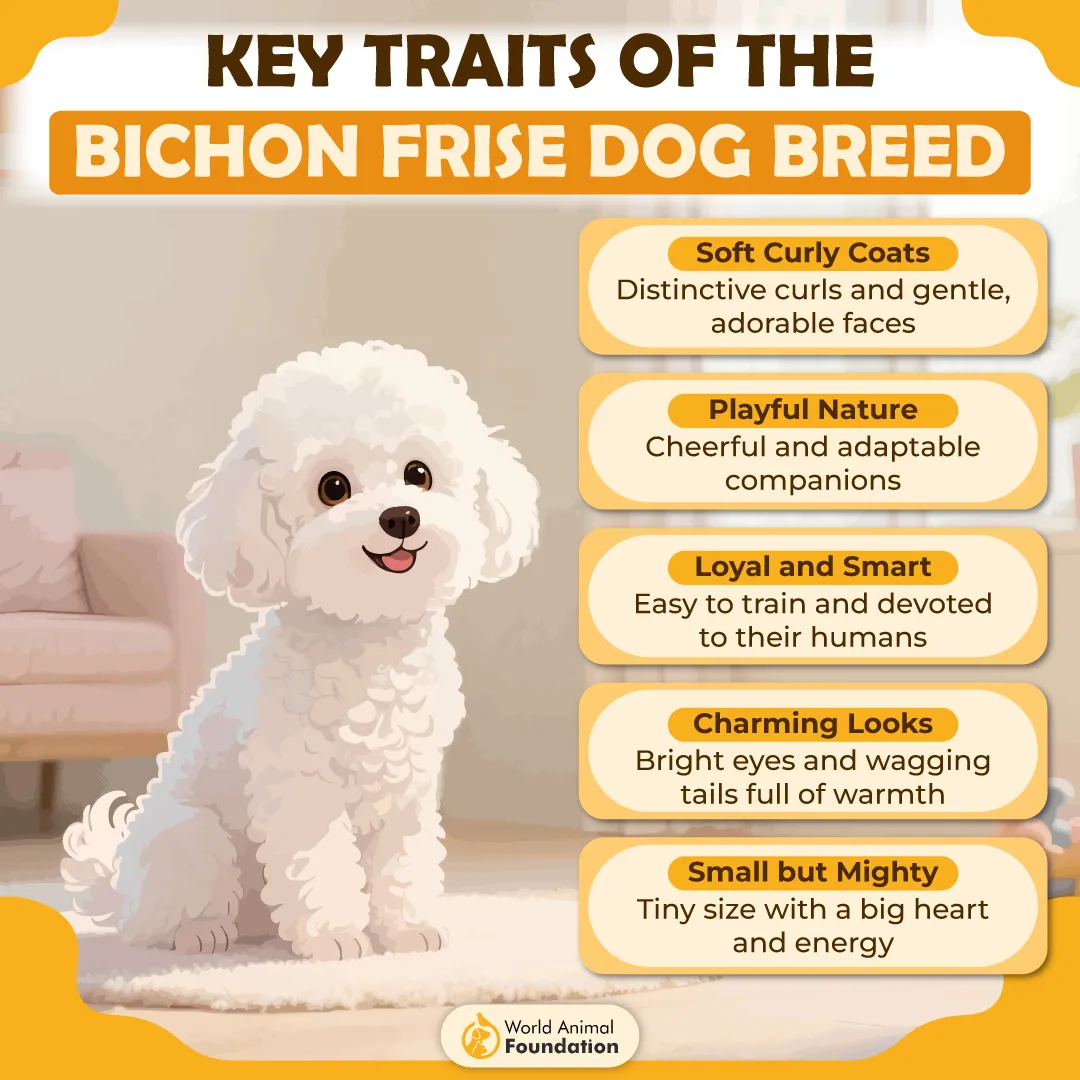
Friendly and social, Bichons form bonds quickly, even with strangers. Their high intelligence and alert nature allow them to learn complex commands and tricks with ease. They require about 30 minutes of daily physical and mental stimulation, including walks and playtime.
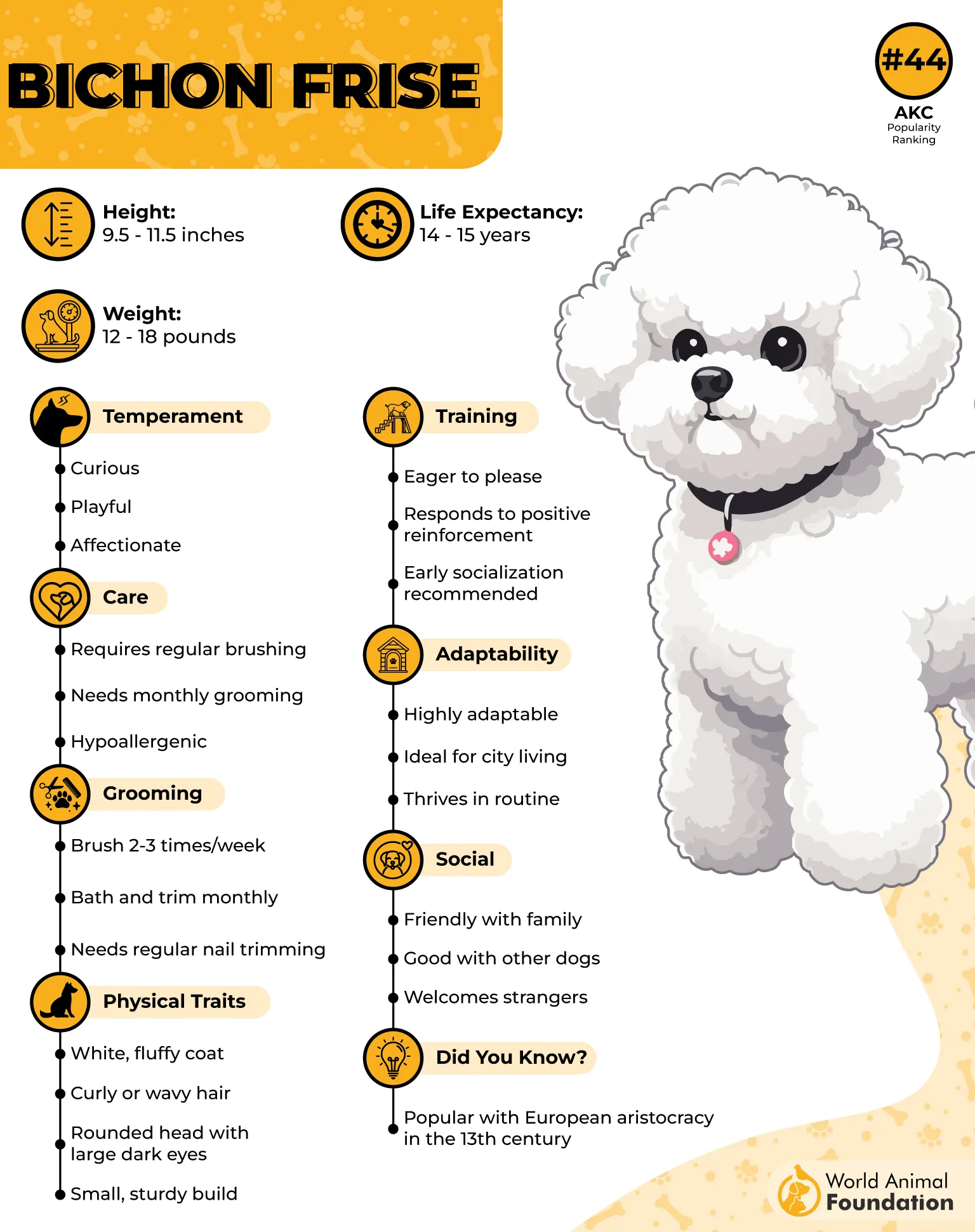
Puppies, however, have minimal exercise needs, typically calculated as five minutes per month of age; for instance, a 4-month-old puppy would need roughly 20 minutes of activity daily.
7. Dachshund
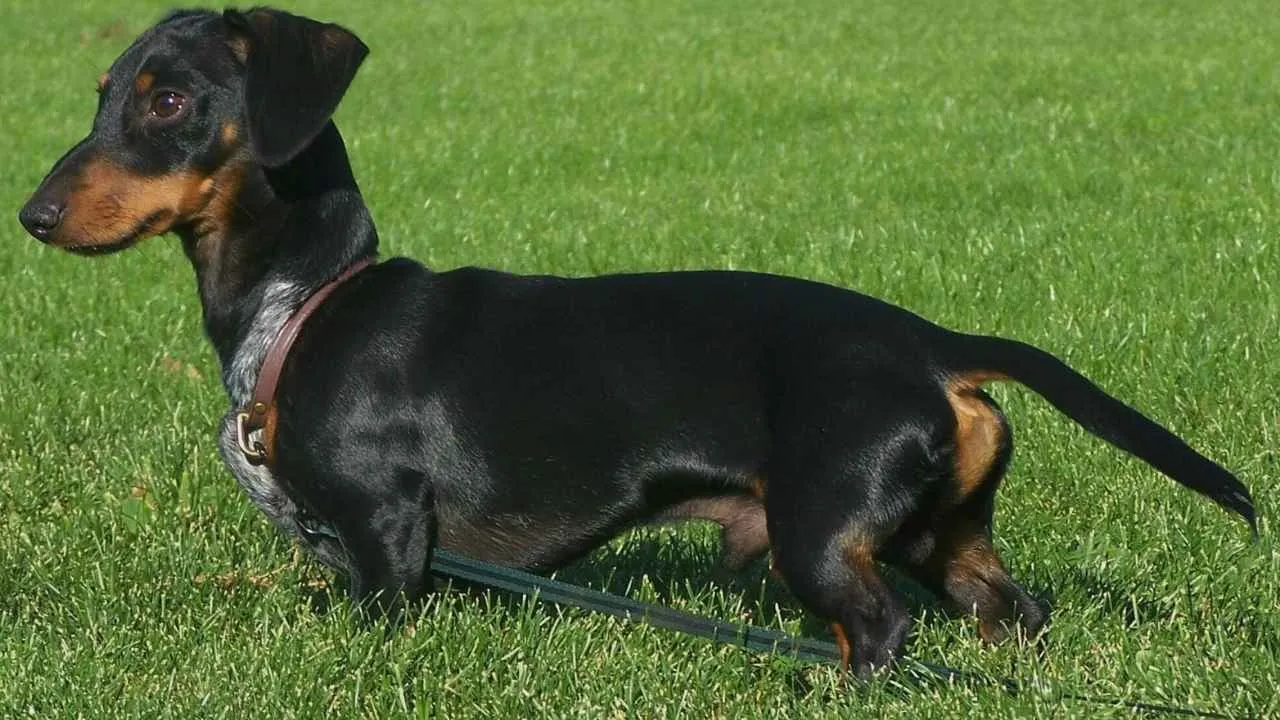
Developed in Germany over 600 years ago, the Miniature Dachshund was specifically bred to be long and low to the ground, allowing it to navigate burrows and hunt badgers efficiently. Also known as the “badger dog,” this breed often barks loudly to communicate with owners from underground.
Its deep ribcage and forward-thrusting breastbone maximize lung capacity, which is essential for the physical demands of underground hunting. With a strong independent streak and high prey drive, Miniature Dachshunds can sometimes be stubborn, making early socialization and consistent training essential.
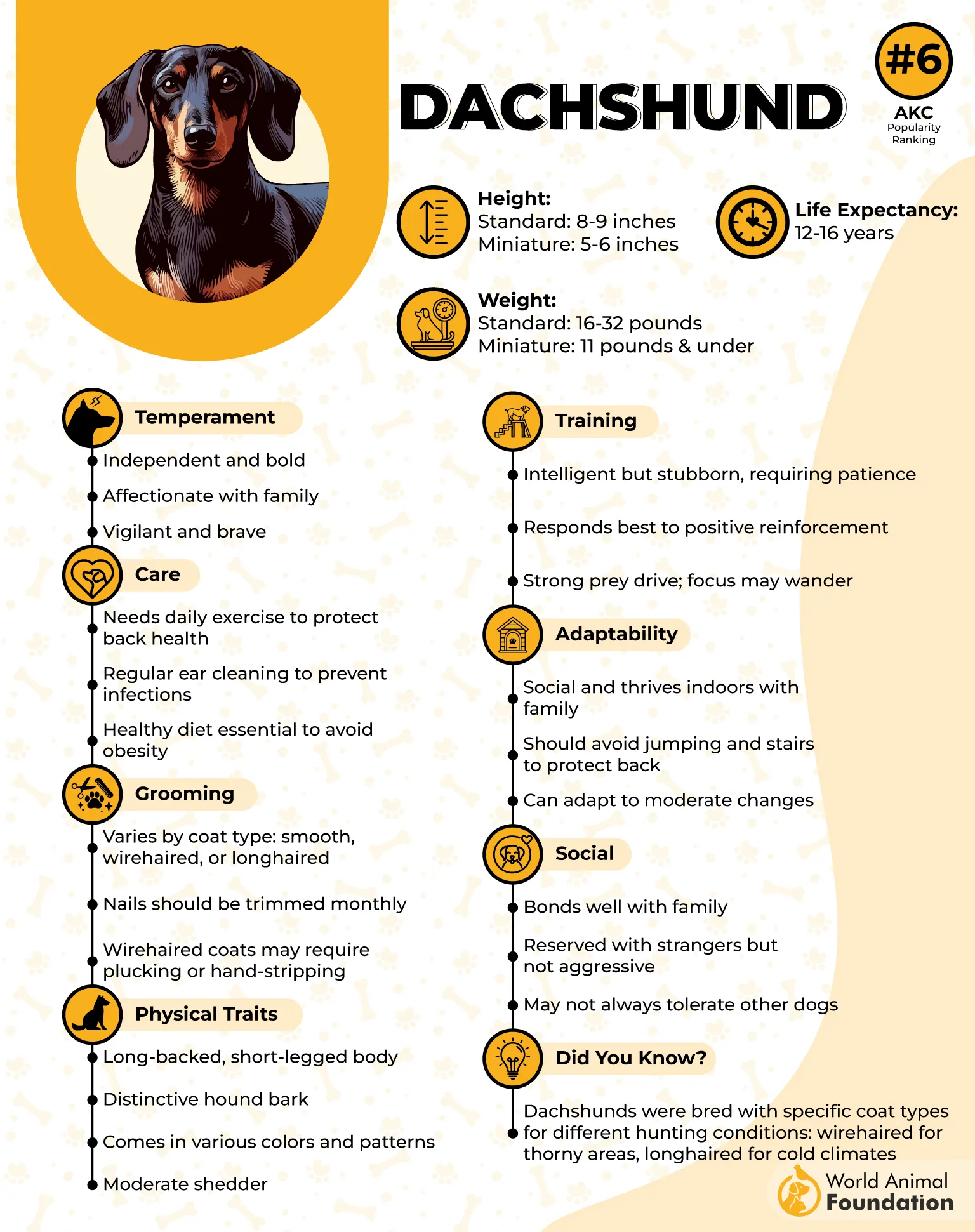
This hunting heritage translates into a love for games like hide-and-seek, fetch, and scent-based activities, which should be part of a daily 30-minute exercise routine. While the breed enjoys bursts of energetic play, it also appreciates downtime on the couch.
Its curious and explorative nature often leads to mischievous behaviors, such as digging in cushions or inspecting every corner of the house, making mental stimulation just as important as physical activity.
8. Boston Terrier
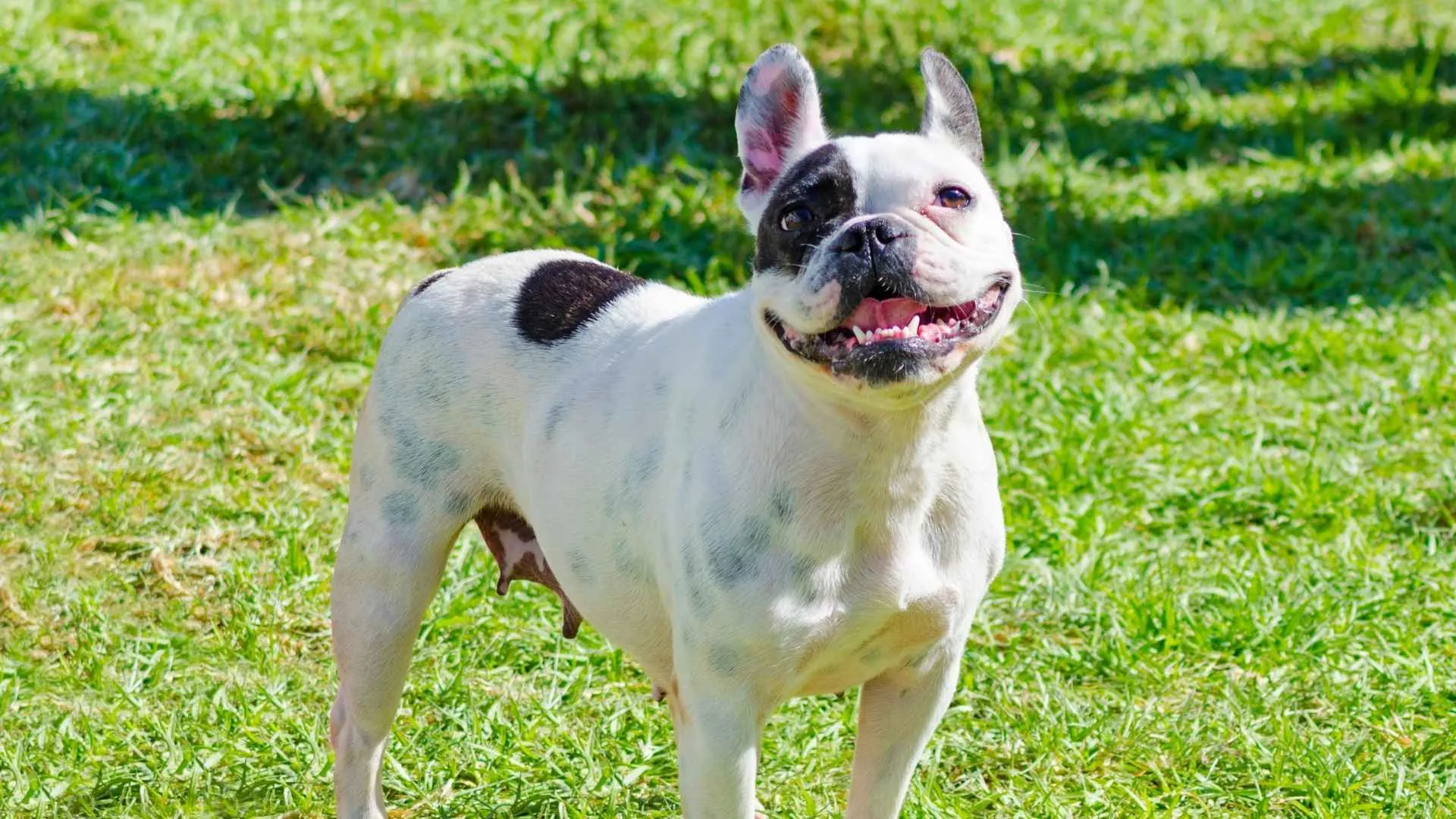
The Boston Terrier, often called the “American Gentleman,” originated in the United States in the 1870s. Robert C. Hooper purchased a dog named Judge, a mix of Bull and Terrier breeds, which became the foundation of the modern Boston Terrier.
This brachycephalic breed, characterized by a flat face and narrowed airways, requires care during exercise, as intense physical activity can strain its breathing. Its rhythmic gait shows a straight-line drive, but small nostrils and an elongated, flat palate may lead to sneezing, snoring, or occasional wheezing.
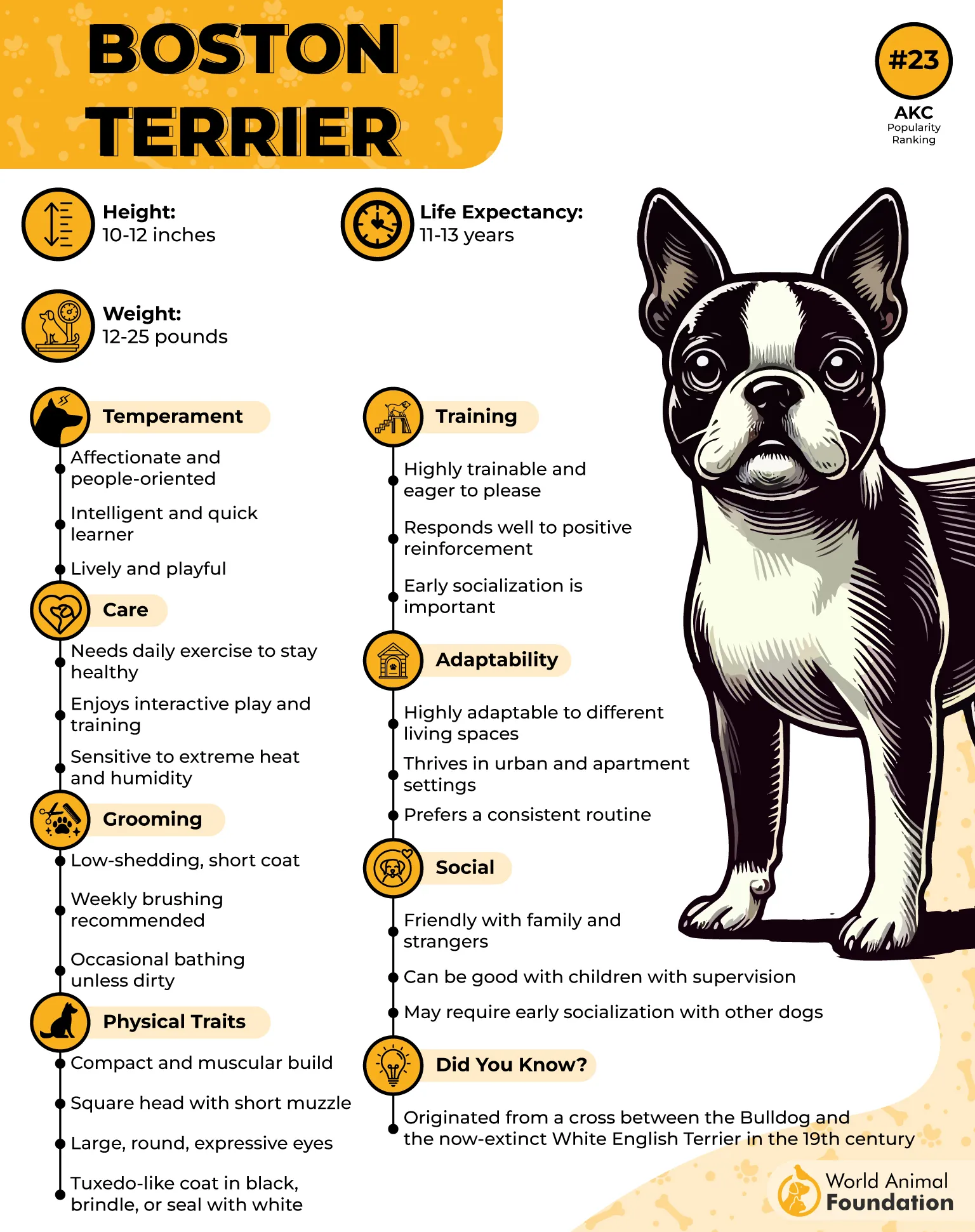
Highly emotionally intelligent, Boston Terriers are sensitive to their owner’s moods, making them excellent therapy dogs. Despite their compact size, they have moderate energy levels and need 30–60 minutes of daily activity.
Gentle play, wrestling games, and interactive toys keep them mentally and physically engaged. Their velcro-like nature often leads them to show affection by nudging or touching faces, endearing them to their families.
9. Tibetan Spaniel
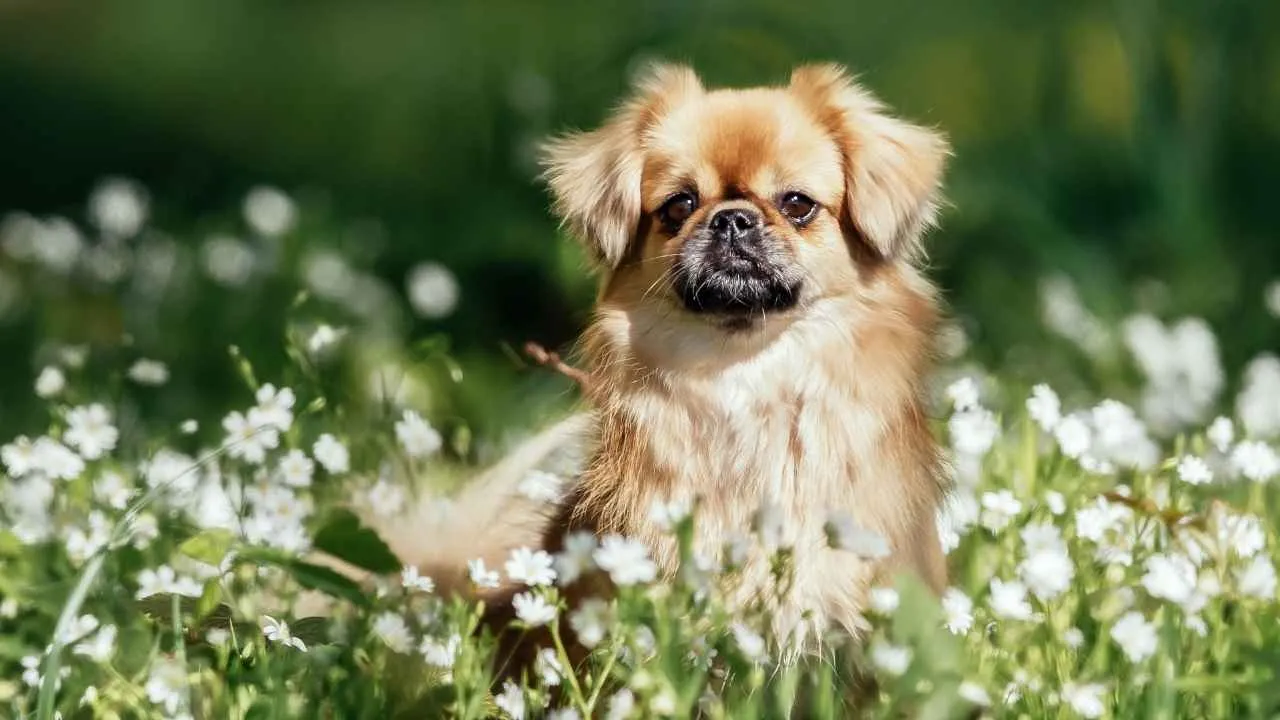
Bred by monks as a watchdog for Tibetan monasteries, the Tibetan Spaniel is a small dog with a keen sense of its surroundings. Often compared to toy spaniels, it climbs to vantage points, keeps watch, and alerts its owners with a sharp bark when something seems suspicious. With its wrinkled forehead and blunt muzzle, it is a close relative of the Pekingese.
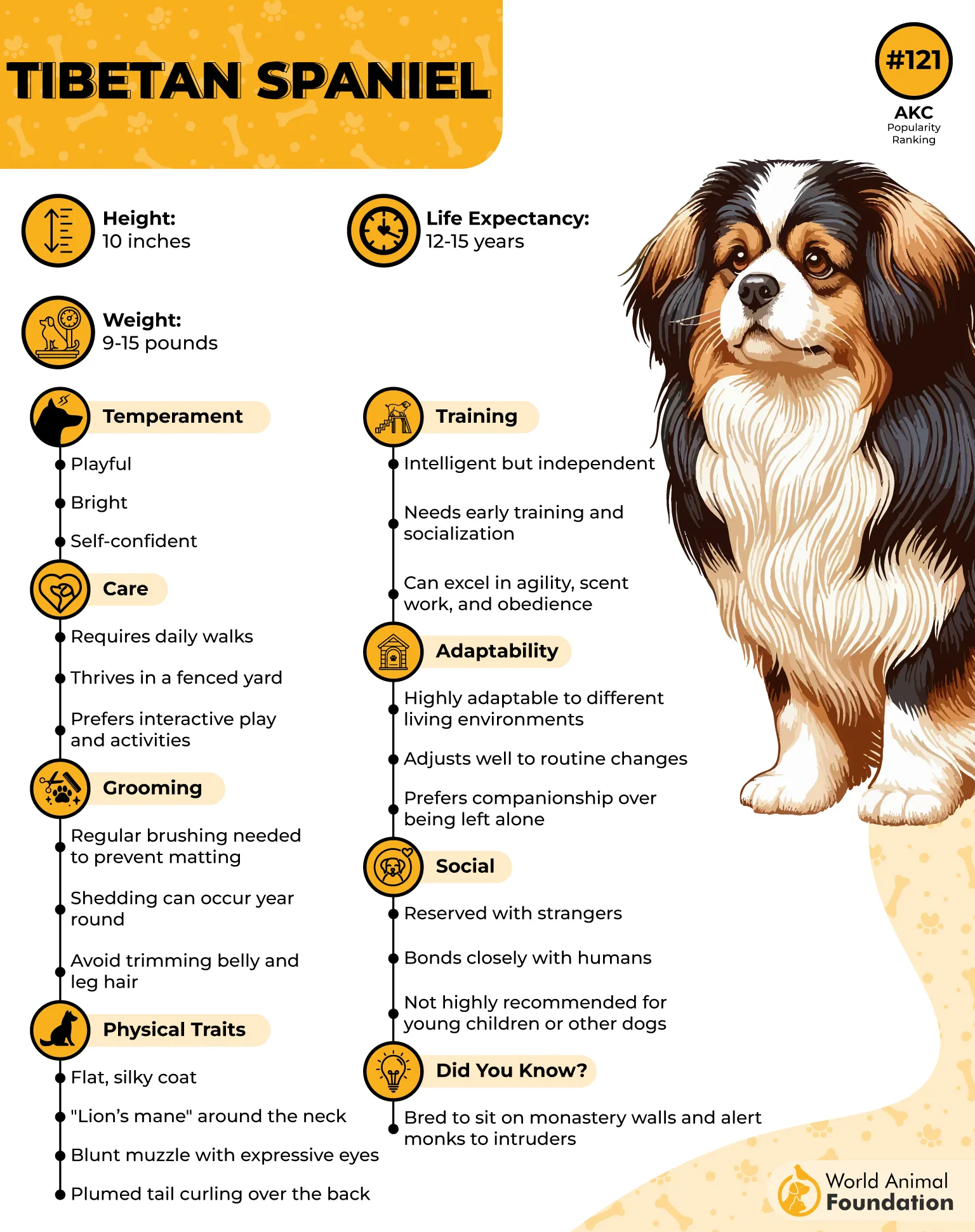
Intentionally bred to resemble a lion, an animal considered sacred in Chinese culture, the Tibetan Spaniel has a dense double coat, especially thick around the neck, forming a distinctive lion-like mane. Its cat-like personality makes it fearless, independent, and elegant. Highly perceptive, it mirrors its owner’s emotions, so gentle handling and positive reinforcement are essential for training.
Exercise needs are low to moderate, with 30–60 minutes of activity per day being sufficient. Training sessions should be split into shorter segments, and outdoor activities should always use a leash due to poor recall. Playful and expressive, the Tibetan Spaniel often prances around and makes amusing facial expressions to grab attention, endearing itself to its family.
10. Yorkshire Terrier
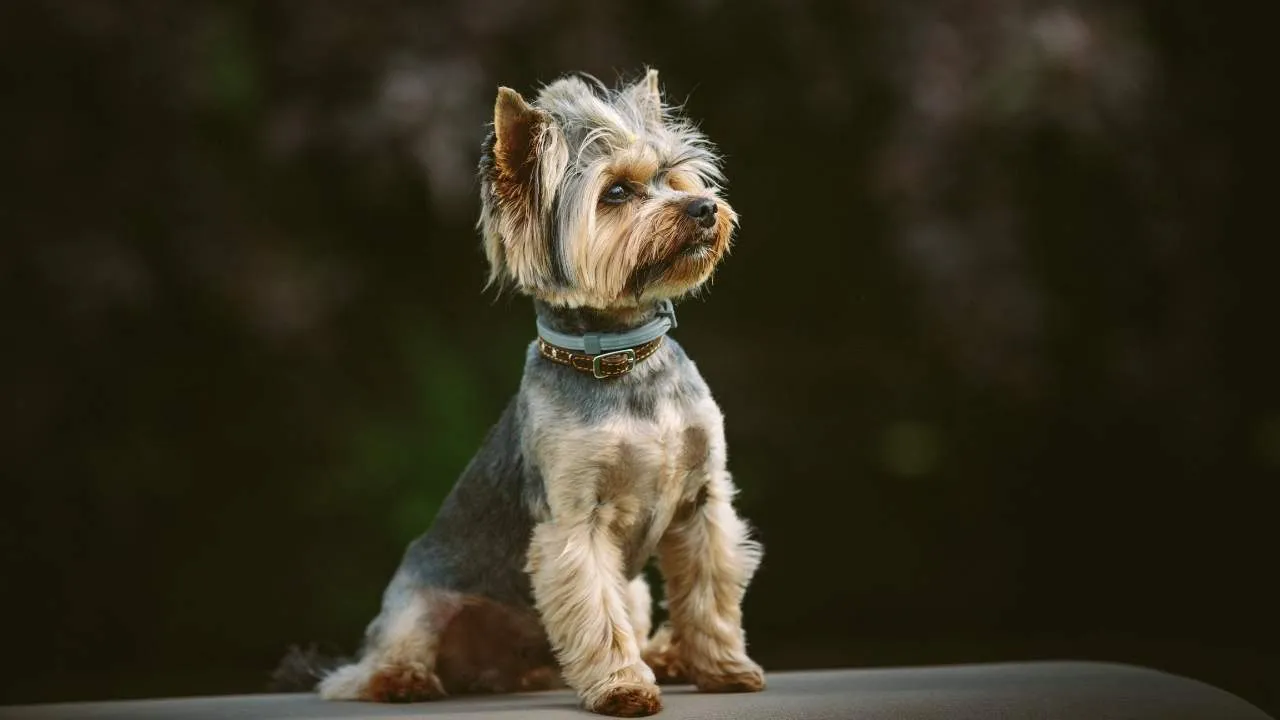
The Yorkshire Terrier, or Yorkie, originated in the 1850s when Scottish weavers brought small terriers to Yorkshire and crossbred them with local terriers. Initially, a working dog used to hunt rats and rodents in woolen mills, it eventually became a popular lap dog among wealthy ladies, leading to selective breeding that further reduced its size.
Born with a black and tan coat, Yorkie puppies develop a dark steel-blue body with rich tan or gold on the head by their first birthday. Their lustrous, floor-length coat requires regular grooming and daily brushing. Despite their small size, usually up to 7 pounds, they are portable and alert, with naturally expressive V-shaped ears.
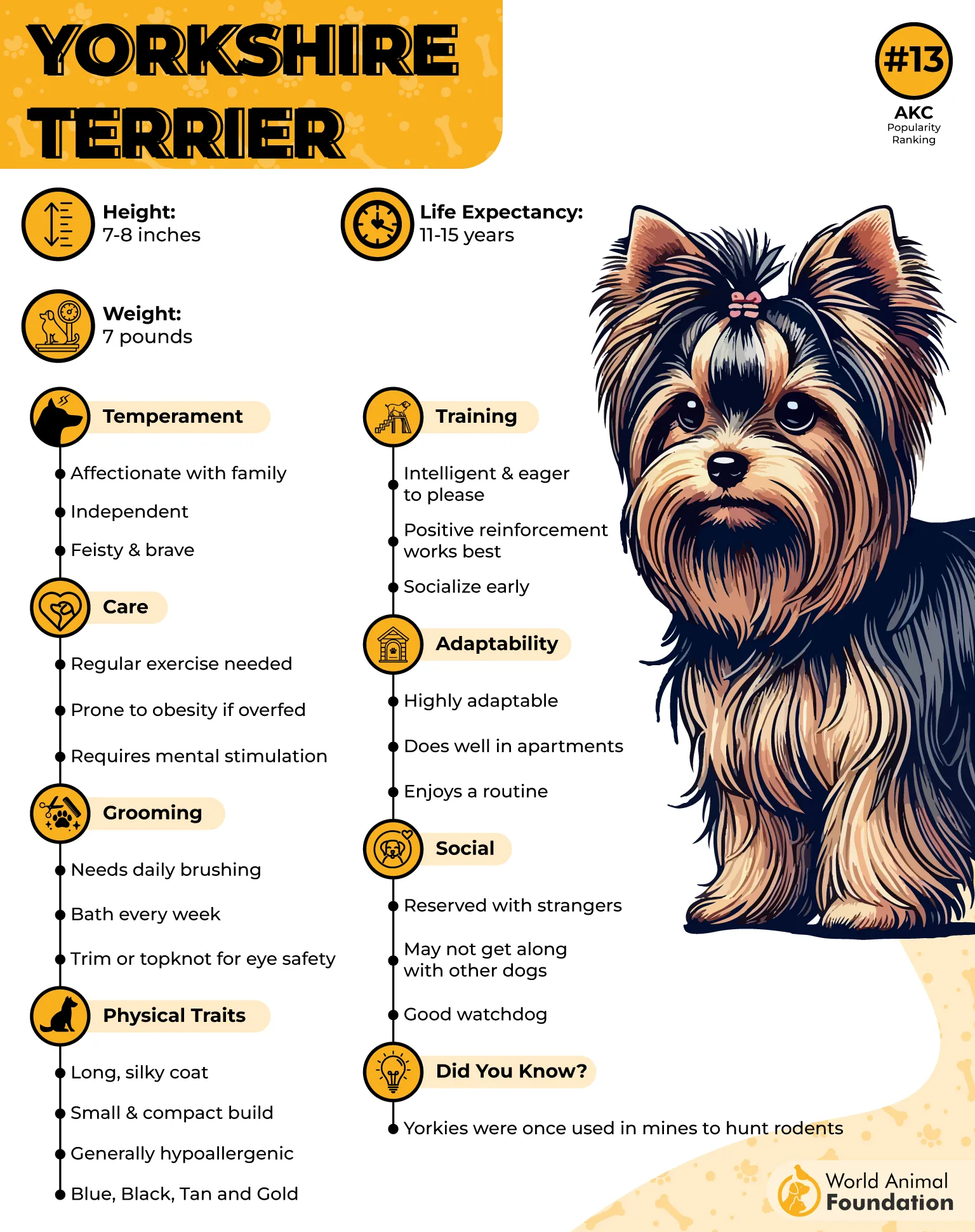
One of the smartest toy breeds, Yorkies have a high prey drive, excelling in games like tug-of-war, hide-and-seek, puzzle toys, and treat-dispensing challenges. They are sensitive to cold and often need a warm sweater in winter. Energetic and playful, Yorkies love to race around the house, making unpredictable circles, and are obsessed with flipping, tossing, and wrestling with their toys.
Conclusion
Big personalities don’t need big bodies, and these 10 breeds prove it. Some of the most lively, clever, and endlessly entertaining dogs come in compact packages. Whether you want a jogging partner, a quick-learning trickster, or simply a little comedian to brighten your days, there’s a small dog on this list that fits perfectly into your life.
The secret is matching your energy with theirs. Jack Russell Terriers need space to sprint. Tibetan Spaniels require patience and gentle guidance. Miniature Poodles thrive on mental challenges and games. Get the match right, and you won’t just have a pet; you’ll have a daily reminder that life is better with a dash of fearlessness, boundless curiosity, and a whole lot of play.
