




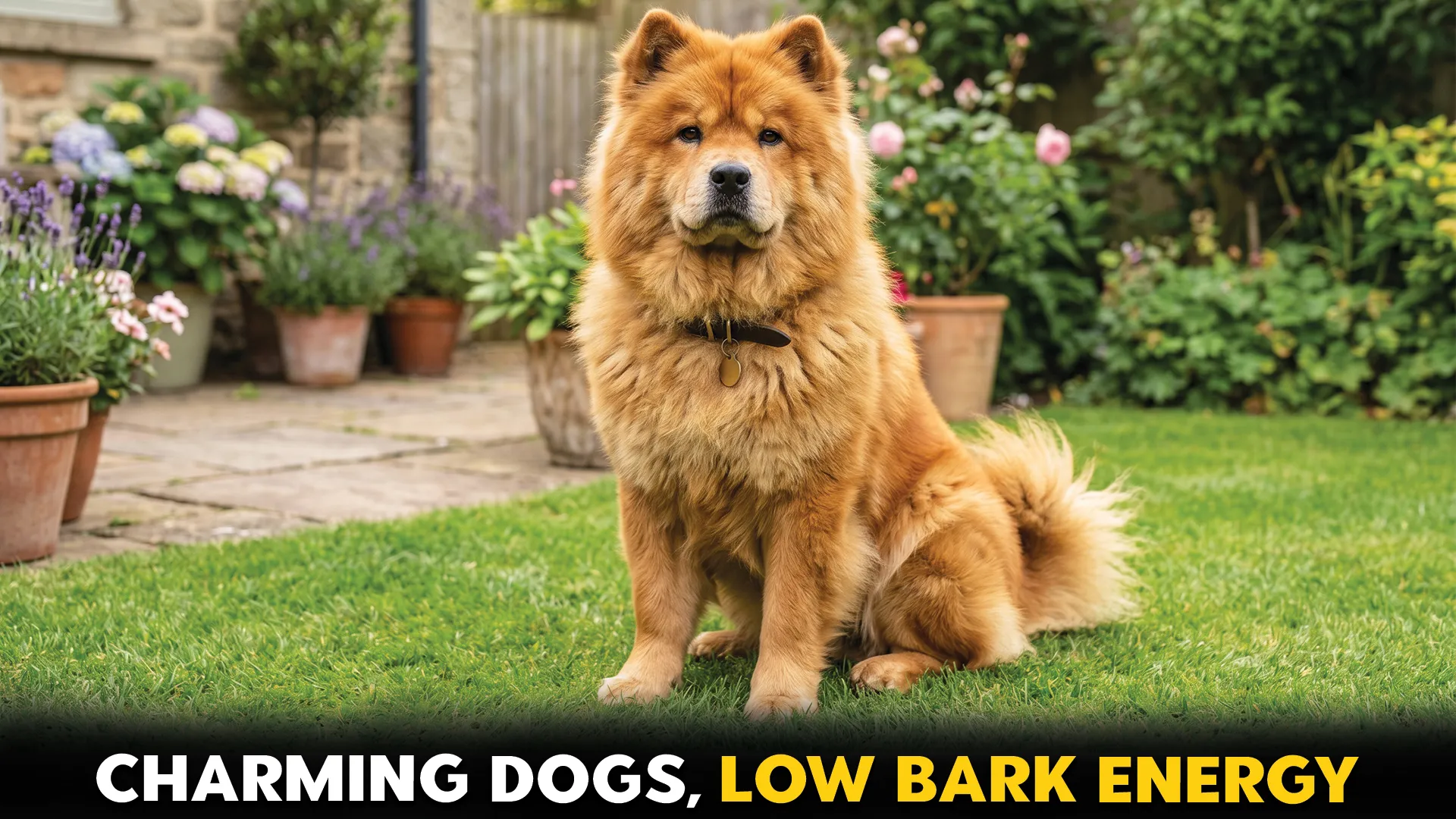
Living with a dog that barks at every passing sound can slowly wear down even the most patient owner. A car door outside, footsteps near the gate, or a random noise from another room suddenly turns the entire house restless.
At first, it feels harmless and easy to ignore, but over time, the constant interruptions start affecting everyday comfort in ways people rarely expect. This is exactly why many dog owners begin searching for breeds known for staying calmer and quieter indoors.
A dog does not need to be loud to feel affectionate, attentive, or deeply connected to the family around it. Some breeds naturally carry themselves with a more relaxed presence, responding to their surroundings without reacting to every little disturbance.
Ahead are charming dog breeds known for bringing companionship without turning every moment into unnecessary noise.
Key Takeaways
A peaceful home often begins with a dog that understands when to stay calm, and many families begin searching for breeds that rarely bark.
Clumber Spaniels stand out for their steady temperament, while the Japanese Chin adds gentle companionship that feels thoughtful rather than reactive.
Breeds such as the Glen of Imaal Terrier and the Bolognese show that certain dogs can stay alert and affectionate without turning every sound into a reason to respond.
As you move through the full list, you will discover how these charming companions balance presence and peace in a way that feels refreshing.
Charming Dog Breeds That Don’t Bark Excessively
1. Clumber Spaniel
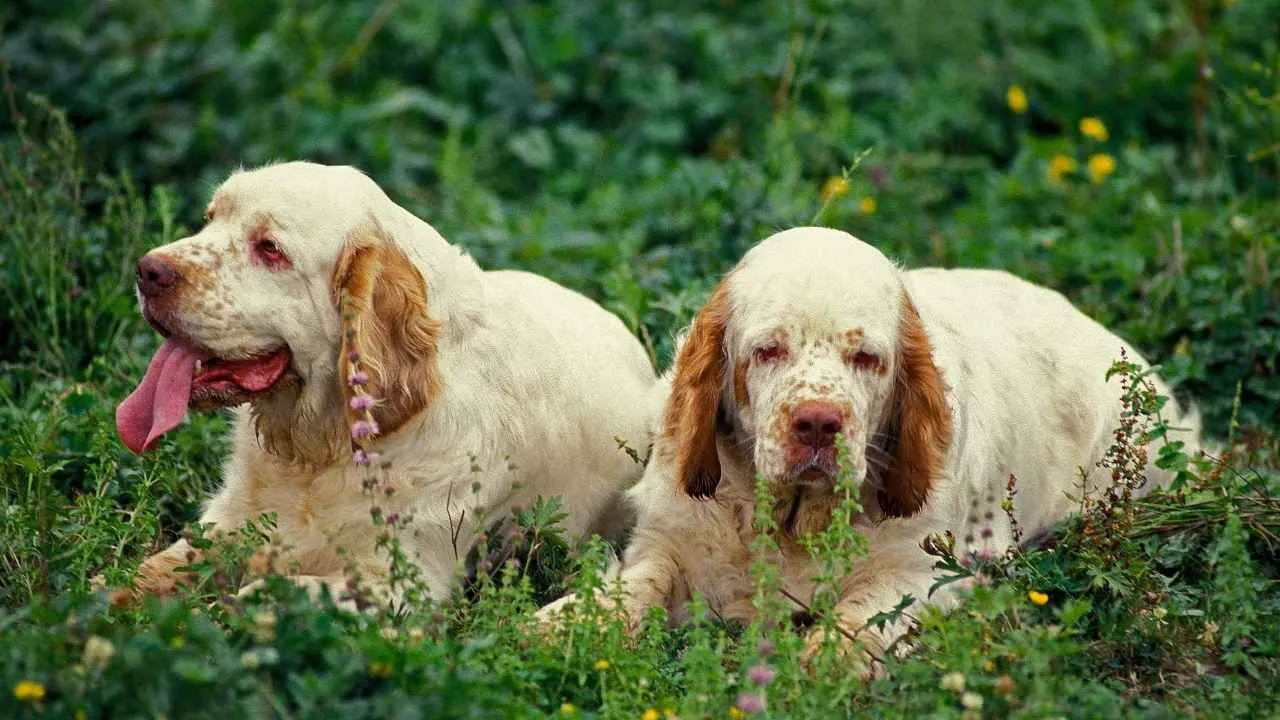
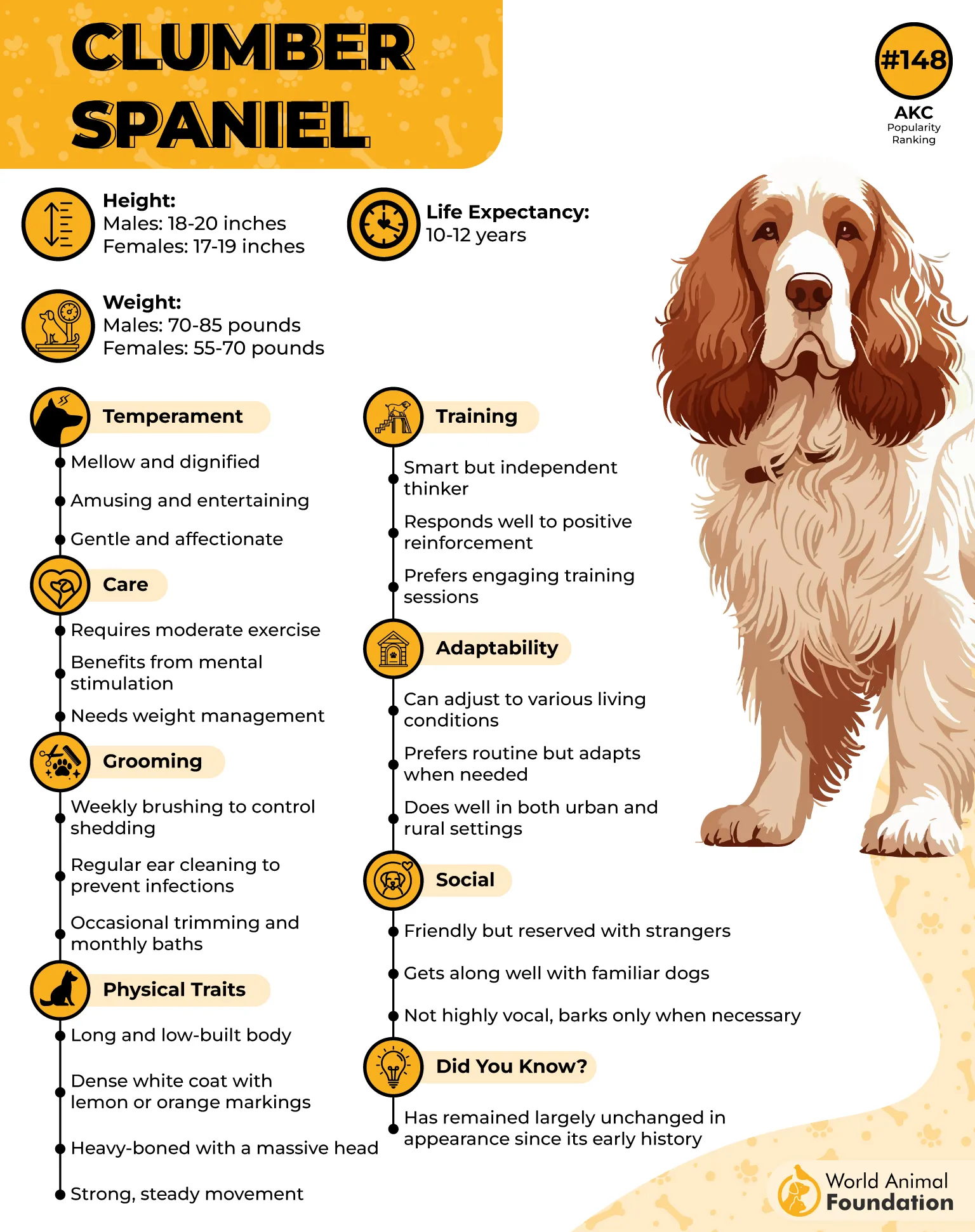
The Clumber Spaniel is one of the oldest spaniel breeds from England, recognized for its heavy frame and low-set build.
Its large square head, deep-set eyes, and sturdy body create a grounded appearance. The overall design pairs physical presence with an even temperament suited for home life.
Working senses with measured behavior
This quiet dog breed relies on a strong sense of smell and natural retrieving instinct, qualities that connect it to field work rather than constant vocal activity. Its behavior centers on purposeful tasks and controlled engagement instead of noise-driven response.

These working traits appear through clear patterns:
Uses scent ability to track objects
Follows retrieving tasks with focus
Responds well to structured activity
Social nature and quiet disposition
Clumber Spaniels typically get along well with children and other pets when introduced early and guided with consistent training, as PetMD claims. It is not inclined toward excessive vocalization, favoring companionship over alert barking. Clear direction and routine help maintain its cooperative behavior.
2. Japanese Chin
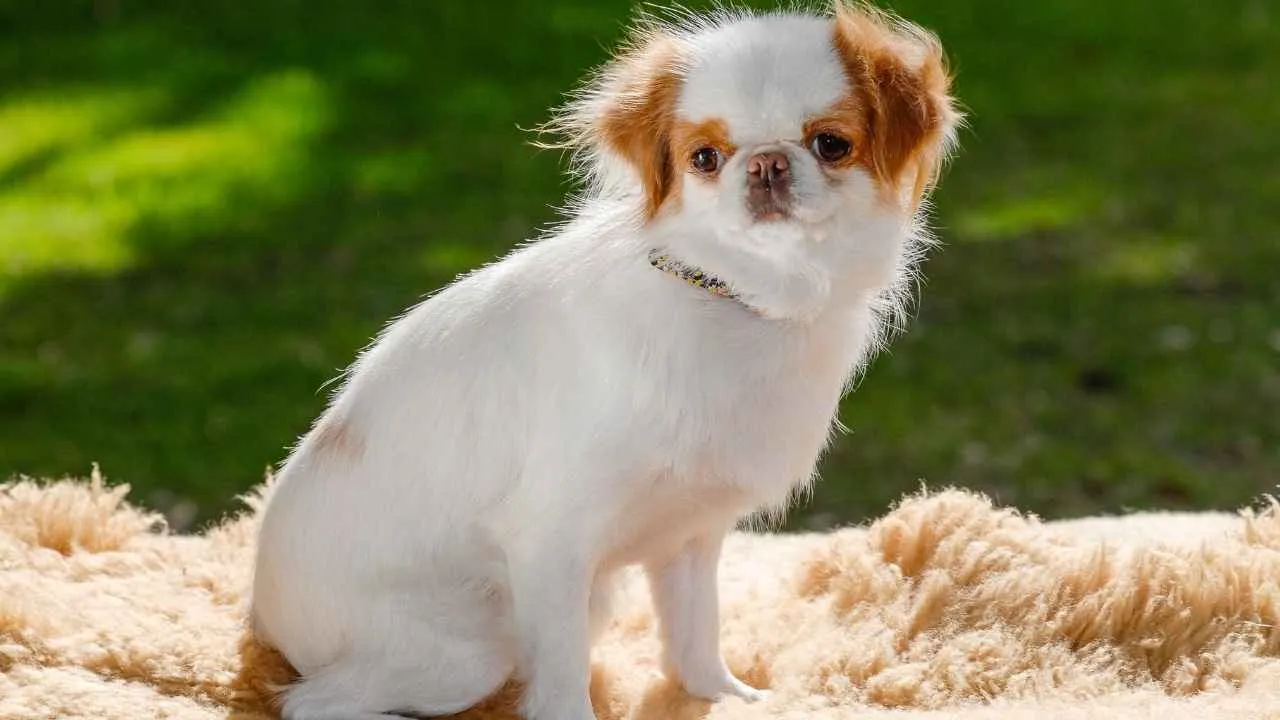
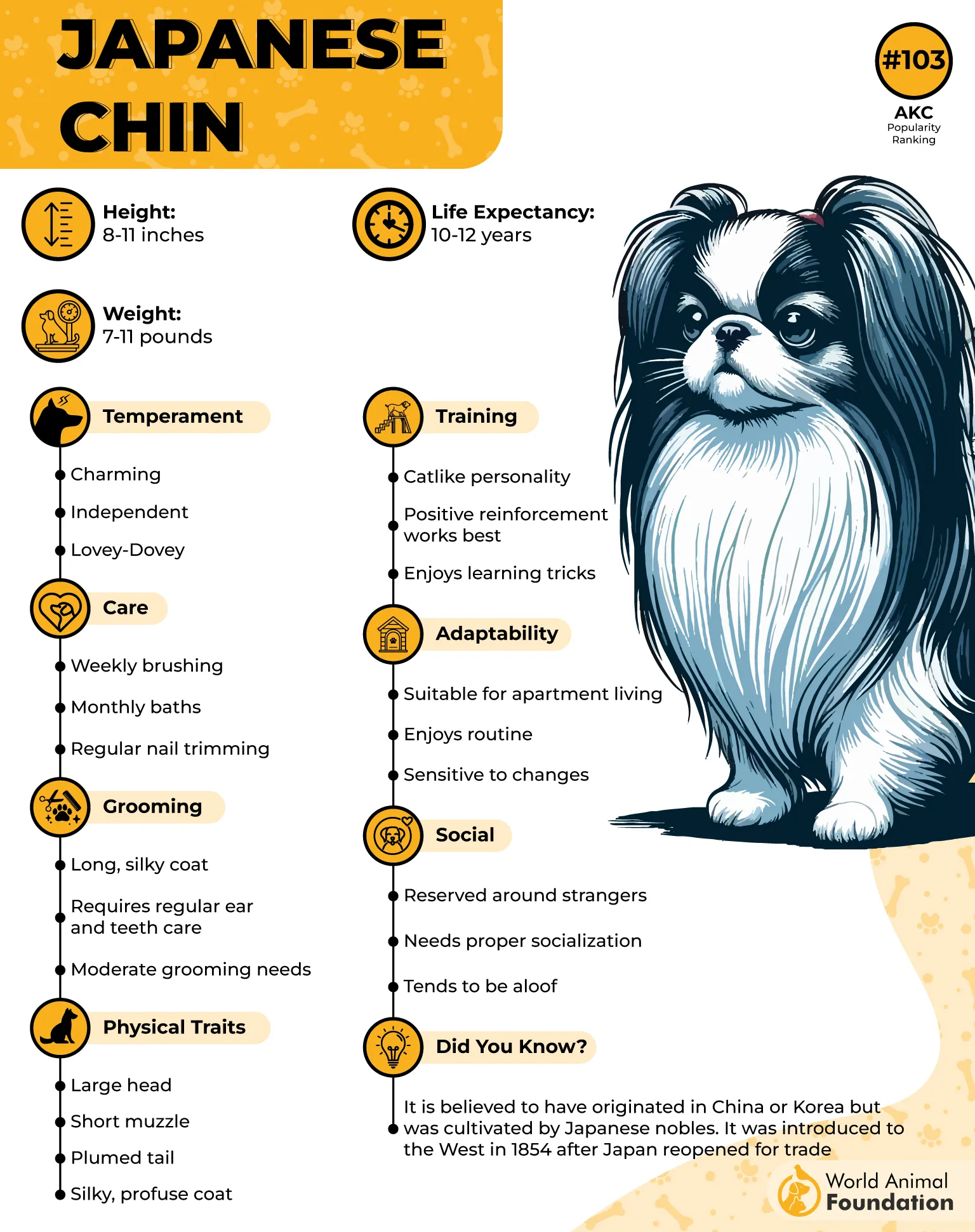
Japanese Chin is a small companion breed recognized for its long, flowing coat and refined posture that reflects a noble appearance. Its distinct look and compact frame make it well-suited for apartment dwellers. The overall expression feels bright and composed in quiet spaces.
Interaction style shaped by calm reserve
Japanese Chin approaches unfamiliar people and settings with a measured response, often observing before engaging. Its behavior leans toward quiet companionship, aligning with its reputation as a low-noise indoor partner.
This pattern appears in everyday habits:
Responds gently rather than loudly
Prefers supervised social interaction
Reacts to interest with selective focus
Activity suited to gentle routines
These affectionate dogs enjoy slow walks and light exploration within secure areas, making it comfortable in apartments or enclosed yards, as per the AKC.
Its energy level supports brief outdoor time followed by relaxed indoor rest. This rhythm keeps its behavior balanced without creating unnecessary noise.
3. Glen Of Imaal Terrier
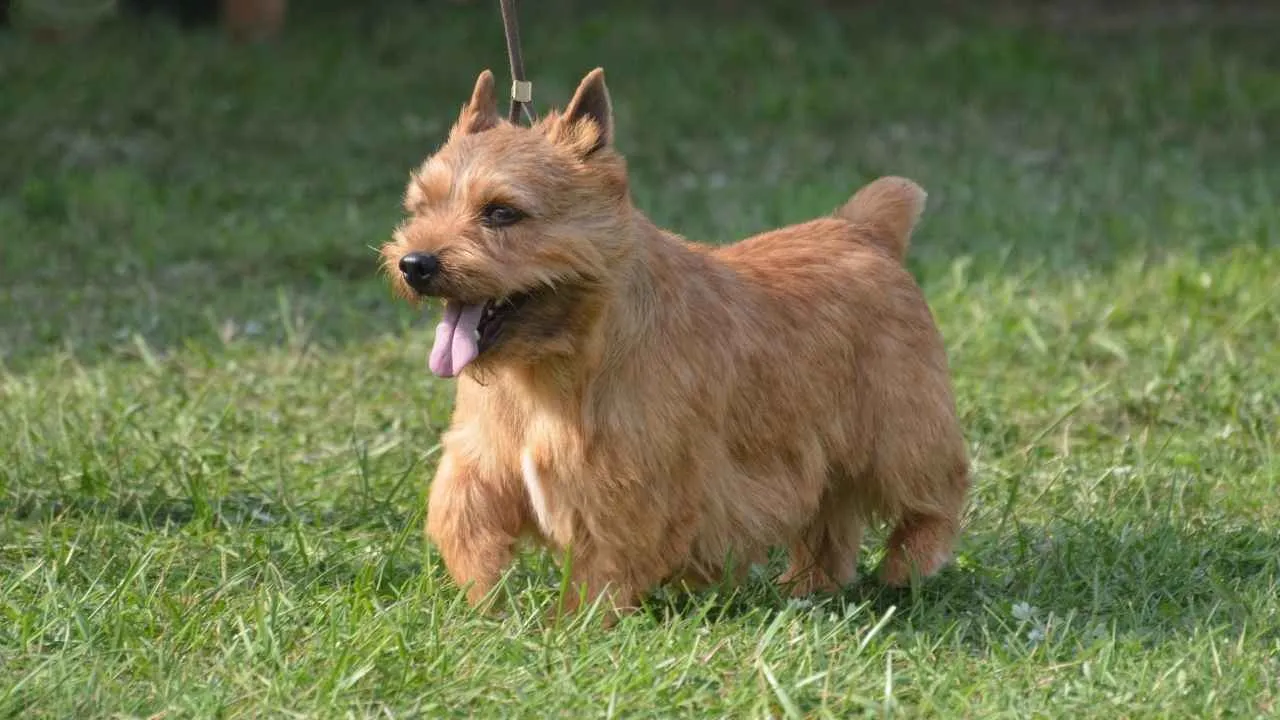
The Glen of Imaal Terrier comes from one of Ireland’s remote regions and was shaped as a practical farm dog built for demanding tasks.
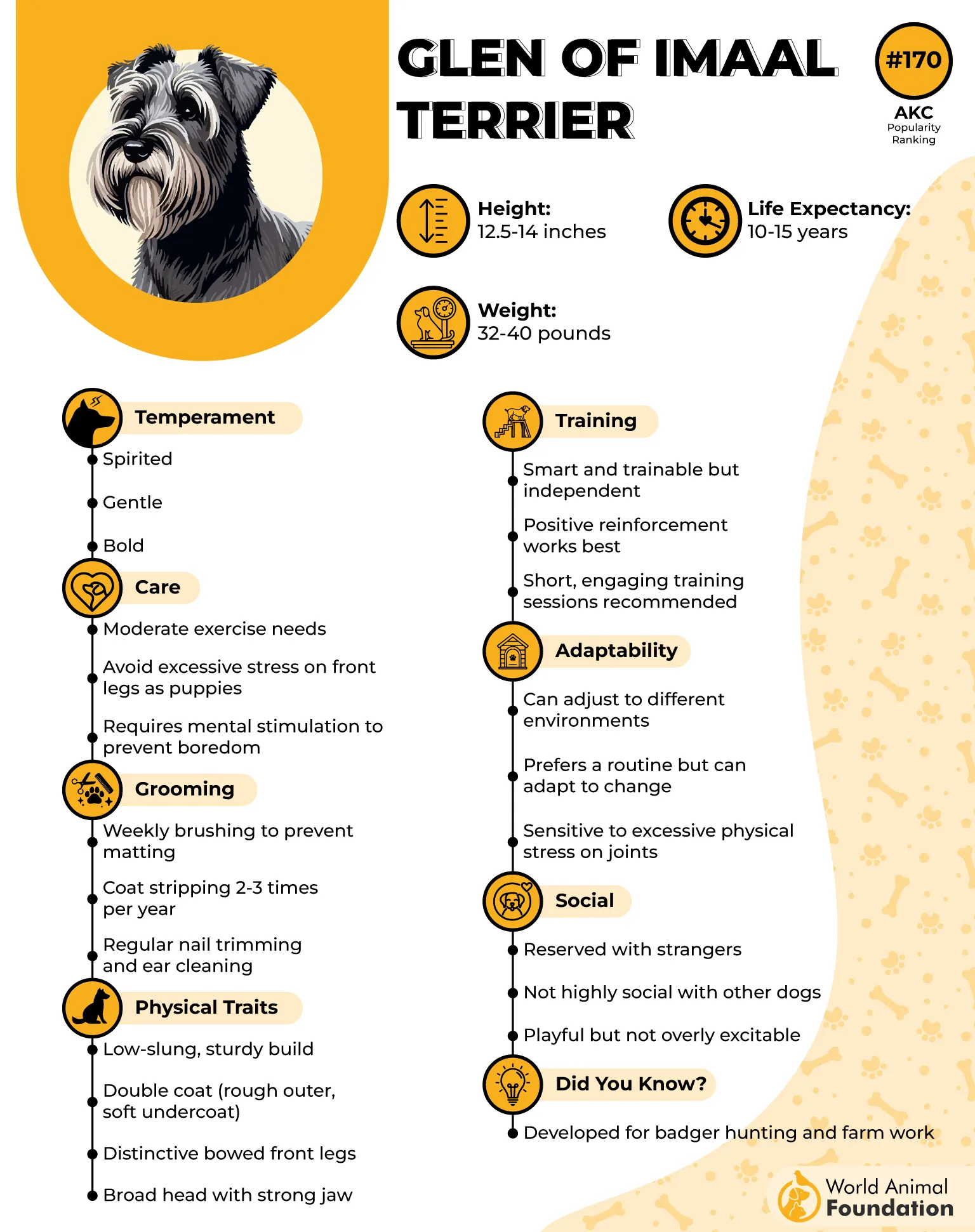
Its low-slung body, broad head, and wiry double coat reflect a sturdy frame meant for substance over appearance. The breed blends toughness with a gentler terrier attitude that feels steady rather than restless.

Practical Build in Action
This terrier uses its strong structure for steady farm work, but it is less excitable than most terriers, which keeps its behavior grounded. Its curved front legs and dwarf build call for thoughtful handling during activity.
This physical design influences daily routines:
Benefits from short leash sessions instead of long walks
Responds well to reward-based guidance
Enjoys controlled play in fenced spaces
Temperament and Interaction Style
They combine boldness with a calmer disposition, forming a steady presence within the home. It reacts with spirit when needed, but does not rely on frequent vocal display. Its affectionate side often appears through close contact and simple companionship rather than noise.
4. Bolognese

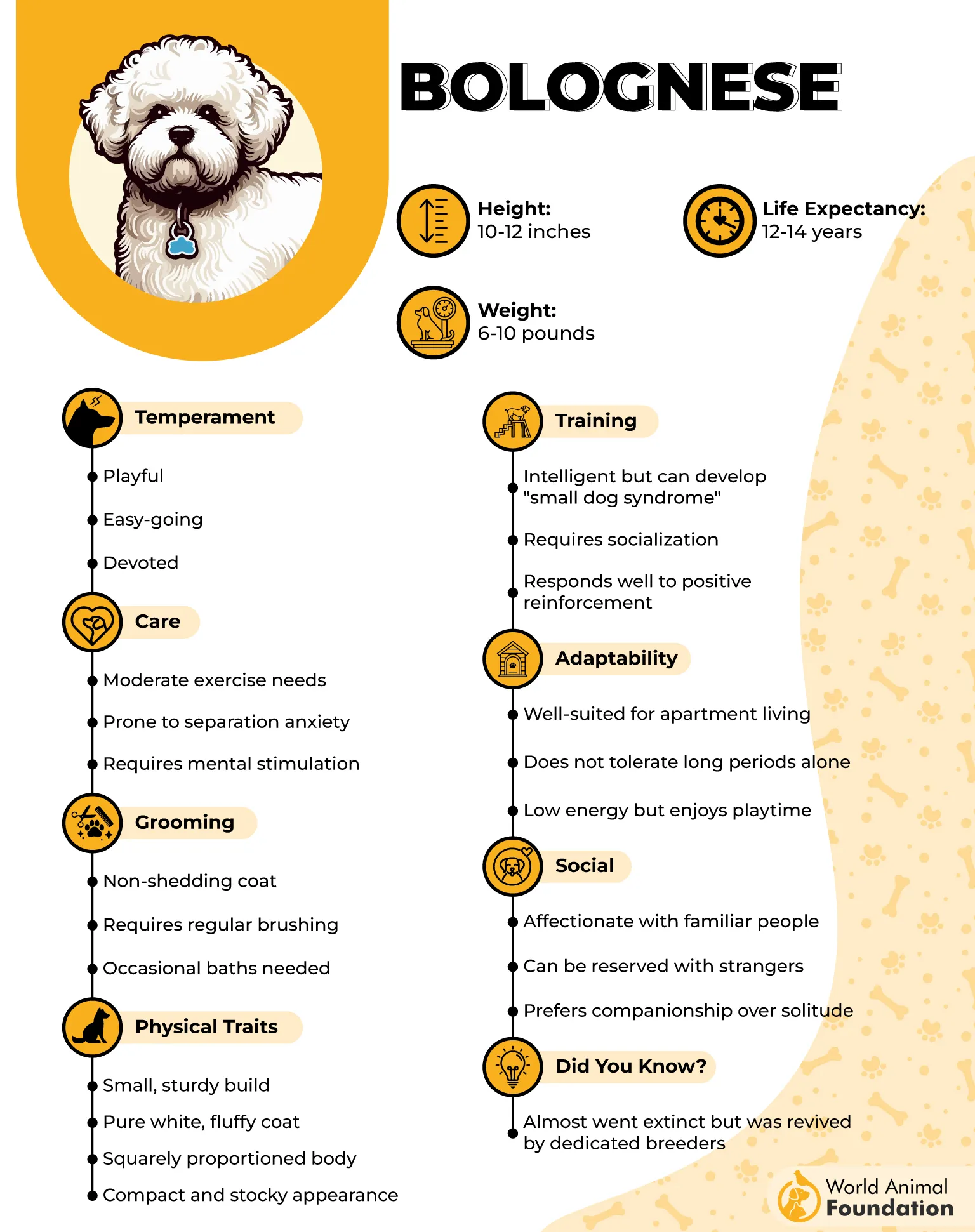
Bolognese belongs to the Bichon family and carries a compact, square frame covered in a long, pure-white coat. Its sturdy body and steady temperament reflect a small companion designed for close living rather than constant activity. This physical balance supports a composed daily rhythm indoors.
Social behavior shaped by attachment
They form strong devotion to their people and prefer close interaction over extended solitude. It can appear reserved around unfamiliar faces, yet adjusts well when introduced properly to new environments and routines, as mentioned by Omlet.
This interaction pattern appears through simple habits:
Bonds closely with its household circle
Warms up after careful social exposure
Responds well to structured guidance and praise
Temperament and daily compatibility
Bolognese remains generally quiet and steady, making it suitable for environments where noise control matters. It gets along well with other dogs when socialized early and enjoys spending time as part of a close group of furry friends. Proper structure helps prevent separation-related behavior patterns.
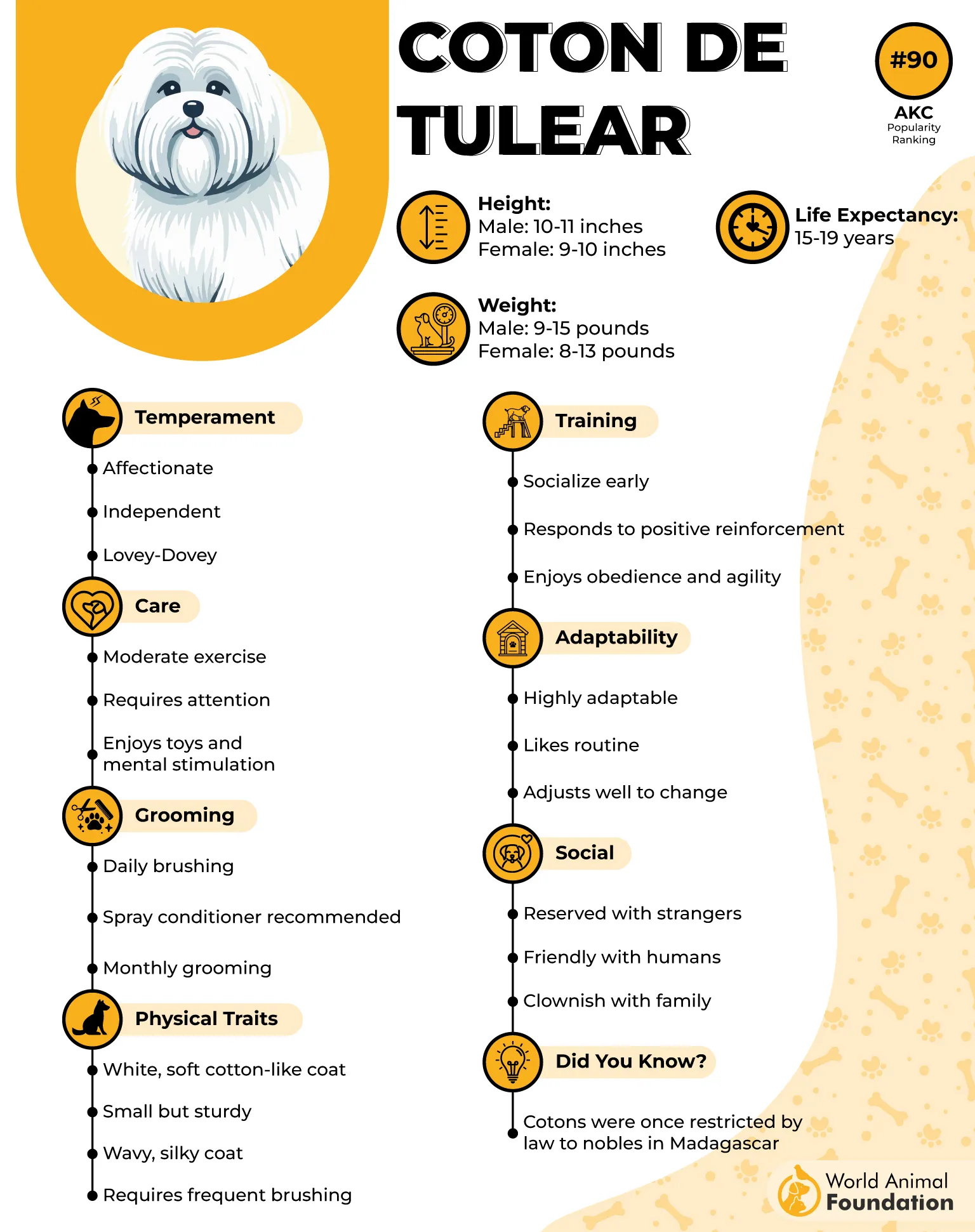
5. Coton de Tulear

Coton de Tulear originates from Madagascar’s port city of Toliara, shaping a small companion built around close human presence. Its fluffy coat and compact frame reflect a breed suited to varied living spaces. The island setting influenced a relaxed outlook that fits different household styles.
Daily behavior and interaction style
This breed enjoys human company and adapts well to different environments when social contact remains consistent. It responds positively to structured learning that feels engaging rather than rigid.
This pattern appears in practical traits:
Learns best through playful training sessions
Adapts to new places with proper social exposure
Avoids long periods of isolation when possible
Activity level and home rhythm
They are typically quiet appreciates outdoor play but do not rely on constant stimulation to remain content. Short bursts of yard activity are enough to satisfy its playful side. Inside the home, it settles easily when companionship is present.
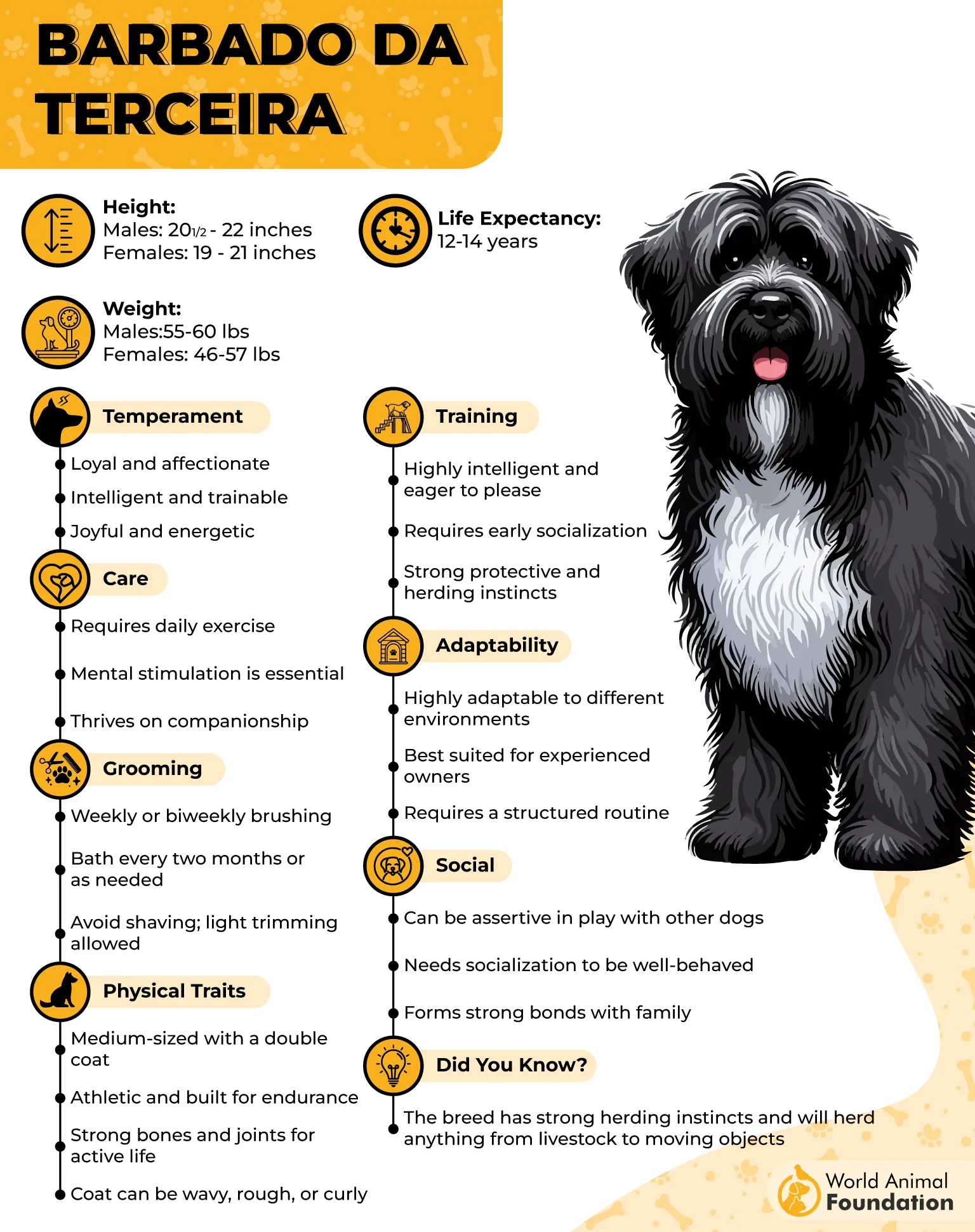
6. Barbado da Terceira

Barbado da Terceira originates from the Azores Islands in Portugal, where it served in both herding and guarding roles.
Its build supports active work, reflecting a dog shaped for responsibility in open environments. Intelligence and attentiveness define how it engages with tasks rather than idle behavior.
Engagement through purposeful activity
They feel most focused when given clear duties, responding well to consistent and positive guidance. Its energy aligns with environments that combine movement and mental involvement.
This working pattern becomes clear in daily traits:
Excels in herding-driven tasks
Responds strongly to structured training
Participates actively in family routines
Affection within the household
Barbado da Terceira forms close bonds with its family and enjoys being included in everyday activities. Its temperament is warm and patient, especially in homes with children, where interaction remains steady. The breed’s attachment is expressed through involvement rather than distance.
7. French Bulldog
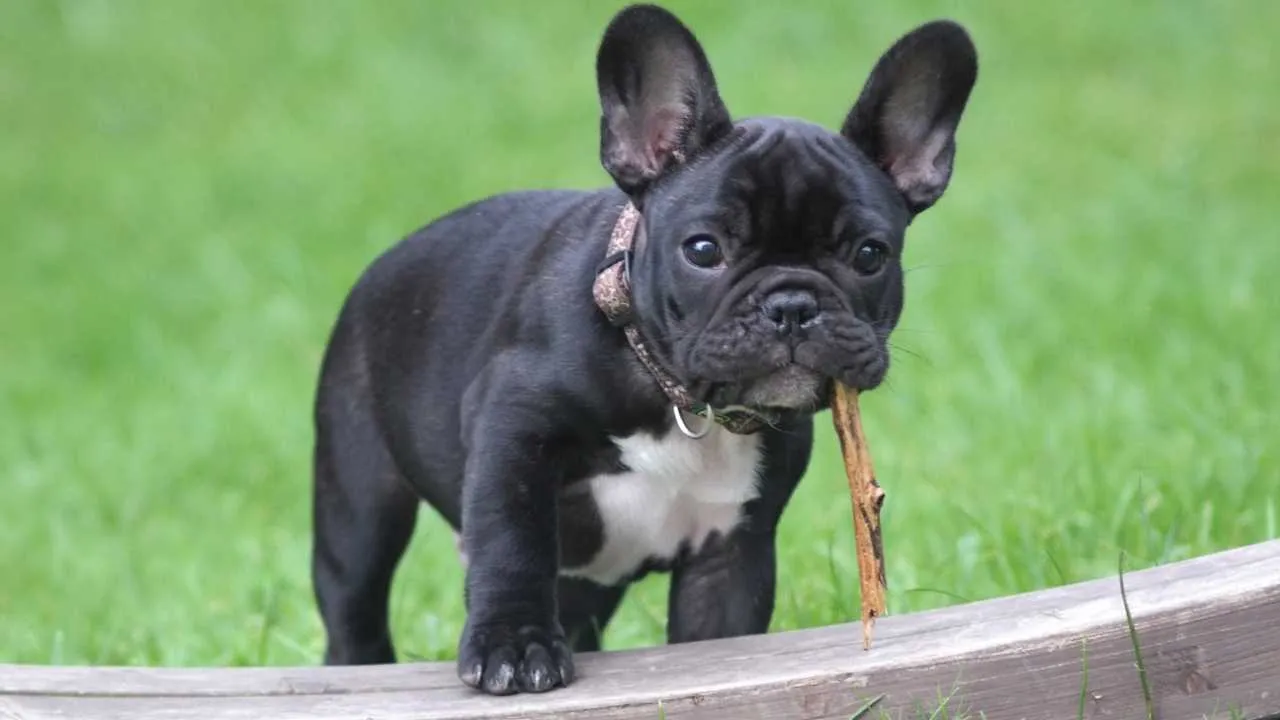
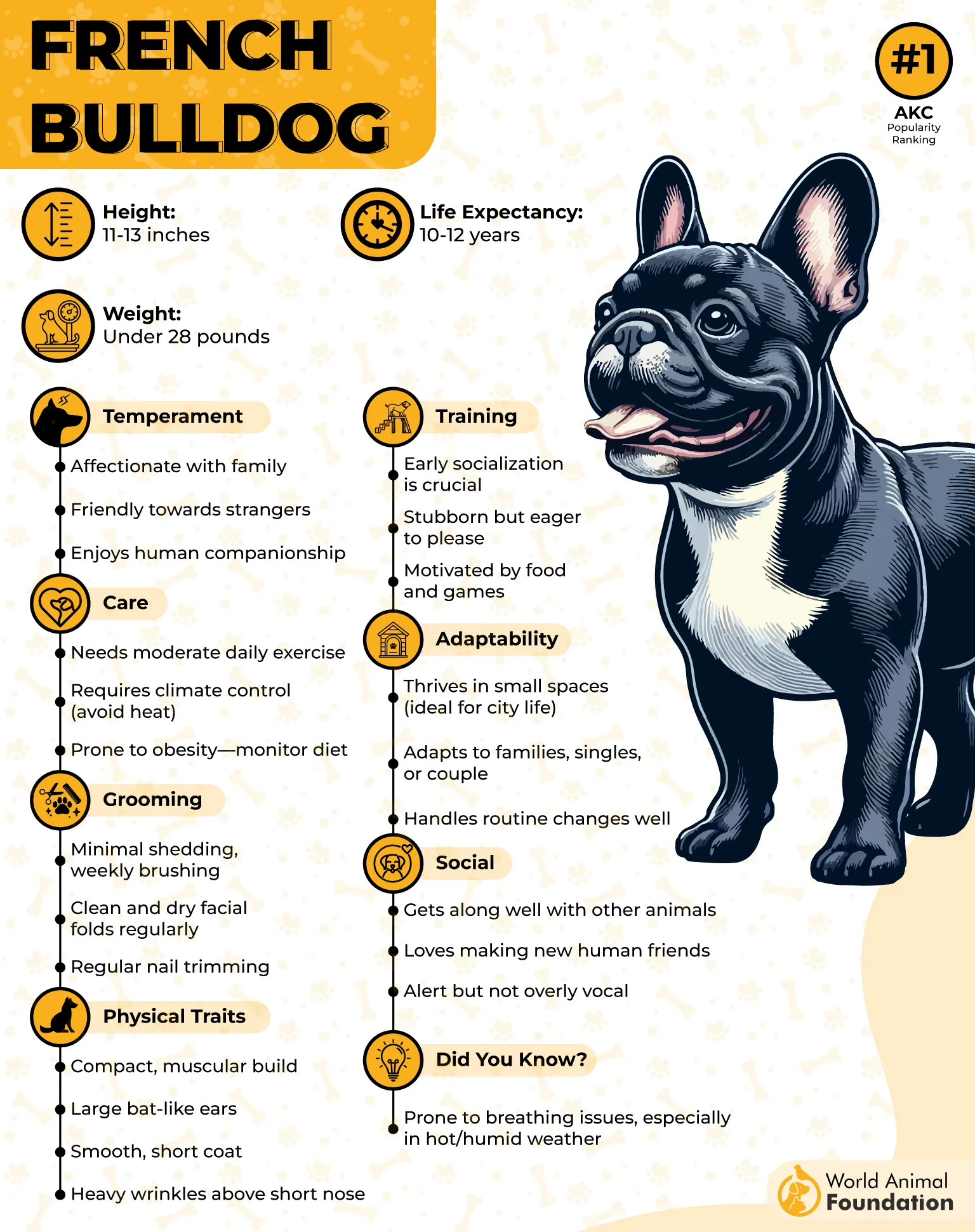
The French Bulldog is recognized for its large bat-like ears, square head, and compact muscular frame beneath a smooth coat. Its small size fits apartment living, where space is limited but companionship matters. The breed’s structure blends strength with a compact outline shaped for close environments.
Everyday behavior in social settings
Frenchies interact with people through playfulness and steady alertness, responding to their surroundings without constant vocal activity. Its quiet nature makes it suitable for shared spaces, while its awareness keeps it attentive to visitors.
These traits appear clearly in daily life:
Rarely relies on barking for communication
Observes activity with steady attention
Adapts easily to singles, couples, or families
Activity level and comfort needs
French Bulldog requires minimal grooming and only moderate outdoor time, such as short walks or light play sessions, to stay balanced.
Its flat-faced structure means it should avoid heavy exertion, especially in hot or humid conditions. This makes climate awareness important when planning daily routines.
Conclusion
A naturally quiet dog can completely change the feeling inside a home, especially when calm moments are no longer interrupted by how often dogs bark. These breeds show that affection, awareness, and companionship do not always need loud reactions to feel meaningful. Some prefer observing before responding, while others settle into daily life without demanding attention through noise.
Their presence feels steady rather than overwhelming, making shared spaces more comfortable for families, couples, and apartment living. With proper attention, routine, and mental stimulation, even naturally quiet dogs bring warmth into a household while keeping the atmosphere peaceful enough to enjoy small moments every day.
