




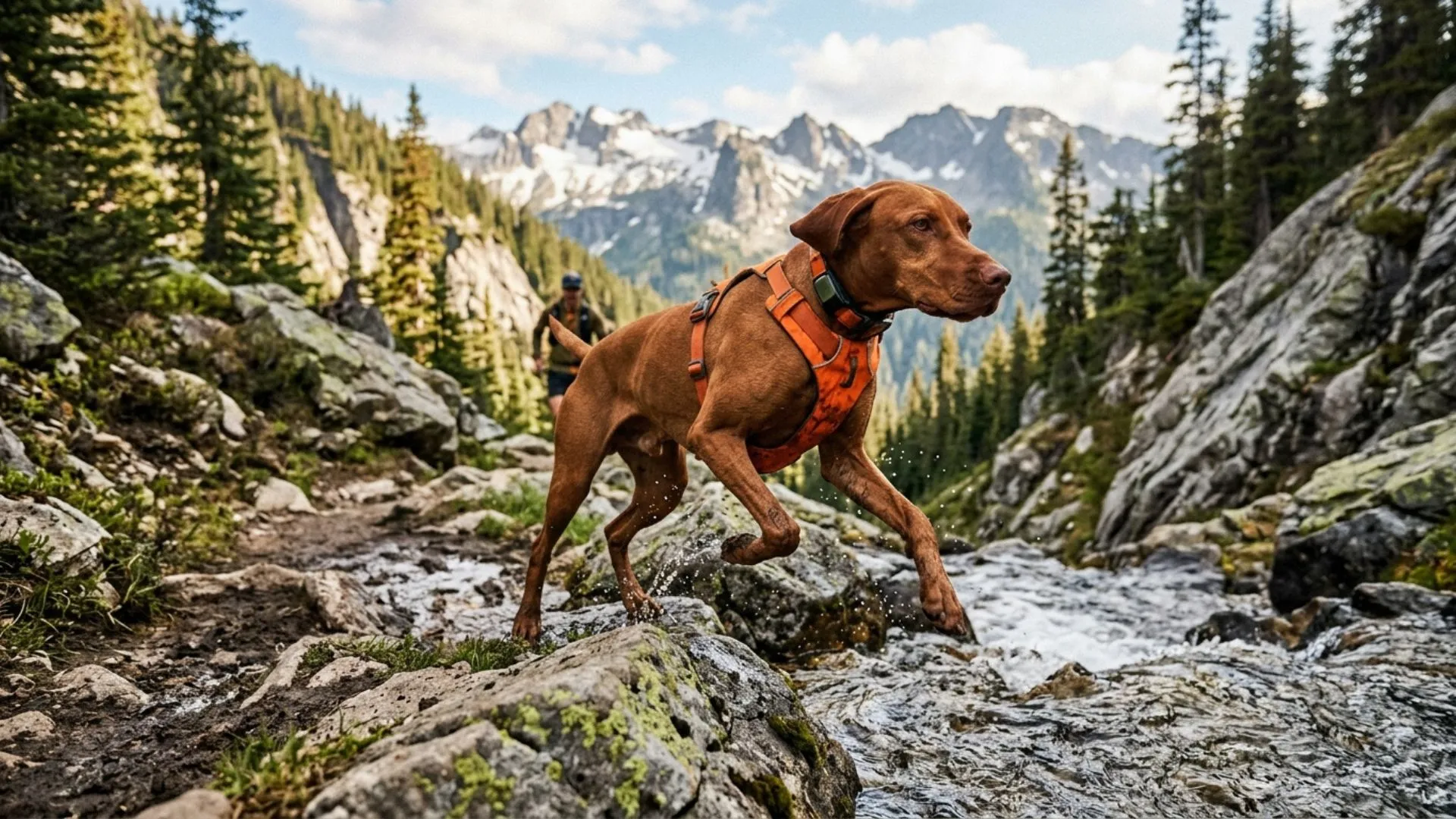
There is something unforgettable about sharing a difficult outdoor journey with a dog that refuses to quit. The steep climbs feel easier, the rough terrain feels less overwhelming, and even harsh weather becomes more manageable when a strong, dependable companion keeps moving beside you without hesitation.
Not every dog can handle that kind of pressure comfortably. Some lose confidence in difficult environments, while others struggle physically once the challenge becomes too demanding. But certain breeds seem completely at home in conditions that test endurance, resilience, and mental focus all at once.
These dogs are not only active companions. They are built for movement, capable of adapting to unpredictable surroundings while maintaining steady energy through physically exhausting situations. Their confidence changes the entire outdoor experience itself.
Ahead are the dog breeds known for thriving in extreme environments where endurance, strength, and determination matter far more than simple excitement or speed.
Key Takeaways
Few things match the feeling of watching a dog move through rough terrain as if the challenge barely exists.
Siberian Huskies and Alaskan Malamutes were shaped by frozen terrain and long-distance work, which is why endurance feels almost natural to them.
Australian Cattle Dogs and German Shepherds bring sharp focus into the wild, staying alert through rough ground, changing weather, and physically exhausting routes.
Somewhere in this list is the breed that can turn demanding outdoor trips into the kind of adventure people talk about for years afterward.
Top Dog Breeds to Take on Extreme Outdoor Challenges
1. Siberian Husky
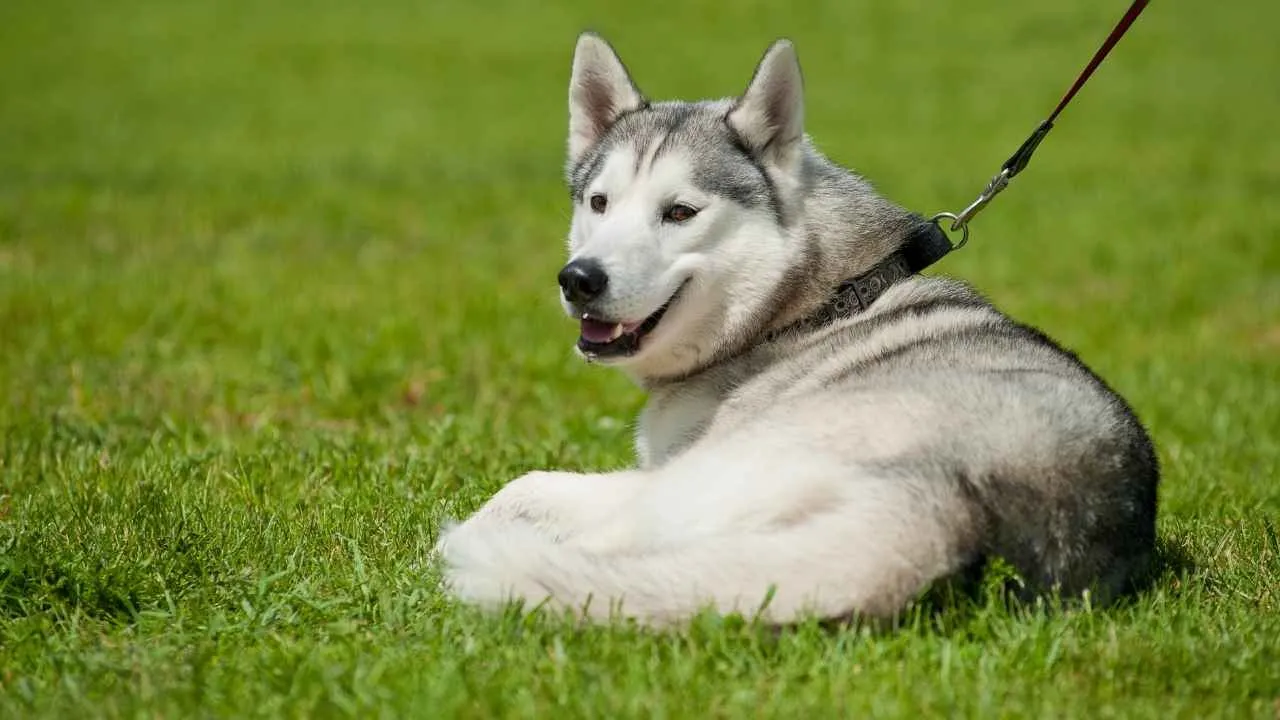
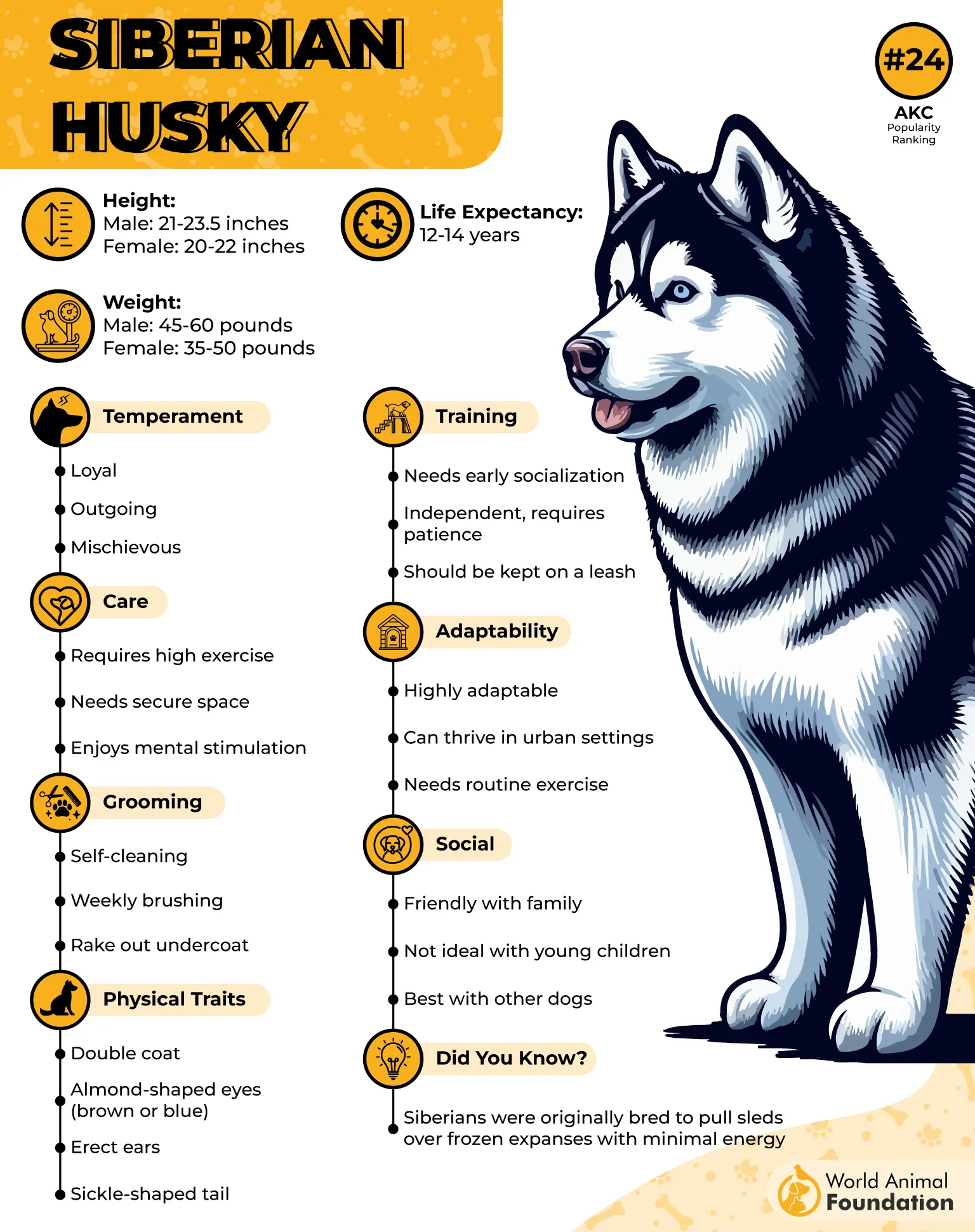
The Siberian Husky entered Arctic life as a pack-based sled dog, originally bred to pull light loads across vast frozen terrain. Its compact frame, thick coat, and efficient stride support long-distance travel without heavy bulk. The breed relies more on endurance and rhythm than raw size.
Pack rhythm and working style
This active dog breed functions naturally within group settings, responding well to shared activity and coordinated movement. Its quick-footed gait and steady pacing reflect a dog shaped for continuous travel over difficult ground.
That working pattern appears through clear traits:
Pulls efficiently across long snowy routes
Responds naturally within the pack structure
Handles distance through controlled pacing
Energy directed toward motion
Siberian Huskies react strongly to open space and physical activity, making secure running areas especially important, as mentioned by the AKC.
Chasing instincts can activate quickly around smaller animals, particularly during fast movement outdoors. Activities like sledding, running, and agility align closely with its natural drive.
2. Alaskan Malamute
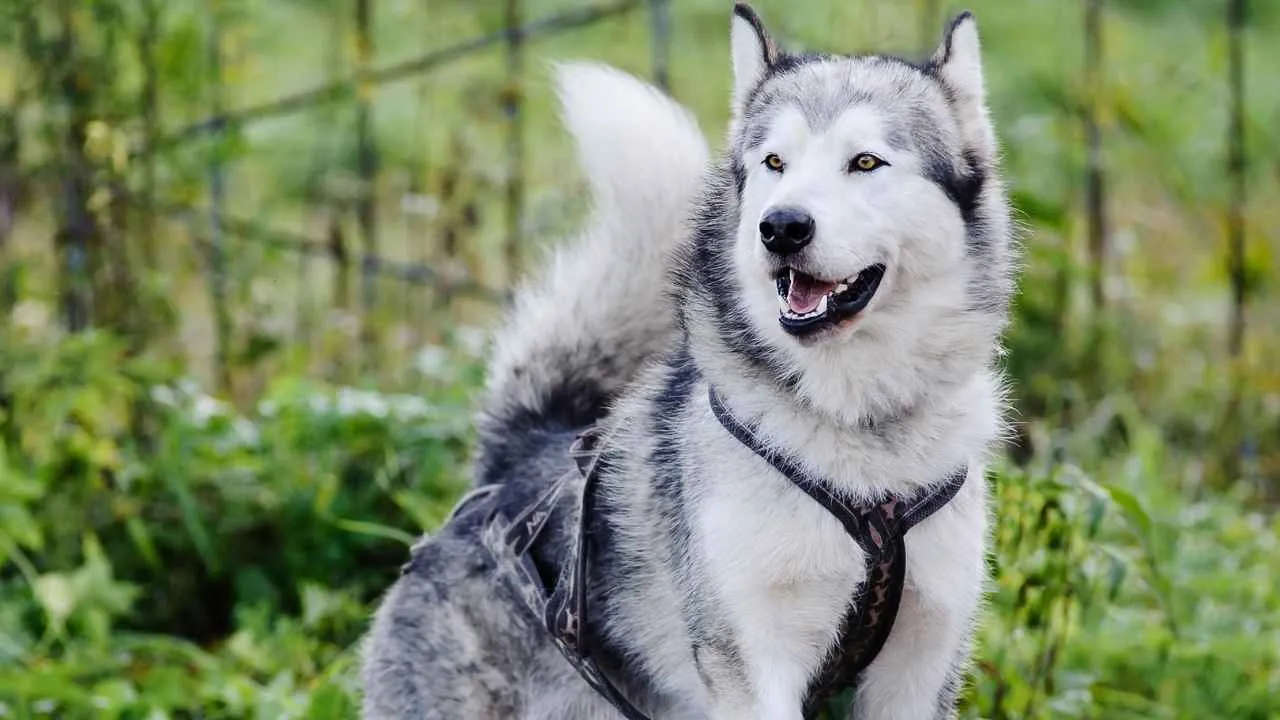
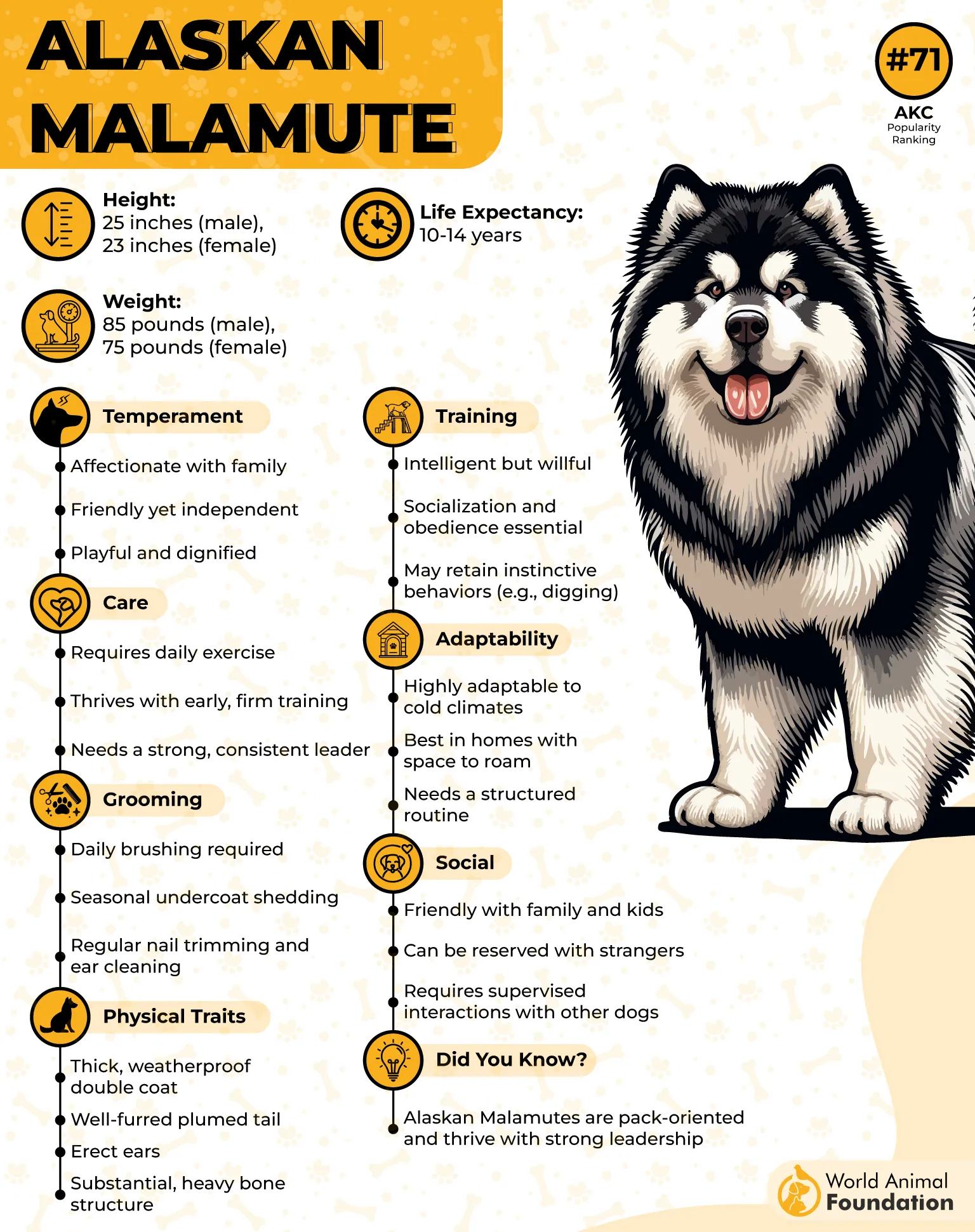
Alaskan Malamutes first worked beside the Mahlemut tribe in Alaska, where endurance and pulling strength shaped daily survival.
Their heavy build and deep stamina came from hauling loads across snow-covered terrain for long distances. That working partnership still influences how the breed approaches activity and effort today.
Energy With Purpose
Malamutes approach outdoor activity with intensity, often preferring physically demanding tasks over casual play sessions. Long runs, pulling work, and distance-based physical exercise fit naturally into their routine and behavior.
Their routine often revolves around demanding activities:
Pulling sleds across long terrain
Jogging or biking beside handlers
Tracking routes through outdoor environments
Clever And Strong-Willed
They think independently and often test boundaries when boredom or opportunity appears. Their problem-solving ability can shift toward escaping yards, reaching food left out, or creating their own entertainment. Vocal “awoos” adds another layer to their expression and personality, as PetMD noted.
3. Australian Cattle Dog
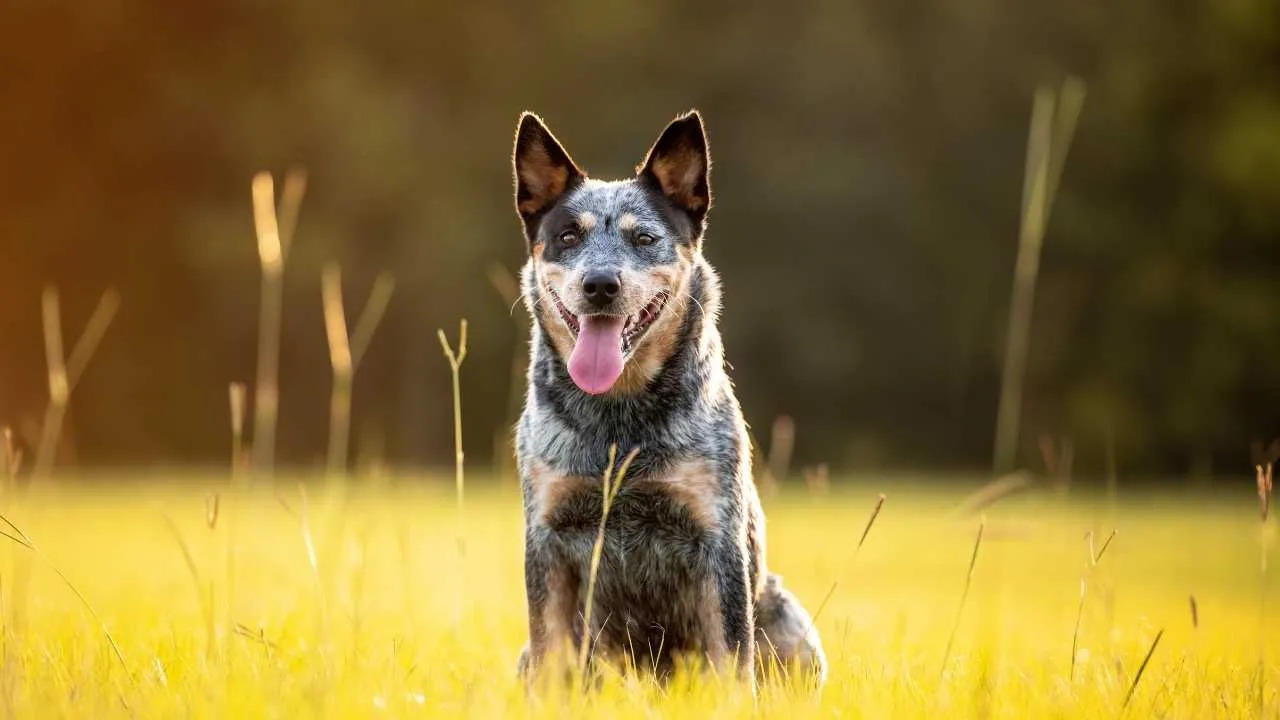
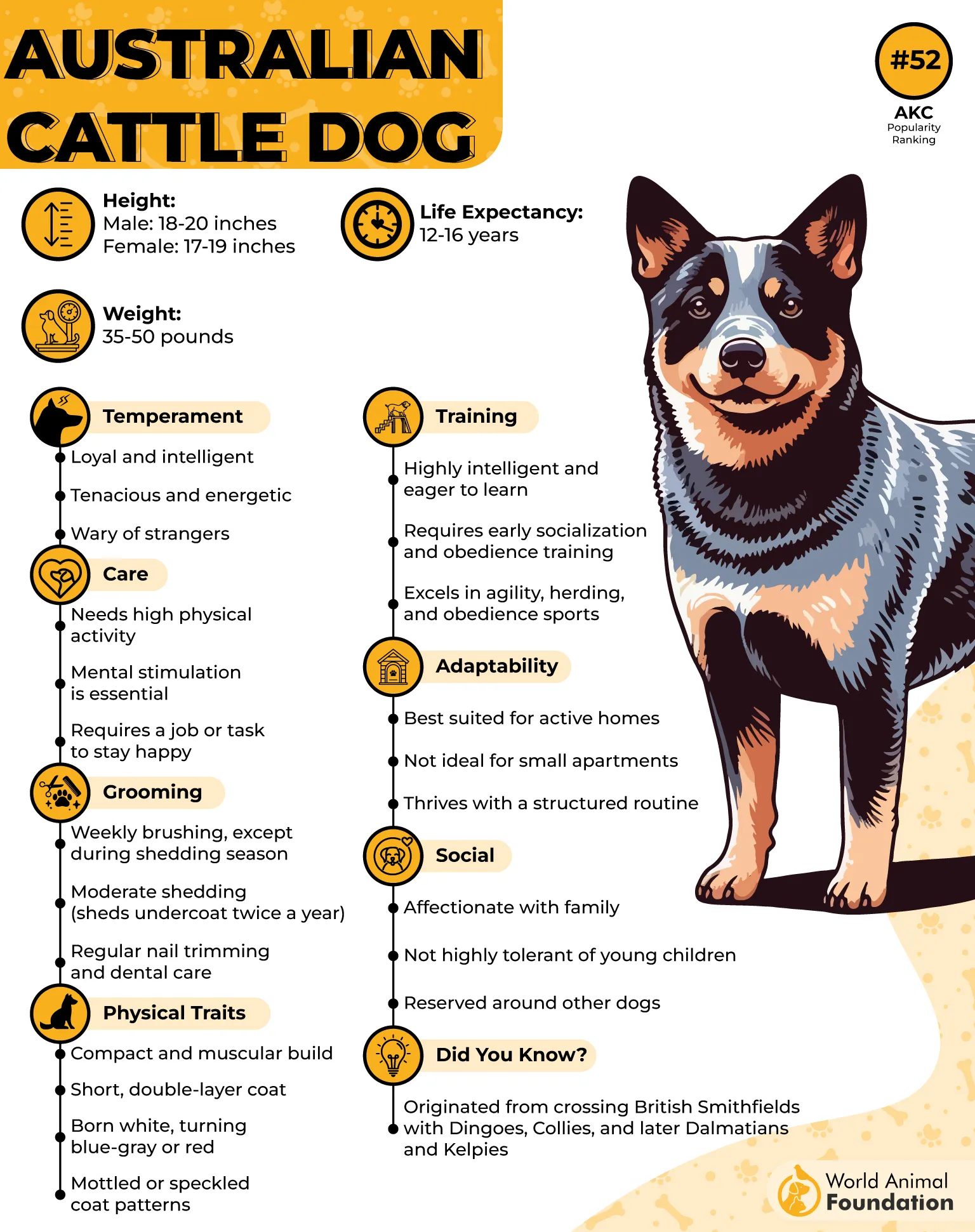
Australian Cattle Dog draws part of its lineage from the Dingo, reflected in a tough, compact frame built for rough terrain and relentless livestock work. Its muscular structure and supple gait suit long days across open land. Intelligence and physical grit operate side by side in this breed.
Driven by Purpose
This high-energy dog approaches activity with intensity, often looking for tasks that require direction, speed, and precision. Herding instincts connect closely with quick decision-making and constant environmental awareness.
That working nature appears through distinct patterns:
Reacts quickly during livestock handling
Excels in agility and obedience tasks
Handles long-distance running with ease
Energy That Demands Engagement
They channel enormous physical and mental energy into structured activity rather than passive downtime. Without regular challenges, boredom can shift into destructive or mischievous behavior indoors. Farm work, frisbee, and fast-paced games fit naturally into its routine.
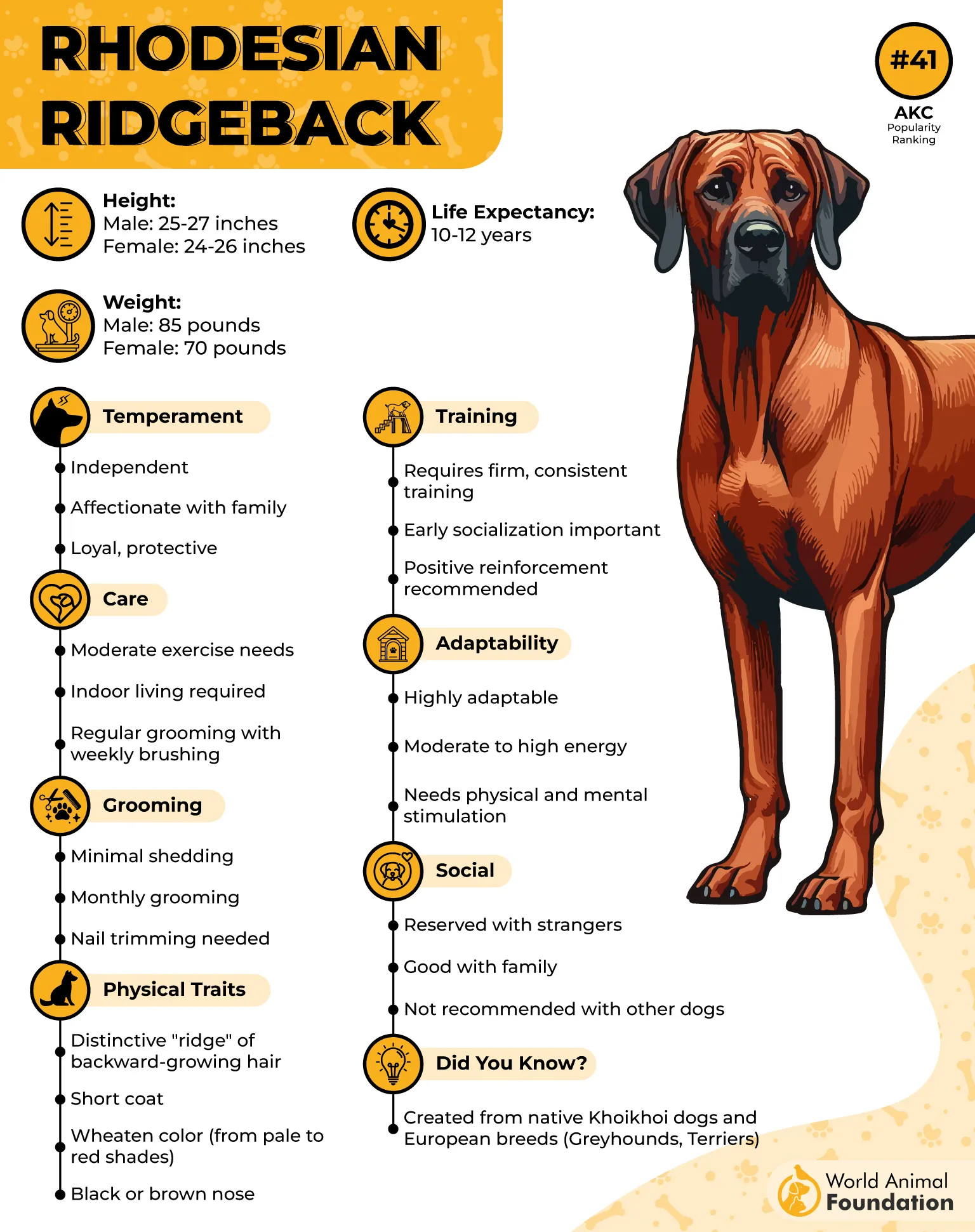
4. Rhodesian Ridgeback
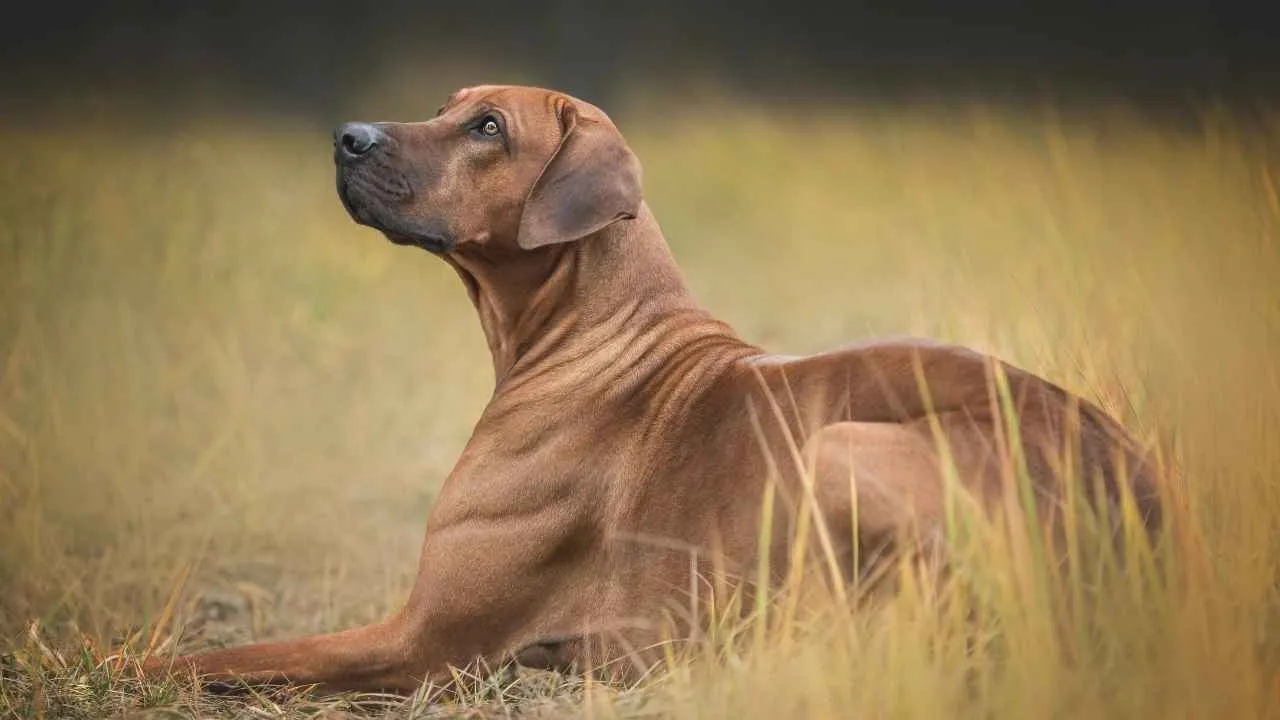
Rhodesian Ridgeback is recognized instantly by the reversed strip of hair running along its spine, a feature tied closely to the breed’s identity.
In Africa, it earned recognition through lion tracking work where control mattered more than reckless attack. That balance between pursuit and restraint defines much of its character.
Endurance tied to instinct
They prefer wide spaces, fast pacing, and physically demanding activity that keeps both body and focus engaged. Its prey drive influences how it reacts outdoors, especially around sudden movement and scent trails.
That instinct appears through several clear traits:
Strong interest in tracking activity
High tolerance for long-distance running
Quick reaction to moving targets
Independence within companionship
Rhodesian Ridgeback forms deep attachment with trusted people while keeping a more reserved attitude around unfamiliar situations, as WebMD claims.
Its affectionate side appears quietly, often through physical closeness with those inside its circle. The same dog can shift quickly into a more self-directed mindset outdoors.
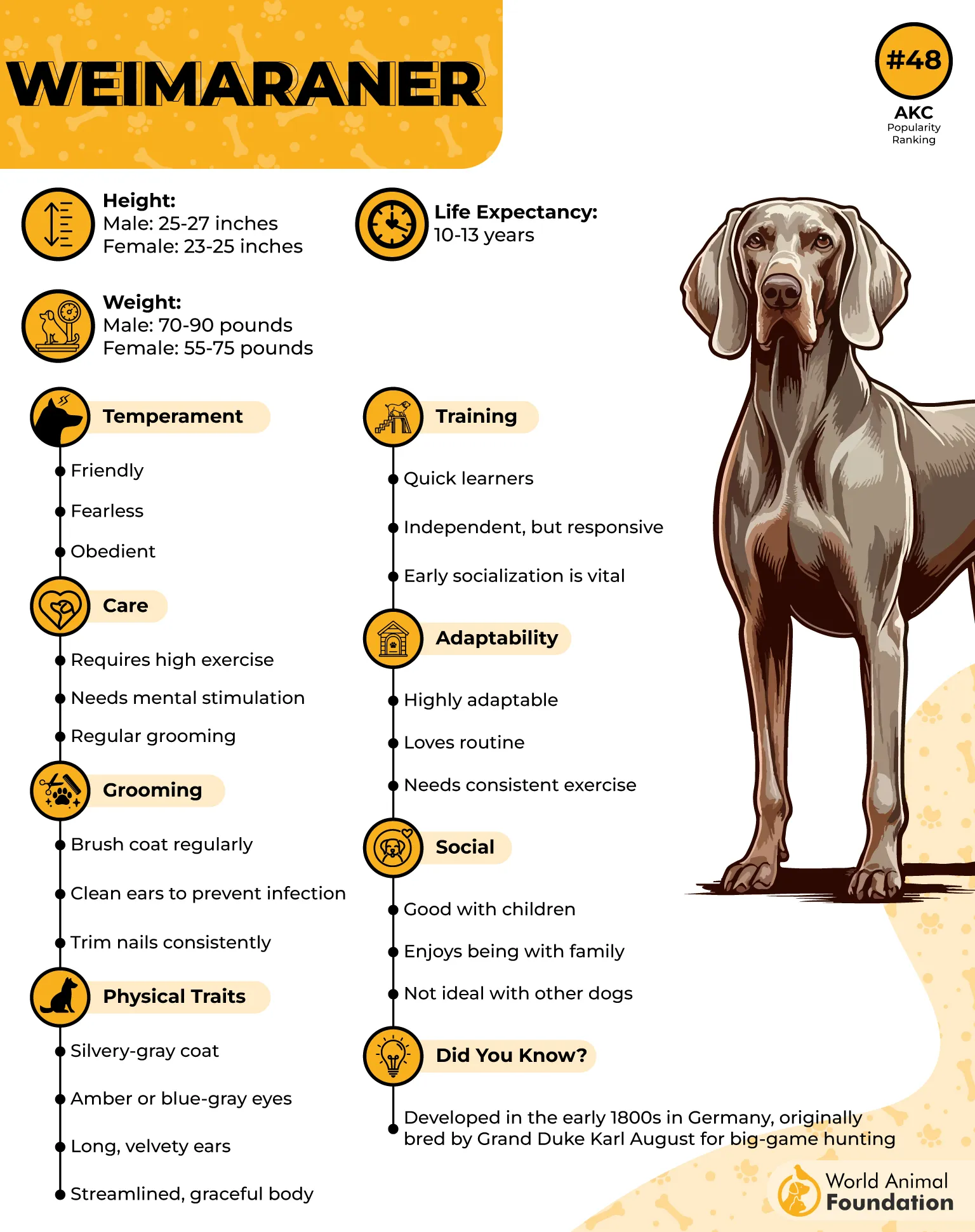
5. Weimaraner
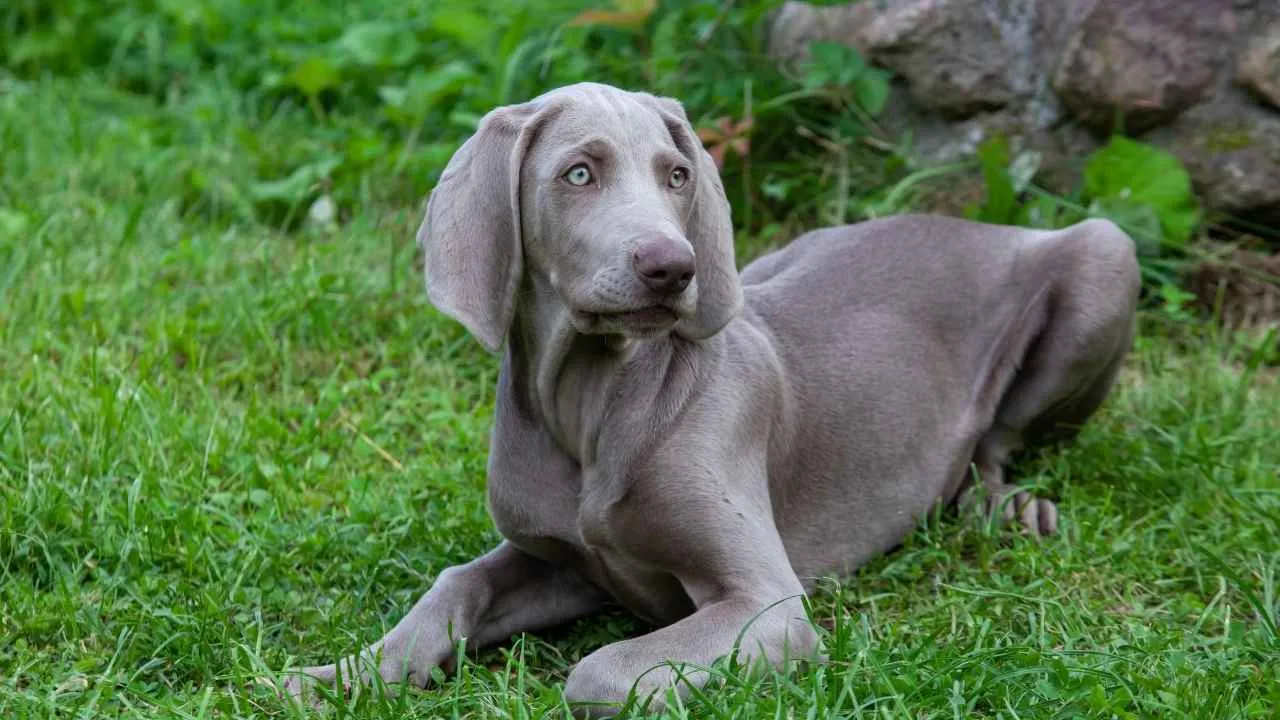
Weimaraner earned the nickname “Gray Ghost” through its swift stride, silver-gray coat, and fluid athletic form. The breed combines elegance with working intensity, especially when focused during outdoor pursuits. A well-conditioned Weimaraner in motion reflects precision rather than raw force.
Outdoor rhythm and task focus
Weimaraner responds best to physically demanding routines that involve speed, direction, and sustained engagement. Running, hunting, and fast-paced retrieval activities fit naturally into its daily rhythm and attention span.
That drive appears through distinct activity patterns:
Accelerates quickly during open-field runs
Locks focus during retrieval-based games
Engages deeply in scent and pursuit tasks
Mental engagement and behavioral balance
Weimaraner responds strongly to structured challenges such as agility, lure coursing, and puzzle-based tasks. Repetitive inactivity often leads to restless behavior, especially in confined settings. Mental and physical stimulation shapes a more settled temperament indoors.
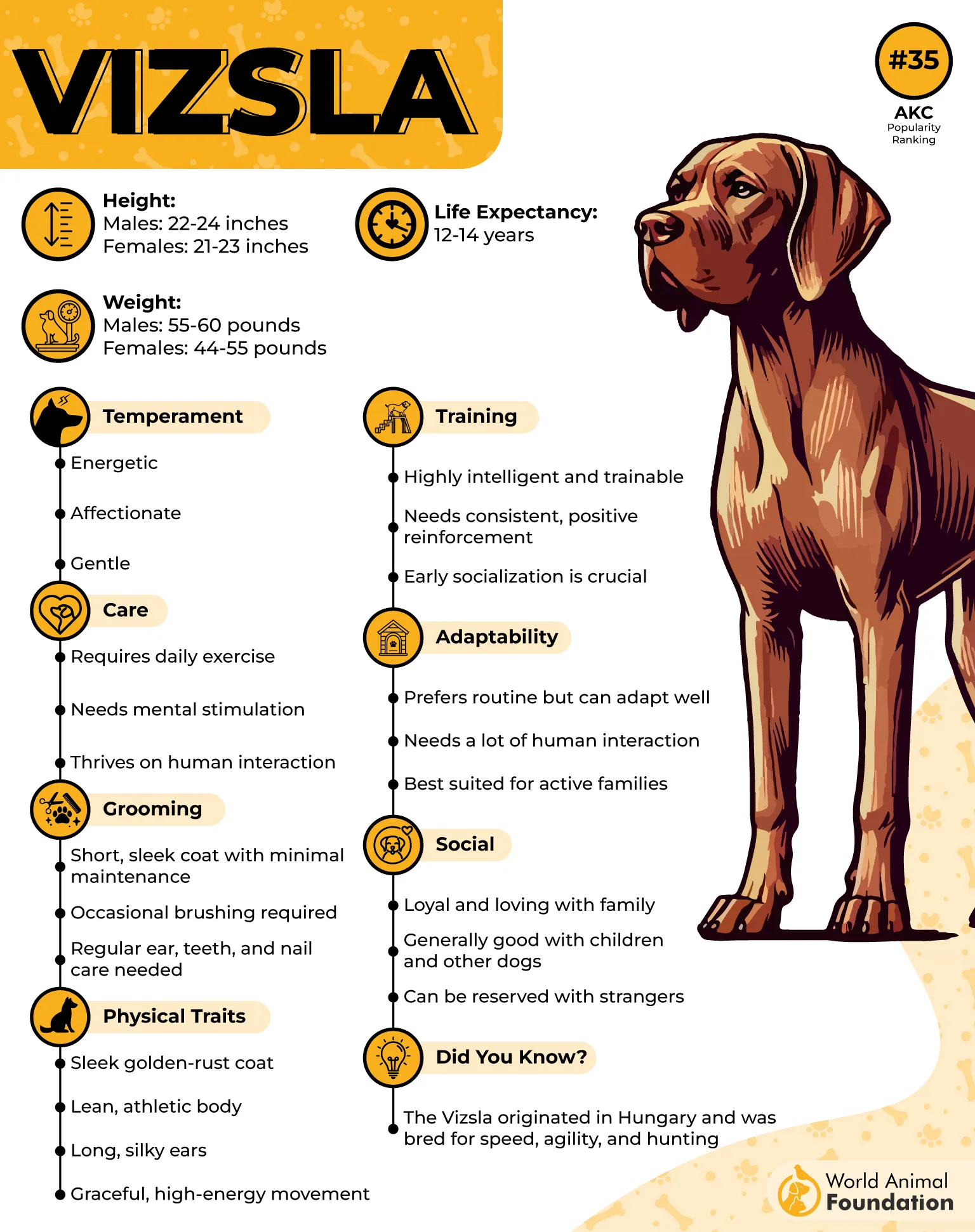
6. Vizsla
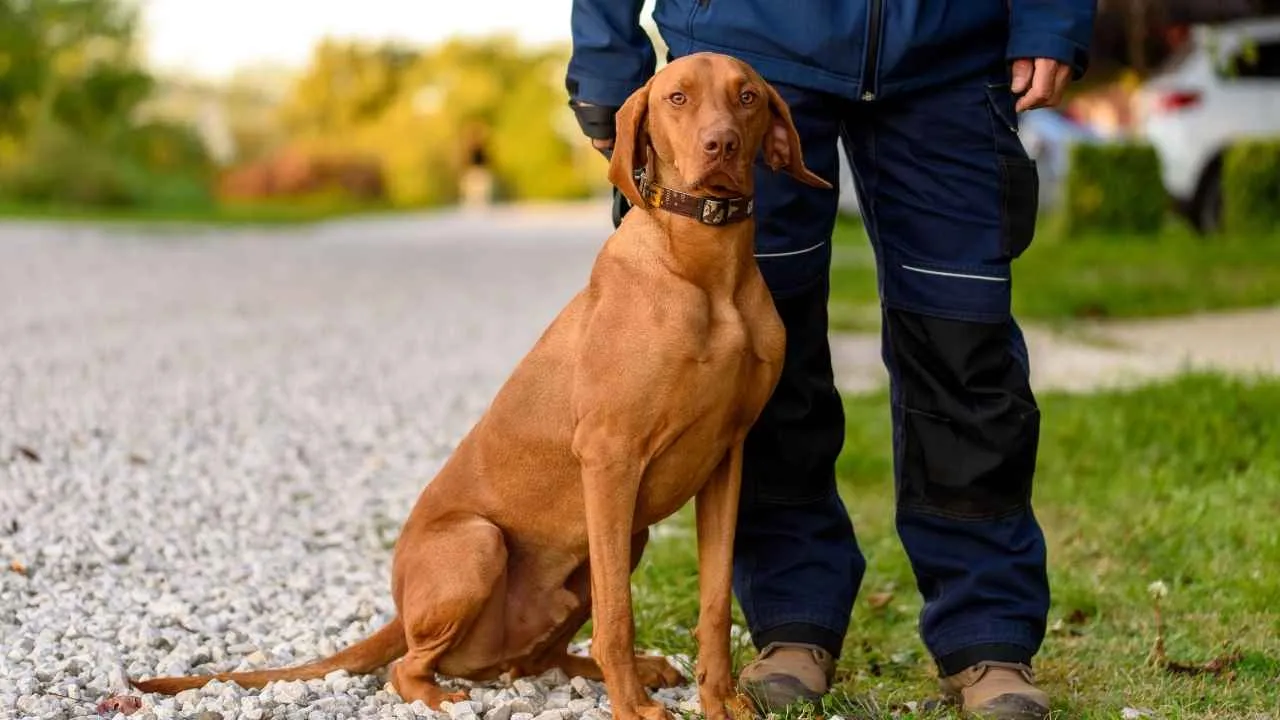
Vizsla earned recognition among Hungarian hunters through its ability to spend entire days working across rough terrain without losing rhythm.
The lean red coat, athletic frame, and efficient gait reflect a dog built for distance rather than bursts of effort. Close cooperation with humans remains central to how this breed operates outdoors.
Motion with purpose
This great outdoors dog approaches physical activity with focus, often shifting smoothly between speed, scent work, and directional response. Its stamina connects naturally with long outdoor routines that require both endurance and mental engagement.
That versatility appears through activities such as:
Hiking across uneven terrain
Swimming and dock diving
Running beside bikes or joggers
Athletic mind and quick responsiveness
They react rapidly during training sessions, especially when tasks involve coordination, speed, or problem-solving. Agility work, tug games, and field exercises channel both physical drive and mental sharpness into structured activity. Consistent interaction keeps the breed focused and balanced.
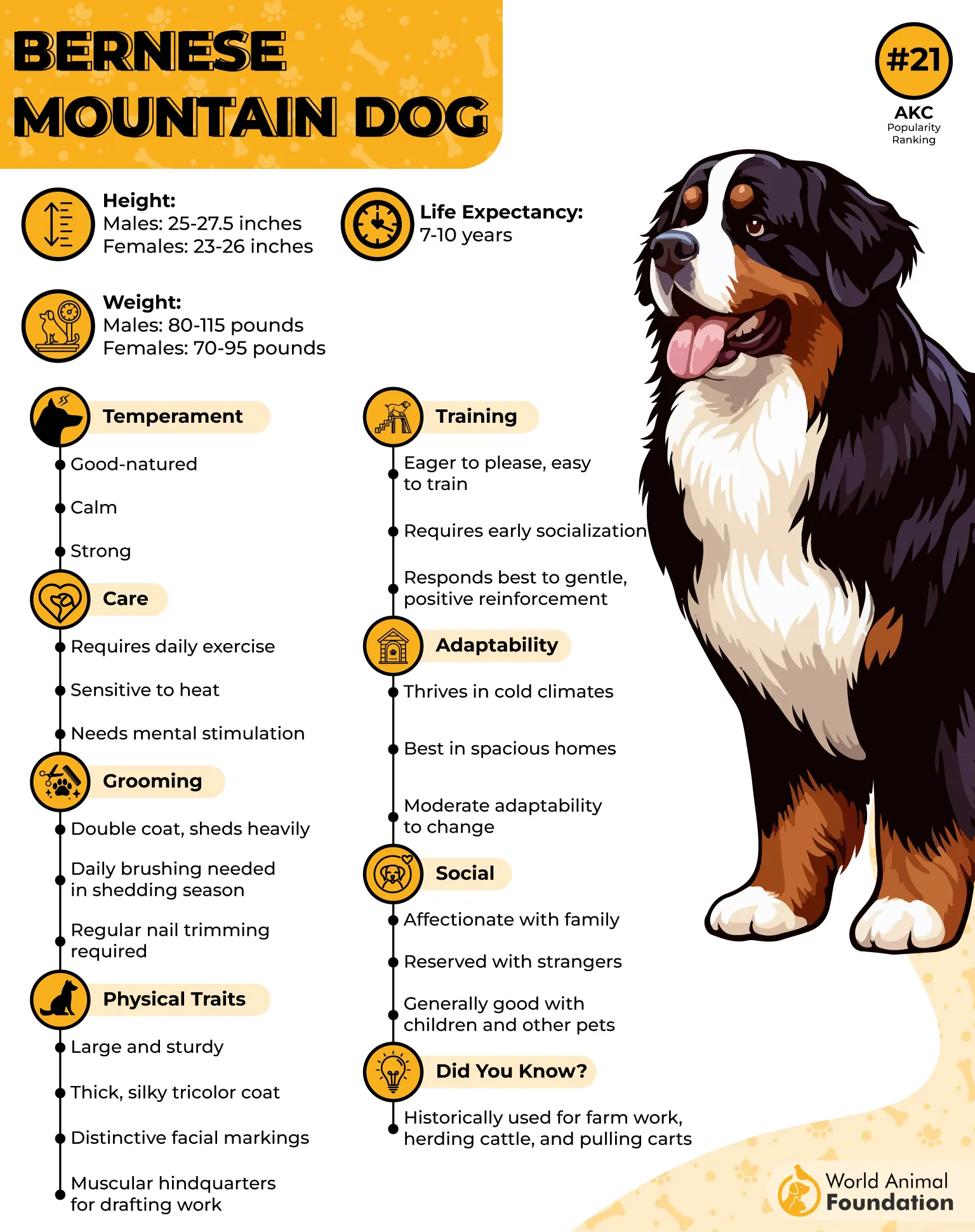
7. Bernese Mountain Dog
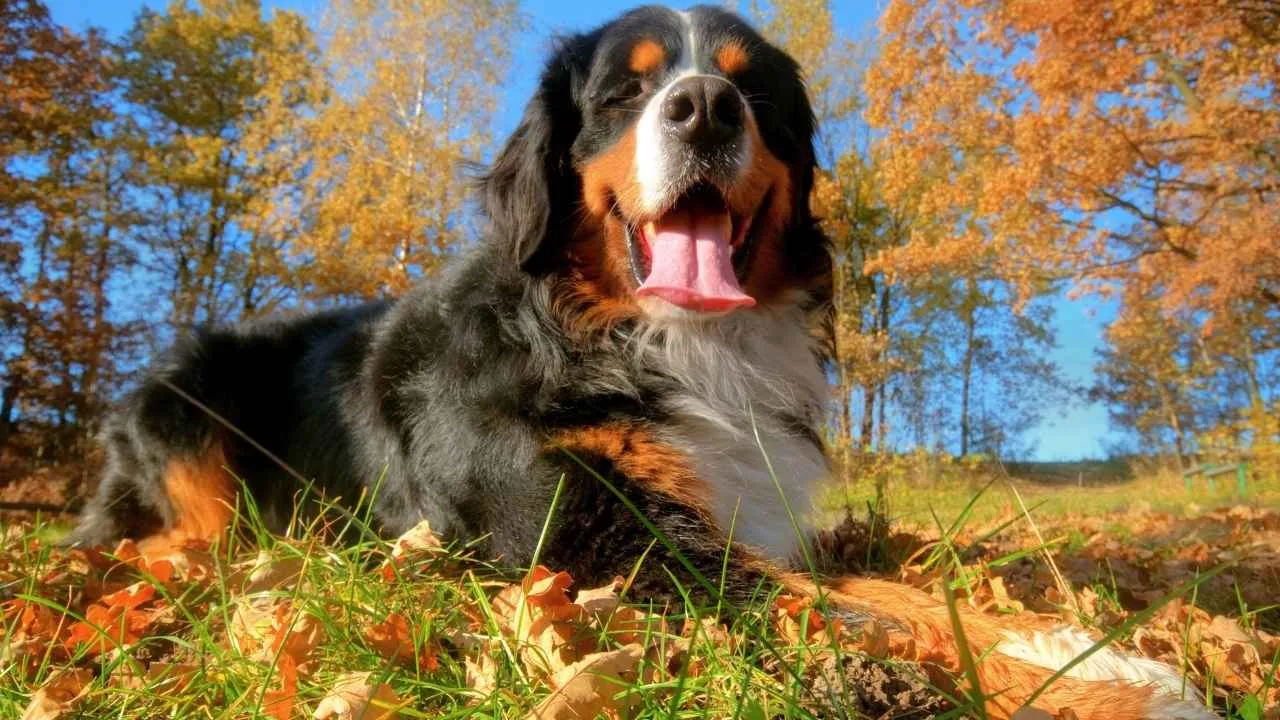
Bernese Mountain Dogs worked across Swiss farms where strength, endurance, and reliability were part of daily life. Its heavy frame and thick coat suited cold mountain conditions and physically demanding outdoor tasks. That working role shaped a dog comfortable with long activity in rough environments.
Built for pulling and range
This mountain dog handles outdoor work through controlled power, especially during hiking, cart pulling, and field-based activity. Its sturdy structure supports steady physical effort across uneven terrain and colder climates.
That working ability appears in several ways:
Excels in carting and drafting tasks
Handles long hiking routes comfortably
Participates in tracking and herding work
Calm energy outdoors
They approach physical activity with a composed attitude rather than restless intensity, making extended trips feel steady and manageable.
Camping, backpacking, and long walks fit naturally into its routine when shared with people. Its physical endurance pairs closely with companionship-focused behavior.
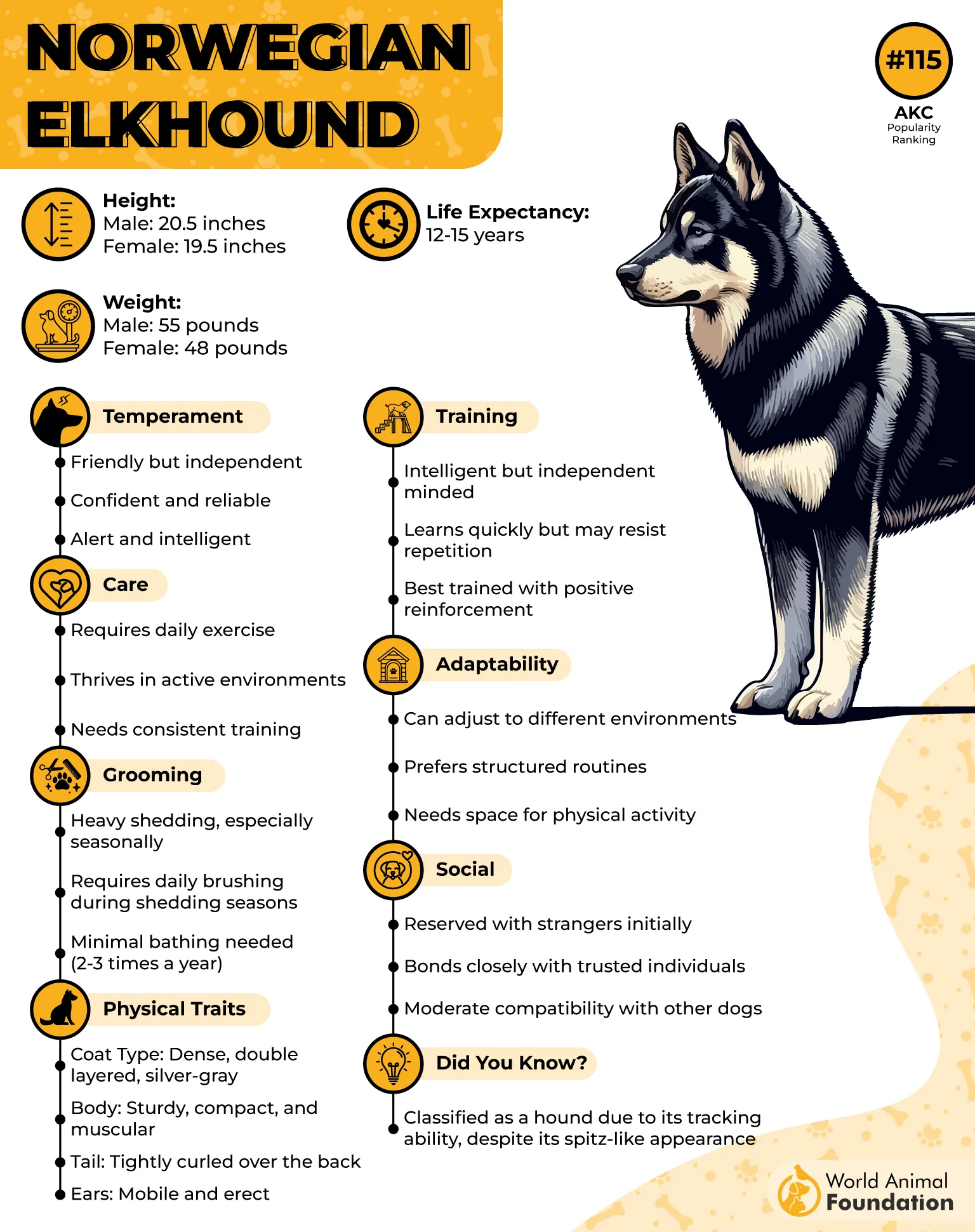
8. Norwegian Elkhound
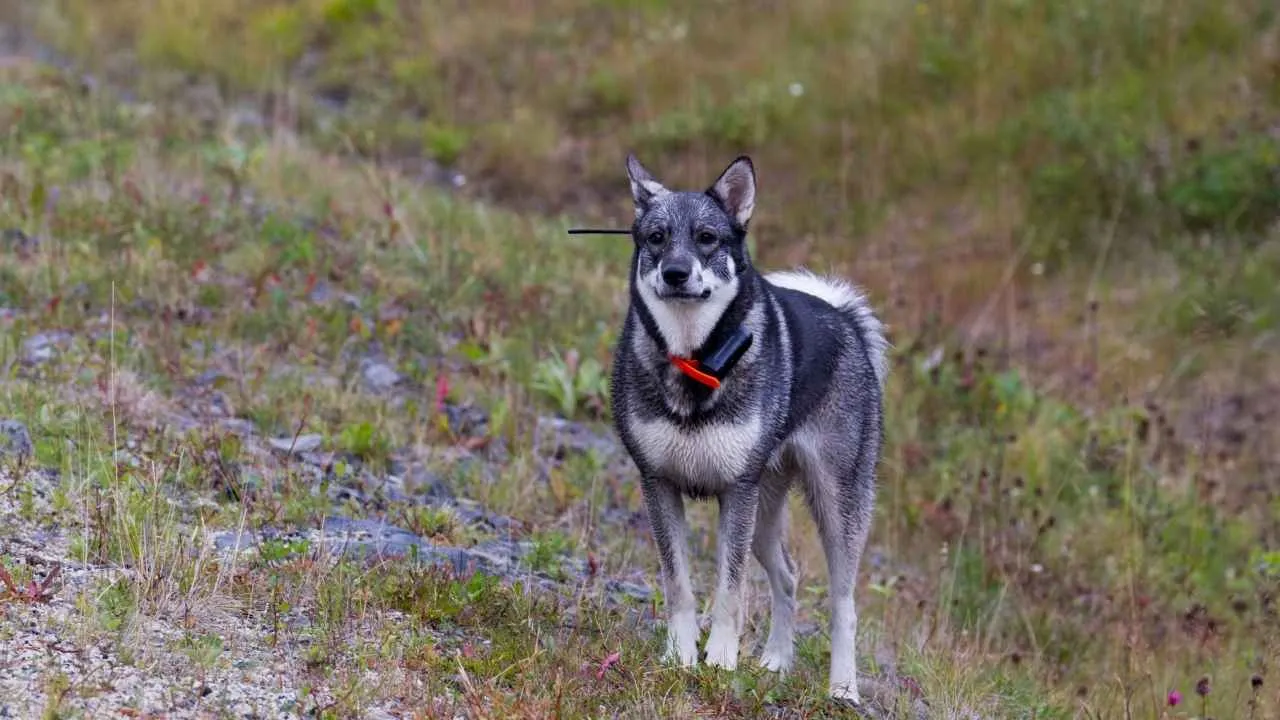
Norwegian Elkhound traveled alongside Vikings, earning recognition through Norse legend, harsh terrain work, and relentless stamina.
Its dense silver-gray coat and compact spitz frame reflect a dog shaped for cold-weather pursuit. Alert eyes and upright ears create an expression constantly tuned to the environment.
Purpose-built for long pursuit
As hunting dogs, they follow moose across rough ground for miles, often working far ahead while relying on independent judgment. Its physical structure supports endurance over difficult terrain rather than short bursts of speed.
That rugged function appears through defining traits:
Dense coat suited for freezing climates
Short, sturdy body built for distance travel
Strong swimming ability linked to moose trailing
Independence tied to the hunting instinct
Norwegian Elkhound makes decisions confidently during field work, a trait closely tied to the way it hunts in Norway. Curiosity about scent, terrain, and movement often pulls its attention outward during outdoor activity. Off-leash freedom can quickly turn into long-distance wandering.
9. German Shepherd
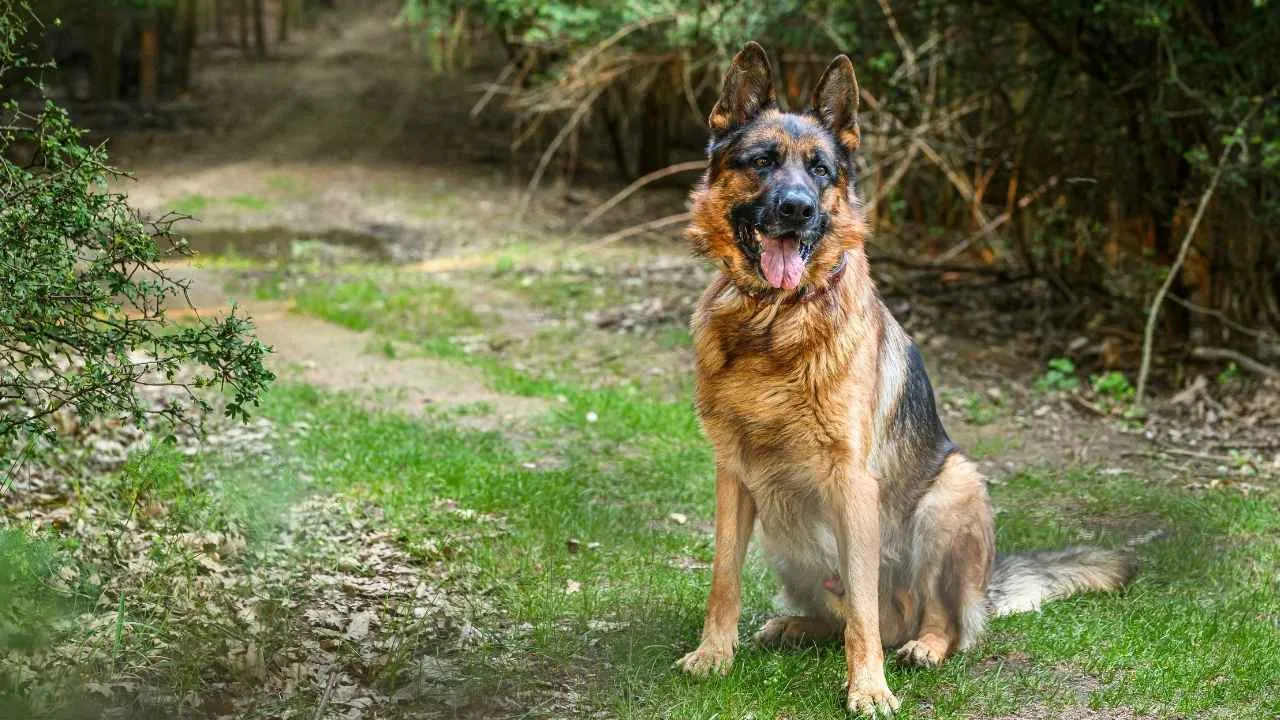
The German Shepherd combines athletic movement with a muscular frame shaped for physically demanding tasks. Its intelligence and loyalty influence how it responds under pressure, especially in environments requiring endurance and precision. Confidence appears through purposeful action rather than restless energy.
Driven by Task and Terrain
This guard dog connects naturally with activities that involve direction, coordination, and physical challenge across changing terrain. Herding instincts and working ability influence how it approaches movement-heavy environments.
That working rhythm appears through:
Tracking across long outdoor routes
Fast response during agility exercises
Focused engagement in nose work tasks

Endurance With Mental Focus
They require extended physical activity paired with mentally engaging work to prevent frustration from building. Hiking, dock diving, and structured outdoor routines align closely with its athletic nature. Repetitive inactivity often leads to destructive or reactive behavior indoors.
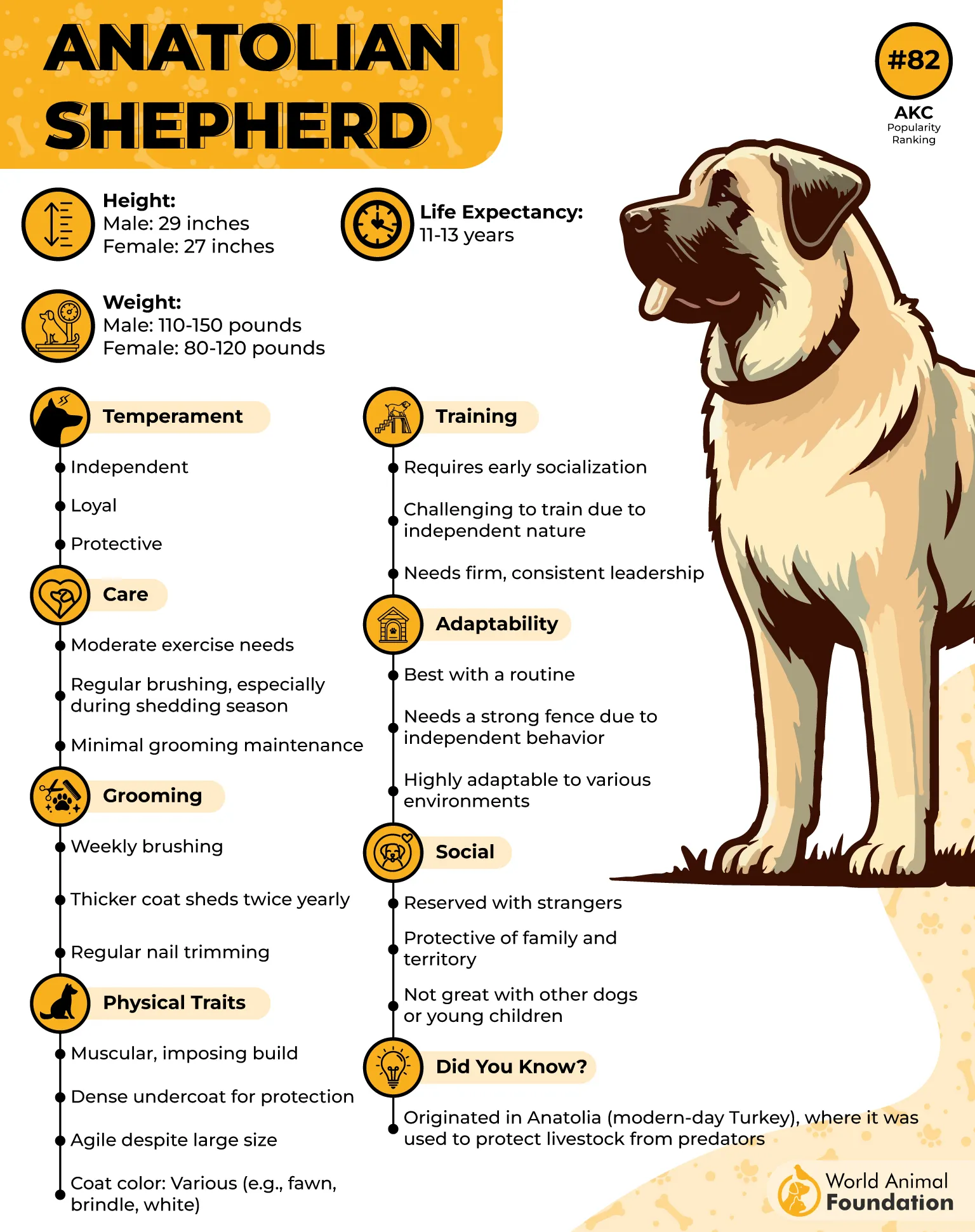
10. Anatolian Shepherd
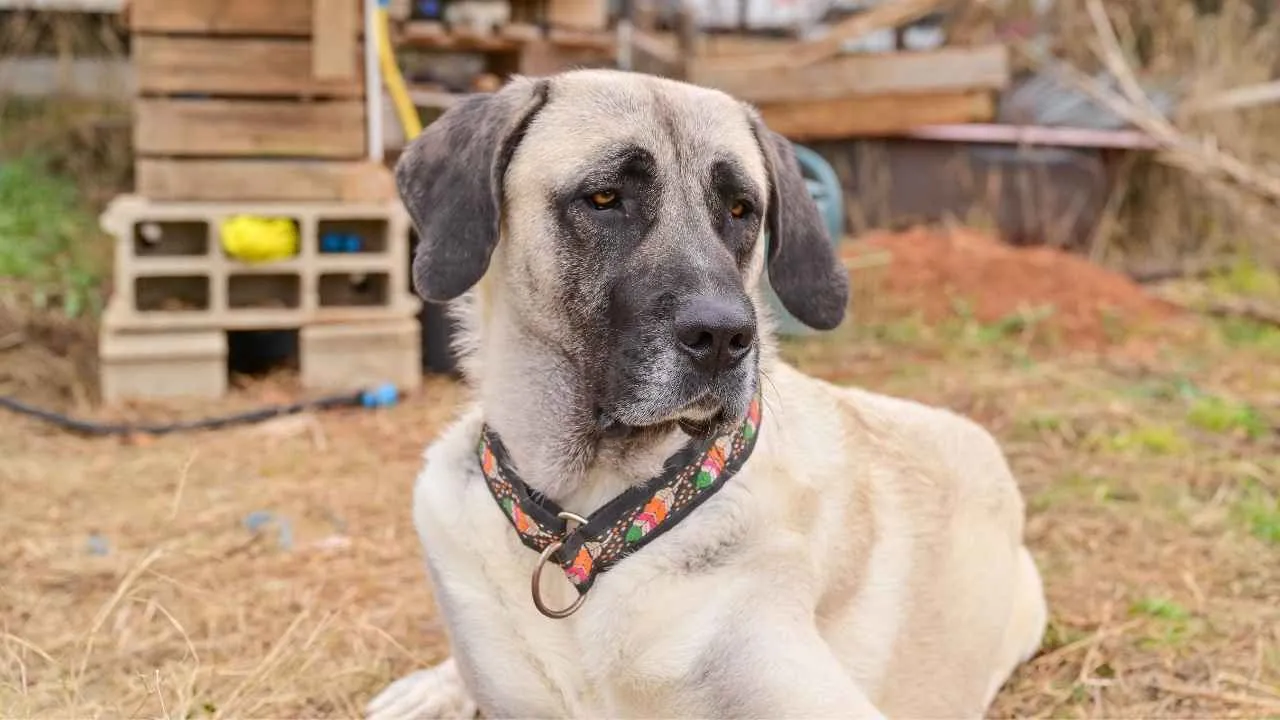
Anatolian Shepherd descends from ancient canine lines linked to livestock protection across harsh Turkish landscapes. Its role centered on guarding flocks across isolated land where quick judgment mattered as much as physical ability.
Independence tied to responsibility
They approach guarding tasks with self-directed decision-making, often reacting without waiting for instruction. That independent nature creates a dog better suited to experienced handling than constant supervision.
Its working instincts appear through clear behavioral patterns:
Patrols boundaries with strong territorial awareness
Responds cautiously around unfamiliar people
Operates confidently without repeated direction
Outdoor ability with practical endurance
They handle physically demanding environments through endurance rather than constant high-speed activity. Farm work, long walks, and even water-based activities fit naturally into its routine when space is available. Urban environments often create frustration because the breed was shaped around open working areas.
Conclusion
Extreme outdoor dogs are not defined only by strength or endless energy. What separates them is the ability to stay focused, adaptable, and physically steady when conditions become difficult for hours at a time. Some handle freezing terrain with ease, while others remain reliable across mountains, forests, or demanding open land where stamina matters more than speed alone in an active lifestyle.
The right outdoor companion changes the experience of adventure. Long hikes feel more manageable, rough conditions feel less intimidating, and difficult environments become easier to navigate together. For pet parents, these working dogs offer far more than excitement. With proper training, they bring resilience, endurance, and dependable partnership outdoors.
