




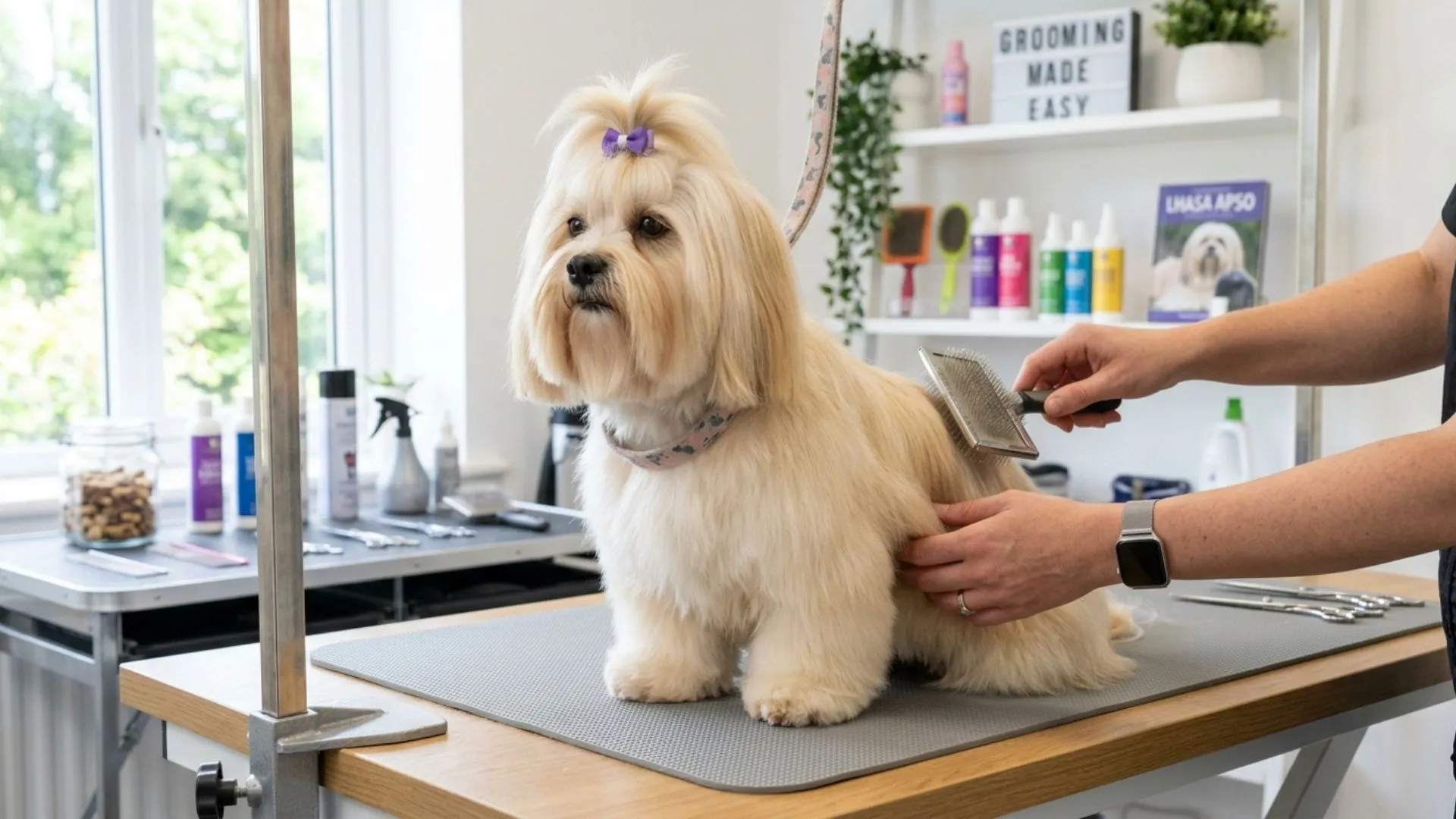
The vacuum had become part of her daily routine before she even noticed it. Every morning started the same way with fur collecting along the couch, sticking to clothes, and covering the floor only hours after cleaning.
She loved having a dog, but the constant shedding slowly turned simple household tasks into extra work she never planned for. Things changed after she chose a breed known for lighter shedding and easier coat maintenance. The difference became obvious within weeks.
Cleaning felt less constant, furniture stayed cleaner longer, and grooming no longer consumed entire weekends. What surprised her most was how much easier everyday life felt without the endless battle against loose fur. Many people assume all dogs bring the same level of shedding and maintenance, but that is far from true.
Some breeds naturally create a far more manageable experience indoors, and the dogs ahead continue standing out for exactly that reason.
Key Takeaways
Tired of fur covering the couch just hours after cleaning, and wondering if there is a better way to live with a dog?
Miniature Poodle and Yorkshire Terrier stand out for their low-shedding coats, offering cleaner homes without giving up companionship.
Breeds like Shih Tzu, Miniature Schnauzer, and Cairn Terrier combine manageable grooming with strong personalities that still bring energy and loyalty.
Keep reading to discover which low-shedding breeds truly make daily life easier and more comfortable.
Top Low-Shedding Dog Breeds: Grooming Made Easy
1. Miniature Poodle
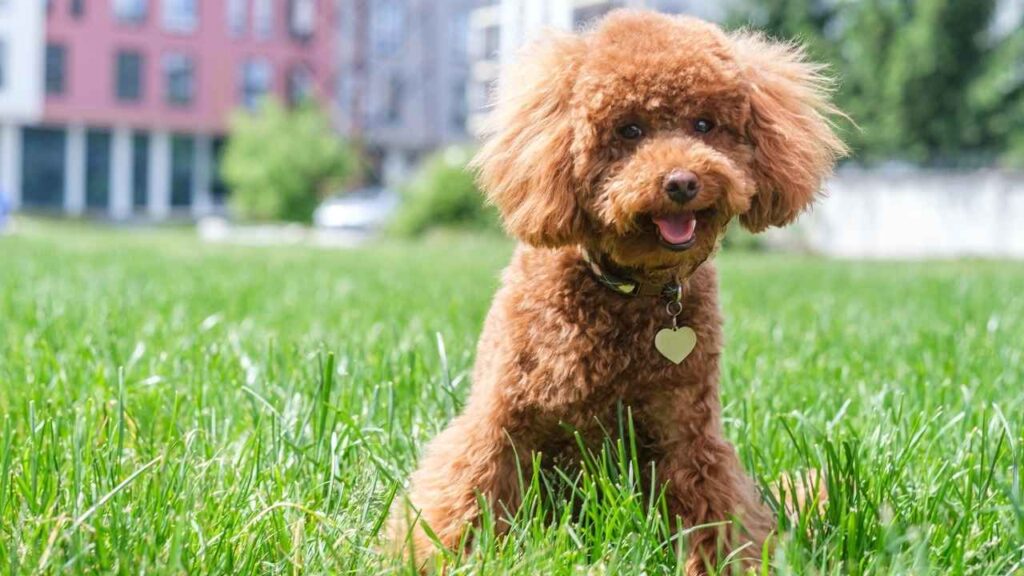
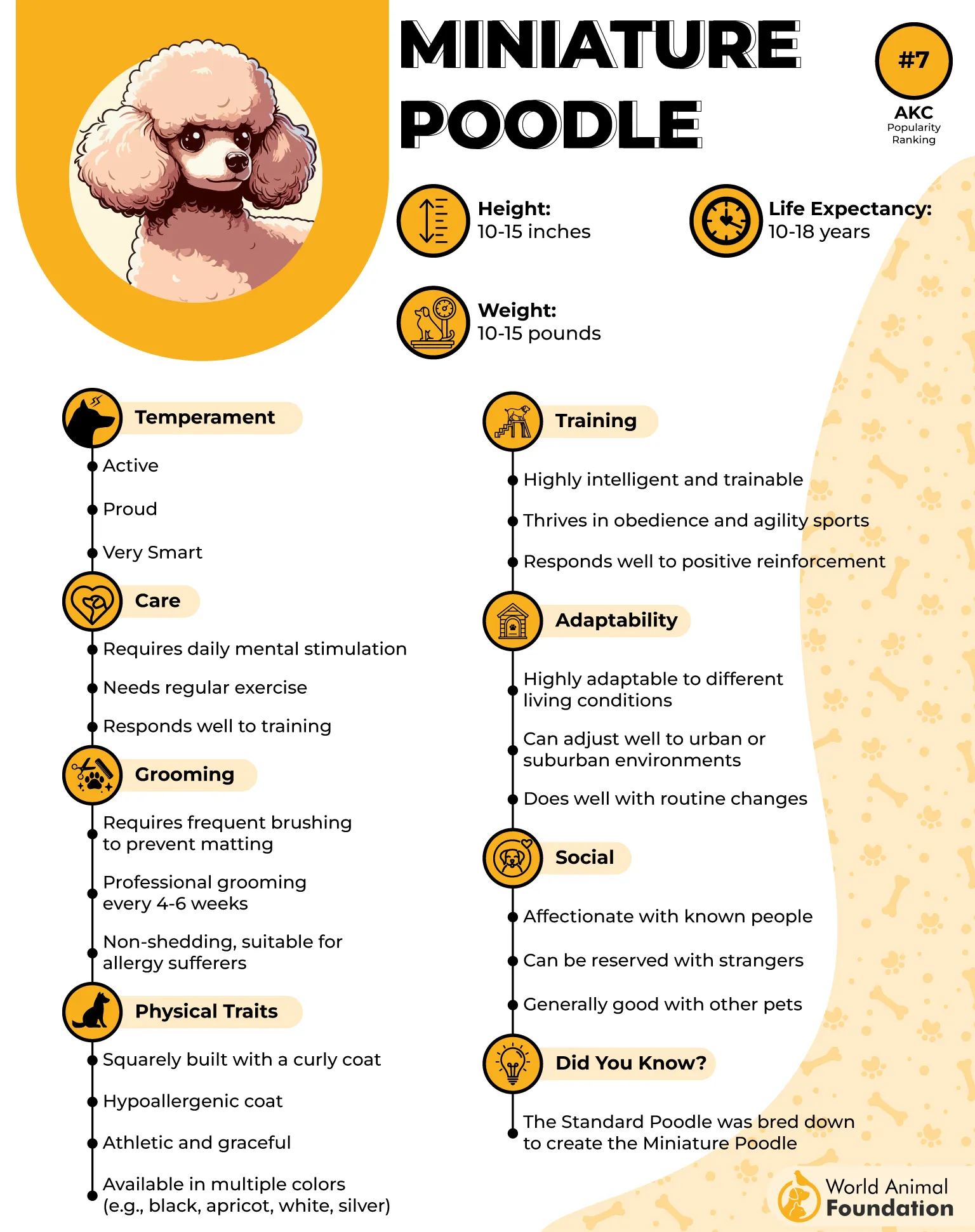
Miniature Poodle is defined by its tightly curled coat, a feature linked to its origins as a curly-coated breed that later moved into Europe. That coat structure supports low shedding, which influences grooming choices for households seeking cleaner indoor environments.
Intelligence that responds quickly
This hypoallergenic dog processes instruction remarkably quickly, often learning new tasks after limited repetition. Its social nature supports structured interaction, especially when praise and consistent guidance are used.
This responsiveness appears clearly in daily behavior:
Learns new commands in a few repetitions
Seeks structured training sessions
Responds positively to praise-based guidance
Social adjustment and boundaries
Miniature Poodle interacts well with children and other pets when introduced early, though it expects respectful handling, as per .
It may initially observe unfamiliar people before warming up, then shift into a friendly mode. Consistent training shapes balanced behavior in varied social settings.
2. Miniature Schnauzer
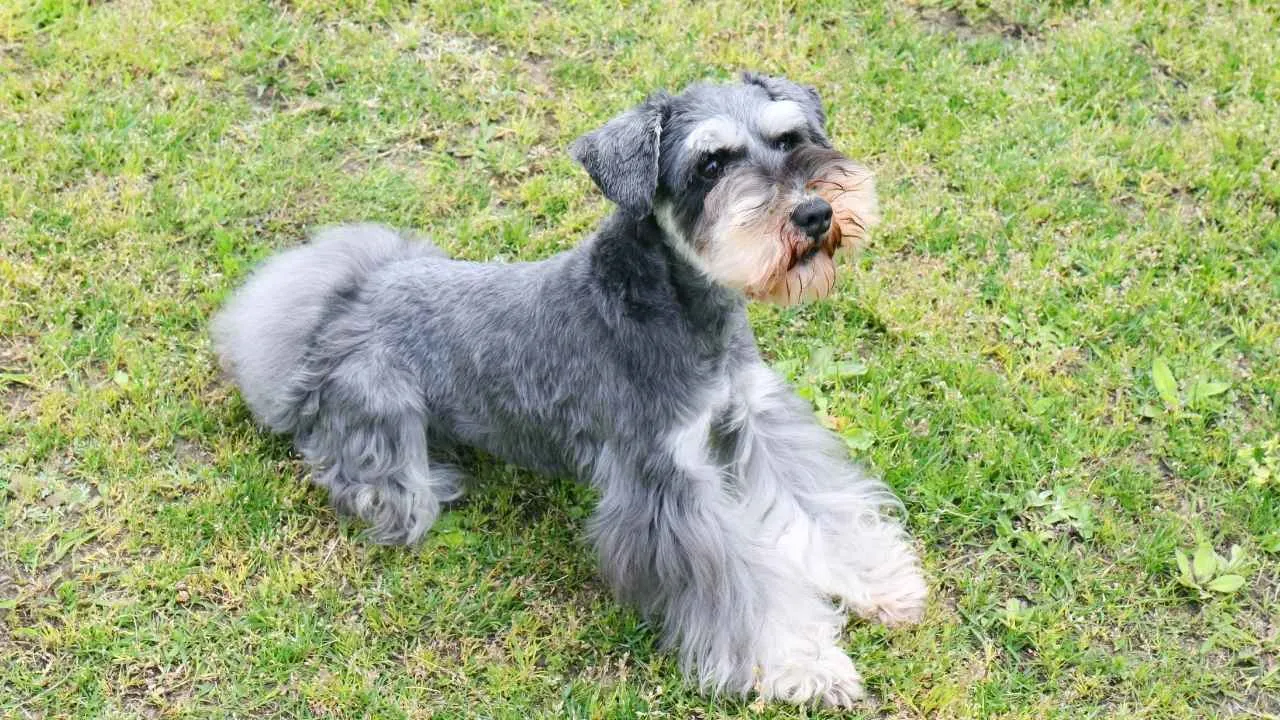
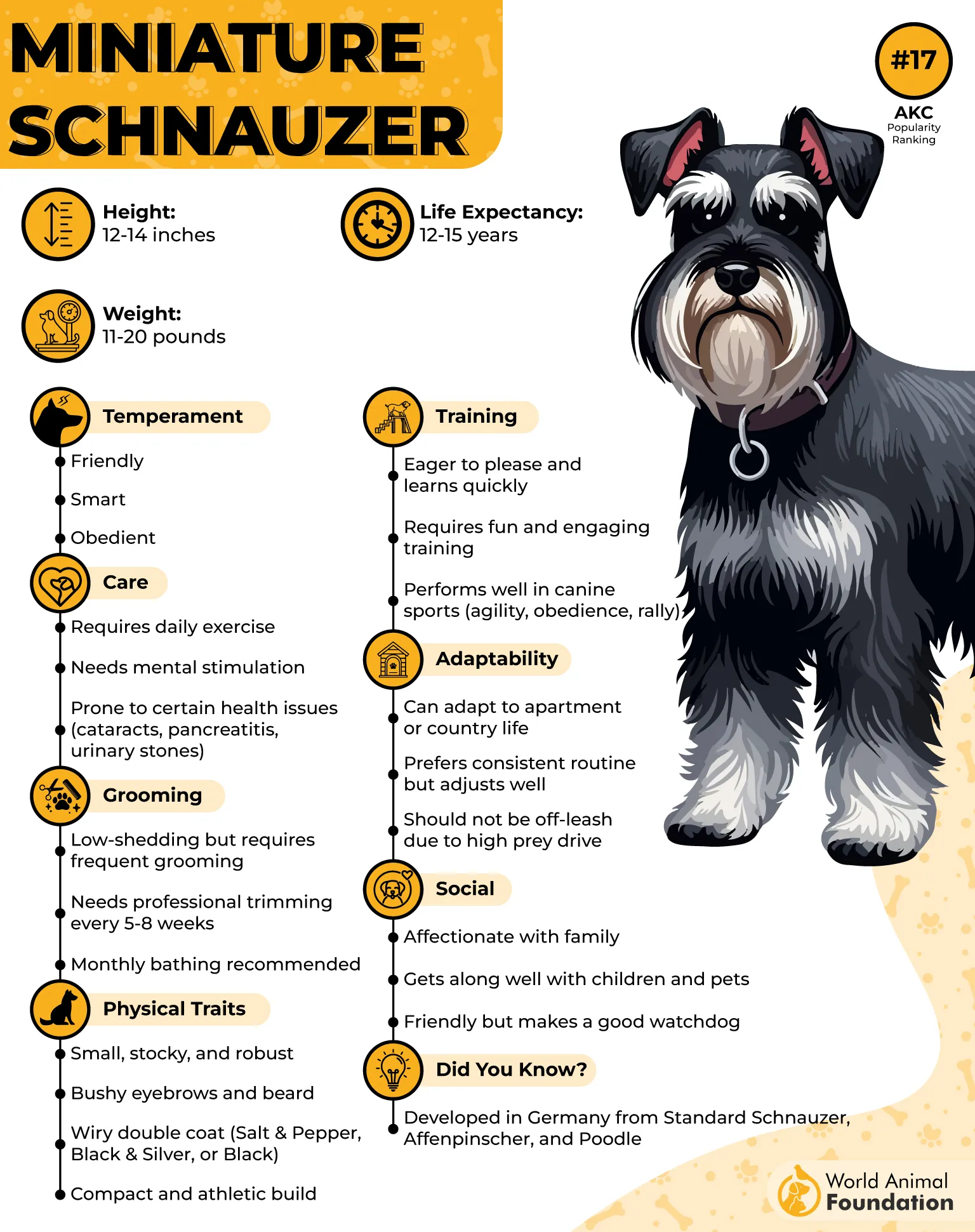
The Miniature Schnauzer descends from an older German working line once used for pulling carts, herding livestock, and controlling rats. That practical origin shaped a sturdy frame and alert expression suited for active roles. Its facial hair gives it a distinctive outline without adding heaviness to the coat.
Low-shedding coat and upkeep details
They are recognized for minimal shedding despite their dense facial furnishings, which can suit households seeking reduced loose hair. Regular trimming every five to eight weeks keeps the coat neat and manageable.

These grooming features matter in daily care:
Coat trimmed by professional clippers
Minimal loose hair around the home
Regular grooming schedule for coat upkeep
Active mind with structured outlets
This intelligent breed enjoys play sessions, walks, and structured activities that challenge both body and attention. It responds well to tasks like puzzle games, agility exercises, and learning new skills, as noted in PetMD. Its energy level benefits from consistent engagement rather than idle time.
3. Shih Tzu
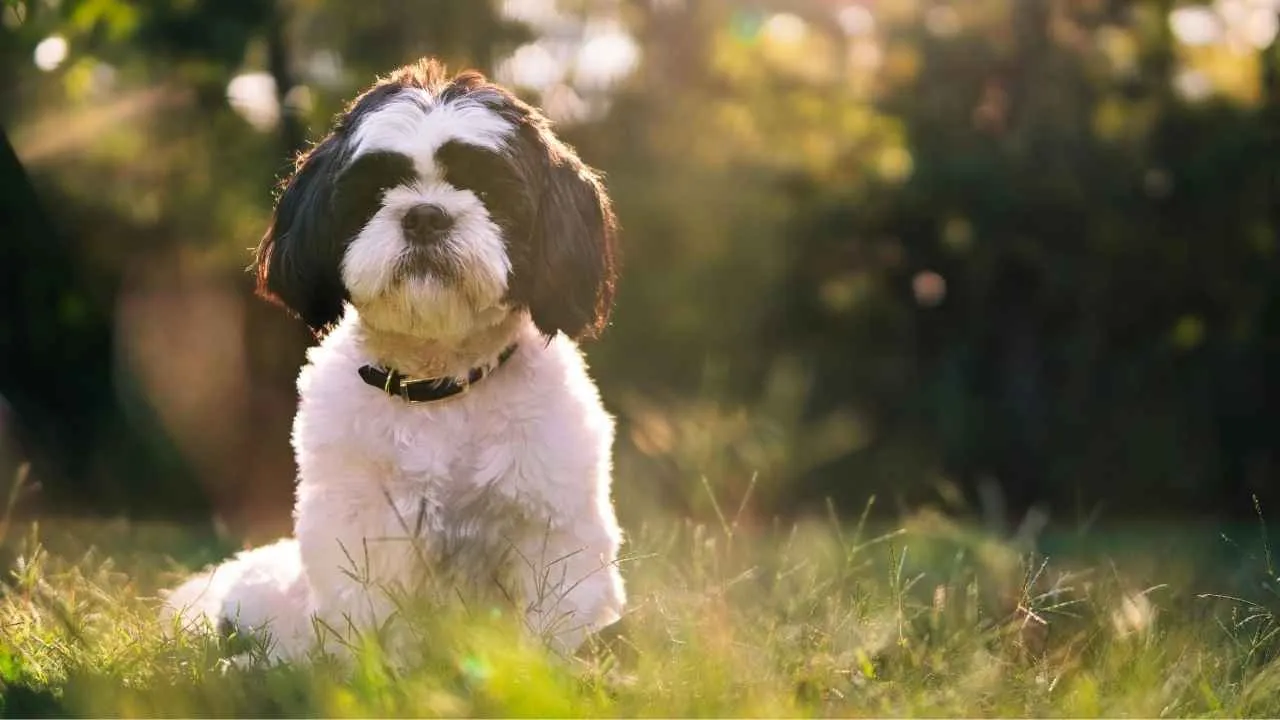
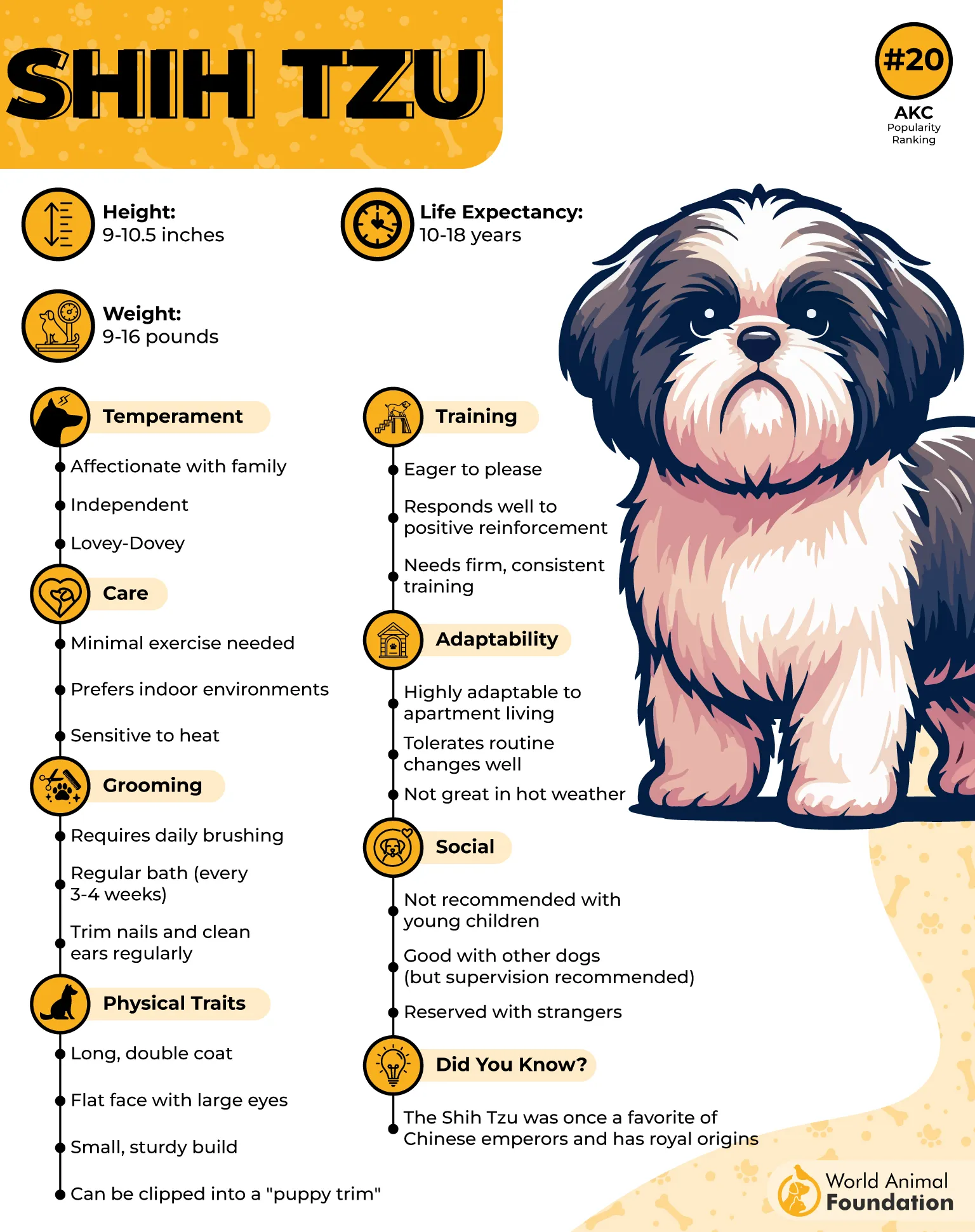
The Shih Tzu is known for its long, flowing coat that sheds very little, making it suitable for those seeking lighter grooming around the home.
This Tibetan toy breed was bred as a close human companion and even carries the name meaning “lion dog.” Its small frame contrasts with a bold, expressive personality.
Coat care and grooming choices
The hair of this small dog breed can grow long enough to reach the ground if left untrimmed, which often leads to tangling or matting without regular care. Many dog owners keep the coat trimmed in a shorter style to reduce upkeep while preserving comfort.
This grooming reality can be understood through practical details:
The coat grows continuously without regular trimming
Prone to tangling when left unmanaged
Short “puppy cut” reduces maintenance needs
Social nature inside the home
Shih Tzu enjoys being around people and other animals, preferring companionship over extended time alone. Early exposure to different environments helps shape steady behavior in households with children or pets. Its playful nature fits well in supervised family settings.
4. Lhasa Apso
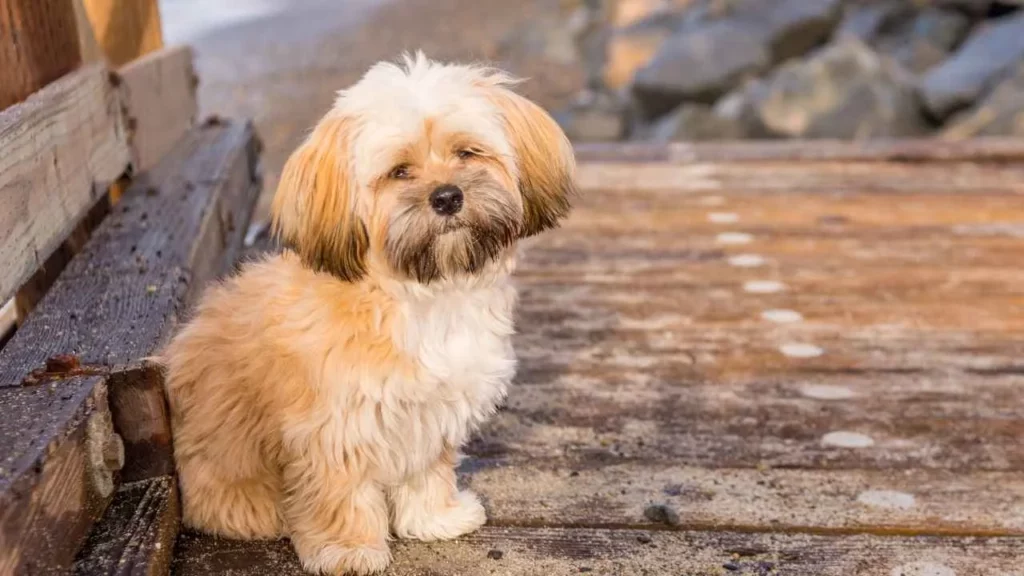
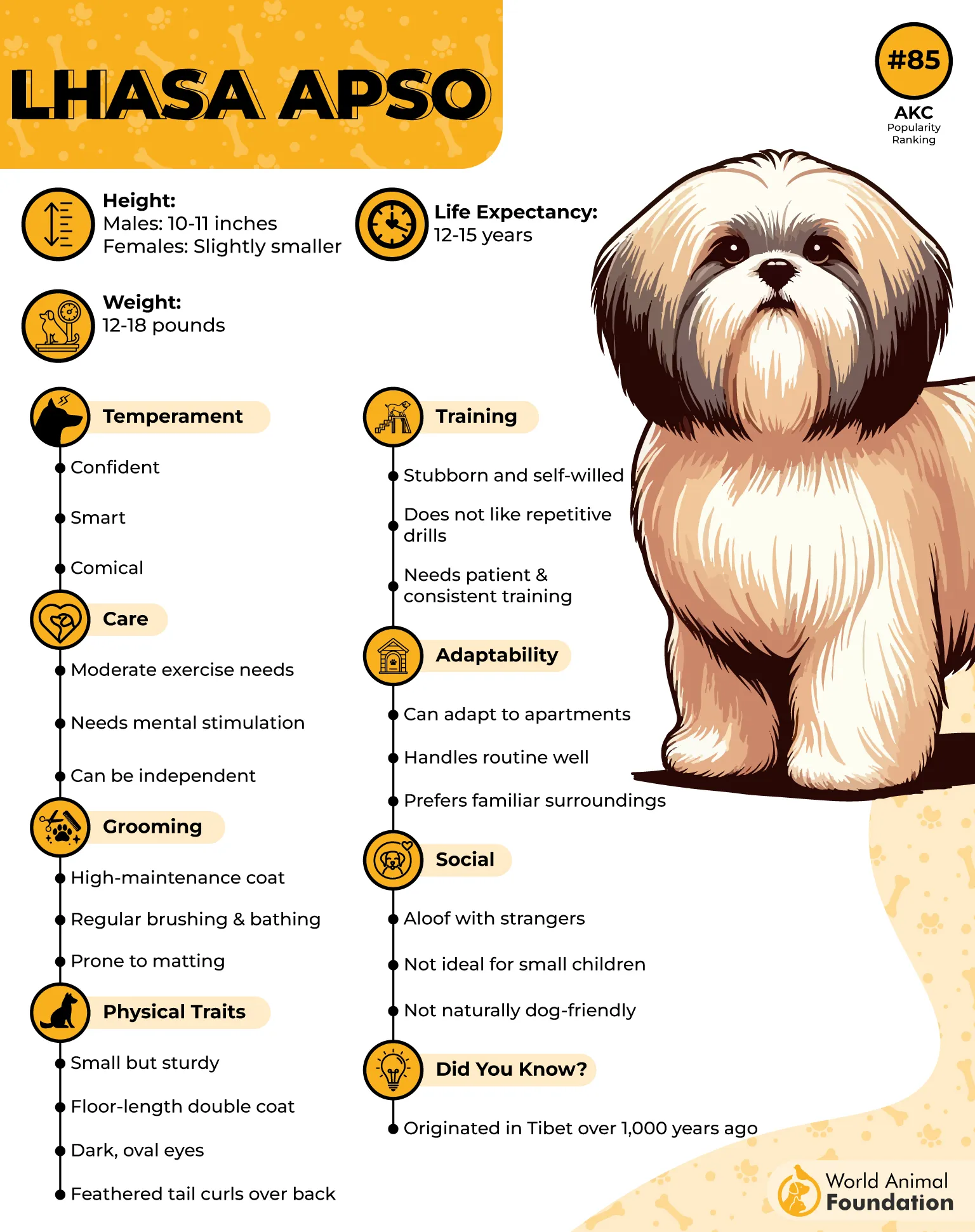
The Lhasa Apso is recognized as one of the oldest breeds, originating in Tibet centuries ago and valued within monastery settings, as mentioned by Omlet.
Its role focused on alerting families inside high-altitude homes rather than outdoor labor. The breed’s small size matched its indoor guardian function in cold mountain environments.
Coat built for a harsh climate
This low-shedding breed carries a dense, long coat that protects it from freezing Himalayan temperatures at extreme elevations. This flat, floor-length coat requires regular brushing, even when trimmed shorter for easier care.
Key grooming realities include:
Thick coat suited for high-altitude cold
Center-parted hair pattern across the body
Regular brushing is needed for coat control
Alert behavior shaped by watchdog role
They often react to unfamiliar sounds with vocal warnings, reflecting their monastery watchdog background. This tendency toward alert barking connects directly to its protective function inside enclosed spaces. Its intelligence influences how it interprets activity around the home.
5. Affenpinscher
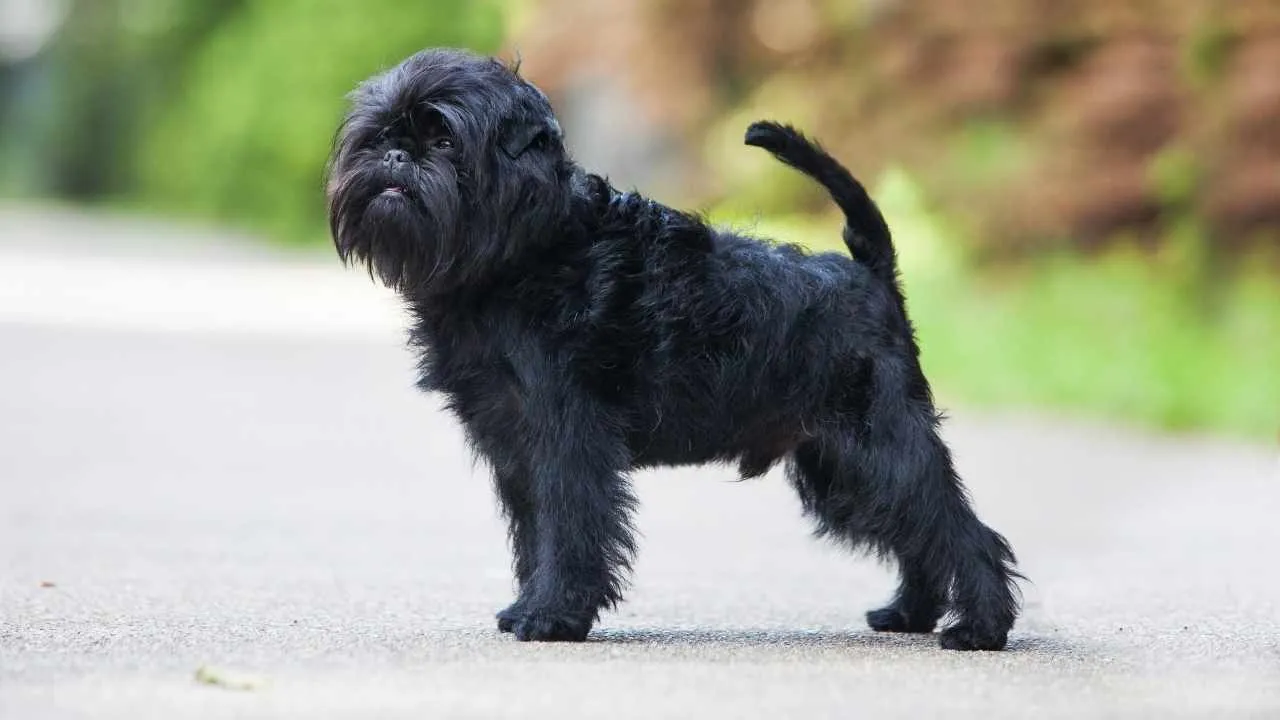
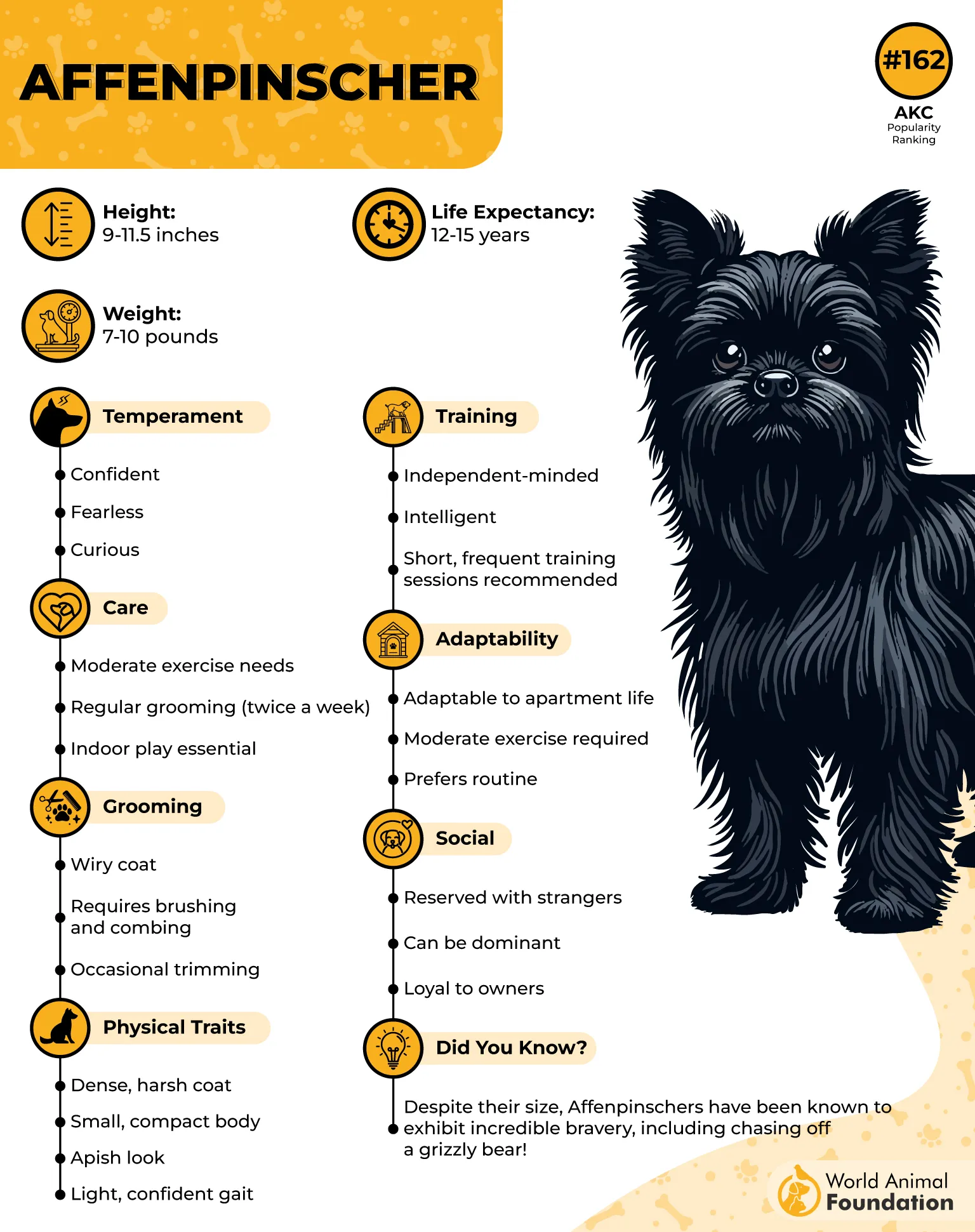
Affenpinscher is recognized for its expressive, monkey-like facial look and compact toy build that reflects terrier confidence in a small frame. Its dense, harsh coat grows slowly, which limits frequent trimming needs for pet care. The light, confident gait matches its lively and curious nature.
Coat behavior and grooming pattern
They have a coat described as neat yet slightly shaggy, appearing in multiple colors and requiring only occasional trimming every few months. Its grooming pattern fits a simple routine rather than constant upkeep.
Key coat characteristics include:
Dense, harsh texture with controlled growth
Trim schedule spaced across several months
Low-maintenance upkeep compared to heavy-coated breeds
Energy level and home behavior
Affenpinscher maintains a moderate activity range, enjoying short walks and play sessions before settling indoors. It adapts well to relaxed home environments and responds best to relationship-based guidance. Its personality centers on engagement with people rather than demanding routines.
6. Cairn Terrier
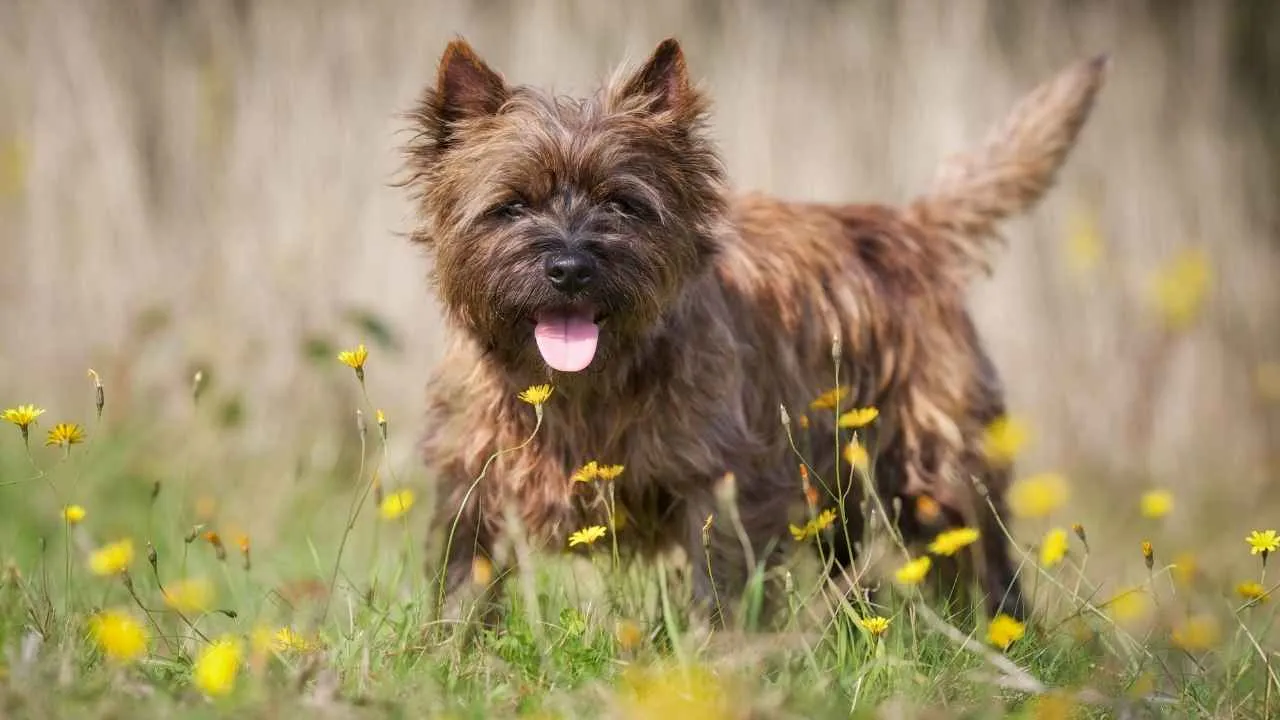
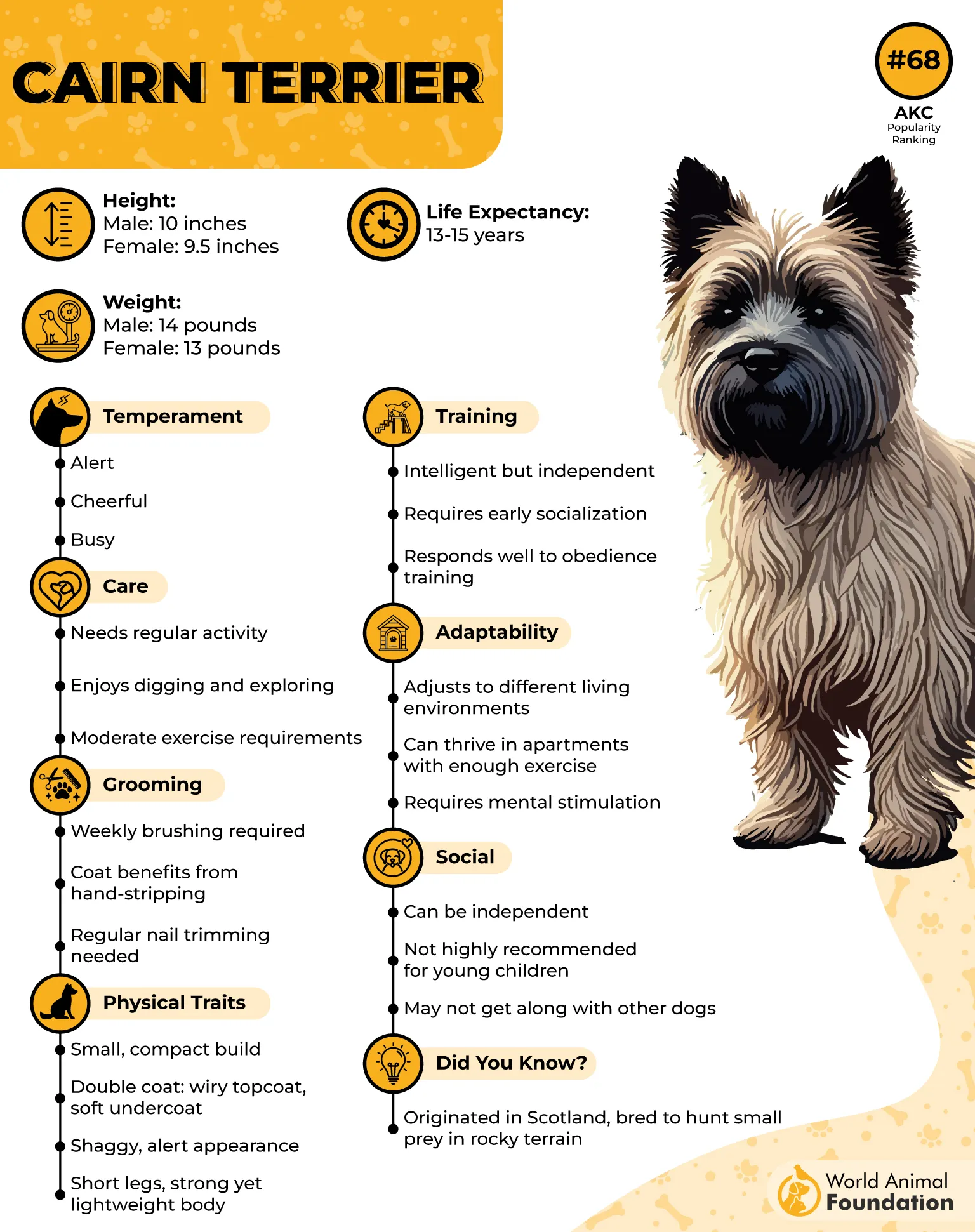
The Cairn Terrier originates from Scotland’s Isle of Skye, where it earned its role hunting vermin across farmland. This compact build allowed it to work close to the ground with focus and determination. The breed gained recognition for its fearless attitude despite its small frame.
Coat Care and Practical Traits
This breed has a weather-resistant coat that benefits from weekly brushing and occasional hand-stripping to preserve texture. Its coat qualities place it among hypoallergenic dog breeds, appealing to households seeking reduced shedding.
Care routines remain straightforward when consistency is followed:
Weekly brushing to manage coat condition
Periodic hand-stripping for proper texture
Regular attention from pet parents to maintain coat health
Adaptable Living Style
They adjust well to apartments, suburban homes, or larger rural spaces, reflecting their flexible working roots. Its confidence and alert nature keep it engaged in varied surroundings without requiring extensive conditions. This adaptability makes it practical for different household setups.
7. Yorkshire Terrier
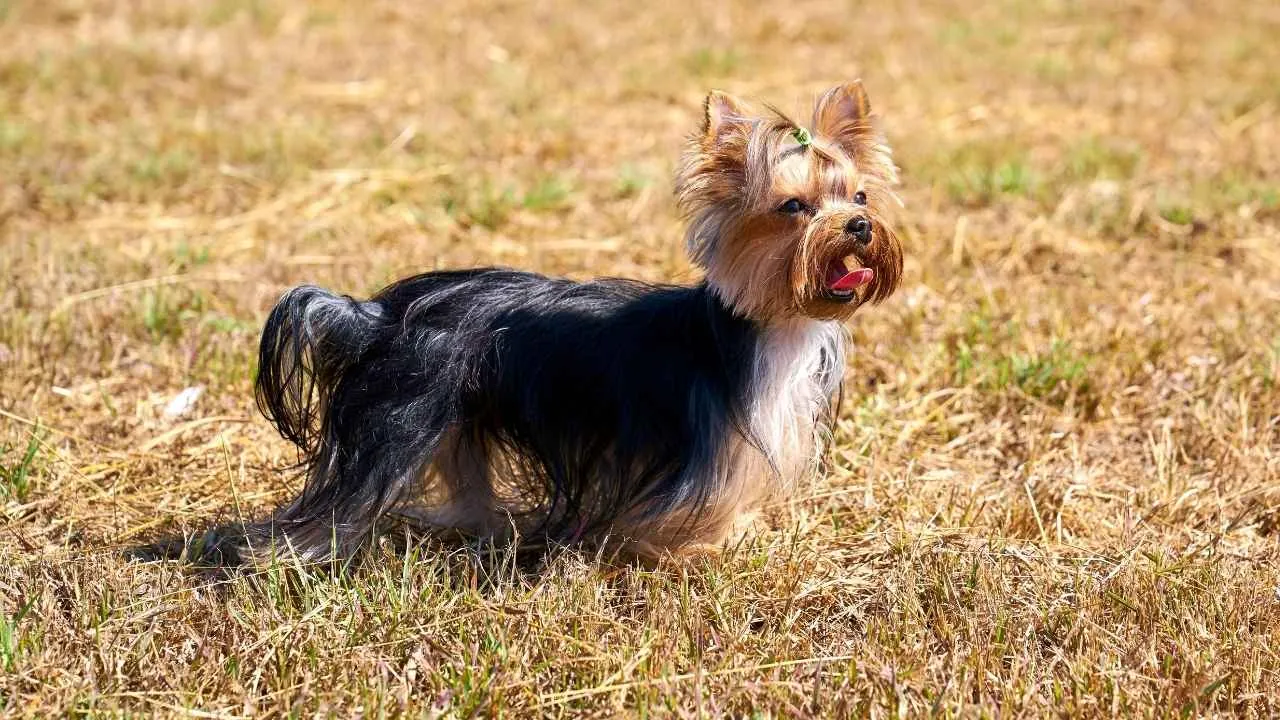
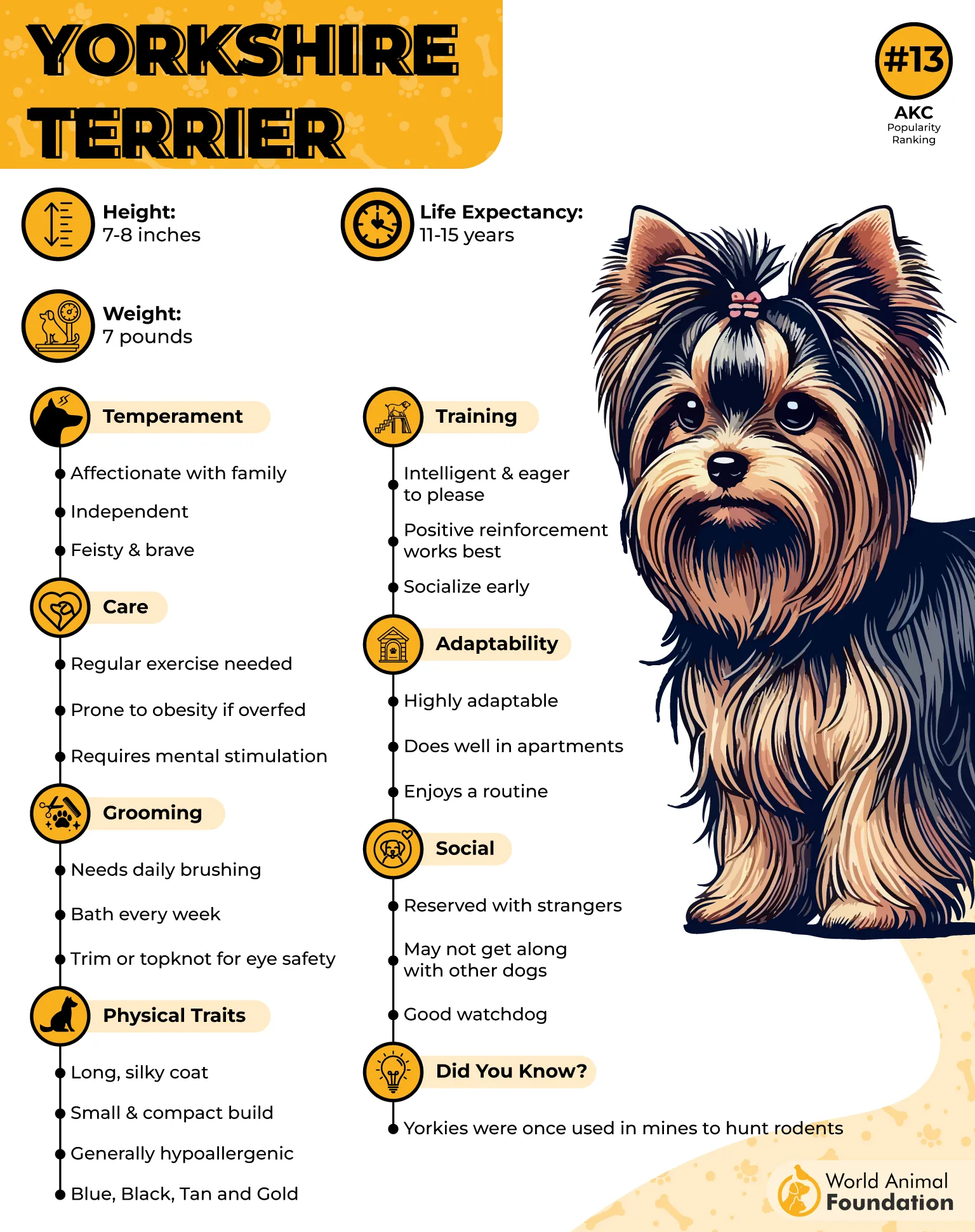
The Yorkshire Terrier is recognized for its long, glossy coat that resembles human hair rather than animal fur, which is why it is often regarded as a low-shedding companion. Beneath that refined appearance lies a determined terrier originally valued for controlling rats in mines and mills.
Personality Behind the Appearance
Yorkies blend bold confidence with close companionship, forming strong bonds and responding well to attention from their circle. Its terrier instincts still guide its alert behavior, making it attentive in urban settings where activity is constant.
That combination becomes clearer in daily habits:
Reacts quickly to unfamiliar sounds
Stays attentive in indoor environments
Serves as a compact watchdog
Urban Energy in a Small Frame
They fit well into city living, often adapting comfortably to apartment environments while keeping a lively mindset. Its compact size makes grooming easier to manage compared to heavier-coated breeds. The balance between presence and portability suits individuals seeking minimal coat maintenance.
Conclusion
The experience of owning a dog changes noticeably when cleaning stops dominating everyday routines. Furniture stays cleaner, clothes collect less fur, and grooming feels easier alongside work and responsibilities. These breeds continue appealing to busy owners because they reduce many frustrations linked to heavy shedding and need only minimal grooming.
Some have coats that need proper grooming, while others stay naturally manageable with little effort. What matters most is how smoothly they fit into apartment living without creating constant extra work. The low-maintenance dog breeds on this list prove that easier upkeep and wonderful companions can exist together in a way many owners appreciate.
