




Dog hair everywhere is one of the biggest concerns people have before bringing a dog home, and honestly, it is completely understandable. Excessive shedding can quickly become frustrating when you start finding fur on your clothes, sofas, furniture, and sometimes even in your food.
The good news is that not every dog turns your home into a fur-covered mess. Some wonderful breeds shed very little, making them a great choice for people who want the companionship of a dog without constantly dealing with loose hair around the house.
Low-shedding dogs are also ideal for people with mild dog hair allergies or busy lifestyles that leave little time for frequent cleaning and grooming. That is why we have put together this guide to the top 10 low-shedding dog breeds.
Each of these breeds is different in terms of coat type, size, personality, exercise level, and grooming needs. So before choosing your perfect non-shedding companion, there is a lot you should know.
Let’s take a closer look at these amazing dogs.
Top Low-Shedding Dog Breeds: Perfect for Cleanliness
1. Poodle
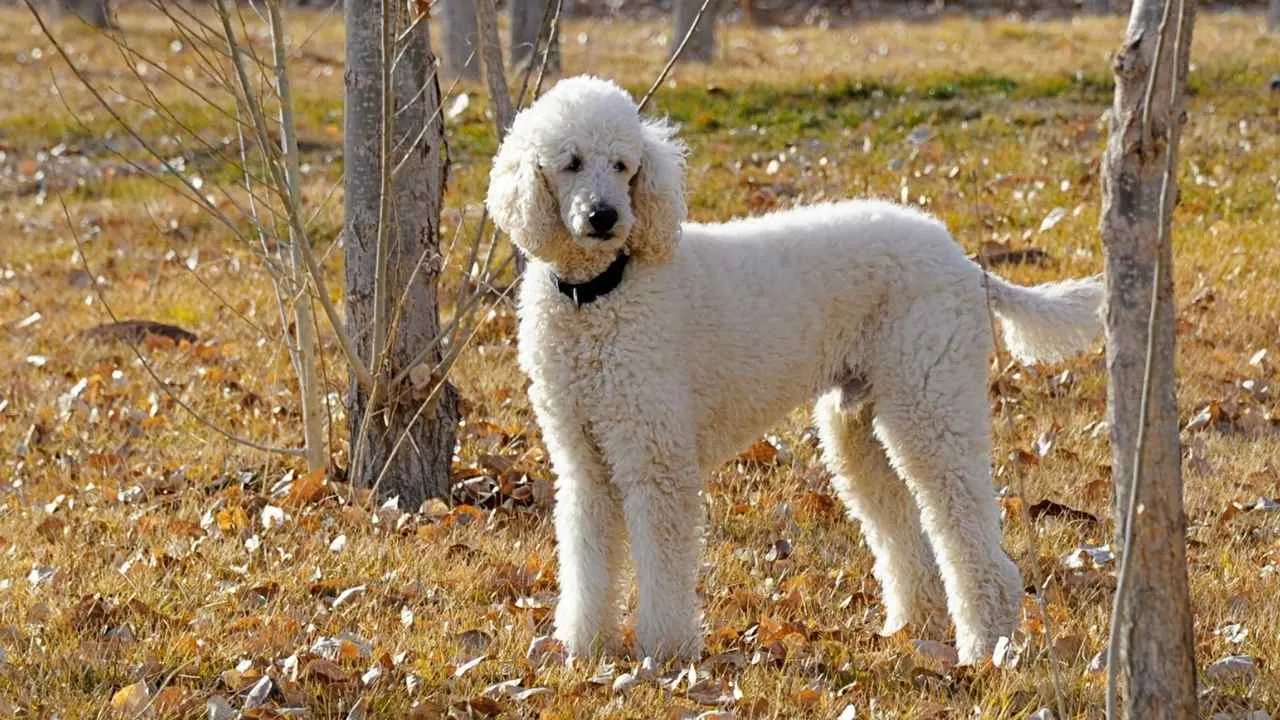
Poodles are intelligent, gentle, and deeply affectionate dogs known for their playful and cheerful personalities. With their adorable puppy cuts and elegant appearance, it is easy to see why they are one of the most loved dog breeds in the world.
Originally bred in Germany as water retrievers to fetch waterfowl for hunters, Poodles later became popular family companions because of their charm, intelligence, and adaptable nature.
One of the breed’s most notable features is its curly, low-shedding coat. Instead of falling around the house, loose hair often gets trapped within the curls, which helps reduce shedding significantly. However, their coats require regular maintenance to stay healthy and tangle-free. Daily brushing is recommended to prevent matting, and professional grooming is usually needed every 4 to 6 weeks.

Poodles are often considered a great choice for people with mild dog hair allergies because they tend to spread fewer allergens than many other breeds. They are also exceptionally intelligent and highly trainable, often learning new commands in just a few repetitions. Despite their elegant look, Poodles are active dogs with moderate to high energy levels and enjoy daily walks, playtime, and mental stimulation.
2. Bichon Frise
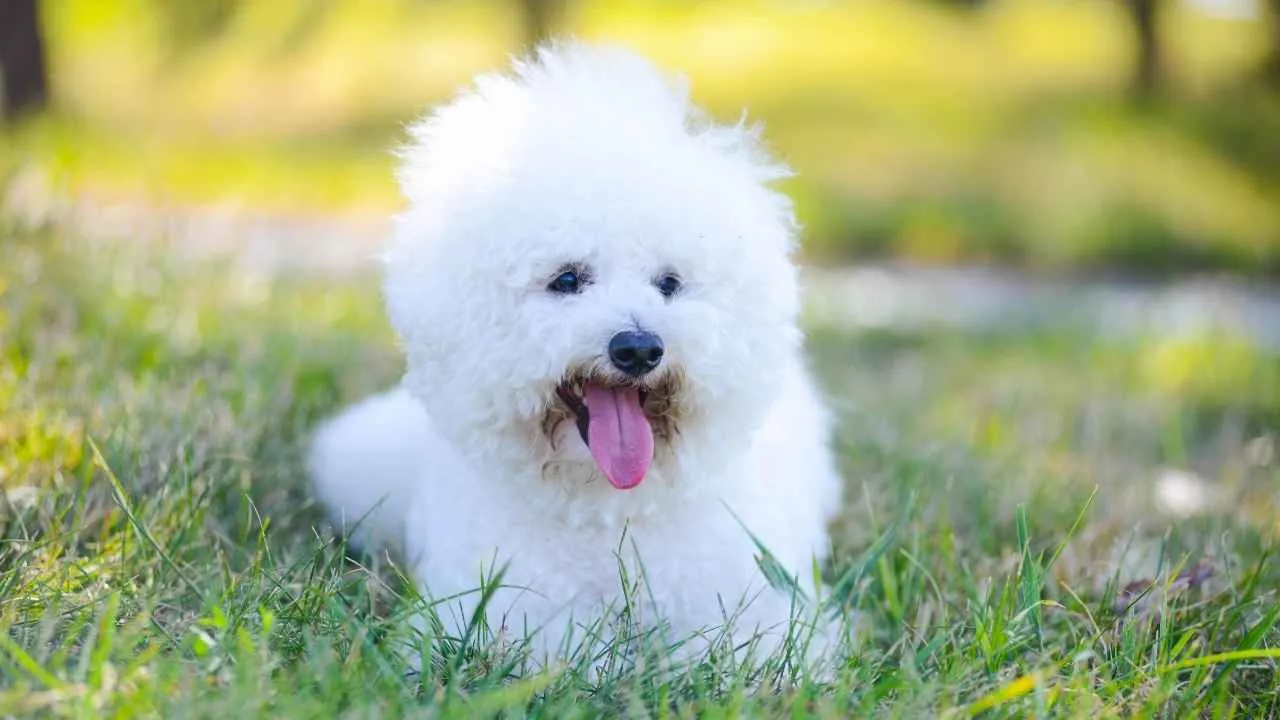
Bichon Frises are playful, cheerful, and easygoing dogs that adapt well to almost any type of home. They were originally bred purely as companion dogs, which is why they are so affectionate and people-oriented. Unlike many other breeds, they have little to no prey drive, making them excellent family pets that usually get along well with children and other animals.
These small white dogs are known for their soft, curly, low-shedding coats. Instead of falling around the house, loose hair tends to get trapped within their coat, helping reduce shedding significantly. Because of this, Bichon Frises are often considered hypoallergenic dogs, although it is important to remember that no dog breed is completely allergy-free.
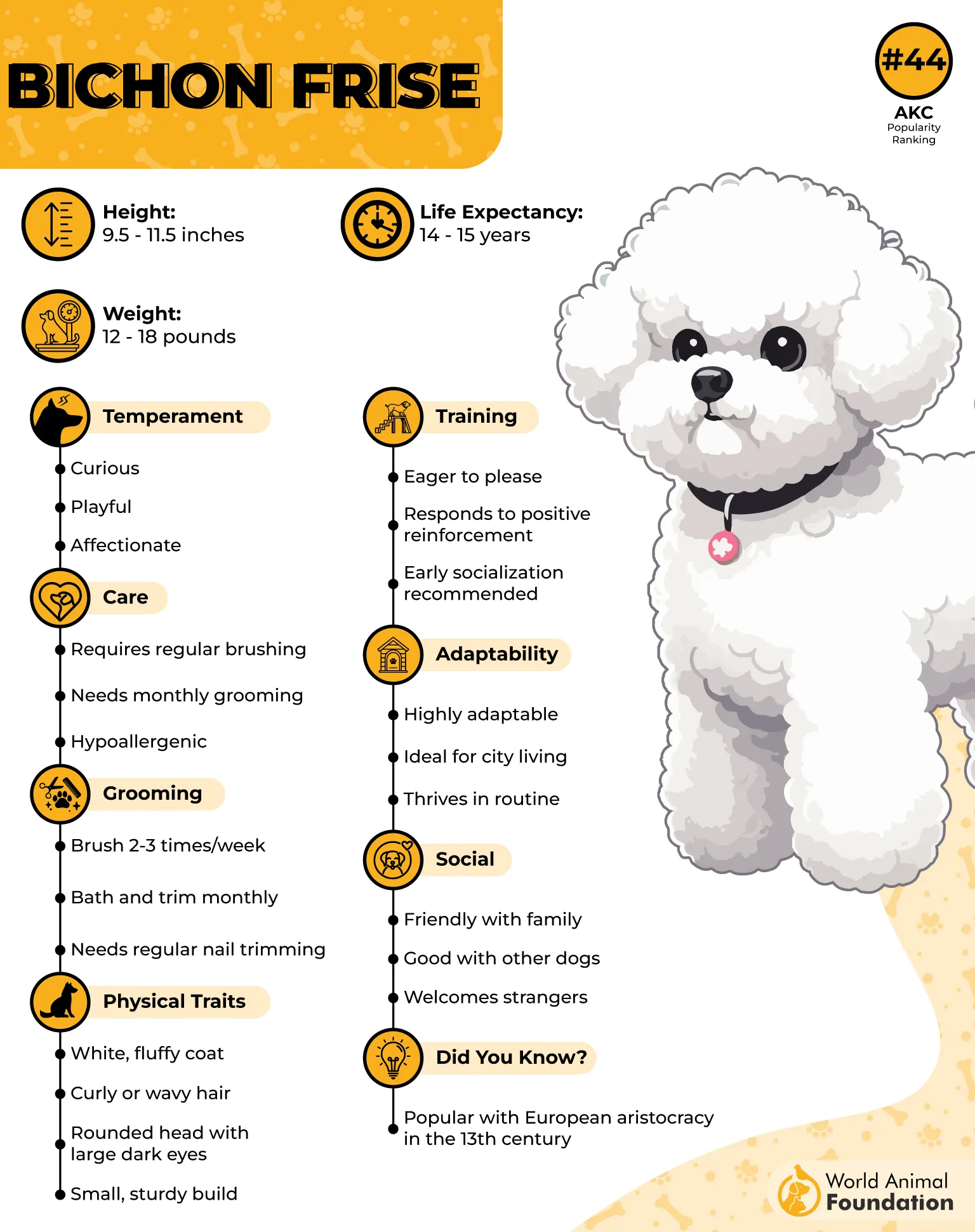
Their beautiful coats do require regular care. Brushing several times a week is necessary to prevent matting and tangles, and professional grooming is recommended to keep their coat clean and healthy.
Bichon Frises also have moderate energy levels and enjoy short daily walks, indoor play sessions, and spending quality time with their owners. Calm, adaptable, and loving, they are happiest when simply accompanying their family throughout the day.
3. Maltese
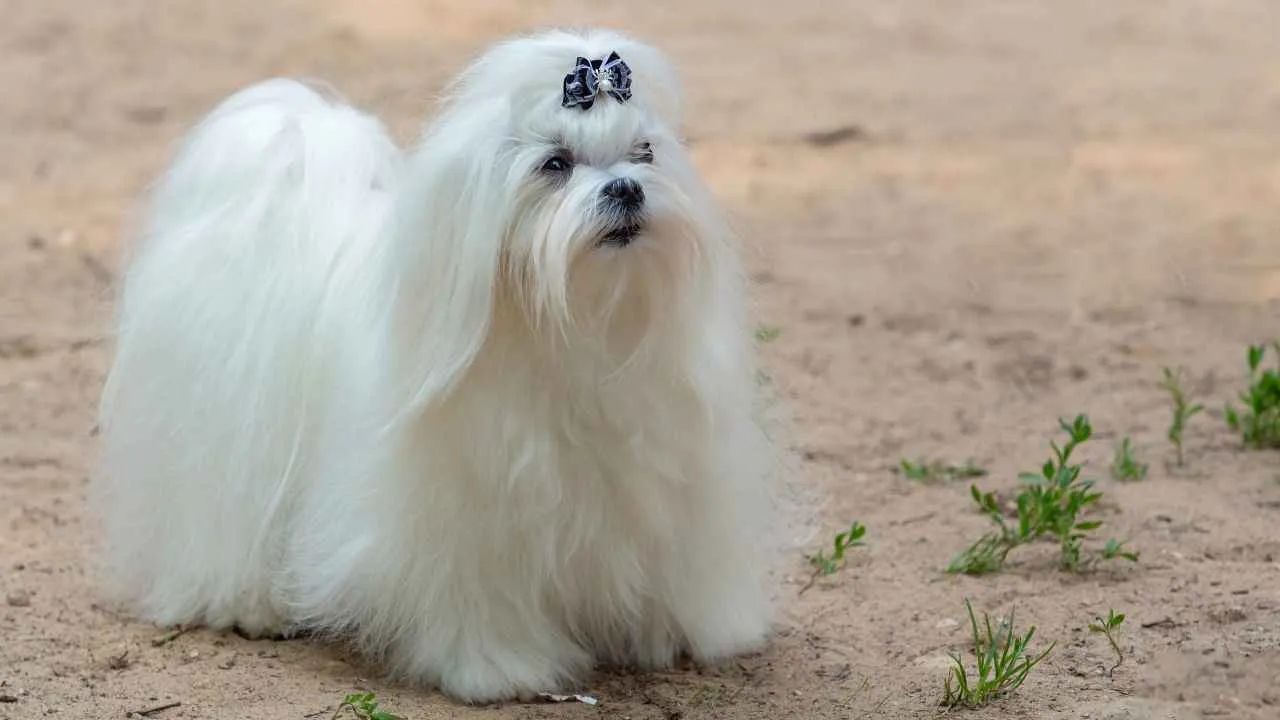
Maltese dogs look like little walking clouds thanks to their long, silky white coats and elegant appearance. This ancient breed was developed over 2,000 years ago as a companion for royalty and nobility, and they have remained beloved lap dogs ever since. Maltese are gentle, affectionate, calm, and incredibly sweet-natured companions that easily win people over with their loving personalities.
They are also considered a low-shedding breed, which means you are far less likely to find dog hair all over your home. Because they shed very little, Maltese dogs are often described as hypoallergenic and can be a good choice for people with mild dog hair allergies or those who prefer a cleaner living space.
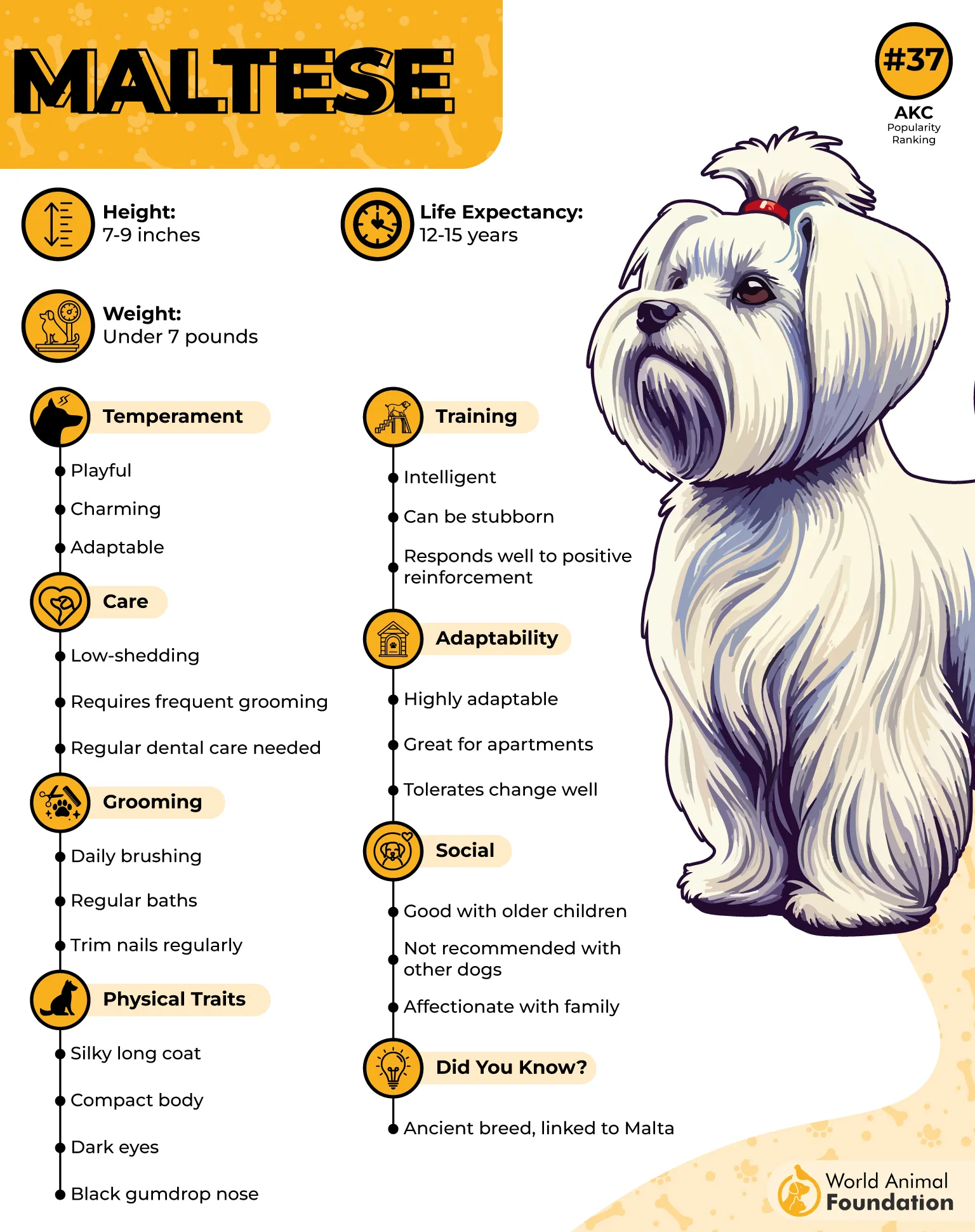
Despite their delicate appearance, Maltese dogs are intelligent, eager to please, and generally easy to train. They do not require intense exercise and are usually happy with gentle daily walks and a bit of quiet indoor playtime. Most of all, they enjoy being close to their owners and spending time with their family.
Their beautiful white coats do require regular maintenance, however. Daily brushing is important to prevent tangles and matting, especially if the coat is kept long. Many owners choose to keep their Maltese in a shorter puppy cut, which is much easier to manage while still keeping them adorable.
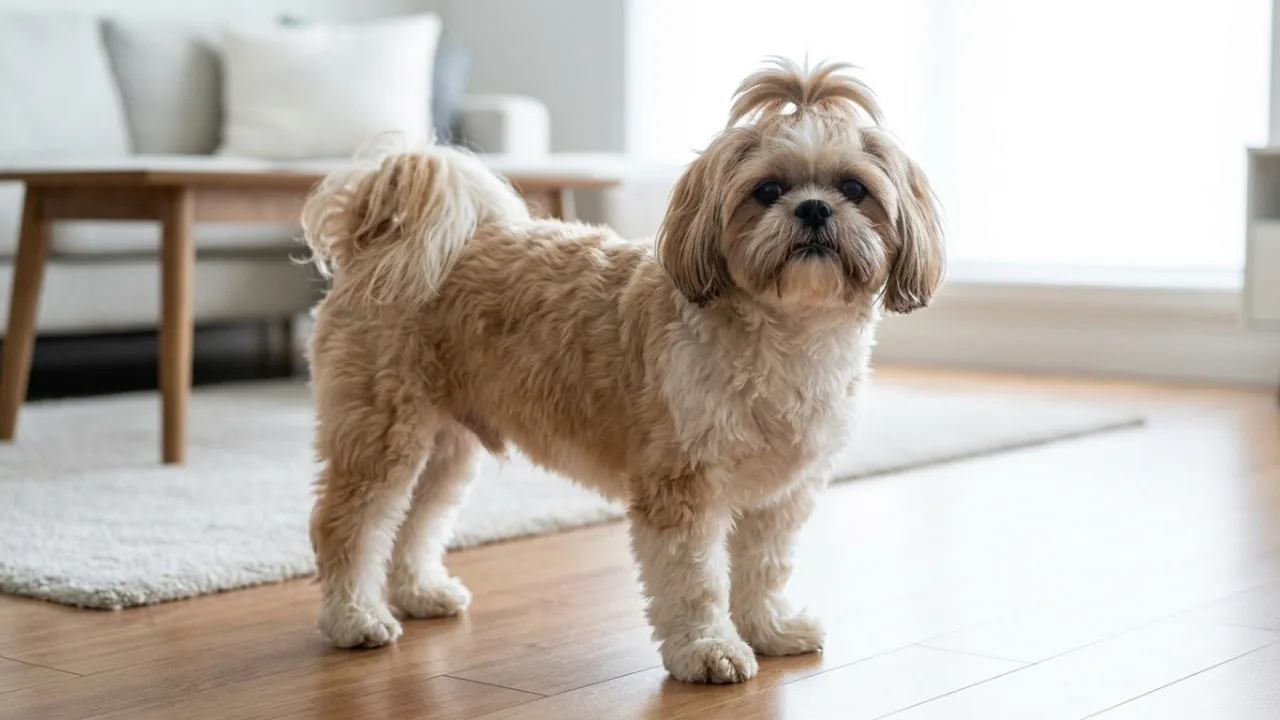
4. Shih Tzu
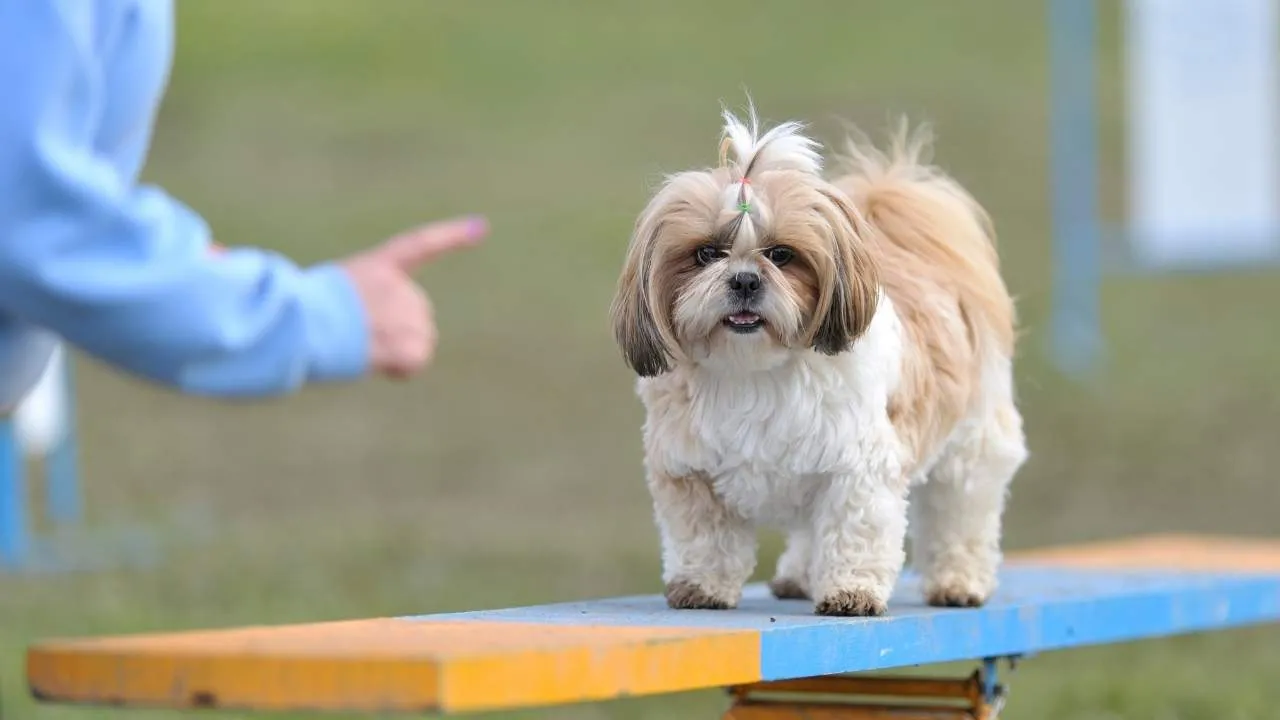
Shih Tzus are playful, affectionate, and gentle companion dogs that are often referred to as “little lions.” According to PetMD, their name actually means “lion dog,” a nod to their regal appearance and flowing coat.
Despite their luxurious fur, Shih Tzus are considered one of the best low-shedding dog breeds because they lose very little hair compared to many other dogs. This helps keep both the dog and the home cleaner while maintaining their beautiful appearance.
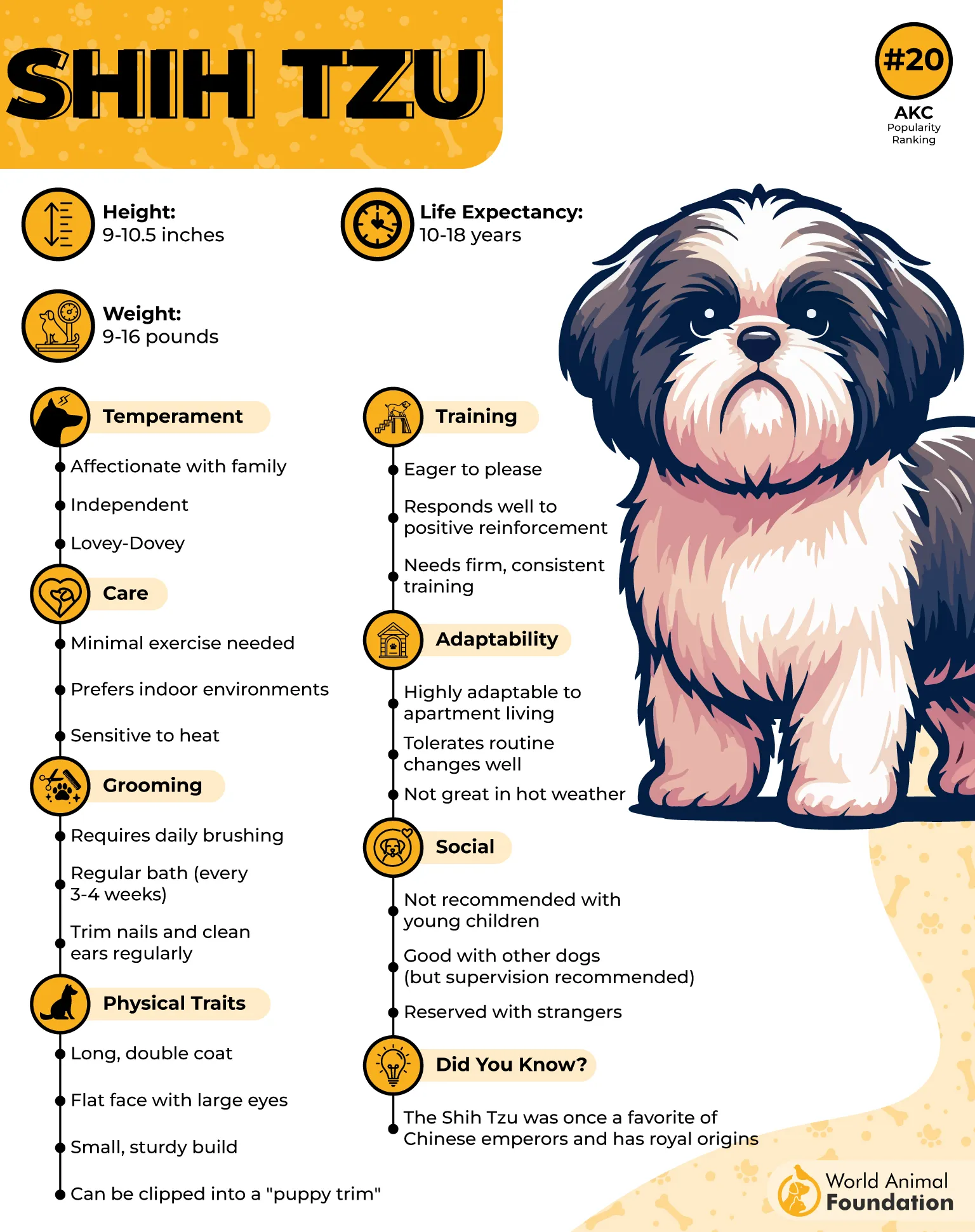
These small dogs are intelligent and loving, although they can sometimes have a slightly independent streak. Training works best with patience, gentle guidance, and consistency. Shih Tzus do not require intense exercise and are usually happy with short daily walks, indoor playtime, and mental stimulation.
When their basic activity needs are met, they are relaxed, easygoing, and wonderful companions for families and apartment living alike.
Their long, flowing double coat does require regular maintenance to stay healthy and tangle-free. Daily brushing is recommended to prevent matting, especially if the coat is kept long. Because grooming can be time-consuming, many owners prefer a shorter puppy cut that is much easier to manage. Professional grooming is usually needed every 4 to 6 weeks to keep their coat neat and comfortable.
5. Yorkshire Terrier
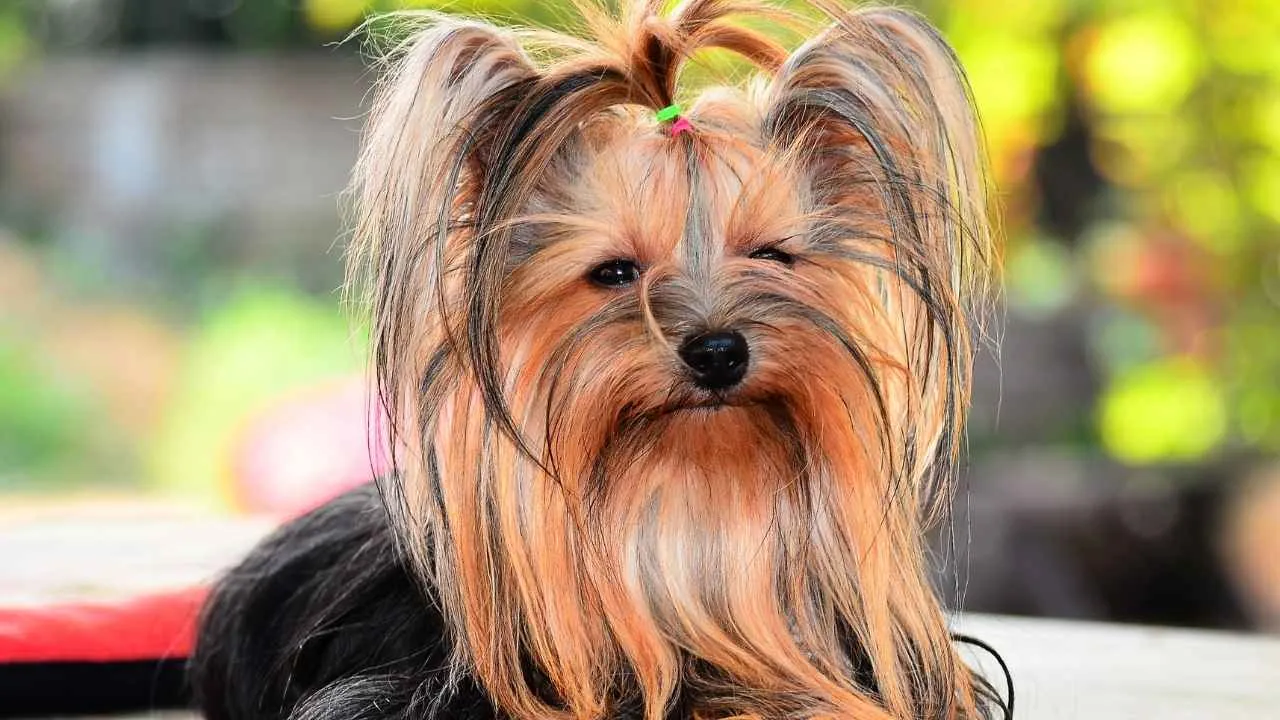
Yorkshire Terriers are affectionate, spirited, and confident little dogs with personalities much bigger than their small size. Originally bred in England to catch rats and mice in textile mills and mines, these fearless dogs later became popular companions among royalty and fashionable households. Today, they are lovingly known as “Yorkies” and are admired for both their charm and elegant appearance.
Orvis mentions that Yorkies have a fine, silky coat that closely resembles human hair and sheds very little compared to many other breeds. Because of their minimal shedding, they are often considered a good option for people who prefer a cleaner home environment.
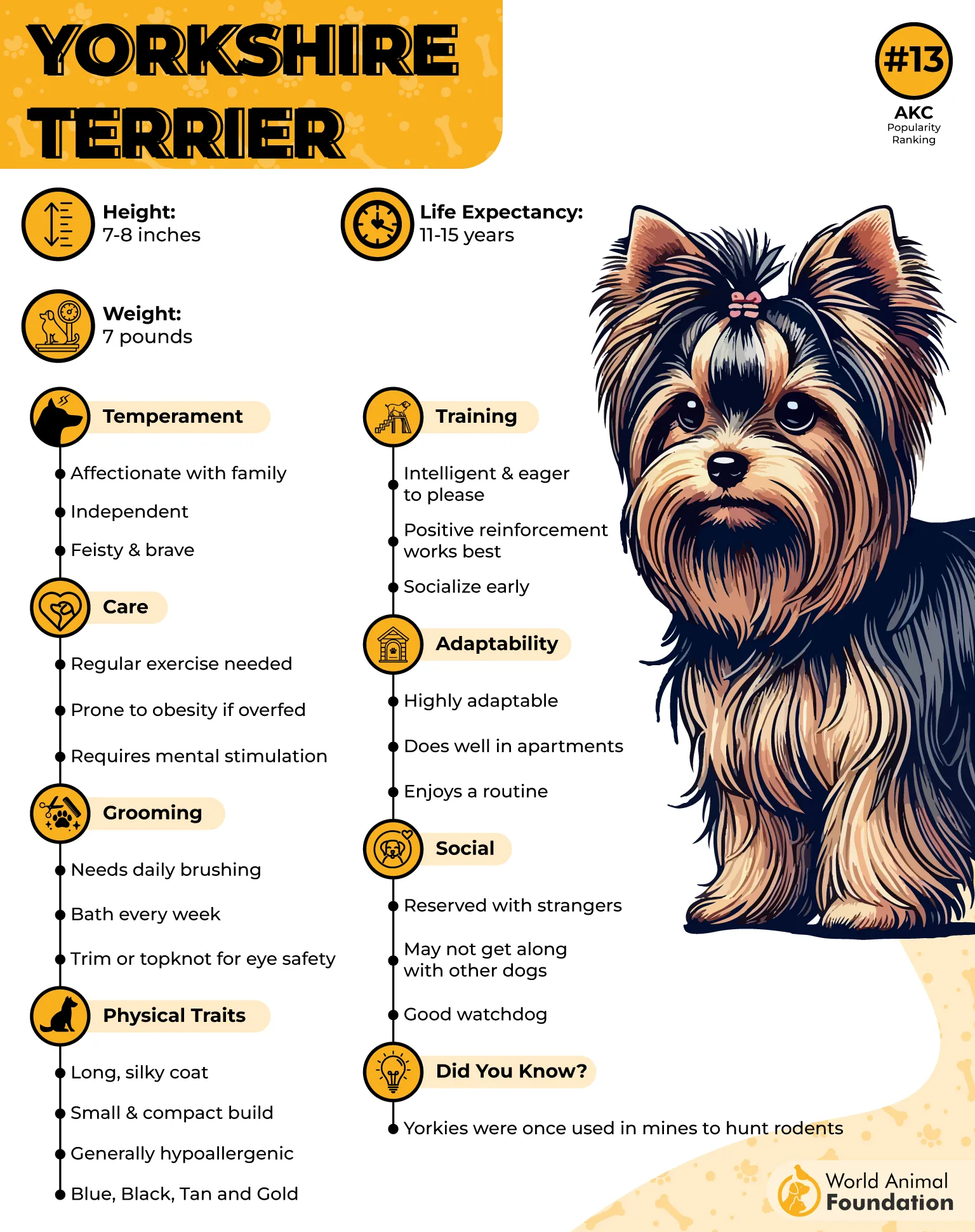
Their beautiful coat does require regular care, however, and daily brushing is important to prevent tangles and keep it smooth and healthy. Many owners choose a shorter puppy cut, which is easier to maintain and looks especially adorable on them.
Professional grooming is usually needed every 4 to 6 weeks, so owning a Yorkie does require a long-term grooming commitment. Despite their glamorous appearance, Yorkshire Terriers are intelligent and quick learners. They can also be bold and slightly independent, so training should be done with patience, consistency, and positive reinforcement for the best results.
6. Havanese
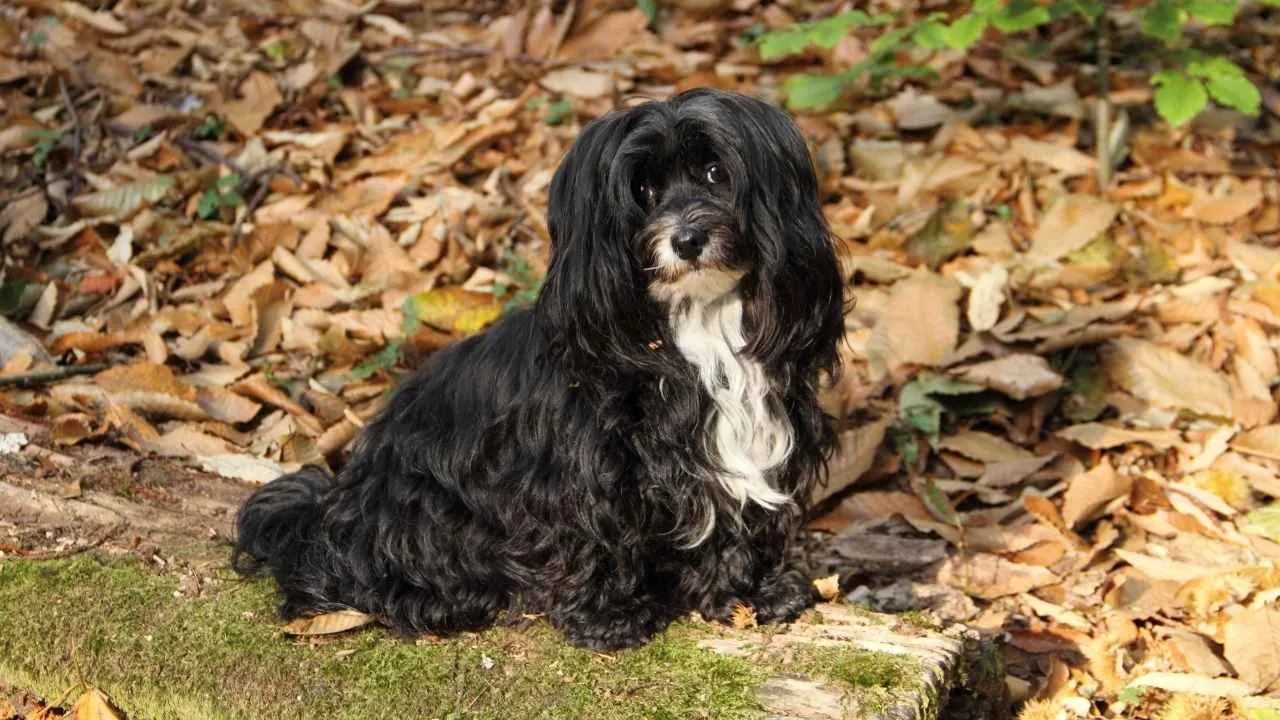
Havanese are cheerful, gentle, and deeply affectionate companion dogs that originated in Cuba. According to the American Kennel Club, they were once known as the “Havana Silk Dog” and were prized for their soft, silky coats and charming personalities. These small dogs are known for being loving family companions that enjoy staying close to their owners.
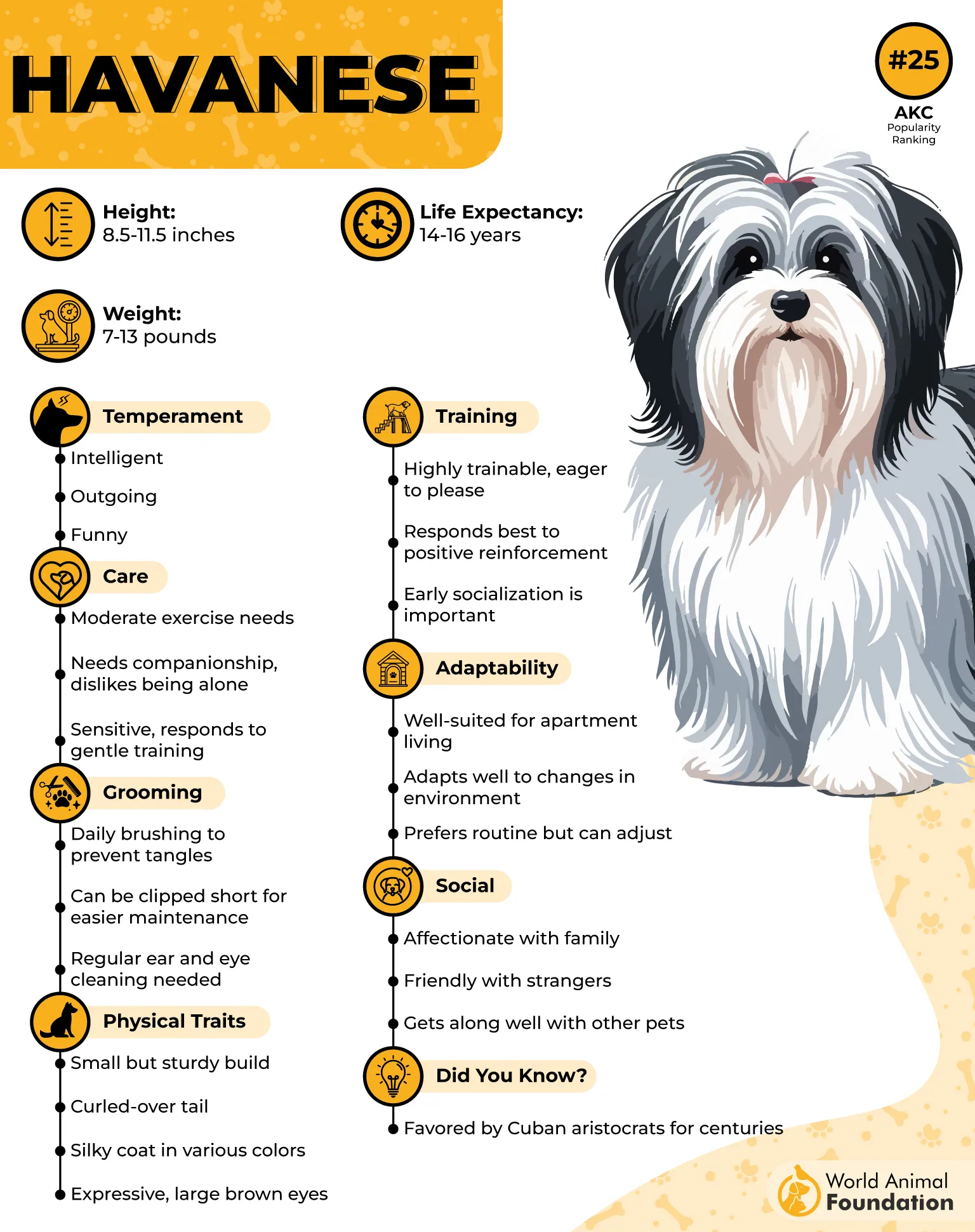
Havanese are also considered a low-shedding breed, which means you will not constantly be dealing with dog hair around the house. Their long, soft coats can be straight or slightly wavy and require regular brushing several times a week to prevent tangles and mats. Many owners choose a shorter puppy cut, which is easier to maintain and helps keep them neat and comfortable.
Regular grooming is still essential, especially if the coat is allowed to grow long. Despite their elegant appearance, Havanese are intelligent, eager to please, and generally easy to train. They learn commands quickly and respond well to positive reinforcement. They also have moderate energy levels, so short daily walks and a bit of playtime are usually enough to keep them happy and active.
7. Chinese Crested
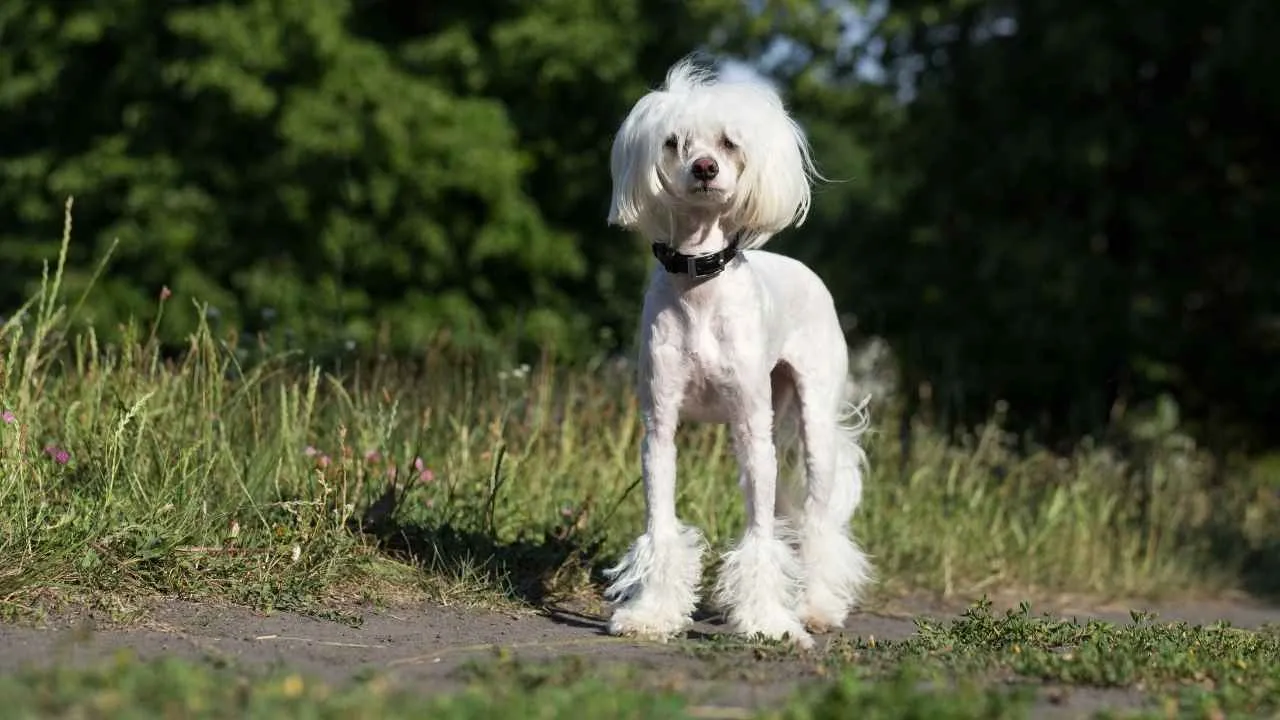
Chinese Crested dogs are among the cleanest and lowest-shedding breeds in the canine world because the hairless variety has very little fur on its body. These unique dogs are gentle, sweet, and sensitive companions that can help keep your home mostly free from dog hair. Their affectionate nature and love for human companionship make them especially devoted pets.
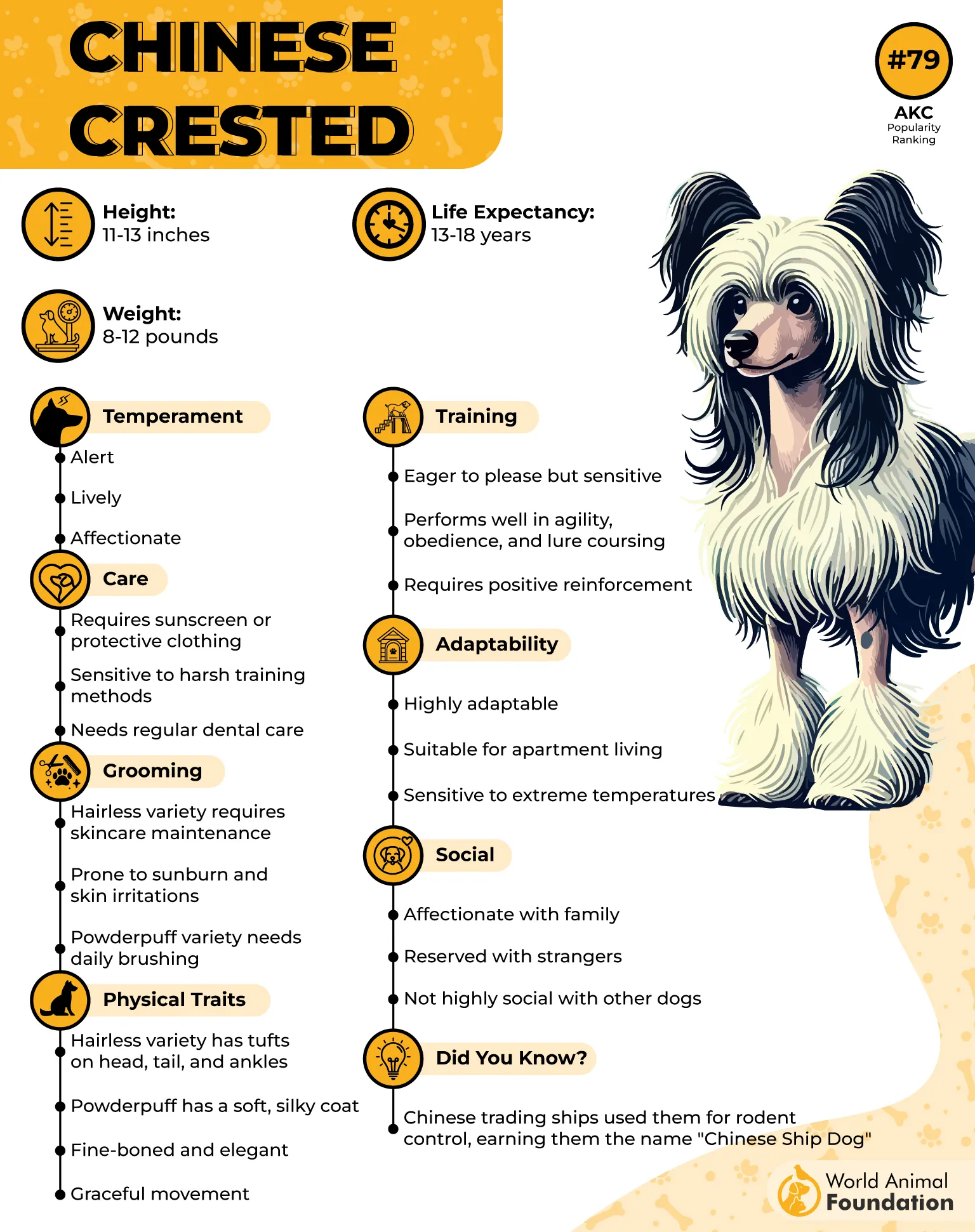
Because the hairless variety has exposed skin, regular skincare is very important. Their skin should be moisturized frequently and protected from excessive sun exposure to prevent dryness and irritation. Chinese Cresteds also come in a “Powderpuff” variety, which has a soft, full coat that sheds very little but still requires brushing several times a week to avoid tangles and matting.
Chinese Cresteds are intelligent and eager to please, which makes them fairly easy to train with patience and positive reinforcement. They generally have low to moderate energy levels and are usually content with short daily walks, indoor playtime, and simply spending time beside their favorite people.
8. Basenji
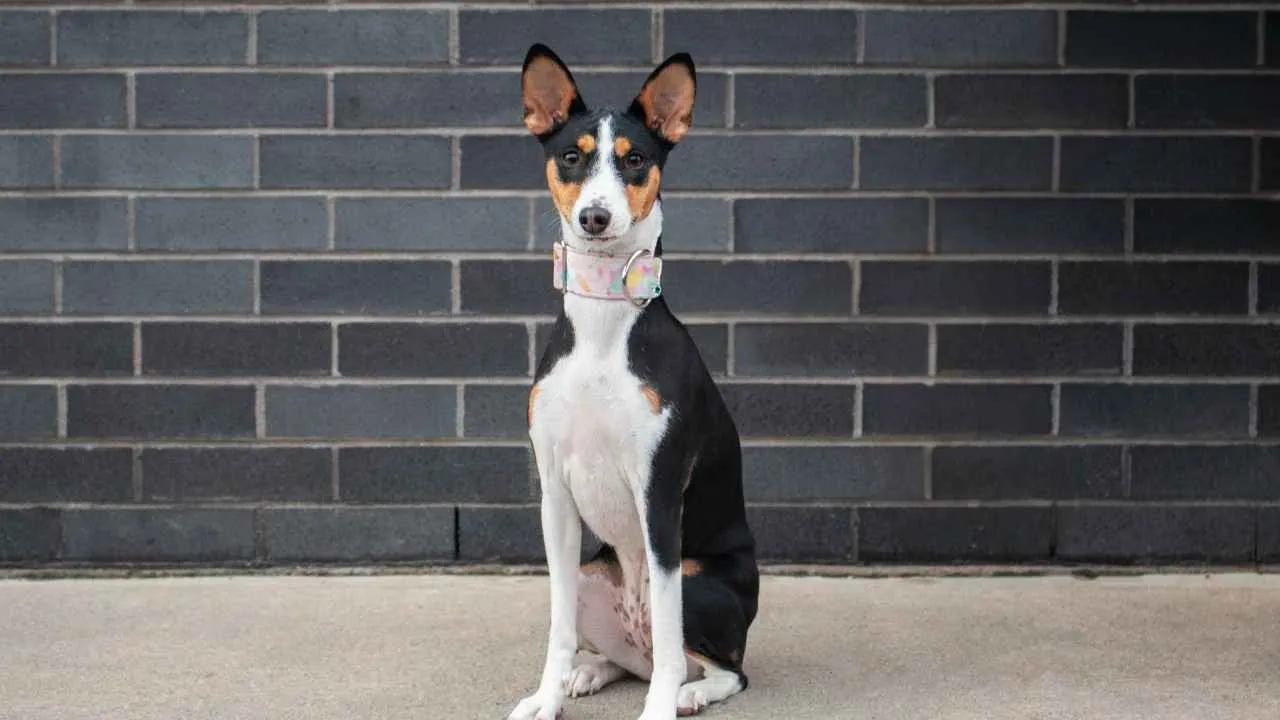
Basenjis are curious, alert, and energetic dogs that were originally bred in Africa to hunt small game. Known for their intelligence and athleticism, they are also one of the lowest-shedding dog breeds, making them a great choice for people who prefer a cleaner home. Because of their hunting background, Basenjis tend to be independent thinkers with confident personalities.
One of the breed’s most unique traits is that they are often called the “barkless dog.” Instead of barking like most dogs, Basenjis produce a distinctive yodel-like sound known as the “Basenji yodel.” They are also famous for their cat-like grooming habits and spend a lot of time keeping themselves clean, which means they usually have very little doggy odor and require minimal coat maintenance.
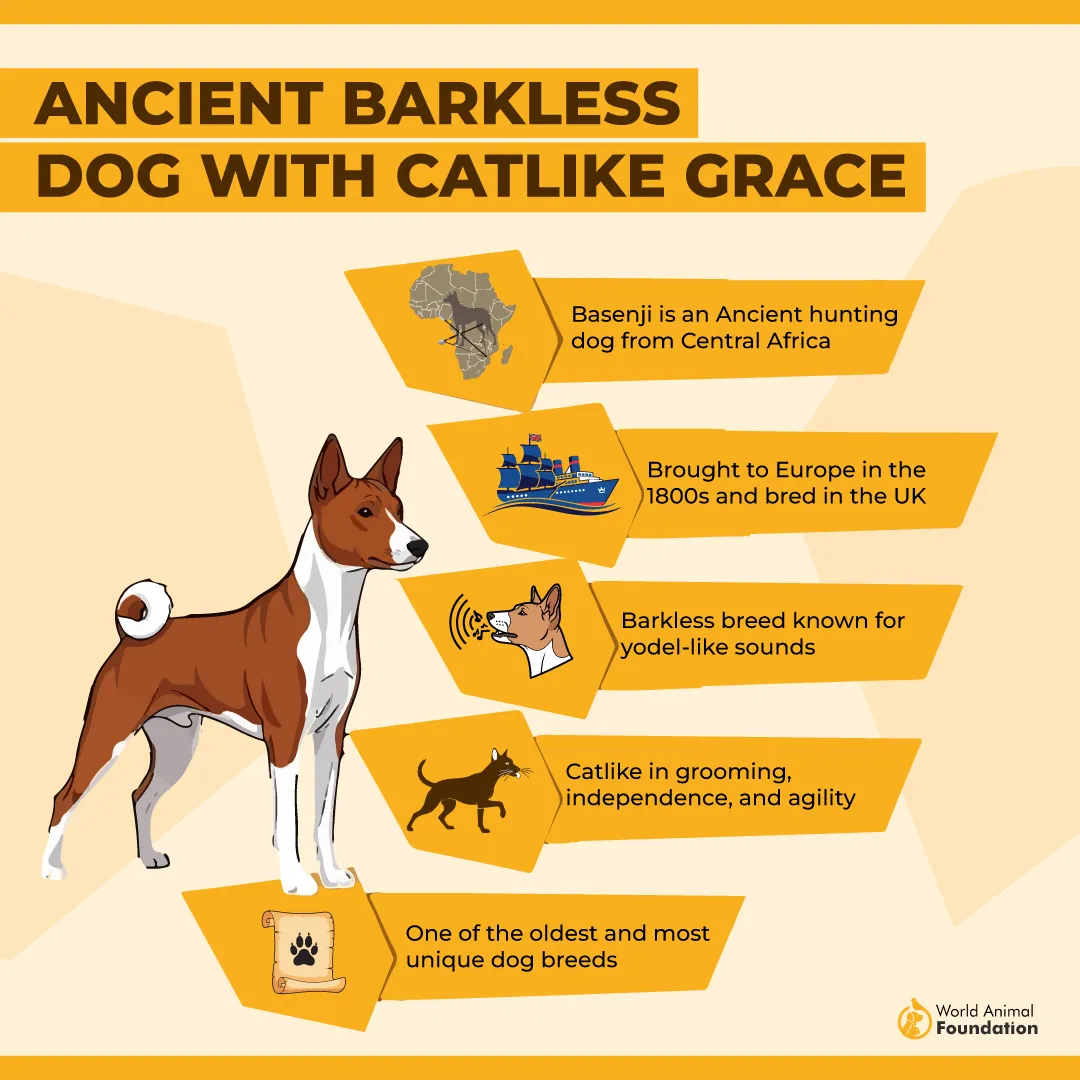
Basenjis have short, fine coats that only need a quick weekly brushing to stay clean and healthy. However, while grooming needs are low, their exercise and mental stimulation needs are much higher.
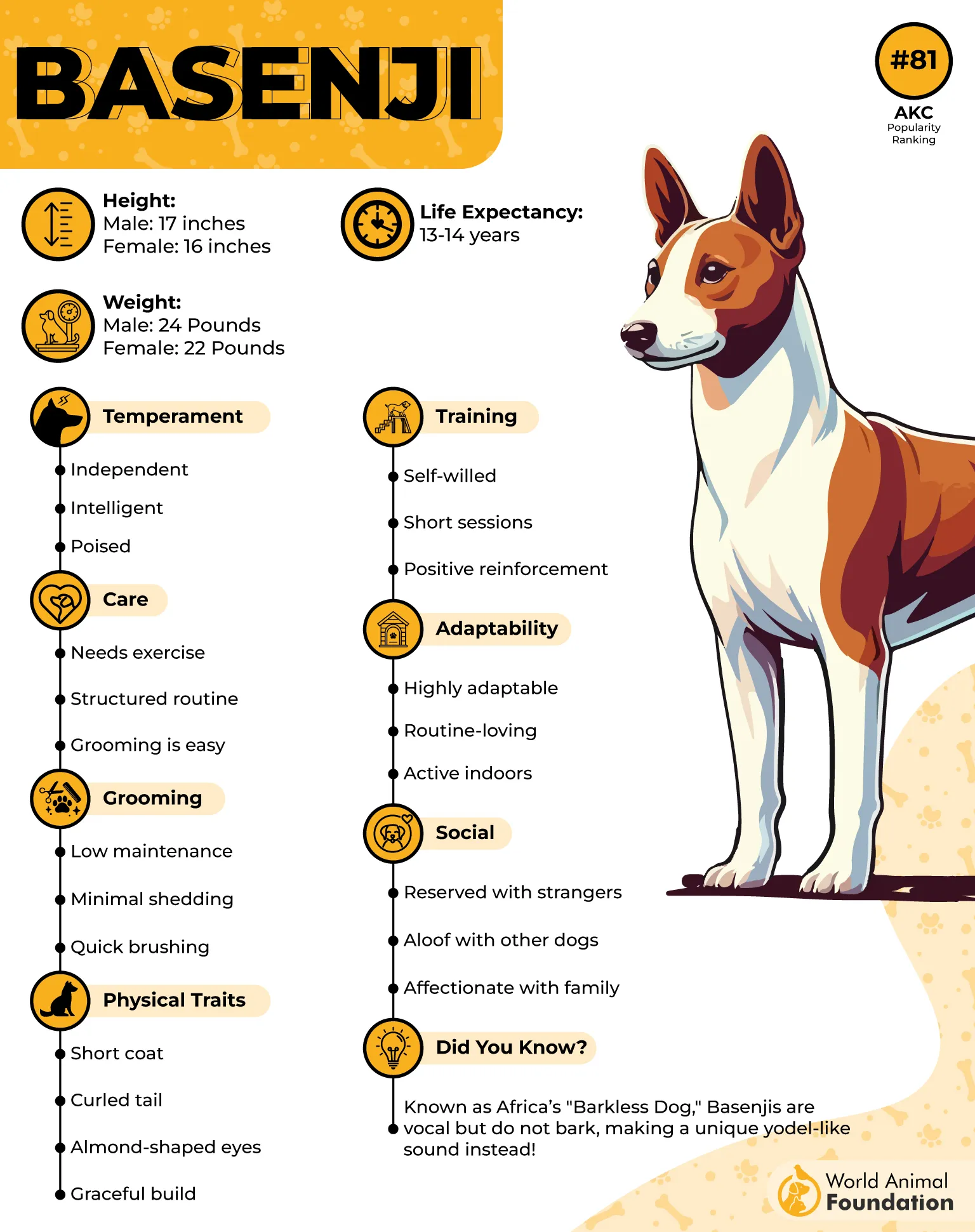
These intelligent and independent dogs require regular physical activity, playtime, and engaging training sessions to stay happy. Training can sometimes be challenging because of their stubborn streak, so patience, consistency, and creative positive reinforcement methods work best.
9. Portuguese Water Dog
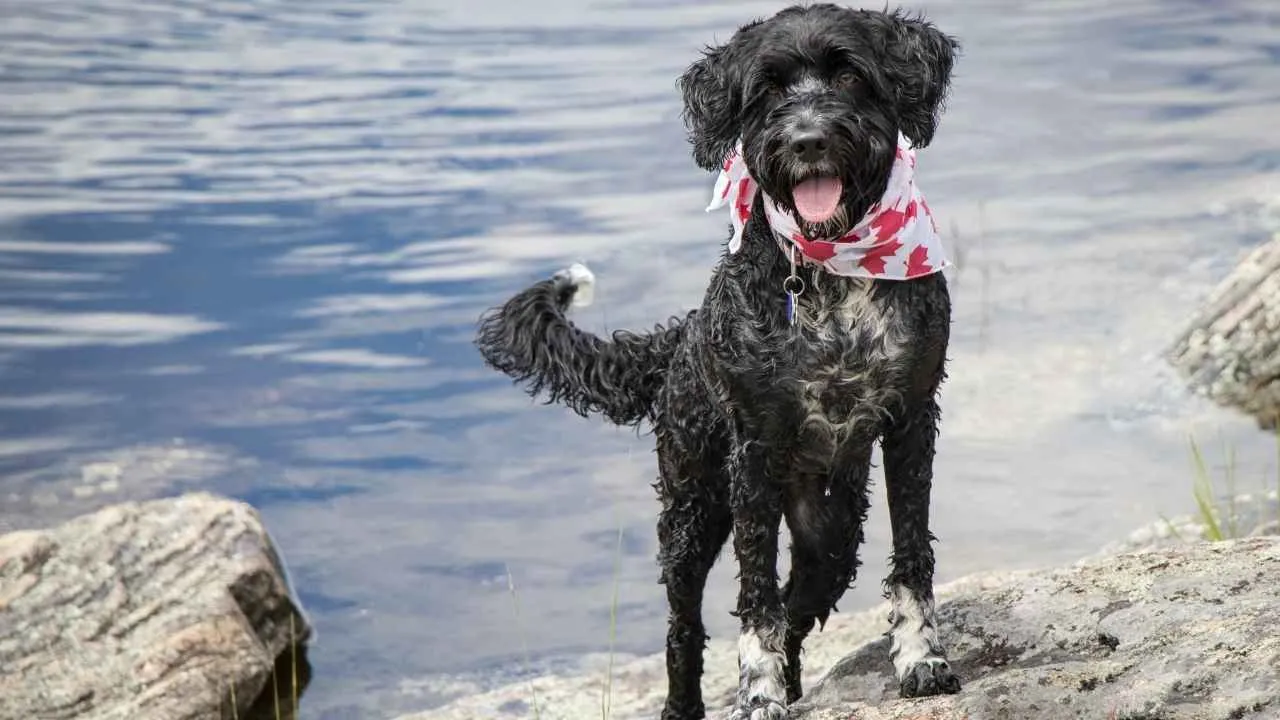
Portuguese Water Dogs are affectionate, adventurous, and deeply loyal companions with warm and loving personalities. Originally bred to assist fishermen, these hardworking dogs developed a strong love for water and are excellent swimmers. Their energetic and playful nature makes them wonderful companions for active families and outdoor enthusiasts.
Portuguese Water Dogs are considered a low-shedding breed thanks to their thick, curly or wavy coats, which tend to trap loose hair instead of spreading it around the home. While they shed very little, their coats still require regular maintenance.
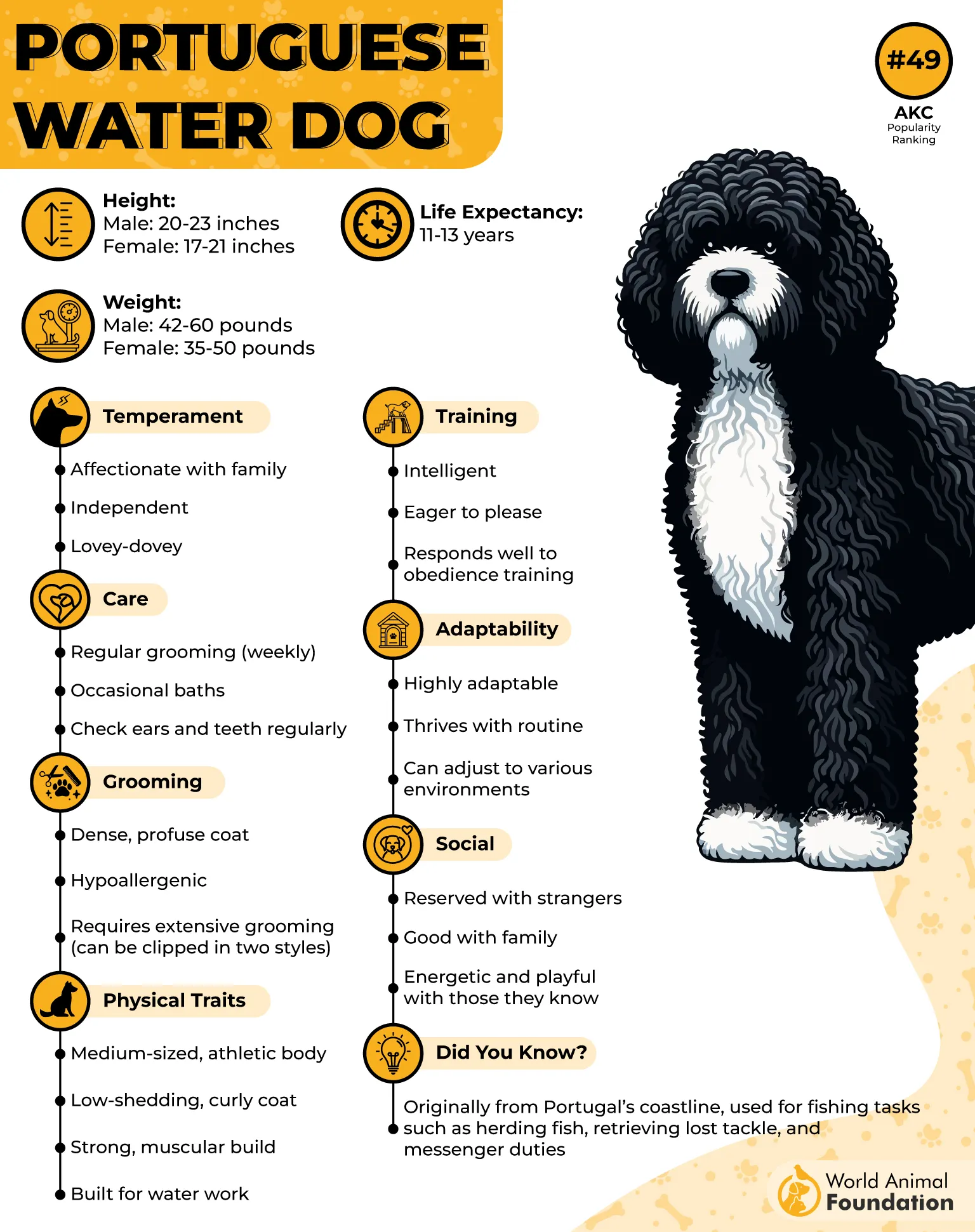
Brushing several times a week is important to prevent tangles and keep the coat healthy and clean. Professional grooming every 4 to 6 weeks is also recommended to maintain their coat, reduce matting, and trim the hair around their eyes and face.
These dogs are highly intelligent and eager to learn, which usually makes training easier compared to more stubborn breeds. However, Portuguese Water Dogs are very active and cannot thrive without enough exercise and mental stimulation.
They enjoy long walks, running, swimming, hiking, and even jogging beside their owners. With the right amount of activity and attention, they become loyal, fun-loving, and well-balanced companions.
10. Soft Coated Wheaten Terrier
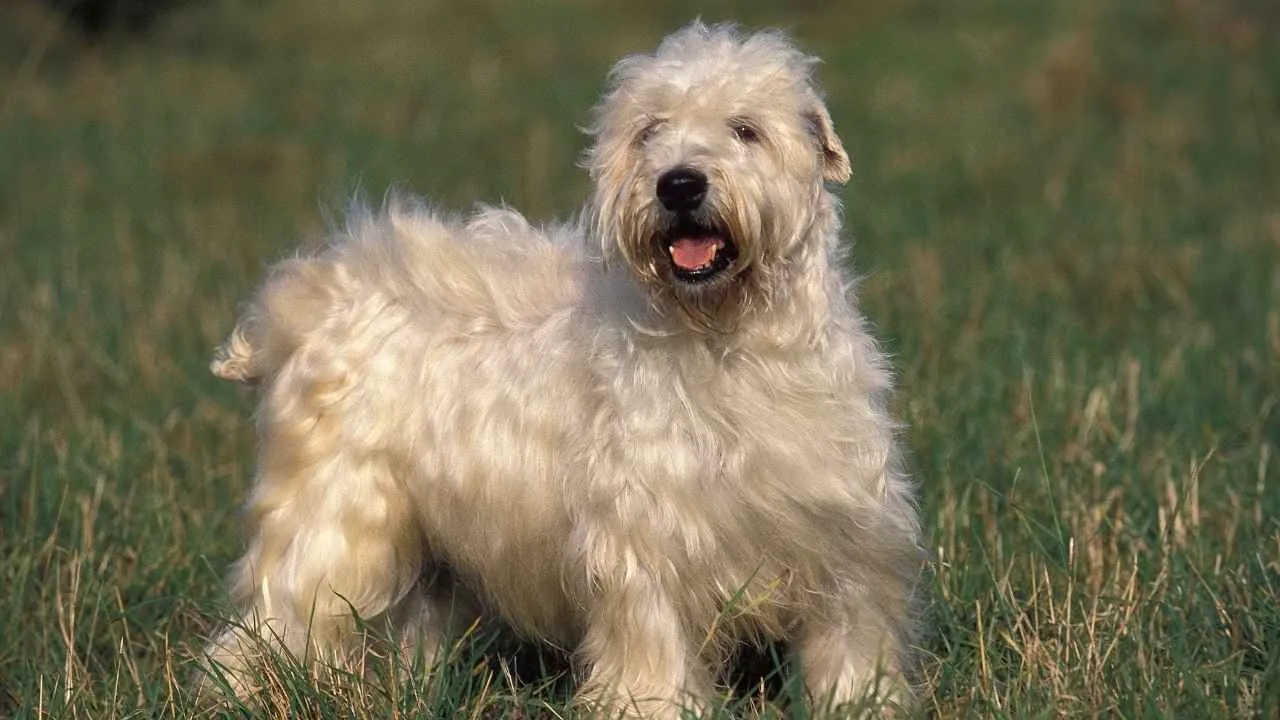
Soft Coated Wheaten Terriers are energetic, playful, and friendly dogs that originated in Ireland, where they were traditionally used as versatile farm dogs for hunting vermin, herding livestock, and guarding property. Known for their cheerful personalities, they bring a lively yet affectionate presence to any home.
They have a distinctive soft, silky, wheaten-colored single-layer coat that sheds very little compared to many other breeds. However, their coat does require regular care, including brushing and detangling, to prevent mats and keep it looking healthy and smooth.
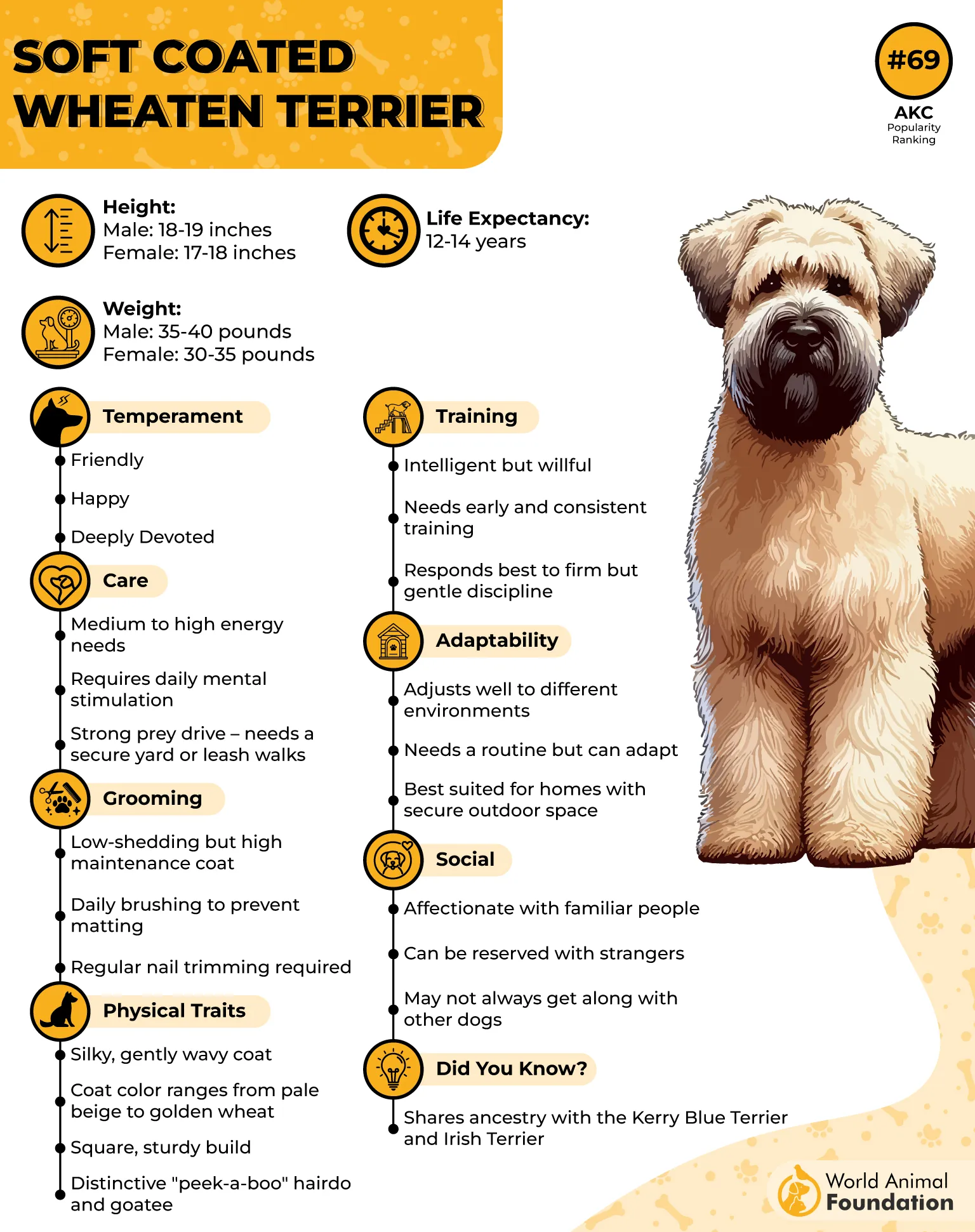
Professional grooming is typically needed every 6 to 8 weeks to maintain coat length, trim excess hair, and keep nails and hygiene in good condition. While Soft Coated Wheaten Terriers are intelligent and quick learners, they do have a naturally independent streak and can sometimes be stubborn. For best results, they respond well to consistent training using positive reinforcement methods.
These dogs also need regular daily walks and outdoor activity to stay physically and mentally stimulated. Although they are lively and enthusiastic outside, they tend to be calm and affectionate indoors, making them well-suited as loving and adaptable family companions.
Conclusion
The ten dog breeds mentioned above are all considered low-shedding and tend to spread fewer allergens compared to many other dogs. Some of them have short coats, while others have long, flowing coats, so you can choose a breed that matches your preferred look and lifestyle without compromising on cleanliness.
While these breeds are often described as “hypoallergenic,” it is important to remember that no dog is completely allergy-free. However, they may be a better fit for people with mild allergies or those who simply prefer a cleaner home with less loose hair around.
If you are looking for a dog that won’t cover your home in fur, these breeds are worth considering. In the sections above, we have also covered their grooming needs, exercise requirements, and training traits to help you choose the right companion for your lifestyle.
