




Everyone talks about strong dog breeds, but very few people actually understand what that strength looks like in real terms. It is not always obvious, and it is not limited to size or appearance.
Some dogs carry a level of power that only becomes clear when you see how they move, how they respond, and how much force they can generate when needed. Others may look imposing but lack the same level of physical ability.
This difference often goes unnoticed until it matters. Strength in dogs comes from a combination of structure, muscle density, stamina, and control, not just how big they appear. Once you start looking at it this way, the idea of a strong dog changes completely.
This article takes a closer look at the breeds that truly stand out in terms of strength, breaking down what sets them apart and why that distinction matters more than most people expect.
Key Takeaways:
Real strength in dogs often hides in plain sight, showing itself through control, stamina, and the way their bodies are built for action.
American Pit Bull Terrier and Rottweiler stand out for compact muscle and force-driven structure, while Doberman Pinscher brings speed and precision into the mix.
Cane Corso and Alaskan Malamute take that strength even further with bite force and endurance that were once built for demanding working roles.
By the time you reach the end, you start seeing how each of these breeds defines strength in a completely different way than expected.
Top Dog Breeds Known for Their Strength
1. American Pit Bull Terrier
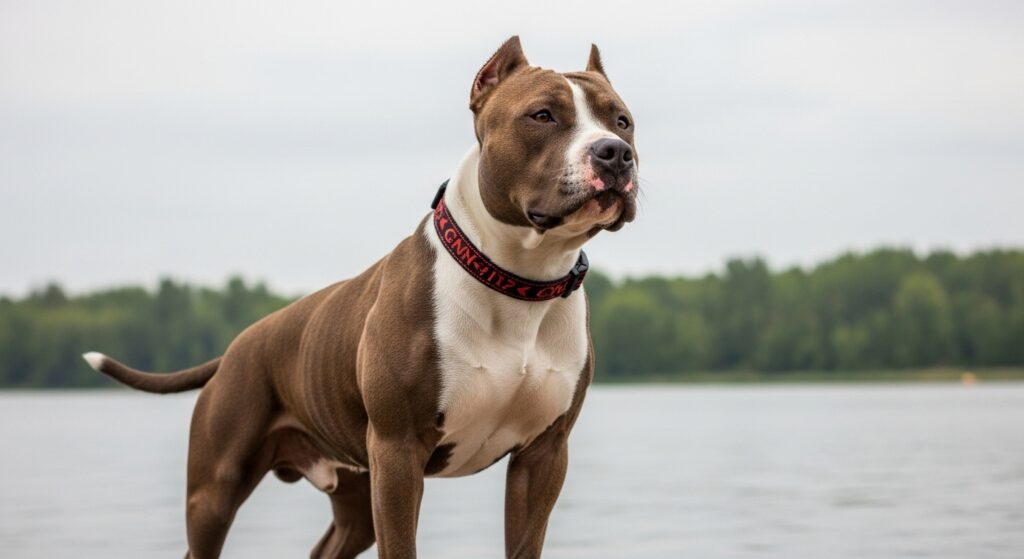
The American Pit Bull Terrier reflects a mix of bulldog and terrier lineage, originally bred for intense physical contests requiring grip and endurance, as mentioned by PetMD.
Its compact, muscular build focuses power into short bursts of force. This structure contributes to a bite force measured around 235 psi.
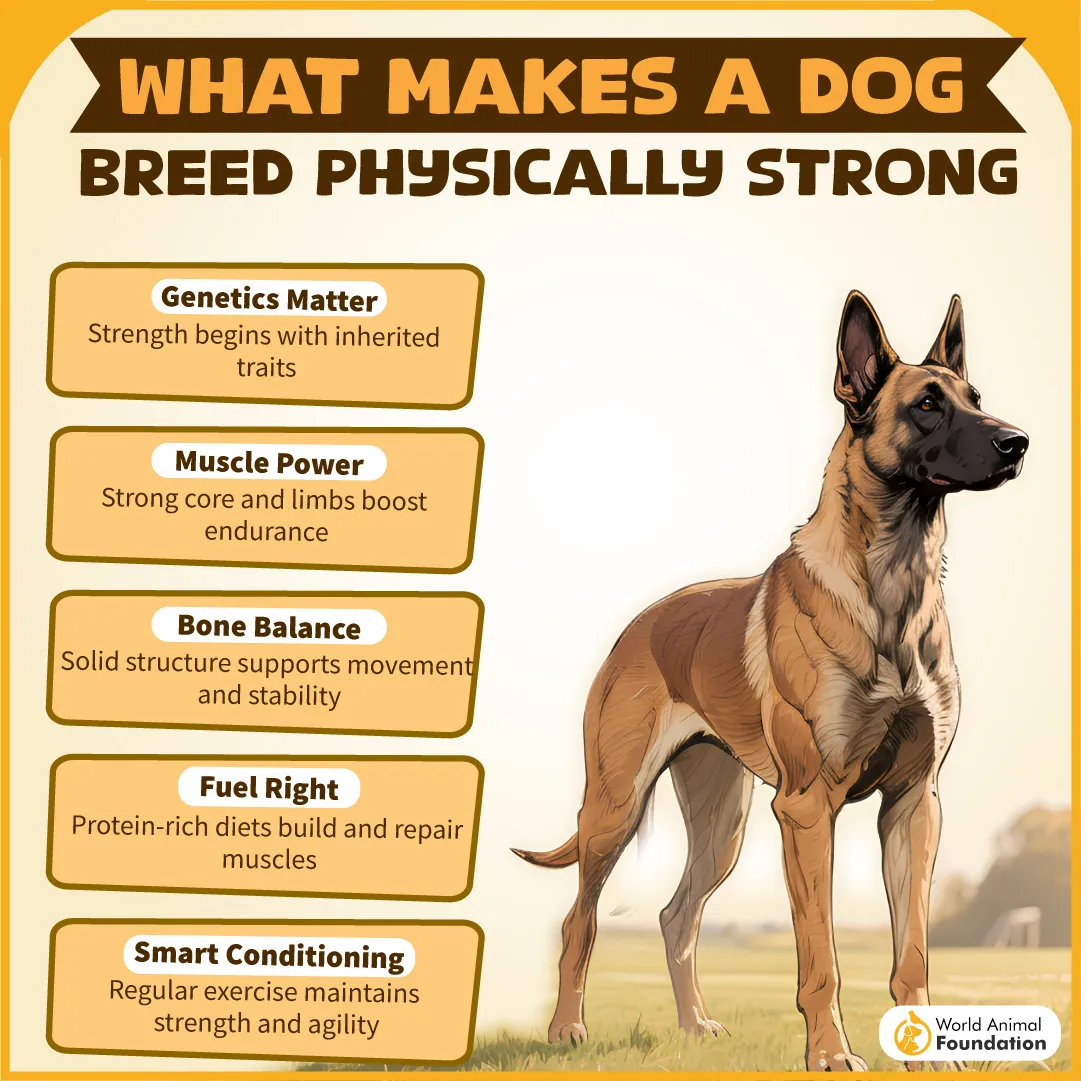
Physical power in action
As a powerful dog breed, they use their body with controlled intensity, combining muscle density with quick responsiveness during activity. Its strength appears in how it engages during play, work, or interaction.
That physical capability becomes clearer through:
Dense muscle packed into a compact frame
Strong jaw pressure relative to size
Quick response during physical engagement
Learning response and control
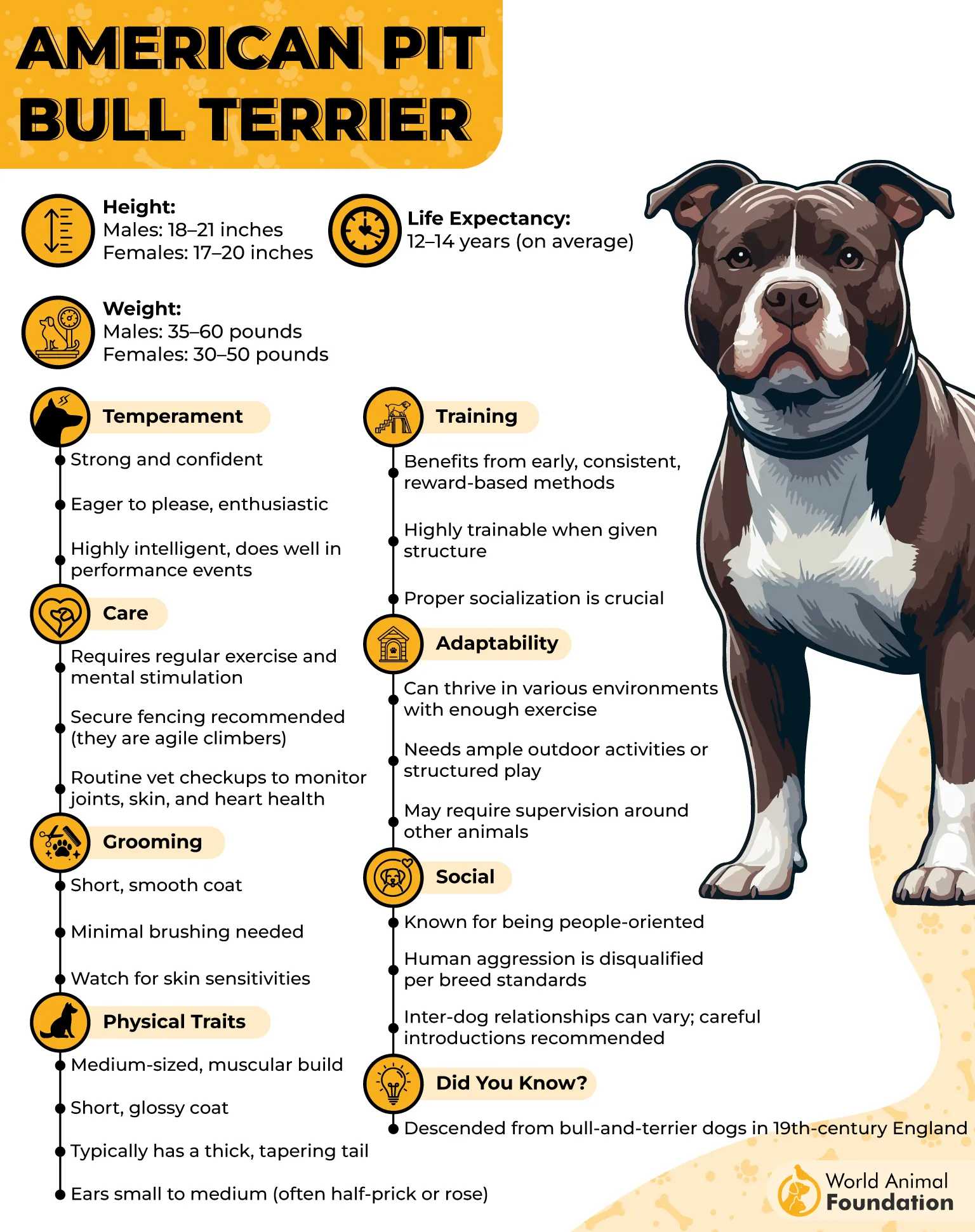
These terriers pick up commands quickly due to their intelligence and willingness to engage with handlers. Proper training helps channel its strong-willed tendencies into predictable behavior. Early social exposure plays a key role in shaping how it reacts to new environments.
2. Rottweiler
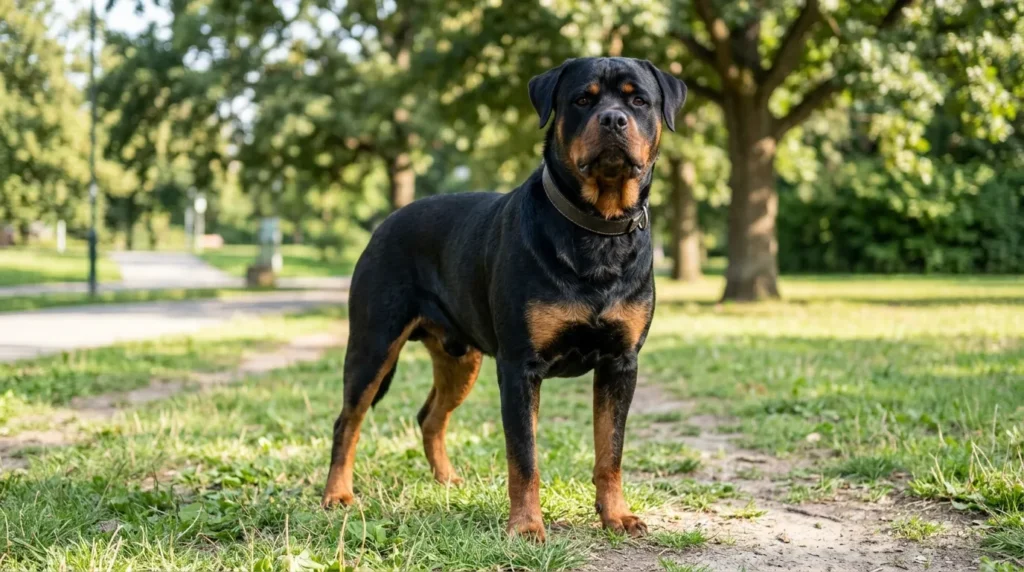
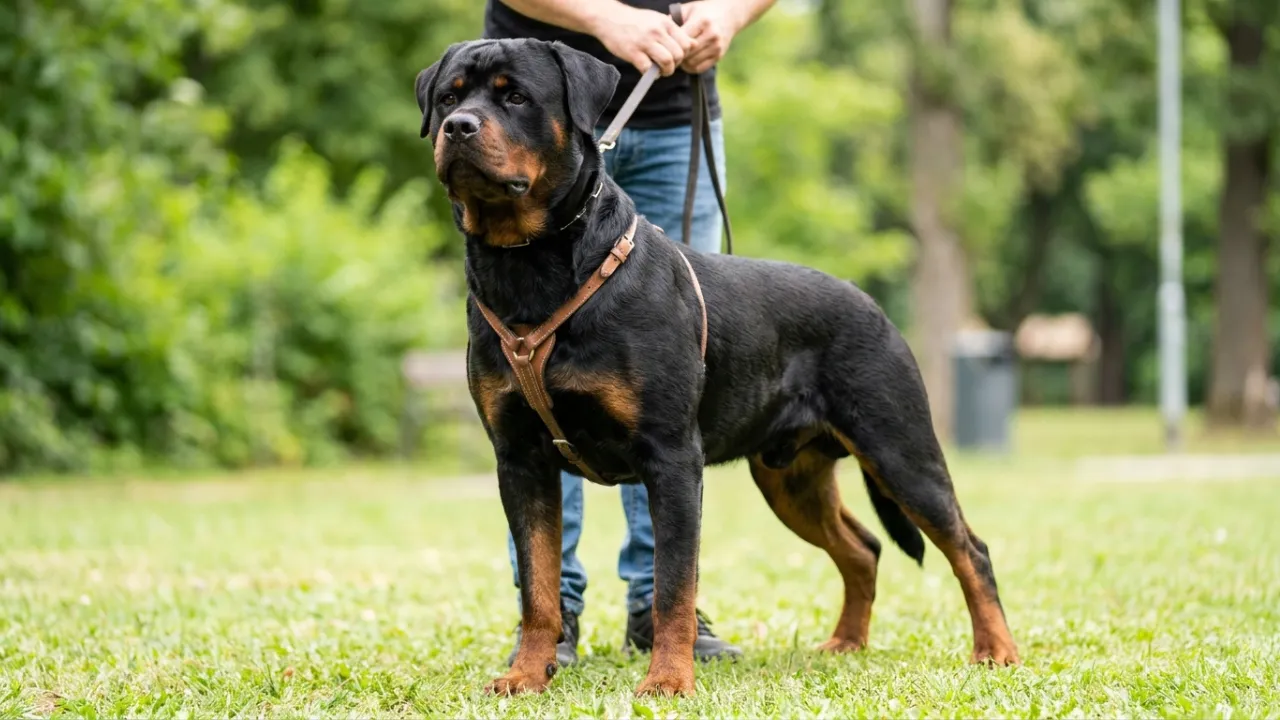
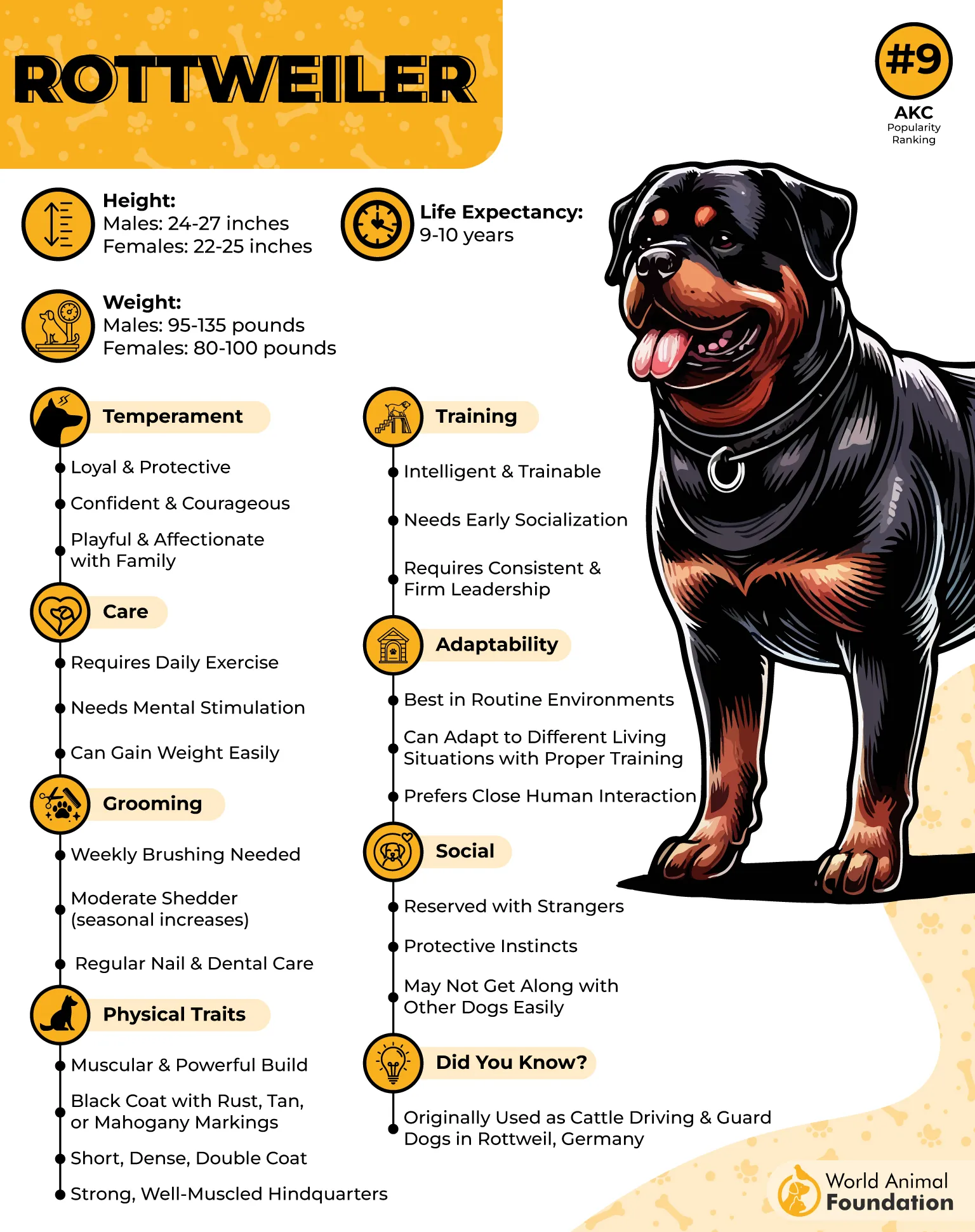
Rottweiler presents a compact yet heavily muscled frame, with height reaching up to 27 inches at the shoulder in males. The short black coat with defined rust markings adds to a clear visual of strength. Its build reflects a working dog shaped for force and endurance.
Physical structure and working ability
This excellent guard dog uses its strong hindquarters to generate steady, efficient motion, supporting tasks that require sustained effort, as per the AKC. Its athletic design aligns with roles such as herding, tracking, and cart pulling.
That capability becomes clearer through key elements:
Muscular rear driving forward motion
Balanced frame built for load-based tasks
Strong jaw pressure reaching 328 PSI
Response shaped through guided activity
They learn tasks efficiently when given structured direction, adapting well to obedience-based work. It engages actively in activities like swimming, walking, and task-oriented routines with people. Early social exposure influences how its territorial instincts are expressed.
🎧 Dogcast
Episode 37 — Why Dogs Stay Close without Touching
If you don't hear sound, tap the button above to enable audio.
3. Doberman Pinscher
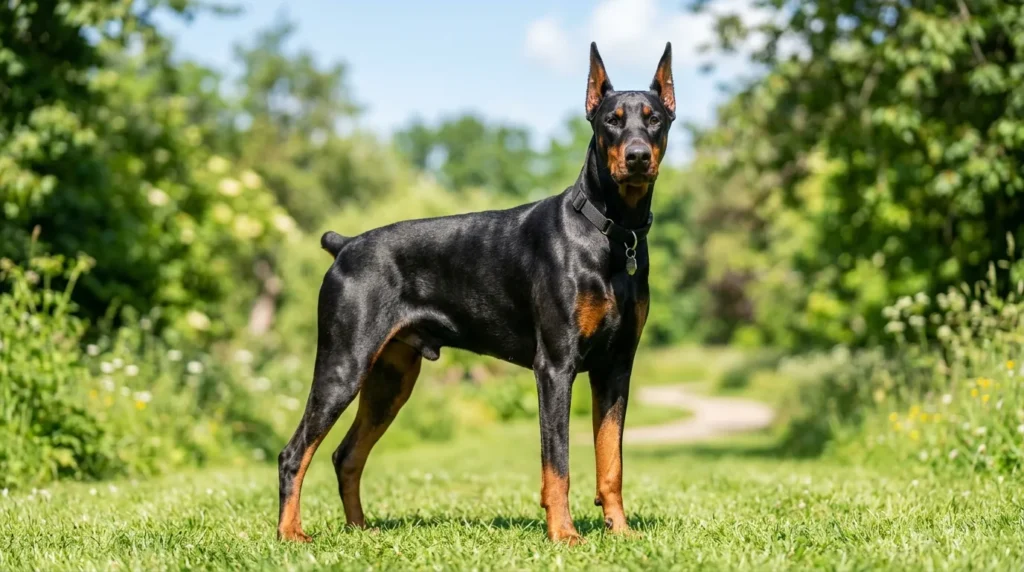
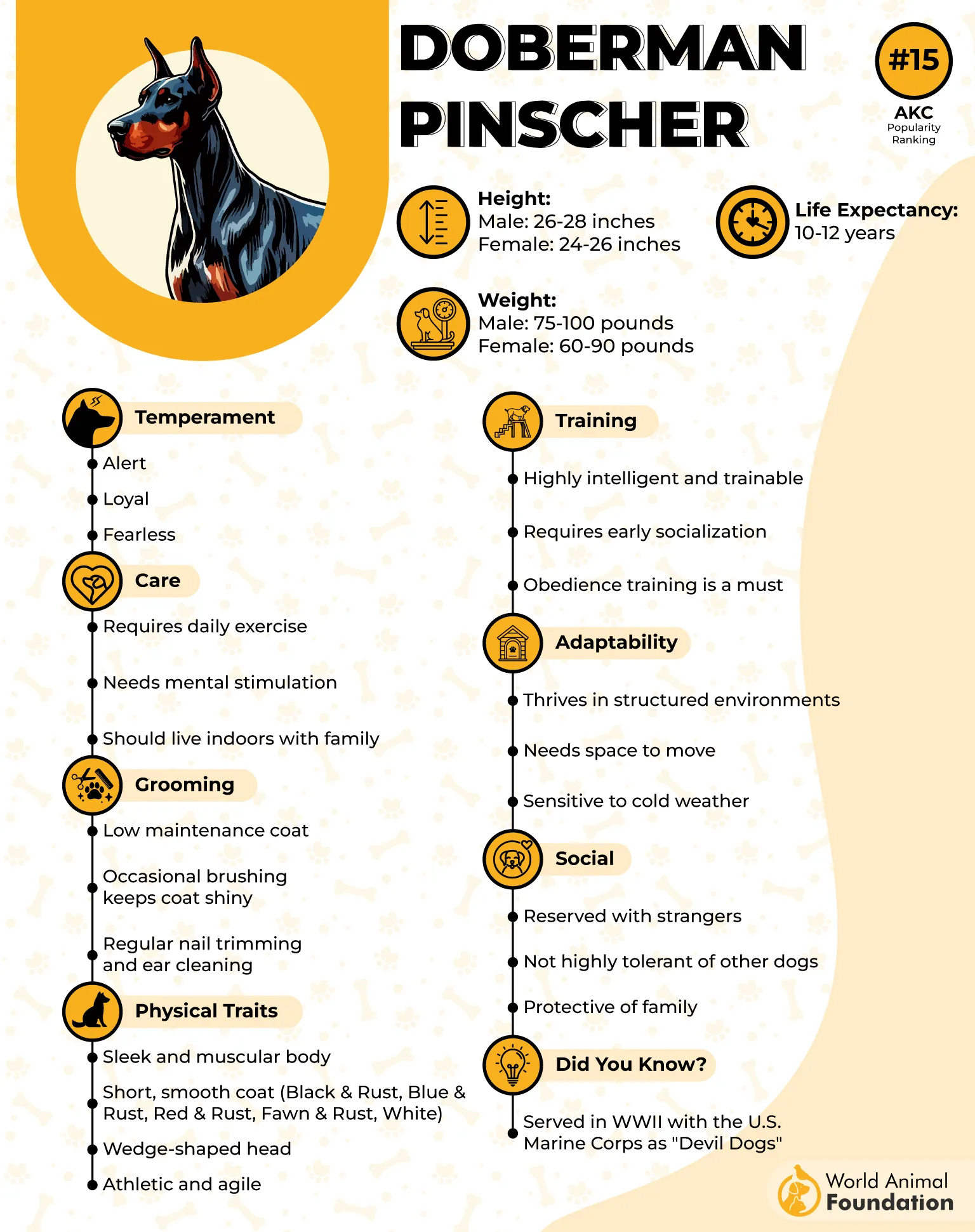
The Doberman Pinscher originates from careful crossbreeding by Louis Dobermann, combining speed, alertness, and control into one working form.
Its build reflects a balance of power and agility, shaped for quick response rather than bulk strength. A bite force measured around 305 PSI reinforces its physical capability.
Task-driven intelligence
Dobbies processes direction with clarity, making it reliable in roles like security, patrol, and search operations, as PetMD stated. Their natural guarding instincts keep them aware of changes in their surroundings, often reacting with focus rather than hesitation.
That clarity appears in working behavior:
Executes trained commands with accuracy
Maintains alertness during assigned tasks
Adjusts quickly to guided instruction
Energy tied to curiosity
This muscular dog channels its high energy through exploration and active engagement, often seeking stimulation when left without direction. Its curiosity pushes it to investigate movement, which can lead to chasing smaller animals. Controlled outdoor access becomes important in such cases.
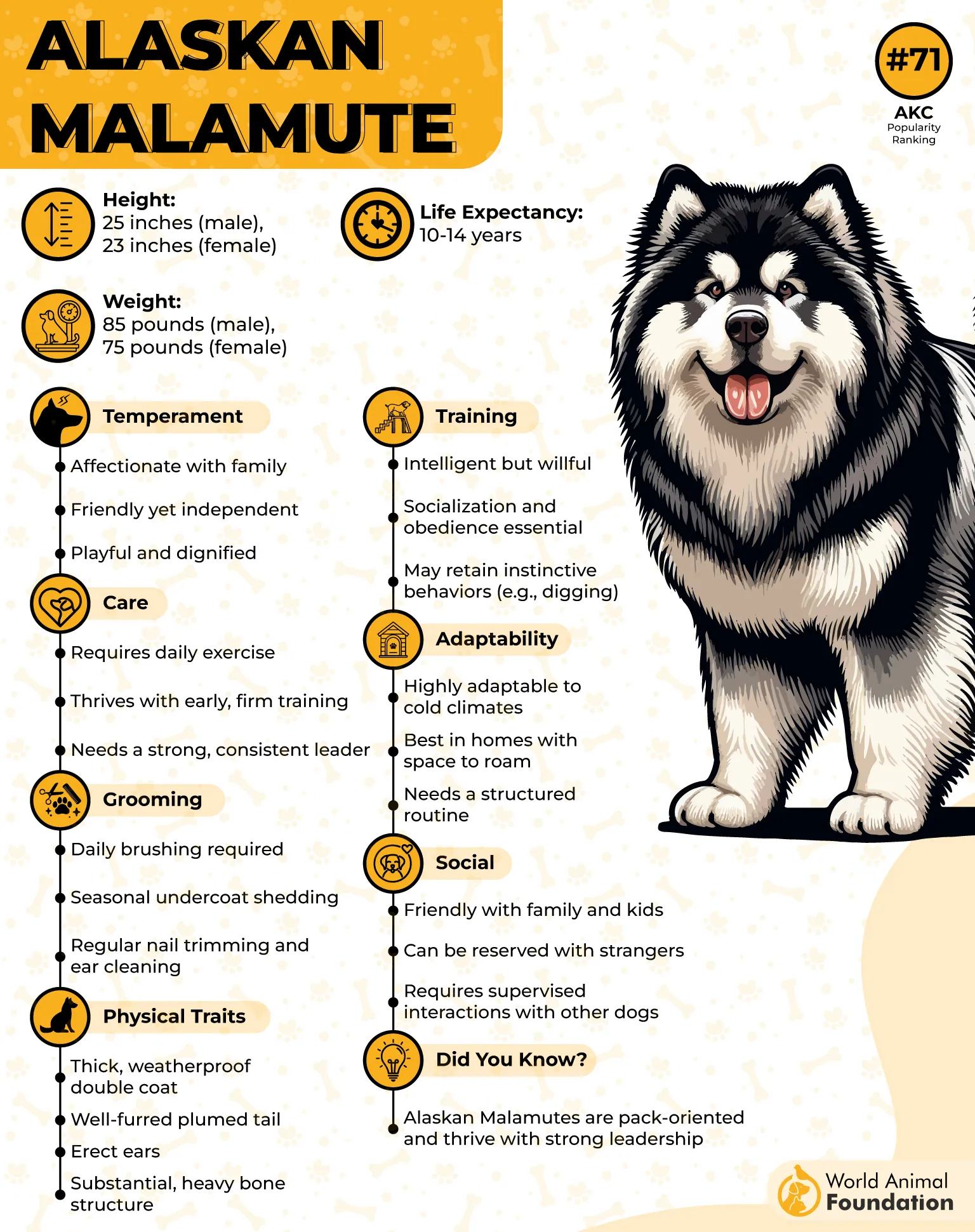
4. Alaskan Malamute
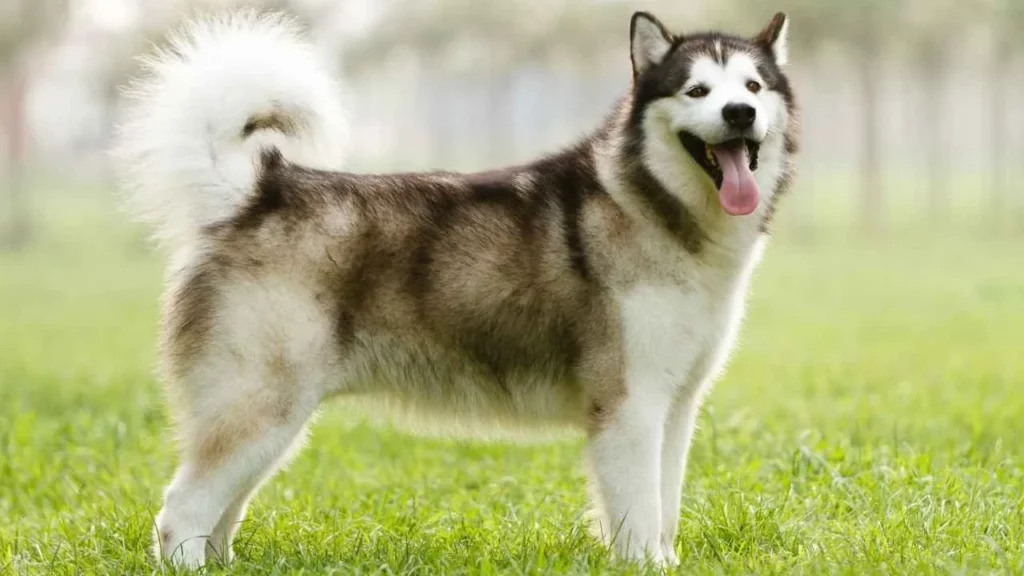
The Alaskan Malamute emerges from the Mahlemut tribe in Alaska, where strength meant hauling loads and handling harsh terrain.
Its physical power reflects that working role, supported by a bite force measured around 400 to 500 PSI. This capability aligns with tasks that require both endurance and force.
Built for heavy pulling work
They handle demanding physical effort through a body designed for resistance and steady output rather than speed. Its role during the Klondike Gold Rush highlighted reliability in transporting weight across long distances.
That physical capacity is reflected in key traits:
Dense build suited for pulling heavy loads
Strong jaw pressure for control tasks
Endurance shaped by sled work
Energy with a willful edge
This athletic dog brings a lively, vocal personality, often expressing itself through distinct “awoos” that resemble conversation. Its intelligence shows in problem-solving behavior, including finding ways to reach food or explore beyond boundaries. This mindset reflects a dog that thinks independently.
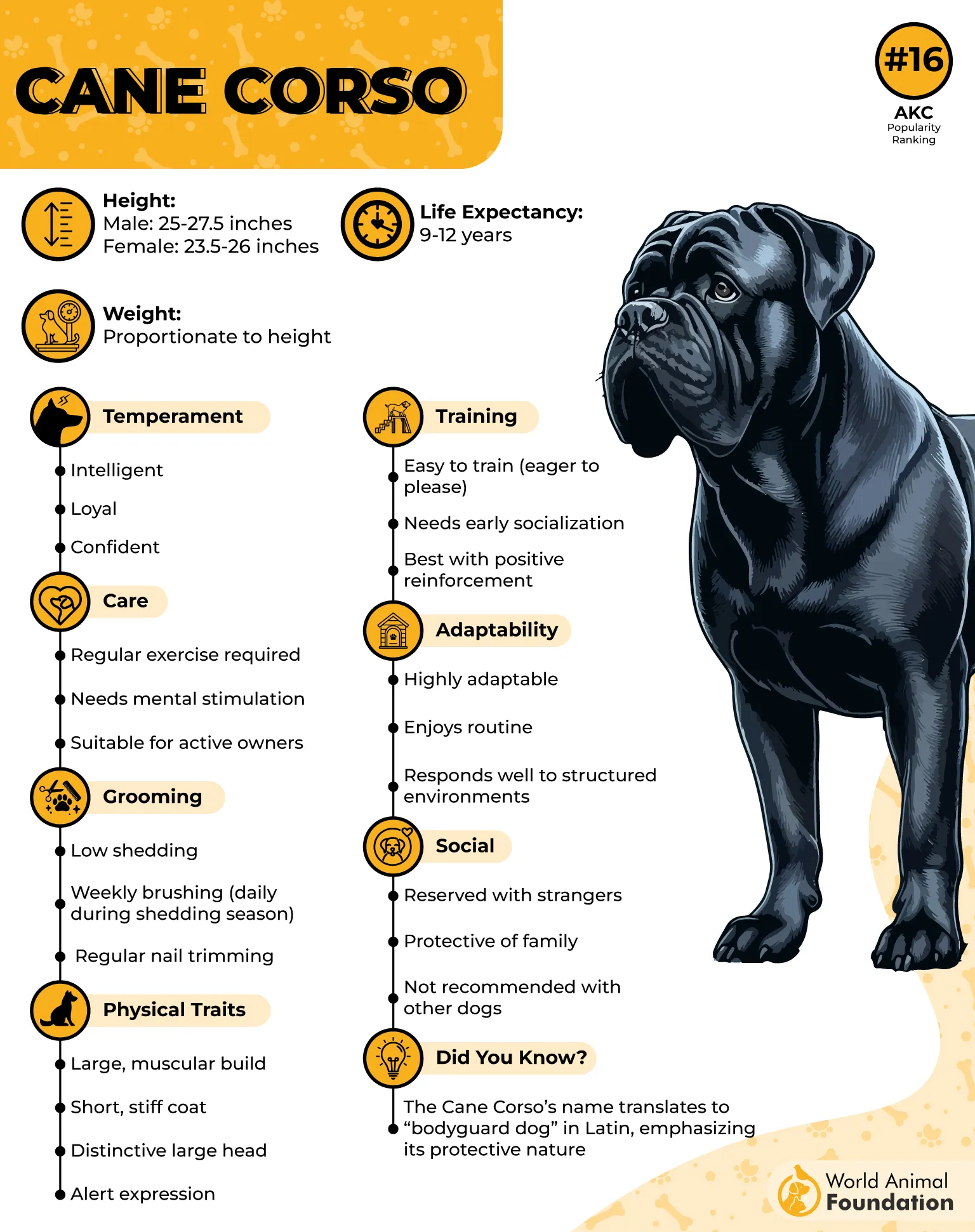
5. Cane Corso
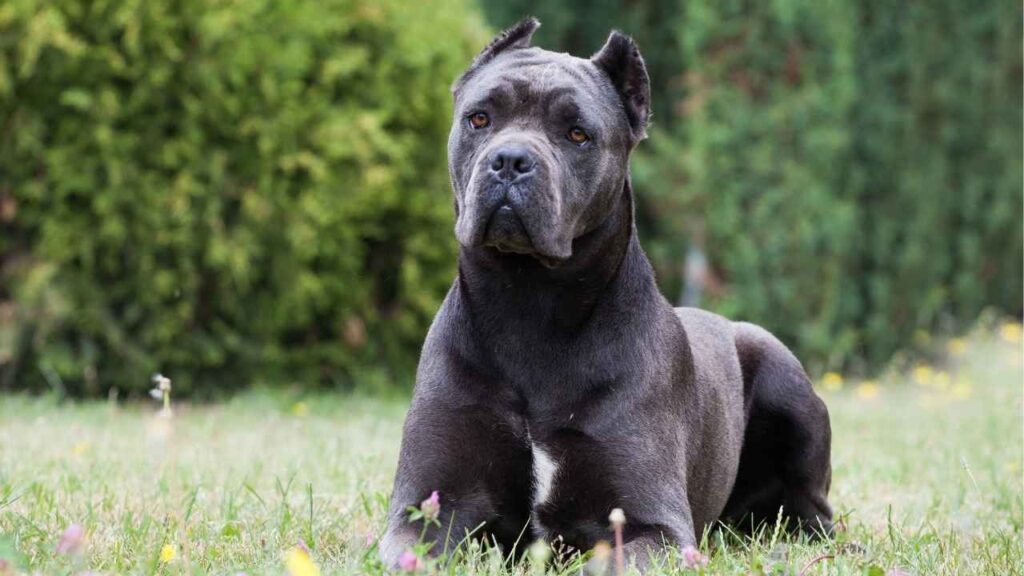
Cane Corso presents a solid, muscular frame built for forceful action and physical command. Its jaw strength reaches around 700 PSI, placing it among the strongest bite forces in the canine world. This level of strength reflects a dog shaped for tasks requiring control and pressure.
Physical effort and daily output
This protective breed has high protective instincts and can handle demanding physical routines through structured activity such as long walks, running, or extended outdoor sessions. Its body responds best when movement is consistent and purposeful.
That demand becomes clear through daily patterns:
Requires long-distance walking or running
Maintains muscle through regular activity
Handles extended outdoor exertion
Activity tied to behavior balance
Cane Corso channels its energy through movement, often becoming restless when routine activity is limited. Its physical condition connects closely with how consistently it is engaged throughout the day. Structured outings help regulate both strength and behavior.
6. Bullmastiff
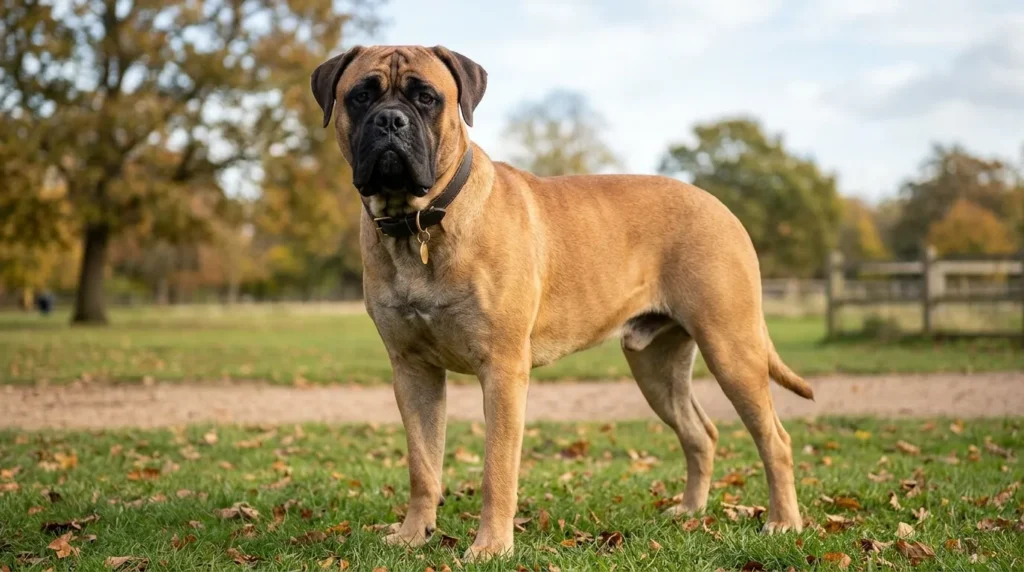
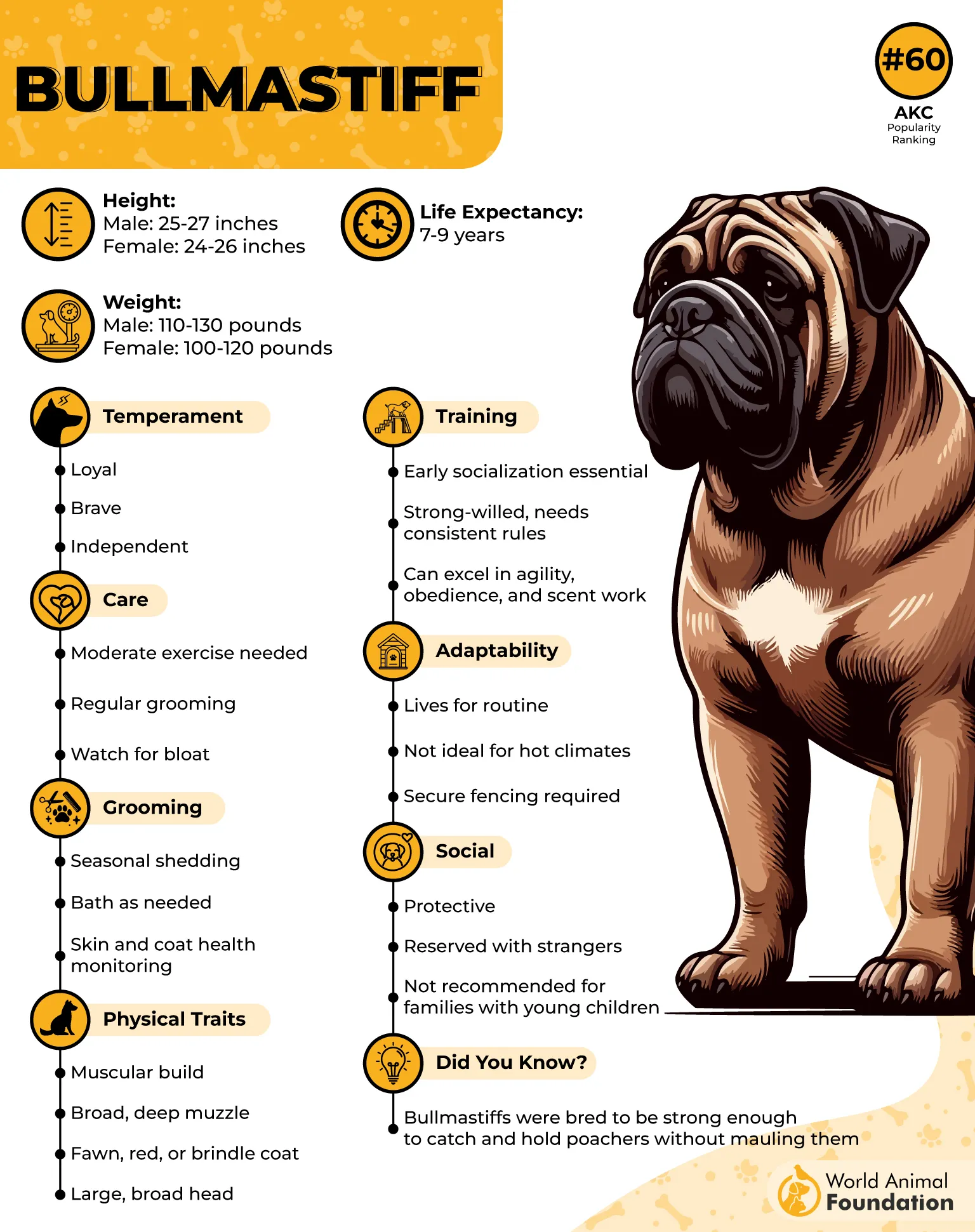
Bullmastiff comes from Bulldog and Mastiff crosses, built for confronting intruders rather than chasing them. Its frame, ranging between 100 and 130 pounds, reflects impressive strength paired with controlled physical presence. The broad head, deep muzzle, and focused eyes give a clear impression of awareness and intent.
Physical design and guarding role
They rely on body structure and instinct to manage threats, using weight and positioning instead of unnecessary aggression. Its protective nature connects closely with how it assesses and reacts within its territory.
That design becomes clearer through key physical markers:
Broad skull with deep, powerful muzzle
High-set V-shaped ears aiding alert expression
Dense muscular build suited for holding ground
Early handling and controlled response
This strong breed responds best when properly trained from an early stage, especially while still manageable in size. Social exposure shapes how it directs its guarding instinct toward real situations. Secure outdoor boundaries play a role in maintaining controlled behavior around unfamiliar presence.
7. Rhodesian Ridgeback
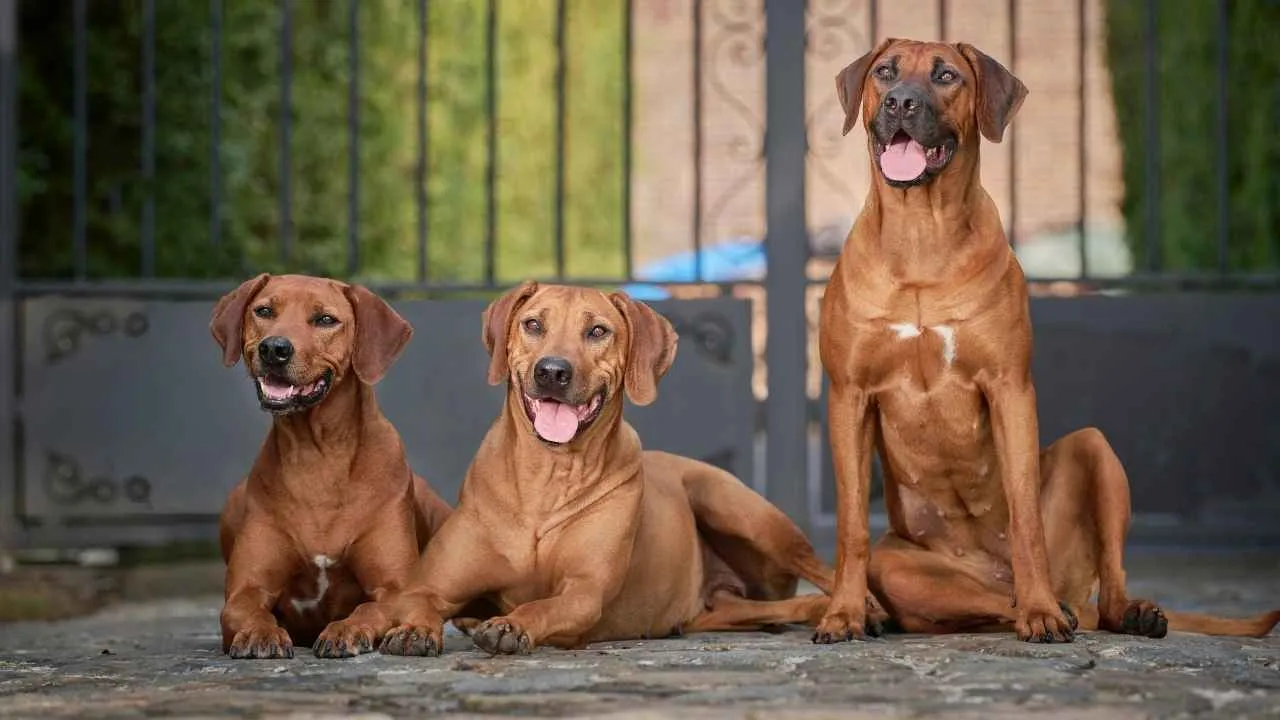
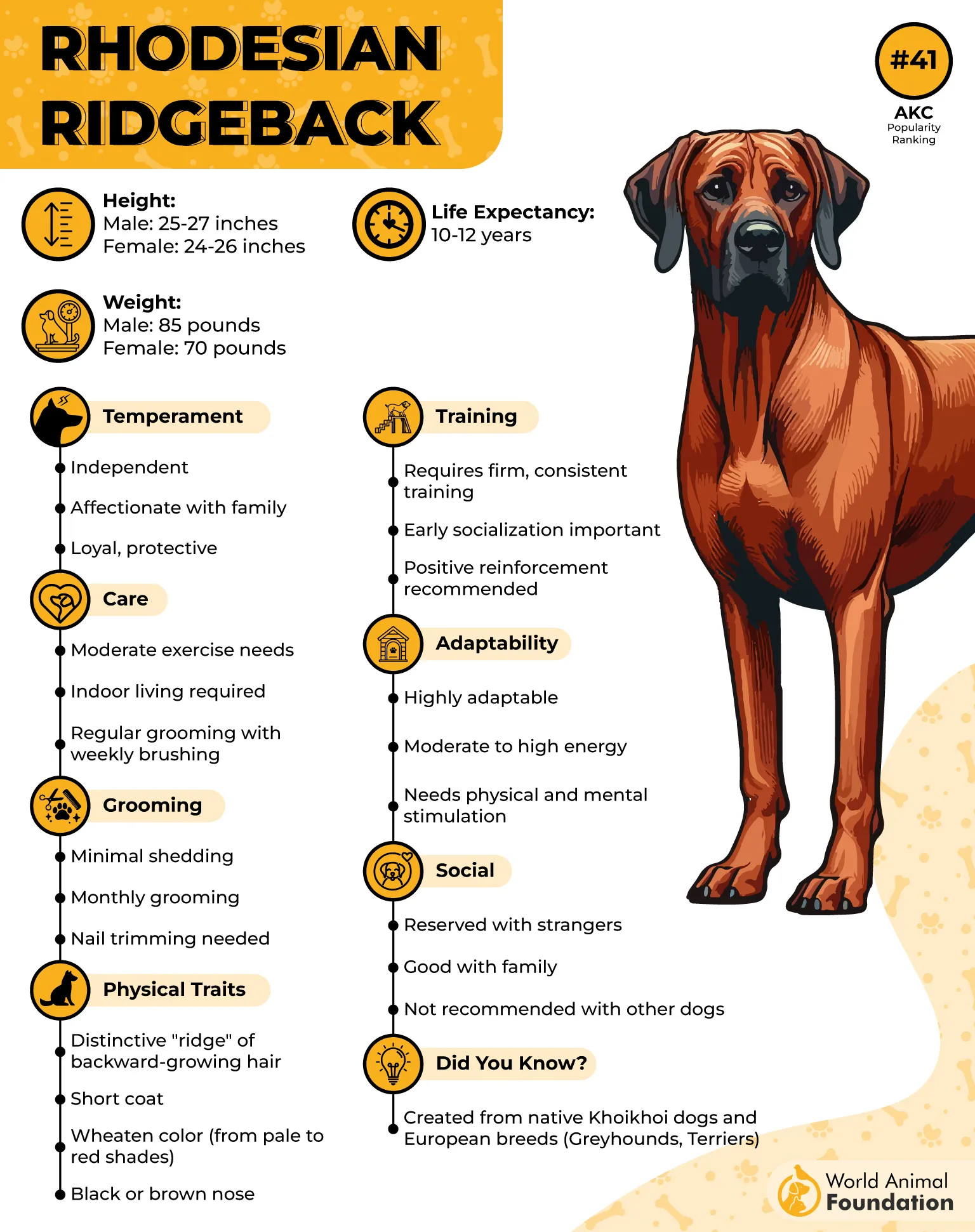
Rhodesian Ridgeback is recognized by the distinct line of backward-growing hair along its spine, paired with a muscular body built for speed and endurance.
Its form reflects physical strength shaped for tracking large game across open terrain. This combination gives it a purposeful and efficient presence.
Field ability and power balance
This breed gained recognition for tracking and holding lions at bay without engaging in direct attack. Its role required control, speed, and judgment rather than uncontrolled aggression.
That working pattern becomes clear through:
Tracks large prey over long distances
Uses presence to contain rather than attack
Relies on speed and timing in pursuit
Independent thinking and control
They show a strong-willed and independent mindset, often making their own decisions in unfamiliar situations. Its prey drive can surface quickly, requiring steady guidance from an early stage. Consistent handling shapes how this instinct is directed in everyday life.
8. Dogo Argentino
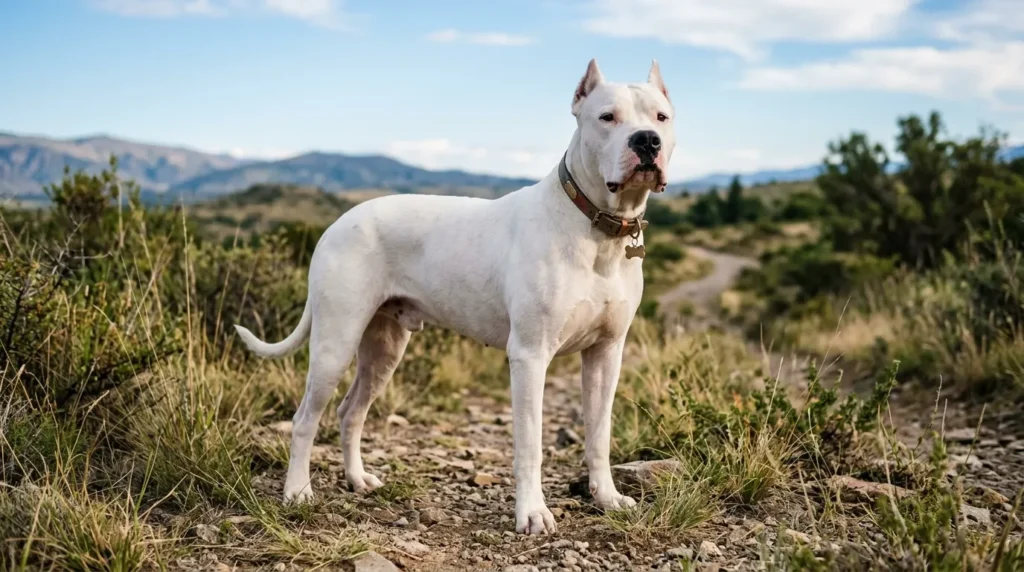
Dogo Argentino enters with a solid, athletic frame shaped for pursuing large game like boar and puma. Its muscular build pairs with strong lungs and a capable nose, allowing sustained tracking under demanding conditions. The all-white coat and sharp expression make its presence instantly recognizable.
Structure behind raw power
They combine a balanced body with a thick yet refined neck and a powerful head positioned for control during capture. Its straight forelegs and heavily muscled hindquarters create force that transfers quickly through the body.
That structure reveals itself through:
Thick neck supporting a strong head
Muscular hindquarters built for explosive force
Straight forelegs aid balance during pursuit
Functional strength in action
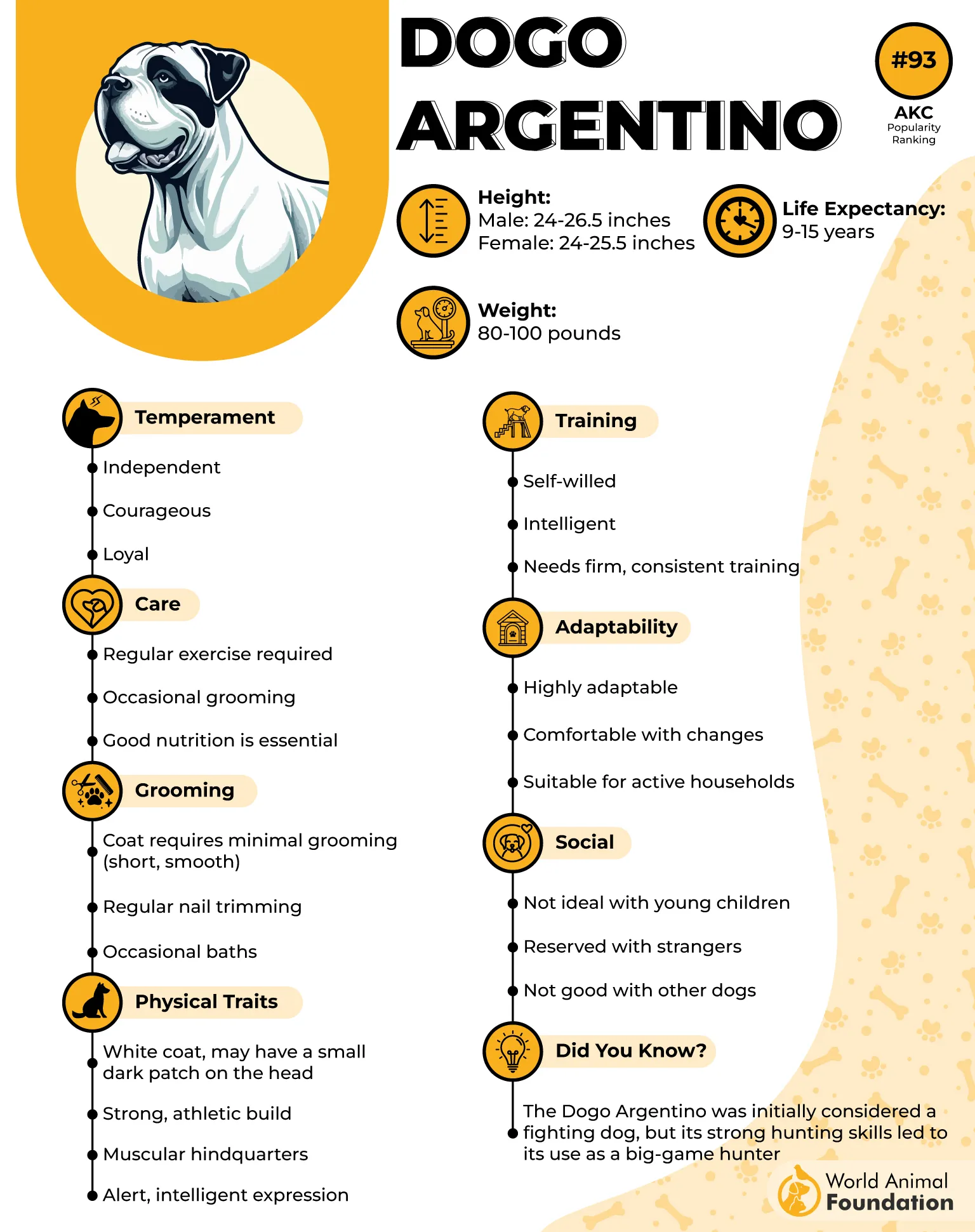
This powerful breed operates with intensity, built to locate, engage, and physically handle dangerous animals. Its 500 PSI bite force reflects the level of control required during these encounters. The body works as a single unit, channeling strength without wasted effort.
9. Boxer
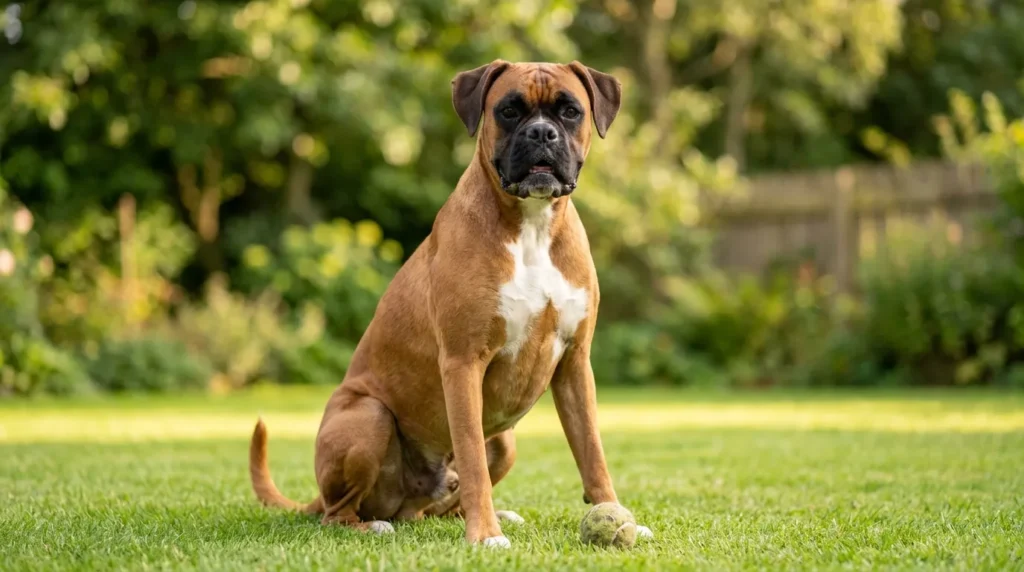
Boxer presents a tightly built, muscular frame where strength sits just beneath a short, close coat. Its wrinkled forehead and dark eyes create a constantly attentive expression that reacts quickly to its surroundings. The overall impression blends physical power with visible awareness.
Built for force and motion
They use its body with controlled strength, combining balance with a forward-driving stride that reflects its athletic design. Its physical structure supports both speed and impact during active engagement.
That structure reveals itself in key elements:
Muscles defined under a tight coat
Strong forward thrust in stride
Compact frame built for impact
Playful intensity with protective instinct
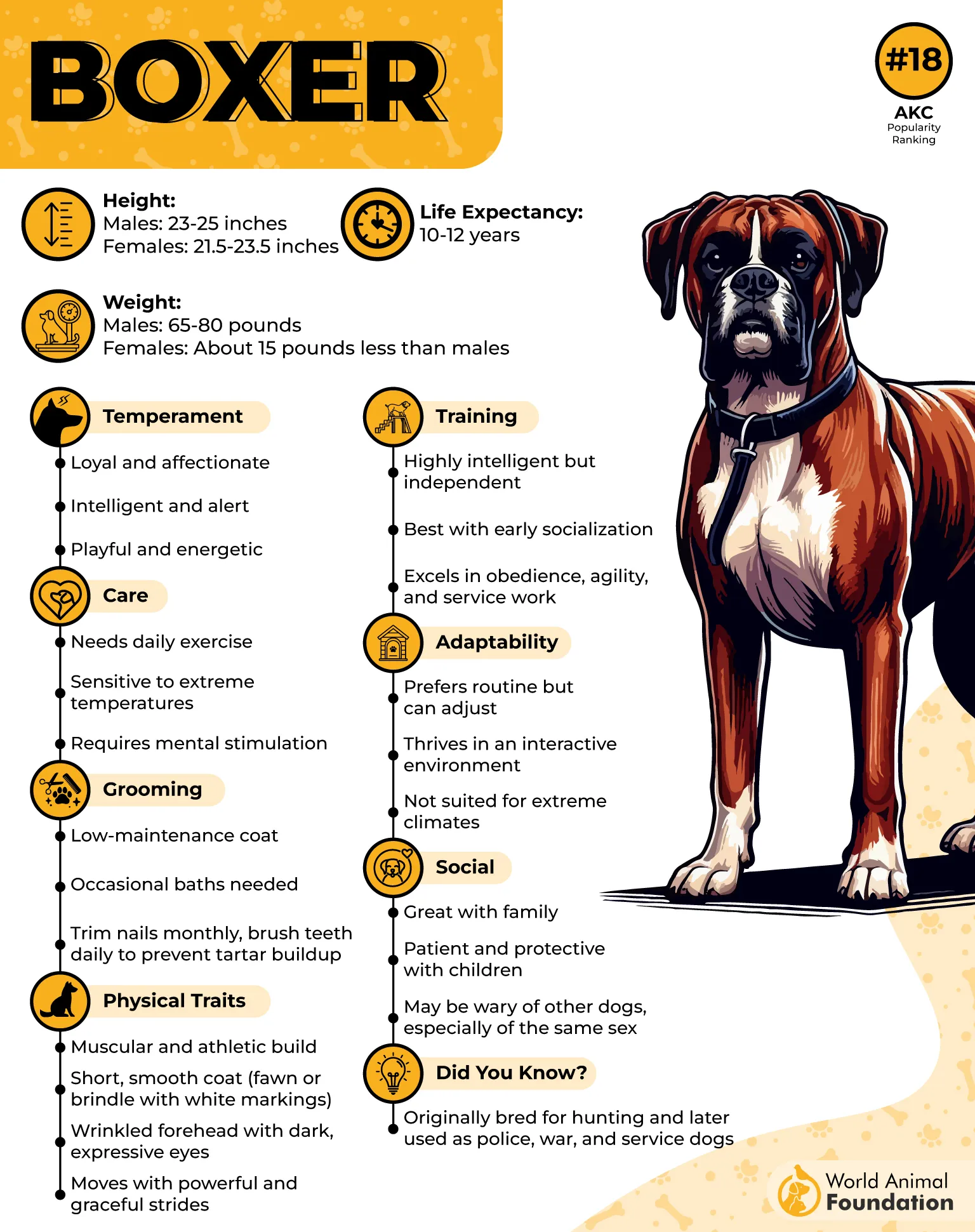
This larger dog has a lively, energetic personality, often engaging through jumping and physical interaction rooted in their early chasing role. Alongside this energy, it takes on a serious approach when acting as a watchdog or family protector. This shift appears clearly depending on the situation.
10. German Shepherd
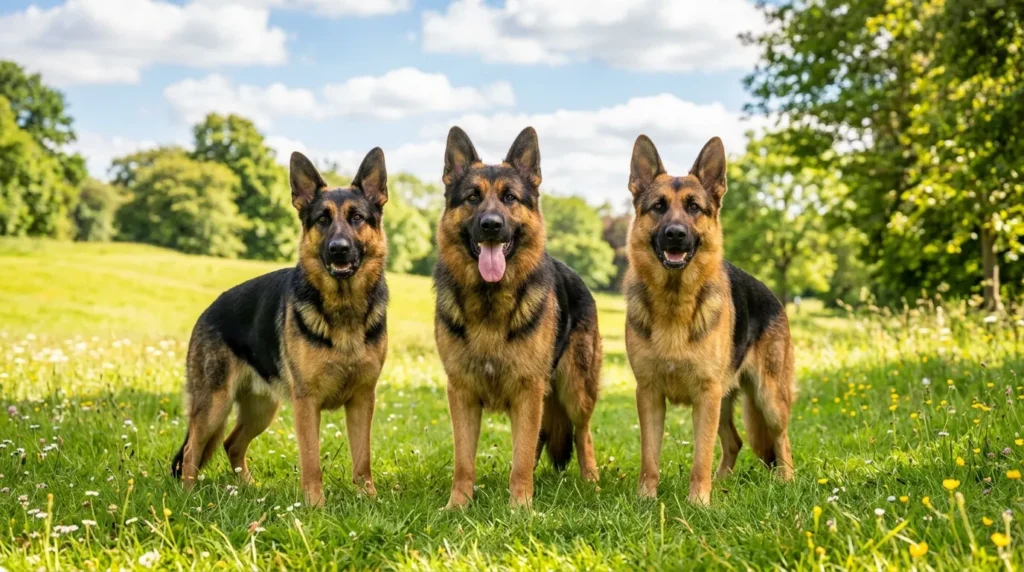
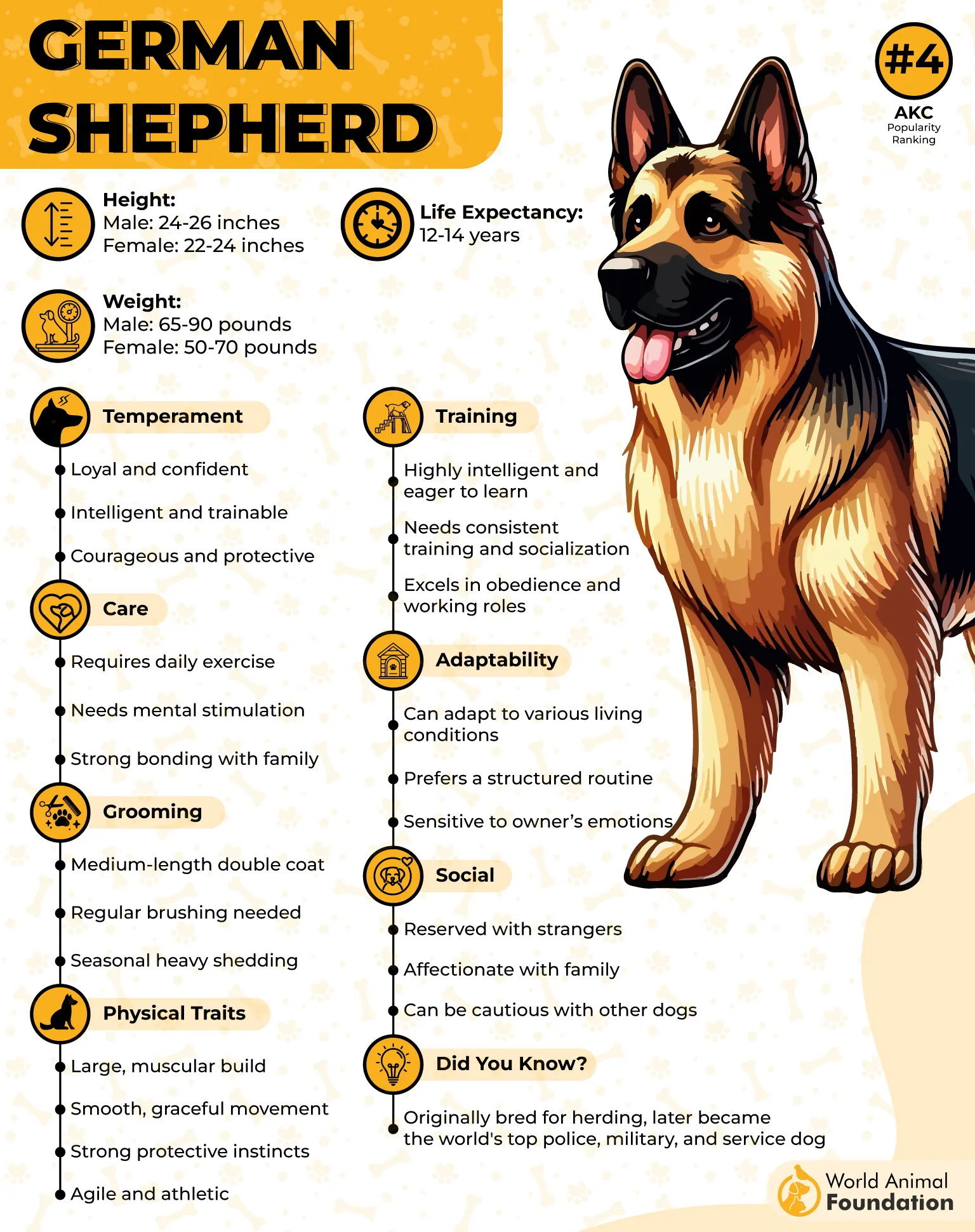
German Shepherd combines muscular build with agile coordination, giving it controlled physical force rather than bulk alone. Its bite force reaches around 238 PSI, reflecting strength guided through accuracy. The overall structure supports both impact and quick directional shifts.
Strength applied through disciplined work
As guard dogs, they channel their physical ability through structured roles, often seen in patrol, detection, and rescue operations. Its confidence and bravery connect directly with trained responses rather than random action.
That discipline becomes visible in focused abilities:
Executes trained commands under pressure
Handles scent detection with consistency
Adapts quickly across task-based roles
Energy tied to functional output
They operate with a high internal drive linked to their herding role, often seeking direction through activity. Without clear outlets, this energy builds into restless or reactive behavior. Regular physical engagement shapes how this strength is expressed daily.
Conclusion
Strength often gets reduced to size, but these breeds show a different reality. Power reveals itself through balance, muscle control, and the ability to act with purpose rather than excess. Each dog carries it in a distinct way, shaped by the work it was built to do. In some cases, terms like dog bite or even dog fighting get used to define strength, but that overlooks the role of responsible ownership in shaping behavior.
As you spend time around them, those differences start to feel clear without explanation. Movement becomes more intentional, responses more measured. In situations linked to a dog attack, control matters more than force. In the end, strength is not something you only see; it is something you notice through how naturally it fits into action.
