




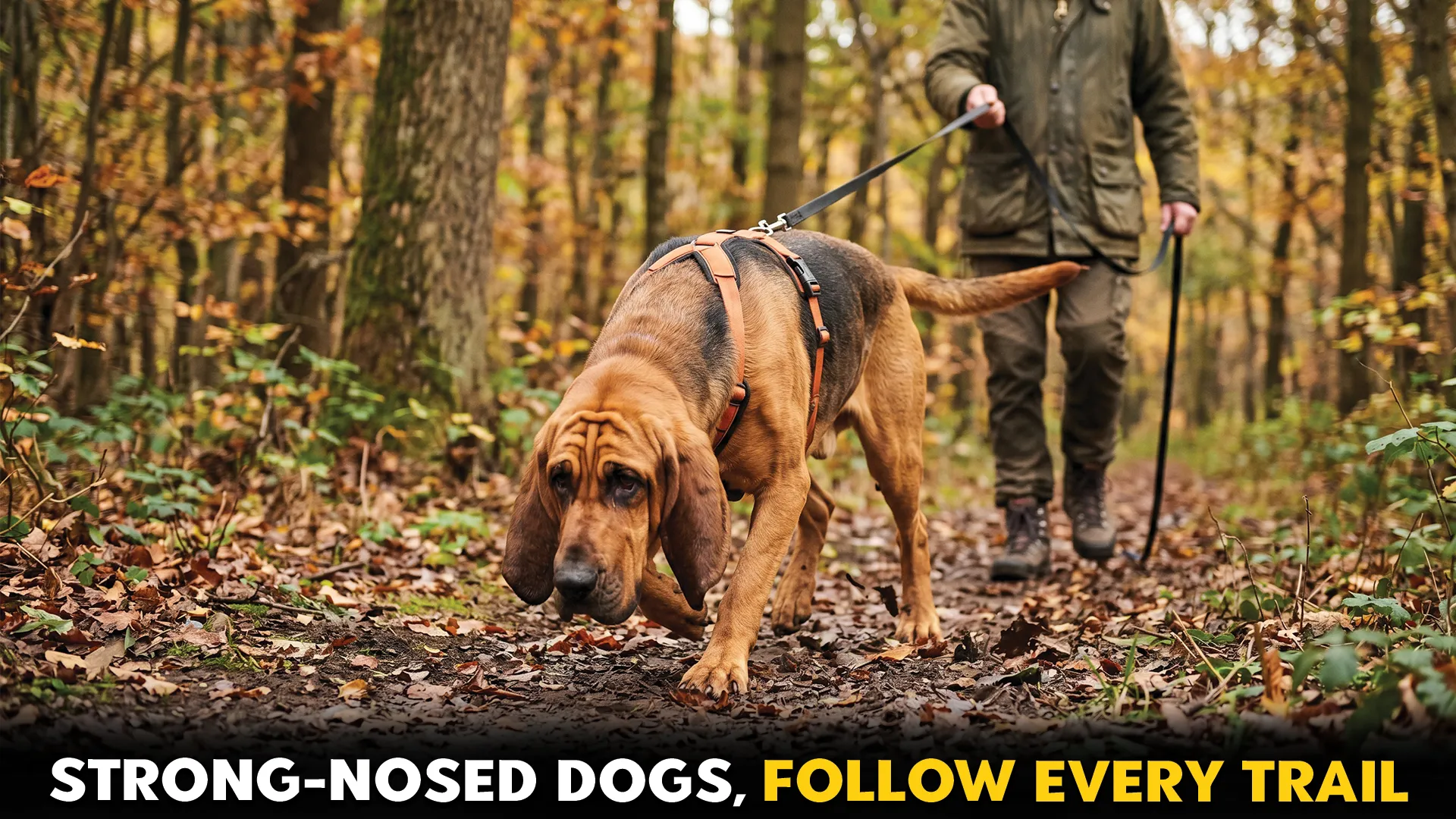
You have probably watched your dog glue its nose to the ground and thought, what on earth are they reading down there? The dogs experience the world almost entirely through smell. They have up to 300 million olfactory receptors, compared to our measly 5 million.
That is not a small gap; that is a canyon. Some breeds, though, take it to a whole different planet. These dogs are basically walking crime labs with furry and floppy ears. Your dog with a sharp memory and a strong sense of smell will memorize the whole forest as a breathing GPS.
Whether you are a proud dog parent, a curious soul, or just someone who wonders why Fido loses his mind at the dog park, buckle up. This list is made for you.
Must‑Know Dog Breeds with the Strongest Nose
1. Bloodhound
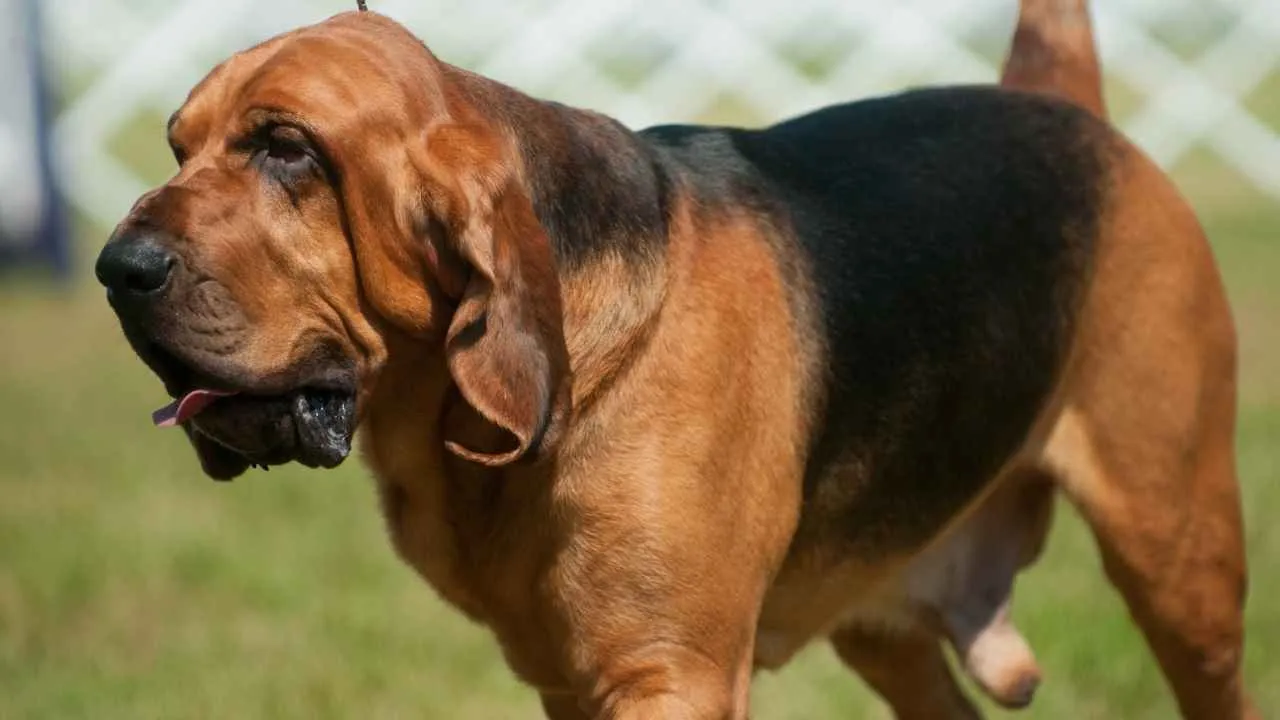
Originally bred in France as a scent hound, the Bloodhound was developed to track wild boar, deer, and rabbits. According to Britannica, it is capable of following scent trails over extremely long distances, even when the trail is several days old.
This extraordinary ability comes from its best sense of smell. The Bloodhound has an estimated 230–300 million scent receptors and a large nasal structure that helps it capture and process airborne scent particles efficiently.
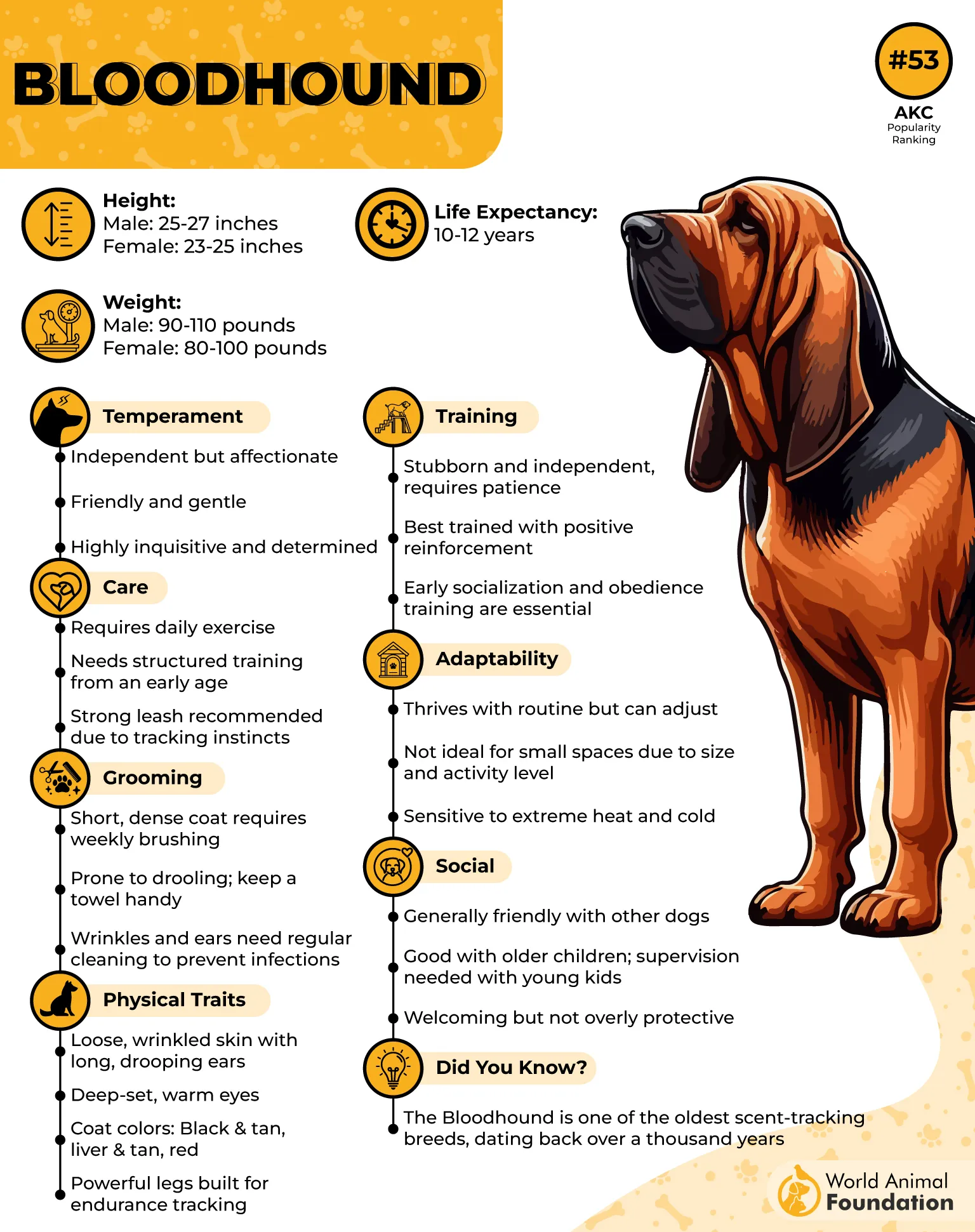
Its long ears and loose facial skin are not just distinctive features; they help funnel scents toward the nose while tracking. In addition, a large part of its brain is dedicated to processing smell, making it one of the most powerful tracking dogs in the world.
Today, Bloodhounds are widely used in search-and-rescue missions and by law enforcement to locate missing persons or track suspects. Often described as “cold-nosed” trackers, they can follow scent trails up to 12 days old and remain focused for hours while working continuously without losing the trail.
2. Basset Hound
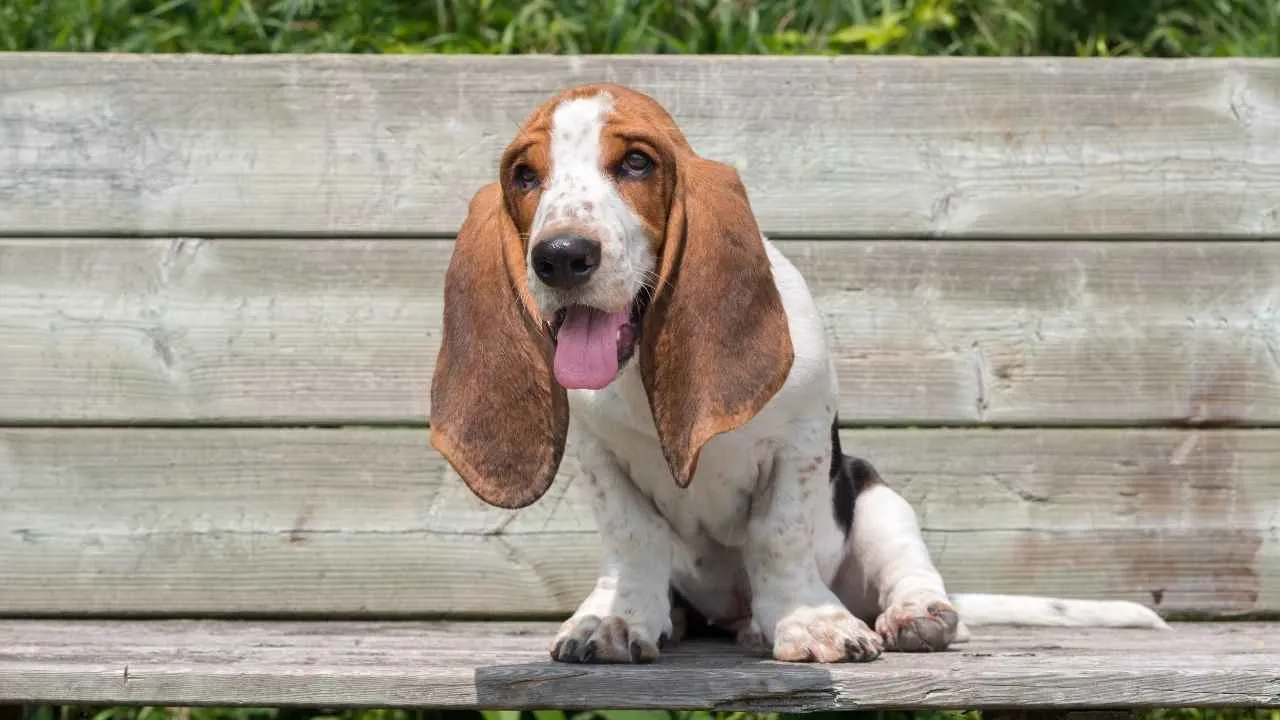
This short-legged breed was developed in Great Britain to hunt small game such as hares and rabbits. It is widely recognized for its keen sense of smell, with around 220 million scent receptors, making it one of the strongest scent-tracking dogs in the world. Today, it is also used in field trials, search-and-rescue operations, and tracking work.
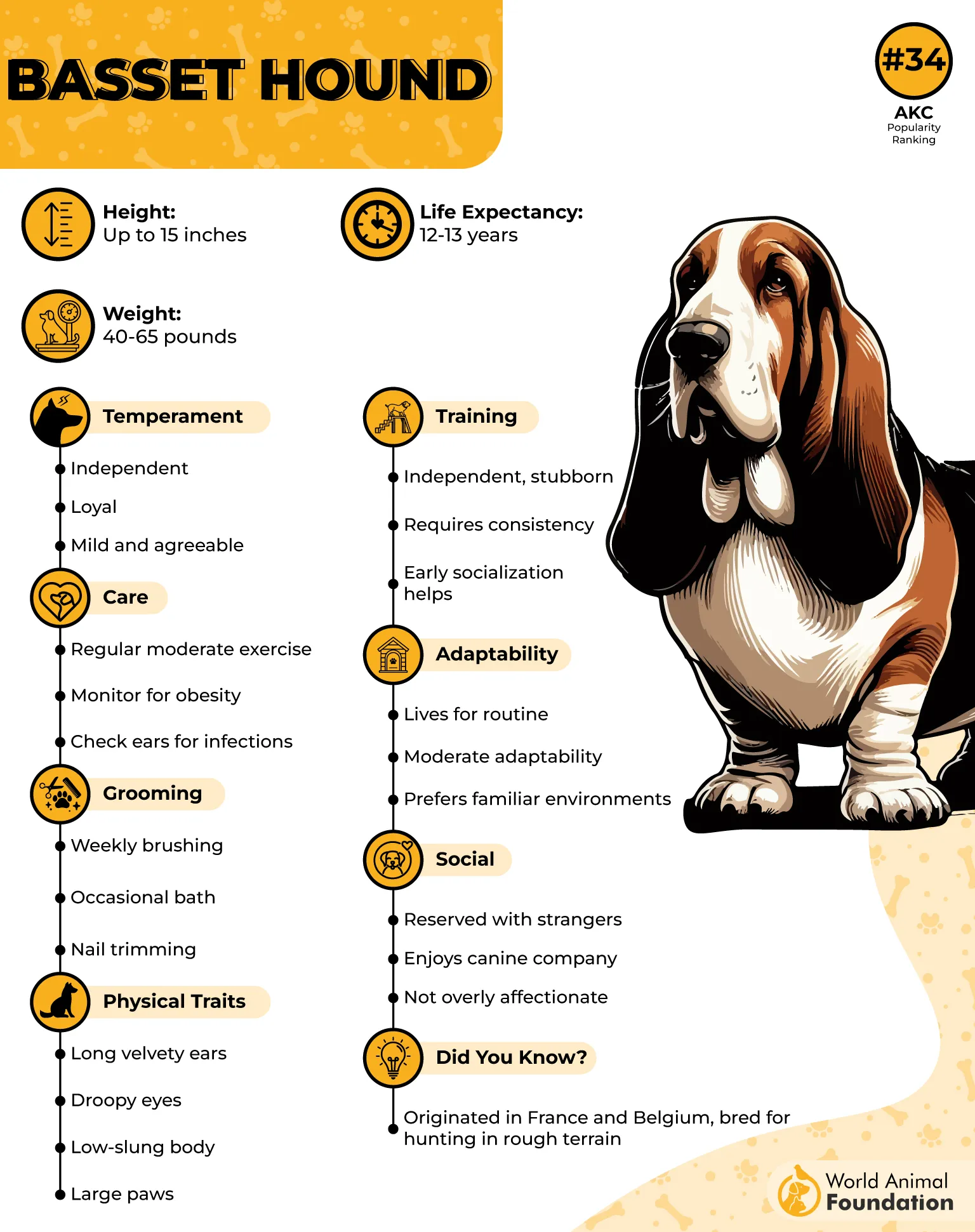
Its advanced olfactory system is highly specialized. The olfactory cortex is significantly larger than that of humans, allowing it to process scent information in great detail. Its nasal structure separates airflow for breathing and scent detection, helping it continuously analyze smells while moving.
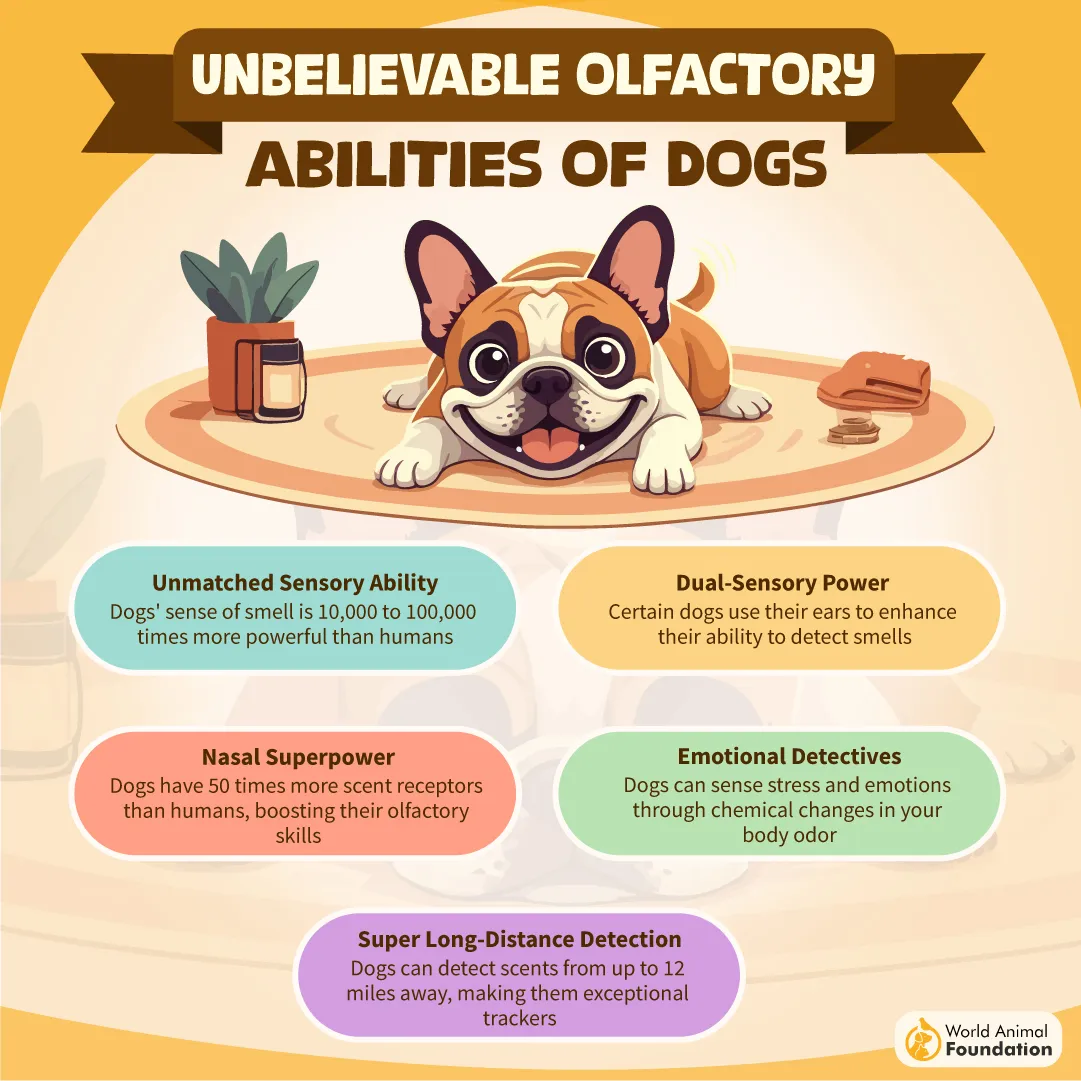
The breed’s large, heavy ears also help collect scent particles from the ground and air, guiding them toward the nose.
Its short stature keeps it close to the ground, where scent concentration is strongest. It uses its nose to identify and follow a trail, moving slowly and carefully to avoid losing the scent. As it nears the source, it begins to circle tightly to pinpoint the exact location.
3. Beagle
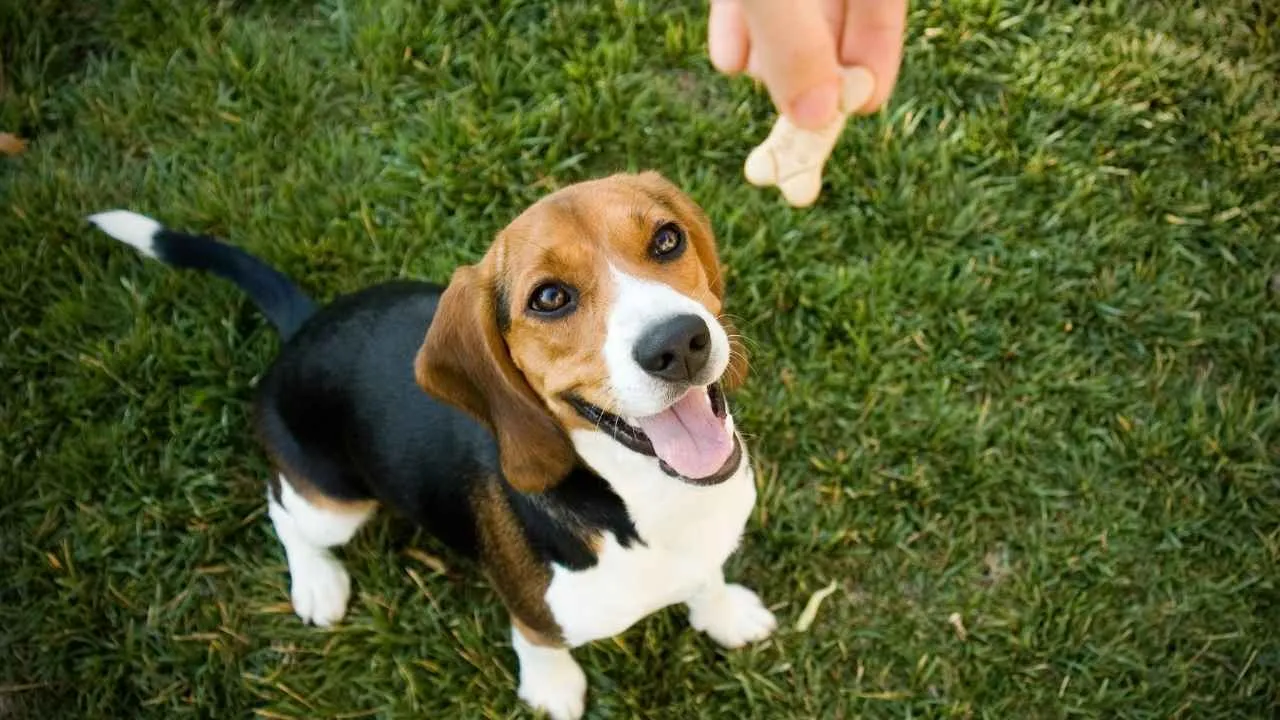
This medium-sized dog was developed in France in the 16th century for hunting small game. In French hunting packs, similar dogs were often referred to as “beagles,” a term linked to their tendency to bark or bay while working together in groups, as noted by Purina UK. The modern breed is believed to have developed from a mix of Foxhound, Kerry Beagle, and Harrier ancestry.
It has around 220 million scent receptors, about 1,000 times more than humans. Inside its nose, complex turbinate structures increase surface area for detecting scents and help filter incoming air. Each nostril works independently, and the airflow for inhaling and exhaling remains separate, preventing old and new scents from mixing.
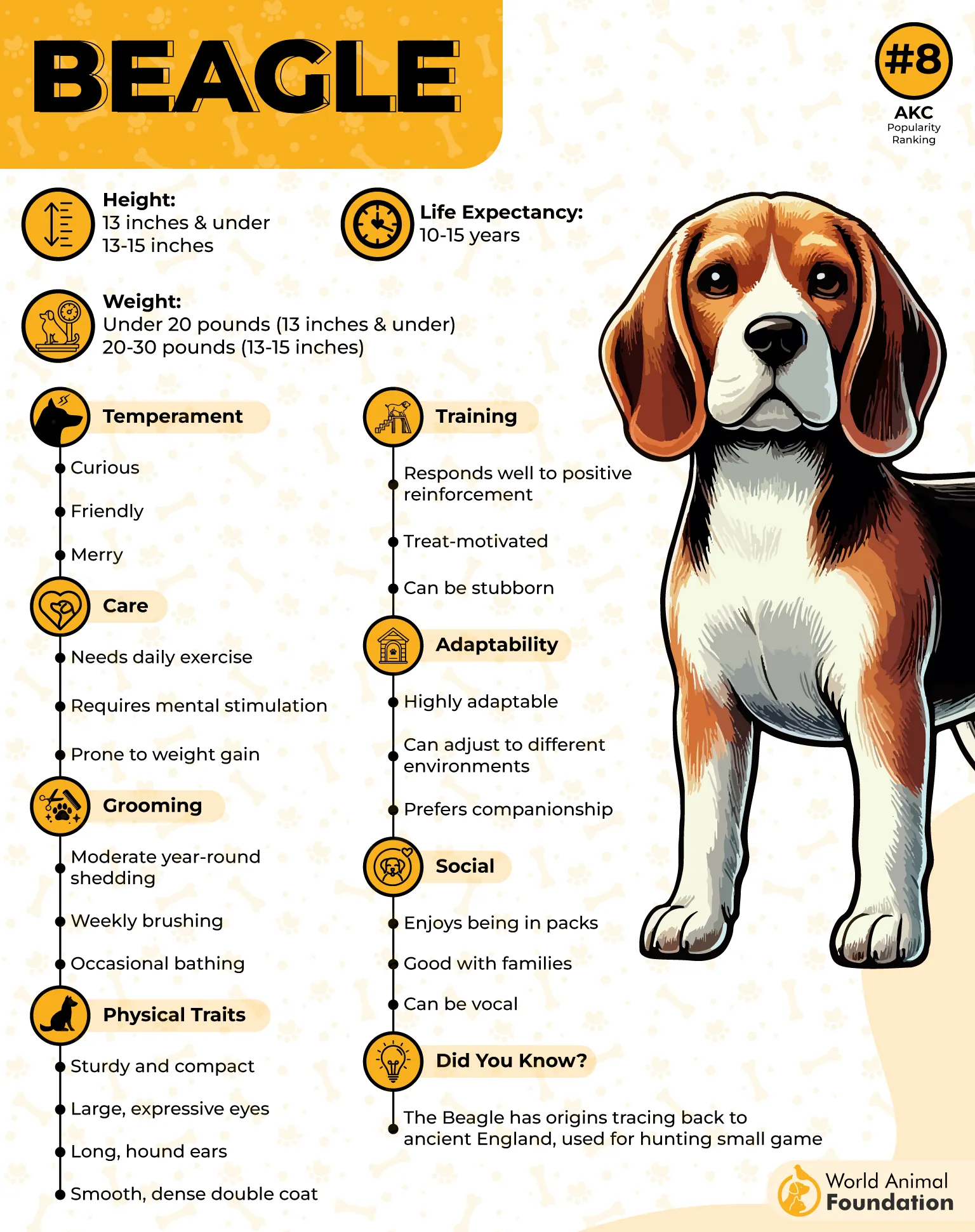
This working dog has a moist, cool nose that helps dissolve scent particles in the air, improving its ability to track smells. It can sniff up to five times per second, allowing it to process scent information rapidly and accurately.
Because of this ability, it is widely used in police work and airports to detect restricted items such as drugs, explosives, and certain foods. Its strong scent-tracking ability allows it to build a detailed “map” of its surroundings while working.
4. German Shepherd
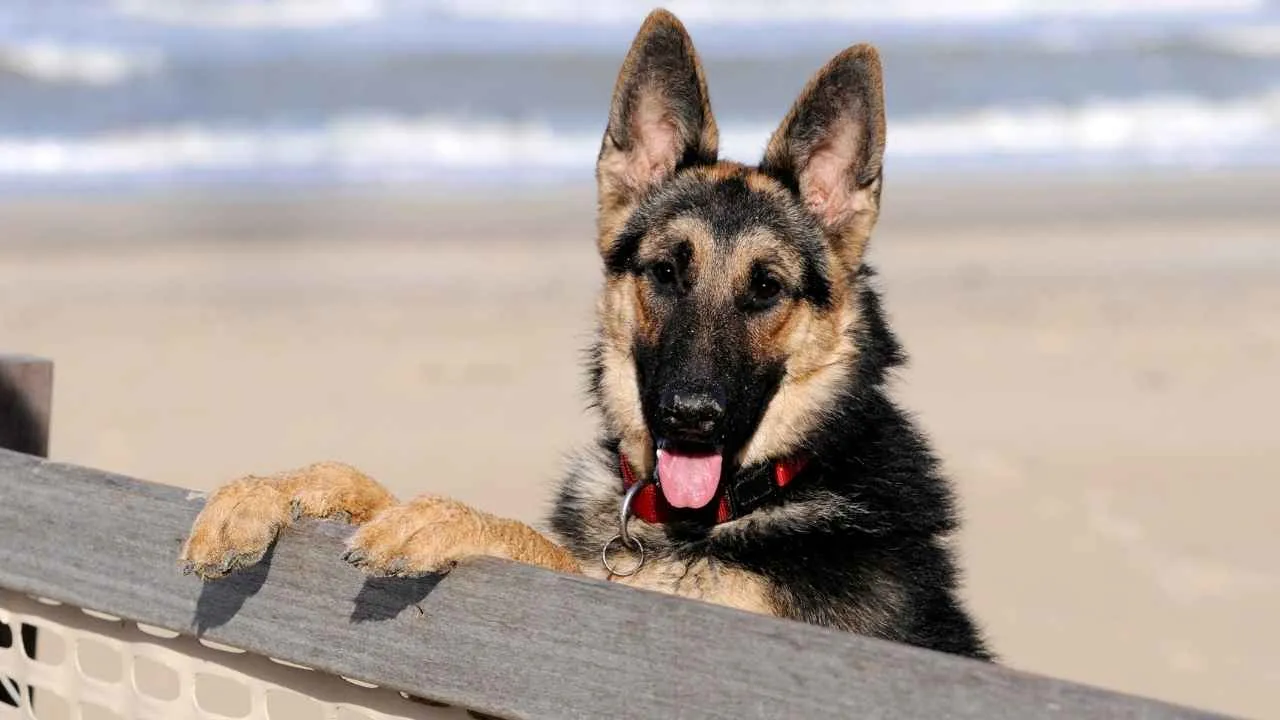
This medium-to-large breed was developed in Germany by Max von Stephanitz in 1899 as a herding dog. The German Shepherd Dog is widely recognized for its intelligence, versatility, and strong working ability. It is commonly used in assistive roles, military and police work, search-and-rescue operations, and disaster response teams.
This breed has an exceptionally developed sense of smell, with up to 225 million scent receptors. Inside the nose, the olfactory epithelium is highly folded, creating a large surface area for scent detection. When sniffing, airflow is separated into two pathways, one for breathing and one for scent processing, allowing continuous and efficient odor analysis.
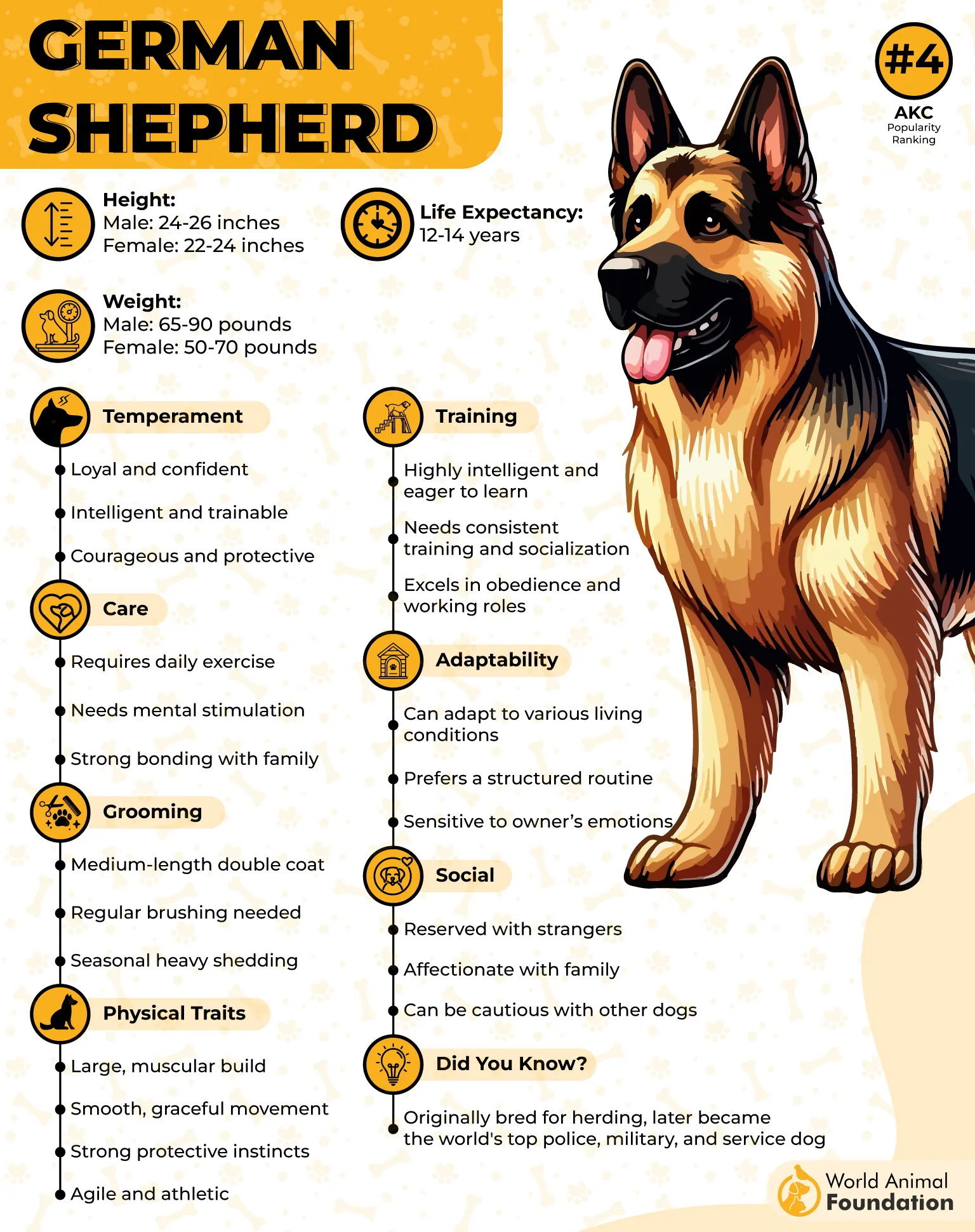
Scent information is processed through the brain, linking directly to areas responsible for instinct and emotion. This powerful tracking ability allows the breed to detect scents even in challenging conditions, including underwater and underground environments.
In specialized roles, trained German Shepherds can also identify subtle chemical changes in the human body, which may help in early detection of certain diseases such as diabetes and cancer.
5. Labrador Retriever
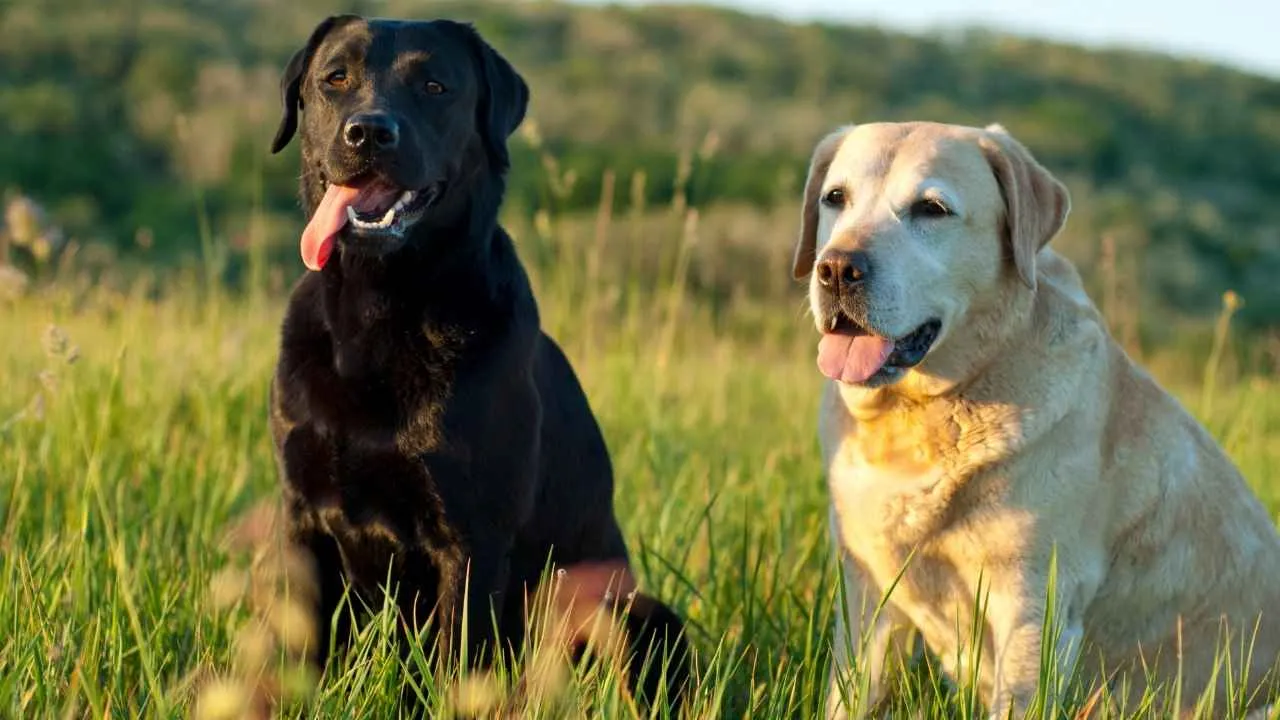
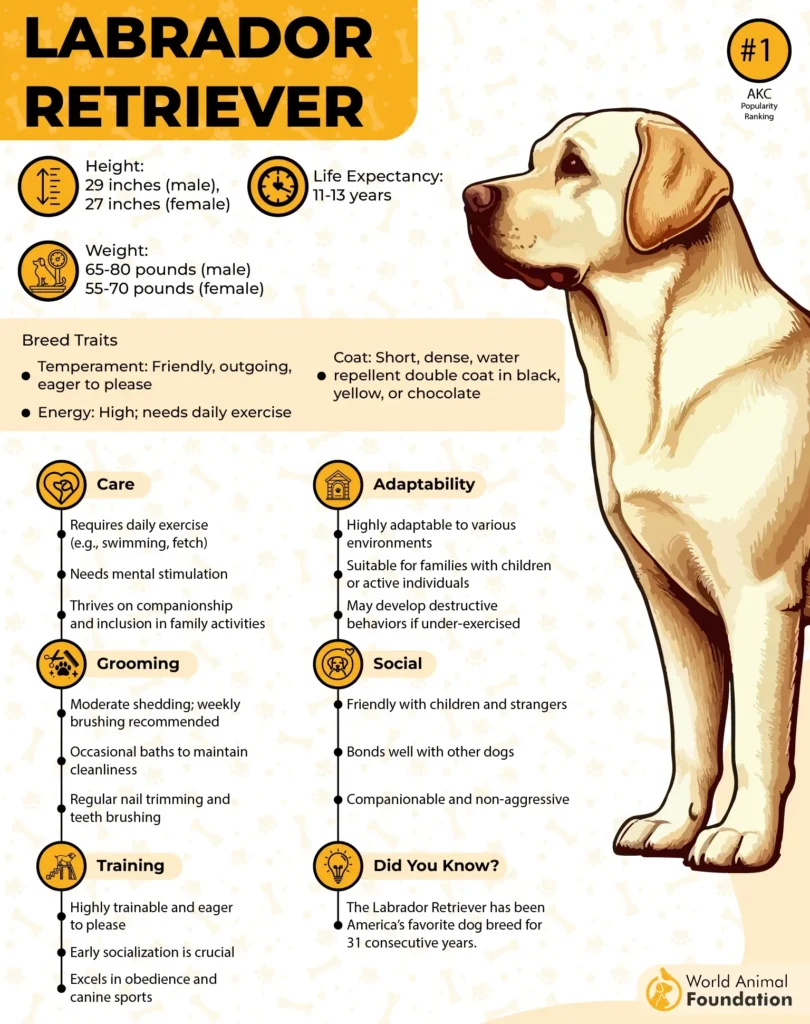
This sporting breed originated in Newfoundland and the UK, where it was developed as a hunting and retrieving dog, and is now widely kept as a family companion. According to Orvis, this breed is known for its friendly, gentle temperament and strong compatibility with children, families, and other dogs.
It has an exceptional sense of smell, with up to 300 million scent receptors. Inside the nose, the ethmoid turbinates connect with the olfactory epithelium, creating a highly folded internal structure that maximizes scent detection. The breed can also use each nostril independently, helping it identify and prioritize different scent sources more effectively.
Scent training should be kept short, around 3 to 5 minutes per session, to prevent boredom and maintain focus. Handling scent objects with gloves or tweezers helps avoid cross-contamination and keeps scent trails clear for the dog to follow. Early, consistent training combined with positive reinforcement produces the best results in developing reliable scent work skills.
6. Belgian Malinois
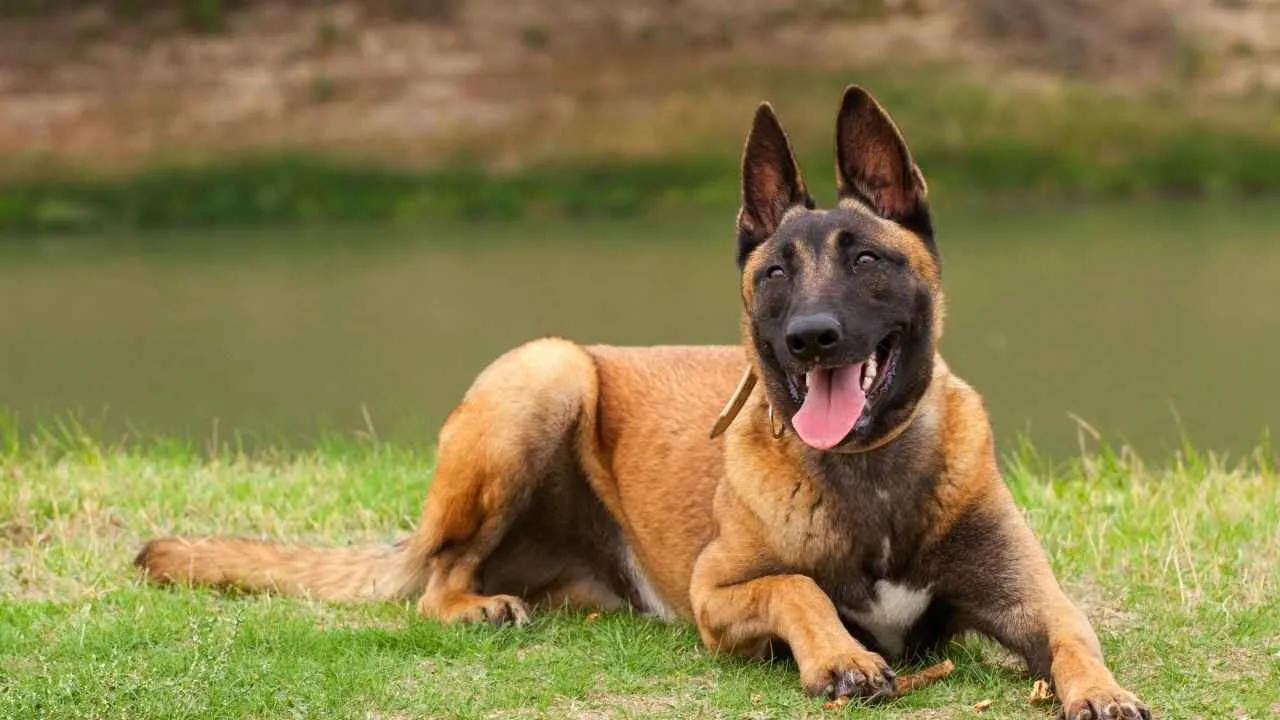
The Belgian Malinois was developed in Belgium as a herding dog. After serving livestock duties for centuries, it is now widely used as a guide dog, service animal, military working dog, and detection dog. The guardian breed also played important roles in both World Wars. It is estimated to have around 225–300 million olfactory receptors.
A distinctive feature of this breed is a small vertical groove between the nose and upper lip (the philtrum), which helps transfer moisture from the tongue to the nose. This keeps the nose moist, improving its ability to trap scent particles. Sniffing also provides mental stimulation, helping the dog engage with its environment and reduce stress.
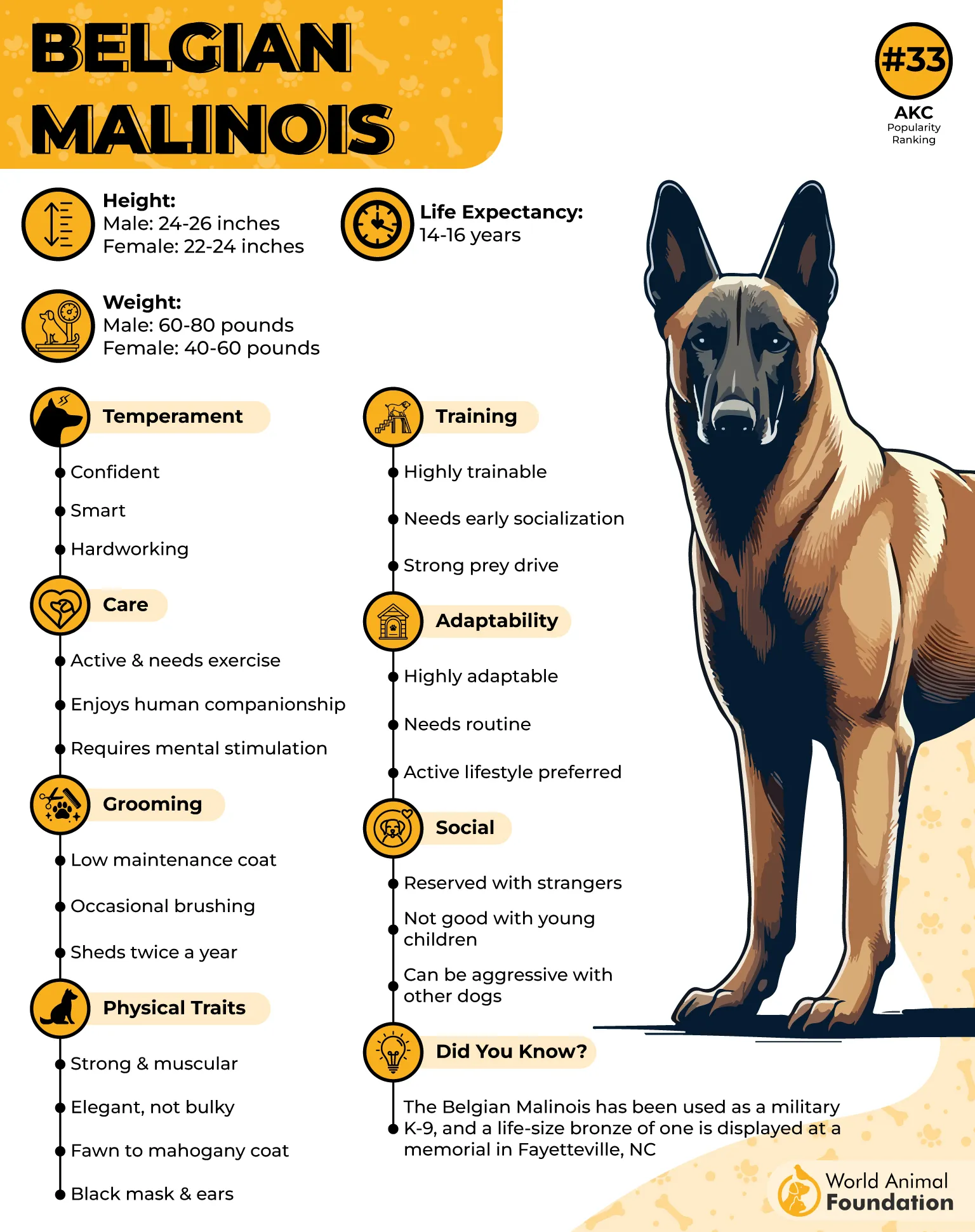
The Belgian Malinois uses controlled, shallow breaths to sample air currents, often starting its search from open areas or room edges. As a scent becomes stronger, it moves closer to the ground and may investigate objects along the way. Once it identifies the exact source, it often pauses and focuses intently on the location to alert its handler.
7. Black and Tan Coonhound
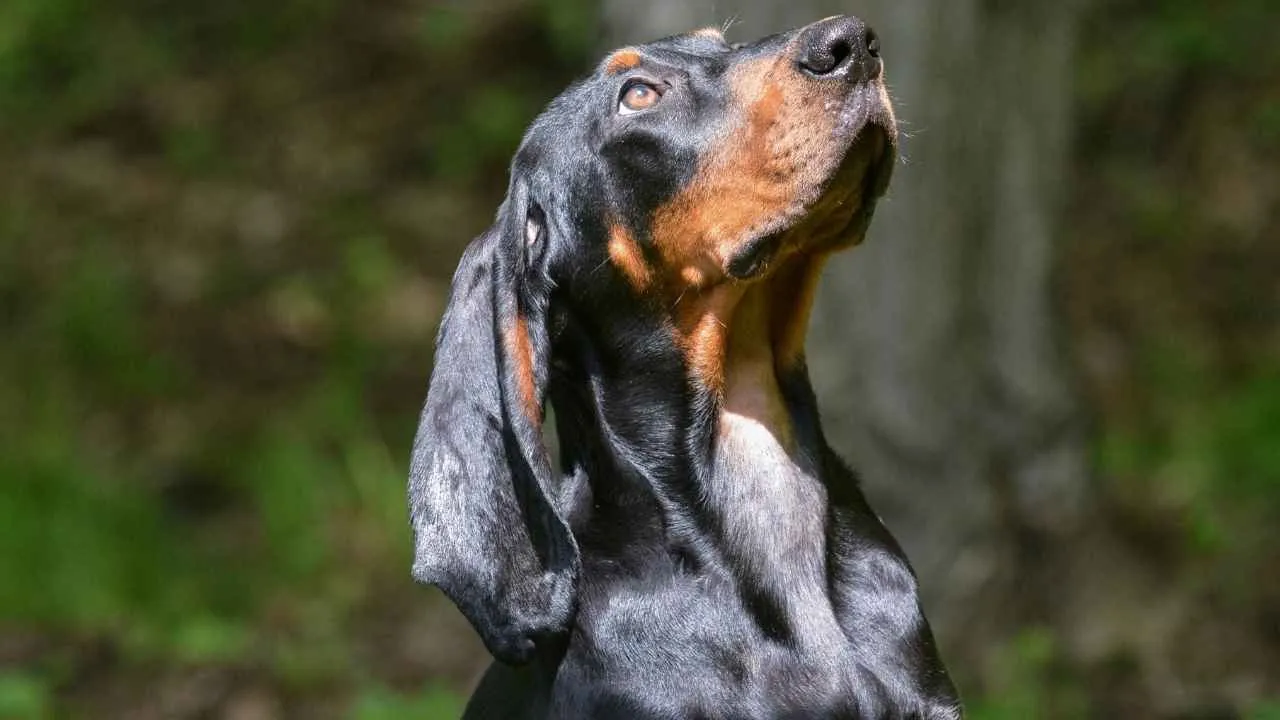
This breed was originally developed in the United States by crossing the Black and Tan Virginia Foxhound with the Bloodhound. It was primarily bred for hunting raccoons and is known for its exceptional scent-tracking ability, with around 300 million olfactory receptors, and a highly developed brain region dedicated to processing smells.
It has long, loose upper lips called “flews,” which help trap scent particles from the air and guide them toward its large, open nostrils. Its elongated muzzle also provides a greater surface area for olfactory tissue, improving its ability to detect and follow scent trails.
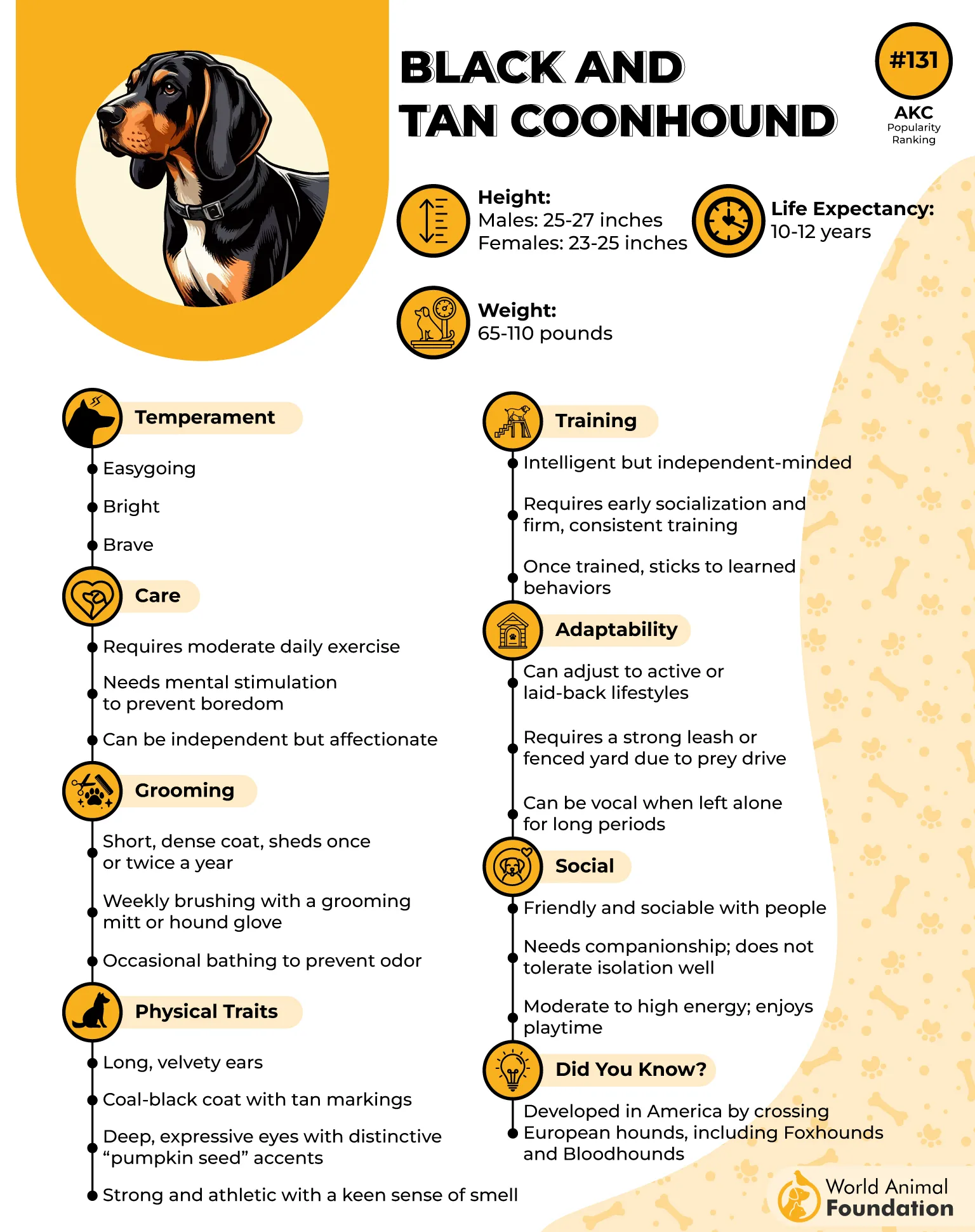
This breed’s strong sense of smell makes it especially effective for nighttime tracking, relying almost entirely on scent when visibility is low. It can work for long hours across rough terrain and often follows scent trails independently with minimal guidance. With its nose close to the ground, it carefully tracks odors, and once it reaches the source, it alerts its handler by barking.
8. Bluetick Coonhound
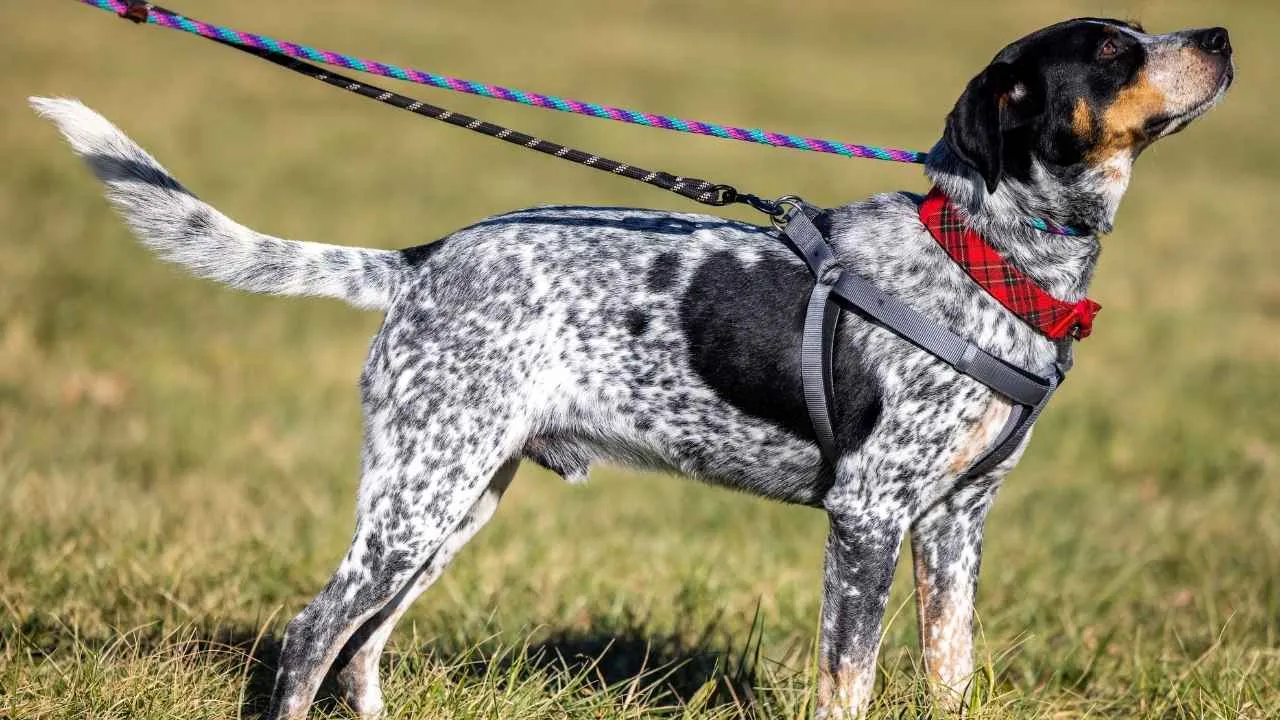
This breed also originated in the United States and is known for its speed (up to 30 mph) and muscular build. The Bluetick Coonhound is calm and relaxed in familiar environments but becomes highly focused and active outdoors. It has a strong prey drive, which can sometimes make training more challenging.
The breed is often used in tracking and search work due to its powerful sense of smell, with nearly 300 million scent receptors. Its olfactory bulb makes up a significant portion of its brain, allowing it to process scent information with great accuracy.
It is capable of focusing on a single scent trail and distinguishing it from others, and it is also known for being “neophilic,” meaning it is attracted to new or unfamiliar smells. It can track both fresh (“hot”) and older (“cold”) scent trails effectively.
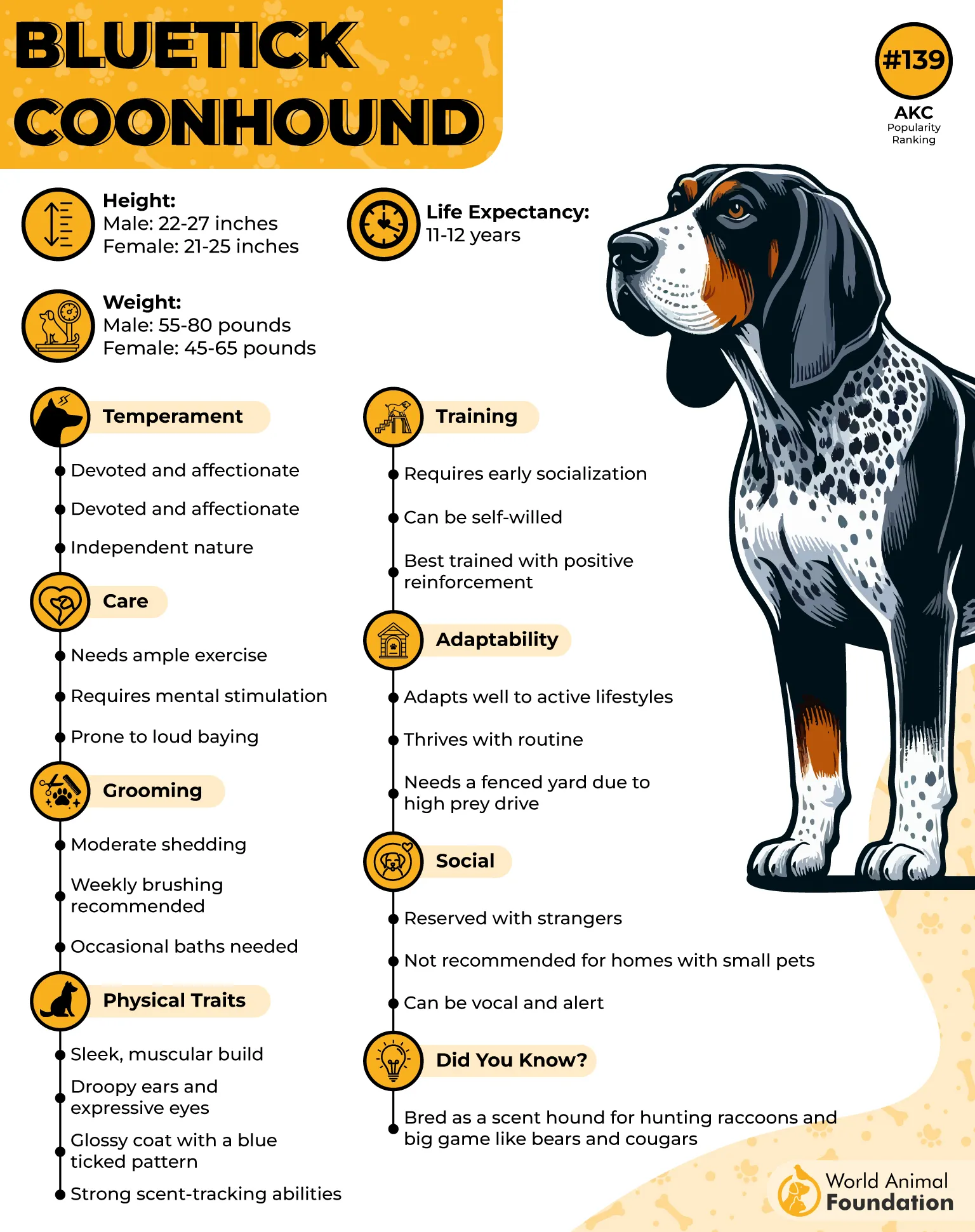
The Bluetick Coonhound relies primarily on scent rather than visual cues and is capable of working independently from handlers over long distances. It follows and tracks prey across terrain, often cornering it or driving it up trees, then uses loud, distinctive barking to alert its handler to the exact location.
9. Treeing Walker Coonhound
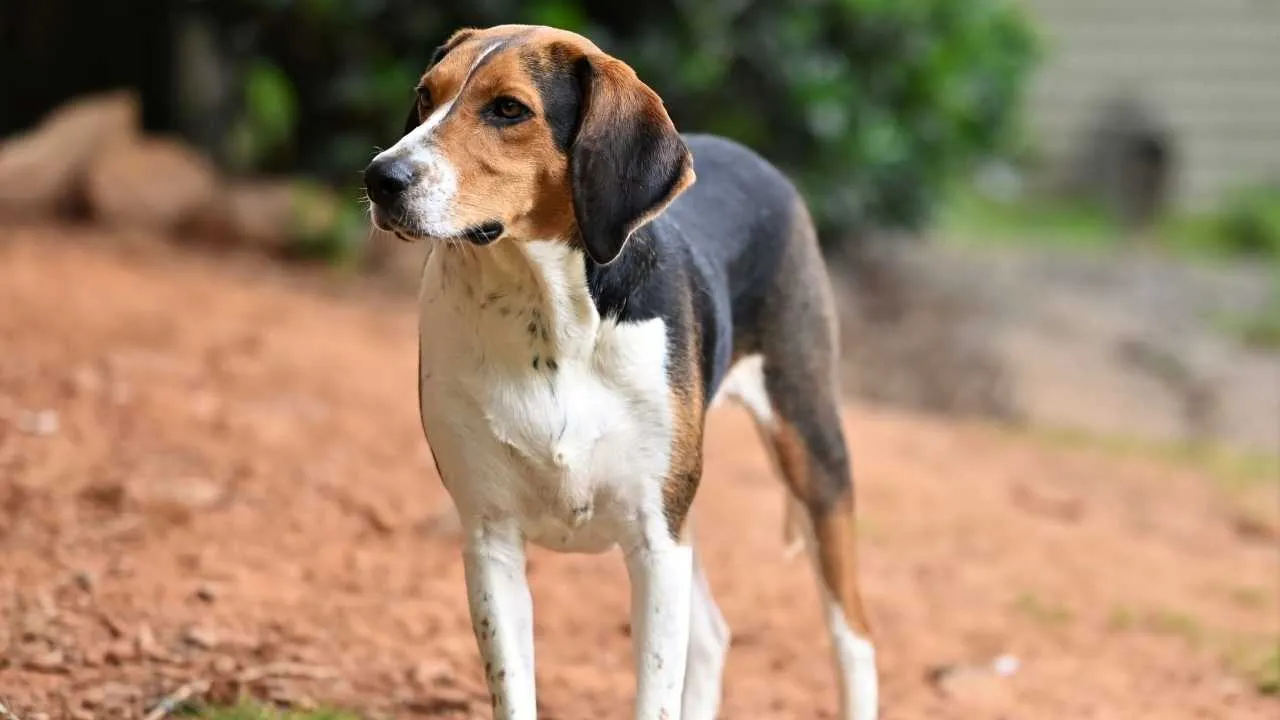
This hound breed is a descendant of both the English and American Foxhounds. It has around 300 million scent receptors and a highly developed nasal structure, with ethmoid turbinates at the back of the nose and respiratory turbinates at the front. Its rapid sniffing ability, around 3 to 7 sniffs per second, allows it to process scent information quickly and continuously.
The breed primarily tracks scents from the ground, but it also lifts its head to catch airborne scent particles when needed. Its strong nose is especially effective at detecting nocturnal animals such as raccoons and opossums.
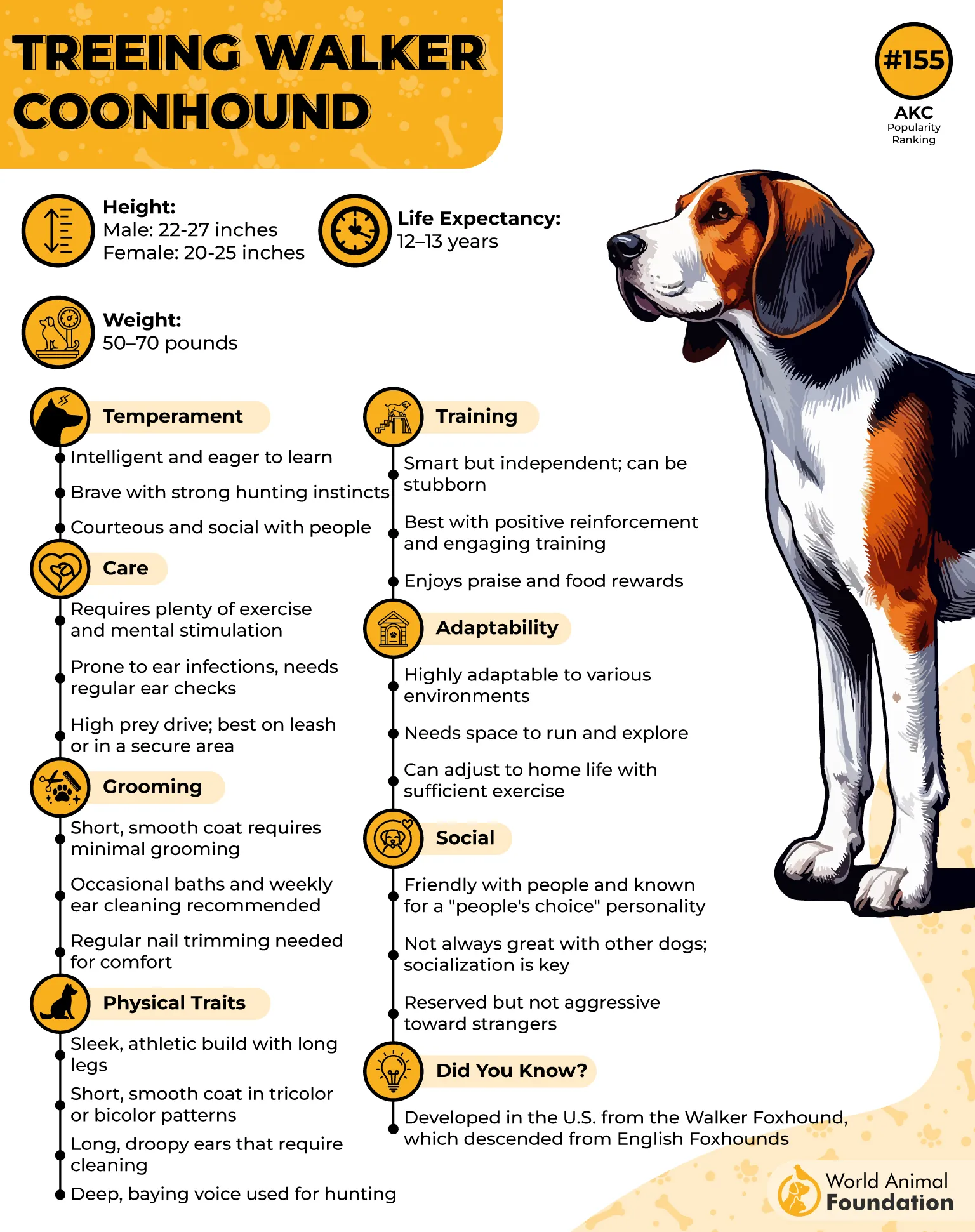
The dog begins by scanning the air while moving at a steady pace. Once it picks up a scent, it lowers its head and follows the trail closely. If the scent becomes unclear, it moves in a zigzag pattern to relocate the track. At this stage, it slows down and focuses intensely on the specific scent trail, ignoring distractions. Once it locates the target, it alerts the handler with barking and vocal signals.
Conclusion
Every dog on this list experiences the world through a nose far more advanced than ours. From the Bloodhound’s legendary tracking capability in investigations to the Treeing Walker’s fast, air-and-ground scenting ability, each breed brings its own specialized skill set to scent work.
These hunting dogs are not just companions; they are working partners, search specialists, and some of the most remarkable athletes in the canine world. If you’re considering a scent-driven breed, it’s important to understand their instincts clearly. Their nose will always lead the way, and your role is to guide them, provide structure, and keep up with their remarkable drive.
