





Bringing a dog into the family often turns into a fun debate between kids eager for a furry companion and parents worried about extra cleaning, shedding, and allergies. If that sounds familiar, you are definitely not alone. Many pet owners hesitate because they fear constant fur around the house or allergic reactions triggered by shedding.
Thankfully, hypoallergenic and low-shedding dog breeds can make pet ownership much easier. These dogs typically leave behind less hair, create less mess indoors, and are often better suited for people who are sensitive to pet dander. Many of them also have manageable grooming needs, moderate exercise requirements, and calm, adaptable temperaments that fit well into modern homes.
For allergy sufferers or families looking for a cleaner, lower-maintenance companion, low-shedding breeds can be an excellent choice. In this blog, we’ll explore their personalities, coat types, grooming needs, and practical ways to reduce shedding while keeping your dog healthy and comfortable.
Amazing Low-Shedding Dog Breeds for a Fur-Free Life
We have listed some of the best hypoallergenic dogs that can be your ideal choice.
1. Miniature Poodle
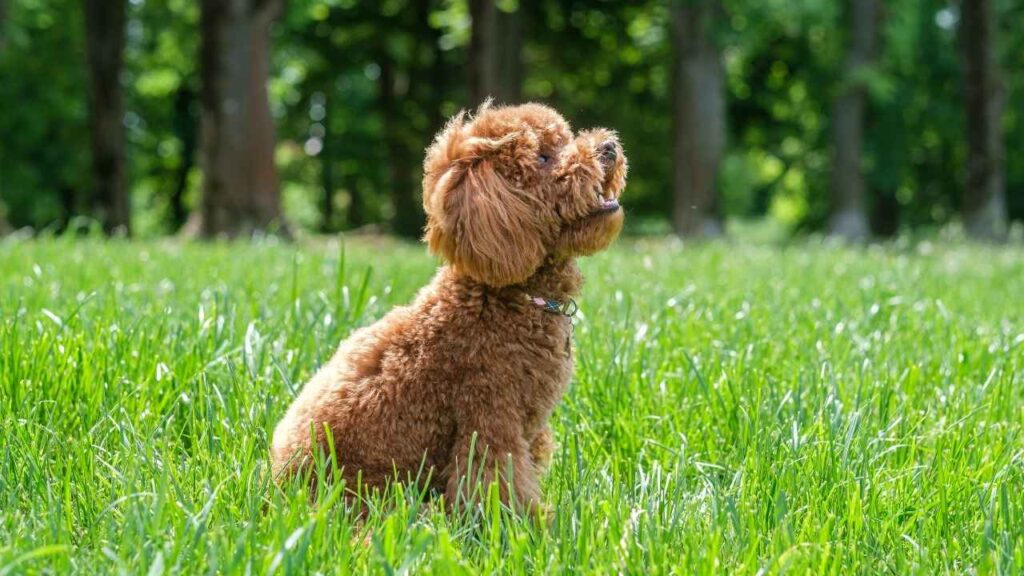
Miniature Poodle is an intelligent, active, and elegant breed known for its athletic nature and signature curly coat. Unlike many other dogs, Poodles have hair instead of fur, which contributes to their reputation as a low-shedding and more allergy-friendly breed. They come in a variety of colors, including black, white, apricot, and red.
Their dense, curly coat easily traps loose hair and dirt, which helps reduce shedding around the house but also means regular grooming is essential. Missing even a day or two of brushing can quickly lead to tangles and matting.
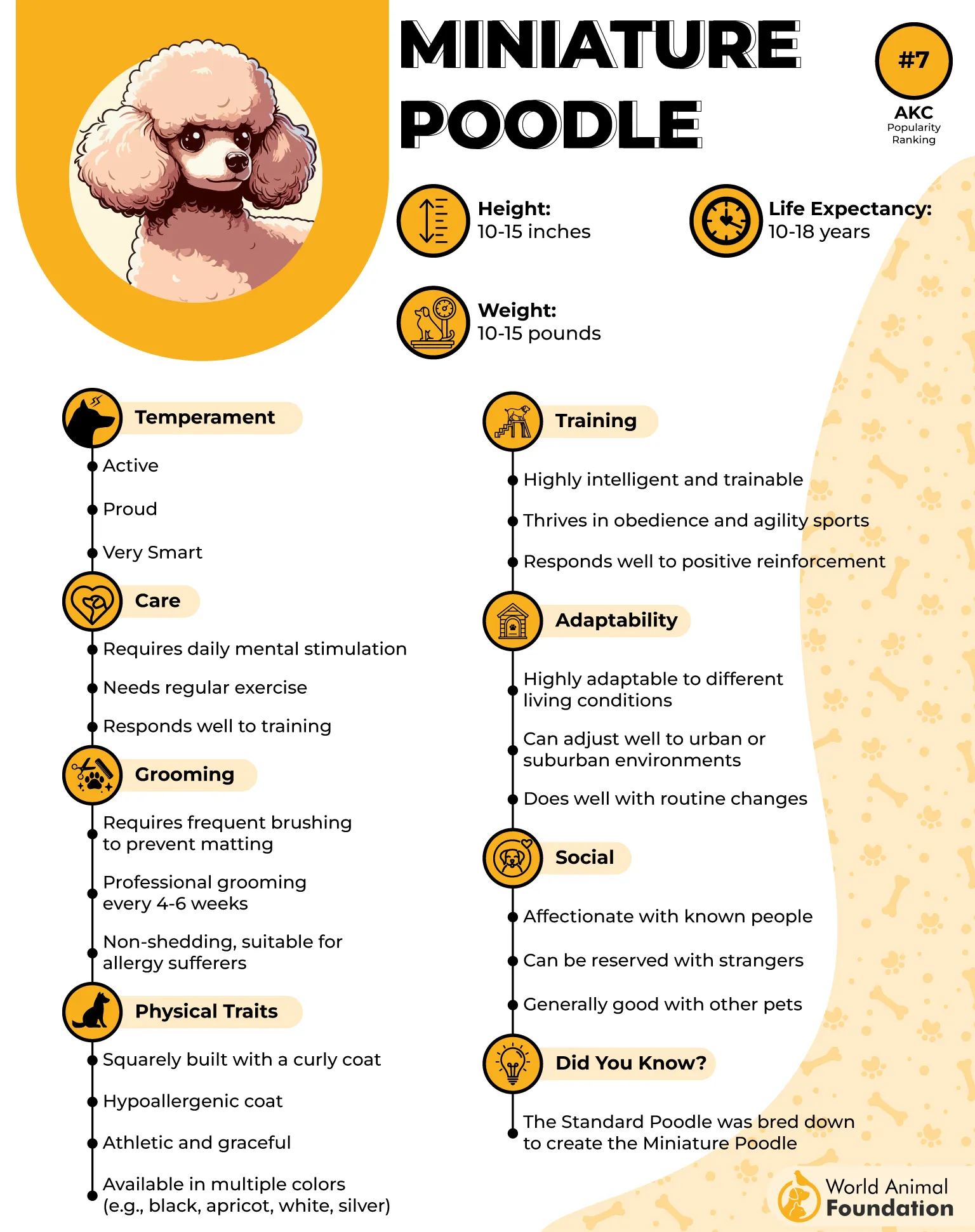
To keep a Miniature Poodle’s coat healthy and minimize shedding, regular brushing and routine trimming are important. Using a quality shampoo and conditioner helps maintain softness and prevents the coat from becoming dry or tangled. A slicker brush or wide-tooth comb works best for gentle grooming and removing trapped debris.
Routine baths and professional grooming appointments also play a major role in maintaining coat quality, cleanliness, and overall skin health.
2. Bichon Frise
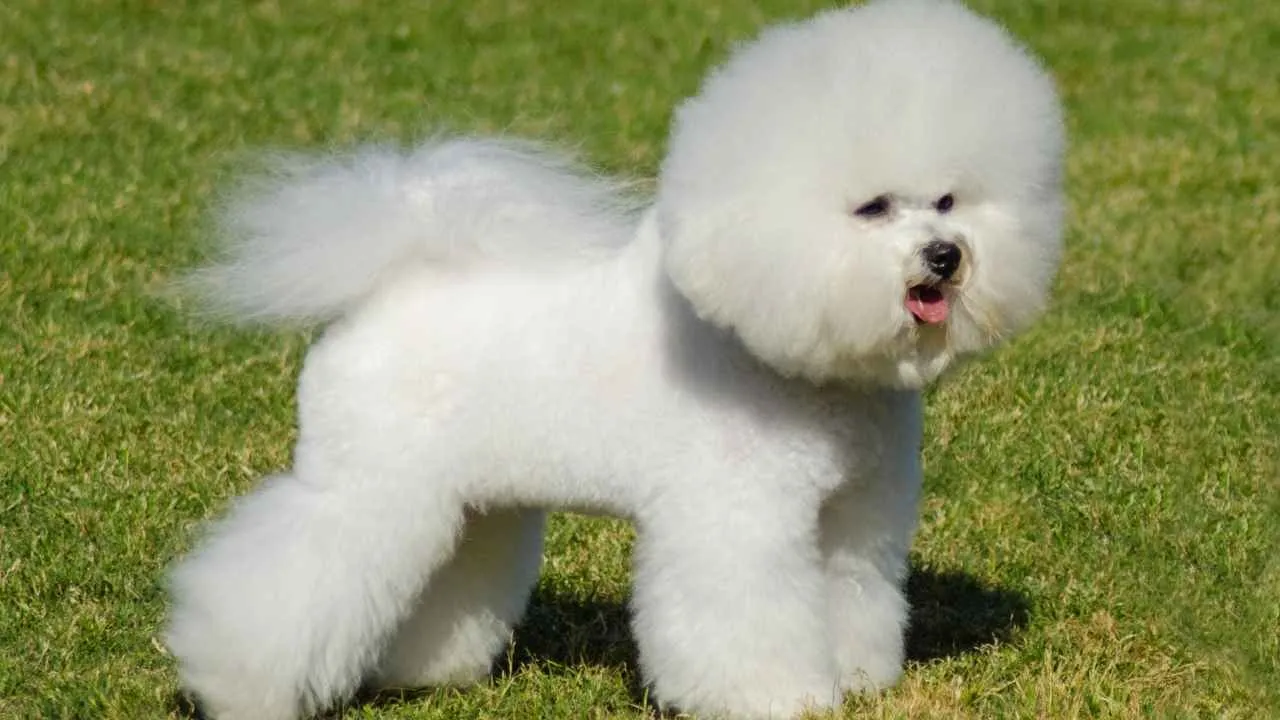
Bichon Frise is a cheerful, affectionate, and playful breed loved for its fluffy, cloud-like appearance and lively personality. Often described as a “Velcro dog,” it forms strong bonds with its owners and enjoys staying close to family members. Its soft, dense coat is one of the reasons the breed is considered more suitable for allergy sufferers.
Bichon Frises are commonly seen in white, white and cream, white and apricot, or white and buff coat variations. Their curly coat traps loose hair instead of releasing it around the house, which helps reduce visible shedding but increases grooming needs.
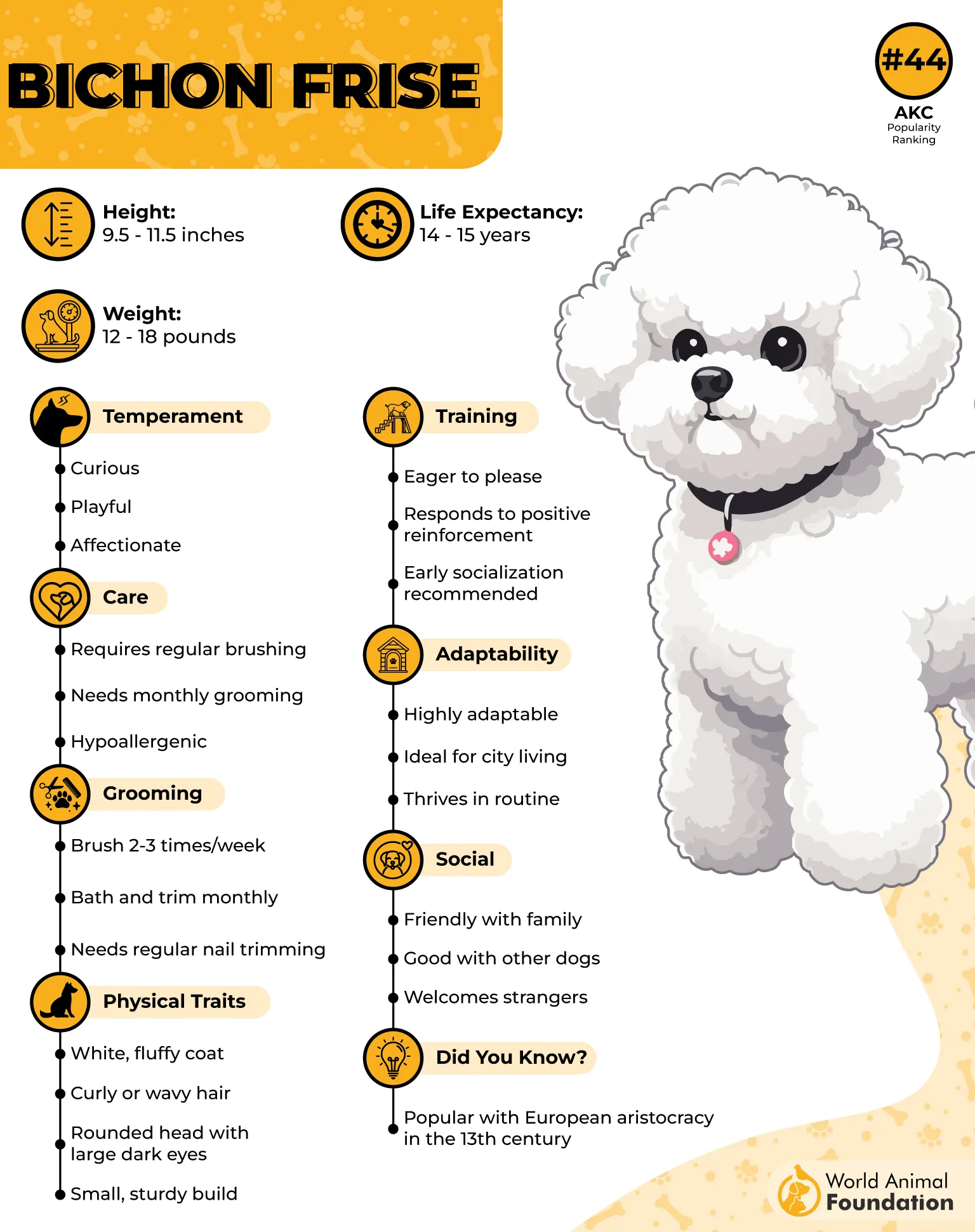
The Bichon Frise requires daily brushing to prevent tangles and matting in its dense curly coat. Professional grooming every few months is also important to maintain coat health and reduce the risk of skin irritation or infections. According to PDSA, owners who prefer home grooming should learn proper clipping techniques to safely maintain the coat themselves.
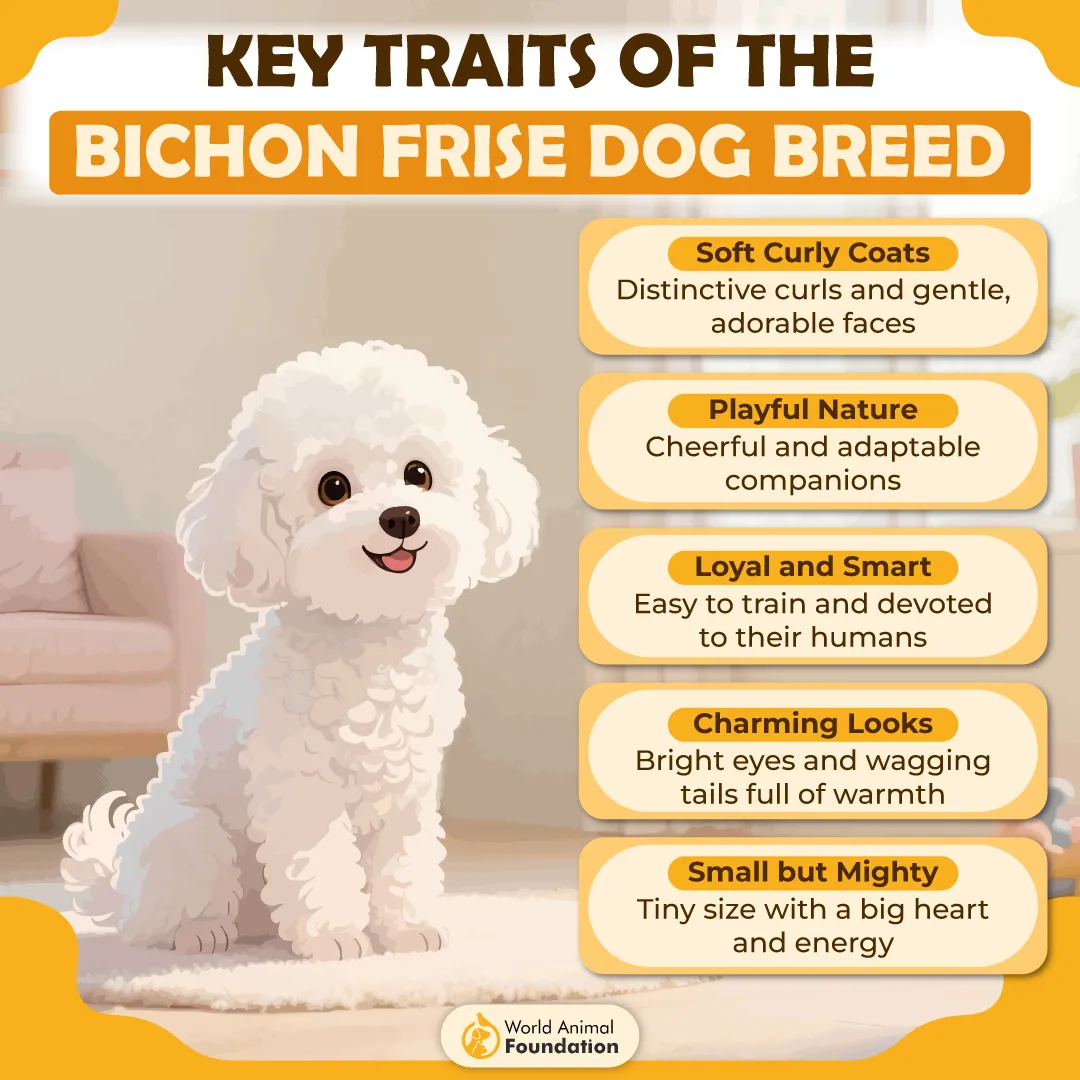
Highly trainable and naturally social, Bichon Frises thrive in active households where they receive regular interaction, playtime, and companionship.
3. Maltese
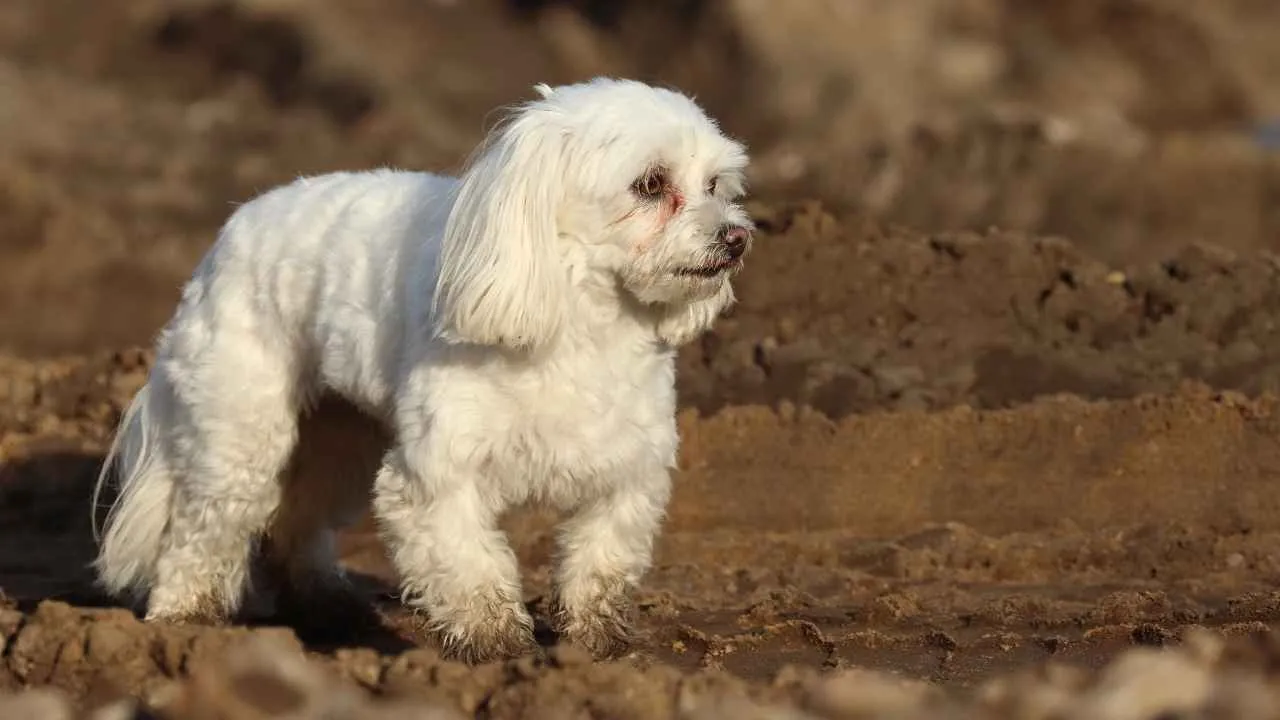
Maltese is a playful, affectionate, and gentle breed admired for its elegant appearance and long, silky white coat. Its flowing hair and graceful look make it one of the most recognizable breeds in the toy group. Maltese dogs are devoted companions and do especially well with owners who can keep up with their grooming routine.
Their coat also allows for a variety of stylish trims and haircuts that can make maintenance easier while keeping them looking adorable.
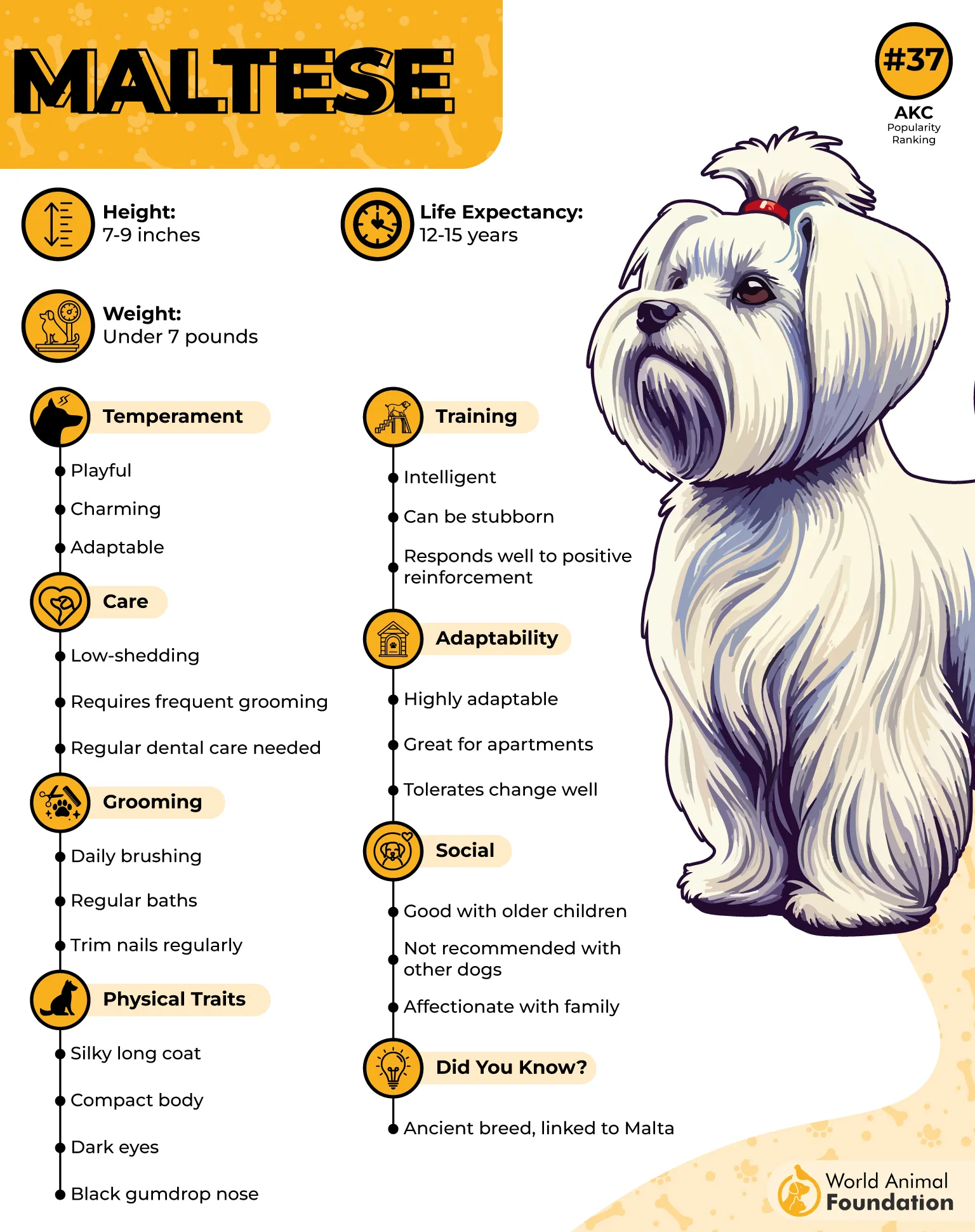
Unlike many breeds, the Maltese has hair rather than fur, which contributes to lower shedding but requires regular care to prevent tangles and painful matting. Weekly brushing is essential, while trimming or clipping the coat every few months helps keep it manageable. Using a moisturizing conditioner during baths can also reduce dryness and knots.

Beyond grooming, Maltese dogs are intelligent and respond well to positive reinforcement training, helping them grow into well-mannered companions.
Because they form strong emotional bonds, Maltese dogs can develop separation anxiety if left alone for long periods. Their adaptable and affectionate temperament makes them especially well-suited for apartment living and close family environments.
4. Chinese Crested
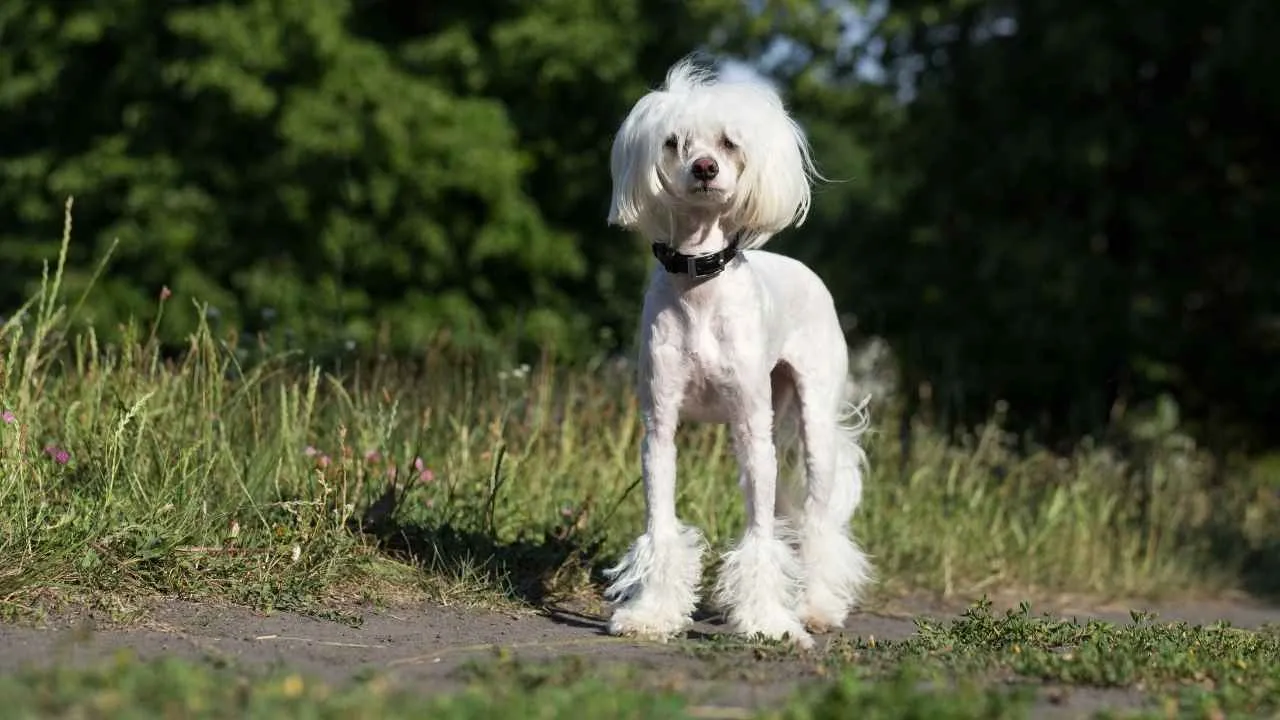
Chinese Crested is an affectionate, alert, and charming breed known for its unique appearance and people-oriented personality. It comes in two varieties: Hairless and Powderpuff. The Hairless type has smooth exposed skin with hair on the head, feet, and tail, while the Powderpuff variety carries a soft, silky double coat.
Both varieties are considered more suitable for allergy-sensitive households and require regular care to stay healthy and comfortable.
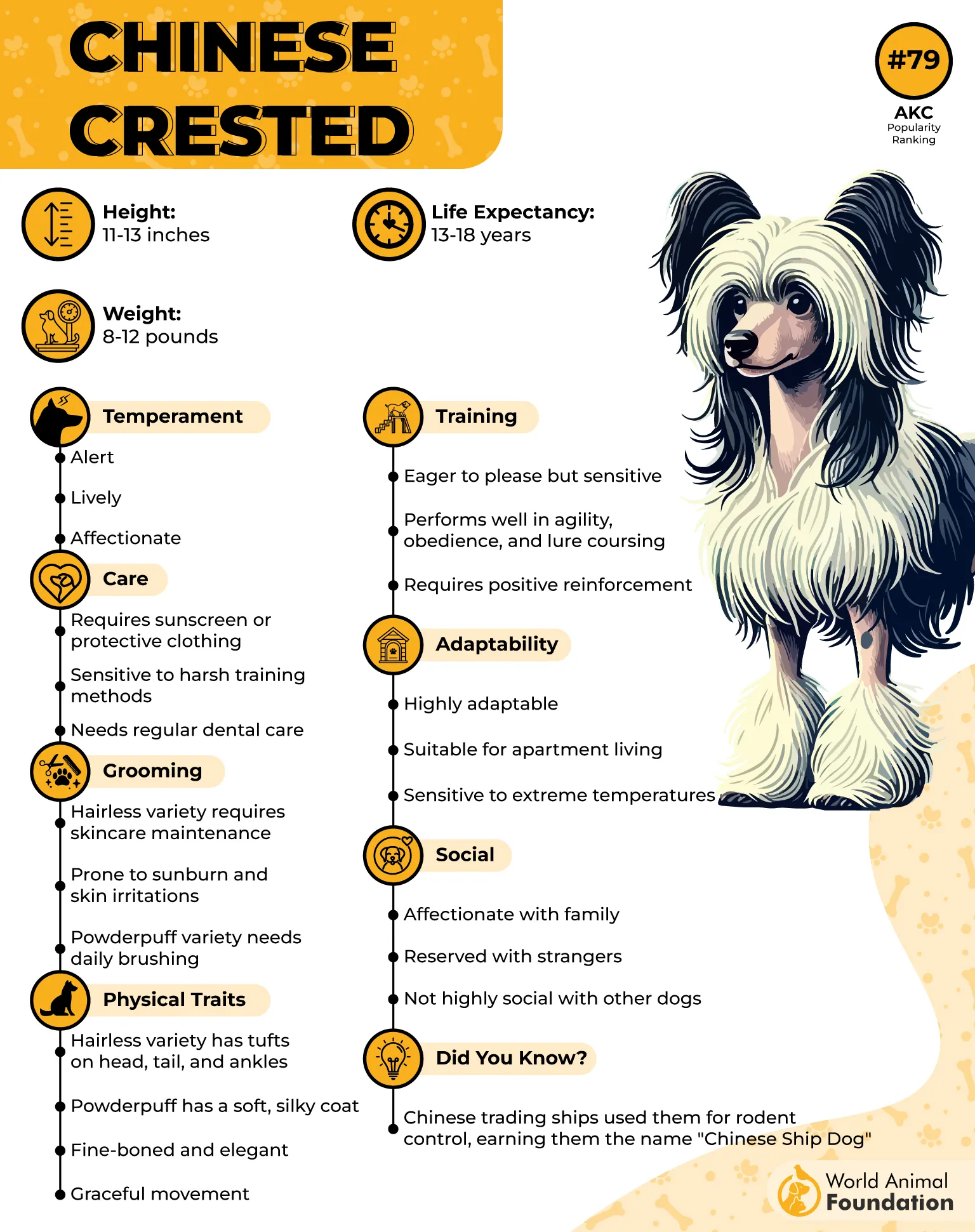
The Hairless Chinese Crested requires skin protection rather than traditional coat grooming, as its exposed skin is sensitive to extreme heat, cold weather, and sun exposure. Sunscreen, protective clothing, and sweaters are often necessary to prevent irritation and damage.
The Powderpuff variety needs brushing several times a week, along with gentle baths to maintain coat health and prevent tangles.
Despite their delicate appearance, Chinese Cresteds are energetic and playful dogs that enjoy interactive games and activity sessions. According to the American Kennel Club, they can perform surprisingly well in dog sports and agility activities. With proper socialization, they become affectionate and devoted companions that thrive on human interaction.
5. Havanese
Havanese is a gentle, affectionate, and highly people-oriented breed known for forming deep bonds with its owners. As the national dog of Cuba, the Havanese is admired for its charming personality and beautiful, long, silky coat, which may appear straight or slightly wavy.
This breed thrives on companionship and daily interaction, making it a loving addition to families and apartment households alike.
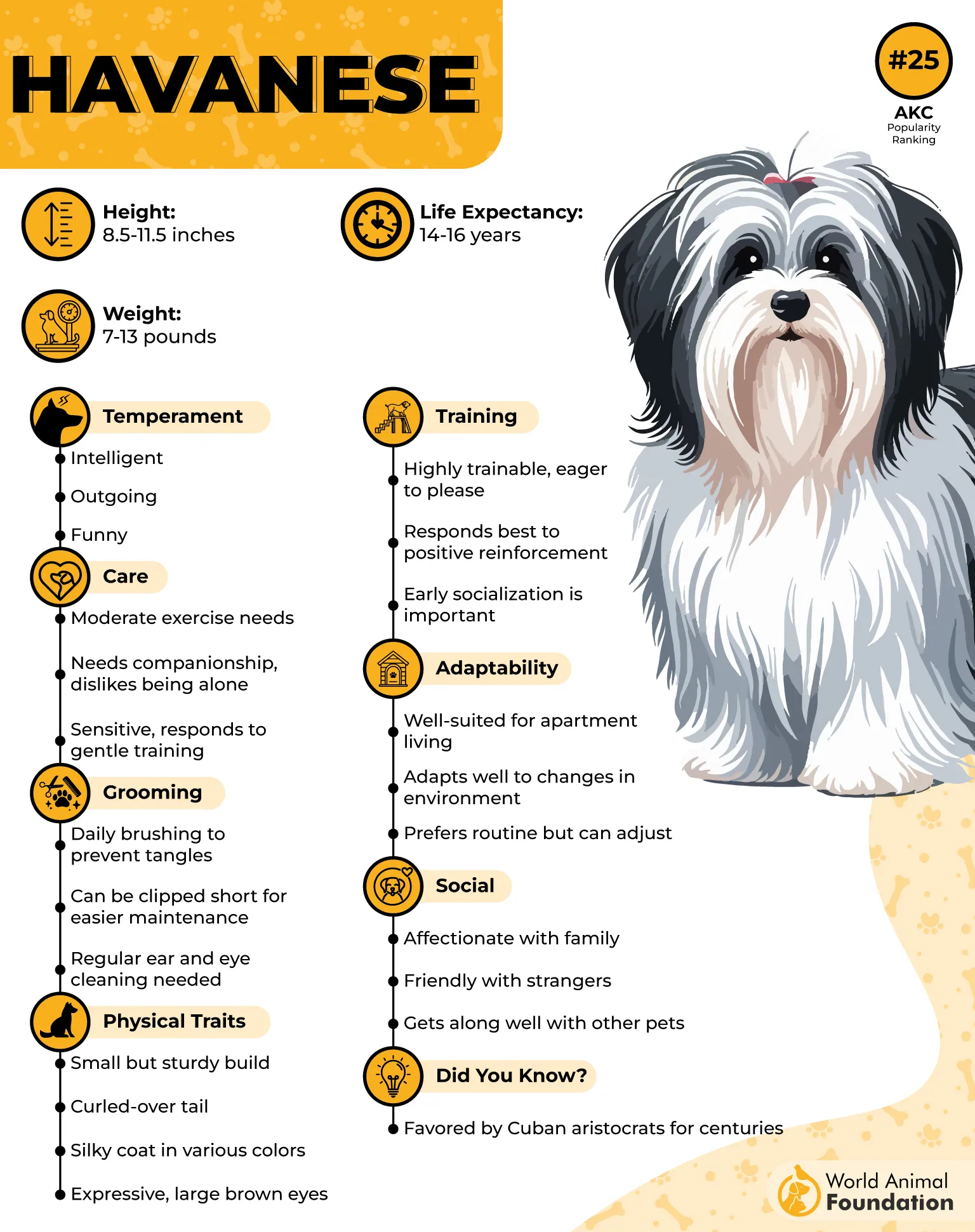
The Havanese requires regular grooming to keep its coat healthy and free from tangles. Owners who prefer lower-maintenance care can choose shorter haircuts, while longer coats need daily brushing to prevent matting and knots.
In addition to grooming, Havanese dogs need regular physical activity and mental stimulation to stay happy and balanced. Around 30 minutes of daily exercise, interactive play, or short walks usually meet their activity needs.
Helpful grooming techniques can also make coat care easier. Using a detangling spray before brushing helps glide through knots more gently, and grooming sessions after a walk or playtime may encourage the dog to stay calmer and more cooperative. Their affectionate temperament and adaptable nature make them excellent companions for attentive owners.
6. Shih Tzu
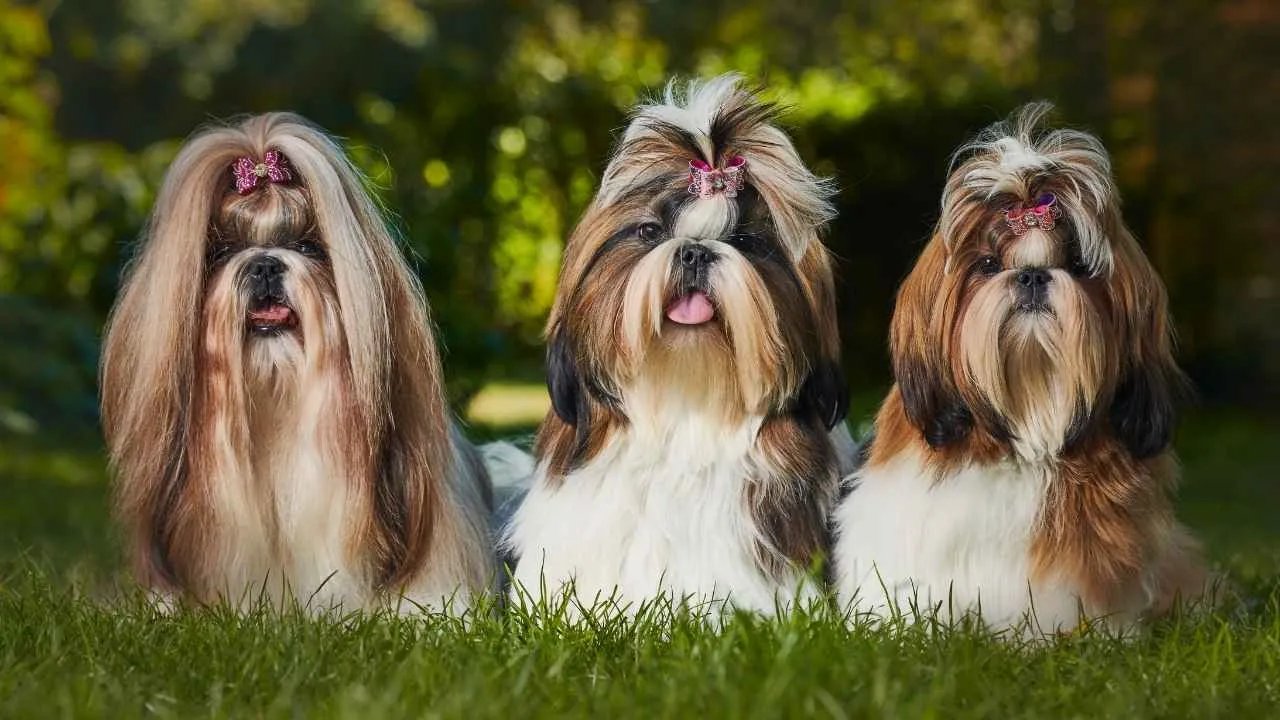
Shih Tzu is a clever, outgoing, and affectionate breed that was originally developed as a companion dog. Known for its adaptable personality and loving nature, the Shih Tzu thrives as an indoor pet and fits comfortably into apartments and family homes alike.
Despite its luxurious appearance, this breed is often considered manageable for owners who maintain a consistent grooming routine. Its small size, moderate exercise needs, and friendly temperament make it a popular choice for companion-focused households.
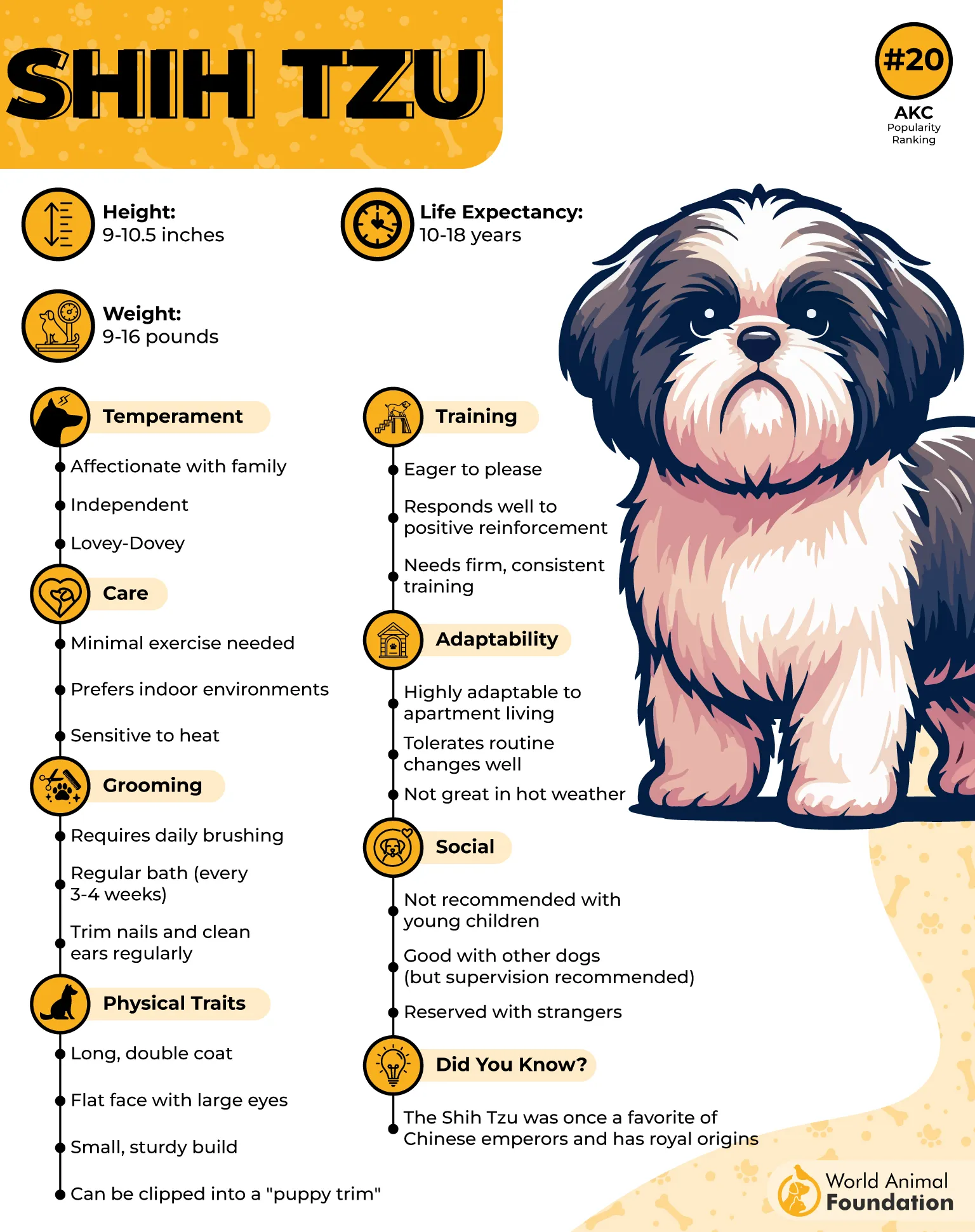
The Shih Tzu has a long, continuously growing double coat that requires regular grooming to stay healthy and tangle-free. Owners who prefer easier maintenance often choose shorter haircuts, which significantly reduce grooming time and effort.
For coat care, a quality wire brush with flexible pins works best, and sectioning the coat during brushing helps ensure even grooming. Weekly baths also help maintain a clean, soft, and fresh appearance.
Although Shih Tzus have relatively calm energy levels, they still enjoy short daily walks, interactive play, and learning simple tricks. Above all, they love spending time cuddling and relaxing with their family members, which makes them affectionate and devoted companions.
7. Coton De Tulear
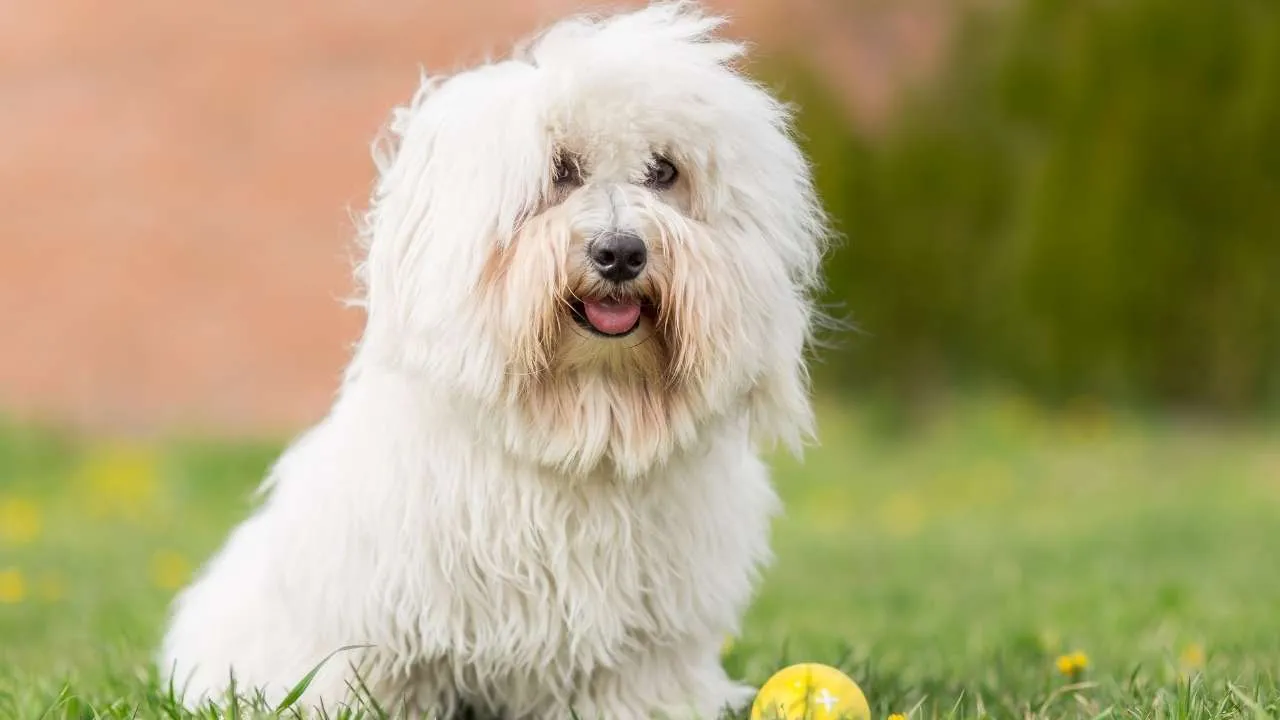
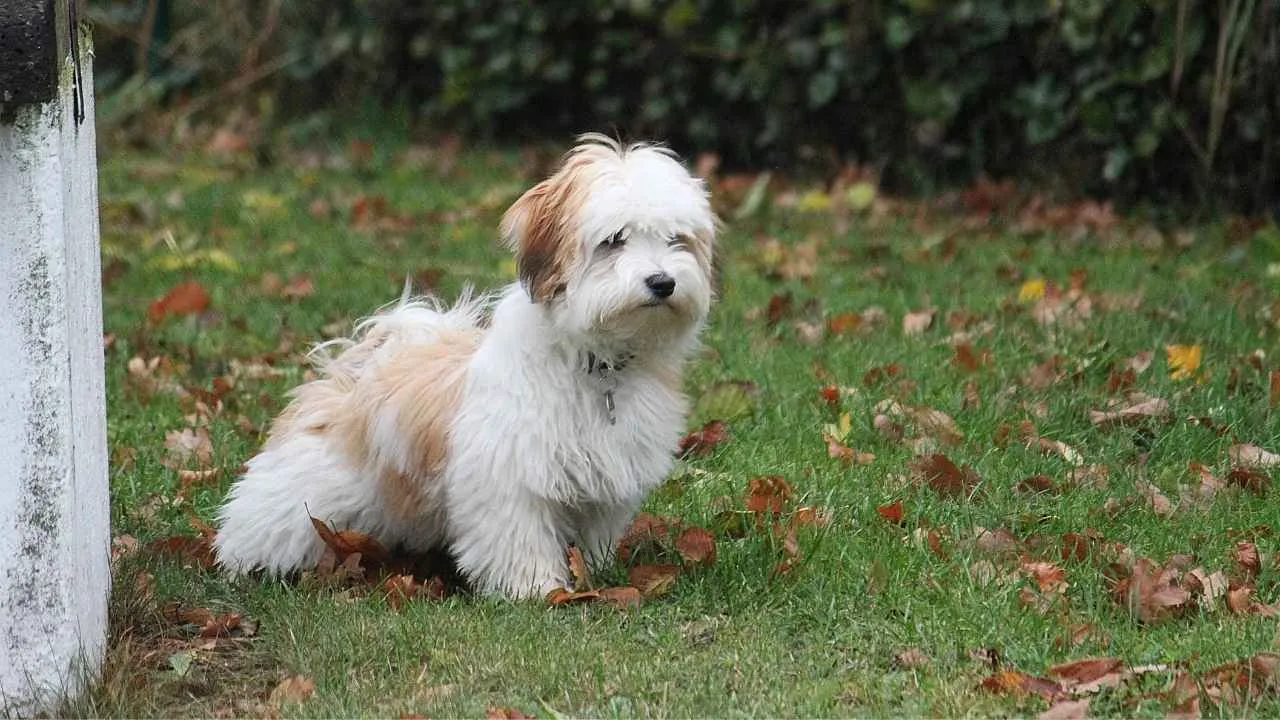
Coton de Tulear is an easygoing, fun-loving, and affectionate breed often referred to as the “Royal Dog of Madagascar.” Known for its soft, cotton-like white coat, it has a fluffy, lightweight texture that makes it especially pleasant to touch. While white is the most common color, they can also be found in black or tri-color variations.
This breed is famously people-oriented and tends to stay close to its owners, often forming strong, constant bonds and enjoying companionship throughout the day.
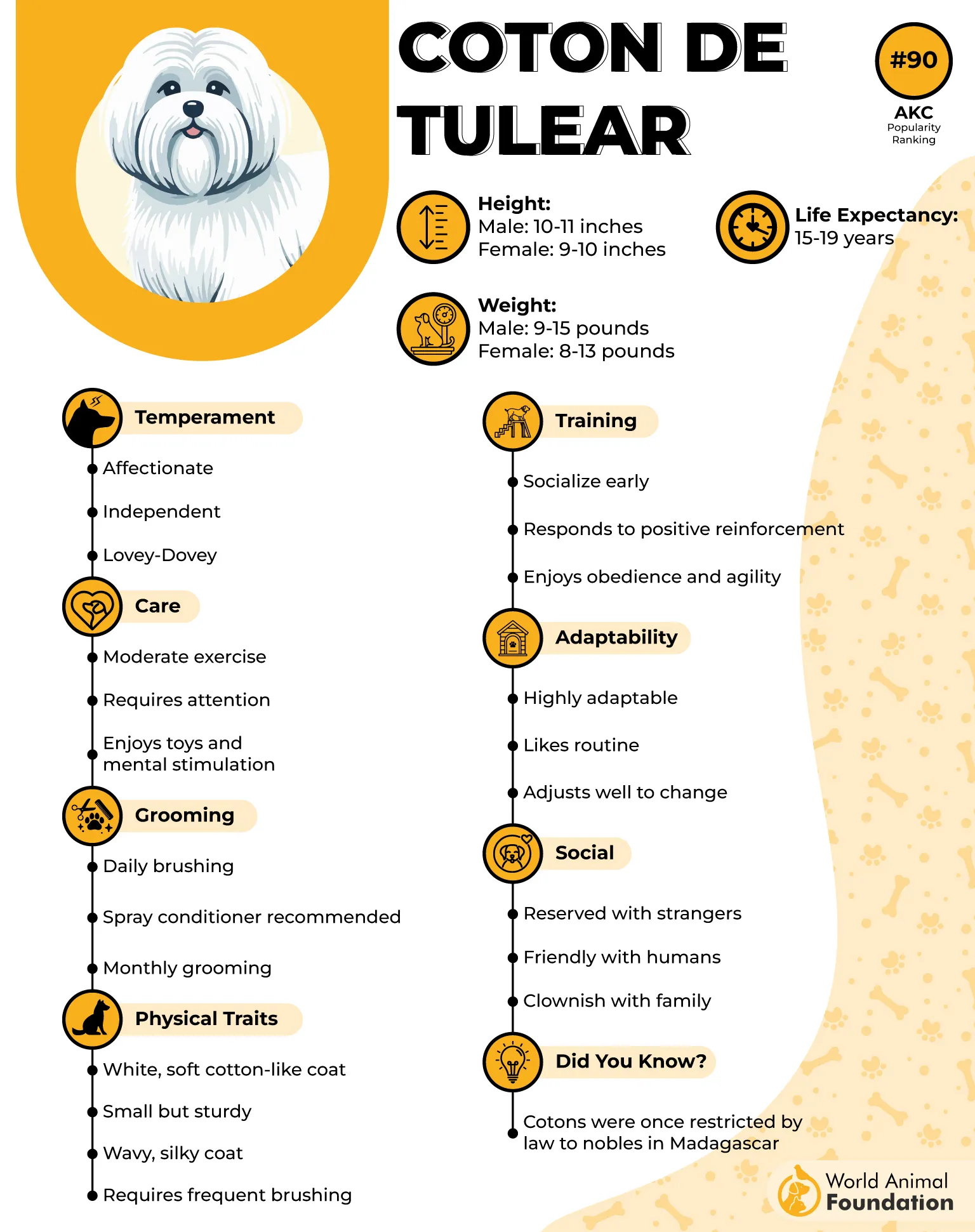
The Coton de Tulear produces relatively low dander but still requires consistent grooming to keep its coat healthy and free from matting. Daily brushing is recommended to maintain its soft, fluffy appearance and prevent tangles.
According to Omlet, the breed is generally quiet, intelligent, and easy to train, especially when guided with positive reinforcement and praise.
Beyond grooming, Cotons enjoy short training sessions and playful activities such as fetch, light agility, and even swimming. Their affectionate and cheerful temperament makes them excellent companion dogs for families and individuals alike.
Conclusion
Many first-time dog owners assume that grooming is limited to regular brushing and coat maintenance. In reality, grooming goes far beyond appearance; it includes supporting a dog’s overall well-being, such as their health, training, exercise, and mental stimulation.
Anything that contributes to raising a well-mannered, balanced dog can be considered part of grooming. This includes daily routines, structured activities, and engagement in exercises that match the dog’s natural needs and energy levels.
With the right tools and a simple routine, basic at-home grooming can be quick and efficient, often taking just a few minutes. Along with learning proper grooming techniques, having the right equipment is essential for keeping your dog healthy, comfortable, and well cared for.
