




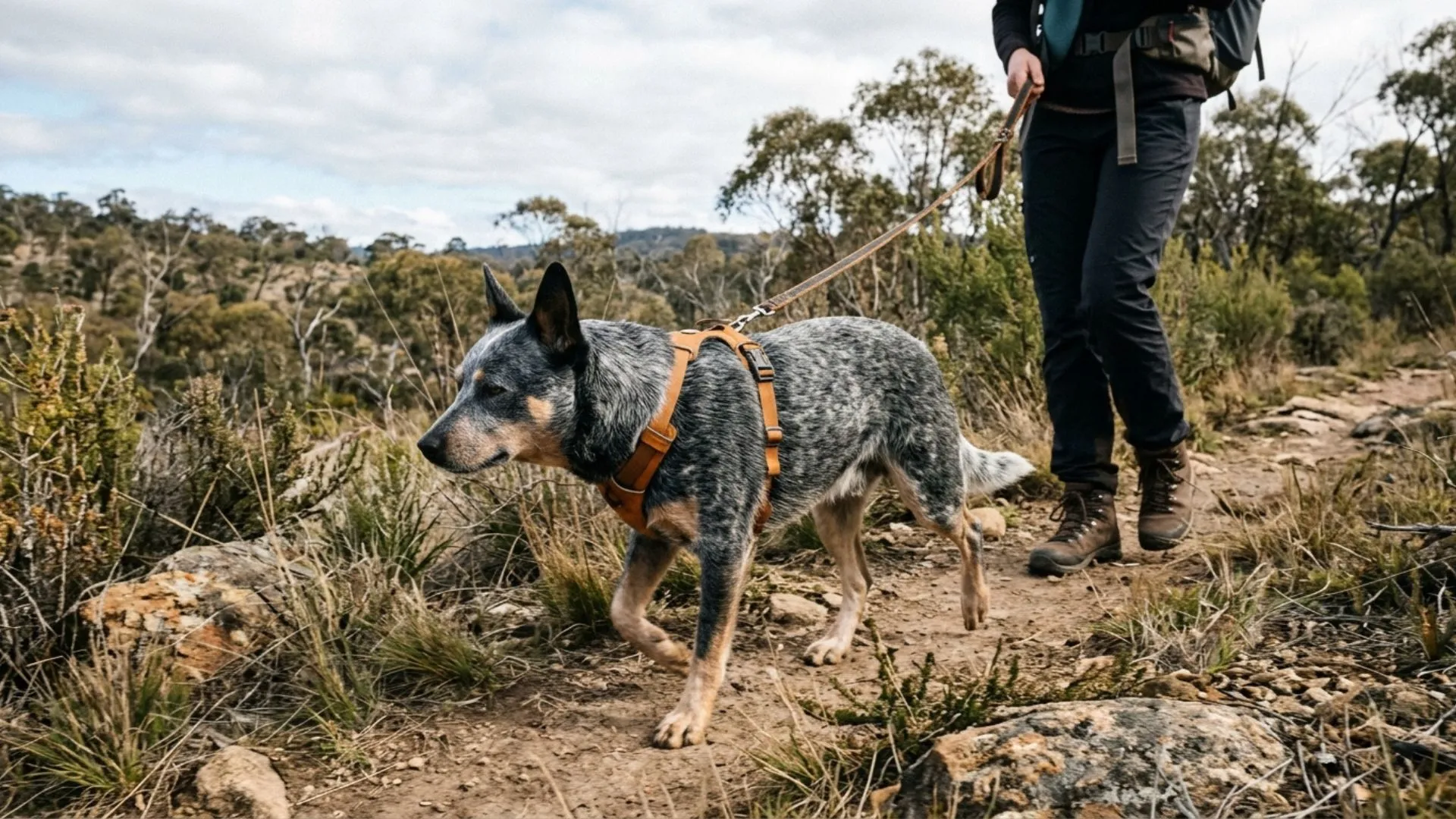
The hike was supposed to be simple. A few hours outdoors, some fresh air, and enough distance to enjoy the scenery before heading back home. But as the trail became steeper and the weather shifted unexpectedly, the difference between an ordinary dog and a true working breed became impossible to ignore.
While others slowed down, lost focus, or needed frequent breaks, one dog kept moving with calm determination as though the changing conditions barely mattered. There was no hesitation near rocky paths, no loss of energy after long distances, and no sign of discomfort once the terrain became difficult.
That moment explains why experienced outdoor owners often rely on working dogs instead of choosing companions based only on appearance or excitement levels. These breeds were developed for endurance, resilience, and physically demanding environments that challenge both strength and focus.
Ahead are the working dog breeds that continue thriving long after ordinary outdoor companions begin falling behind.
Key Takeaways
Outdoor adventures often reveal more about a dog than any home setting ever could.
Alaskan Malamutes and Siberian Huskies keep pushing forward with strength and rhythm, handling long distances like it is part of their nature.
Bloodhounds and Coonhounds follow scent trails with such focus that everything else fades into the background once they lock in.
Keep reading to see which working breeds turn challenging outdoor trips into something they seem perfectly made for.
Top Working Dog Breeds for Outdoor Adventures
1. Alaskan Malamute
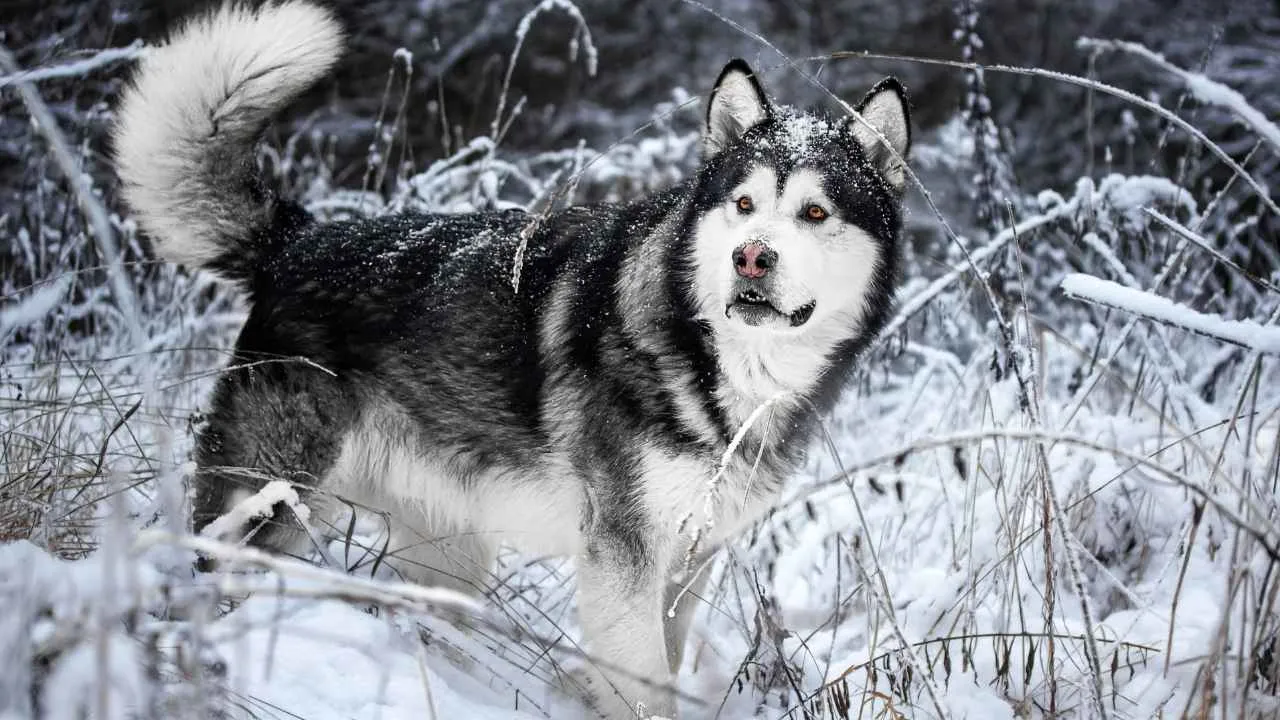
The Alaskan Malamute was developed in Arctic regions alongside native Inuit communities, where it worked in harsh outdoor conditions for heavy hauling tasks.
Hunters relied on these dogs to pull large prey like seals and bears back to camp. That demanding history shaped a breed built around strength and endurance.
Structure built for workload and outdoor movement
This active dog breed uses their strong athletic frame designed for pulling weight across long distances instead of fast racing work. Its physical power supports activities like hiking, backpacking, sledding, and skijoring in demanding terrain, as per the AKC.
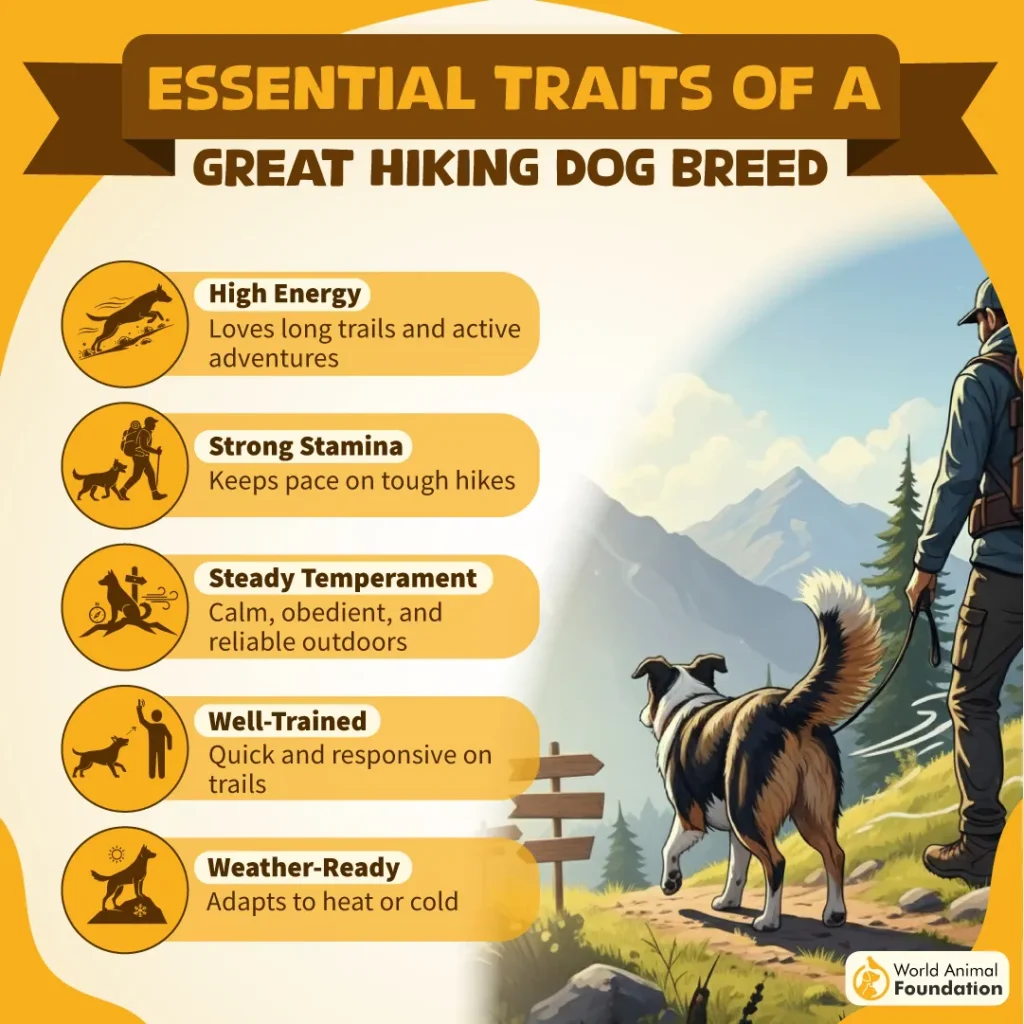
That purpose still appears in practical traits:
Strong frame supports heavy pulling tasks
Thick coat suits colder outdoor climates
High endurance fits long activity sessions
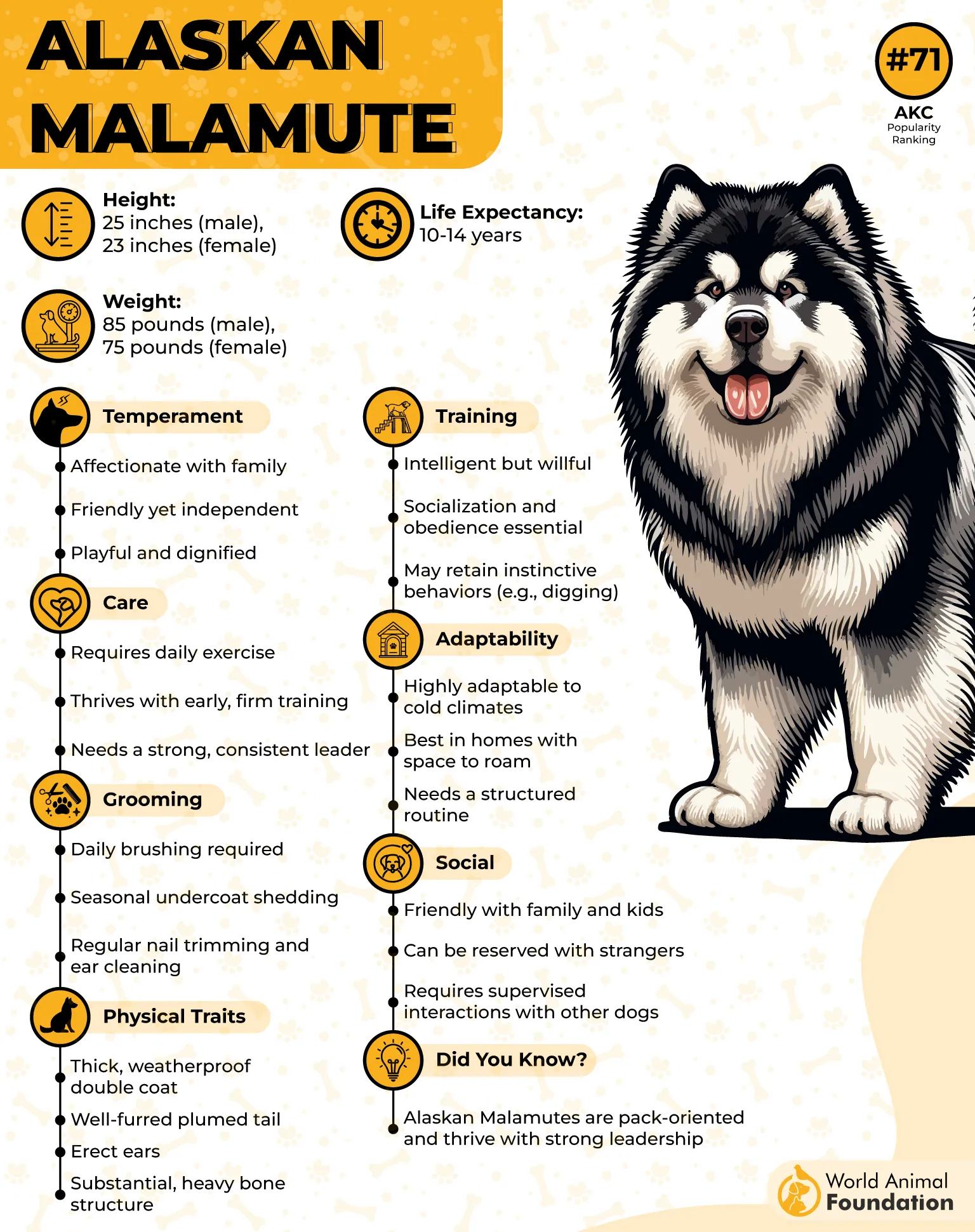
Adventure suitability and working mindset
The Malamute leans toward outdoor living that includes regular movement and long active days. It stays engaged during hiking trails, enclosed play, and weight-based activities that involve steady effort. Quiet downtime with family usually follows naturally after long working days.
2. Siberian Husky
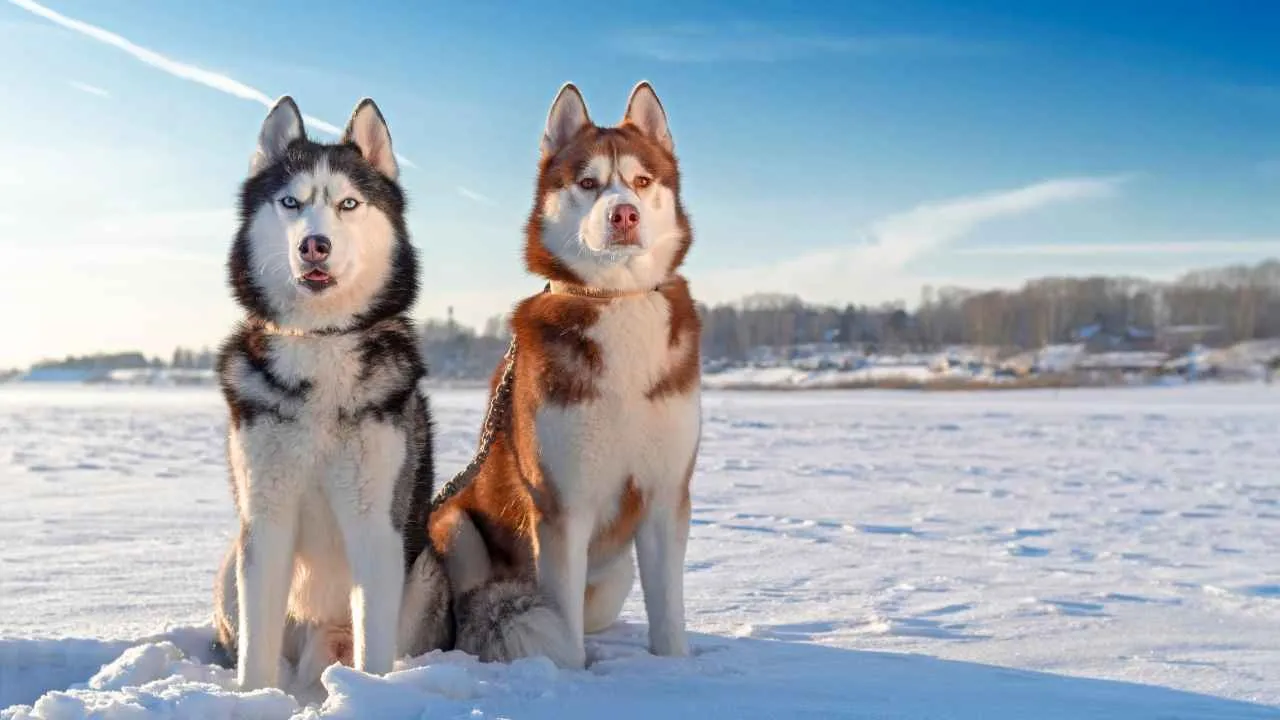
The Siberian Husky was originally bred in northeast Asia with the Chukchi people, who depended on these dogs for sled pulling across Arctic regions.
Built from Spitz stock, the breed handled long travel routes in freezing outdoor conditions. Its working background still reflects strongly in movement-focused lifestyles.
Structure shaped for speed and outdoor movement
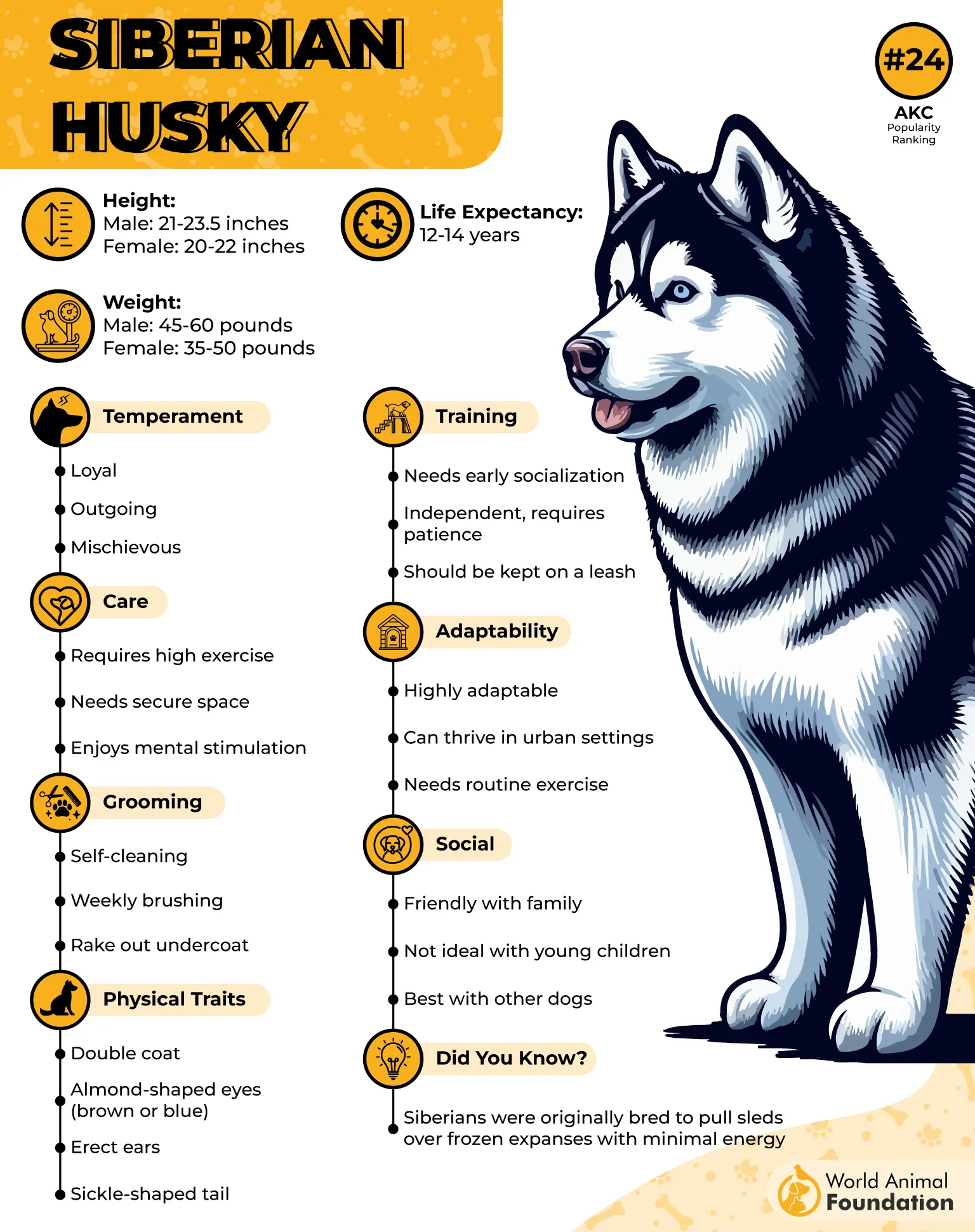
This high-energy dog uses a lighter athletic frame designed for steady movement rather than heavy pulling strength. Its body supports running, sledding, and fast-paced outdoor activity across long distances with consistent energy.
That outdoor design appears in clear working traits:
Athletic frame supports long running sessions
Thick double coats suit colder climates well
Agile movement fits sled and rally work
Outdoor suitability and activity engagement
Siberian Huskies perform best in activities that involve movement, pace, and regular outdoor interaction. Running, sledding, agility, and fetch-based games and dog sports match its natural working rhythm closely, as PetMD noted. Active environments help direct their energy into structured routines.
3. Great Pyrenees
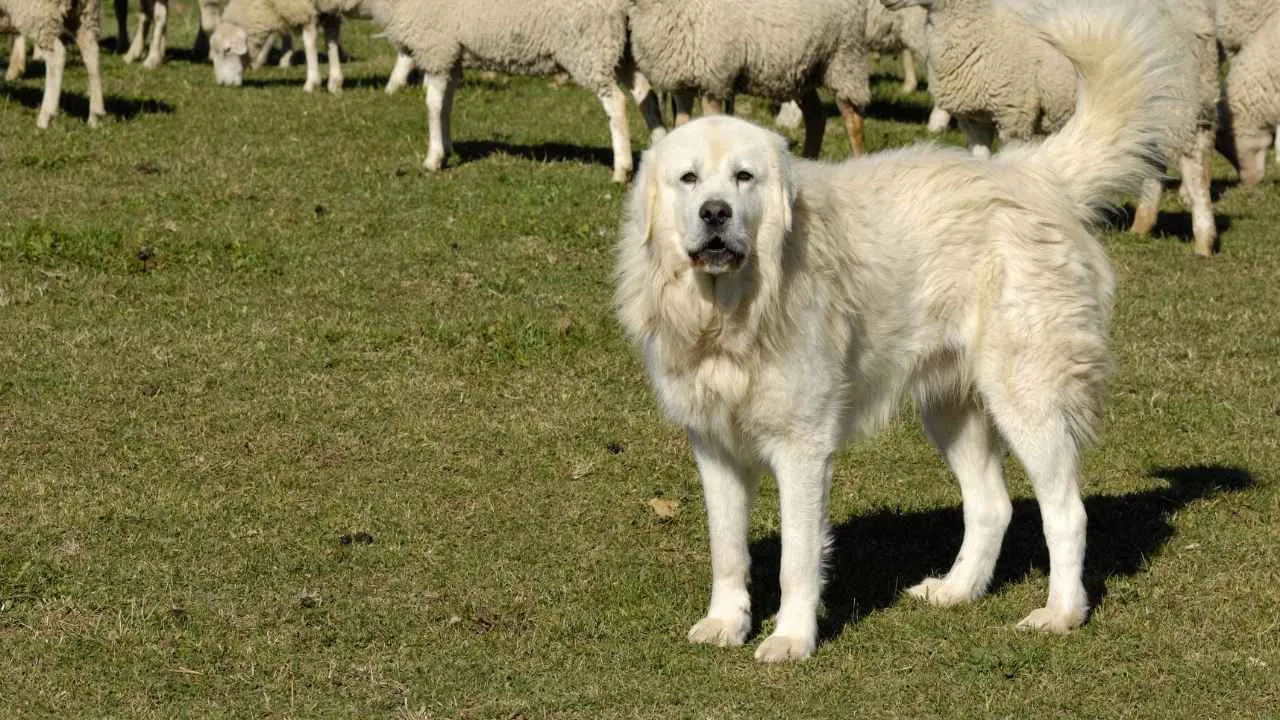
The Great Pyrenees has its roots in mountain life, where it worked as a livestock guardian protecting flocks from predators in snow-covered regions.
Its thick coat and powerful frame suited long patrol hours across difficult terrain and changing weather. That guarding background shaped a calm but watchful outdoor temperament.
Physical structure built for mountain work
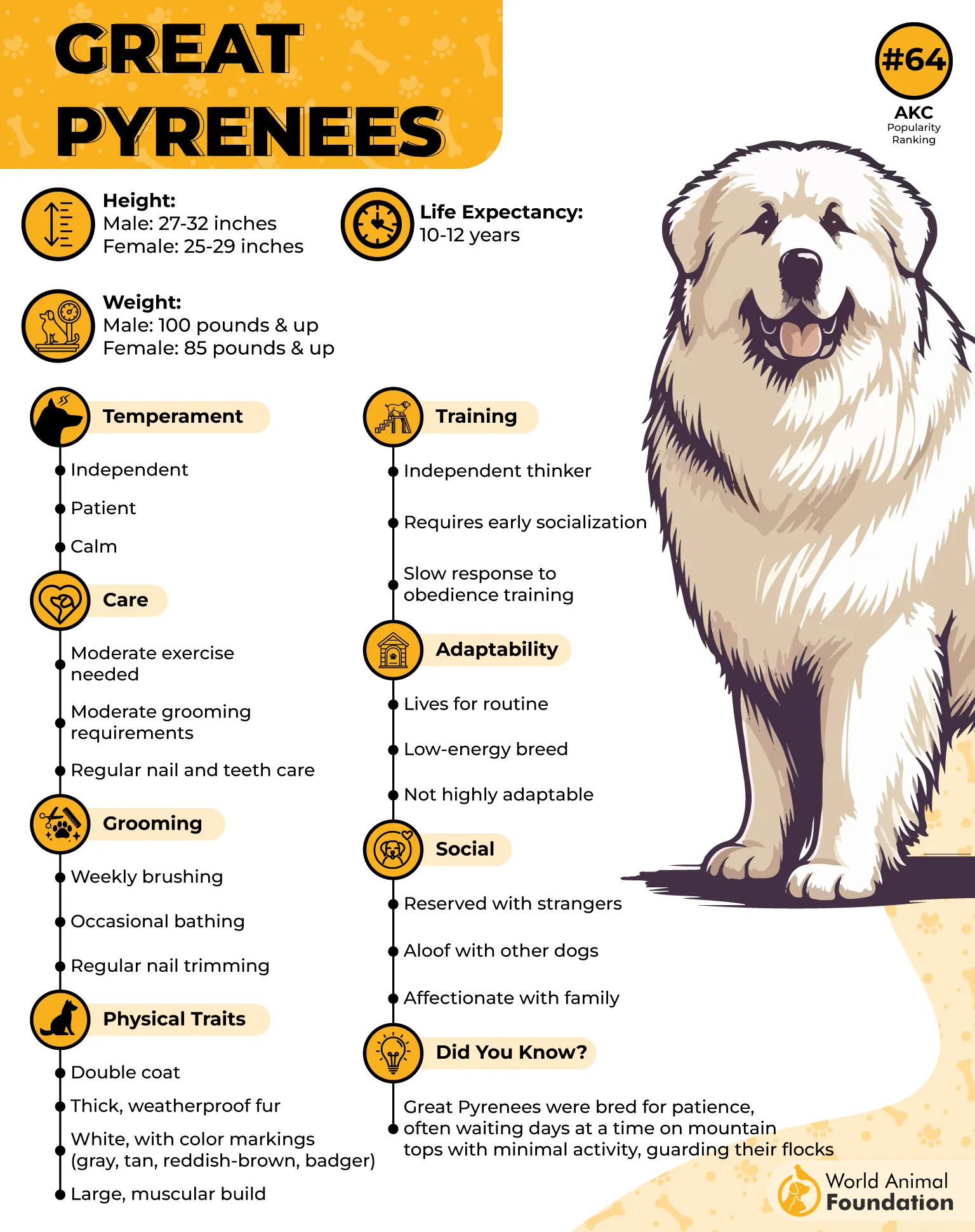
As a wonderful companion, Pyrenees uses a large, muscular body designed for steady movement instead of fast-paced activity bursts. Outdoor routines like hiking, cart-pulling, and farm work match its natural pace well.
That working design appears clearly in key traits:
Thick coat supports cold-weather activity
Strong frame handles pulling tasks well
Steady movement suits long patrol routines
Behavior during outdoor living
They stay observant in open surroundings and react calmly instead of responding with constant excitement, as mentioned by Orvis.
It usually remains gentle with familiar people while maintaining awareness of its environment. Consistent training helps manage its stubborn side during structured routines.
4. Rhodesian Ridgeback
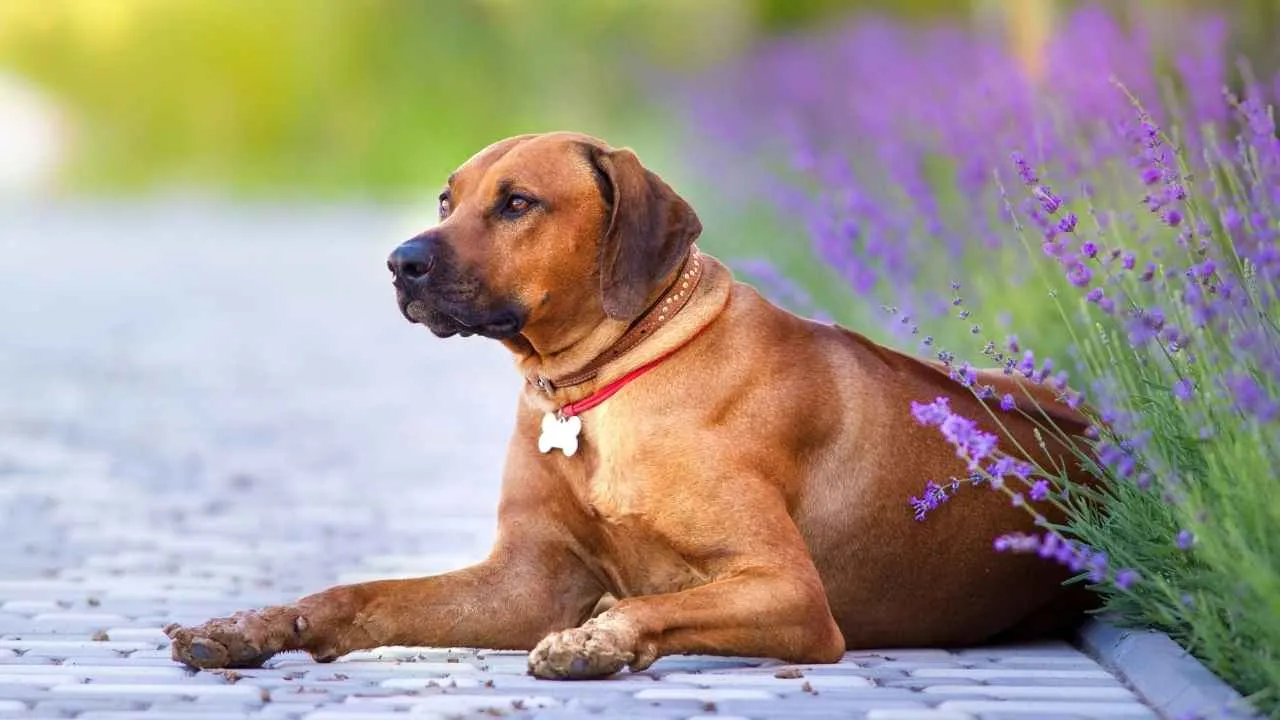
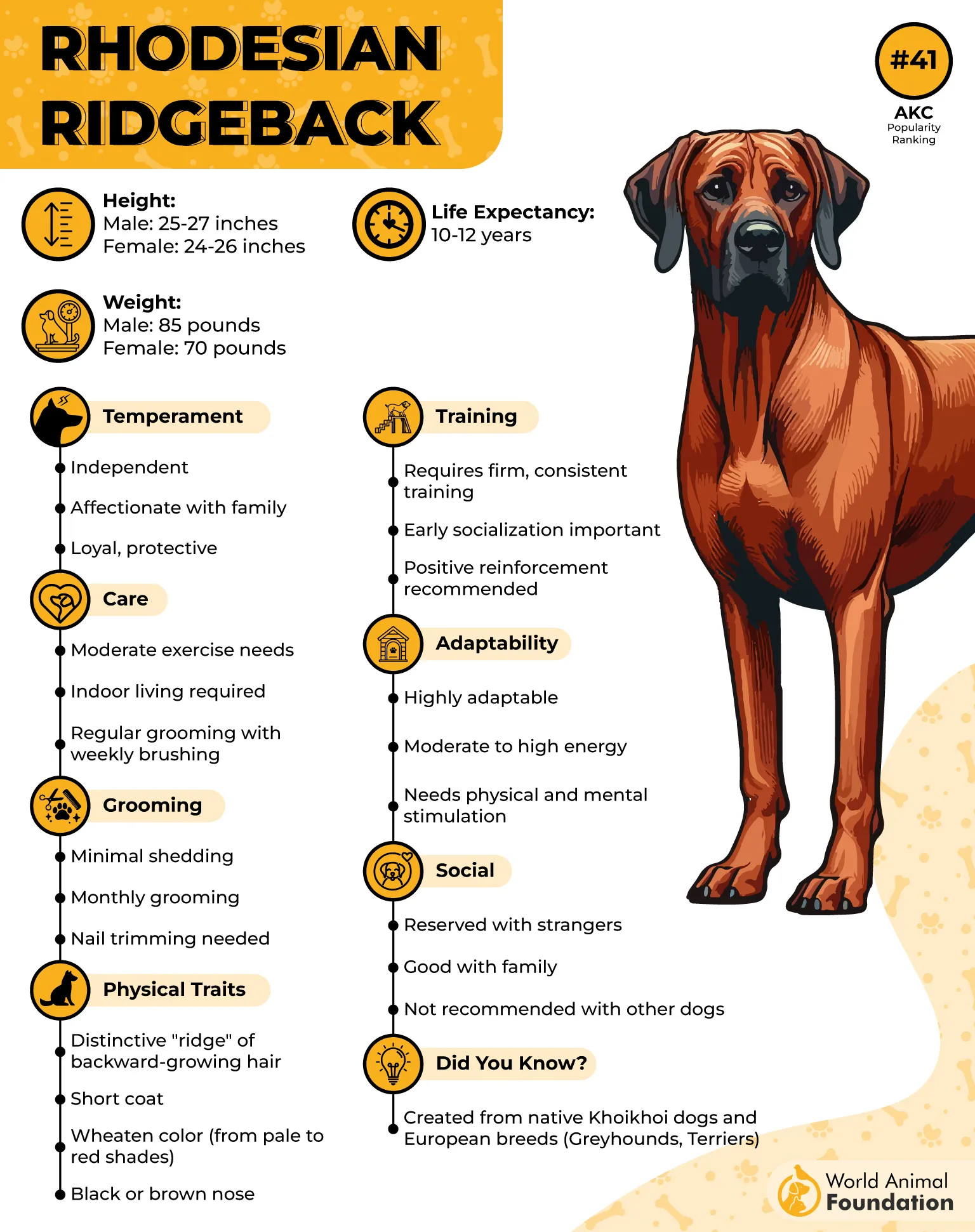
Rhodesian Ridgeback has African roots, where it was used to track lions and hold them without going in for an attack. Its signature ridge of backward-growing hair gives the breed a distinct appearance in the field. Long-distance movement and physical stamina shaped much of its working history.
Structure built for endurance and outdoor movement
This breed uses a strong athletic frame suited for running, tracking, and covering rough terrain over long distances. Its body stays efficient during physically demanding activity without looking bulky or heavy.
That athletic setup appears clearly in key traits:
Strong muscles support long tracking sessions
Athletic frame suits hiking and jogging
Endurance supports extended outdoor activity
Activity suitability and adventure readiness
Rhodesian Ridgeback does well with active outdoor routines like hiking, lure coursing, agility, swimming, and field games. It also responds well to tracking tasks and puzzle activities that keep both body and focus engaged. Regular outdoor movement helps channel its strong prey-driven instincts.
5. Weimaraner
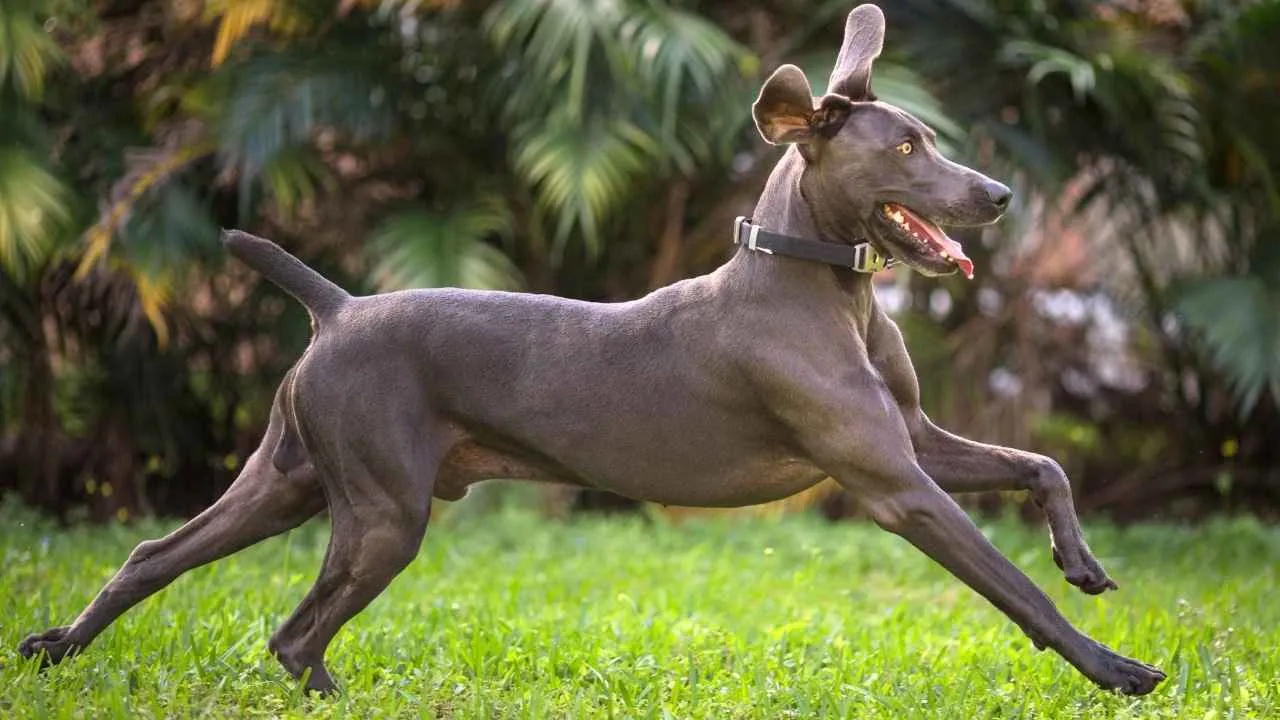
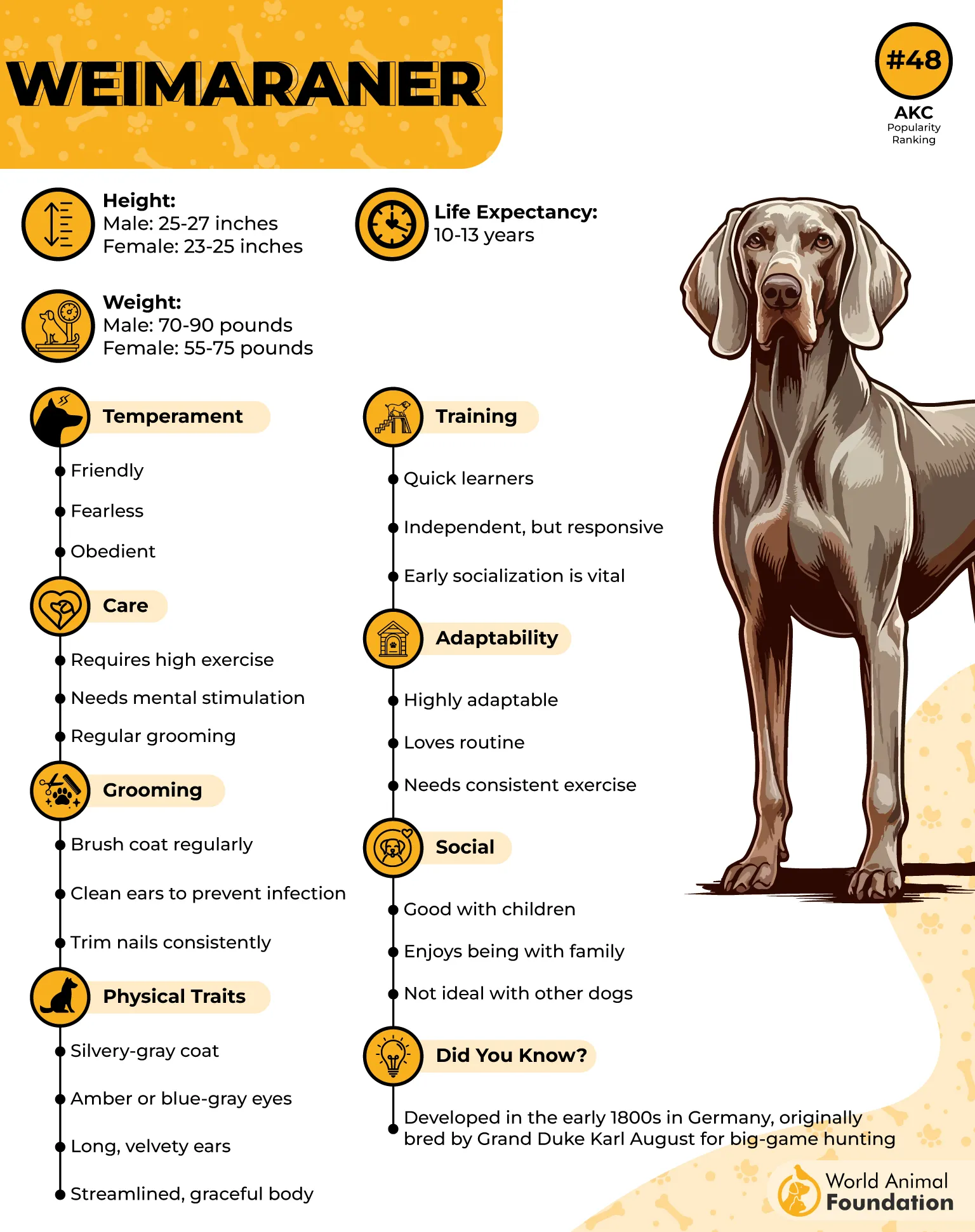
The Weimaraner hails from Germany and is known for its smooth gray coat and swift movement designed for active work in open terrain.
Often called the Gray Ghost, it gained recognition for staying close to its handlers during long field work. Its background centers on speed, focus, and a close human connection during activity.
Structure built for speed and active field work
Weimaraner carries a streamlined body designed for running, tracking, and high-energy outdoor tasks. This build also supports activities like hiking, agility, running, and field-based sports.
That structure shows in clear working traits:
The lean frame supports fast running ability
Long legs help cover open terrain easily
Agile build fits agility and field sports
Behavior in active environments
The Weimaraner stays closely engaged with human interaction and responds quickly during training or outdoor movement. It prefers constant involvement and can become restless when left without structure. Its social nature keeps it highly tuned to surroundings and activity flow.
6. Australian Cattle Dog
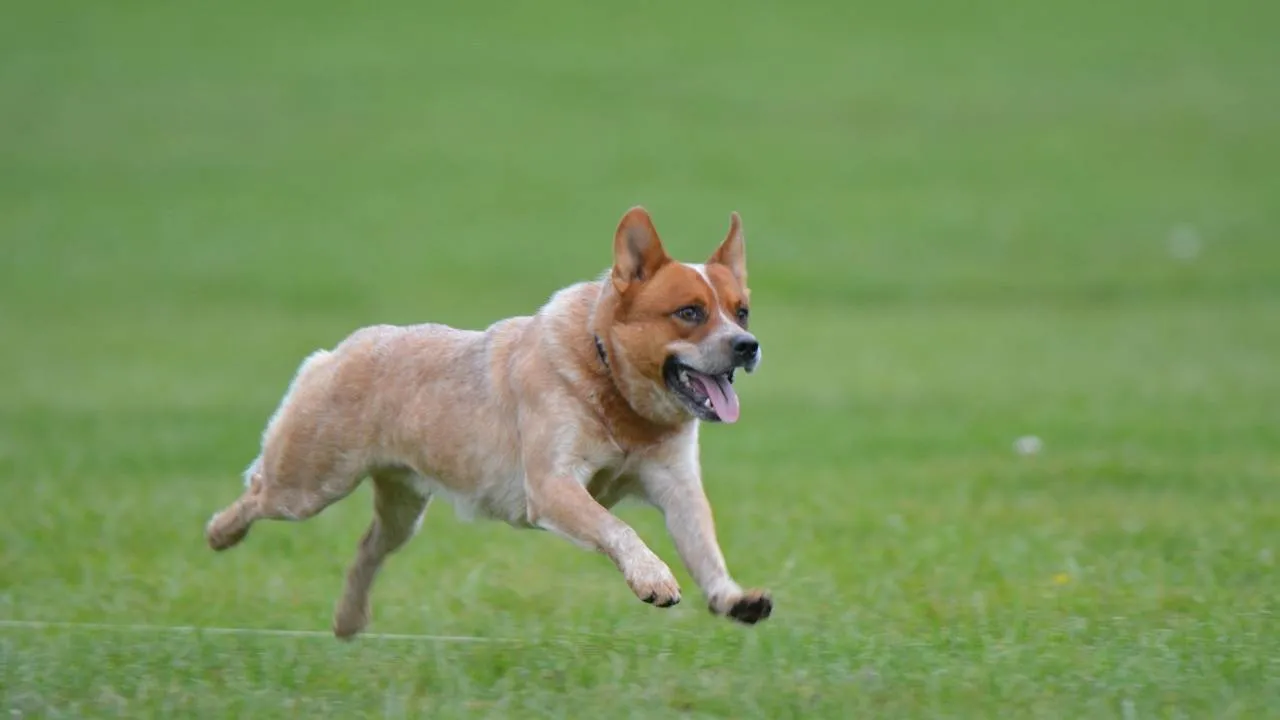
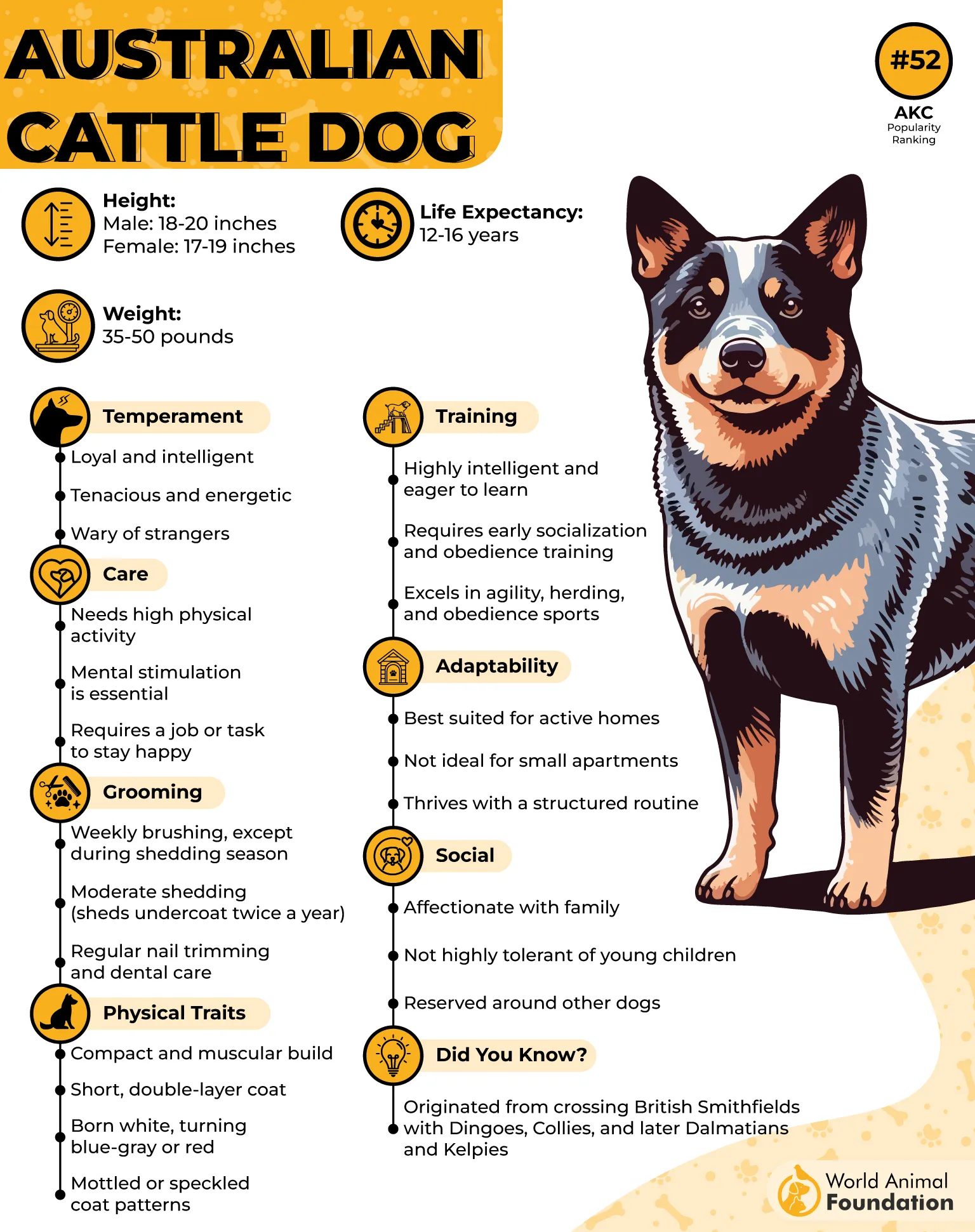
The Australian Cattle Dog traces back to dingo ancestry and was developed for herding livestock across wide, demanding land.
Known for sharp intelligence and constant drive, it stays active in both structured work and fast-moving tasks. Its blue and red speckled coat gives it a distinct working-field presence.
Structure driven by speed and herding control
They have a compact, muscular frame built for quick movement and precise direction changes during herding work. Its body supports high-impact activity like running, agility training, and field-based tasks that require sharp reaction time.
That physical design shows up in clear working traits:
Compact body supports fast directional movement
High stamina fits long running sessions
Agile builds suits herding and sport work
Outdoor suitability and activity use
The Australian Cattle Dog performs best in high-energy outdoor settings involving running, frisbee, agility courses, and structured obedience training work.
It stays engaged when given tasks that challenge both mind and movement. Farm-based environments and open spaces suit its working rhythm naturally.
7. Bloodhound
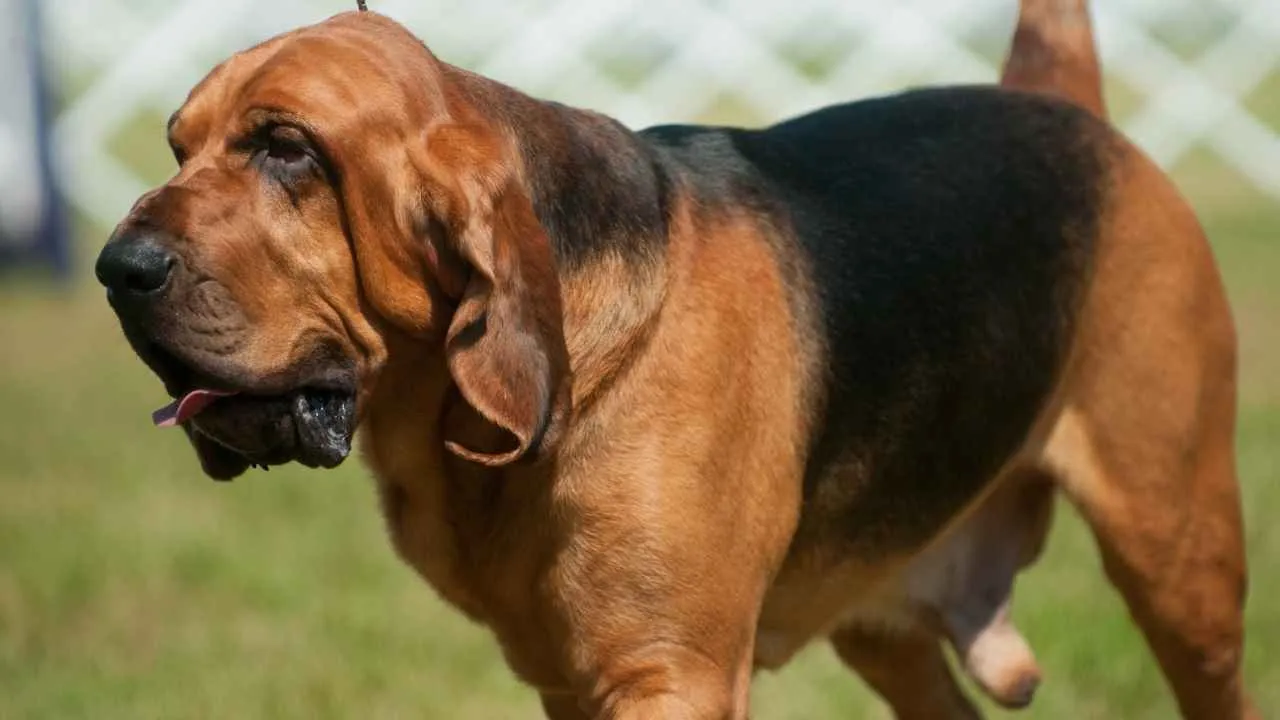
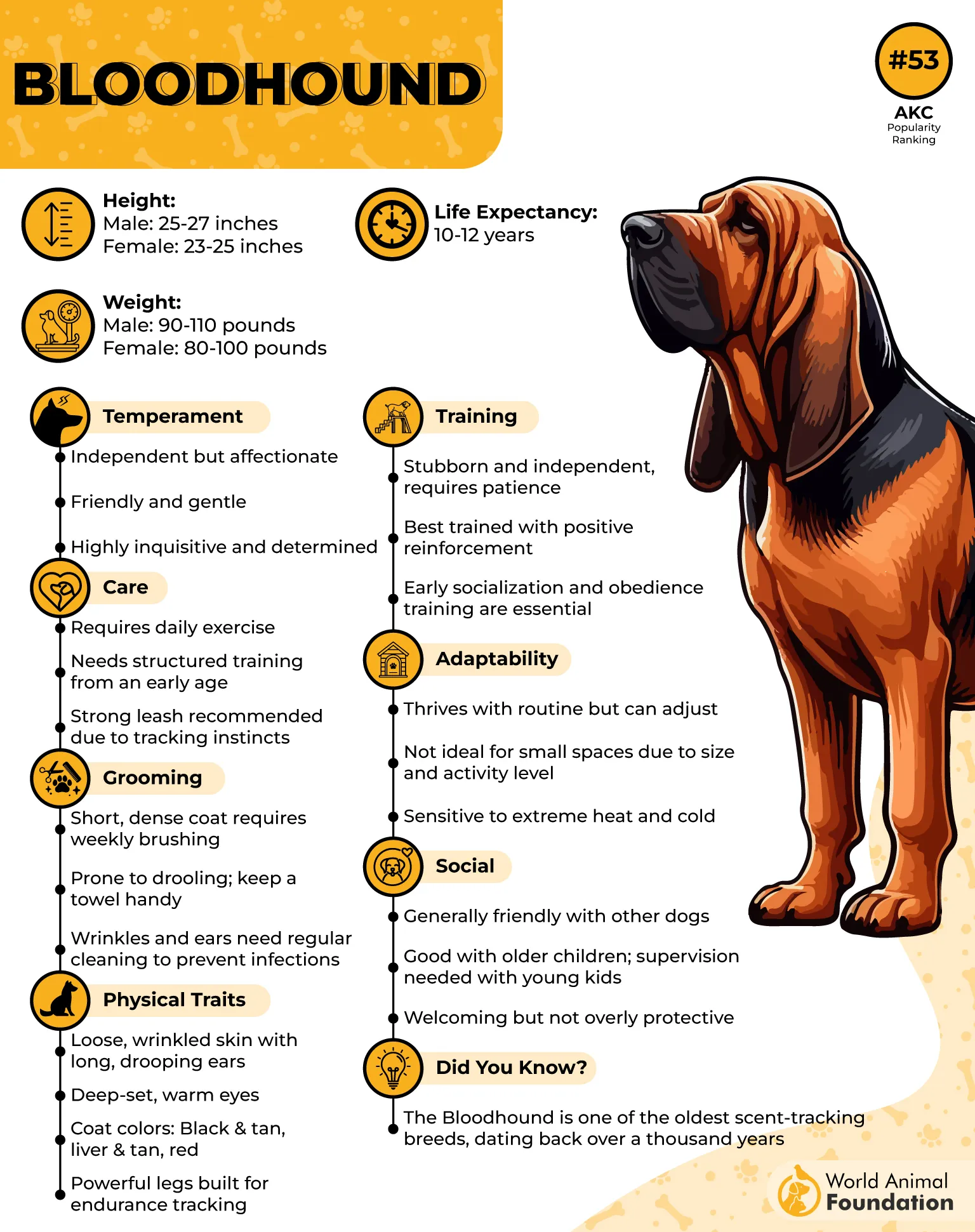
The Bloodhound is known for its powerful scenting ability that has been used for centuries in tracking game and assisting search work.
Its nose is highly specialized for following trails over long distances and extended time periods. This strong tracking instinct places it among the most dependable scent-focused working dogs.
Structure built for scent tracking endurance
The Bloodhound uses a long, sturdy frame that supports steady movement while following scent trails across varied terrain. Its physical build is less about speed and more about persistence during long tracking work.
That tracking ability reflects in clear working traits:
Powerful nose supports long scent trails
Stamina suited for extended search work
Strong focus during slow tracking movement
Outdoor suitability and working challenges
Bloodhound performs well in long walks, hiking routes, and structured tracking activities that engage its scent-driven behavior.
It requires consistent outdoor engagement to keep its tracking instinct directed. Urban environments can be challenging due to the strong urge to follow scent trails without hesitation.
8. Redbone Coonhound
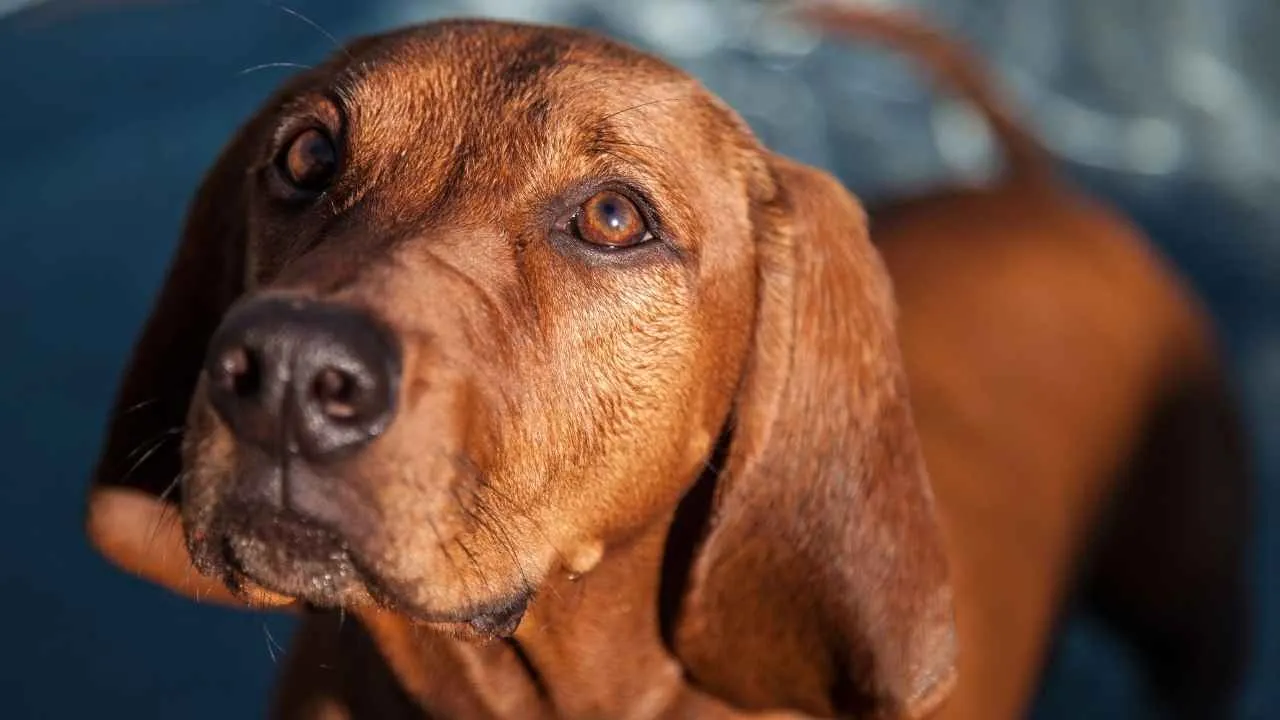
The Redbone Coonhound steps into the field with a mindset built around following scent over distance, often staying locked into tracking mode for long stretches. Its American hunting background shaped a dog that works best when the trail becomes the main focus of attention.
Body built for ground coverage and scent pursuit
This Coonhound uses a lean, athletic frame that supports steady pacing across uneven terrain without breaking rhythm. Its structure is not about bursts of speed alone but about staying efficient while following scent trails over time.
That working design appears in the practical field behavior:
Long stride supports distance tracking
Nose-driven focus guides direction outdoors
Balanced frame handles rough terrain movement
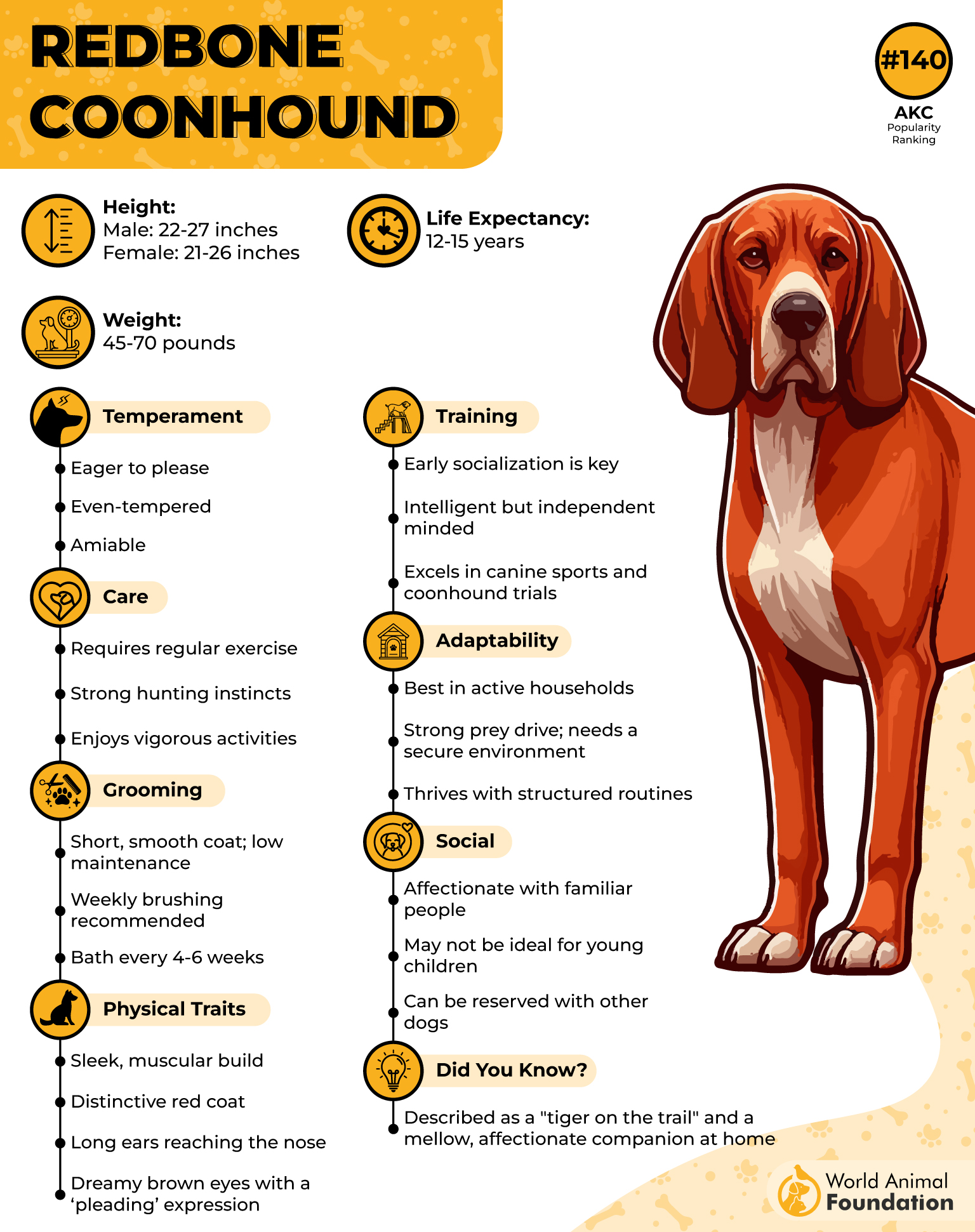
Outdoor suitability and real field use
They perform best in scent-based activities, hiking routes, and structured trail work where following a path is the main task. It fits environments that allow exploration through movement rather than restricted settings. Outdoor routines with clear direction keep the drive engaged practically.
9. Black and Tan Coonhound
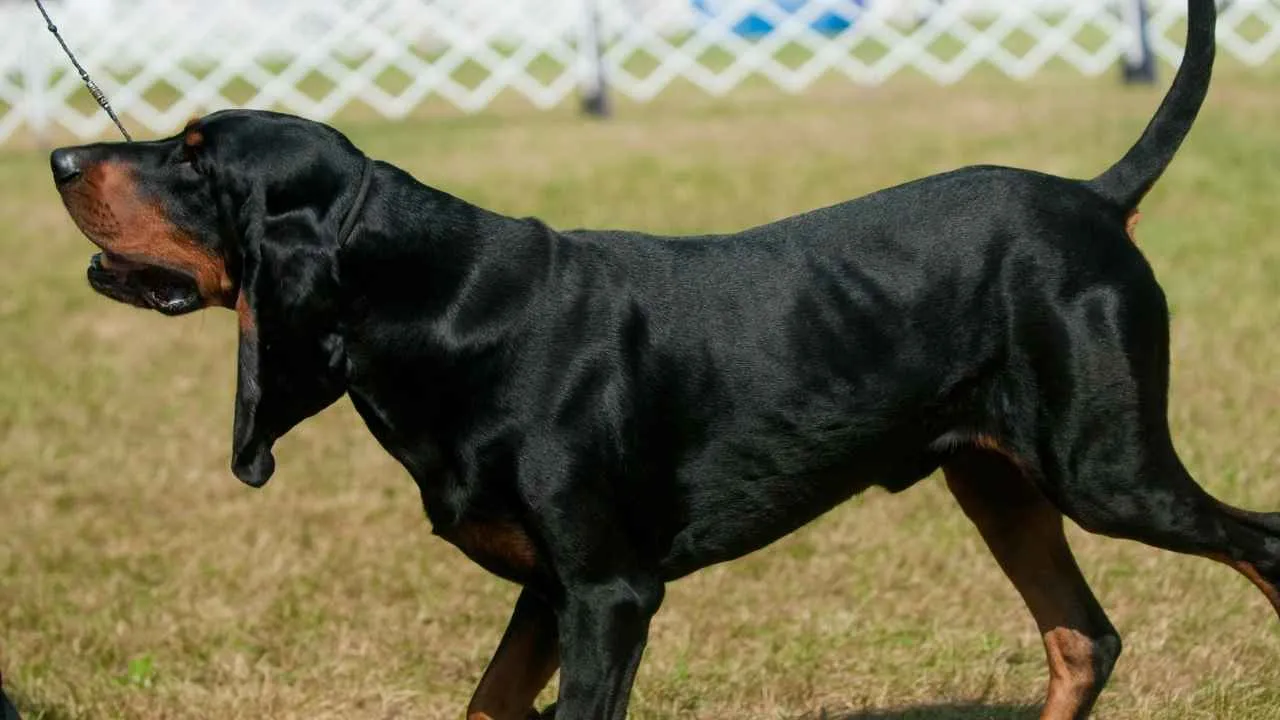
The Black and Tan Coonhound comes from American hunting lines shaped for long scent tracking across forests and rough terrain. It was bred to follow animal trails over distance rather than short bursts of chase. That background makes it a scent-first working hound with steady field focus.
Scent-led structure built for field tracking
This breed works low to the ground with its nose locked on scent trails, moving through terrain with steady persistence. Its build supports long hours of tracking without shifting attention away from the trail.
That function shows in practical traits:
Strong scent drive for continuous tracking
Endurance suited for long field movement
Focused trail-following over distance work
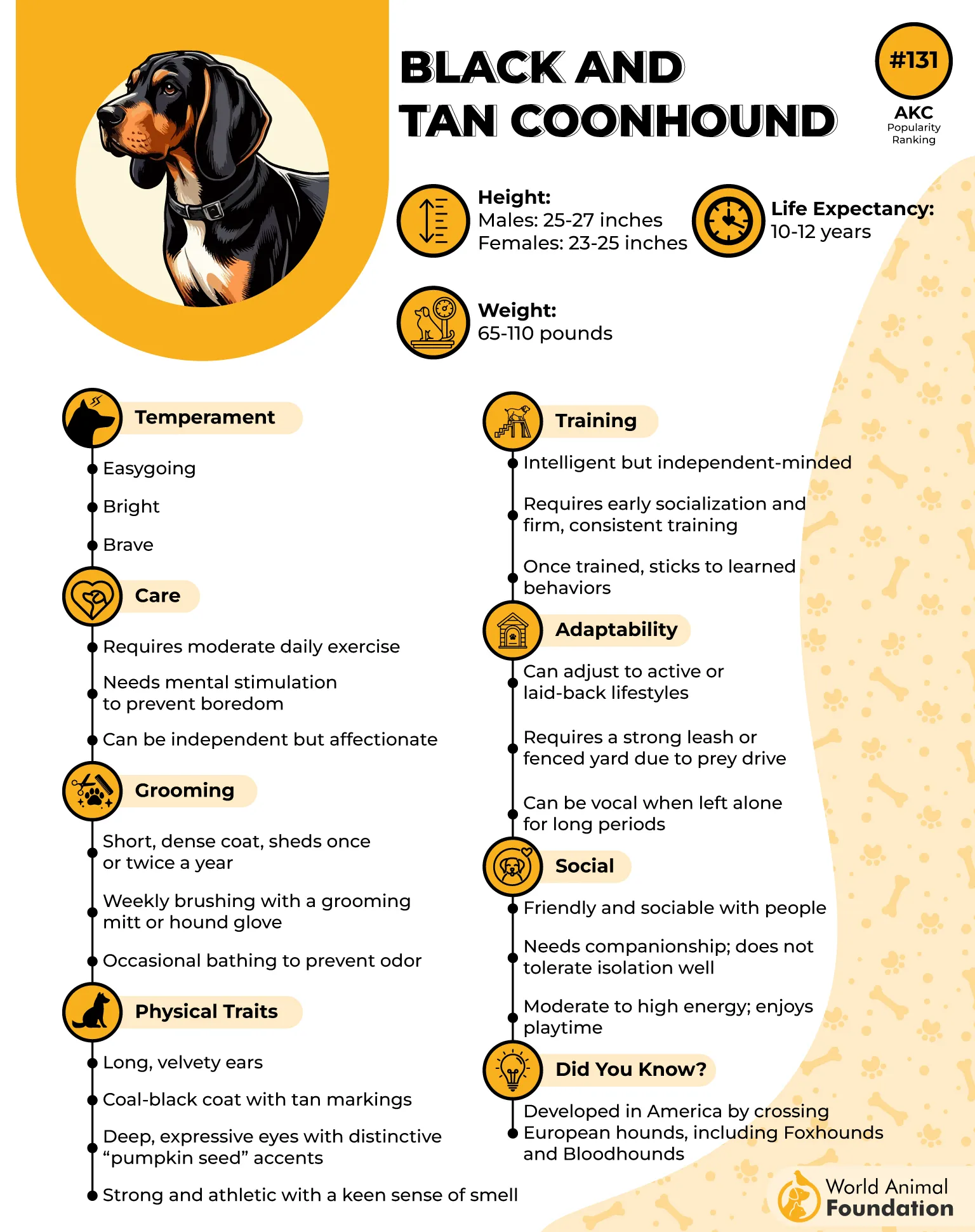
Suitability for outdoor tracking work
Black and Tan Coonhound fits scent-based activities like tracking exercises, hiking routes, and field search tasks that require sustained movement. It performs best in environments where following scent trails is the main challenge. Structured outdoor engagement helps guide its tracking intensity.
10. American Foxhound
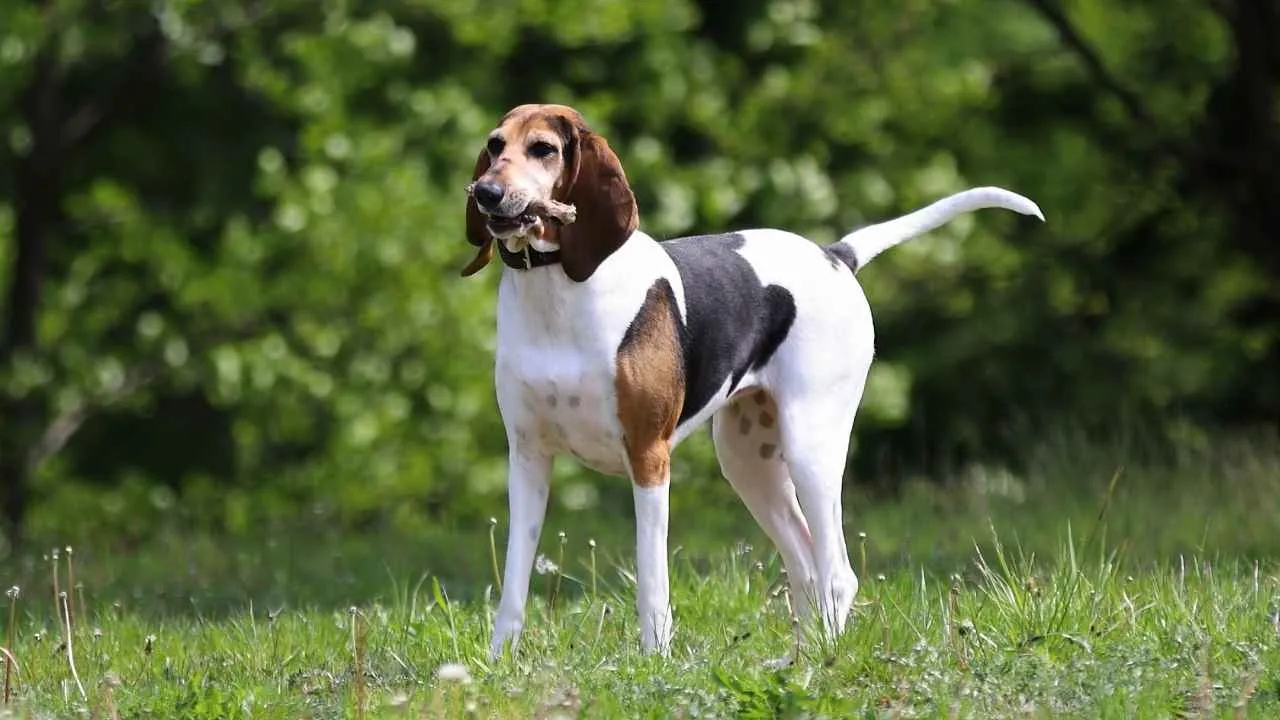
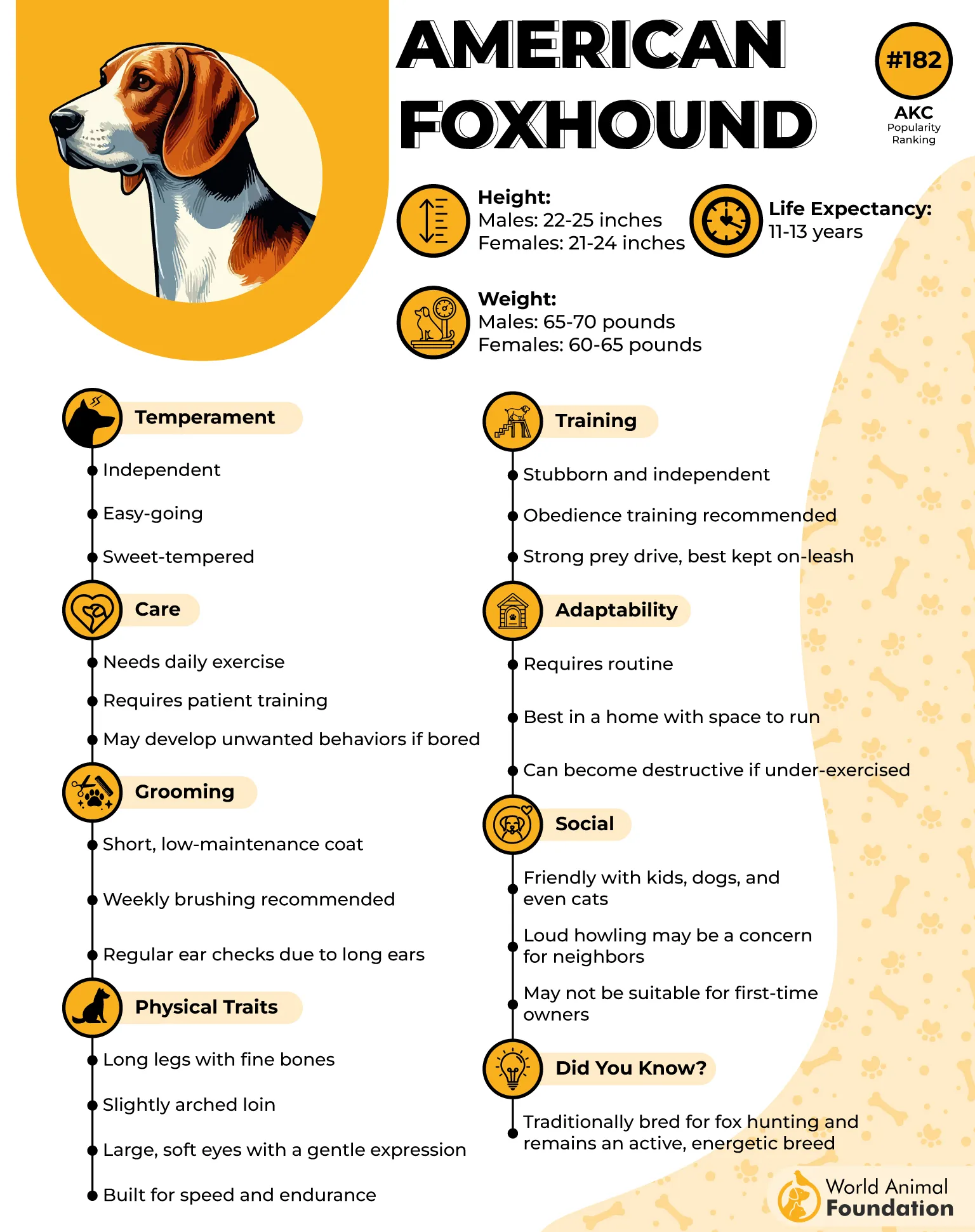
The American Foxhound was developed in Colonial-era America for fox hunting, where speed and long-distance tracking were essential. It earned recognition for working across open land while staying focused on a moving scent trail. That history still shapes its strong outdoor drive today.
Structure built for speed
It has a light, athletic frame designed for covering large distances without losing pace. Its body supports extended running, hiking, and trail-based movement across varied terrain.
That physical design reflects in clear performance traits:
Lean build supports long-distance running
Fast movement helps with tracking work
Stamina suits extended outdoor activity
Behavior in active environments
The American Foxhound stays focused when following a scent or engaging in movement-based tasks, often showing strong persistence during activity. It responds best when energy is directed into structured tasks rather than idle space. Social exposure early on helps it adjust better in varied environments.
Conclusion
Outdoor adventures become very different once a working breed enters the picture. The stamina, focus, and physical resilience these dogs carry allow them to handle conditions that quickly wear down many ordinary companions. Some were built for pulling through harsh climates, while others were shaped for tracking, herding, or covering difficult terrain over long distances for active owners with an active lifestyle.
What connects them all is their ability to stay engaged even when the environment becomes physically demanding. The breeds in this guide are not simply active dogs looking for exercise. With proper training, they become great hiking companions that thrive when movement, endurance, and outdoor challenges become part of everyday life and routine.
