




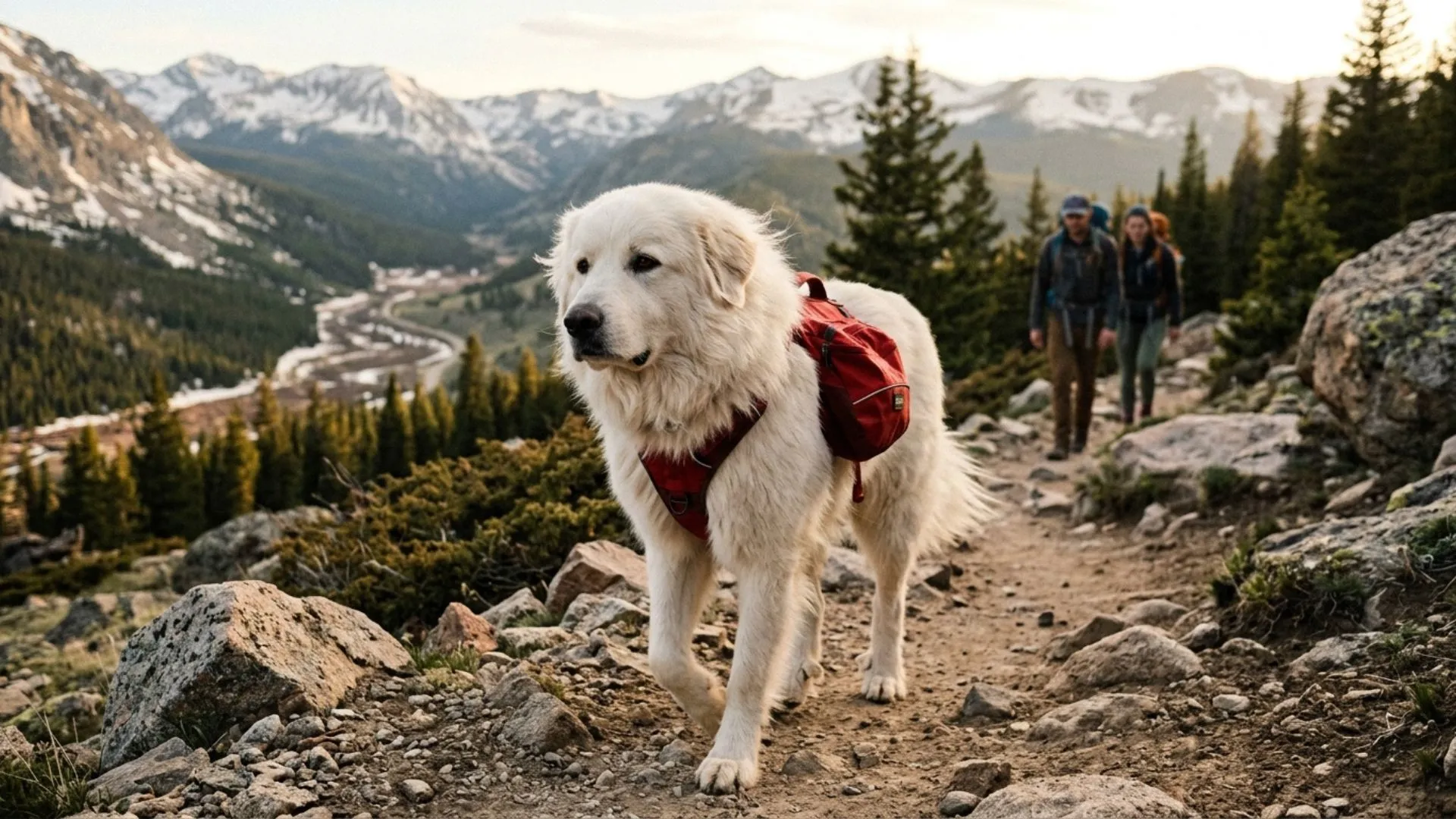
Some dogs are happy living life like background NPCs—eat, nap, bark at the mailman, repeat. But then there are the dogs that wake up every morning acting like they’ve got a full mission briefing downloaded into their brain. These are the resilient working breeds: dogs built for action, endurance, loyalty, and purpose.
Whether they’re pulling sleds across frozen landscapes, guiding people through crowded cities, or hiking rugged mountain trails without breaking stride, these dogs were designed to do more than look cute on Instagram.
What makes these best dog breeds special isn’t just strength or intelligence. It’s their ability to keep going when conditions get tough. Many of these dogs worked alongside humans for centuries—guarding livestock, rescuing people, hauling supplies, or providing emotional support in high-stress environments.
According to the American Kennel Club, working breeds consistently rank among the most highly trainable and adaptable dogs in the world, especially in service, military, and search-and-rescue roles.
These top resilient dog breeds that excel in service and adventure thrive when they have structure, challenges, and a daily purpose.
Top Resilient Dog Breeds That Excel in Service and Adventure
1. Alaskan Malamute
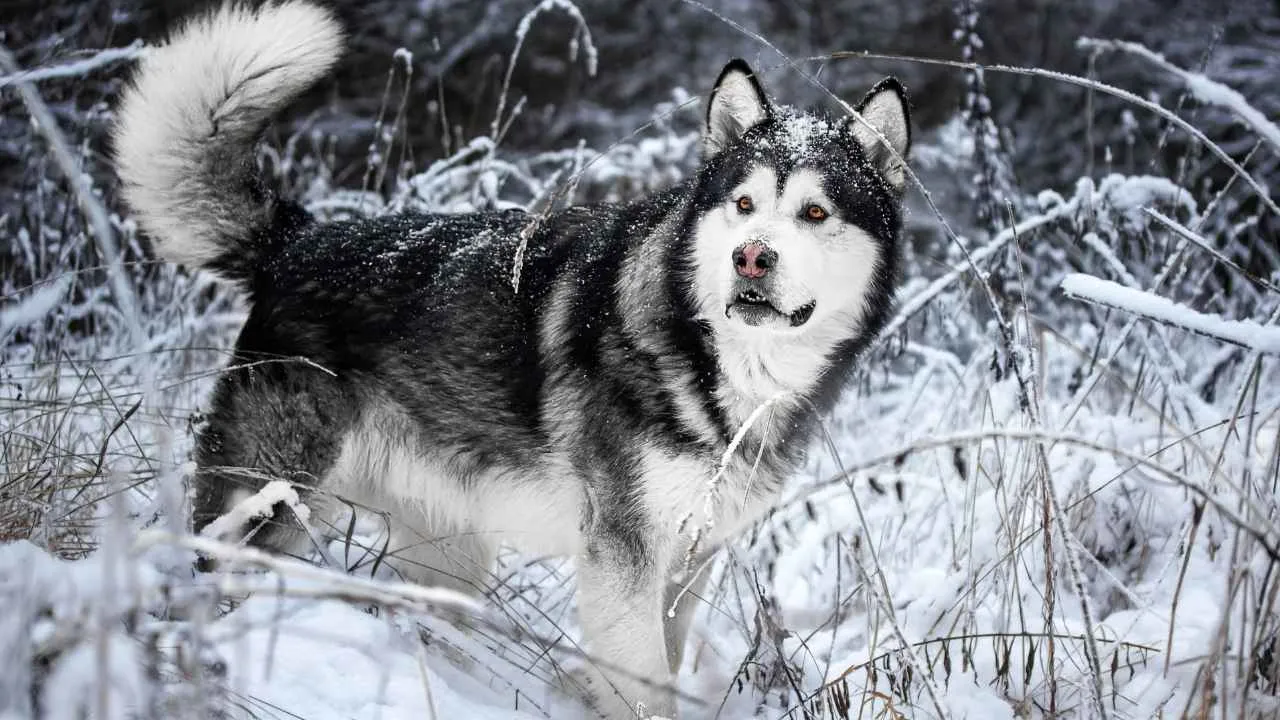
The Alaskan Malamute is basically the fantasy RPG version of a sled dog—massive, fluffy, powerful, and built to survive brutal conditions. Originally bred to haul heavy freight across Arctic terrain, these dogs have insane stamina and strength. Adult males can weigh over 85 pounds yet still move with surprising grace.
Malamutes aren’t hyper in a chaotic way; they need a job. Without enough activity, they’ll create their own entertainment, and trust me, your couch won’t enjoy the experience.
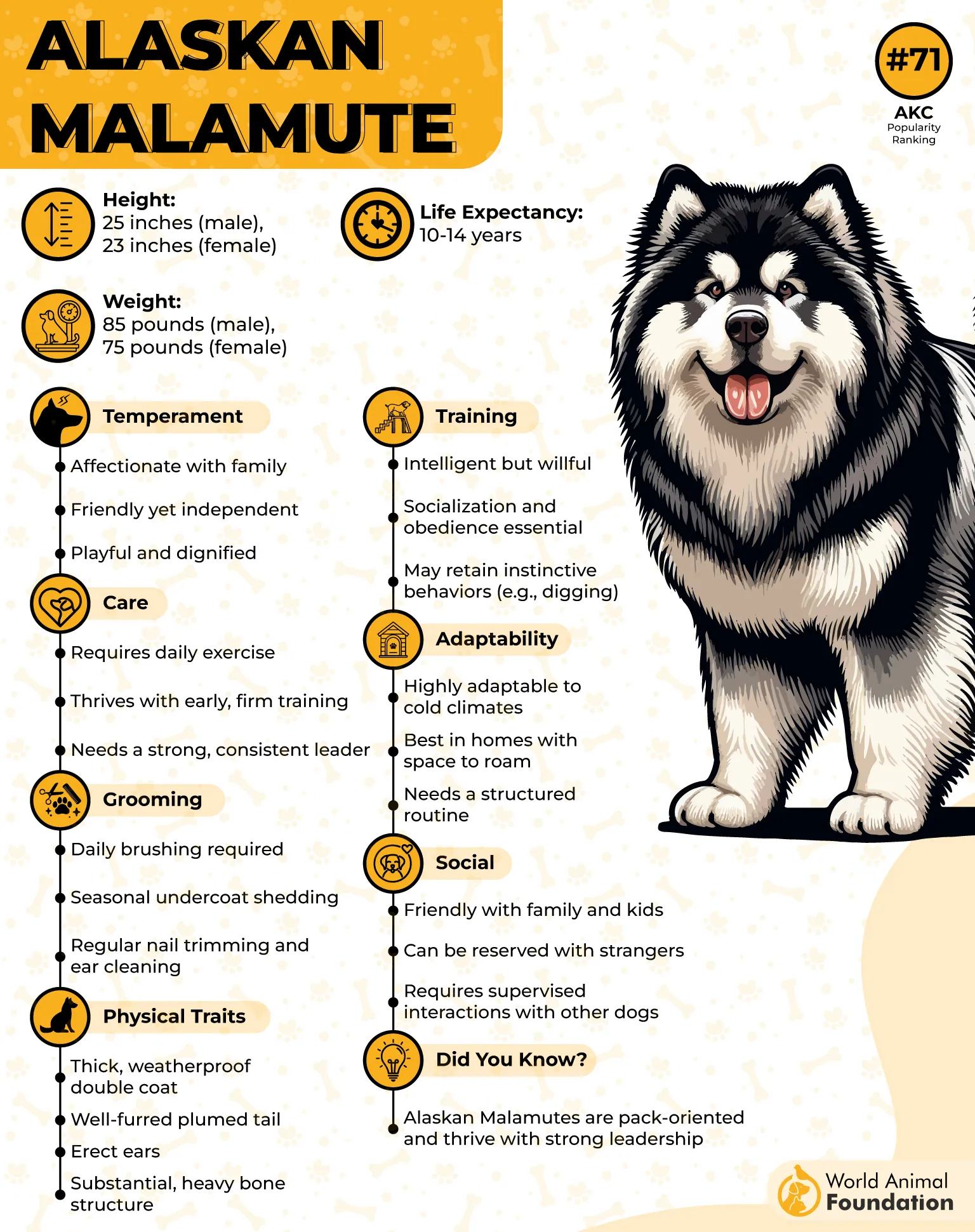
This breed thrives in outdoor environments. Hiking, backpacking, pulling carts on rugged mountain paths, skijoring, and long-distance walks are basically their version of self-care. Many Malamute owners say these dogs become visibly happier when they have structured physical activity every day.
Despite their wolf-like appearance, they are famously affectionate with family. They’re social dogs that love companionship and often behave like oversized teddy bears indoors.
Many owners of these active dogs describe them as “emotionally expressive,” often leaning against people or vocalizing dramatically when they want attention. Yes, they absolutely will argue back sometimes.
These Alaskan dogs can excel in mobility assistance and emotional support work because of their strength and calm demeanor. Historically, they were even used in military rescue operations during World War II.
However, they’re not beginner-friendly service dogs. Their independent personality means obedience training requires patience, confidence, and consistency.
Quick Facts
Exercise Needs: Very high
Best For: Active outdoor lifestyles
Service Strengths: Mobility support, emotional support
Fun Fact: Malamutes can pull several times their body weight
2. Siberian Husky
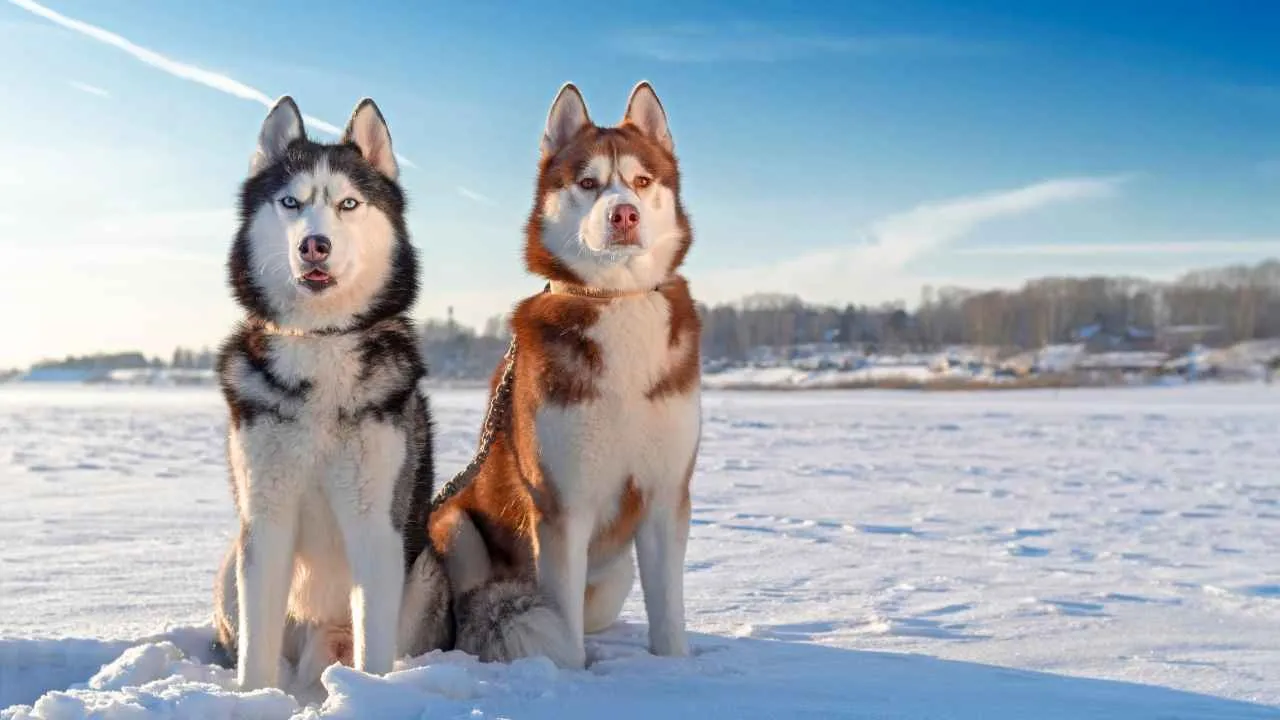
Siberian Huskies are basically endurance athletes trapped in fluffy dog bodies. Originally bred by the Chukchi people of Siberia, Huskies became famous for their ability to pull sleds across massive frozen distances with incredible efficiency.
These high-energy dogs have enough stamina to make marathon runners feel insecure.
Huskies can absolutely succeed in service work, especially emotional support or psychiatric tasks. They’re highly intelligent and emotionally perceptive, often sensing changes in mood before humans realize it themselves.
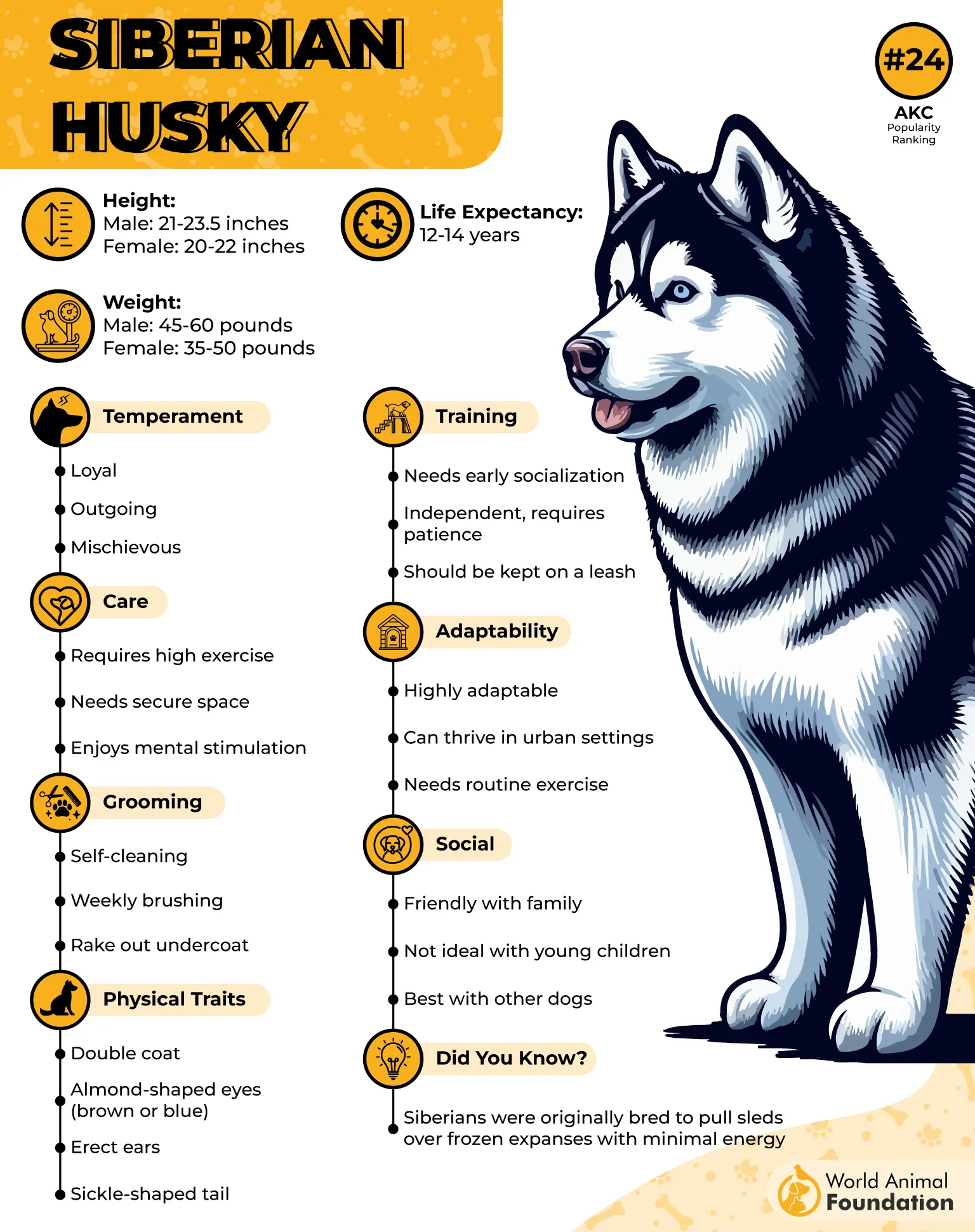
The challenge? Huskies also have a strong independent streak. Training them sometimes feels like negotiating with a smart teenager who thinks rules are optional.
Huskies usually adore people and often get along well with other dogs. They’re pack-oriented and hate isolation, so they don’t do well when left alone for long periods.
Many owners say these ideal companions act more like roommates than pets. They’ll follow you everywhere and loudly comment on your life choices.
A quick backyard potty break isn’t enough for this breed. Huskies need serious daily activity to stay mentally stable. Outdoor activities, long walks, runs, agility games, puzzle toys, and adventure outings help prevent destructive behaviors.
Without stimulation, Huskies become escape artists with Olympic-level creativity.
Quick Facts
Exercise Needs: Extremely high
Best For: Experienced active owners
Service Strengths: Emotional support, psychiatric tasks
Fun Fact: Huskies can run for hours without tiring
3. Great Pyrenees
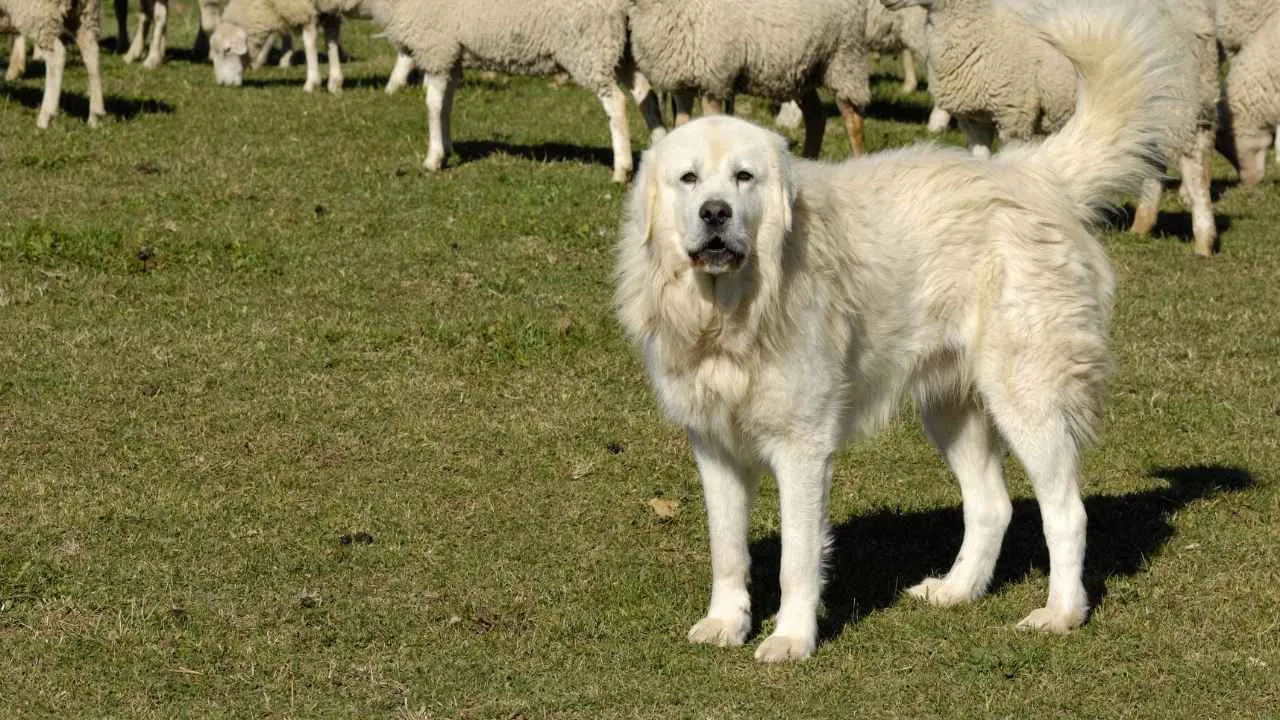
The Great Pyrenees gives off the energy of a wise fantasy guardian protecting a peaceful mountain village. Originally bred to guard livestock in the Pyrenees Mountains, these dogs are patient, fearless, and incredibly devoted.
These gentle giants don’t panic easily, which makes them excellent candidates for service and support.
Pyrenees dogs think independently because their historical job required them to make decisions without human instruction. That calm confidence translates beautifully into emotional support roles.
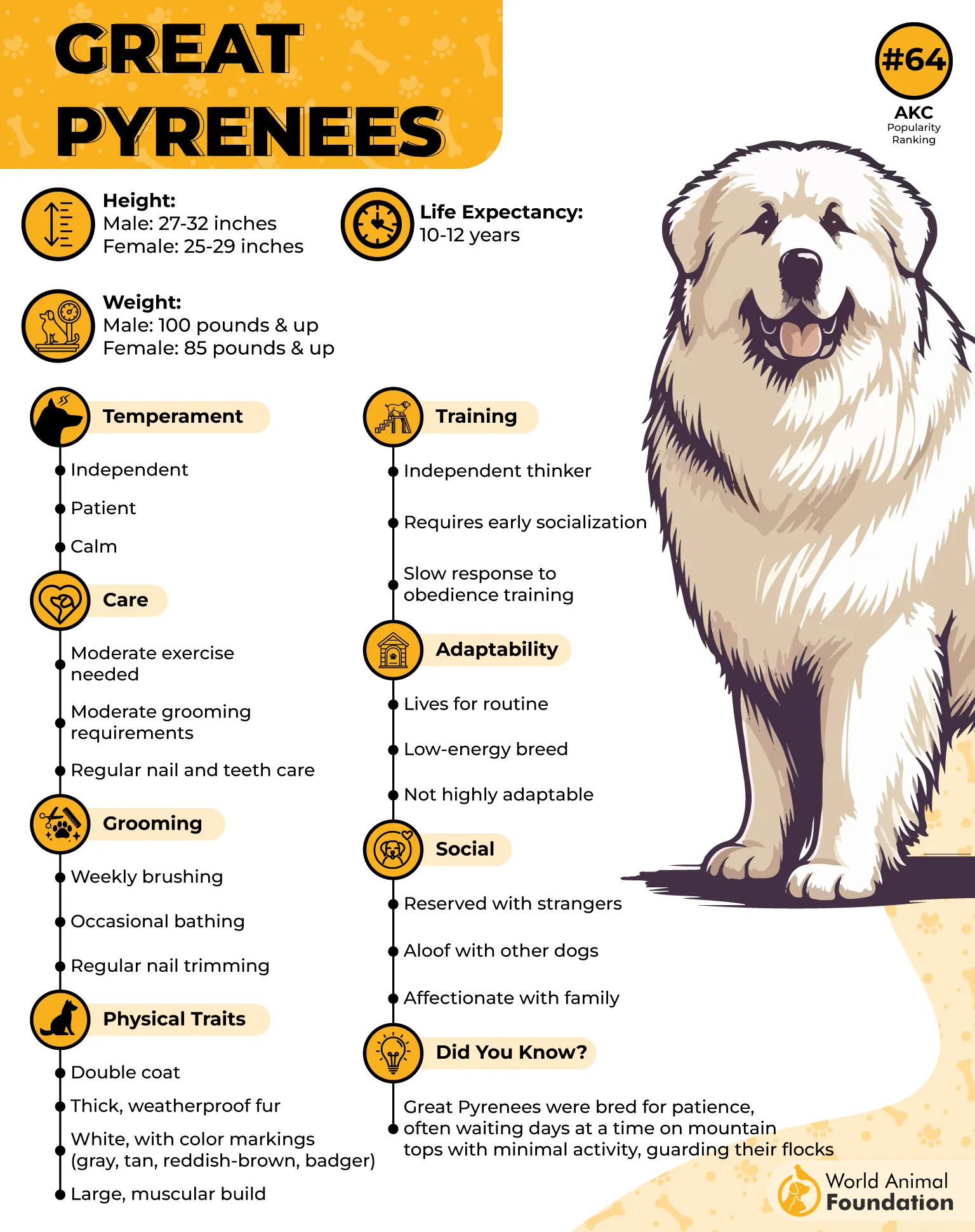
However, training can sometimes feel like convincing a very fluffy philosopher to cooperate.
Despite their giant size, Great Pyrenees dogs are famously gentle around children and family members. Many owners call them “nanny dogs” because of their protective instincts.
They’re affectionate without being clingy, which makes them great companions for quieter households.
Their massive frame and calm nature enable them to excel in mobility support and balance assistance. They’re steady, observant, and surprisingly adaptable in stressful environments.
That said, their size means handlers need confidence and proper training techniques.
Great Pyrenees dogs are naturally alert at night because livestock predators historically attacked after dark. Many owners joke that their Pyr “works night security” by patrolling the yard at 2 a.m.
Quick Facts
Exercise Needs: Moderate
Best For: Calm households with space
Service Strengths: Mobility support, emotional grounding
Fun Fact: Their white, thick double coats helped shepherds distinguish them from wolves
4. Rhodesian Ridgeback
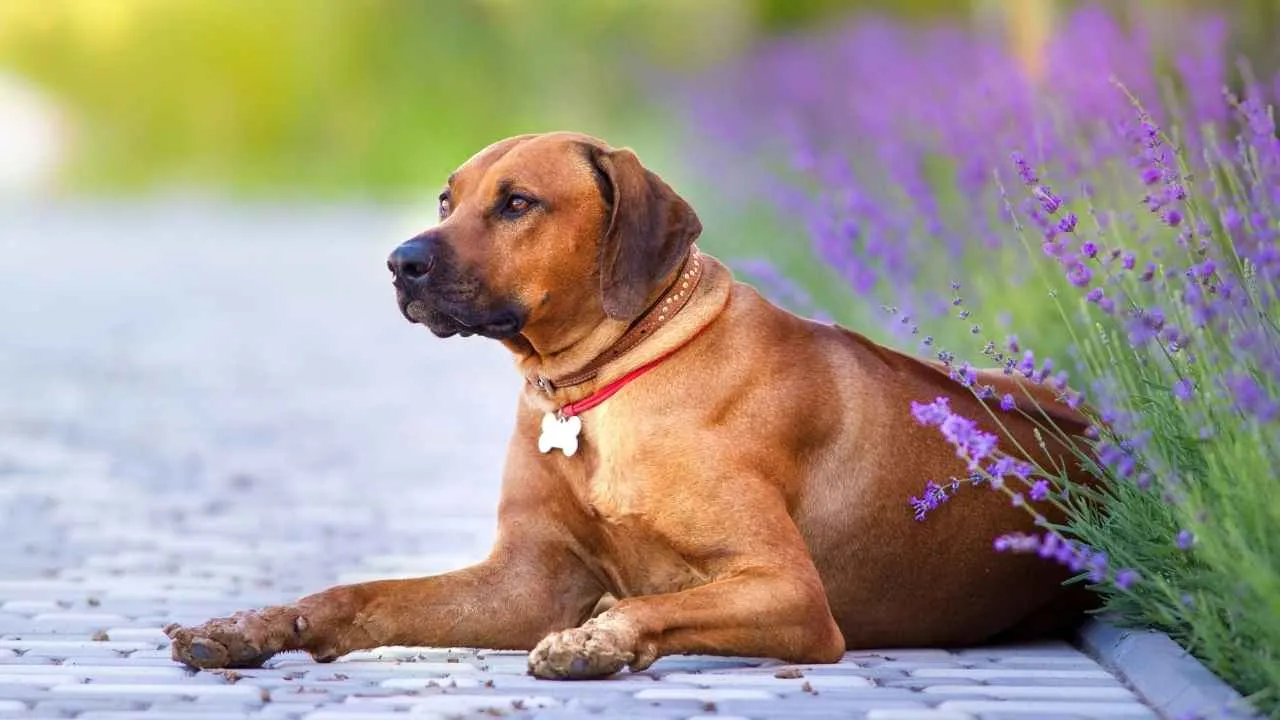
The Rhodesian Ridgeback was originally developed in southern Africa to help track lions. Yes, actual lions. That background created a dog that is courageous, athletic, and mentally sharp.
These dogs carry themselves with serious confidence.
Ridgebacks bond deeply with their families and are naturally protective, but they’re not typically clingy or needy. They’re more like quiet bodyguards than attention-seeking lapdogs.
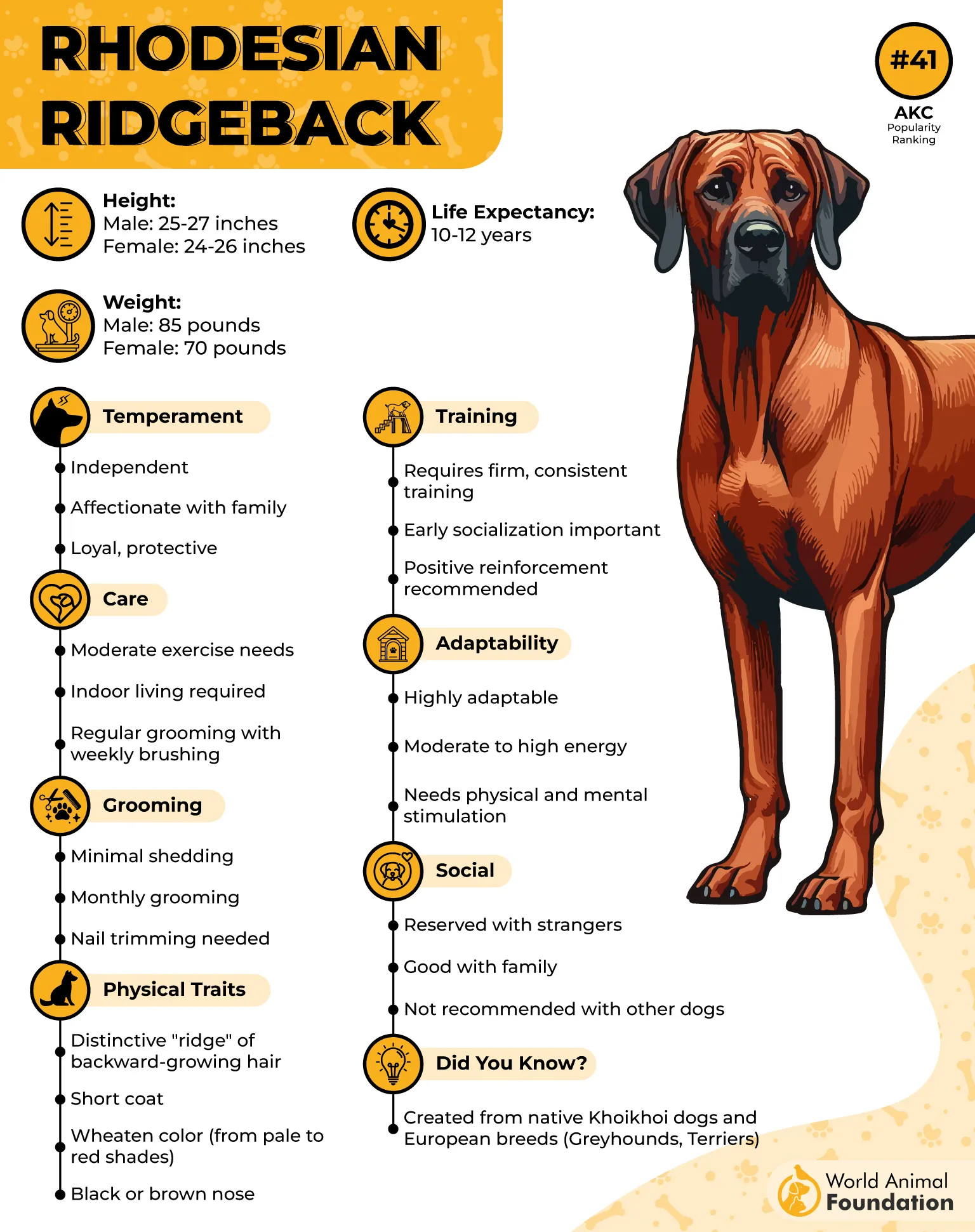
PDSA describes them as emotionally intuitive and deeply observant.
This breed thrives in active homes where hiking, running, and outdoor exploration are part of the routine. Their endurance levels are impressive, and they excel at agility-style activities.
A Ridgeback sitting idle all day is basically wasted potential.
Ridgebacks can provide mobility assistance, psychiatric support, and emotional grounding. Their emotional awareness makes them especially effective with anxiety-related conditions.
However, early training is crucial because they’re intelligent enough to develop bad habits quickly. These dogs are best suited to confident owners who can provide structure and leadership. They’re independent thinkers and won’t unthinkingly obey commands.
But once bonded, their loyalty is next-level.
Quick Facts
Exercise Needs: High
Best For: Experienced active owners
Service Strengths: Emotional support, mobility tasks
Fun Fact: The ridge on their back grows in the opposite direction from the coat
5. Weimaraner
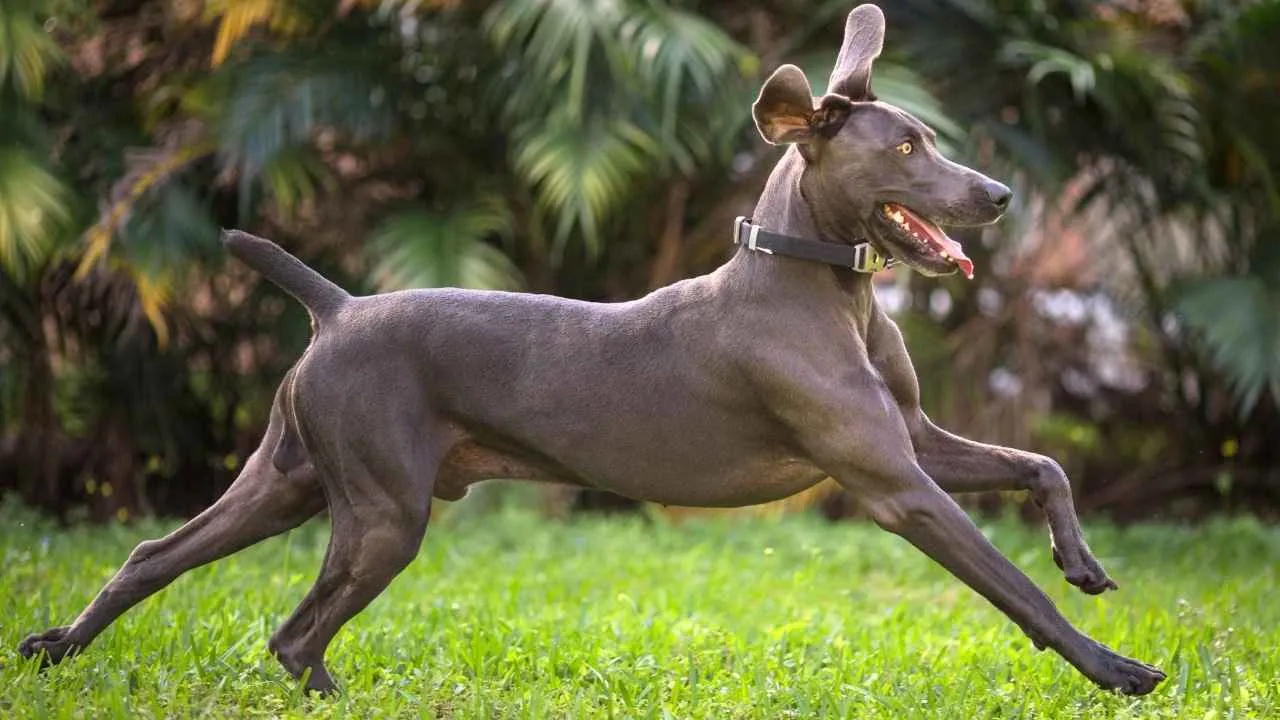
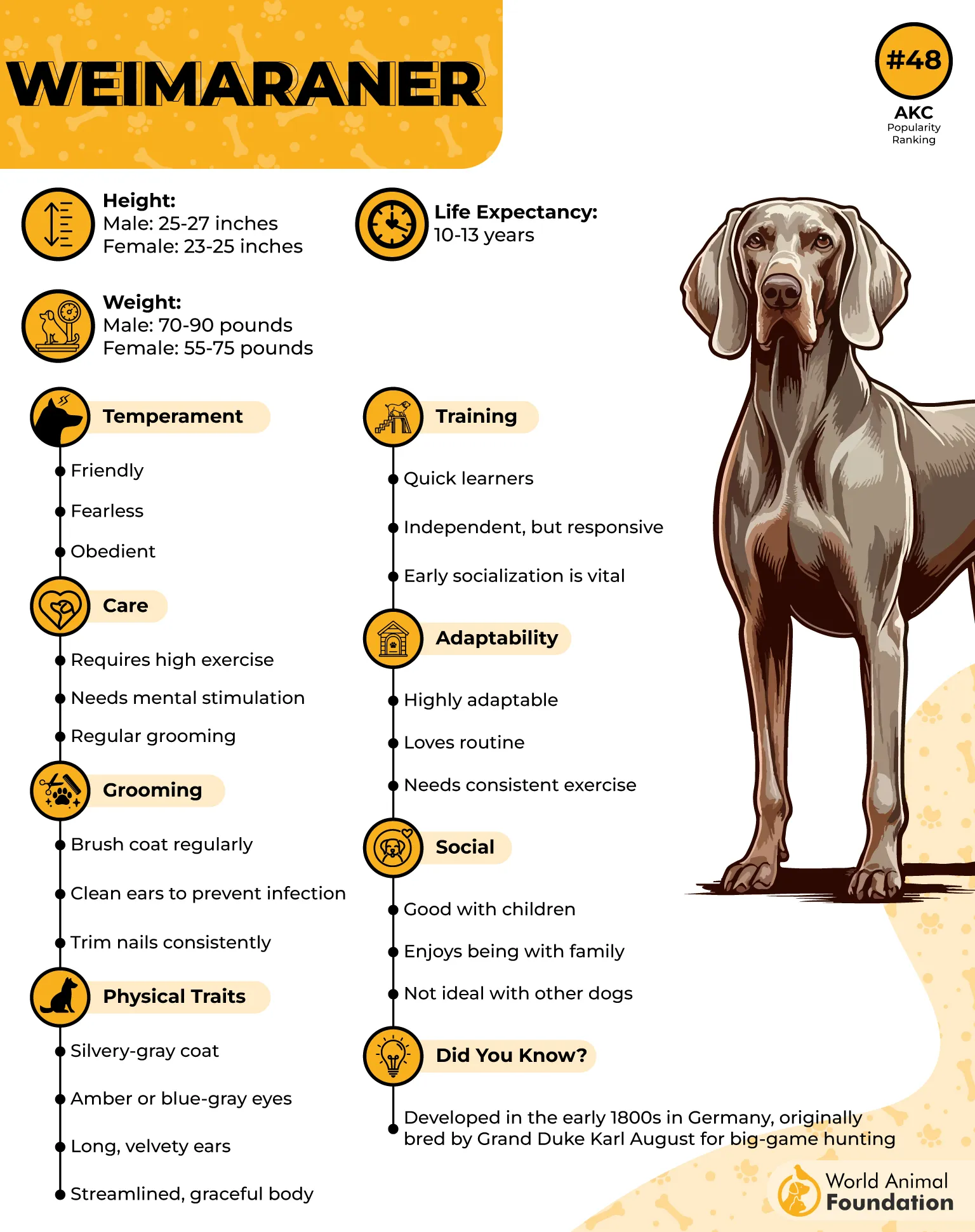
Weimaraners are athletic, elegant, and emotionally attached to their humans. Nicknamed “Velcro dogs,” they genuinely want to be involved in everything you do.
Bathroom trip? Your Weimaraner is coming too.
Originally bred as hunting dogs, these dogs with an independent nature are incredibly driven and require constant stimulation. They excel in obedience, scent work, agility, and adventure sports.
Without enough activity, they become frustrated very quickly.
Their affectionate nature makes them fantastic emotional support dogs. Many owners say that Weimaraners seem emotionally attuned to human moods almost instantly.
They’re especially comforting for people who dislike feeling alone.
Some Weimaraners excel in psychiatric service tasks, medication retrieval, and crowd buffering. Their intelligence allows them to learn complex routines effectively.
However, their prey drive means training must begin early and stay consistent.
This high-energy breed loves movement. Hiking trails, running paths, camping trips, and beach adventures are all ideal.
Quick Facts
Exercise Needs: Extremely high
Best For: Very active lifestyles
Service Strengths: Psychiatric support, retrieval tasks
Fun Fact: They’re often called “gray ghosts” because of their sleek silver coats
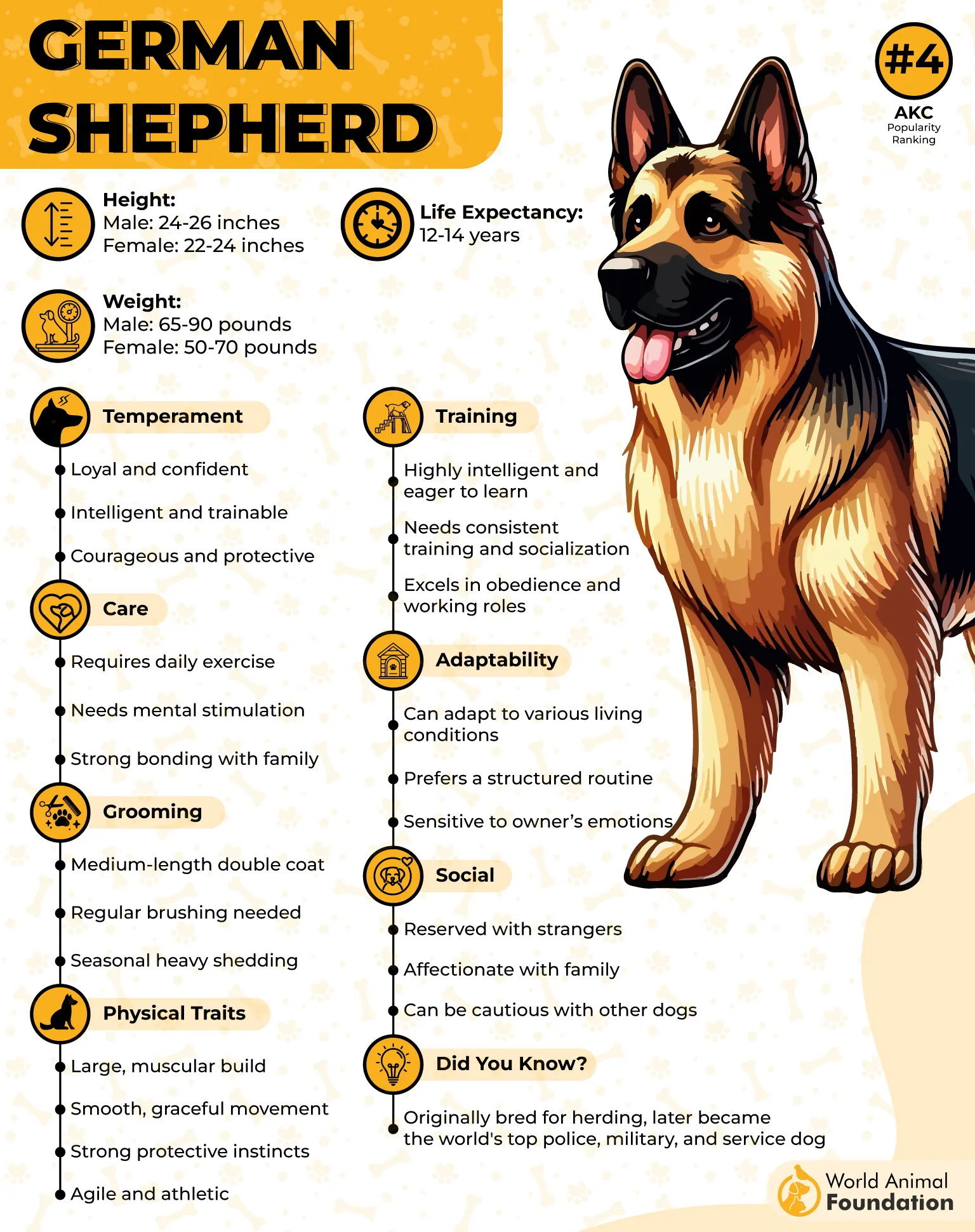
6. German Shepherd
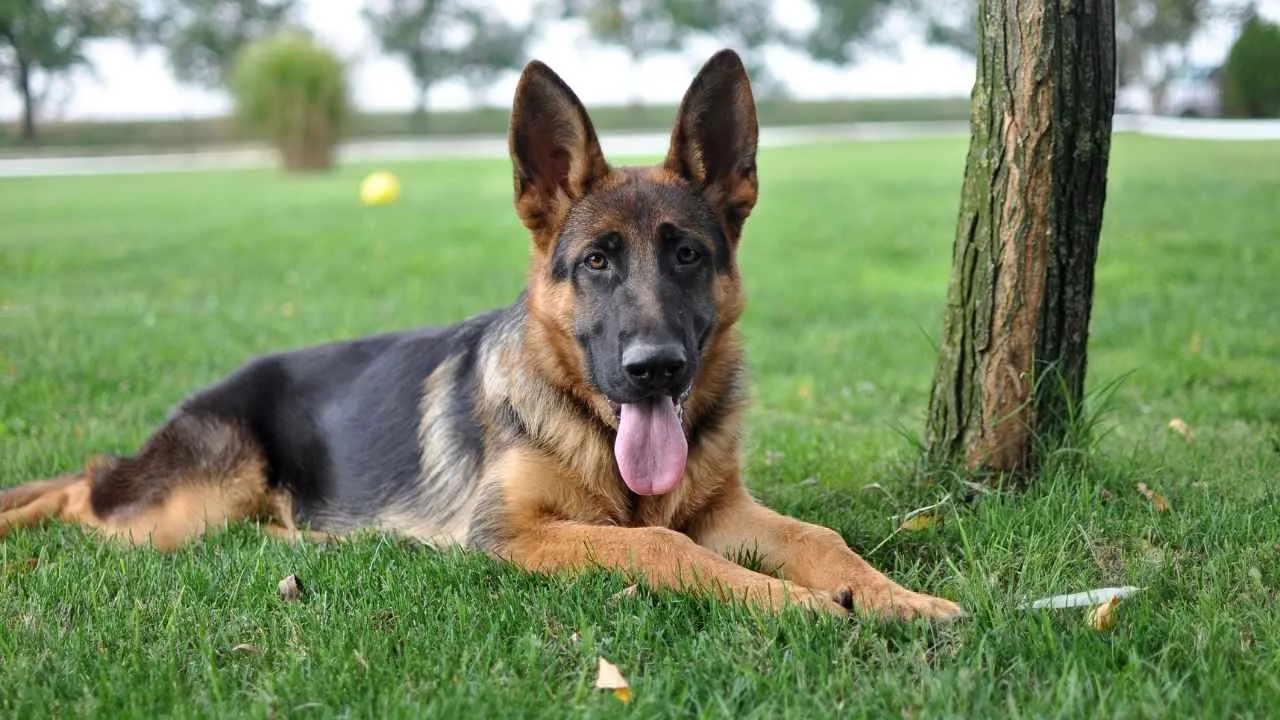
If dog breeds had LinkedIn profiles, the German Shepherd’s résumé would be at the top. Police work, military service, guide dogs, search and rescue, therapy work—you name it, they dominate it.
There’s a reason they are consistently ranked among the smartest dog breeds worldwide.
German Shepherds thrive when they have a sense of purpose. Their intelligence, focus, trainability, and emotional sensitivity make them elite-level service dogs.
Many professional trainers call them “dream dogs” because of how quickly they learn tasks.
Shepherds form intense bonds with their handlers and often mirror emotional states closely. This makes them effective psychiatric service dogs, though it can sometimes make them emotionally sensitive themselves.
These dogs thrive in a stable environment!
Physically, German Shepherds are incredibly capable. They’re strong enough for mobility support while remaining agile enough for demanding tasks. Their confidence also allows them to stay composed in stressful situations.
These dogs aren’t content lying around all day. Training sessions, advanced obedience, scent games, and structured exercise are essential.
Otherwise, they’ll invent their own “missions.”
Quick Facts
Exercise Needs: High
Best For: Service work and active homes
Service Strengths: Nearly all categories
Fun Fact: German Shepherds are among the top breeds used in police K9 units
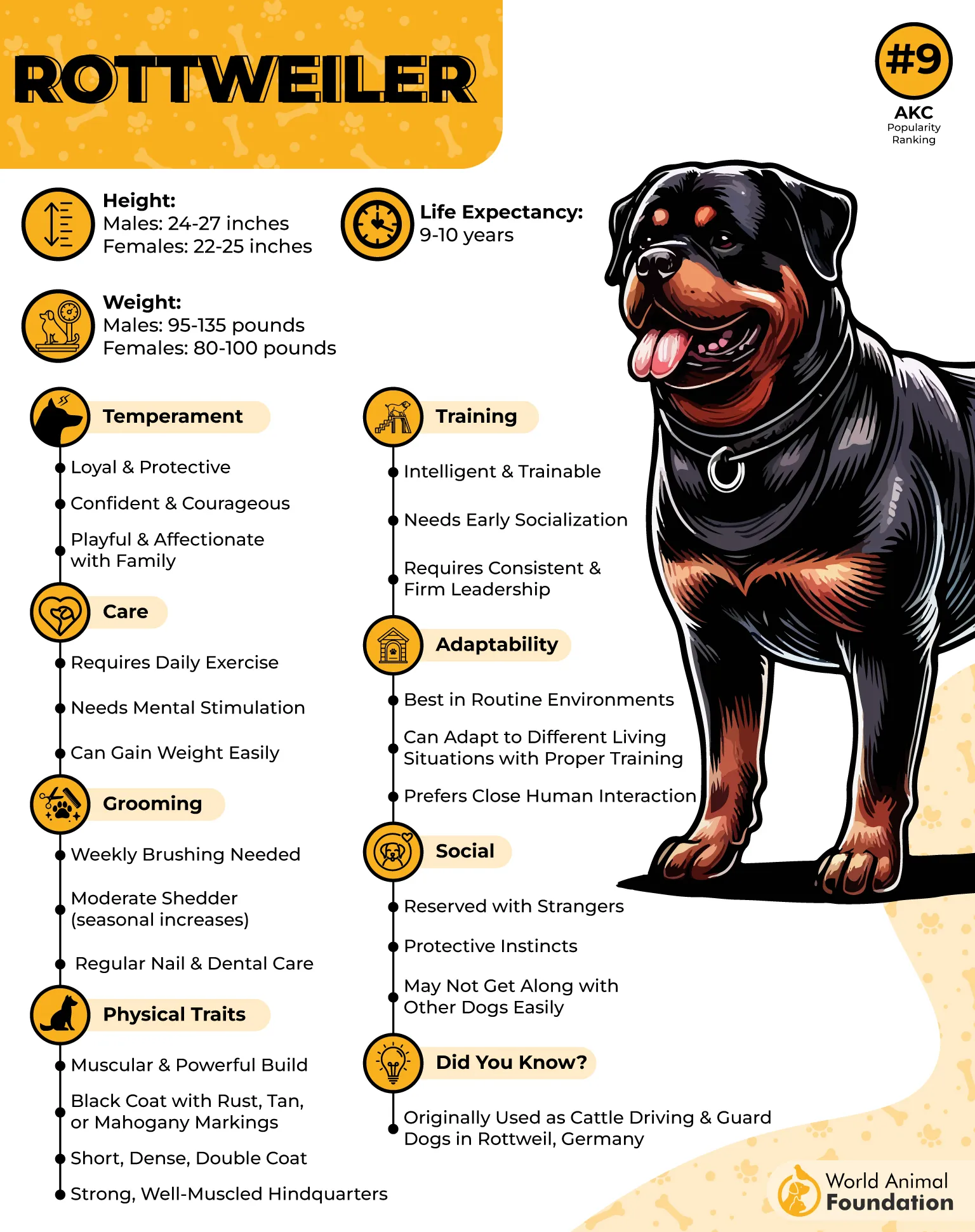
7. Rottweiler
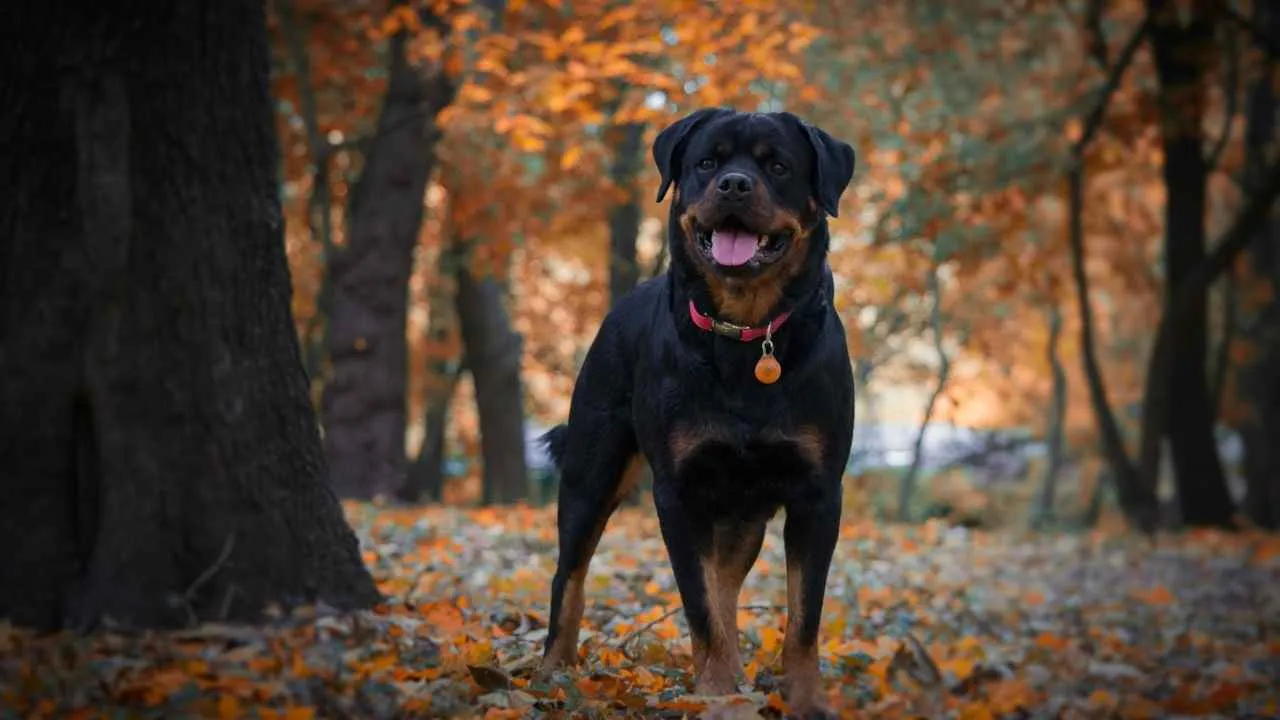
Rottweilers look intimidating, but well-trained Rotties are incredibly affectionate with their families. Beneath all that muscle is often a giant cuddle enthusiast.
Many owners say their Rottweiler thinks it’s a lapdog.
Rottweilers excel in mobility support and physical assistance work due to their strength and intelligence. They’re dependable, calm, and naturally protective.
They also tend to remain deeply emotionally connected to their handler.
Despite their boundless energy, Britannica claims they learn quickly and enjoy structured work. They’re often used in police partners, rescue dogs, and therapists because of their stability and focus.
Consistency matters hugely during training.
These dogs enjoy hiking, swimming, jogging, and outdoor play. While they’re powerful, they also appreciate downtime with their humans afterward.
Basically: gym partner meets couch companions.
Quick Facts
Exercise Needs: Moderate to high
Best For: Experienced owners
Service Strengths: Mobility and support work
Fun Fact: Rottweilers originally drove cattle for Roman armies
8. Doberman Pinscher
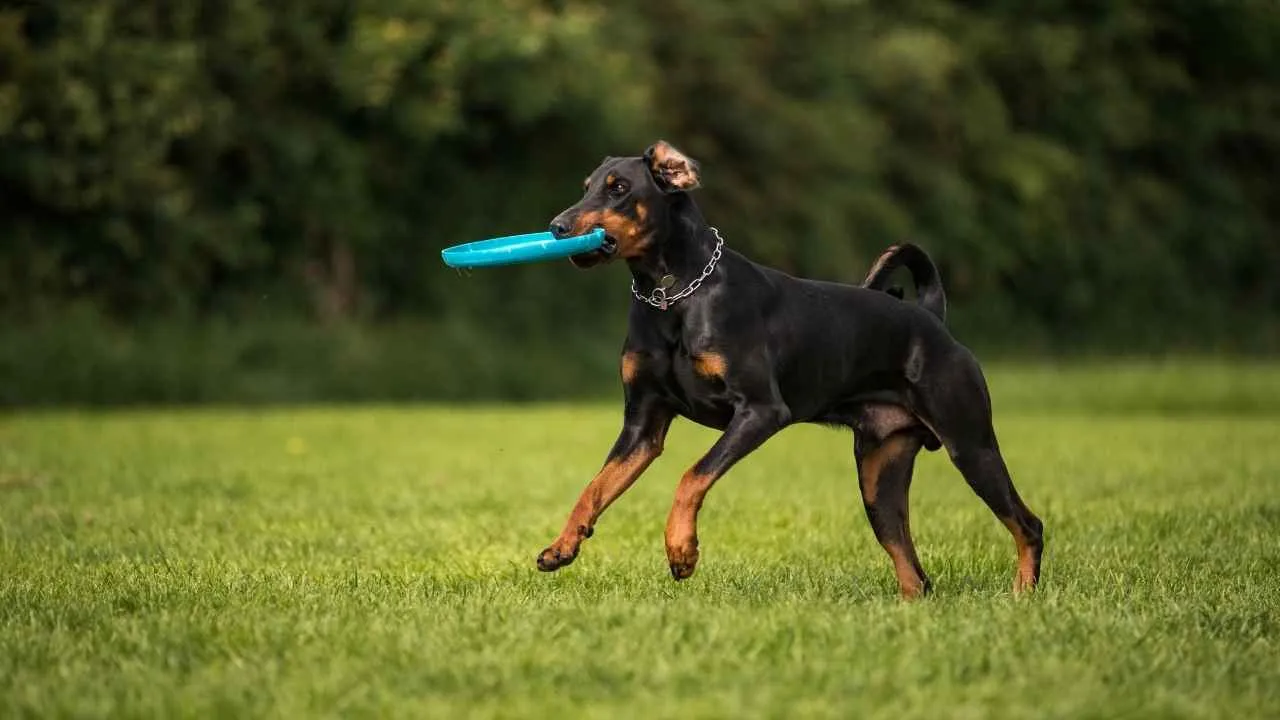
Dobermans combine athleticism, intelligence, and loyalty in a ridiculously sleek package. They’re fast learners and thrive in structured environments.
Honestly, they move like dogs designed by luxury sports car engineers.
Dobermans form intense bonds with their owners and often become deeply protective companions. Many owners describe them as emotionally sensitive despite their intimidating appearance.
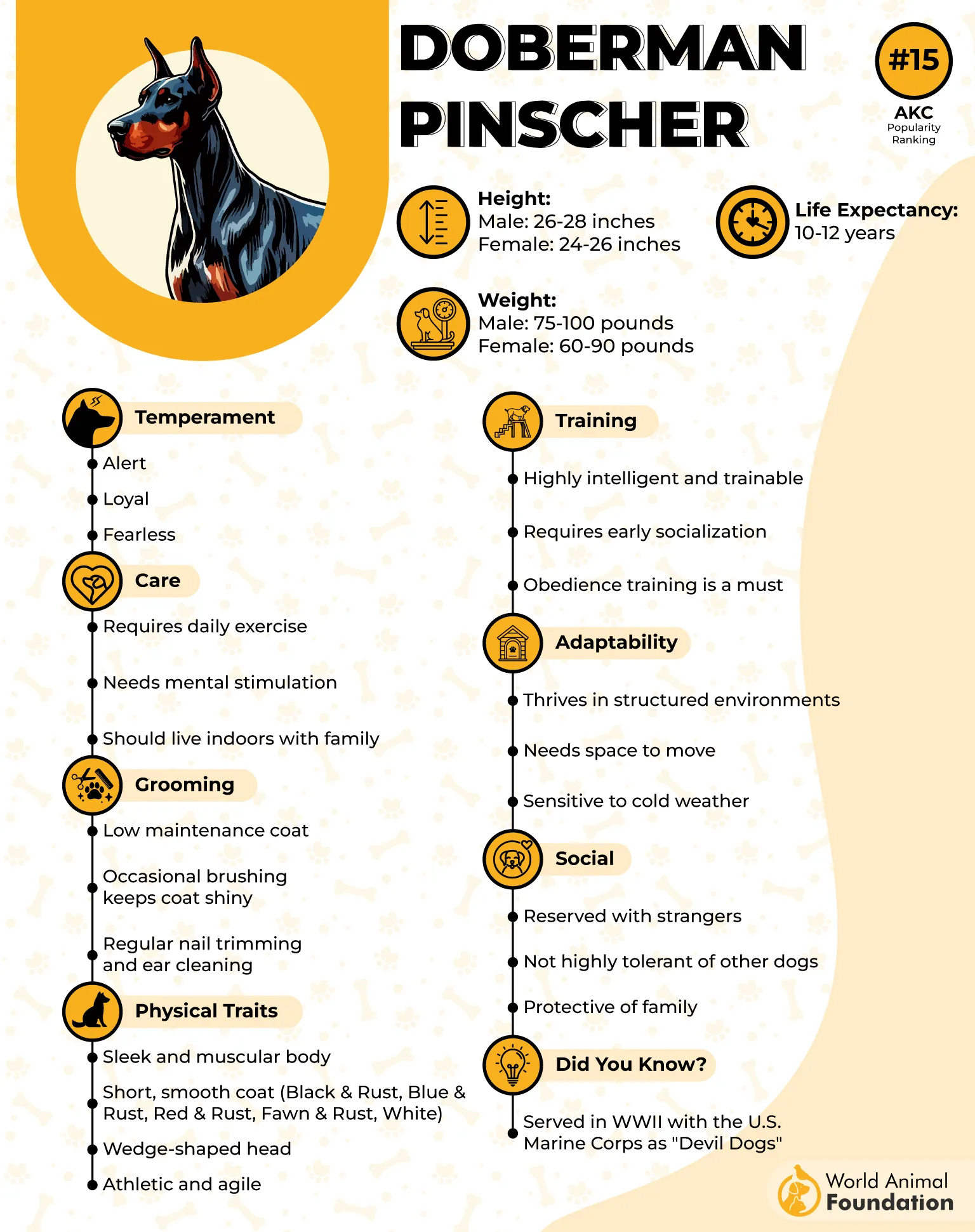
They genuinely want to stay close to their people. If you are a homebody, this is the right dog breed for you!
Purina says this popular breed can excel in guide work, psychiatric support, mobility tasks, and therapy roles. Their intelligence allows them to learn complex routines efficiently.
The biggest challenge is managing protective instincts appropriately. Generally easy to train, they do best with structured routines, physical outlets, and training. Long walks, obedience games, agility, and mental stimulation are essential.
Despite their tough reputation, these wonderful companions are famously cuddly with trusted humans. Many are total Velcro dogs indoors.
Quick Facts
Exercise Needs: High
Best For: Structured active homes
Service Strengths: Mobility, psychiatric tasks
Fun Fact: Dobermans were originally bred by a tax collector for protection
9. German Shorthaired Pointer
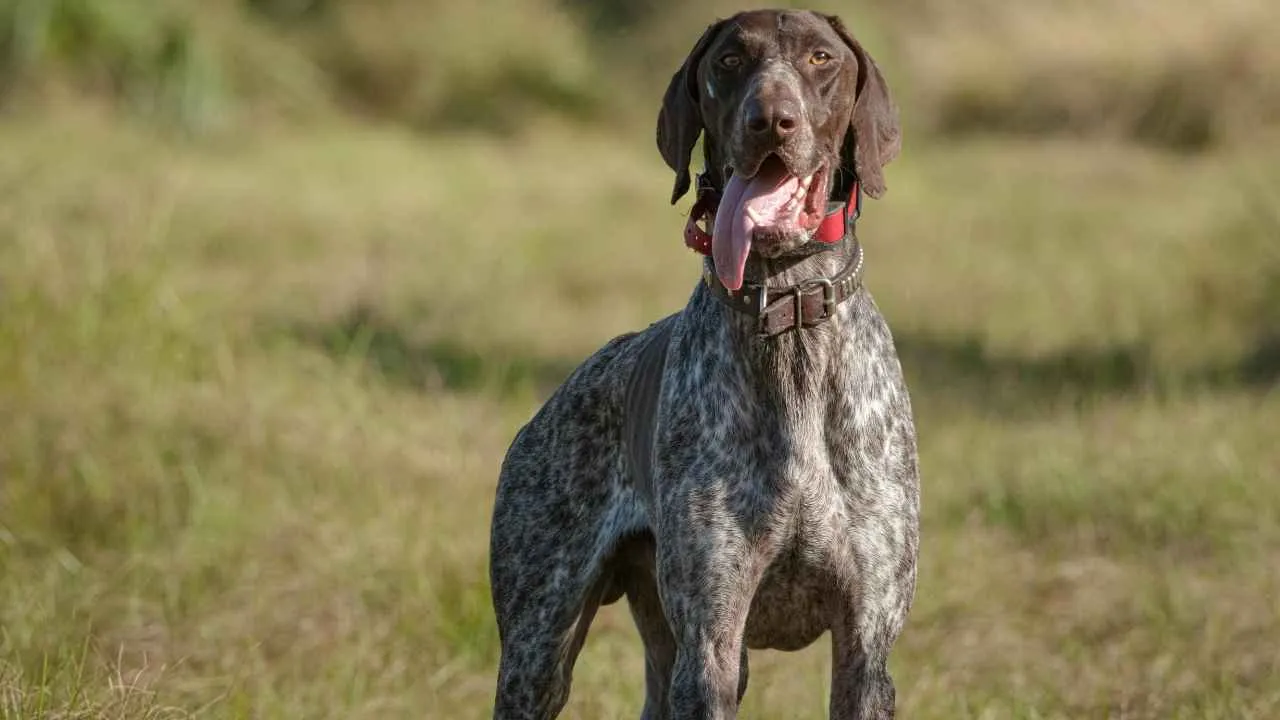
German Shorthaired Pointers are basically outdoor athletes with unlimited enthusiasm. These dogs were bred for hunting, tracking, retrieving, and all-day endurance.
If you love outdoor adventures, they’re incredible companions.
Despite their athletic nature, this active breed is very loving and emotionally connected to its people. Many become clingy cuddle bugs at home after a long day outdoors.
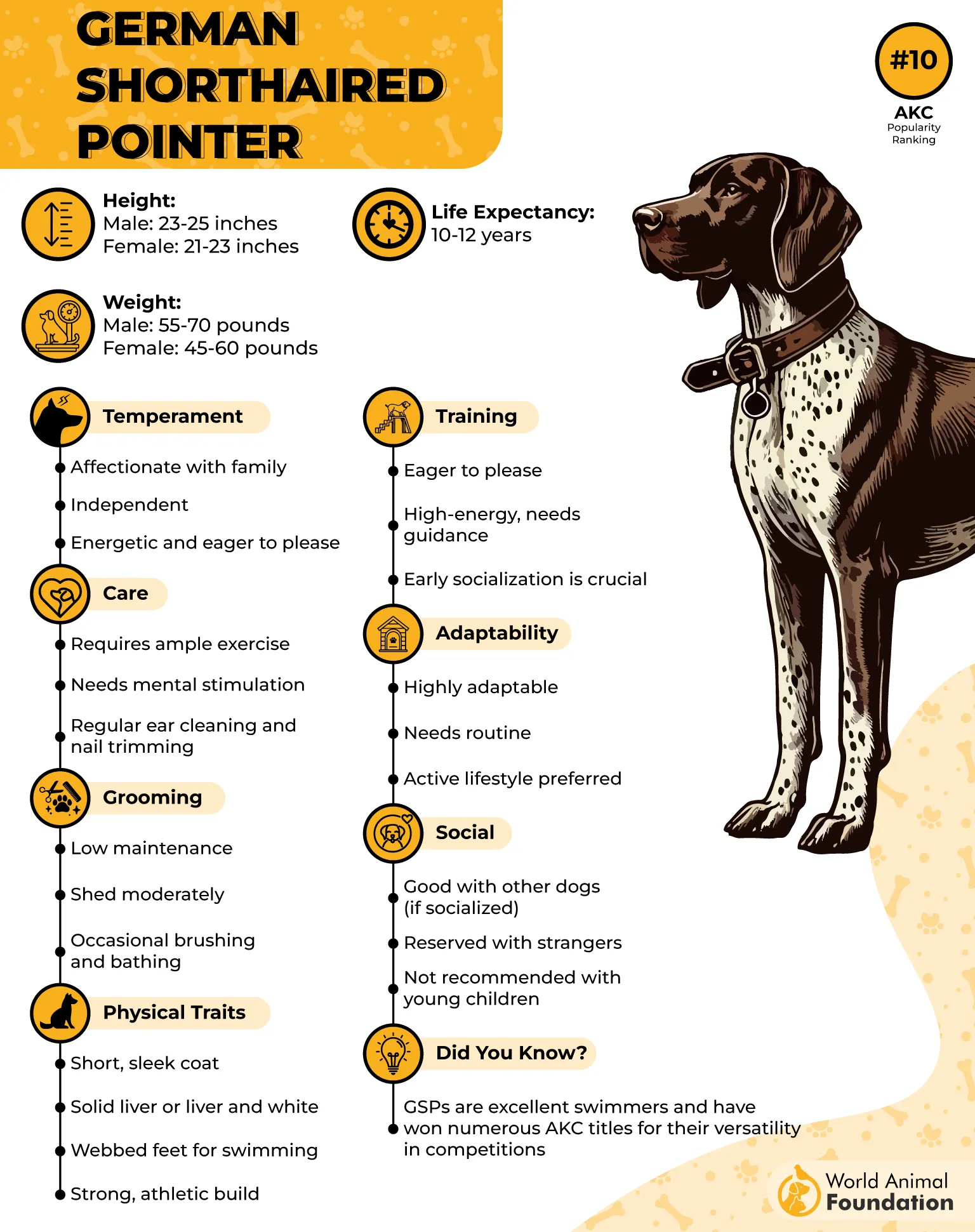
They’re equal parts athlete and emotional support buddy.
Because of their prey drive and excitement levels, GSPs can be harder to train for service work than calmer breeds. However, the right dog absolutely can succeed.
They especially shine in emotional support and active psychiatric support roles.
These Pointer dogs need serious physical exercise daily. Running, hiking, swimming, scent work, and agility are all fantastic outlets.
Without activity, they become bored extremely quickly.
GSPs tend to be very friendly with people and often enjoy meeting strangers. Their outgoing nature can make them strong candidates for therapy dog training with enough training.
They need help learning not to greet everyone with maximum enthusiasm.
Quick Facts
Exercise Needs: Extremely high
Best For: Outdoor-focused owners
Service Strengths: Emotional support, active assistance
Fun Fact: GSPs are excellent swimmers and versatile hunting dogs
Conclusion
Resilient dog breeds aren’t just pets—they’re teammates. These dogs were bred to work, protect, support, explore, and stay by humans’ side through difficult environments and emotional challenges alike.
Whether it’s a German Shepherd guiding someone safely through daily life or an Alaskan Malamute powering through snowy terrain like a furry tank, these breeds thrive when they’re given purpose.
But here’s the thing most people underestimate: resilient dogs also need resilient owners. These breeds demand time, structure, patience, training, and emotional connection. They’re not low-maintenance “weekend-only” companions. They’re intelligent working partners who need physical outlets and mental challenges to stay balanced.
Labrador Retriever, Border Collie, Belgian Malinois, Australian Cattle Dog, Jack Russell Terrier, Bernese Mountain Dog, Golden Retriever, and Australian Shepherd are also known to be great outdoor enthusiasts!
