




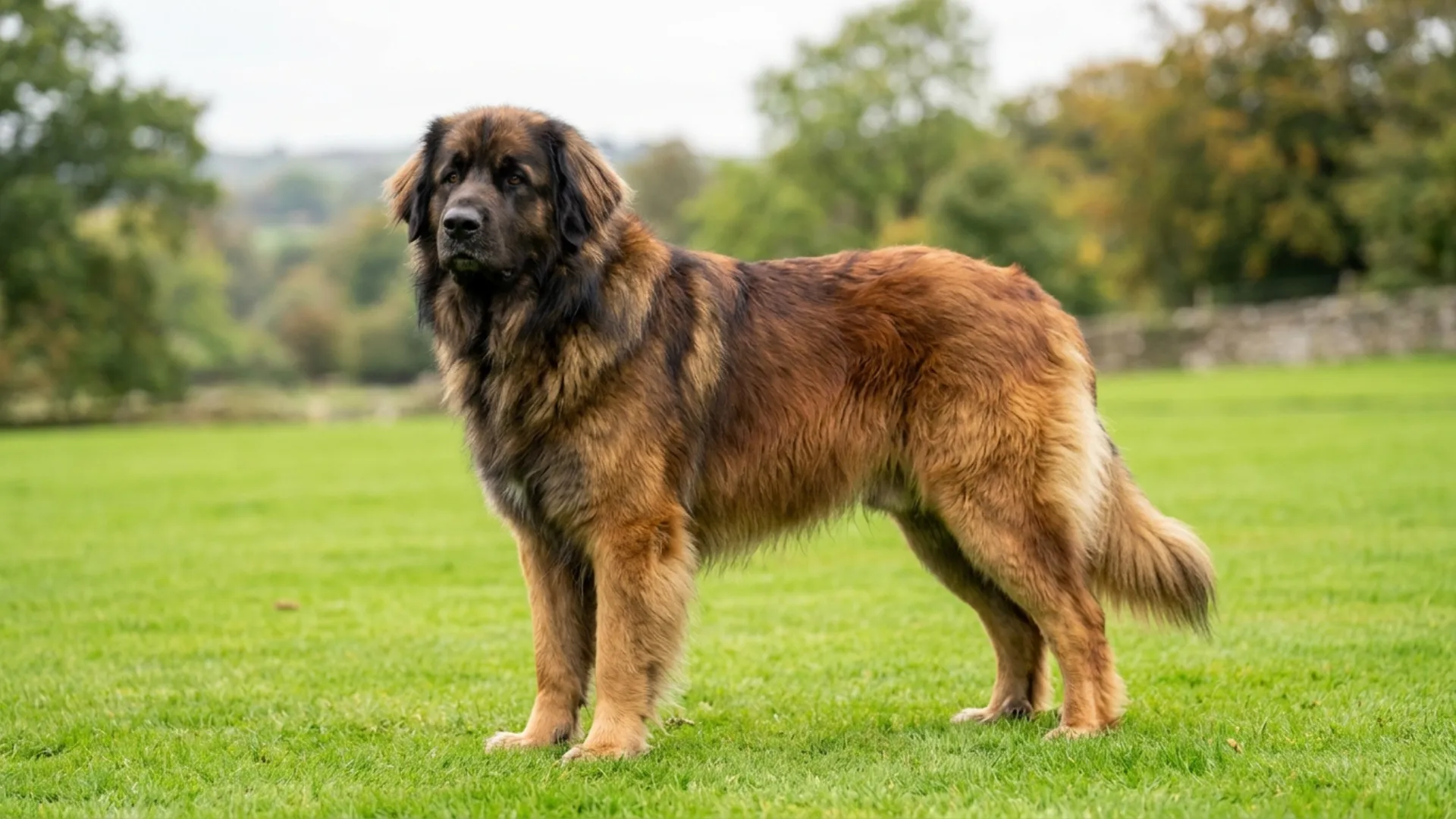
There’s something undeniably captivating about giant dogs—the kind that make you pause mid-step and think, “Wow, that’s a lot of dog.” But here’s the surprising part: behind those towering frames are often calm, affectionate companions who’d happily spend the day lounging beside you.
Of course, living with a dog this size isn’t just about extra cuddles (though there’s plenty of that). These dogs grow fast, eat a lot, and need thoughtful training early on because they don’t always realize just how powerful they are.
They’re also more prone to certain health conditions, like gastric dilatation-volvulus (GDV), making proper care and awareness essential. But for the right owner, the rewards are unmatched. Giant dogs are deeply loyal, naturally protective, and incredibly in tune with their families.
This article is for those who want something beyond the ordinary—unique and rare giant dog breeds that bring not just size, but character, history, and presence into your life. So what are you waiting for? Let’s take a look!
Key Takeaways
Giant dogs that look powerful but often live as calm, loving companions.
Rare breeds like the Leonberger, Tibetan Mastiff, and Irish Wolfhound each bring a unique personality.
They need space, training, and care, but give deep loyalty in return.
Owning one means a big commitment—and an even bigger bond.
Unique and Rare Giant Dog Breeds for the Discerning Owner
1. Leonberger
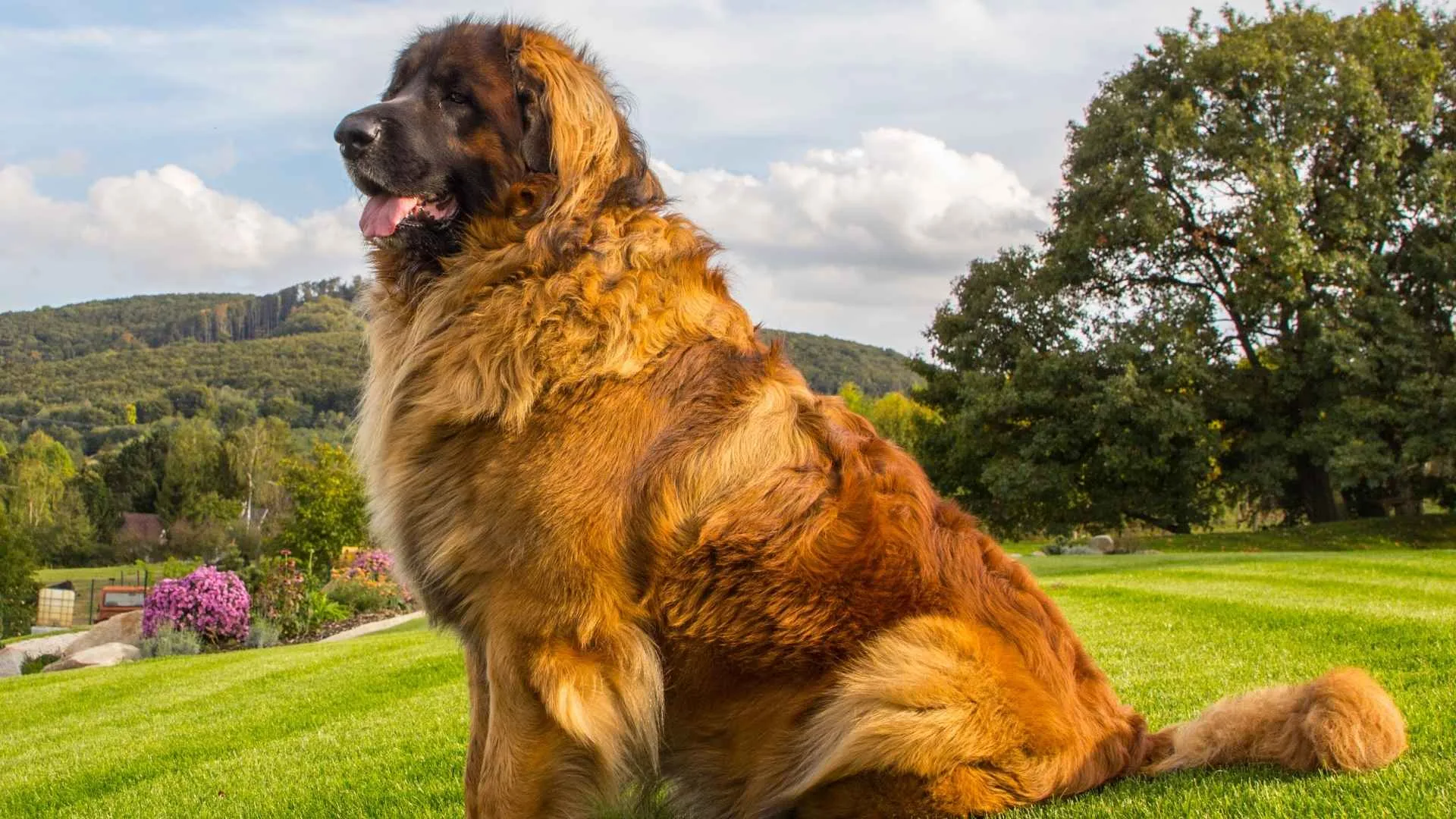
The Leonberger stands out as a truly unique and rare giant breed, known for its lion-like presence and calm, affectionate nature. Originally developed in Germany in the 1840s, this breed was designed to resemble a heraldic lion.
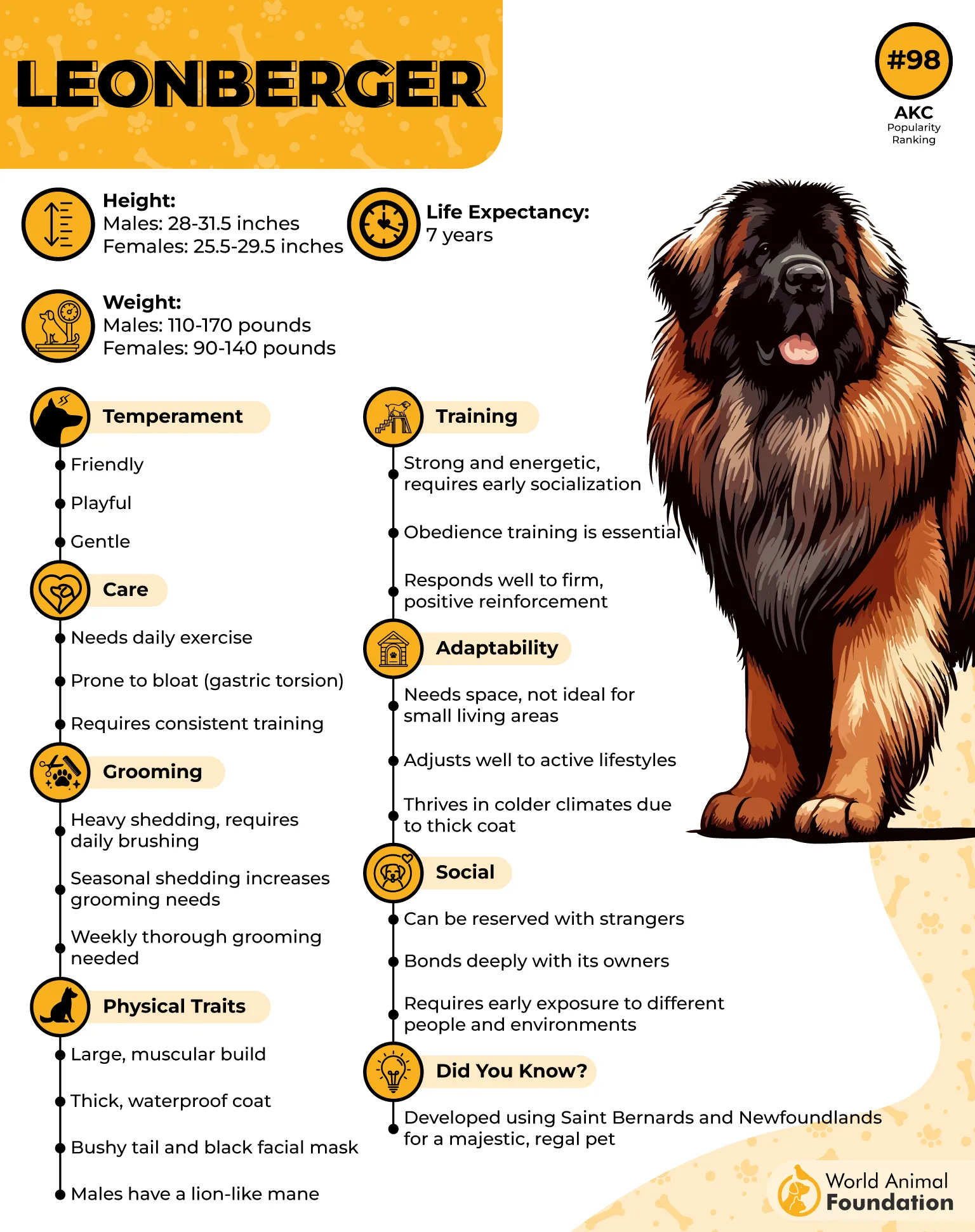
With its thick, water-resistant coat, black facial mask, and signature mane in males, the Leonberger carries both power and elegance. Despite its impressive size, it is gentle, patient, and deeply devoted to its family, always wanting to be part of everyday life.
Temperament & Personality
The Leonberger is often called a “gentle lion,” and the name fits perfectly. This breed is friendly, playful, and emotionally in tune with its people. It is loyal and sensitive, often picking up on moods and offering quiet comfort.
While calm as an adult, it still enjoys adventure and thrives on companionship. It can act as a reliable watchdog, showing intelligence and sound judgment without aggression. Early socialization and training are essential, as its strength and energy are much easier to manage when guided from a young age.
Care, Lifestyle & Needs
Needs space to move freely; not ideal for small homes or apartments
Requires daily exercise, including walks, hikes, or active play
Enjoys activities like drafting and agility training
Thick double coat needs regular brushing, with extra care during shedding seasons
Can be messy while eating and drinking
This breed does best with an owner who is fully committed. It needs time, attention, and consistent care. In return, the Leonberger offers unmatched loyalty, warmth, and companionship, making it a perfect family dog.
2. Tibetan Mastiff
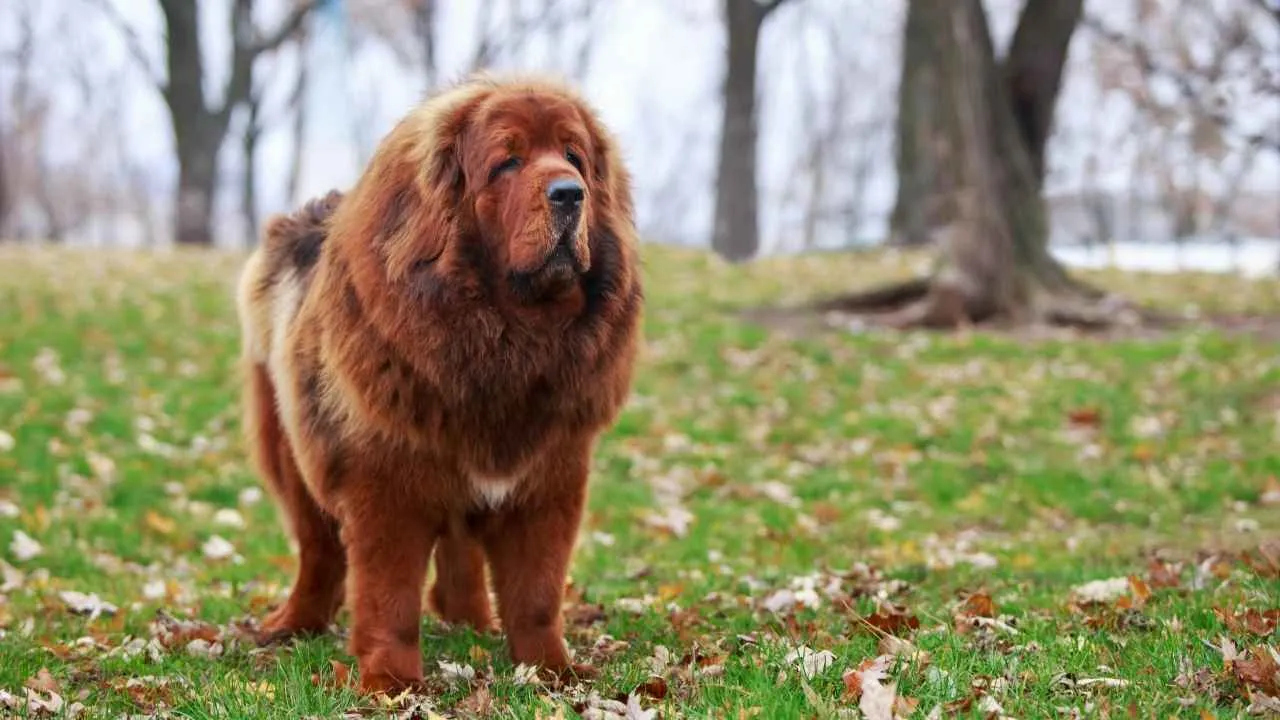
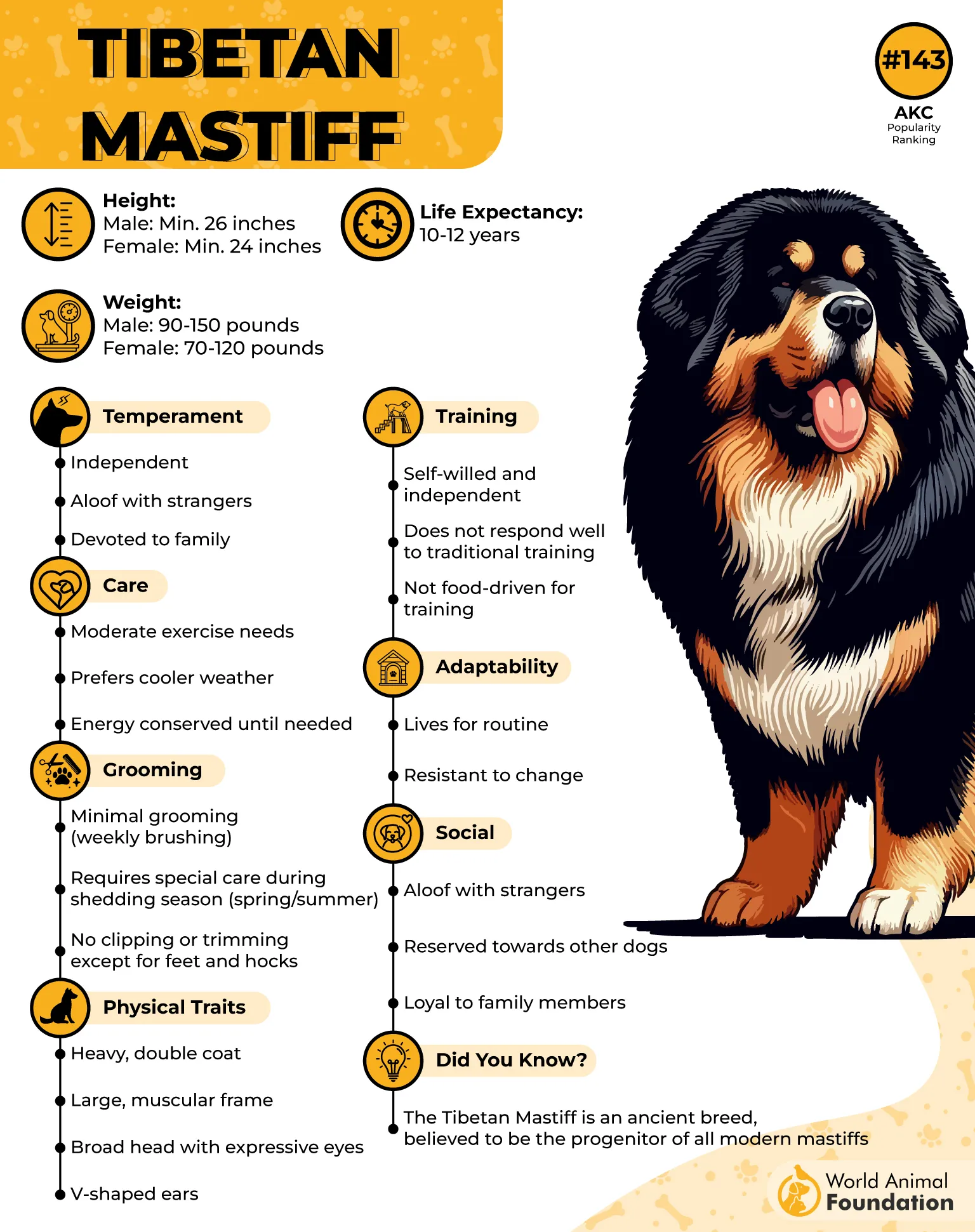
The Tibetan Mastiff is one of the most unique and rare giant breeds, known for its ancient roots and unmatched guarding instinct. Often described as watchful, aloof, and imposing, this breed carries a powerful presence that naturally deters intruders.
Beneath the dense double coat and lion-like mane lies a calm and devoted companion. At home, it is mellow and deeply loyal, but with strangers, it remains reserved and territorial. Its noble expression, broad head, and light-footed agility give it both strength and quiet elegance.
Temperament & Personality
WebMD says that the Tibetan Mastiff is highly intelligent but also fiercely independent. It does not blindly follow commands and prefers to rely on its own instincts. This breed learns quickly but dislikes repetition and may ignore commands if it sees no purpose.
It is not food-driven and does not respond reliably to treats, making training more challenging. Early socialization is essential to help it adapt to people and animals.
Loyal and protective, it bonds deeply with its family but often views itself as an equal rather than a follower. Because of this strong will, it is best suited for experienced owners.
Care, Lifestyle & Needs
Prefers open space and a secure yard; not ideal for confined living
Needs moderate daily exercise, often through patrolling rather than play
More active in cooler weather; tends to conserve energy
A thick coat requires weekly brushing, with heavy seasonal shedding once a year
Should never be trusted off-leash due to poor recall
This breed thrives when given purpose and space. It enjoys guarding its territory more than structured activities and may even attempt to escape if bored.
With the right environment and a confident owner, the Tibetan Mastiff becomes a loyal, fearless companion—perfect for a discerning owner seeking a rare giant with both presence and independence.
3. Neapolitan Mastiff
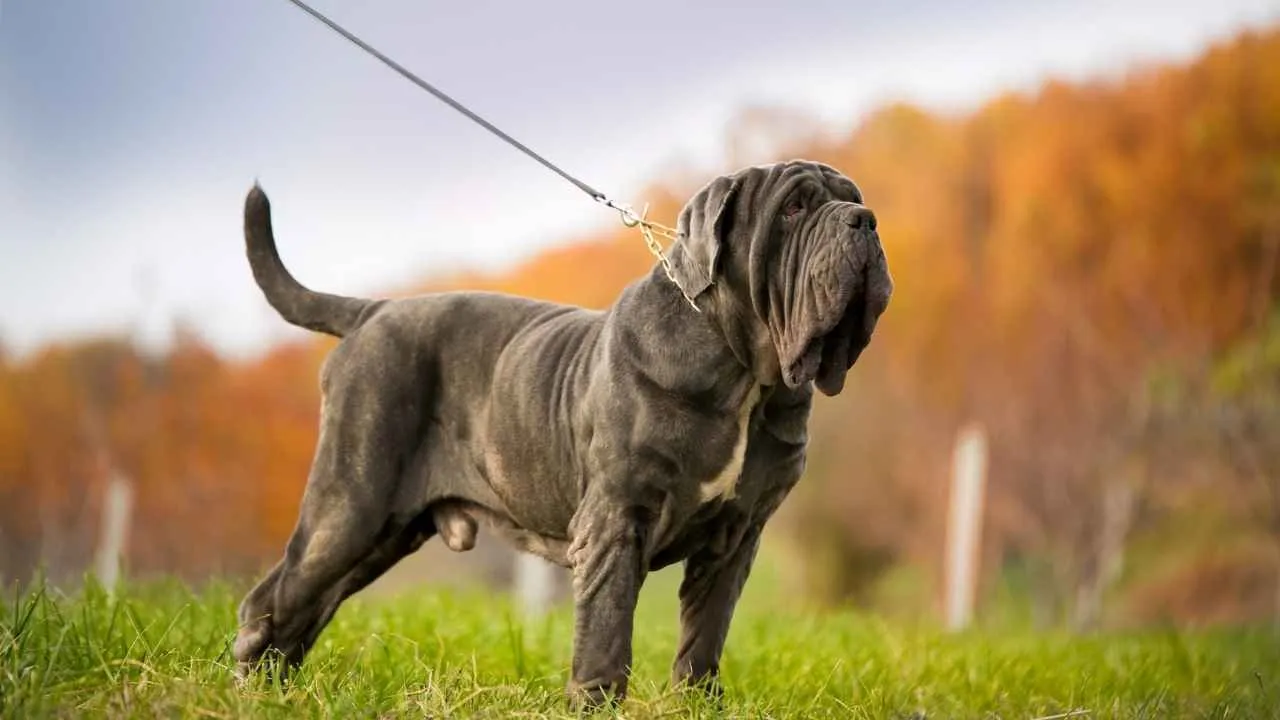
The Neapolitan Mastiff is one of the most unique and rare giant breeds, instantly recognized by its deeply wrinkled skin and imposing presence. With roots tracing back to ancient Rome, this breed has long served as a powerful guardian.
Its massive frame, loose skin, and pendulous lips create a striking, almost surreal appearance. Yet beneath this intimidating look lies a calm, steady, and affectionate companion. Around family, it is gentle and devoted, while remaining naturally wary of strangers.
Temperament & Personality
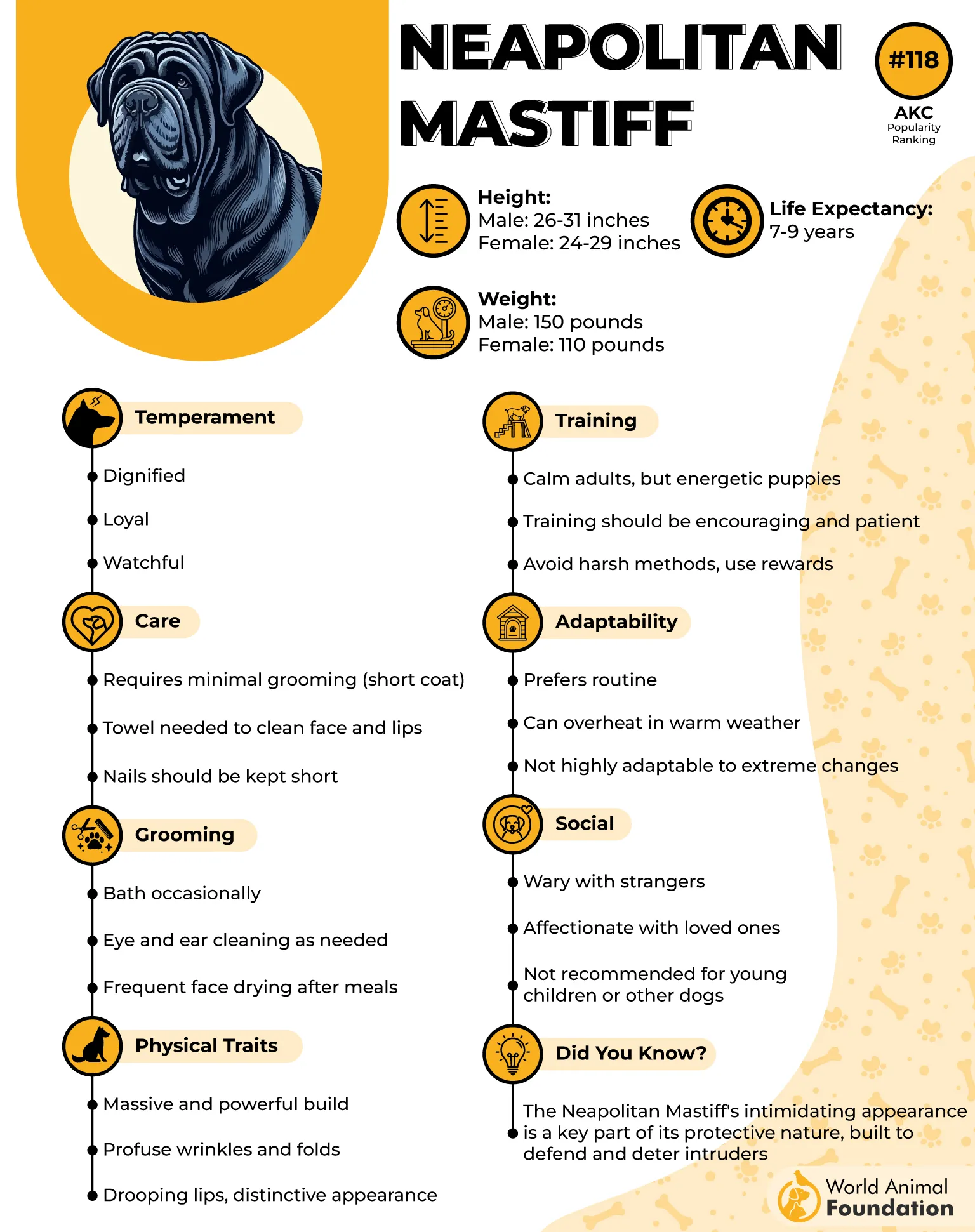
The Neapolitan Mastiff is intelligent, loyal, and deeply protective. It is calm as an adult and spends much of its time resting, but younger dogs can be energetic and curious. Early training is essential, as this breed can be strong-willed during its adolescent phase.
It does not respond well to harsh methods and needs patient, consistent guidance. With proper training and socialization, it becomes a stable and trustworthy companion that values respect and close family bonds.
Care, Lifestyle & Needs
Needs early training and socialization to manage strength and independence
Requires moderate exercise; avoid intense running or jumping during growth
Sensitive to heat and should be managed carefully in warm weather
Best suited to homes with secure fencing and enough space
Needs supervision around children due to size and clumsiness
This breed thrives in a home where it is included as part of the family while understanding its place. It prefers purpose and companionship over isolation. For a discerning owner, the Neapolitan Mastiff offers a rare blend of ancient history, protective instinct, and quiet devotion.
4. Scottish Deerhound
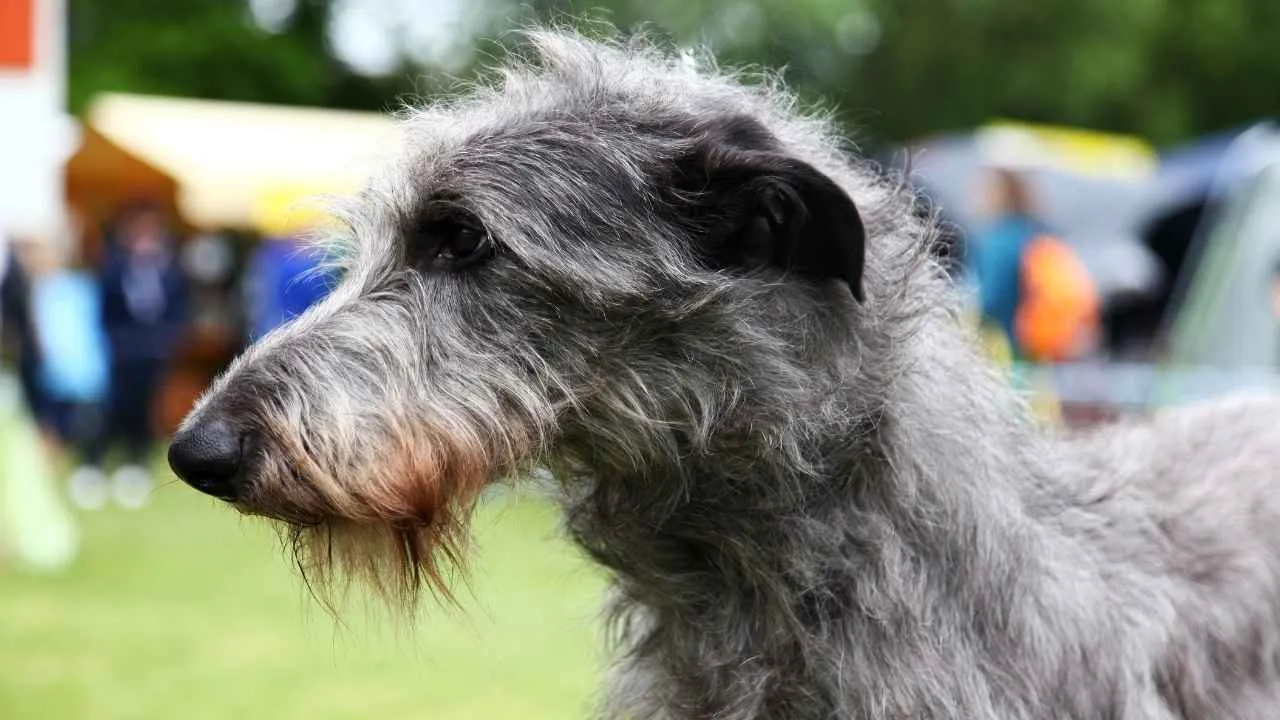
The Scottish Deerhound is a rare and elegant large dog breed, often called the “Royal Dog of Scotland,” according to the American Kennel Club. Bred centuries ago to hunt red deer across the Scottish Highlands, this breed combines power with grace.
It resembles a larger, more rugged version of a Greyhound, with a wiry, crisp coat and a long, refined head that adds to its noble look. Despite its striking, athletic build, the Deerhound is gentle and calm at home, making it a unique choice for owners who appreciate both beauty and quiet companionship.
Temperament & Personality
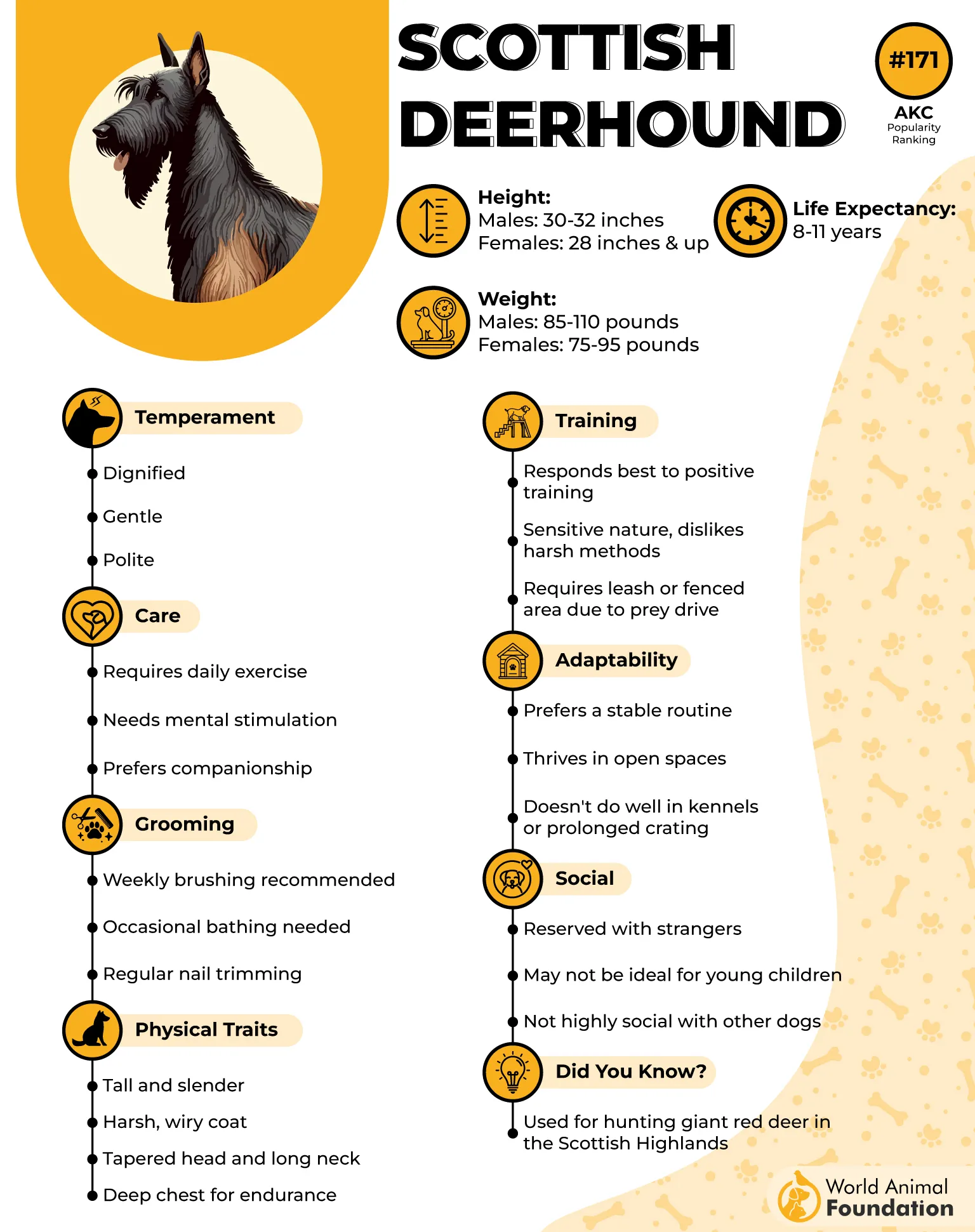
The Scottish Deerhound is known for its gentle, friendly nature and relaxed attitude indoors. It enjoys lounging and can seem almost lazy, but this changes instantly when something catches its eye. As a true sight hound, it has a strong instinct to chase and will pursue anything that moves.
It is sensitive and forms a close bond with its family, though it may be reserved with strangers. Training requires patience, as it is independent and not overly eager to please, but responds well to positive methods and variety.
Care, Lifestyle & Needs
Needs daily free exercise and space to run safely
Should be kept on leash or in fenced areas due to strong prey drive
Requires gentle companionship; does not do well left alone for long periods
Weekly grooming is enough for its coarse coat
Needs early socialization and careful supervision around smaller pets or children
This breed thrives in homes that offer space, freedom, and companionship. It does not adapt well to confined living or a sedentary routine.
The Scottish Deerhound offers a rare blend of quiet affection and breathtaking athleticism—equally happy resting by your side or running at full speed.
5. Dogue De Bordeaux
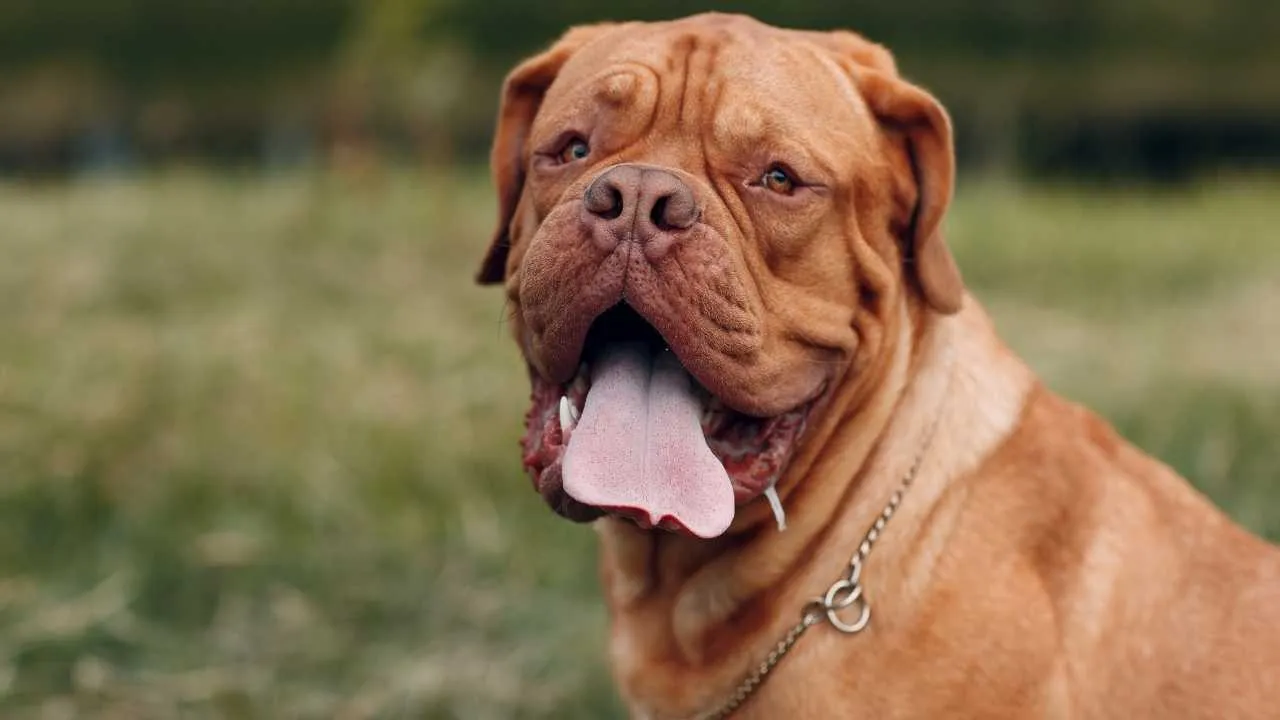
The Dogue de Bordeaux is one of the oldest and most distinctive large-breed dogs, with roots tracing back to ancient France. Known for its massive, wrinkled head and rich fawn coat, this breed carries a powerful yet grounded presence.
Historically used for guarding and heavy work, it combines strength with surprising agility when needed. Despite its intimidating look, it is a deeply loyal and affectionate companion, forming strong bonds with its family and showing a gentle, sensitive nature at home.
Temperament & Personality
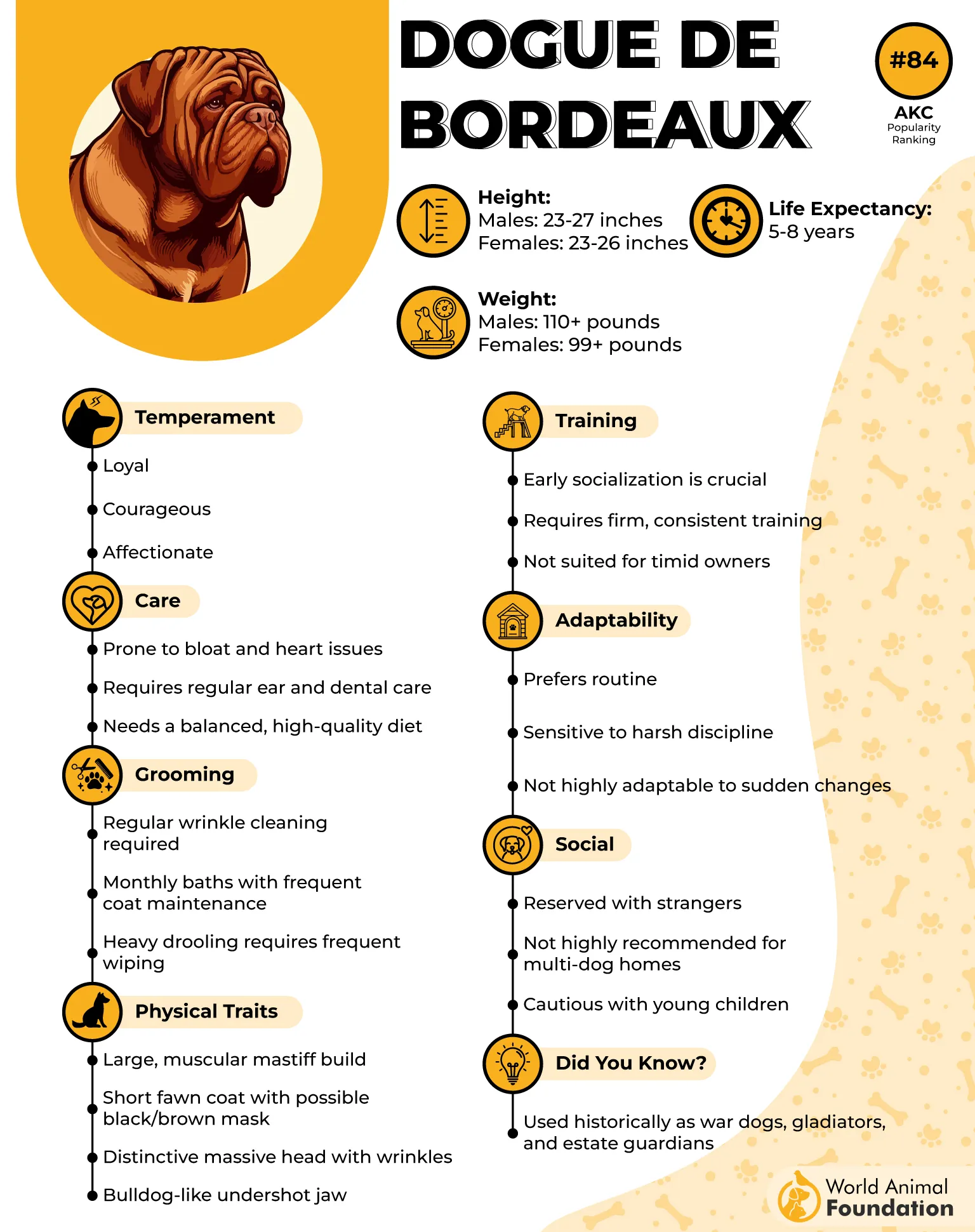
The Dogue de Bordeaux is calm, devoted, and protective. It is especially loving with family members, including children, but remains cautious around strangers. This breed is intelligent yet can be stubborn, which makes early training essential.
It responds best to firm but gentle guidance, as harsh methods can damage trust. With proper socialization, it becomes a steady and reliable companion that balances affection with natural guarding instincts.
Care, Lifestyle & Needs
Needs early socialization and consistent, positive training
Requires moderate daily exercise; avoid strain during growth
Benefits from low-impact activities like walking or swimming
Short coat needs weekly brushing; sheds year-round
Facial wrinkles and ears need regular cleaning; drooling is common
This breed adapts well to different living environments if its needs are met, but it thrives with owners who are patient and committed.
With the right care and leadership, the Dogue de Bordeaux offers a rare mix of ancient strength, loyalty, and gentle companionship—ideal for those seeking a unique giant breed.
6. Caucasian Shepherd Dog
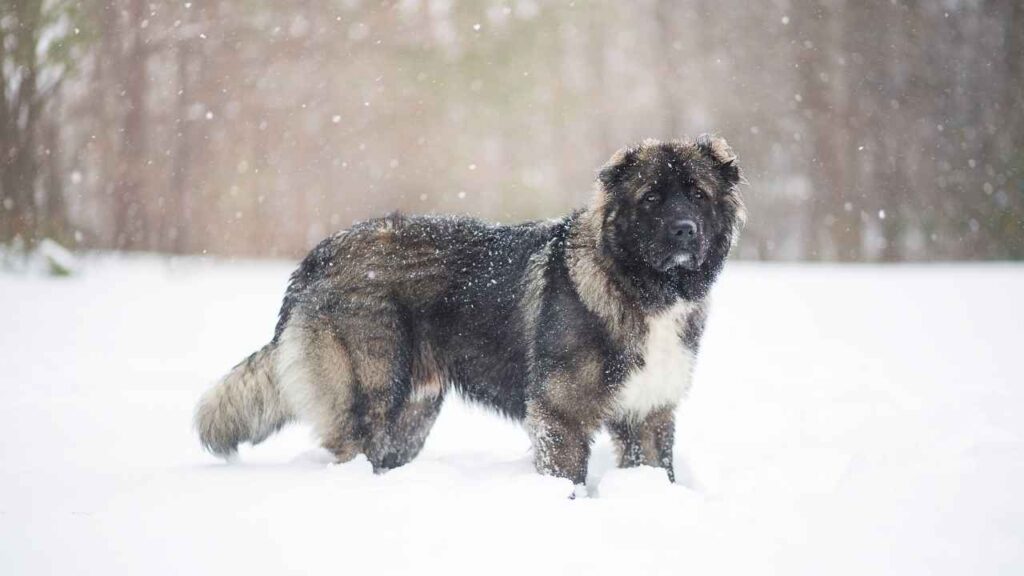
The Caucasian Shepherd Dog is a rare and powerful giant breed, developed over centuries in the rugged Caucasus region to guard livestock and property. Known by names like Caucasian Ovcharka, this breed is bold, fearless, and highly self-confident.
Its massive build and thick coat give it a commanding presence, while its instinct is to protect at all costs. Yet, within the family, it shows a softer side—loyal, calm, and deeply devoted to its people and even other household pets.
Temperament & Personality
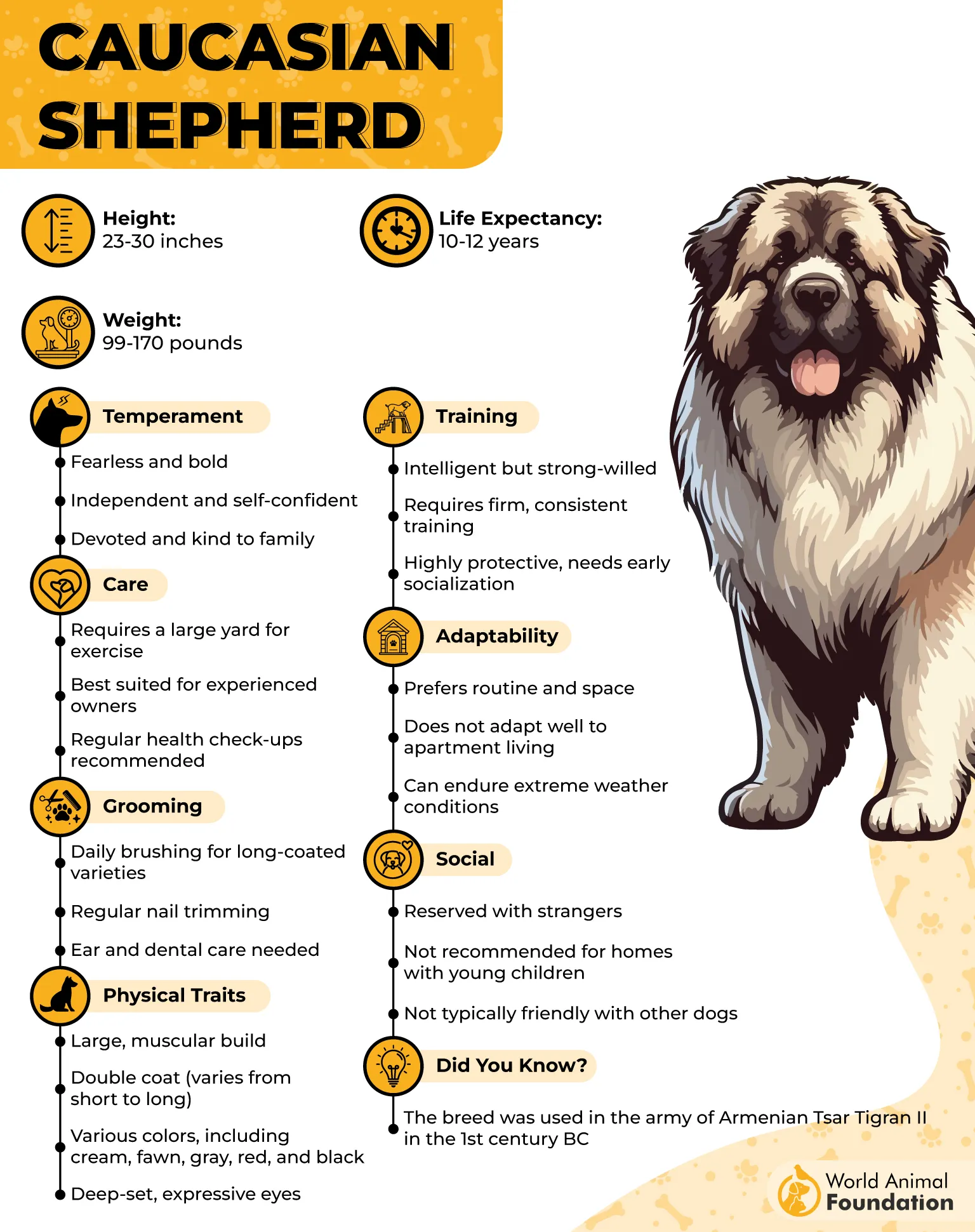
This breed is intelligent but highly independent, which can make training a challenge. It does not blindly obey and often relies on its own judgment. Naturally wary of strangers, it can be difficult to introduce new people into its space.
Early socialization and consistent training are essential to manage its strong protective instincts. While quiet and composed indoors, it remains alert and ready to respond if it senses a threat. Due to its dominant and protective nature, it is best suited for experienced owners./
Care, Lifestyle & Needs
Needs a large, securely fenced space; not suitable for apartments
Requires daily walks and moderate exercise with good endurance
Must always be controlled on a leash or within boundaries
Coat care varies; longer coats may need daily grooming
Requires regular nail trimming, ear checks, and dental care
This breed thrives in environments where it has space, purpose, and clear leadership. It is not a casual companion but a serious guardian that demands responsibility and commitment. For a discerning owner, the Caucasian Shepherd Dog offers unmatched loyalty, strength, and a rare, commanding presence.
7. Irish Wolfhound
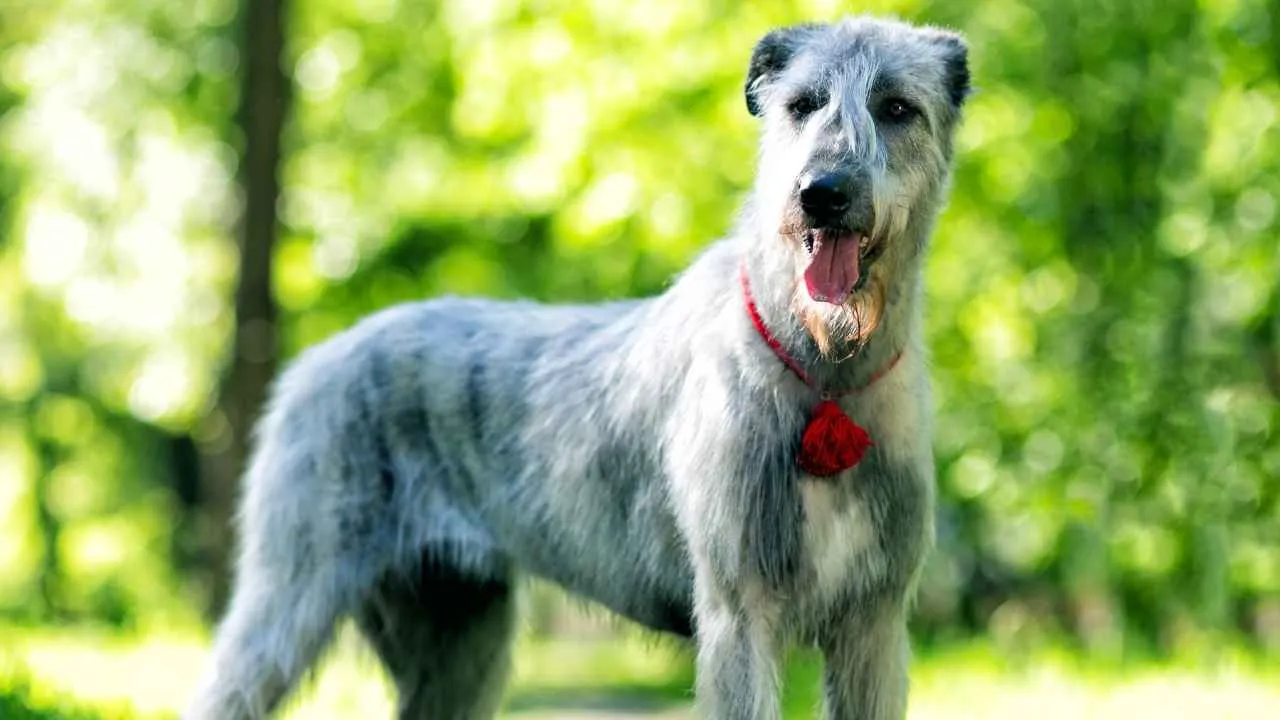
The Irish Wolfhound is one of the most unique and rare giant breeds, known for its towering presence and calm, dignified nature. Originally bred to hunt wolves and large game, this ancient hound now lives as a peaceful and affectionate companion.
With a rough, wiry coat, long limbs, and a graceful build inspired by the Greyhound, it combines strength with elegance. Despite its powerful history, it is gentle at heart and carries a quiet, noble charm that sets it apart.
Temperament & Personality
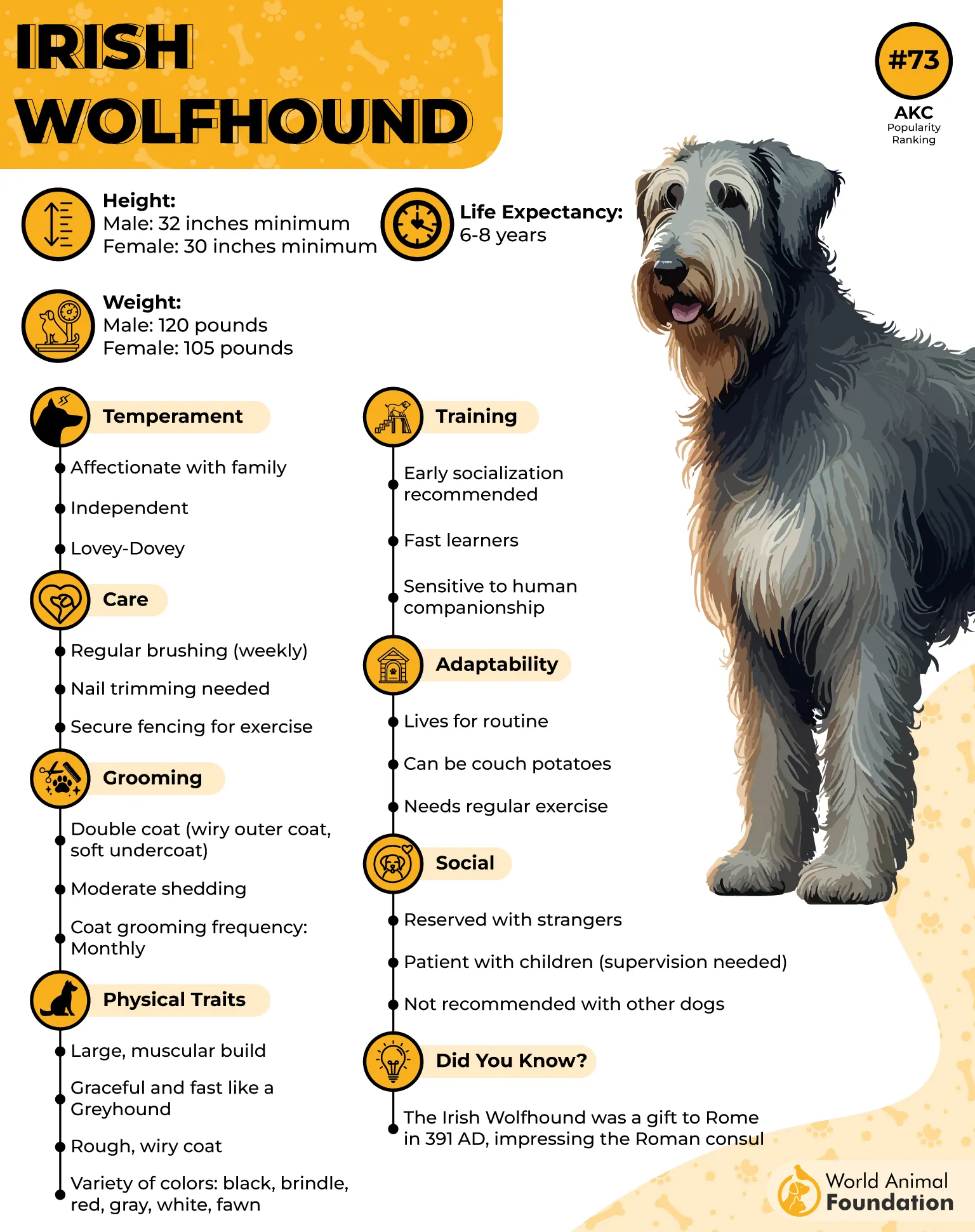
The Irish Wolfhound is calm, sensitive, and deeply loyal to its family. PetMD states that it is patient with children and friendly with most people, though not suited as a guard dog due to its peaceful nature. This breed forms strong bonds and does not enjoy being left alone for long periods.
While relaxed indoors, it still has an instinct to chase, so care is needed outdoors. Intelligent and eager to please, it responds well to positive training but may move at its own slow, thoughtful pace.
Care, Lifestyle & Needs
Needs space and a securely fenced area to move freely
Requires regular exercise, such as long walks or safe running
Should always be on leash outside due to prey drive
Needs early socialization and gentle training
Coat requires weekly grooming and occasional upkeep
This breed thrives in a calm, spacious home where it can stay close to its people. It enjoys a quiet lifestyle but still needs daily activity to stay healthy. The Irish Wolfhound offers a rare mix of history, grace, and unmatched gentleness in a truly giant companion.
Conclusion
Choosing a big dog breed isn’t just about size—it’s about lifestyle, commitment, and connection. From calm, affectionate companions to powerful, independent guardians, these rare breeds each brings something truly special to the table.
They need space, thoughtful training, and consistent care, but in return, they offer deep loyalty, quiet companionship, and a presence that simply can’t be matched. Living with a giant dog means adjusting your world a little—but it also means gaining a companion who fills it in a big way.
The right match won’t just give you a pet—it will give you a lifelong partner with a heart as huge as its size, turning everyday moments into something unforgettable.
Looking for more options? You can also check out the Bernese Mountain Dog, Black Russian Terrier, Alaskan Malamute, Labrador Retriever, Great Dane, Afghan Hound, Great Pyrenees, French Mastiff, Saint Bernard, English Mastiff, and Belgian Malinois.
