




POV: Your 4-year-old has been asking for a puppy every single day since they learned the word “dog”… and now you’re this close to giving in
Let’s be real—adding a dog to a house already run by tiny humans? It’s chaos. Loud, messy, snack-crumb-covered chaos. But also? It hits different in the best way. There’s something about seeing your kid bond with a dog that lives rent-free in your heart forever.
Now here’s where things get strategic. Not all dogs are built for kid life, especially when we’re talking toddlers with zero concept of “gentle hands.” That’s why toy breeds can actually be a smart move. They’re small, adaptable, and usually better suited for apartments or tighter spaces (aka real life for most young families).
But—and this is a big but—not every tiny dog is automatically kid-friendly. Some are anxious, some are fragile, and some? It’s giving “main character syndrome” in the worst way. This list isn’t about the cutest Instagram dogs (though yes, they’re adorable). It’s about the top toy dog breeds for families with young children that actually work in a family setup.
Top Toy Dog Breeds for Families with Young Children
1. Toy Poodle
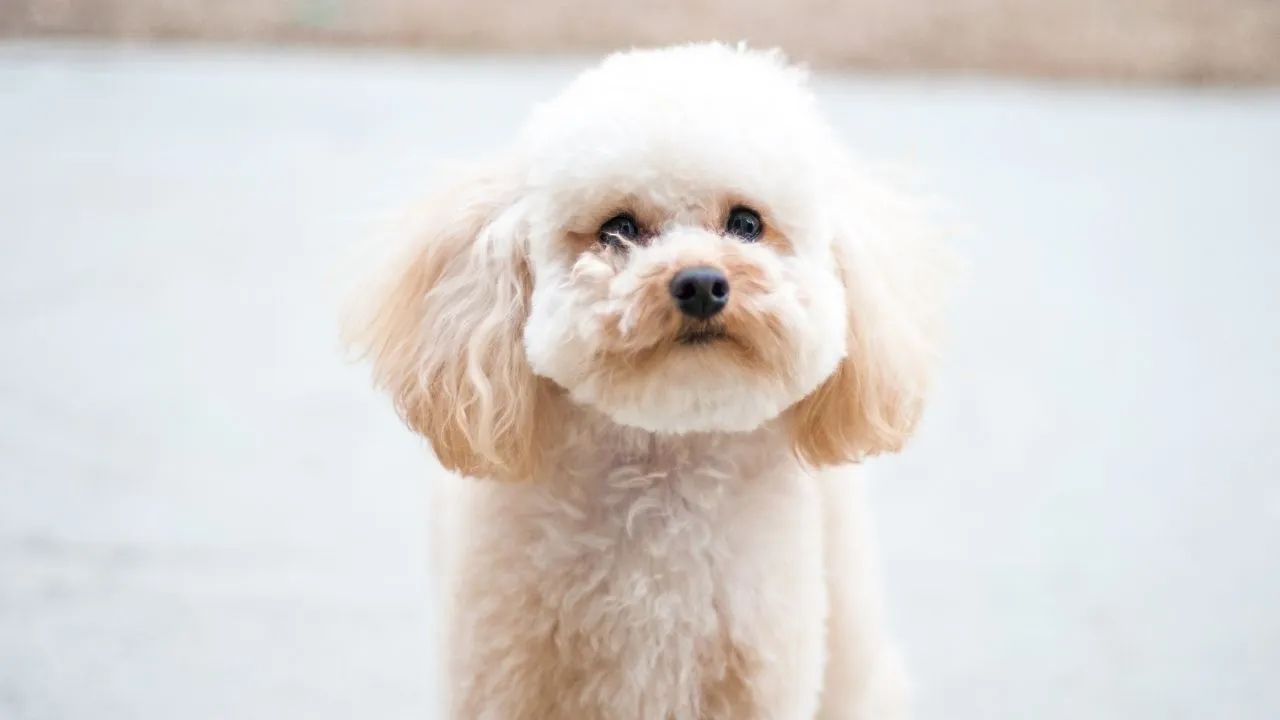
The Toy Poodle is one of the most popular choices among family-friendly toy breeds because of its intelligence and adaptability. For families with kids, that intelligence translates into structure and predictability.
They learn household routines quickly, from potty training to basic commands, reducing daily chaos. Toy Poodles also adapt well to different home environments, whether it’s a small apartment or a larger house. Their hypoallergenic coat is another major win for families dealing with allergies.
Around children, this snuggle buddy tends to be playful but controlled rather than overly chaotic.
They enjoy interaction but are not overwhelming, which makes them suitable for structured play. Many parents appreciate that they can engage with kids without escalating into hyperactivity.
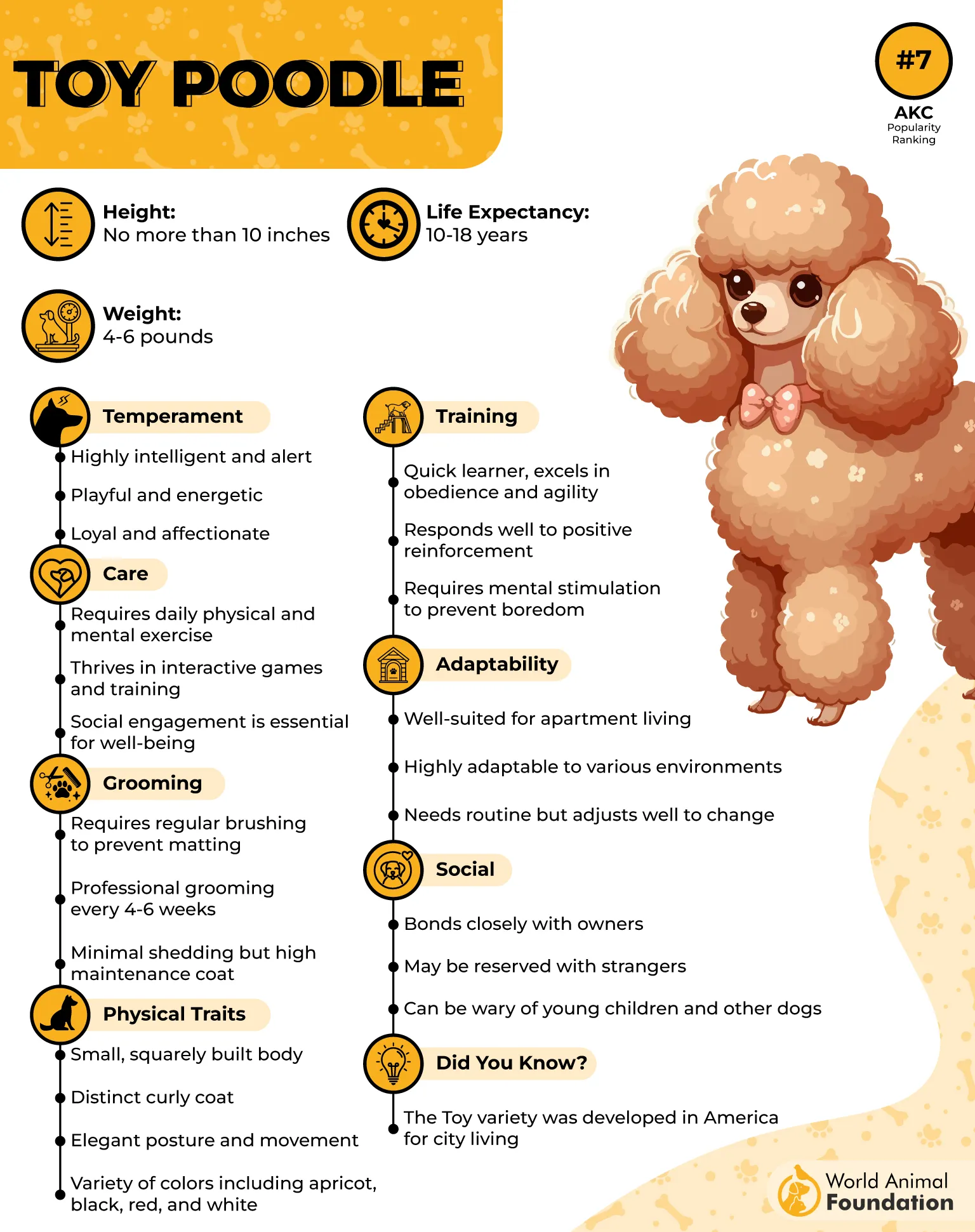
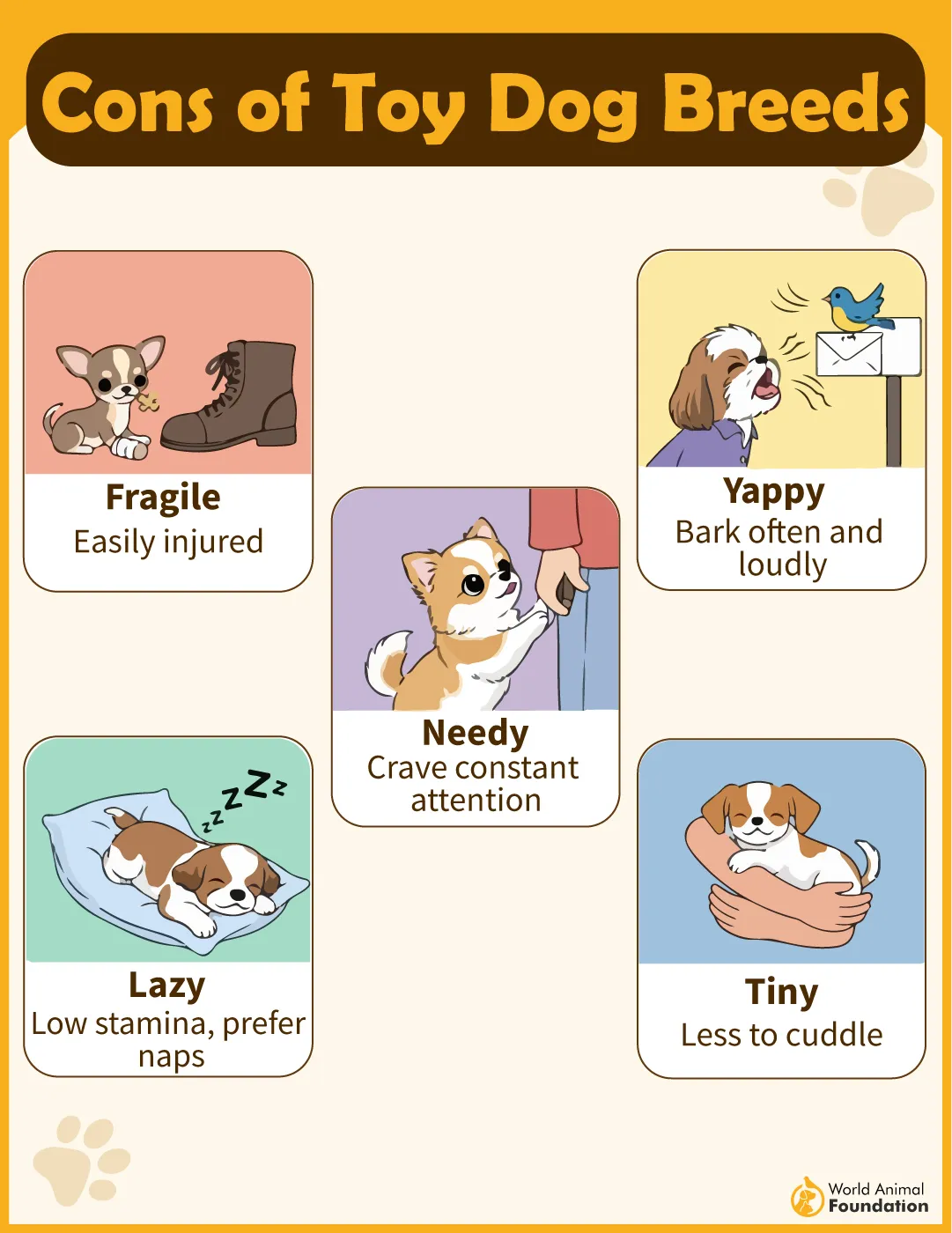
The downside is that they require consistent mental stimulation to stay balanced. Without it, boredom can lead to destructive behavior, such as chewing or excessive barking. Grooming is also a commitment, as their curly coat requires regular maintenance.
2. Shih Tzu
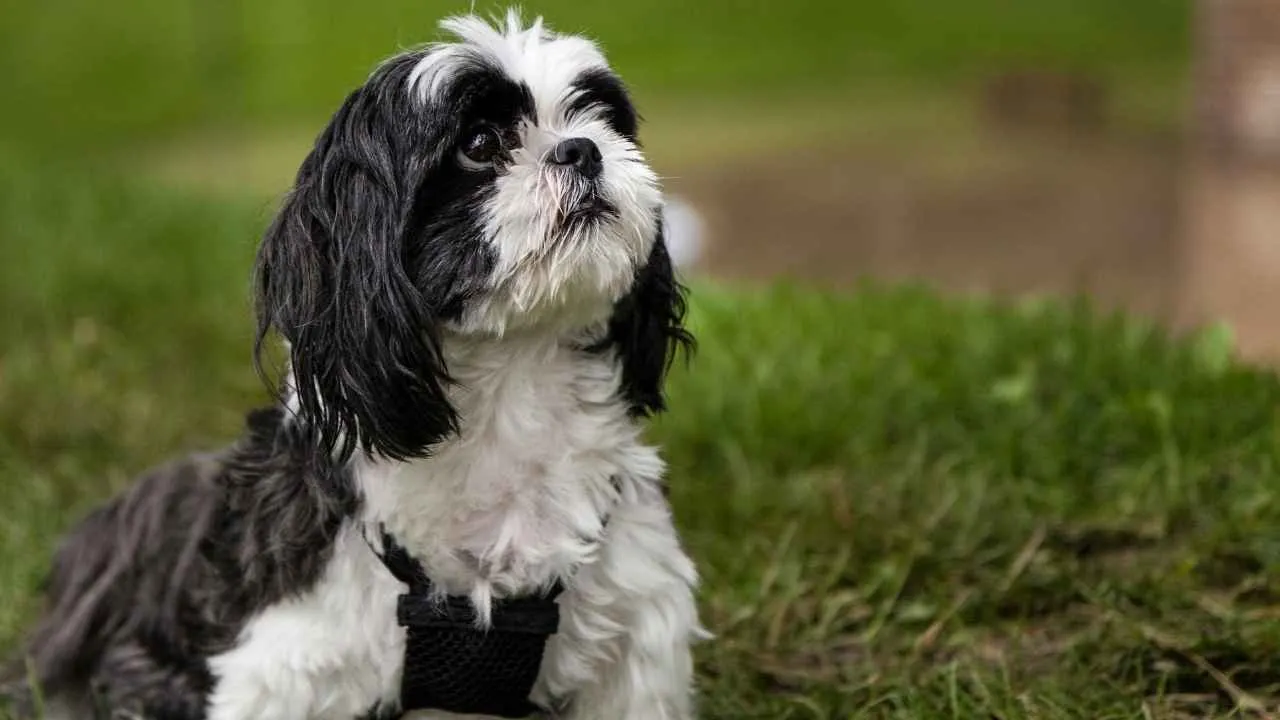
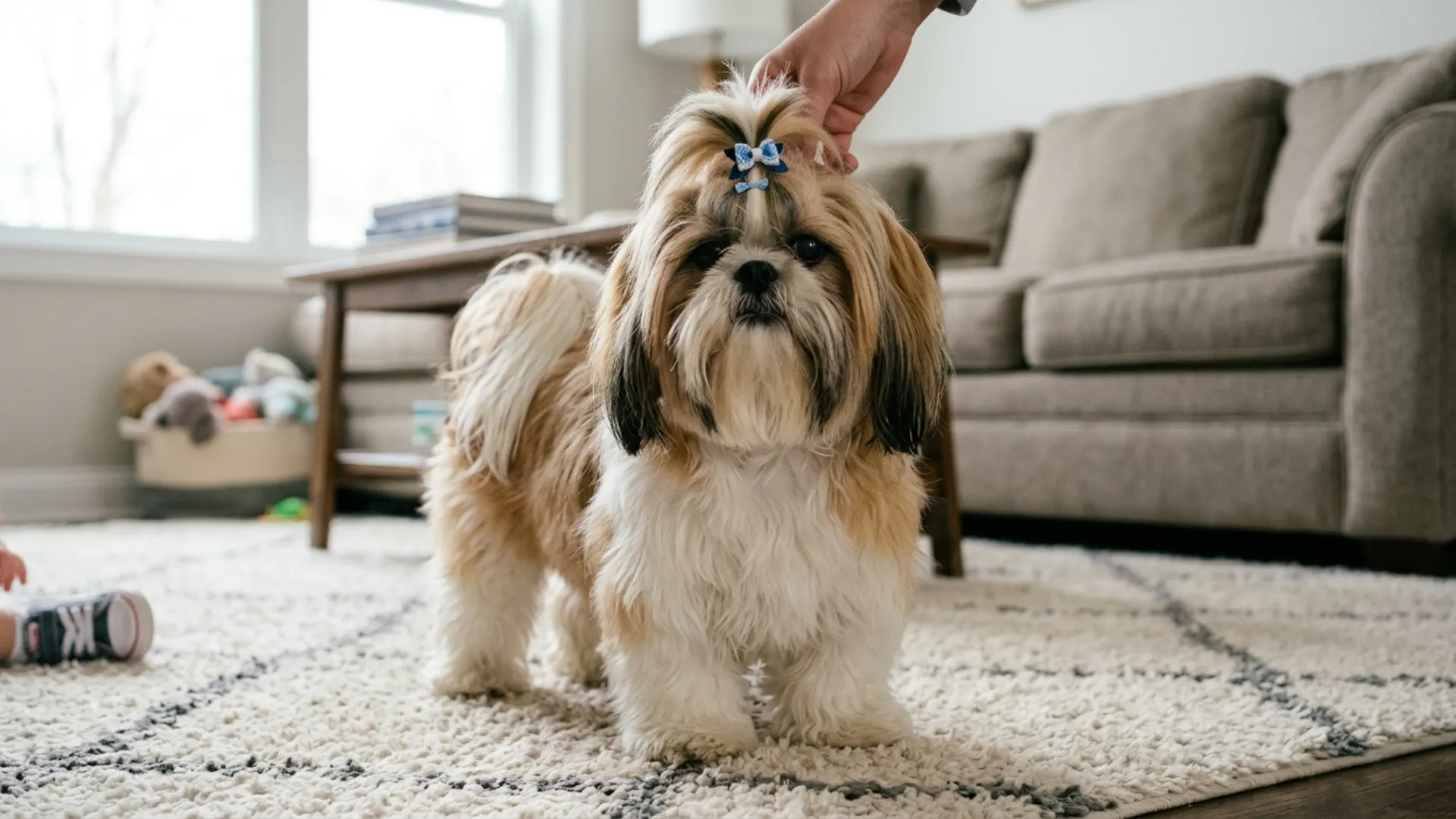
The Shih Tzu is known for its calm and affectionate nature, making it a strong option among small dogs good with kids. Originally bred as companion dogs, according to the PDSA, they naturally enjoy close human interaction. Their personality is more relaxed than that of many other toy breeds.
They are patient with children and can tolerate household noise without becoming overly reactive. This makes them suitable for families with younger kids who are still learning how to interact with pets. Their gentle temperament helps create a stable home environment.
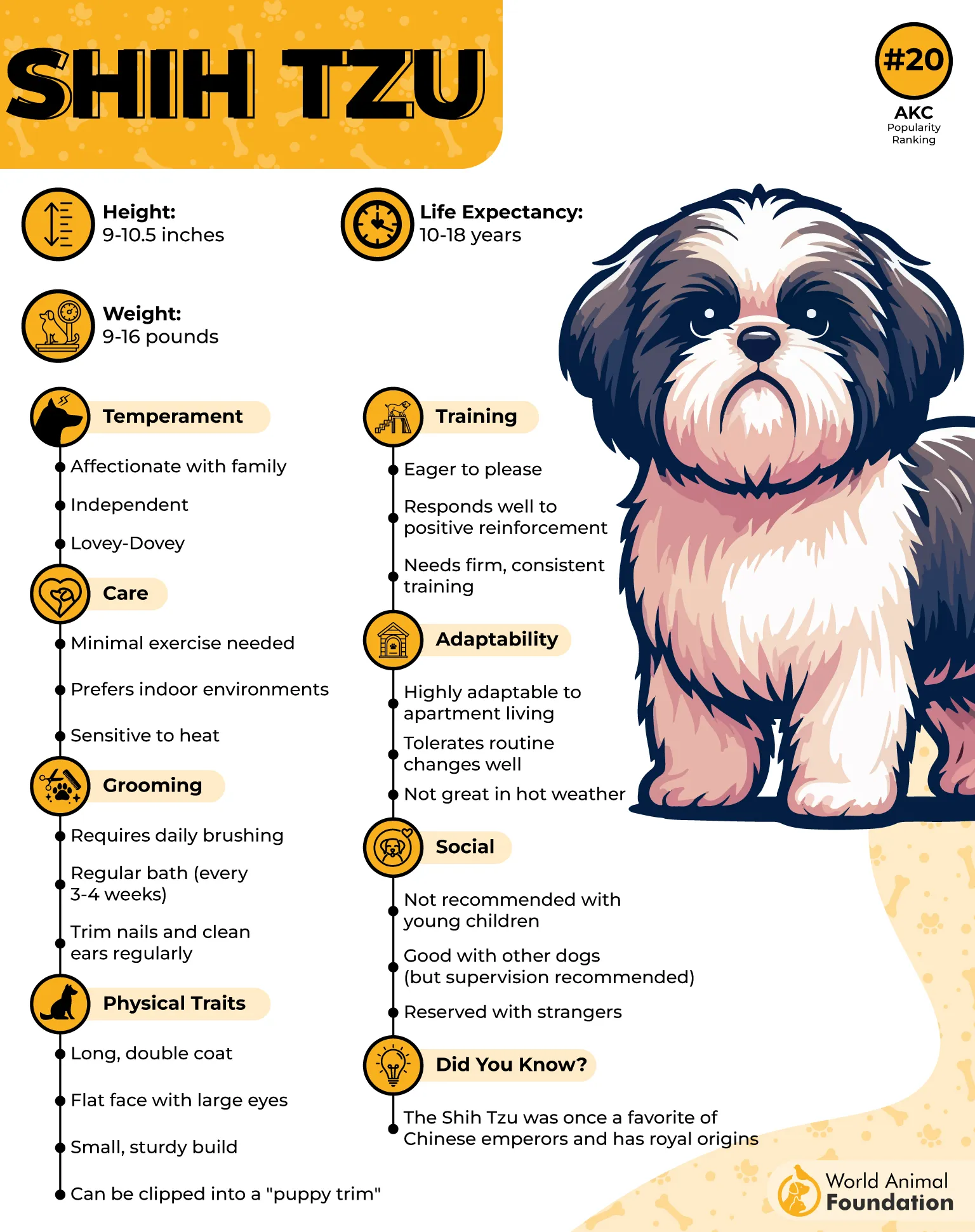
They do not require intense exercise, which makes them ideal for apartment living or low-energy households. They are content with short walks and indoor play sessions. This low-maintenance activity level is appealing for busy families.
However, grooming is a major responsibility due to their long, flowing coat. They can also be stubborn during training, which requires patience and consistency. They are not the most energetic playmates, so very active kids may outgrow their energy match.
Properly socialized Shih Tzus are best for families who want a calm, cuddly companion rather than a high-energy dog. They thrive in predictable environments with steady routines.
For many parents, they are among the more relaxed toy dog breeds.
3. Havanese
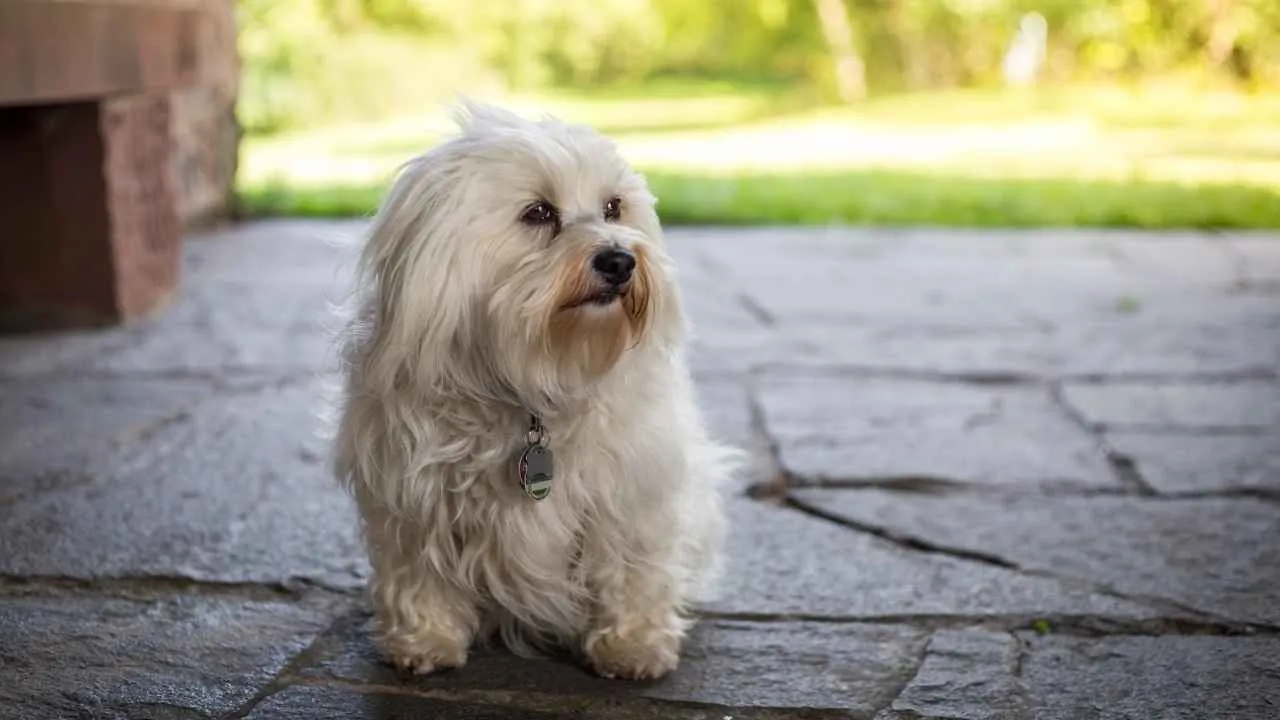
The Havanese is often called a “velcro dog” because of how closely it bonds with its family. This breed is highly affectionate and thrives in social environments. For families with young children, they often become constant companions.
They are gentle and playful, making them well-suited for households with kids. Their temperament is typically friendly rather than defensive or aggressive. This makes them one of the more adaptable family-friendly toy breeds.
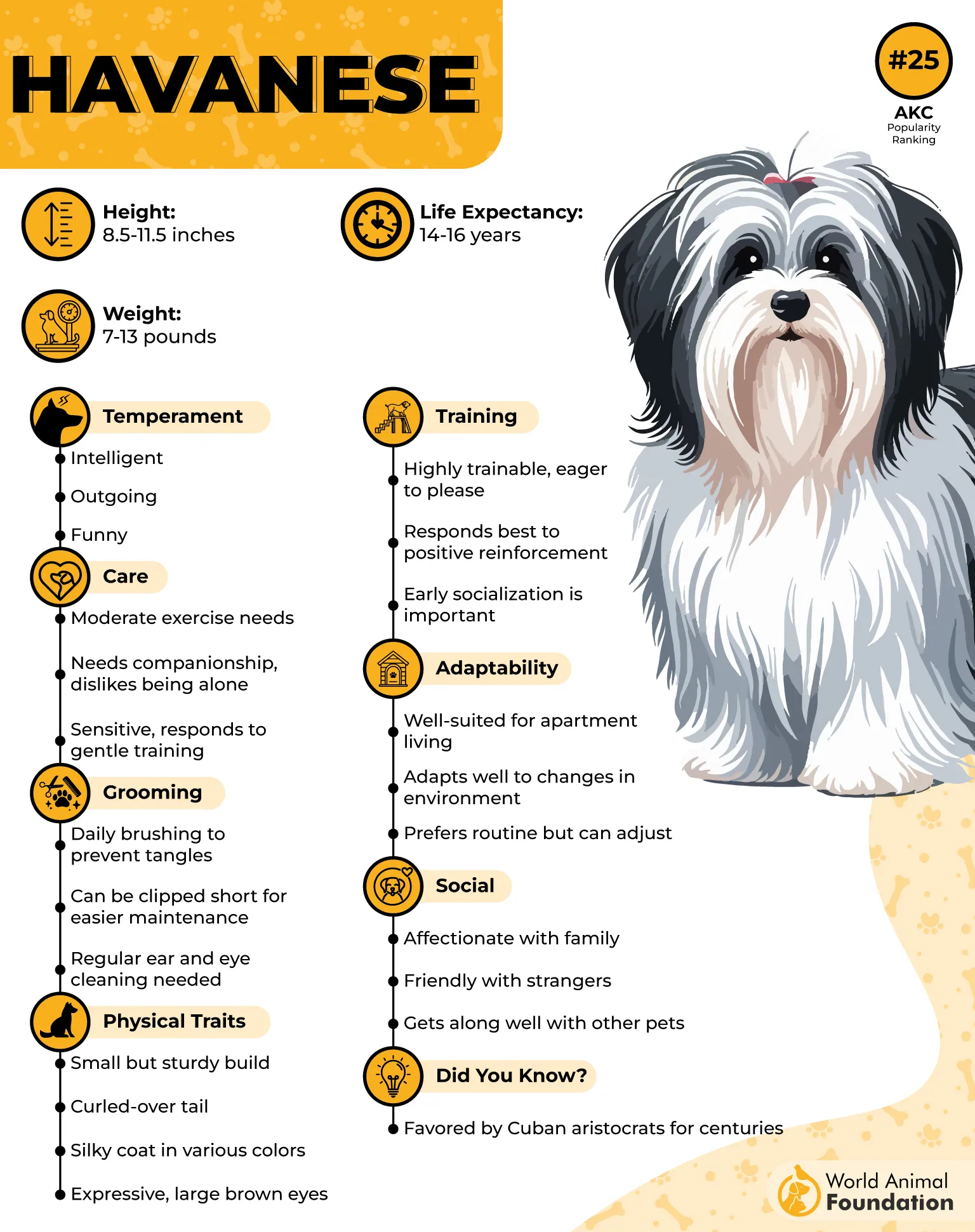
They enjoy participating in family routines and dislike being left alone for long periods. They tend to follow their owners from room to room, creating a strong emotional attachment. This can be comforting for children who want a constant pet presence.
However, separation anxiety is a real concern if they are left alone frequently. They require gradual training to build independence and emotional balance. Without this, they may become overly dependent on human presence.
They are best suited for families who spend a lot of time at home and have small children. WFH households or flexible schedules work especially well for them.
4. Cavalier King Charles Spaniel

The Cavalier King Charles Spaniel is one of the most emotionally intuitive toy breeds. It is often described as a “therapy-like” dog due to its calming presence. This breed is widely loved in families seeking emotional connection.
They are extremely gentle with children and respond well to soft handling. Their patience makes them suitable even for younger kids under supervision. They tend to avoid conflict and prefer affection over independence.
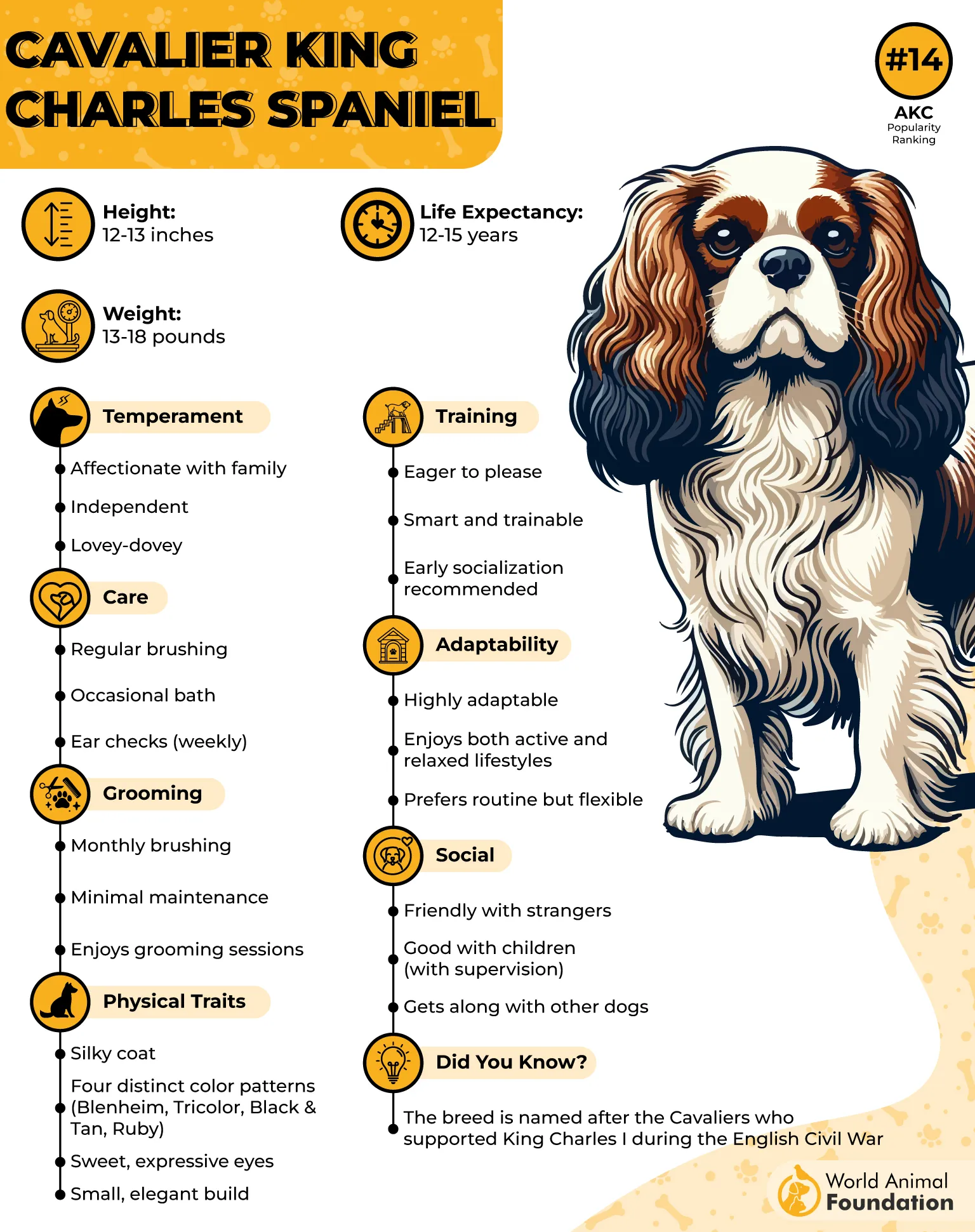
Cavaliers adapt easily to both active and relaxed households, always eager to please their owners. They enjoy playtime but are equally happy to cuddle quietly. This balance makes them versatile in different family environments.
This Reddit thread details what it is like to own a Cavalier!
The major health concern with this breed is heart disease. These issues can lead to higher veterinary costs over time. Responsible breeding and regular checkups are essential.
But, be aware, they develop separation anxiety pretty quickly!
5. Pug
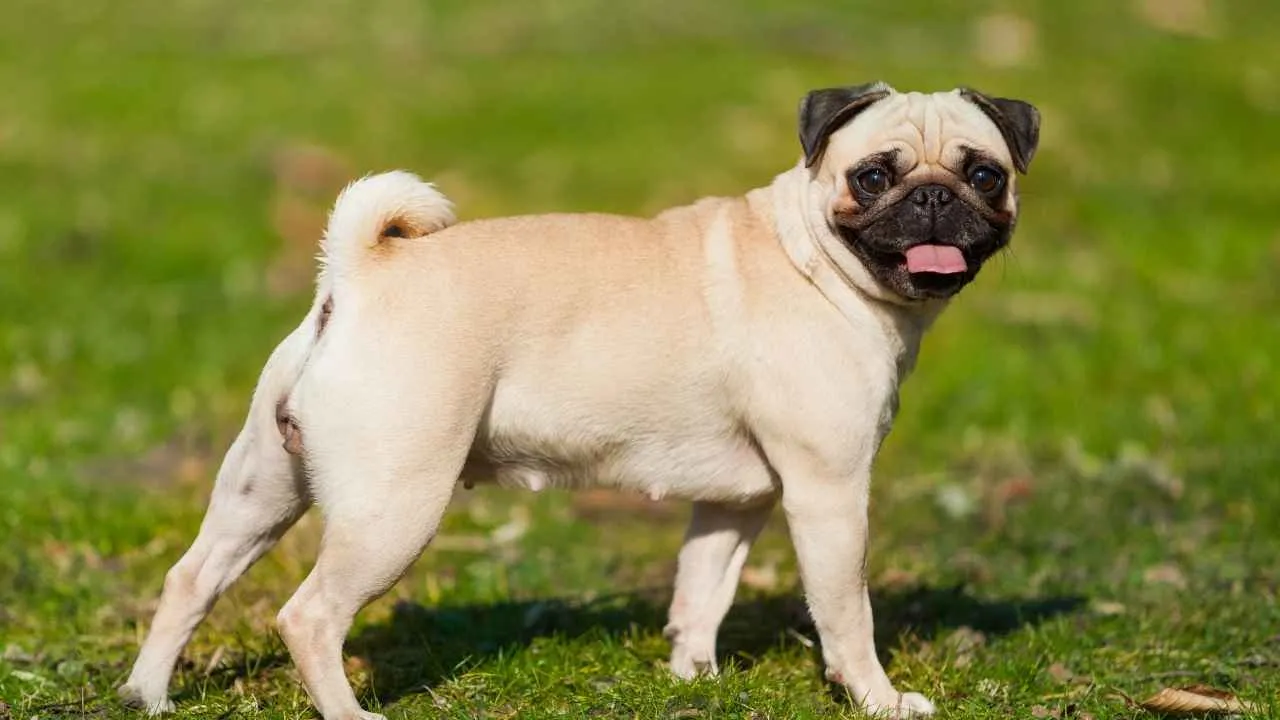
The Pug is a fun-loving and entertaining breed known for its goofy personality. They bring humor and energy into family life. Their charm makes them especially popular among kids.
They are sturdy compared to many other toy breeds, which makes them more tolerant of playful children. Their affectionate behavior helps them bond quickly with families. They enjoy being the center of attention.
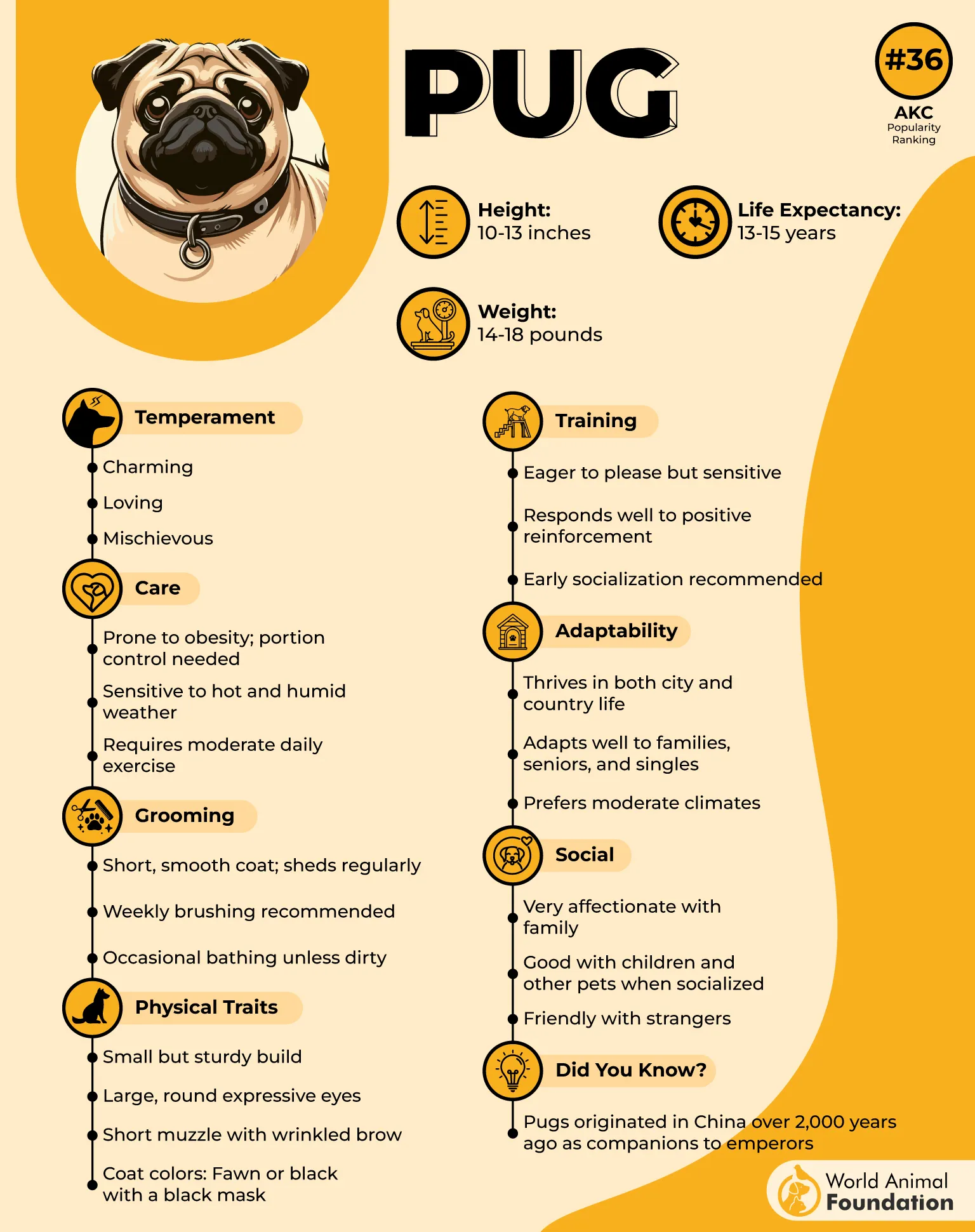
Pugs do not require heavy grooming, which is a major plus for busy households. Their short coat is easy to maintain. This makes them relatively low-maintenance to groom.
However, they do have health challenges related to breathing due to their flat faces. They can also overheat easily, especially in hot climates. Weight management is important to avoid additional strain.
They are best suited for families who want a fun, low-maintenance companion. Their playful personality makes them great for entertainment-focused households. They are among the most engaging small dogs and are good with kids.
They are also a perfect match for apartment dwellers!
6. Papillon
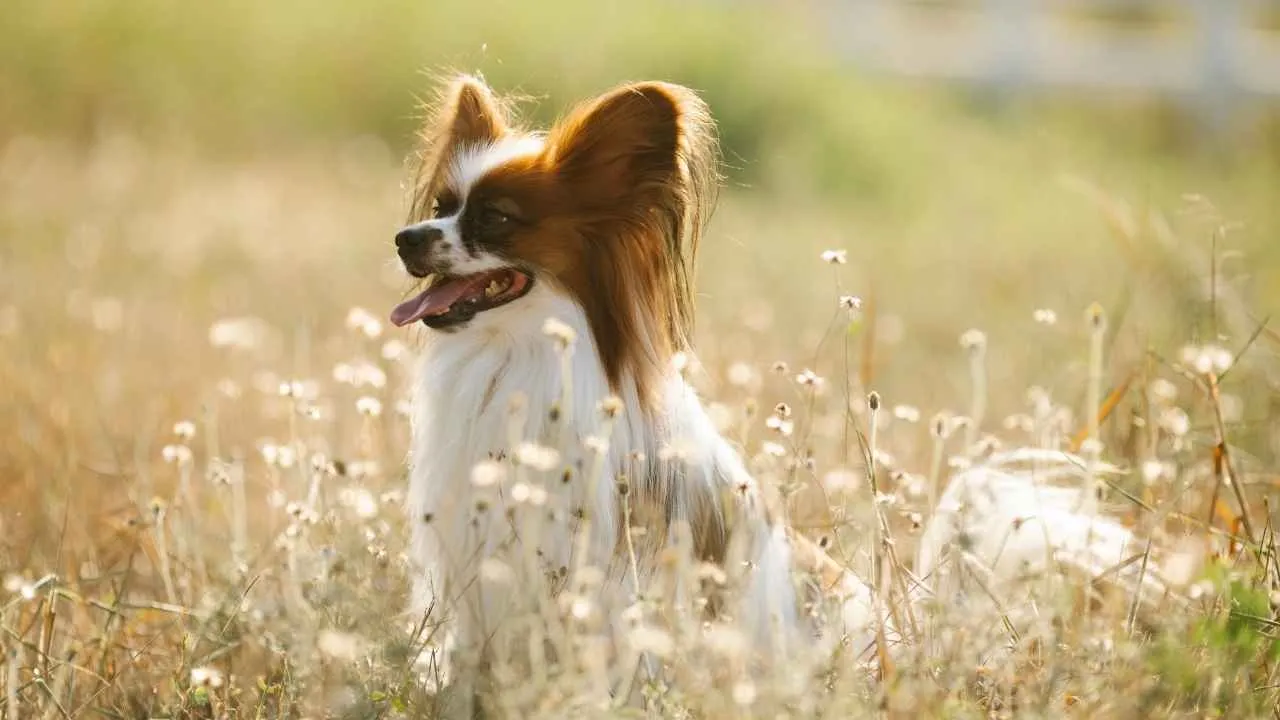
The Papillon is a small but highly energetic and intelligent toy breed. Despite their delicate appearance, they are surprisingly athletic. They are often underestimated in terms of capability.
They excel in training and enjoy learning tricks and commands. This makes them great for interactive families. Older children especially enjoy engaging with their playful intelligence.
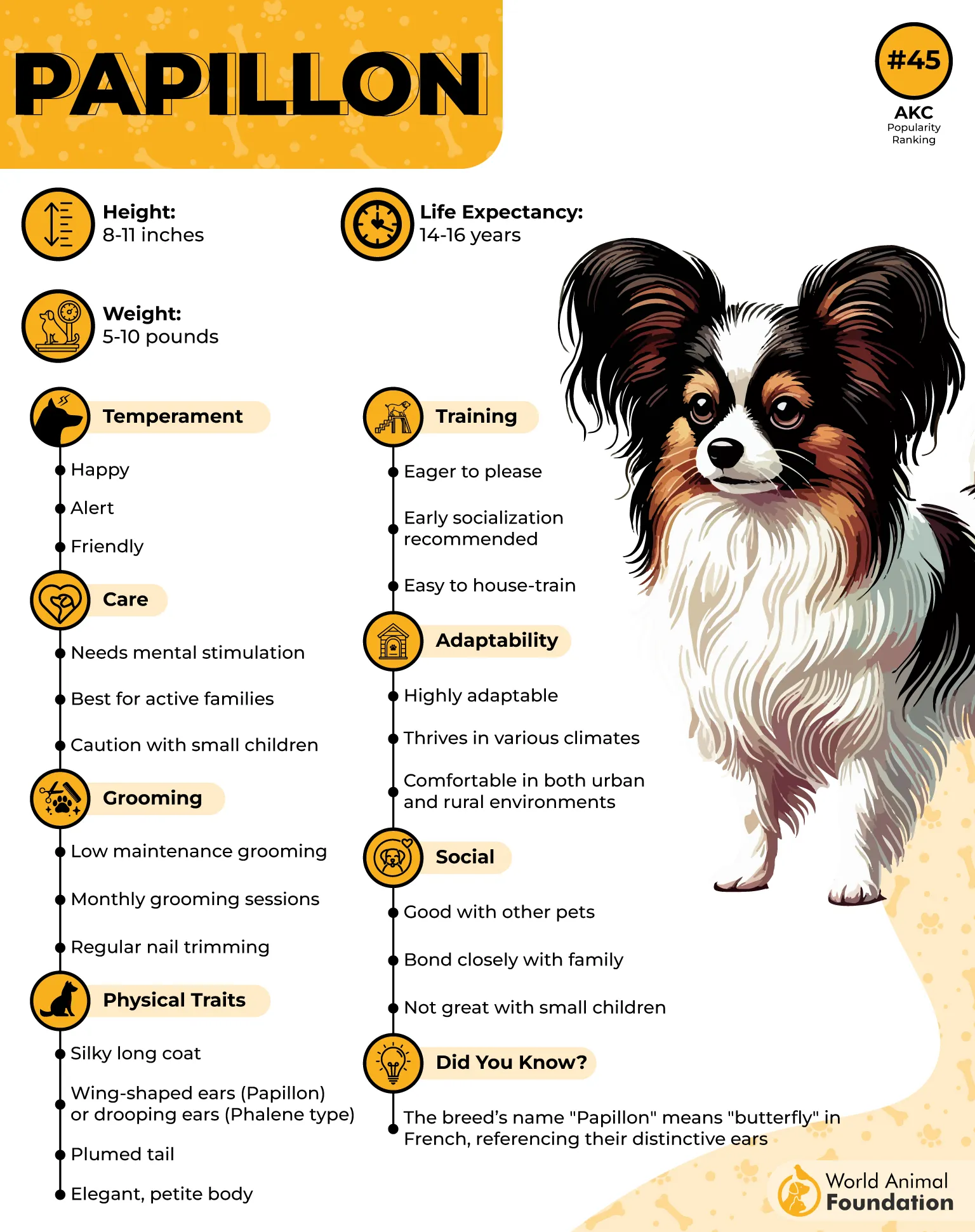
Papillons are affectionate but prefer respectful handling. They do best in homes where children understand gentle interaction. Their energy level makes them well-suited to active families. Their main drawback is physical fragility, especially around toddlers.
They can be easily injured if handled too roughly. Proper supervision is essential.
They are best suited for families with children aged 5 and above. Their intelligence makes them highly engaging companions. They fit well into active, structured households.
They enjoy games, agility activities, and mental challenges. This keeps them balanced and happy. They are one of the more dynamic toy dog breeds for families.
7. Yorkshire Terrier
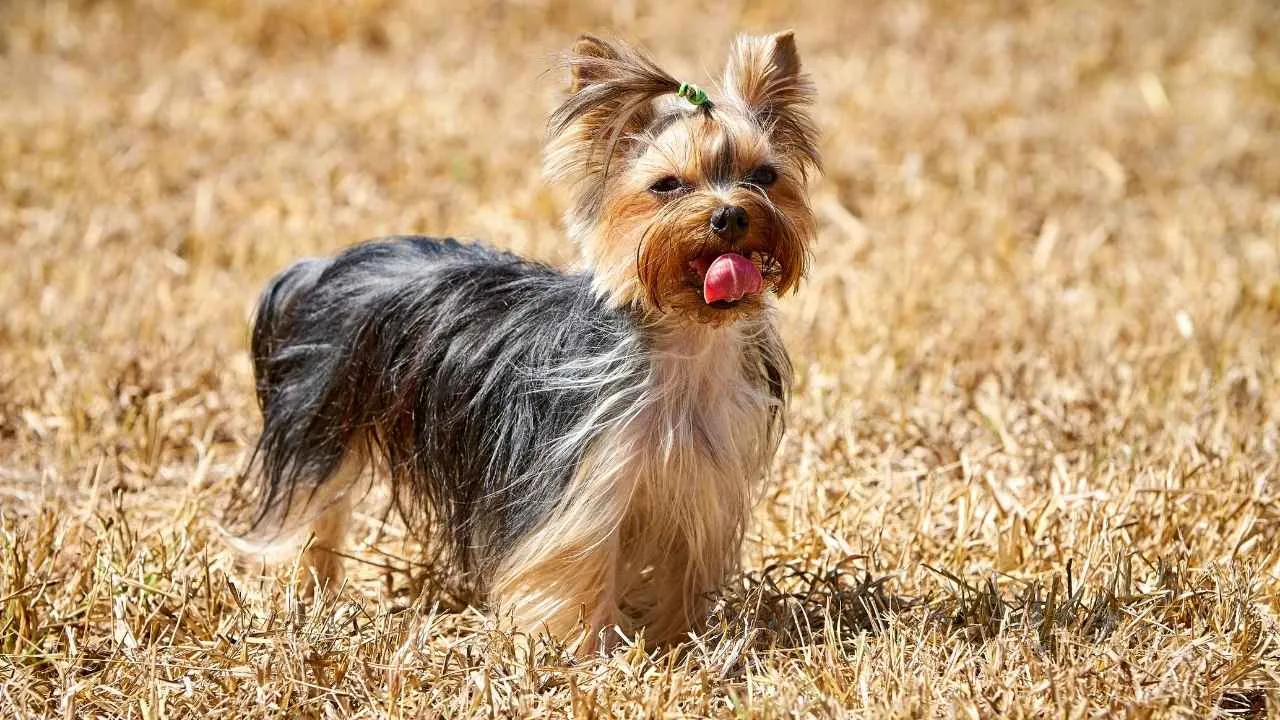
The Yorkshire Terrier is small in size but big in personality. They are confident, loyal, and often act like much larger dogs. Their protective instincts are strong for their size.
They form deep bonds with their owners and are highly affectionate. Their portability makes them ideal for urban living. Many families enjoy their travel-friendly nature.
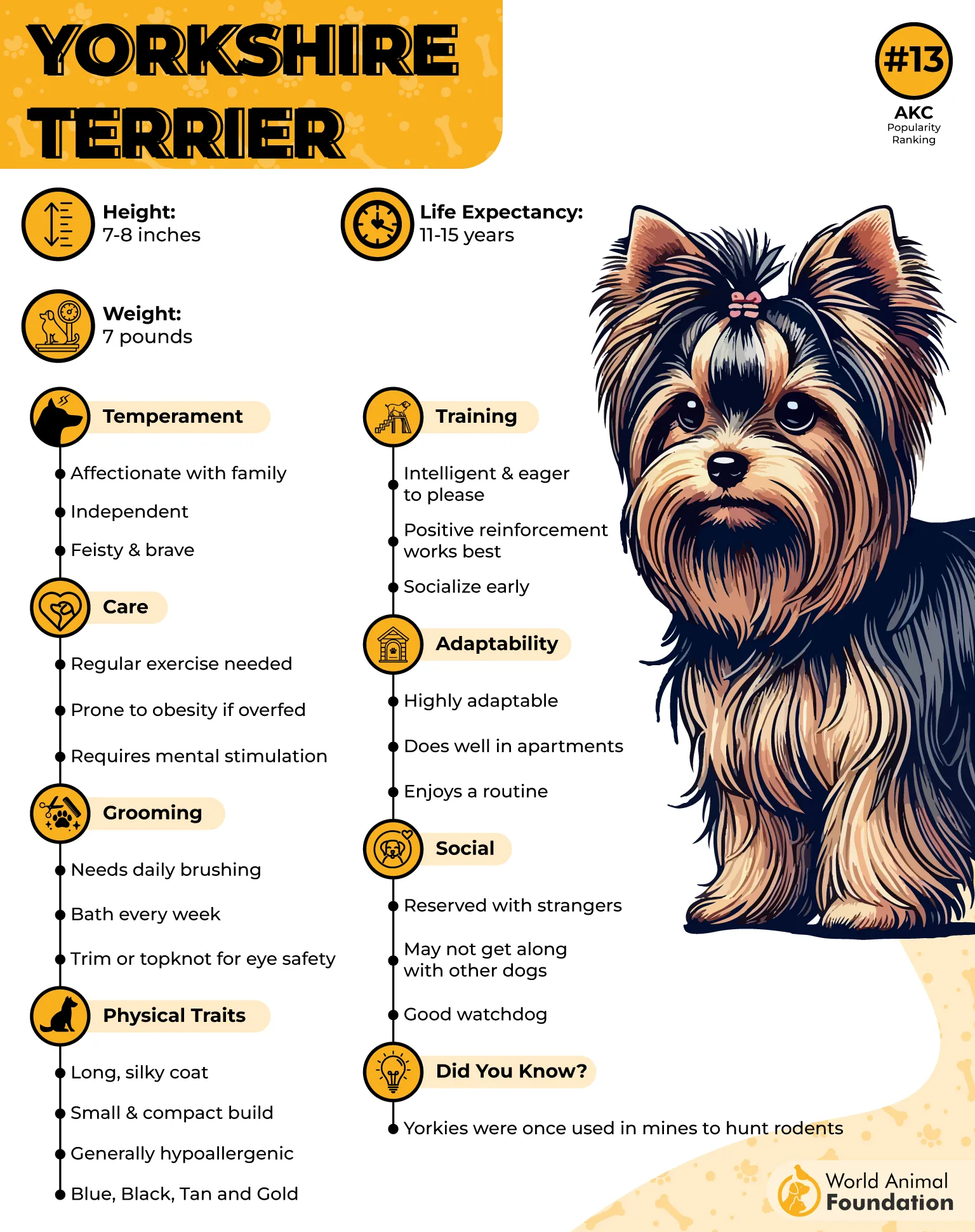
Yorkies are also considered hypoallergenic, which is helpful for homes with residents sensitive to allergies. Their silky coat requires regular grooming. This is an important long-term commitment.
They can be vocal and require proper training to manage barking. Without socialization, they may become overly protective. Early training is essential.
They are best suited for families with older children who understand boundaries. Their small size makes them less suitable for rough play. They are strong contenders among small dogs and are good with kids when properly trained.
Did You Know? The Yorkshire Terrier wasn’t originally a “lap dog” at all—it was bred during the Industrial Revolution in England to hunt rats in textile mills and mines.
8. English Toy Spaniel
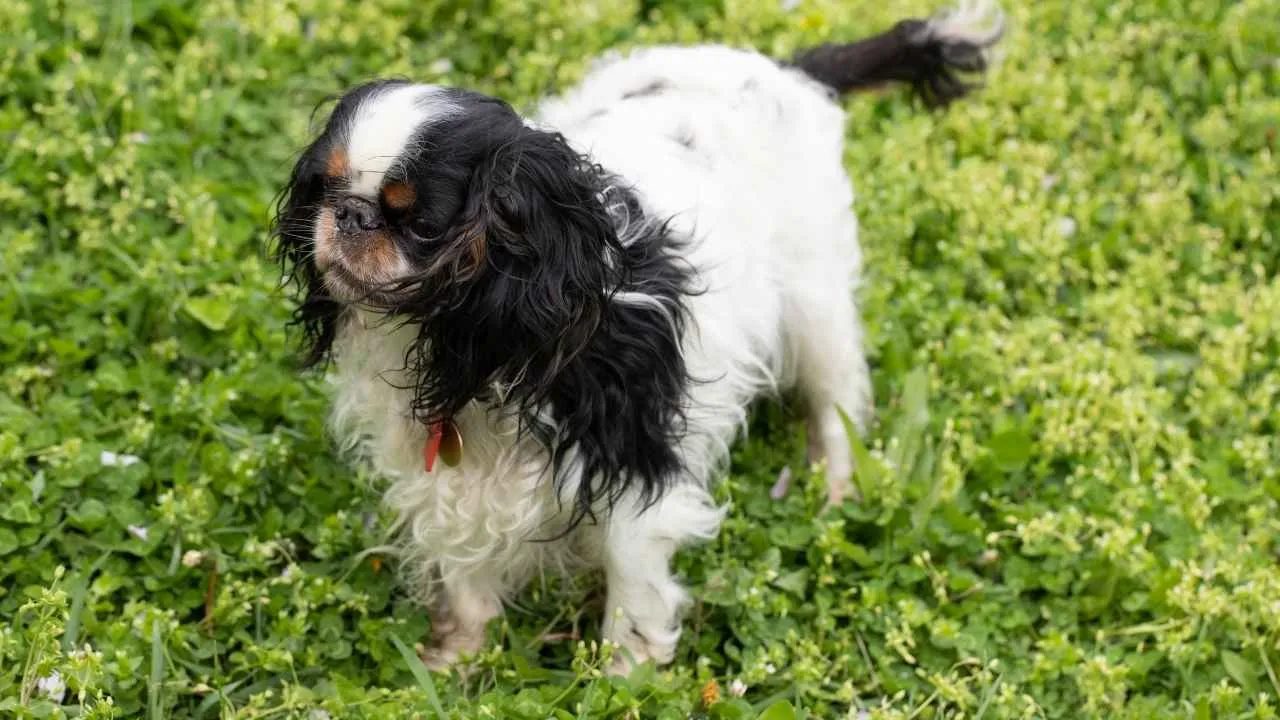
The English Toy Spaniel is a calm and gentle companion breed. They are known for their quiet and low-energy temperament. This makes them ideal for peaceful households.
These smart dogs bond well with families and are affectionate without being demanding. Their calm nature makes them suitable for children of all ages. They prefer relaxed environments.
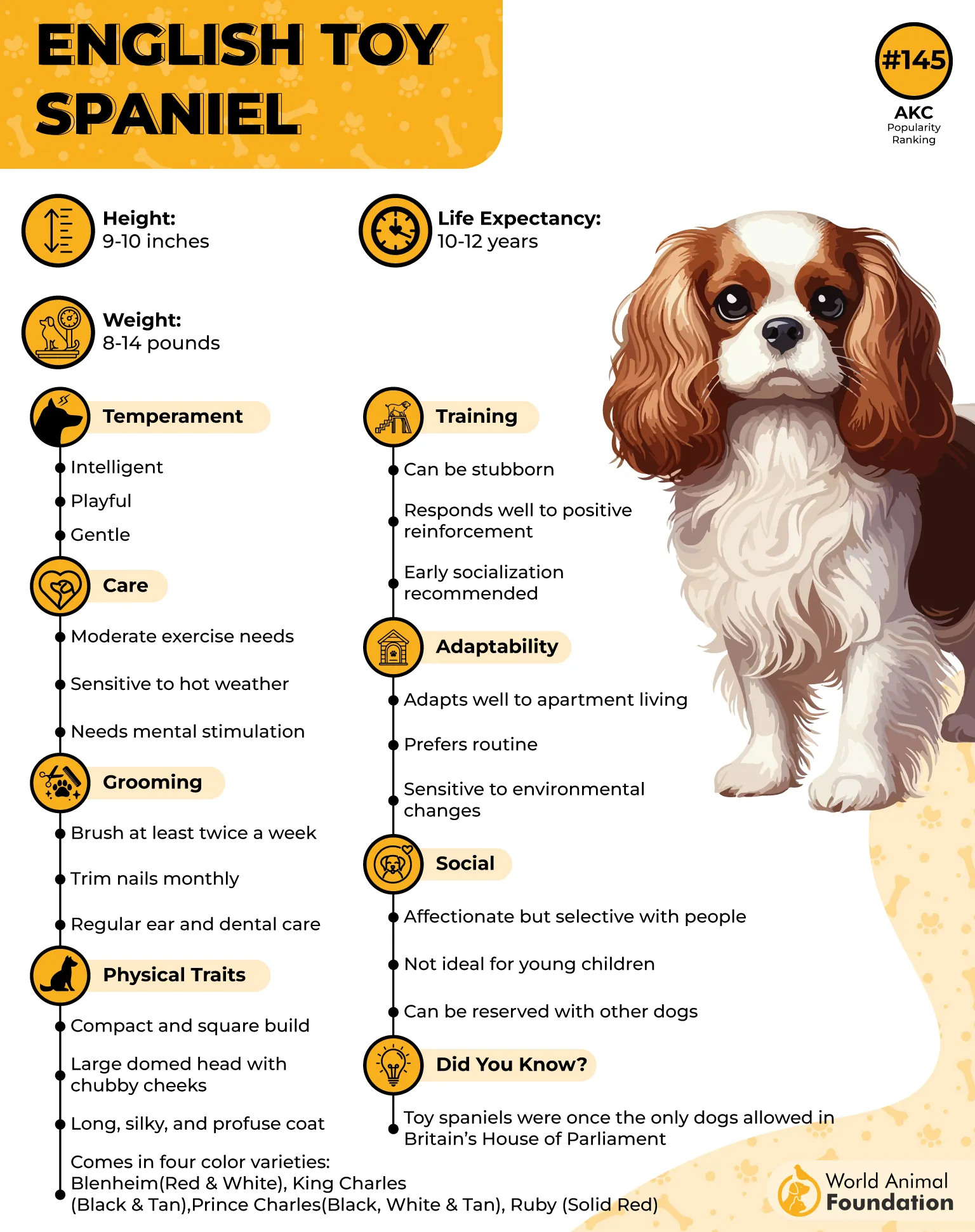
These Spaniels require minimal exercise compared to other toy breeds. Short walks and indoor play are usually enough. This makes them suitable for low-energy families.
Their main challenge is availability, as they are relatively rare. Health issues may also appear depending on breeding quality. Finding reputable breeders is important. They are best for families looking for a calm, steady companion. They are not high-energy or overly playful. Instead, they provide emotional stability.
Their quiet personality is a major advantage in peaceful homes. They rarely bark excessively. This makes them ideal for apartment living.
9. American Eskimo Dog (Toy)
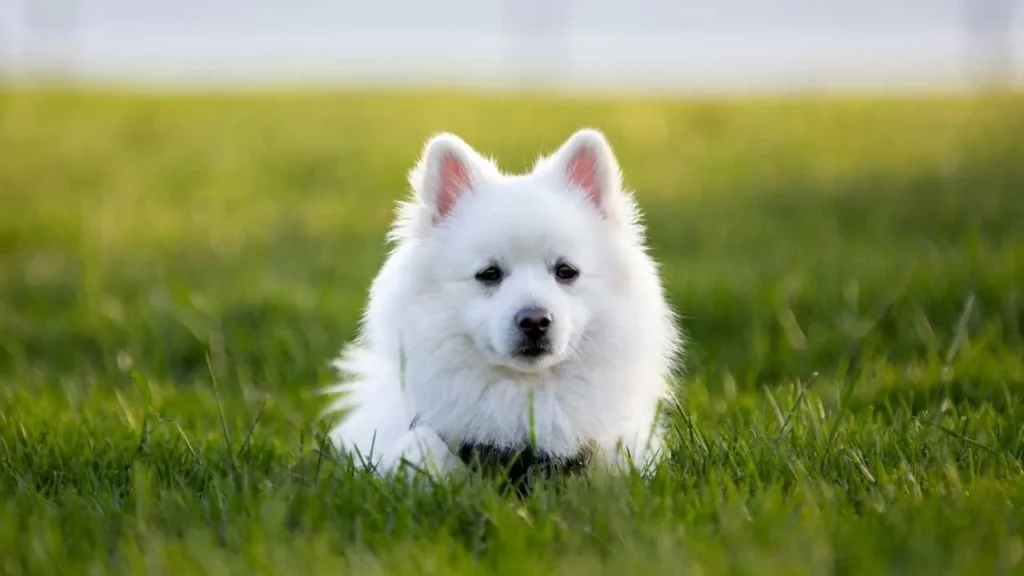
The American Eskimo Dog is a playful and highly intelligent breed. They are known for their fluffy white coat and expressive personalities. They thrive in active family environments.
They enjoy learning tricks and interacting with children. Their energy level keeps kids engaged and entertained. They are highly trainable and responsive.
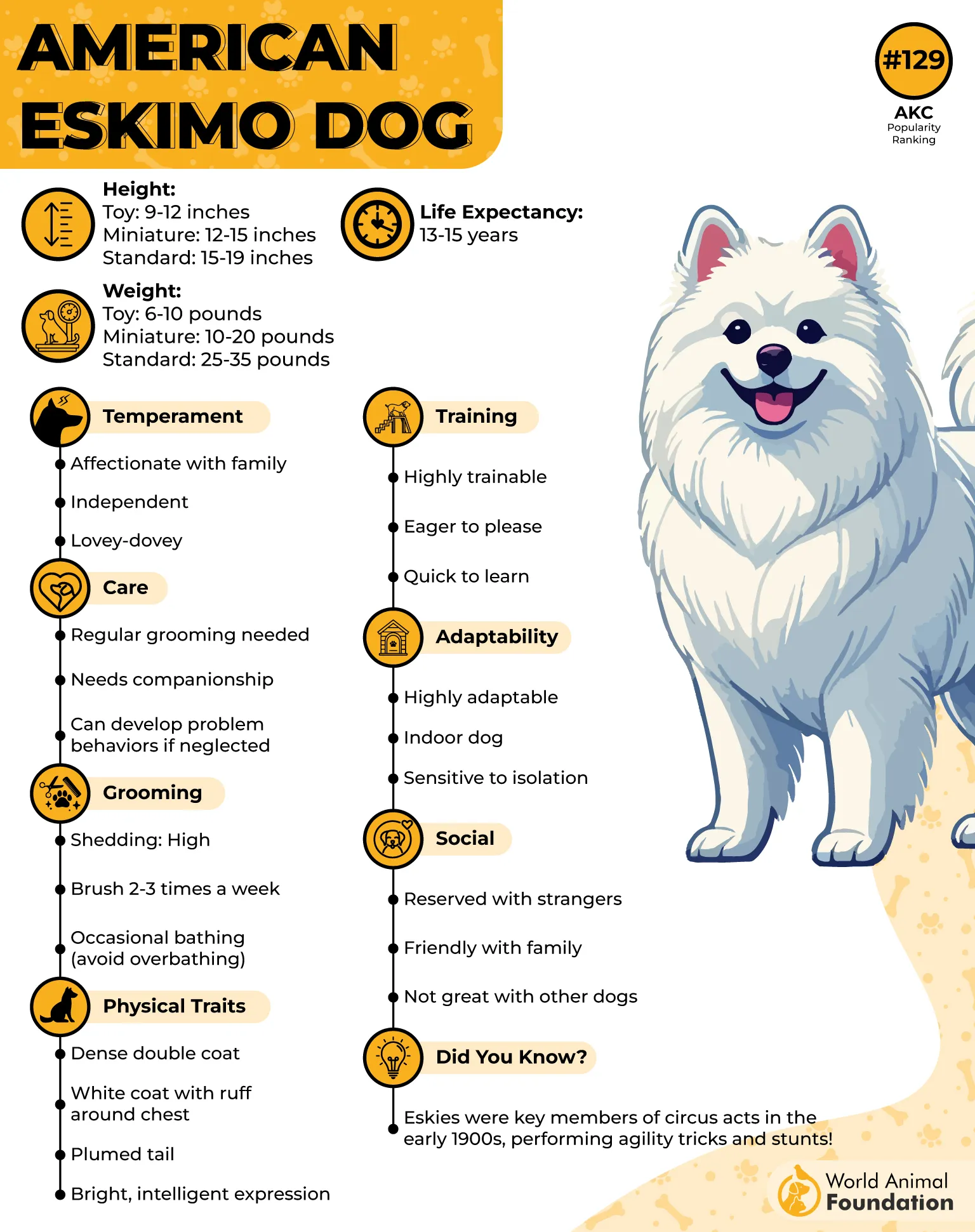
This small breed forms strong bonds with family members. This makes them emotionally connected companions. They enjoy being part of daily activities. However, they require regular grooming due to their thick coat. They can also be vocal if bored.
WebMD says mental stimulation is essential.
They are best suited for active families who enjoy training and interaction, thanks to their tiny frames. Their playful personality makes them highly engaging pets. They are strong candidates for the best small dogs for young children.
These wonderful family dogs thrive in structured environments with regular exercise.
10. Russian Tsvetnaya Bolonka

The Russian Tsvetnaya Bolonka is a rare but highly affectionate toy breed. They are known for their adaptability and gentle nature. They are gaining popularity among modern families.
They are friendly, calm, and excellent with children when socialized properly. Their hypoallergenic coat is another advantage. They adapt well to apartment living.
These Russian dogs enjoy companionship and dislike long periods of isolation. Their temperament is balanced and easygoing. This makes them suitable for family environments.
Their biggest challenge is the breed’s rarity and the availability of breeders. They may also come at a higher cost. Research is essential before choosing this rare breed. They are best for families seeking a unique, low-shedding companion.
These outgoing pooches are adaptable to different lifestyles and routines. Their gentle nature makes them easy to integrate into households. They are a hidden gem in the toy breed world.
Conclusion
Choosing the right toy dog breed for your family is not about trends or aesthetics. It’s about finding a personality that actually fits your daily life and your kids’ energy levels. Every breed on this list offers something different, from calm companionship to playful chaos.
The key is matching temperament with lifestyle, not just choosing the cutest option. Some families need calm, predictable energy, while others thrive with active, interactive pets.
There is no universal “best dog,” only the best fit for your home.
Take your time, do your research, and talk to real owners or reputable breeders before deciding. The right dog will not just fit into your family—it will become part of it.
