




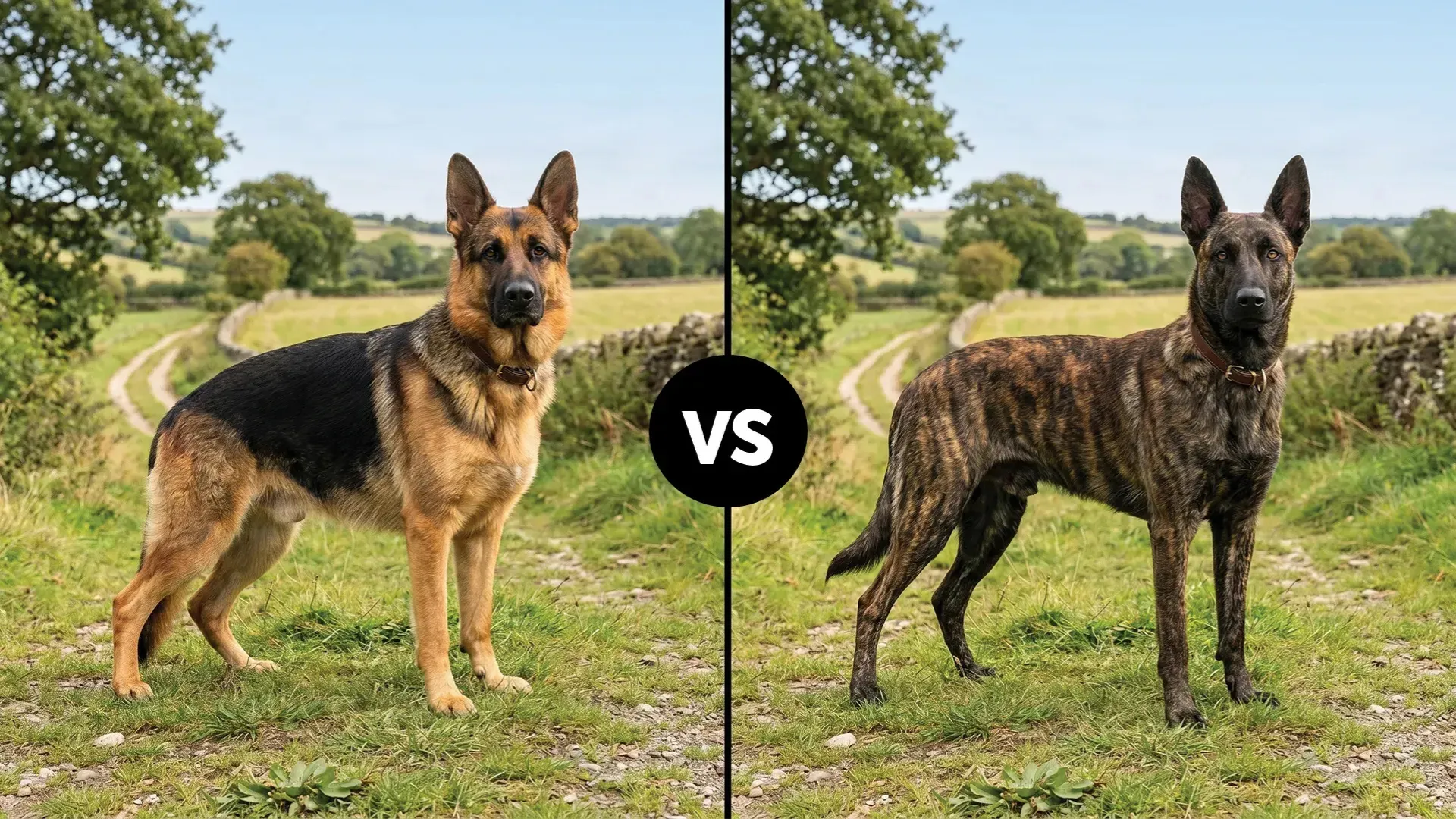
German Shepherds and Dutch Shepherds may look similar at first glance, but these hardworking breeds have unique histories, personalities, and strengths that set them apart. Both originated in Europe as dependable herding dogs, valued for their intelligence, loyalty, and versatility in demanding working environments. Over time, they evolved into trusted companions for police work, military service, protection duties, and active family life.
While the German Shepherd became one of the world’s most recognized dog breeds, the Dutch Shepherd remained relatively rare outside the Netherlands. Despite their shared ancestry and similar working backgrounds, there are noticeable differences in size, coat type, energy levels, and temperament.
Dutch Shepherds are typically leaner, more independent, and recognized for their distinctive brindle coats, while German Shepherds are larger, more protective, and often easier to train for structured tasks.
Deciding between these two intelligent and wonderful dog breeds depends heavily on your lifestyle, training experience, and activity level. Both require regular exercise, mental stimulation, socialization, and responsible ownership to remain healthy, confident, and well-balanced companions.
German Shepherd Dog Breeds vs. Dutch Shepherds Must-Know Facts
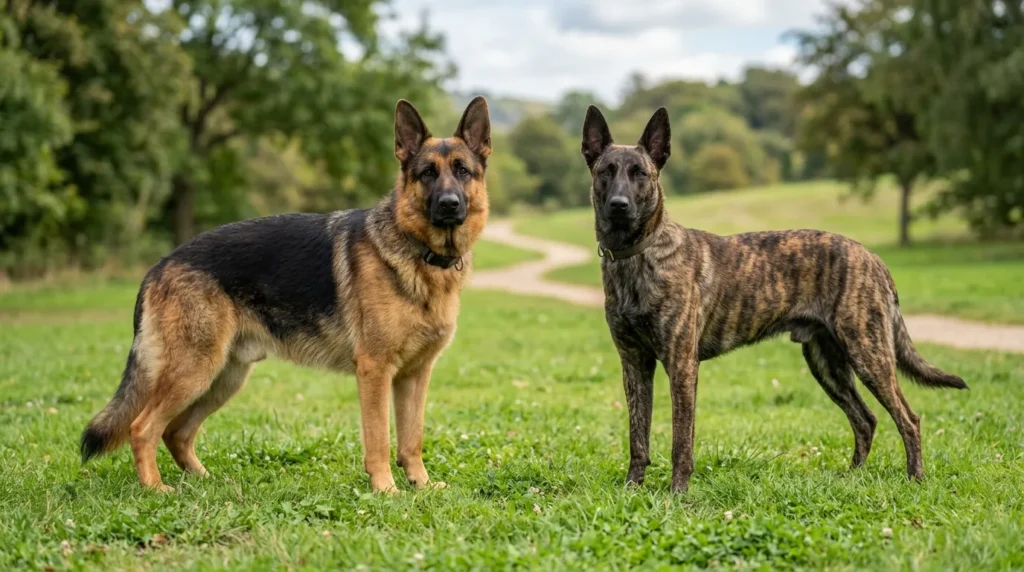
Choosing between these two high-performance breeds often comes down to a preference between the versatile, legendary loyalty of the German Shepherd and the intense, tireless drive of the Dutch Shepherd. While they share a striking silhouette, their differences in coat patterns, energy levels, and historical roles set them apart for different types of owners.
In this guide, we dive into the must-know facts regarding their temperament and physical needs to help you decide which striped or solid protector is the right fit for your lifestyle.
Origins & Purpose
The German Shepherd traces its roots to Germany, where skilled breeders aimed to create a dependable herding companion with intelligence, courage, and adaptability. Guided by Captain Max von Stephanitz, the breed emerged from traditional farm and sheepdogs and quickly earned recognition for its disciplined nature and strong working instincts.
Its remarkable abilities later expanded beyond herding into military assistance, guarding, guiding, rescue missions, and public service roles, making it respected across many countries.
The Dutch Shepherd originated in the rural Netherlands, particularly around Brabant, where farmers needed a versatile and hardworking helper. Bred for practical farm duties, this agile canine managed livestock, guarded property, pulled carts, and remained closely connected to farming families.

Its development focused more on endurance, obedience, alertness, and usefulness rather than appearance, allowing the breed to become valued for reliability and tireless dedication in demanding agricultural environments.
German Shepherds gained international admiration through wartime service and public exposure, especially after demonstrating bravery and intelligence in military operations. Their reputation as dependable protectors and highly trainable workers strengthened their popularity in households and professional fields alike. This loyal dog breed eventually became associated with law enforcement, search operations, and assistance work because of its loyal temperament and confident personality.
Dutch Shepherds experienced a more difficult historical path as industrial growth reduced the demand for traditional herding animals. Despite declining numbers, dedicated breeders preserved the breed because of its exceptional stamina, versatility, and fearless character.
Today, Dutch Shepherds continue to excel as energetic working companions admired for loyalty, sharp awareness, and strong devotion to both tasks and family life.
🎧 Dogcast
Episode 37 — Why Dogs Stay Close without Touching
If you don’t hear sound, tap the button above to enable audio.
Size & Physical Build
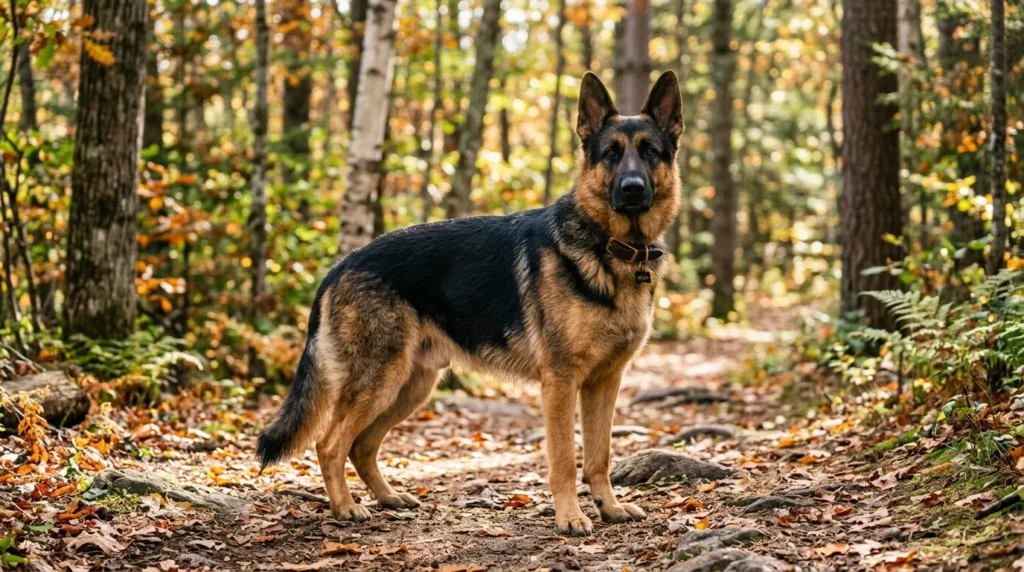
German Shepherds are large, muscular dogs with a strong and balanced frame. Their broad head, erect ears, bushy tail, and confident posture create a commanding appearance suited for guarding and working roles. Their coats may be short or long and commonly appear in black, tan, sable, gray, or mixed shades.
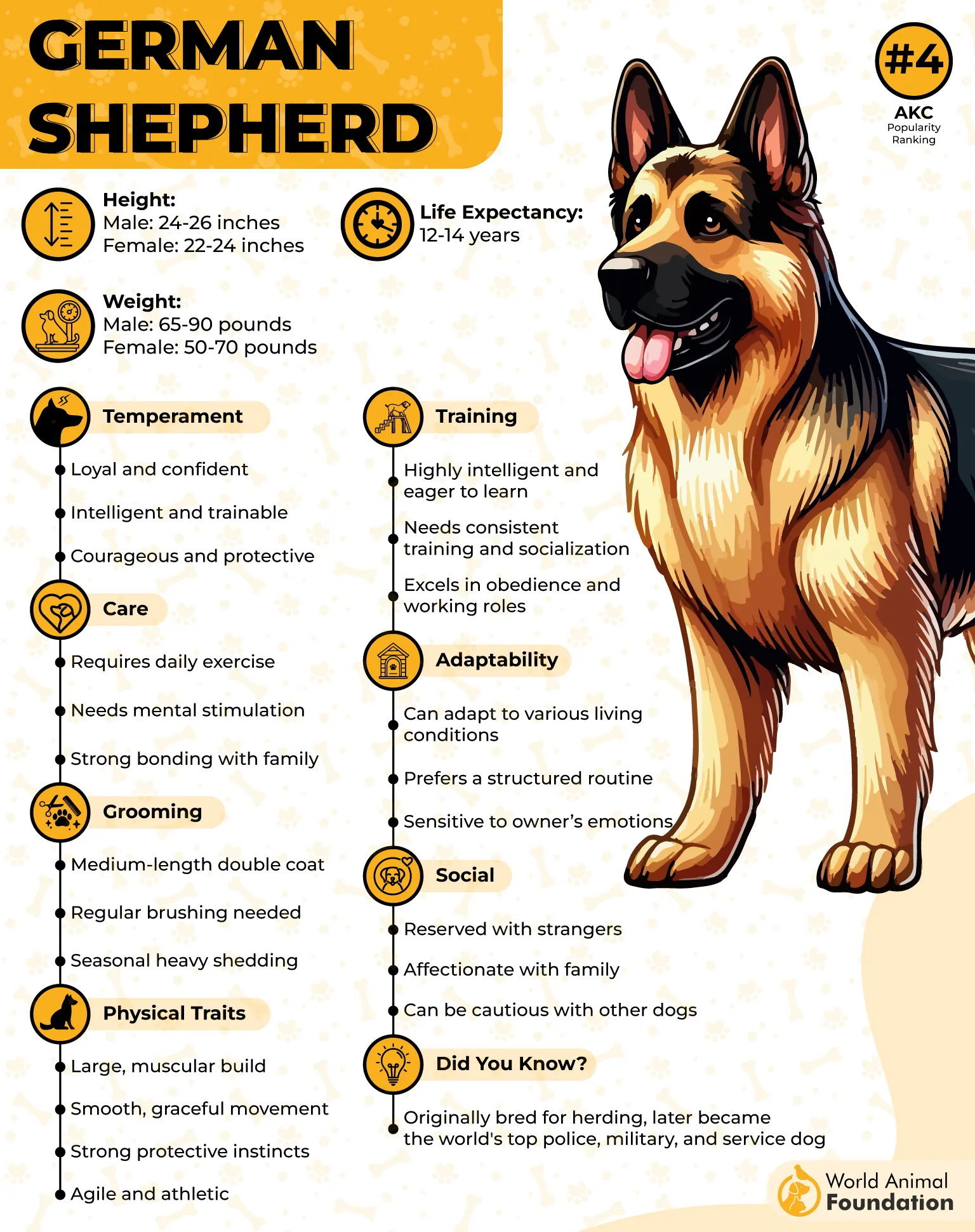
According to Hill’s Pet, German Shepherds are well-proportioned dogs with a muscular body, erect ears, and a bushy tail. Their thick coat can appear in several color combinations, including black and tan, gray, or solid black.
Dutch Shepherds are slightly leaner and more athletic, with a well-proportioned build designed for agility and endurance. Their wedge-shaped head, alert ears, curved tail, and wolf-like expression give them a sharp and energetic look. The breed appears in short-haired, long-haired, and rough-haired varieties, often featuring brindle, silver, or golden coats.
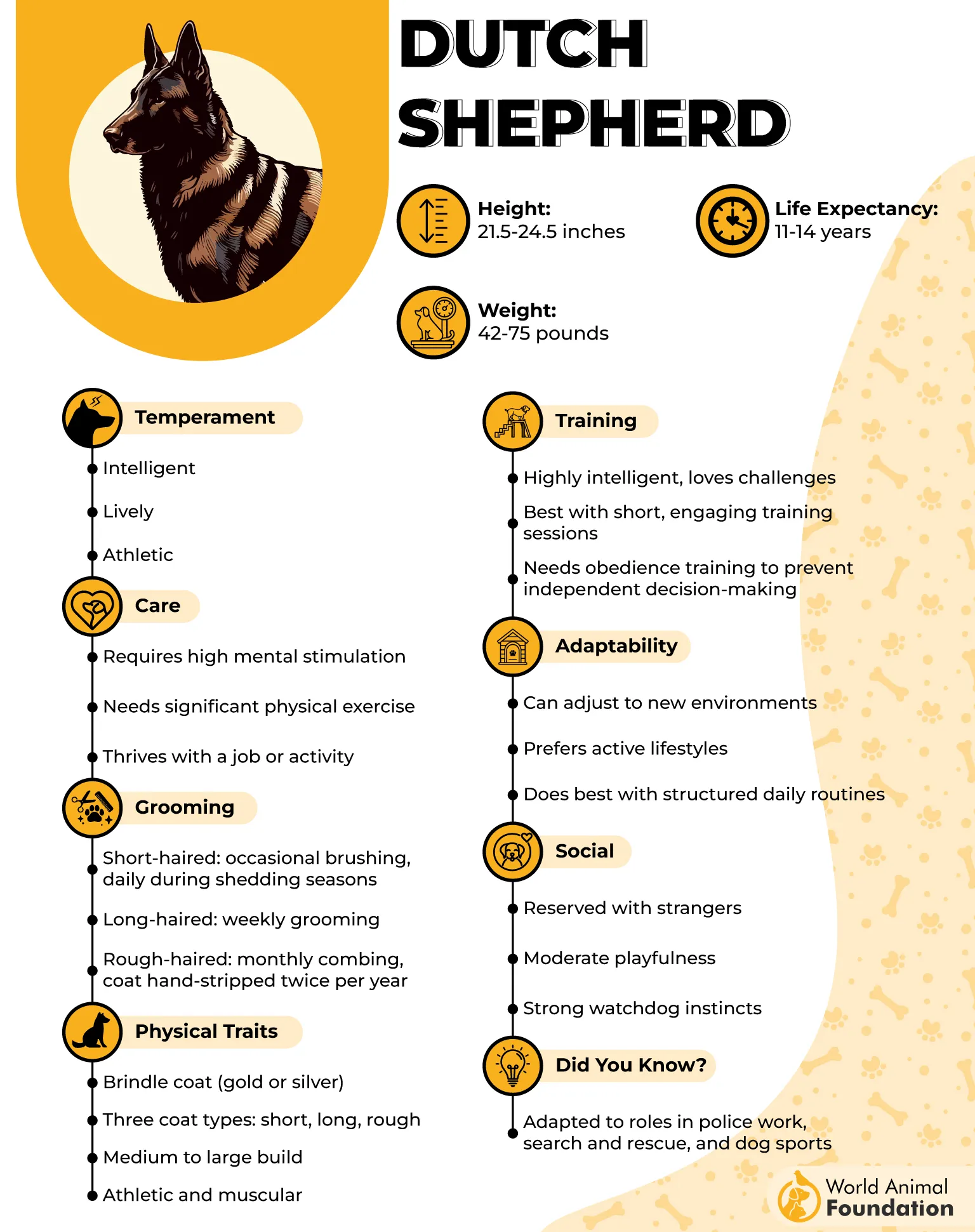
The main physical difference lies in size and structure. German Shepherds usually appear taller, heavier, and more powerful, while Dutch Shepherds carry a lighter and more flexible body that supports speed and versatility. Both breeds are muscular, intelligent, and built for demanding work, but each displays strength in a distinct way.
Temperament & Personality
German Shepherds are intelligent, fearless, and deeply loyal companions known for their protective nature and steady confidence. They enjoy spending time with their families and often develop strong emotional connections with their owners.
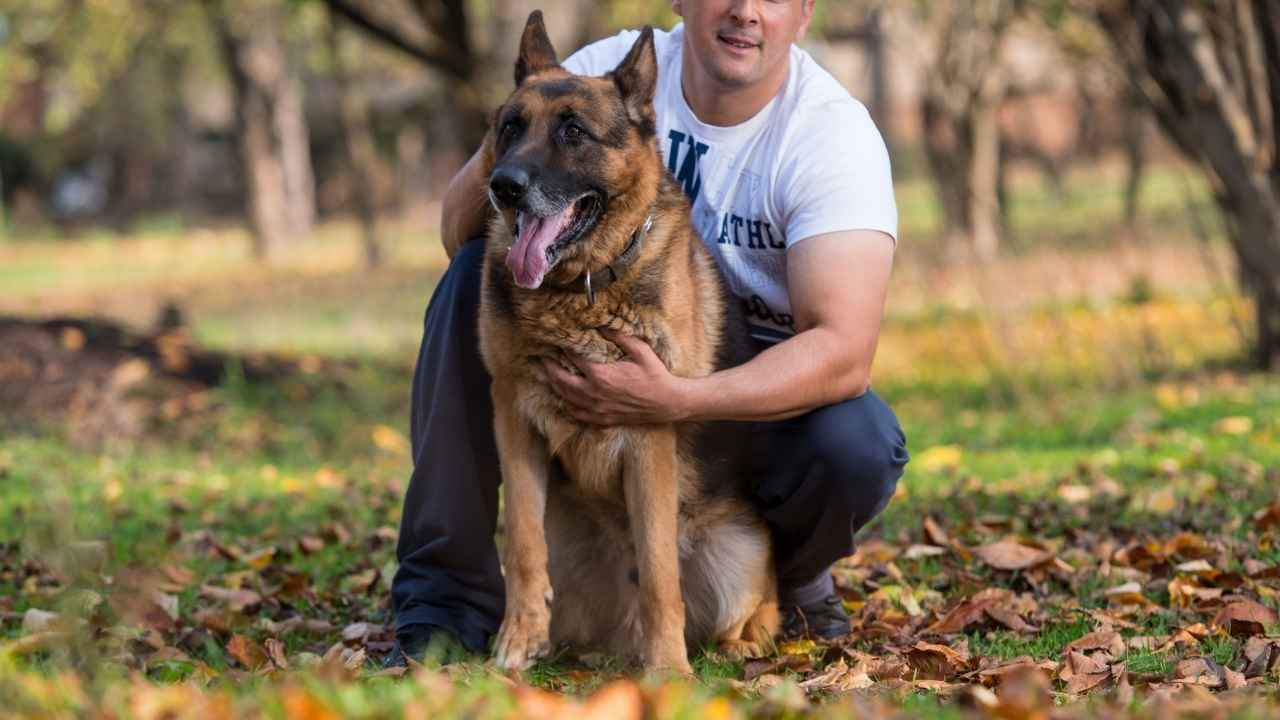
Their affectionate side appears clearly around children and trusted family pets, while their alert personality makes them dependable guard dogs and working partners.
According to Purina, German Shepherds are muscular and alert dogs known for their intelligence, athleticism, and regal presence. Loyal and affectionate with their families, they enjoy games, companionship, and forming deep bonds with their owners.
Dutch Shepherds possess a lively, sharp, and highly observant temperament shaped by generations of independent farm work. They are quick learners who respond well to training and can confidently carry out tasks without constant direction.
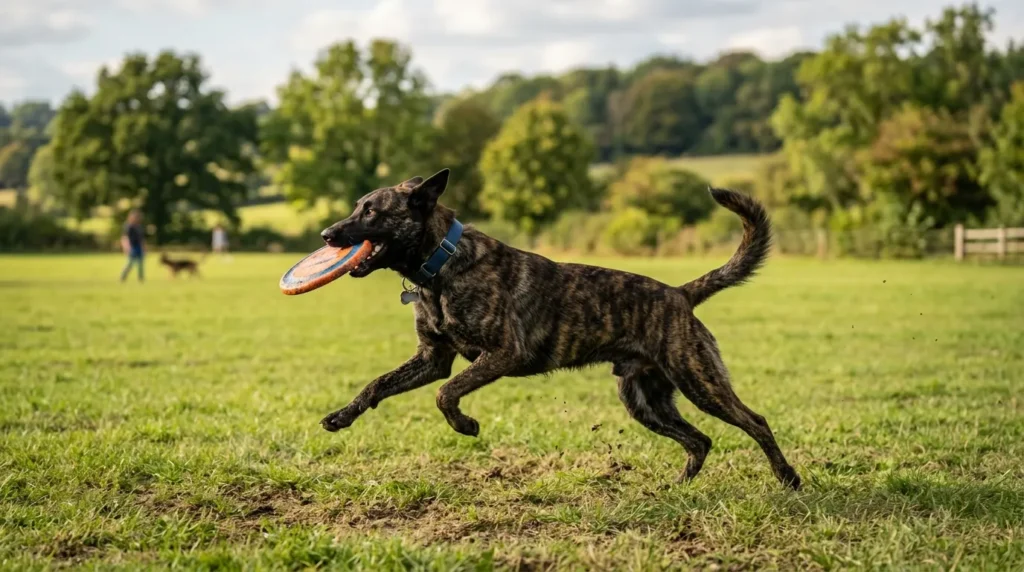
Their strong protective instincts, combined with loyalty and sensitivity, make them reliable guardians that stay closely attached to their pet parents while remaining naturally watchful of their surroundings.
Exercise & Energy Levels
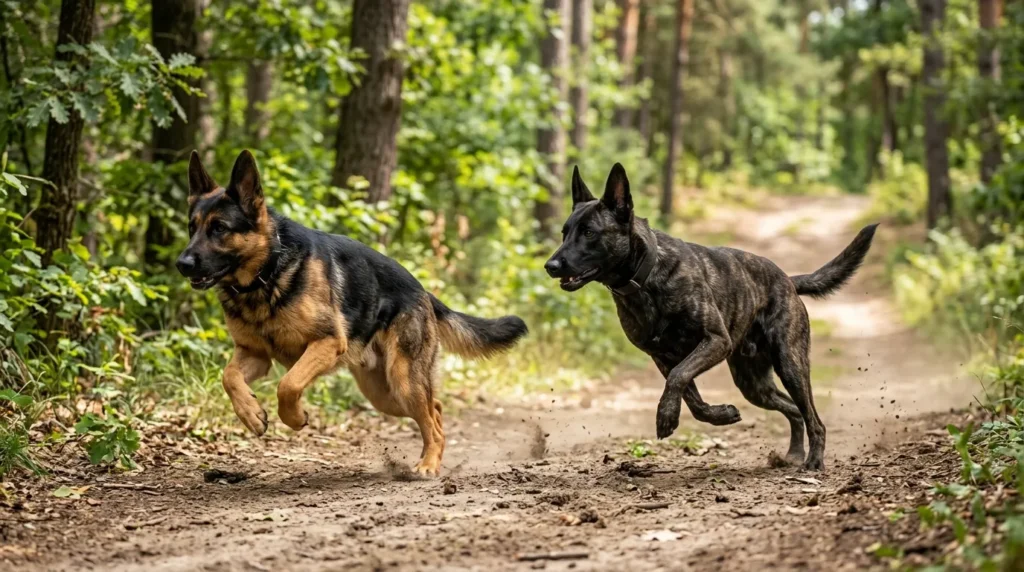
German Shepherds are energetic and intelligent dogs that need daily physical exercise and mental stimulation to stay balanced and happy. Long walks, running, training sessions, and puzzle games help prevent boredom and destructive behavior such as chewing, digging, or excessive barking. They thrive best in active homes with enough outdoor space to move and play freely.
Dutch Shepherds are equally active and require plenty of exercise, outdoor activity, and mental challenges every day. Their strong working instincts and athletic nature make them better suited for spacious environments rather than confined living spaces. Regular training, active play, and structured routines help keep them focused, content, and well-behaved.
According to Royal Canin, Dutch Shepherd Dogs are intelligent, loyal, and highly energetic working dogs known for their alert nature and strong stamina. Their obedient and affectionate personality makes them dependable companions both in work and at home.
Training & Intelligence
German Shepherds are highly intelligent and quick learners that respond exceptionally well to positive reinforcement and engaging training sessions. They enjoy tasks that challenge their minds, especially scent games, obedience work, and problem-solving activities. Early socialization and consistent training are essential to help them grow into confident, well-mannered, and reliable companions.
Dutch Shepherds are equally smart and eager to learn, but require experienced handling and firm, consistent guidance. Their strong working instincts as a rescue dog and independent mindset make mental stimulation and structured activities very important.
They respond best to praise, rewards, and interactive training methods, often excelling in obedience, agility, sports, rescue work, and other demanding roles.
Grooming Frequency
German Shepherds have moderate grooming needs and require regular brushing to manage heavy shedding and keep their thick double coat healthy. Their medium-length fur easily spreads around the home, so frequent grooming and cleaning are necessary. Bathing should only happen when needed, while nail trimming, ear care, and dental hygiene should remain part of their routine maintenance.

Dutch Shepherds also require moderate grooming, though the effort depends on coat type. Short-haired varieties are easier to maintain, while long-haired and wire-coated dogs need more frequent brushing to control shedding and prevent tangles. Seasonal shedding increases grooming demands, making regular coat care, nail trimming, ear cleaning, and dental maintenance important for overall health.
Health & Lifespan
German Shepherds are generally healthy and athletic dogs, but they are more prone to hereditary conditions such as hip dysplasia, elbow dysplasia, bloat, and degenerative myelopathy. Proper exercise, weight management, balanced nutrition, and responsible breeding play an important role in maintaining their health and longevity. Choosing a reputable breeder with health-tested dogs can greatly reduce the risk of inherited problems.
Dutch Shepherds are considered a healthier and more robust breed overall, with fewer common genetic issues. Although larger individuals may still experience joint problems like hip dysplasia, the breed is typically known for strong health, stamina, and resilience. Good nutrition, regular activity, and careful breeding practices help support their long lifespan and overall well-being.
German Shepherd Dog Breeds vs. Dutch Shepherds: Which one is best for you?
German Shepherds and Dutch Shepherds are both loyal, intelligent, and energetic breeds that need active owners, regular exercise, and mental stimulation. Both work well as family companions and dependable working dogs, but neither is suited for inactive lifestyles or small living spaces.
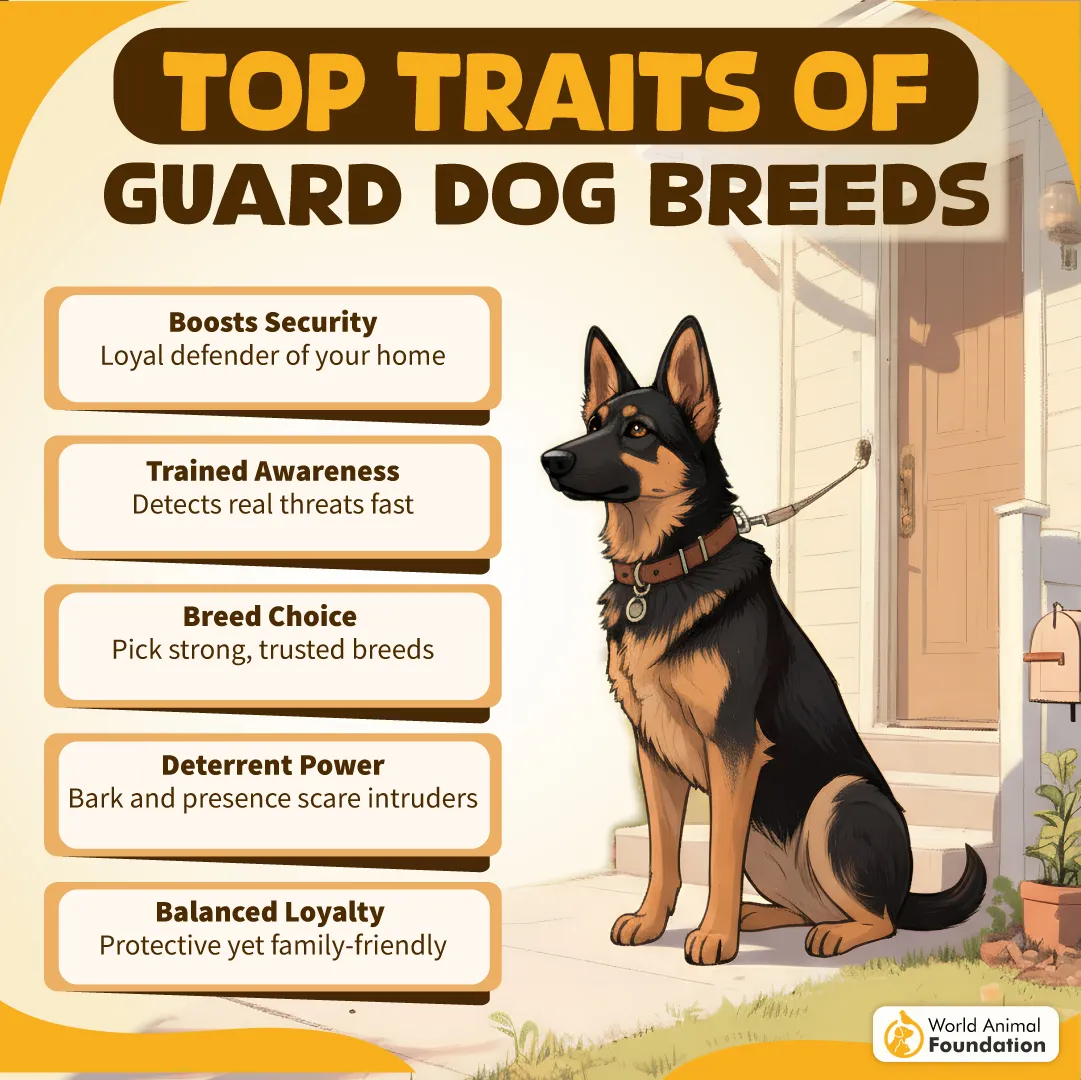
German Shepherds are often better for first-time owners because they are easier to train, more widely available, and highly adaptable for protection and service work. Dutch Shepherds are better suited for experienced owners who can manage their independent nature and high energy while providing plenty of activity and structure.
Conclusion
German Shepherds and Dutch Shepherds are both remarkable working breeds known for intelligence, loyalty, and strong protective instincts. While they share many similarities, each breed has its own strengths, personality traits, and care needs that make them suitable for different types of owners and lifestyles.
German Shepherds are larger, more widely recognized, and often easier for first-time owners to manage with proper training and socialization. Dutch Shepherds, on the other hand, are slightly leaner, highly energetic, and better suited for experienced owners who can provide constant activity and mental challenges.
Choosing between these breeds depends on your lifestyle, experience level, and ability to meet their physical and emotional needs. Both dogs thrive in active homes where they receive attention, training, exercise, and a clear sense of purpose every day.
