




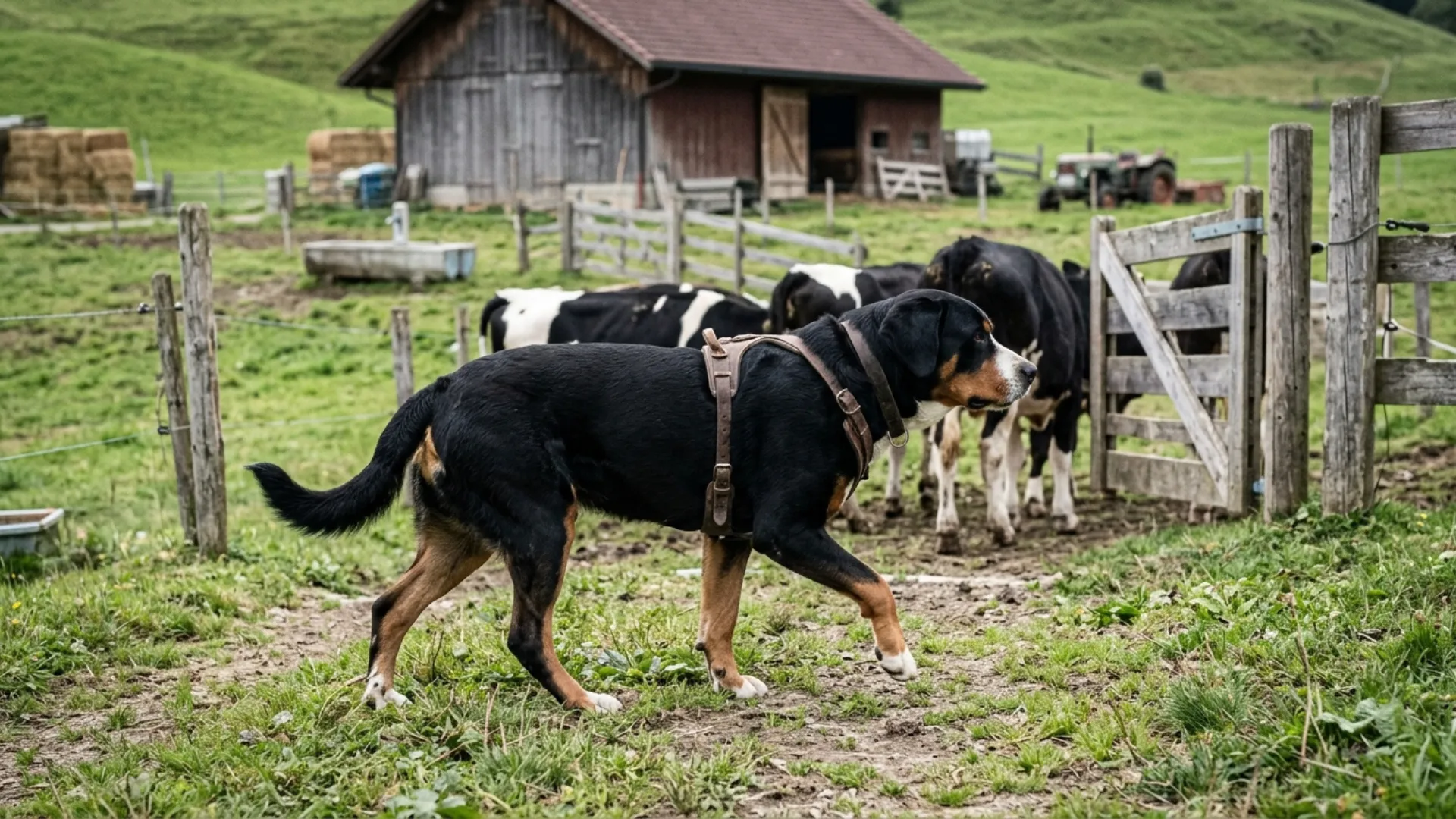
Farm dogs are honestly built differently.
While most household pets are busy perfecting the art of stealing couch space, working farm dogs are out here managing livestock, guarding property, pulling carts, and operating like furry full-time employees with zero complaints.
These breeds weren’t designed to “look cute” — they were literally developed to survive rough weather, think independently, and handle physically demanding jobs every single day.
Herding and guardian breeds are among the most intelligent and trainable dogs in the world because they were selectively bred for decision-making and endurance over generations. Many of them worked long hours protecting sheep from predators, moving cattle across rough terrain, or helping farmers with daily labor.
And honestly?
You can still see those instincts today. Some of these dogs will try to “herd” children around the house, patrol fences like security guards, or monitor strangers with the intensity of a side quest NPC protecting a kingdom gate. It’s not aggression — it’s centuries of programming doing exactly what it was built to do.
If you’ve ever wanted a dog with strength, brains, and an unstoppable work ethic, these ten mighty breeds absolutely understood the assignment.
Mighty Working Dog Breeds for Powerful Farm and Herding Tasks
1. Greater Swiss Mountain Dog
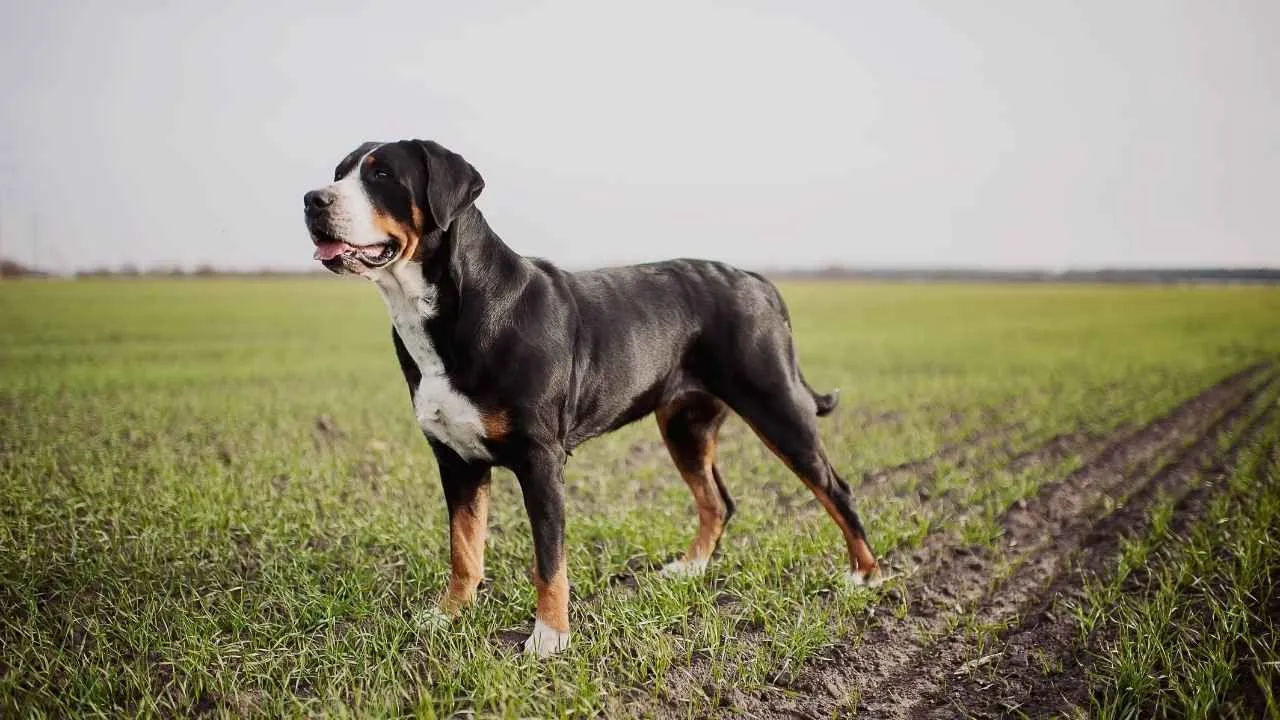
The Greater Swiss Mountain Dog looks like the kind of dog that could casually pull a wagon full of supplies without breaking eye contact. These massive Swiss farm dogs were originally bred to draft carts, guard farms, and move livestock through mountainous terrain.
Despite their intimidating size, Swissies are usually affectionate and calm with their families. Many owners describe them as goofy giants who think they’re lap dogs even when they weigh over 100 pounds.
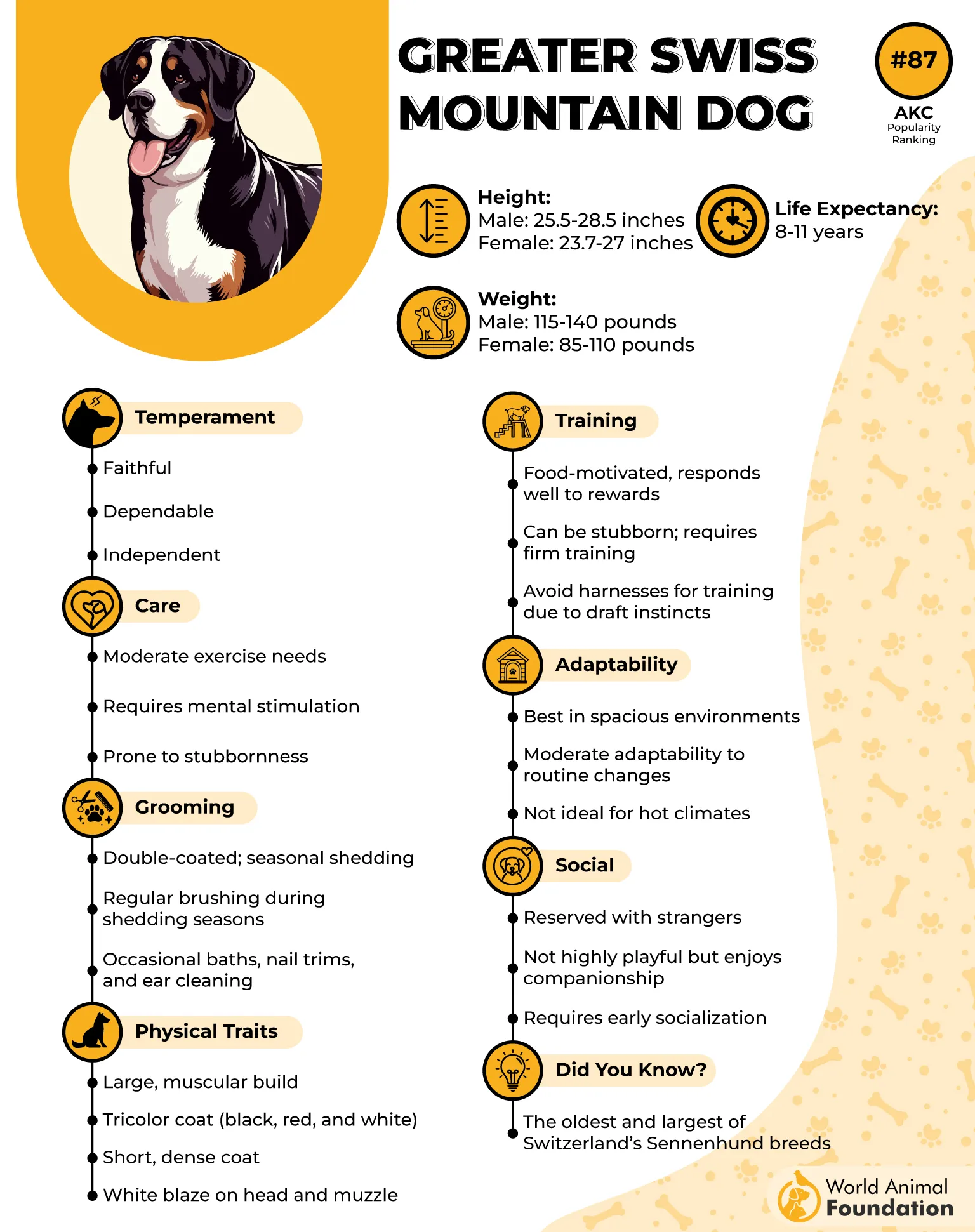
These mountain dogs were developed as multi-purpose farm dogs in the Swiss Alps. Their muscular bodies and strong legs allowed them to haul dairy carts and assist farmers with physically demanding work.
That working history explains their incredible strength and stamina. This herding dog breed genuinely enjoys completing tasks.
Greater Swiss Mountain Dogs are naturally protective without being overly reactive. They tend to monitor situations carefully before responding, which gives them a calm confidence that many owners love.
Swissies are intelligent but can have a stubborn streak. Positive reinforcement works best because harsh methods usually make them shut down emotionally.
Heat tolerance can also be difficult because of their thick build. Summer activities often need careful management.
Fun Fact
Before tractors became common, Greater Swiss Mountain Dogs were sometimes called the “poor man’s horse” because they hauled carts for farmers across Switzerland.
2. Australian Shepherd
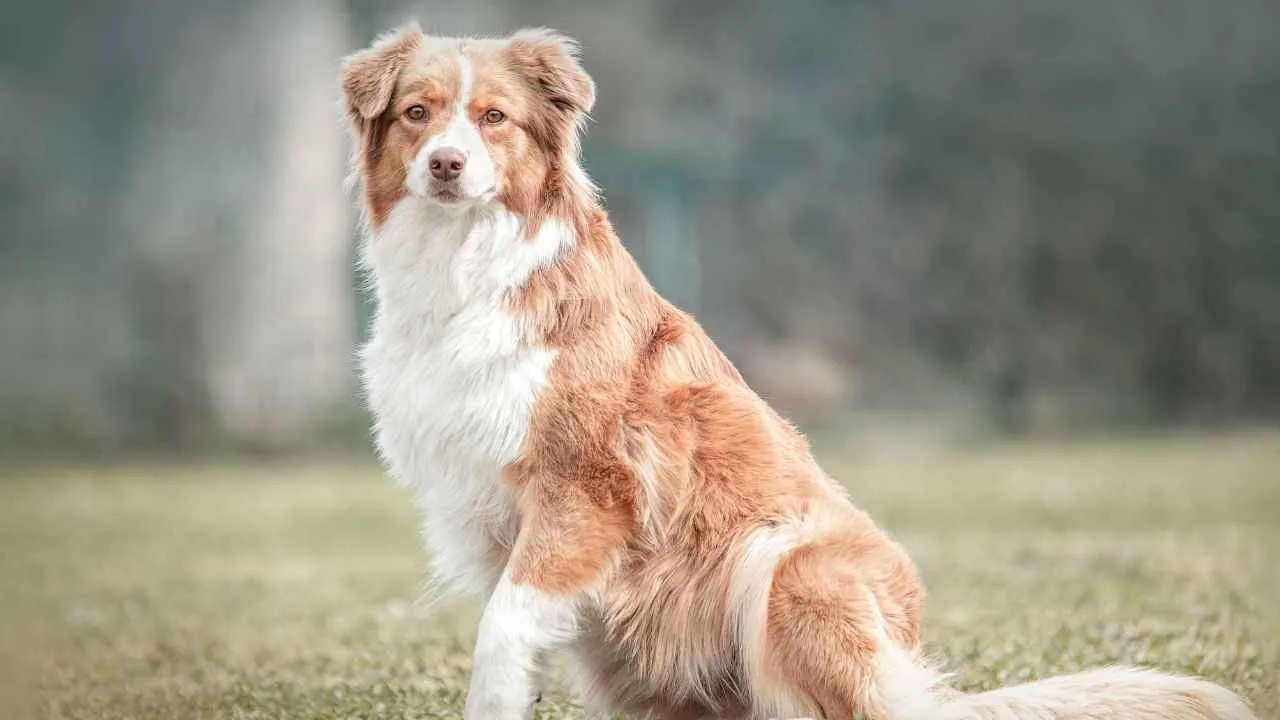
Australian Shepherds are basically productivity apps trapped inside dog bodies. These dogs are extremely smart, athletic, and constantly ready to work.
Even though their name says “Australian,” the breed was largely developed in the American West for
herding sheep on ranches. Today, they remain one of the most popular working and herding breeds worldwide.
This is not a low-maintenance breed. Australian Shepherds thrive on activity, problem-solving, and movement. Without enough stimulation, they can become destructive, anxious, or obsessively herdy.
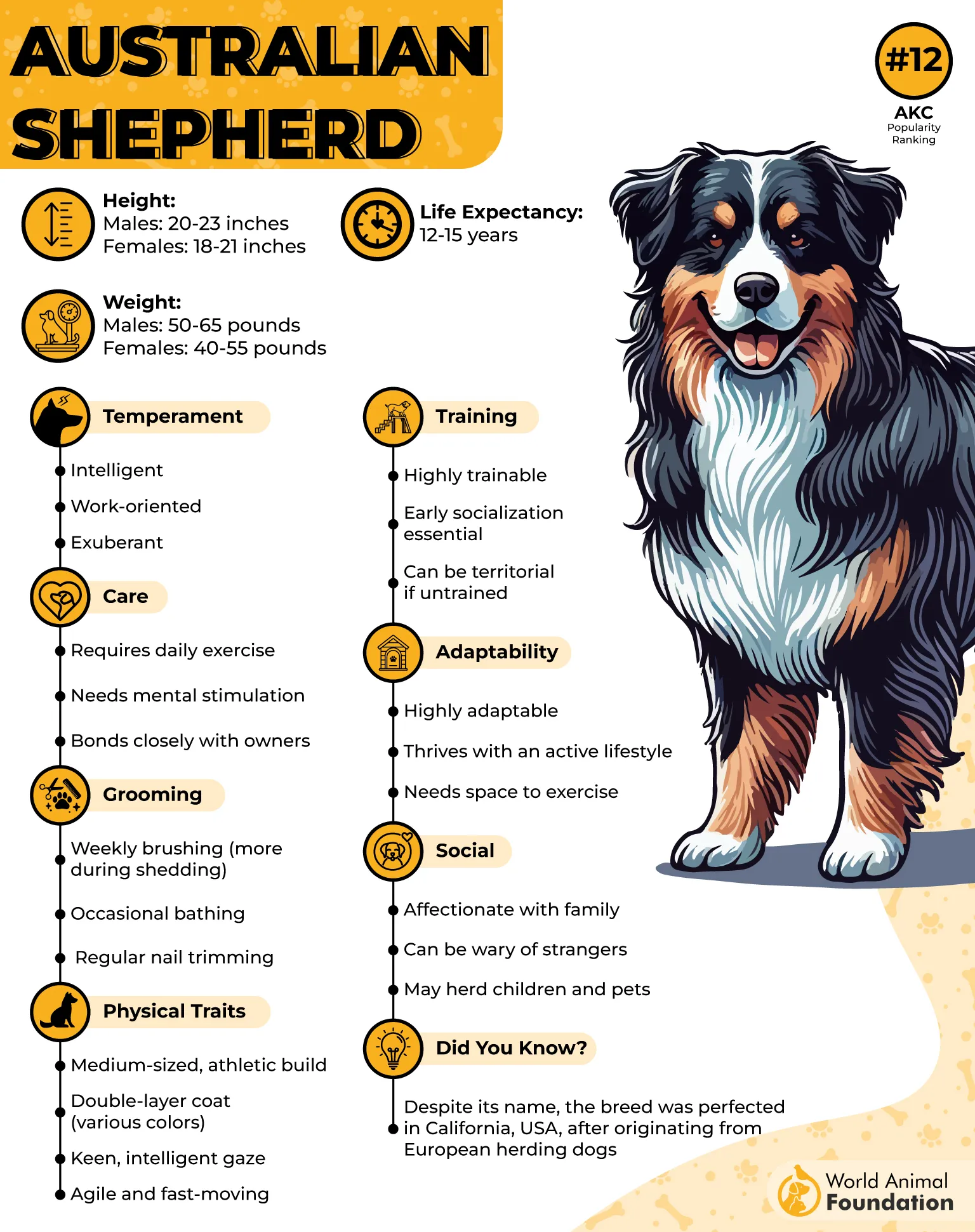
These intelligent dogs often try to herd children, cats, and literally anything that moves quickly. Your family becomes their unpaid livestock collection.
Australian Shepherds excel at reading livestock movement and reacting quickly. Their agility and intelligence make them excellent at moving sheep or cattle through difficult terrain.
As ranch dogs, they also tend to work very closely with handlers. That teamwork-focused personality is part of what makes them so trainable.
A Downside
They also learn bad habits just as fast.
Australian Shepherds usually bond intensely with their humans. Owners constantly describe them as “shadow dogs” because they follow people everywhere.
That closeness can lead to separation anxiety if they’re left alone too often. These dogs genuinely want to be involved in daily life.
3. Bernese Mountain Dog
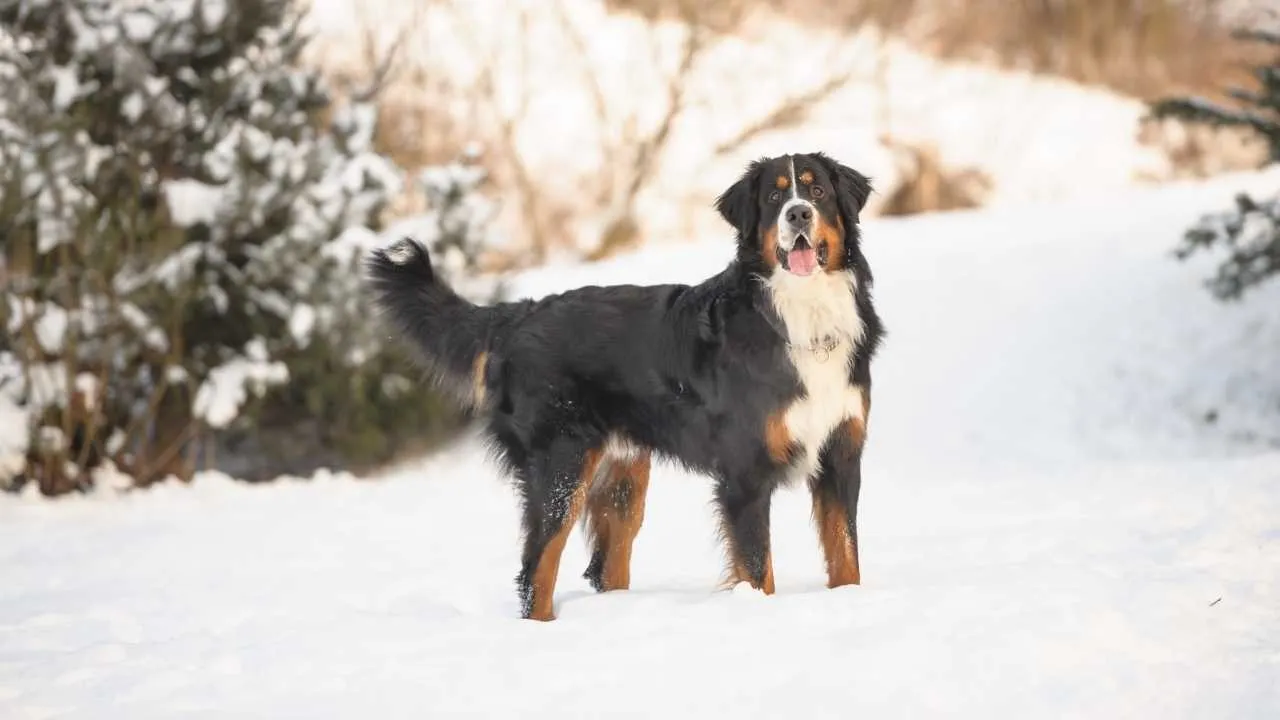
Bernese Mountain Dogs combine strength and sweetness in a way that honestly feels unfair. Originally developed as Swiss farm dogs, they pulled carts, guarded farms, and helped move cattle.
Today, they’re famous for their calm temperament and affectionate personalities.
Berners aren’t usually hyperactive despite their working background. Many prefer moderate exercise mixed with lots of family time and lounging.
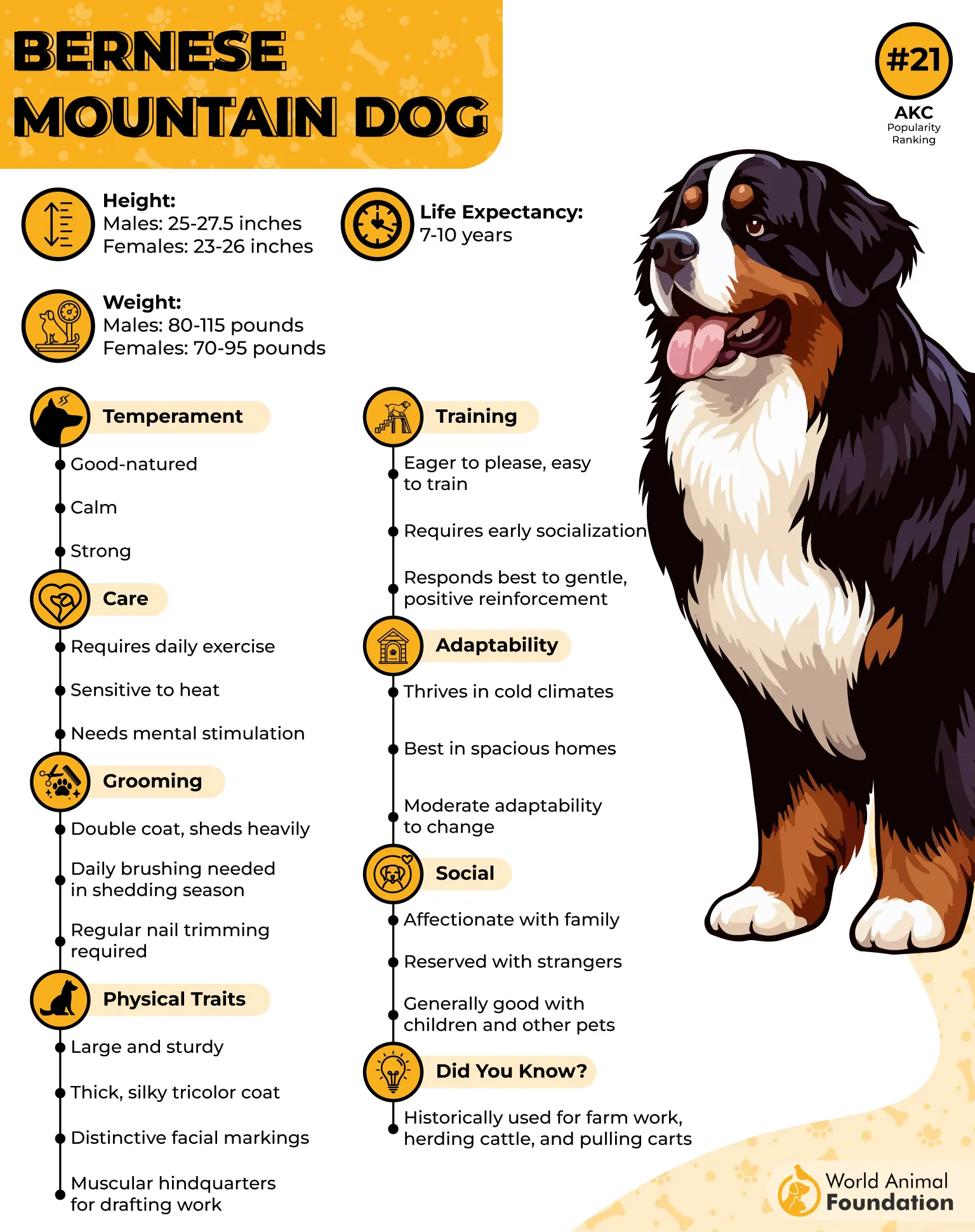
That balance makes them appealing to people who want a capable working breed without nonstop intensity. They are deeply people-oriented. Many owners say these dogs form strong emotional bonds and constantly want to stay close to their families.
They’re especially known for being gentle around children. It’s giving “oversized emotional support plushie.”
Their thick double coats make them excellent in colder climates. Snow immediately activates their happiness settings.
Hot weather, however, can be rough for these family dogs. Owners need to monitor overheating carefully during the summer months.
Historical Fact
Farmers in Switzerland used Bernese Mountain Dogs to transport milk and cheese carts through alpine villages before modern transportation existed.
4. Anatolian Shepherd
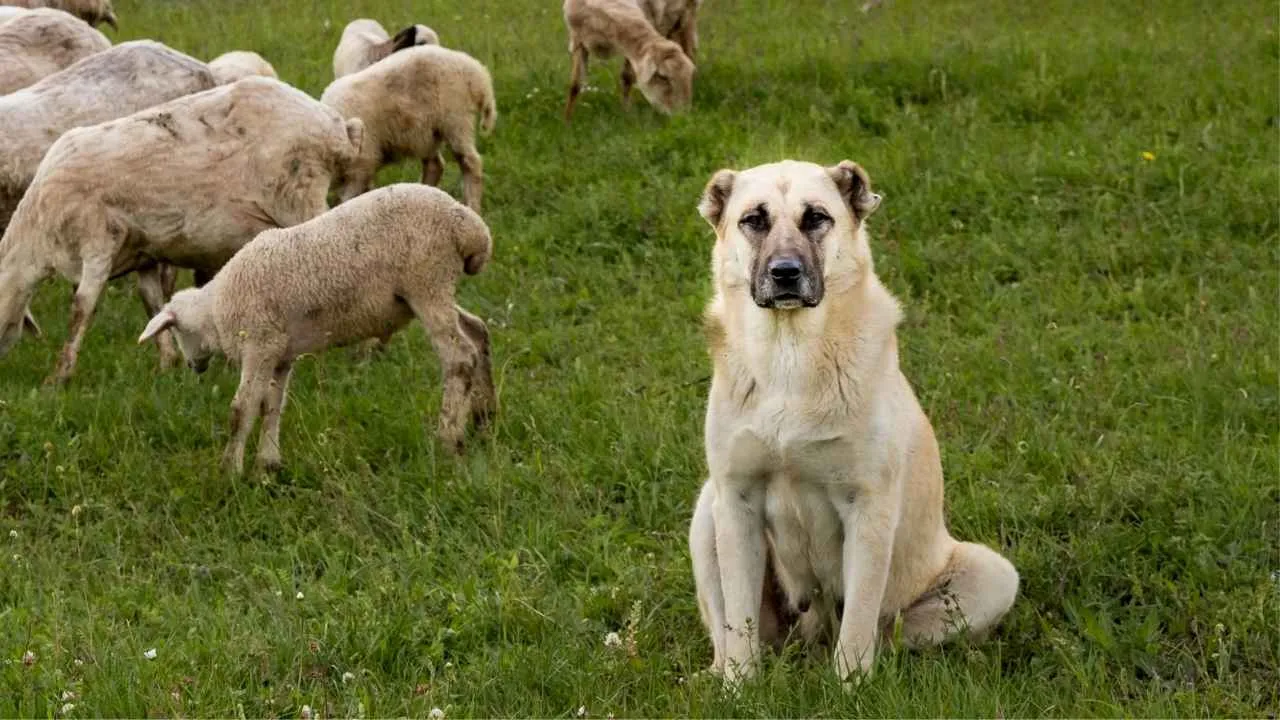
The Anatolian Shepherd wasn’t bred to follow constant instructions. These dogs were bred to guard livestock independently against predators such as wolves and bears across harsh Turkish landscapes.
That independent thinking still defines the breed today, making it just the perfect farm dog you need!
Anatolians are often quiet and observant rather than overly energetic. They conserve energy until they feel something requires attention.
But once protective instincts activate? The switch flips immediately.
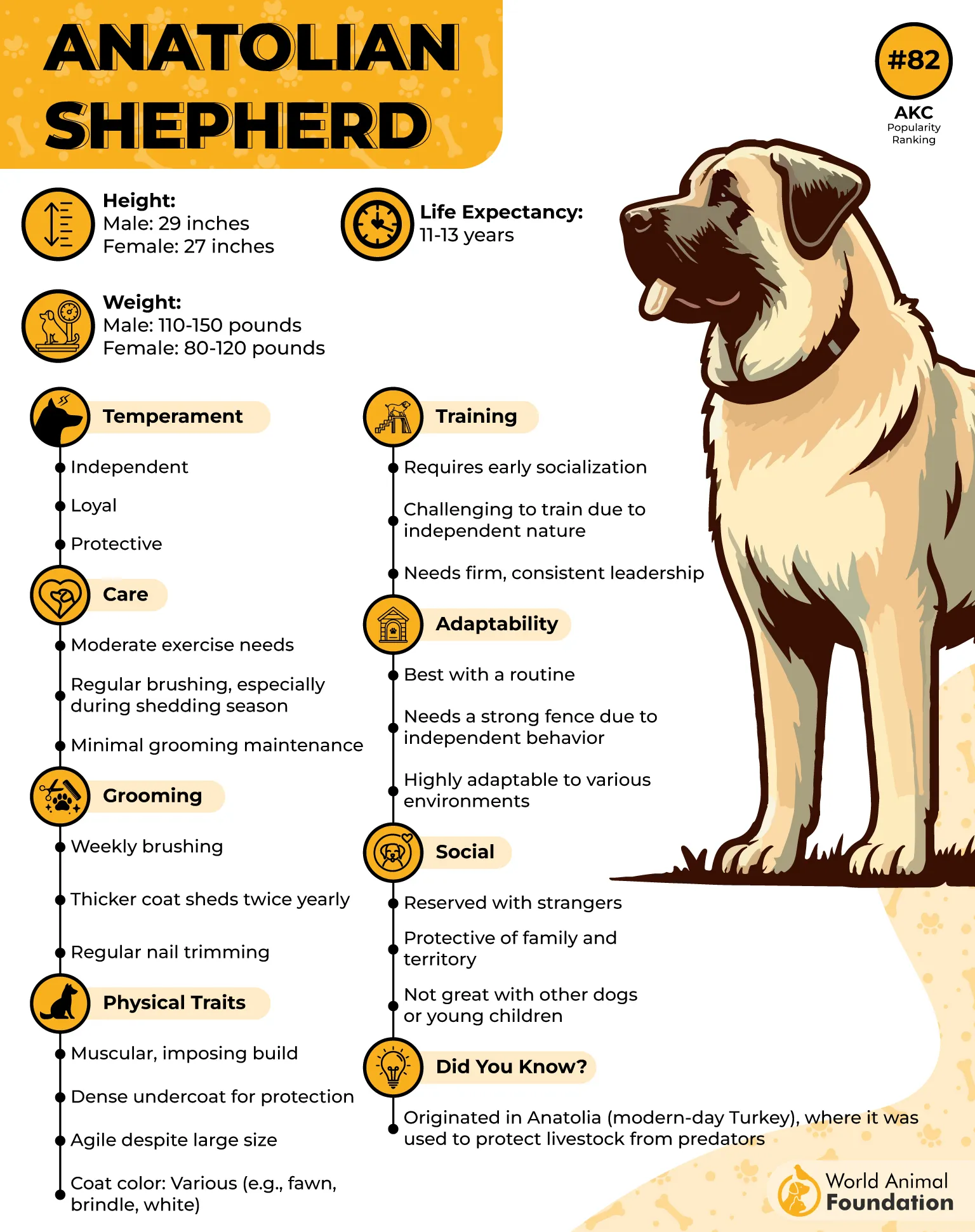
Unlike dogs known for herding cattle by moving animals around, Anatolian Shepherds focus on protection. Their job was to stay with livestock and deter threats through intimidation and confidence.
That’s why they’re naturally territorial and cautious around strangers.
These dogs are highly intelligent but extremely independent-minded. Training requires patience, consistency, and strong leadership.
People expecting instant obedience often struggle with this breed.
Fun Fact
Some Anatolian Shepherds successfully protect livestock from cheetahs in conservation programs in Africa, helping reduce conflicts between farmers and wildlife.
5. Maremma Sheepdog
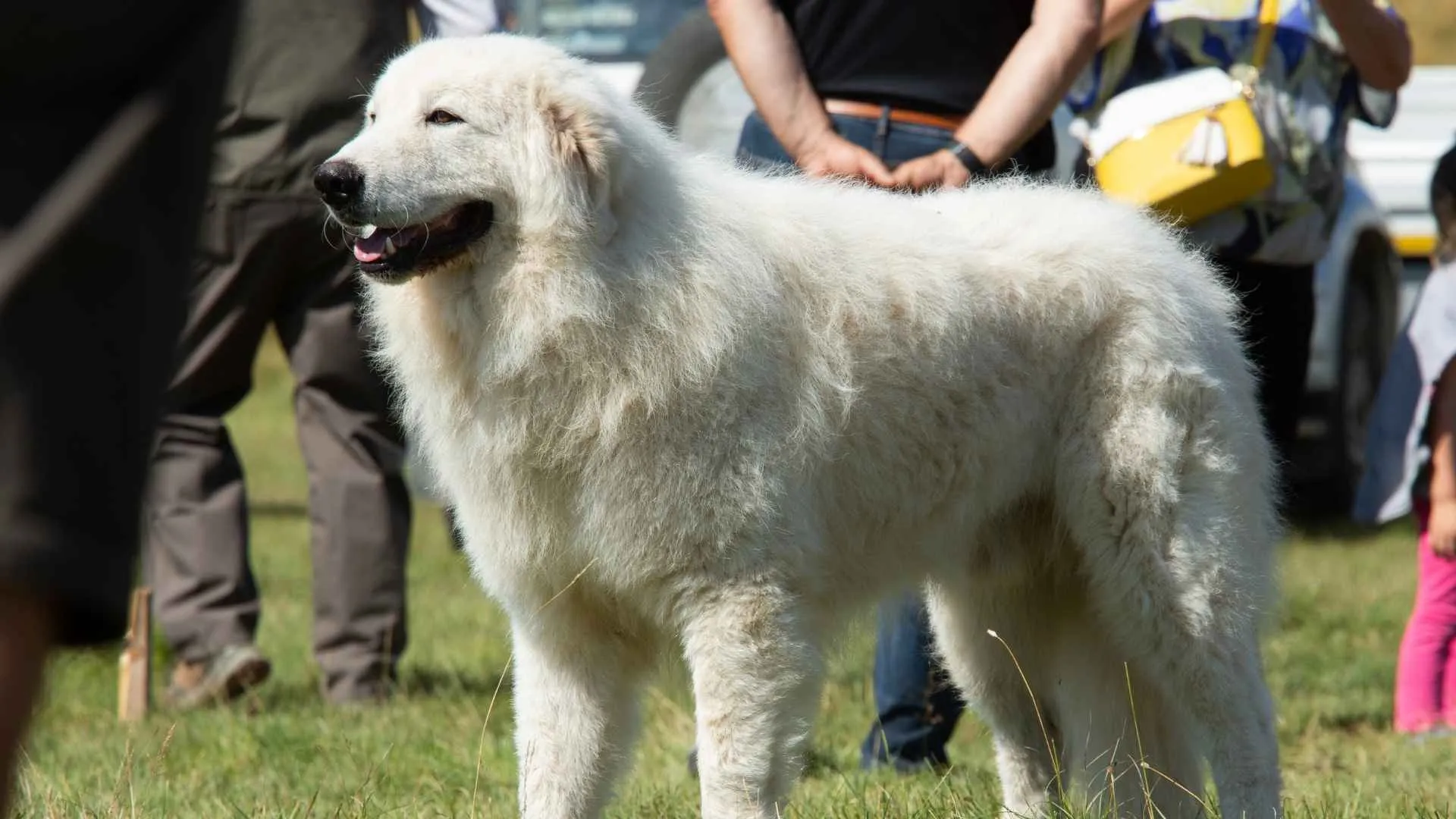
The Maremma Sheepdog looks like a giant fluffy cloud, but underneath all that fur is a fearless livestock guardian.
Originating in Italy, these dogs spent centuries protecting sheep from predators in remote mountain regions.
Maremmas are usually calm indoors, showing a gentle nature, but extremely alert outdoors. They constantly monitor their environment and naturally patrol areas they consider theirs.
This breed takes security very personally.
Unlike companion dogs that welcome every visitor, Dogs Australia says that they are naturally suspicious of strangers. That caution was essential for protecting livestock historically.
Good socialization matters hugely from puppyhood.
These dogs were bred to make decisions without constant human guidance. That independence can sometimes look like stubbornness during training.
They’re smart — they don’t unthinkingly obey.
Historical Fact
Italian shepherds often placed spiked collars on Maremmas to protect them from wolf attacks while guarding flocks.
6. Great Pyrenees
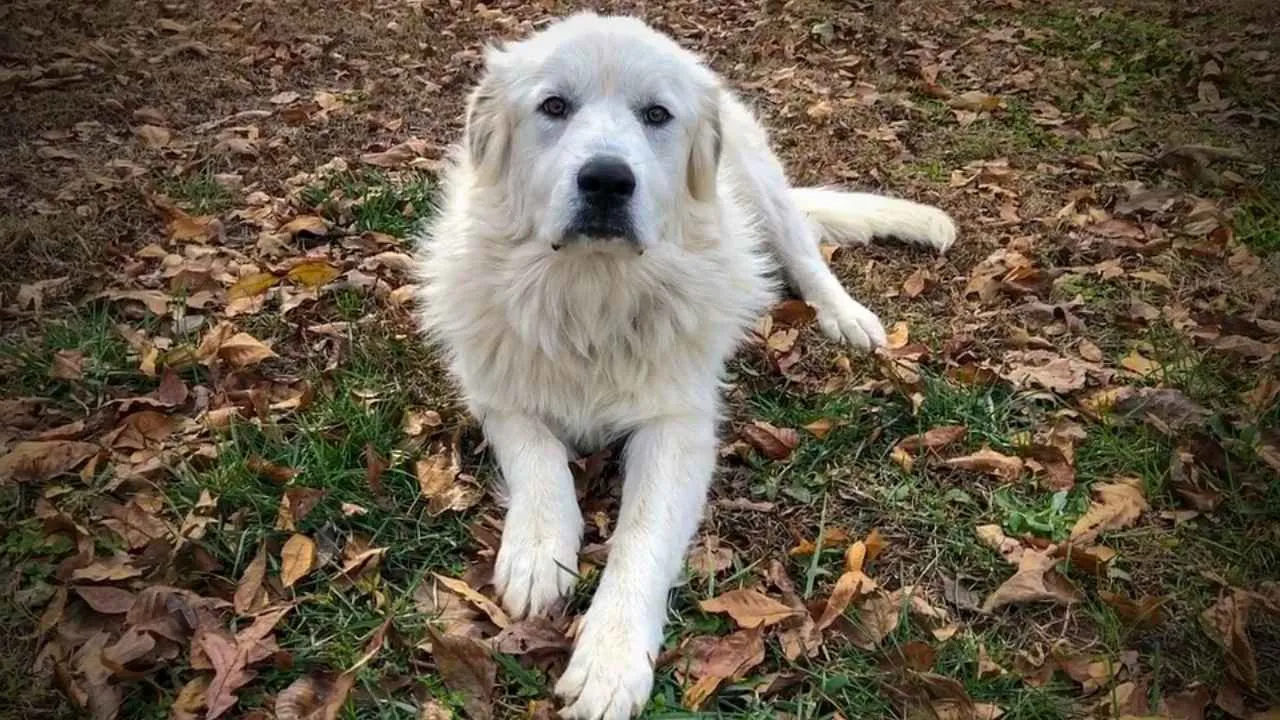
Great Pyrenees dogs were bred to guard livestock in snowy mountain regions between France and Spain. Their calm confidence is honestly one of their most iconic traits.
These dogs don’t usually seek chaos. They monitor everything quietly, like ancient guardians.
Great Pyrenees dogs are generally gentle with family members and livestock. But they’re also fearless when confronting threats.
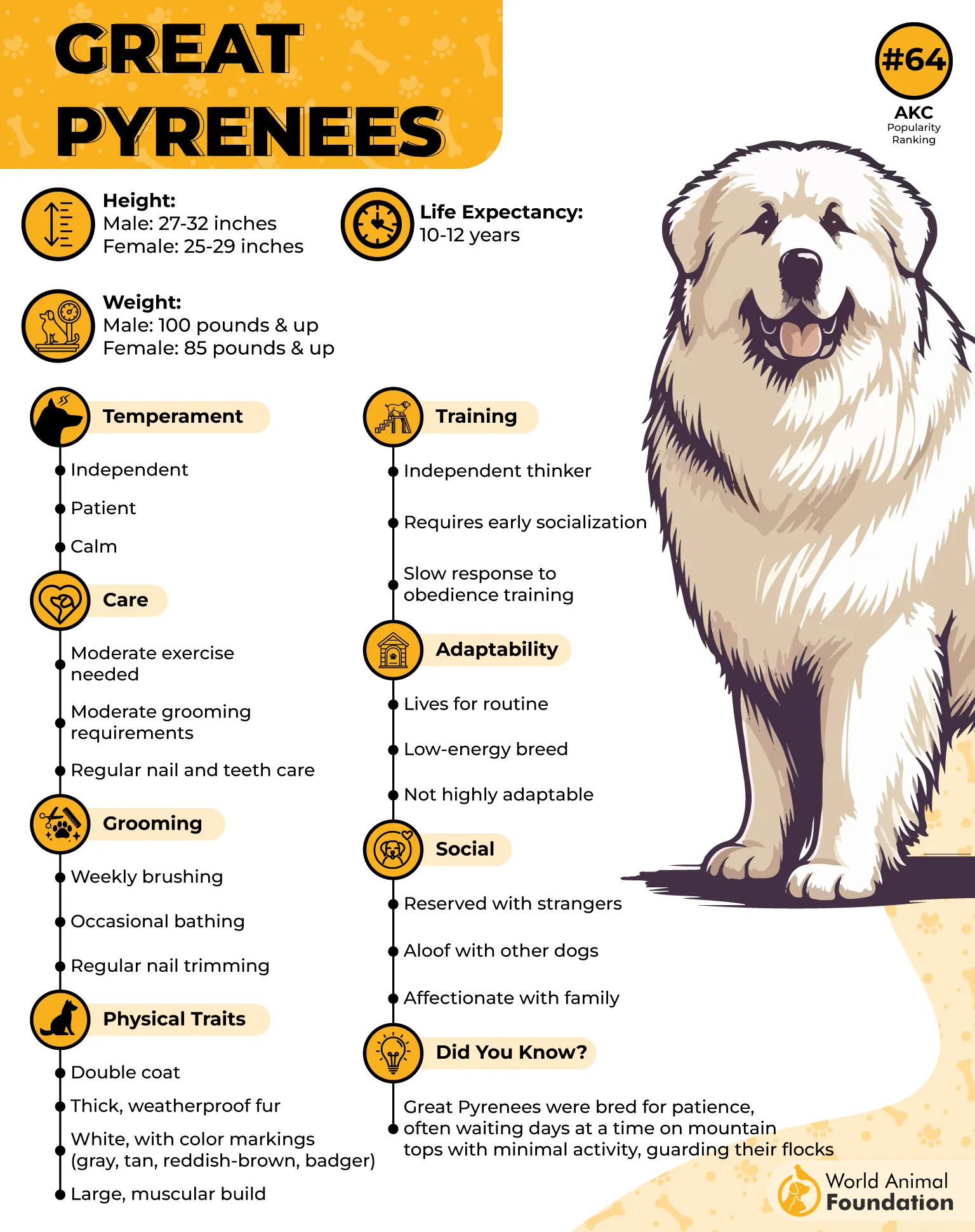
That contrast between softness and bravery is a huge reason people admire the breed.
Training a Great Pyrenees requires patience because they’re extremely independent. They were bred to make decisions on their own overnight while guarding flocks.
That means they sometimes evaluate your command before deciding whether it deserves participation.
Despite their large size, many Great Pyrenees are fairly calm indoors. They usually prefer lounging and observing over constant movement.
Nighttime barking, however, can absolutely become a thing.
That gorgeous white coat sheds like it’s trying to recreate winter indoors. Regular grooming becomes part of life with this breed.
Fun Fact
Great Pyrenees dogs once guarded royal estates in France and became official court dogs during the 1600s.
7. Bouvier Des Flandres
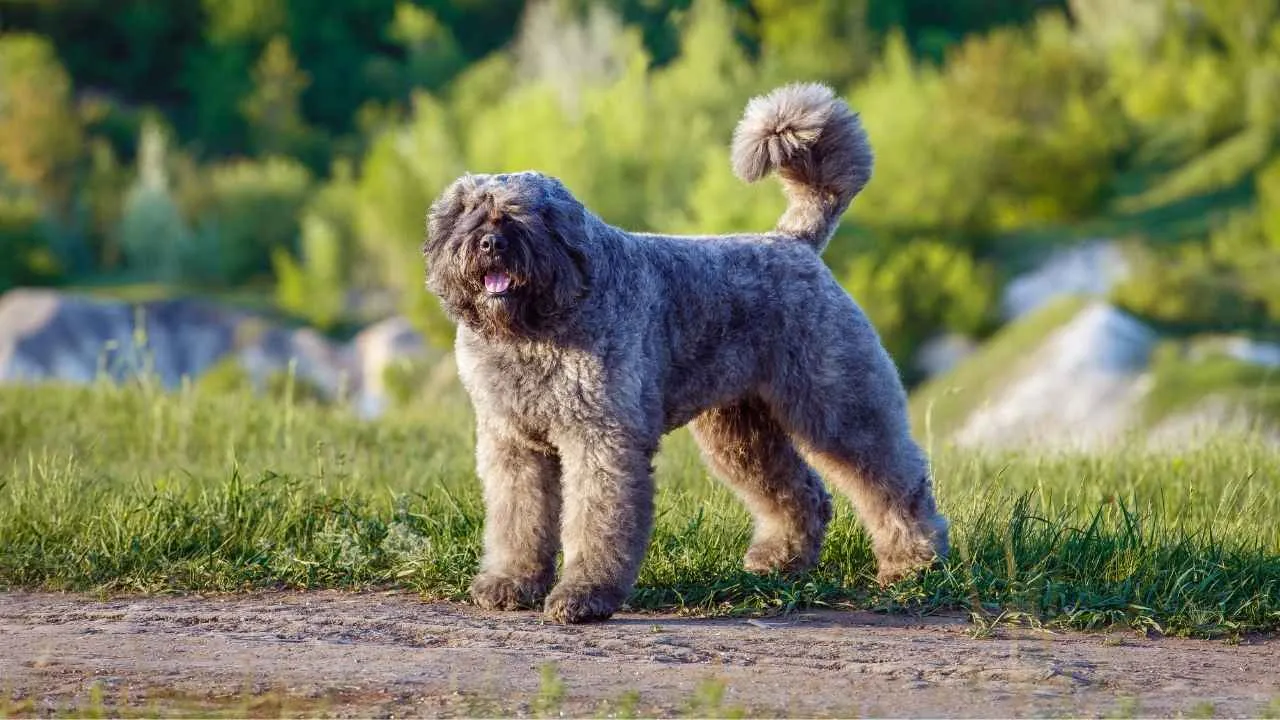
The Bouvier des Flandres looks like a dog that would absolutely own a tractor and silently judge your work ethic.
Originally developed in Belgium, these dogs handled herding, guarding, and cart-pulling duties on farms.
Bouviers are muscular, determined, and incredibly resilient. They were bred to work long hours in rough farm conditions without tiring easily.
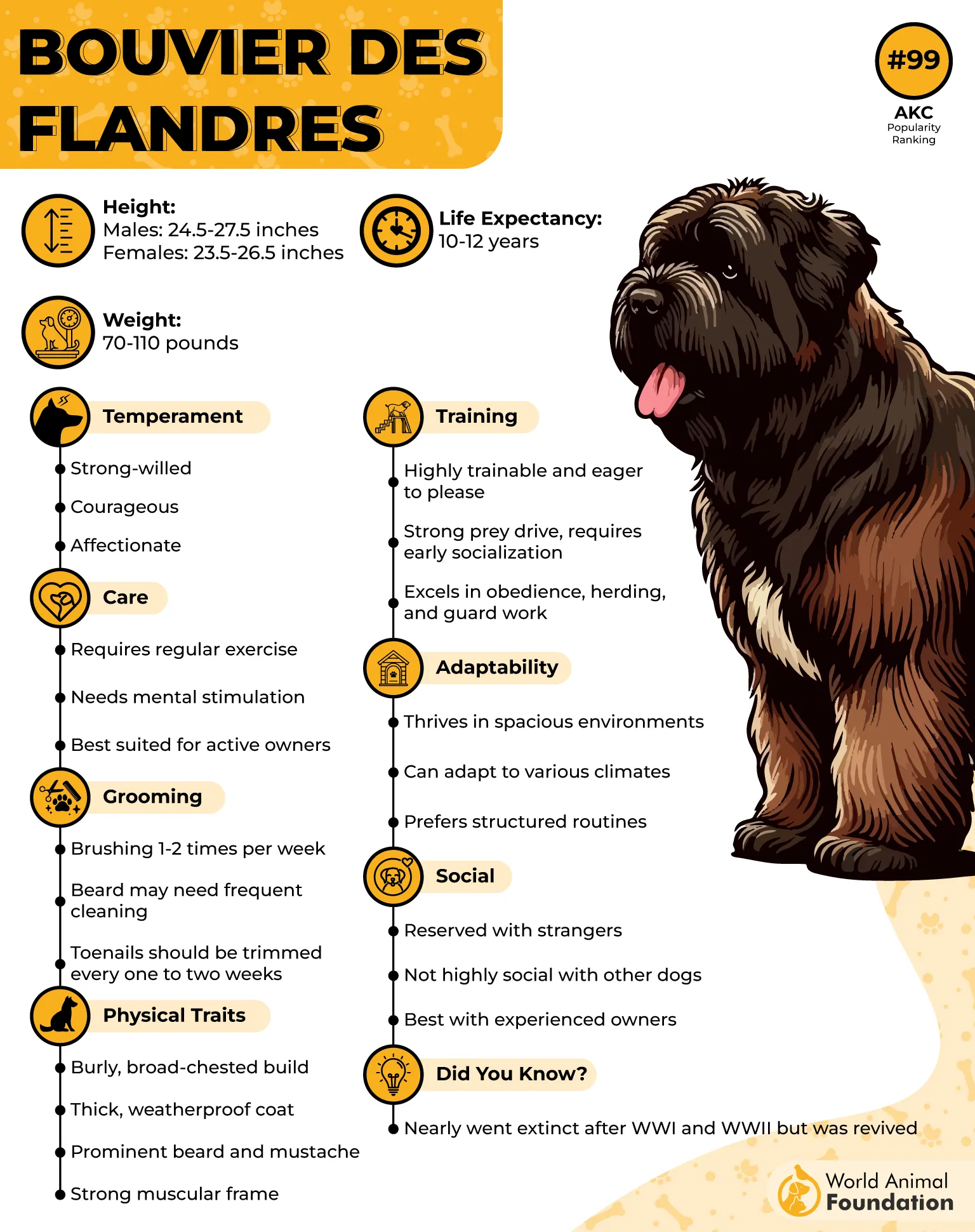
That toughness still shows in their personality today, says Omlet.
Unlike hyper-reactive breeds, Bouviers often stay composed and thoughtful. They assess situations carefully before responding. This gives them serious “quiet authority” energy.
Bouviers are intelligent and eager to work, making them excellent in obedience and protection training.
However, early socialization matters because without it, one can become overly suspicious.
Many Bouviers become deeply attached to their households. They’re protective without being excessively clingy.
Historical Fact
During World War I, Bouviers served as messenger dogs, ambulance dogs, and military support animals in Europe.
8. Black Russian Terrier
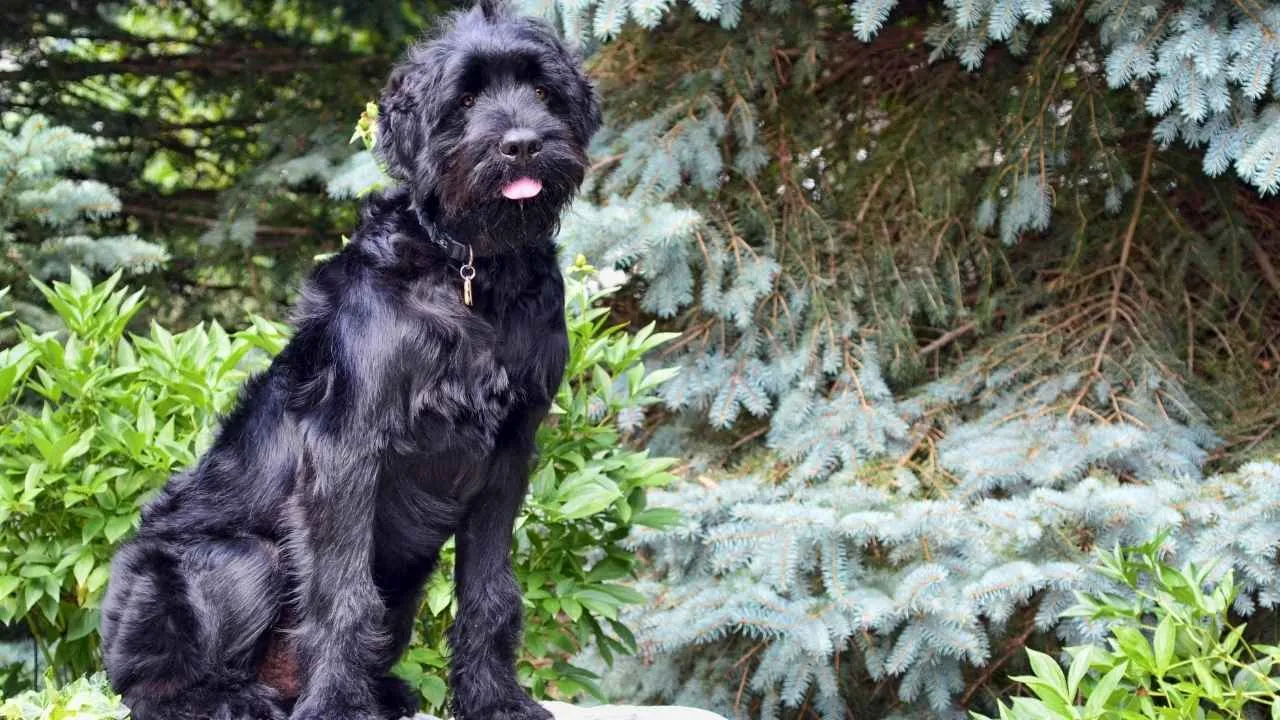
The Black Russian Terrier honestly sounds like a video-game unlockable character, and its history matches the vibe.
This breed was developed by Soviet military programs to create a powerful working and guard dog capable of handling harsh environments.
Black Russian Terriers are muscular, highly intelligent, and naturally protective. They’re serious working dogs with strong confidence.
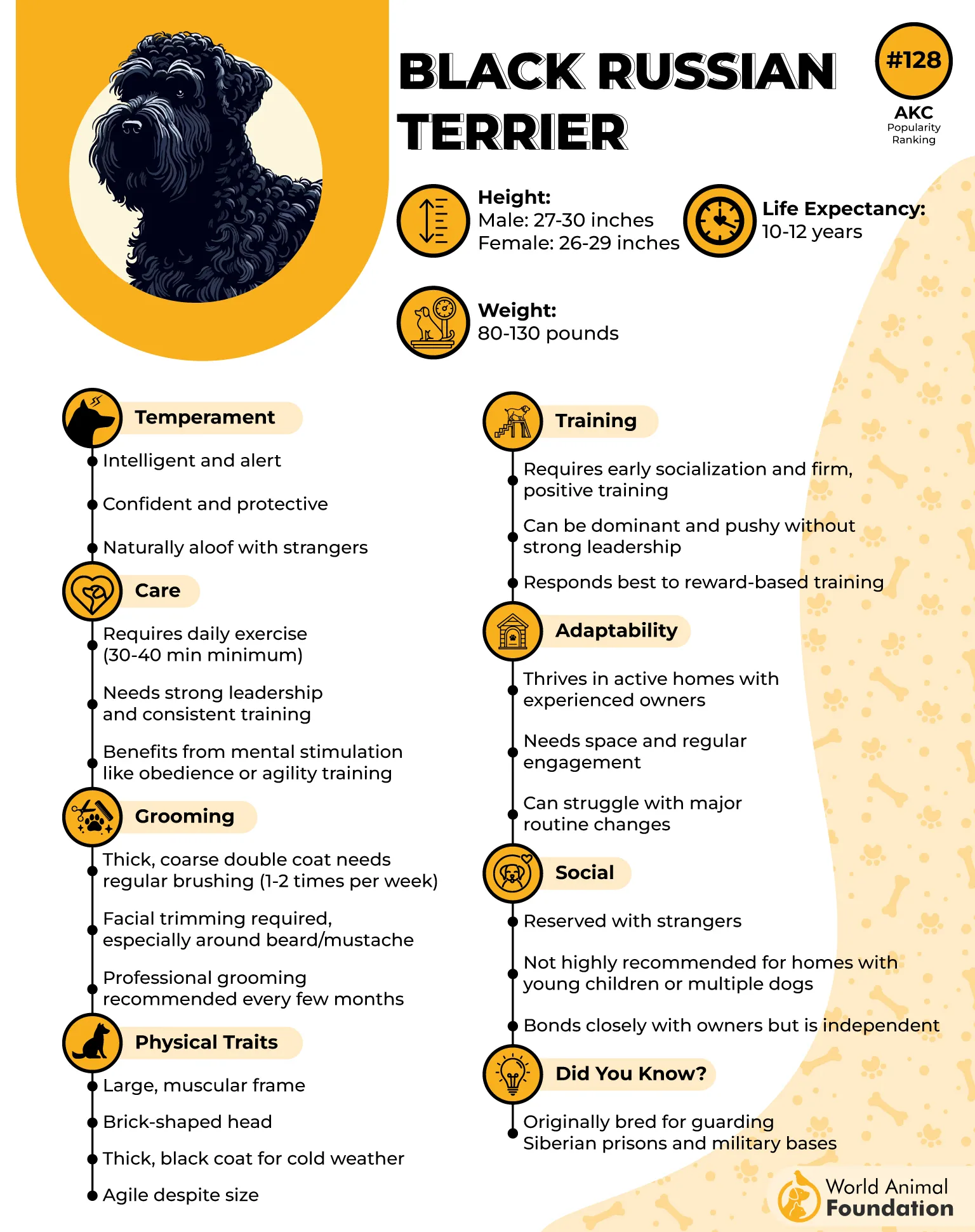
They’re not usually chaotic, but they absolutely require structure and leadership. These dogs are naturally watchful and territorial. Their calm but intimidating presence alone often deters threats.
Good breeding and socialization are essential to maintain stable temperaments.
These Russian dogs need both physical exercise and mental stimulation. Boredom can lead to destructive behavior fast.
Fun Fact
The breed was developed using over a dozen breeds, including Rottweilers, Giant Schnauzers, and Airedales.
9. Beauceron
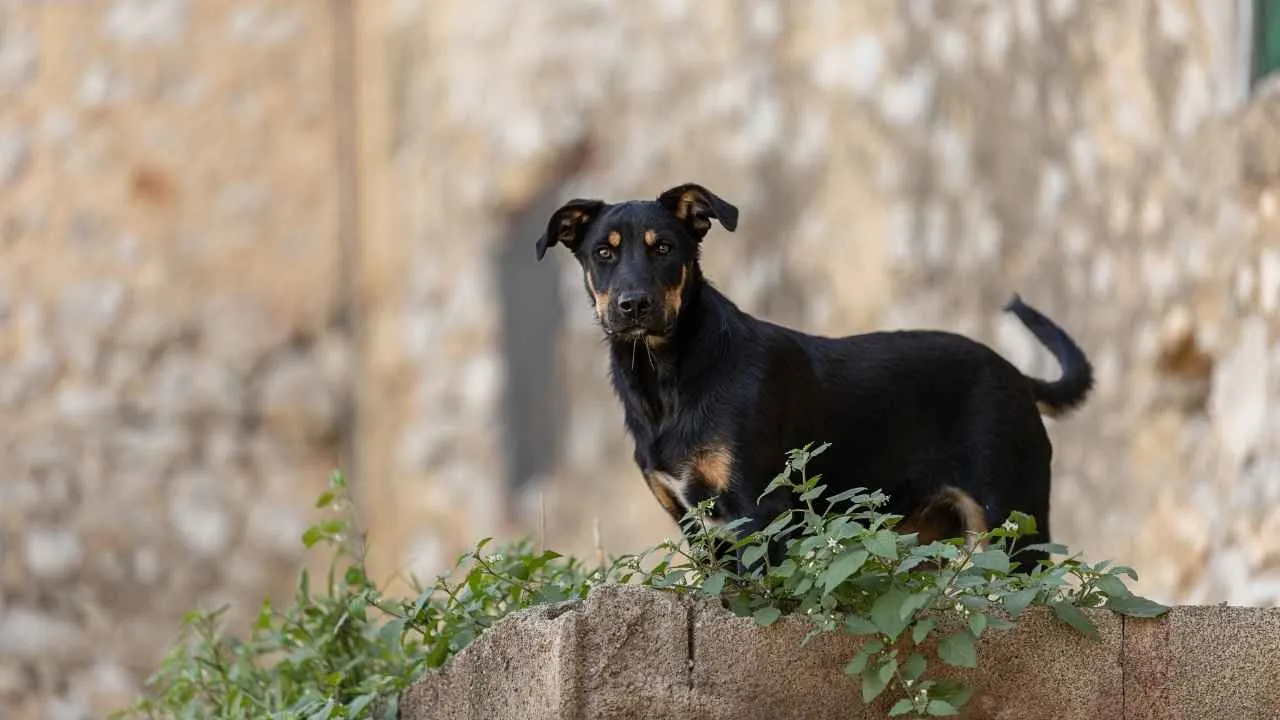
The Beauceron is one of France’s oldest herding breeds and, honestly, deserves way more international recognition.
These dogs are athletic, intelligent, and incredibly versatile workers.
Beaucerons tend to carry themselves with calm confidence. They’re observant and highly aware of their surroundings.
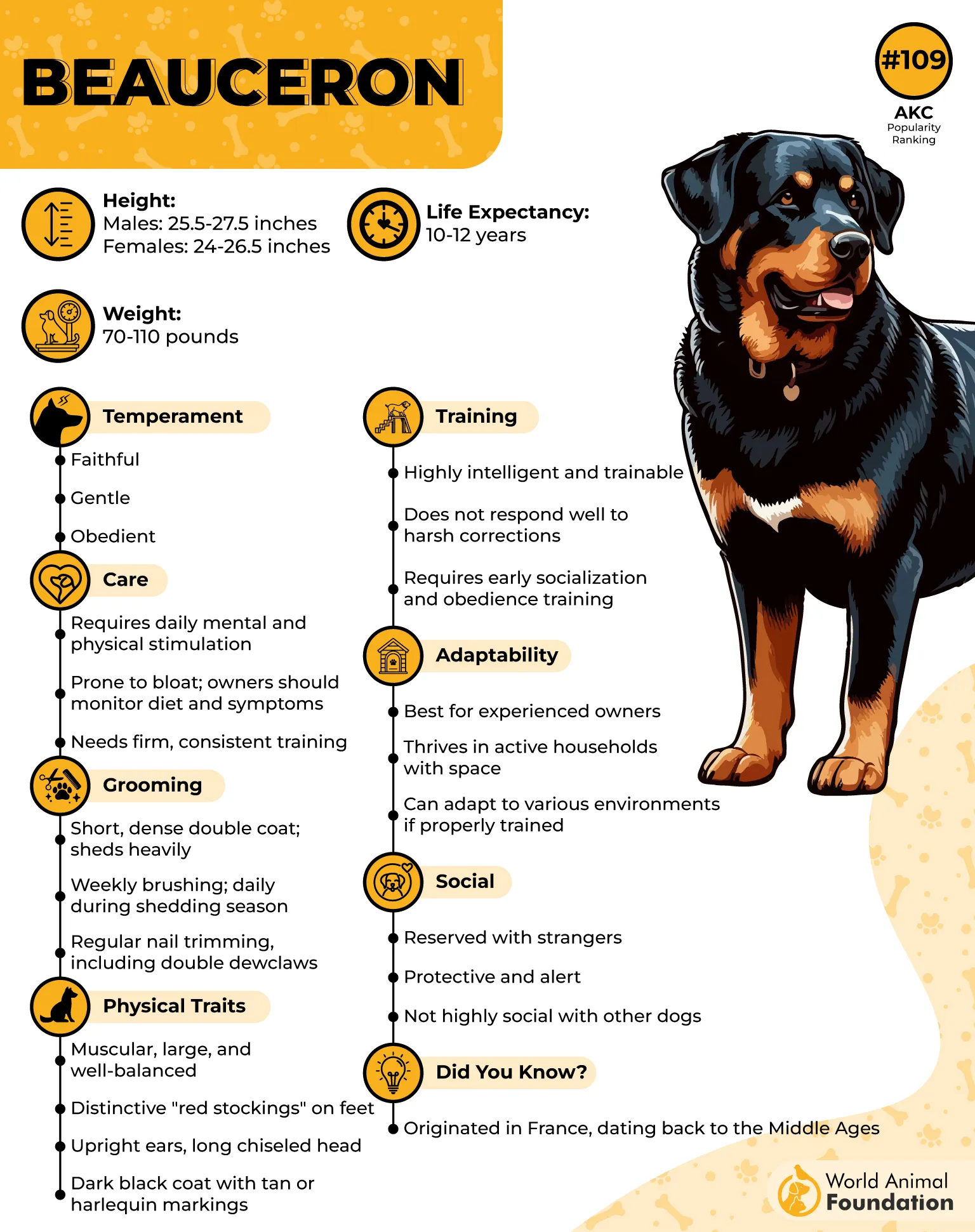
A well-trained Beauceron feels like having a tactical teammate beside you.
Historically, Purina claims that these dogs managed sheep while also protecting flocks from predators and thieves. That combination created dogs with both herding instinct and strong guardian traits.
Beaucerons learn quickly and thrive when given structured tasks. Advanced and consistent training, agility, and working sports are perfect outlets for them. Without enough mental engagement, though, they absolutely create their own entertainment.
These energetic dogs usually form deep bonds with their active pet parents and enjoy being involved in daily activities.
These high-energy dogs don’t just want exercise — they want partnership.
Historical Fact
The French military used Beaucerons during both World Wars for messenger and detection work.
10. Old English Sheepdog
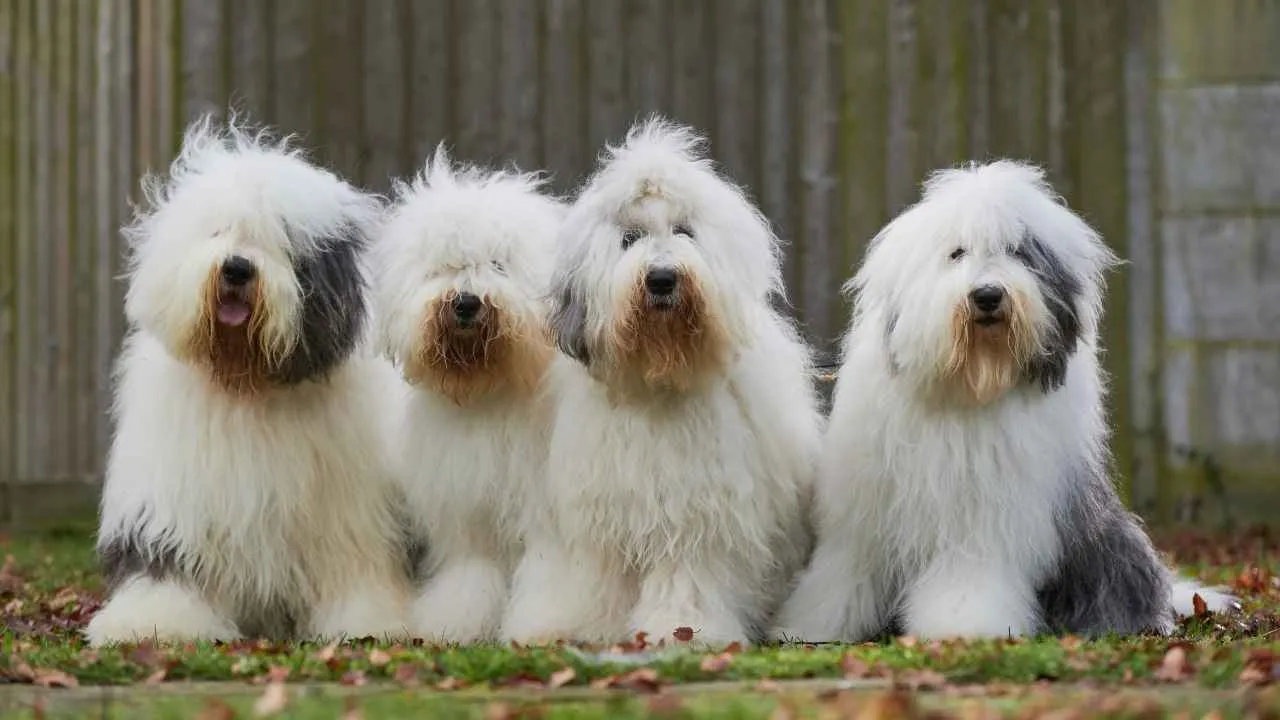
The Old English Sheepdog honestly looks like someone gave a sentient cloud a personality.
But underneath all that fluff is a capable herding dog with impressive strength and intelligence.
These dogs weren’t originally just fluffy companions. They were developed to move livestock and help farmers transport cattle over long distances.
That working background still influences their energy and behavior today.
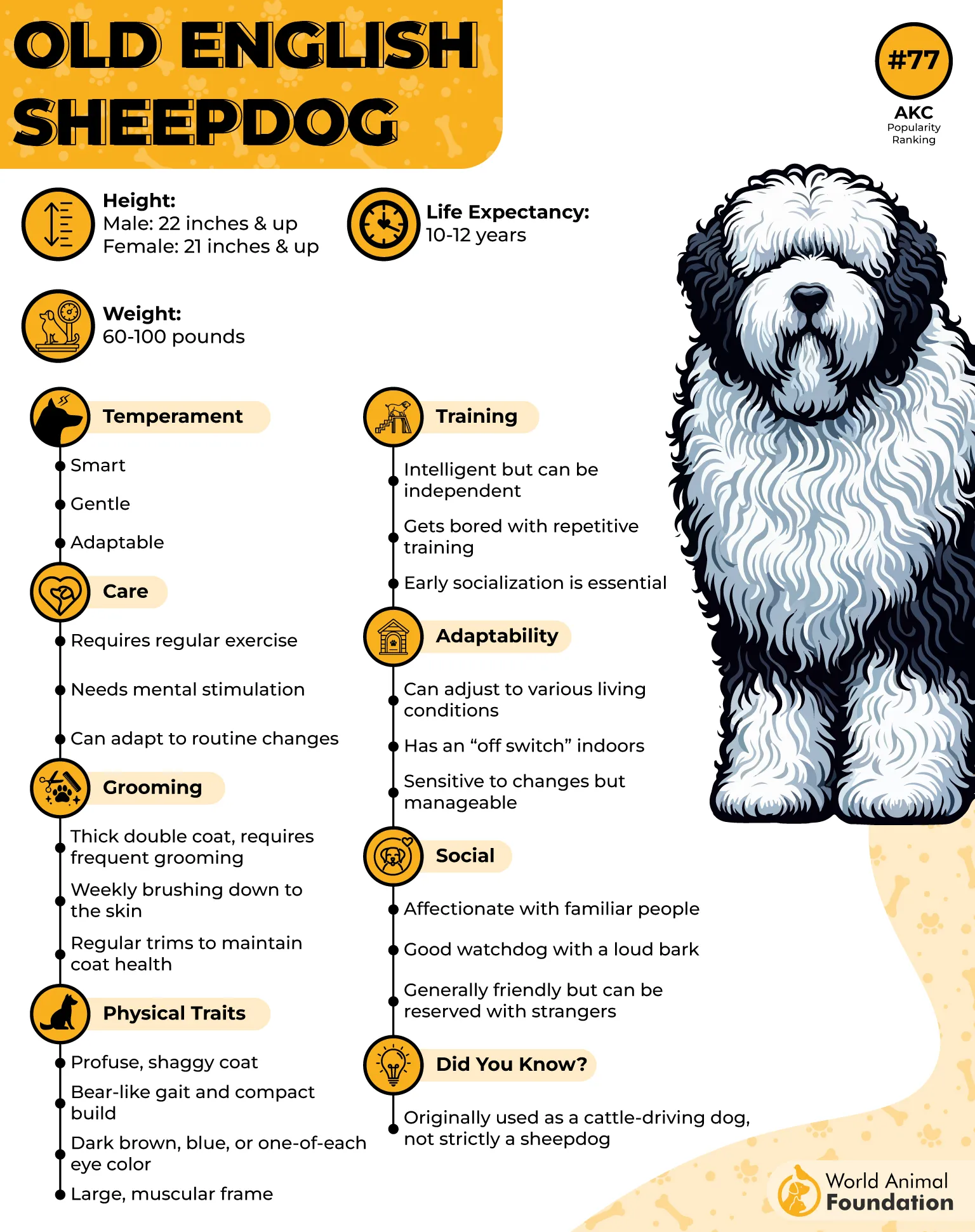
Old English Sheepdogs are usually outgoing and affectionate. Many are goofy entertainers who love attention and family interaction. Their playful personality makes them popular with active households.
Even though they look bulky, these dogs are agile and capable workers. They enjoy exercise, games, and mentally engaging activities.
Still, fans of the breed swear their personality makes every grooming session worth it.
Fun Fact
Old English Sheepdogs were historically nicknamed “bobtails” because many naturally had short tails.
Conclusion
Working dogs are among the most impressive breeds on the planet because they were bred for purpose, endurance, and intelligence. These aren’t dogs that exist beside humans — they actively partnered with people for centuries to move livestock, protect farms, haul supplies, and survive harsh conditions.
That history still matters today. Even in modern homes, these breeds often crave jobs, structure, and meaningful activity. They want engagement, training, and opportunities to use their brains. A bored working dog can turn everyday life into absolute chaos mode surprisingly fast.
These dogs weren’t designed for passive living. They were bred to work, think, protect, and problem-solve alongside humans for generations. And honestly? That hardworking legacy still absolutely slaps today.
