




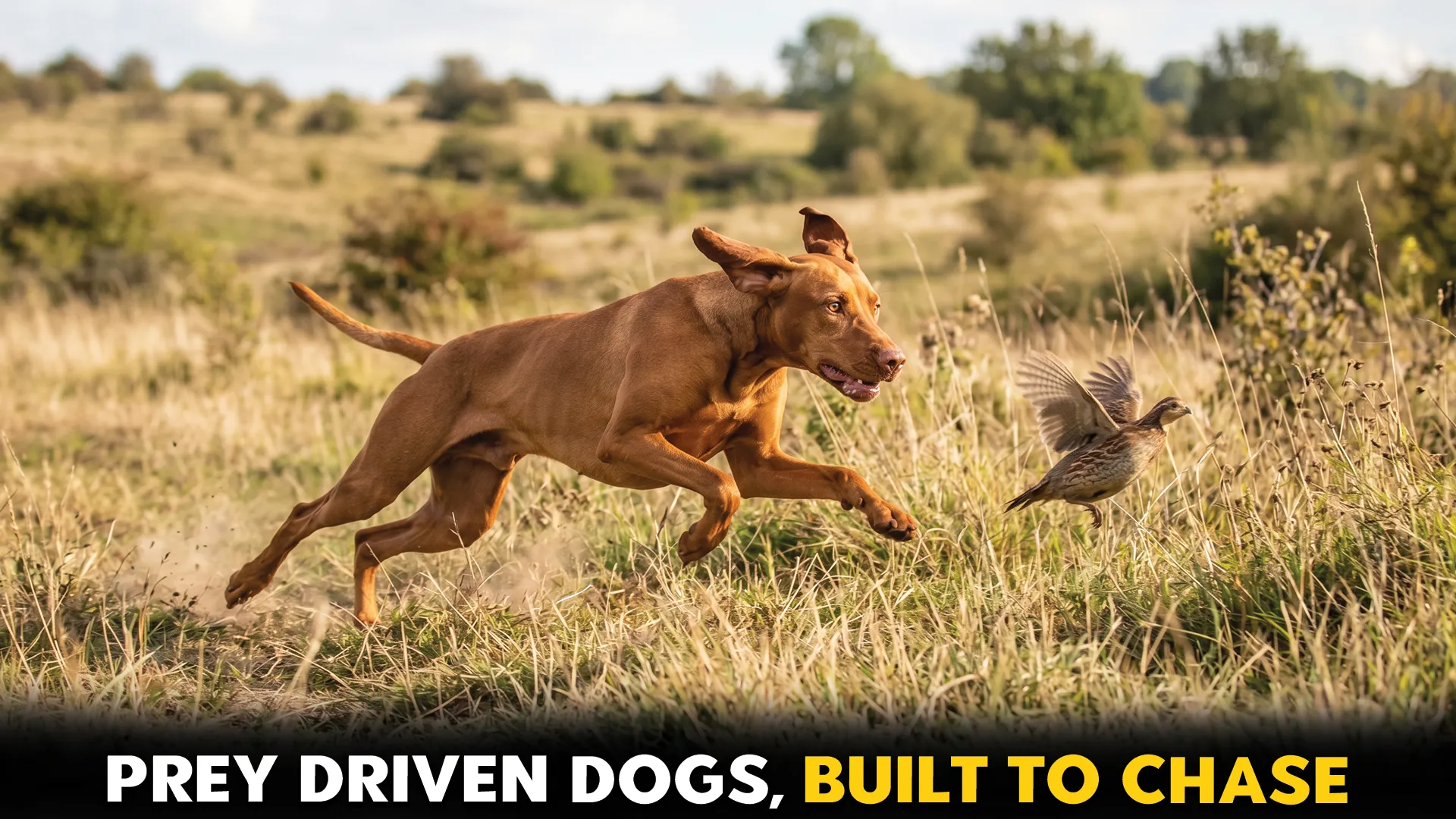
Some dogs are naturally driven by an instinct that makes them intensely focused on chasing, stalking, and capturing moving objects.
This behavior, known as prey drive, is deeply rooted in canine ancestry and varies widely among different breeds. It influences how a dog responds to movement, small animals, or fast-paced stimuli in its environment.
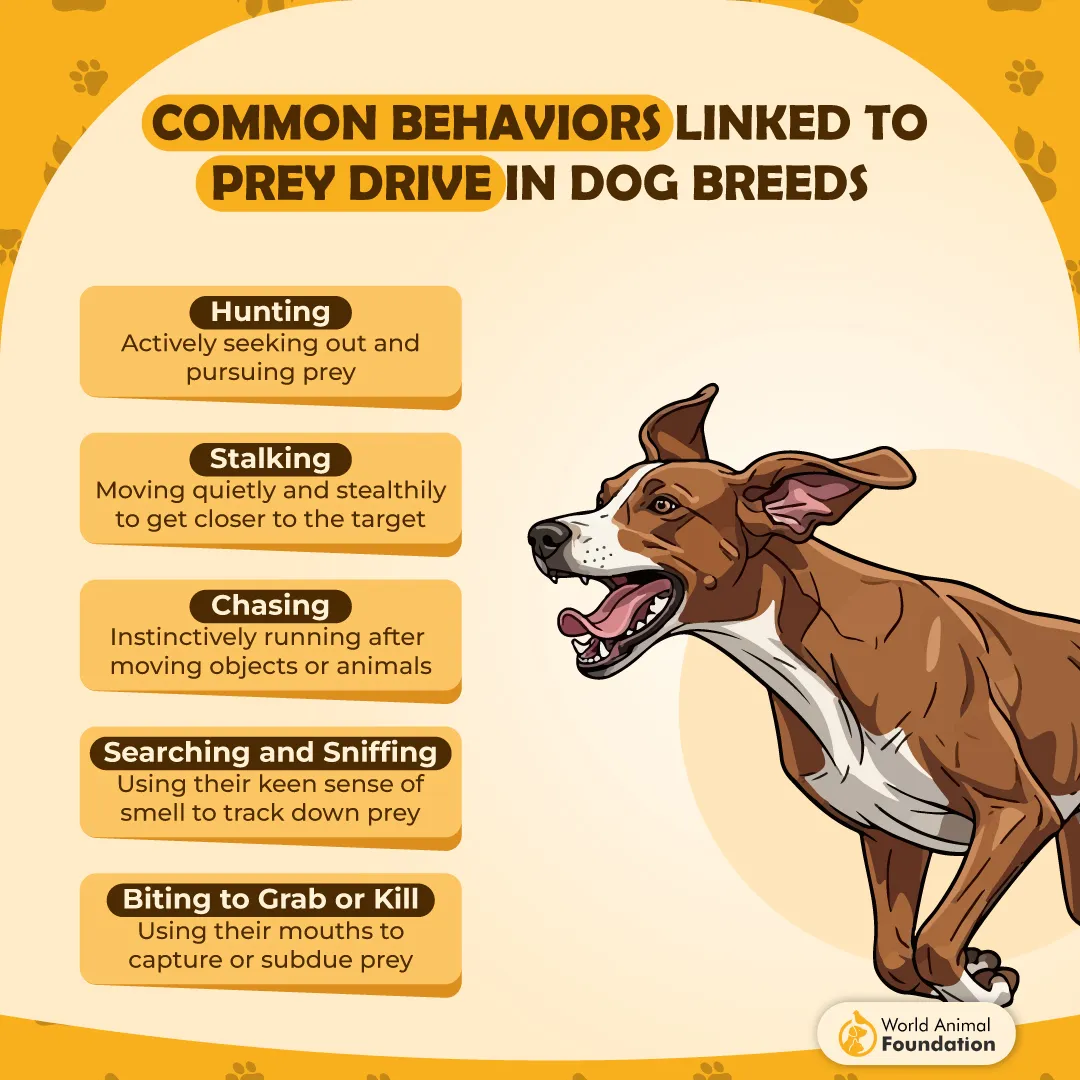
High-prey-drive dogs often show strong focus, quick reactions, and persistent pursuit once triggered. While this trait can make them excellent working or sporting companions, it can also require careful management in everyday settings.
Understanding which breeds are more prone to this instinct helps owners anticipate behavior and provide appropriate training and enrichment.
Without proper guidance, these dogs may become overly reactive to moving targets, leading to challenges in control and safety.
Recognizing the role of a dog’s prey drive is essential for responsible ownership, as it shapes training approaches, leash control, and socialization strategies.
Dog Breeds With High Prey Drive – What You Need to Know
1. Weimaraner
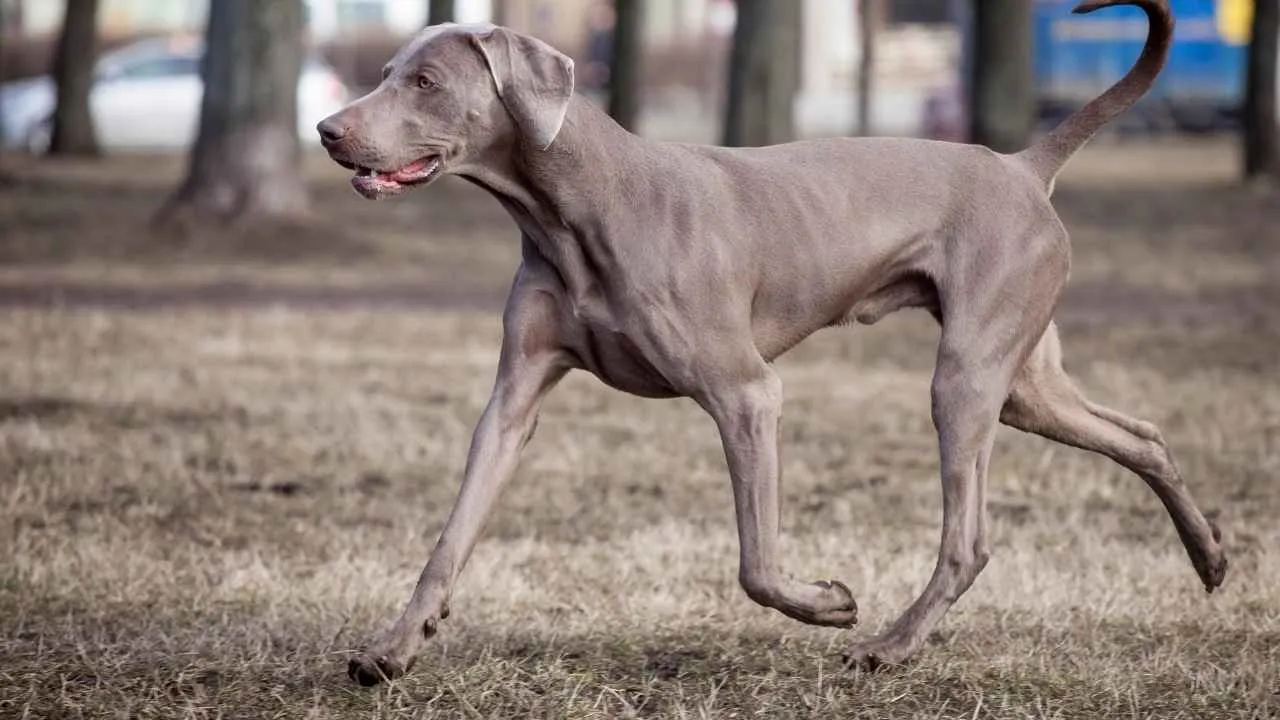
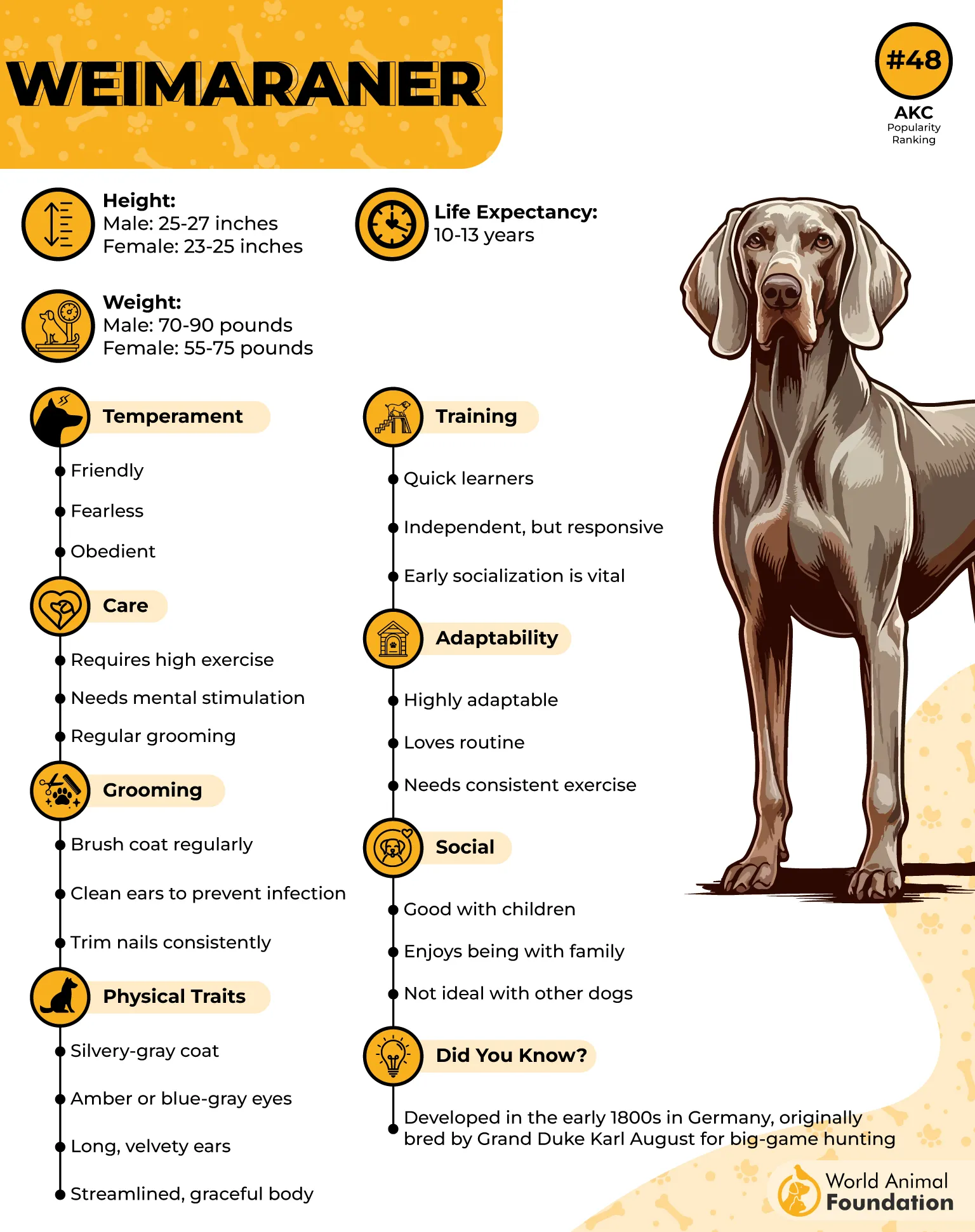
The Weimaraner is an elegant and energetic sporting breed known for its keen instincts and strong drive to pursue moving prey, as noted by PetMD.
Bred originally for hunting, this dog carries a natural tendency to track, chase, and focus intensely on prey-like movement, which requires mindful handling.
When introduced to training and socialization early, it can develop into a loyal and well-mannered companion within a structured home environment.
However, its high energy and instinctive behaviors mean it thrives best in homes that can provide space, regular activity, and consistent engagement rather than confined living situations.
Small household animals may trigger its chase instinct, so careful introductions and supervision are essential.
The breed traces its roots back to 19th-century Germany, where noble breeders aimed to create a fast, courageous, and highly capable tracking dog.
It later gained recognition in the United States during the late 1920s and became popular among both hunters and dog enthusiasts. Its reputation was further boosted by well-known owners, including public figures such as Dwight D. Eisenhower and Grace Kelly.
2. Vizsla
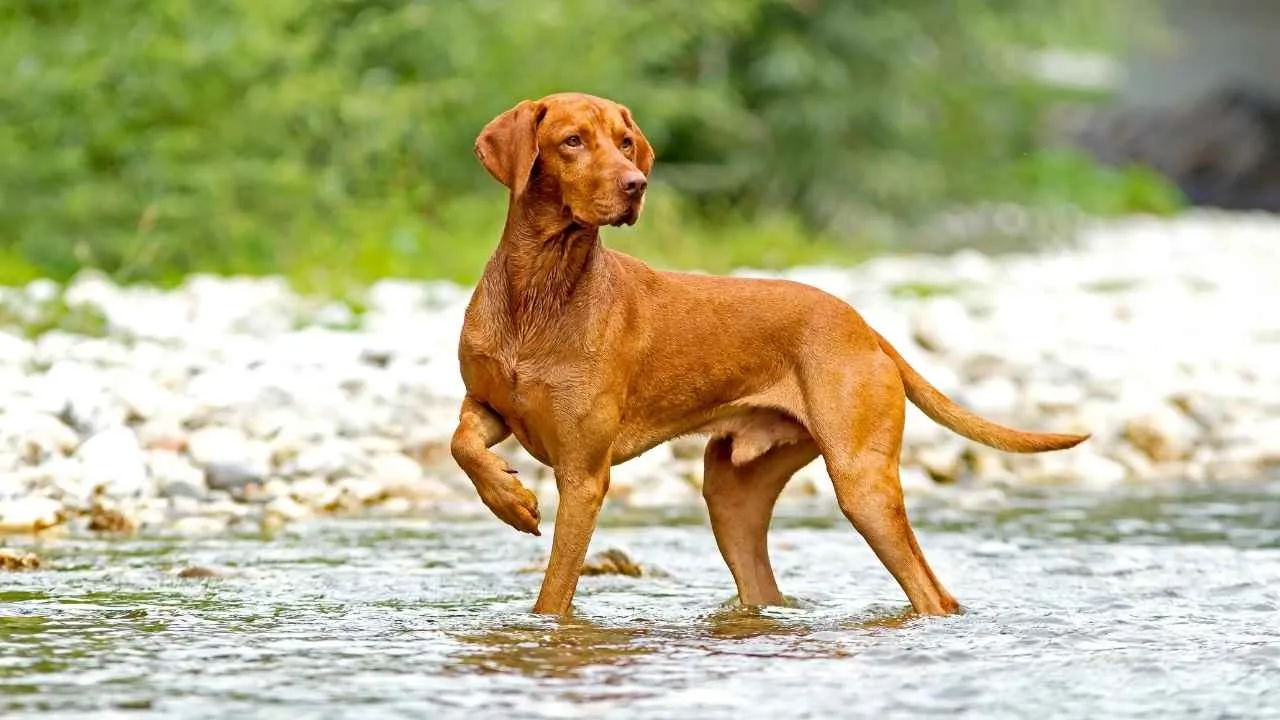
The Vizsla is a highly energetic and affectionate hunting breed with a strong natural prey drive shaped by centuries of field work in Hungary.
Originally developed as a versatile pointing and retrieving dog, it is deeply responsive to movement, making it quick to lock onto birds or small animals and eager to pursue them, as noted by Britannica.
This instinct is closely tied to its history as one of Europe’s oldest sporting breeds, where speed, focus, and endurance were essential working traits.
Because of this drive, Vizslas need structured early training and early socialization to help channel their instincts into controlled activities rather than unchecked chasing.
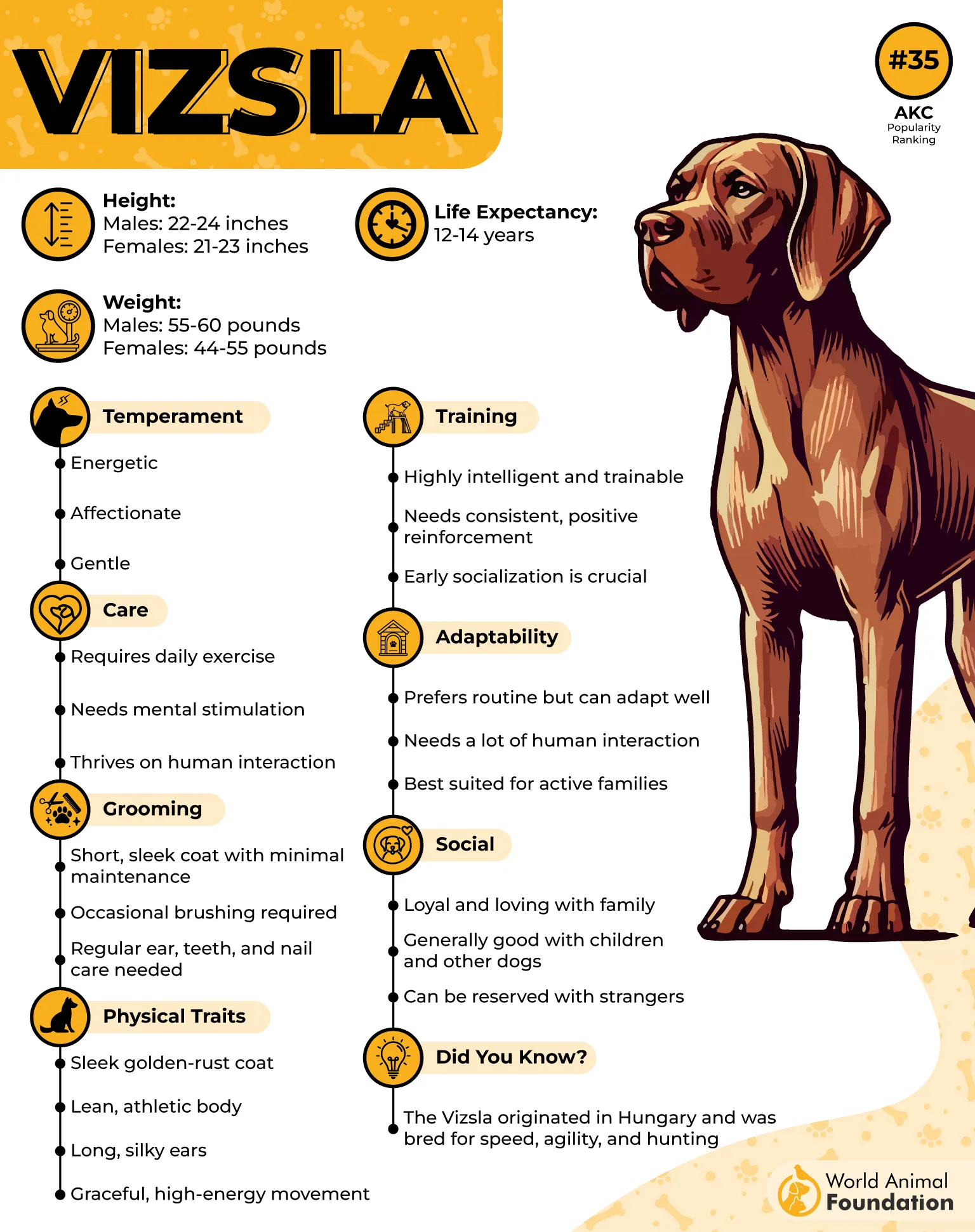
They form very strong bonds with their people and tend to stay close to their family members, often seeking constant interaction and engagement. Without sufficient physical exercise and mental stimulation, their energy can turn into restlessness or unwanted behaviors.
Activities like field work, scent games, running, and structured training sessions help satisfy both their intelligence and instinctual needs.
Their sensitivity also means they respond best to calm, consistent guidance rather than harsh correction, making positive reinforcement essential for managing their natural prey-driven behavior effectively in everyday life.
3. Greyhound
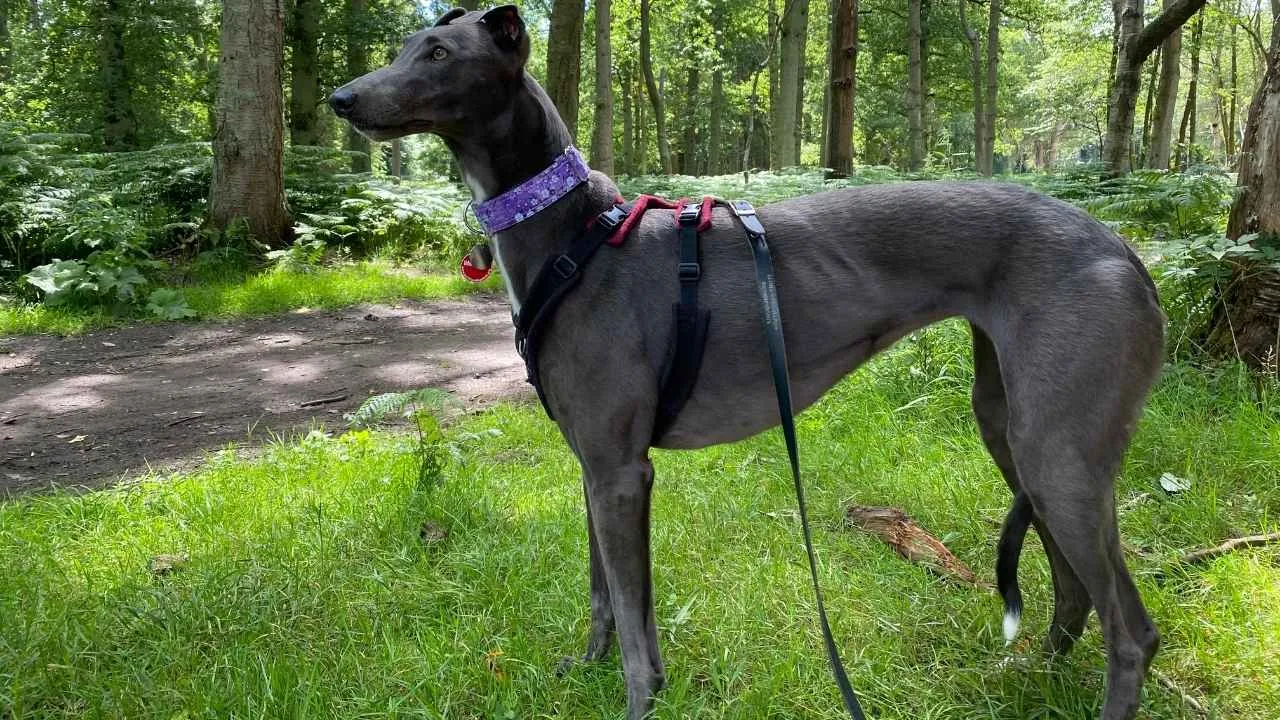
The Greyhound is a calm, gentle sighthound whose behavior contrasts with its reputation as the fastest dog breed, as mentioned by Hills Pet.
Despite its speed and centuries-old history as a hunting and coursing animal, the breed is not aggressive toward other dogs due to selective breeding for group hunting and racing cooperation.
However, it still carries a prey drive, meaning fast-moving small animals can easily trigger its instinct to chase.
For this reason, homes with rabbits, rodents, or similar pets require management. At home, Greyhounds are relaxed, spending much of their time resting and conserving energy.
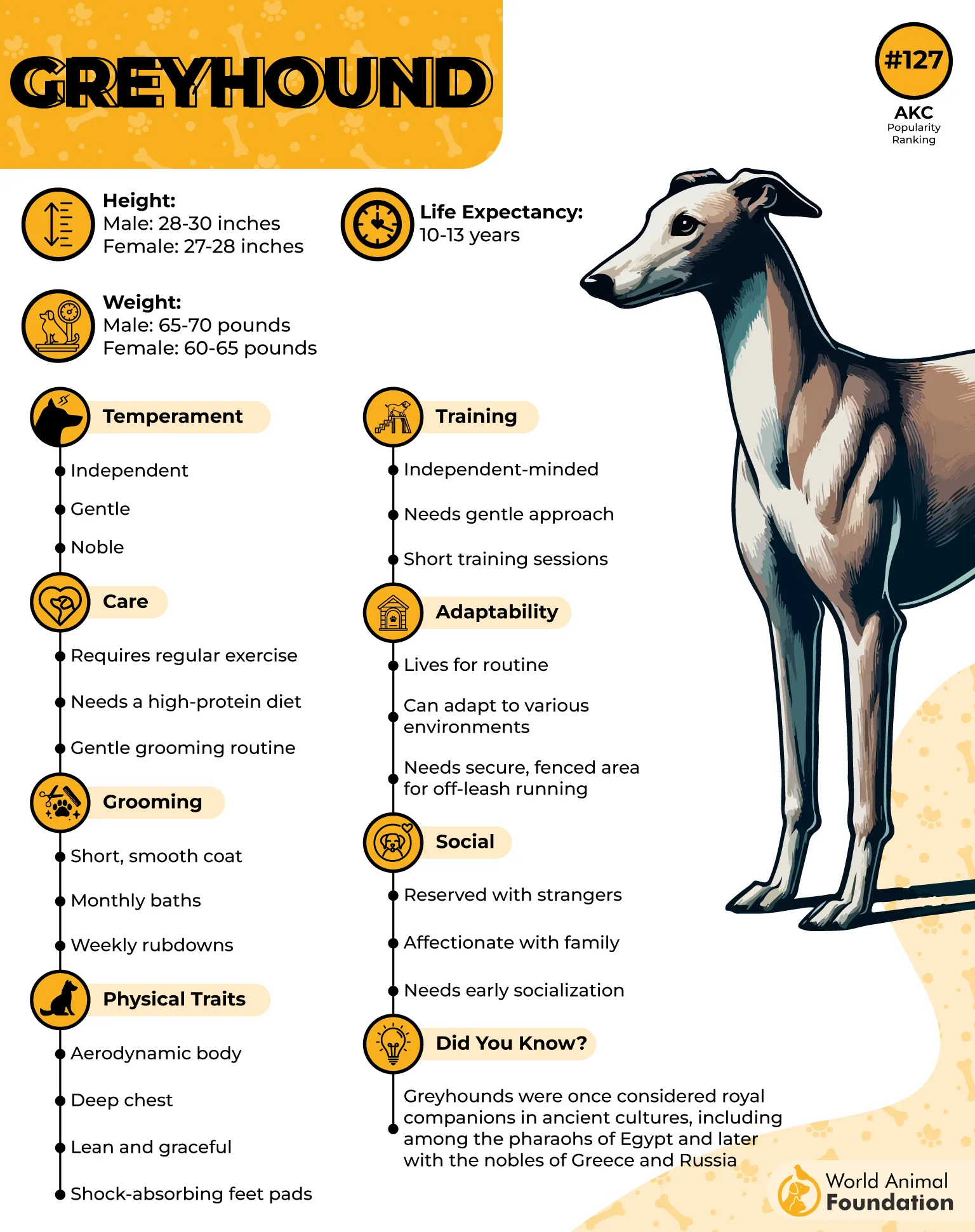
They tend to be sensitive, affectionate, and tolerant, especially with respectful children, often preferring to withdraw rather than react negatively when stressed.
Historically, Greyhounds have been valued for thousands of years, appearing in ancient civilizations and later associated with nobility in Europe.
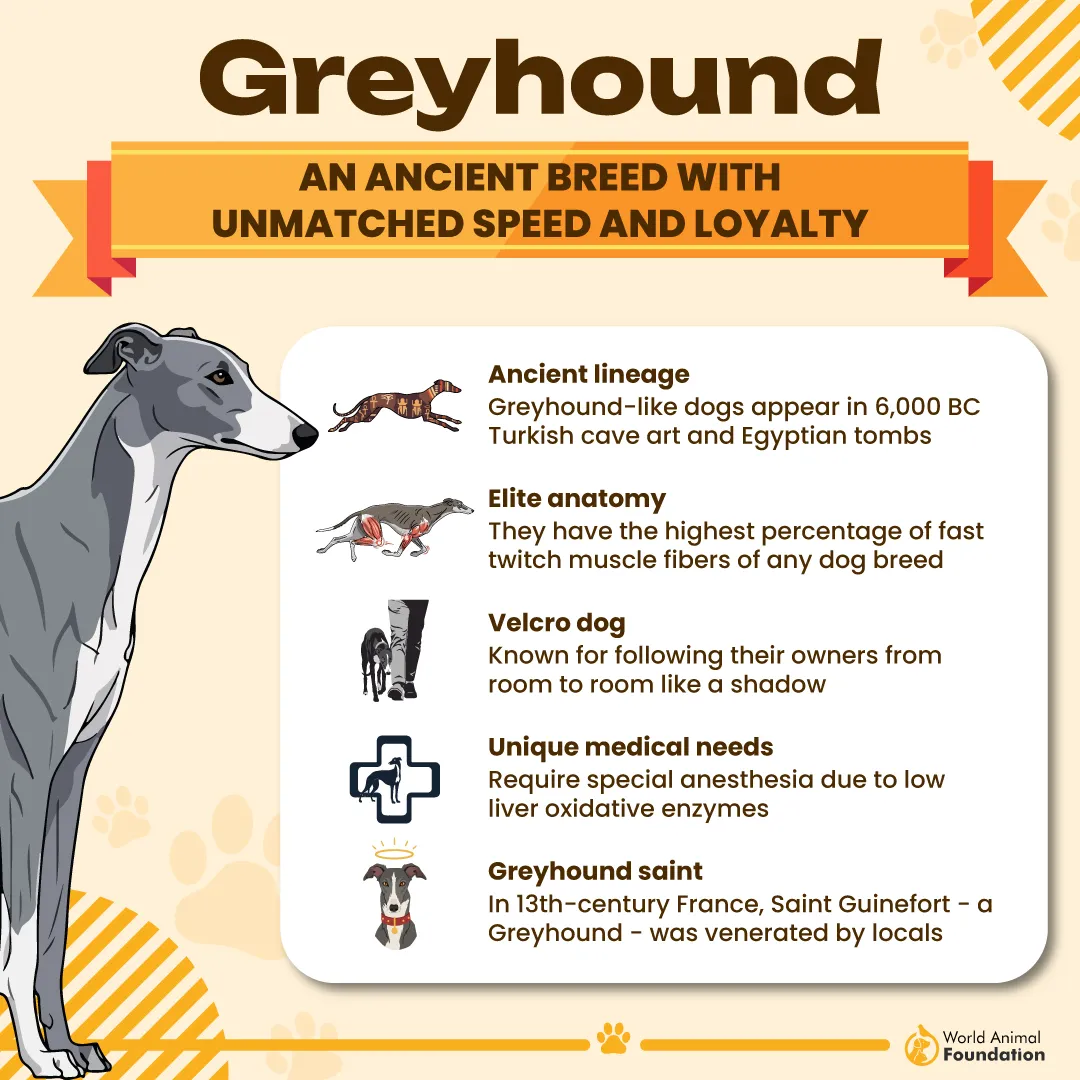
Over time, breeding shaped both racing and show lines, while retired racing dogs have increasingly been recognized for their potential as calm companion animals when their exercise and instinctual needs are properly understood and managed.
4. Irish Setter
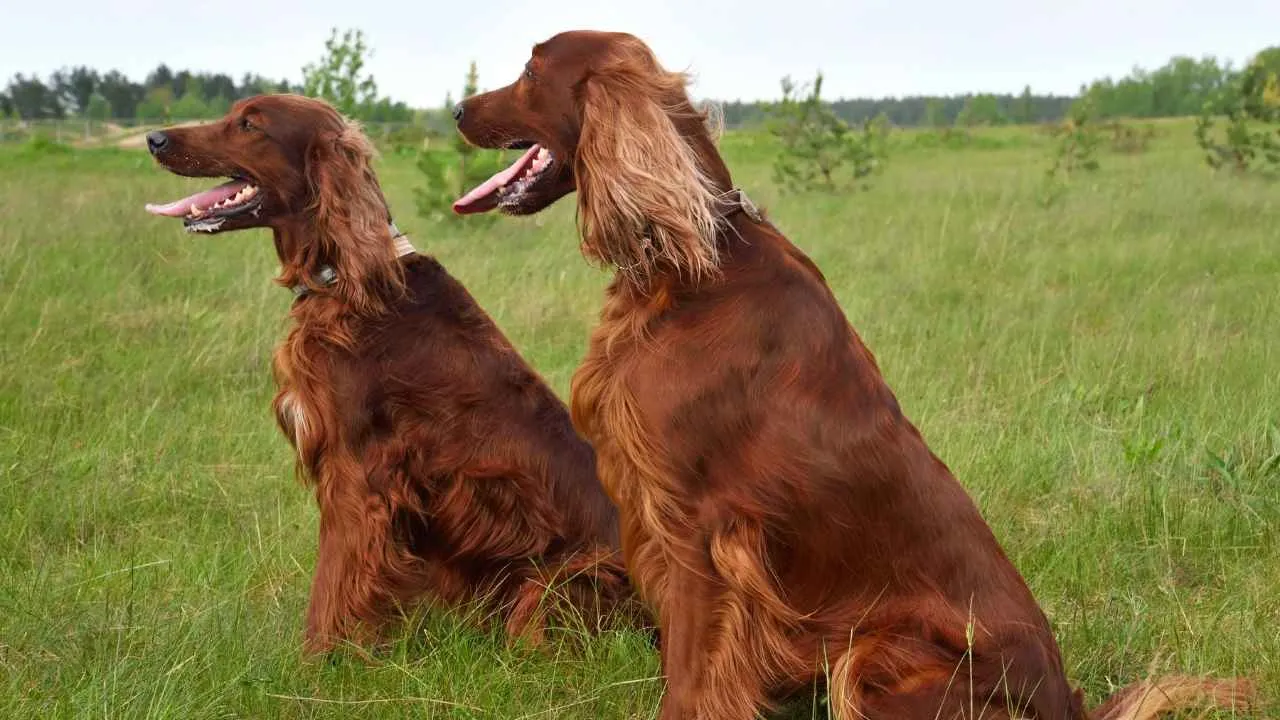
The Irish Setter is a lively, affectionate, high prey drive breed shaped by its origins as a fast, wide-ranging hunting dog.
Built to work across open fields, it has a strong prey drive that can be triggered by birds, small animals, or sudden movement, making recall training and controlled environments important.
This instinct comes from centuries of selective breeding for scenting and flushing game, where speed, enthusiasm, and independence were valued traits.
Despite its working background, the breed is famously playful and social, often showing a mischievous, “clown-like” personality at home.
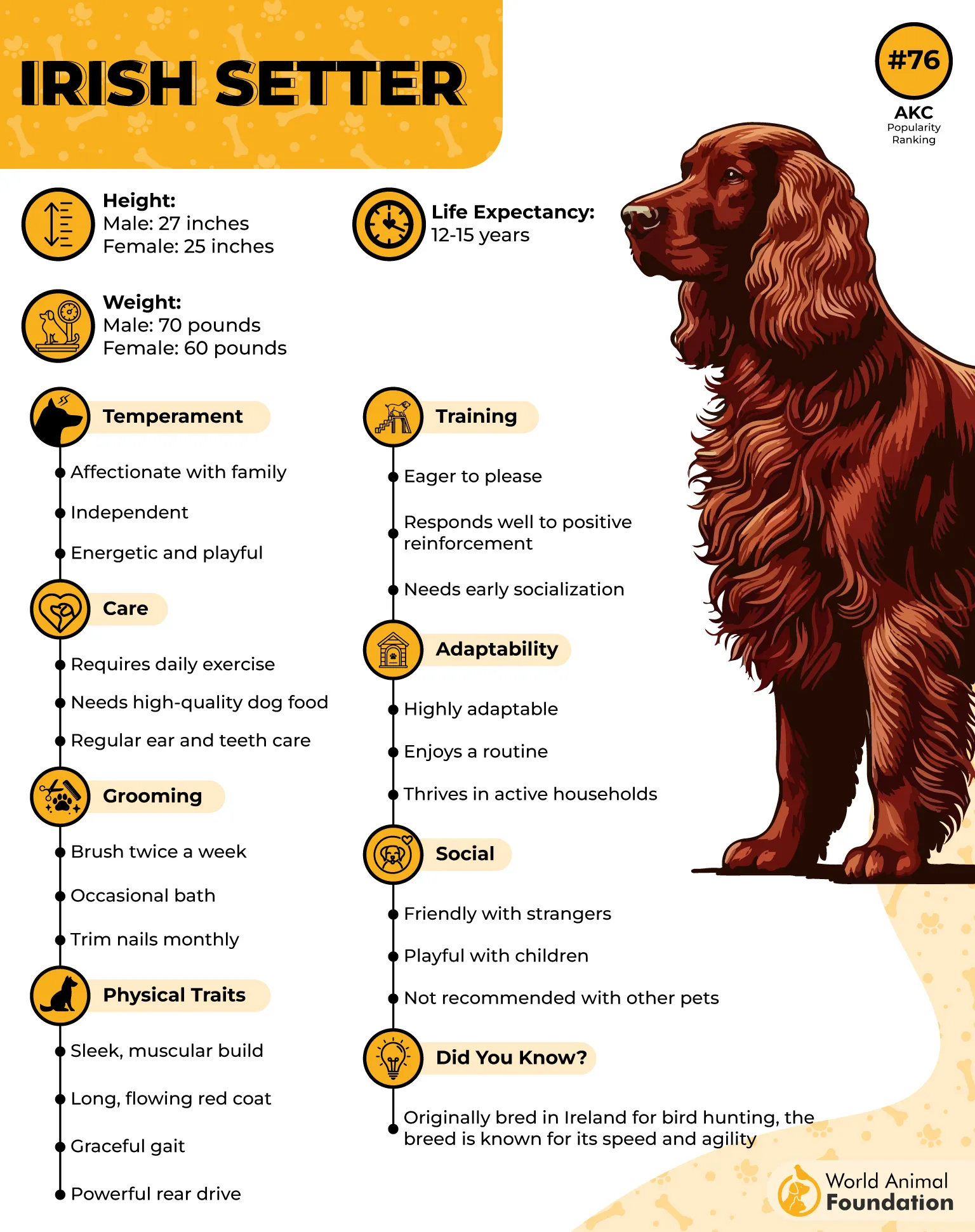
It bonds closely with people and generally gets along well with other dogs, though smaller pets may spark chasing behavior without early guidance and supervision.
Regular physical activity and mental challenges are essential to keep its energy balanced, as boredom can lead to unwanted behaviors like roaming or excessive barking.
Training works best with consistency, patience, and positive reinforcement, helping channel its natural enthusiasm into cooperative behavior. While not naturally protective, it thrives as a friendly companion when its instincts are managed.
5. Saluki
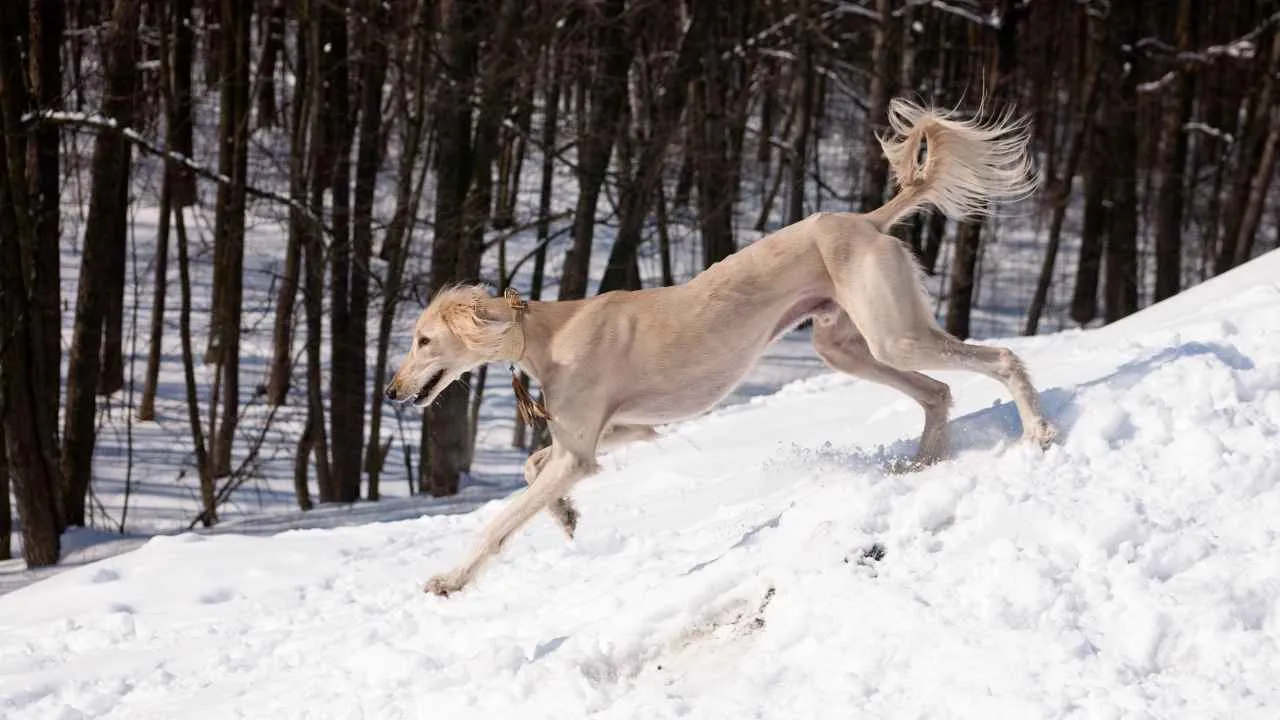
The Saluki is one of the oldest known sighthound breeds, with origins tracing back thousands of years to ancient Middle Eastern civilizations, where it was prized for hunting fast game such as gazelle and hare.
This deep-rooted hunting background has given the breed a strong instinct to catch prey, making it highly sensitive to movement and quick to pursue small animals when off leash or untrained.
Salukis are independent, intelligent, and naturally reserved, often forming close bonds with their families while maintaining a calm and dignified presence indoors.
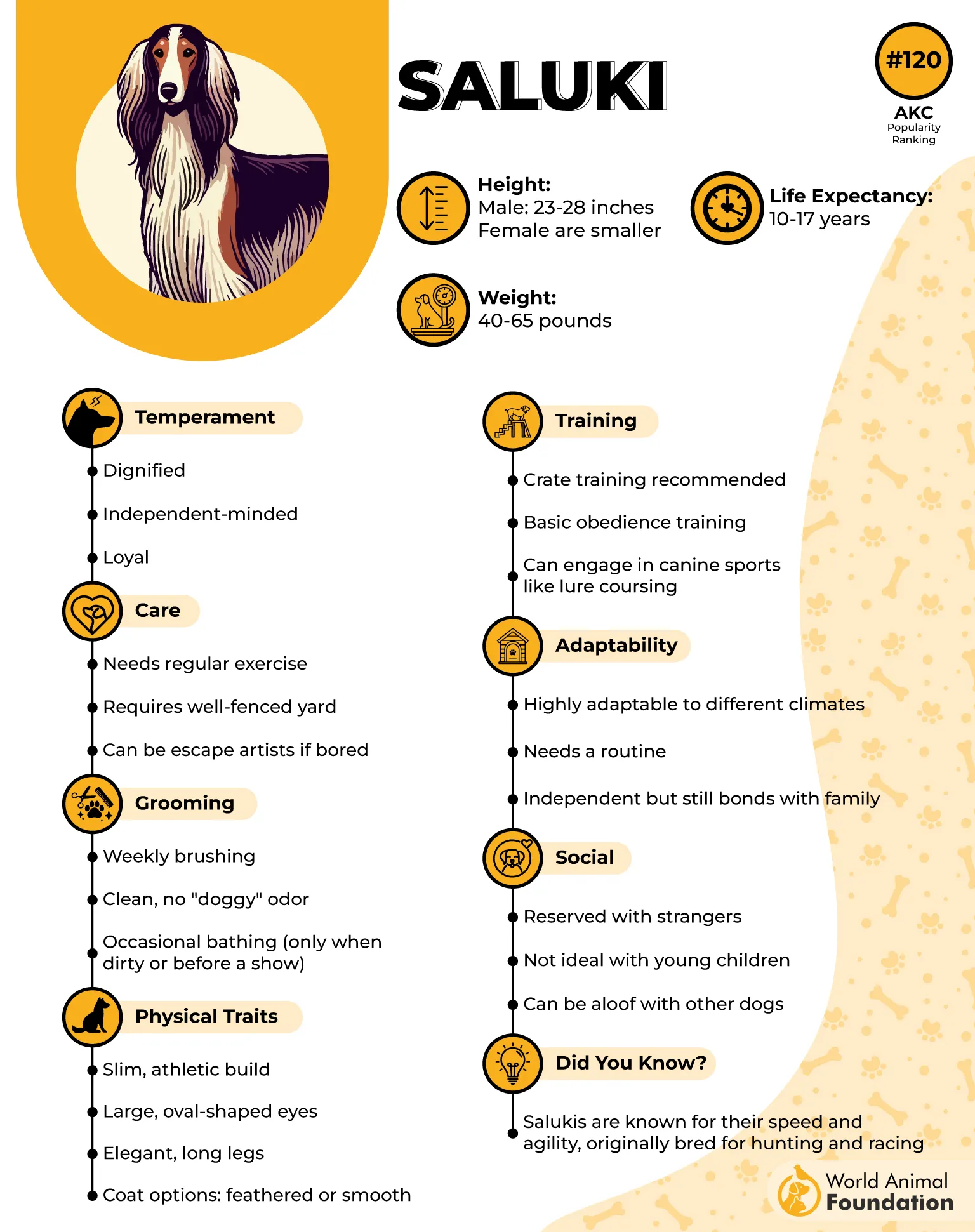
However, their instincts can make them unsuitable for homes with small pets unless carefully managed and socialized from an early age.
They thrive in quiet environments and require regular opportunities to run freely in safe, enclosed spaces to stay balanced and content. Without enough physical and mental stimulation, they may become bored and develop destructive habits.
Training can be challenging due to their independent nature, so patience and consistency are essential. While affectionate, they are best suited to experienced owners who understand sighthound behavior.
6. Afghan Hound
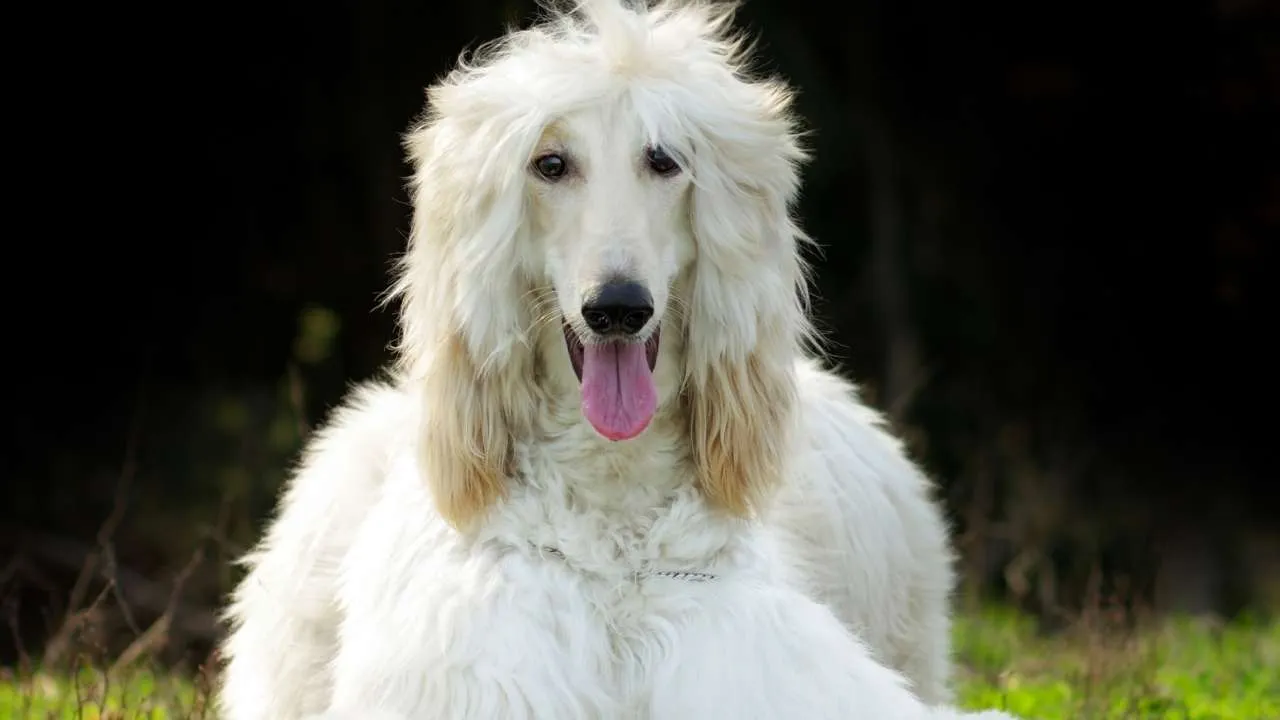
The Afghan Hound is an ancient sighthound breed known for its elegant appearance and deep-rooted hunting instincts developed in the mountainous regions of Afghanistan.
Bred to chase swift game over rugged terrain, it possesses a strong prey drive that makes it highly responsive to movement, often triggering an instinctive urge to pursue small animals.
This behavior is closely tied to its history as a free-ranging hunter that relied on speed and vision rather than scent.
Despite its independent nature, the breed is loyal and forms strong bonds with its family, though it tends to maintain a reserved and self-directed temperament.
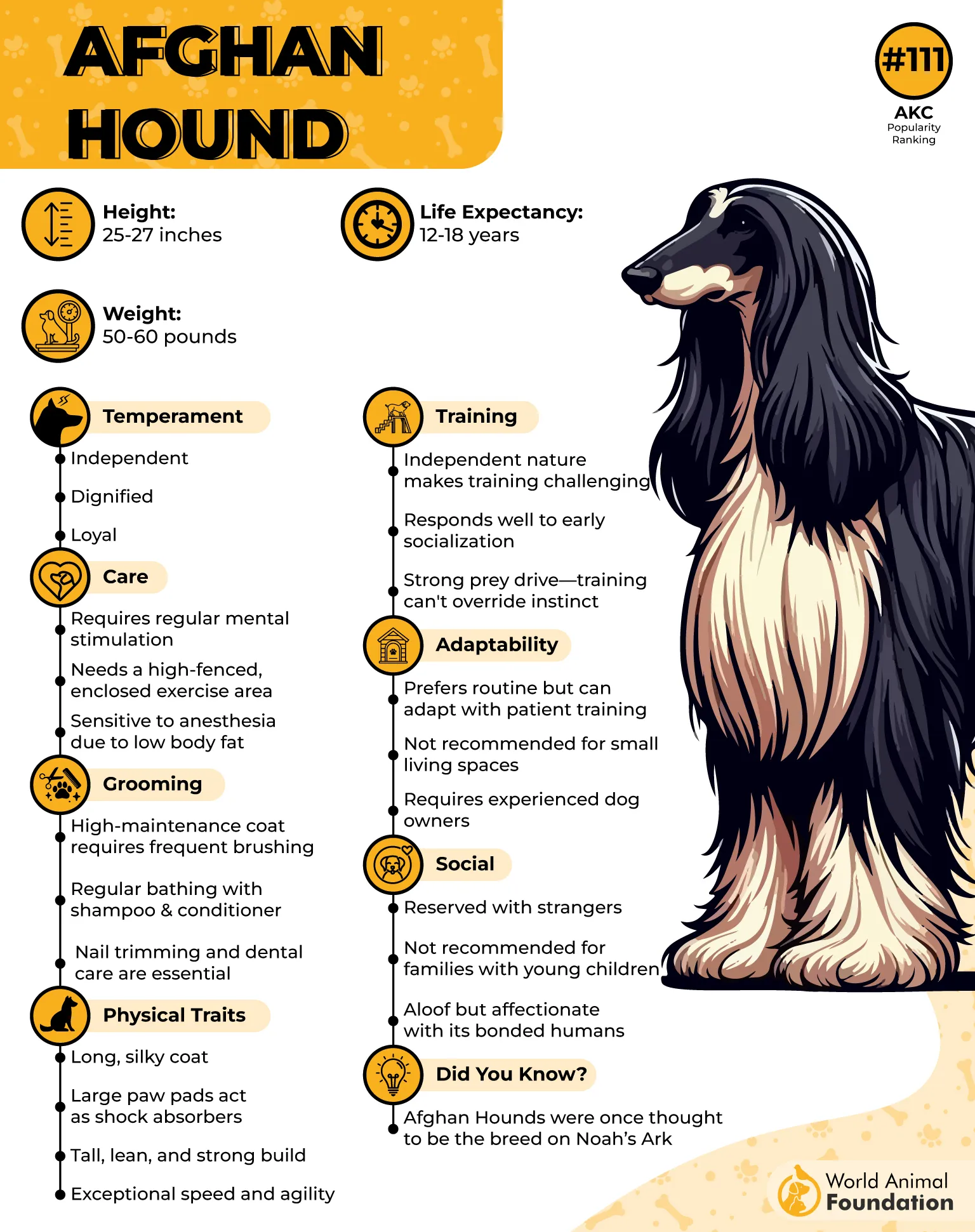
Its intelligence is often expressed through independence rather than obedience, which can make training a challenge without consistency and patience. Because of its powerful chase instinct, off-leash freedom is risky, and secure environments are essential for safety.
Afghan Hounds require significant daily physical activity to stay balanced, as simple walks are not enough to satisfy their energy or instincts.
Without proper outlets, they may become restless or difficult to manage, especially around smaller animals that can trigger their strong pursuit behavior.
7. Rhodesian Ridgeback
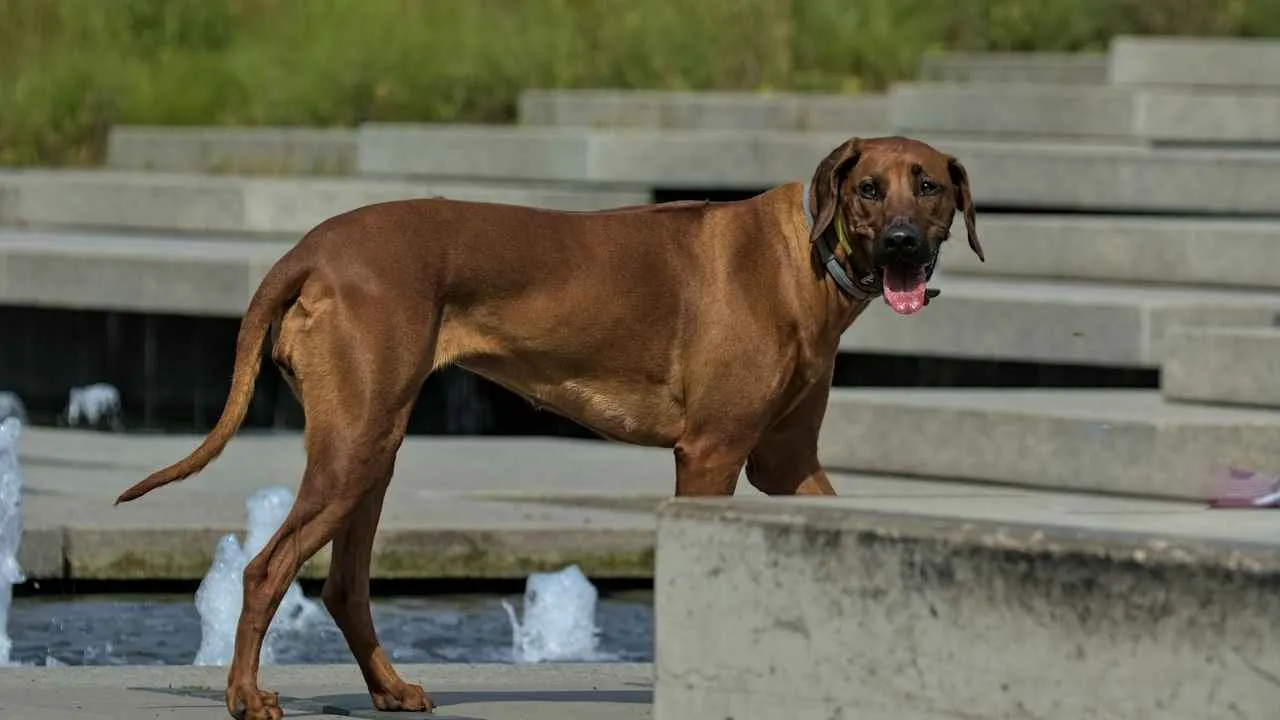
The Rhodesian Ridgeback is a powerful and athletic breed originally developed for tracking and holding large game, a background that strongly influences its modern-day behavior.
One of its defining traits is a pronounced prey drive, which can make it quick to chase small, fast-moving animals such as cats, rabbits, or wildlife if not properly managed.
This instinct requires responsible handling, especially in open or unfamiliar environments where distractions are common.
While the breed can adapt well to living alongside other dogs and even cats when raised together, early socialization is essential to shape balanced behavior and reduce the risk of dominance or conflict in multi-dog households.
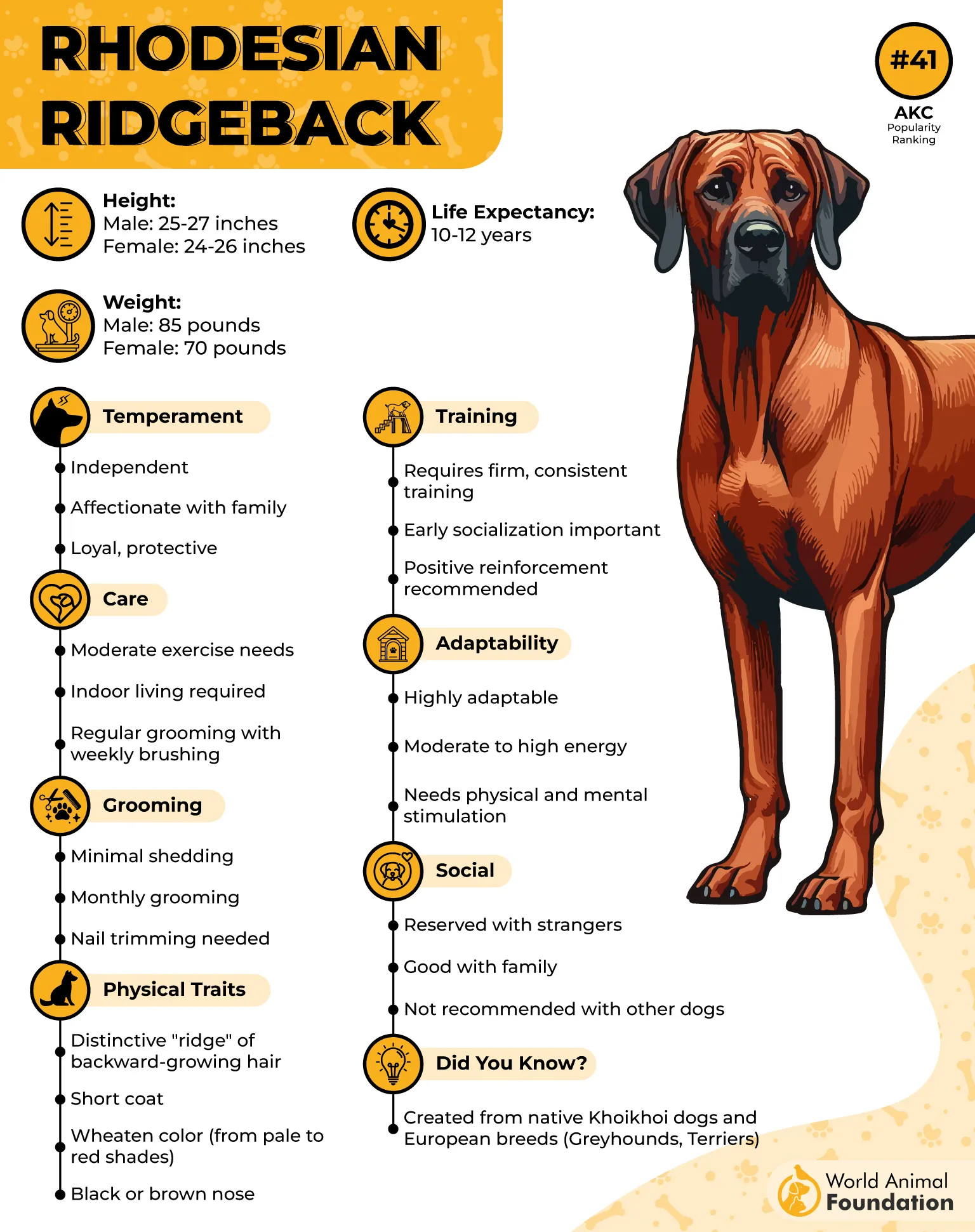
Ridgebacks are confident and independent thinkers, which means consistent training and clear boundaries are important from a young age.
They are energetic outdoors and need secure, high-fenced spaces to prevent roaming or chasing behavior, as their speed and focus can make them difficult to recall once in pursuit.
At the same time, they are calm and affectionate at home, often preferring close contact with their family.
However, their strength and enthusiasm mean supervision is important around small children or vulnerable individuals to avoid accidental knocks during play.
Conclusion
High prey drive is an instinct in certain dogs that shapes how they react to movement and small animals. While it can enhance their performance in sports, hunting, and active companionship, it also requires careful management in everyday life.
Consistent training, early socialization, secure environments, and adequate physical and mental stimulation are essential to keep these instincts under control. Without proper guidance, chasing behaviors can become difficult to manage.
Understanding and respecting this trait helps owners build safer routines and create balanced, well-behaved companions in both home and outdoor settings.
