




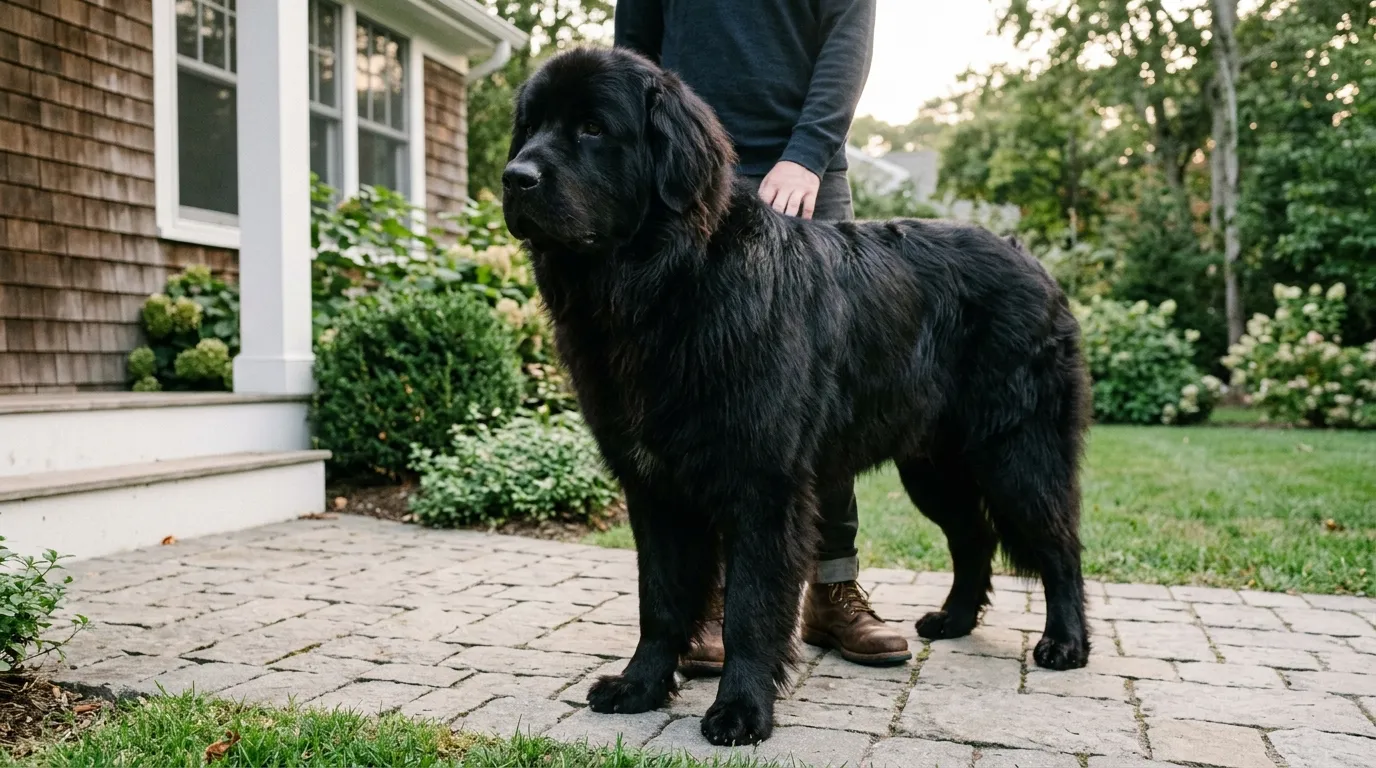
Not every guard dog needs to be loud or constantly on edge—some of the strongest protection comes in quiet form.
Calm guard dog breeds rely on steady nerves, sharp awareness, and natural protective instincts instead of nonstop barking or restless energy.
They know how to read a situation, stay relaxed at home, and step up only when it truly matters.
That balance is exactly what many dog owners want, especially in busy family life. With proper training, early socialization, and consistent guidance, these protection dogs grow into dependable guardians who are also gentle family pets.
They stay composed around loved ones but remain watchful when something feels off. From intelligent working dogs to gentle giants, these breeds offer both emotional comfort and real security.
If you want a loyal companion who brings peace of mind without chaos, calm guard dogs are one of the most reliable choices you can make.
Top calm guard dog breed: loyal and low-key protection
1. Bernese Mountain Dog
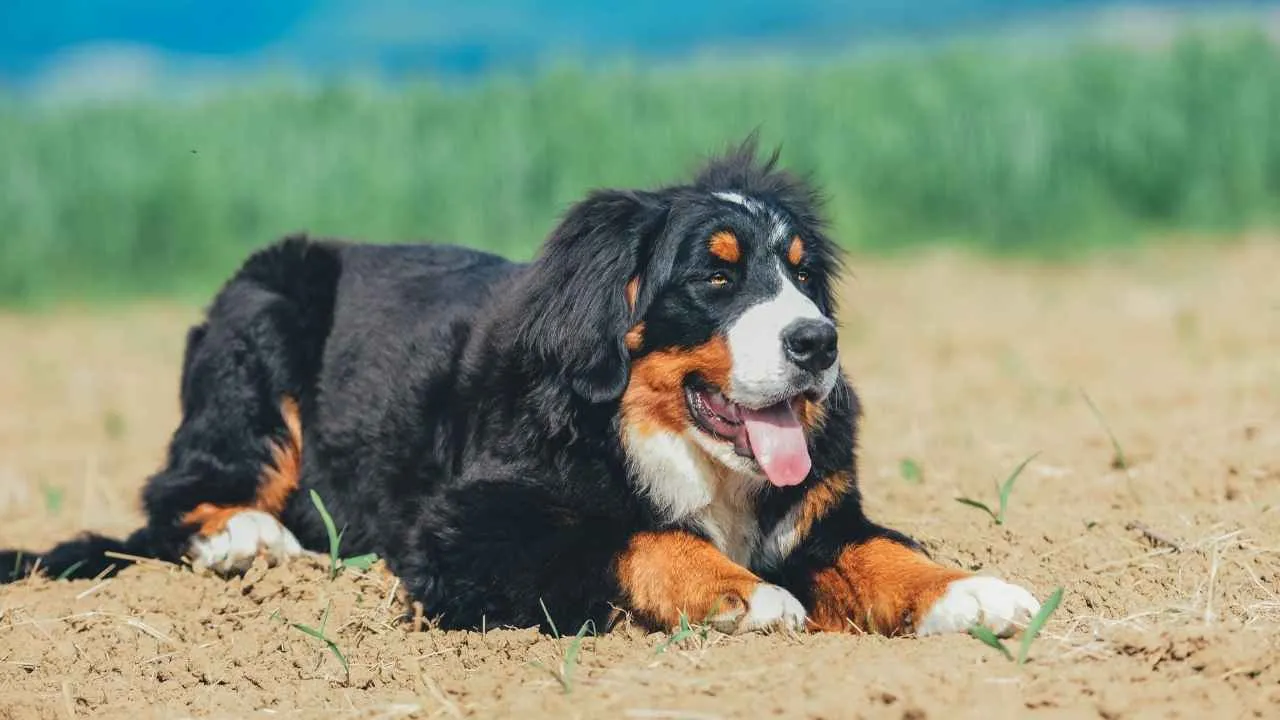
The Bernese Mountain Dog is a calm, sturdy working dog with a history stretching back over 2,000 years, brought to Switzerland by Roman invaders. Originally bred to pull carts, move cattle, and guard farms from predators, this large breed quickly earned a reputation for strength mixed with a surprisingly gentle nature.
Despite its powerful build, it carries itself with a relaxed confidence rather than constant intensity, making it a standout among calm protection dog breeds.
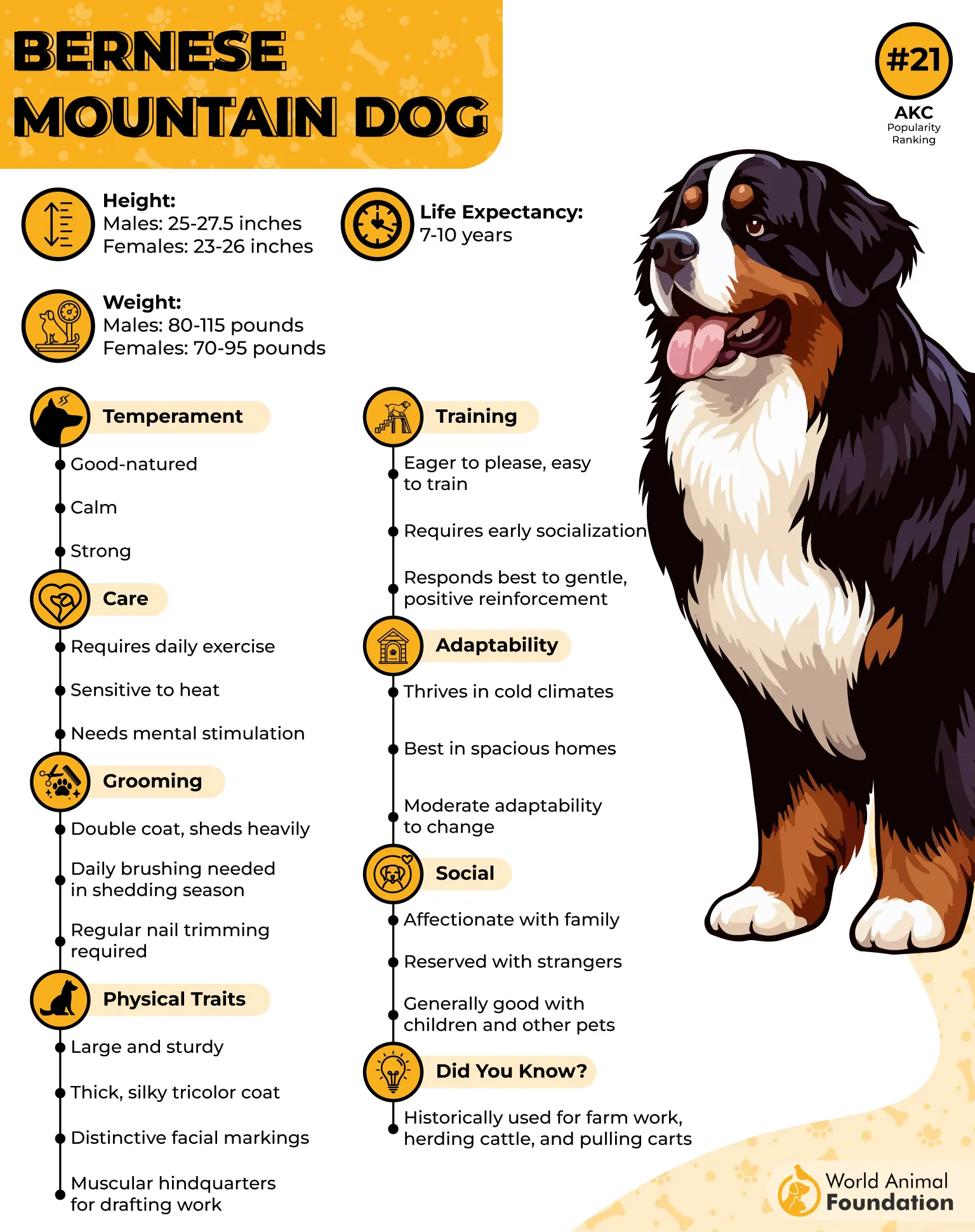
Calm Strength with a Gentle Watch
This breed doesn’t rush into action for no reason—it observes first, reacts later. A Bernese Mountain Dog enjoys moderate daily activity, like walks in cool weather or playful tasks such as tug, swimming, and even light cart pulling, as per Britannica.
While it has working dog roots, it isn’t hyper or restless, preferring steady engagement over nonstop motion. It can act as a watchful presence with a deep bark that sounds serious, even if the tail is still happily wagging.
Friendly with family members and generally polite around strangers, it leans more toward companionship than confrontation, offering quiet protection with a laid-back attitude.
2. Newfoundland
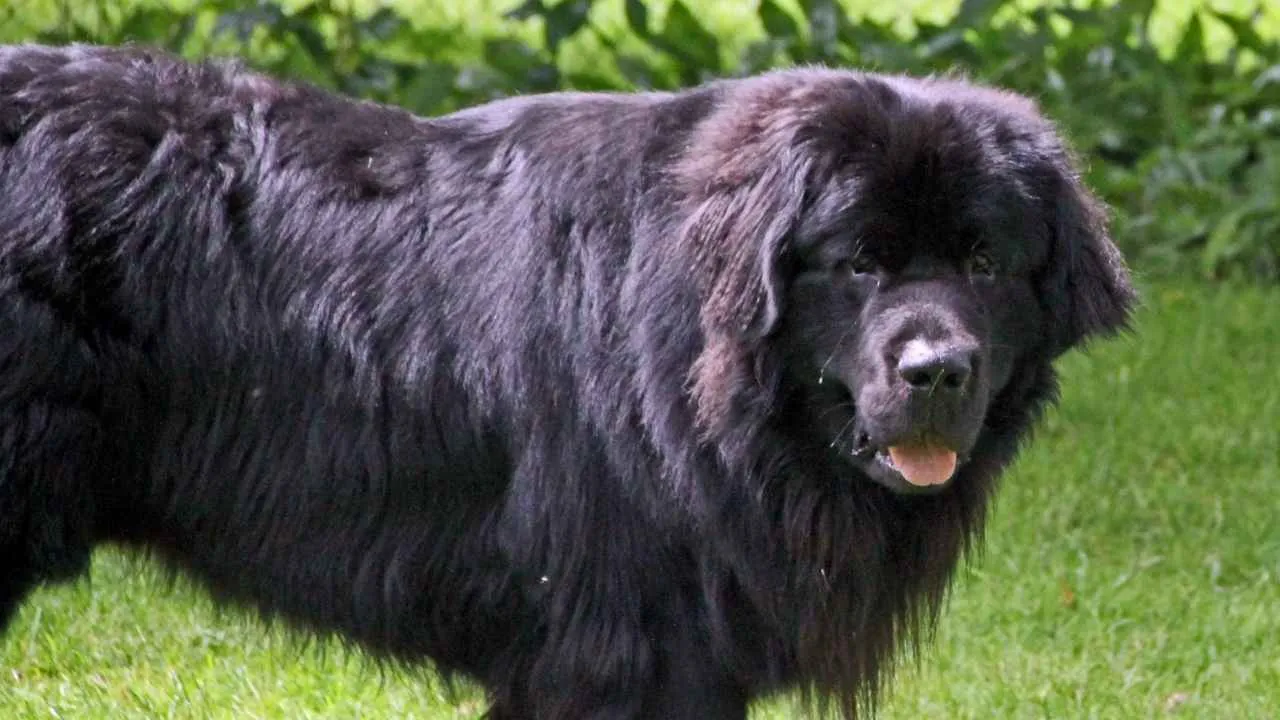
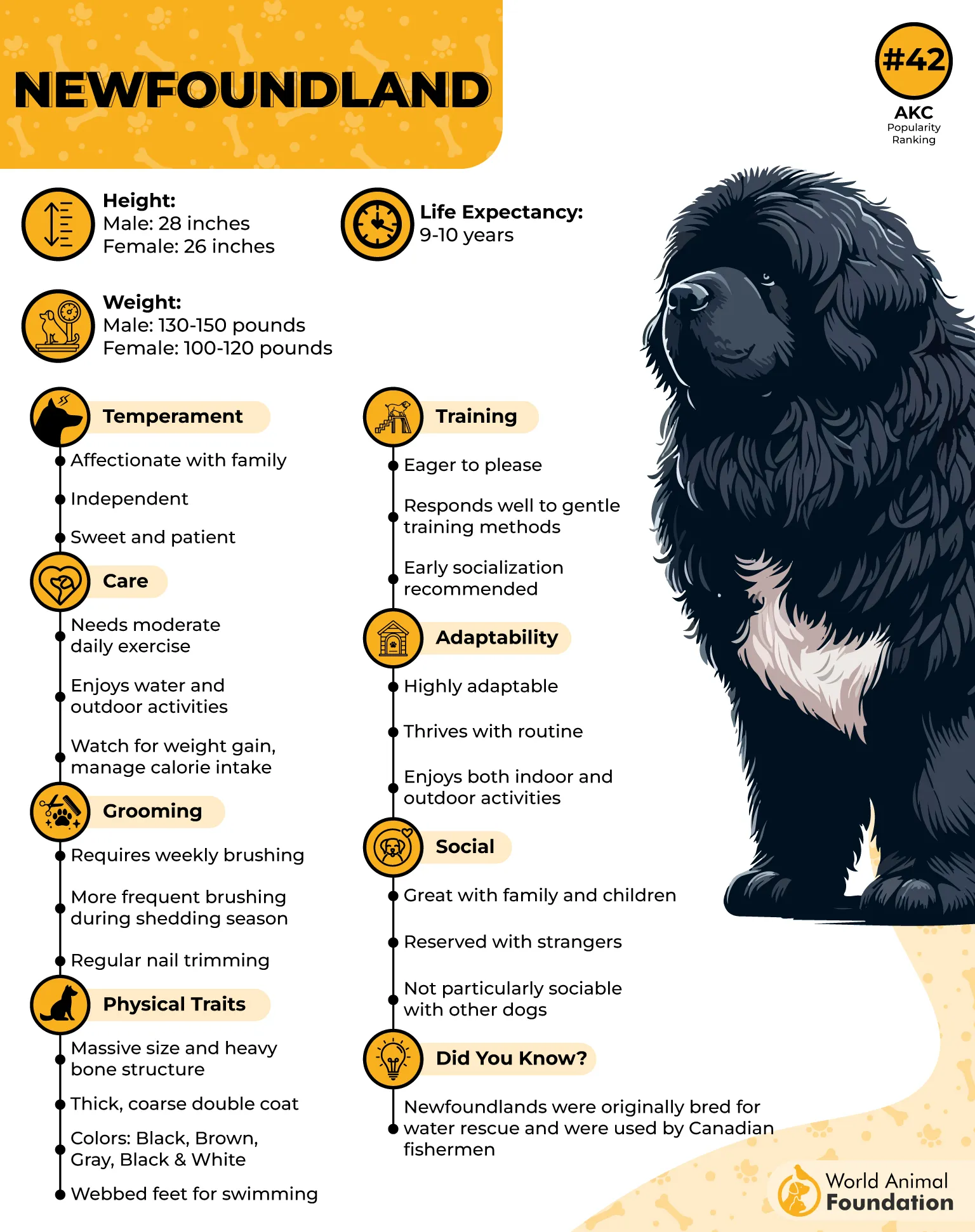
The Newfoundland is a massive working dog with a calm nature that somehow says, “I could move a cart… or your couch… or both.”
Built with heavy bone and a dignified look, this gentle giant is famous for its affectionate nature and deeply devoted attitude, especially around children.
Despite being a large dog that can easily rival a small pony, it moves with surprising softness and control, making it a natural fit among great guard dogs that rely more on presence than pressure.
Quiet Guardian with Lifesaving Instincts
This incredibly loyal guardian breed doesn’t rely on chaos to get attention. Instead, it uses awareness and steady observation, stepping in only when needed. With a strong natural instinct for water rescue and protection work, it has long been trusted in both land and aquatic roles, as per AKC.
A deep bark may sound serious, but the personality behind it is generally friendly and relaxed. Newfoundlands enjoy moderate exercise like walks and swimming, but they’re not built for nonstop activity.
Early socialization and gentle training help shape their steady behavior, as they respond far better to kindness than harsh corrections.
Around family members, especially kids, they act more like oversized, furry babysitters than intimidating protectors—just with significantly more drool.
3. Great Pyrenees
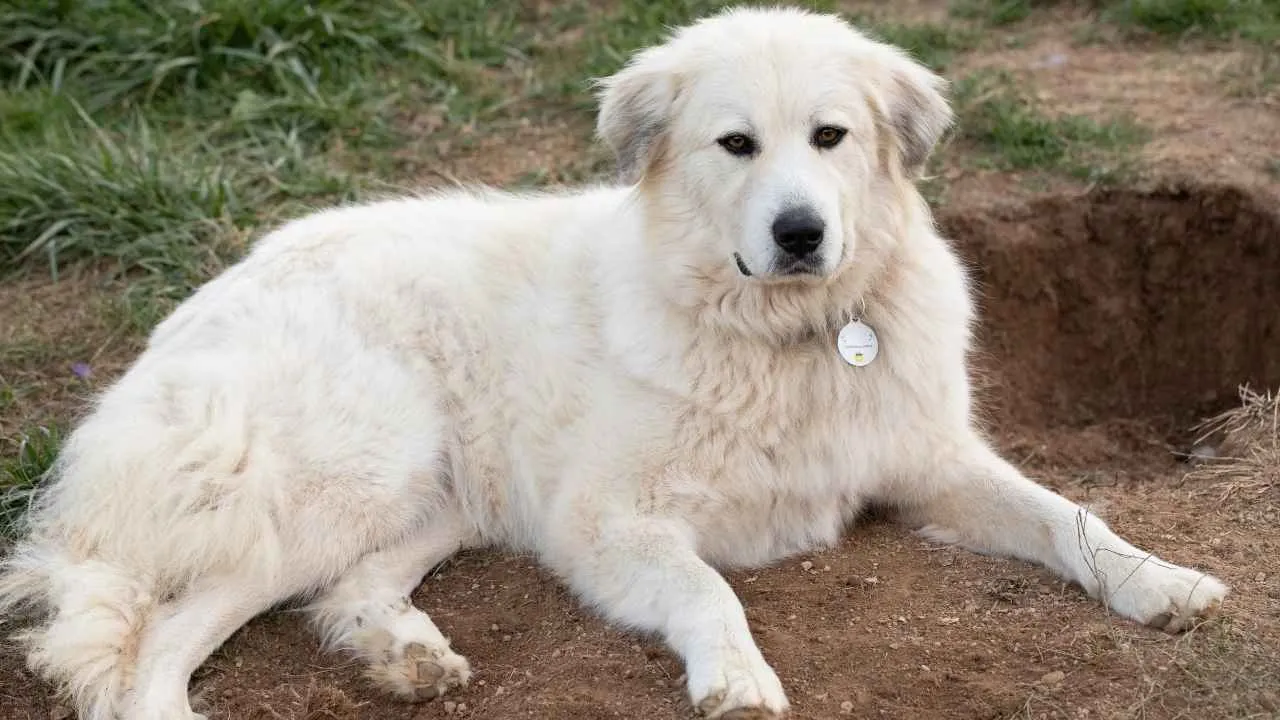
The Great Pyrenees is a large, snow-white working dog that looks like it was designed to stand on a mountain and judge everything happening below.
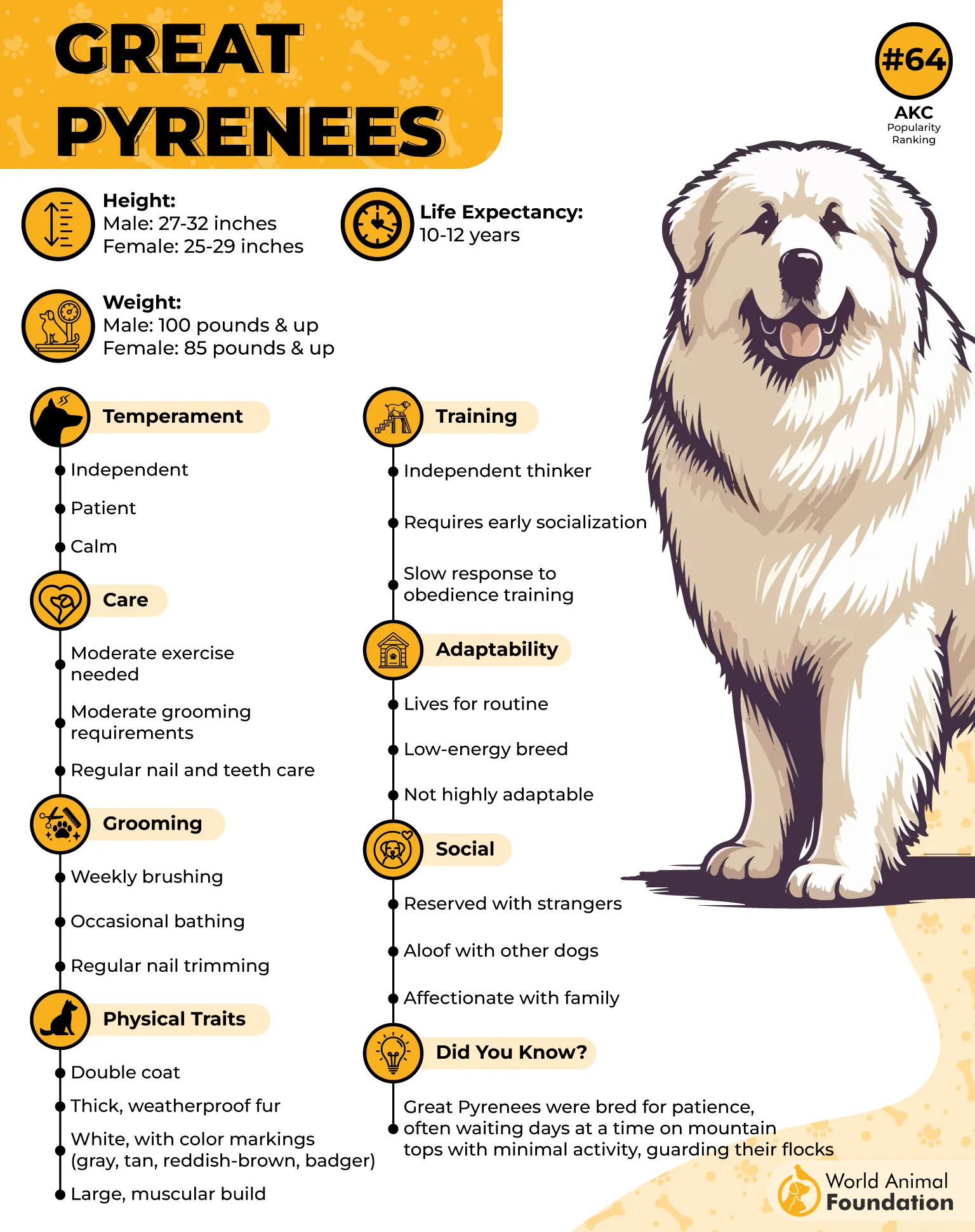
Originally bred in the Pyrenees Mountains to guard sheep from wolves, bears, and thieves, this best guard dog developed a quiet confidence that doesn’t rely on constant movement or noise. Instead, it observes, thinks, and acts only when something truly feels off.
Silent Watcher with Strong Protective Instincts
This natural protector is known for roaming calmly around its territory, almost like a slow-moving security patrol with fur. During the day, it prefers saving energy, but its protective instincts stay switched on in the background.
At night, it becomes more alert, which is why some owners notice excessive barking when the world gets too quiet, as per WebMD.
Great Pyrenees are independent thinkers, not eager followers, so early training and socialization matter if you want a balanced temperament and a properly trained dog at home. They’re fierce protectors and can pick up emotional changes quickly, especially within family life.
While gentle with loved ones, they won’t hesitate to step in if they sense danger, treating protection as a serious responsibility rather than a job title.
4. Leonberger
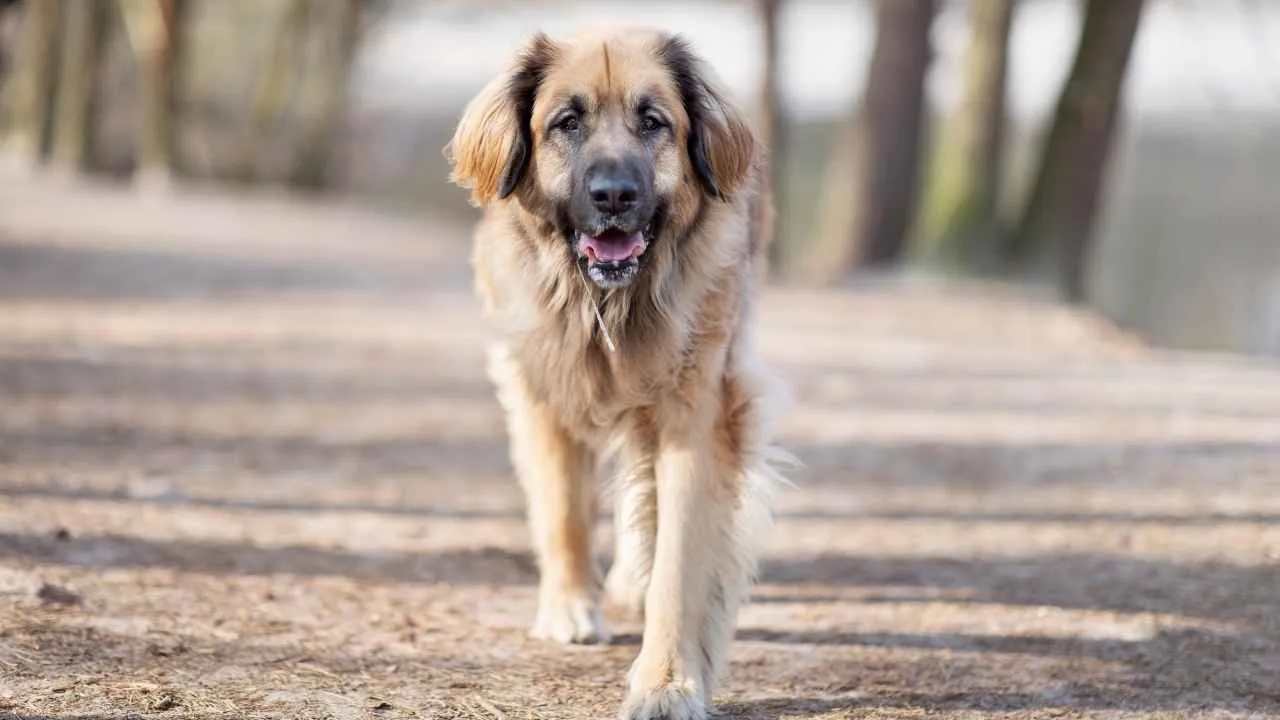
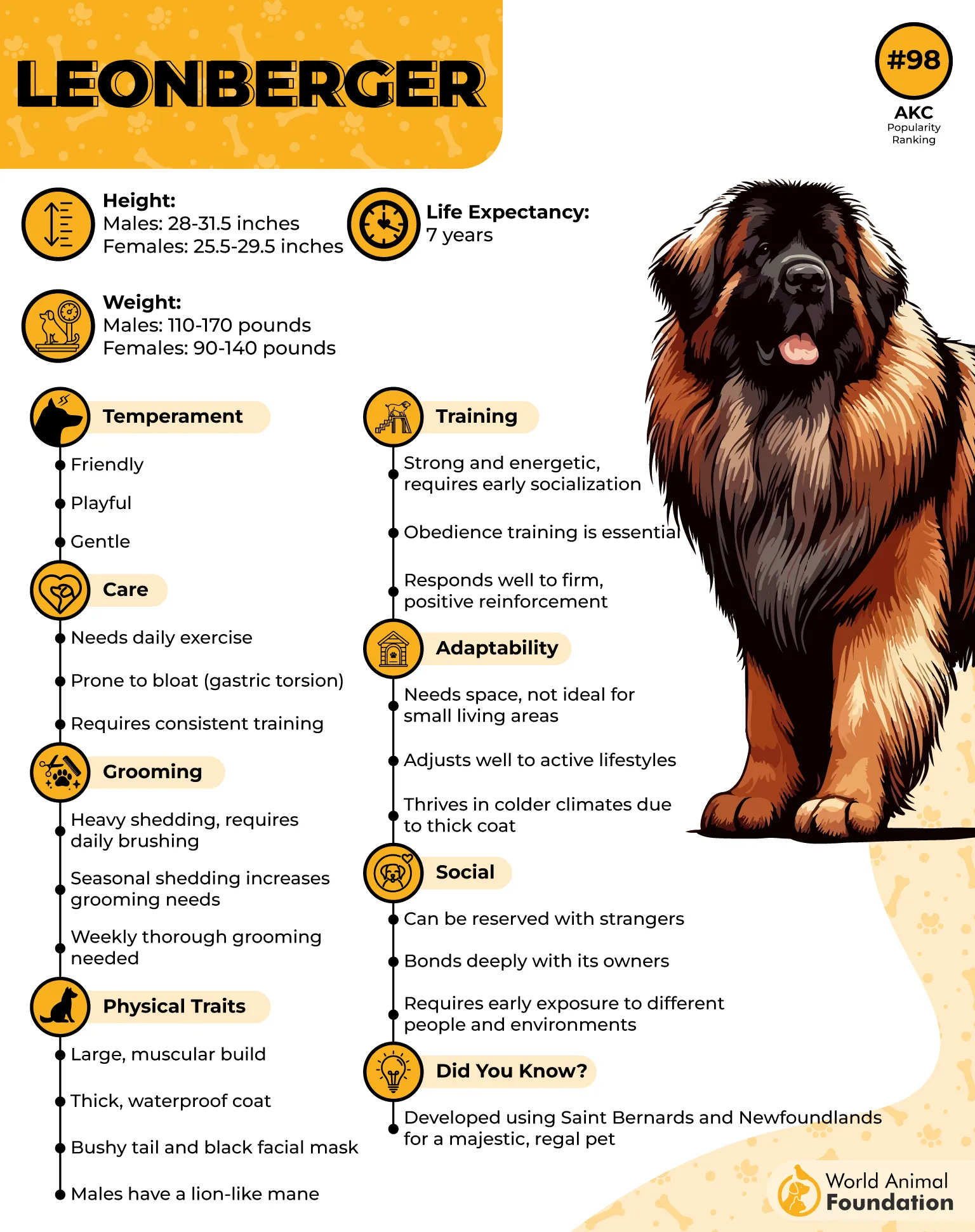
The Leonberger is a large German working dog that looks like it walked out of a royal portrait and decided to become useful. Developed in the 19th century in Leonberg, it was originally bred as a farm helper, watchdog, and cart-pulling companion.
Over time, this excellent guard dog also proved its value as a search and rescue dog, earning respect alongside good protection dogs used for lifesaving roles, as per Wikipedia.
Calm Power with Water-Savvy Instincts
Despite its impressive size and muscular build, the Leonberger carries a surprisingly balanced and composed temperament. It is self-assured without being overly aggressive, a loving family friend, and usually polite around strangers. This makes it a steady presence in the home rather than a constantly alert alarm system.
Early socialization and proper training sessions help shape its behavior, especially since this breed has a massive size and strength that need guidance.
Around loved ones, it is gentle, deeply loyal, and quietly protective—more “calm bodyguard” than dramatic defender.
5. Tibetan Mastiff
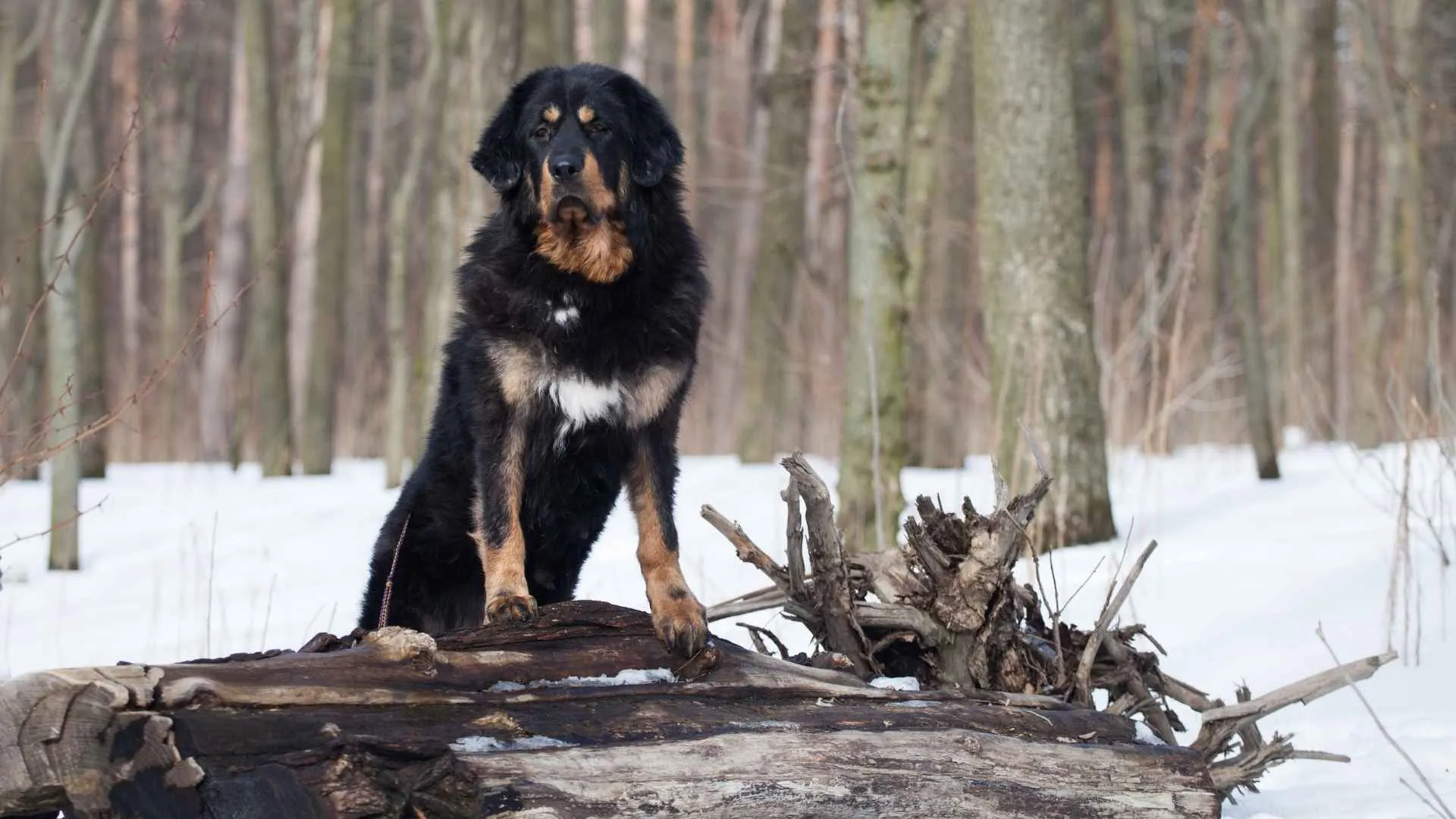
The Tibetan Mastiff is an ancient breed with natural guarding instincts that looks like it was designed to guard something extremely important—and it was.
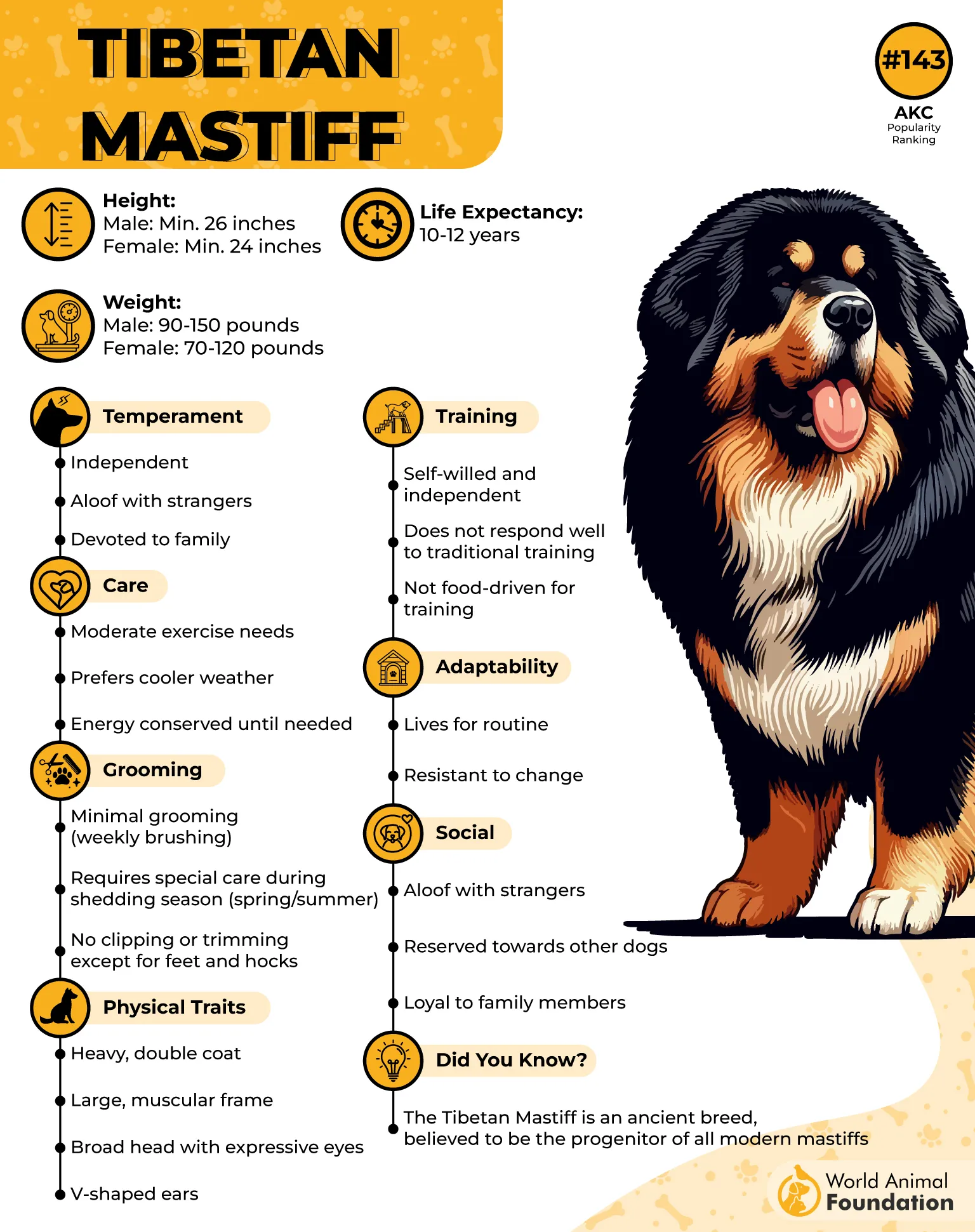
Once used to protect monasteries and villages in the Himalayas, these highly intelligent and excellent protectors carry a serious, watchful presence. It is independent, self-assured, and not the type to follow instructions just for fun. If it respects you, it listens. If not, it politely ignores you and continues its own security patrol.
Silent Authority with Fierce Protective Instincts
This breed is calm most of the time, but never mentally “off duty.” It observes everything with patience and steps in only when it senses real danger. Around family life, it is a loving companion and deeply protective, often positioning itself between loved ones and anything it considers a threat.
That strong protective instinct is balanced with a quiet, composed nature rather than constant barking or nervous energy. Tibetan Mastiffs are highly territorial, so proper training and early socialization are essential for managing their independent mindset, as per Orvis.
They don’t respond appropriately to harsh methods, but steady, confident handling works best.
With moderate exercise and space to move, they stay balanced and relaxed. Around strangers, they stay reserved, but with their family, they are calm, devoted, and always alert and protect loved ones in the background.
6. Great Dane
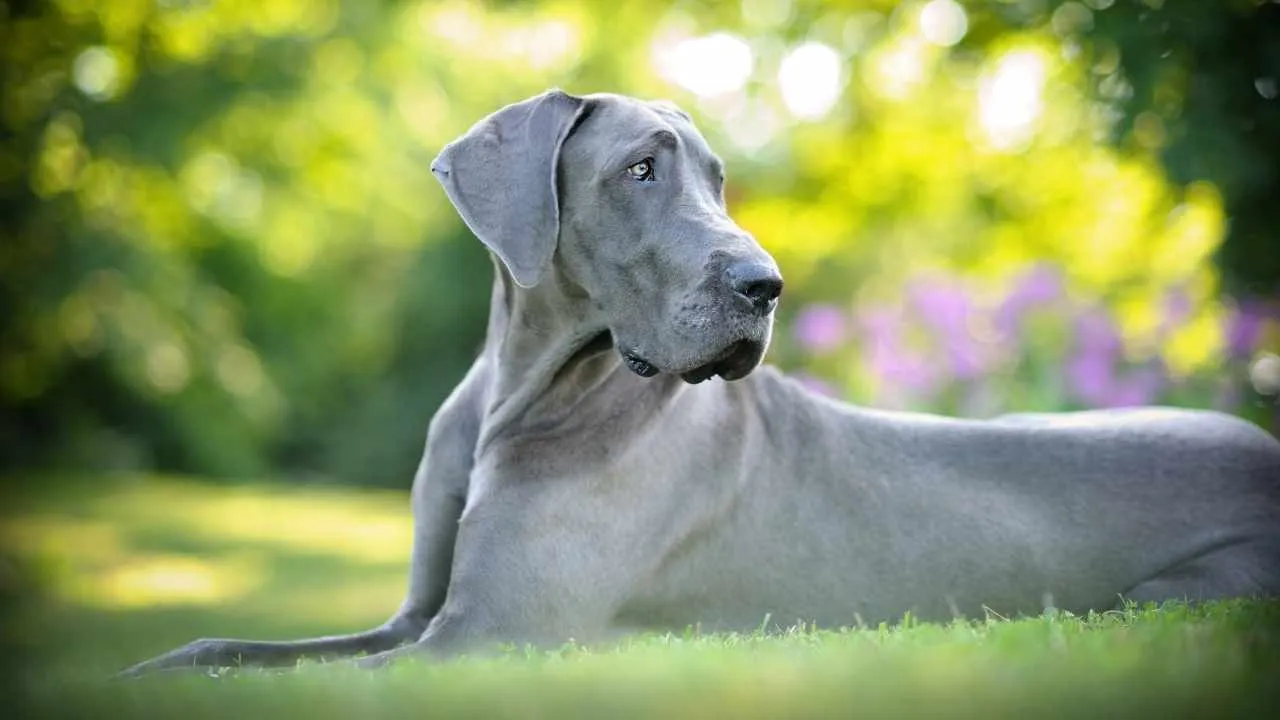
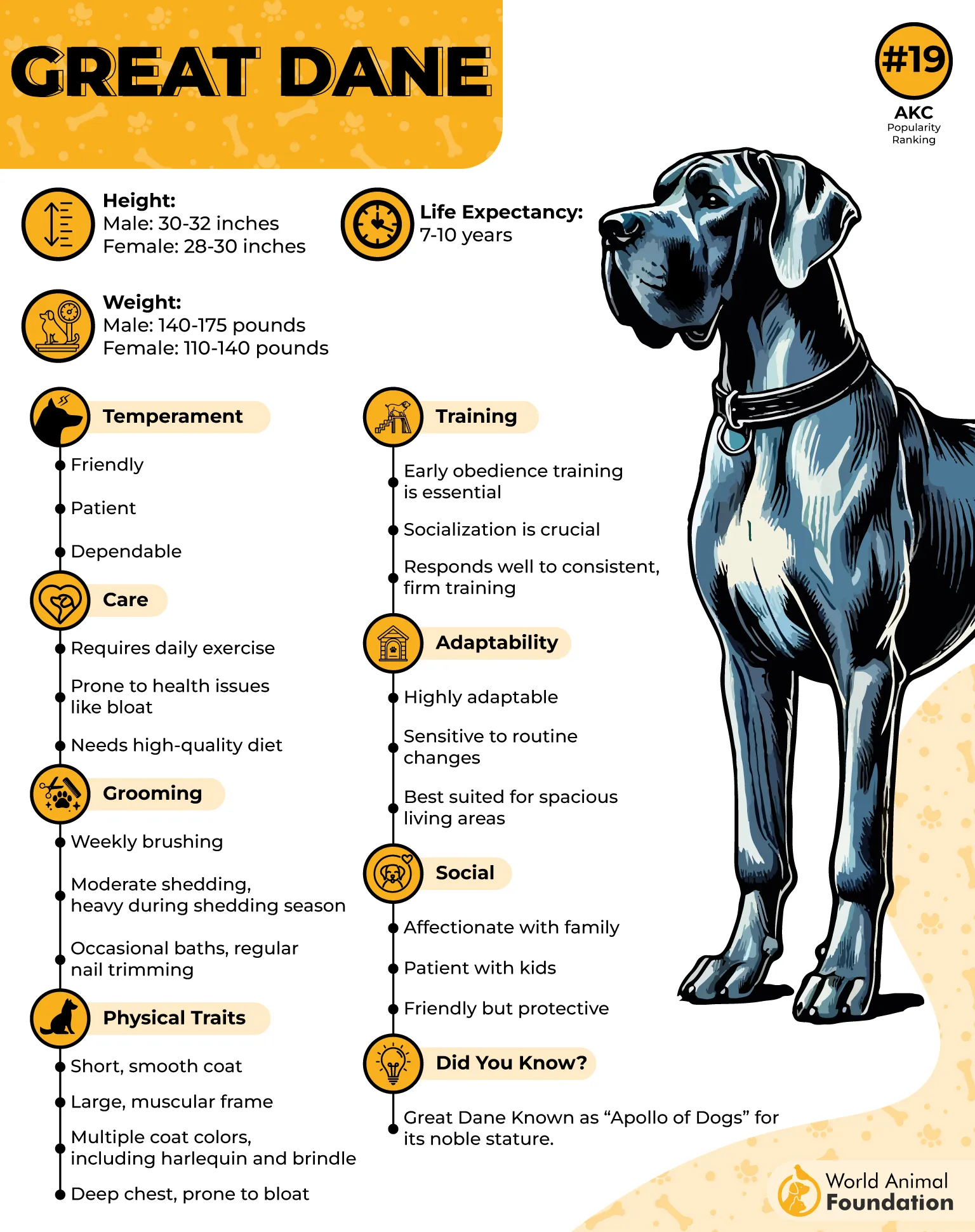
The Great Dane is a towering, elegant dog often called the “Apollo of dogs,” not because it’s delicate, but because it looks like it was sculpted for both strength and grace.
Originally developed in Germany over 400 years ago from mastiff-type guardians, this protection dog was once used to guard estates and even hunt wild boar alongside nobility, as per Hill’s pet. Despite being big dogs, it carries itself with surprising softness, earning the nickname “gentle giant.”
Calm Presence with Natural Watchdog Instincts
This breed is affectionate, moderately playful, and usually good with children, making it a steady companion and one of the best dogs in family life.
It can guard its home when needed, but it doesn’t rely on constant aggression or noise. Instead, its commanding presence is often enough to discourage trouble, while still staying relaxed around familiar people and pets.
Great Danes are generally highly trainable, though some can show a stubborn streak, so consistent training and early obedience work are important. Because of their massive size, they need space, regular walks, and proper care routines, including mindful feeding to avoid health issues like bloat.
In return, they offer loyalty, quiet confidence, and a calm protective instinct that makes it great choice as calm guard breeds.
7. Saint Bernard
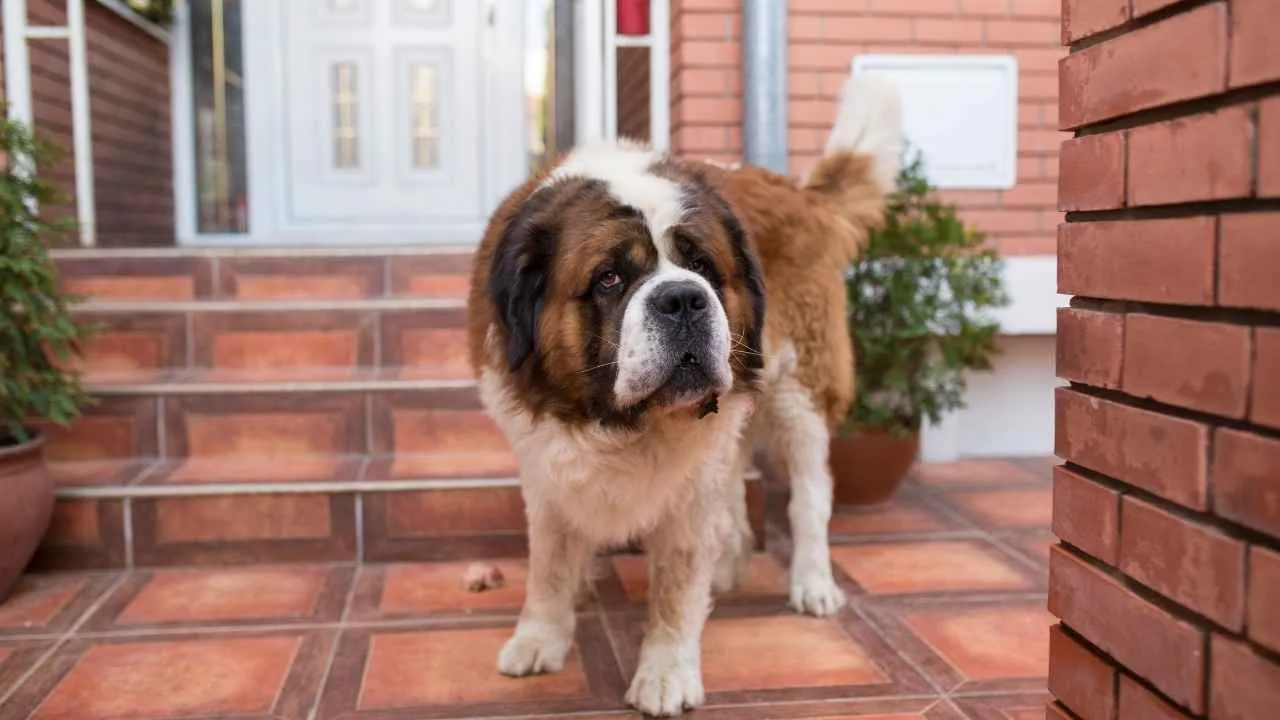
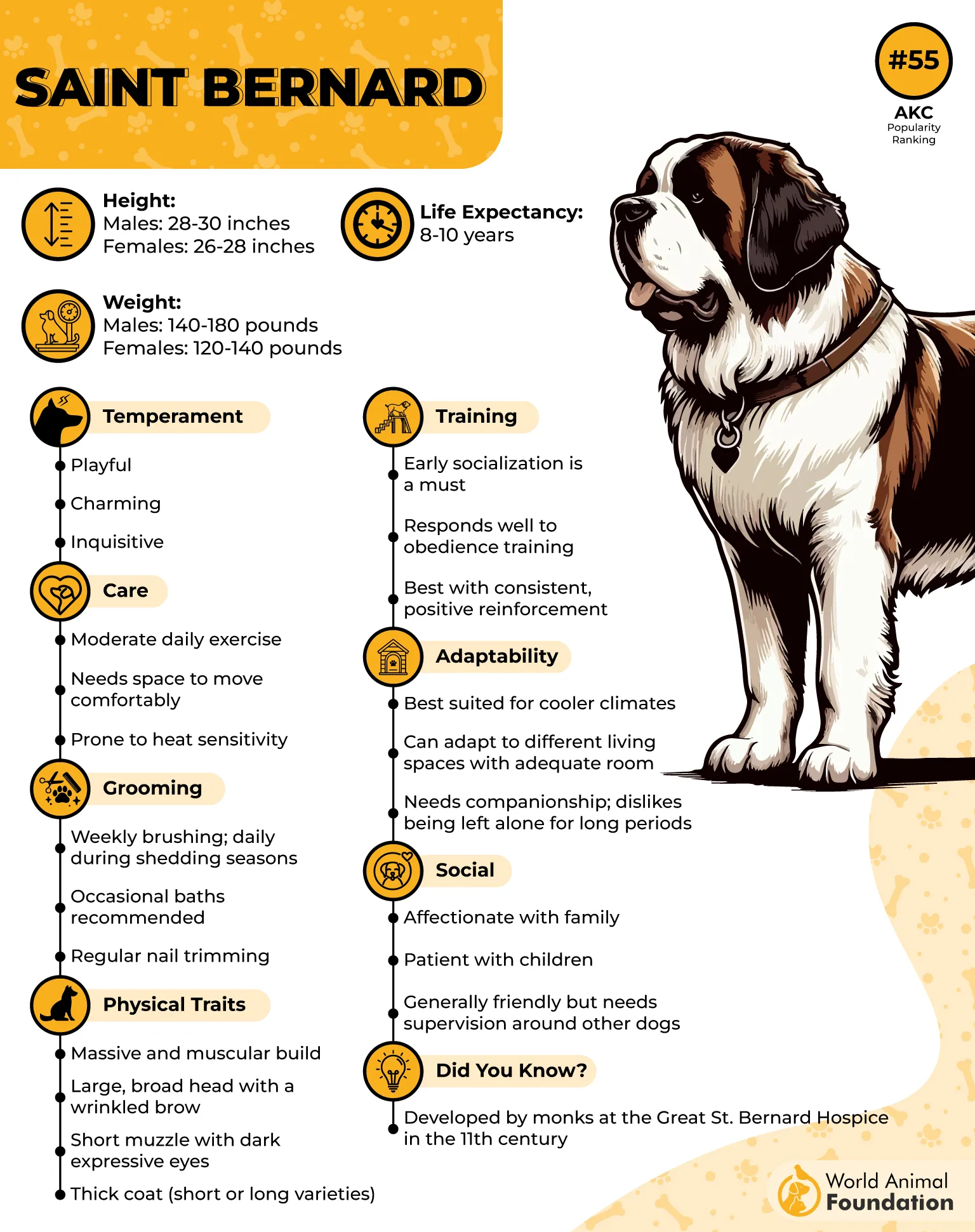
The Saint Bernard is a massive working dog with a surprisingly gentle heart, originally trained by monks in the 1600s to rescue travelers buried in the Swiss Alps.
Built for harsh mountain conditions and life-saving missions, this guard dog has now become more common in family homes, where its steady personality and affectionate nature stand out more than its rescue history.
Gentle Giant with Quiet Protective Instincts
Despite its enormous size, the Saint Bernard is calm, patient, and deeply people-oriented. It fits well into family life, especially around children, where its slow, careful movements and tolerant nature make it easy to trust, as per PetMD.
Instead of reacting with noise or intensity, it tends to observe and respond only when necessary, offering quiet protection rather than constant alertness. This breed has moderate energy and only needs daily walks or relaxed outdoor time to stay balanced.
It can enjoy longer hikes but is just as happy lounging near its family. Early socialization and basic training help shape good behavior, especially since it can become strong and heavy as it grows.
While not overly vocal, it may show subtle protective instincts when something feels off, making it a calm but dependable presence in the home.
Conclusion
In the end, calm guard dog breeds prove that protection doesn’t always need noise or chaos—it can come from quiet confidence, steady instincts, and a loyal presence that simply feels right.
From gentle giants to intelligent working dogs, each breed brings its own balance of affection, awareness, and natural guarding ability without overwhelming family life.
The real key is choosing a dog that matches your lifestyle, space, and willingness to invest in proper training and early socialization.
When that balance is right, these dogs don’t just protect a home—they become part of its emotional security, quietly watching over the people they love.
Because sometimes the best guardian isn’t the one that shouts the loudest… It’s the one that calmly stays close, always paying attention, as if your peace of mind is its favorite job in the world.
