




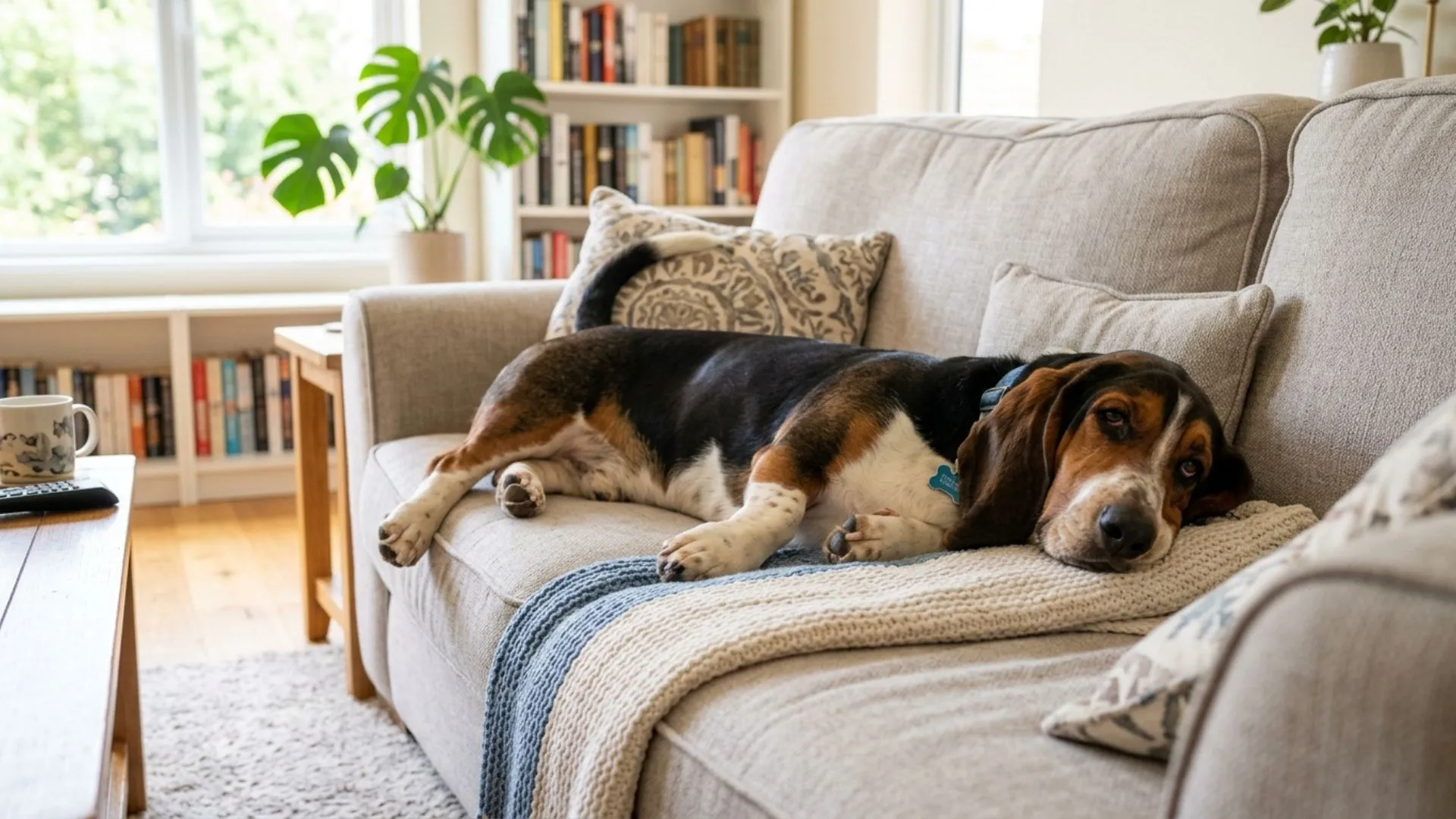
People often believe that owning a dog means committing to constant activity, long walks, and high-energy routines every single day. That idea gets repeated so often that it feels like a rule.
In reality, it does not apply to every breed. Some dogs do not rely on intense activity to stay content. They are naturally calm, more reserved in their movement, and comfortable spending long hours resting without becoming restless. This changes the entire experience of owning a dog.
Instead of adjusting to your lifestyle around constant demands, you get a companion that fits into a slower rhythm without effort. For couch potato pet parents, that difference matters more than anything else. It creates a living environment that stays balanced rather than demanding.
In the following sections, you will find dog breeds that challenge the usual expectations and offer a much more relaxed and manageable experience at home.
Key Takeaways
The idea that every dog needs high energy starts to fade once you meet breeds that are naturally calm from the start.
French Bulldogs and Pugs settle into calm routines with ease, happy to stay close and match a slower pace at home.
Basset Hounds and Shih Tzus carry that same relaxed rhythm, choosing comfort, short strolls, and familiar spaces over nonstop activity.
As you go through them, it becomes clear which dogs truly understand a quiet home and stay content right beside you.
Top Chill Dog Breeds Perfect for Couch‑Potato Owners
1. French Bulldog
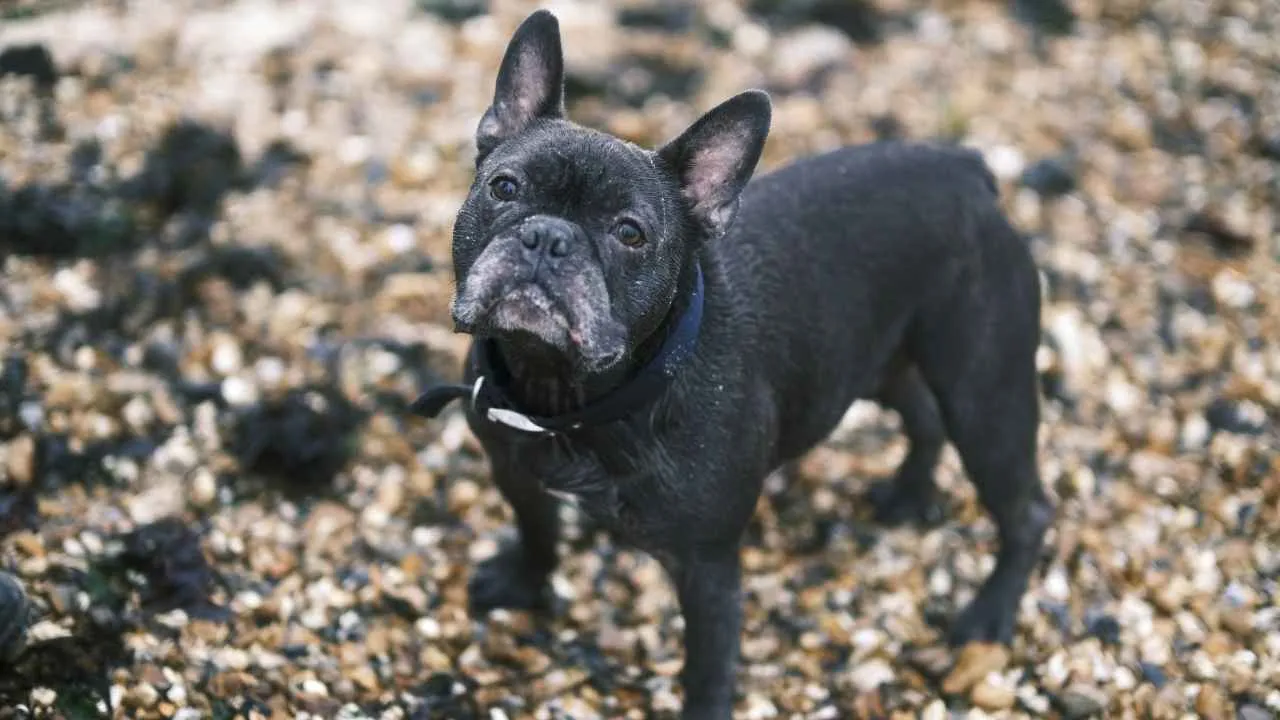
The French Bulldog catches the eye right away with its oversized bat ears and a square face lined with soft folds. Its compact, muscular body sits beneath a smooth coat that adds to its clean, polished look. This distinctive appearance gives it an instantly recognizable presence in any setting.
Interaction and social behavior
This low-maintenance dog connects easily with people and other dogs, often engaging through playful and alert behavior without being overly vocal, as stated by the AKC. Its quiet nature blends with an observant attitude, making it attentive without constant noise.
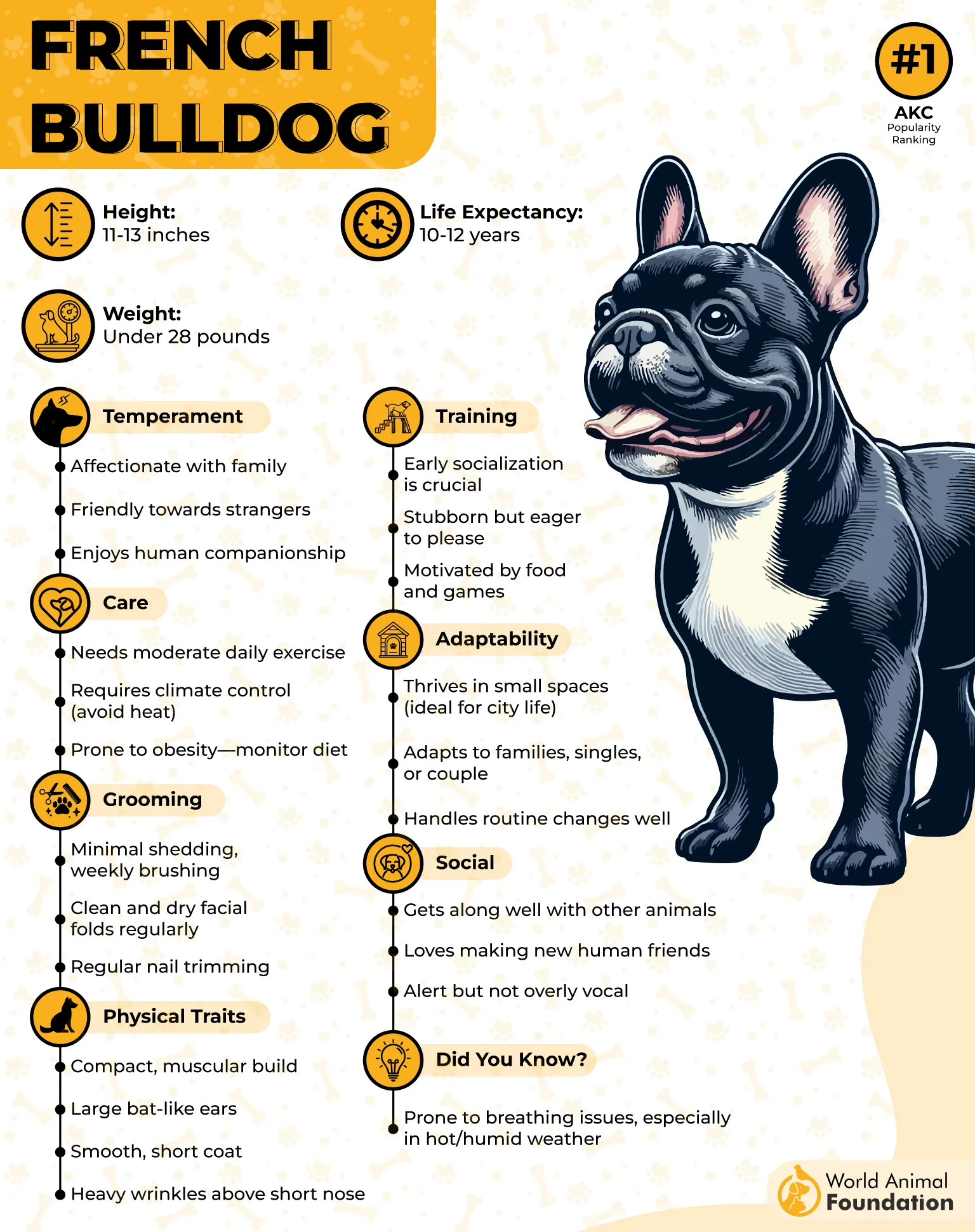
That personality comes through in simple habits:
Rarely barks but stays aware of surroundings
Engages quickly with new people and pets
Prefers interaction over isolation
Daily rhythm in home life
It adjusts well to indoor living, fitting comfortably into smaller spaces without demanding long outdoor routines. Short walks or brief play sessions provide enough activity to keep it balanced. Its routine revolves around companionship and relaxed indoor time.
2. Cavalier King Charles Spaniel
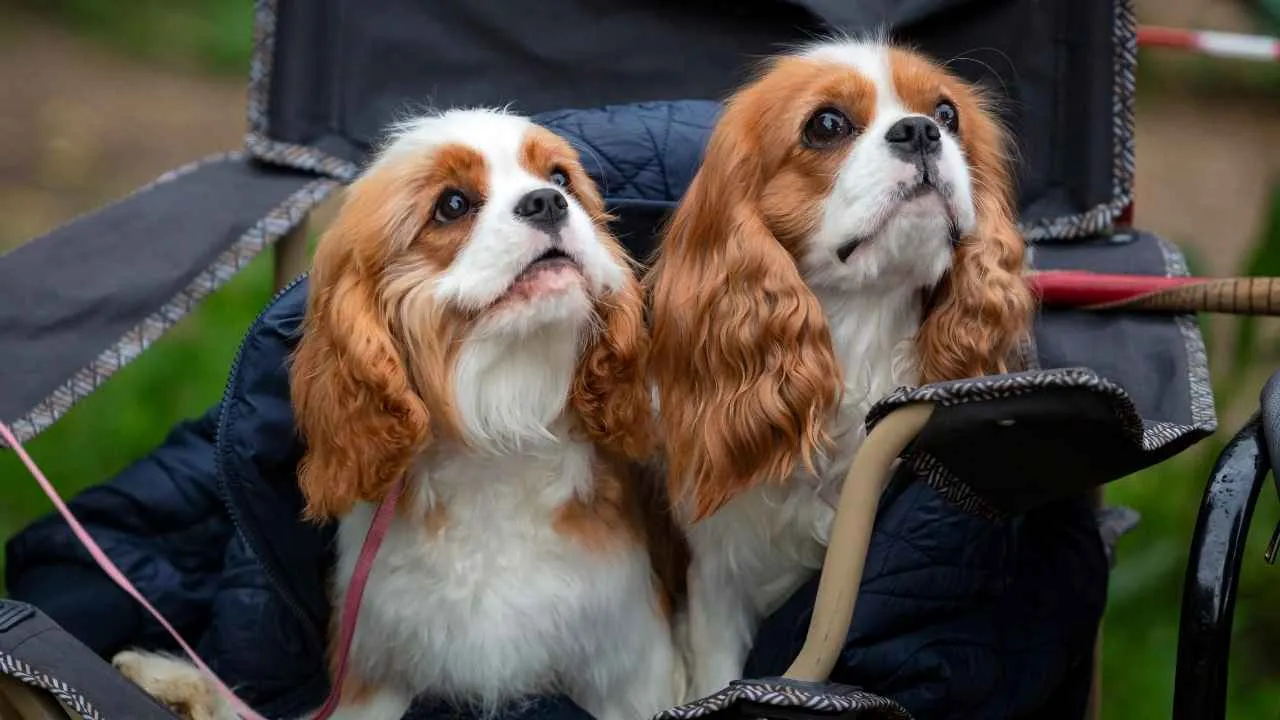
The Cavalier King Charles Spaniel reflects its royal name through a refined look paired with an inviting, soft expression. Large round eyes and a silky coat in distinct color patterns create a face that draws attention instantly. This visual appeal connects closely with its role as a close human companion.
Social ease in daily life
This small breed blends the attentiveness of a toy dog with the liveliness of a sporting spaniel, shaping a temperament that fits into varied households. It interacts comfortably with children, other pets, and familiar environments without tension, as often used as a therapy dog.
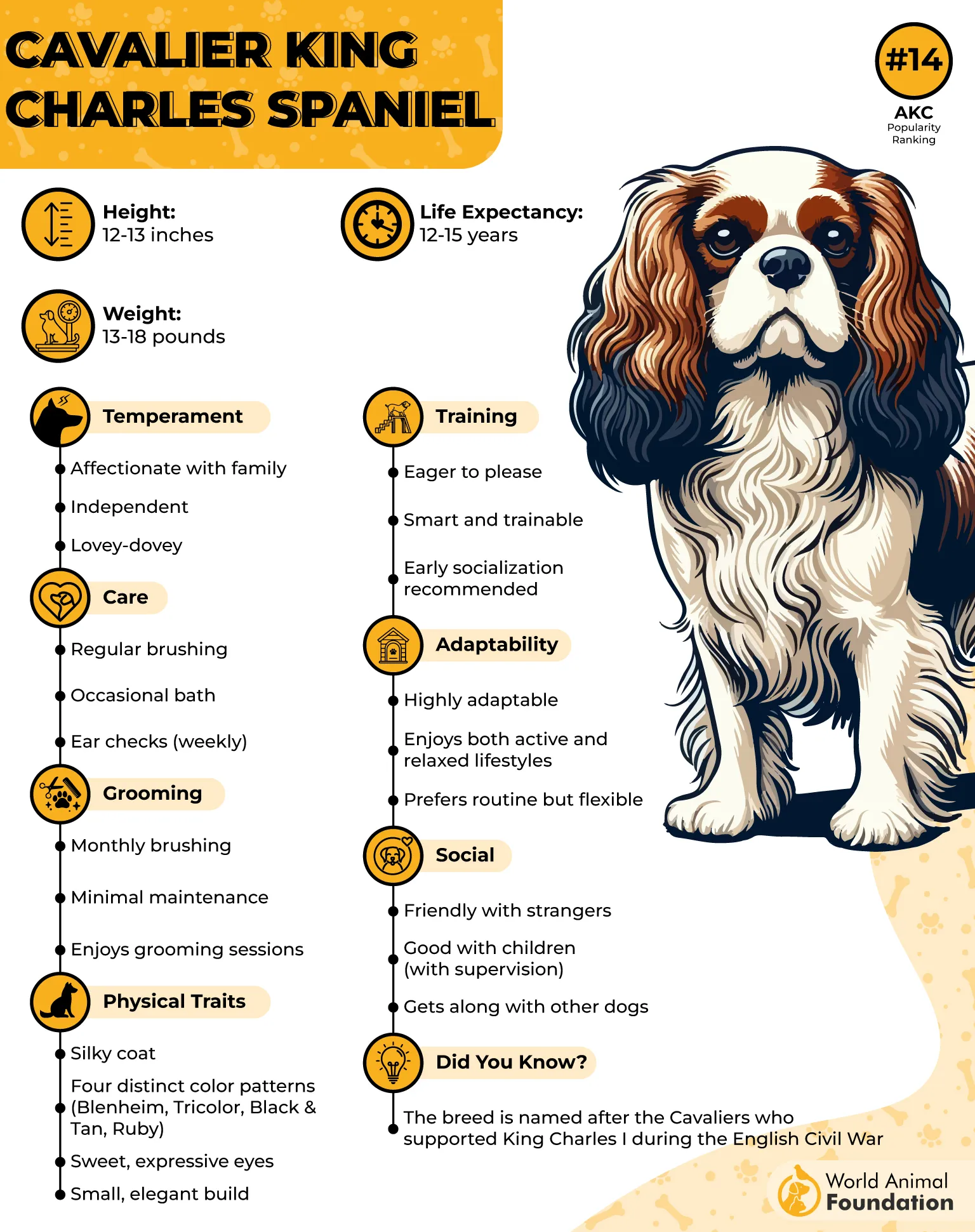
That ease appears through everyday behavior:
Engages gently during play without roughness
Adjusts smoothly in multi-pet settings
Responds calmly in shared spaces
Activity balanced with comfort
As a relaxed dog breed, it shows interest in movement without demanding constant action, often enjoying short outings before settling back indoors, as PetMD noted.
Its willingness to participate in simple activities blends easily with quieter routines. This balance reflects a breed shaped for companionship as much as light activity.
3. Basset Hound
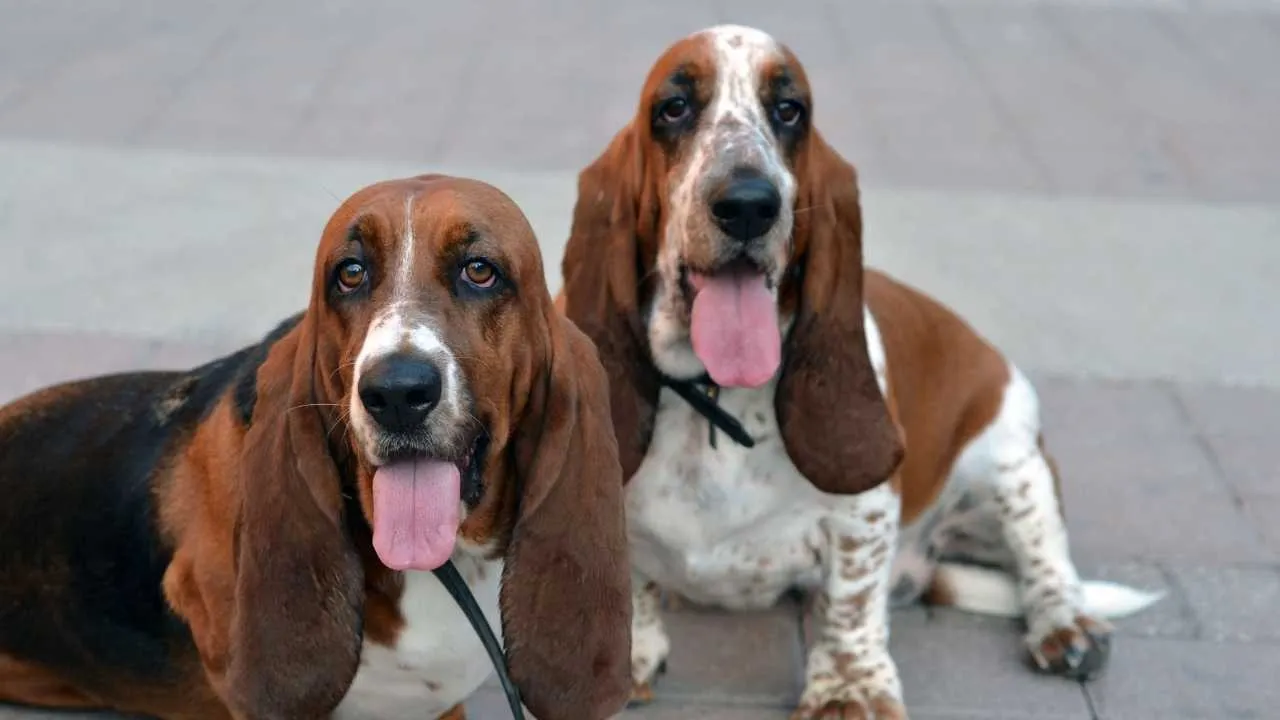
The Basset Hound has a look you notice instantly with its low frame, heavy structure, and large paws that give away its hidden strength. The long ears, wrinkled brow, and drooping eyes give a distinct, almost somber expression. Its body is built more for endurance than quick bursts of speed.
Scent work over speed
It follows scent trails with precision, relying on a nose considered second only to the Bloodhound. Its tracking style focuses on persistence, often staying fixed on a trail once detected.
That working ability becomes clear through physical traits:
Extremely long ears help trap scent particles
A large nose supports detailed scent detection
Deliberate pace keeps tracking consistent
Behavior inside the home
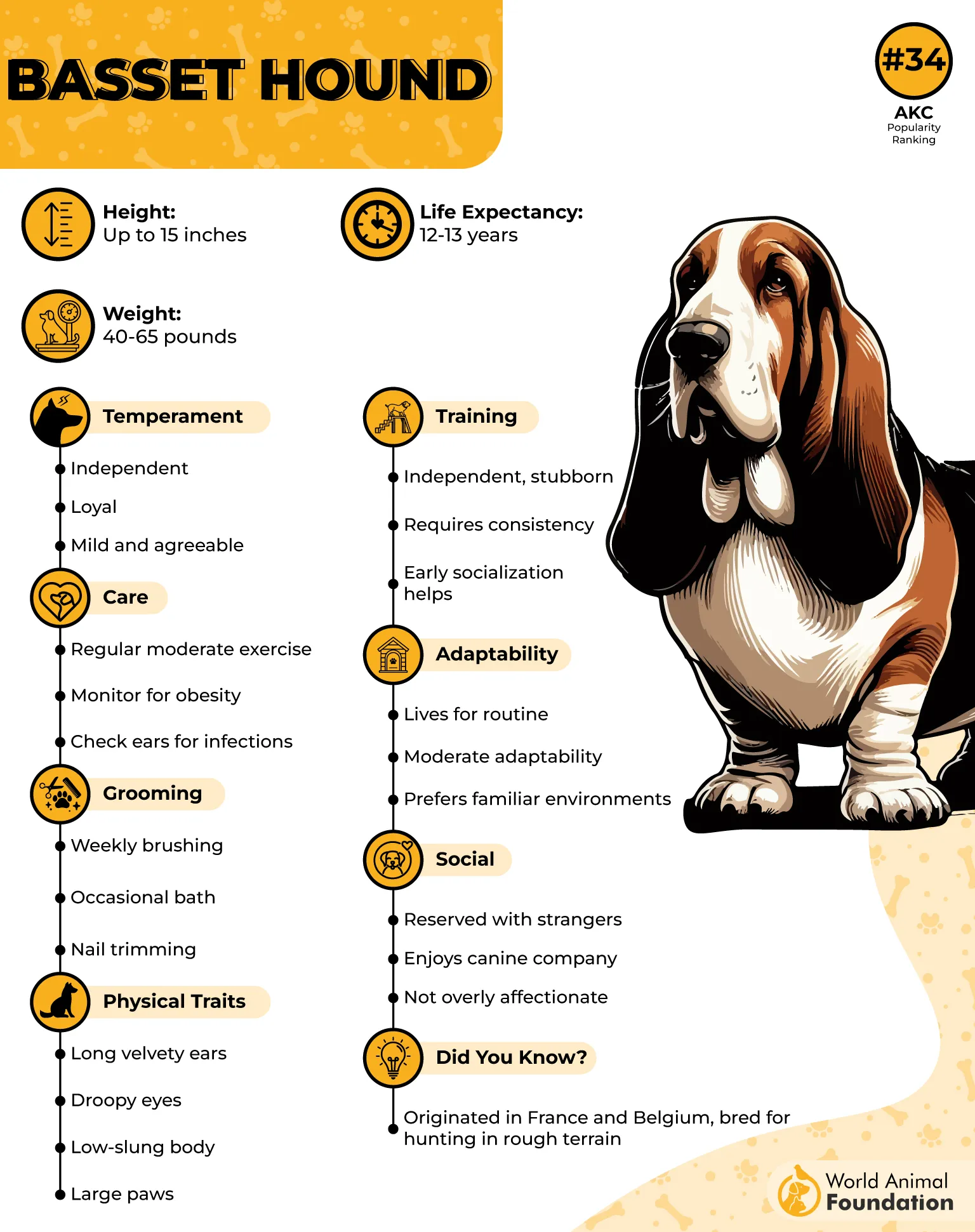
This calm dog remains easygoing indoors and requires only moderate daily walks, leaning toward a relaxed presence rather than constant activity.
It forms steady loyalty toward its family, even if affection is not always expressive. Its deep, ringing bark appears when something catches its attention.
4. Pug
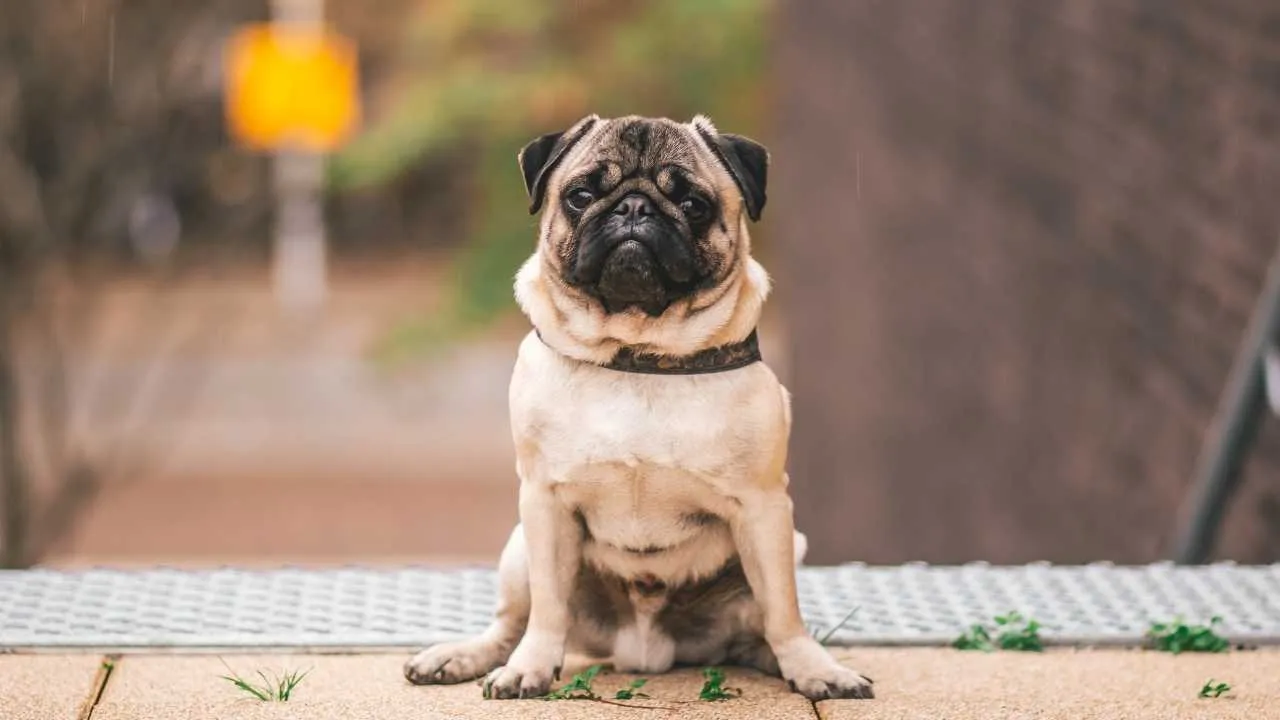
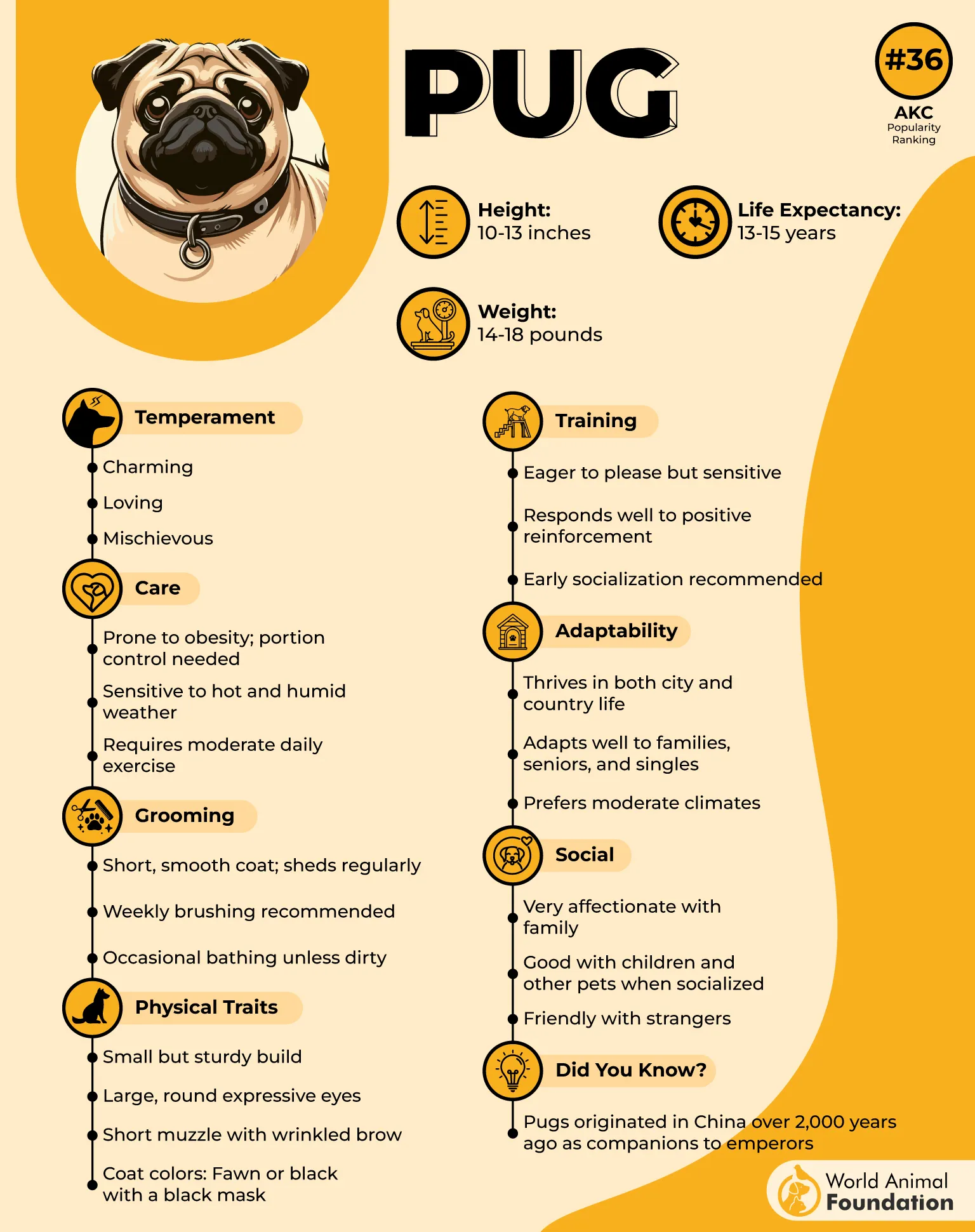
The Pug first appeared in ancient China and later became favored among royal households across different regions. Its role is centered around companionship, shaping a dog that seeks constant inclusion in daily routines. This preference for human attention influences how it fits into slower home settings.
Daily rhythm around people
This low-energy dog aligns its day with human activity, often preferring short bursts of movement followed by extended rest indoors. Its energy pattern leans toward low-key interaction rather than prolonged physical effort.
That pattern becomes easy to notice:
Joins daily household activities closely
Prefers short walks around 15 to 20 minutes
Switches quickly from play to rest
Physical limits shape activity
Pugs’ flat facial structure affects breathing, making controlled indoor living more suitable than extended outdoor exposure, as mentioned by Omlet.
Heat and overexertion can lead to discomfort, so pet owners should be careful about their measured environment-dependent activity. This creates a routine centered around comfort rather than intensity.
5. Shih Tzu
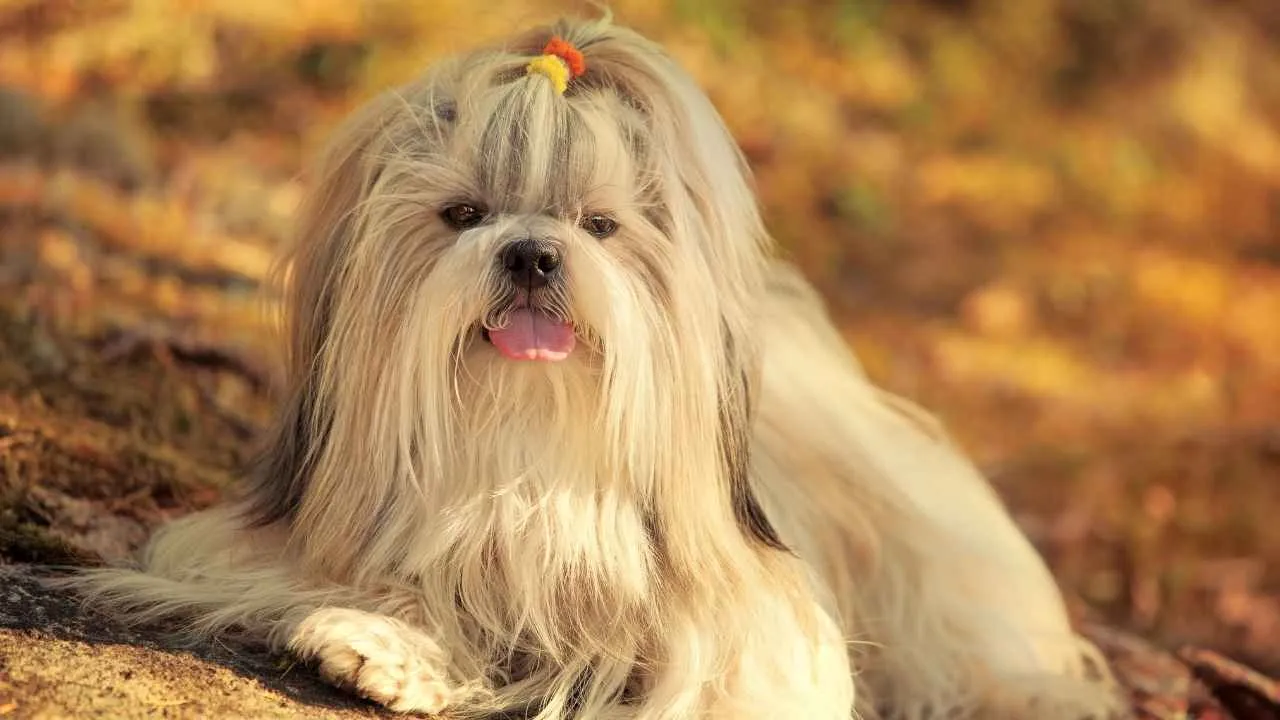
The Shih Tzu turns heads with its charming face and wide dark eyes that reflect a mix of curiosity and warmth. Known as the “Lion Dog,” it spent centuries close to people inside royal living spaces. Its lively nature brings a mix of mischief and charm into everyday moments.
Indoor life and an easy routine
This companion dog is right at home in smaller spaces, happy to spend most of the day indoors at an easy, relaxed pace. Its idea of fun revolves around staying close and engaging in simple interactions rather than high activity.
That preference appears in small, clear habits:
Settles easily into the lap during quiet hours
Enjoys short walks instead of long outings
Engages in light indoor play

Affection and social behavior
As a good family dog, it interacts warmly with children and remains comfortable around familiar people in shared spaces. Its behavior centers on closeness, often choosing to stay near rather than explore independently. This connection reflects a breed shaped for companionship within the home.
6. Greyhound
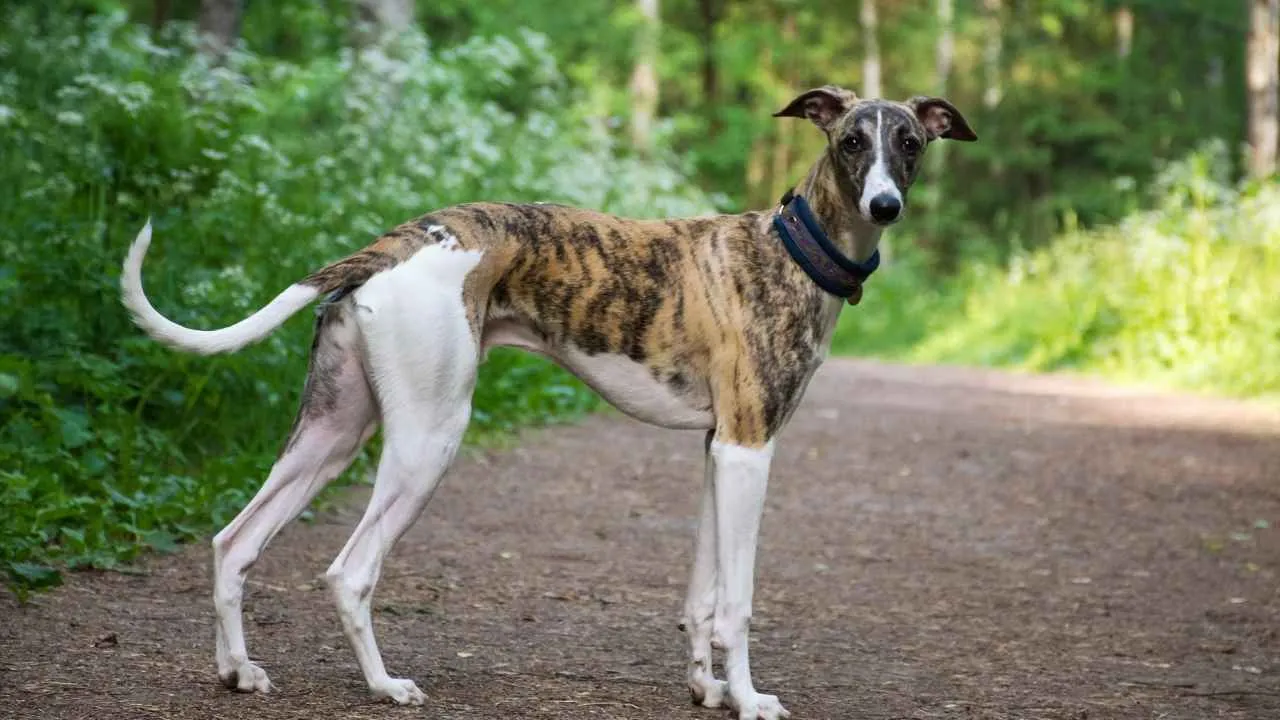
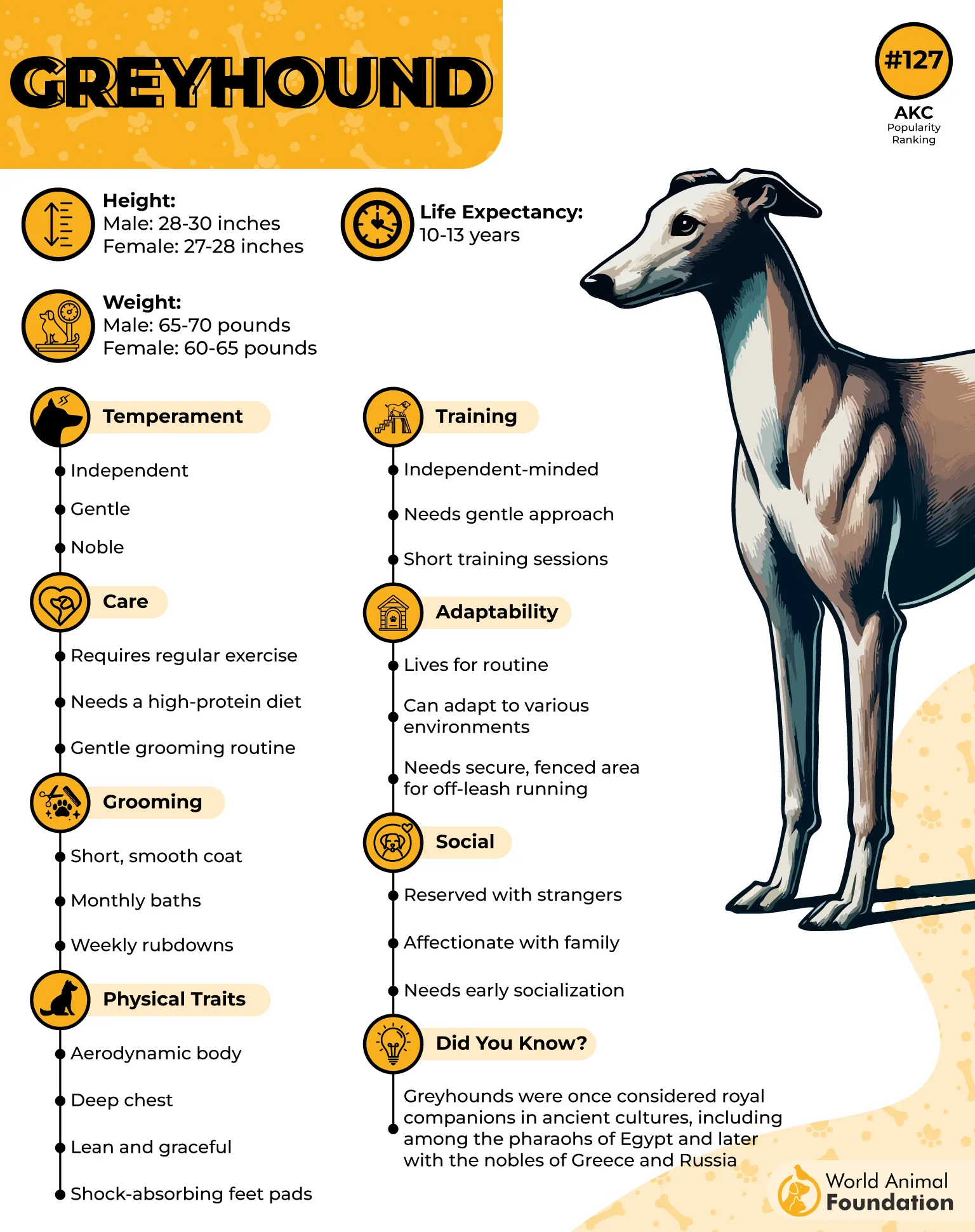
Greyhound shows off a narrow skull, deep chest, and tucked waist, forming that familiar curved silhouette. Each physical element connects to high-speed pursuit, from shock-absorbing feet to its streamlined build. This structure explains why it remains the benchmark for other coursing hounds.
Built details behind performance
It relies on physical efficiency rather than bulk, with every feature serving a defined role in motion and balance. Even small structural details contribute directly to its function during pursuit.
That design becomes clearer when broken down:
Aerodynamic head reduces air resistance
Deep chest supports lung capacity
A flexible spine allows an extended stride
Calm presence indoors
The Greyhound shifts easily into a quiet indoor routine, often spending long hours resting despite its identity as one of the fastest racing dogs.
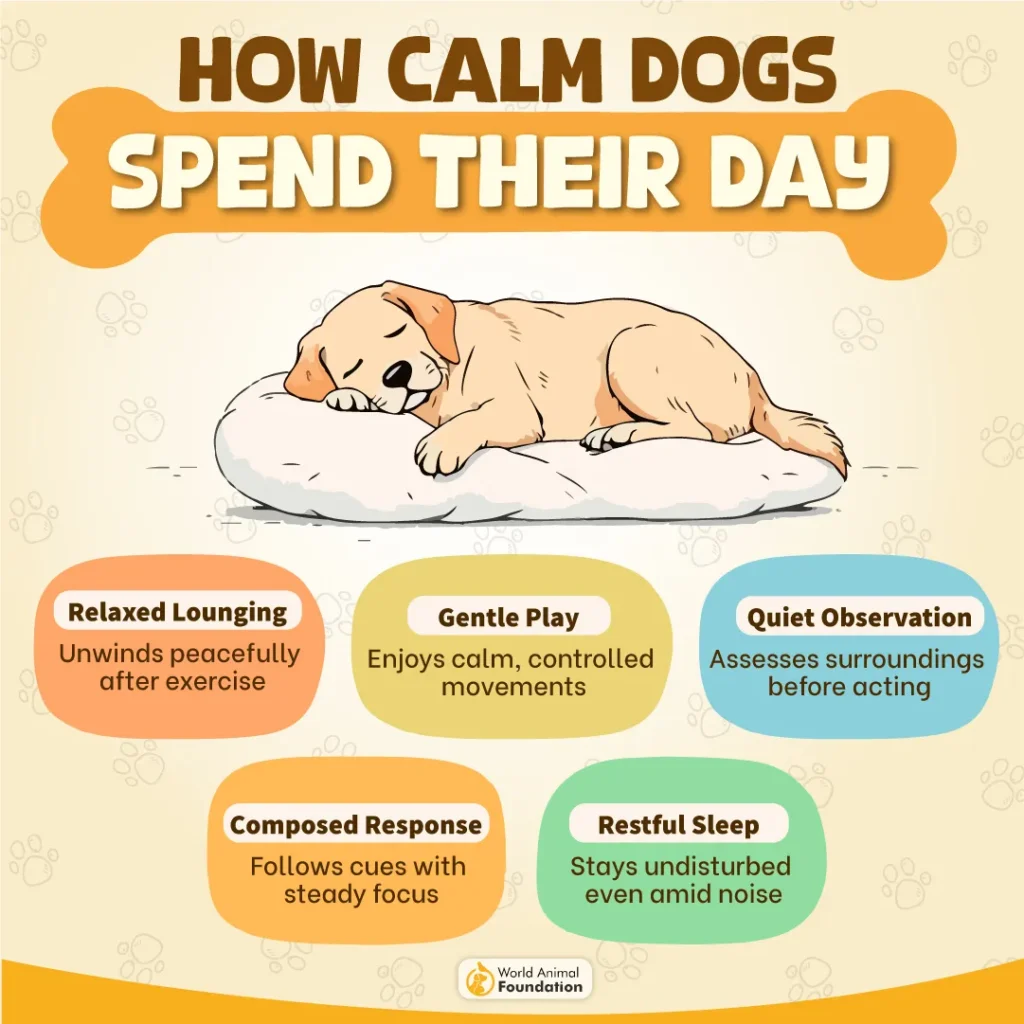
Its gentle temperament suits relaxed home environments with minimal activity. This contrast creates a unique rhythm between bursts of speed and extended rest.
7. Pekingese
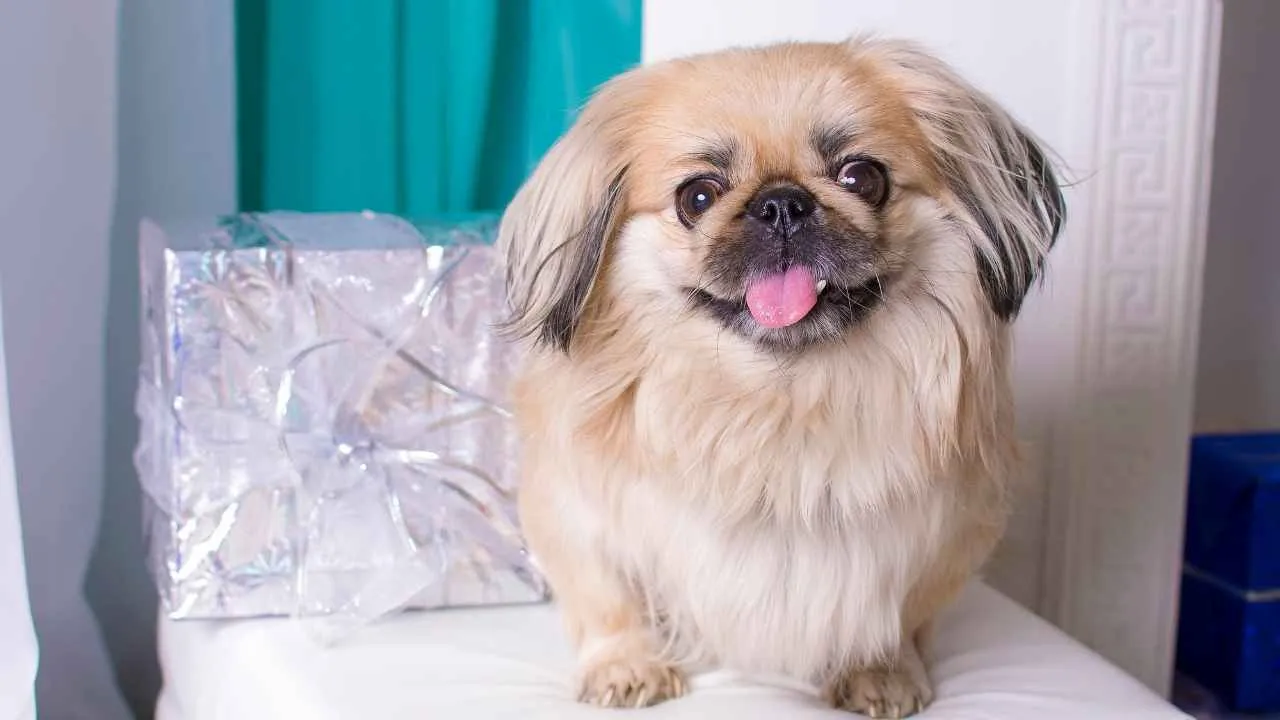
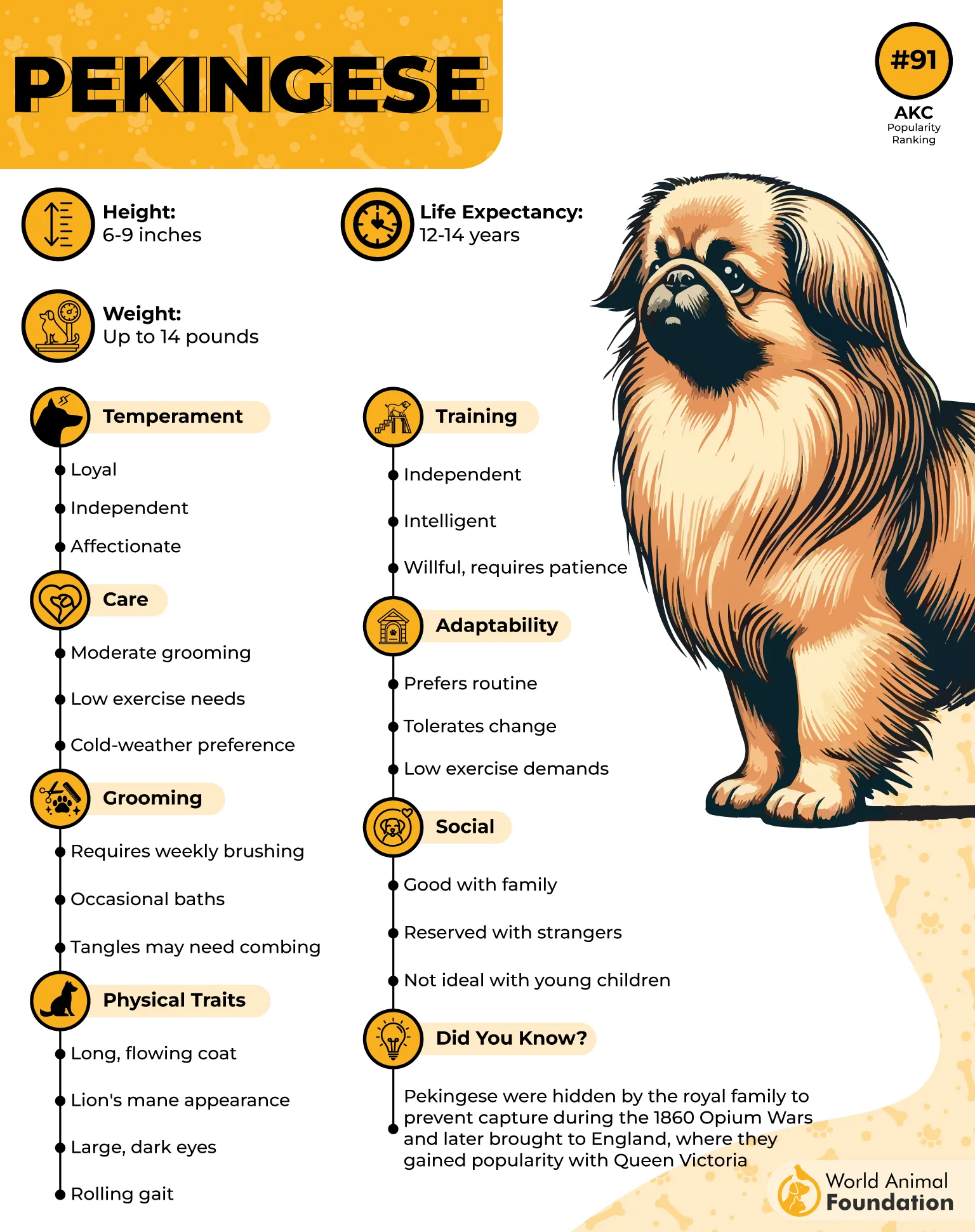
The Pekingese still carries that palace vibe with a calm, confident presence packed into a small, sturdy frame. Its broad, short-muzzled head and large, dark eyes give it a distinctive, expressive face. The signature rolling gait adds to its unique physical identity.
Distinct physical expression
This lovable dog combines structure and movement in a way that feels deliberate, from its envelope-shaped head to its slow, balanced walk. Its form is not built for speed but for presence and controlled motion.
That distinct identity appears through clear features:
Wide, rectangular head with short muzzle
Large, dark, expressive eyes
Characteristic rolling gait
A lifestyle that favors calm settings
It fits comfortably into smaller living spaces, with modest activity needs and a natural inclination toward relaxed indoor time. It remains alert to its surroundings, reacting to unfamiliar presence without constant noise. Its role centers around companionship and quiet awareness.
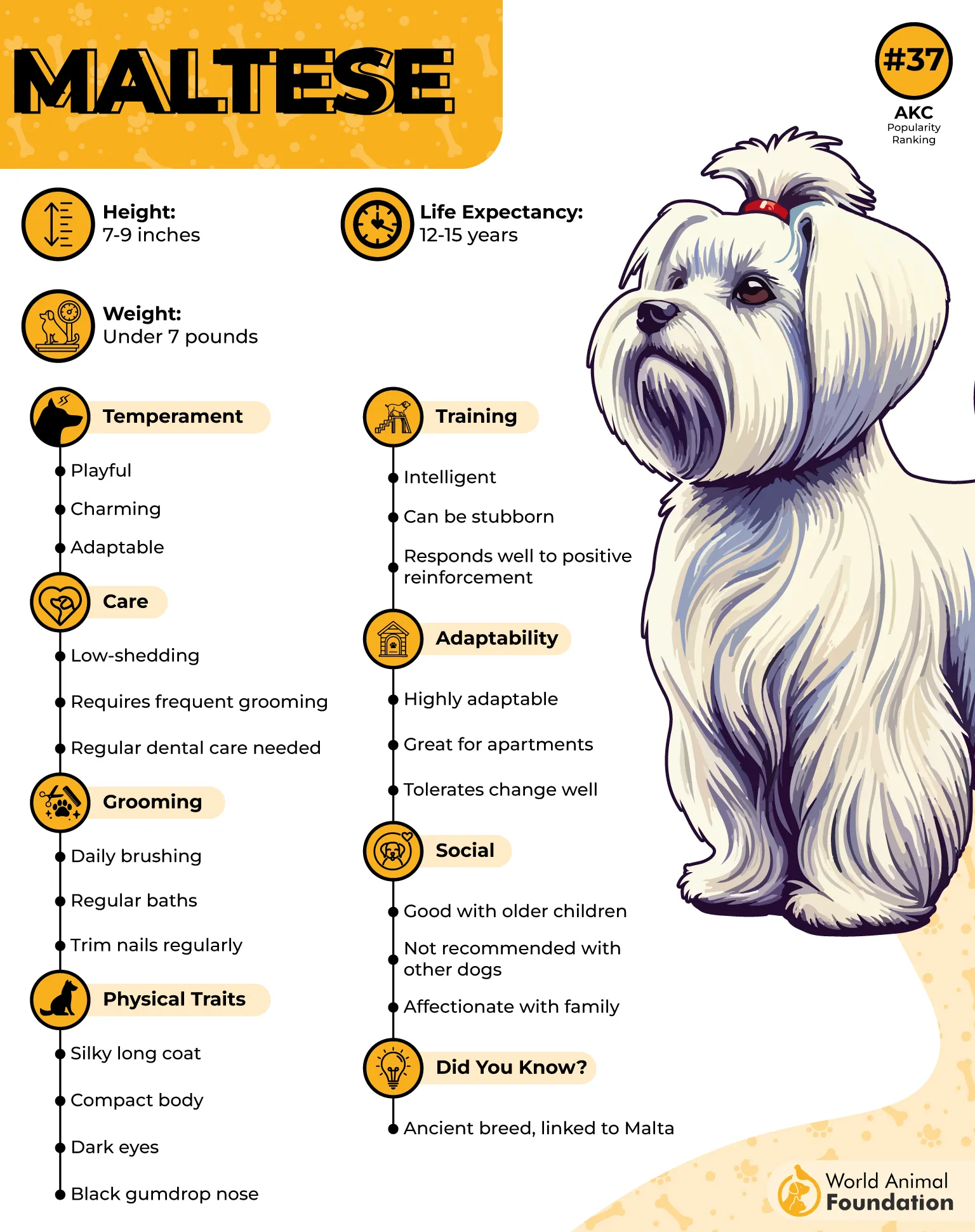
8. Maltese
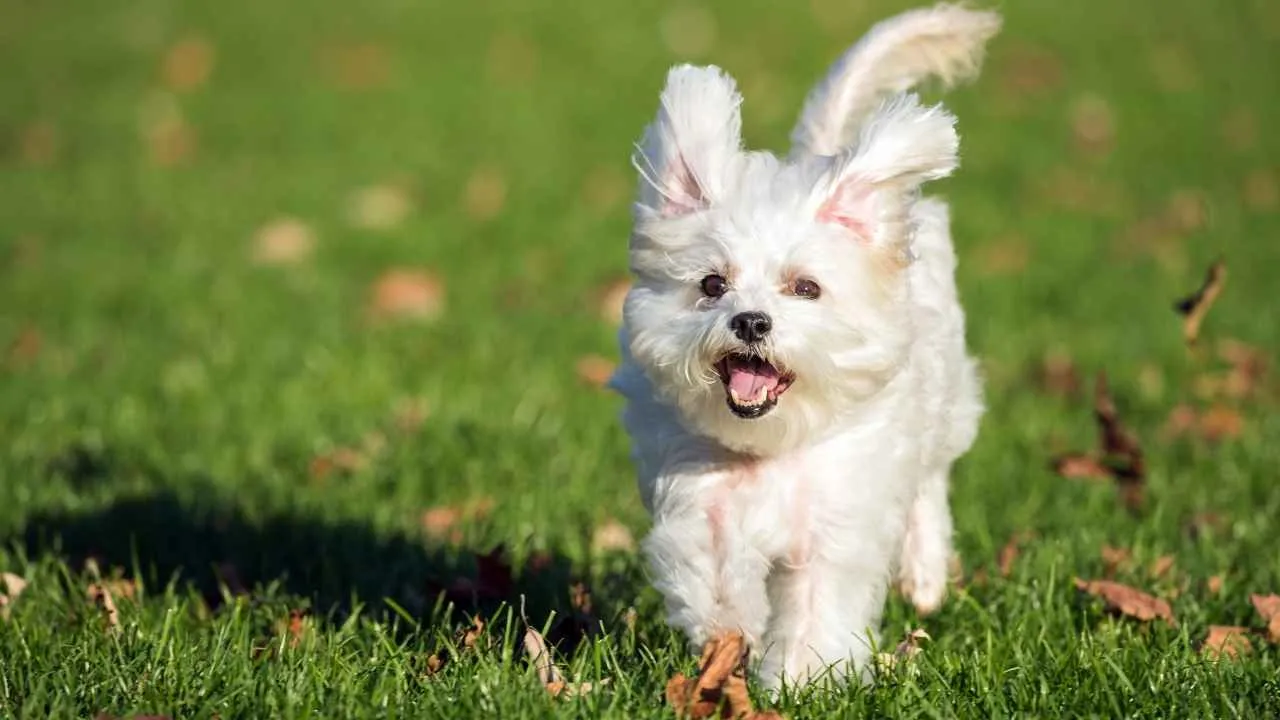
The Maltese has been linked with luxury for centuries, known as “Ye Ancient Dogge of Malta” and long associated with close human companionship.
Its small frame sits beneath a flowing white coat that gives a refined, balanced appearance. The face, marked by dark eyes and a button nose, draws attention instantly.
Distinct traits behind the elegance
It looks delicate at first, but carries an alert and engaging energy throughout the day. Its compact body and silky coat create a recognizable silhouette that feels both light and polished.
A closer look highlights defining features:
Floor-length, straight white coat
Compact body with a smooth, easy gait
Dark eyes paired with a rounded black nose
A lifestyle that fits indoor living
The Maltese fits naturally into slower-paced days and keeps happy with a little activity here and there. A brief walk or light indoor play keeps it engaged without demanding long outings. Its size and adaptability make it comfortable within smaller living spaces.
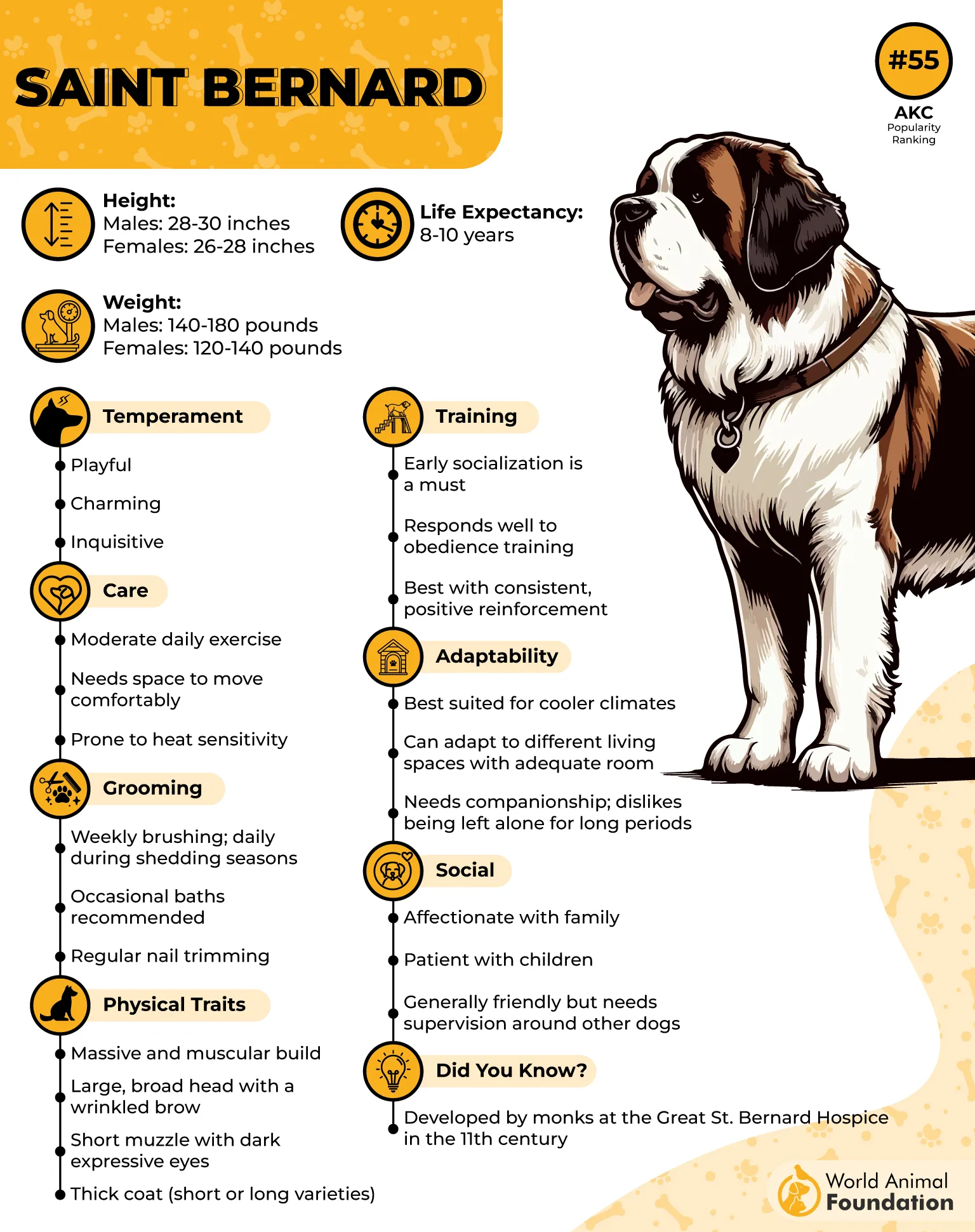
9. Saint Bernard
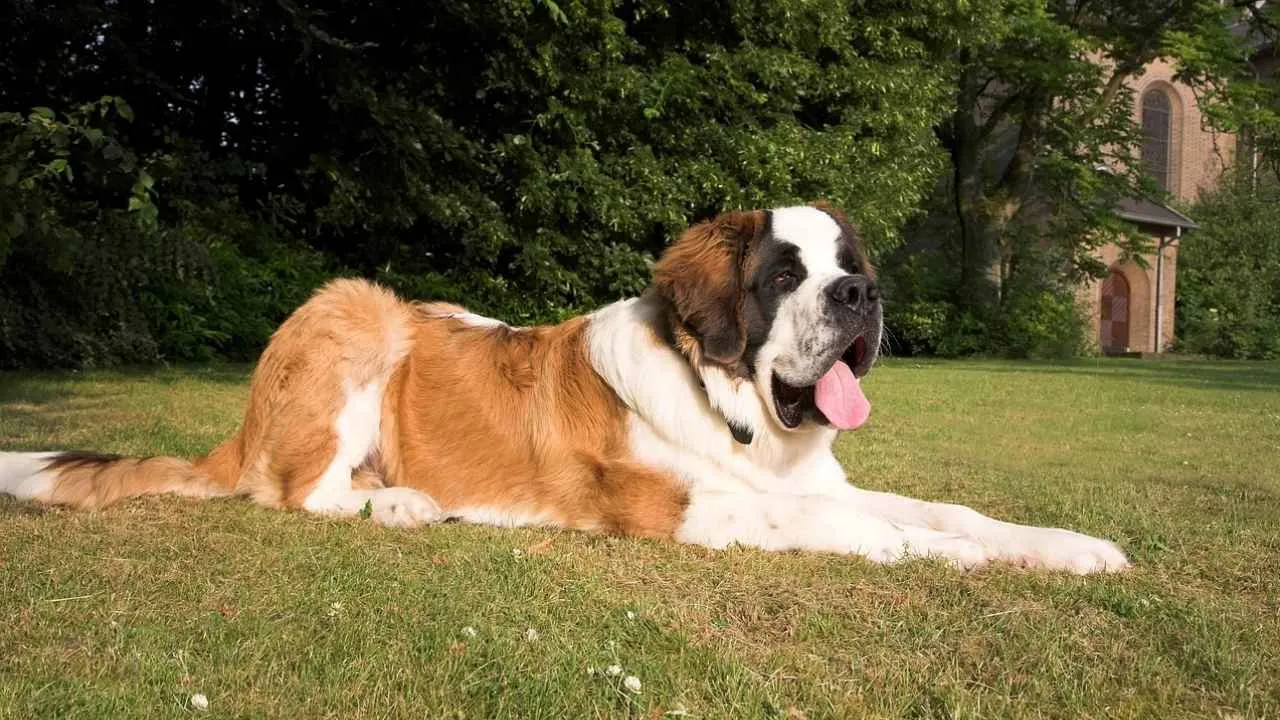
The Saint Bernard brings together a huge frame, a muscular body, and a broad head that forms a warm, approachable expression.
Its wrinkled brow and dark eyes create a look often associated with reassurance in harsh Alpine settings. This combination shaped its identity as a dependable human companion.
Behavior around people and home life
It interacts steadily and patiently, especially around children, often remaining composed during close contact. Its calm temperament leans toward a relaxed routine rather than constant activity.
That personality becomes clearer in daily habits:
Comfortable around children without agitation
Prefers staying close during quiet routines
Responds gently during interaction
Daily routine and activity level
As a gentle giant, they fit into slower-paced routines, requiring only minimal exercise, including a single long walk or a short play session to stay balanced.
Its size does not translate into constant movement, making it easier to manage indoors. Time spent alongside its person matters more than extended activity.
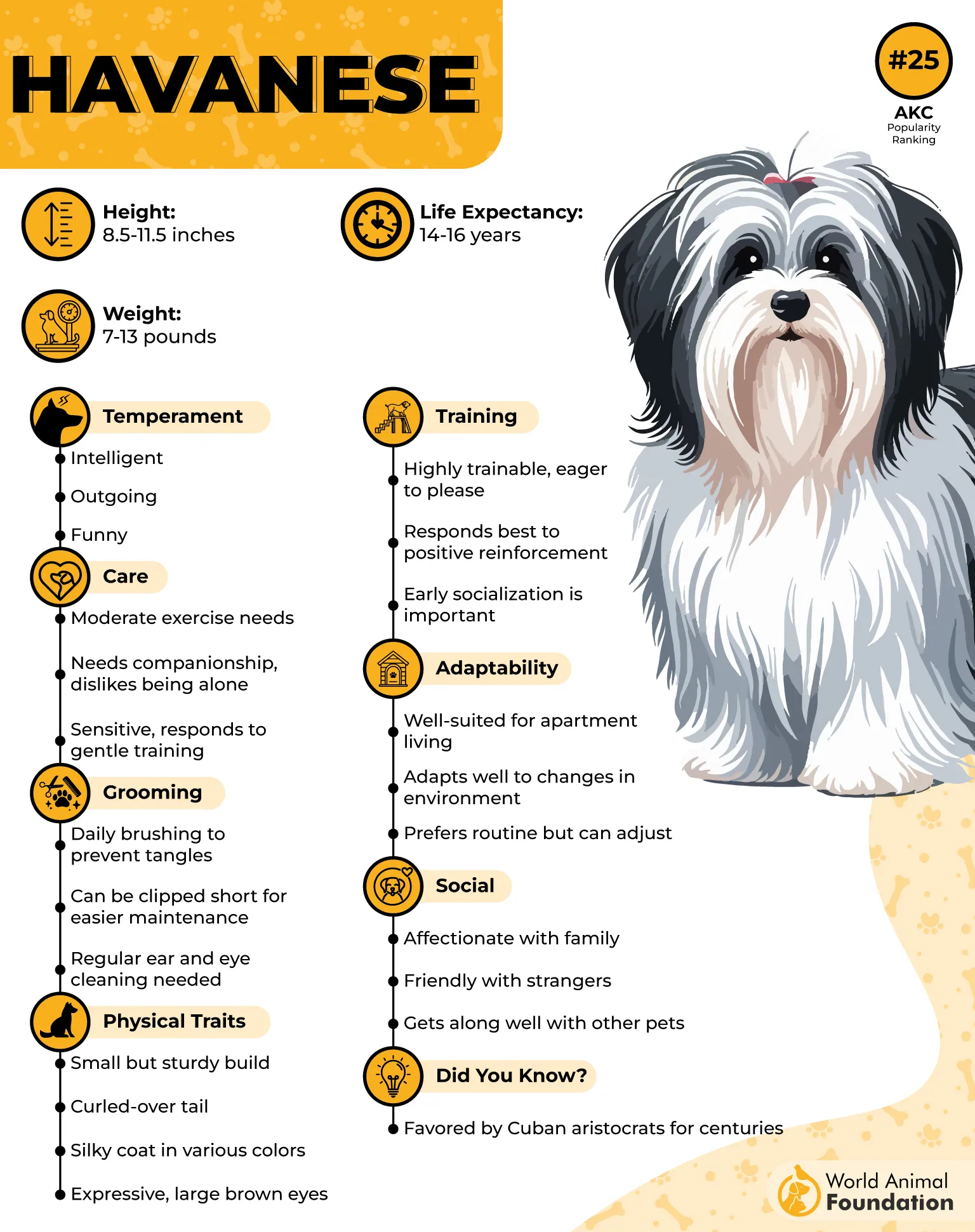
10. Havanese
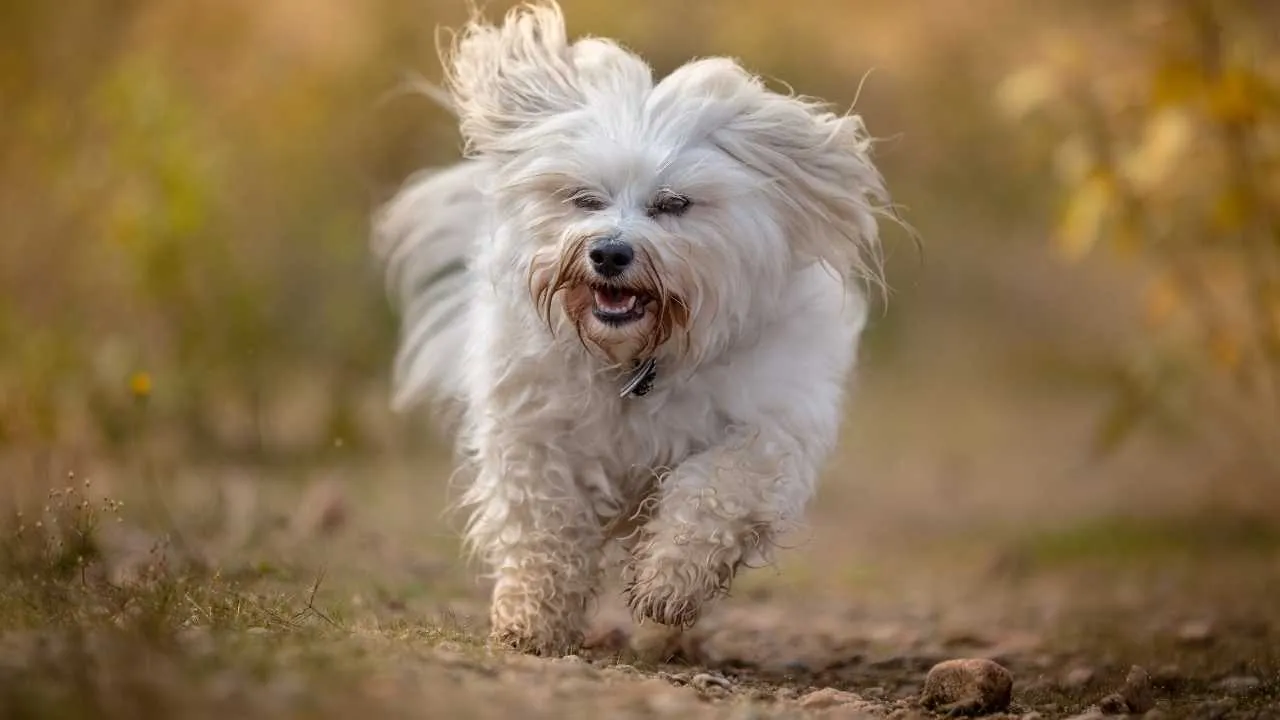
The Havanese brings a cheerful energy shaped by its Cuban roots, recognized through a lively step and bright, expressive eyes.
Its small yet sturdy body suits indoor living while still allowing playful movement. The overall presence feels light, engaging, and constantly aware of people nearby.
Social behavior is built around attention
It has a calm and friendly nature and connects strongly with people, often placing itself where interaction happens and responding quickly to engagement. Its extroverted personality and playful instincts make it naturally entertaining in everyday life.
That personality appears in simple, clear ways:
Performs tricks with ease and enthusiasm
Seeks interaction with both familiar and new people
Responds quickly during playful engagement
Adaptability within indoor routines
The Havanese slips into city life with ease, staying comfortable in smaller spaces without needing nonstop outdoor time. Light play indoors or a short walk keeps energy balanced throughout the day. Grooming flexibility adds another layer of convenience depending on preference.
Conclusion
At some point, the difference becomes easy to notice. The house feels the same, but something about it works better. These calmest dog breeds do not bring constant motion or noise into the room, and their affectionate nature stays quiet rather than overwhelming. They stay settled, adjusting to the pace already there instead of changing it.
That is what makes them easier to live with over time, especially in a relaxed lifestyle. There is no need to keep managing energy or filling every moment with activity. The balance holds on its own. What you get is one of those charming companions that fits into the day as it is, without asking for more than what naturally exists around it.
