




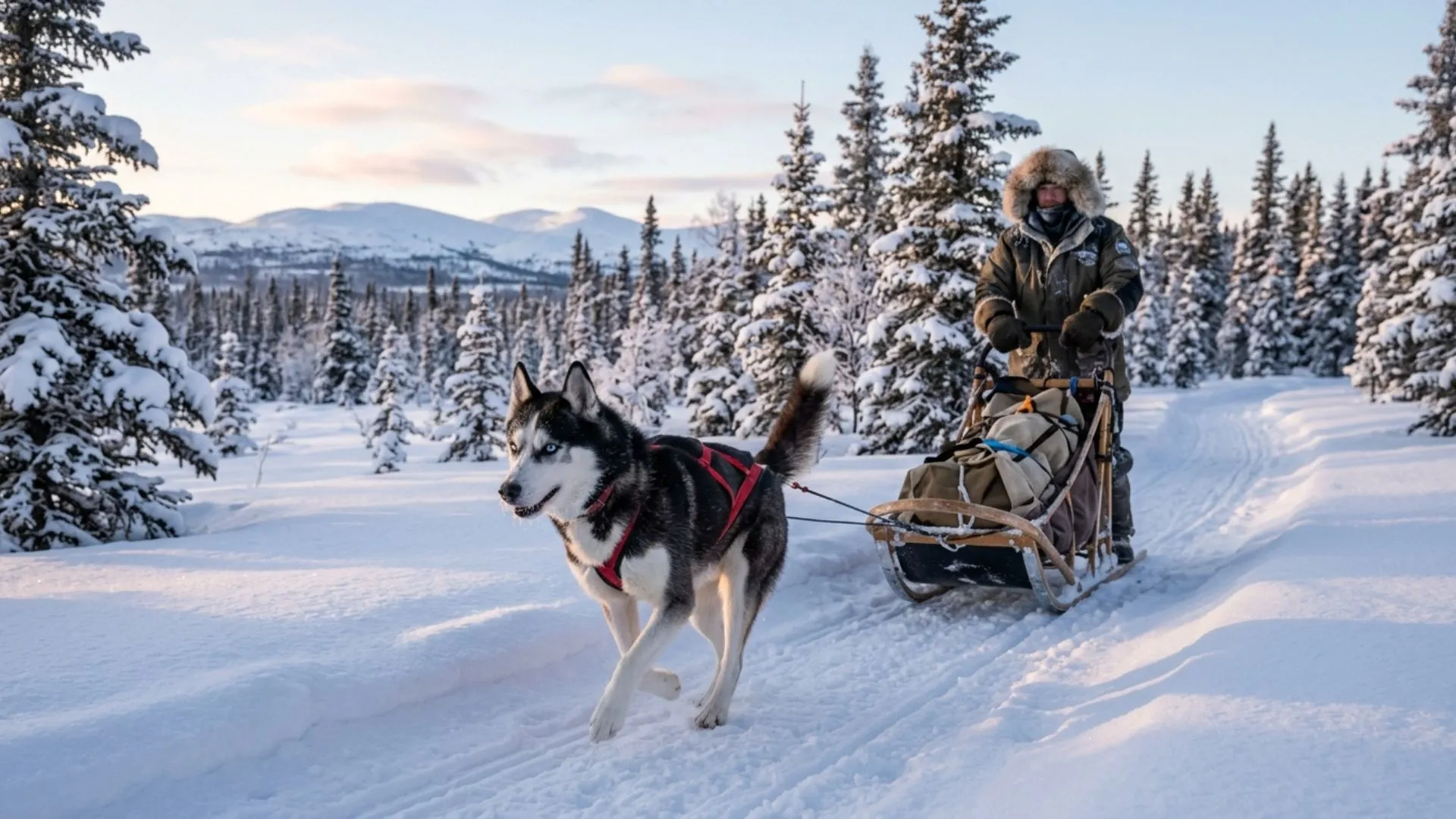
Not all dogs are suited for the unpredictability of the wilderness. While many enjoy the outdoors, only certain breeds are truly equipped to handle rugged terrain, shifting weather, and long, demanding journeys. These dogs are shaped by generations of working in harsh environments, where endurance, control, and adaptability matter far more than simple energy or enthusiasm.
What sets these breeds apart is a powerful combination of physical strength and mental resilience. They maintain balance on uneven ground, adapt quickly to new challenges, and move with steady confidence across forests, mountains, and open landscapes. Traits like strong paws, weather-resistant coats, sharp instincts, and reliable obedience make them dependable partners in environments where focus and stability are essential.
Choosing the right feral companion requires careful consideration of both lifestyle and environment. These dogs need proper training, mental and physical stimulation, nutrition, and consistent engagement to thrive. When matched correctly, they become more than just pets—they become capable, loyal partners who can handle demanding conditions while sharing in every adventure the wild has to offer.
Hardy Dog Breeds That Excel in Wilderness
1. Norwegian Elkhound
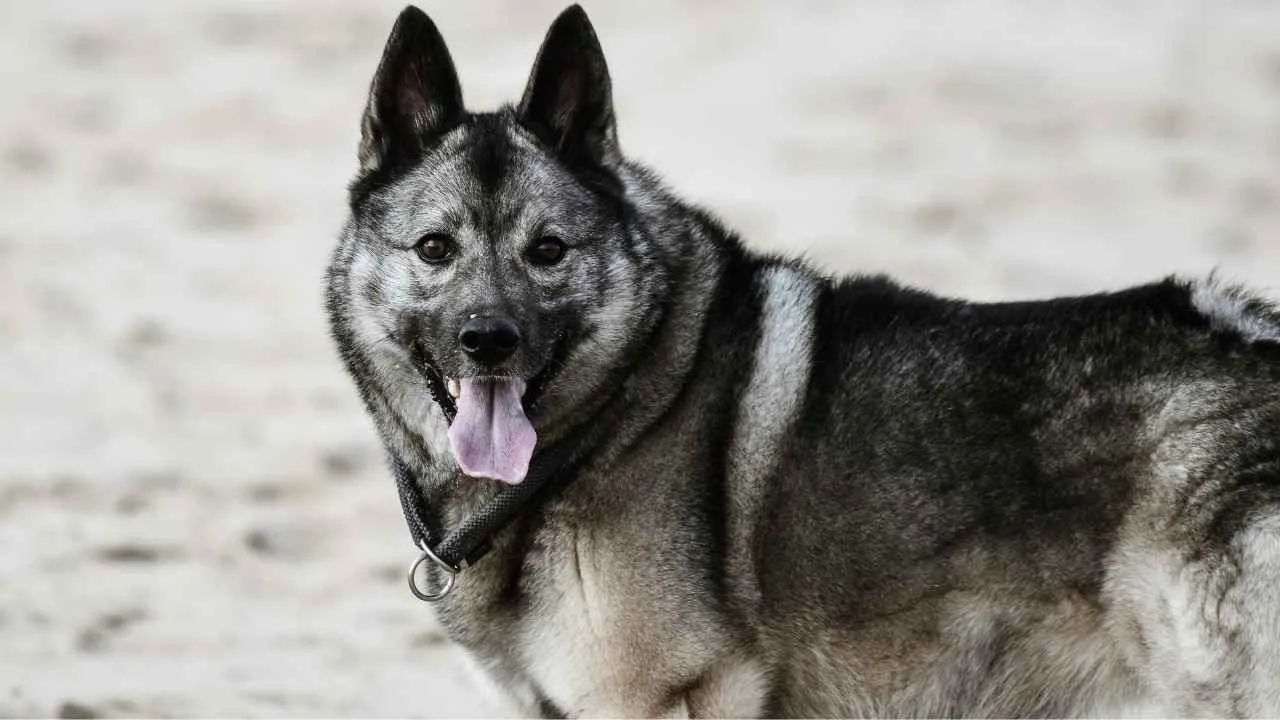
The Norwegian Elkhound, often called the Elkie, is one of the best dog breeds. It is a sturdy spitz-type hunting dog known for its dense silver-gray coat and curled tail. With roots tracing back to early northern cultures, this breed was developed for tracking and surviving in rugged, cold landscapes.
According to PetMD, the Norwegian Elkhound is a lively and loyal companion that thrives on regular exercise and mental stimulation. Well-suited to active families, it forms strong bonds when properly trained and socialized, though its thick coat makes it less comfortable in hot climates.
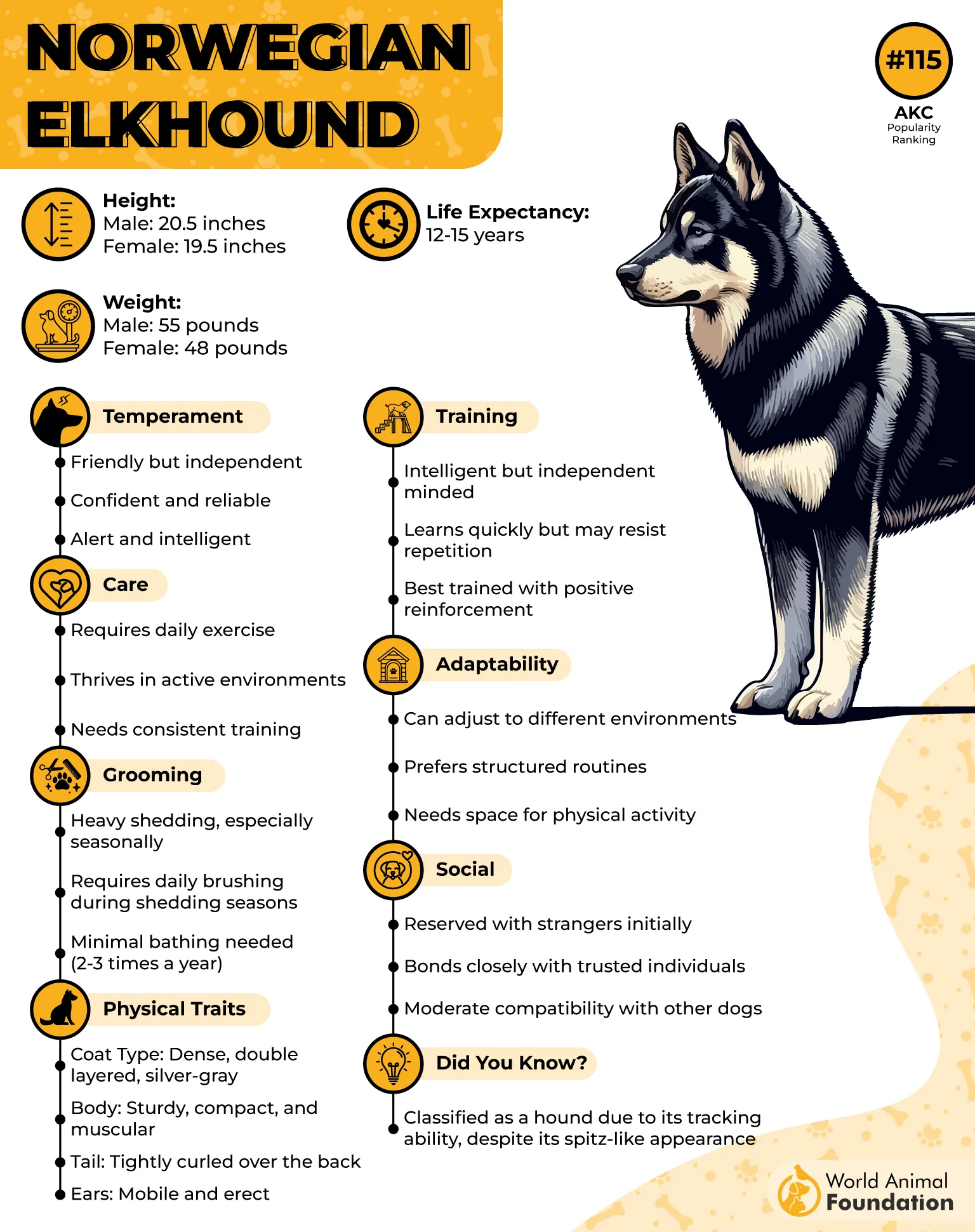
The Tough Explorer Built for Extreme Cold Climates
Norwegian Elkhounds are naturally suited for harsh environments, thanks to their thick, insulating coat that protects them from freezing weather. Their compact and powerful build allows them to move steadily across forests, snow, and uneven terrain.
Bred for endurance, they can travel long distances while tracking scent trails with determination. Their ability to work independently makes them reliable explorers, capable of making decisions while navigating challenging wilderness conditions.
These loyal dogs are energetic and thrive in outdoor settings, enjoying activities that allow them to roam and explore. Their loyalty keeps them closely connected to their owners, even while covering vast ground during movement.
These faithful companions are highly intelligent; they can be somewhat independent and thrive in an active lifestyle, so training requires plenty of exercise and consistency to channel their strong instincts effectively.
Fact: Norwegian Elkhounds have a history linked to Viking times, where they were used to track large game across vast and rugged terrain.
2. Alaskan Malamute
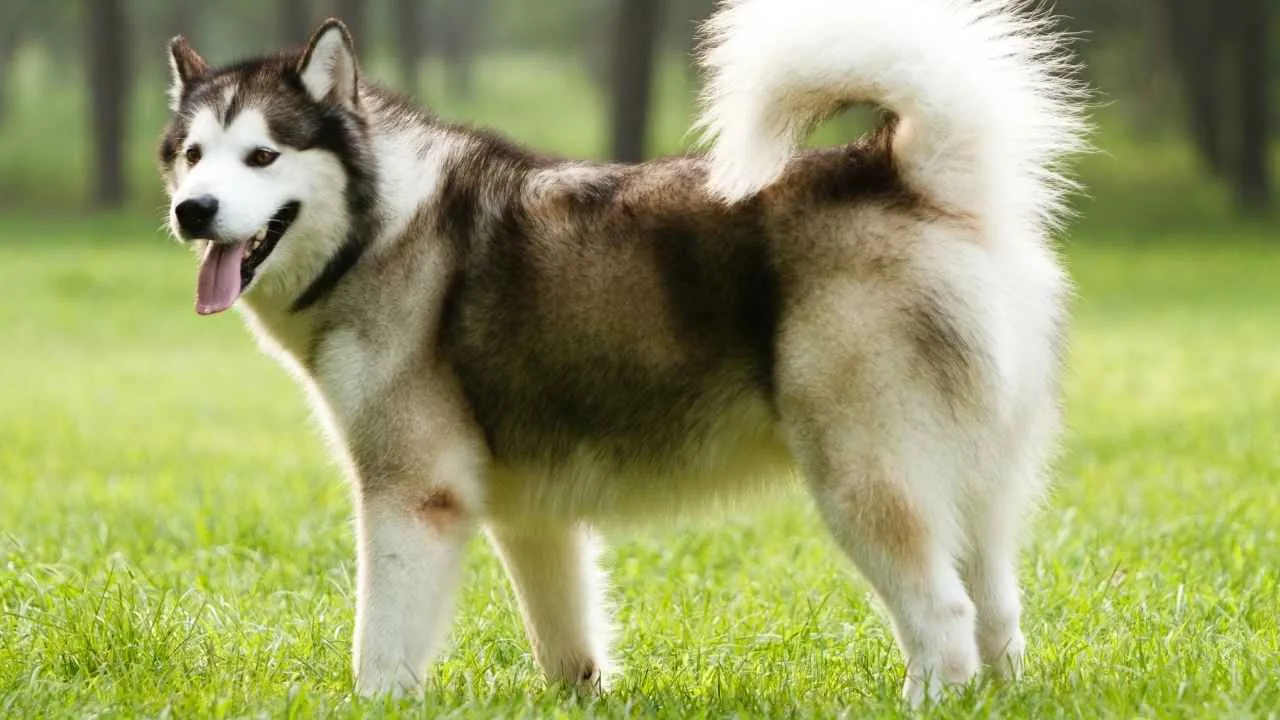
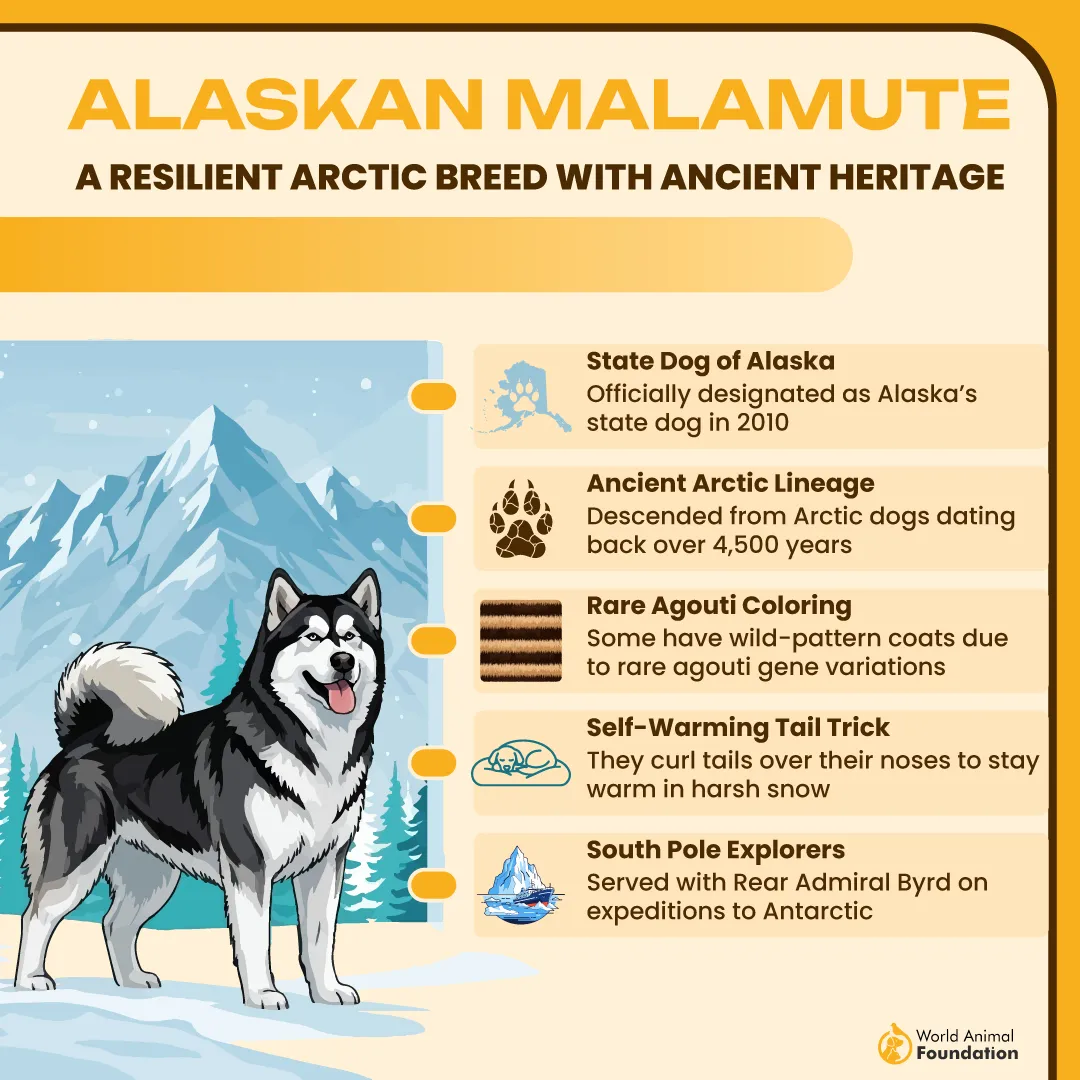
The Alaskan Malamute, often simply called the Malamute, is a powerful Arctic working dog developed alongside Inuit communities of Alaska. Recognized for its thick double coat, broad frame, and immense strength, this breed was shaped by a life of hauling heavy loads across frozen landscapes.
According to WebMD, the Alaskan Malamute is a powerful, highly active, and excellent family dog with a history of endurance work. It thrives on regular exercise and outdoor activities, making it ideal for active owners, though its strong prey drive means early socialization is important around smaller animals.
A Resilient and Athletic Dog That Handles Rough Terrain
Built for demanding environments, the Malamute thrives in snow-covered terrain with ease. Its dense, weather-resistant coat shields it from biting cold, while its wide feet provide steady traction on icy and uneven ground.
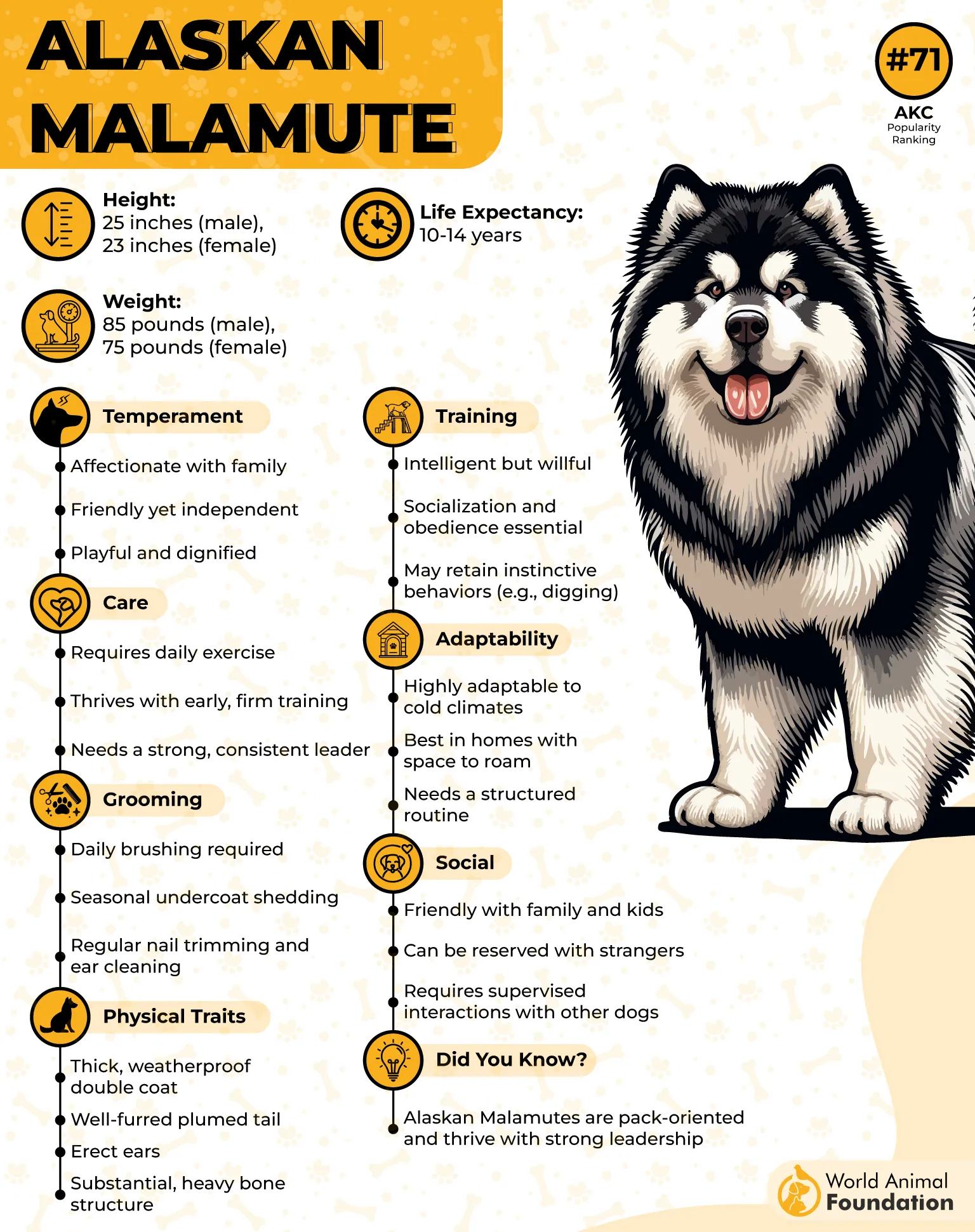
This breed is designed for endurance rather than speed, allowing it to carry heavy loads across long distances. Strong shoulders and a sturdy build enable it to navigate rough terrain while maintaining balance and power.
Highly active and hardworking, Malamutes need regular physical challenges to stay satisfied. Activities like pulling, running, or exploring rugged trails align with their instincts and keep their energy focused.
Though loyal and friendly, these energetic dogs can be strong-willed, requiring consistent training and early guidance. With proper direction, they become dependable companions for outdoor adventures.
Fact: Alaskan Malamutes were traditionally used to haul heavy sleds and assist hunters in tracking and handling large Arctic animals.
3. Akita
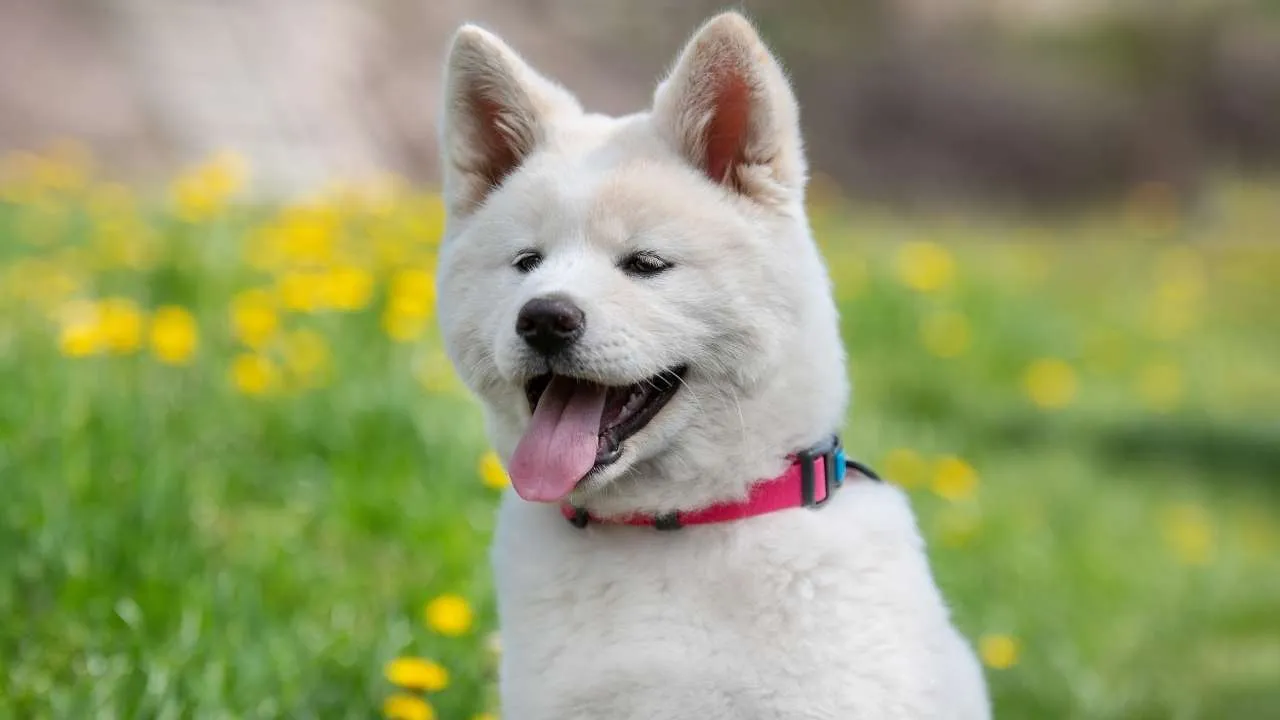
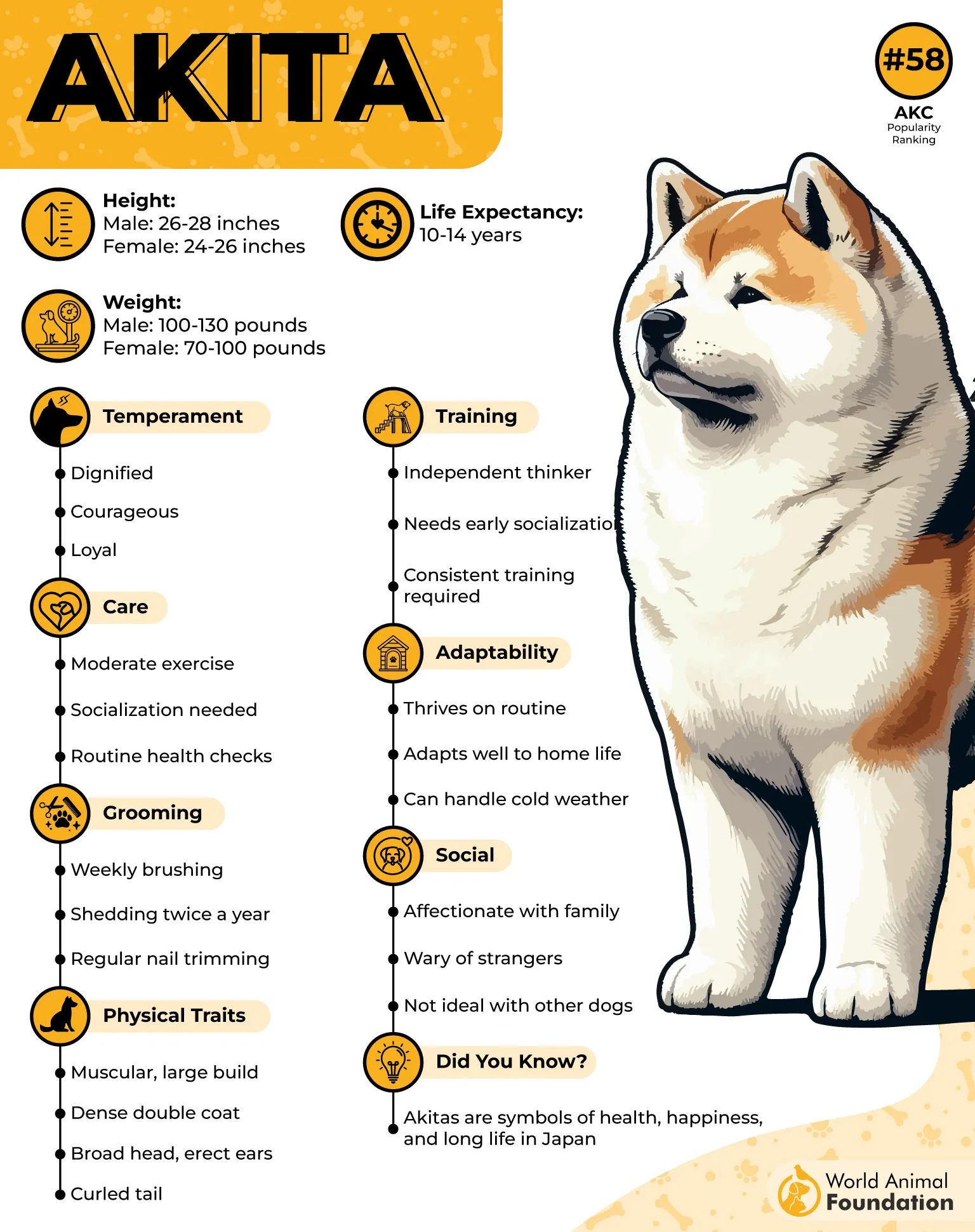
The Akita, also known as the Japanese Akita or Akita Inu, is a powerful hunting breed originating from the mountainous regions of Japan. Recognized for its dense double coat, curled tail, and dignified presence, this dog was developed to track and confront large game in harsh feral conditions.
According to Hill’s Pet, the Akita is a powerful and independent companion known for its loyalty and protective nature. Affectionate with its family but reserved with strangers, it requires consistent training and purposeful activity to stay balanced, as its strength and intelligence demand experienced handling.
The High-Energy Dog Breed That Thrives in the Wild
Adapted to rugged terrain, the Akita possesses remarkable strength and stamina that allow it to move confidently through forests and snowy landscapes. Its dense coat offers reliable protection against cold weather, making it well-suited for outdoor survival like long hikes.
Originally bred to hunt large animals, this breed carries a fearless and focused nature. It relies on independence and sharp instincts when navigating unfamiliar environments, often making decisions without constant guidance.
Akitas form deep bonds with their families and remain highly protective of their territory. However, their reserved attitude toward strangers and dominant tendencies require experienced handling and early socialization.
Their energy and endurance demand consistent physical activity, ideally through structured outdoor tasks. With proper leadership, they become resilient companions capable of thriving in demanding feral settings.
Fact: Akitas were historically bred in Japan to hunt large animals such as boars, deer, and even bears in rugged terrain.
4. Siberian Husky
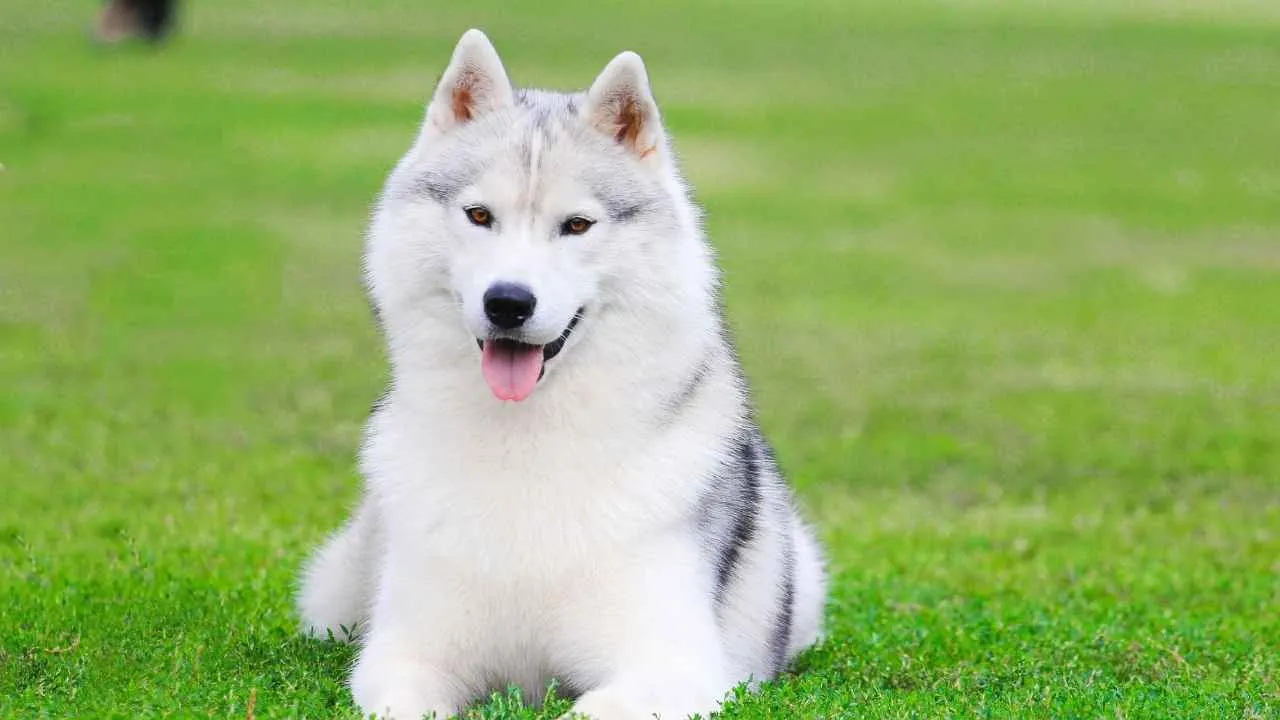
The Siberian Husky, often simply called the Husky, is a compact sled dog developed in northeastern Asia for endurance work in freezing landscapes. Known for its striking eyes, thick double coat, and balanced build, this breed was shaped to travel efficiently across vast, snow-covered terrain.
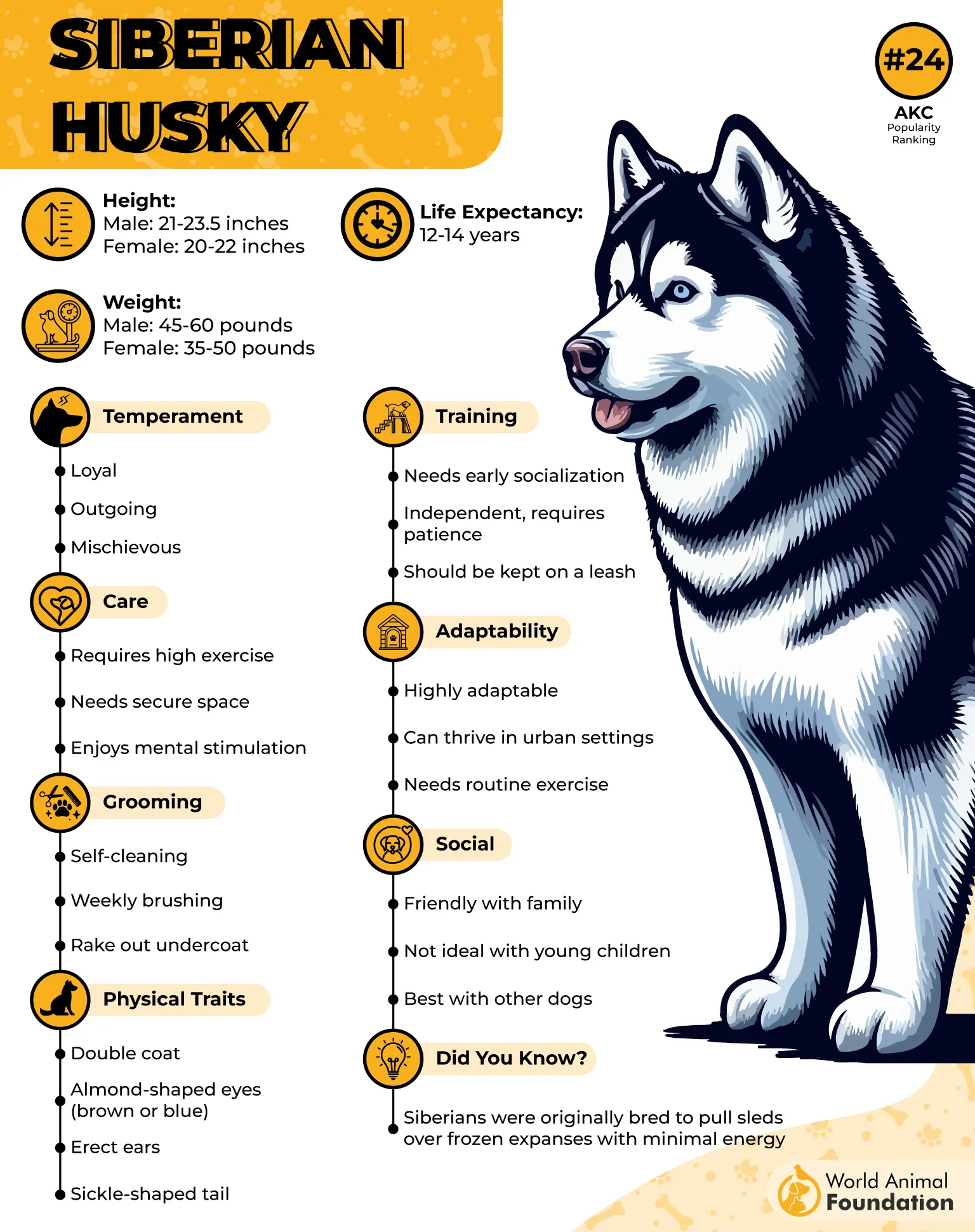
A Fearless and Agile Companion for Remote Adventures
Built for long journeys, the Husky glides with a smooth and energy-saving gait to cover great distances without tiring quickly. Its dense coat provides reliable insulation, helping it remain comfortable in cold and windy backwoods settings.
This breed thrives when working in coordination, naturally aligning its pace and movement with others. Its steady rhythm and ability to pull light loads over extended routes make it an ideal partner for remote exploration.
Highly alert and curious, the Husky responds strongly to movement and surroundings, which add to its adventurous spirit. However, this instinct also means it requires secure handling and consistent training in open environments.
With high energy and a need for structured activity, the Husky excels in outdoor challenges like hiking and running. When properly engaged, it becomes a dependable and excellent companion.
Fact: Siberian Huskies were originally bred to pull light loads over long distances while maintaining steady, energy-efficient movement in harsh conditions.
5. Vizsla
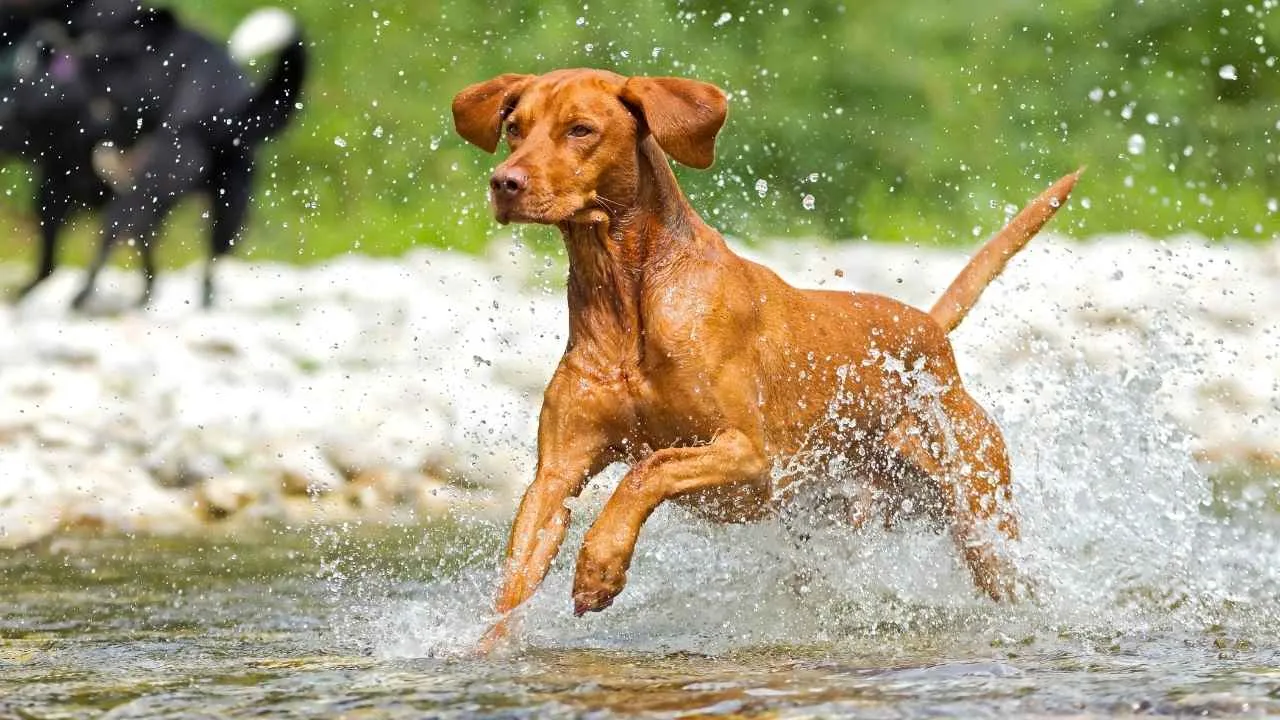
The Vizsla, also known as the Hungarian Pointer, is a sleek and athletic hunting dog recognized for its golden rust coat and close bond with humans. With a lean build and expressive nature, this breed was developed to work side by side with people in open wild terrain.
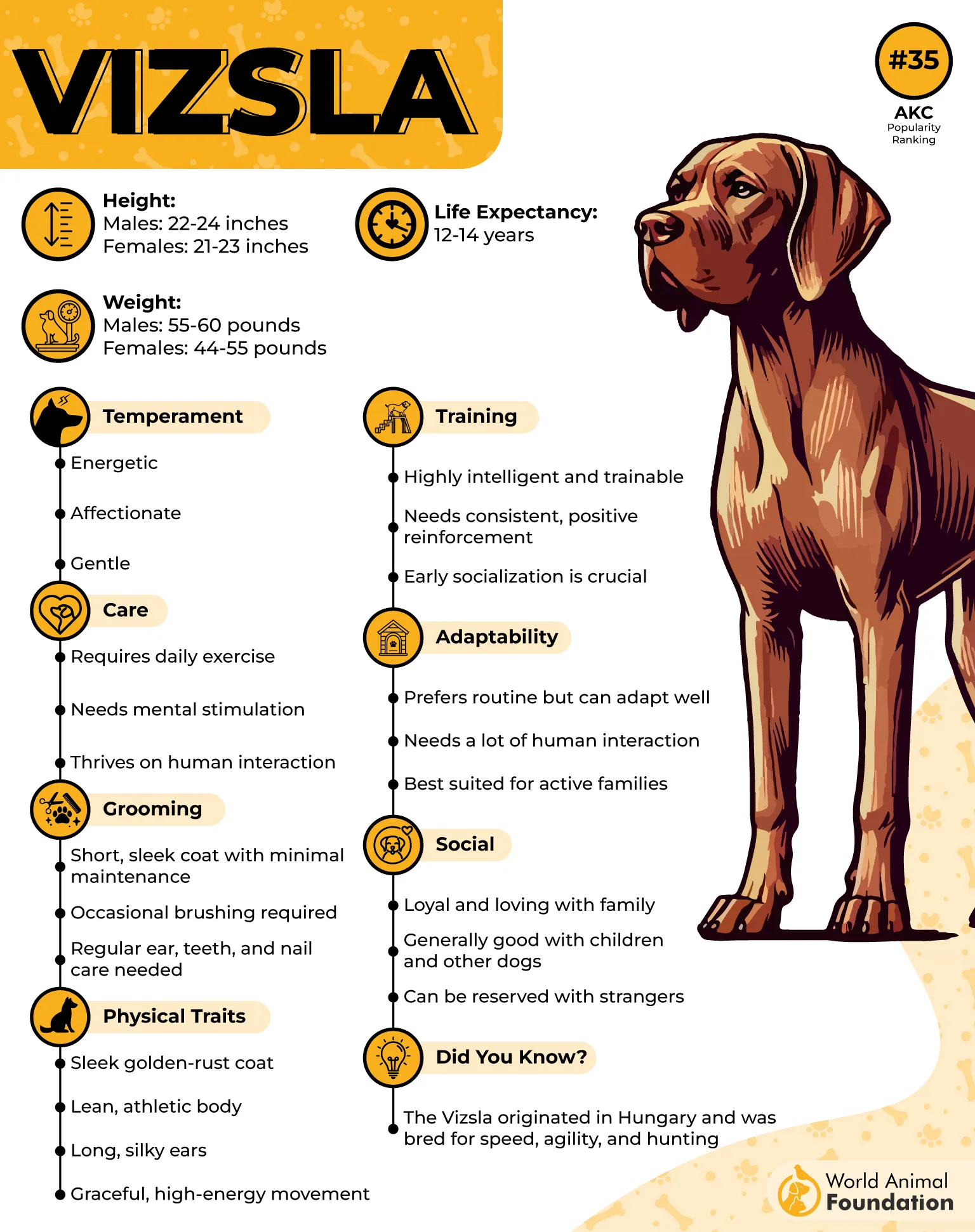
An Extremely Intelligent Working Dog That Excels in Survival Situations
Highly adaptable in outdoor settings, the Vizsla combines speed, stamina, and awareness to navigate forests and open trails with ease. Its light frame and smooth gait allow it to travel long distances without tiring, making it well-suited for extended exploration.
This breed is deeply connected to its handler, often staying close rather than wandering far. Its strong instinct to cooperate makes it reliable in unfamiliar environments, where communication and responsiveness are essential.
Energetic and eager to work, the Vizsla thrives when given purpose through running, tracking, or active tasks. It requires consistent engagement and positive guidance, as its sensitive nature responds best to encouragement rather than harsh training.
Its short coat helps regulate body temperature during intense activity, allowing it to perform well even during demanding outdoor conditions.
Fact: The Vizsla is often called a “Velcro dog” because of its strong tendency to stay close to its owner at all times.
6. Bernese Mountain Dog
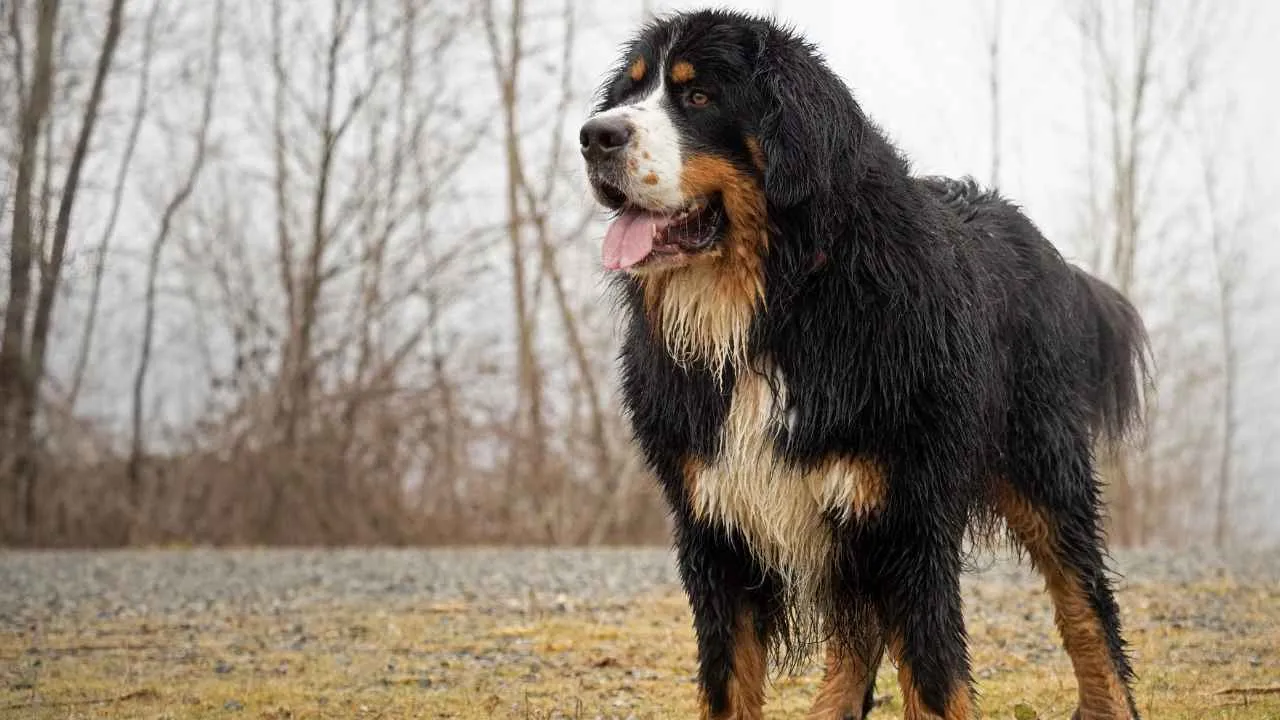
The Bernese Mountain Dog, often called the Berner, is a Swiss working breed known for its striking tricolored coat and sturdy build. Developed in the Alpine regions, it combines strength, balance, and a calm temperament, making it both a capable worker and a great companion.
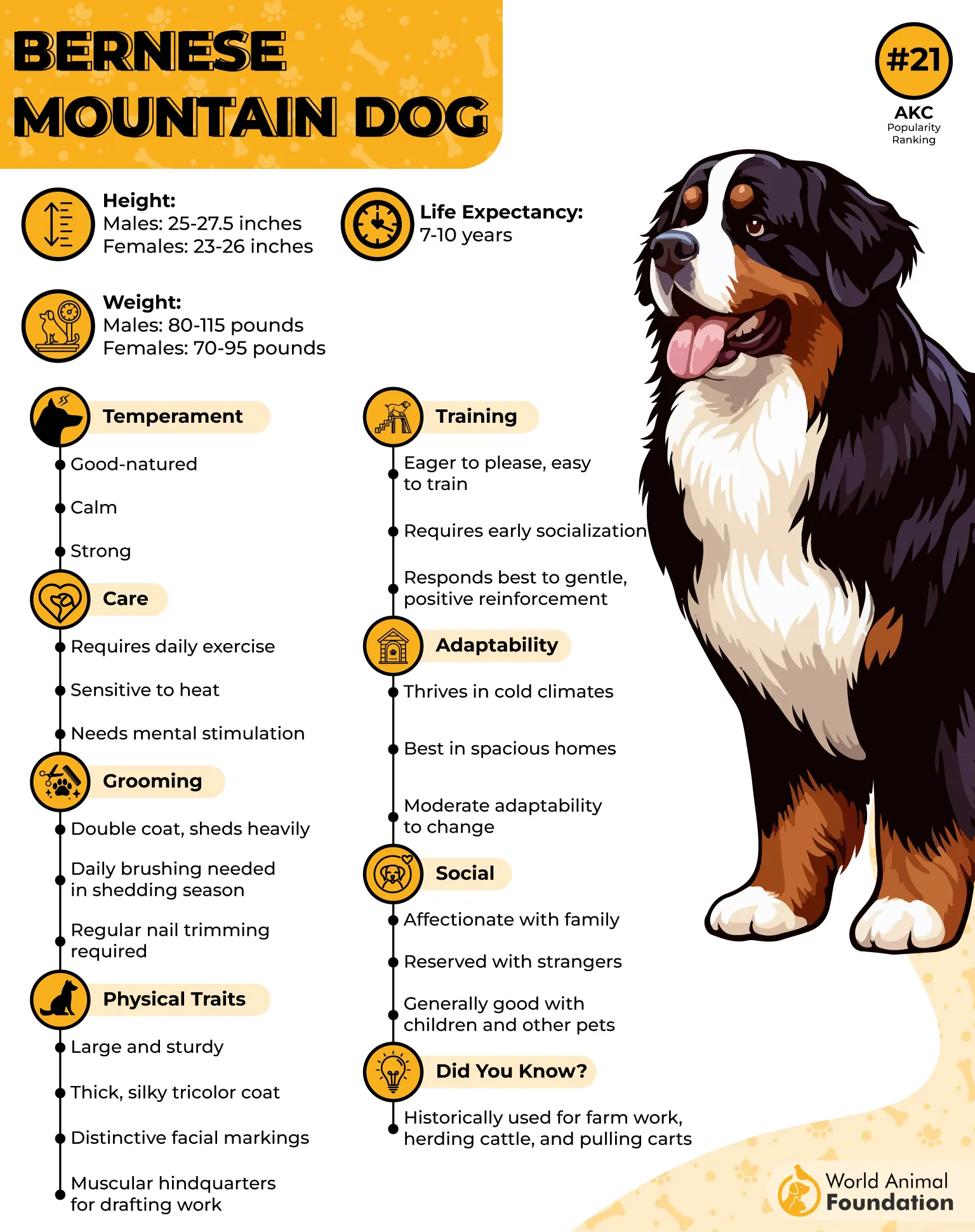
A Rugged and Livestock Guardian Breed That Loves Open Landscapes
Well-suited to outdoor environments, the Berner thrives in cool, open landscapes where its thick fur protects against cold conditions. Its strong frame keeps it moving confidently across uneven terrain while maintaining steady endurance.
Originally bred for farm work, this breed excels in tasks that involve pulling, carrying, and navigating long distances. Its broad chest and muscular structure support physically demanding activities without excessive strain.
Despite its working roots, the Berner is gentle and even-tempered, forming close bonds with its family. It enjoys outdoor adventures but also prefers staying connected to its people, rather than being left alone for long periods.
Moderate energy levels make it suitable for extended walks, hiking, and structured outdoor tasks. With proper care and activity, it remains a reliable partner in both rugged settings and relaxed environments.
Fact: Bernese Mountain Dogs were traditionally used in Switzerland to pull carts and assist with farm work in mountainous terrain.
7. Rhodesian Ridgeback
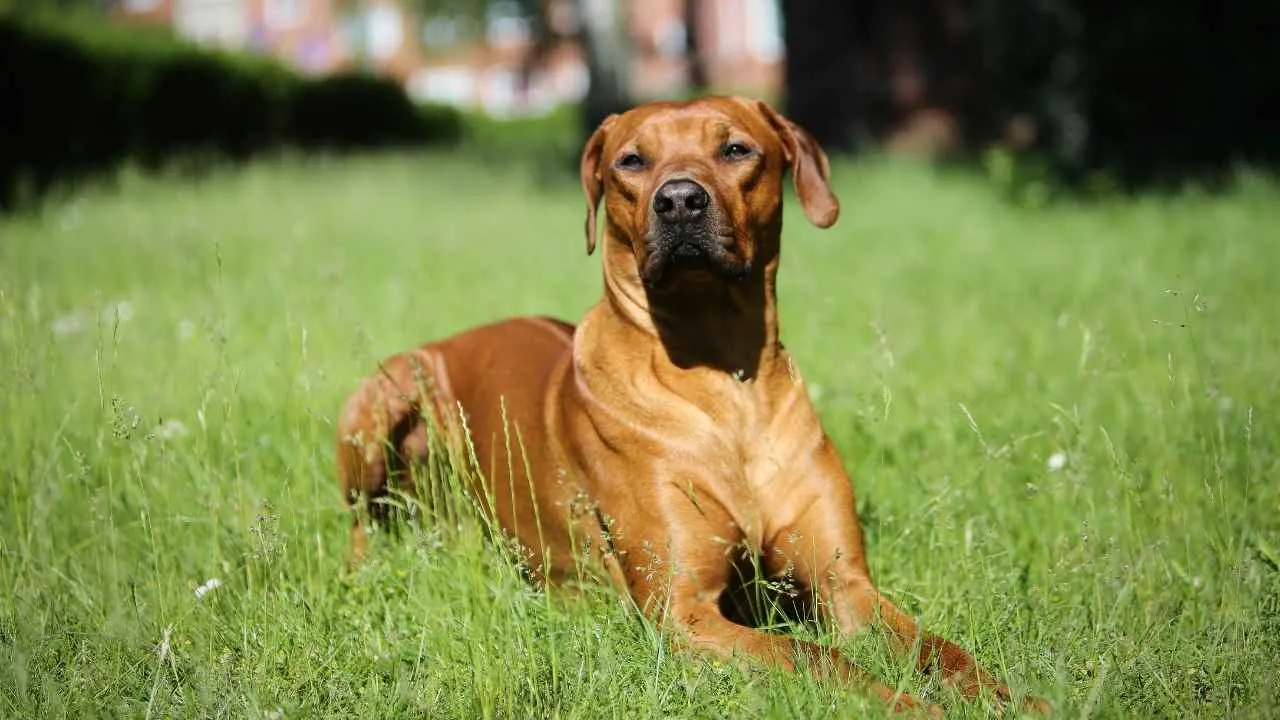
The Rhodesian Ridgeback, often called the African Lion Hound, is a powerful and athletic breed known for the distinctive ridge of hair running along its back. Originating in Africa, it was developed for tracking large game, combining strength, endurance, and a sleek, heat-tolerant coat.
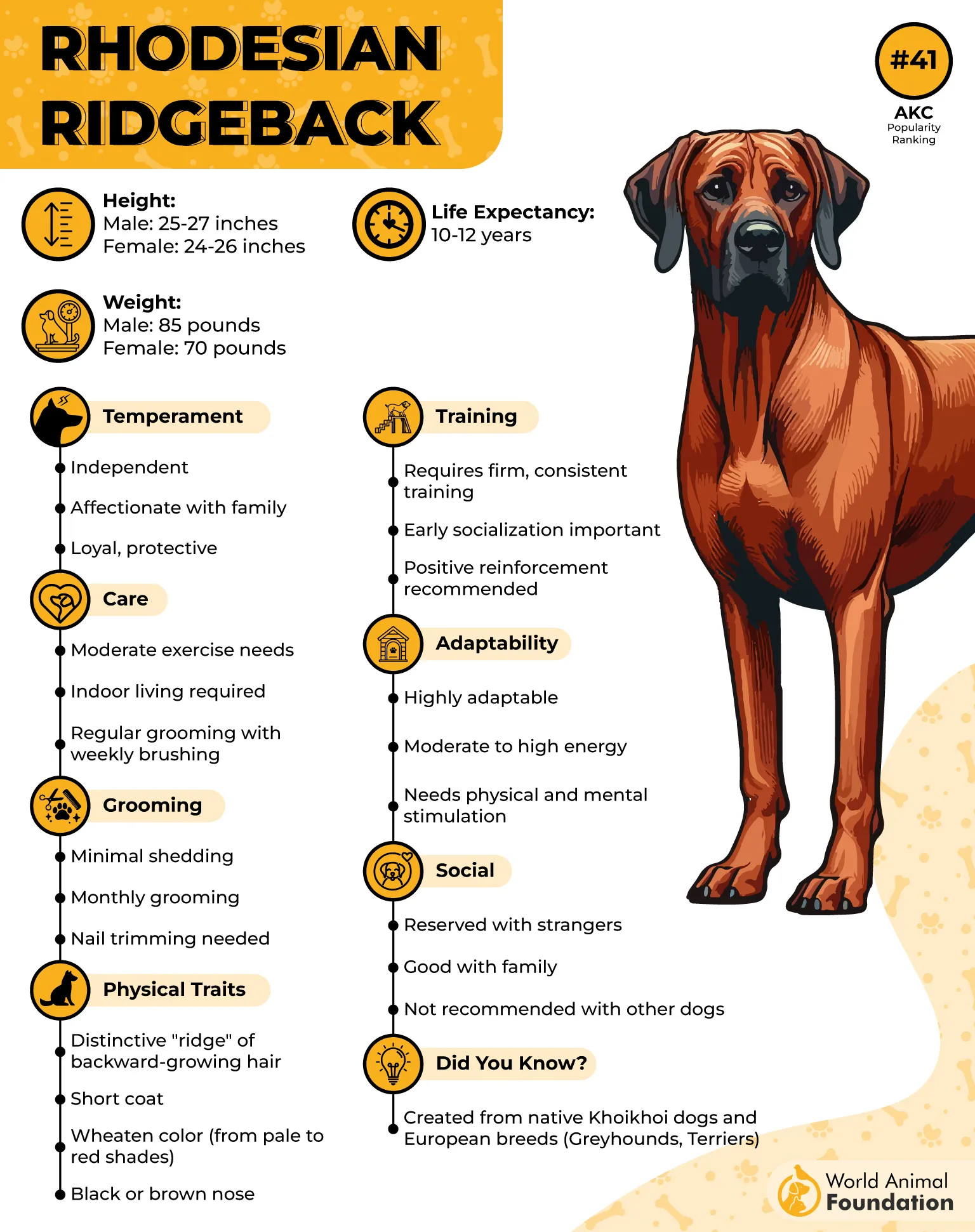
The Loyal Wilderness Partner That Never Backs Down
Built for rugged terrain, this breed excels in hot and demanding environments where many others struggle. Its short coat and tough paw pads protect rough ground, allowing it to move confidently across rocky paths and sun-scorched landscapes.
With a history rooted in tracking and confronting large animals, the Ridgeback carries a fearless and determined nature. Its agility and stamina make it a strong companion for hiking, climbing, and long outdoor excursions.
Though deeply loyal to its family, this breed tends to be reserved around unfamiliar people and requires early socialization. Its independent mindset means consistent training and clear guidance are essential for balanced behavior.
Active yet composed, the Ridgeback enjoys both outdoor challenges and quiet time with its owners. When properly trained and engaged, it becomes a dependable and protective partner in wild settings.
Fact: Rhodesian Ridgebacks were originally used by African hunters to track lions, showcasing their courage, endurance, and resilience.
Conclusion
Hardy dog breeds built for wildlife share strength, endurance, and natural adaptability. From snow-covered trails to rugged terrain, these dogs thrive where conditions demand resilience and steady performance.
Many of these breeds were shaped by history to work alongside humans in harsh environments. Whether pulling loads, tracking game, or navigating vast landscapes, their instincts remain sharp and purposeful.
Their physical traits, including dense coats, strong frames, and efficient movement, allow them to handle extreme climates with confidence. Combined with intelligence and stamina, they become reliable and loving companions in challenging outdoor settings.
With proper training, activity, and care, these dogs offer more than capability; they bring loyalty and companionship. In the field or on the trail, they stand as dependable partners ready to face every adventure.
