




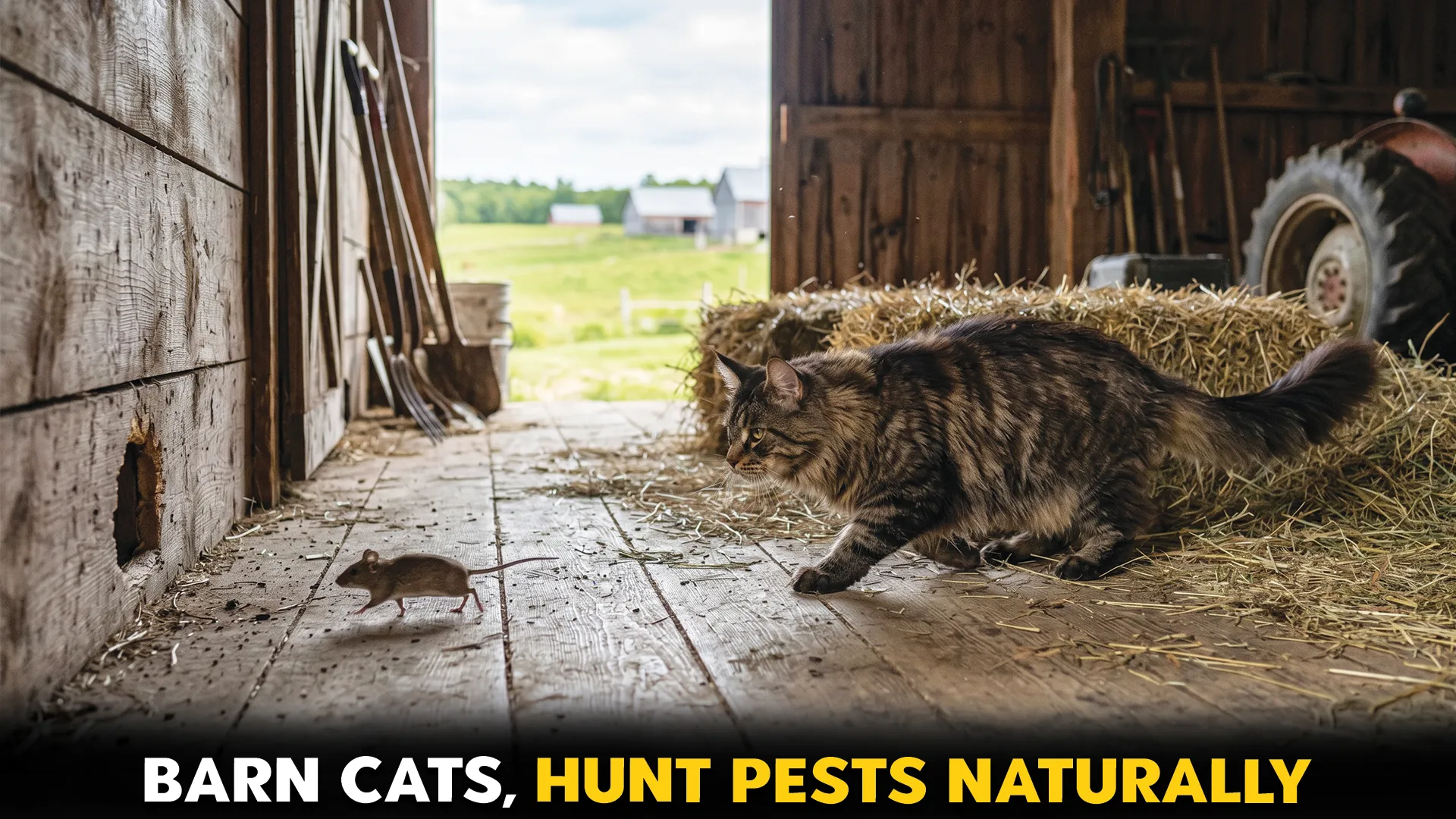
Barn cats have long been essential partners in rural life, valued not just as companions but as skilled hunters. For generations, these cats have protected barns, granaries, and storage areas from rodents, pest control, helping maintain clean and safe farm environments. While modern farming has changed many practices, the role of a reliable farm cat remains just as important today.
Certain cat breeds naturally excel in farm settings due to their hardy nature and strong instincts. These cats are typically independent, adaptable, and capable of thriving in outdoor conditions. Their sharp hunting skills and alertness make them effective at controlling pests, while their resilience allows them to handle the challenges of rural life with ease.
Choosing the right farm cat involves understanding both temperament and environment. The ideal barn cat is not overly dependent on constant human attention but still forms a connection with its surroundings. By selecting a breed with the right balance of toughness and instinct, you can ensure a productive partnership that benefits both your farm and your feline companion.
Best Farm Cat Breeds
1. American Shorthair
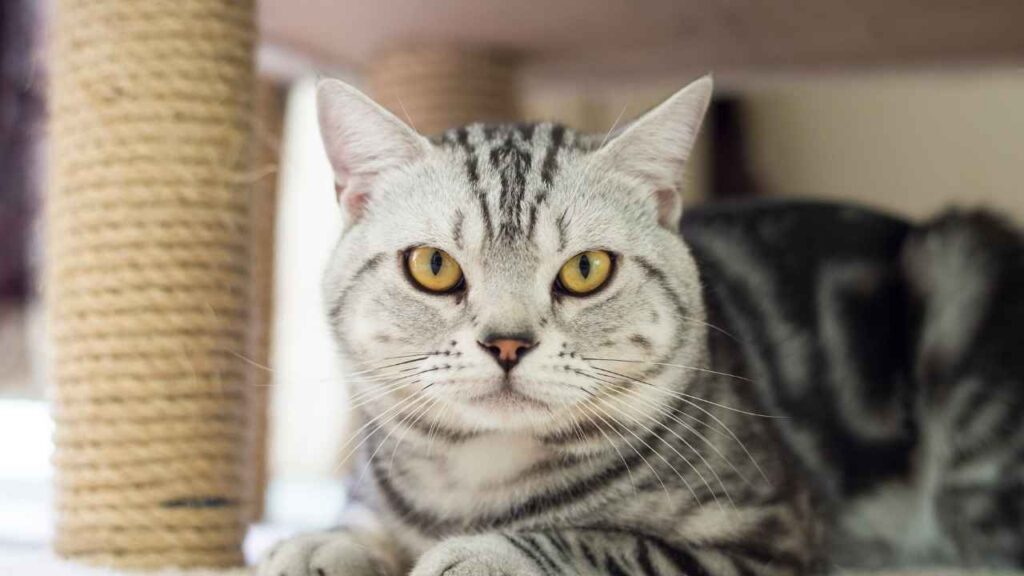
The American Shorthair is a sturdy and adaptable breed with a long history as a skilled farm companion. With its muscular build and calm expression, it blends strength with a relaxed demeanor.
According to Royal Canin, the American Shorthair retains strong hunting instincts from its history as a rodent catcher. Agile and alert, it naturally enjoys chasing and tracking, reflecting its skilled and practical hunting ability.
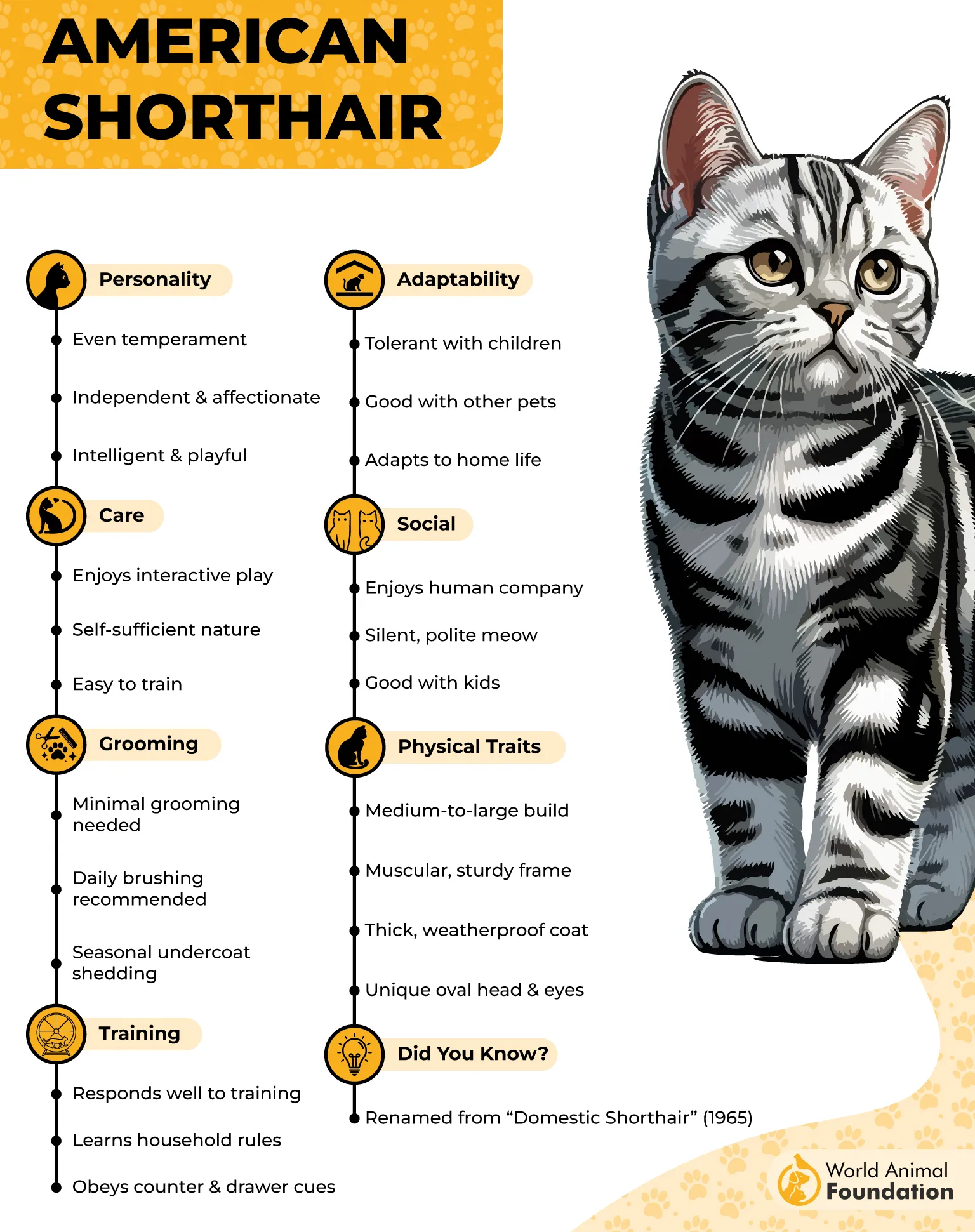
The Expert Mouser Known for Exceptional Hunting Skills
This breed is highly valued for its natural hunting instinct, developed over generations of controlling rodents on farms and ships. Its patience and focus make it an efficient and reliable mouser in rural settings.
Its short, dense coat is easy to maintain and well-suited for outdoor life, allowing it to move freely without requiring constant grooming. This practicality adds to its appeal as a hardworking farm cat.
Beyond its working abilities, this cat is friendly, independent, and quietly observant, often bonding with its family while still enjoying its role as a hunter. Its balanced personality makes it both a useful and pleasant presence on the farm.
Fact: The American Shorthair traces its roots to cats brought by early settlers to protect food supplies from rodents on ships and farms.
2. Maine Coon
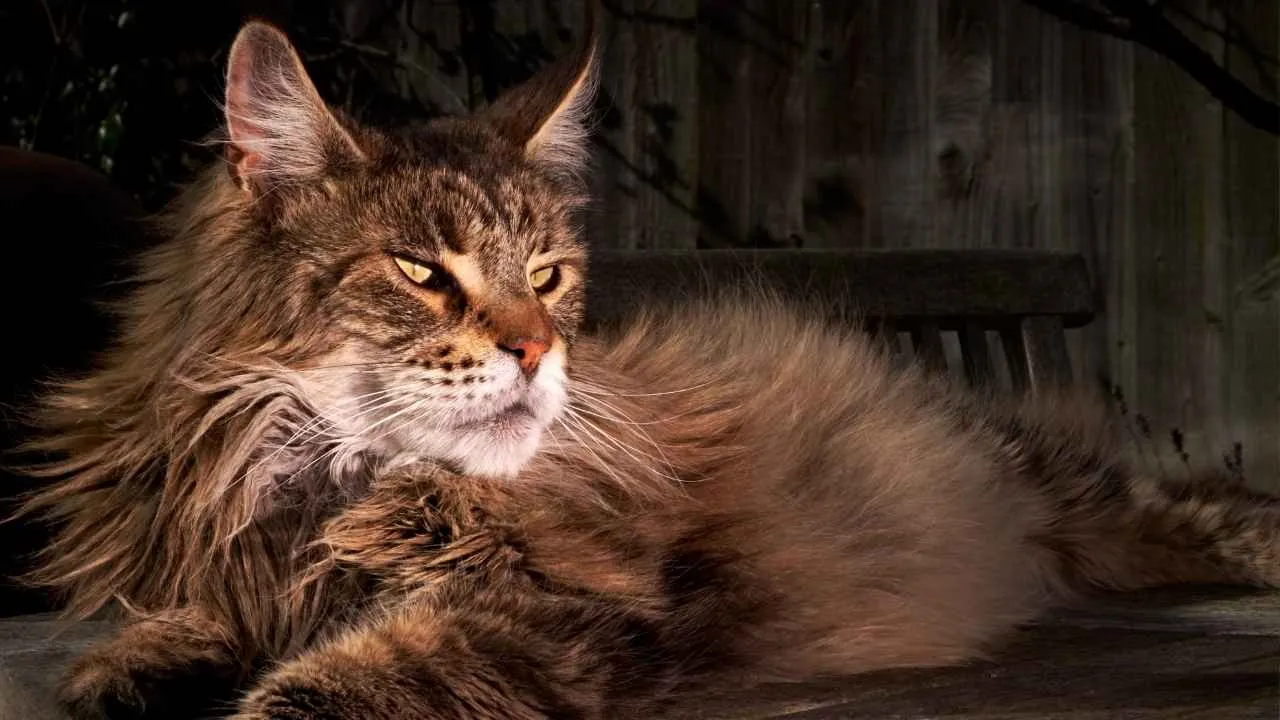
The Maine Coon is a rugged and naturally developed breed known for its thick, weather-resistant coat and tufted paws. Originating in New England, it combines a powerful build with a calm, approachable nature.
According to WebMD, the Maine Coon began as a barn cat in its native Maine, valued for its working abilities. It later gained recognition in shows before experiencing a decline in popularity, though it remained an important part of cat history.
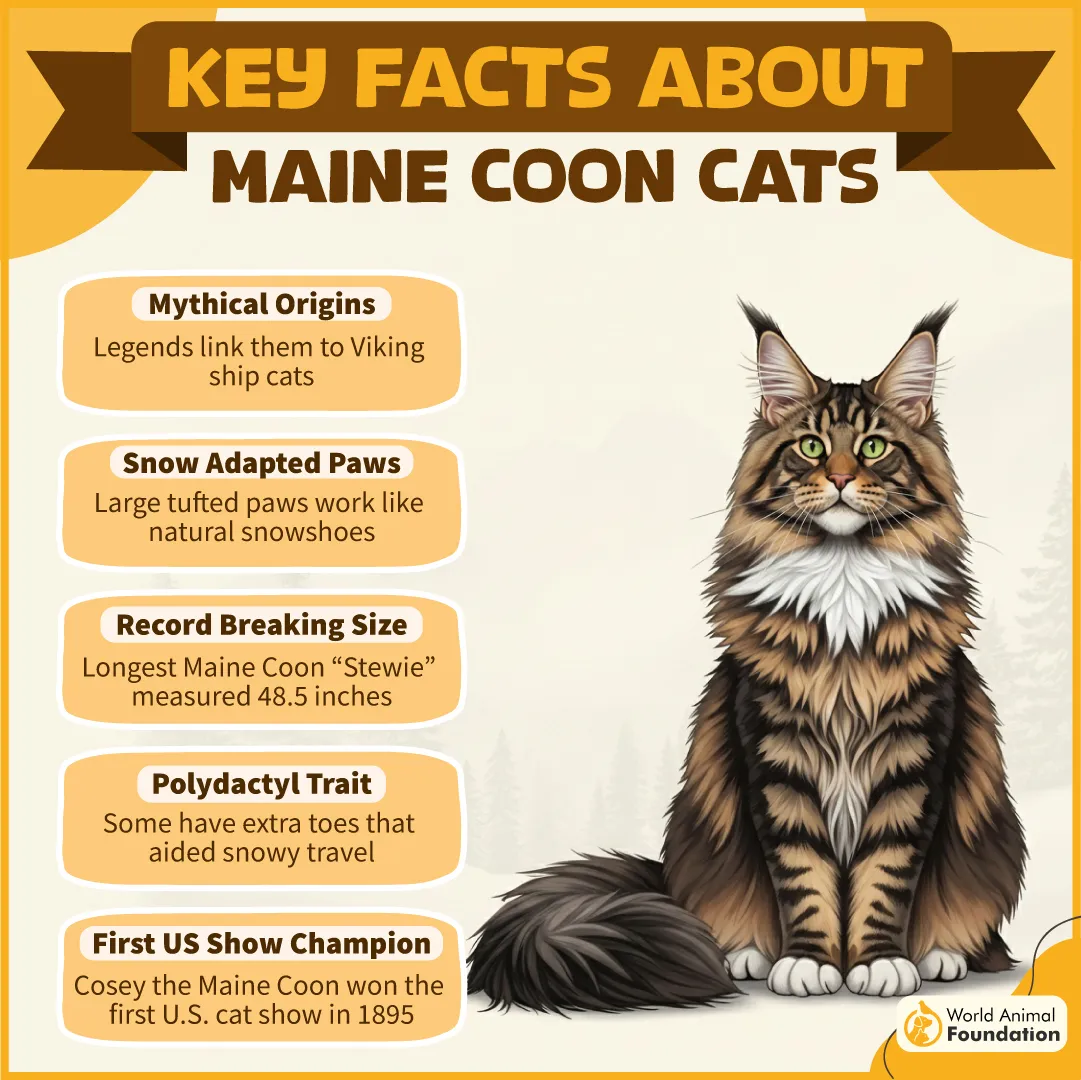
A Tough and Excellent Hunter Built for Outdoor Living
Bred by nature to endure cold climates, this cat thrives in outdoor environments where resilience matters most. Its dense coat provide protection from harsh weather, while its large, fur-covered paws help it move easily across rough or snowy ground.
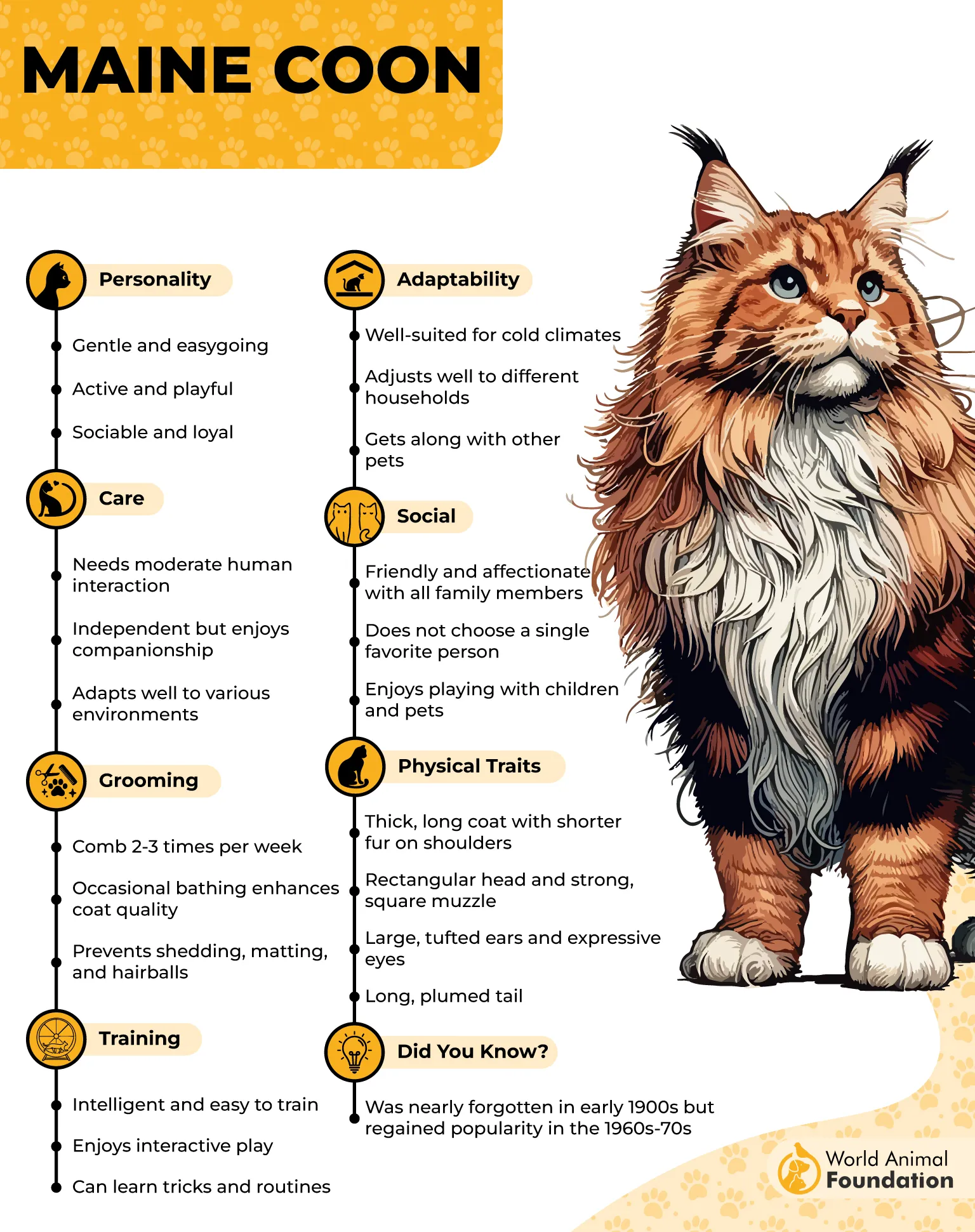
This big cat is highly capable as a hunter; it has long been valued on farms for controlling rodents efficiently. Its patience and sharp instincts allow it to track and catch prey with confidence, making it a dependable working companion.
Despite its independent streak, it forms strong bonds with people and adapts well to farm life. This balance of friendliness and self-reliance makes it both a skilled mouser and a sociable member of the household.
Fact: Maine Coons were once widely used in New England barns for their exceptional ability to hunt rodents even in harsh winter conditions.
3. Bengal
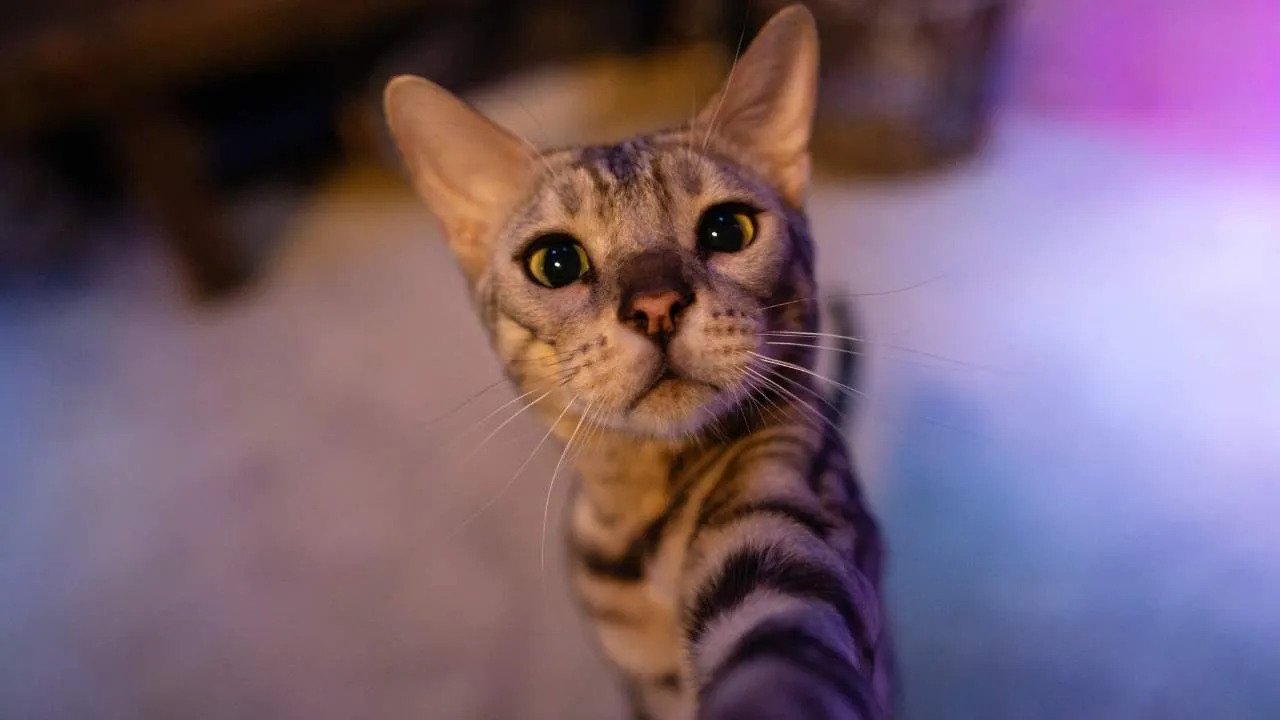
The Bengal is a striking breed developed from domestic cats and the Asian leopard cat. With its sleek, muscular body and spotted coat, it carries a wild appearance paired with sharp intelligence.
According to Petplan, the Bengal has strong hunting instincts and enjoys activities that mimic chasing and tracking. Regular play helps channel this natural behavior while keeping it mentally and physically engaged.
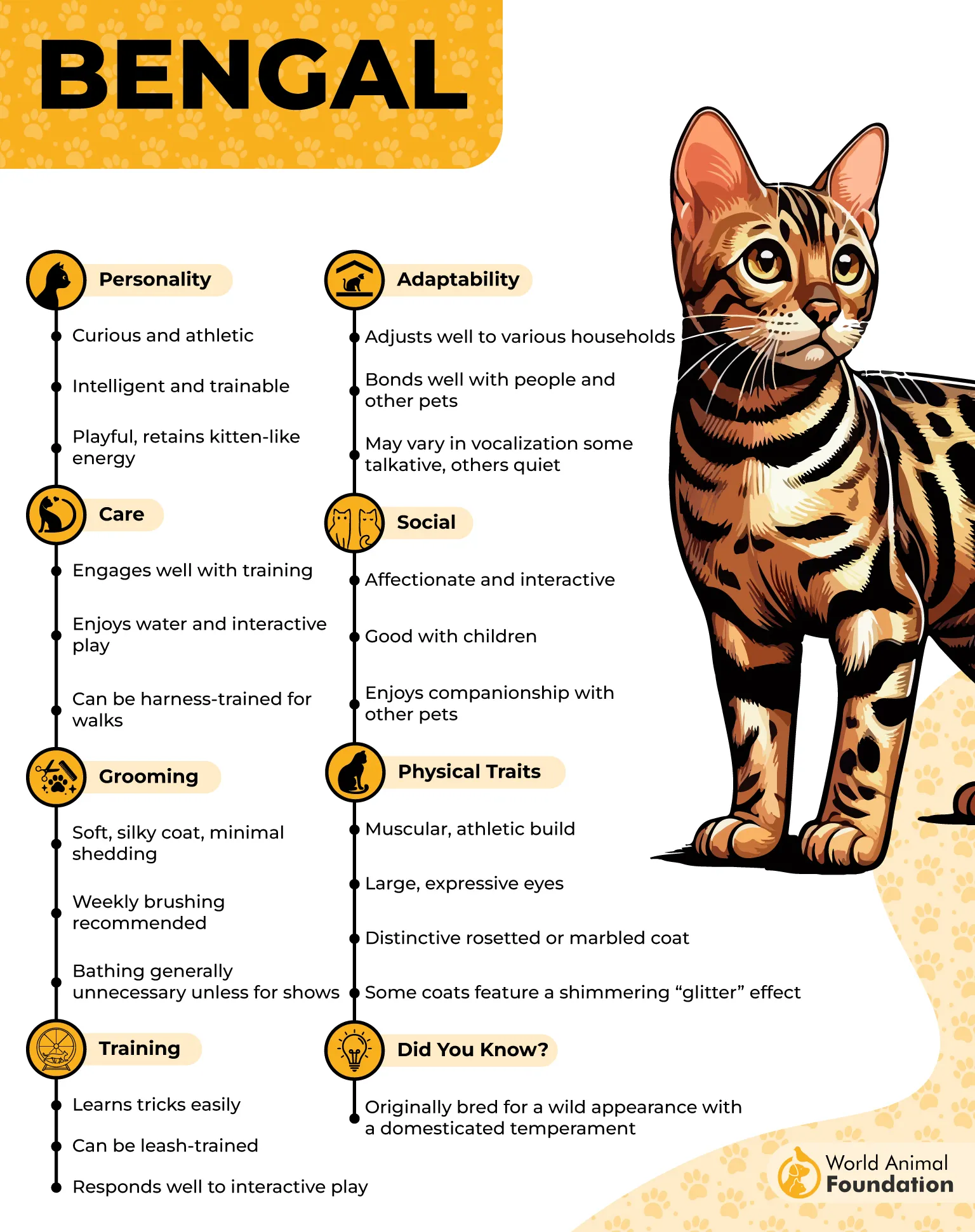
The Feral Cat That Thrives in Wide Open Spaces
Naturally energetic and alert, this barn cat excels in environments where it can roam freely. Farms offer the perfect setting, allowing them to run, climb, and explore without limits while staying mentally engaged.
Its strong hunting instincts make it a highly effective mouser, capable of tracking hidden prey with precision. Curious and problem-solving by nature, it can locate nests and tight hiding spots that many other cats might overlook.
Independent yet interactive, it balances affection with self-reliance, making it well-suited for farm life. It confidently patrols its territory, showing a fearless attitude toward new challenges and surroundings.
Fact: The Bengal’s hunting ability comes from its ancestry linked to the Asian leopard cat, giving it a naturally strong prey drive.
4. Chartreux
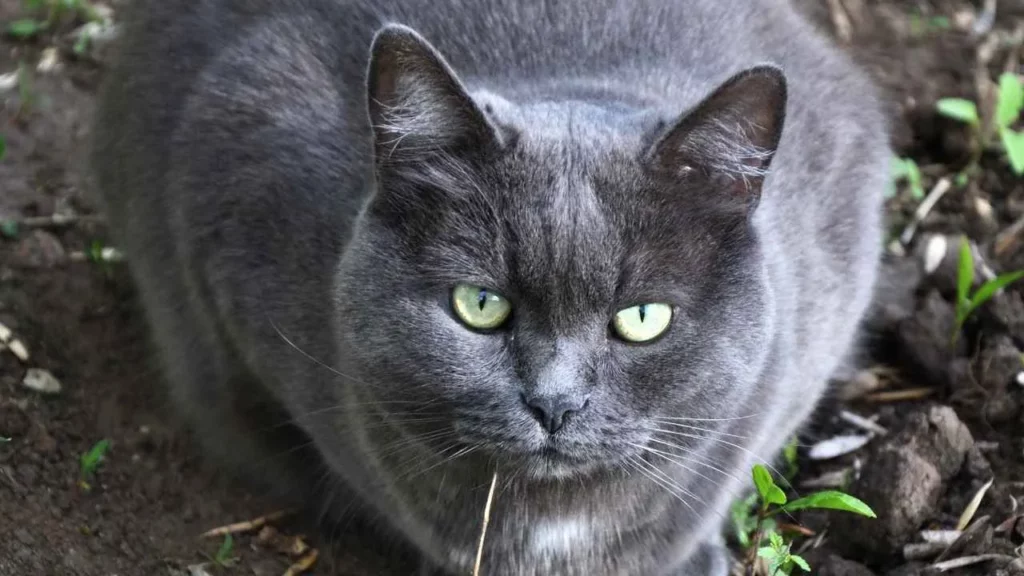
The Chartreux is an ancient breed admired for its plush blue-gray coat and calm expression. With deep copper-toned eyes and a sturdy build, it carries both elegance and quiet strength.
A Hardy Breed That Adapts Well to Farm Life
This semi-feral cat breed has long been valued in rural settings for its reliable rodent control skills. Its patient and methodical hunting style allows it to work efficiently without unnecessary noise or chaos.
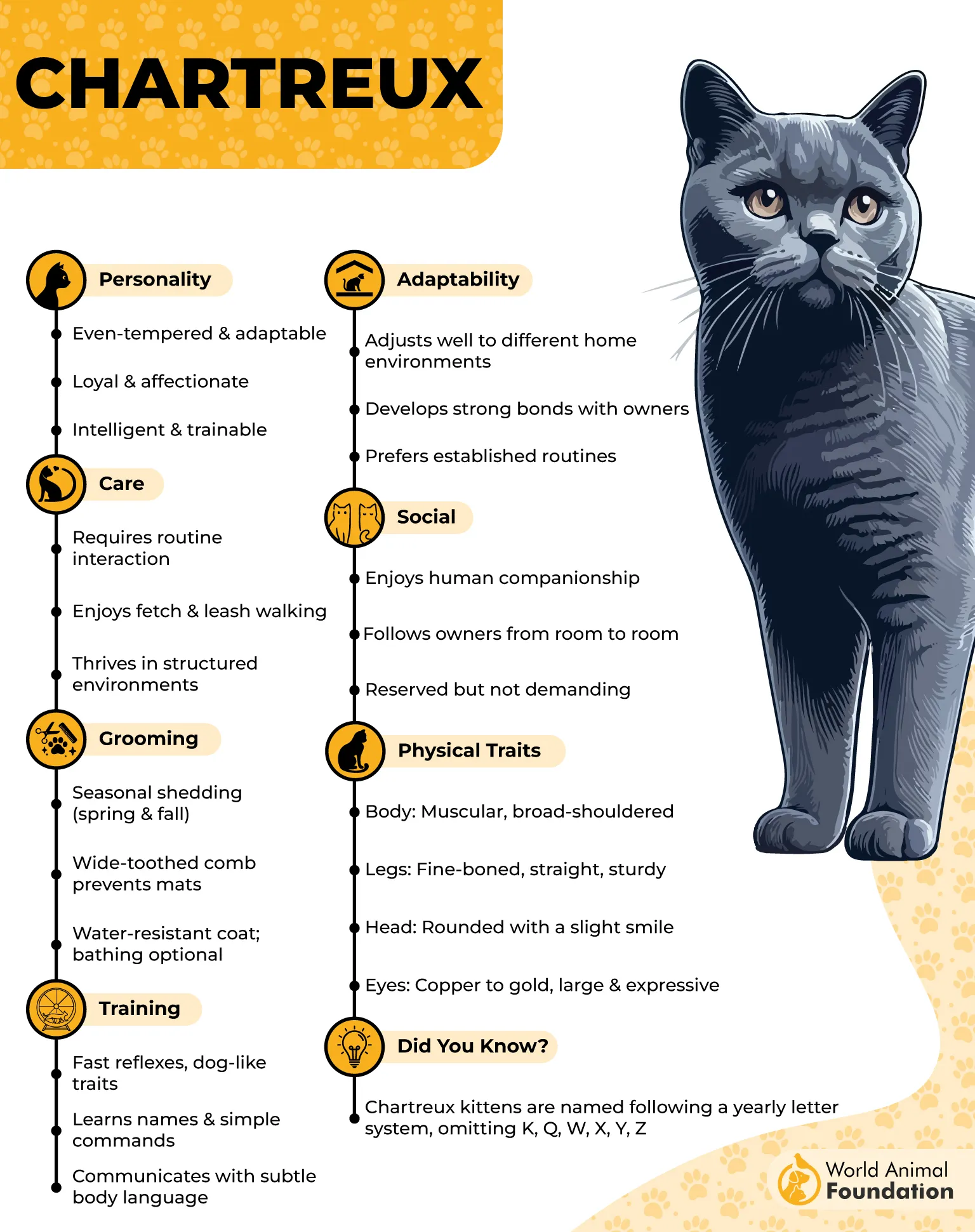
Well-suited to changing environments, it adjusts easily between active farm duties and relaxed downtime. Its composed nature helps it remain steady in busy surroundings, making it a dependable presence around barns and storage areas.
Beyond its working ability, it forms gentle bonds with people while maintaining independence. This balance allows it to thrive as both a practical farm helper and a calm companion in quieter moments.
Fact: Chartreux cats were historically kept in French farmhouses and vineyards to protect stored food and crops from rodents.
5. Siamese
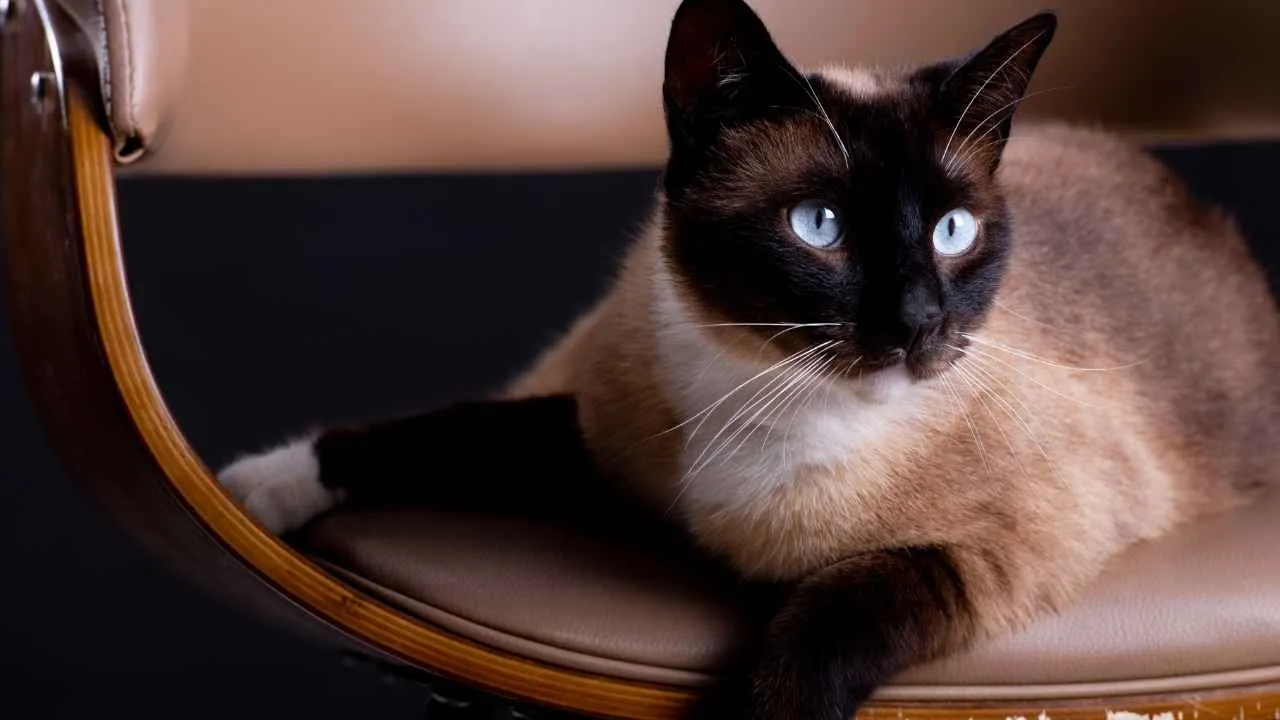
The Siamese, often recognized by its classic colorpoint pattern and striking blue eyes, is also known as the Royal Cat of Siam. With a sleek body and sharp features, it combines elegance with alert intelligence.
The Fearless Feline That Keeps Rodents in Check
Despite its refined appearance, this breed is an agile and capable hunter. Quick reflexes and strong climbing ability allow it to chase and capture fast-moving pests with impressive accuracy.
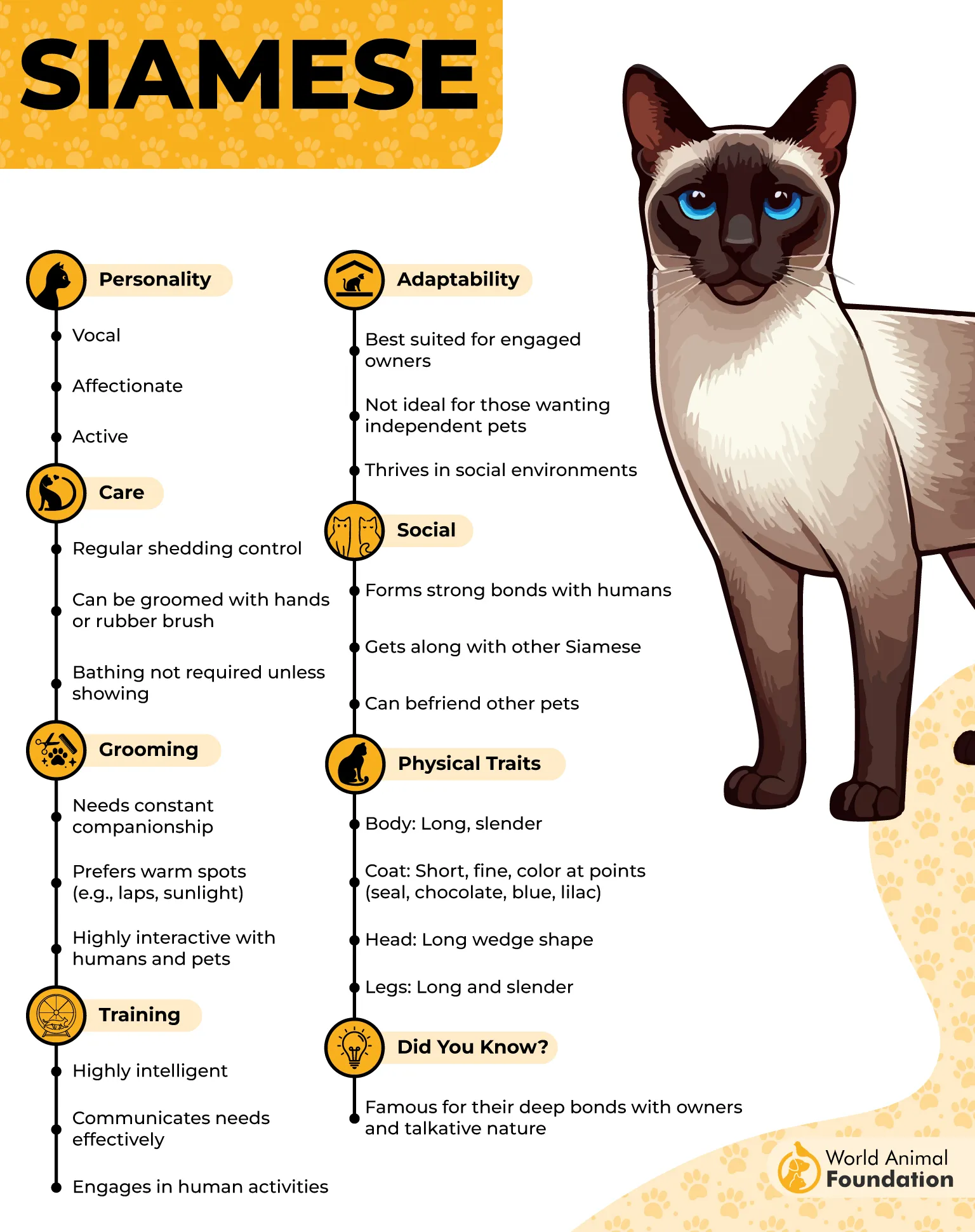
Highly aware of its surroundings, it often acts like a watchful presence on the farm. Its vocal nature means it may signal unusual activity, adding an extra layer of awareness to daily routines.
Unlike many independent farm cats, it enjoys human interaction and prefers staying close to its caregivers. This mix of affection and energy makes it both a loyal companion and an active worker in outdoor spaces.
Fact: Siamese cats are naturally vocal and often alert their owners to unusual sounds or activity around the property.
6. Siberian
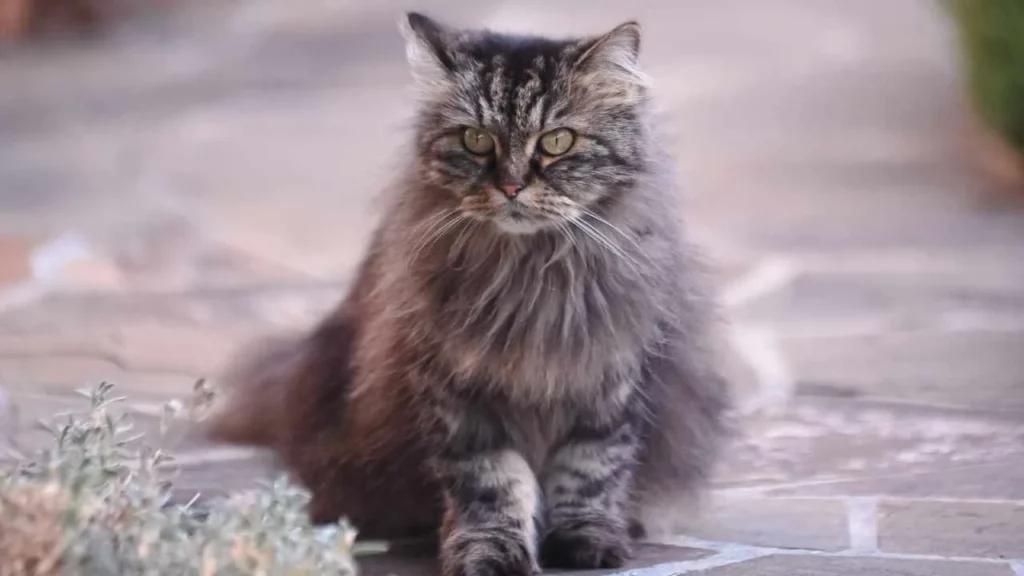
The Siberian is a powerful natural breed from Russia with a thick, weather-resistant coat and strong build. Its tufted ears, sturdy frame, and expressive face reflect its origins in harsh rural landscapes.
A Strong and Resilient Cat Suited for Rural Environments
Built for extreme conditions, this breed handles cold climates with ease thanks to its dense, layered coat. It thrives outdoors, making it an excellent choice for farms that face tough seasonal weather.
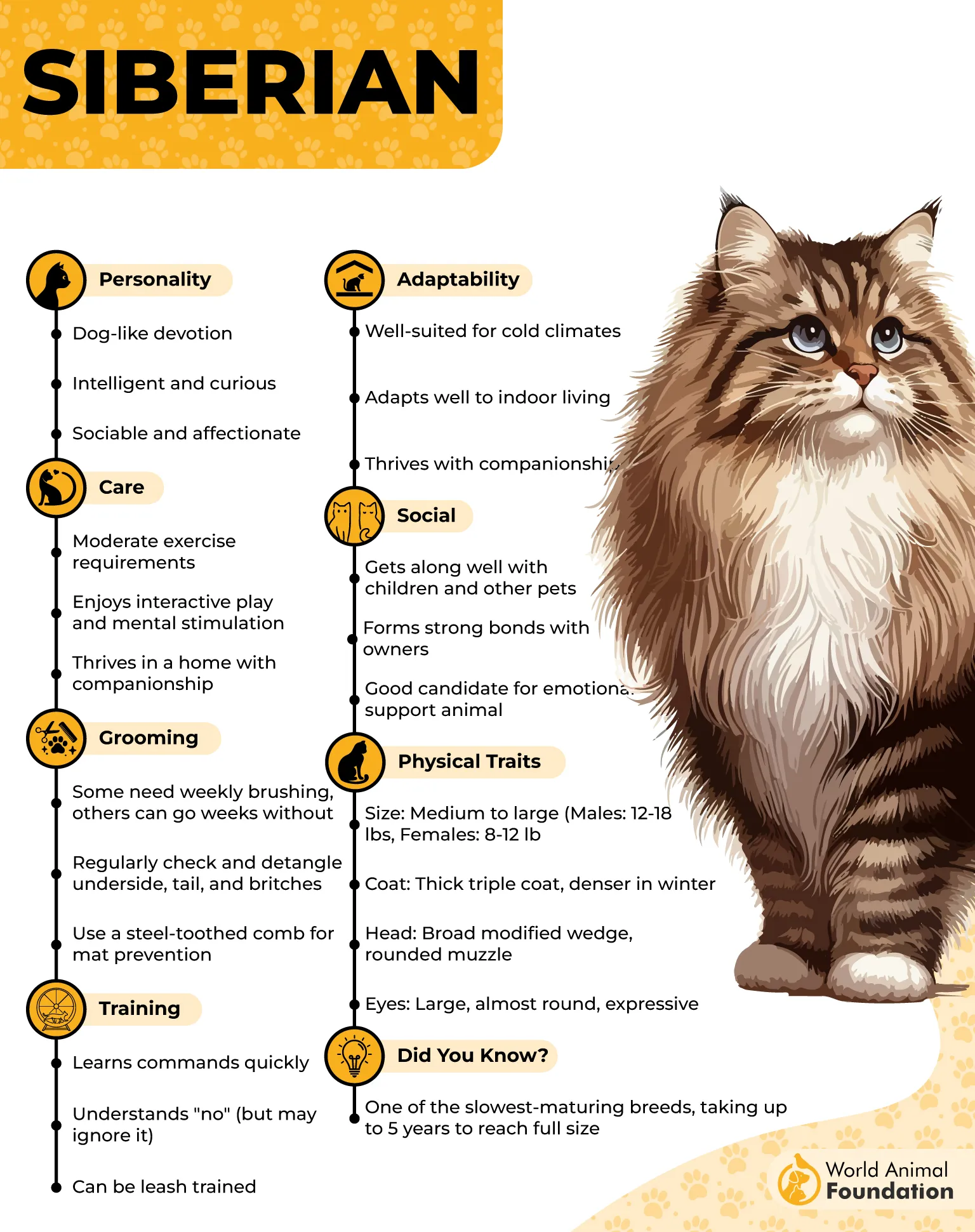
Its strength and agility make it a capable hunter, able to leap, climb, and track prey efficiently. Historically, it played a key role in controlling rodents in rural areas, proving both reliable and hardworking.
Despite its rugged nature, it has a gentle and playful personality that bonds well with people. This balance allows it to function as both a dependable farm worker and a friendly companion around the property.
Fact: Siberian cats were traditionally kept on Russian farms as natural rodent controllers while also being valued as affectionate household companions.
7. Domestic Shorthair
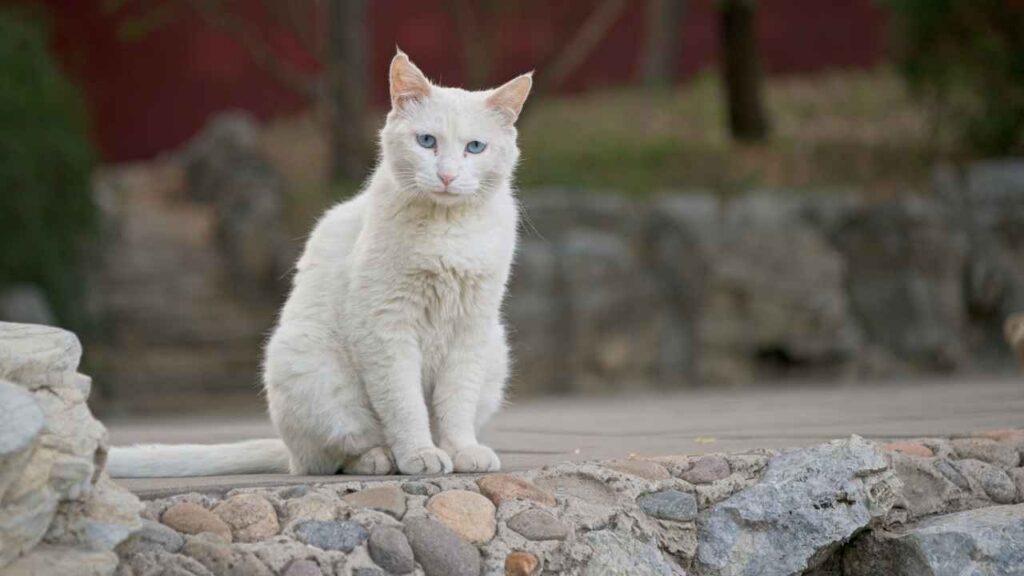
The Domestic Shorthair is one of the most common and versatile feline types. With a short, sleek coat and a wide variety of colors and patterns, it reflects generations of natural adaptation.
The Alert and Energetic Cat That Loves to Roam
Originally brought on ships to control rodents, these cats quickly proved their worth on farms. Their natural hunting instincts and alert behavior make them highly effective at keeping barns and storage areas pest-free.
Energetic and curious, they thrive in open environments where they can roam, explore, and patrol their territory. This constant activity keeps them engaged while allowing them to perform their role as reliable mousers.
Their adaptable nature helps them adjust to different farm settings and lifestyles with ease. While independent, many still enjoy human interaction, creating a balance between working cat and friendly companion.
Fact: Domestic Shorthairs were historically transported on ships to protect food supplies from rodents before becoming trusted farm cats.
8. Manx
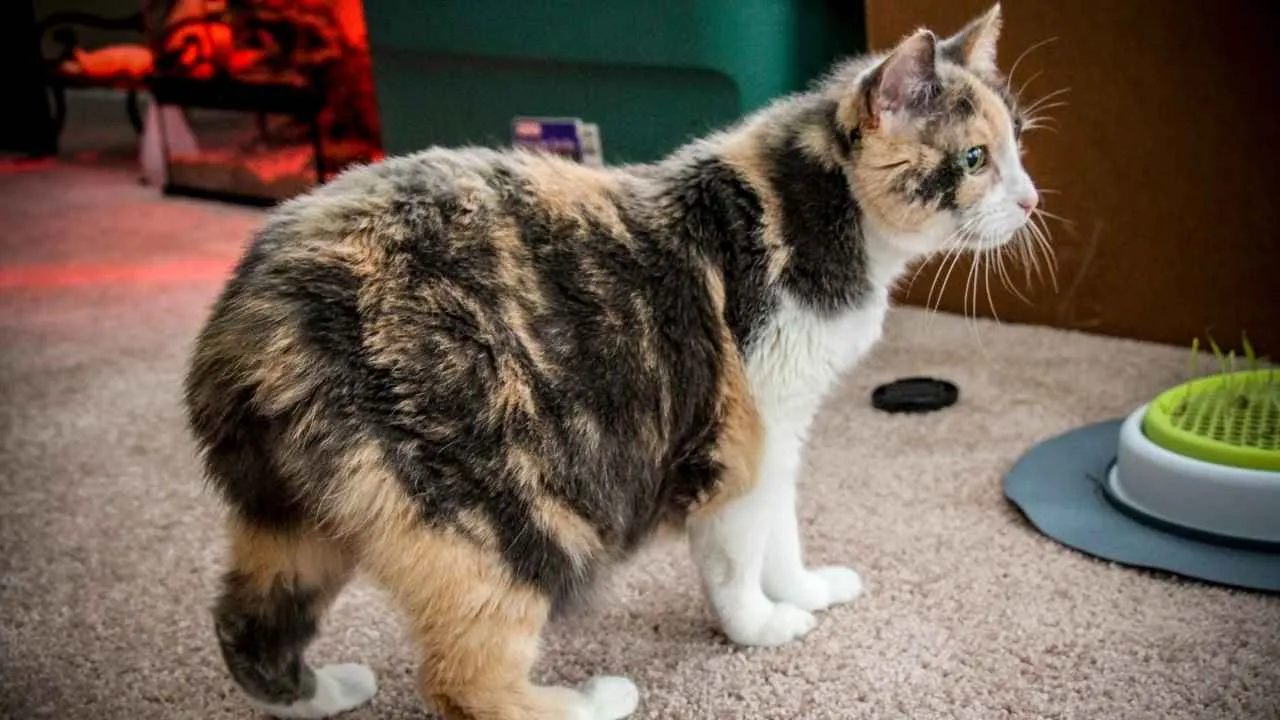
The Manx originated from the Isle of Man and is easily recognized by its rounded body and lack of a tail. With strong hind legs and a compact frame, it carries a distinctive, powerful appearance.
A Reliable Farm Companion with Excellent Survival Instincts
Developed in rugged coastal environments, this breed is well-equipped to handle outdoor farm life. Its thick coat offers protection against changing weather, allowing it to stay active in challenging conditions.
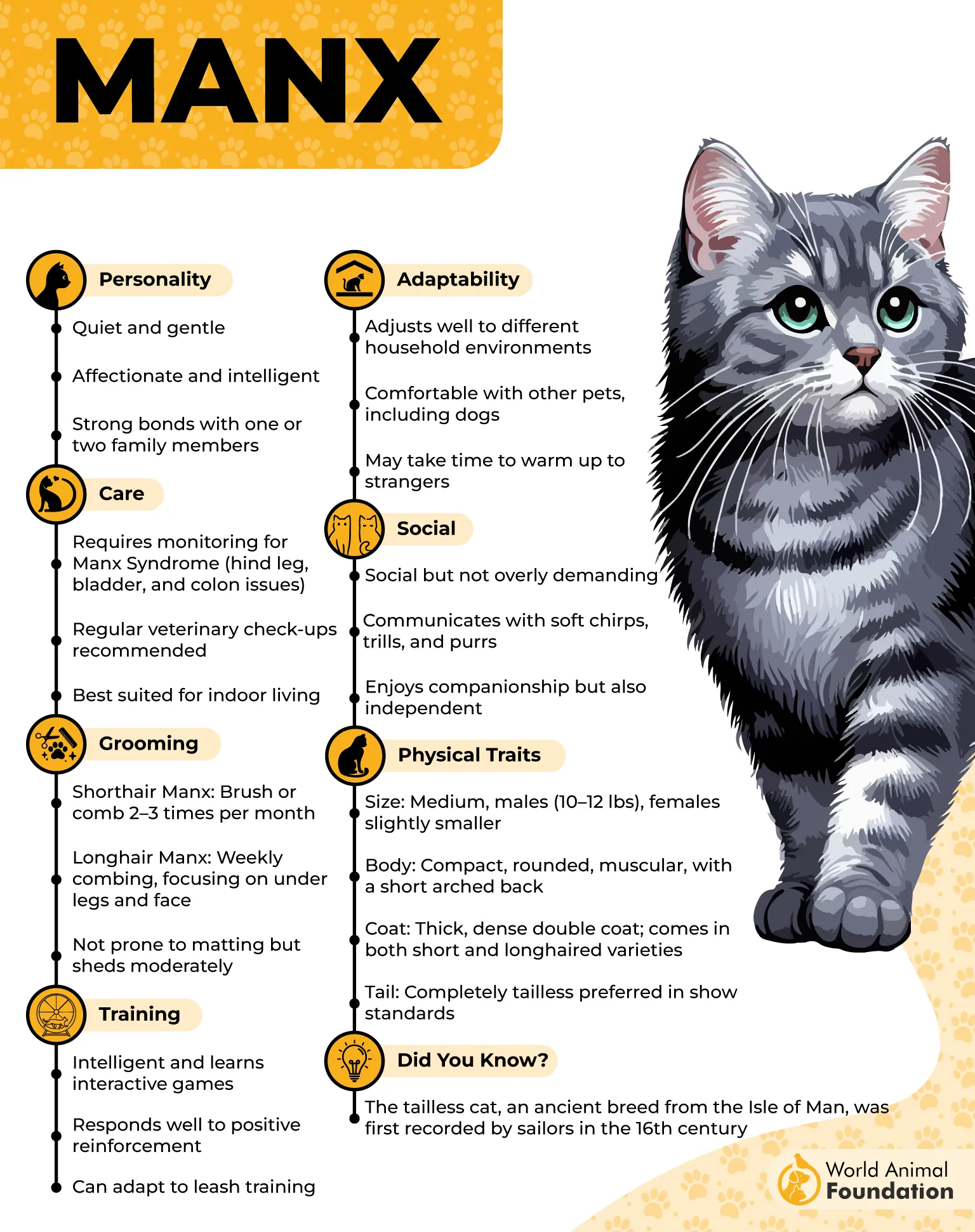
Its muscular build and unique hopping movement give it excellent jumping ability, helping it catch pests in tight spaces. This agility, paired with sharp instincts, makes it a highly efficient rodent hunter around barns and storage areas.
Calm yet confident, it settles easily into rural settings without disturbing other animals. Its intelligence and problem-solving skills allow it to adapt quickly, making it both a practical worker and a steady presence on the farm.
Fact: Manx cats developed their tailless trait due to a natural genetic mutation that became common on the isolated Isle of Man.
9. Norwegian Forest Cat
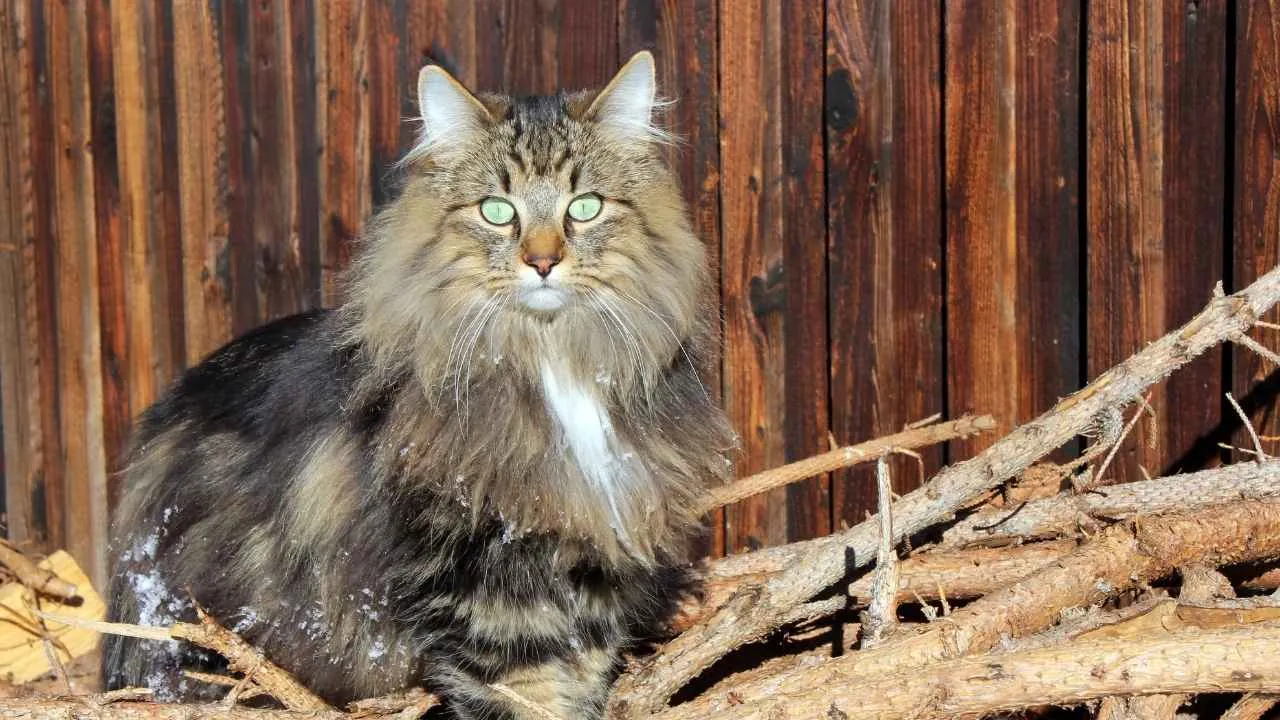
The Norwegian Forest Cat is a rugged Scandinavian breed with a thick, water-resistant coat and a strong, muscular frame. Known for its tufted ears and bushy tail, it reflects centuries of survival in cold northern landscapes.
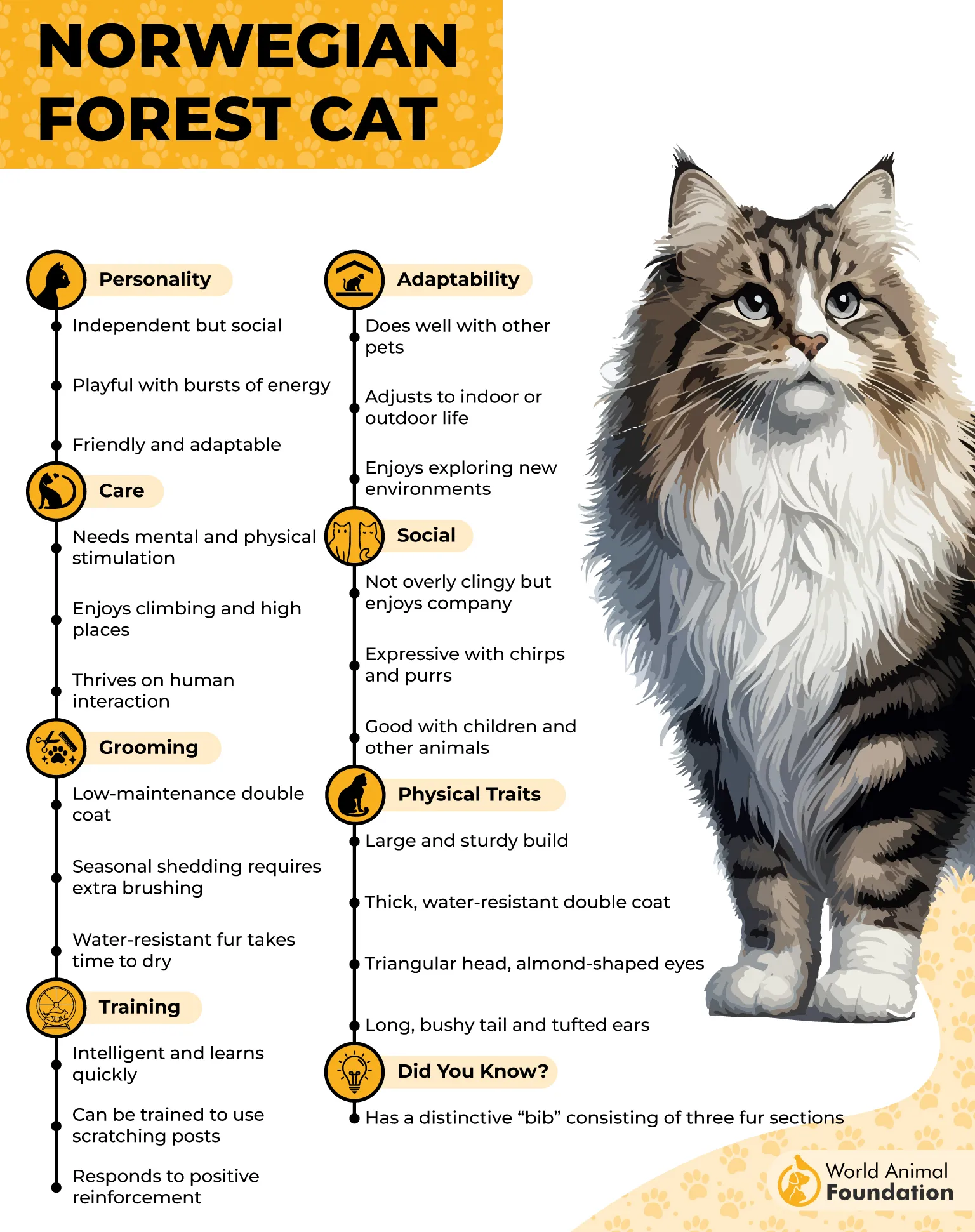
The Adaptable Working Cat That Balances Independence and Loyalty
Bred to endure harsh climates, this cat thrives in outdoor farm environments where weather conditions can be demanding. Its dense coat and insulated features allow it to remain active even in cold, wet surroundings.
An exceptional climber, it can move effortlessly across barns, trees, and high structures while tracking prey. This natural agility makes it highly effective at protecting stored food and controlling rodents in hard-to-reach areas.
While independent in its work, it also forms strong bonds with its human family. This blend of self-reliance and loyalty makes it a dependable farm companion that contributes both function and companionship.
Fact: Norwegian Forest Cats were historically used on Scandinavian farms to guard grain stores and hunt rodents during long, harsh winters.
Conclusion
Farm cat breeds offer a practical blend of independence, alertness, and strong hunting instincts, making them well-suited for life in rural and working environments. The breeds highlighted in this article stand out for their resilience, adaptability, and ability to manage pests while adjusting to changing outdoor conditions. Their active nature and awareness allow them to thrive in open spaces while contributing to the daily function of a farm.
Beyond their working abilities, these cats still benefit from proper shelter, consistent feeding, and a safe environment to support their health. Providing basic care while respecting their independent nature helps build trust and reliability over time. For those seeking a capable and low-maintenance companion, these farm-friendly breeds bring a dependable mix of purpose, strength, and adaptability.
