




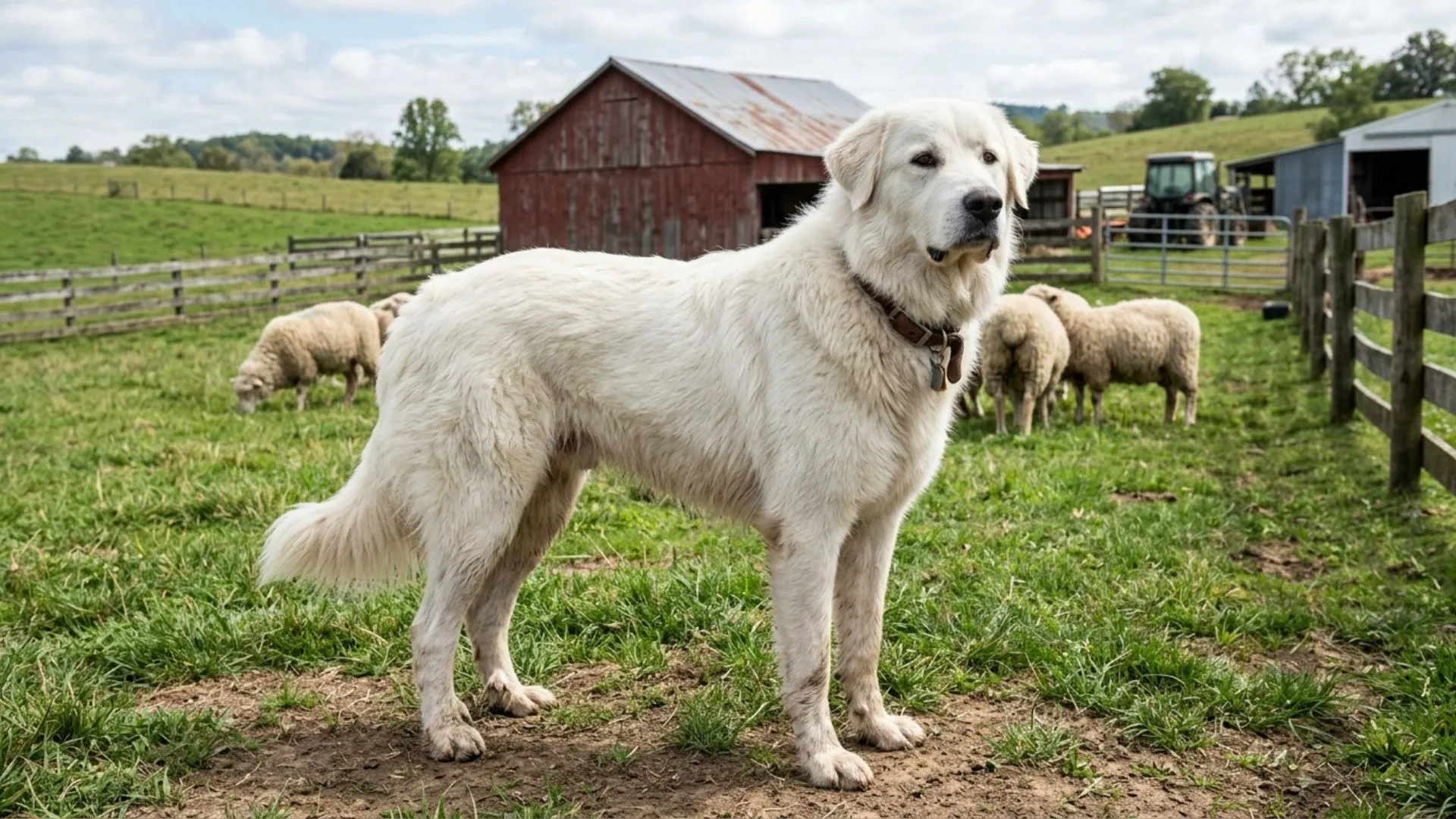
Not every dog is built for life on the couch. Some are born with mud on their paws and a job to do. Farm dogs are in a class of their own. They start working before sunrise, manage livestock far larger than themselves, and still find time to wag their tails at the end of a long day.
These dogs play a vital role in rural life. From herding and protecting livestock to opening gates, guarding property, and keeping pests away, they take on a wide range of responsibilities that farmers and ranchers depend on every day. Some are even trained to detect crop diseases, showing just how versatile and intelligent working dogs can be.
Even in a world driven by advanced machinery and smart technology, there is still no true replacement for a loyal, living partner that can think, adapt, and respond in real time. A good farm dog doesn’t just work the land; it helps manage it, protect it, and bring order to it.
These 10 breeds have spent generations moving cattle, guarding flocks, and saving farmers countless hours of hard labor. Let’s meet the real MVPs of the farm world.
Top Legendary Dog Breeds for Farm Work and Herding
1. Border Collie
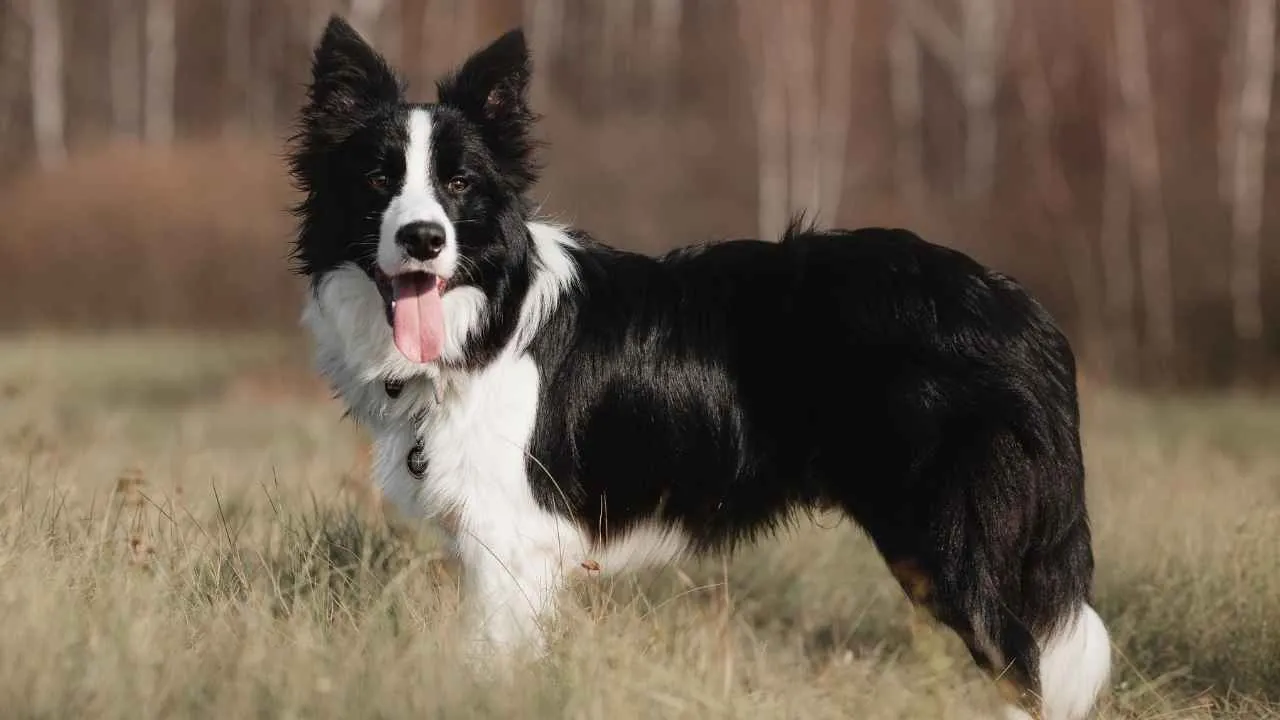
Originally bred on the Anglo-Scottish border, this breed was developed in the late 19th century. It is also thought that the word “collie” originated from an old Celtic word which means “useful”, as per Wikipedia. It is an independent thinker and can work without the owner’s supervision.
The most powerful weapon of this farm dog breed is “the eye,” used to intimidate and control livestock without being aggressive. This breed naturally shows the tendencies to chase and stalk from a young age. It can listen and respond to whistles and voice commands from long distances (500 meters away).
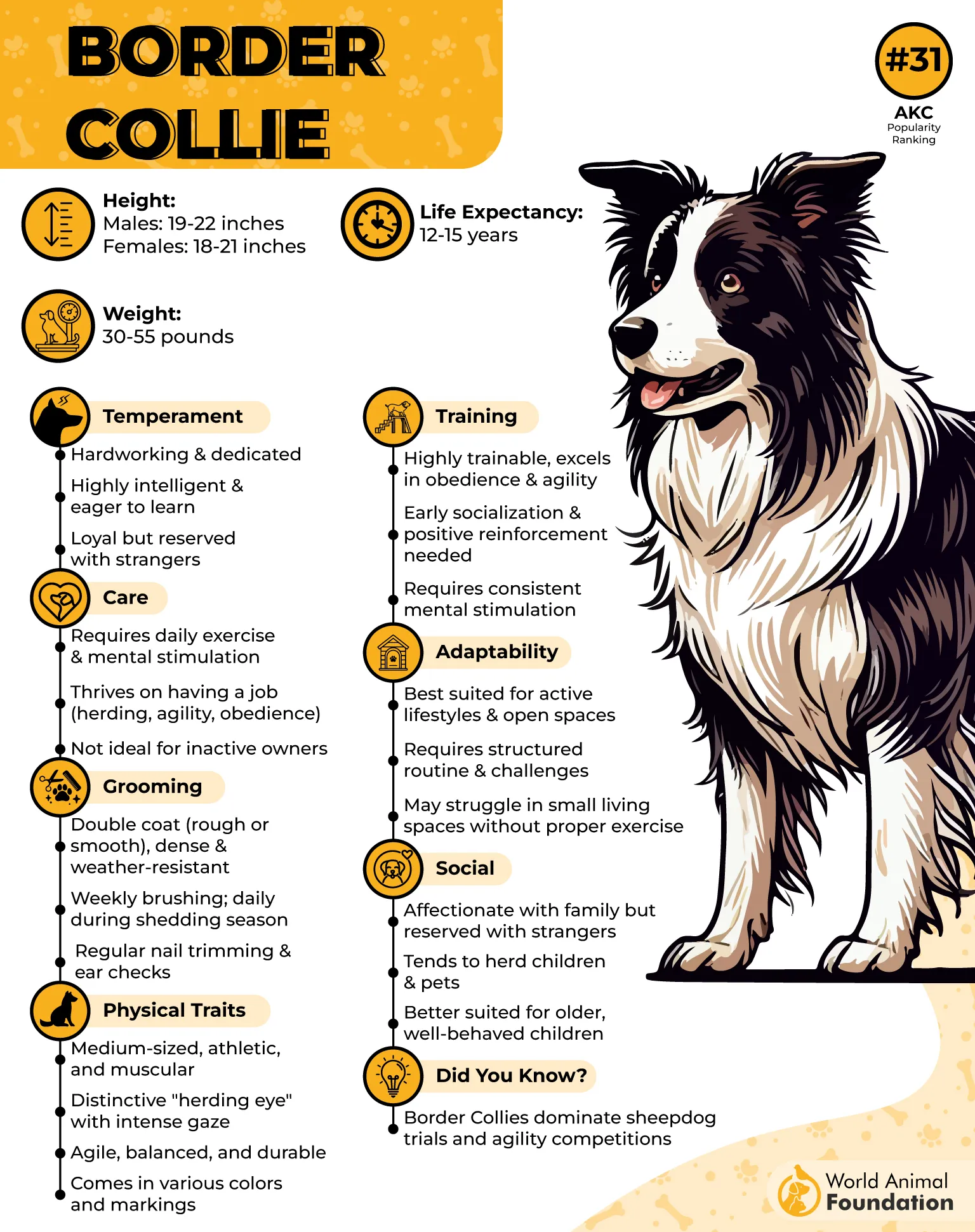
Moving in a crouched, low, and cat-like position to stalk cattle, the Border Collie stays close to the ground. It makes an arching run around the flock to get behind them without talking to them.
Then it stops to assess the herd’s temperament, called “lifting.” This helps it calculate how much pressure to put on the flock for movement. It moves to the side in a flanking direction for a direction change of the flock.
2. Australian Cattle Dog
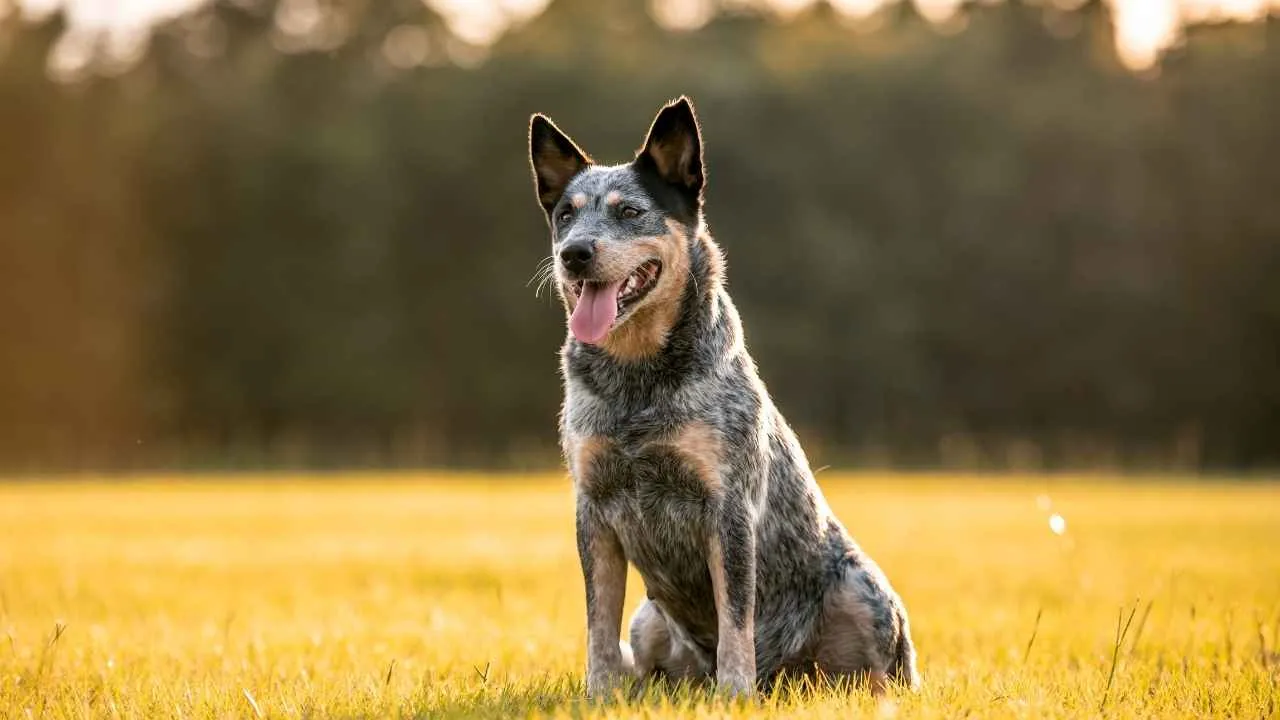
This herding breed was developed in Australia to herd livestock across rough terrain over long hours. Being an independent and intelligent dog, it forms strong emotional bonds with the owner and is an incredibly quick learner. AKA “blue or red heeler,” it has a weather-resistant double coat that protects it from the bush and the rain.
This breed is known as a heeler because it nips at the heels of the stubborn cattle to guide them. Its biddable, easygoing, and affectionate nature makes it highly trainable. Acting as a self-appointed protector, it naturally patrols the property to protect the livestock, the owner, and other belongings. Since it was bred by crossing the Collies and the Australian dingoes, this popular dog is a silent worker.
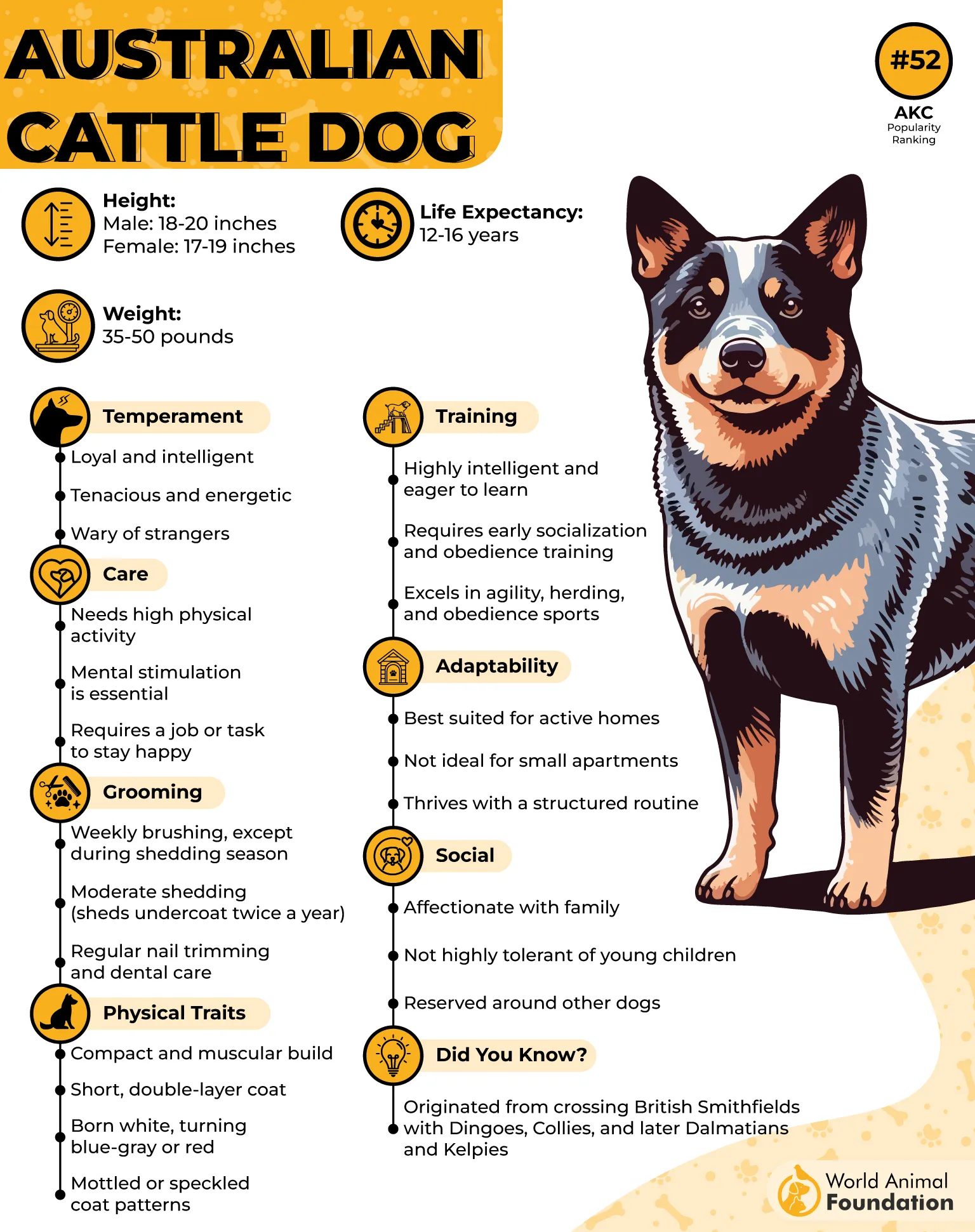
It walks silently behind the flock, guiding them forward. When it senses a stubborn cattle, it adopts an upright-loose eye style, ready to nip at the cattle. It darts away after nipping to avoid the expected kick. It barks (2-3 times) when the cattle stop at one point. Once the flock is at the desired location, the Australian Cattle Dog goes back to the handler, retiring from its herding position.
3. Australian Shepherd
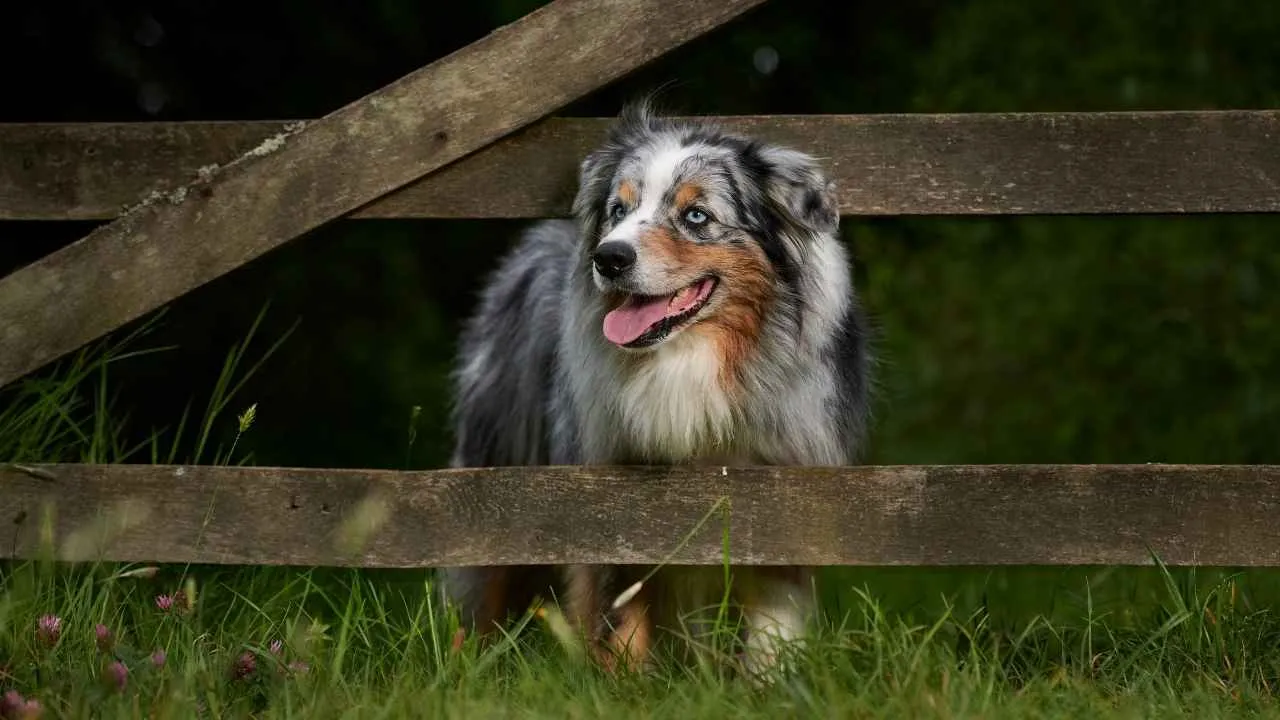
Originally bred in California in the 19th century, the Aussie was developed as a herding cattle dog. Besides that, it is widely used in dog agility, jumping, obedience training, rally, and flyball, etc. It has an appearance of “on the edge” speed because of the crossing over of the front and back legs.
Controlled bark means it barks only to move livestock. Often known as a velcro dog, an extremely intelligent breed forms a strong bond with the owner, family members, and other dogs. Because it has a low centre of gravity, it can jump over 4 feet and is quick to turn.
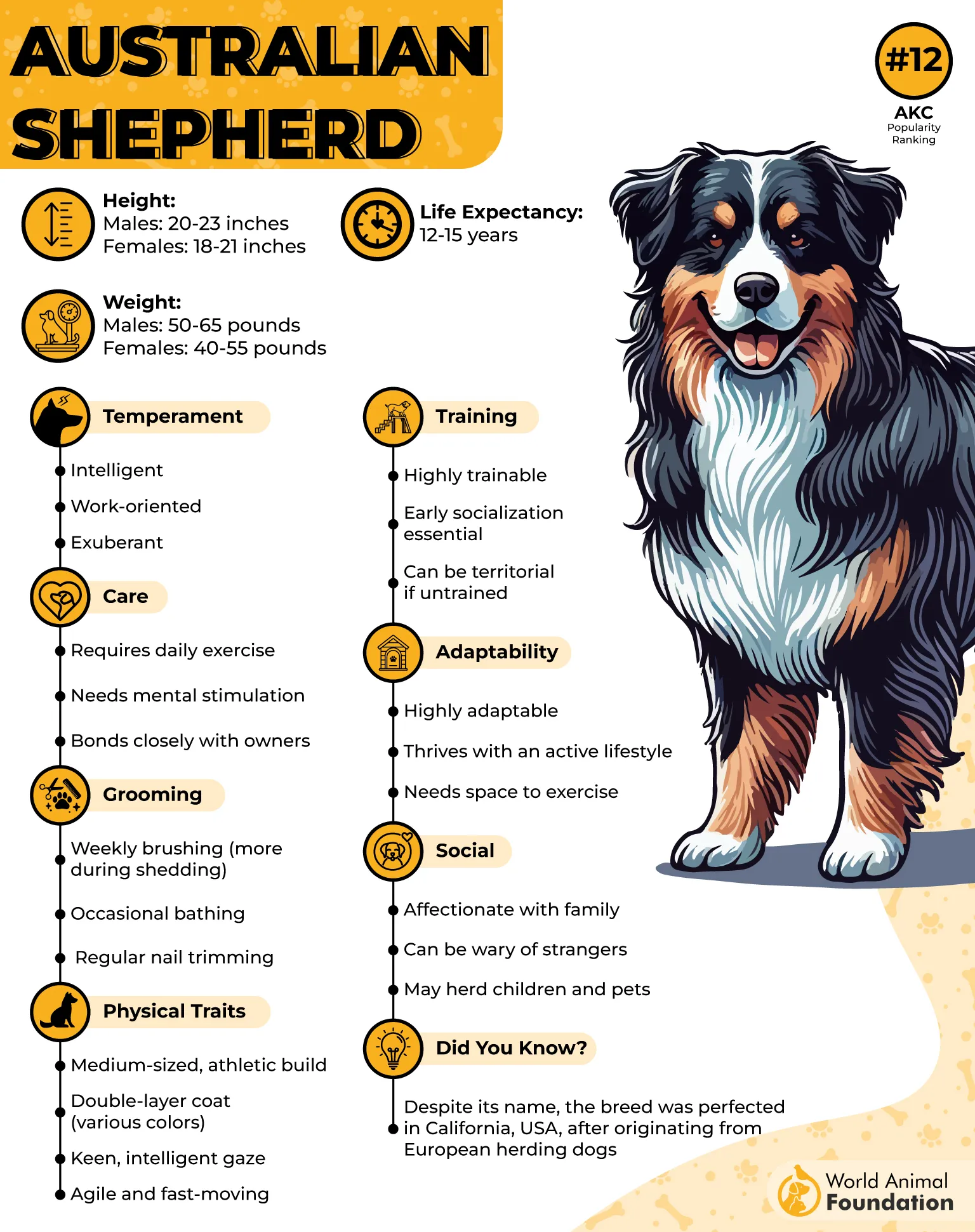
It has a “loose-eyed” strategy to look after the cattle, where it covers a larger area and a larger number of animals, unlike the Border Collie, which can control limited livestock. It moves in a 12 o’clock or 6 o’clock position opposite to the handler to maintain a balanced position.
This good-natured breed swings wide around the livestock to move them forward. It may bite at the heels of a stubborn cattle, and when a sheep tries to break the herd, the Aussie moves its head to the face of that animal. It physically moves the flock with its body and shoulders.
4. Rottweiler
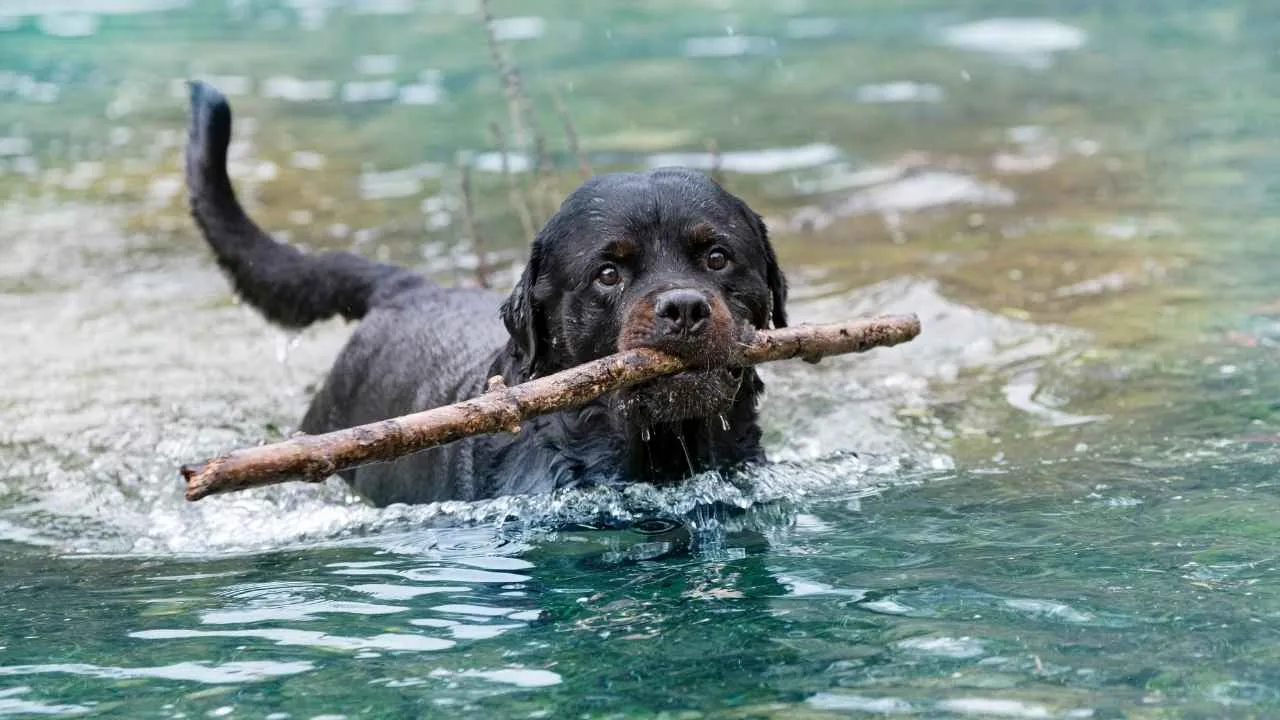
This large to medium-sized dog was originally developed in Germany centuries ago and was also known as a “Rottweiler Butcher’s dog.” It used to pull heavy carts of meat to the butcher market before the invention of the Railways. Because it is highly intelligent, easygoing, powerful, and affectionate, it is used in other departments as well, such as police and military forces, SAR operations, and as a guard dog.
It uses its sturdy shoulders and body to physically push the arrogant sheep. It can solve complex tasks and can clearly differentiate between an original threat and a normal stranger. It does not tend to bite at all, since it makes strong bonds with the “pack.” With high endurance, it can work with the flock for hours or even days nonstop.
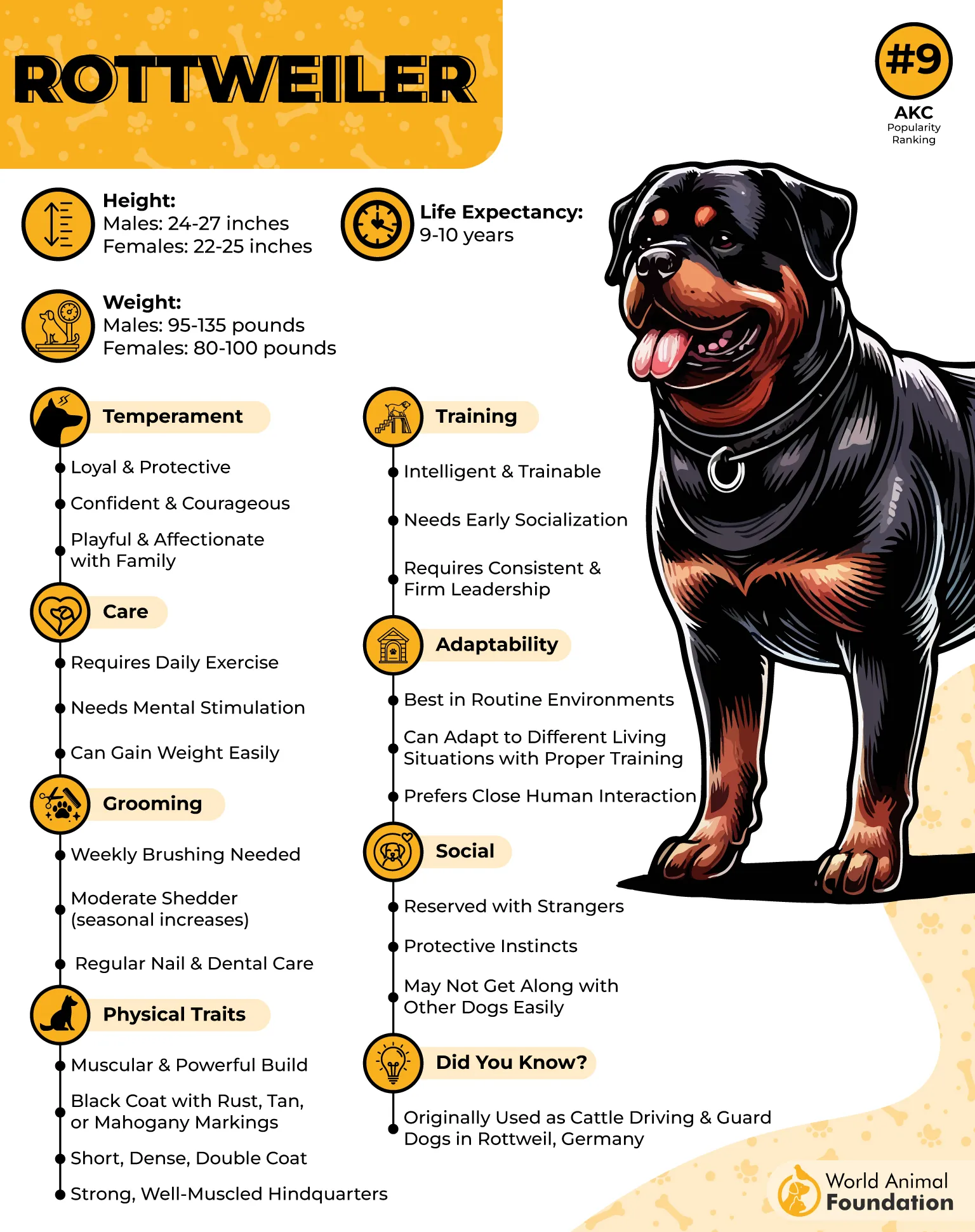
By adopting a fetching or gathering style, it seeks out a dominant animal to establish control over the herd throughout. Instead of rushing, it follows a steady, calm, and calculated strategy to control a pack with anxious animals.
It keeps its head with its shoulders to remain agile. It works best in compact spaces. With the right mental stimulation, it keeps the flock naturally away from fences and secured boundaries.
5. Beauceron
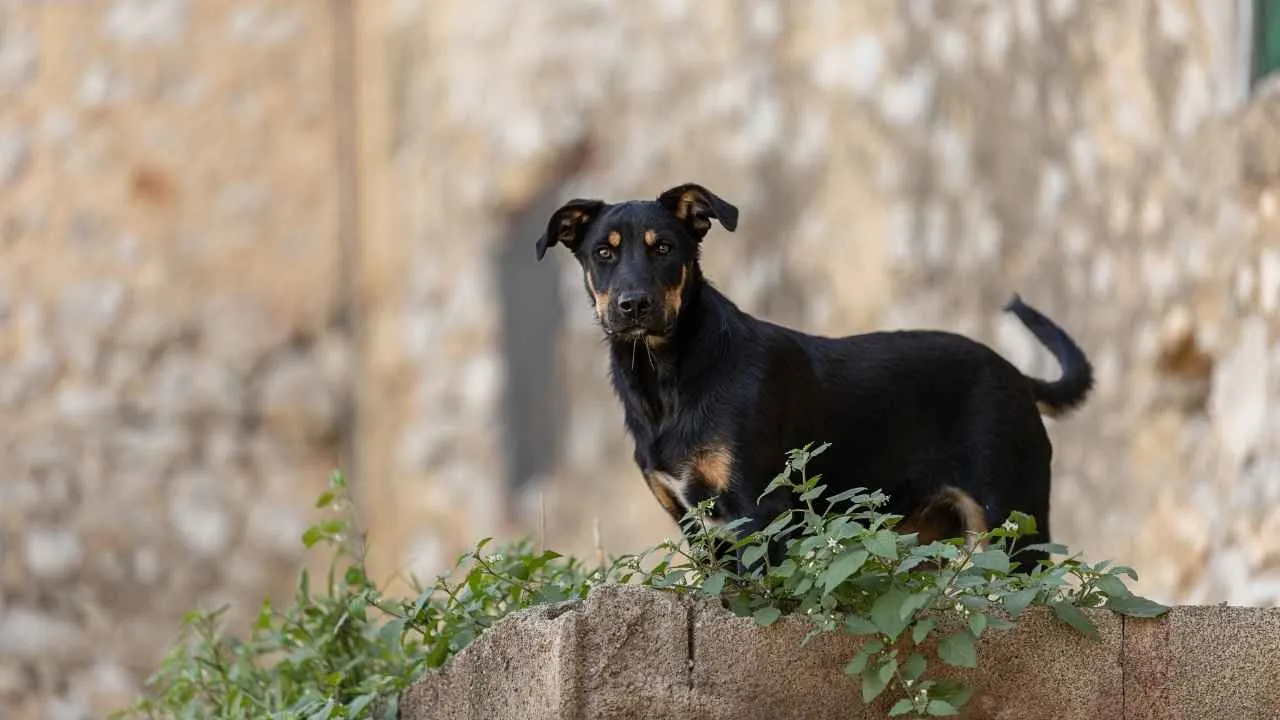
Bred in central France in the 1500s to herd and protect sheep, the Beauceron played a crucial role as a military dog in World War I, according to PetMD. Weighing up to 110 pounds and standing 27.5 inches tall to the shoulders, this muscular dog is also known as a French Shepherd or Berger de Beauce (red stocking).
It has protective instincts for its livestock, property, and people, and can alert the owner of a threat before it even happens. This breed is known to be gentle despite its giant size. It has double dewclaws in its hind legs that help it navigate long distances of rough terrain. The Beauceron has low grooming needs as it requires only weekly brushing.
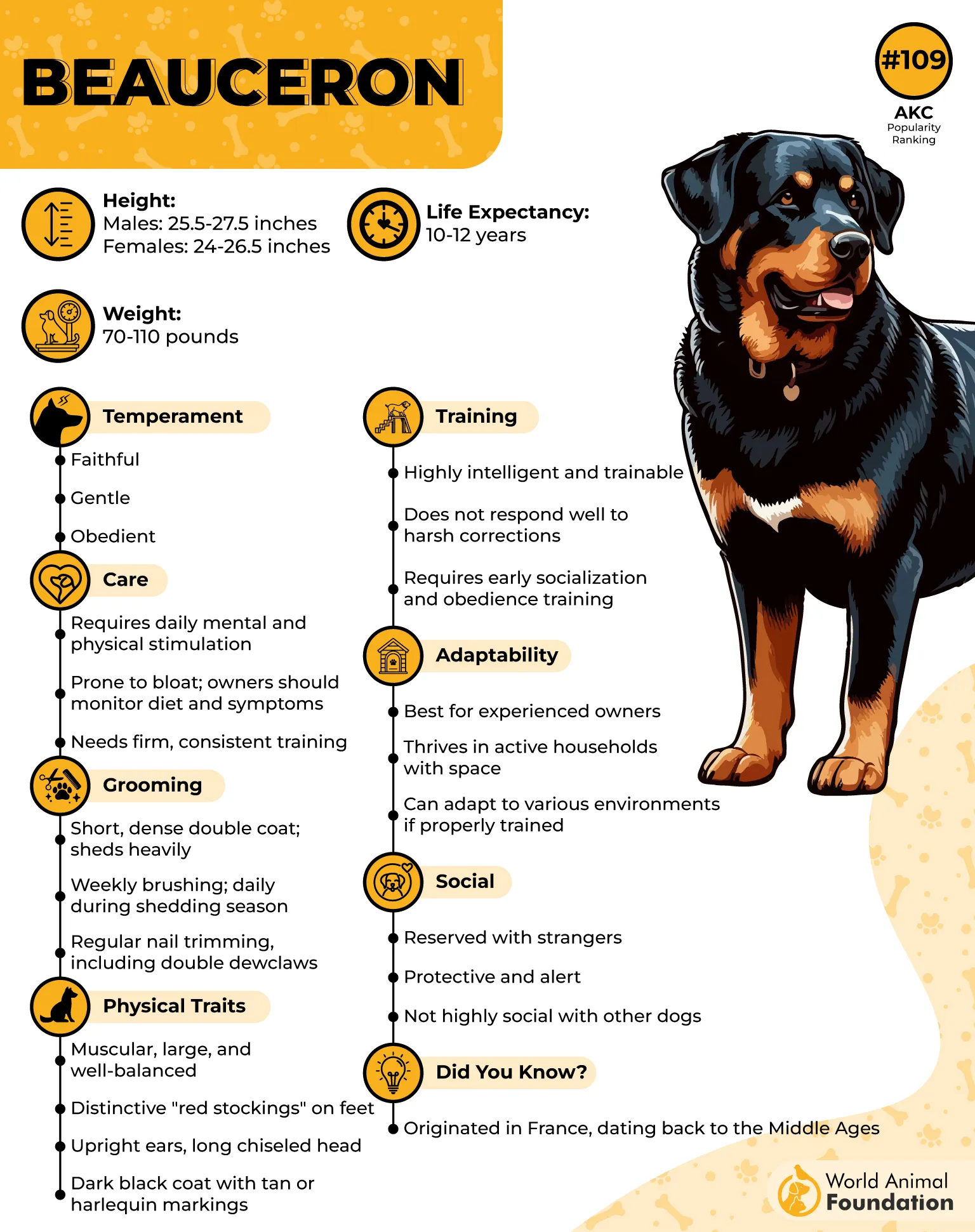
Its exceptional stamina (covering 30-50 miles a day) makes it a perfect dog in all the herding groups, and it can control 200-300 animals all at once. It sets a perimeter for the livestock by moving far away from them. This prevents less chaos and panic in the herd.
It stands upright instead of crouching, casting an intimidating impression on predators. Aggressive in life-threatening situations, it slightly pushes a stray cattle into the herd physically. It can sit and scans the herd to look for a threat to guard livestock.
6. Bouvier des Flandres
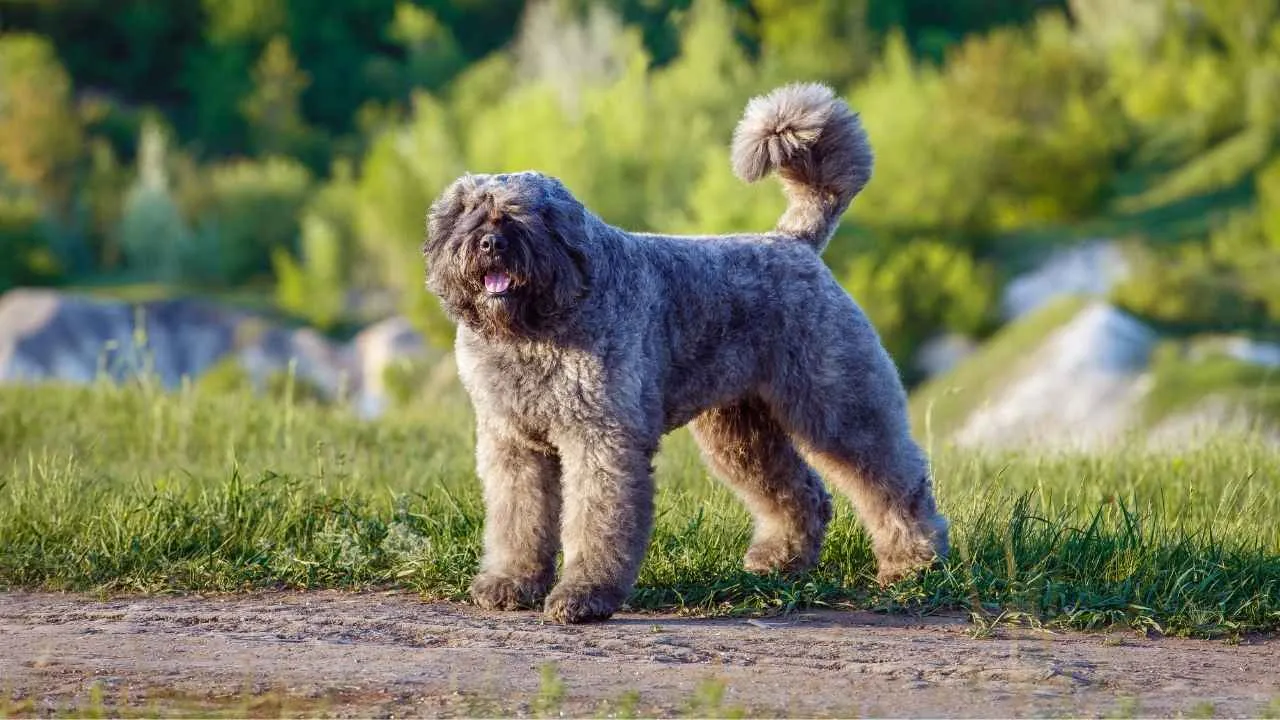
This loyal breed was developed in the Flanders region of Belgium. It was designed to perform various farming chores, including sheep herding, cattle droving, and pulling heavy carts. Famously known as “Cow Herder of Flanders,” this dog is now used as a companion dog and for police and protection work.
This shaggy dog has a thick and double coat with a rough and waterproof outer coat that makes it work all day long in a harsh environment. It remains laid back and calm indoors and loves to cuddle you. But as soon as it steps out of the house, it activates its strong protective instincts. It requires regular grooming to remove dirt or untangle hair after a long working day.
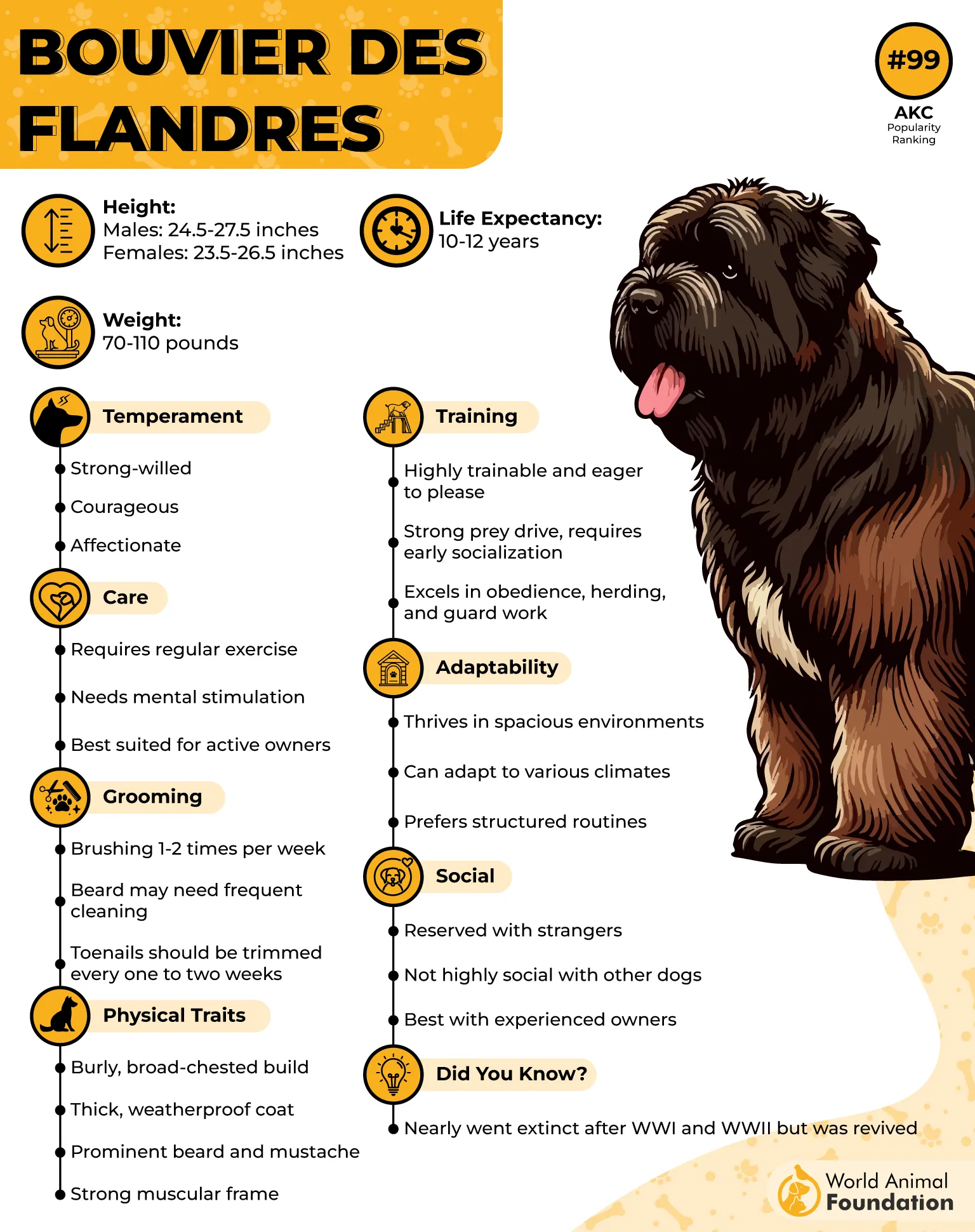
It first assesses the livestock and its surroundings to make an estimation of the potential threat. Despite moving in large circles, it positions itself between the livestock and the destination/potential threat to establish control.
It physically makes the livestock change its direction, especially in a compact space. It keeps a constant eye on the herd for watchfulness. By following a “stop-and-stare” technique, it moves back and forth to gather stray animals.
7. German Shepherd
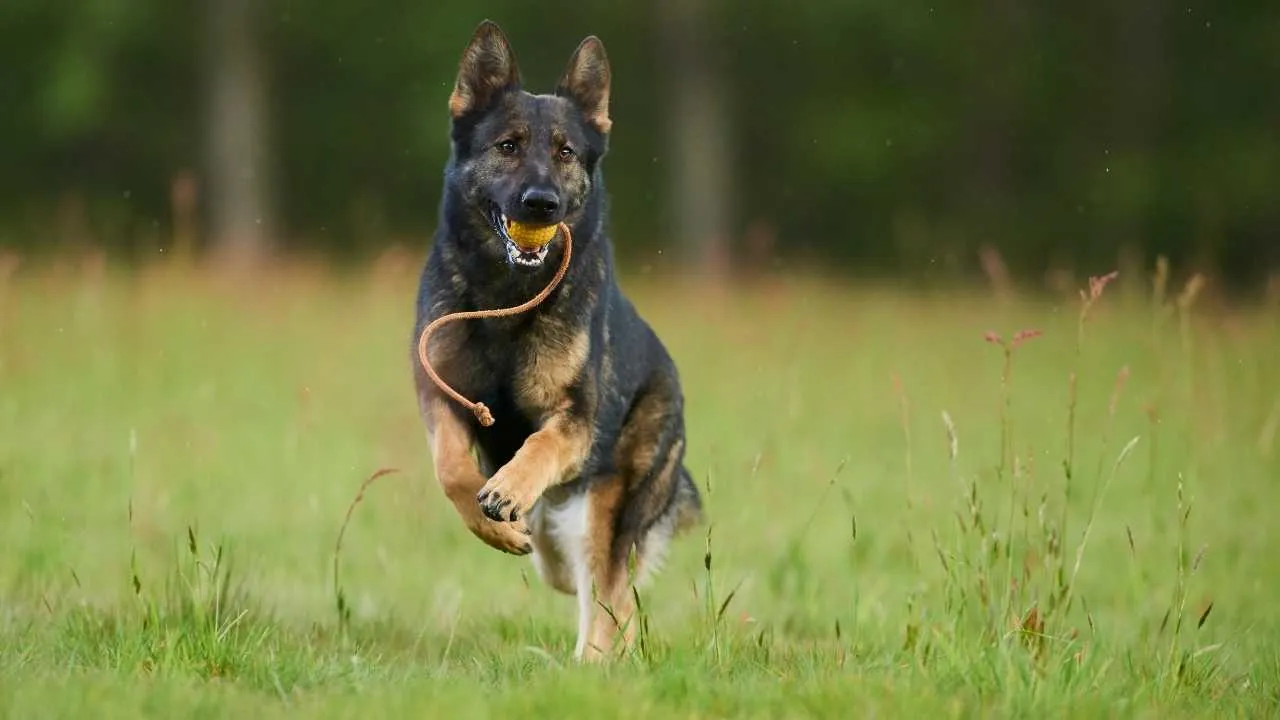
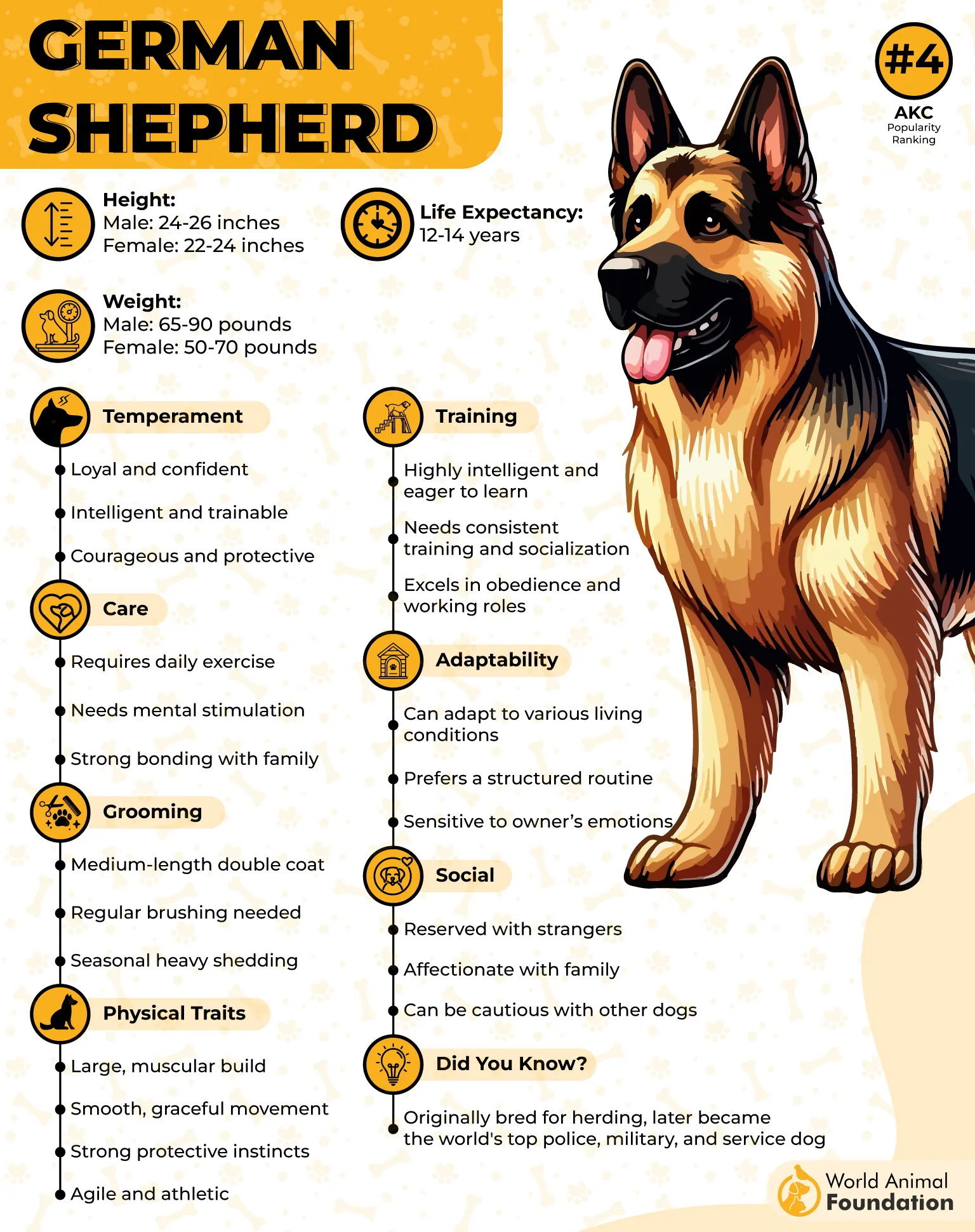
The origin of this ancient dog breed dates back to the 7th century, when it was developed from different sheep-herding dogs, according to Purina UK. This powerful and smart breed lost its honor after World War I because of what happened in Germany during this period. It was renamed as Alsatian in many countries, including England and France.
It acts as a “living fence” because of its high speed (48 kph). Ranked as the third most intelligent dog breed, it can learn complex commands quickly, such as opening gates, herding, and fetching tools, etc. It has an upright and confident stance, which helps it guide the cattle rather than just chasing them. Not only that, it has strong emotional intelligence, helping it cope with traumatic experiences, such as wars.
After locating the herd, it evaluates if there is any threat. It does not move to the centre, but the edges to create an invisible boundary, making a figure-eight pattern. It does not physically guide the stray cattle, but circles around them and guides them to the herd. It works by combining herding and guarding, and if a predator approaches, it barks and physically intervenes to deter them.
8. Belgian Malinois
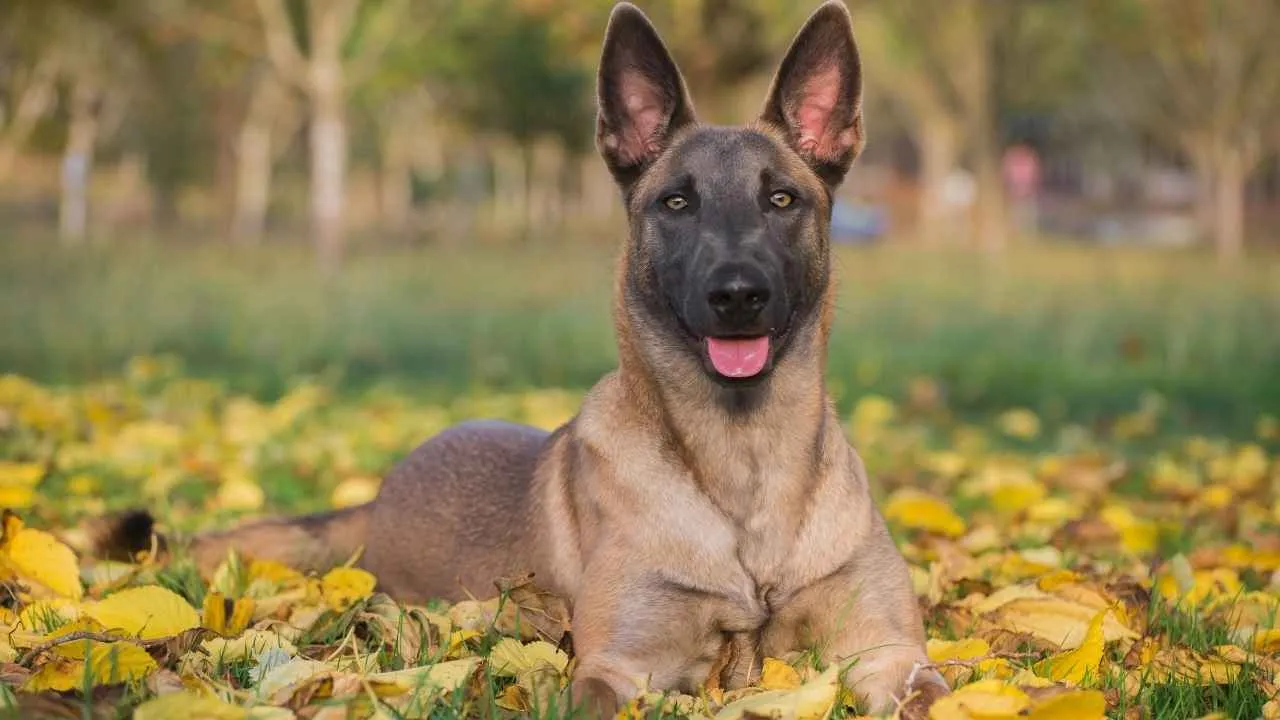
This medium-sized breed was developed from a shepherd dog in the late 19th century in Western Europe. Mostly kept as a family pet, but also takes part in Schutzhund and obedience competitions. This breed has also been employed by the Belgian army for various government institutes, such as drug detection departments.
It does not need extensive fencing to keep the herd within the boundary. It mostly follows the “wear style” method for herding, where it moves in Pendulum motions or wide arcs for animal gathering. With no switch-off button to work, it can work 24/7 non-stop. Since it has a high prey drive, it is insanely focused, and it tends to follow moving objects, making it perfect to work alongside humans.
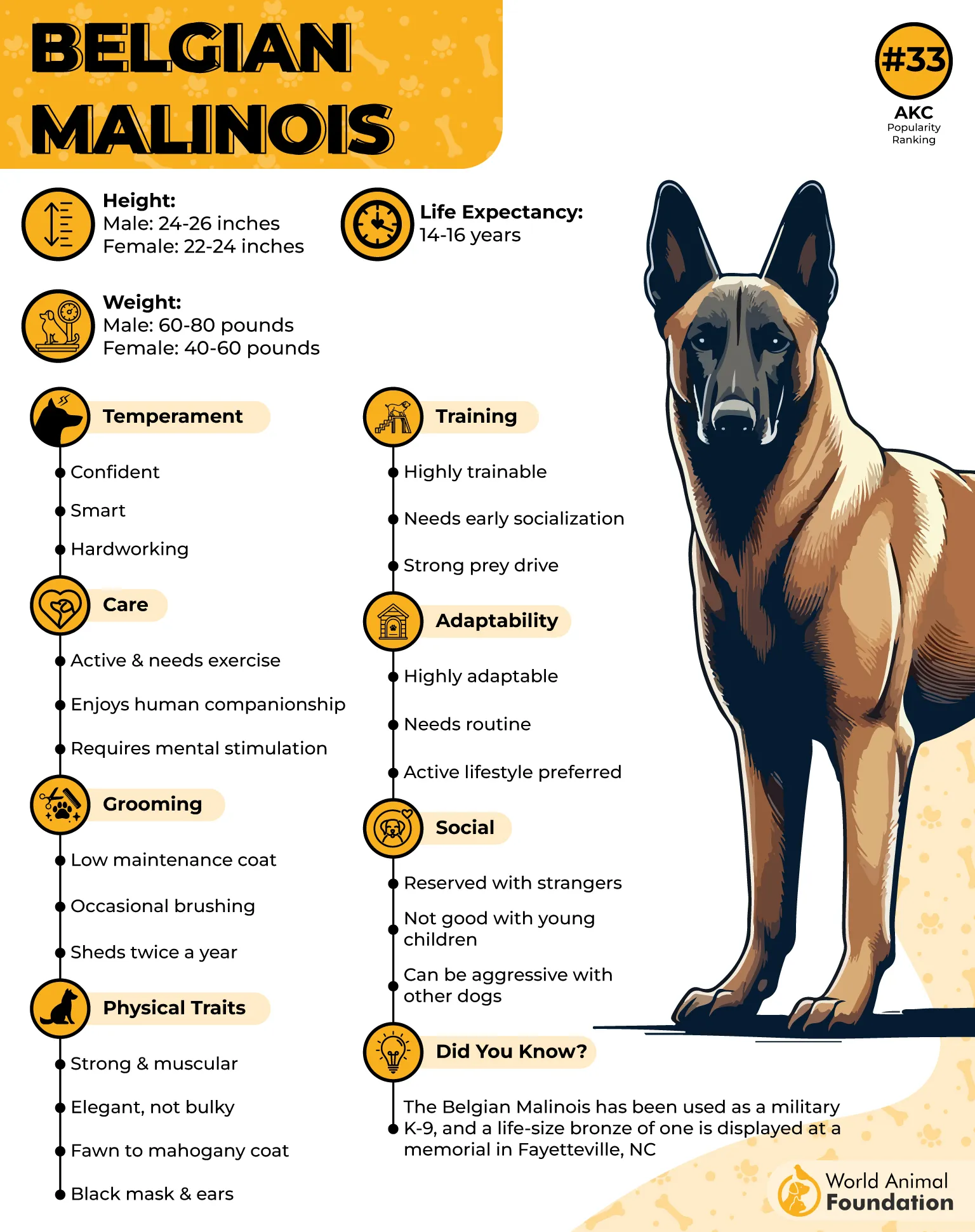
It acts as a boundary around livestock by running behind them or between them. It uses its high-pressure stare to keep the cattle moving in a direction. It tries to keep its flock in a tight space.
The breed paces up or down as per the handler’s commands. Using its high speed, it immediately physically stops the animal from straying. Once the task is done, it goes back to the rest position till the next command comes.
9. Great Pyrenees
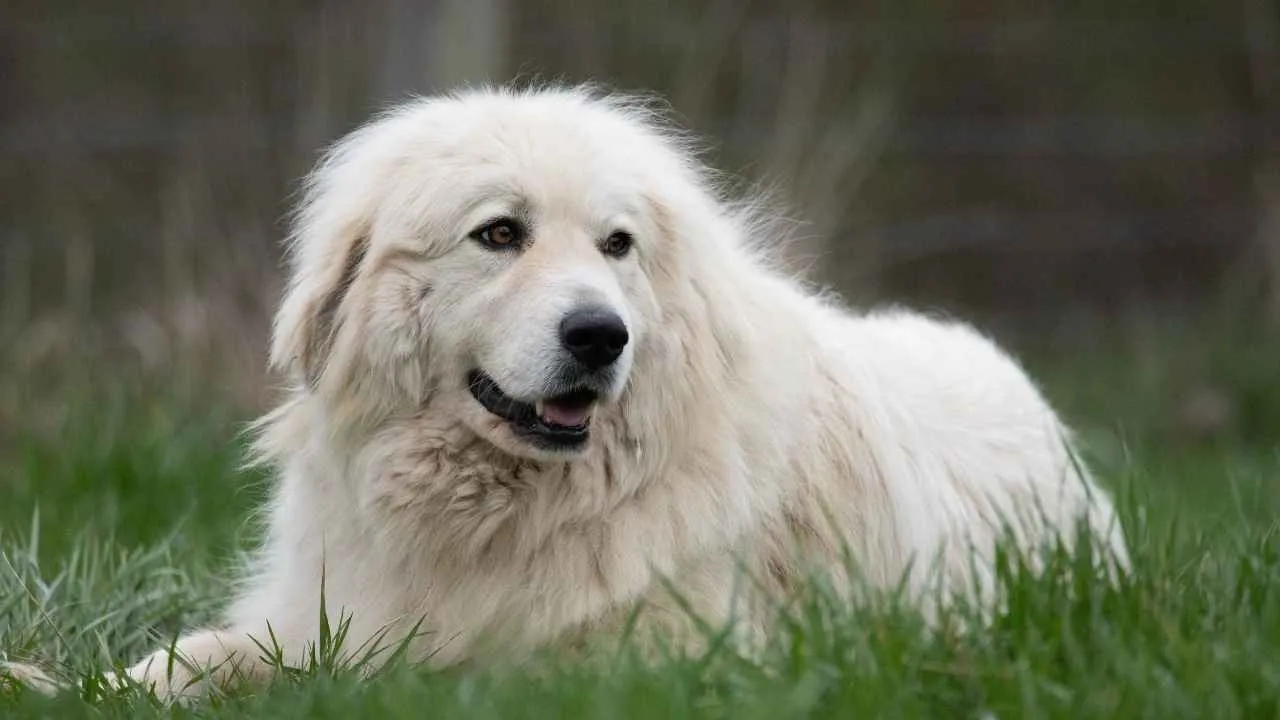
Originated in France and Spain as a livestock guarding dog. It is widely used in the Pyrenees mountains to protect the livestock from large animals, such as wild boars and bears. It was once used to smuggle contraband between the two countries. It does not take herding as a job, but genuinely cares for them like a protective brother, and is especially affectionate towards vulnerable, sick, or young animals.
It barks loudly to warn off the threat instead of engaging in a physical fight. Being a nocturnal breed, it works better at night than during the day. Since it was designed to work on cold mountains, it has a weather-resistant double coat and webbed feet for swimming. The white coat helps them perfectly mix with the sheep, creating great camouflage for predators.
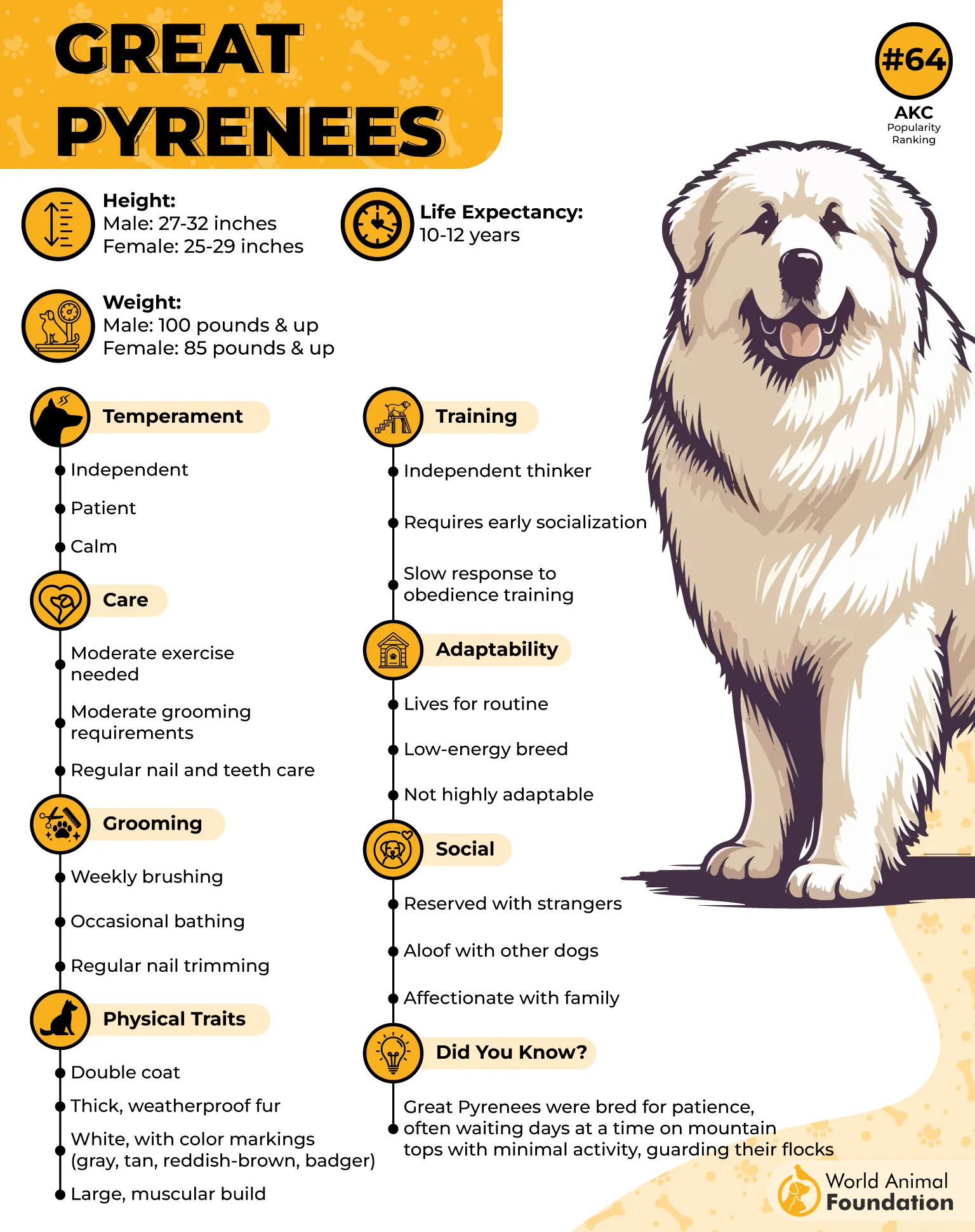
The puppies should be introduced to the herd earlier to make a strong bond. It physically makes a boundary with urine to alert the predator. It remains calm and lies down mostly during the day to conserve its energy for the night duty. It only acts aggressively in serious situations.
10. Anatolian Shepherd
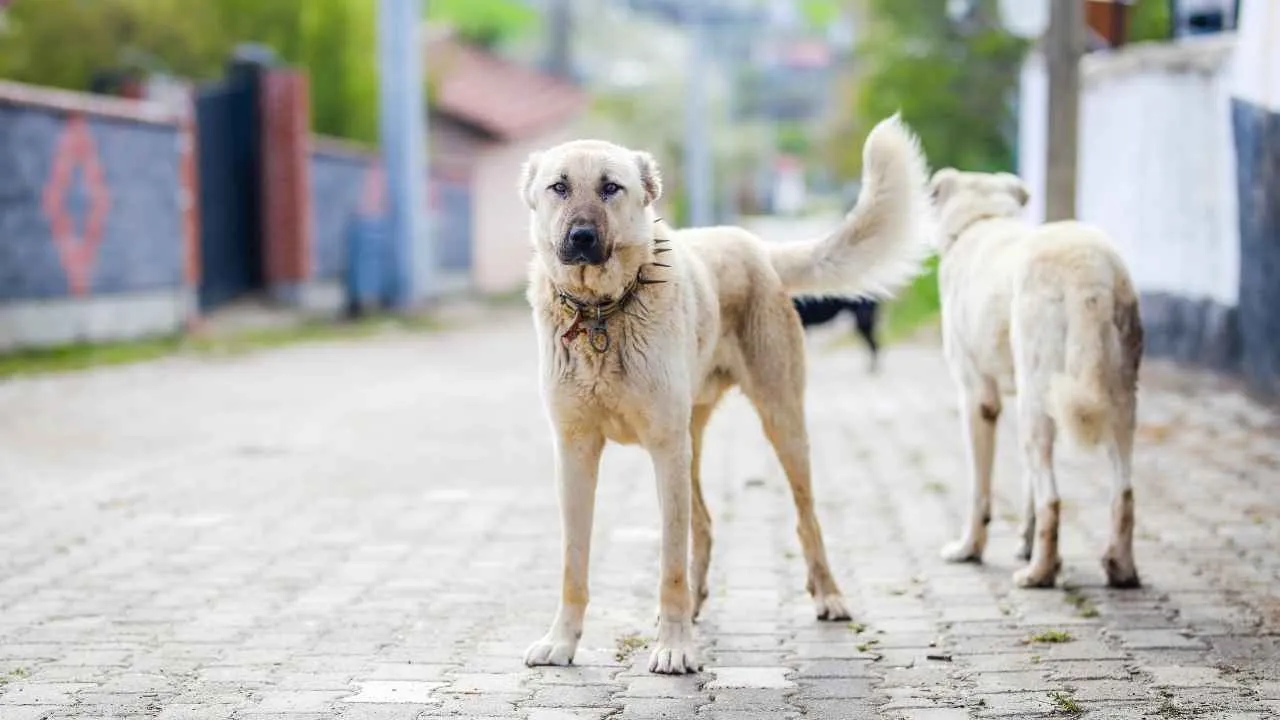
The ancestors of this breed are among the most ancient domesticated canines in the world. This dog originated in Turkey as a livestock guardian dog (LGD) 6,000 years ago. This dog was then imported to Namibia, Africa, for the protection of endangered Cheetahs. With its wheel behavior, it raises its tail to order the sheep to take shelter behind it.
Since it is an independent thinker, it works without human supervision. Having a short to medium double coat, it can survive both extremely hot and cold climates, making it the greatest breed for herding cattle. It is widely used in Africa and the United States, reducing the risk of livestock loss to 80-100%. It has a low prey drive that keeps it closer to the herd, and there are minimal chances of distraction.
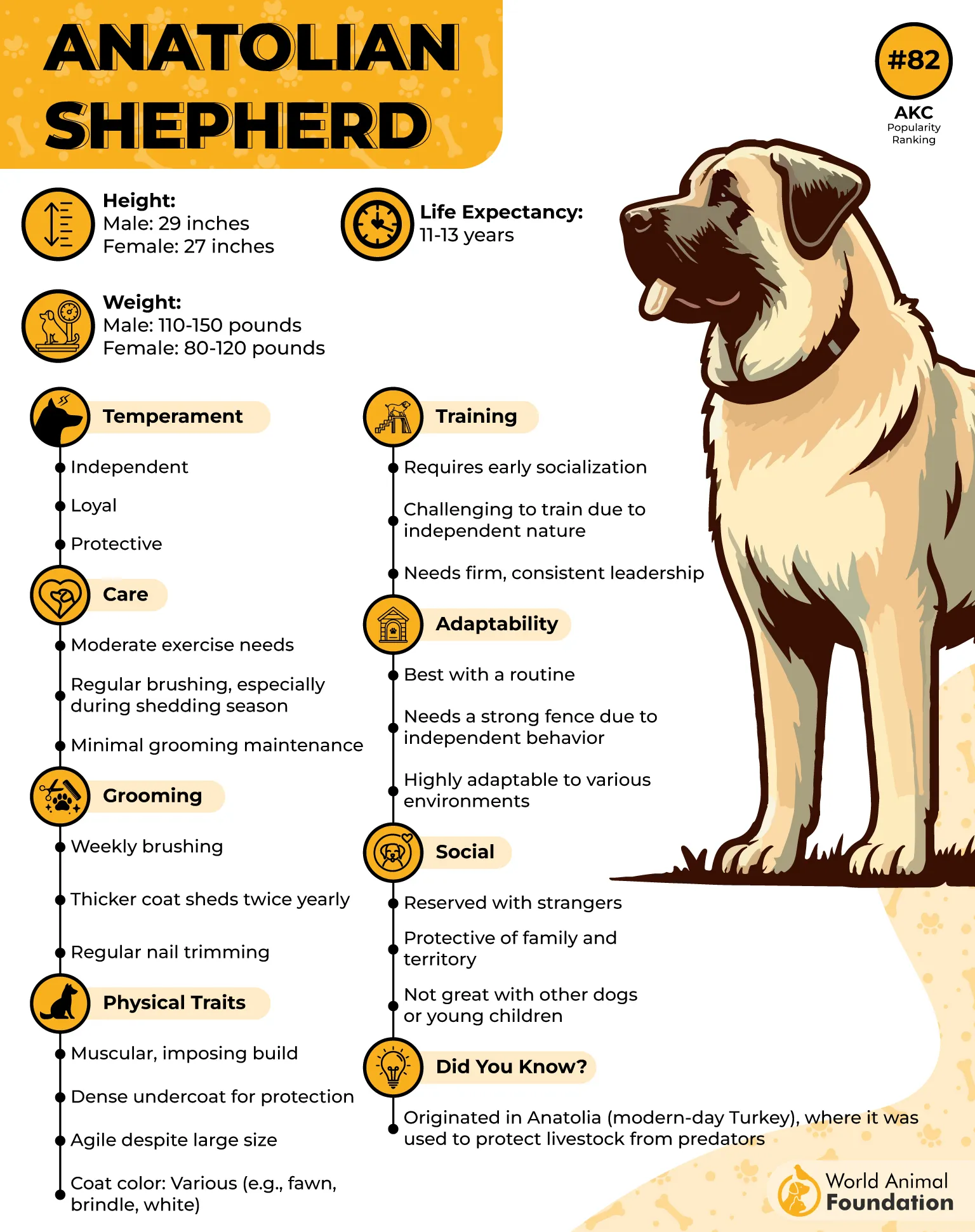
With its high speed of 35-50 mph, it is capable of catching a predator in the blink of an eye. Puppies within the age of 8-16 weeks are familiarized with the herd and raised to view itself a part of the flock and not their master.
It patrols regularly and makes a scent boundary with its urine. Then it chooses a high vantage point to monitor the surroundings. It remains silent upon detecting the attacker without revealing its location. It only gets physically involved to chase the threat.
Conclusion
From the Border Collie’s razor-sharp mind to the Anatolian Shepherd’s ancient instincts, every breed on this list brings something the farm truly needs. These dogs are not accessories; they are working partners, built through generations of selective breeding to handle real-world challenges.
Choosing the right breed comes down to your specific farm needs: herding precision, livestock guarding, general labor, or all three. What they all share is a desire to work, a loyalty that runs bone-deep, and a work ethic most humans could learn from.
