




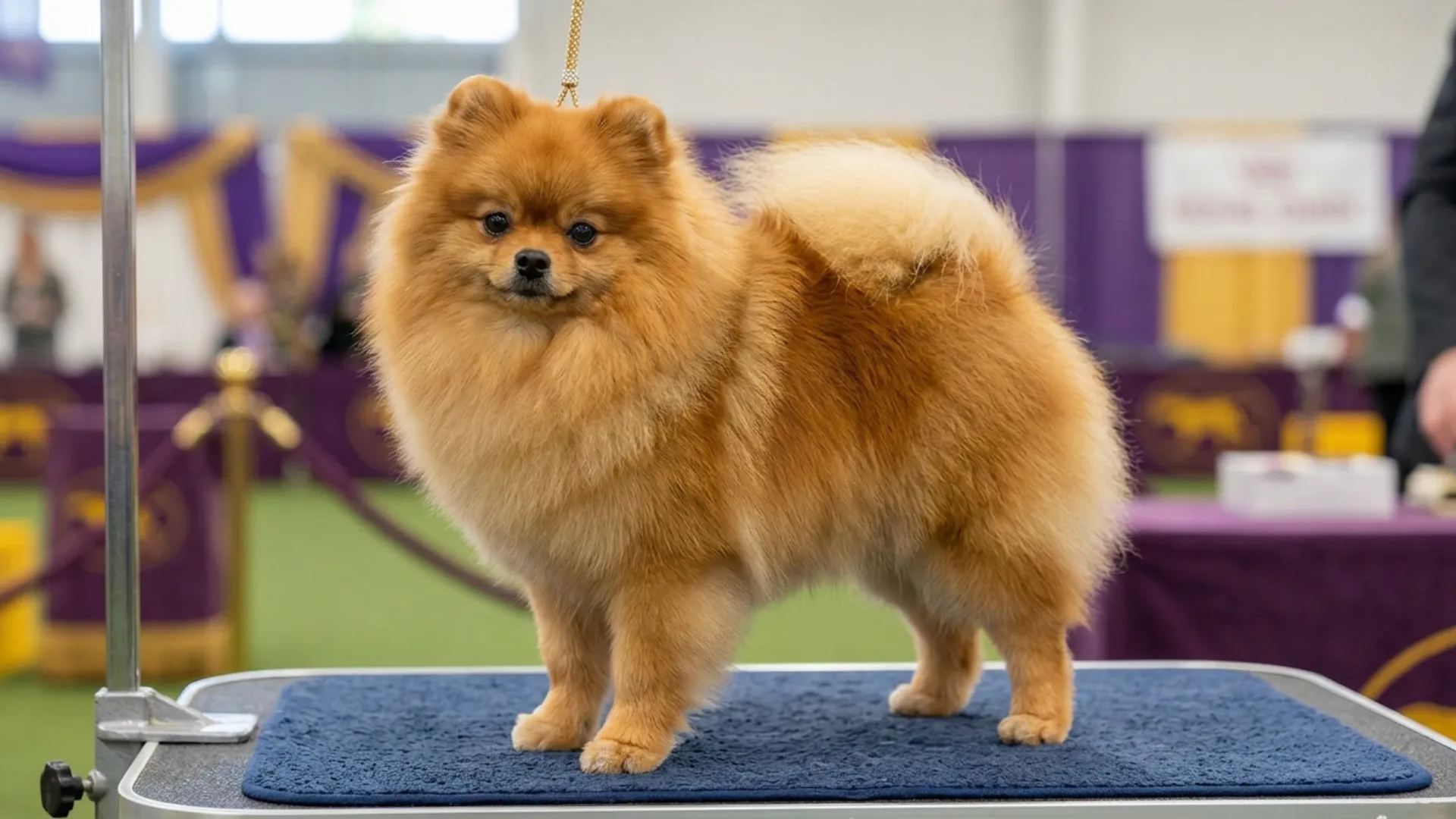
She chose a small puppy, thinking it would be easy to manage, something that would fit neatly into her apartment without much adjustment. In the beginning, everything matched that expectation.
The dog barely took up space, settled quickly, and seemed perfect for her routine. But over time, things changed. Growth brought new demands, and the comfort she had early on slowly shifted into something that required more effort than she had planned for.
That experience made one thing clear. Not all small dogs stay small, and that difference matters more than people expect. There are small dog breeds that maintain their tiny size without creating that shift. They remain consistent from the start, allowing you to build a routine that doesn’t need constant adjustment.
This article explores those breeds and explains why their stable size can make daily life feel far more manageable.
Key Takeaways
A puppy that fits perfectly into your space at first does not always stay that way, and that shift catches people off guard.
Then come breeds like Chihuahua and Pomeranian that stay truly tiny, keeping that same easy routine from the very start.
Yorkshire Terrier and Maltese bring their own presence too, small in frame but steady in how they fit into daily life.
As you go further, you start noticing which of these dogs actually stay the size you planned for.
Small Dog Breeds That Maintain Their Tiny Size
1. Chihuahua
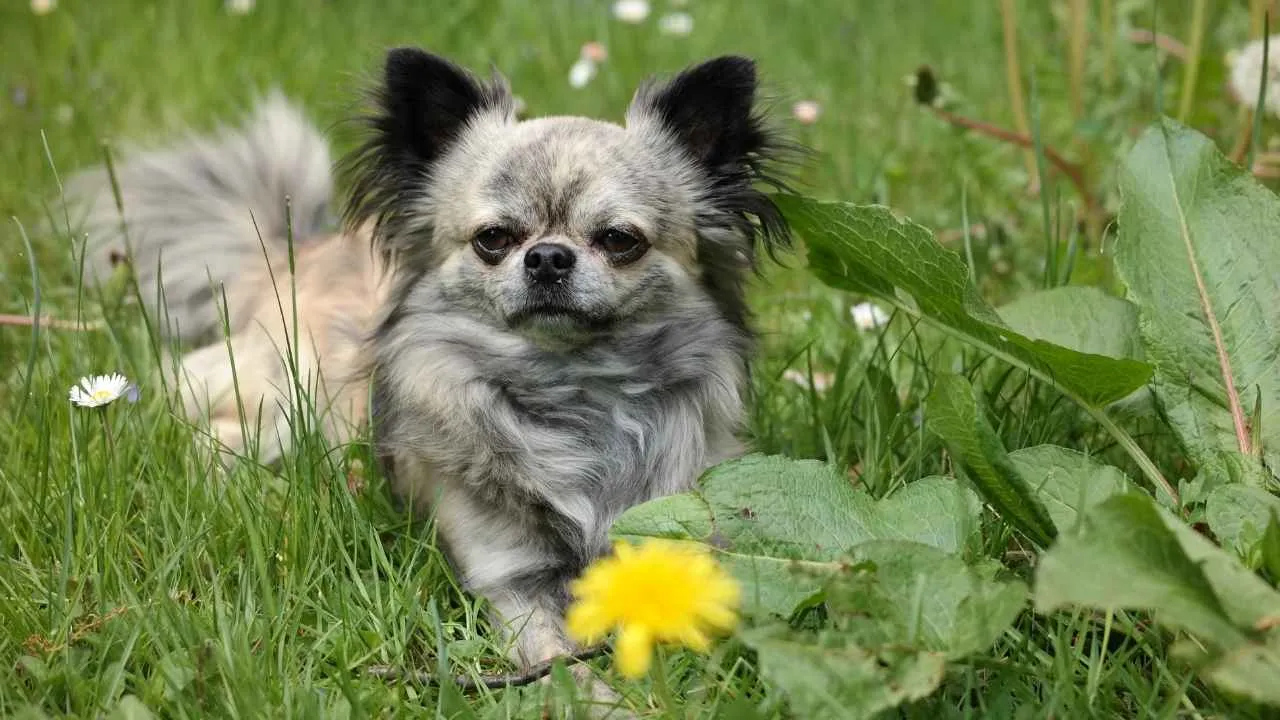
Chihuahua brings a compact build paired with a confident, almost commanding personality rooted in ancient Mexican lineage.
Its rounded apple-shaped head, upright ears, and bright eyes give it a highly expressive look. Despite its size, the breed carries a strong, self-assured presence in everyday life.
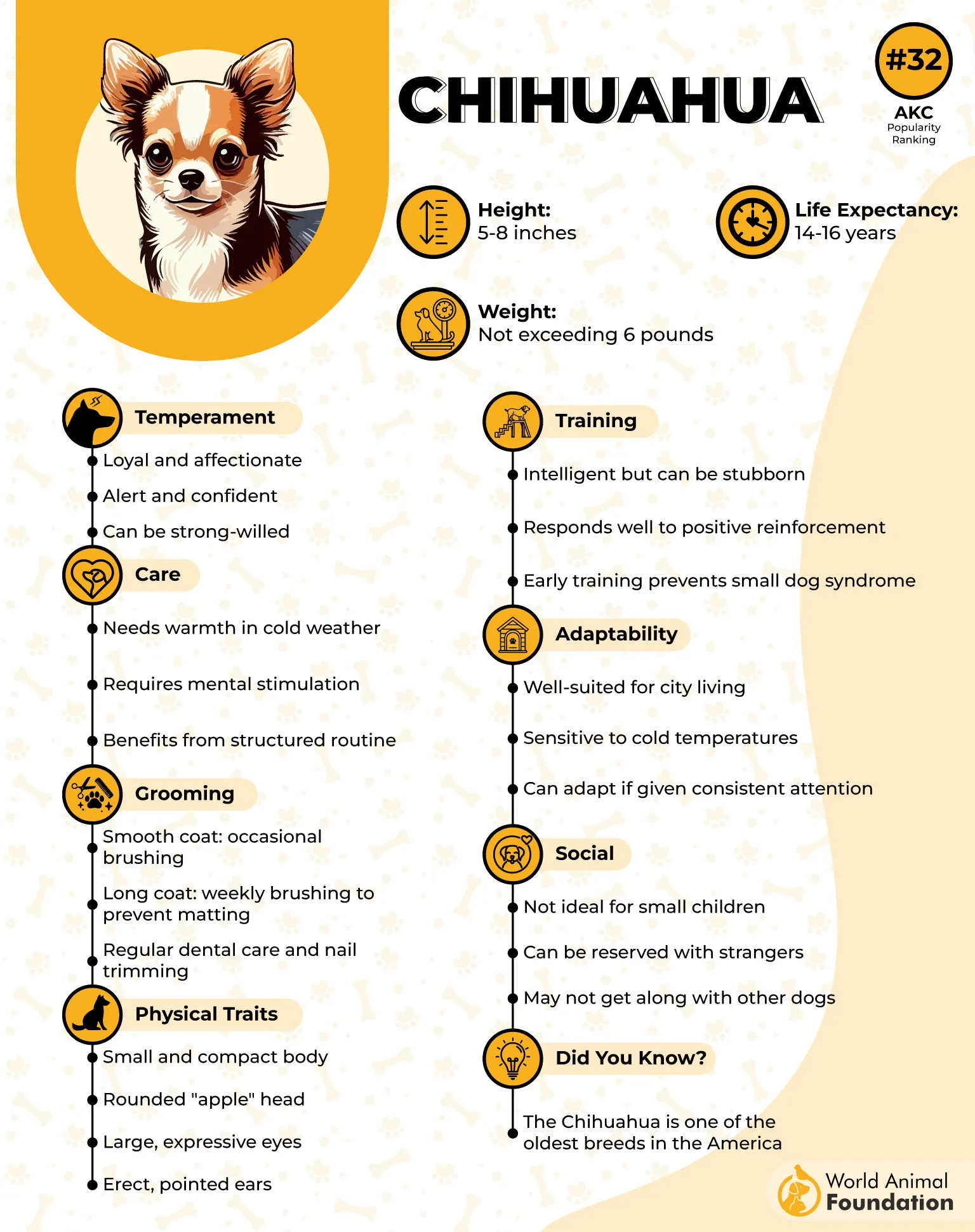
Physical traits and daily rhythm
They fit easily into flats or apartment life, needing only light activity like short walks or following people indoors. Its coat varies between short and long types, both sharing the same structure and temperament.
A quick look at defining details:
Apple-shaped head with alert expression
Coat appears in multiple colors and patterns
Compact size suited for indoor living
Behavior within close spaces
Famously known as a purse dog, they form a strong attachment to their chosen person, often staying close and seeking physical contact, as per the AKC.
Its playful side appears in short bursts of activity, followed by relaxed time nearby. Care is needed around children due to their delicate size and sensitivity.
2. Pomeranian
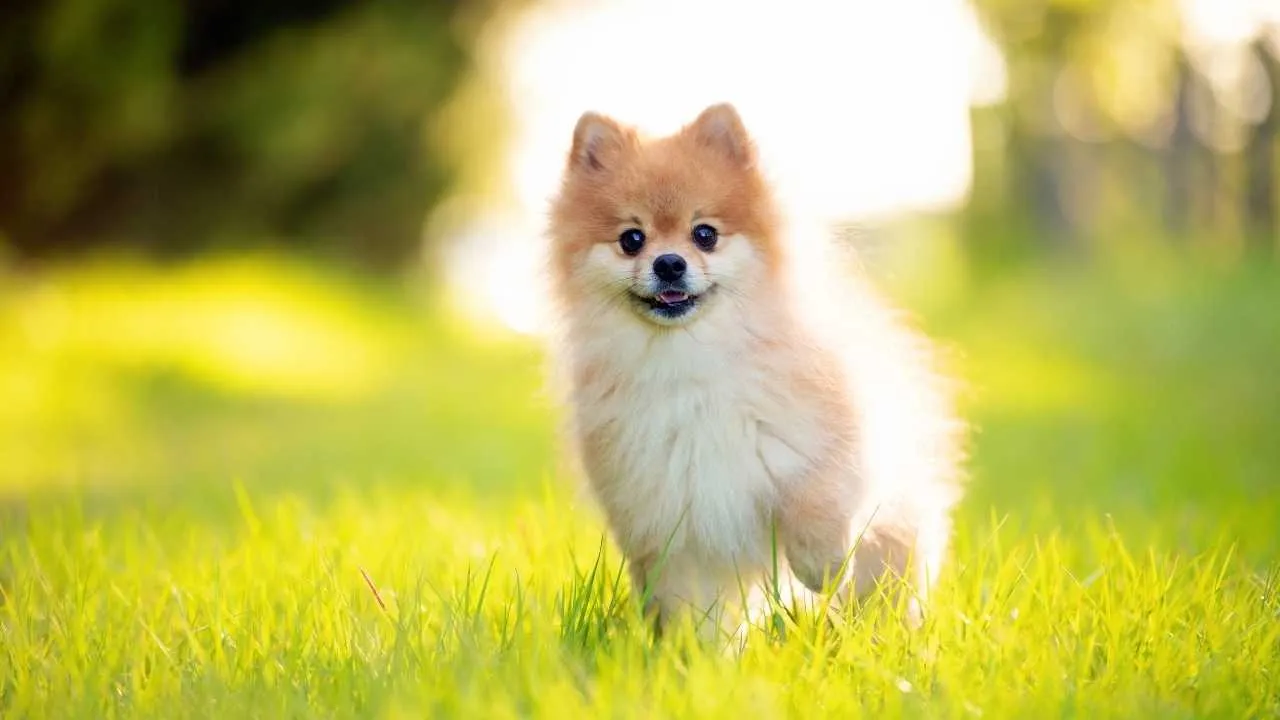
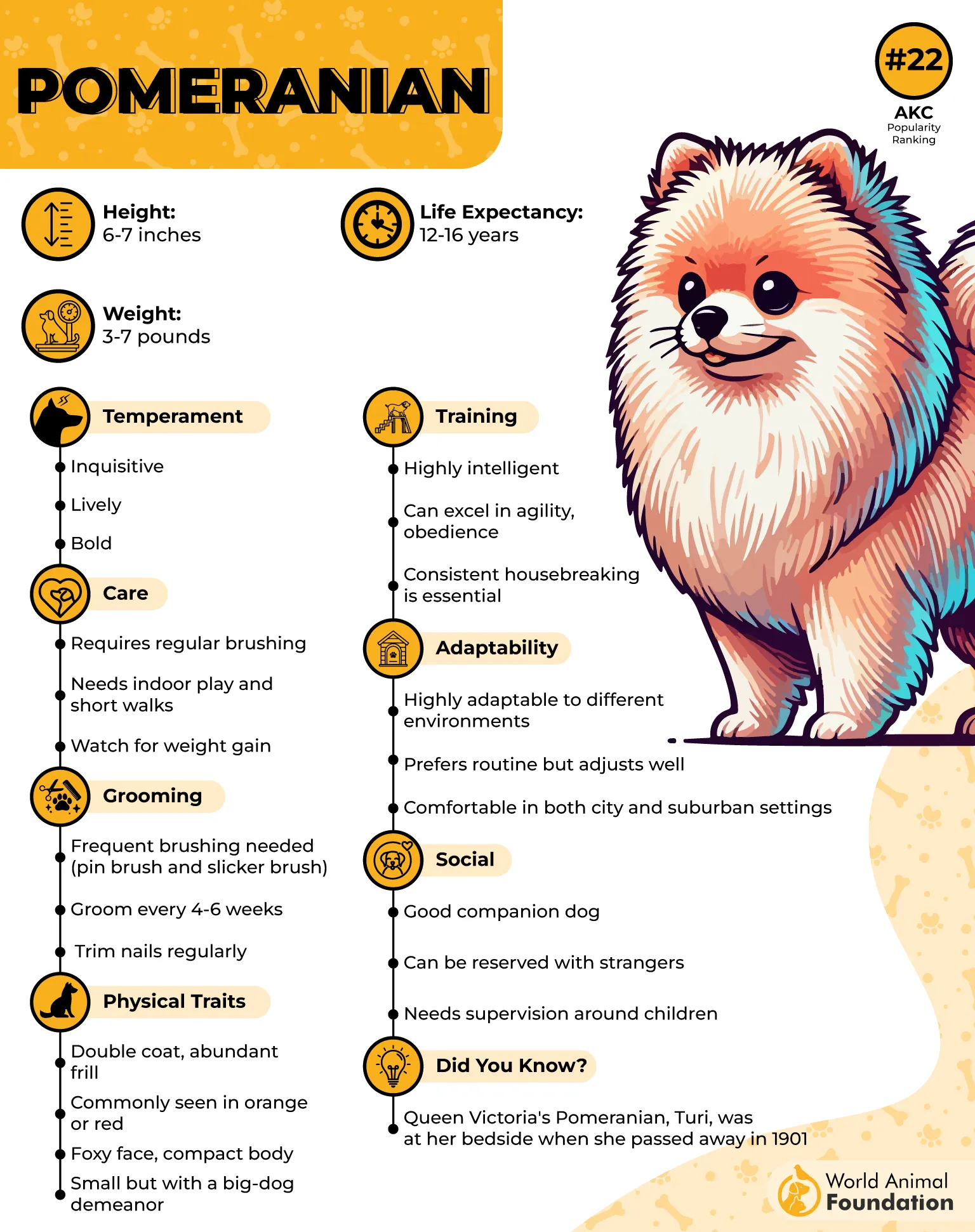
Pomeranian fits within a weight of no more than 7 pounds, yet its confident expression gives it a much larger presence. The thick double coat and foxy face add to its lively appearance, often paired with an alert and curious nature. This mix creates a companion that feels small in size but full in character.

An alert mind and quick learning
This cute dog breed picks up training cues easily, responding well to structure and interactive tasks like tricks and games. Its intelligence pairs with a watchful instinct, making it attentive to changes in its surroundings.
That awareness comes through in small but clear ways:
Reacts quickly to new sounds or activity
Learns commands and tricks with ease
Engages actively during play and interaction
Daily life and activity pattern
They stay active through short bursts of indoor play along with brief walks, fitting comfortably into smaller living spaces. It enjoys movement and interaction, often turning simple activities into engaging routines. At home, it gravitates toward close companionship and shared time.
3. Yorkshire Terrier
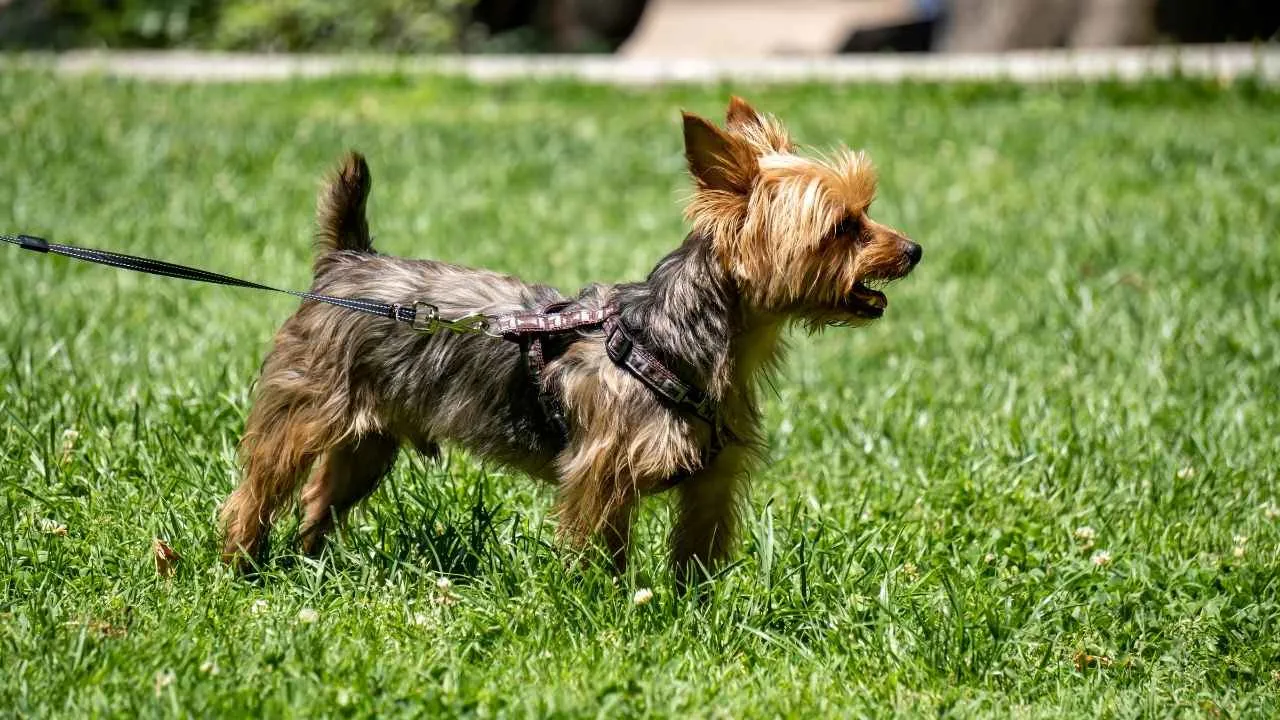
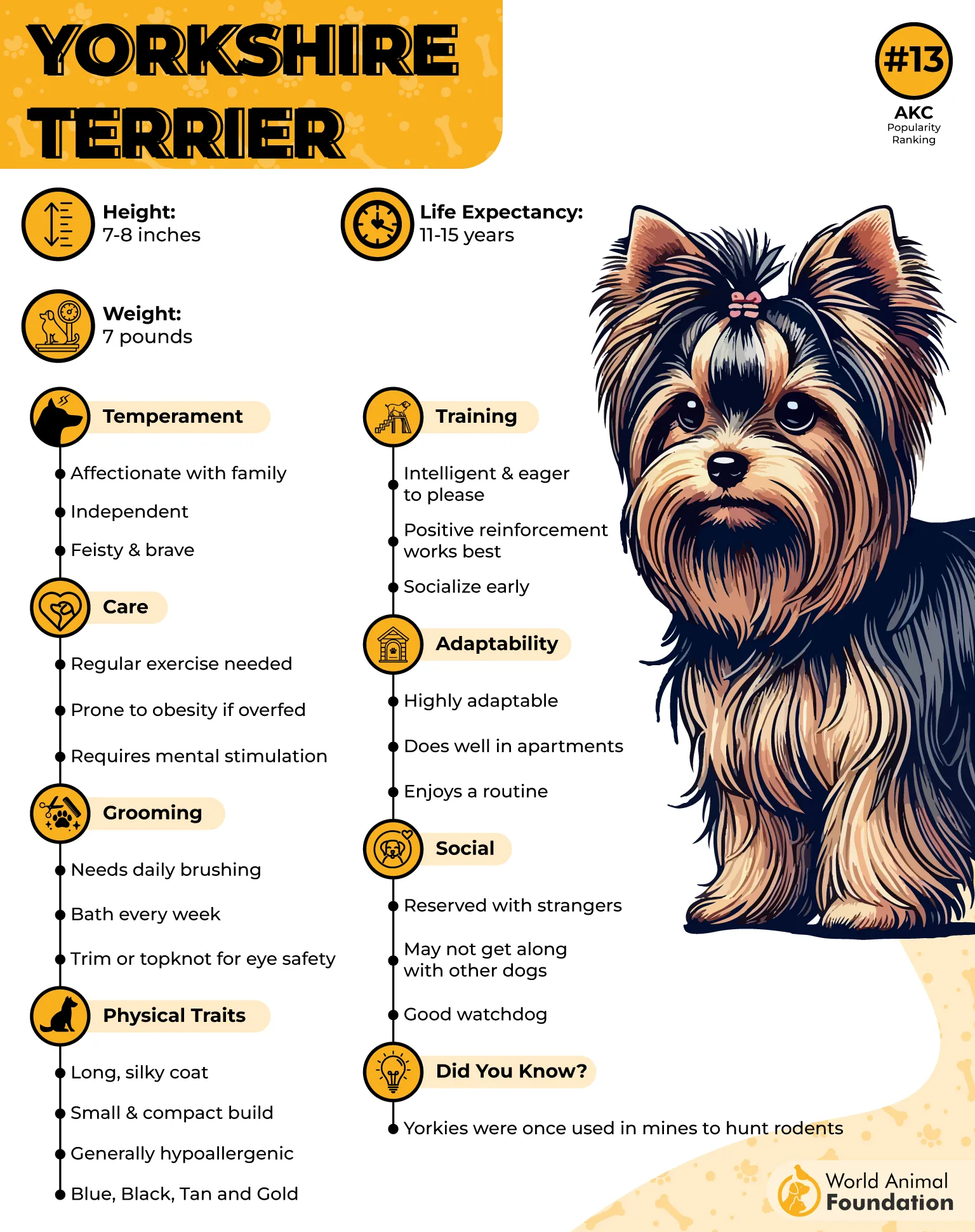
Yorkshire Terrier packs a bold terrier temperament inside a compact toy-sized body. Its early role in mills and mines shaped a dog that handled rats with persistence and sharp instinct. That working edge still appears beneath the refined, glossy coat.
Structure behind the small scale
This lap dog combines a fine-boned frame with a coat that grows more like human hair than typical fur, as PetMD noted. This distinct coat texture requires regular upkeep, especially when kept long.

A closer look highlights practical details:
Hair-like coat needing daily brushing
Compact body suited for confined spaces
Lightweight build, easy to manage indoors
Daily rhythm and interaction
As a small terrier, they respond well to moderate walks paired with short bursts of play like chasing small objects. Its social nature keeps it closely engaged with people, often seeking attention and interaction. This combination supports both activity and companionship in smaller living setups.
4. Maltese

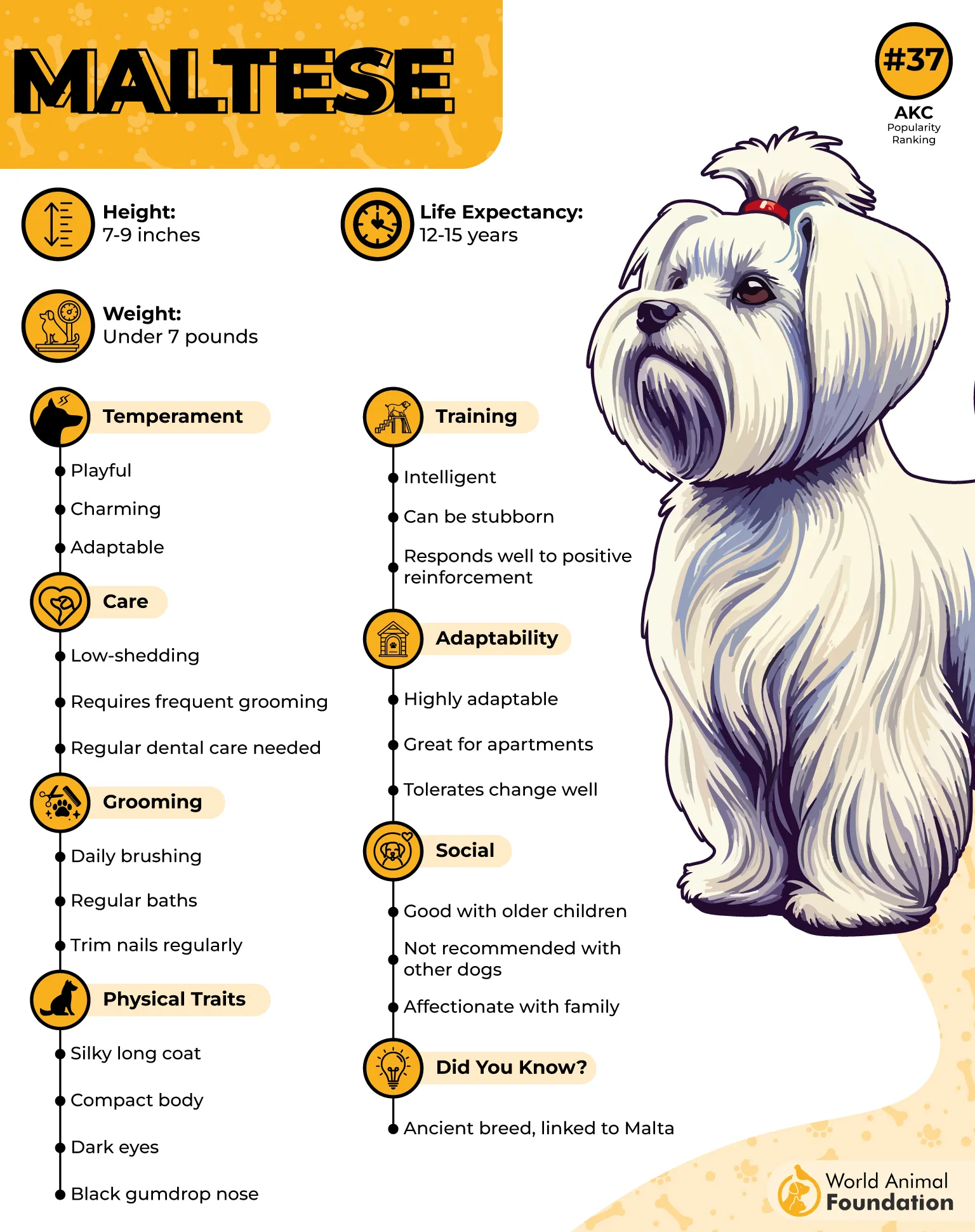
Maltese draws attention with its flowing white coat paired with a compact frame that moves with smooth balance. This breed, originally bred as a companion, reflects refinement shaped through centuries of close human connection. Its expressive face adds to a presence that feels both delicate and confident.
Compact structure with alert instinct
Maltese combines its small size with a surprising level of awareness, often reacting quickly to changes around it. Beneath the coat lies a sturdy body that supports light, effortless movement.
That balance becomes clearer through key features:
Compact frame beneath long, fine coat
Quick alert response to surroundings
Light, fluid gait during movement
Social behavior and daily rhythm
This is a small dog breed that stays involved in everything indoors, is rarely alone, and is always connected to its people. It enjoys interaction across different age groups and adjusts comfortably to changing routines. Regular daily walks or short bursts of indoor play keep these lively little dogs active.
5. Russian Toy
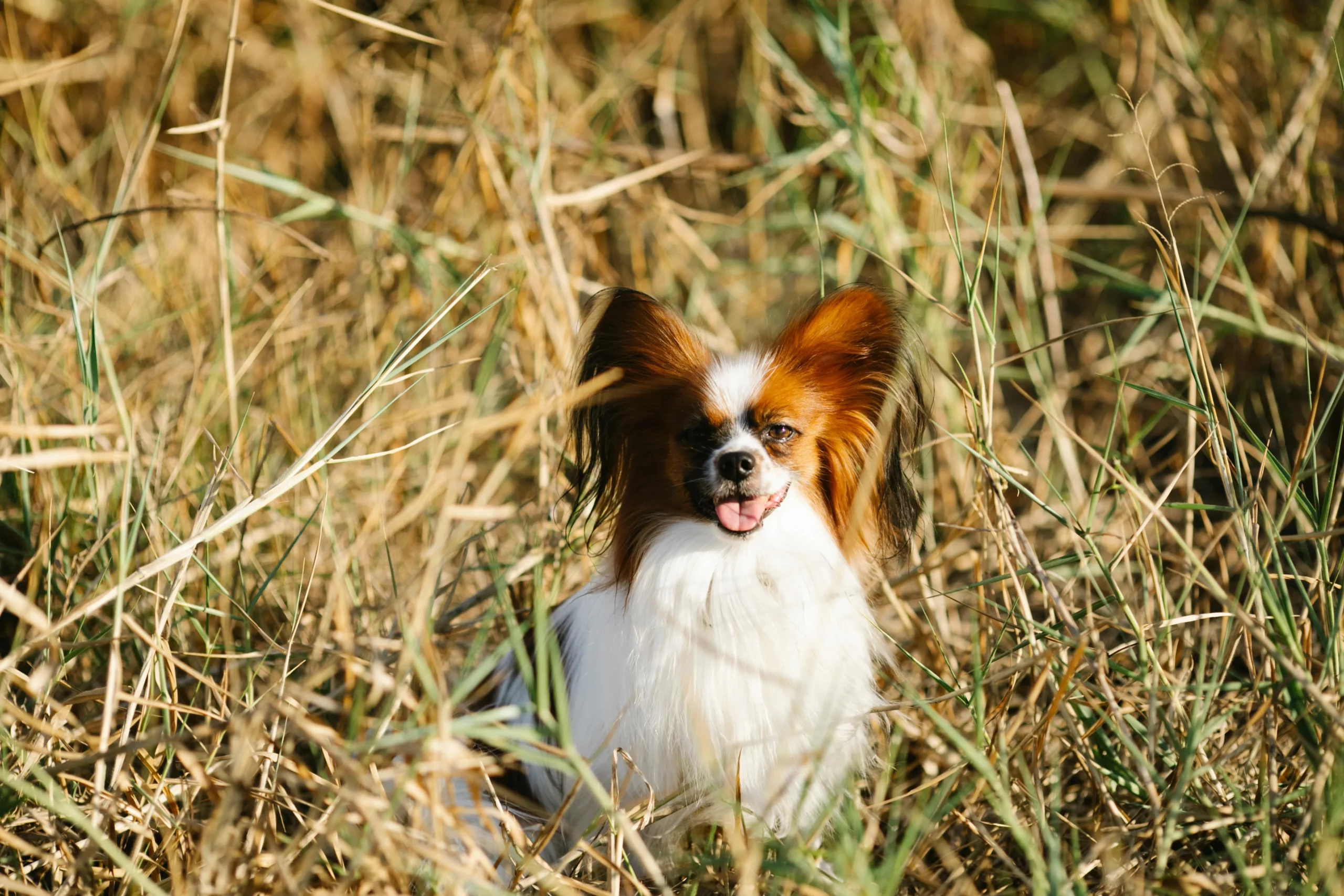
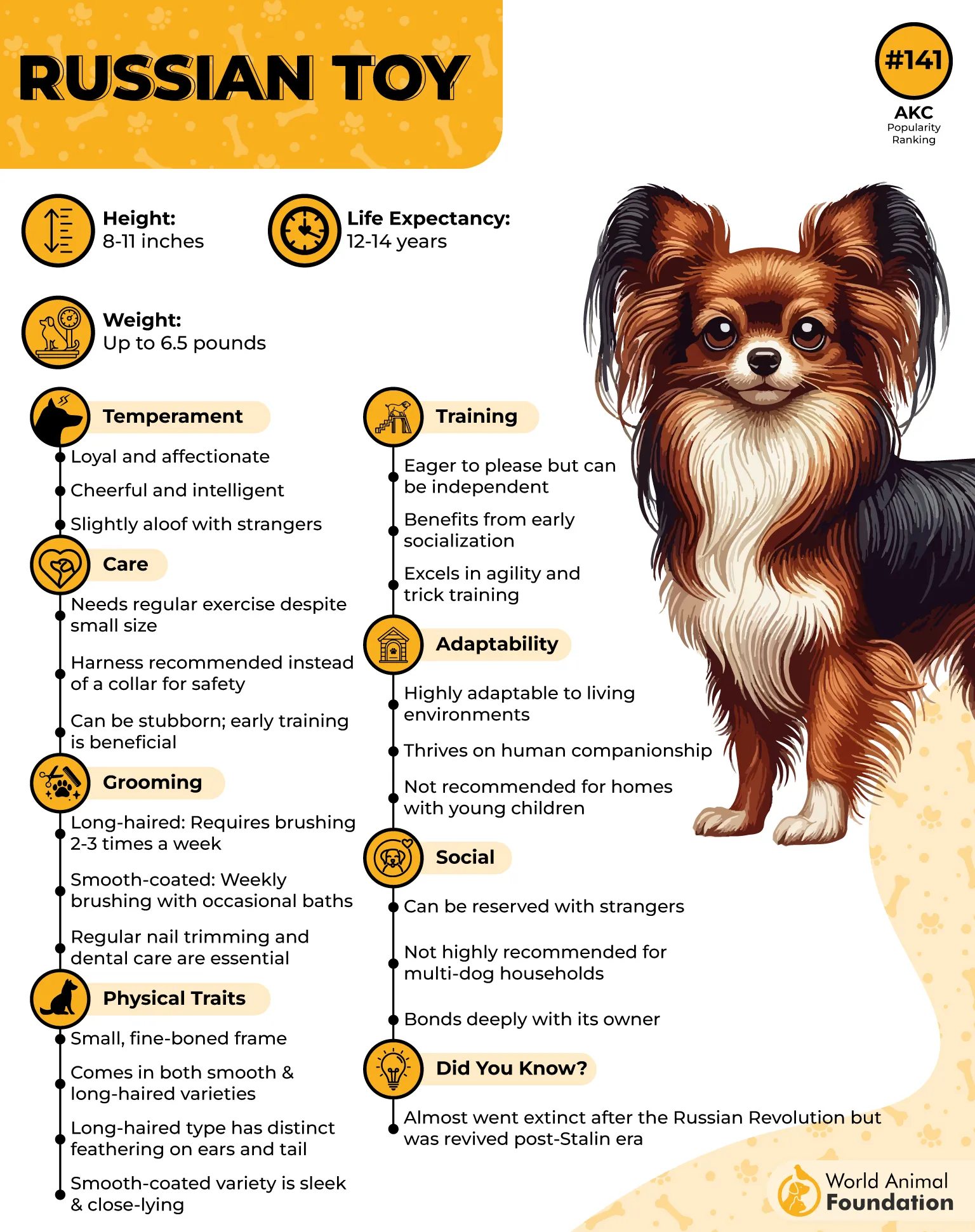
Russian Toy draws attention through its long legs, fine bone structure, and lean muscles packed into a very small frame.
Its movements feel light and quick, matching an alert expression and active temperament. This compact build reflects both elegance and constant readiness for interaction.
Coat variation and physical detail
This small breed appears in two coat types, each shaping its overall look and subtle behavioral differences, as Purina claims. The long-haired form develops feathering over time, while the smooth coat remains sleek and close to the body.
These physical traits define its appearance clearly:
Feathered ears, tail, and limbs in a long coat
Sleek, close texture in smooth coat
Ruff forming gradually on the chest area
Social attachment and daily behavior
They have an affectionate nature and stay closely connected to their human circle, often seeking physical closeness and reacting when attention shifts away. It can shift between playful bursts and quiet lap time within the same day. Interaction plays a central role in how it behaves indoors.
6. Toy Poodle
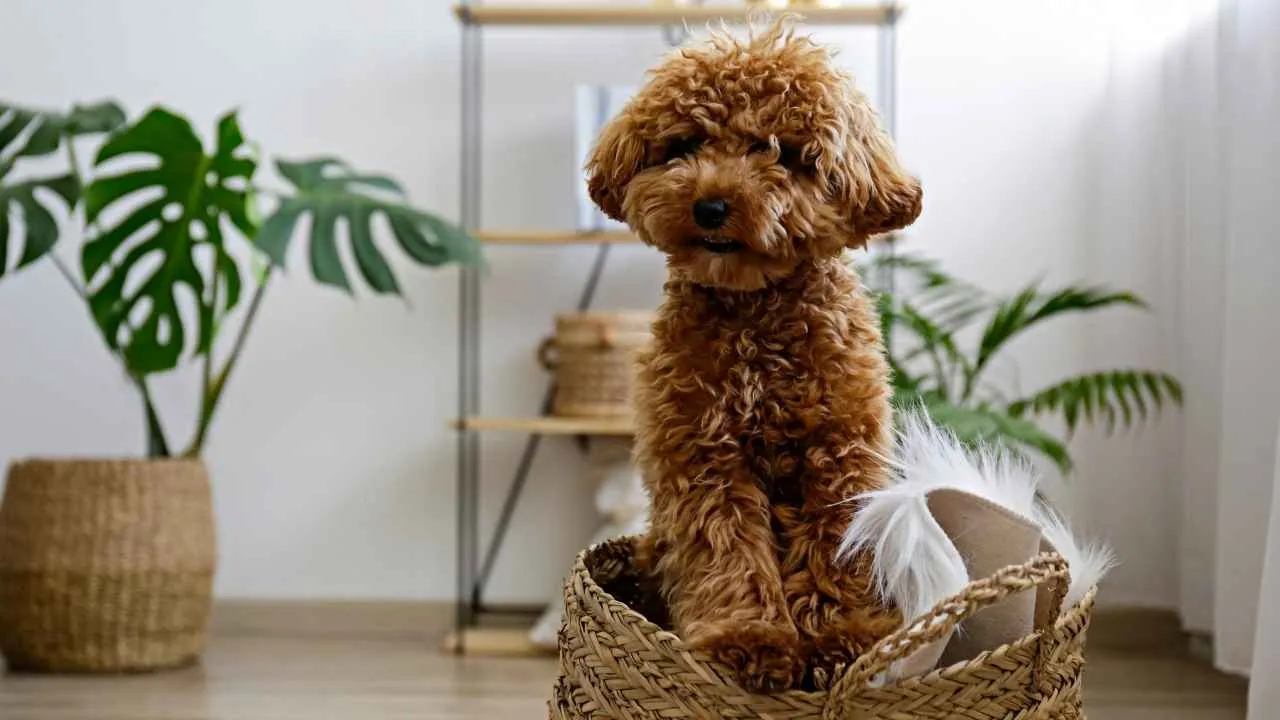
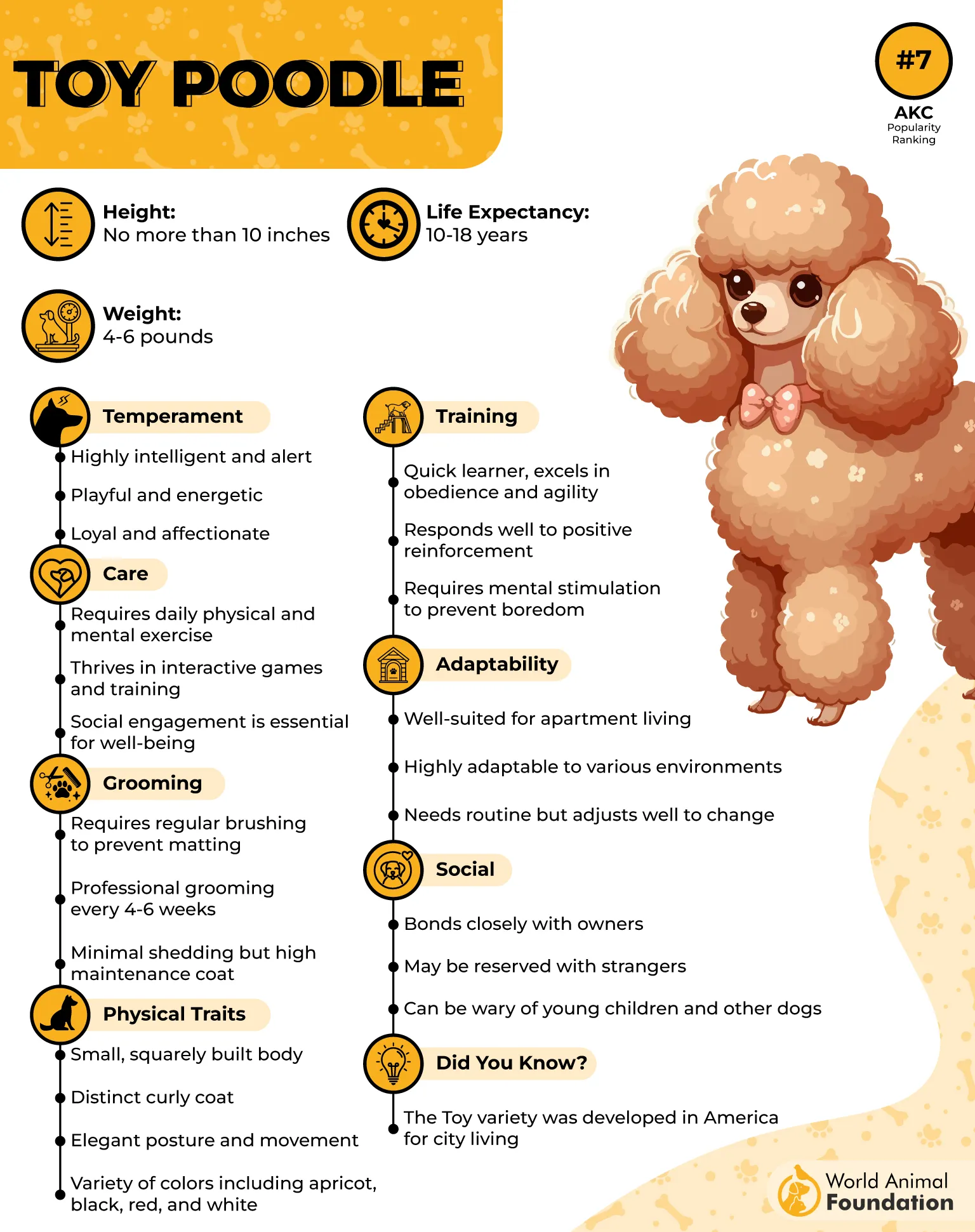
Toy Poodle combines small size with a level of intelligence rarely seen in toy breeds, shaped from its origin linked to larger working Poodles.
Its ability to learn quickly connects directly to its earlier role tied to retrieving tasks. This background explains why it responds actively to interaction even in a smaller frame.
Structure behind its size and upkeep
They keep their compact build while carrying the same coat type found in larger Poodles, with continuous growth that requires regular trimming. Its coat pattern plays a role in both appearance and care routines.
That structure reflects in key physical aspects:
Curly coat with a continuous growth cycle
Requires trimming every four to six weeks
Low shedding compared to many breeds
Behavior within the home
As a family dog, they interact closely with people, showing a mix of playfulness and calm behavior depending on the setting. It adjusts easily around children and other pets when introduced early. Its small size requires careful handling during active play.
7. Japanese Chin
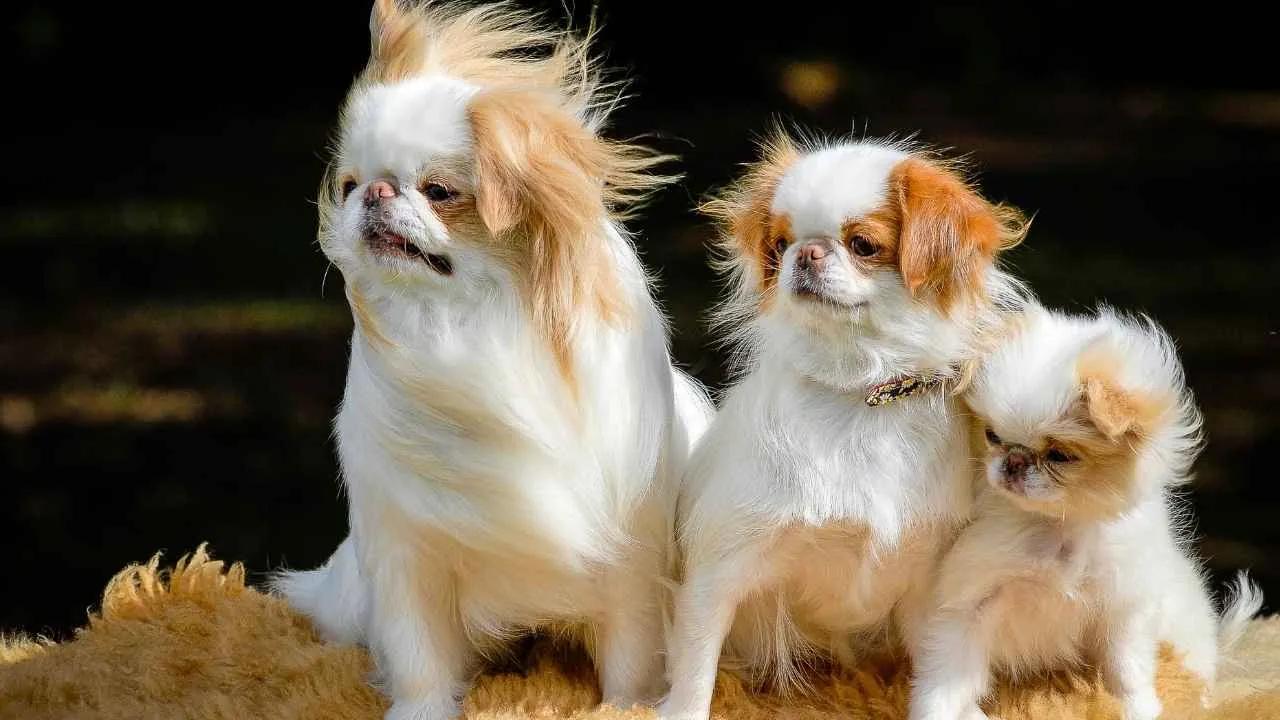
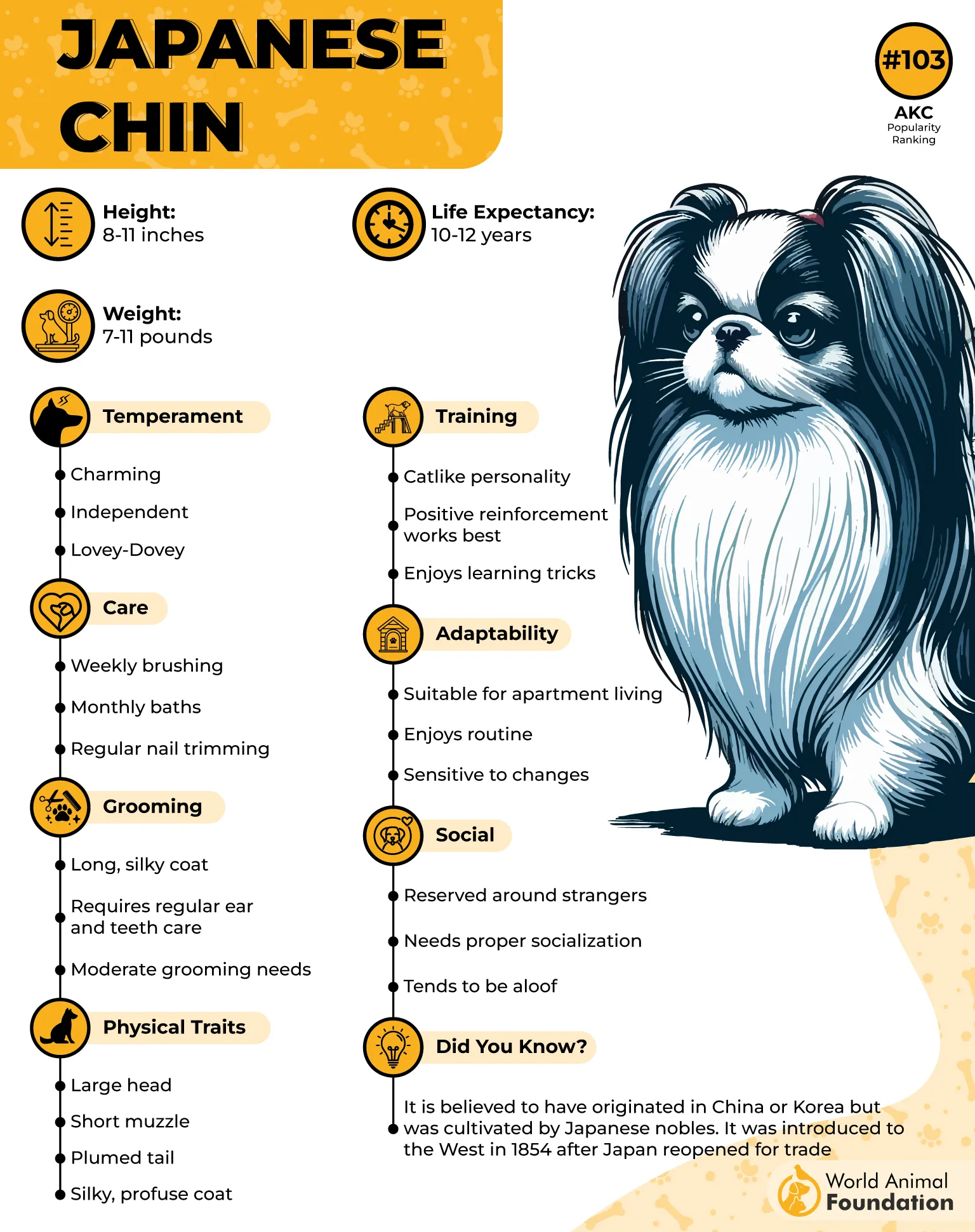
Japanese Chin brings a cat-like grace into a small companion, reflected in its quiet nature and refined movement. Its wide eyes and short muzzle create a distinct expression often described as curious or surprised. The overall look feels ornamental, shaped by fine detailing rather than bulk.
Distinct features in compact structure
They form their identity through a combination of coat texture and body proportions that remain consistently small. The mane around the neck and feathered tail contribute to its balanced outline.
That appearance comes together through:
Large head paired with a short muzzle
Plumed tail arching over the back
Silky coat with feathering on legs
Indoor behavior and temperament
Considered best for apartment living, they often choose calm corners or elevated spots within the home. Its temperament leans toward quiet interaction, with playful moments appearing in short bursts. The breed often mirrors a cat in how it engages with its surroundings.
Conclusion
Small size seems simple at first, yet it quietly shapes how daily life is arranged around them. These breeds stay steady in how they move, live, and settle into space, making them a good match for a small apartment. Everything adjusts naturally without effort, even with big personalities.
As time passes, their behavior becomes part of the home’s rhythm in a natural way. They remain close, respond gently, and blend into everyday moments without adding pressure. Their manageable size keeps things easy. In the end, their presence supports a calm, familiar lifestyle, making them great pets.
