




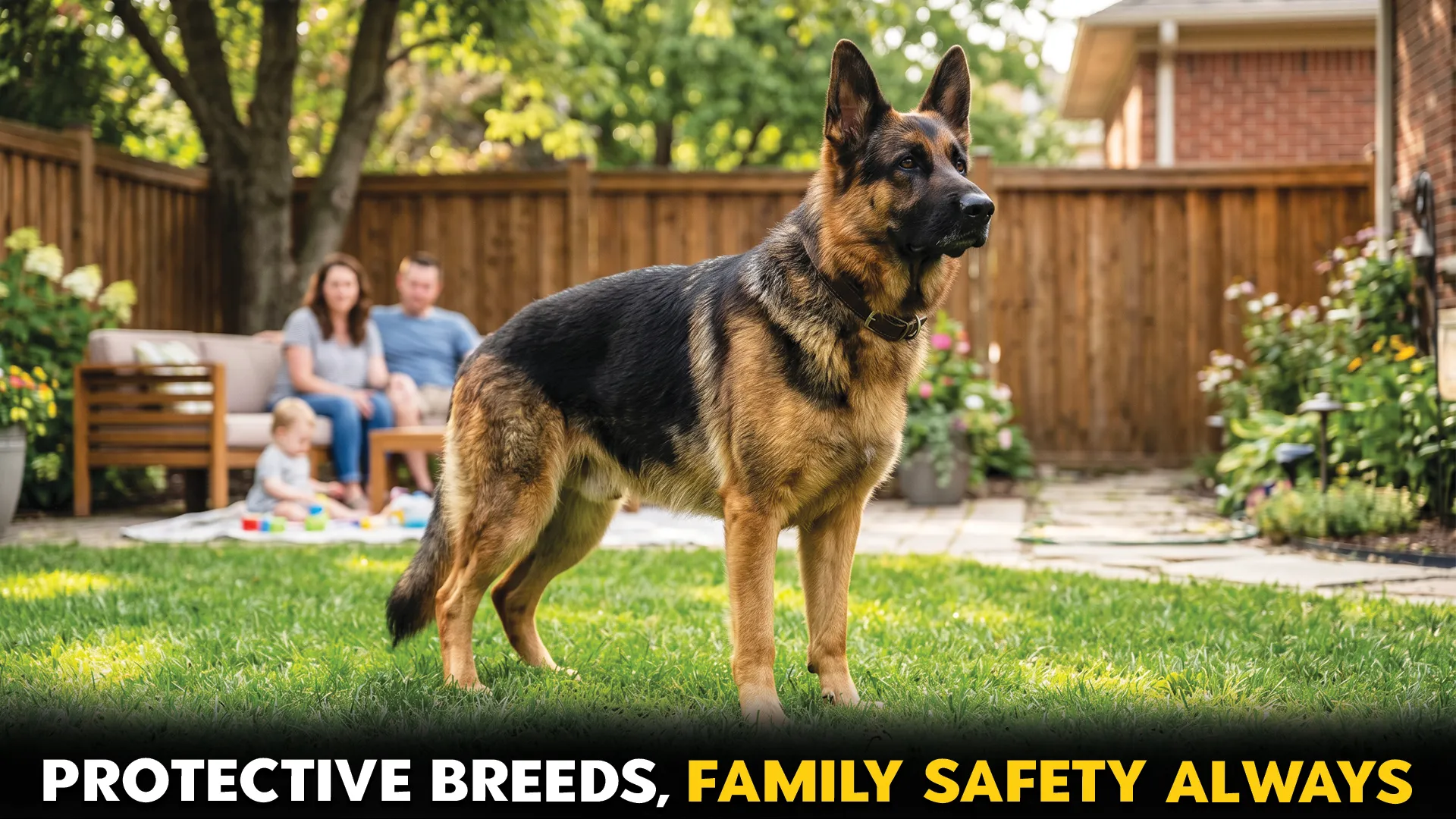
You love family more than anything. But let’s be real, the world is not always a safe place. That is where the right dog comes in. Not just any dog. You want a one that would scare off a trespasser but still cuddle your five-year-old on a Saturday morning.
As Josh Billings said, “A dog is the only thing on earth that loves you more than it loves itself.” And we can not agree more. Whether it’s an unharmful vehicle passing by or a giant attacker coming to rob, your dog would be the first thing you would find on the front line.
According to the American Pet Product Association, over 65 million U.S. households own a dog, and a growing chunk of them want protection built into that fluffy package. These nine breeds deliver exactly that loyalty, power, and heart, all wrapped in fur.
Best Dog Breeds for Families Seeking Strong Protection
1. German Shepherd
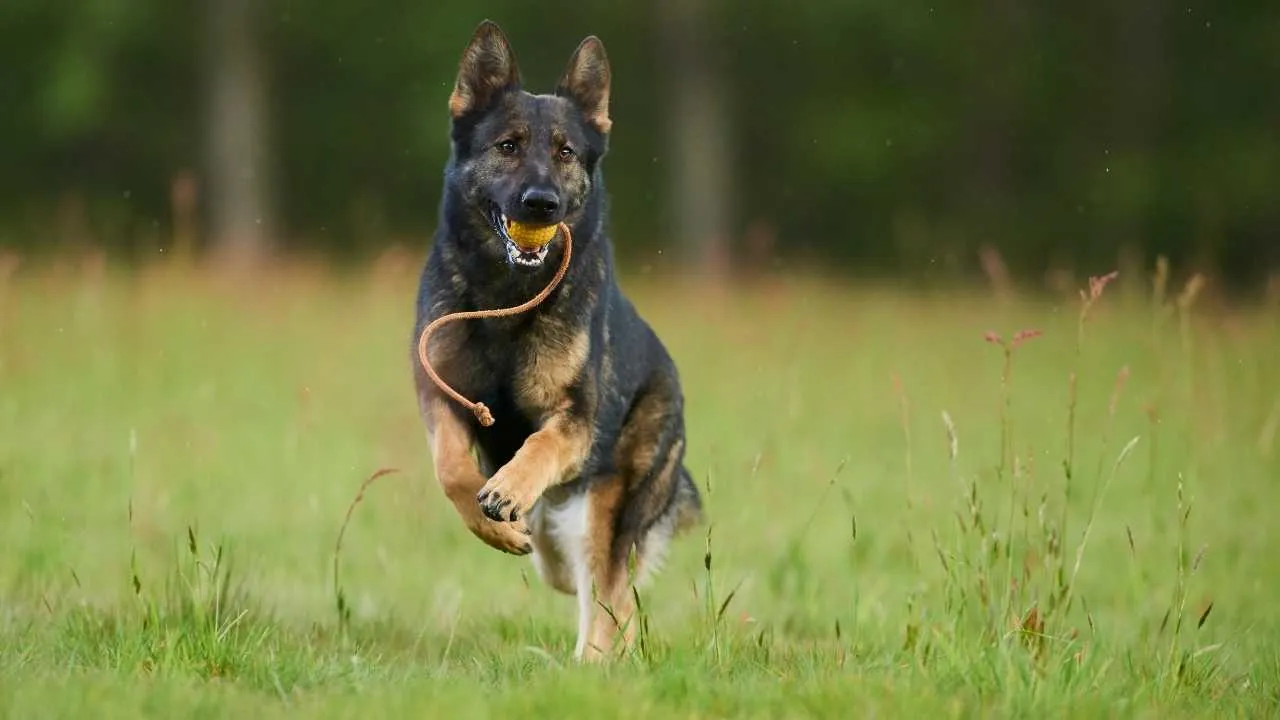
The credit for the German Shepherd’s birth goes to Max von Stephanitz, who developed this herding breed in 1899. The most popular dog breed in the United States in 2016 was first recognized after World War I, according to Wikipedia.
Due to its high intelligence (ranked as the third most intelligent breed), the GSD can understand complex commands, learn quickly, and make fast decisions. The “Switch-off” mode is on as soon as it enters a safe territory, keeping the alert instincts active, however. This guard dog breed sees its family as its “pack,” and thus, is always ready to guide, protect, and love them.
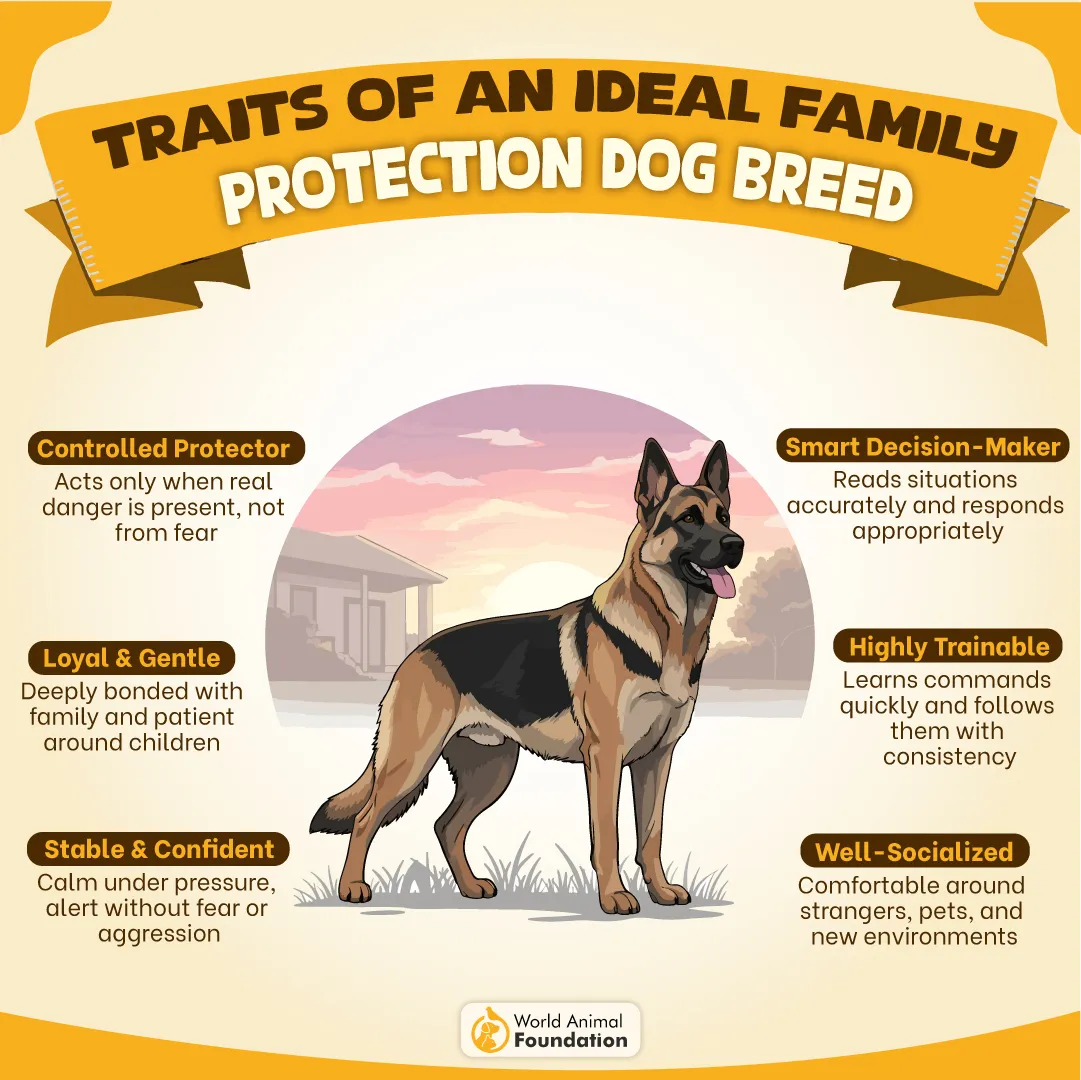
The protective behavior usually develops between the ages of 1 and 2 years. Being a naturally alert dog, it is wary of strangers and constantly scans the environment. It positions itself between the threat and the owner, keeping its head high, erect ears, and raising its hackles on the back.
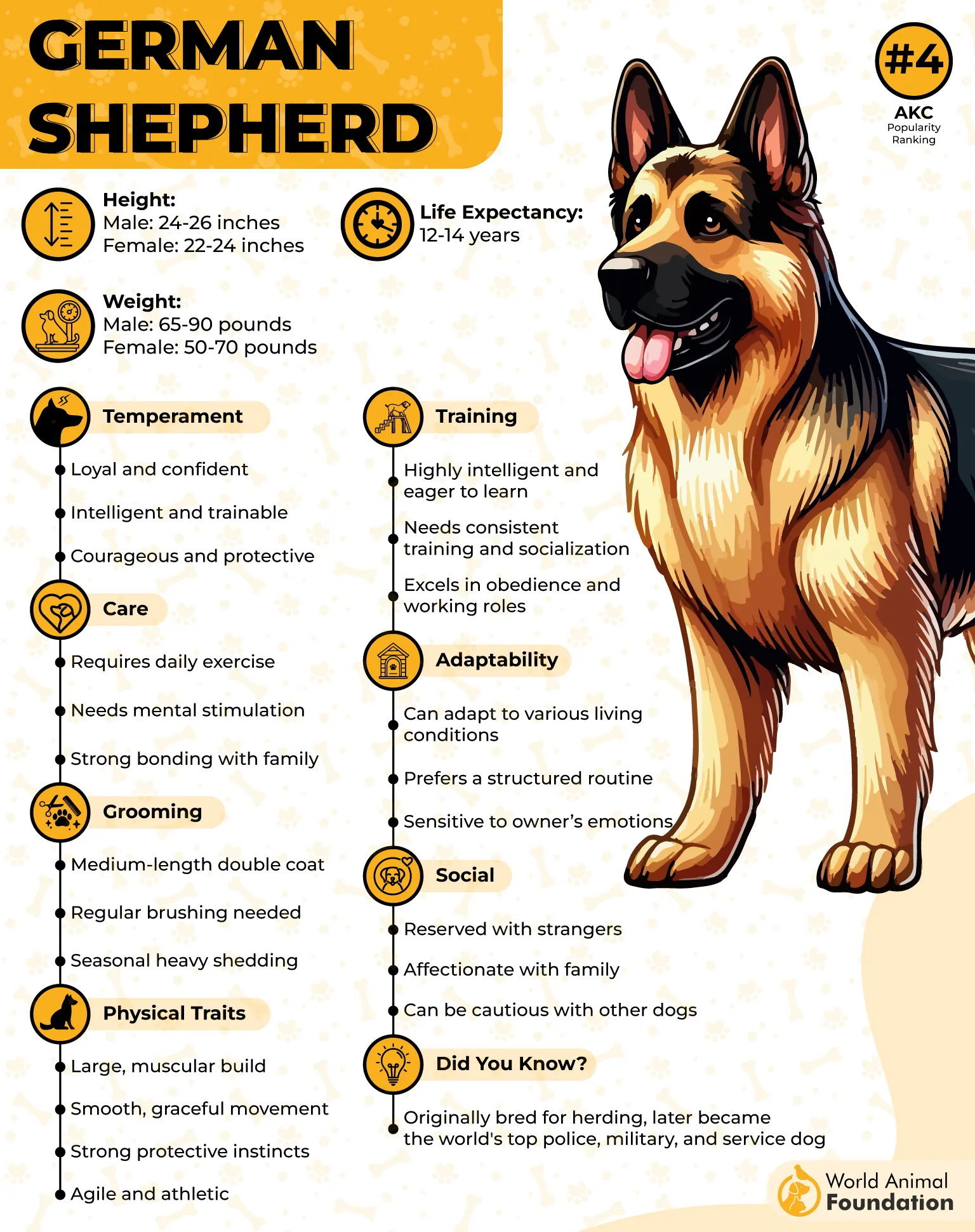
It barks with a low pitch and gives a “death stare” to the attacker. If that does not work out, it attacks the arms and legs of the attacker by biting them. It loses control as soon as the owner commands it to.
2. Rottweiler
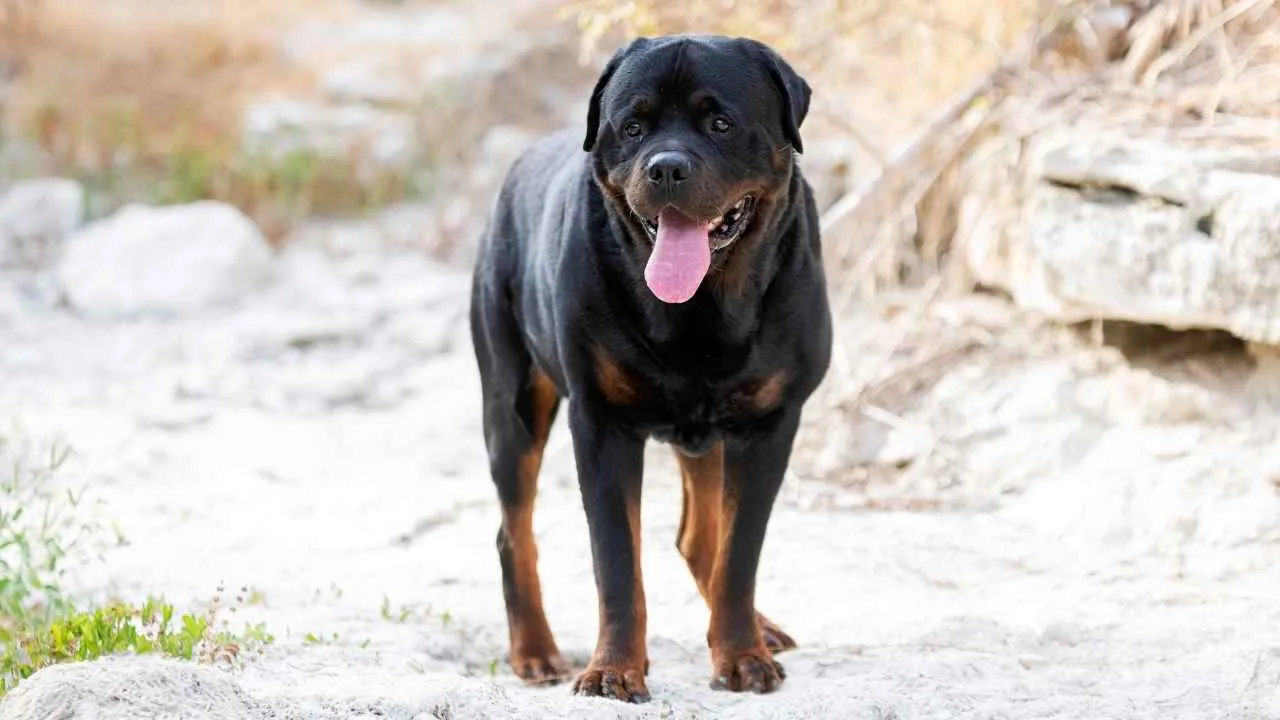
This medium-to-large dog is also known as the Rottweiler butcher’s dog in Germany, since it was used to pull heavy carts of meat to the market before the invention of the railways. This best guard dog is still used as a herding breed in many countries, but it is widely used in SAR operations, police, and military jobs.
When a calm and analytical temperament was coupled with ancient guarding instincts, it gave birth to the Rottweiler. The signature and a muscular body weighing 80-135 pounds are enough to deter an intruder. This loving family pet has one of the strongest bite forces (328 PSI) that can actually break one’s bones. Its high emotional intelligence enables a swift transition from a playful, gentle giant to a warrior.
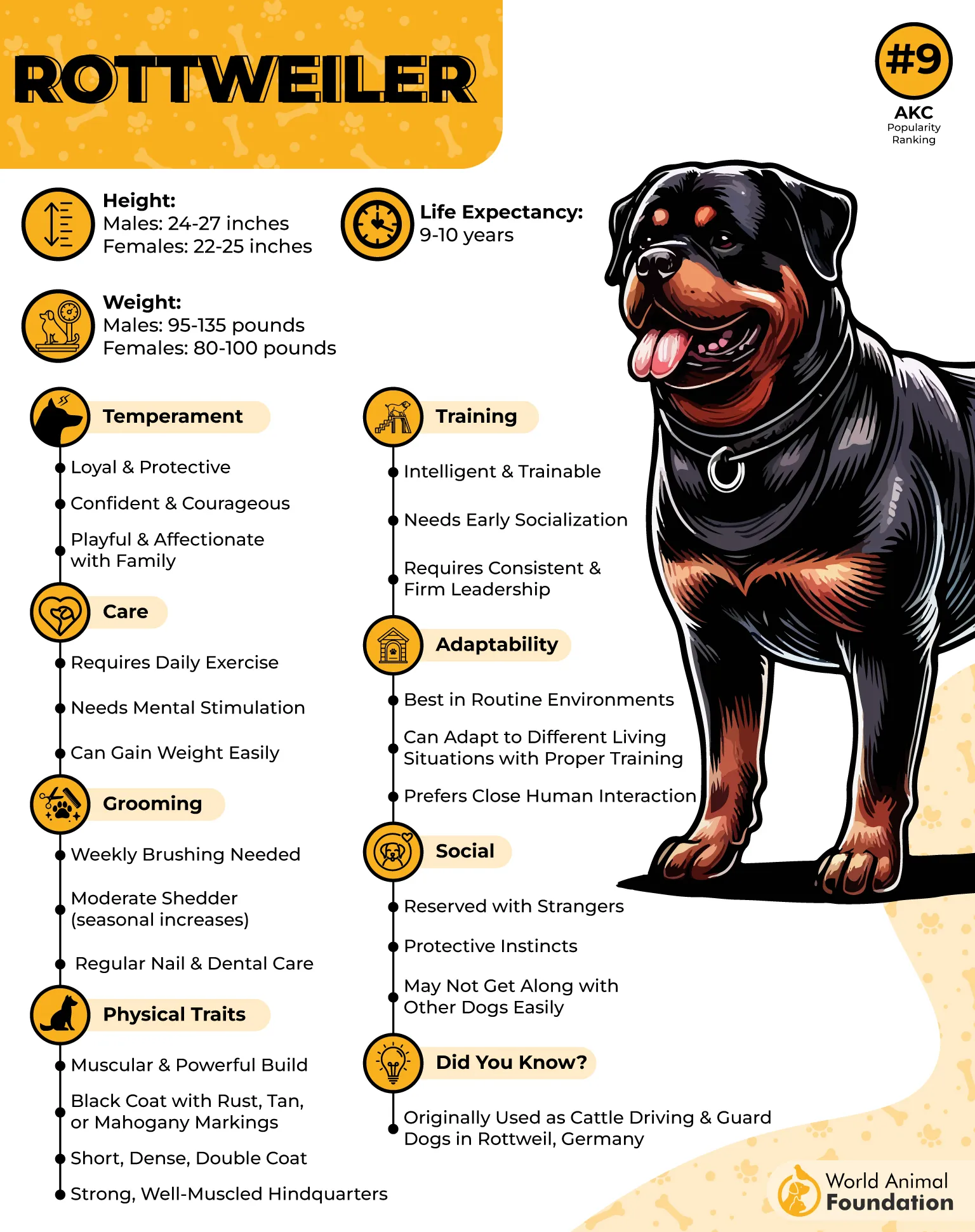
This family’s guard dog is alert to unusual movements, sounds, and strangers. It tends to patrol the perimeter of its home. The Rottweiler stays tall, focused, and has pricked ears when sensing a threat. It corners the intruder and barks till the owner comes. Proper obedience training and early socialization are non-negotiable to control their instincts.
3. Doberman Pinscher
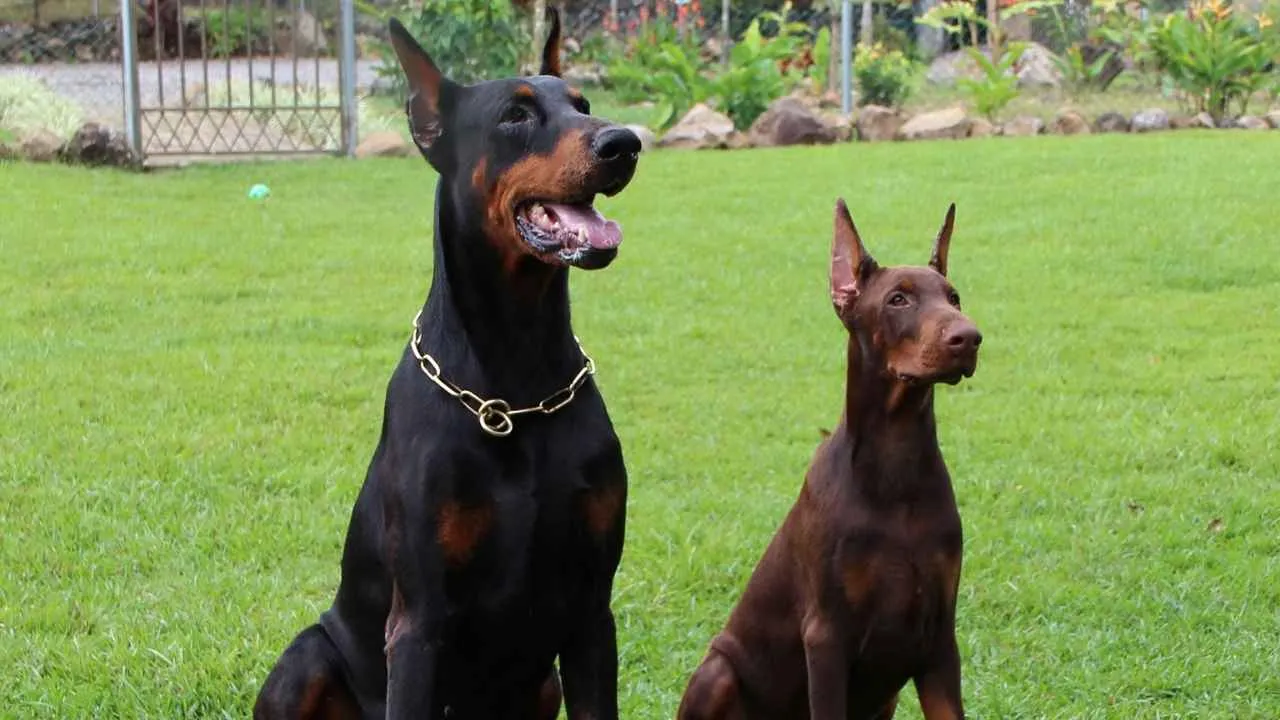
This great guard dog was first developed by a German tax collector, Louis Dobermann, in the 1800s. It is a cross of the Old GSD, Greyhounds, German Pinschers, and Black and Tan Manchester Terriers, as per PetMD. This breed tends to protect the owner and the property without any formal training.
This is the 5th smartest breed and is able to understand at least 200 human verbal commands. It runs at a speed of 30-40 mph, which helps it catch the target within seconds. With the powerful “scissor bite” of 285-305 PSI, the Doberman Pinscher neutralizes the threat by holding it tightly and not hurting it.
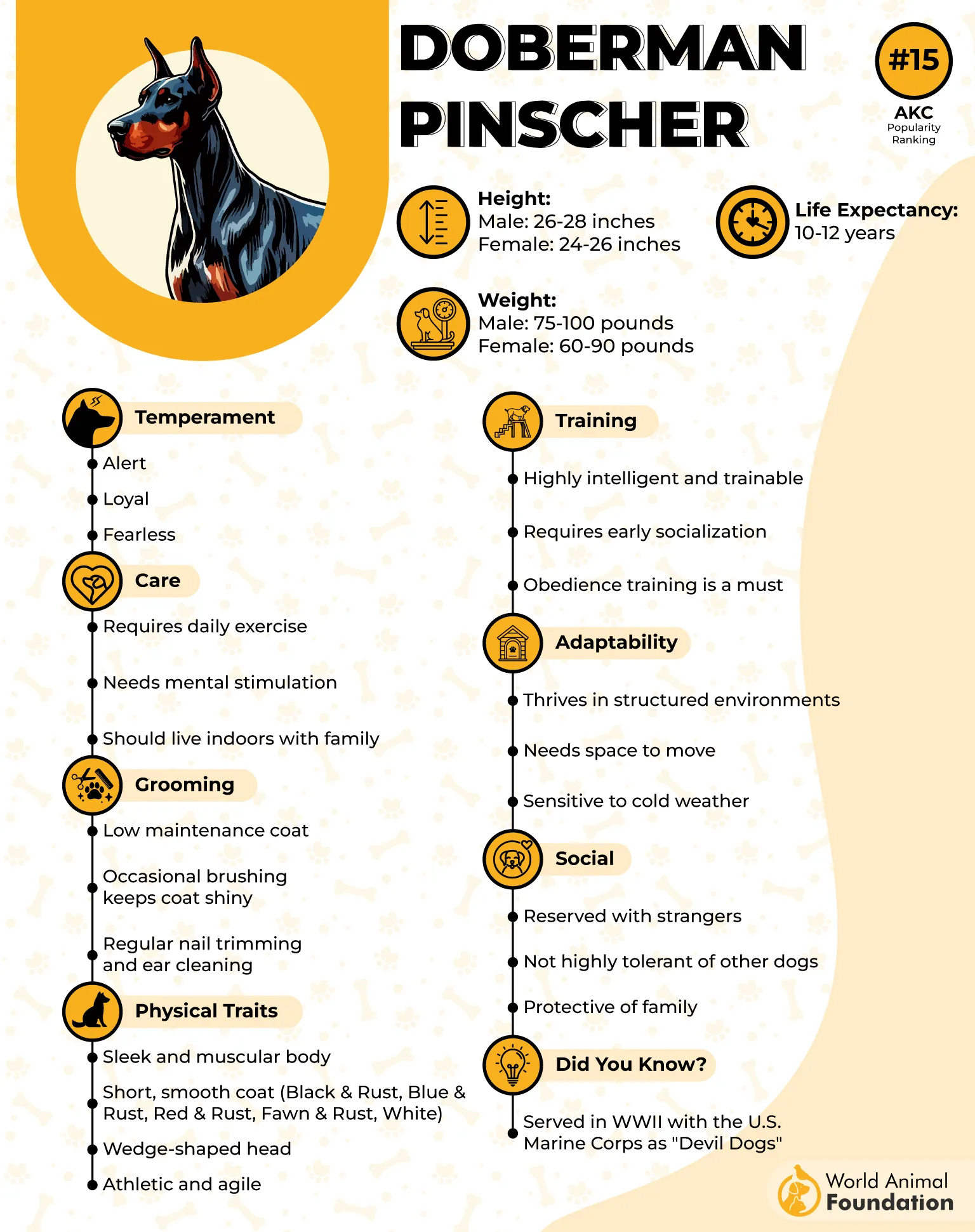
This dog is attuned to the owner’s emotions and takes instant action upon receiving signals from the owner. Since it is a velcro dog, it prefers staying closer to the owner’s family and sleeps facing the entrance.
When it senses a threat, it barks, and the intensity increases as the intruder approaches the owner. Then it leans against the owner, facing the attacker. If the stranger does not back off, it physically knocks them down or holds them to prevent the attack.
4. Boxer
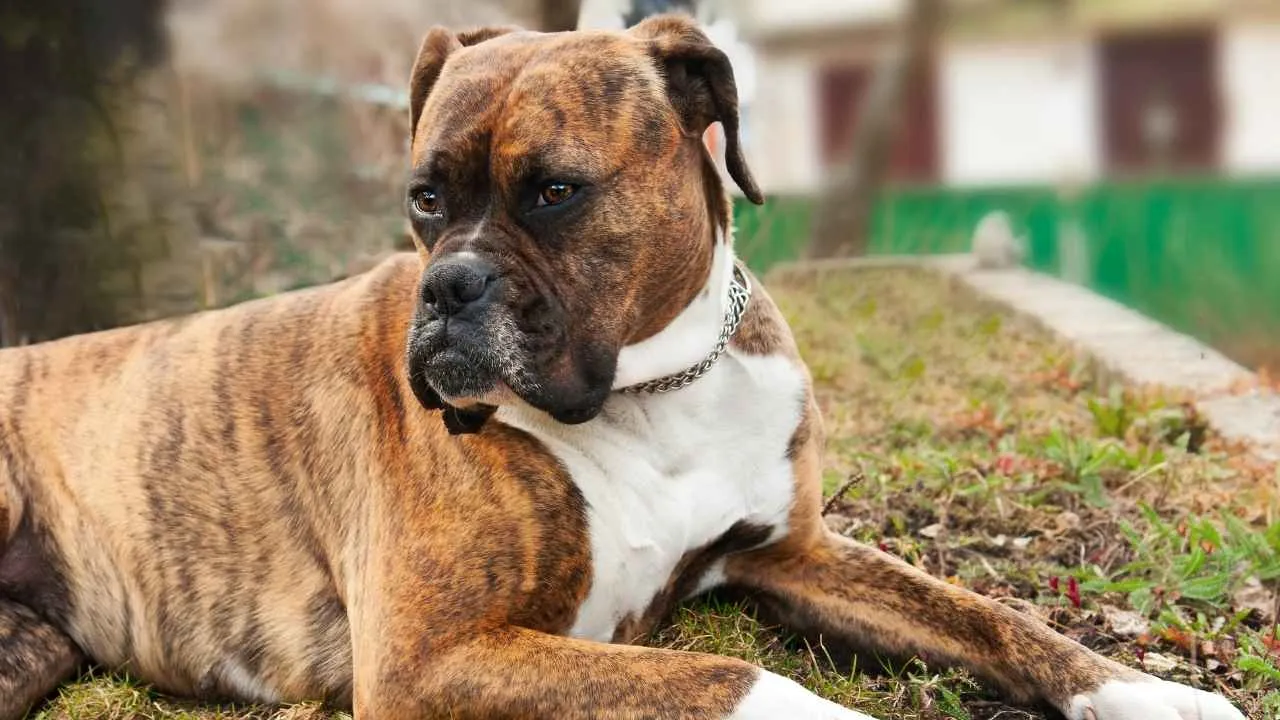
This brachycephalic dog was originally bred in Germany by crossing a Bullenbeisser with an Old English Bulldog. It has mandibular prognathism, a square muzzle, incredibly strong jaws, and a powerful bite. This versatile breed has a history of being a messenger dog, a guard dog, and an attack dog.
This huge dog makes strong bonds with the family and gets along with the small children and other dogs. These natural protective instincts make the Boxer a great “nanny dog.” With the keen sense of sight and sound, it predicts a threat before it happens. This protective dog requires stern training from a young age to control its protective mode.
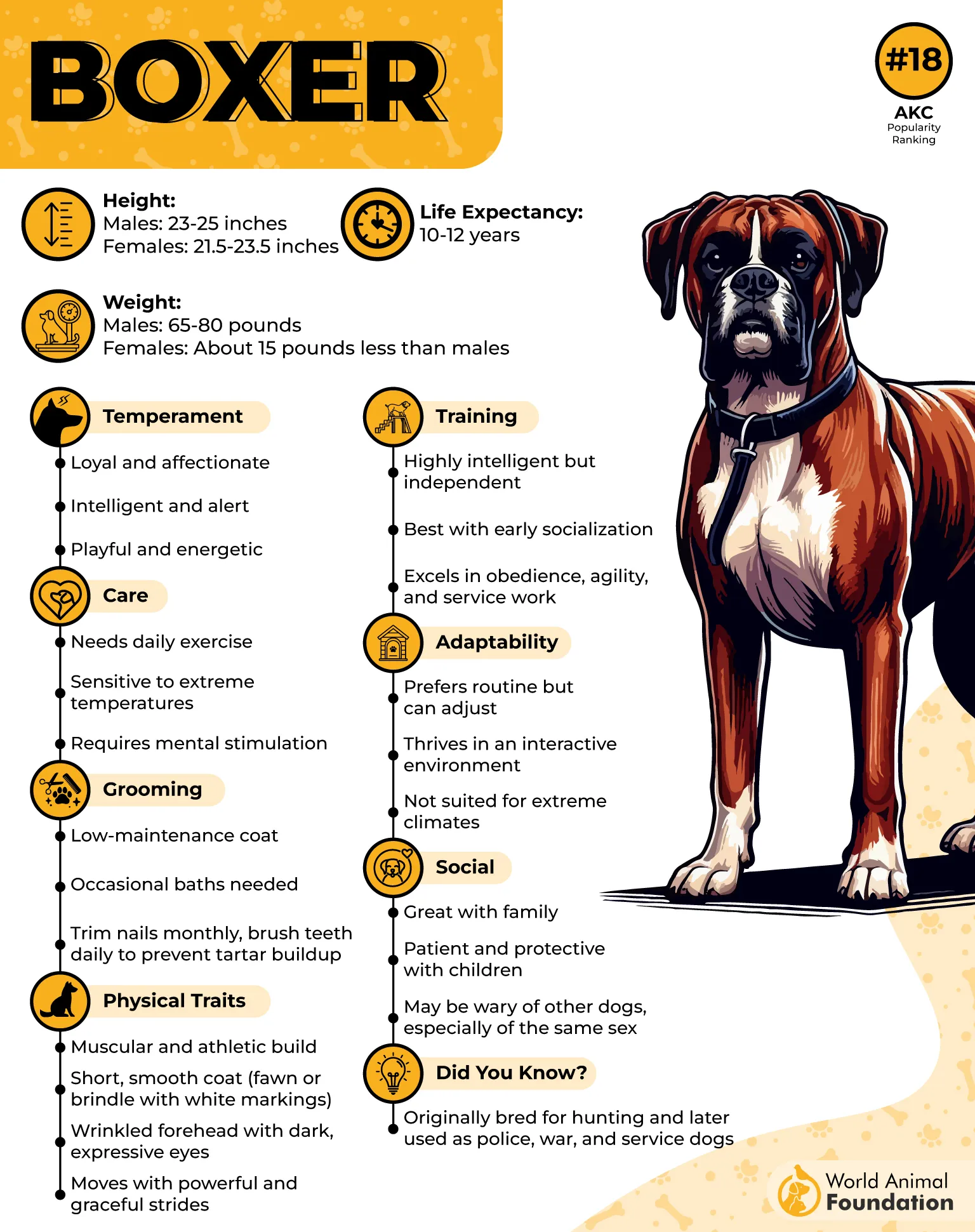
It is famously known for the “Kidney bean” dance, which is a playful activity it performs to amuse its family. This protective breed remains curious till the stranger tries to attack. The Boxer turns to a defensive mode. With its “muzzle punch,” it uses its nose to punch the attacker. Once the threat is gone, it comes back to the relaxed state.
5. Rhodesian Ridgeback
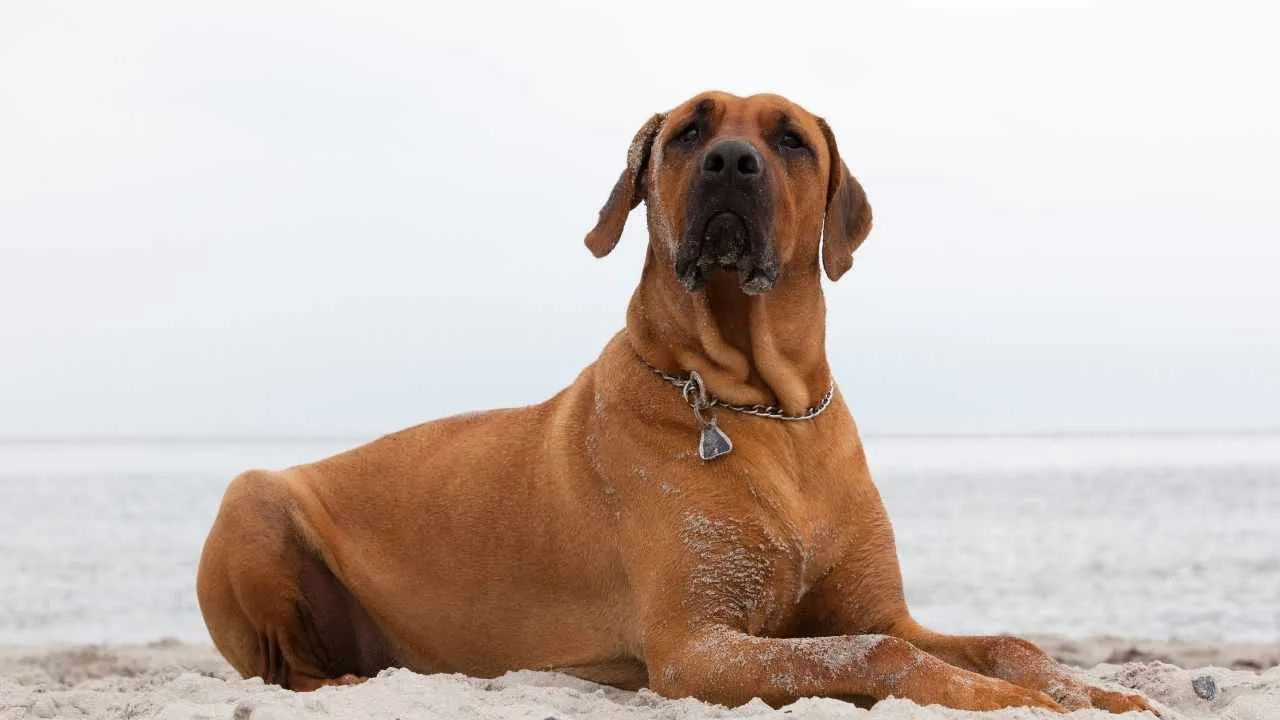
This “African Lion dog” was bred in Southern Africa in the 17th century by crossing the Great Dane and the Mastiff. Its primary purpose was to protect farms. But its resistance to harsh climates and a healthy lifestyle led to more demand in North Africa as well, writes Purina UK.
This loving companion was used to track, bay, and hunt lions. Its independent thinking and high intelligence need the right training to prevent destructive behaviors. Unlike other large dogs, the Rhodesian Ridgeback usually remains quiet and barks only when needed. It stays aloof from strangers; however, it is not an overly aggressive breed.
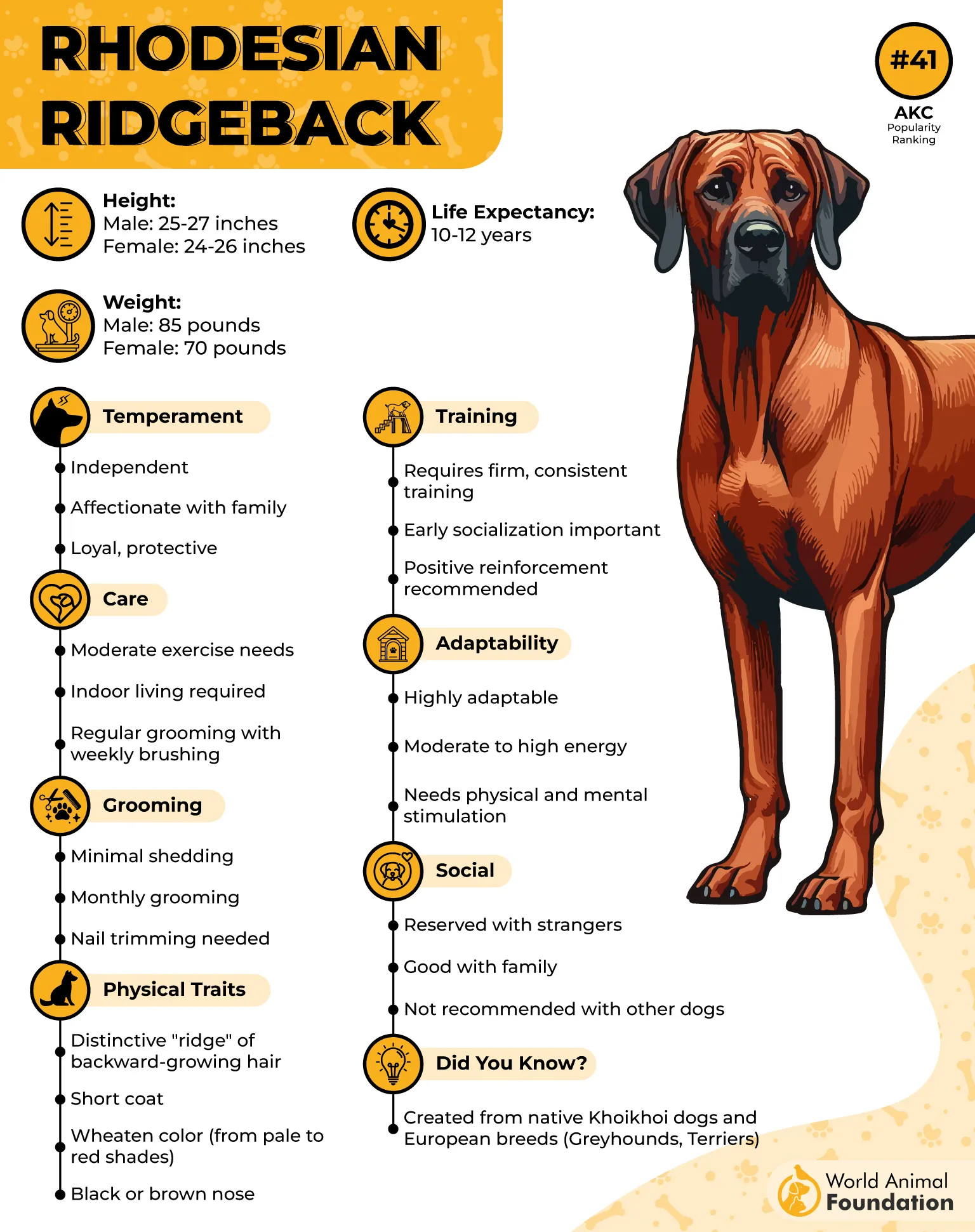
Upon the threat detection, it freezes in its position and focuses on the target. It then produces a deep bark to alert the owner of the threat. The ridge and the neck rise to give an intimidating presence. The strong eye contact shows confidence. It circles the attacker to prevent them from entering the house. Then it pins them down without biting and barks till the owner comes.
6. Bullmastiff
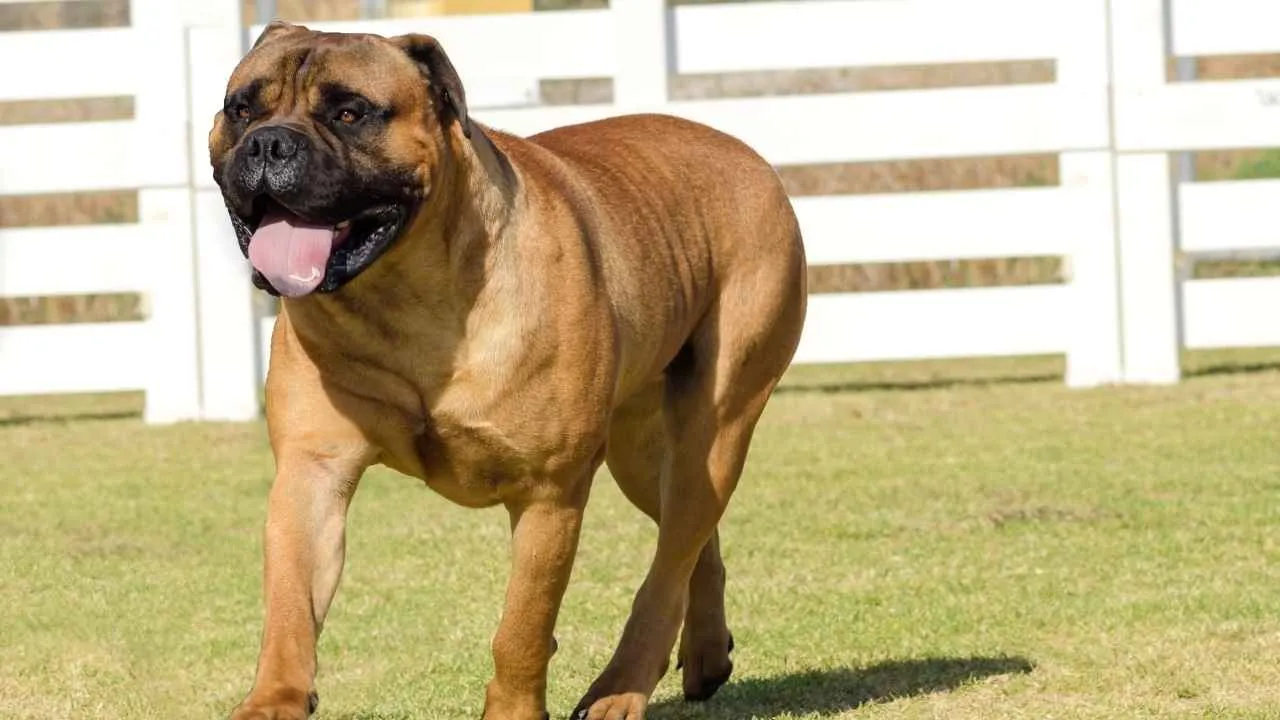
This larger breed is a cross of the English Mastiff and the Old English Bulldog. Bred in the 19th century as a guard dog, it is also known as a “Gamekeeper’s night dog.” Poaching used to be a grave crime back then, so this energetic dog was developed to track and pin down the poachers, especially at night.
It works as a “silent watchdog,” follows the target silently, and then gives them a surprise. Its calm and affectionate nature makes it an excellent guard dog for a family environment. Its massive size and stubbornness need positive reinforcement, obedience training, and early socialization
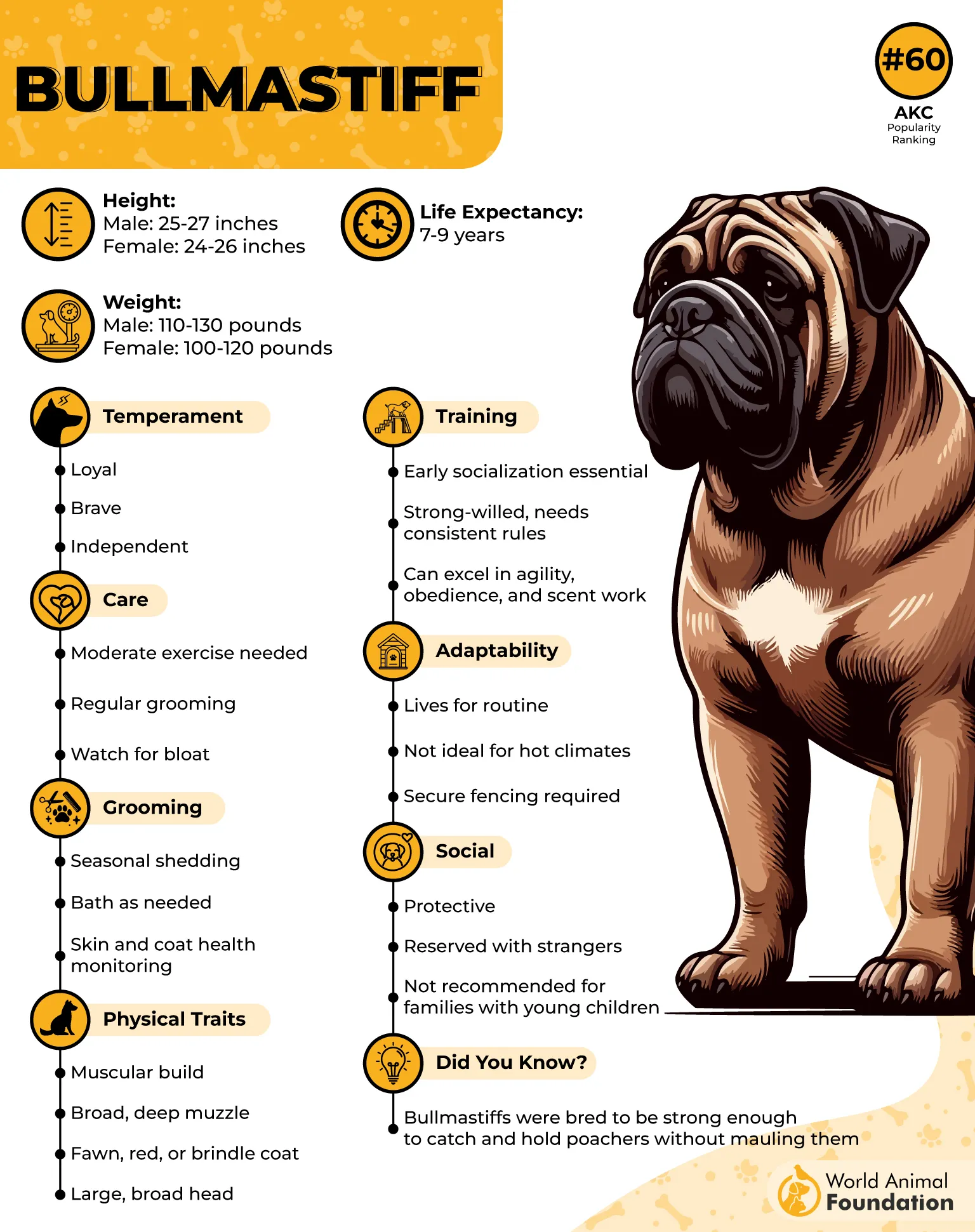
It positions itself at the vantage points (windows and doors) for monitoring. After confirmation, it makes a “woof” sound to warn the family of the threat. If the attacker does not back off, this great family pet comes forward and knocks them down, holds them, and sits on them (with their weight around 100-130 pounds). Once the owner commands it to stop, this breed goes back to its relaxed state.
7. Akita
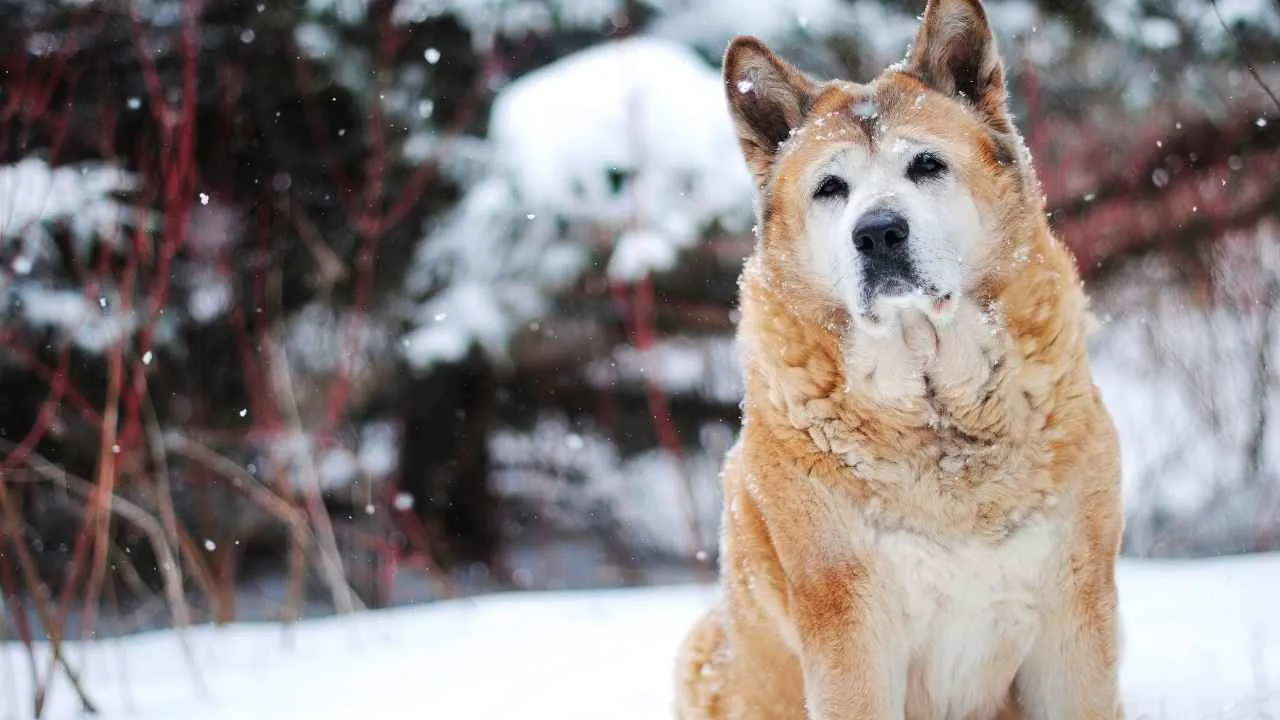
This dog originated in the northern mountains of Japan. It is believed that this dog worked alongside Samurai as a fighting companion, and thus, is considered sacred across the Japanese culture. It has a thick coat and webbed feet, making it a great swimmer.
Since it was bred for hunting large game, such as wild boar, bear, and deer, it is fearless and tends to think independently. It is not a good barker, but as it is protective of its territory, it may make a busy house difficult for unknown visitors.
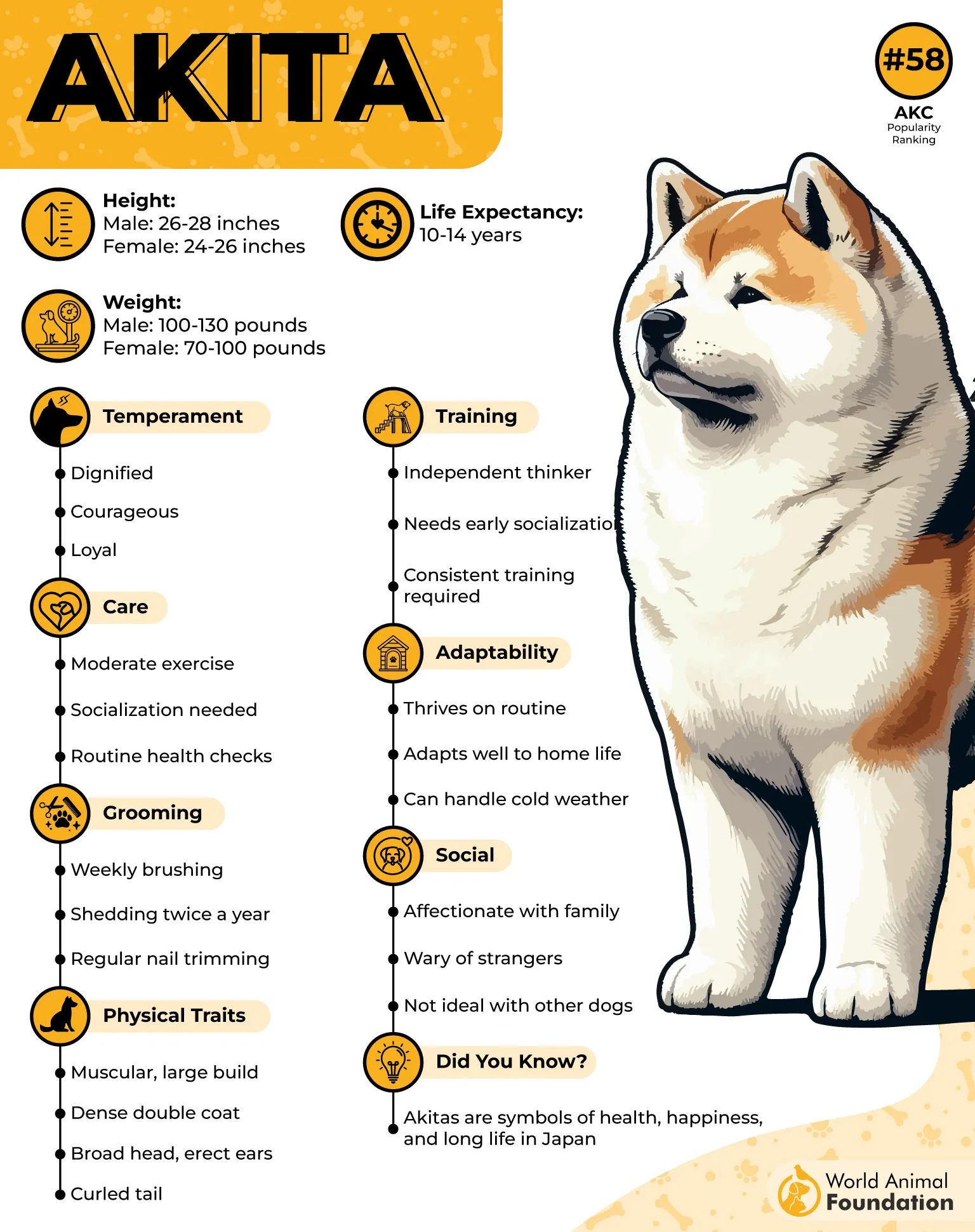
A famous Akita, Hachikō, is known for its unmatched loyalty when it waited for its owner to come for 10 years, not knowing he was already dead.
It uses an intense stare and a loud bark to deter the intruder. If that does not work, it positions itself between the owner and the attacker. A properly trained Akita will only bite under life-threatening circumstances. It remains non-aggressive on regular days.
8. Great Dane
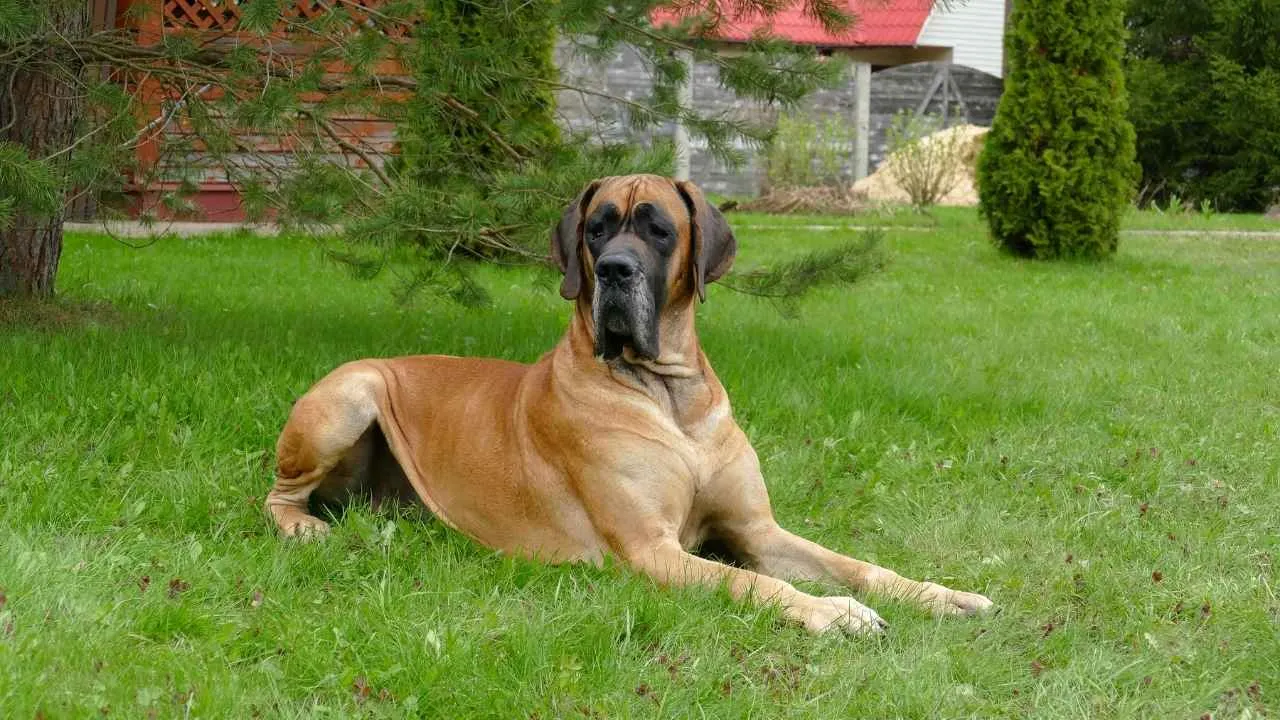
This large, mastiff sighthound was bred to guard the German nobility, and as a hunting dog to hunt wild boars, deer, and bear. This is the tallest dog breed worldwide, and the tallest dog ever reported was Zeus, who stood up to 44 inches tall.
It forms strong emotional bonds with its owner and is a master at sensing people’s intentions. This unique quality makes it detect the threat before it happens. Not all Great Danes are naturally wary or protective; some are overly friendly, while some are timid.
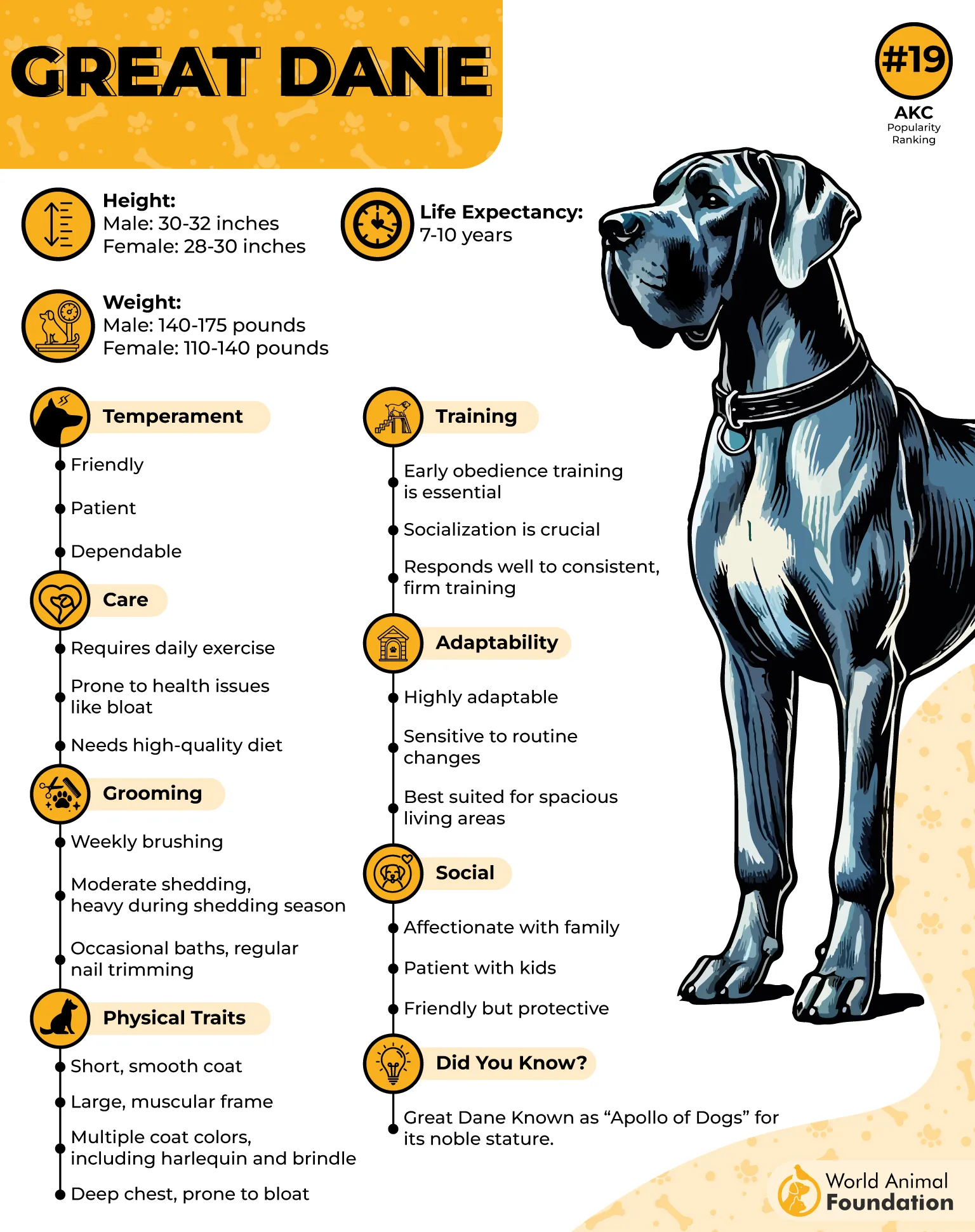
In any case, all are protective of their territory. It needs 1.5-2 hours of daily physical activities and mental stimulation, including long daily walks, light indoor play, to avoid boredom.
It uses its strong senses of sight and smell to detect any strange smell, movement, or activity. It stands rigid, hackles high, and shoulders up to cast an intimidating impression upon threat. It physically pushes its owner away from the threat to a safe place. It growls and shows its teeth to scare the attacker away.
9. Great Pyrenees
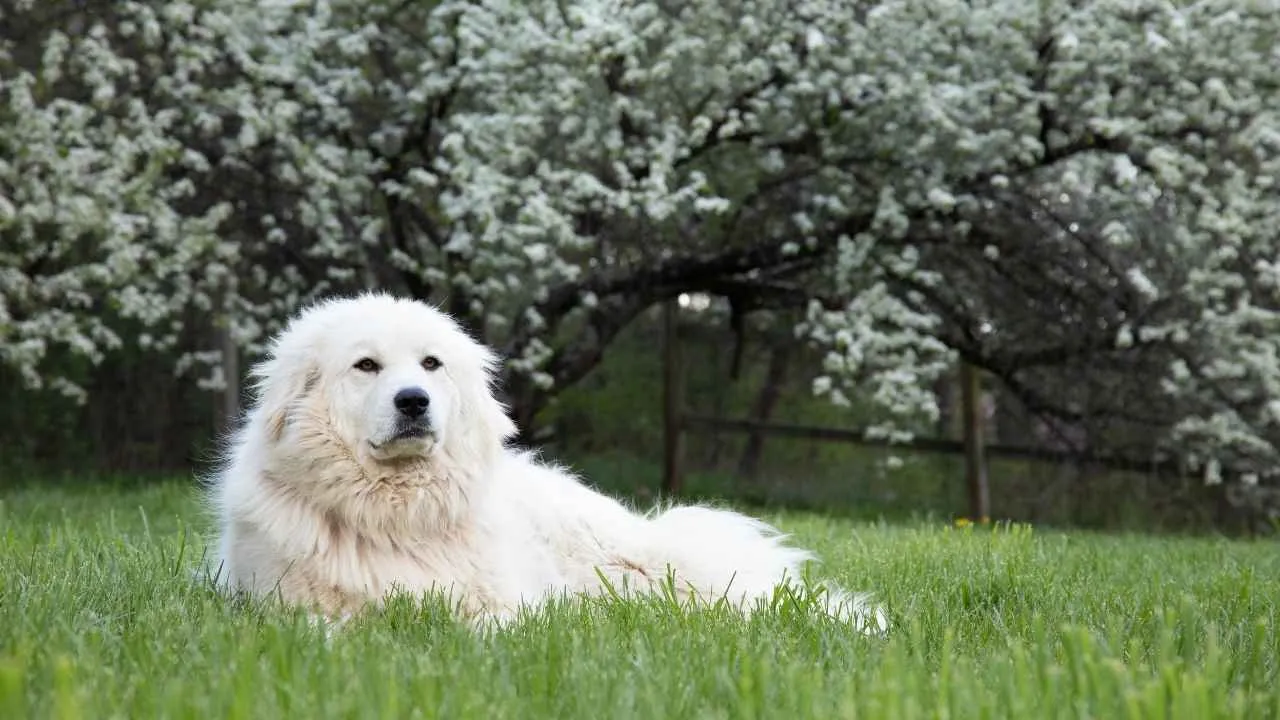
Originally bred in France, this white dog breed was developed as a livestock guarding dog. It lies in the category of a nocturnal breed, which means it works better at night than during the day. The thick coat indicates that it is capable of escaping the bite of predators like wolves and bears while protecting the flock.
Since it is an independent thinker, this furry breed can work when the owner is not around and can also cover long distances. It uses its strong sense of smell and hearing to detect a threat.
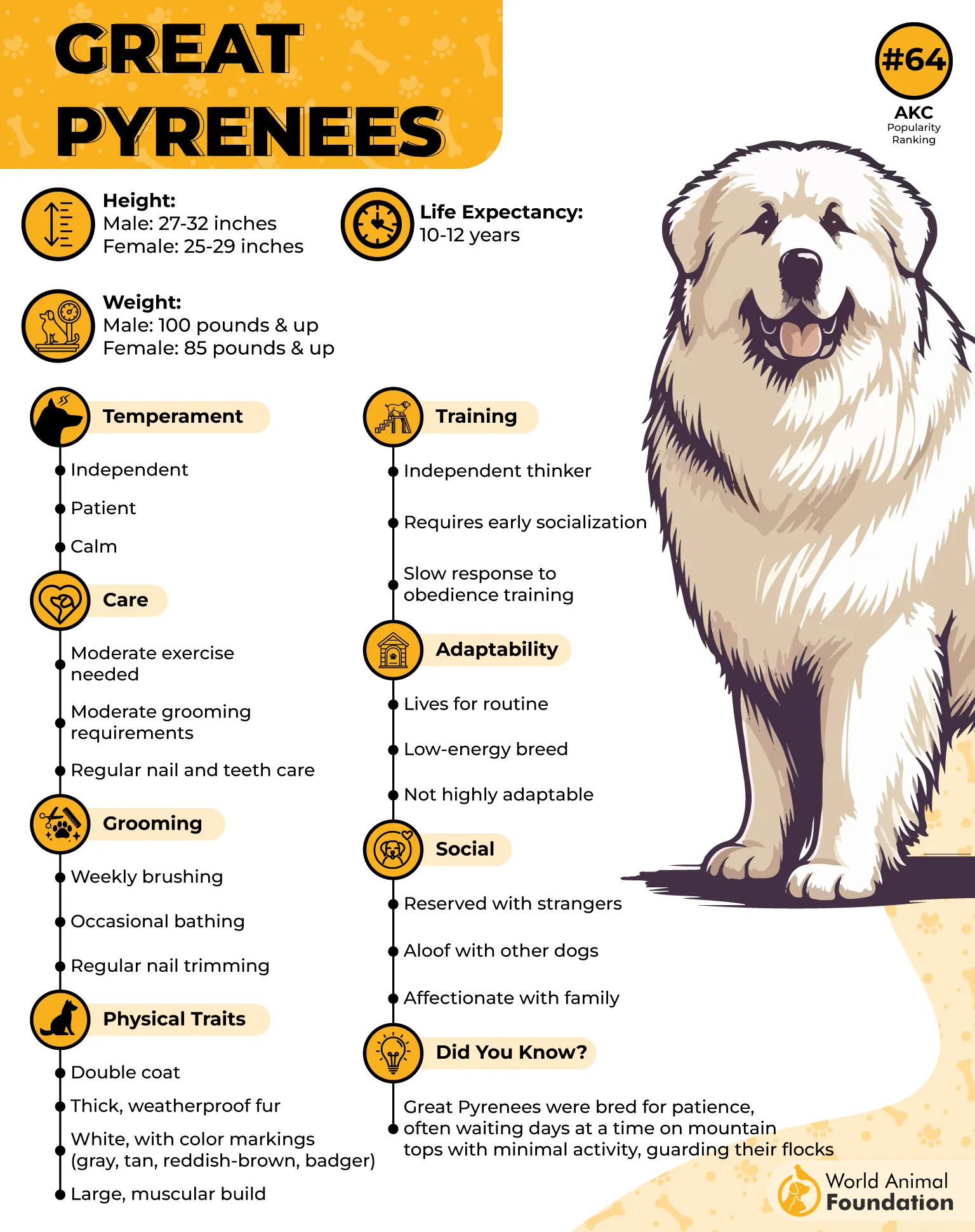
Despite being non-aggressive, it is a good barker and barks with different intensities to communicate; a loud bark is to intimidate an intruder, a low-pitched bark means there is a suspect around, and the night bark shows protection.
It sleeps during the day and works at night. It needs to be fenced within 5 feet at least to prevent roaming. It barks aggressively to scare off the threat and pins them down to keep them away from the territory.
Conclusion
Finding the right protective guard dog is not about finding the scariest-looking breed. It’s about finding the right fit for your family’s lifestyle, energy, and home. Whether you want a razor-sharp intelligence of a German Shepherd, the lion hunting legacy of a Rhodesian Ridgeback, or the gentle mountain guardian of a Great Pyrenees, there is a dog on this list that is exactly what your family needs.
Train them well. Socialize them early. Love them right. Do that, and you won’t just have a guard dog, you will have a family member who would walk through fire for you. And honestly, that is the whole point.
