




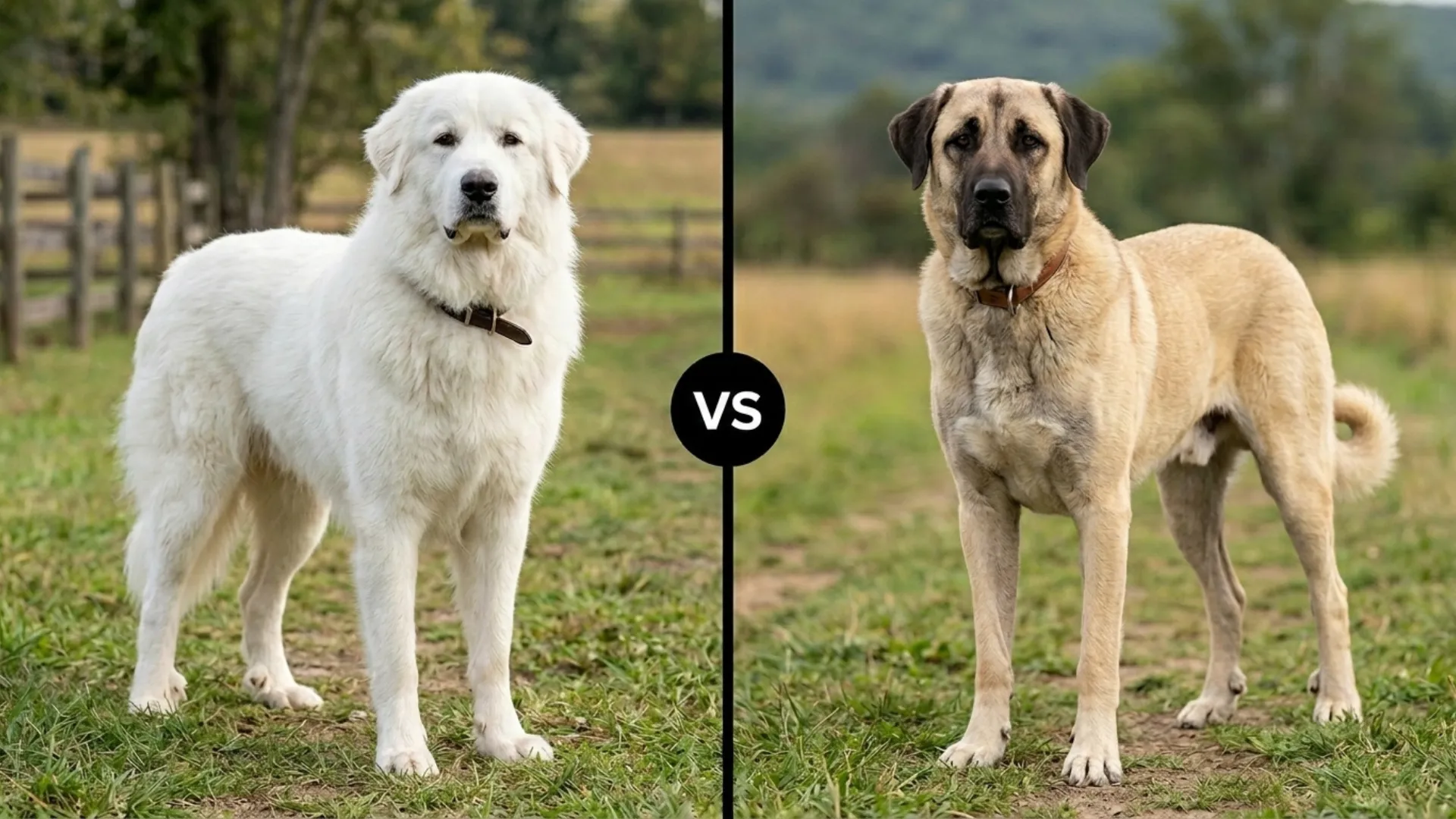
When it comes to powerful livestock guardians, the Great Pyrenees and the Anatolian Shepherd stand out for their loyalty, independence, and guarding instincts—but their traits and temperaments reveal clear distinctions.
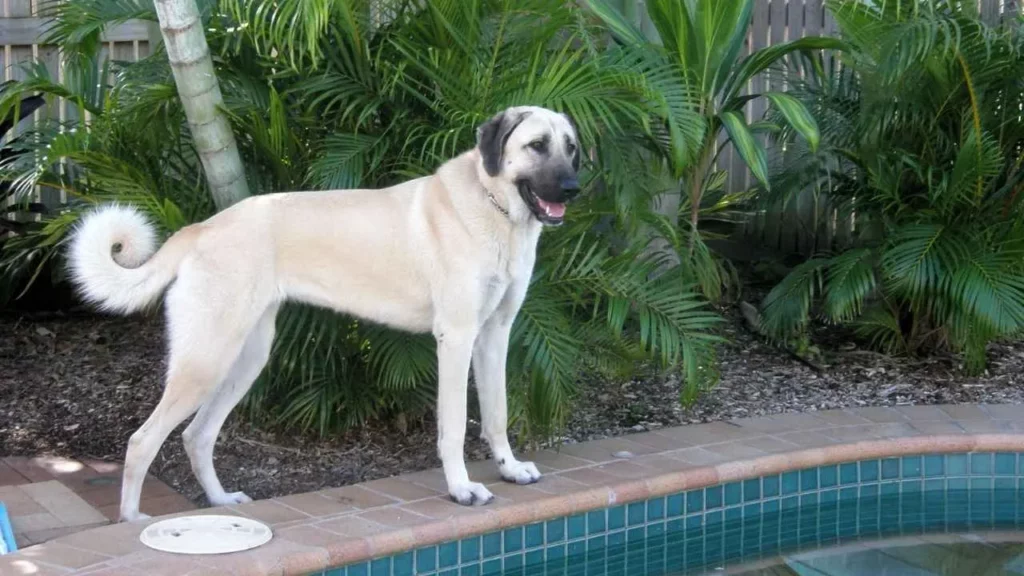
The Anatolian Shepherd carries a rugged, athletic build with a long neck, deep chest, and a naturally curled tail, reflecting its origins as a vigilant protector across harsh terrains. Its alert expression and reserved nature make it a highly self-reliant working dog, often making decisions without constant human direction.
In contrast, the Great Pyrenees is instantly recognizable by its thick, weather-resistant white coat and calm, composed demeanor. Bred as a flock guardian in mountainous regions, this breed tends to be more patient and nurturing, especially around family members and animals under its care.
While both breeds are deeply devoted guardians, the Anatolian Shepherd leans toward independence and territorial awareness, whereas the Great Pyrenees balances protection with a gentler, more approachable disposition.
Great Pyrenees vs. Anatolian Shepherd Dog
While both the Great Pyrenees and the Anatolian Shepherd are legendary livestock guardians, they approach their duties with remarkably different temperaments and physical styles.
Choosing between these two powerhouses requires understanding the nuance between the Pyrenees’ watchful, steady patience and the Anatolian’s intense, high-speed athleticism.
Origins & Purpose
The Anatolian Shepherd traces its roots to the rugged landscapes of Turkey, a region long known as a bridge between Europe and Asia. This geographical crossroads shaped the breed’s identity, blending traits seen in powerful Asian guardian dogs with more refined European types.
Widely believed to share ancestry with the Tibetan Mastiff, these dogs were developed to endure harsh climates while independently protecting livestock. Their primary purpose was to guard flocks against persistent threats, relying on instinct, resilience, and a steady temperament rather than human direction.
The Great Pyrenees, on the other hand, evolved from similar guardian lines that gradually moved westward into the Pyrenees Mountains along the border of France and Spain, as mentioned by the AKC.
There, these dogs became indispensable to shepherds, protecting flocks across shifting seasonal pastures.
Whether in valley grazing lands or higher elevations, they were trusted to work alone, defending sheep and homesteads from predators like wolves and bears with unwavering vigilance.
Size & Physical Build
The Anatolian Shepherd presents a powerful yet athletic structure shaped by centuries of demanding livestock protection. Males typically stand around 27–29 inches at the shoulder and usually weigh 90–150 pounds, giving them a solid but agile frame built for endurance and mobility.
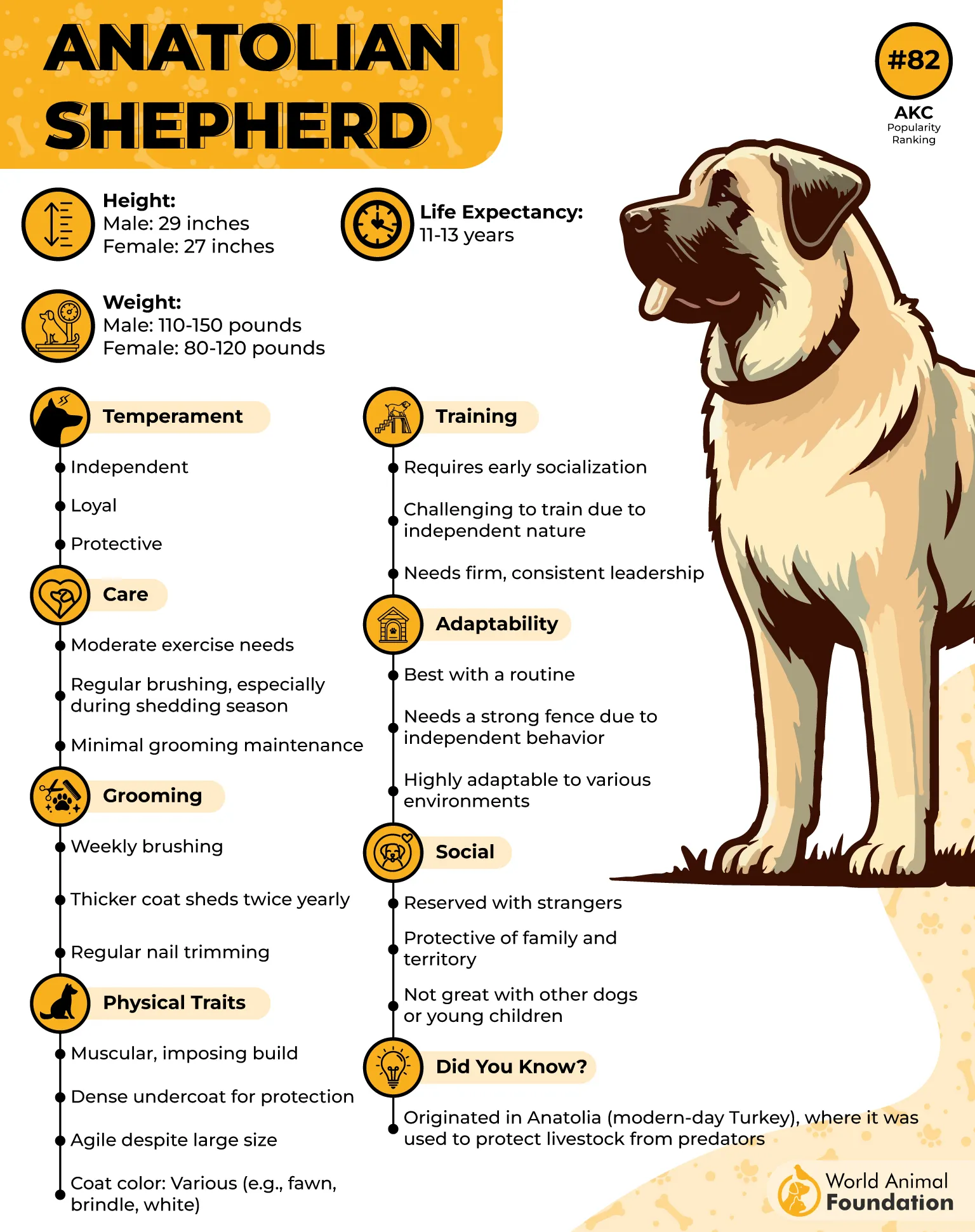
Its body is strongly muscled yet balanced, allowing it to move efficiently across rough terrain while still responding quickly to threats. The overall look reflects an ancient working lineage, where function, resilience, and stamina were more important than appearance.
In contrast, the Great Pyrenees displays a more massive and heavily coated build that enhances its presence in cold, mountainous regions.
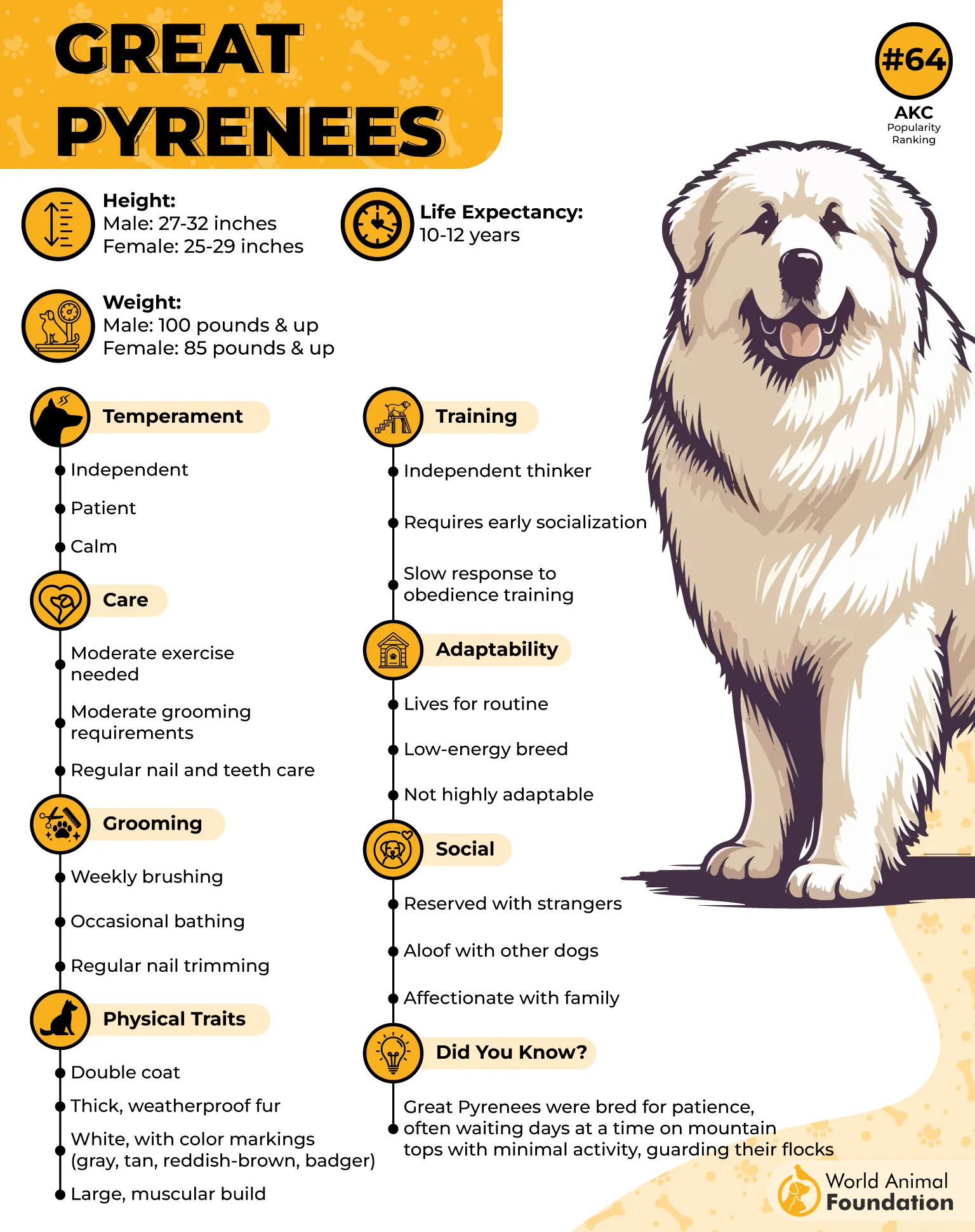
This breed commonly reaches about 25–32 inches at the shoulder and often weighs 85–160 pounds, depending on sex and build. Beneath its dense, weather-resistant coat lies a sturdy and well-proportioned structure designed for steady guarding rather than constant speed.
While both breeds are large and imposing, the Anatolian Shepherd leans toward leaner athletic strength and agility, whereas the Great Pyrenees emphasizes a broader, more majestic frame with calm endurance and powerful stability.
Temperament & Personality
When comparing temperament, the Great Pyrenees and the Anatolian Shepherd reveal two distinct approaches to guardianship.
The Great Pyrenees is known for its calm, gentle nature paired with deep devotion to its family. While naturally protective, this breed often displays a softer, more affectionate side at home, forming strong emotional bonds with its people.
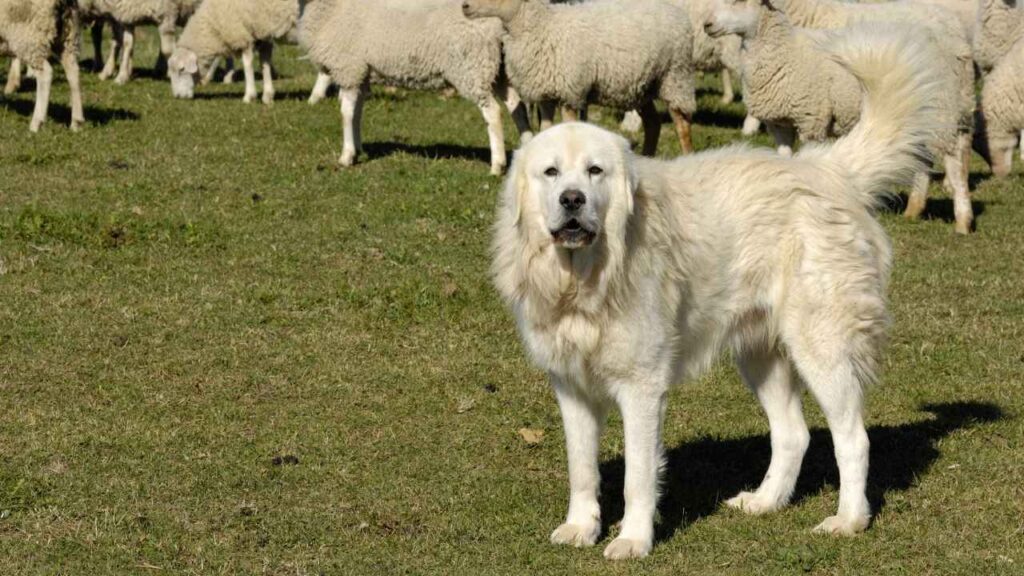
It may take time to warm up to unfamiliar faces, but once trust is established, it tends to be patient and even nurturing. Many of them seek close companionship and prefer being near their owners, which can sometimes lead to clingy behavior if left alone too often.
In contrast, the Anatolian Shepherd is defined by independence and a serious, watchful demeanor. Bred to make decisions without human guidance, it relies heavily on instinct and maintains a reserved attitude around strangers and unfamiliar animals.
Rather than seeking constant affection, this breed focuses on its role as a vigilant protector. Its loyalty runs deep, but it is expressed through alertness and responsibility rather than overt displays of affection, making it better suited to experienced handlers.
Exercise & Energy Levels
The Anatolian Shepherd and the Great Pyrenees both have moderate exercise needs, but their energy is shaped by their roles as livestock guardians rather than high-intensity working dogs.
The Anatolian Shepherd is generally content with a secure outdoor space where it can patrol and observe its surroundings. A fenced yard is essential, as this breed is naturally territorial and may roam if given the opportunity.
Daily walks help maintain physical health and provide mental stimulation, but it’s important to keep the dog leashed outside enclosed areas due to its strong protective instincts and independence.
The Great Pyrenees dog, by comparison, is even more relaxed in its daily activity. Historically bred to conserve energy while guarding flocks, it prefers steady movement over constant activity.
Regular walks and access to open space are usually enough to keep it satisfied. While not overly energetic, it benefits from light tasks or structured activities that engage both mind and body.
Both breeds thrive when their exercise routines align with their natural guarding behaviors rather than demanding high levels of exertion.
Training & Intelligence
The Anatolian Shepherd and the Great Pyrenees are both intelligent, but their approach to learning reflects their history as independent livestock guardians.
The Anatolian Shepherd is especially known for its self-directed thinking, a trait developed from working alone to protect flocks without constant human guidance, as Omlet notes.
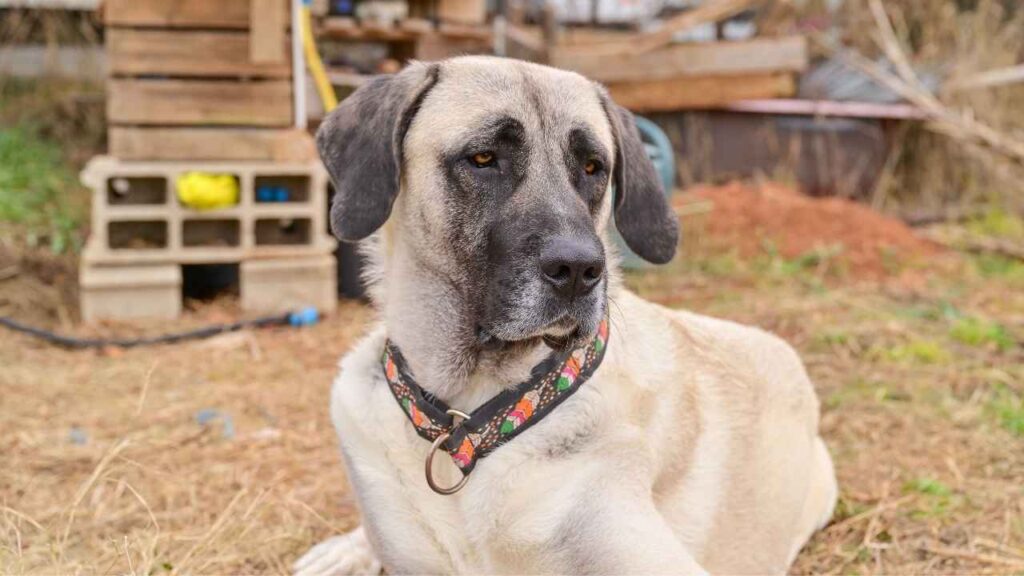
This independence can make training a challenge, particularly for inexperienced owners, as the dog may question commands rather than follow them automatically.
Consistent structure and early socialization are essential, and secure environments are necessary since this breed tends to act on instinct when roaming freely.
The Great Pyrenees, while also bred for independent decision-making, typically shows a more people-oriented side. It enjoys companionship and responds best when training is engaging and positive.
However, it is not naturally eager to obey and may lose interest quickly if sessions feel repetitive. Both breeds benefit from short, reward-based training that builds trust rather than force.
Harsh methods or physical correction can damage their confidence and increase defensive behaviors, making patience, respect, and consistency the most effective tools for developing reliable behavior.
Coat Maintenance
Caring for the coats of the Anatolian Shepherd and the Great Pyrenees involves understanding their double-layered protection and seasonal shedding patterns.
The Anatolian Shepherd’s coat is designed for outdoor endurance, featuring a dense undercoat that insulates against harsh weather. Most individuals have a shorter outer coat, making routine care relatively simple.
A weekly brushing is usually enough to keep the coat healthy, though shedding increases significantly during seasonal changes. At those times, more frequent grooming helps remove loose undercoat and prevents buildup. Regular nail trimming is also essential to maintain comfort and mobility.
The Great Pyrenees, despite its fuller and more dramatic appearance, is surprisingly low-maintenance in everyday care. Its coat naturally resists dirt and tangles, reducing the need for constant upkeep.
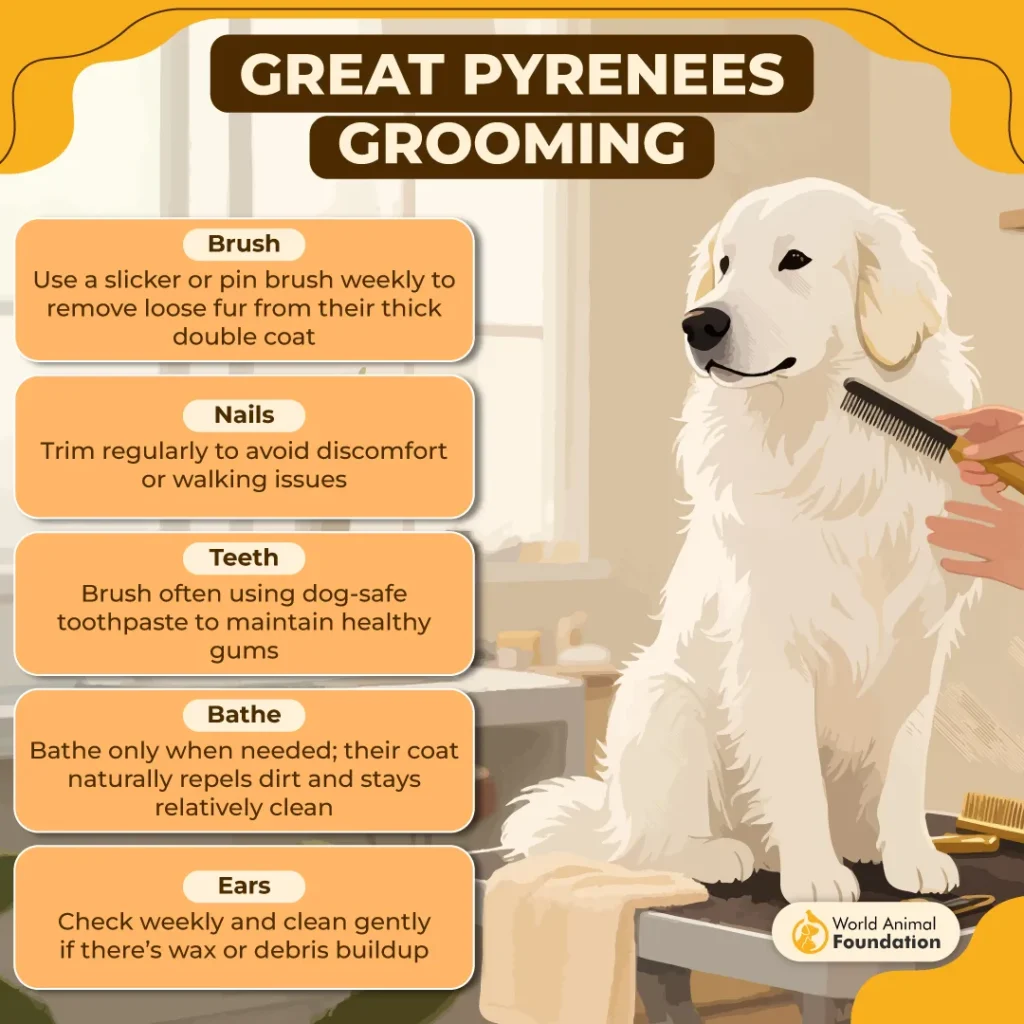
However, this breed undergoes heavy seasonal shedding, releasing large amounts of undercoat over time. Weekly brushing with appropriate tools helps manage loose hair and keeps the coat in good condition.
In addition to coat care, consistent nail trimming and dental hygiene are important to support overall well-being and long-term health.
Health & Lifespan
The Anatolian Shepherd and the Great Pyrenees are both resilient guardian breeds, though their lifespans and health considerations show some differences.
The Anatolian Shepherd typically has a life expectancy of around 11 to 13 years, and is often noted for a slightly longer lifespan than many large guard dogs. It is considered relatively hardy, as noted by WebMD.
However, it can still be affected by conditions such as Hip Dysplasia, which impacts joint function and mobility.
Another serious concern is Gastric Dilatation-Volvulus, a life-threatening emergency requiring immediate care. Eye issues like Entropion and occasional ear infections may also occur, making routine health monitoring important.
The Great Pyrenees generally has a lifespan of 10 to 12 years, aligning with other large guardian breeds, though it is predisposed to certain inherited conditions.
Joint disorders such as hip and elbow dysplasia can affect mobility, while knee issues like patellar luxation may develop over time. This breed can also experience eye disorders, including entropion and cataracts, as well as rare neurological conditions.
Like the Anatolian, it is at risk for gastric dilatation-volvulus. Preventive care, responsible breeding, and early screening play a key role in maintaining long-term health and quality of life.
Great Pyrenees vs. Anatolian Shepherd Dog Suitability as Farm Dog vs. Guard Dogs
The Great Pyrenees and the Anatolian Shepherd are both exceptional livestock guardians, yet their suitability as farm companions versus dedicated guard dogs highlights clear differences in working style.
The Great Pyrenees often adapts well to a dual role on farms, blending calm companionship with steady protection.
Its naturally gentle and observant temperament allows it to integrate smoothly into family-run farms, where it can watch over sheep, goats, and even household animals without excessive intensity.
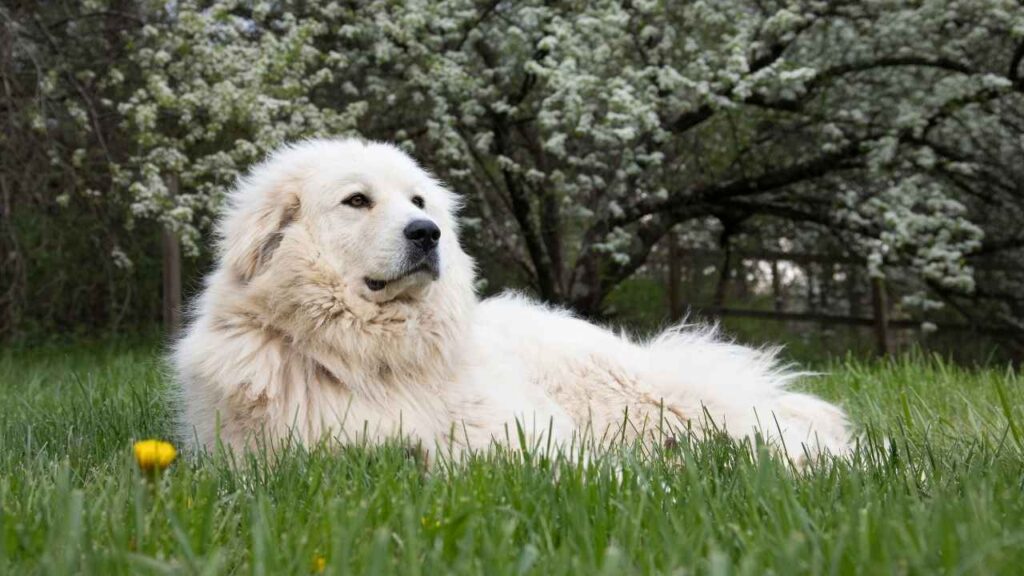
It tends to patrol slowly, conserving energy while maintaining constant awareness of its surroundings, making it a dependable and approachable farm presence.
In contrast, the Anatolian Shepherd is more intensely focused on security and boundary control, excelling as a serious perimeter guardian. It is highly independent and prefers wide, open spaces where it can patrol and assess threats without distraction.
This breed is less interactive in a farmyard setting but extremely effective in remote livestock protection, especially where human supervision is limited.
While both breeds are reliable guardians, the Great Pyrenees leans toward cooperative farm life, whereas the Anatolian Shepherd is best suited for demanding, autonomous guarding roles.
Conclusion
Both guardian types share a remarkable heritage of protecting livestock with intelligence, loyalty, and independence, yet they differ in how they express these qualities.
One tends to blend a calm, family-oriented presence with steady vigilance, making it well-suited for close farm integration. The other is more self-reliant and authoritative, excelling in wide, open environments where independent decision-making is essential.
Despite these differences, both remain highly dependable protectors when given proper training, structure, and respect. Their enduring legacy reflects centuries of partnership between humans and working dogs shaped by purpose and resilience.
