




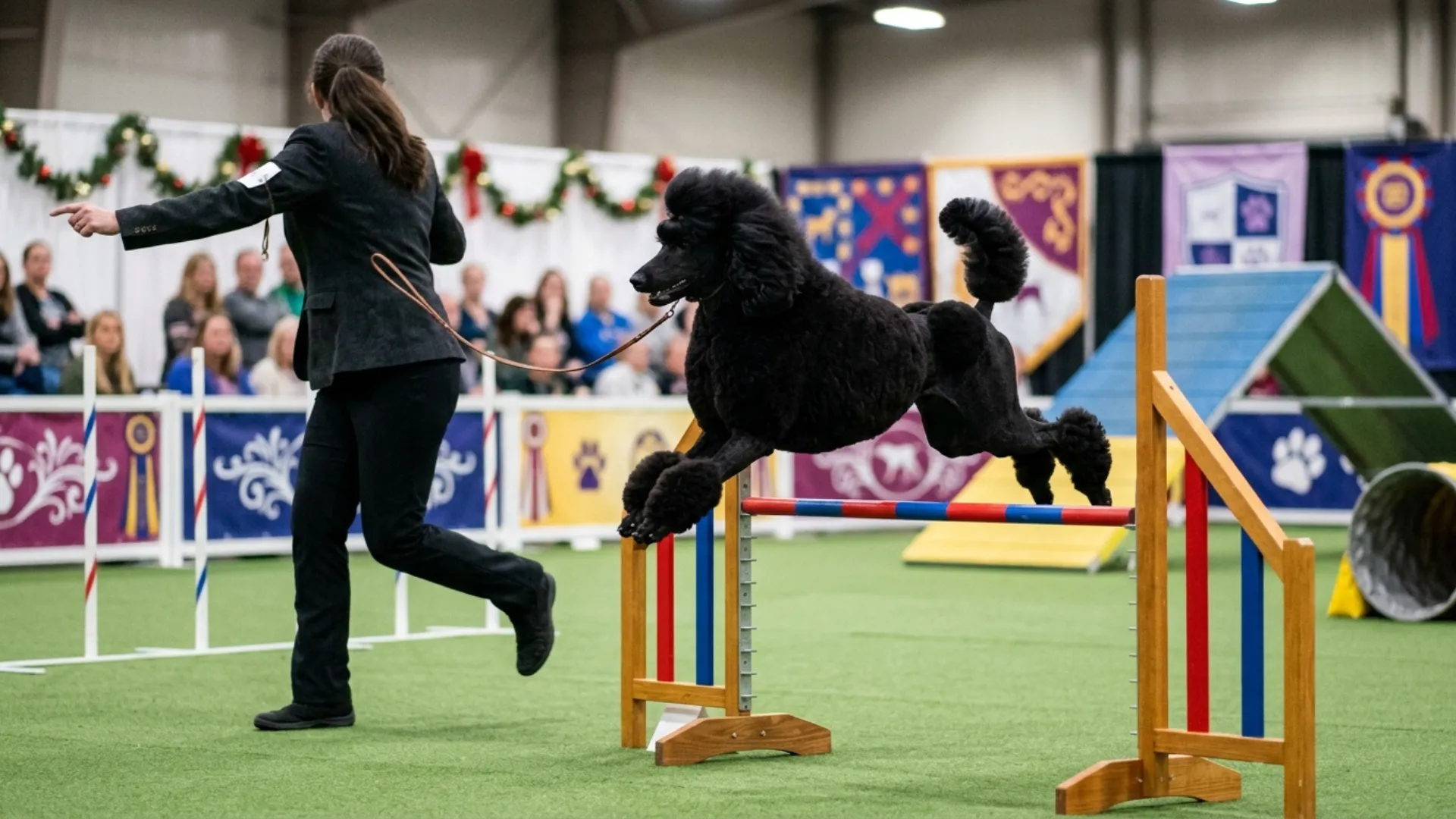
In dog sports and competitive training, intelligent dog breeds are defined by much more than just how quickly they learn commands. True canine intelligence is a combination of trainability, focus, work ethic, and emotional connection with their handler.
The most capable breeds don’t just learn fast—they perform reliably under pressure, follow complex routines, and stay consistent even in highly stimulating environments.
From agility and obedience competitions to herding trials and advanced working roles like service and assistance work, intelligent dogs prove just how versatile and adaptable they can be. In fact, the breed you choose can significantly influence performance and success in these activities.
Most top-performing dogs share a few key traits: strong problem-solving ability, eagerness to work, quick responsiveness to commands, and a disciplined, high-energy nature.
This guide explores seven of the most intelligent dog breeds known for excelling in competitive settings, along with what makes their cognitive ability and working drive so exceptional.
Smartest Dog Breeds to Train for Competitive Success
1. Border Collie
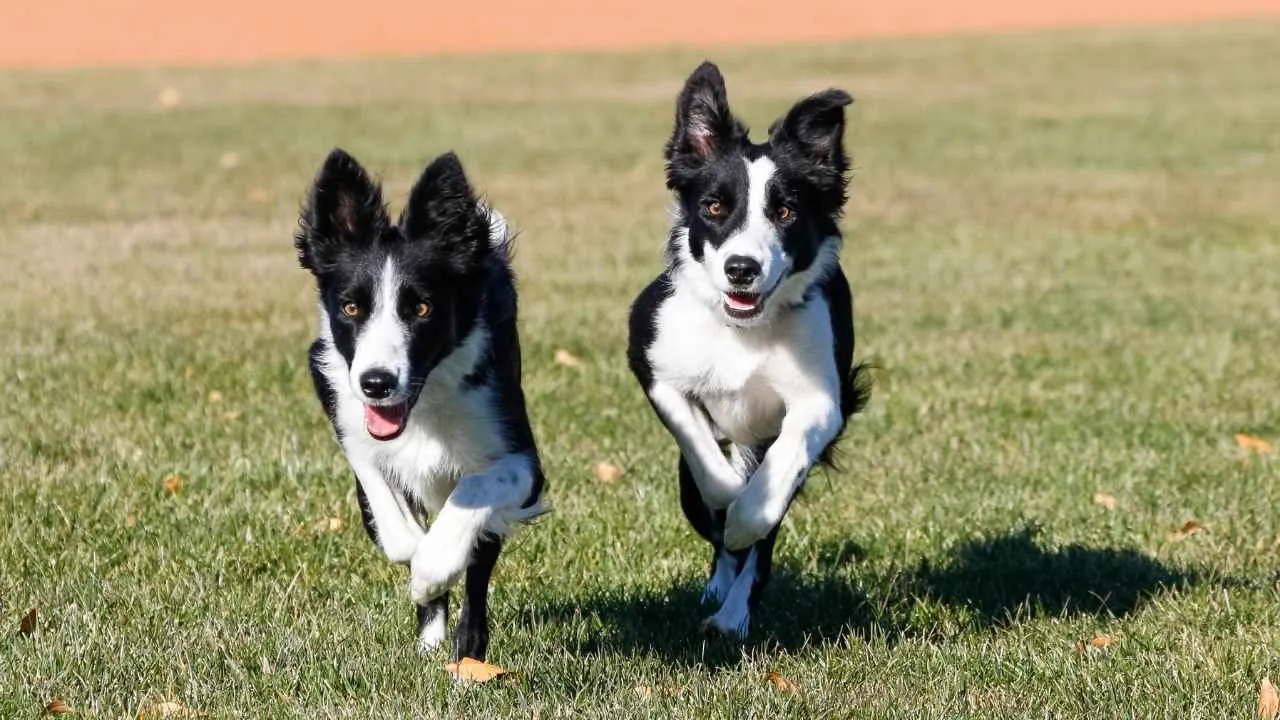
The Border Collie is widely regarded as one of the most intelligent and trainable dog breeds, a reputation supported by Orvis. This breed is known for its exceptional learning ability, focus, and strong work ethic.
Border Collies excel in nearly all canine sports, including agility, obedience, and herding trials. What sets them apart is not just how quickly they learn commands, but how intensely they concentrate and how deeply they are driven to work. They can understand and refine commands in just a few repetitions, especially when training is consistent and structured.
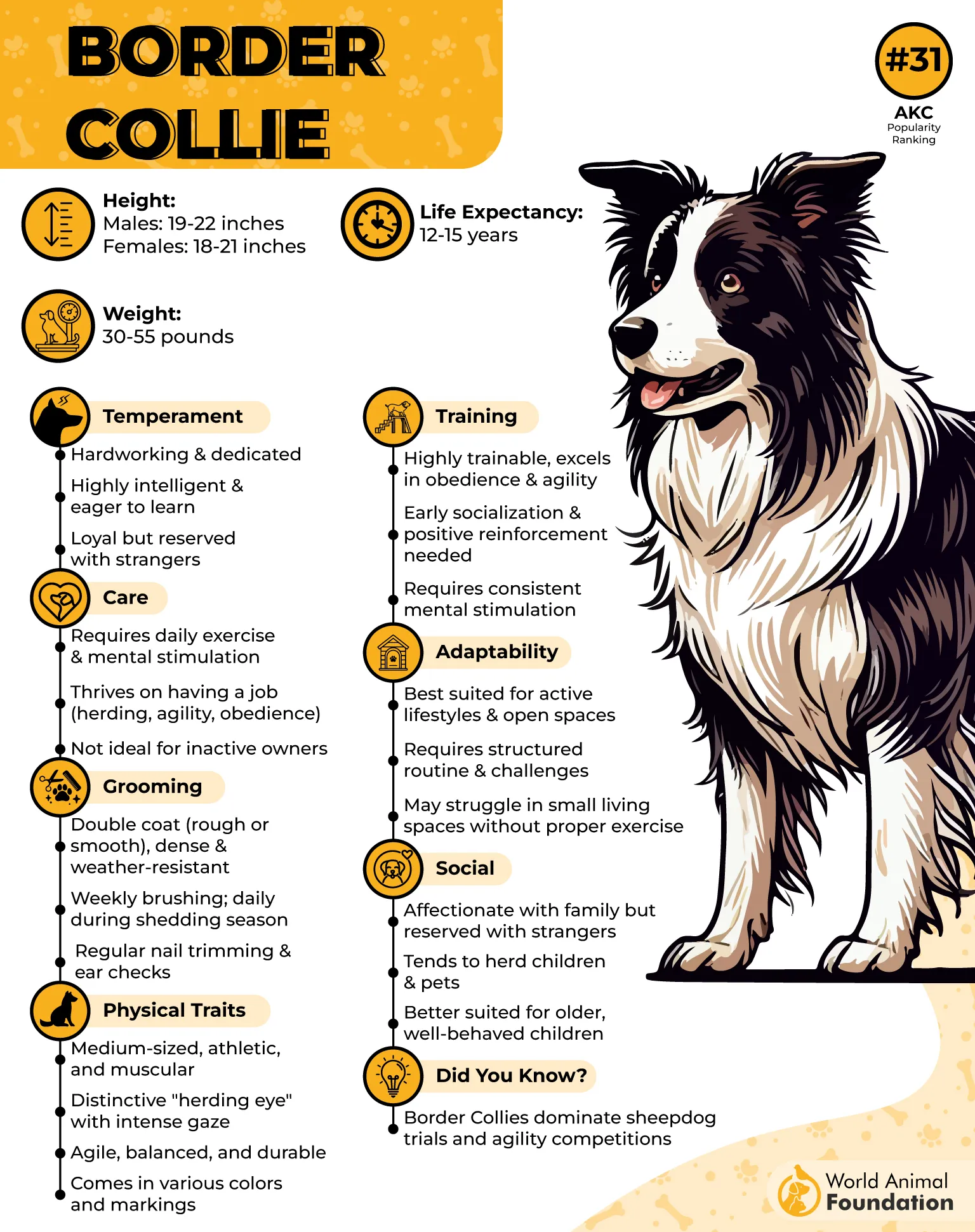
Rather than simply obeying instructions, Border Collies actively anticipate and respond to tasks. Their herding background has shaped a natural instinct for controlling movement, precision, and problem-solving skills that translate exceptionally well into competitive environments.
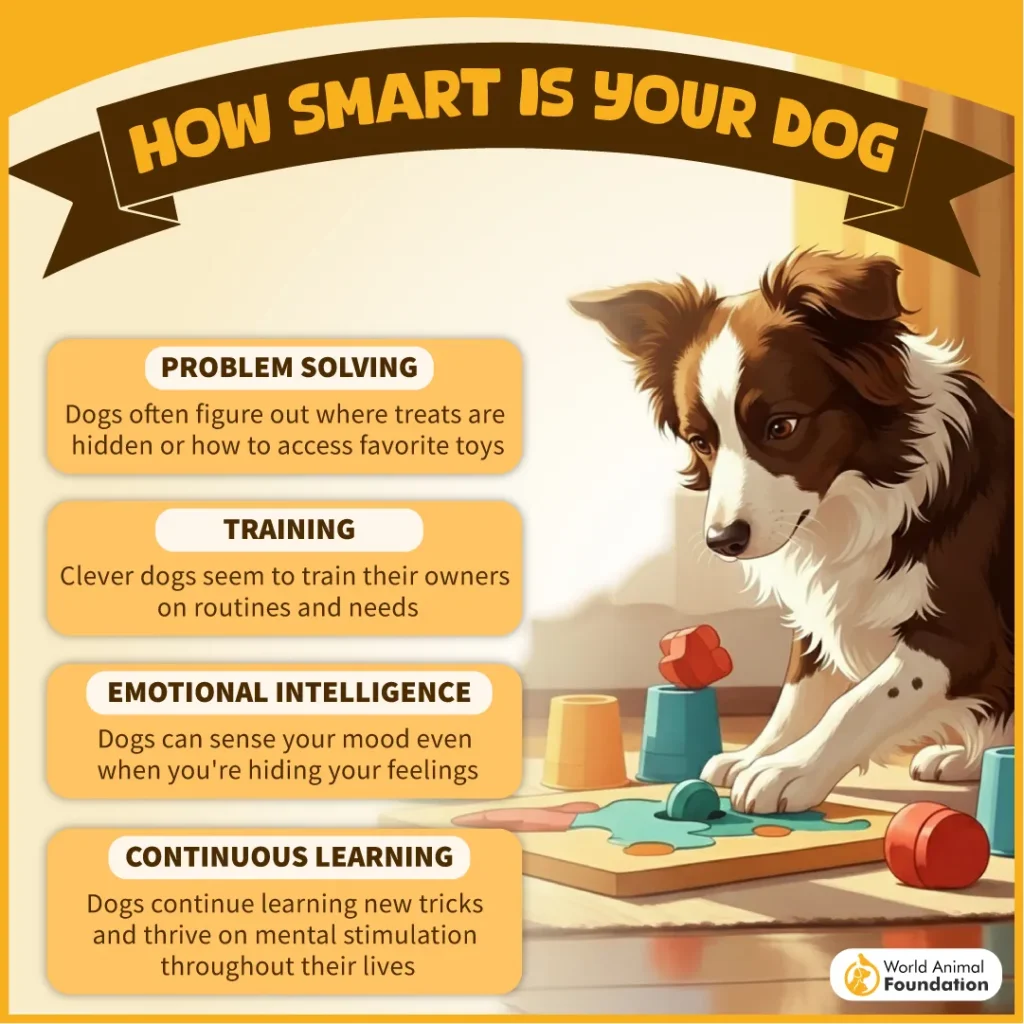
However, their intelligence comes with high mental demands. Without regular stimulation and purpose-driven activity, they can become restless or develop behavioral issues.
To stay balanced and perform well, Border Collies require:
Daily advanced training and structured learning
High levels of physical exercise (90+ minutes of vigorous activity)
Strong mental enrichment through puzzle toys, scent work, and problem-solving games
They are best suited for experienced handlers who can match their intensity, provide consistent guidance, and keep both their minds and bodies fully engaged.
2. Poodle
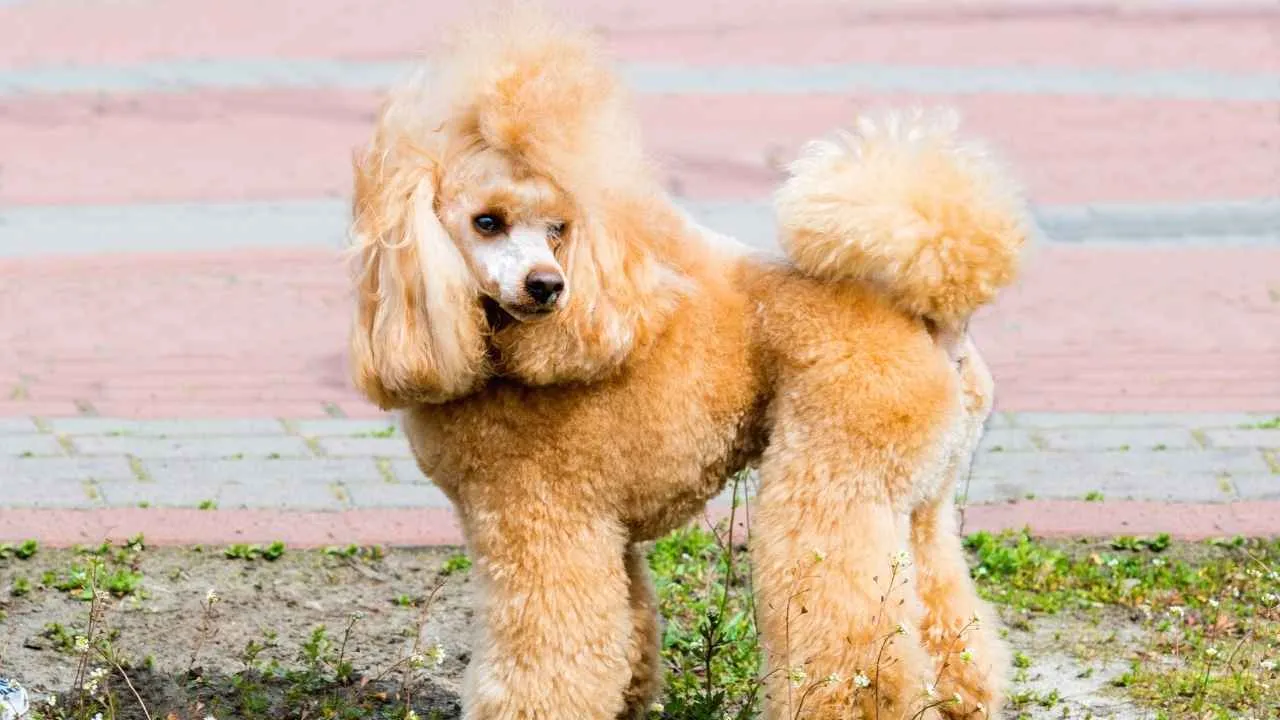
The Poodle is often underestimated because of its elegant appearance, but it is actually one of the most intelligent and highly trainable dog breeds in the world. Known for its sharp mind and adaptability, the Poodle excels in obedience, agility, and performance-based competitions.
Poodles come in three sizes: Standard, Miniature, and Toy, but all share the same high level of intelligence, quick learning ability, and excellent memory. These traits allow them to learn complex routines with ease and perform consistently in structured training environments.
Poodles respond exceptionally well to positive reinforcement, making them highly trainable and capable of adapting to a wide range of disciplines, from obedience trials to freestyle and performance sports. Their intelligence also allows them to adjust behavior through consistent conditioning and structured training.
One of their strongest traits is their ability to remain calm under pressure, which makes them especially reliable in competitive settings.
To perform at their best, Poodles require:
Regular mental stimulation to engage their intelligence
Consistent grooming due to their dense, curly coat
Varied training routines to prevent boredom and maintain motivation
Overall, Poodles are an excellent choice for handlers who want a combination of intelligence, elegance, and high-level performance ability in one versatile breed.
3. German Shepherd
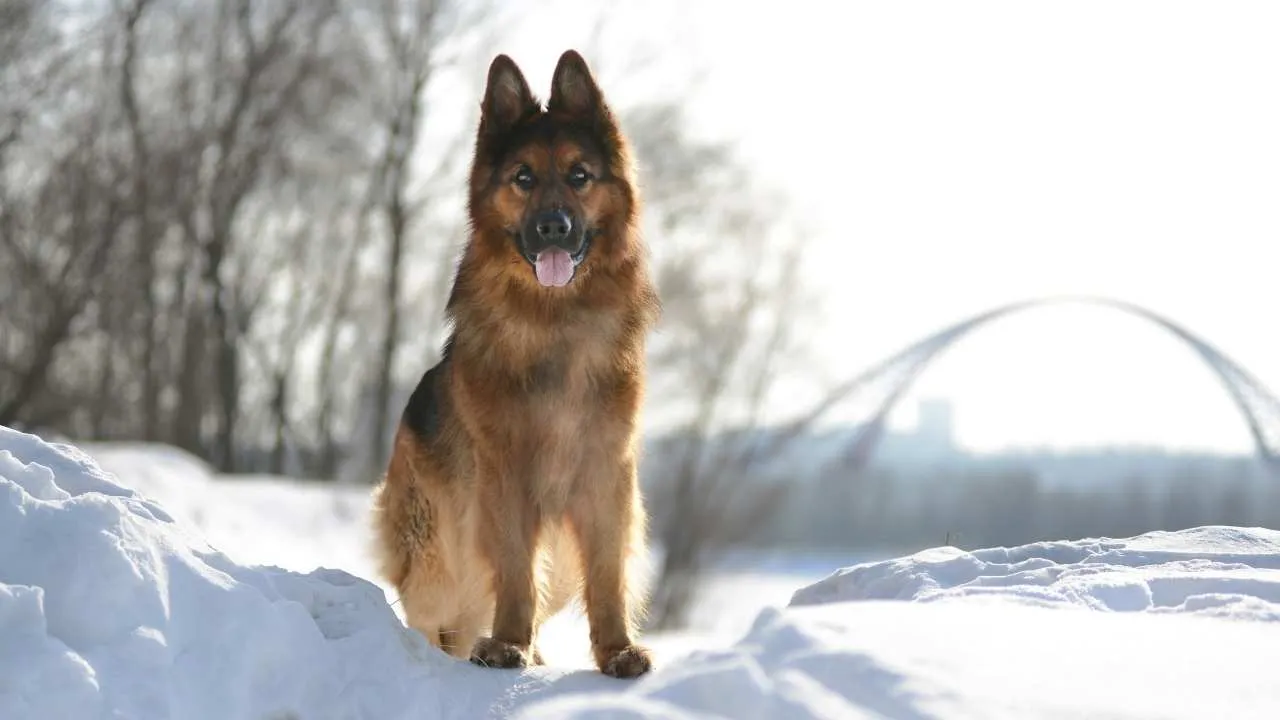
The German Shepherd is a disciplined, versatile working breed widely regarded as one of the most intelligent dogs in the world. Known for its strength, focus, and trainability, it is commonly used in police work, military roles, search-and-rescue operations, and advanced competitive training.
German Shepherds excel in obedience, protection sports, and complex training tasks. Their loyalty and strong desire to work with humans make them highly responsive and reliable learners when properly guided.
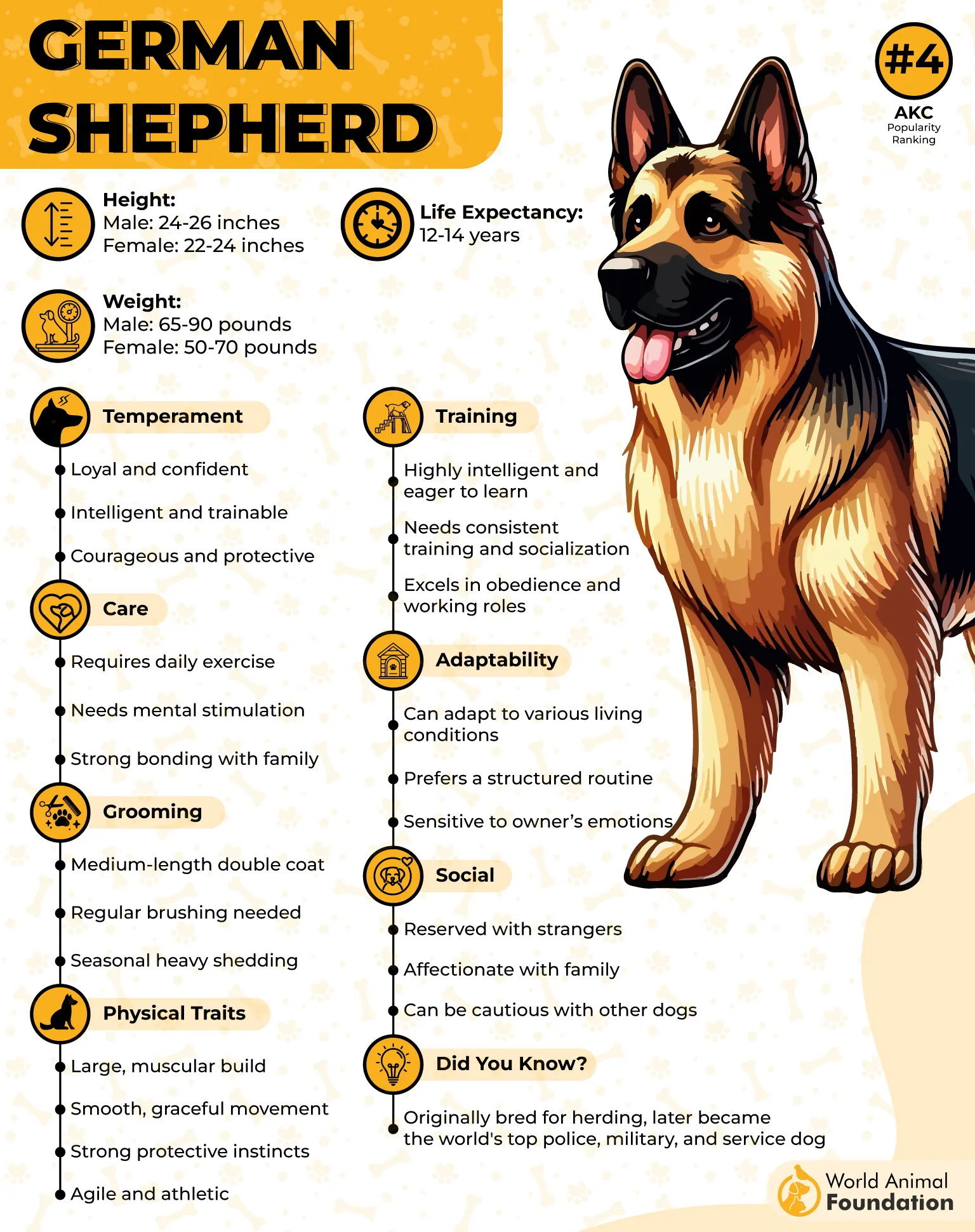
This breed performs especially well in roles that require precision, control, and advanced command sequences, provided they receive structured and consistent training.
German Shepherds are also strongly bonded to their handlers, which improves communication and responsiveness during training sessions. However, this emotional attachment can sometimes lead to overprotective behavior if not managed early through proper socialization.
For best results, they require:
Structured daily training with clear leadership
Regular physical exercise to maintain balance and focus
Consistent mental stimulation to prevent boredom
With the right environment, the German Shepherd becomes a highly reliable, focused, and disciplined companion, making it an ideal choice for experienced handlers and serious working or sport enthusiasts.
4. Golden Retriever
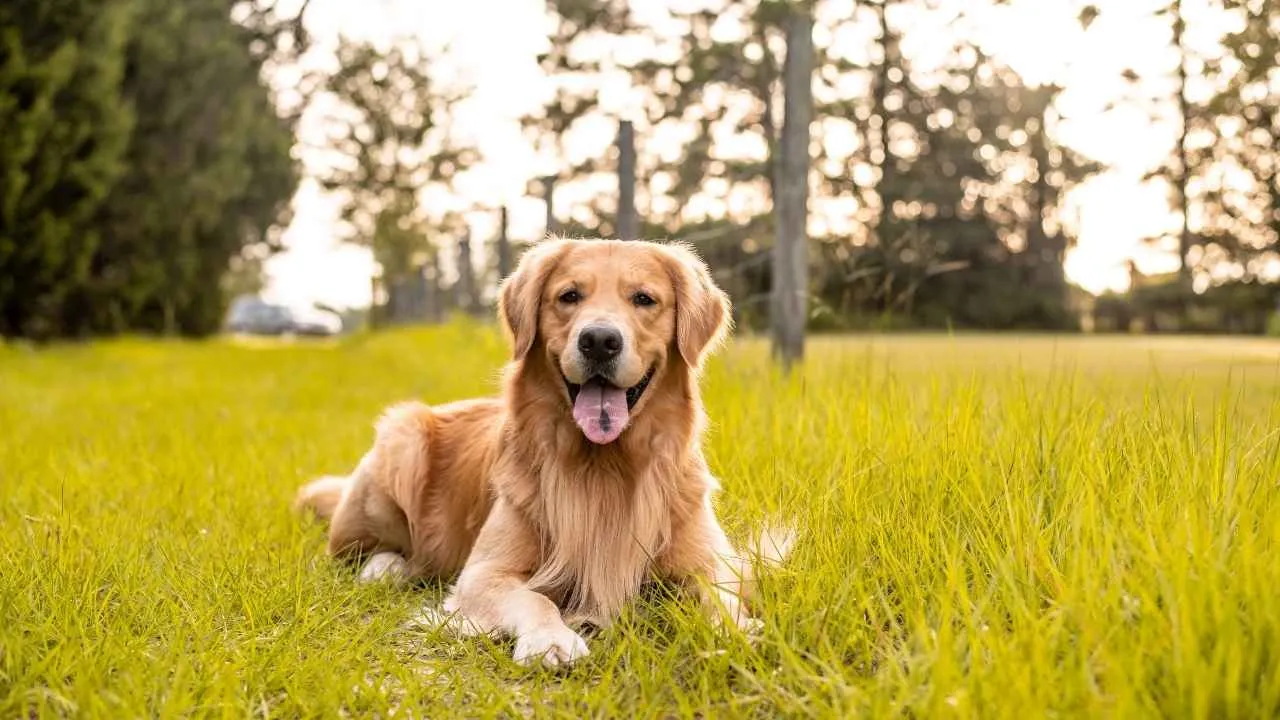
The Golden Retriever is widely recognized as one of the most intelligent and easiest dog breeds to train, as mentioned by Purina. Known for their friendly temperament and steady nature, Golden Retrievers combine intelligence with a strong desire to please their handlers.
Their calm, balanced energy makes them especially reliable in structured environments, including training sessions and competitive events. Unlike many high-drive breeds, they remain composed under pressure while still staying engaged and responsive.
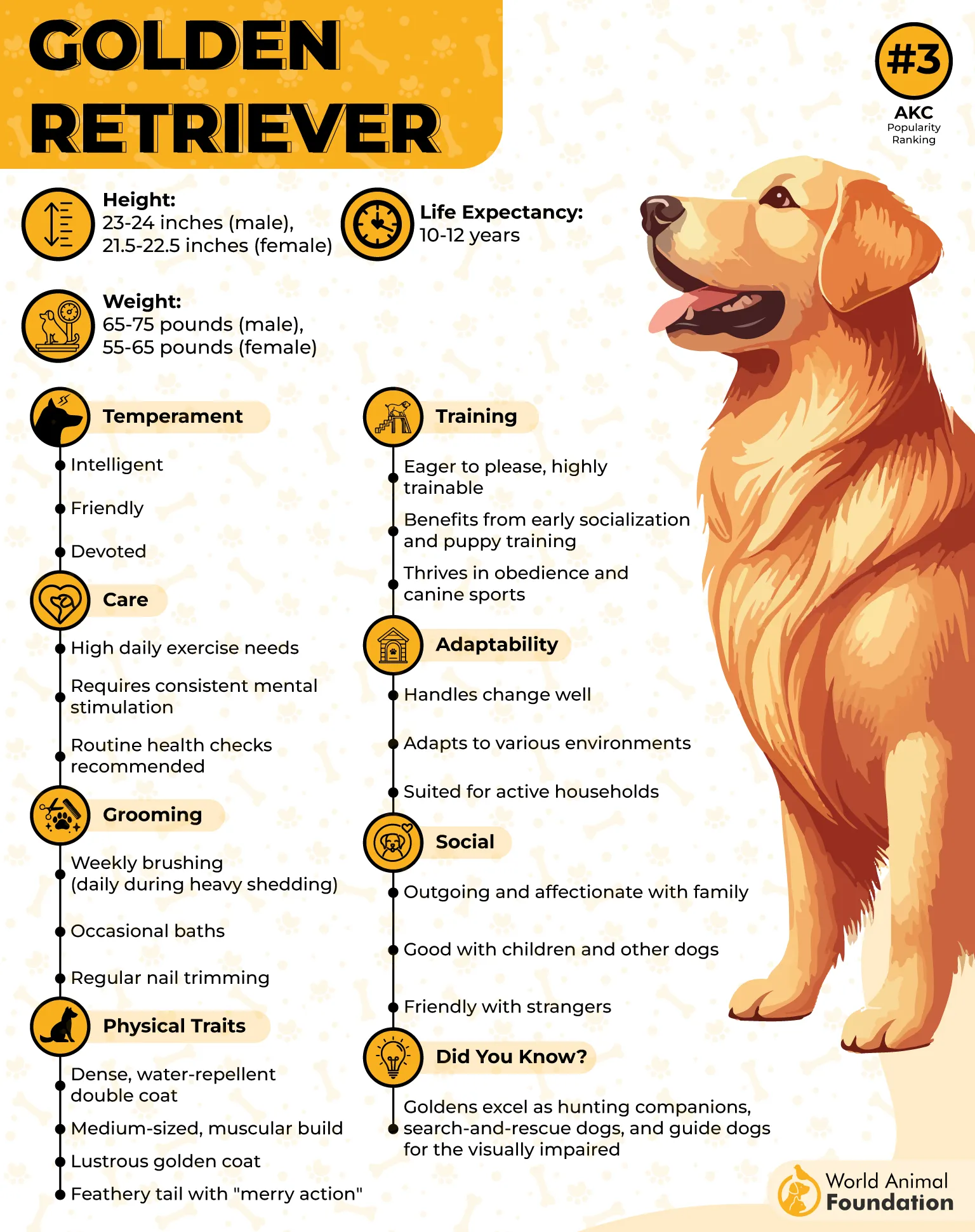
Golden Retrievers excel in a variety of working and performance roles, including:
Obedience trials
Service and therapy work
Retrieval-based sports
They are highly social dogs and perform well even in busy or distracting environments, making them ideal for public-facing roles and teamwork-based tasks.
To reach their full potential, they benefit from:
Consistent positive reinforcement training
Regular daily exercise
Engaging and varied training routines to keep learning enjoyable
Overall, Golden Retrievers are an excellent choice for handlers looking for a stable, intelligent, and emotionally responsive dog that thrives in both competitive and real-world working environments.
5. Shetland Sheepdog
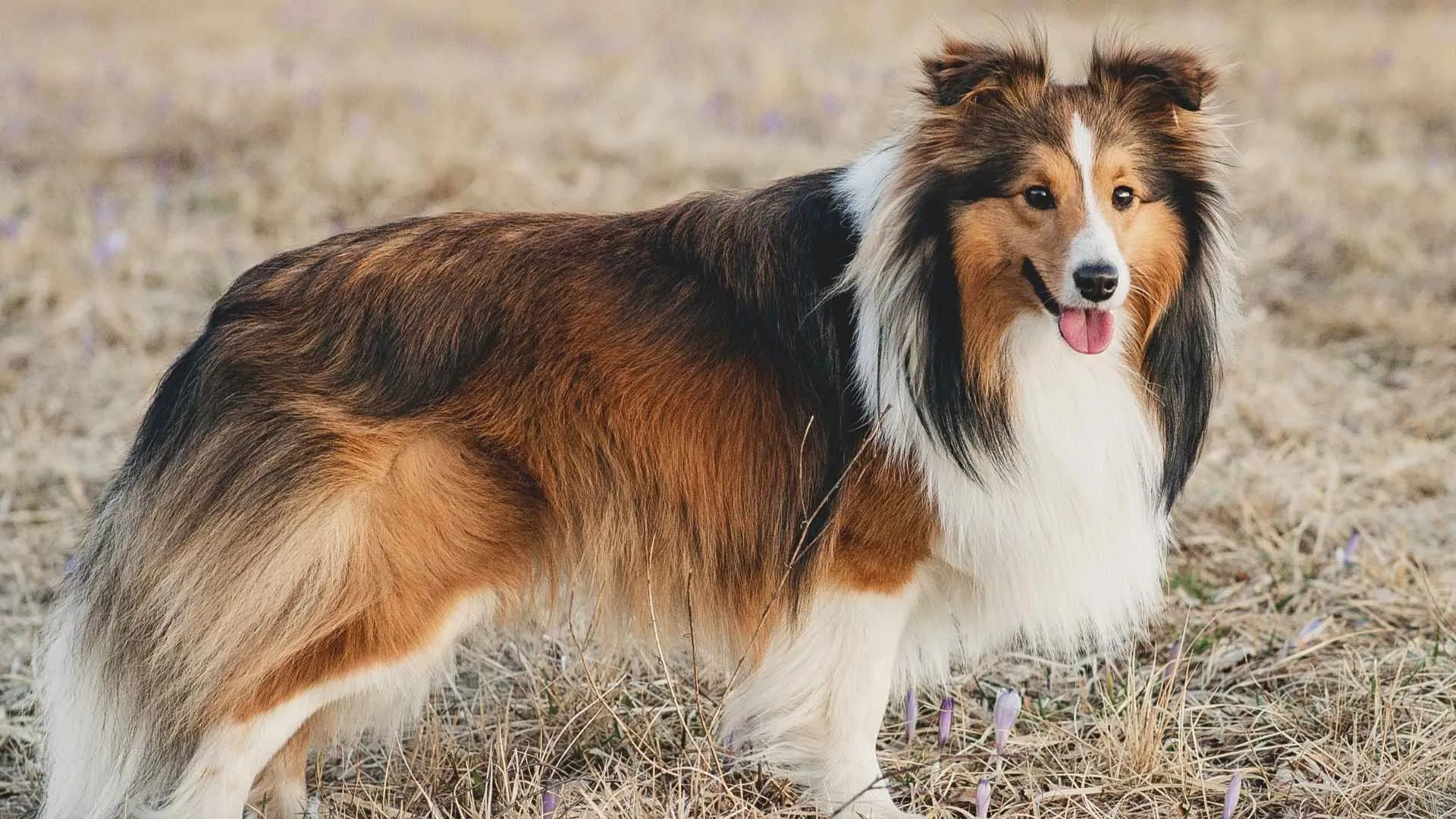
The Shetland Sheepdog, often called the Sheltie, is a small, highly intelligent, and agile herding breed known for its sharp reflexes and strong work ethic. Despite its size, it consistently performs at a high level in obedience and agility sports, as the American Kennel Club highlights its exceptional trainability and responsiveness.
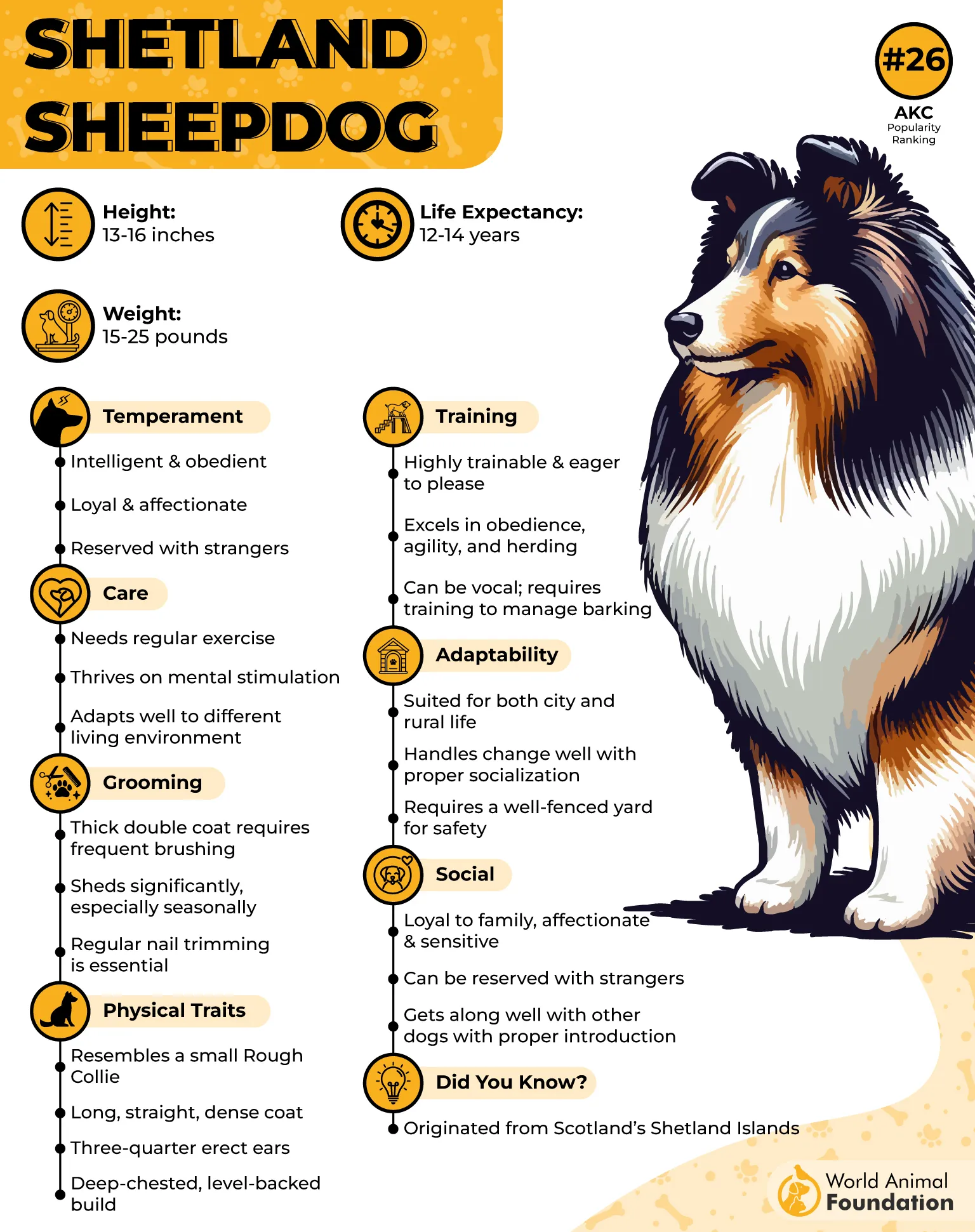
Shelties are quick learners with strong focus and a natural herding instinct that contributes to their precision, speed, and control in movement. Their intelligence and attentiveness make them especially effective in structured training environments.
They are known for:
Precise, controlled movement
Strong obedience and reliability
High responsiveness to handler cues
Shelties are also highly sensitive to their owner’s tone and body language, which helps them perform well in competitive settings where timing and coordination matter.
However, they can be quite vocal, so barking management is an important part of training.
For best results, Shelties thrive with:
Regular agility and obedience training
Consistent mental stimulation
Positive reinforcement-based methods
Overall, the Shetland Sheepdog is an excellent choice for handlers seeking a small, intelligent, and highly trainable dog with strong competitive potential when properly guided.
6. Labrador Retriever
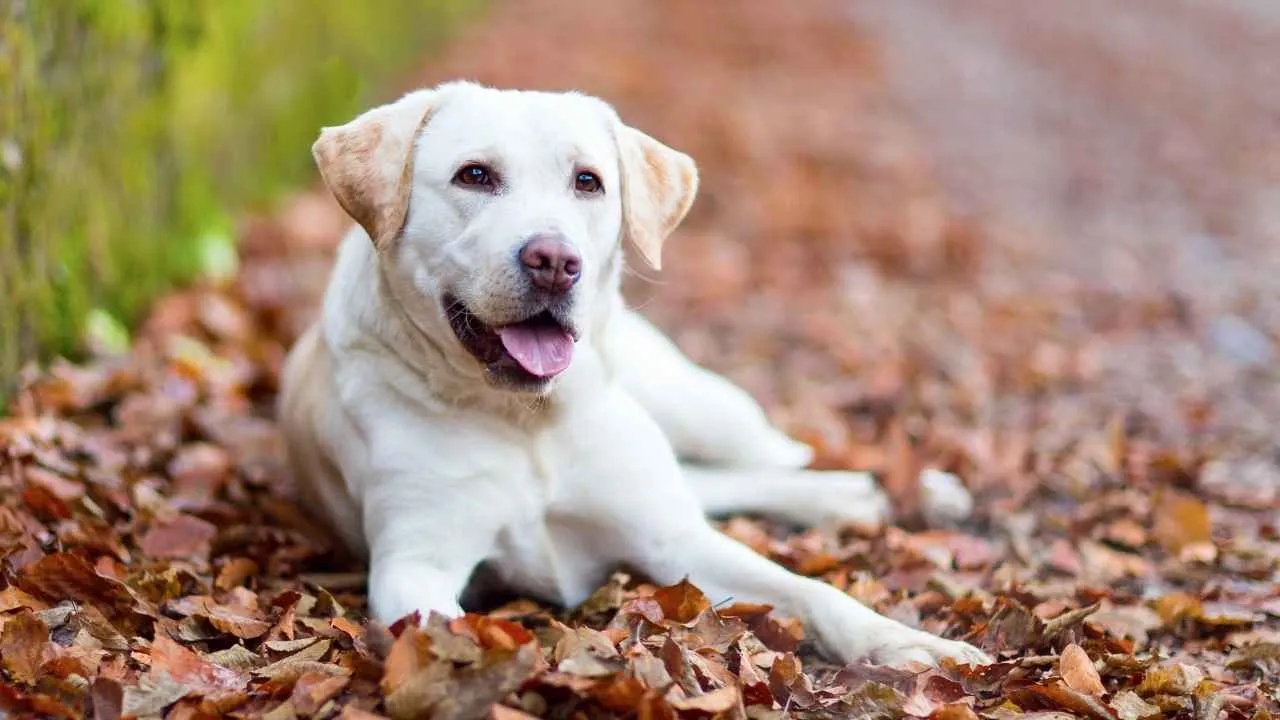
The Labrador Retriever is one of the most popular and versatile dog breeds worldwide, known for its friendly temperament, intelligence, and strong willingness to work with humans. Highly trainable and adaptable, Labradors are widely used in service work, field sports, and family companionship.
Their balanced personality and strong focus make them reliable performers in both training and real-life tasks. They are especially known for their consistency, patience, and ability to learn quickly when properly guided.
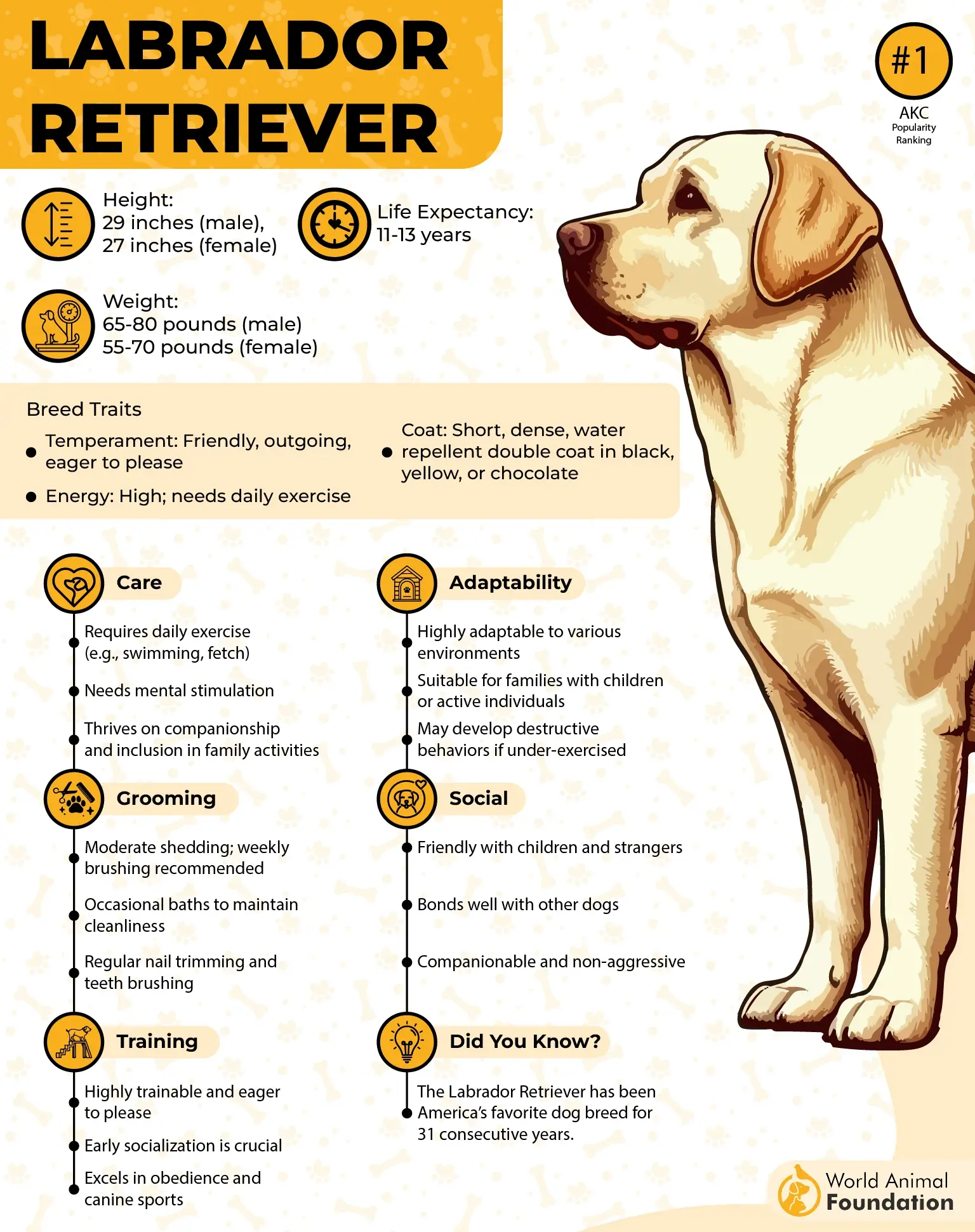
Labradors excel in areas such as:
Reward-based training and competitions
Obedience trials
Fieldwork and retrieval activities
Because they are naturally food-motivated, they respond very well to positive reinforcement, which makes training both effective and engaging.
For best performance and overall wellbeing, Labradors benefit from:
Structured but engaging training sessions
Mental stimulation with limited repetition to avoid boredom
Regular physical exercise
A controlled diet to prevent weight gain
Overall, Labradors are an excellent choice for both beginner and experienced handlers, offering a rare combination of intelligence, reliability, and affectionate companionship.
7. Papillon
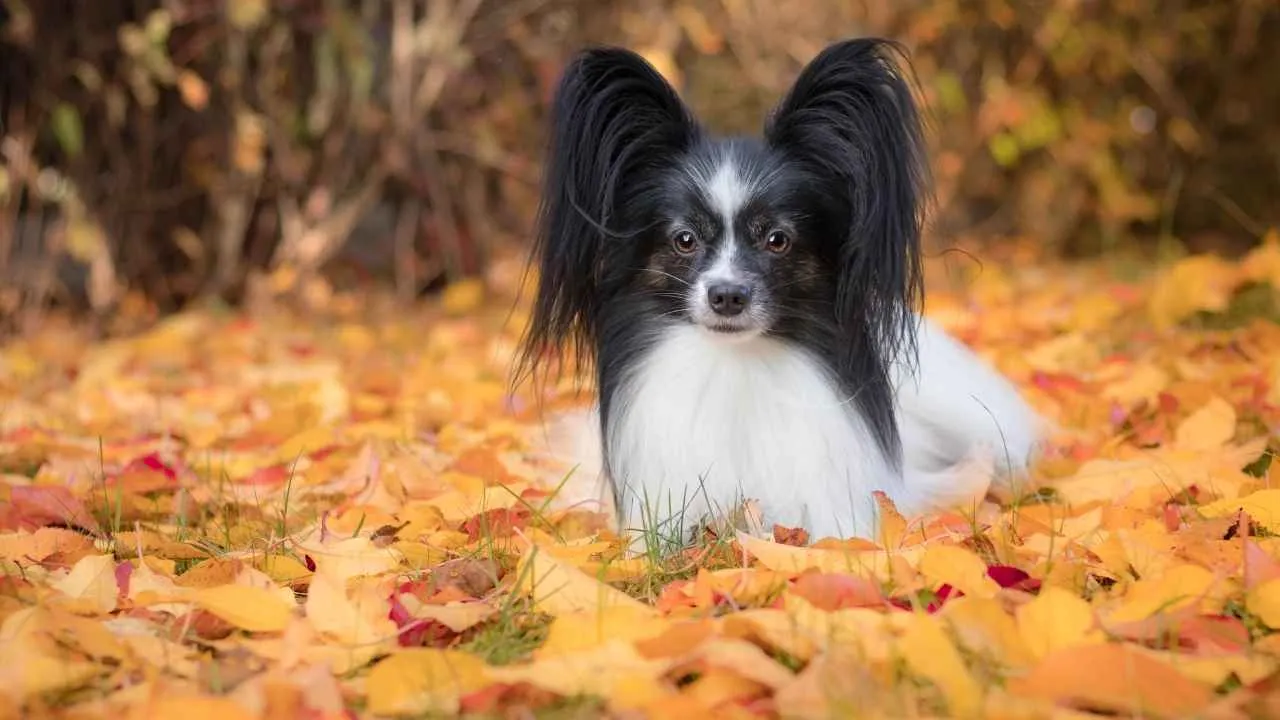
The Papillon is a small but highly intelligent toy breed, widely regarded as one of the smartest dogs in its size category. Despite its delicate appearance, it is energetic, alert, and exceptionally quick to learn new behaviors.
Papillons are fast-moving, highly responsive dogs that perform extremely well in agility and obedience competitions. Their light build, sharp focus, and eagerness to engage give them a natural advantage in speed-and-precision activities.
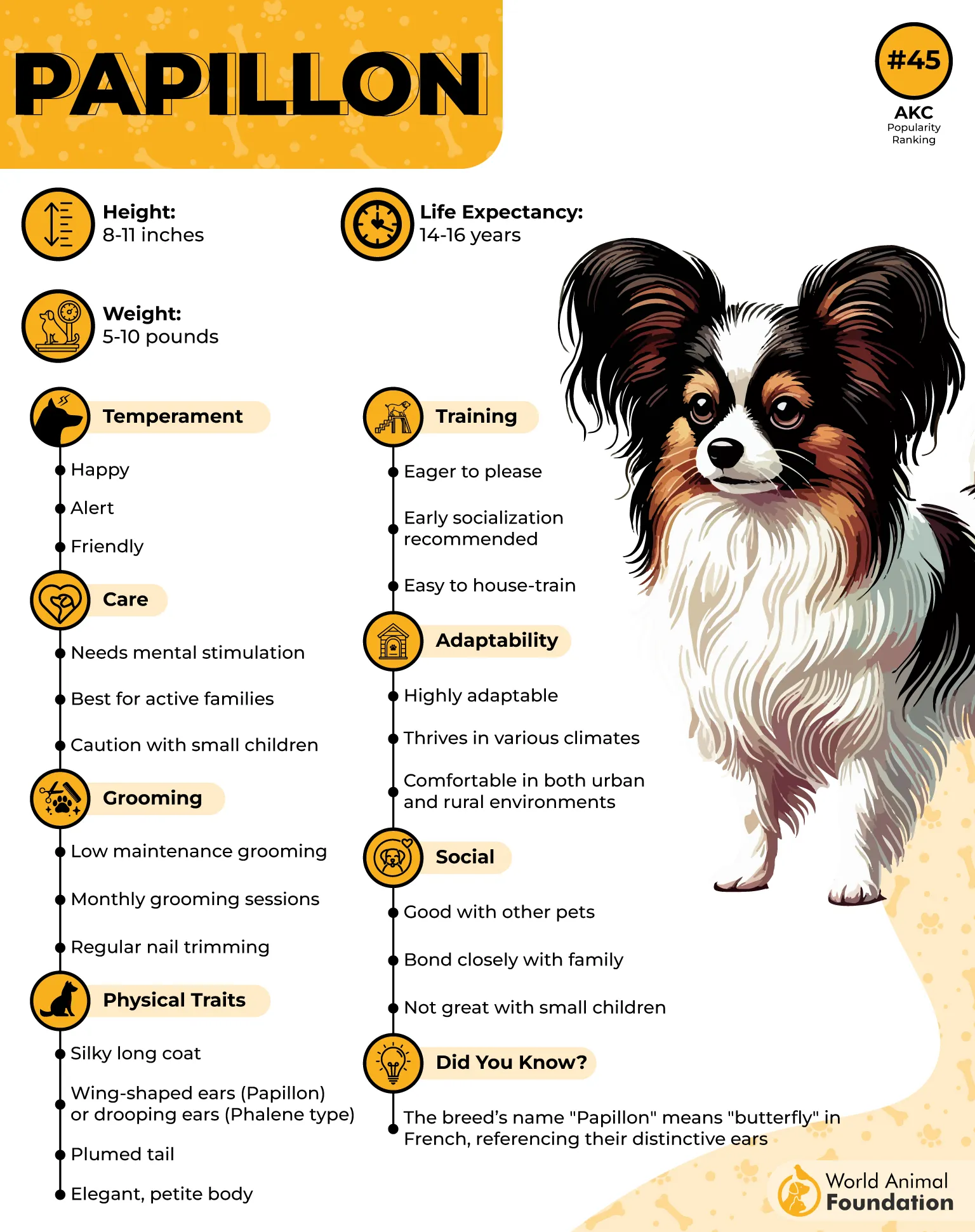
They are known for:
Quick response to commands
Strong agility performance and coordination
Friendly, alert, and emotionally aware behavior
Papillons are highly trainable because they genuinely enjoy interacting with their owners and learning new tasks. They are also sensitive to human emotions, which makes them attentive and responsive companions.
For best results, they thrive with:
Short, consistent, and frequent training sessions
Positive reinforcement combined with mental challenges
Early socialization to build confidence and balance
Overall, the Papillon is an ideal choice for people looking for a small, lively, and highly intelligent companion with strong performance potential.
Conclusion
The best dog breeds for competitive training are those that combine intelligence, discipline, focus, and a strong work ethic. With proper care, structure, and early training, even highly independent dogs can become reliable family companions while also performing at a high level in sport and working environments.
These dogs are capable of learning quickly, responding to subtle cues, and anticipating commands when training is consistent and well-guided.
Ultimately, choosing the right breed is only the first step toward success. True performance comes from training, discipline, and long-term commitment.
When properly handled, these intelligent breeds become more than competitors—they become focused, high-performing partners both in the dog sports arena and in active home environments.
