




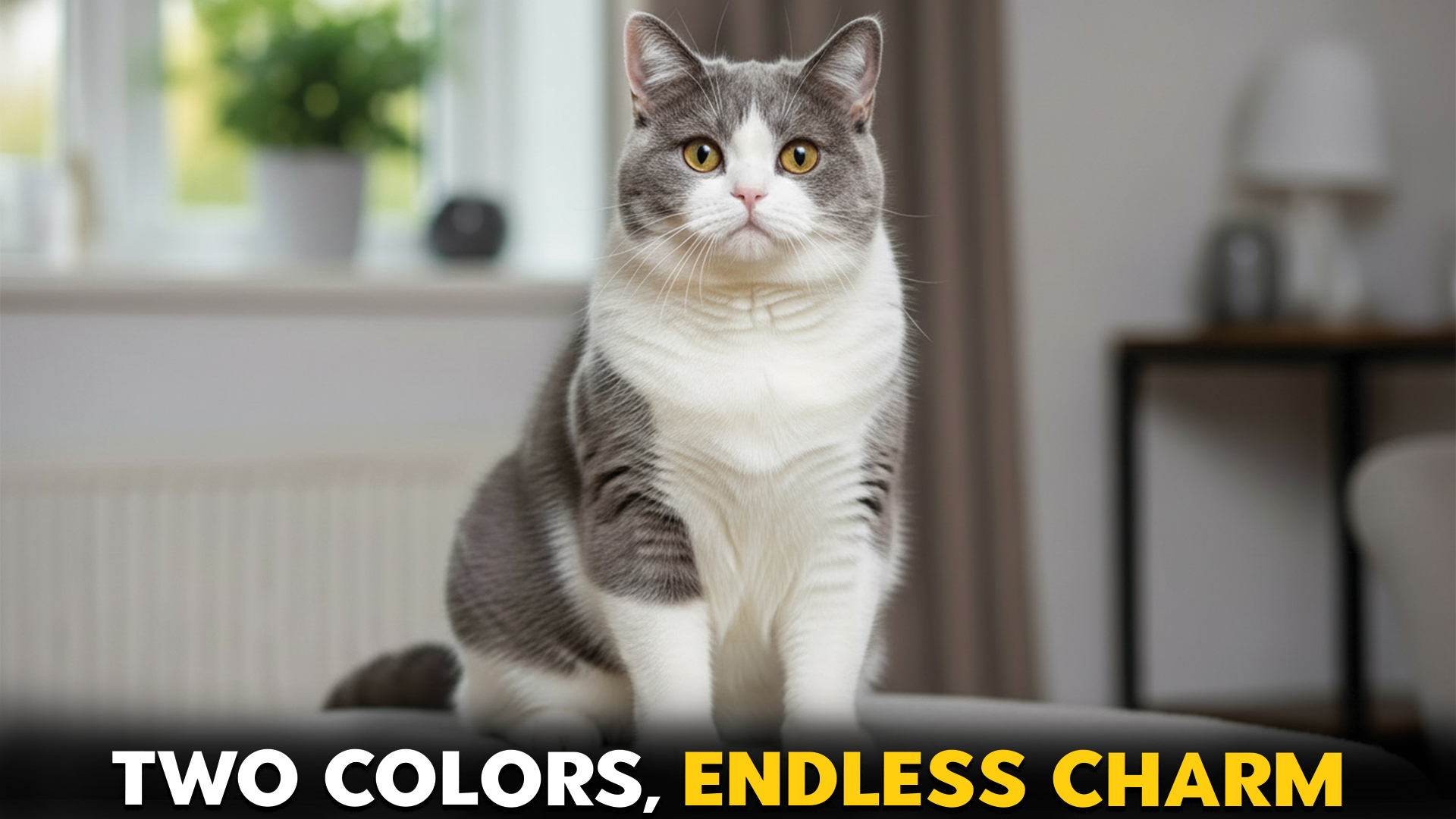
Bi-color coats in cats are a striking blend of a primary color paired with varying amounts of white, creating eye-catching patterns that range from subtle accents to bold contrasts. This two-tone appearance isn’t limited to one breed but is instead a genetic trait influenced by the white-spotting gene, which determines how much white appears across the coat.
Genetics play a fascinating role in shaping these patterns, producing everything from classic tuxedo cat markings to more evenly balanced color distributions. The amount and placement of white can vary widely, making each bi-colored cat uniquely patterned. From black-and-white combinations to softer shades like gray and white or cream and white, these coats showcase remarkable diversity.
The appeal of bicolor cats lies in their visual contrast and individuality. Their distinct markings often highlight facial features, paws, or body symmetry, adding to their charm. Understanding these variations helps cat lovers appreciate how genetics and patterning come together to create some of the most visually captivating feline coats.
Cat Breeds with Bi-Color Coats
1. Turkish Van
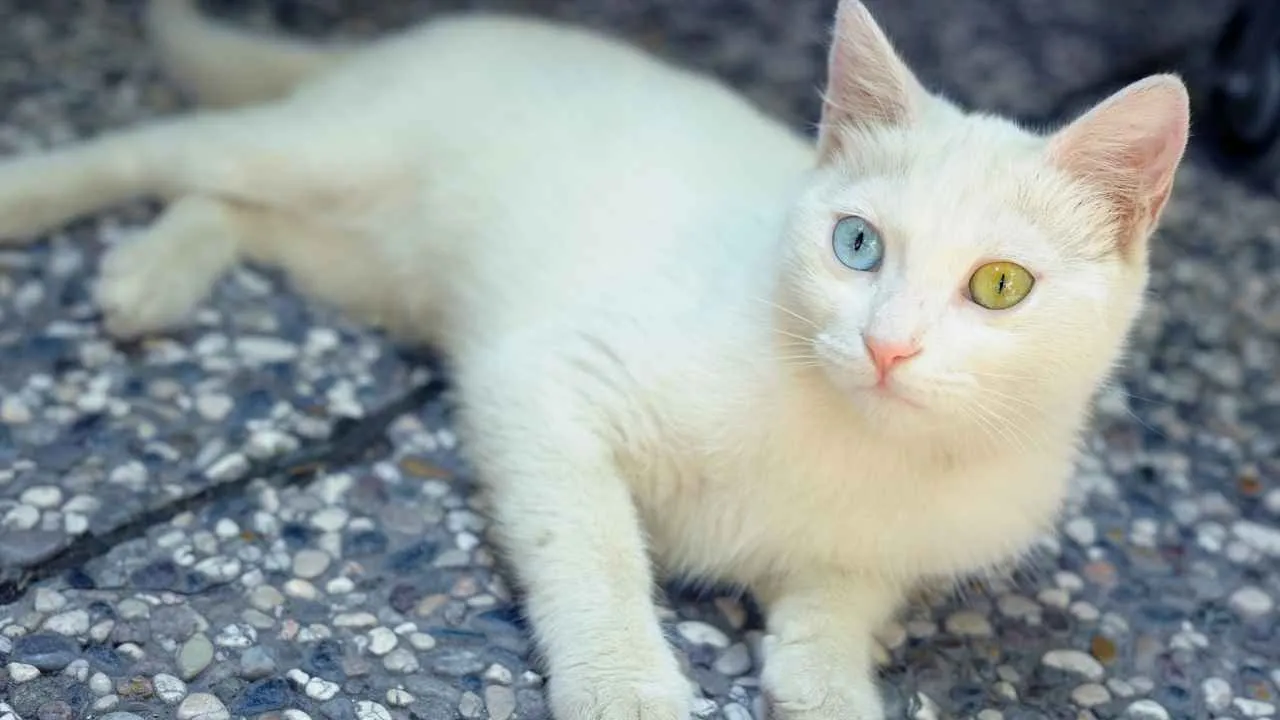
The Turkish Van cat is a rare breed from Turkey known for its unmistakable coat pattern.
With color limited to the head and tail and a mostly white body, this feline stands out as a natural example of bi-color elegance. According to Britannica, the breed was introduced to Europe by returning Crusaders.
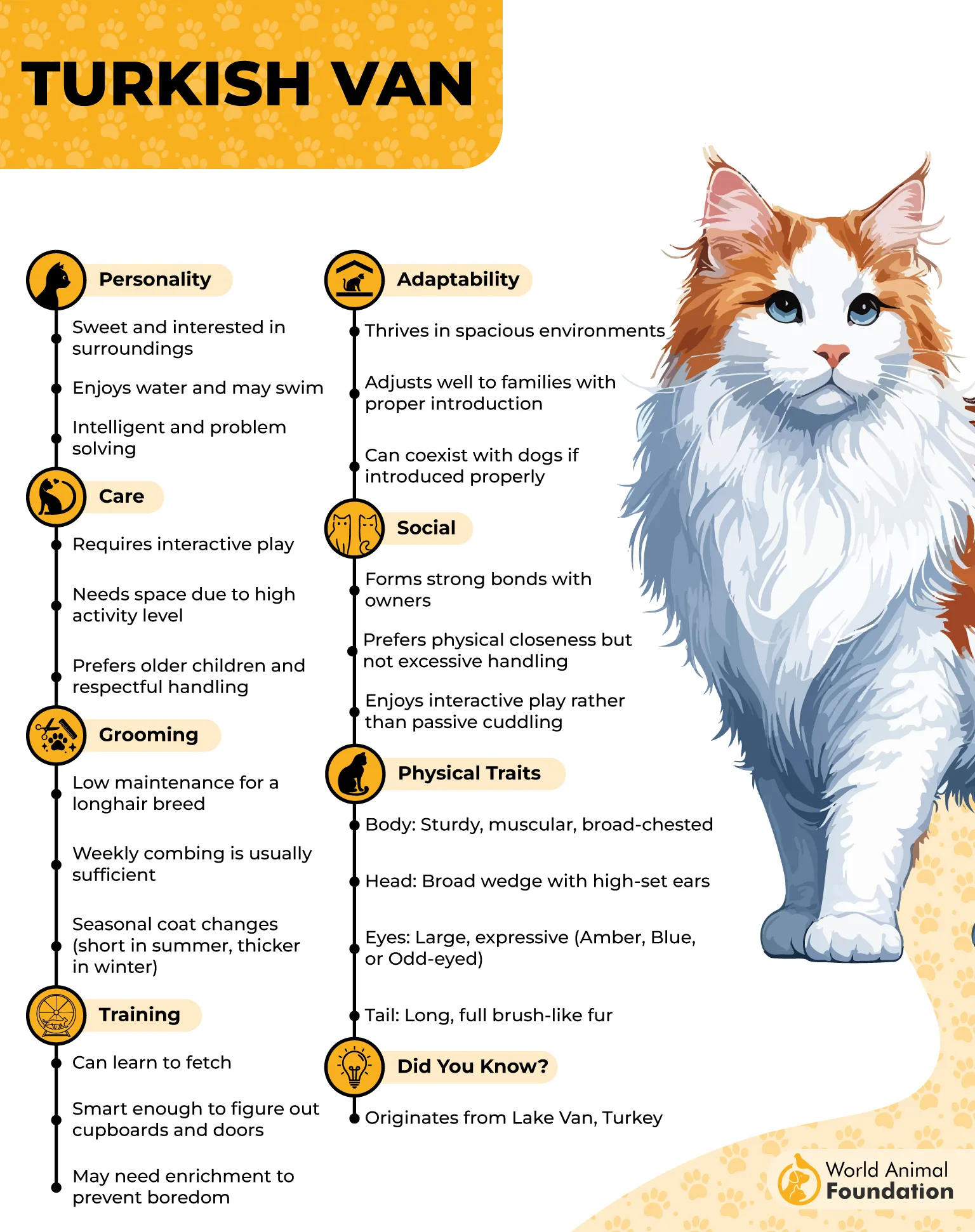
The Striking Feline with Bold Two-Tone Contrast
The Turkish Van showcases one of the most distinctive bicolor patterns, often referred to as the “Van pattern.” Its clean white coat contrasts sharply with colored markings on the crown and tail, creating a bold and balanced visual effect.
This unique distribution of color highlights the symmetry of the breed, making every movement appear even more graceful. The contrast draws attention to the facial features and tail plume, enhancing its overall aesthetic appeal.
Beyond appearance, the breed’s lively and intelligent nature adds personality to its striking look. Known for playful behavior and curiosity, this bicolor cat carries its two-tone coat with confidence and charm.
Fact: The Turkish Van’s signature coat pattern is so unique that the “Van pattern” is named after this breed itself.
2. American Shorthair

The American Shorthair is a distinct and historic breed with roots tracing back to early European settlers.
Known for its sturdy build and glossy short coat, this adaptable cat comes in a wide range of colors, including striking bi-color patterns. According to PetMD, American Shorthairs are easygoing cats that typically get along well with children, dogs, and other pets.
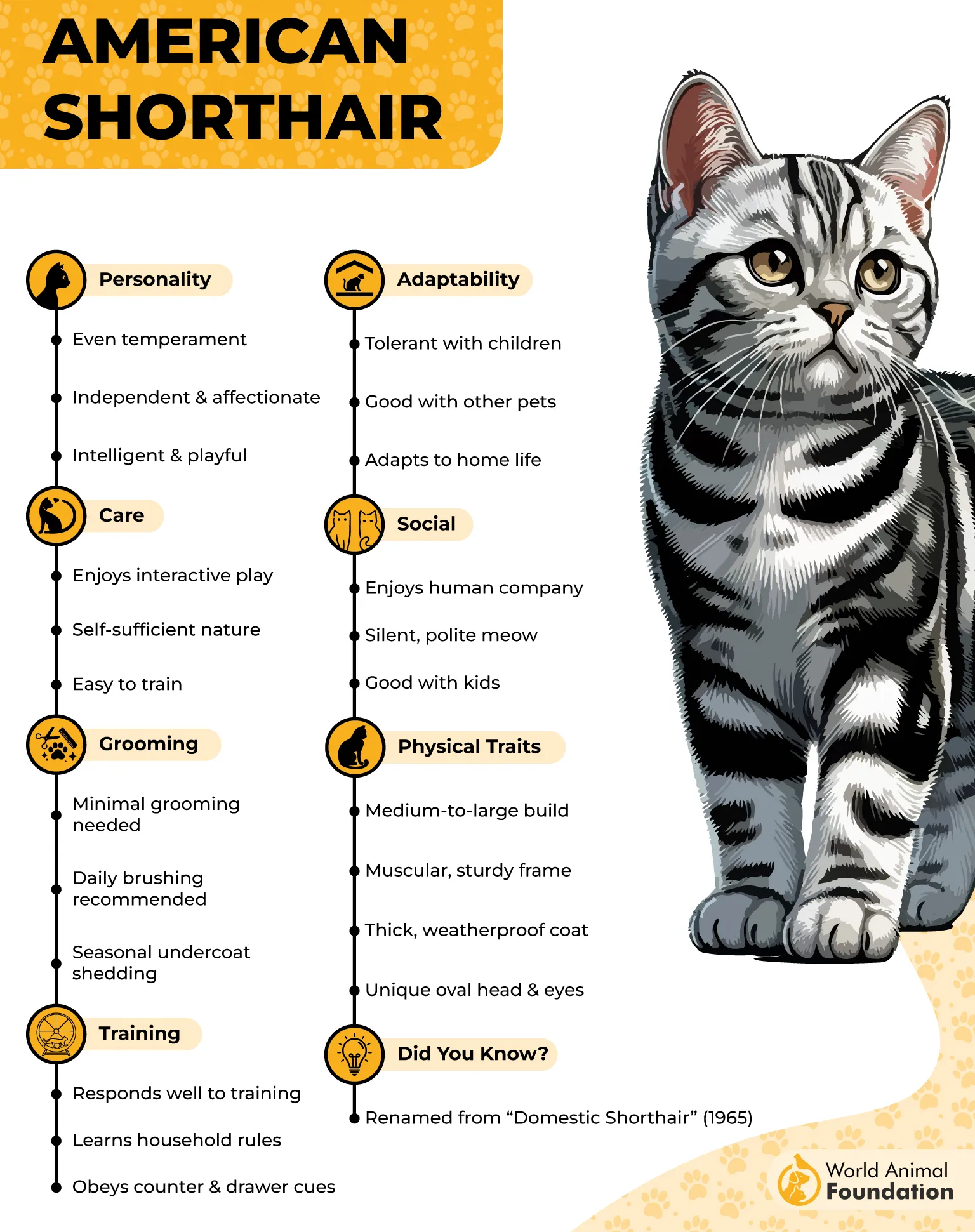
A Charming Cat Known for Its Balanced Color Pattern
These bicolor coat cats often display beautifully distributed bicolor coats, where white blends harmoniously with shades like black, blue, or tabby. These balanced patterns enhance their natural symmetry and give each cat a unique, eye-catching look.
Their short, dense coat highlights the contrast between colors, making markings appear crisp and well-defined. Whether the white appears as patches, chest markings, or is evenly spread across the body, the overall effect is both clean and visually appealing.
Beyond appearance, their well-proportioned physique complements their coat patterns, adding to their classic charm. Combined with their calm and adaptable nature, this breed offers both aesthetic beauty and easy companionship.
Fact: The American Shorthair is recognized in over 80 different colors and patterns, including many distinct bi-color variations.
3. Manx
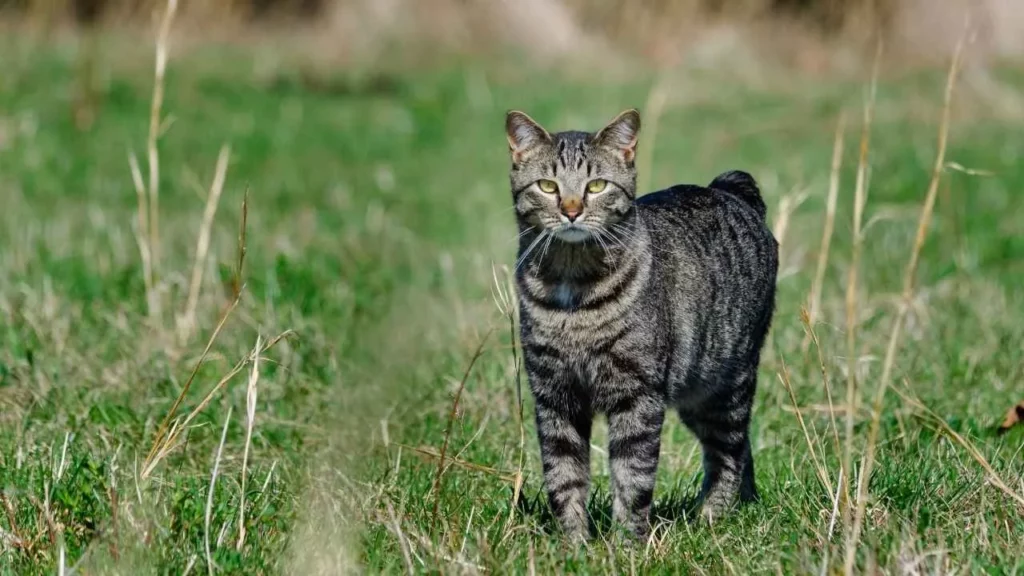
The Manx is a distinctive breed known for its tailless or short-tailed appearance and rounded, sturdy build.
Originating from the Isle of Man, this cat combines a dense coat with a unique silhouette that makes its color patterns stand out beautifully. According to WebMD, Manx cats are playful, affectionate, and well-suited for family life.
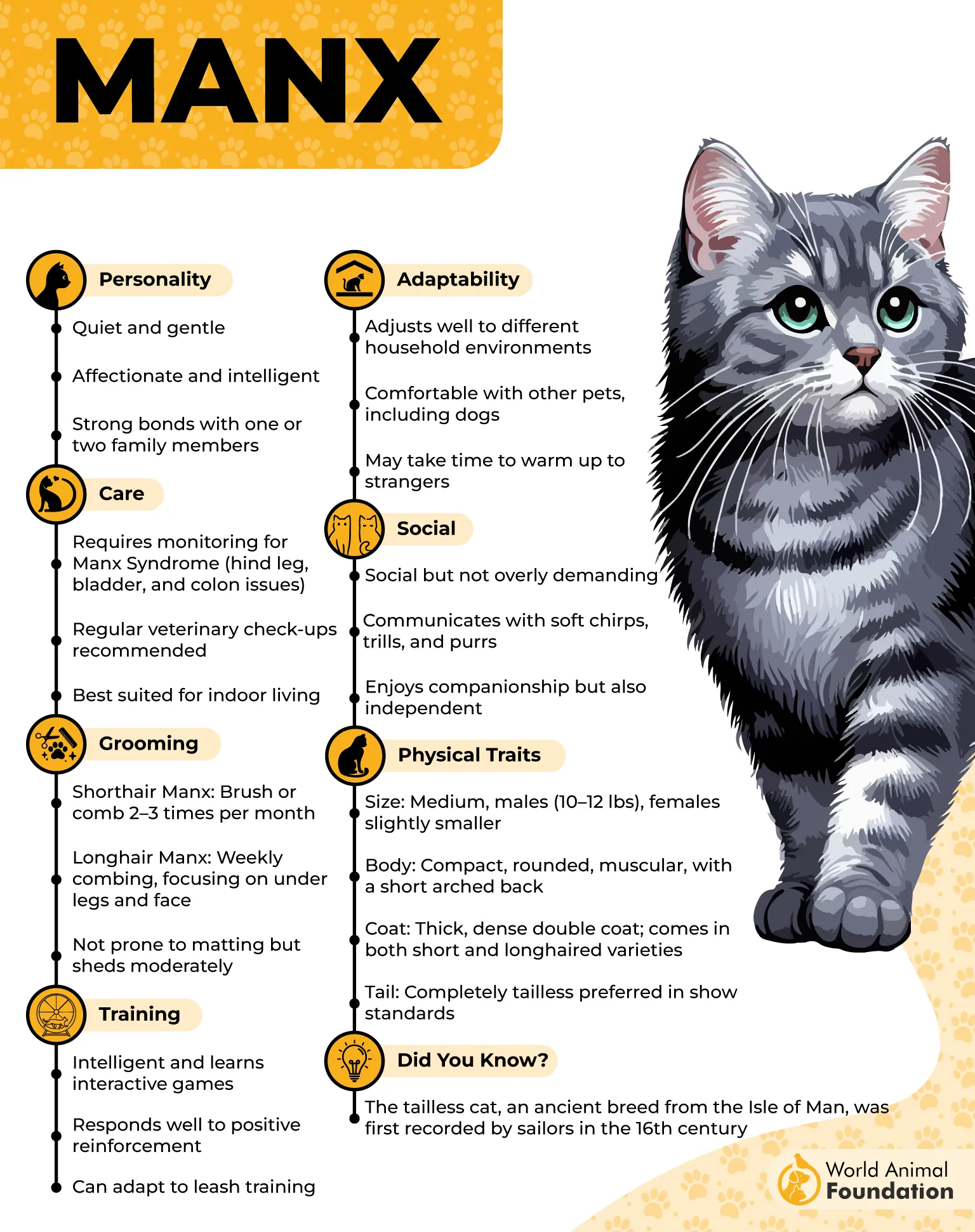
The Elegant Companion with Distinct Coat Division
Manx cats often display striking bicolor coats, where a solid base shade contrasts with crisp white areas. This clear division of color enhances their rounded body shape, making the pattern appear bold and well-defined.
Their thick, plush coat further highlights these contrasts, especially in combinations like black and white or blue and white. The even distribution of color and white spotting gives the breed a visually balanced and elegant appearance.
Beyond looks, the Manx is calm, affectionate, and highly adaptable, forming strong bonds with families and welcoming interaction. Their playful yet relaxed nature complements their refined coat pattern, making them both visually appealing and pleasant companions.
Fact: The Manx is famous for its natural taillessness, caused by a genetic mutation, though some individuals may have short or partial tails.
4. British Shorthair
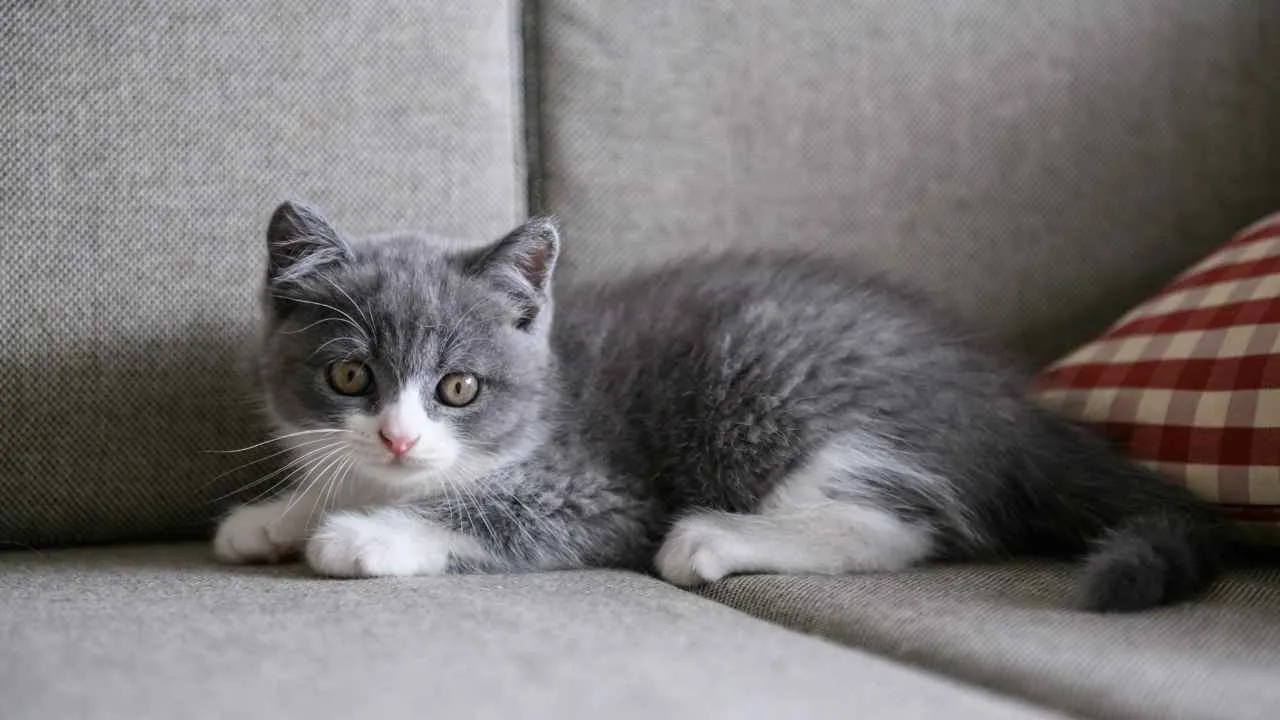
The British Shorthair is a sturdy and well-balanced breed from the United Kingdom. Known for its round face, plush short coat, and calm demeanor, it also appears in striking bi-color variations that enhance its naturally charming look.
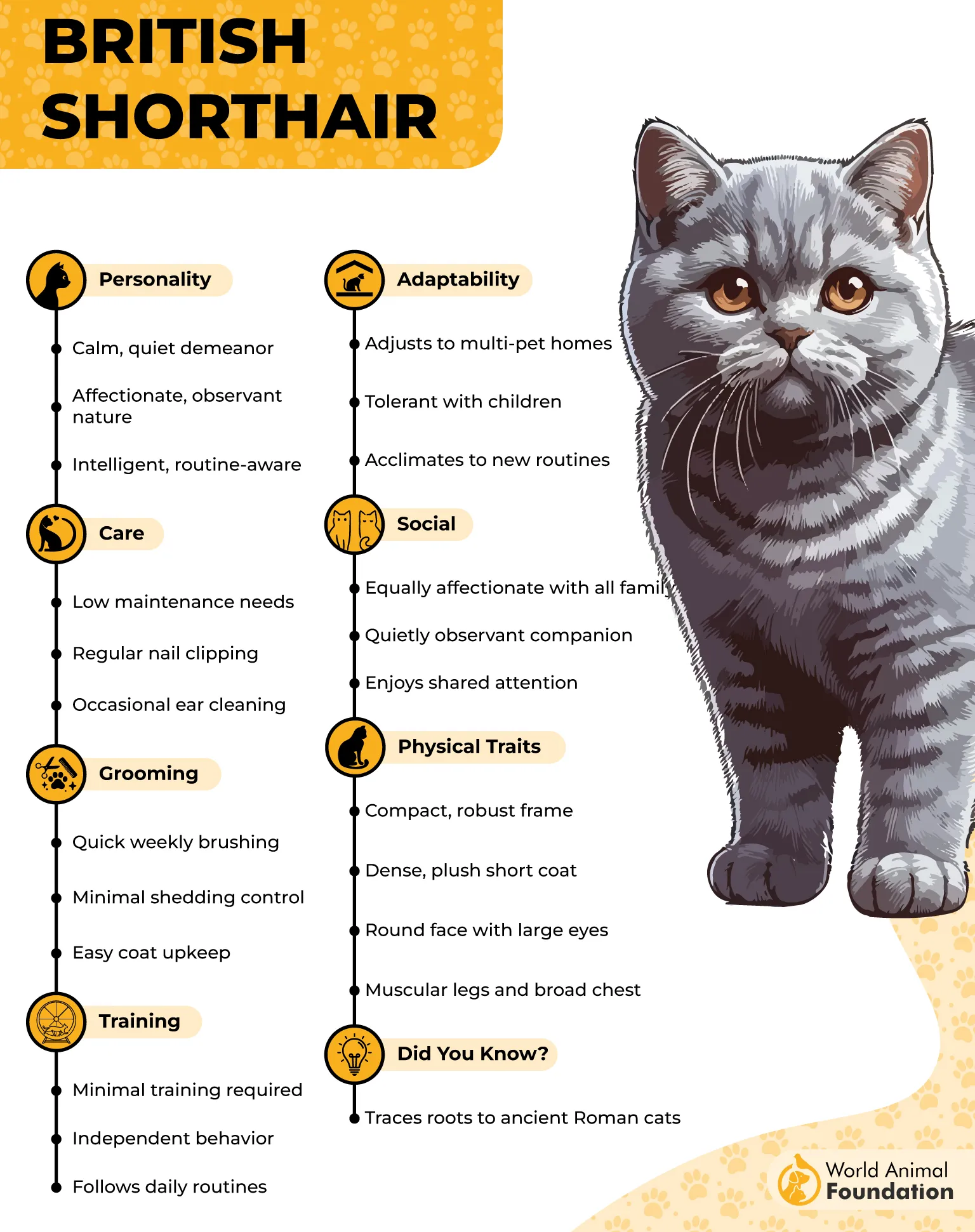
A Playful Cat with Eye-Catching Color Patches
This breed’s dense, crisp coat showcases beautiful bi-color patterns, where a solid shade blends with clean white patches. These contrasting markings often highlight the cat’s rounded features, making its appearance even more distinctive.
Despite its solid build, the British Shorthair moves with smooth, balanced grace, and its symmetrical body enhances the visual appeal of its two-tone coat. The even distribution of color and white adds to its refined, well-proportioned look.
Moderately playful yet relaxed, this cat enjoys gentle activity without being overly energetic. Its calm personality pairs perfectly with its striking coat patterns, allowing it to stand out while maintaining a composed and easygoing presence.
Fact: British Shorthairs come in a wide variety of colors and patterns, including bi-color combinations with distinct white spotting.
5. Turkish Angora
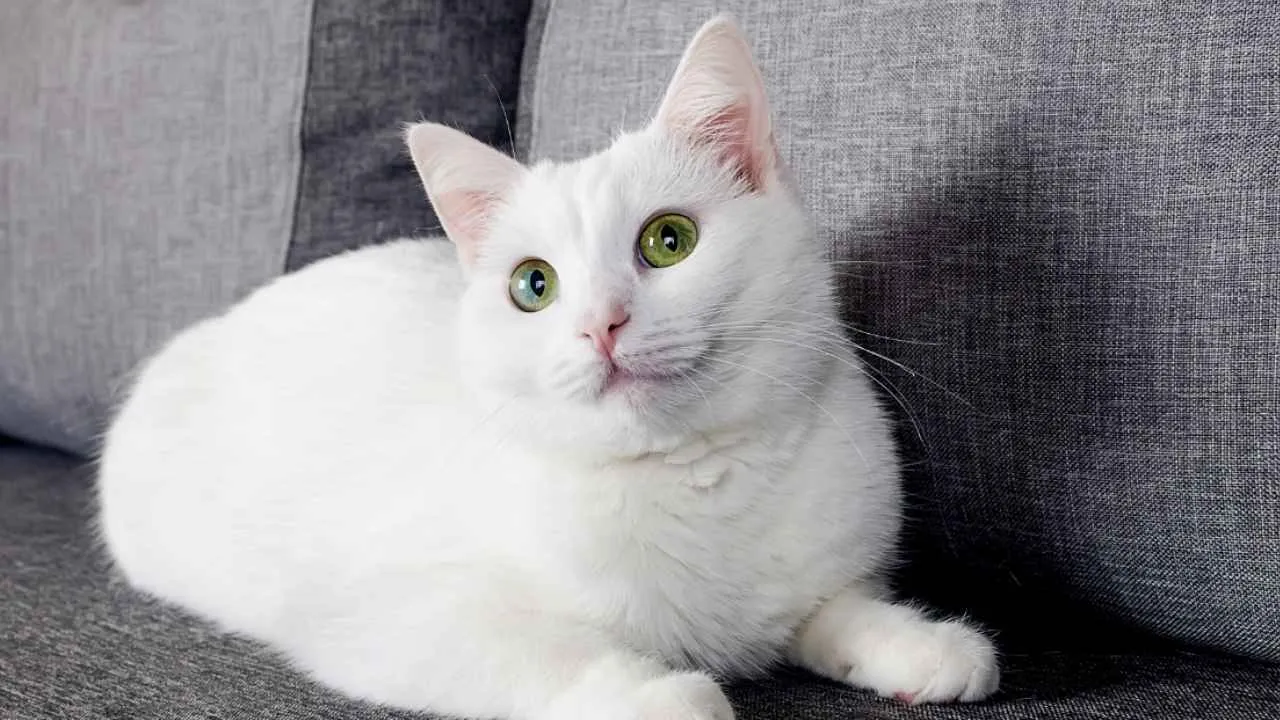
The Turkish Angora is a graceful natural breed from Turkey, admired for its silky coat and feathered tail. Its elegant frame, expressive almond-shaped eyes, and refined features give it a polished and harmonious appearance.
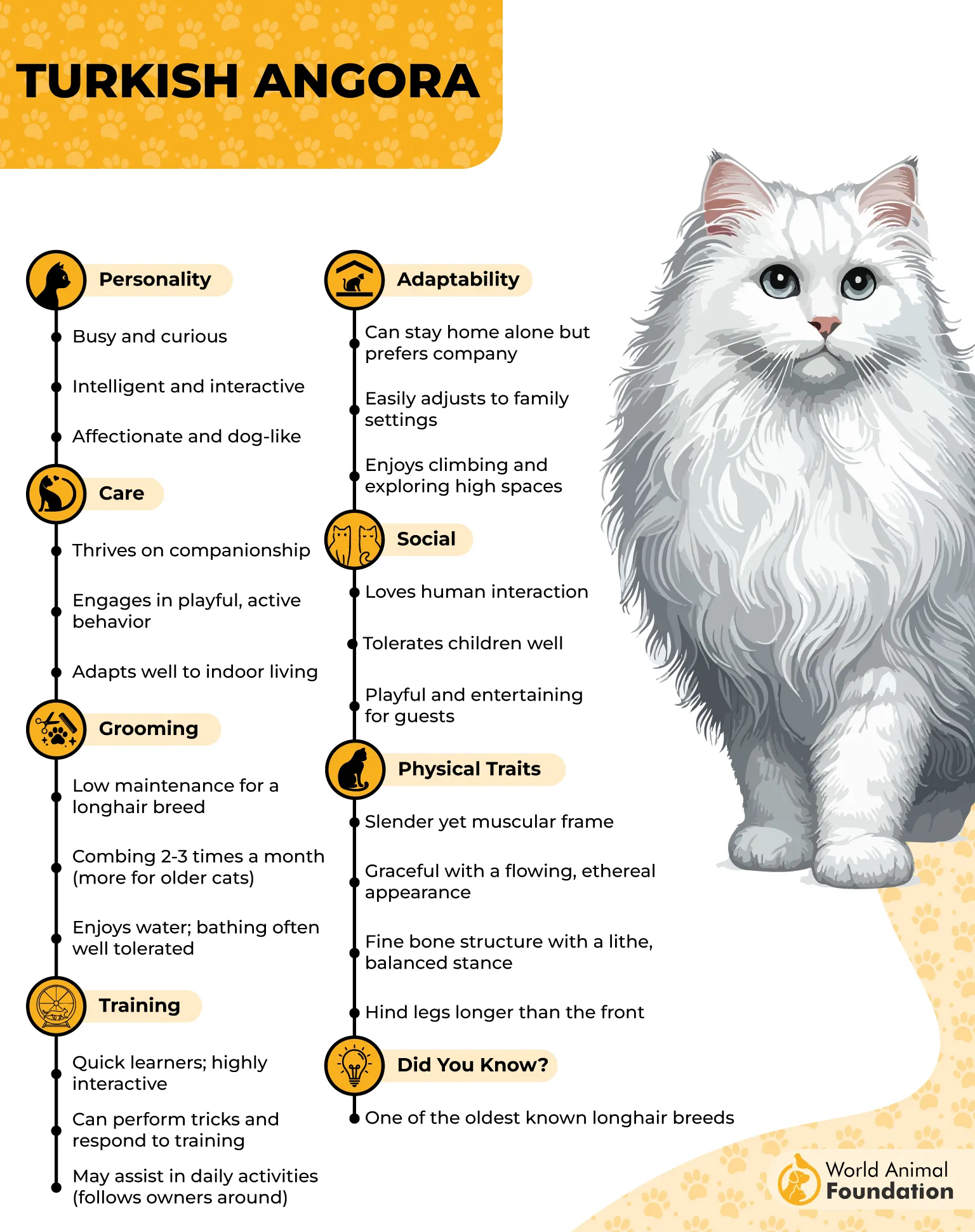
The Stylish Feline with Smooth Bi-Color Blending
Turkish Angoras often display striking bi-color patterns, where soft white blends seamlessly with shades like black, red, or blue. This smooth transition of colors enhances their sleek coat, creating a visually balanced and eye-catching look.
Their fine, silky fur lies close to the body, allowing the contrasting tones to stand out clearly without appearing heavy. The flowing tail and light structure further highlight the beauty of these two-tone combinations.
Beyond appearance, their confident and social personality complements their elegant look. They are active, intelligent, and enjoy interacting with people, often becoming the center of attention while showing off their distinctive coat patterns.
Fact: Turkish Angoras can naturally develop bicolor coats with white spotting combined with various solid or tabby shades.
6. Ragdoll
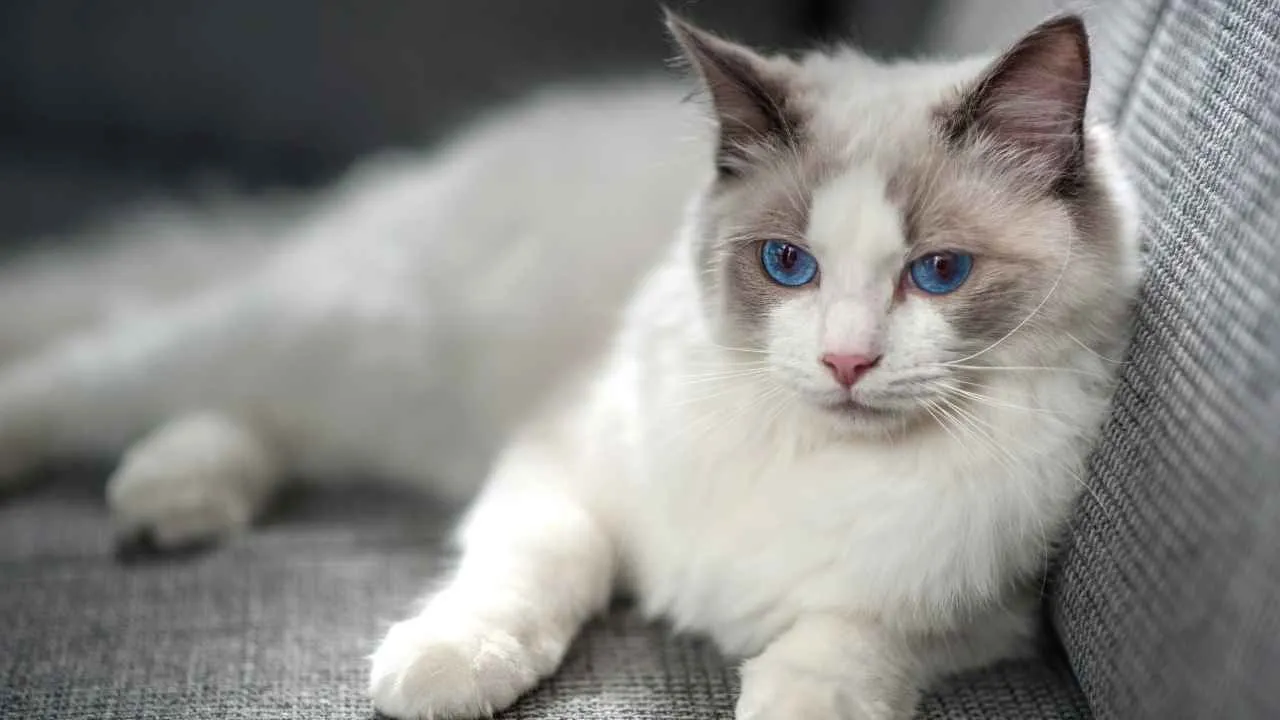
The Ragdoll cat is a large, soft-coated breed known for its striking blue eyes and gentle expression. Developed in the 1960s, it is admired for its plush fur and beautifully defined color patterns.
A Beautiful Cat with Clear and Defined Color Zones
Ragdolls are famous for their bi-color coats, where contrasting shades are clearly separated across the body. These patterns often highlight the face, chest, and legs, creating a balanced and visually appealing look.
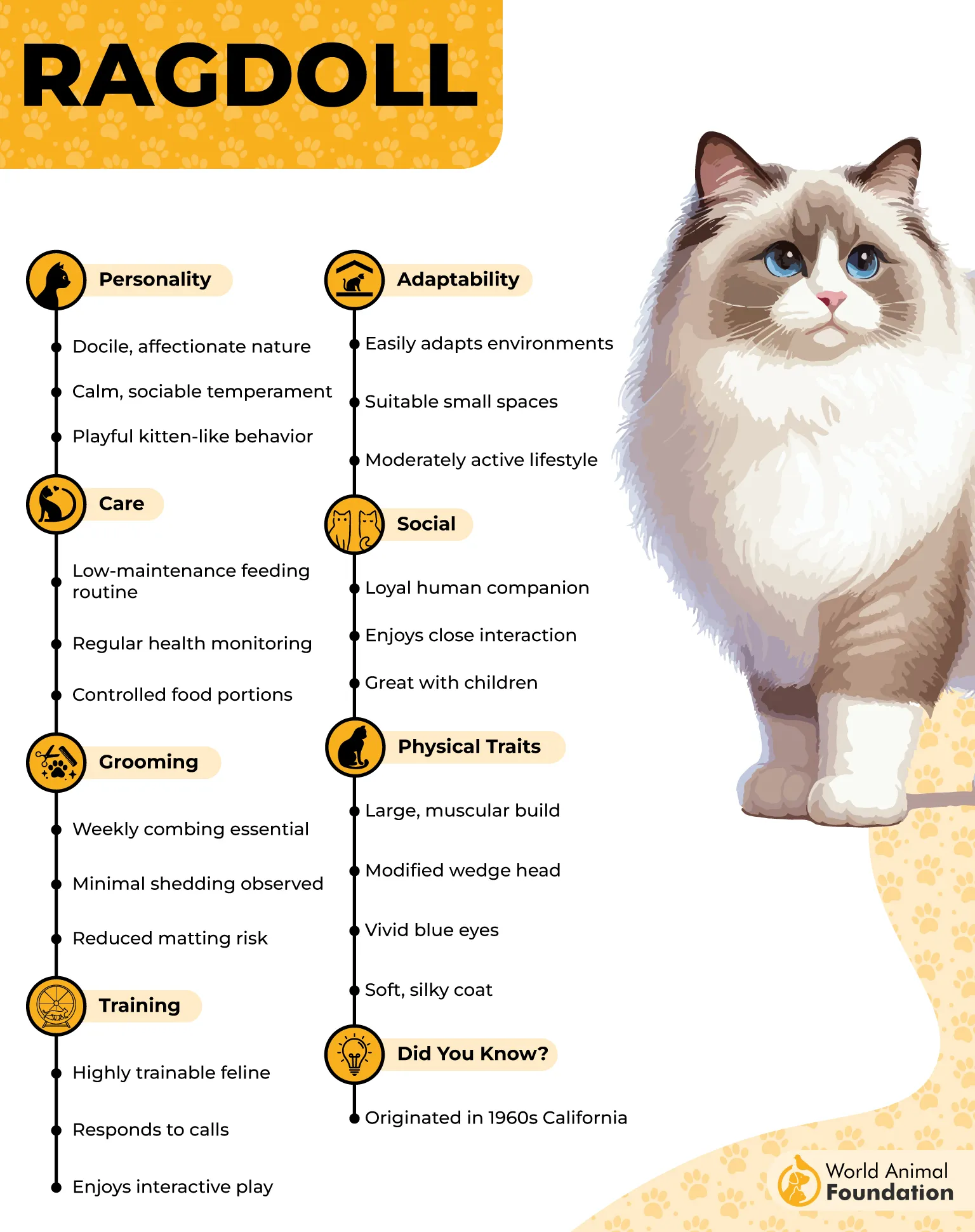
Their coat develops gradually, with kittens born completely white before their colors begin to emerge within weeks. Over time, the contrast deepens, resulting in well-defined zones that enhance the breed’s signature elegance.
With combinations like seal and white or blue and white, along with variations such as mitted and colorpoint, Ragdolls display remarkable diversity in their two-tone patterns. This structured coloration makes each cat unique while maintaining a harmonious appearance.
Fact: Ragdoll kittens are born entirely white, and their distinctive bi-color patterns develop as they grow older.
7. Snowshoe
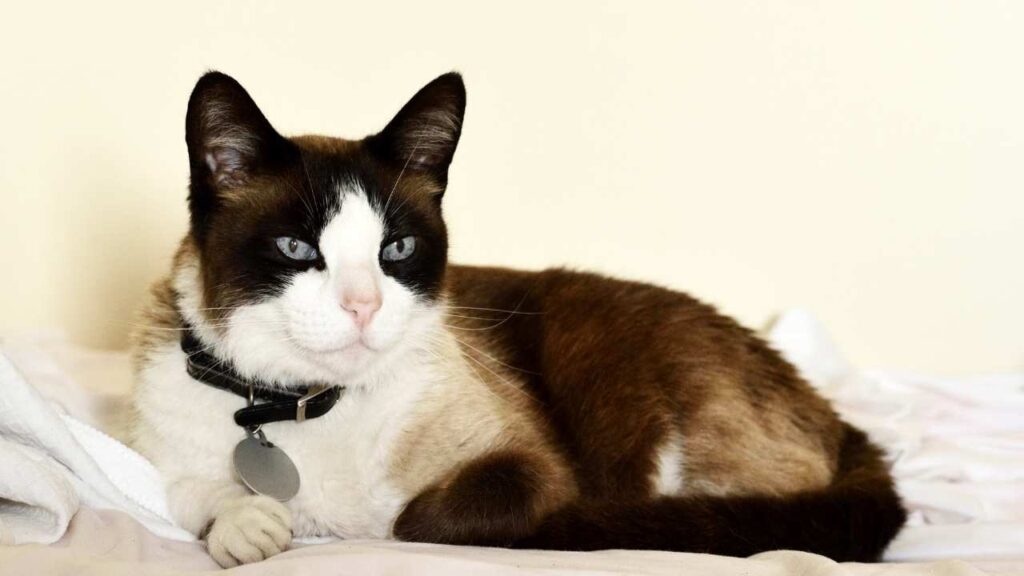
The Snowshoe is a striking American breed known for its signature white paws and contrasting point coloration. Developed in the 1960s, this cat blends Siamese elegance with distinct bicolor markings that immediately stand out.
The Unique Companion with a Perfectly Split Coat Pattern
Snowshoe cats display a beautiful balance of light and dark tones, with creamy bodies contrasted by darker points on the ears, face, tail, and legs. Their bi-color pattern is enhanced by crisp white markings, creating a clean and eye-catching division of color.
One of their most defining features is the inverted white “V” on the face, paired with white “mittens” on the paws. This combination gives them a symmetrical and almost perfectly split appearance, making each cat uniquely patterned yet consistently recognizable.
Beyond their looks, their sleek coat and moderate build highlight how color placement complements body structure. Their bi-color design doesn’t just add contrast—it enhances their overall harmony and visual appeal.
Fact: Snowshoe cats were named for their distinctive white paws, which resemble tiny “snow boots.”
Conclusion
Bi-color cat breeds showcase how genetics and patterning come together to create striking visual contrast. Defined by a primary color paired with varying degrees of white, these coats range from subtle accents to bold, symmetrical designs that make each cat uniquely recognizable.
From classic tuxedo patterns to beautifully balanced point patterns, bi-color variations highlight a cat’s features and enhance overall appearance.
The white-spotting gene plays a key role in shaping these patterns, resulting in endless combinations across different breeds. Together, these cats prove that contrast, symmetry, and individuality can blend seamlessly into some of the most captivating feline looks.
