




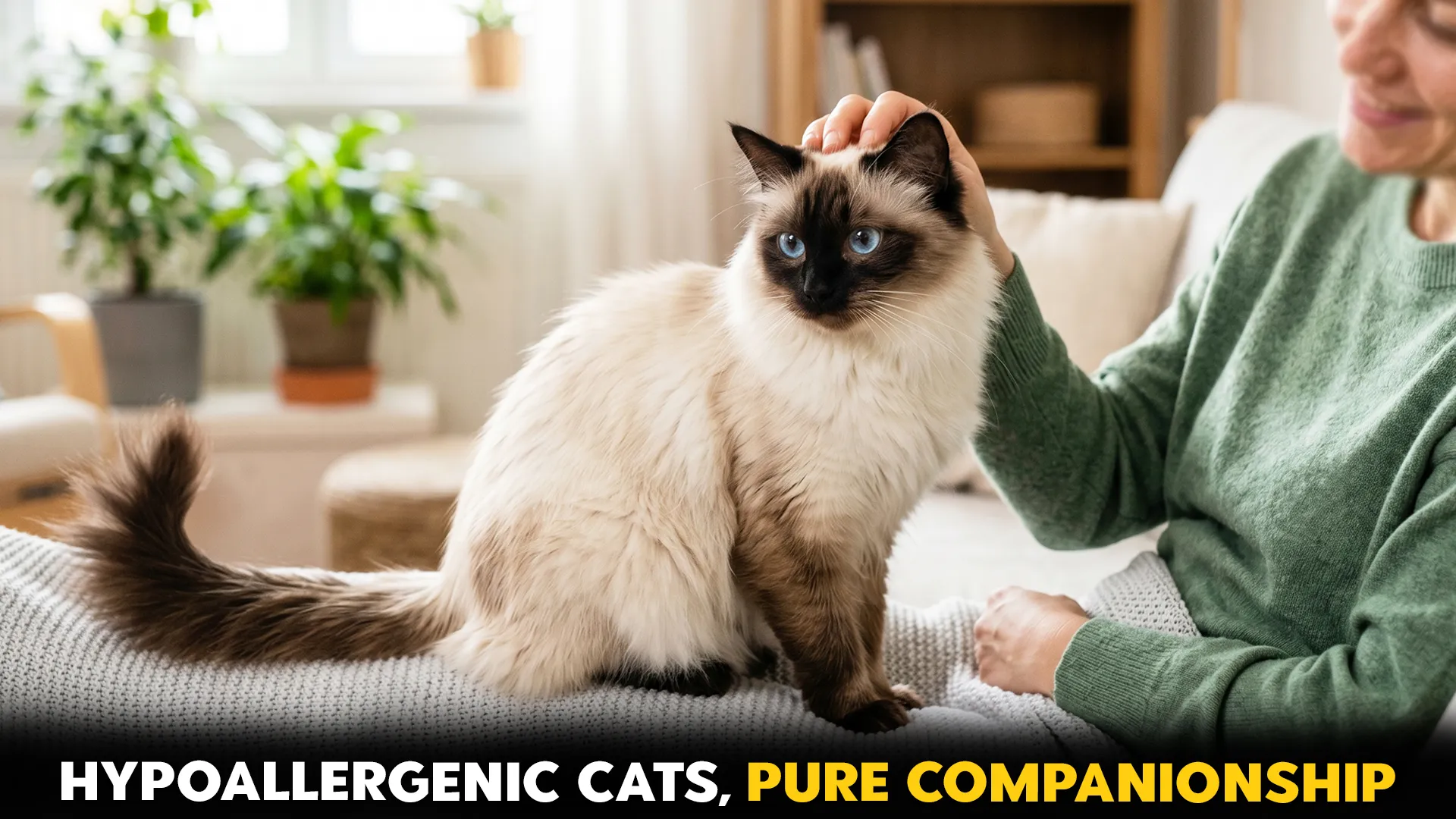
Living with cat allergies doesn’t always mean giving up on the idea of having a feline companion. While there is no completely hypoallergenic cat breed, some breeds are considered more allergy-friendly due to lower production of allergen-triggering proteins. Understanding why certain cats cause fewer reactions can help you make a more informed and comfortable choice.
Cat allergies are typically linked to a protein found in saliva, skin cells, and dander rather than just fur. As cats groom themselves, these allergens spread across their coat and into the environment. Breeds that shed less or produce lower levels of these proteins may reduce the intensity of allergic responses, although reactions can still vary from one individual cat to another.
Choosing the right cat involves looking beyond labels and focusing on traits like low shedding, manageable grooming needs, and reduced dander spread. Spending time with a breed before adoption is often the best way to assess compatibility. With careful selection and proper care, it’s possible to enjoy the companionship of a cat while minimizing allergy discomfort.
Best Cat Breeds For Allergies
1. Siberian
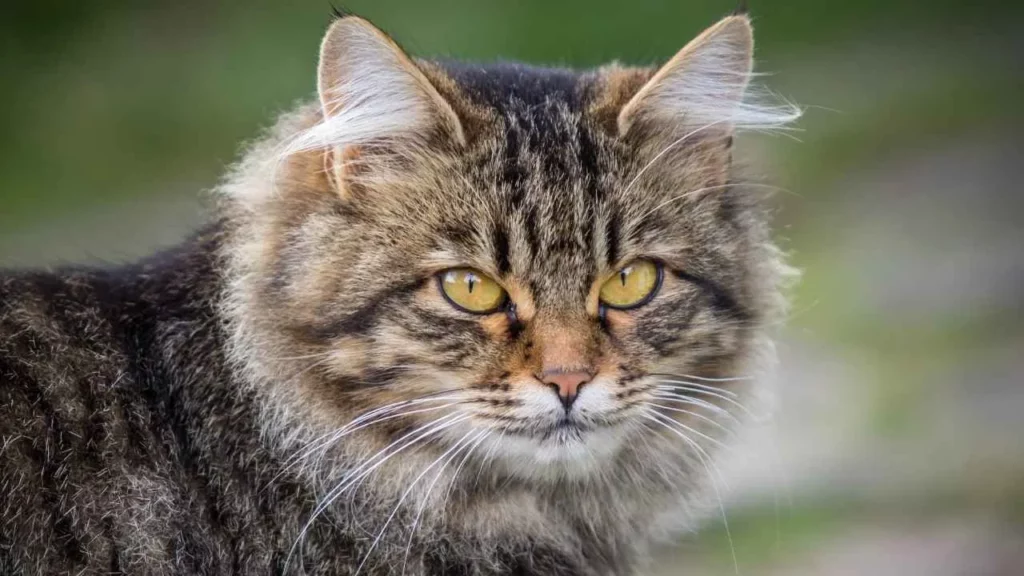
The Siberian, a relatively hypoallergenic cat breed, is a majestic long-haired breed recognized for its dense coat and strong, well-built frame. Despite its rugged appearance, it carries a friendly and approachable personality.
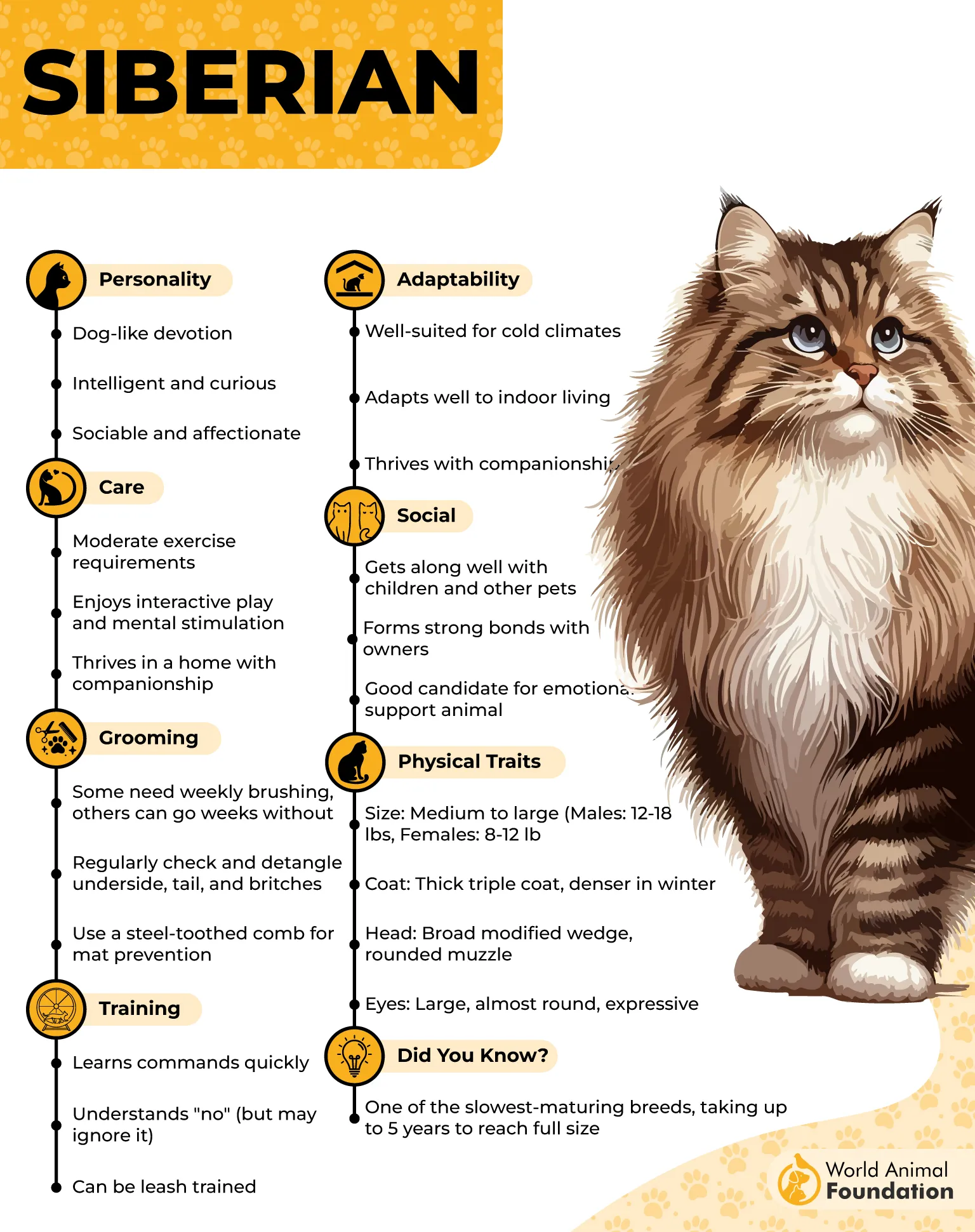
The Low-Shedding Breed That Produces Fewer Allergens
This big breed stands out for producing fewer allergen-related proteins compared to many other cats. Even with its thick, layered coat, it can be a more comfortable choice for individuals sensitive to pet allergens.
Its fur, while full and plush, does not necessarily lead to excessive irritation for allergy sufferers. Regular grooming helps manage loose hair while maintaining a cleaner indoor environment.
Alongside its physical traits, it offers a warm and social temperament that blends well into family life. A consistent care routine ensures both coat health and reduced allergen buildup.
Fact: Siberian cats are known to produce lower levels of allergen-causing proteins despite having a long and dense coat.
2. Balinese
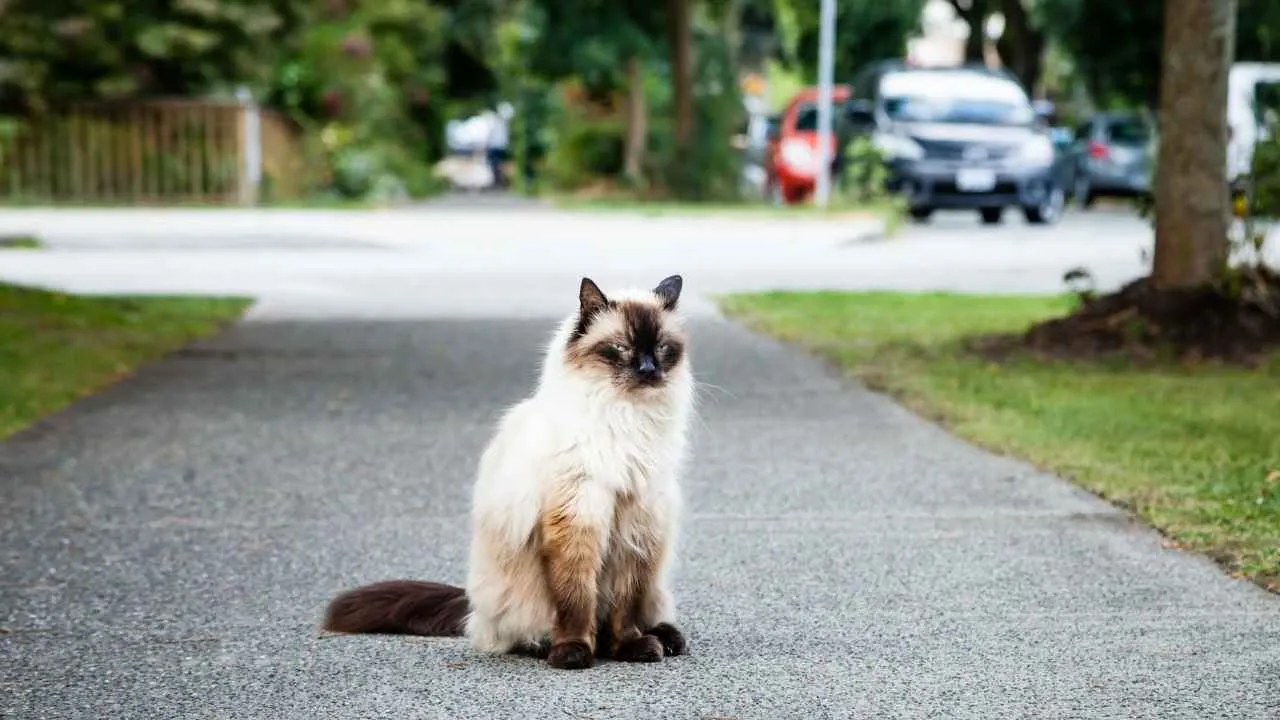
The Balinese is an elegant feline with a fine, silky coat and a graceful build. Closely related to the Siamese, it combines striking looks with a lively and intelligent personality.
A Short-Coated Breed Known for Reduced Dander
Despite its flowing appearance, this breed produces lower levels of allergen-related proteins, making it a suitable option for those sensitive to dander. Its coat is light and smooth rather than dense, which helps reduce the spread of irritants.

The texture of its fur allows for easier maintenance, as it does not mat heavily or trap excessive debris. Regular grooming helps keep shedding minimal while maintaining a cleaner environment.
Along with its physical advantages, it is highly interactive and quick to learn, often responding well to training and engagement. This combination of intelligence and a manageable coat makes it a practical companion for allergy-conscious households.
Fact: Balinese cats produce lower amounts of the Fel d one protein, which is a common trigger for cat allergies.
3. Russian Blue
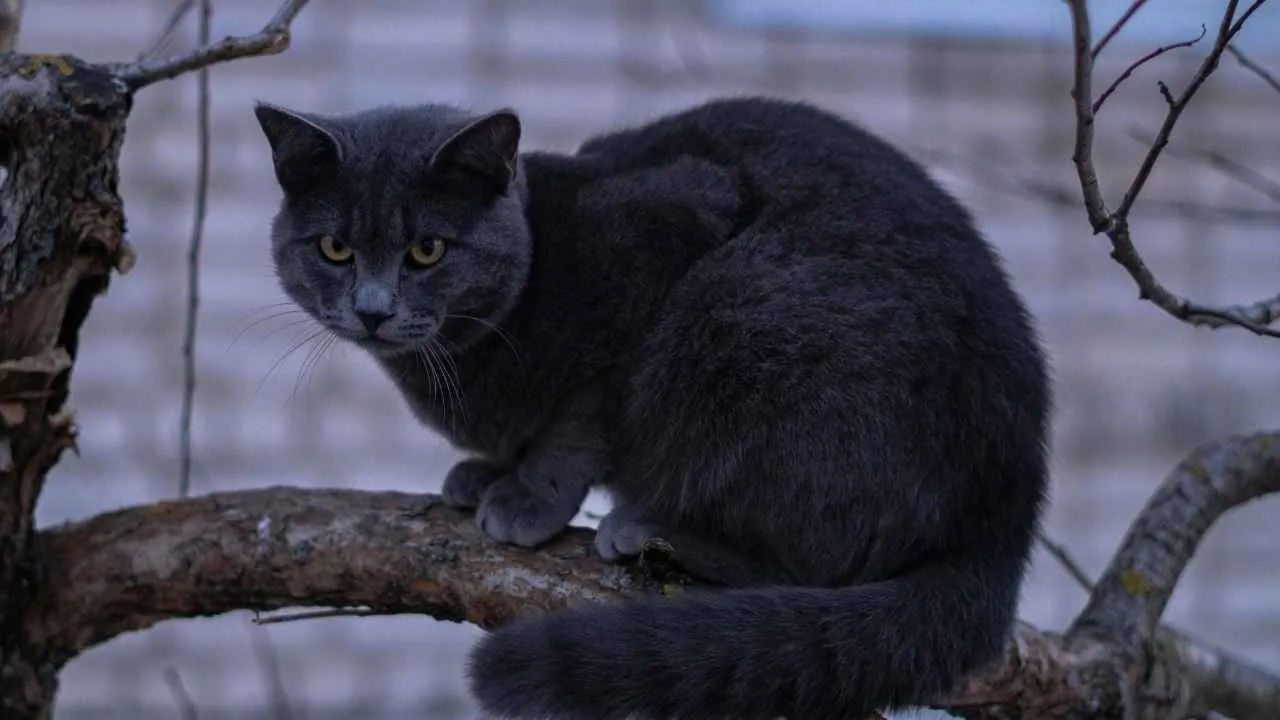
The Russian Blue is a refined feline known for its plush blue-gray coat and striking green eyes. With a quiet demeanor and elegant appearance, it offers both beauty and a calm presence.
The Minimal-Grooming Cat Ideal for Allergy Sufferers
This domestic breed is often favored for its ability to manage allergens more effectively than many others. Its dense coat helps trap particles rather than allowing them to spread easily through the home.
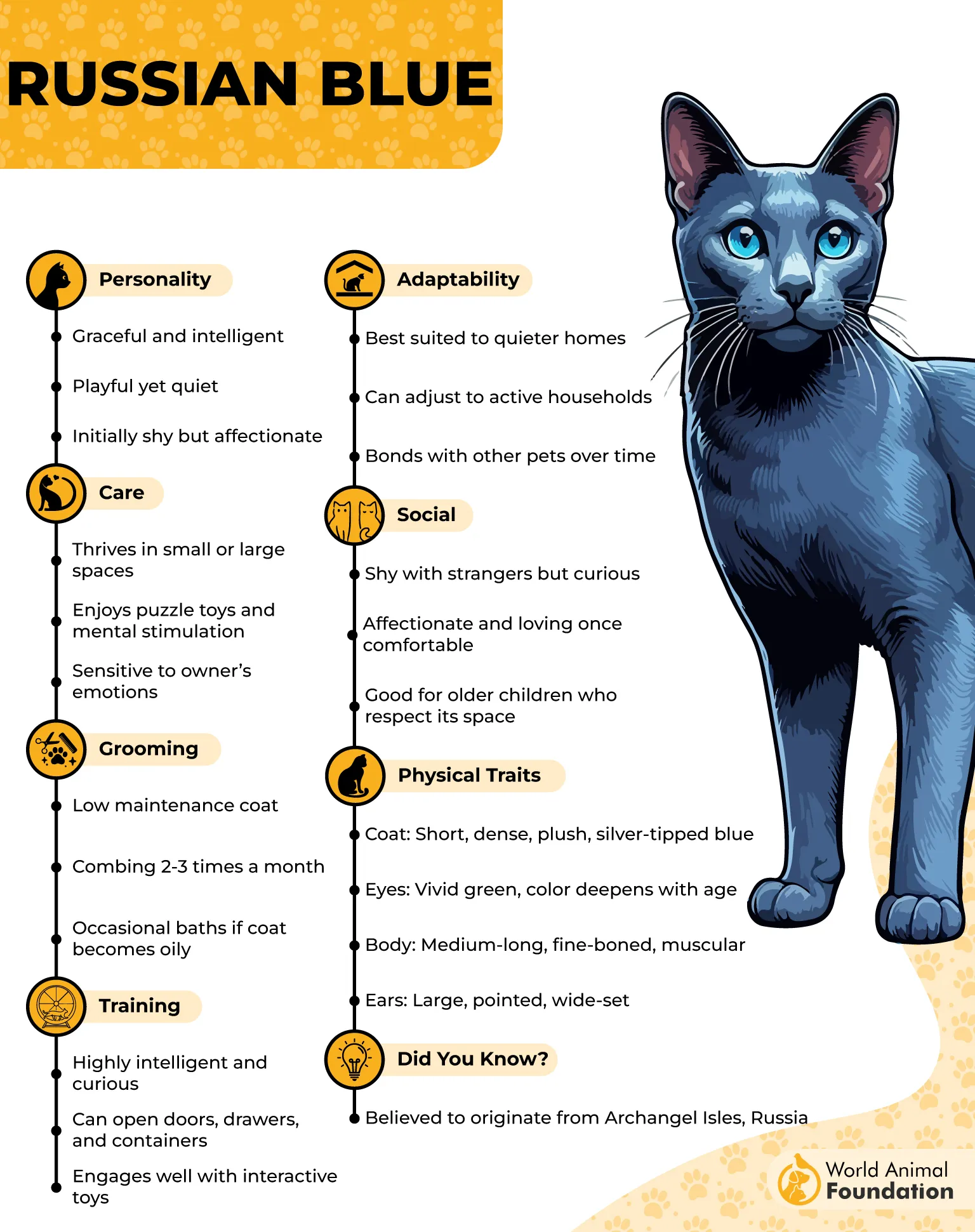
Although it sheds lightly, its grooming needs remain simple and manageable. Occasional brushing is usually enough to maintain its soft texture and keep loose fur under control.
Its calm and reserved personality also contributes to a peaceful indoor environment. While it may take time to adjust to new people, it forms strong bonds and settles into a steady routine once comfortable.
Fact: Russian Blue cats have a dense coat that can help trap allergens, reducing their spread in the environment.
4. Siamese
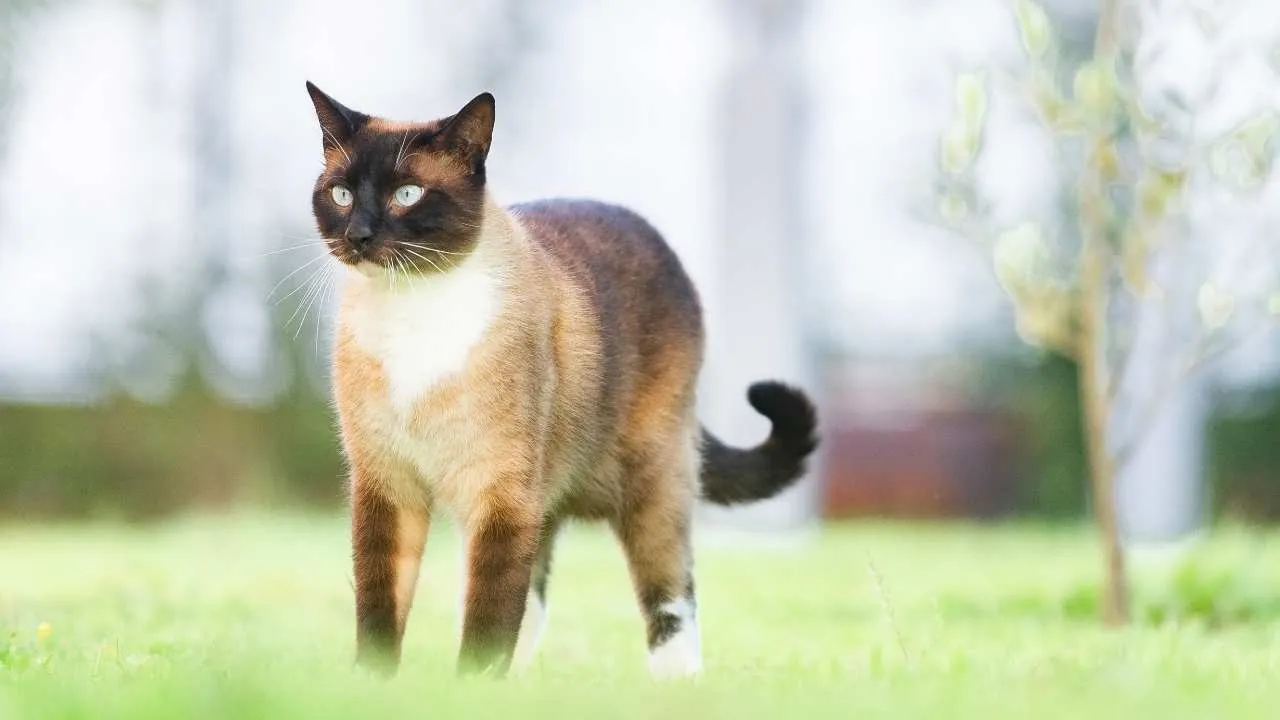
The Siamese is admired for its sleek body, striking blue eyes, and short, fine coat. With a refined appearance and expressive personality, it stands out as both elegant and highly interactive.
A Sleek and Clean Breed That Helps Limit Allergens
This breed is often associated with lower allergen spread due to its short coat that sheds lightly. With less loose fur circulating in the environment, it can be a more manageable choice for sensitive households.
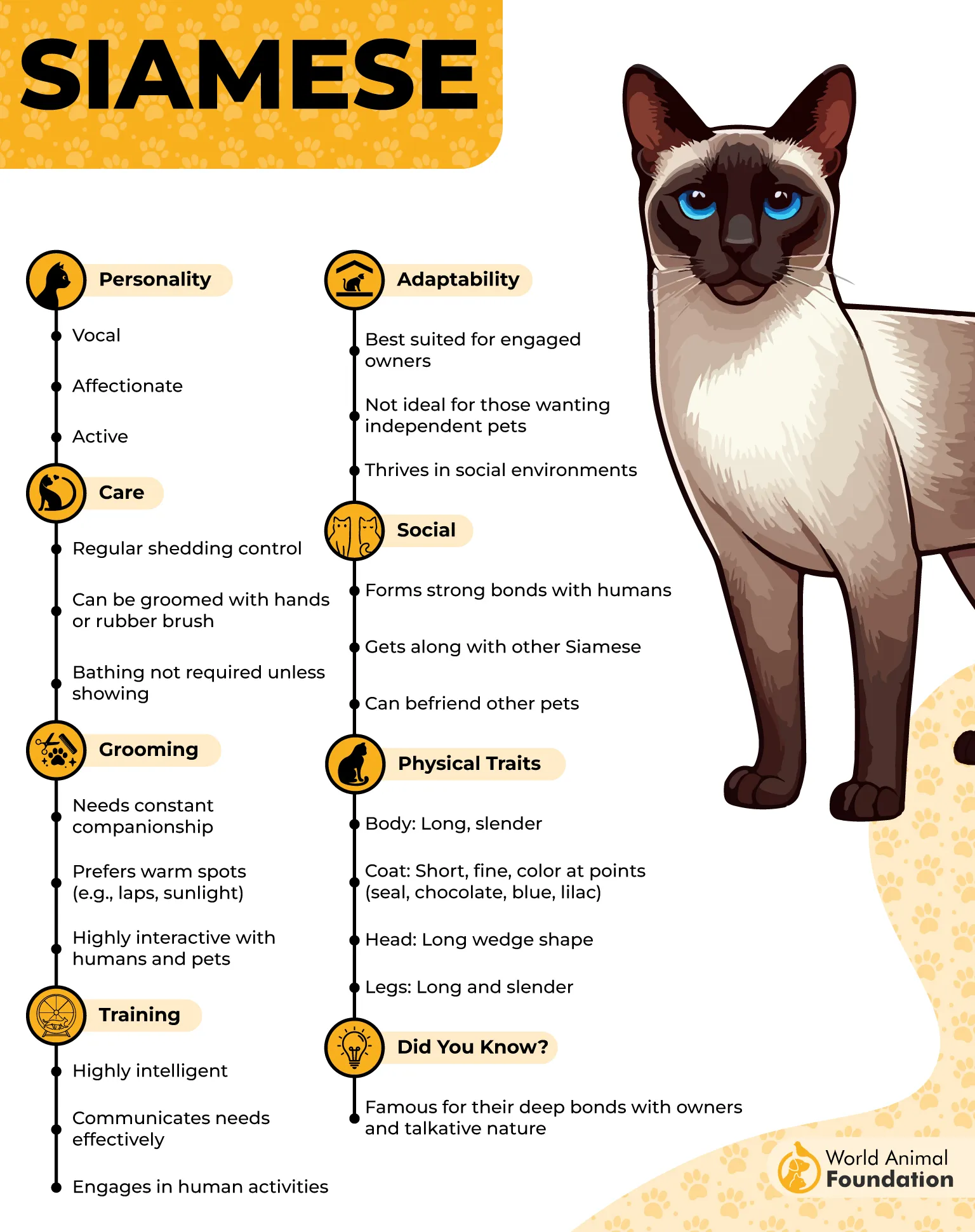
Its smooth coat also requires minimal upkeep, making grooming simple and less time-consuming. Occasional brushing helps maintain cleanliness while keeping dander under better control.
Beyond its physical traits, this cat is highly social and thrives on companionship. It enjoys staying close to its owner and actively engaging in daily routines, making it best suited for homes where it receives consistent attention.
Fact: Siamese cats are known for their short coats that shed lightly, which may help reduce the spread of allergens in the home.
5. Bengal
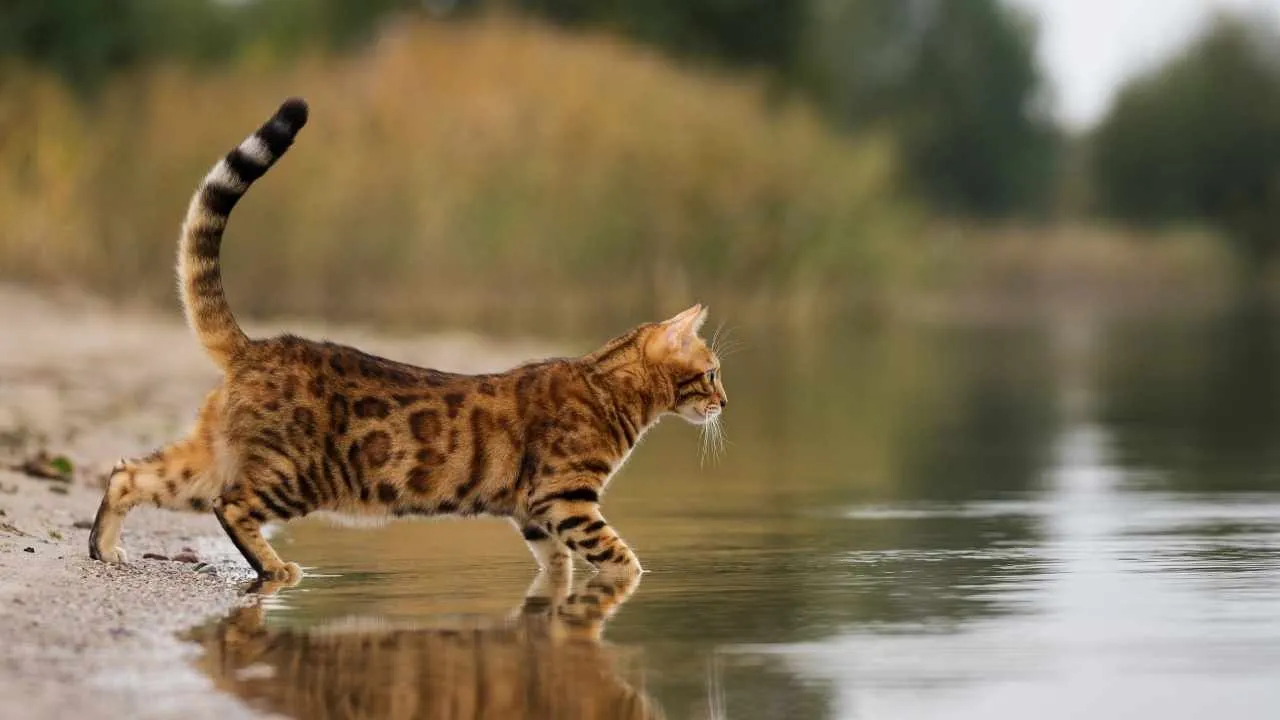
The Bengal is known for its exotic appearance and sleek, patterned coat. With roots linked to wild ancestors, this breed combines a striking look with an energetic and intelligent personality.
According to PetMD, the Bengal has a short, smooth coat with low shedding, which may suit some people with mild allergies. However, it is not fully hypoallergenic, as allergens are also found in saliva and skin.
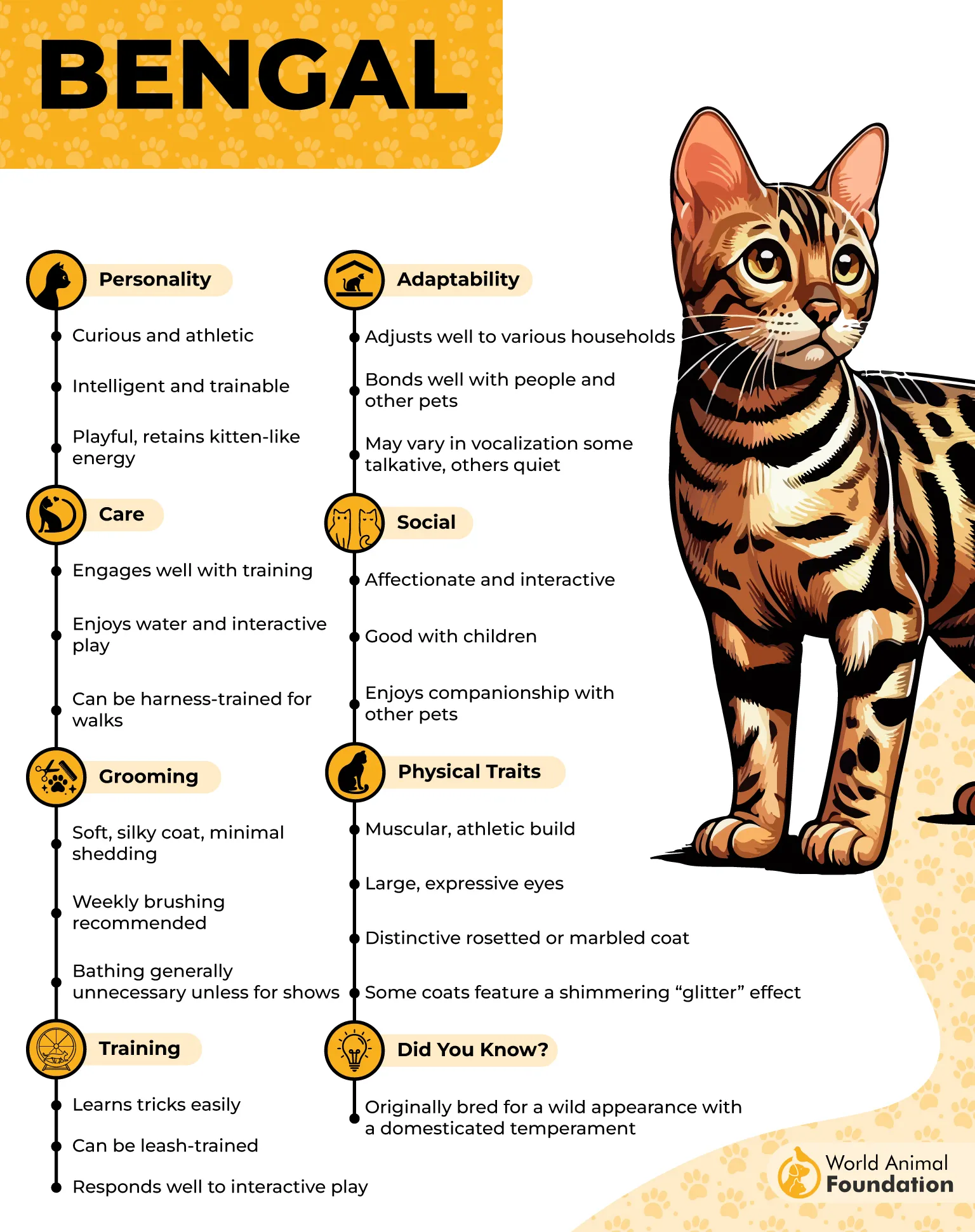
The Hypoallergenic-Type Cat with Fine, Light Fur
Its short, smooth coat lies close to the body and sheds very little, helping limit loose hair around the home. This reduced shedding can make everyday environments feel cleaner and easier to manage for those sensitive to allergens.
Grooming needs are minimal, as the fine texture of the coat does not mat easily. Occasional brushing is usually enough to maintain its shine while keeping dander from spreading excessively.
Highly active and mentally sharp, this breed thrives when given space to explore and engage. Interactive play and stimulation are essential, making it best suited for owners who can match its lively and curious nature.
Fact: Bengal cats have a short, sleek coat that sheds very little, which can help reduce the spread of allergens in the home.
6. Sphynx
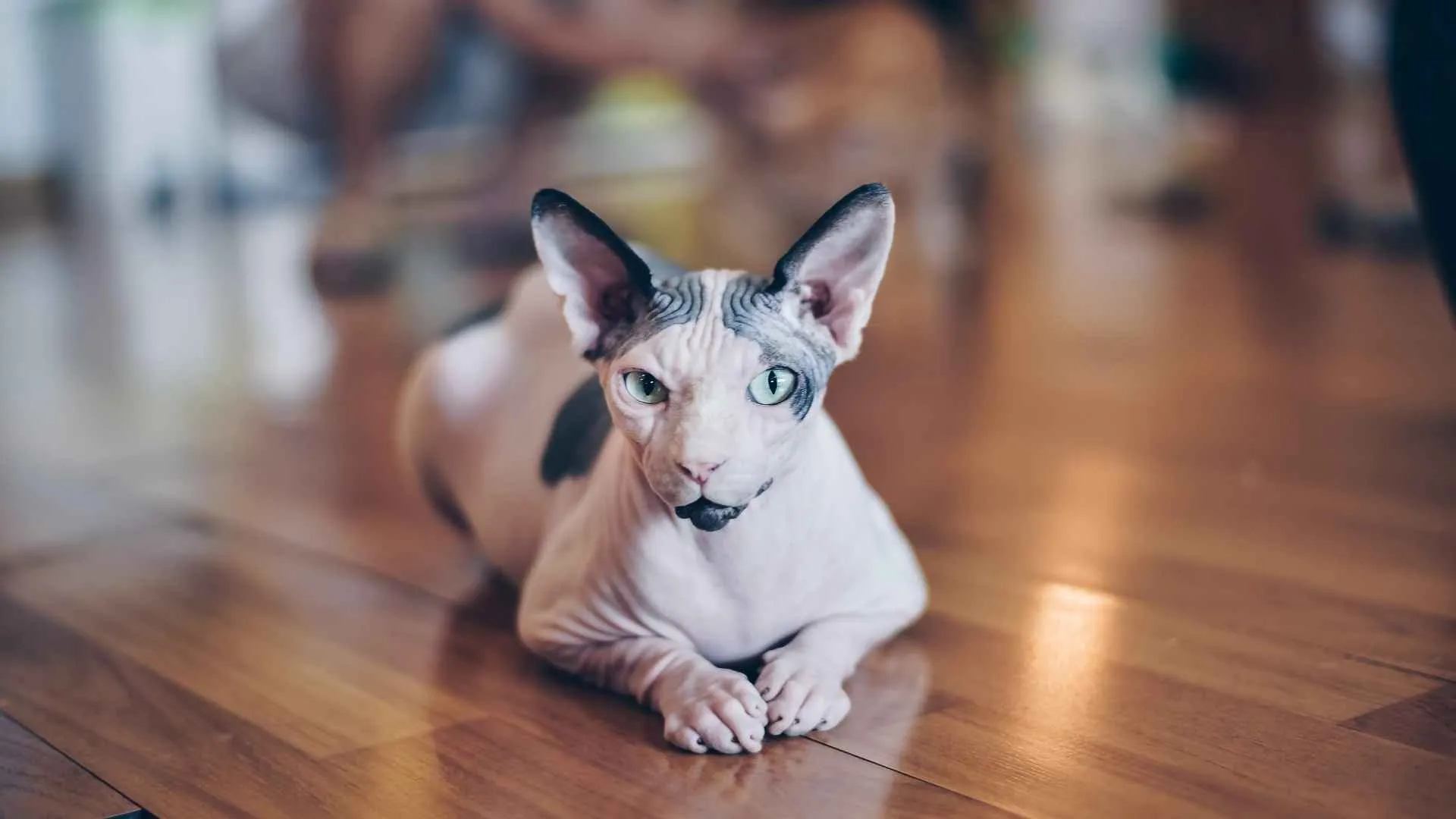
The Sphynx is instantly recognizable for its nearly bare skin and soft, peach-like texture. With a warm-to-the-touch body and striking features, it offers a truly unique presence among feline companions.
According to Hill’s Pet, the Sphynx is not completely hypoallergenic, as it still produces allergy-causing dander. Its skin requires regular bathing to manage oil buildup, along with protection from the sun and cold to maintain healthy skin.
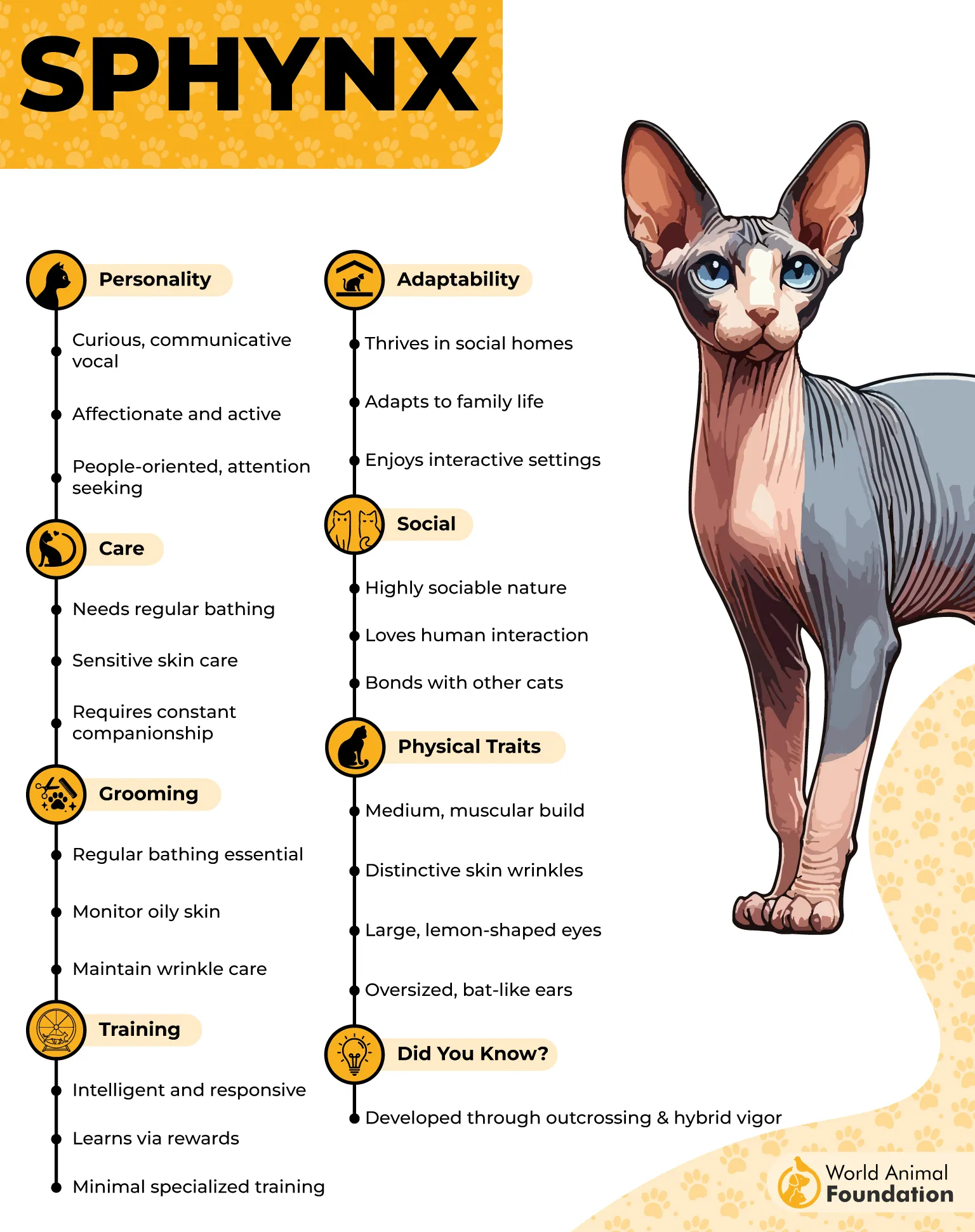
A Low-Dander Companion Suitable for Sensitive Owners
Unlike heavily coated breeds, this hairless breed lacks the fur that typically spreads allergens around the home. While it still produces dander, the absence of a thick coat helps limit how widely allergens are dispersed.
Its skin requires consistent care, including gentle bathing to remove natural oils that would otherwise build up. This routine helps maintain cleanliness and supports a more controlled indoor environment for sensitive individuals.
Highly social and attention-seeking, this breed enjoys staying close to its owner and thrives on interaction. It prefers warm spaces and benefits from protective care, making it a distinctive yet rewarding companion for allergy-conscious homes.
Fact: Sphynx cats produce dander but lack the fur that usually spreads allergens, which can help reduce allergen distribution.
7. Devon Rex
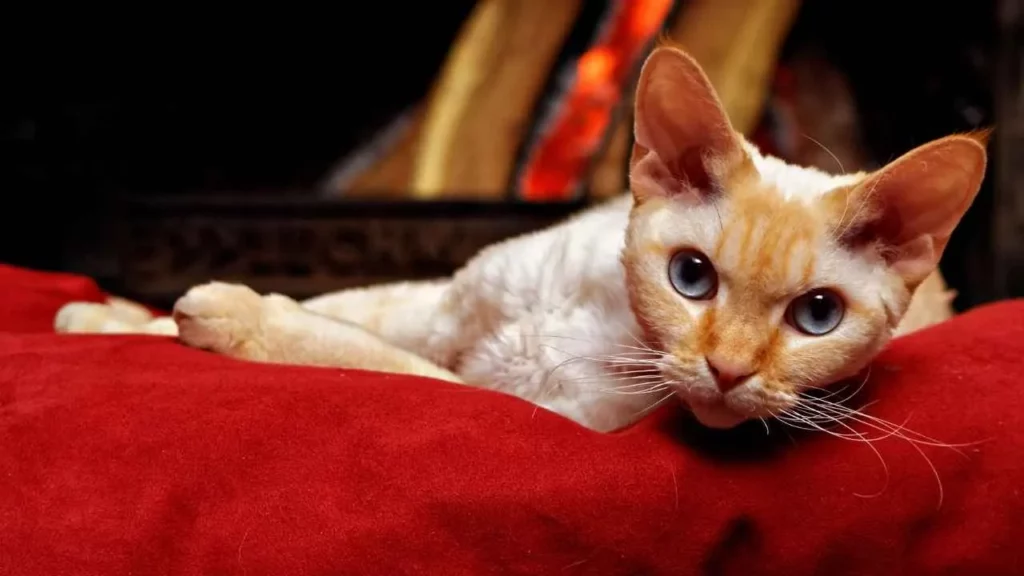
The Devon Rex is known for its large ears, expressive eyes, and soft, wavy coat. Its unique appearance and playful personality make it a standout among companion cats.
The Easy-Care Cat That Keeps Allergen Levels Lower
This breed carries a fine, curly coat that is lighter and less dense than many others. With reduced shedding and minimal loose fur, it tends to release fewer allergens into the surrounding space.
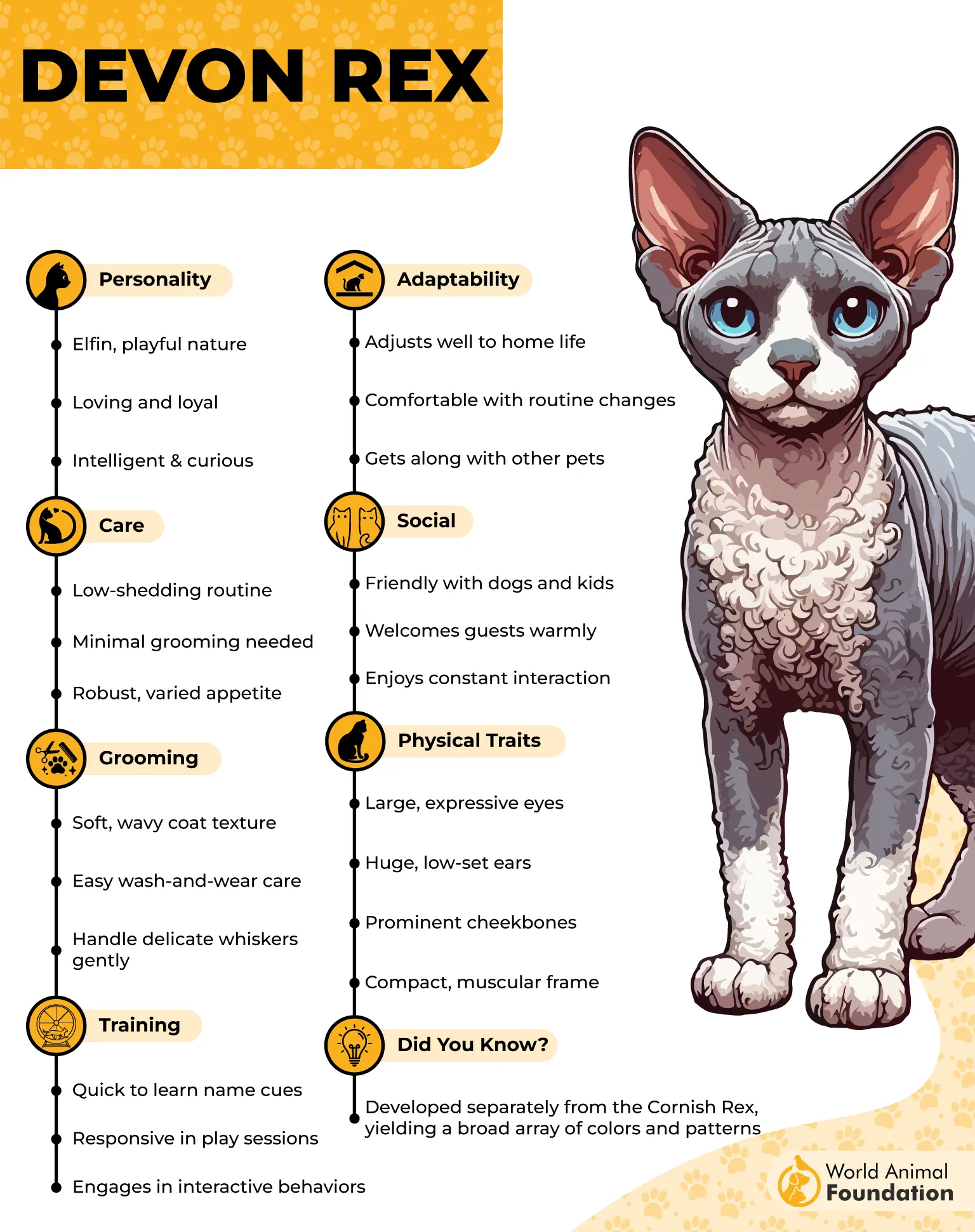
Because it grooms itself less frequently than typical cats, allergens are less likely to spread across surfaces. Its coat also requires only simple upkeep, making daily care more manageable for sensitive households.
Highly affectionate and people-focused, this cat thrives on interaction and prefers to stay close to its family. It does best in homes where companionship is constant, as it seeks both attention and engagement throughout the day.
Fact: Devon Rex cats have short, curly coats and groom less often, which can help limit the spread of allergens indoors.
8. Cornish Rex
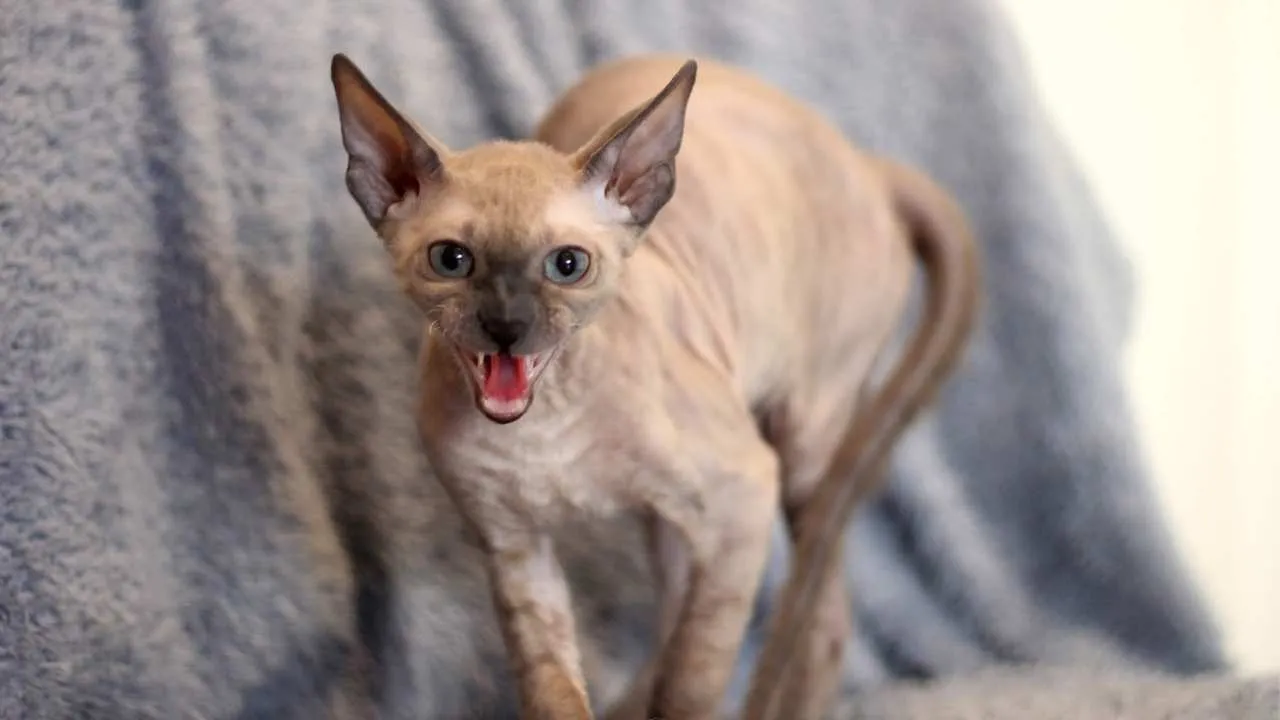
The Cornish Rex is recognized by its soft waves and slender, athletic build. With a unique appearance and lively personality, it offers both charm and individuality.
A Unique Breed with Reduced Shedding and Hair Spread
This breed has only a fine underlayer of fur, which means it sheds very little compared to many other cats. With less loose hair circulating, it helps limit how allergens spread within indoor spaces.
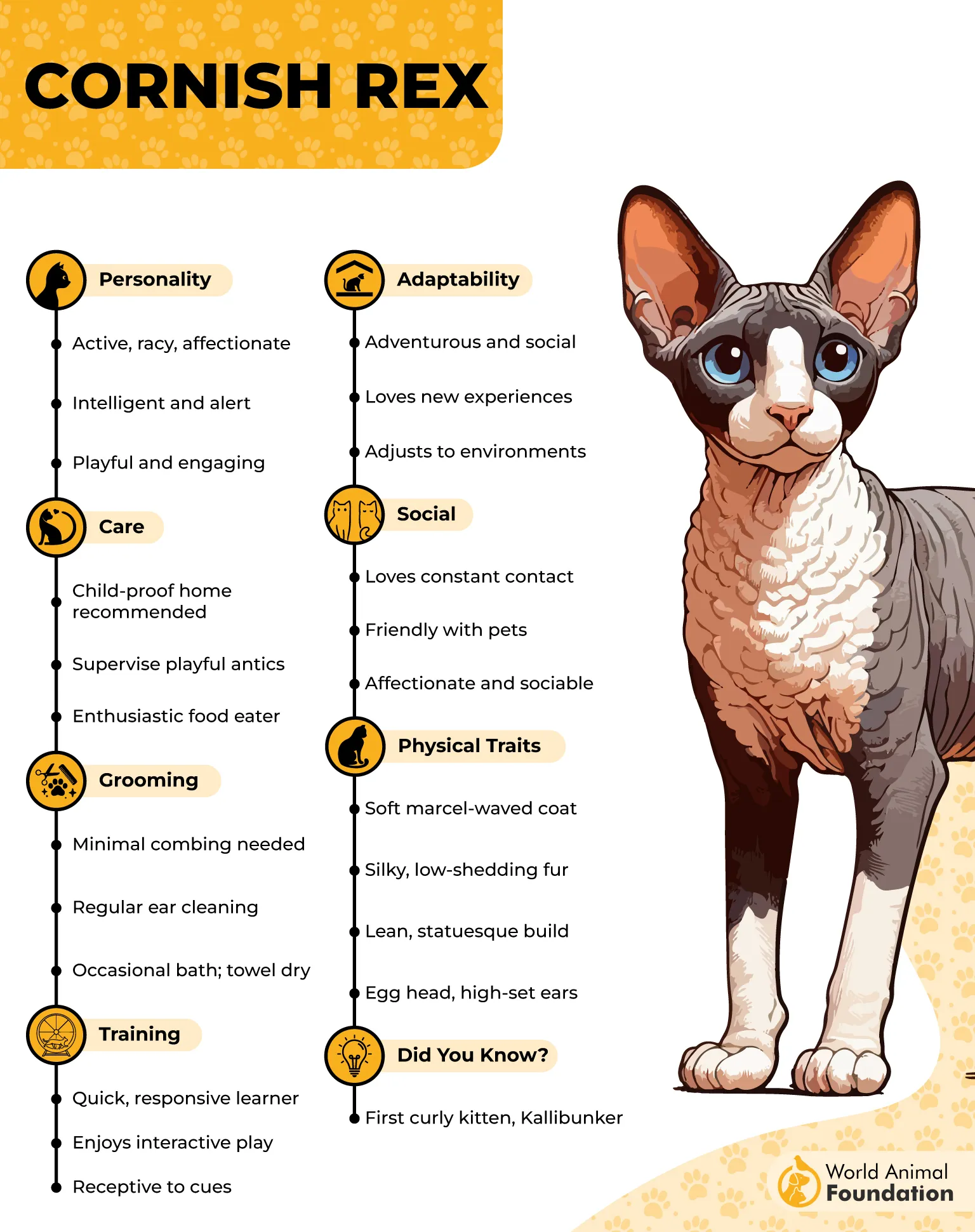
Its delicate coat requires mindful care to keep it healthy, including gentle grooming and regular attention. Despite the light shedding, maintaining coat condition is still important for overall cleanliness.
Energetic and playful, this cat thrives on activity and interaction throughout the day. It enjoys engaging with people and staying involved, making it well-suited for homes that can match its active and affectionate nature.
Fact: Cornish Rex cats have a fine undercoat that sheds minimally, which can help reduce the spread of allergens in the home.
9. Oriental Shorthair
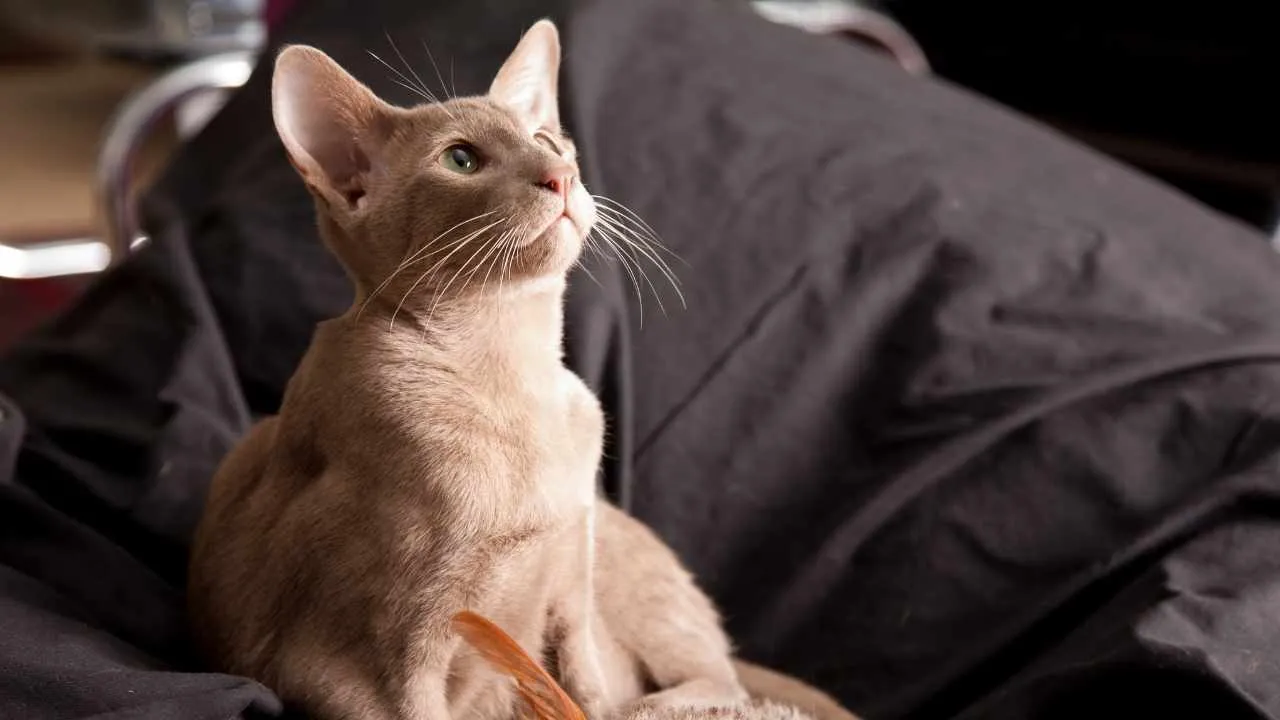
The Oriental Shorthair is admired for its slender body, large ears, and refined features. With a sleek frame and expressive personality, it stands out as both elegant and lively.
According to Petplan, the Oriental Shorthair has a silky, low-shedding coat that requires minimal grooming. This makes it easier to manage and a better option for some allergy sufferers, though it is not completely allergen-free or hypoallergenic breed.
The Clean and Adaptable Cat for Allergy-Friendly Homes
This breed has a short, fine coat that lies close to the skin, requiring very little maintenance. With minimal grooming needs and reduced shedding, it helps limit the spread of allergens in everyday living spaces.
Its naturally lower production of allergen-related proteins adds to its appeal for sensitive households. The clean coat and low upkeep make it easier to maintain a comfortable indoor environment.
These energetic cats are highly intelligent and curious. This cat enjoys staying active and involved in daily life. It forms strong bonds with its owners and brings a playful, engaging presence while remaining adaptable to home routines.
Fact: Oriental Shorthair cats have short coats and tend to produce lower levels of allergen-related proteins, making them a suitable choice for allergy-conscious homes.
Conclusion
Cat breeds suited for allergies offer a more comfortable way to enjoy feline companionship without constant irritation. The breeds highlighted in this article stand out for producing fewer allergens or having coat types that help reduce the spread of dander. Their qualities make them a better fit for individuals who are sensitive yet still want the warmth and presence of a cat.
Beyond their allergy-friendly traits, these cats benefit from regular grooming, a clean living space, and consistent care to further minimize triggers. Maintaining good hygiene and providing a stable environment supports both the cat’s well-being and the owner’s comfort. For those pet parents seeking a balance between sensitivity and companionship, these breeds provide a gentle, manageable, and enjoyable addition to the home.
