




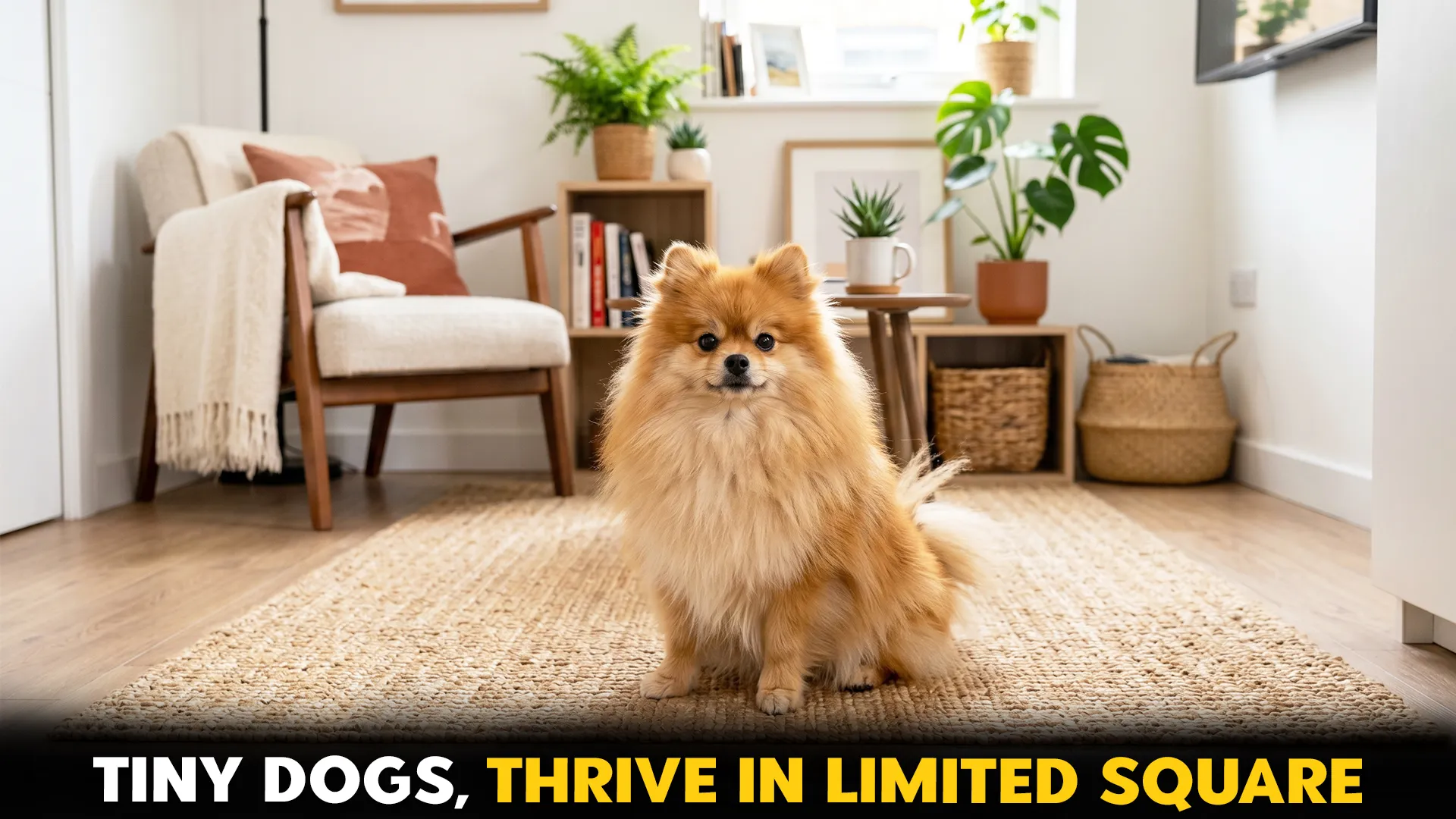
You want a dog, your apartment has roughly the square footage of a decent-sized tent, and your landlord’s pet policy is already making you sweat. Here’s the uncomfortable truth nobody tells you upfront: not every small dog is actually suited for small spaces.
Some compact breeds can still be anxious, vocal, high-energy, or destructive in ways that make tight living conditions stressful for both owner and dog.
The APPA data estimates that over 71 million U.S. households have at least one pet dog, yet breed mismatch remains one of the leading reasons dogs are surrendered. In many cases, the issue isn’t love or intention; it’s simply choosing a dog whose needs don’t align with the reality of the home.
So before you fall for a cute face, it’s worth understanding the facts first. The following seven breeds are genuinely well-suited for limited square footage, and what makes them work goes beyond size; it comes down to temperament, adaptability, and daily care needs, which we’ll break down clearly.
Tiny Dog Breeds Perfect for Limited Square Footage
1. Chihuahua
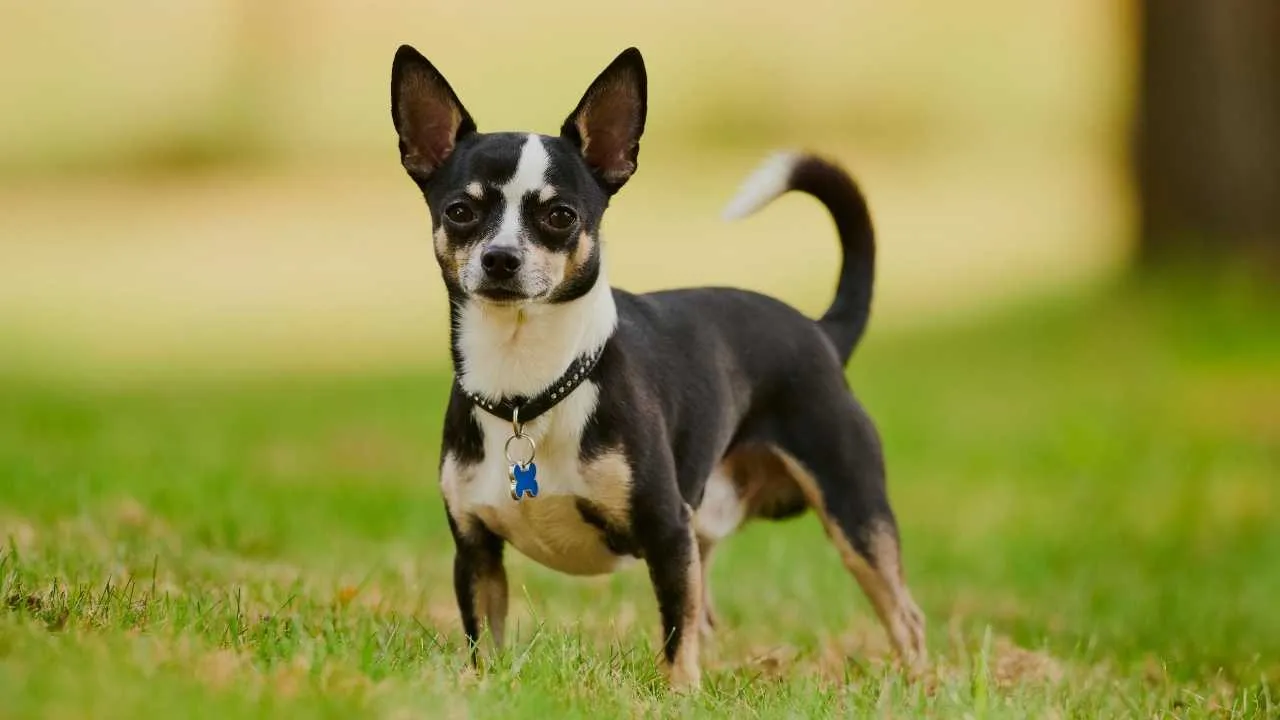
A Chihuahua is the smallest dog breed. Weighing around 6 pounds, this pocket-sized breed was originally found in the 16th-century Mexican state by the conquistadors. They were just small dogs found in the state. However, they were finally adopted as a house pet in the early 20th century, according to PetMD.
They are one of the few breeds that can be litter-trained easily with a litter pad/box because of their small size. They are easygoing and highly affectionate companions; they make strong bonds with the owner’s family.
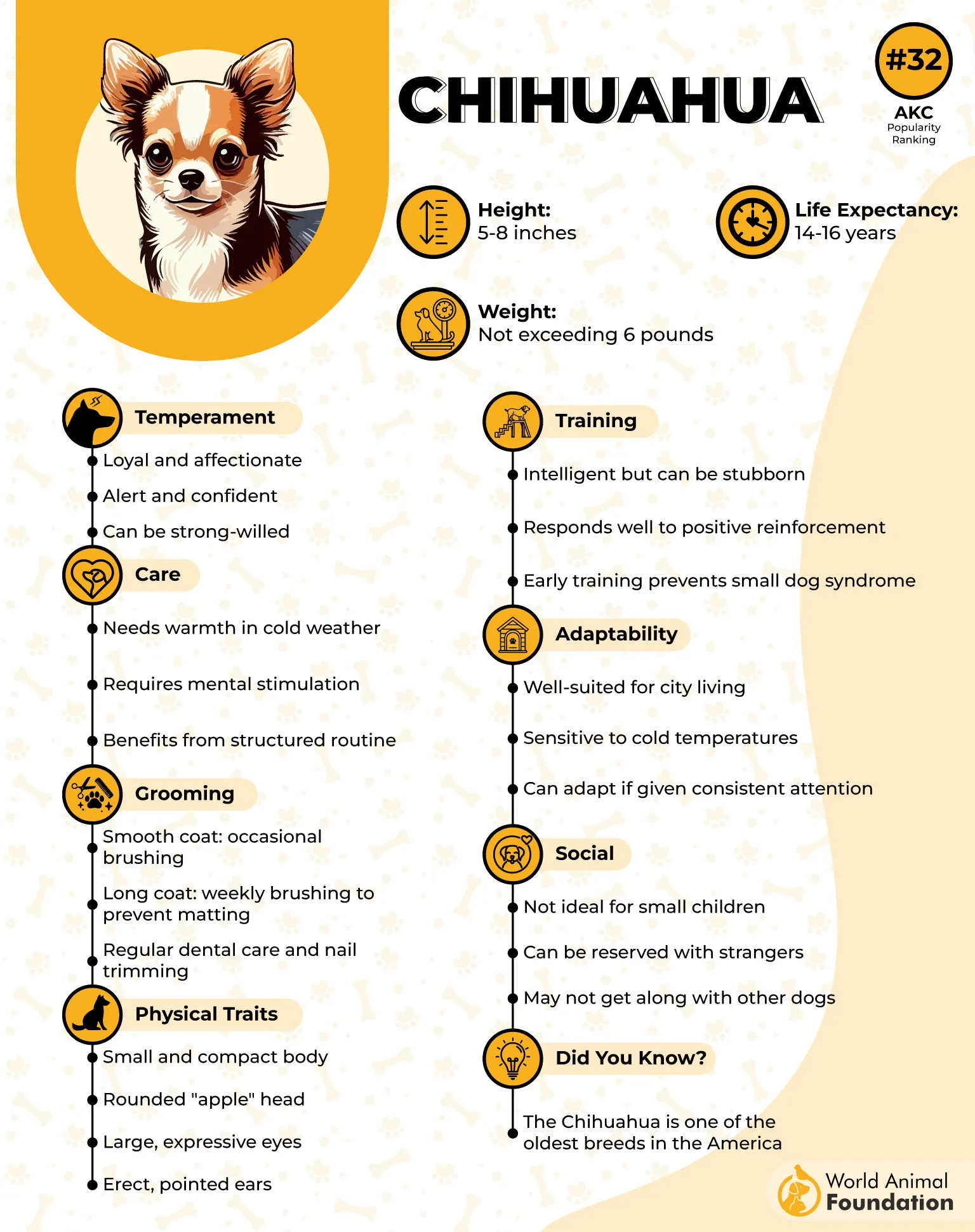
Despite their tiny size, this little dog is an excellent watchdog. They will notify you by barking as soon as they notice something strange around.
Their daily exercise needs are met within 20 minutes: short walks and light indoor play. They are so tiny that they can even have a bath in a sink. They live for 12-20 years, enough time to make “just a dog” into a “family member.”
2. Pomeranian
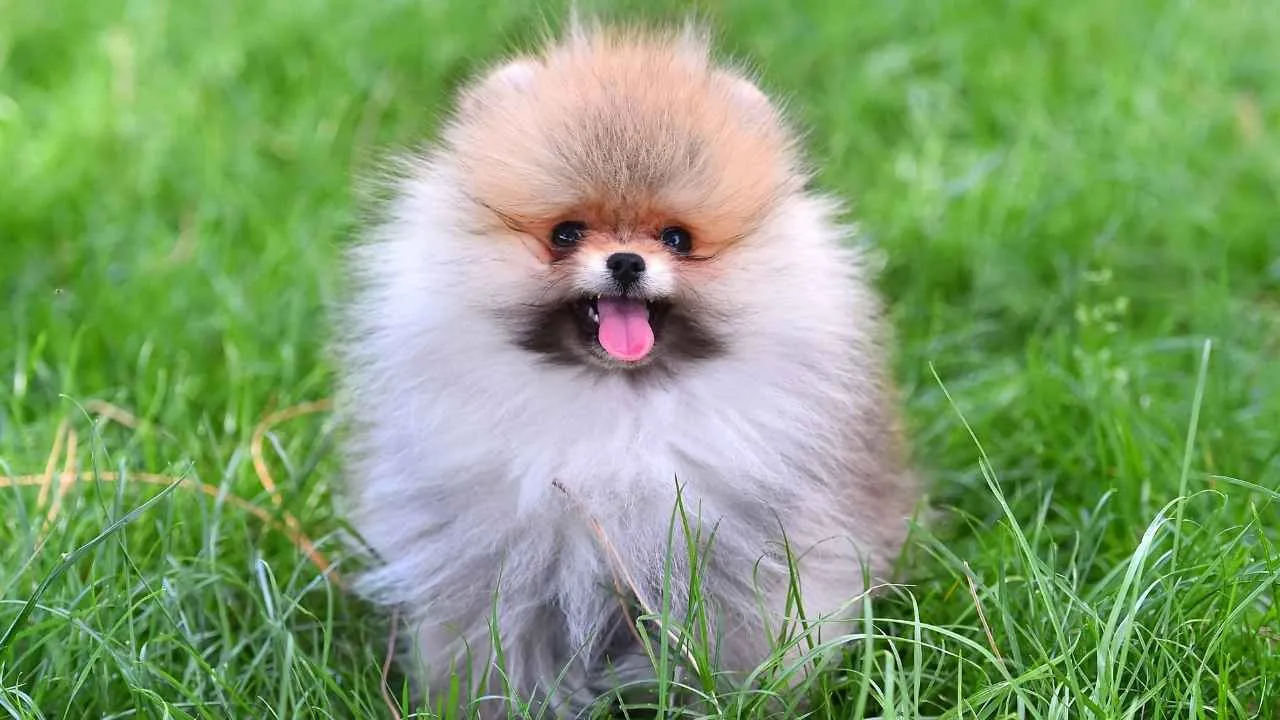
The Pomeranians descended from large Spitz sled dogs from the Arctic. They weigh around 3-7 pounds and have a lifespan of 12-16 years. Being small does not mean they are just for decoration.
This fluffy-coated dog is alert, curious, surprisingly bold, and always mentally switched on. Perfect for a city-apartment life, the Pomeranian was once owned by Queen Victoria in the 18th-century.
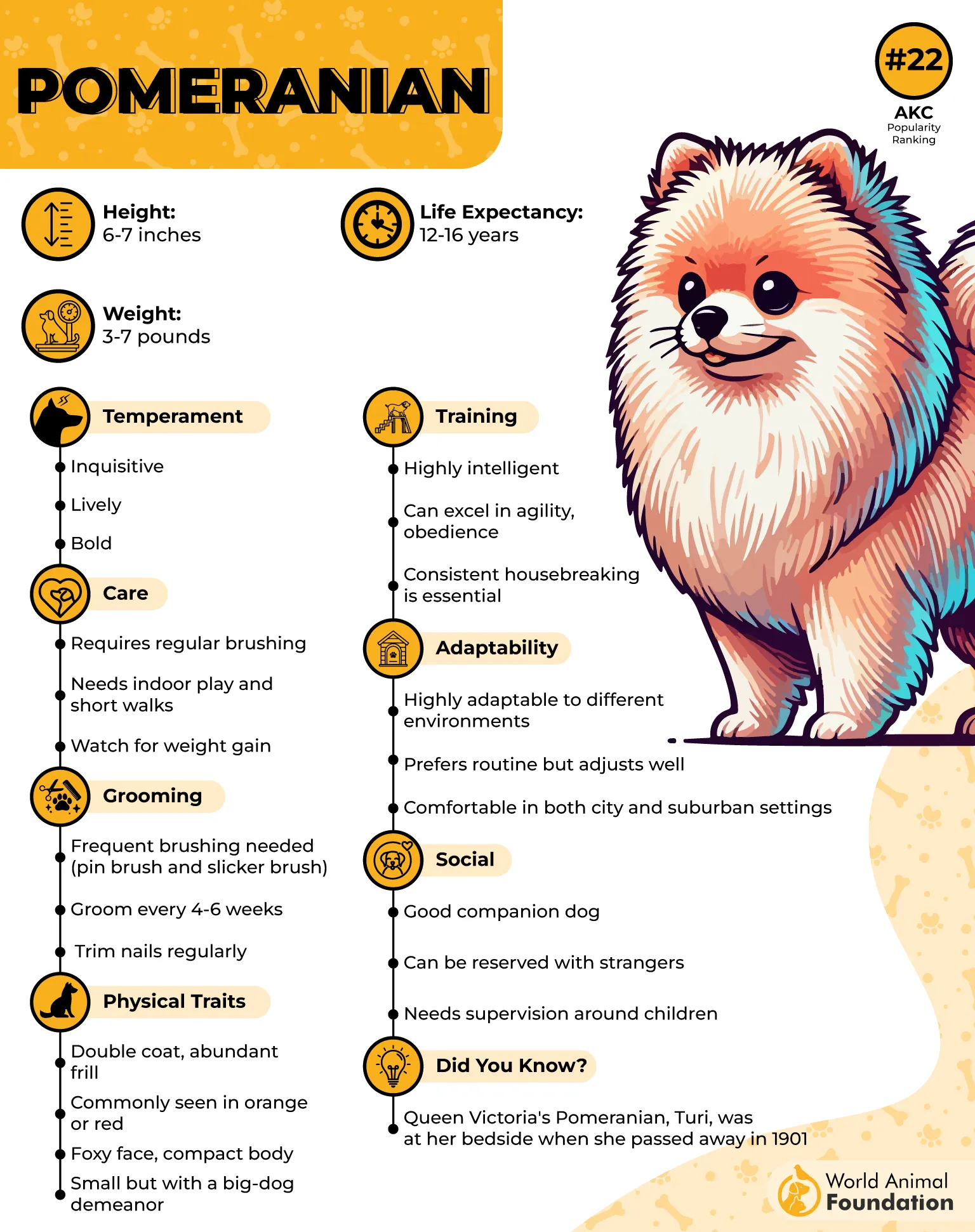
This dog is ranked at 23rd position in terms of intelligence, making it highly trainable in learning commands. However, they may bark loudly; thus, proper socialization is non-negotiable. Despite being energetic, they have minimal exercise requirements; short walks from one room to another and indoor play are enough.
Since they bark at strange noises, this companion dog is a great watchdog. Combining this watchfulness with an affectionate nature, the Pomeranian will alert you to take action against intruders. They have moderate grooming needs (2-3 times weekly brushing).
3. Maltese
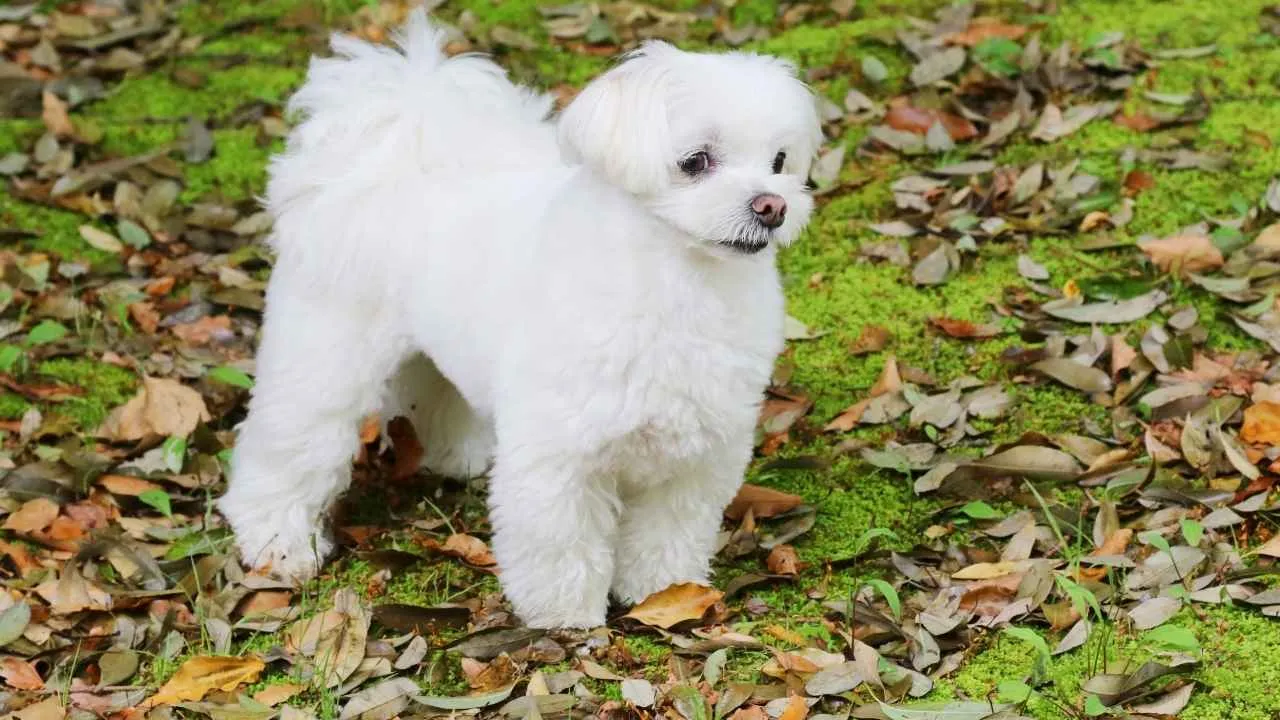
One of the oldest toy dog breeds in documented history, the Maltese has been a great dog since 500 BCE in ancient Greece and Rome. With its dark, big eyes, black gumdrop nose, long and silky coat, and effortless gait, it never fails to mesmerize people of all temperaments, says the American Kennel Club.
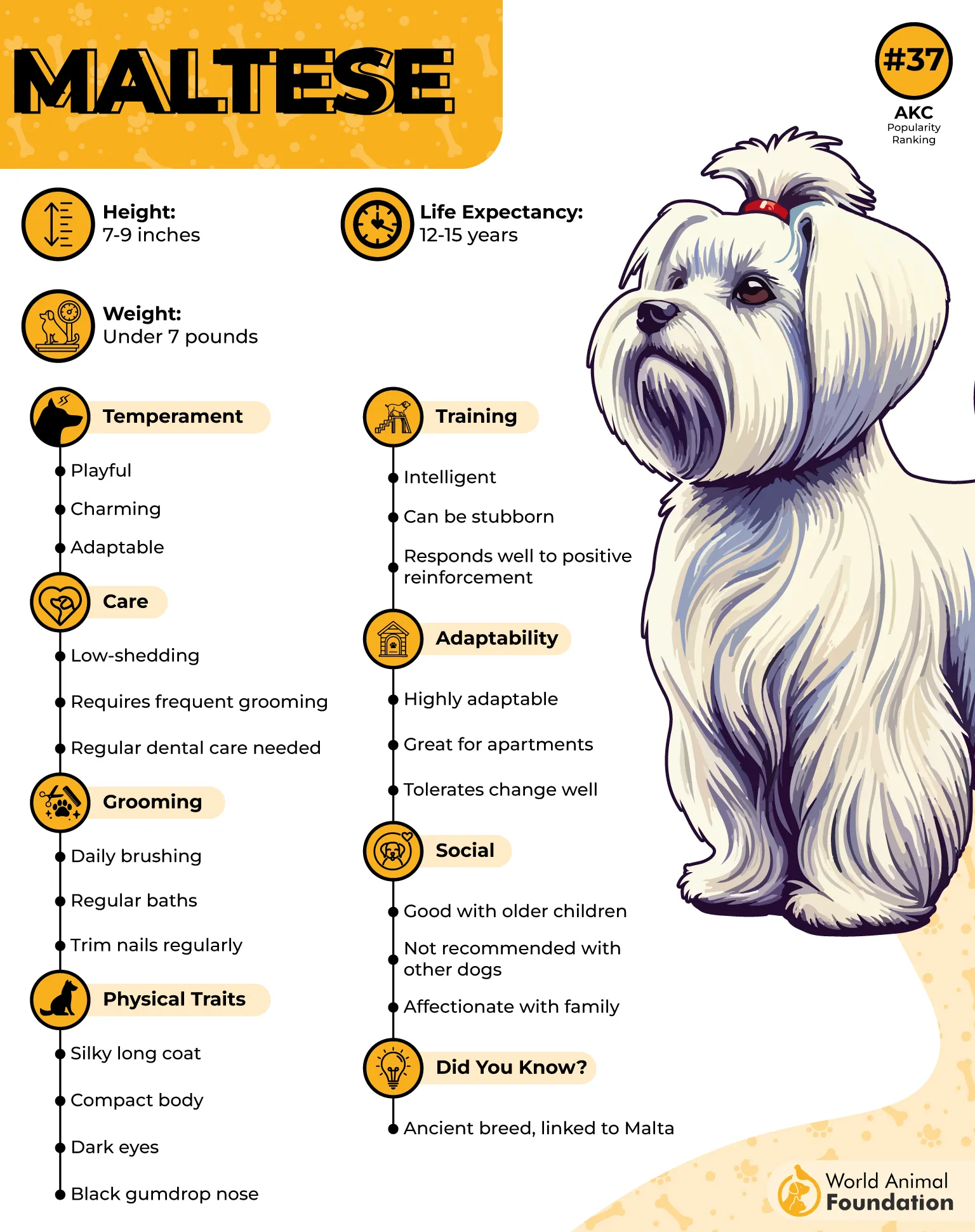
This small breed loves outdoor adventures and makes friends with everyone, even strangers. They have moderate energy levels and are happy to sit on a couch with you for hours. If you are a cleanliness freak and looking for a low-shedding dog, the Maltese is a perfect hypoallergenic breed.
This small dog breed does not make excessive barking and loves to sit quietly on your lap. Yet it is a great watchdog and barks only to alert you. With the average lifespan of 12-15 years, this tiny white dog has limited health concerns. Regular vet checkups, routine grooming, and a healthy diet can prolong the lifespan of Maltese.
4. Yorkshire Terrier
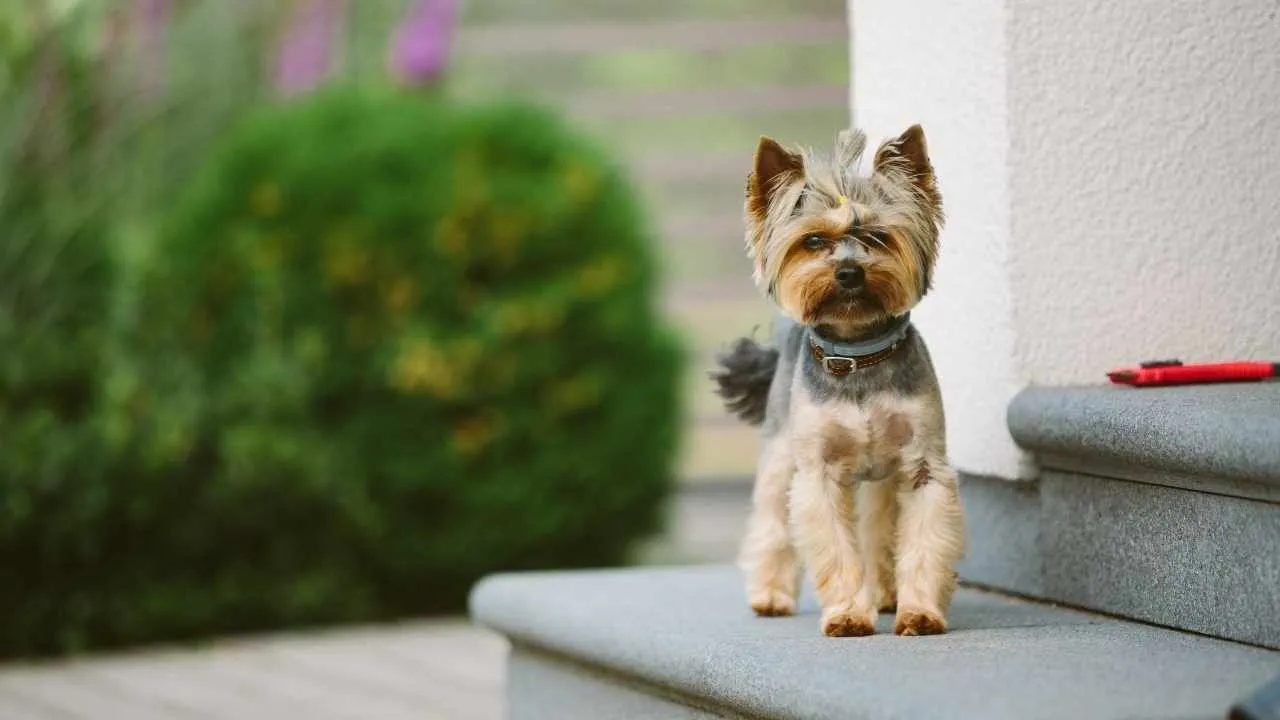
Originally bred in mid-1800’s England, the primary goal of this short-legged dog was to chase rodents and rats in the textile mills. Weighing between 4 and 7 pounds, this breed needs to be supervised around kids and other pets, since they can accidentally hit them.
Despite being active and energetic, they have moderate exercise needs; thus, two 15-minute sessions of regular walks and indoor games are enough.
Unlike many tiny breeds, they have human-like hair instead of fur, which sheds minimally, making it a hypoallergenic breed (grooming required every 4-6 weeks).
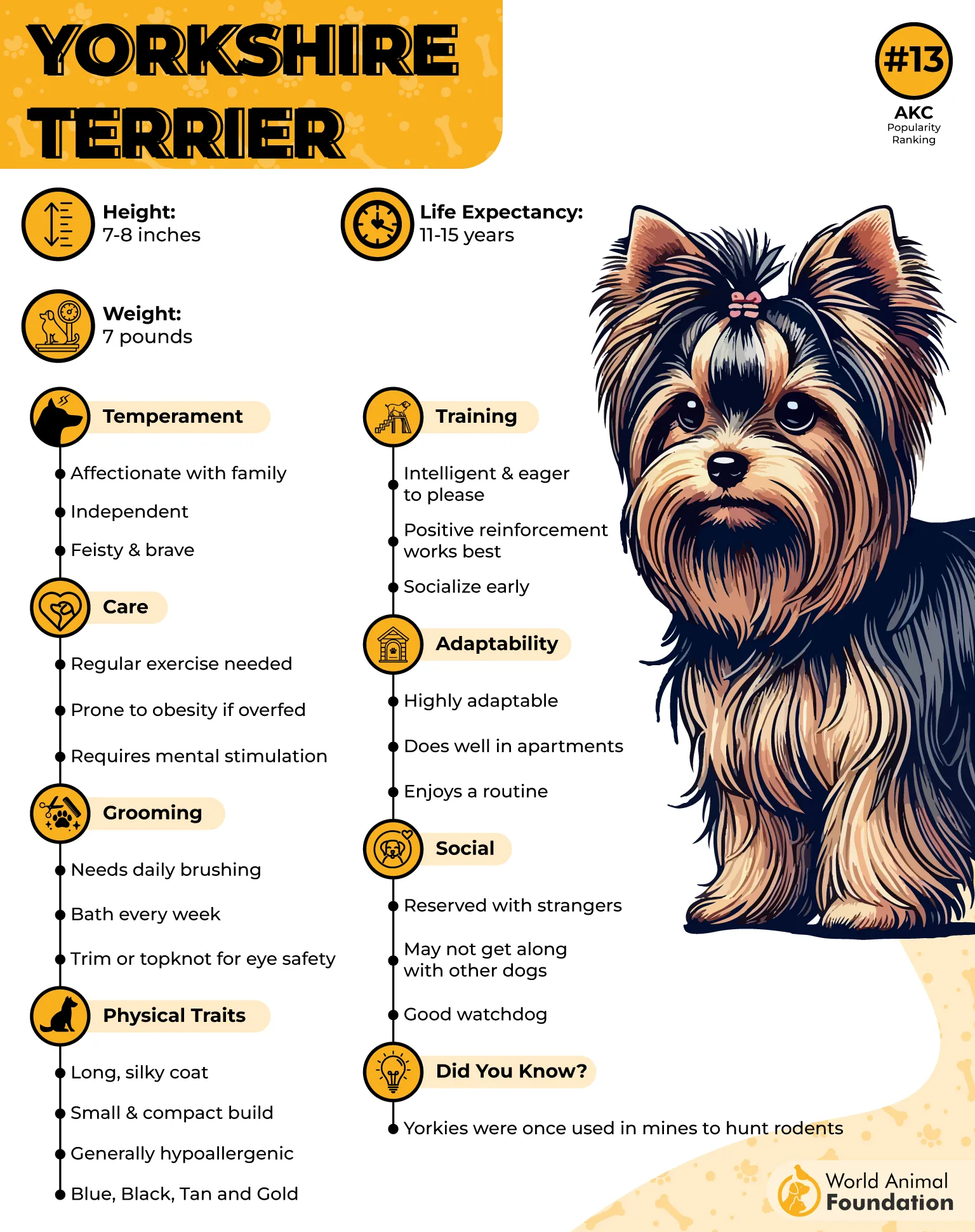
This portable breed does not take up too much space and can be taken in your purse while traveling. Though they have small size, they make strong bonds with the family and can be a good watchdog.
Yorkshire Terrier is generally a healthy breed with a lifespan of 11-15 years. They have short bursts of energy that make them jump from your lap. The hair above their eyes is either chopped or tied into a topknot, giving them a cuter look.
5. Japanese Chin
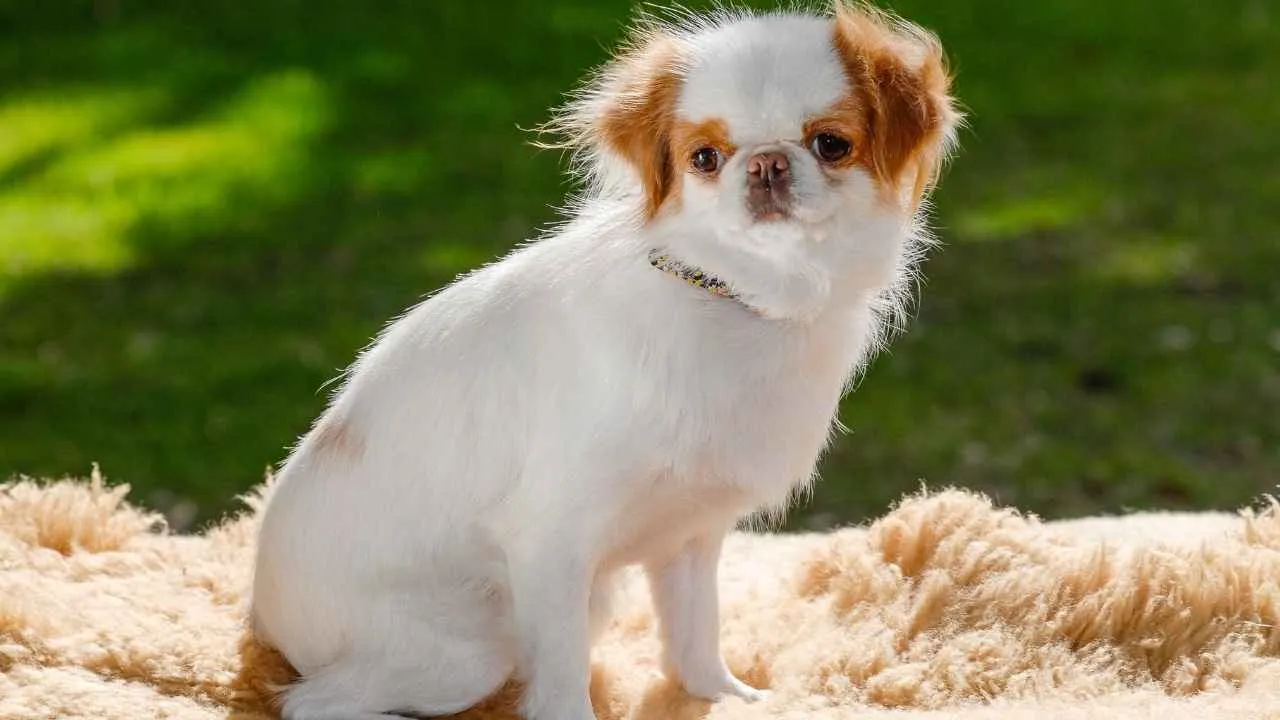
The origin story of this breed is not officially recorded anywhere. However, the one thing clear everywhere is that they were originally bred for royalty, making them a perfect active, affectionate, playful, and lap dog. Left alone for too long, they will develop separation anxiety.
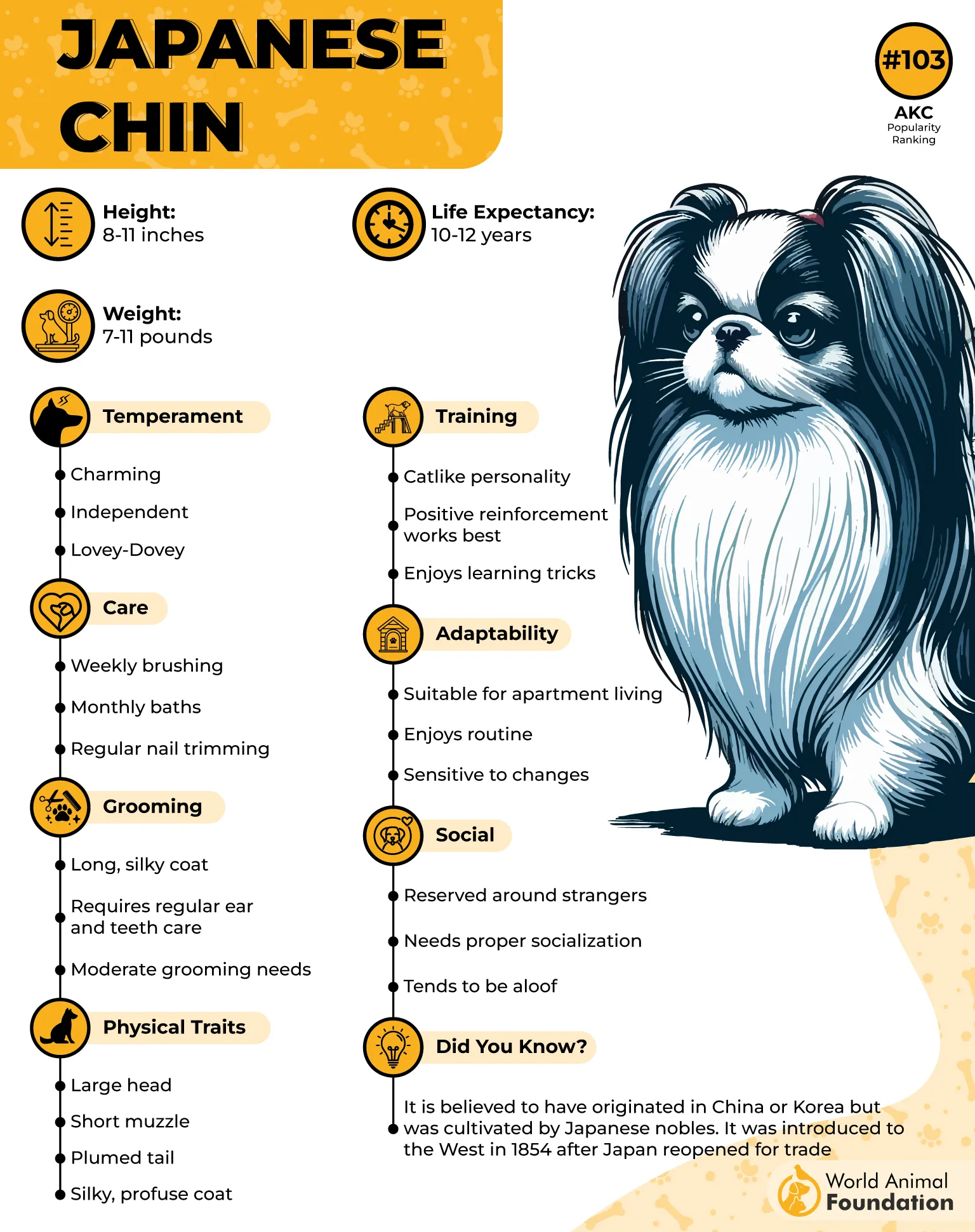
Their adaptability makes them suitable for all sorts of homes: royal palaces and small apartments. They are laid back and can sleep up to 13-16+ hours a day. The Japanese Chin possesses a cat-like personality; thus, it cleans its coat by licking it to remove any debris. They have a calm demeanor and love to quietly observe the surroundings by sitting in one place.
Being a brachycephalic breed, they have a short muzzle and narrowed airways, making breathing difficult. That is why they are heat-sensitive, and long walks and outdoor activities must be avoided.
These dogs love to use vertical space, choosing to climb on your sofa and furniture instead of running around. They are low maintenance; only weekly brushing and occasional baths are recommended.
6. Toy Poodle

Toy Poodle is ranked second in canine intelligence by Stanley Coren’s landmark study “The Intelligence of Dogs.” They have strong problem-solving ability, emotional attunement, and adaptability that most breeds simply can’t match. They need interactive games for mental stimulation and to boost their cognition.
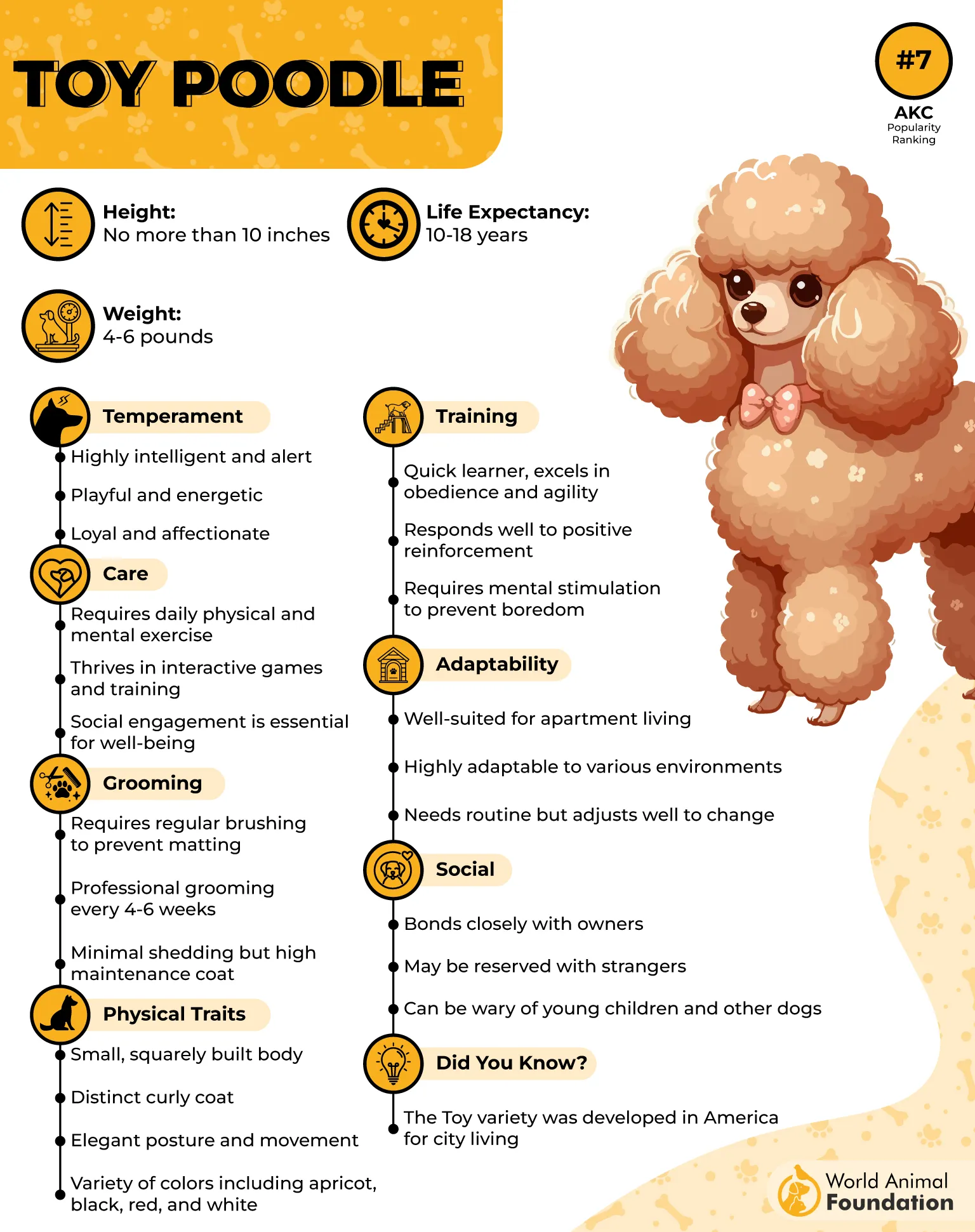
They are good at reading human emotions, body language, and any stressful situation. They will just sit by your side, lick your face, nudge their nose, or place their heads on your knee or lap to comfort you. They are wary of strangers and bark to alert the owner of a threat. This emotional sensitivity enables them to be used as Emotional Support Animals (ESAs).
With the petite size of 10 inches or less, this is the best dog breed for apartment living. This little dog is hypoallergenic and sheds less. However, it requires regular brushing and grooming (after 4-6 weeks).
7. Papillon
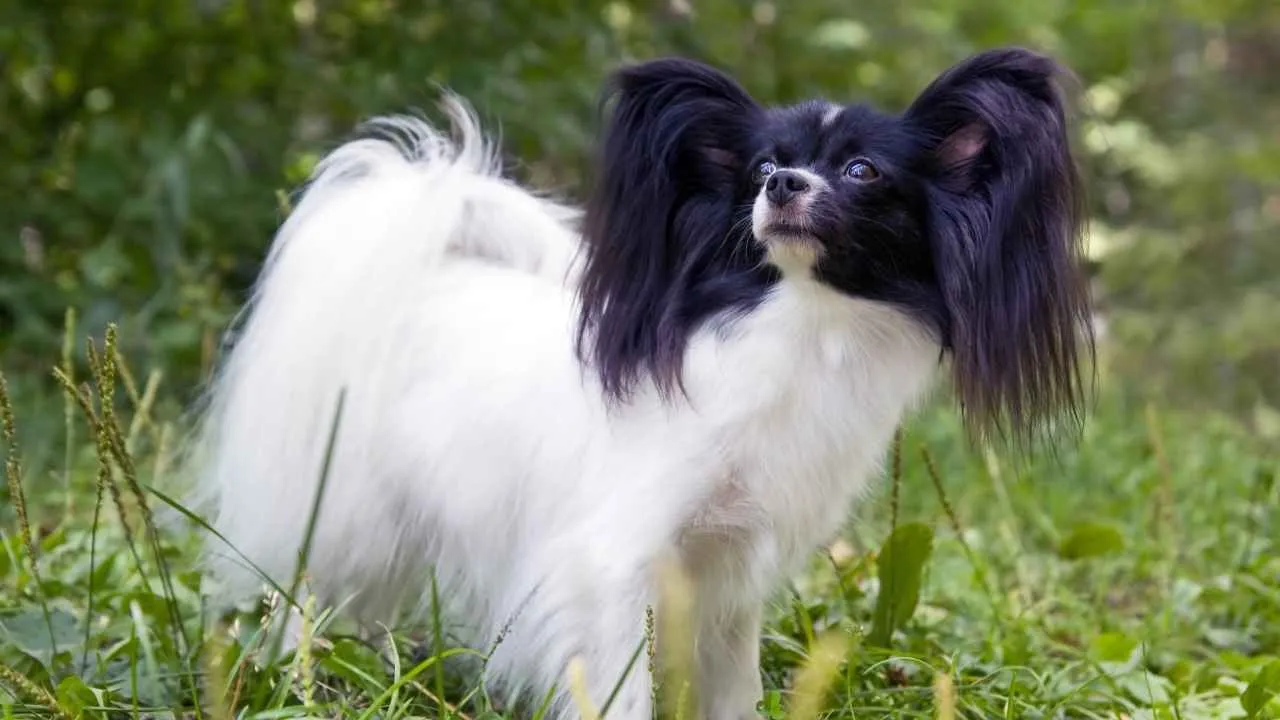
Originally bred in France, the name literally translates into “butterfly” because of its upright and fringed ears. These apartment dwellers were once called “dwarf spaniels,” and their history dates back to the 13th century, as Britannica notes. They got famous in Italy and Spain after they were frequently depicted in paintings in the 18th century.
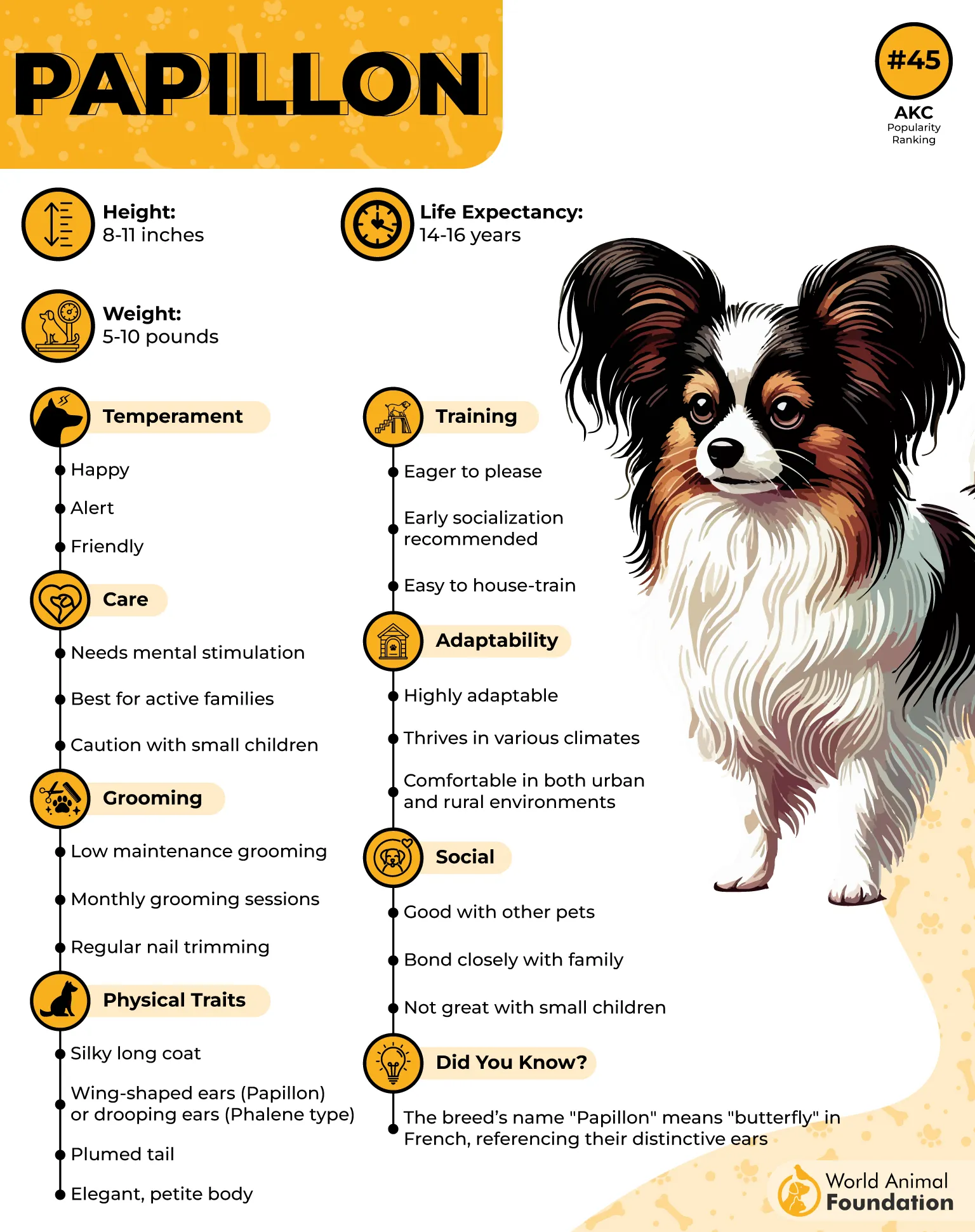
This tiny dog has a big personality and is perfect for first-time pet parents, since they are friendly, velcro, and quick learners. Their manageable size (5-10 pounds) makes them portable and can be carried in a purse. Because of their eager-to-please nature and high intelligence, they are good at house training, compared to other large dogs.
They do not have a typical dog odor, and they usually keep themselves clean like a cat. Despite their compact size, they are not “couch potatoes” and need constant physical activity to avoid boredom. They have a strong attachment to their owner and develop separation anxiety if left alone for too long.
Conclusion
Choosing the best small dog breed for compact spaces is not just about picking the smallest option. It’s about matching energy, temperament, noise level, health needs, and daily routine to the reality of your living situation. A Chihuahua and a Japanese Chin are both tiny, but they are completely different to live with. A Toy Poodle will thrive in your apartment if you engage its mind daily; ignore that need, and you will have a problem on your hands.
These seven breeds are not just small; they are selectively suited, behaviorally and physically, to indoor life with limited space. Pick the one that actually matches how you live, not just how it looks in photos. That is not sentiment; that is just how a dog works.
