




You start thinking about getting a dog, and the first thing that hits you isn’t the excitement. It’s the cost. Food, grooming, vet visits, supplies, and unexpected expenses all begin to stack up in your head.
What seemed like a simple idea starts to feel like a long-term financial commitment you are not sure you can comfortably handle. Many people quietly step back at this point, not because they don’t want a dog, but because they assume every option comes with the same price tag.
That assumption is where most people get it wrong. Not all dogs bring the same financial pressure into your life.
Some are naturally easier to maintain, requiring less spending without taking away the companionship people actually want. The difference is not obvious in the beginning, but it matters more than anything later on.
Ahead, you will see which types of dogs keep things simple, manageable, and genuinely affordable.
Key Takeaways
American Hairless Terrier and Italian Greyhound show how certain breeds stay surprisingly manageable while still offering full companionship and energy.
From compact city-friendly dogs like Miniature Pinschers to loyal, active partners like Jack Russell Terriers, each one fits a different lifestyle without stretching budgets.
The real surprise comes when you see how these affordable breeds still deliver personality, loyalty, and everyday joy in ways that feel far beyond their cost.
The cost of food, vet care, and daily upkeep often makes people rethink the idea of getting a dog altogether.
Affordable Dog Breeds: Enjoy a Pup Without the Price Tag
1. American Hairless Terrier

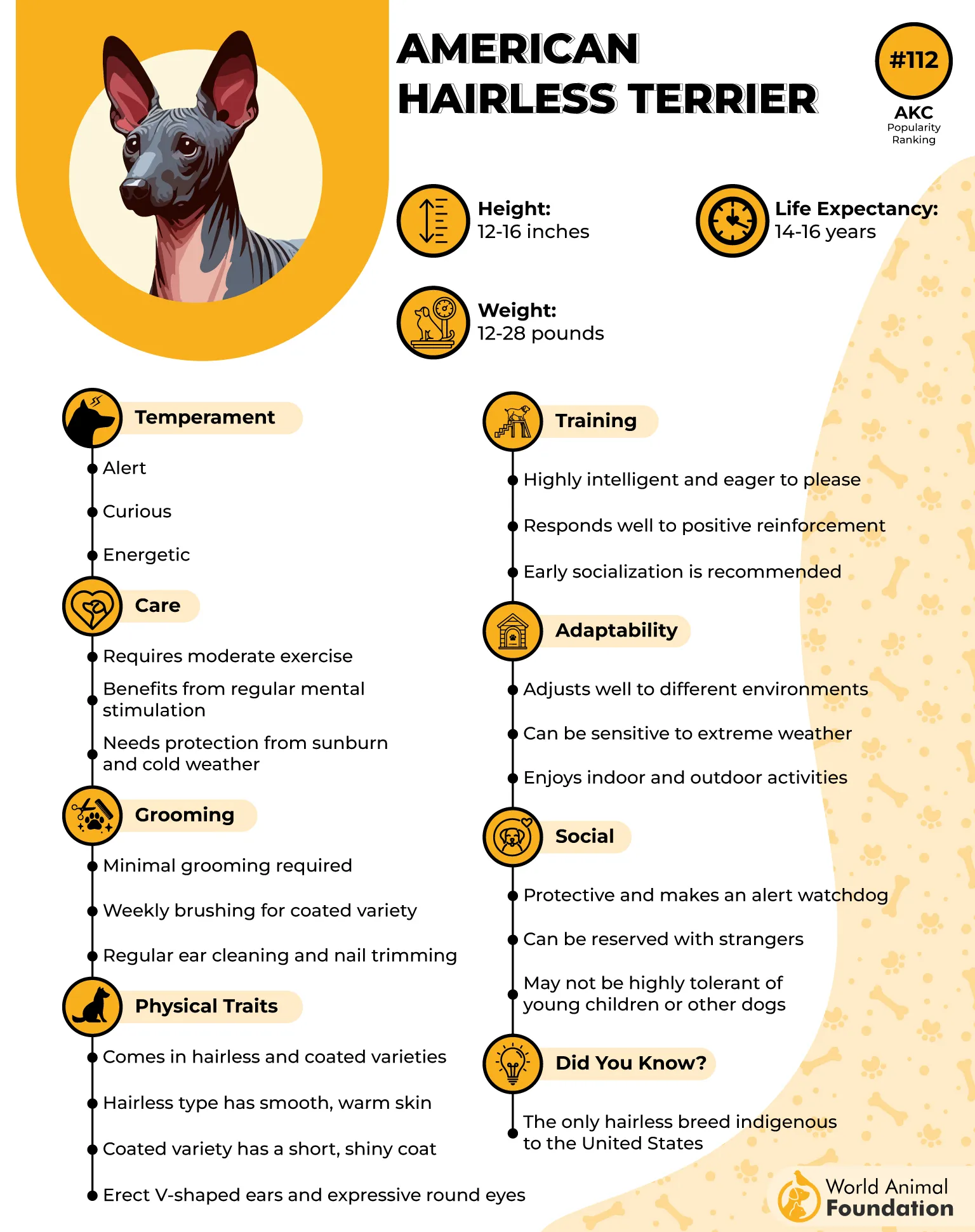
The American Hairless Terrier presents smooth, exposed skin that comes in shades like pink, black, blue, chocolate, and liver, with occasional whiskers or patches.
Its small to medium frame stays well-muscled, reflecting an active terrier build. This unique coat often draws attention from those managing pet-related sensitivities.
Play-driven daily behavior
This affordable breed shows a lively, engaged nature, often leaning into activities that involve movement and interaction. As per Hills Pet, its intelligence and loyalty shape how it responds to familiar people while remaining aware of new faces.
That behavior becomes clear through regular actions:
Enjoys fetch, interactive games, and dog sports
Takes part in agility-style movement
Explores surroundings with curiosity
Cost and companionship value
This larger dog typically falls within a price range of $1,500 to $2,500, depending on breeding and lineage factors. Its combination of affectionate temperament and responsive nature adds long-term value beyond initial cost. This balance connects well with those seeking an active yet people-focused companion.
2. American Foxhound
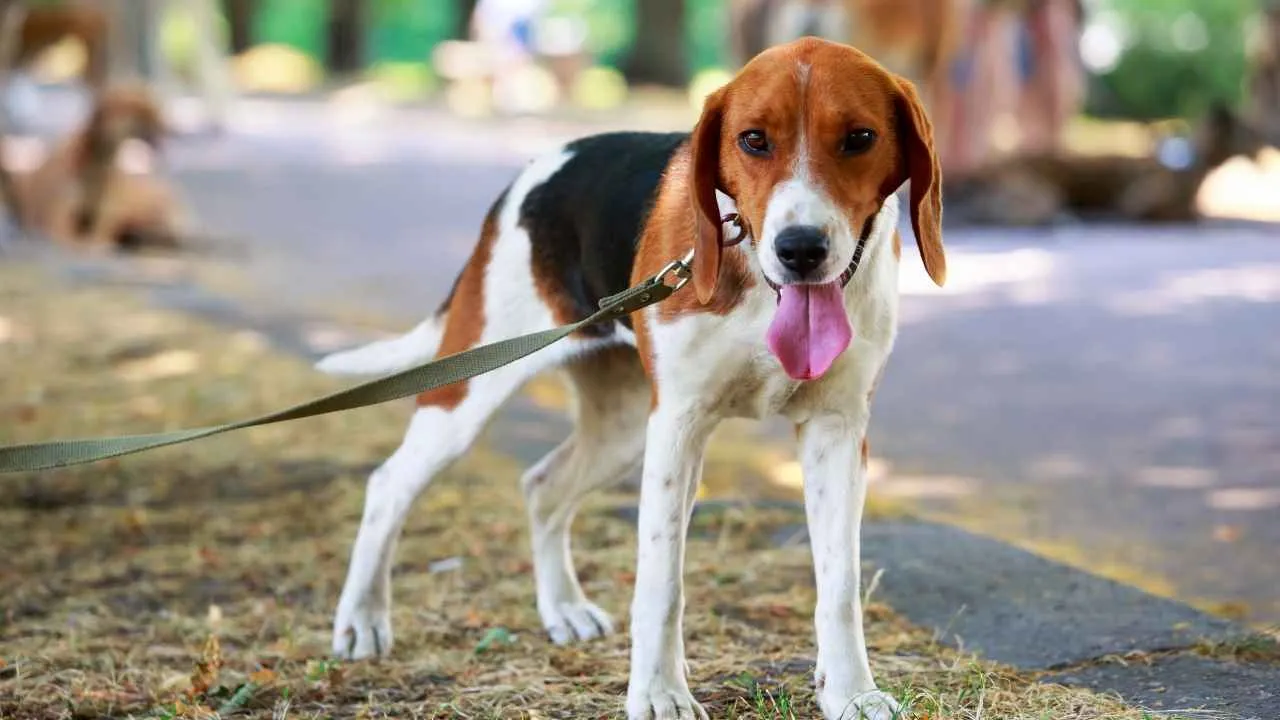
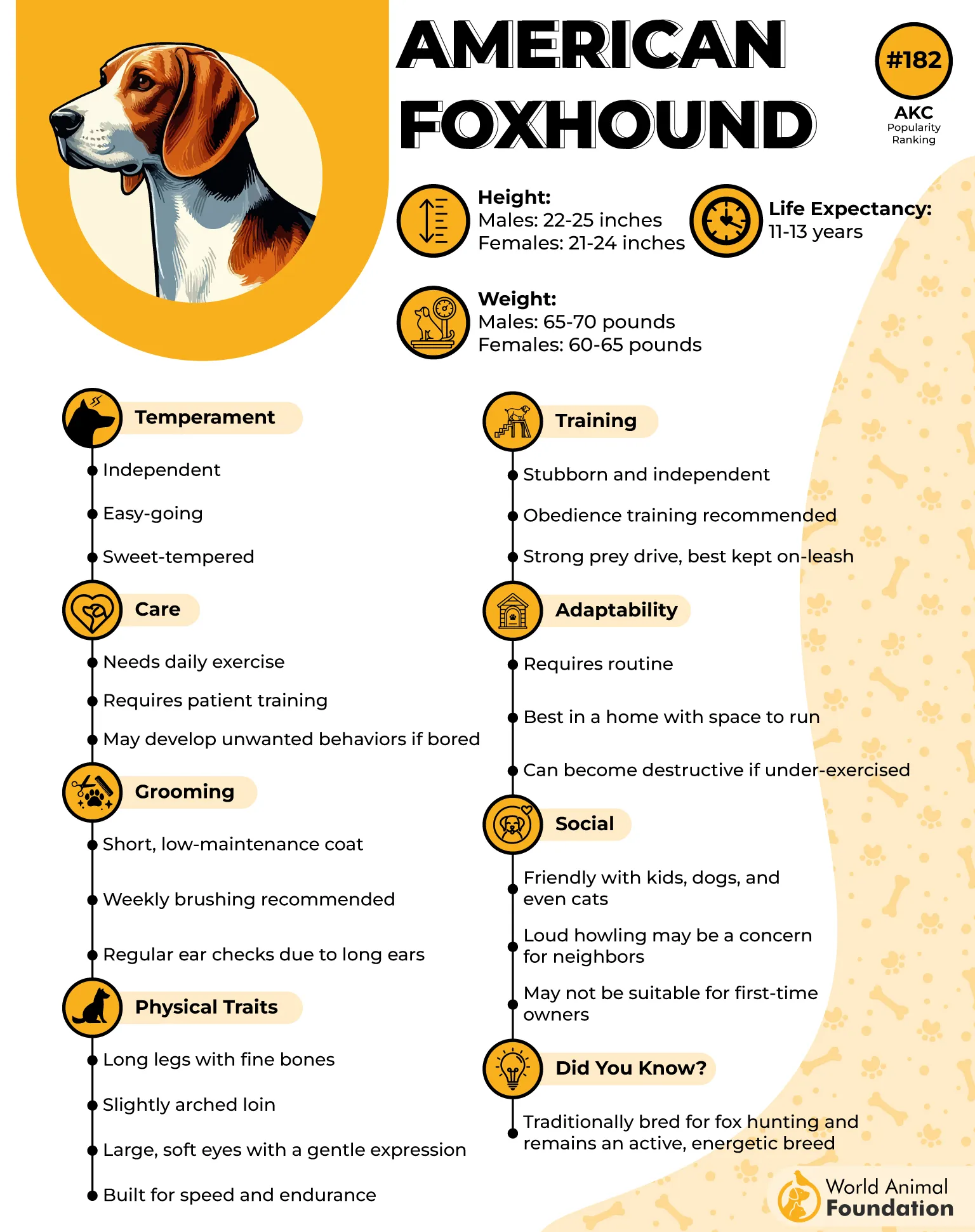
The American Foxhound shows a lean, long-legged frame with finely boned structure and a slightly arched back end that supports extended running. Its physical form reflects speed and endurance shaped for open terrain hunting. The overall look feels light yet built for sustained effort.
Tracking style and vocal signal
The American Foxhound follows scent with focus, often locking into a trail with a strong prey drive that requires control, as PetMD noted. Its voice plays a role in the hunt, producing a loud, drawn-out call that signals position over distance.
These traits appear clearly during tracking work:
Locks onto scent trails with strong focus
Uses a distinct, far-reaching baying call
Covers large ground with steady pursuit
Cost and practical expectations
You can get the puppies of this breed within a $400 to $600 range, often including basic health screening and pedigree details. The initial price stays accessible, though daily needs such as exercise and training require consistent attention.
3. Italian Greyhound
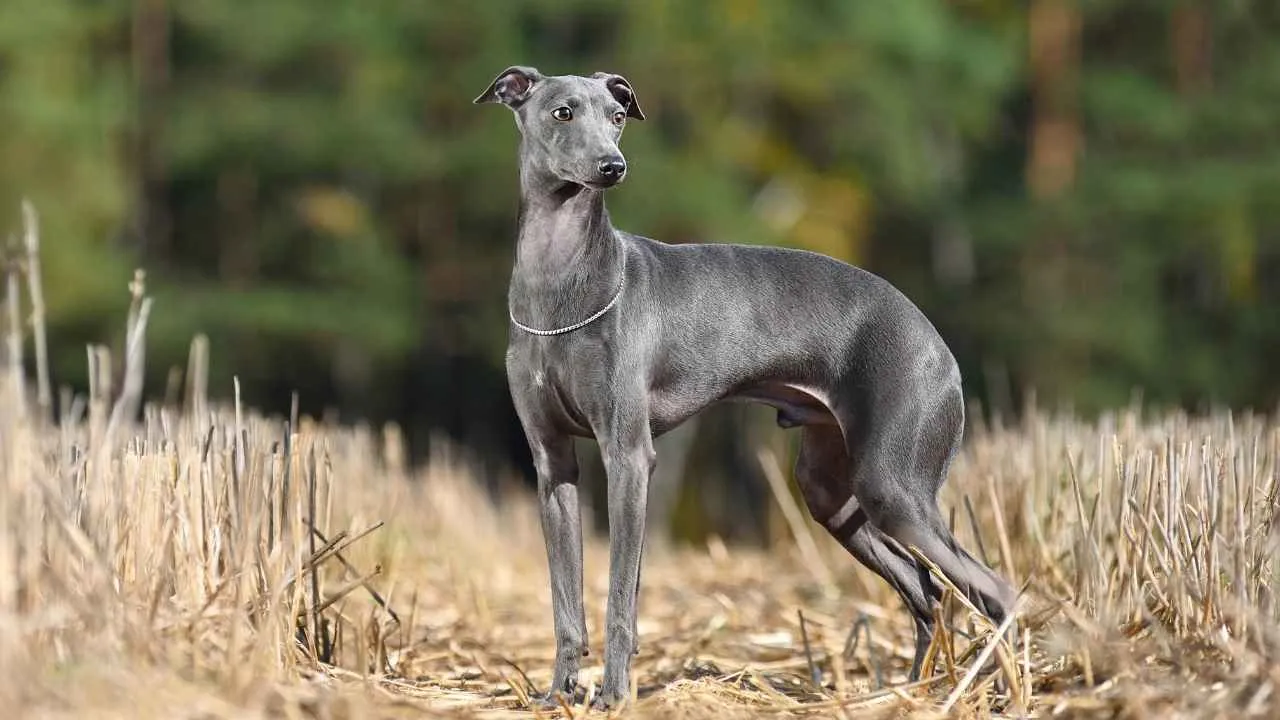
The Italian Greyhound reflects the form of a full-sized Greyhound in a lighter, slender frame, shaped for quick bursts of motion. Its body combines elegance with an instinct for pursuit, showing sudden flashes of speed indoors or outdoors. The overall structure leans toward agility rather than strength.
Indoor behavior with sudden bursts
IGs spend long stretches resting comfortably, often choosing soft surfaces like sofas or beds. At unexpected moments, it shifts into rapid, playful movement driven by its coursing instinct.
That contrast appears in simple daily patterns:
Alternates between stillness and quick sprints
Seeks warm, cushioned resting spots
Reacts instantly to small moving objects
Cost profile and upkeep balance
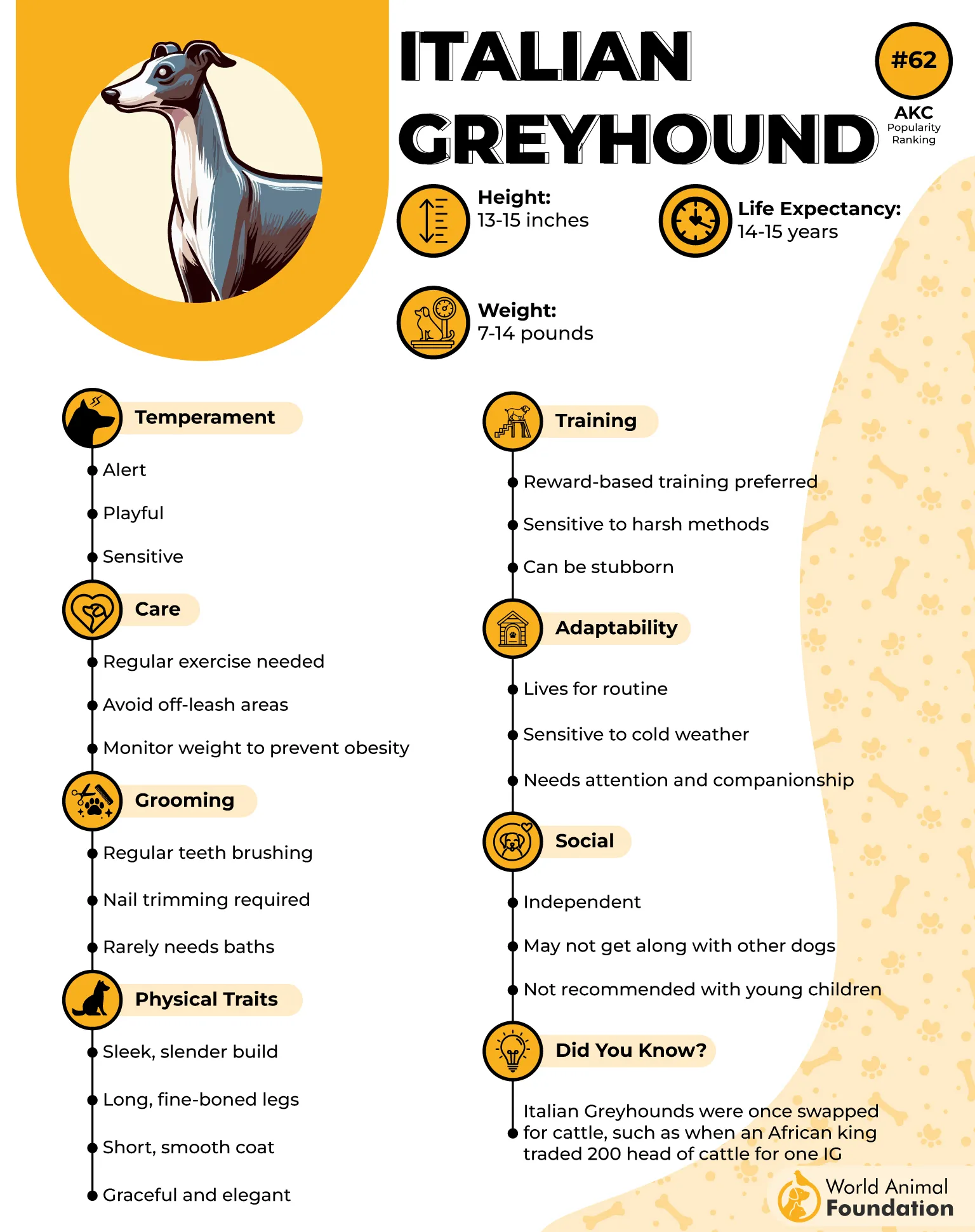
They fit into a lower dog ownership range compared to many breeds, with adoption costs between $200 and $4,000. Healthcare expenses range from $3,600 to $7,200 annually, while they have minimal grooming needs due to their short coat. Food costs typically fall between $720 and $1,200 each year.
4. Pembroke Welsh Corgi
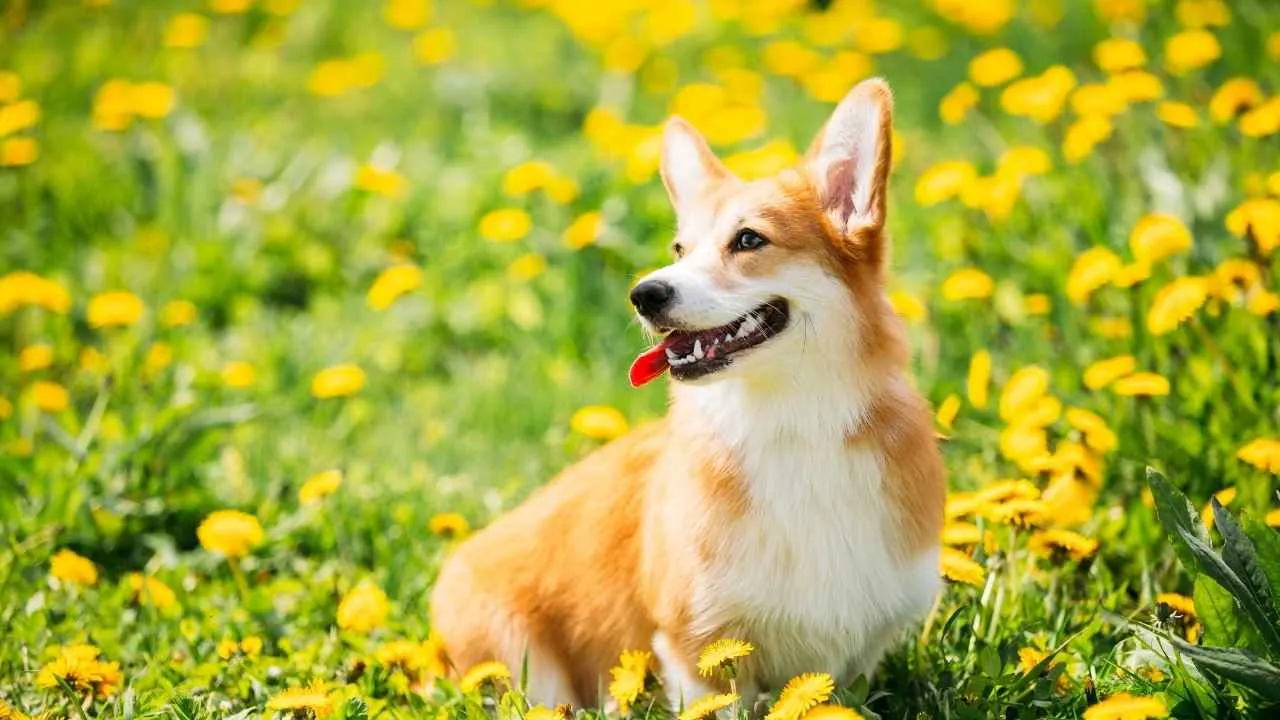
The Pembroke Welsh Corgi works close to the ground with a long body and short legs that suit cattle and sheep herding tasks. This structure supports quick direction changes while staying near livestock movement. Its build reflects effort and purpose rather than appearance alone.
Daily behavior shaped by herding roots
Corgis show alert, responsive behavior tied to their working role, often staying aware of surroundings and human activity. They stay engaged with people and react quickly to changes in their environment.
That instinct appears in simple patterns:
Keeps track of movement around it
Reacts quickly to direction or sound
Stays engaged during active routines
Living range and cost flexibility
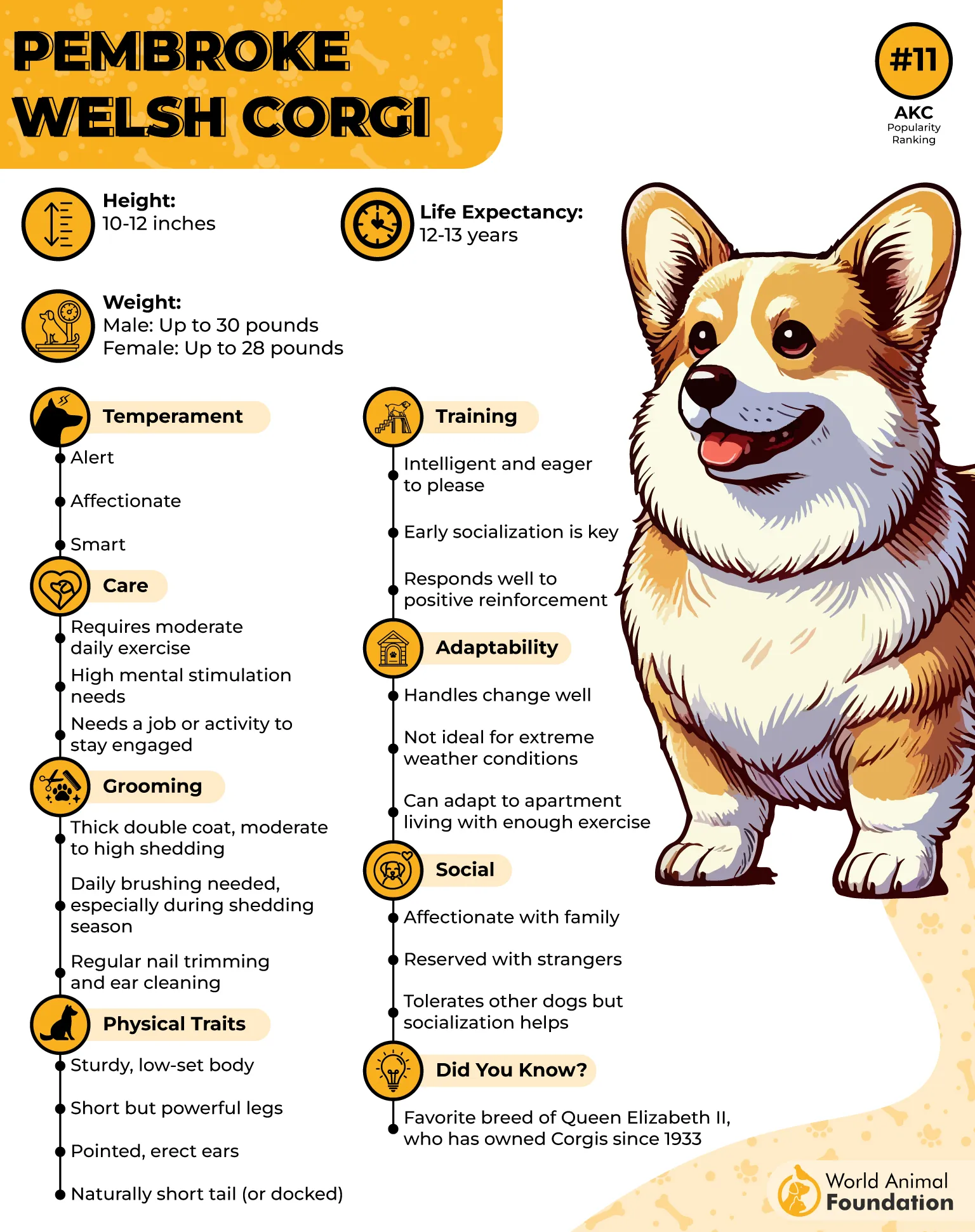
According to Orvis, this budget-friendly dog breed adapts to living spaces, from compact apartments to open rural areas, without losing its active nature.
Its price typically ranges between $500 and $4,000, with rescue options also available. This range allows different entry points depending on availability.
5. Miniature Pinscher
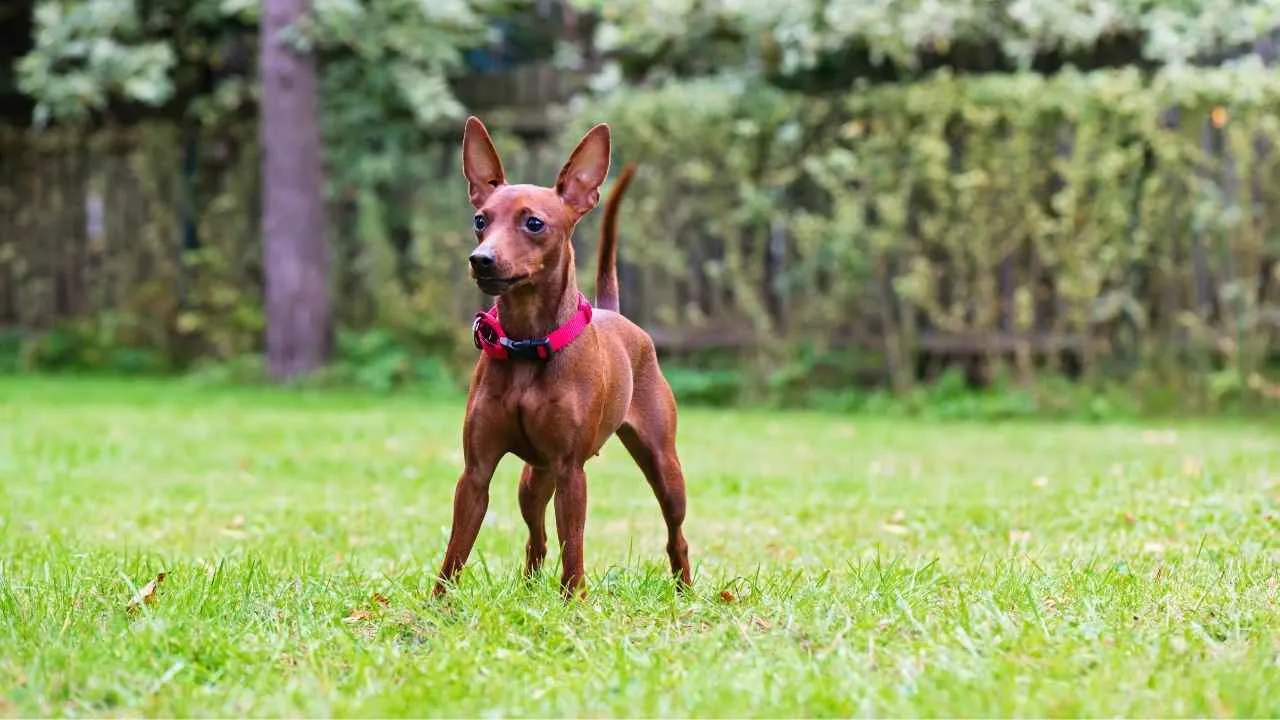
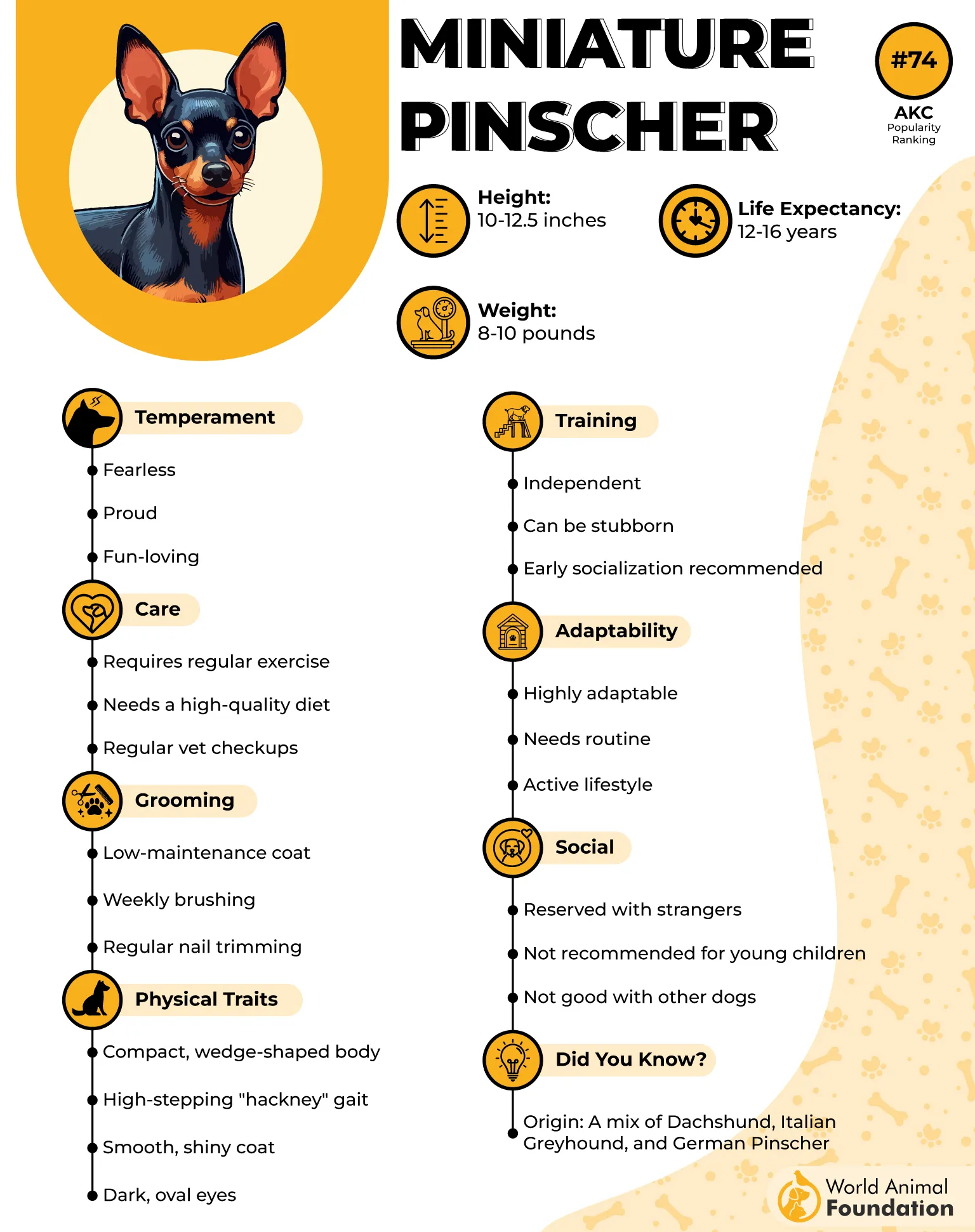
The Miniature Pinscher shows a sharp, high-stepping gait paired with a compact, wedge-shaped body that gives it a lively visual rhythm. Known as the “King of Toys,” it reflects confidence far beyond its size. Its structure supports quick, alert movement in small spaces.
Practical care and cost clarity
This cheap dog breed fits easily into household life due to its small frame and simple upkeep needs, with limited grooming demands and modest food intake. Adoption and upkeep figures remain relatively accessible, making it a budget-aware choice.
Cost and care details appear in clear ranges:
Adoption costs between $50 to $1,215
Annual healthcare around $400 to $700
Food costs roughly $50 to $150 per year
Behavior shaped by confidence
This toy breed shows a lively and outgoing temperament, often engaging actively with its surroundings and people. Its assertive side appears in early behavior, requiring guidance to shape consistency in daily routines. The energy level remains noticeable even in indoor settings.
6. Jack Russell Terrier
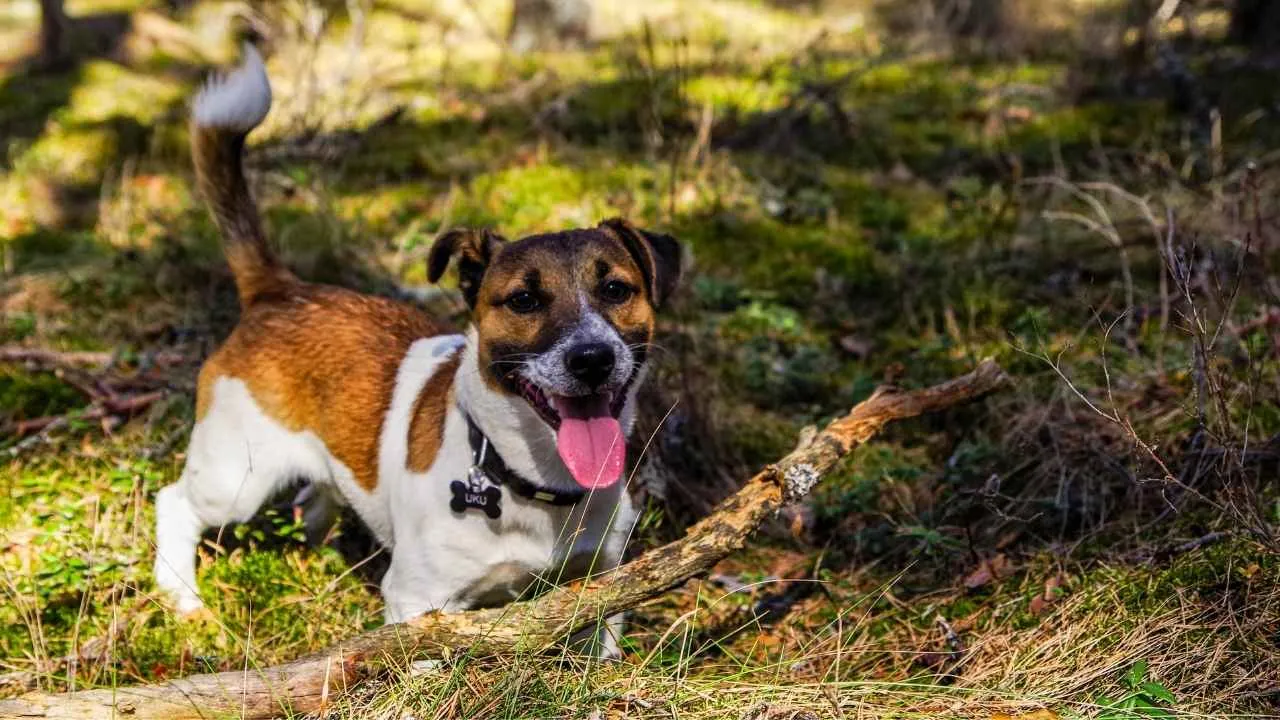
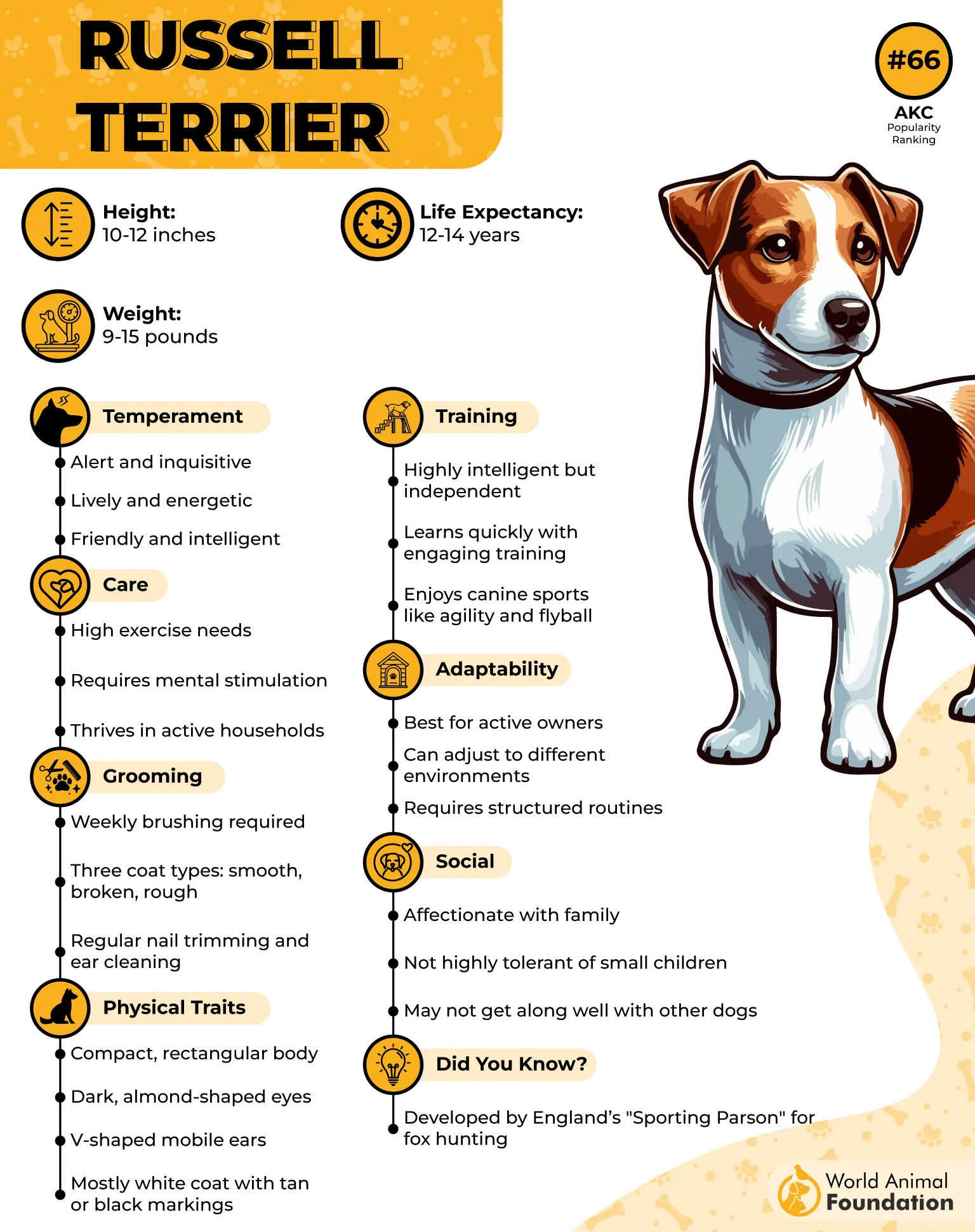
The Jack Russell Terrier was originally bred for foxhunting by England’s Sporting Parson, built to work in tight, demanding ground conditions.
Its compact, rectangular frame supports quick bursts of activity with strong focus. The breed’s personality reflects an alert working terrier rather than a decorative companion.
Cost, appearance, and everyday identity
This low-cost dog attracts attention not only for energy but also for its dog ownership costs, often between $800 and $2000, depending on the breeder’s reputation, pedigree, and coat type. Wire-haired varieties tend to sit at a slightly higher range.
These details shape what defines the breed visually and practically:
Mostly white coat with tan or black markings
Dark almond-shaped eyes create a sharp expression
Free, smooth gait reflecting natural confidence
Personality packed into a compact frame
This small dog carries an energetic and inquisitive temperament, often showing curiosity through constant engagement with its surroundings.
Its appearance may feel toy-like, yet its behavior reflects strong working drive and persistence in activity. This contrast shapes how it is experienced in daily interaction.
7. Australian Terrier

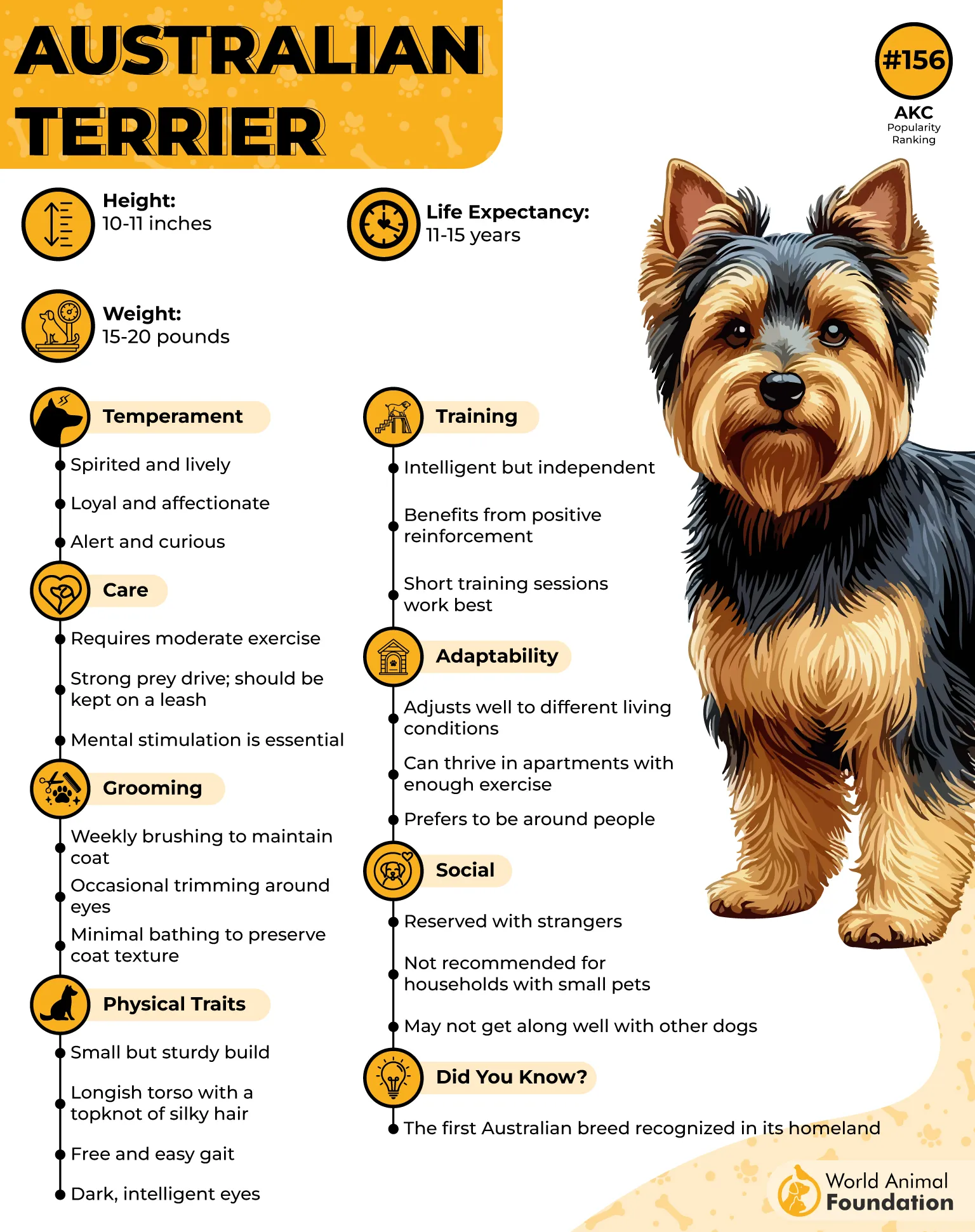
The Australian Terrier shows a small but sturdy frame shaped for active movement, paired with a sharp, confident expression. Its coat structure includes a rough outer layer with protective furnishings around the neck and forequarters. A soft topknot contrasts with this texture, giving the head a distinct look.
Personality shaped by grit and alertness
They approach their surroundings with curiosity and quick reactions, often observing movement with immediate interest. Their behavior reflects a working terrier mindset, staying engaged with anything that triggers its chase instinct or attention.
This character shows in daily habits and values:
Observes surroundings with constant alert focus
Responds quickly during training situations
Cost typically ranges from $1,200 to $1,500
Movement built for working rhythm
This tiny dog moves with a free and easy gait that reflects its working nature rather than decorative form. Its body structure supports steady activity, allowing it to shift between alert watching and playful action without delay. This rhythm fits a dog that stays involved in its environment.
8. English Setter
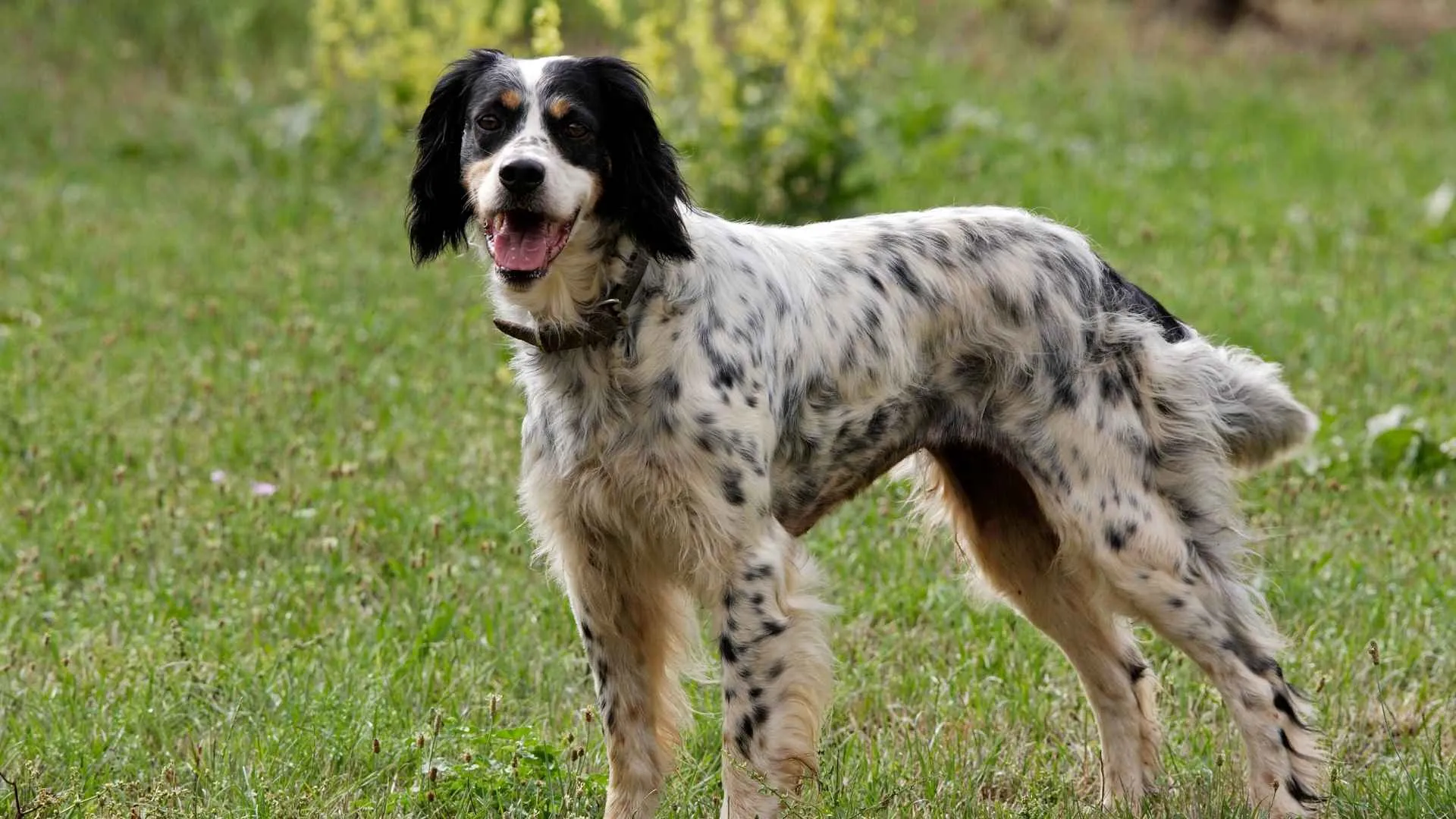
The English Setter shows a balanced sporting build shaped for varied terrain across Britain, carrying a refined yet functional frame.
Its coat is marked by “belton” patterns in tones like liver, lemon, and orange, giving it a distinct speckled appearance. The long neck and oval head add a composed, lifted outline.
Appearance traits tied to structure and pricing context
They combine visual elegance with working frames, where their soft expression and dark eyes contrast with a strong hunting foundation. Despite their beauty, they remain less common in demand, which influences how they are priced in the market.
This is reflected in practical ownership details:
Typically priced around $1,000 from registered breeders
Some lines are available near $600, depending on sourcing
Premium pedigrees often remain under $1,500
Temperament in shared spaces
This medium-sized dog behaves with a gentle, sociable attitude, often interacting easily with both people and other dogs. Its playful side becomes more visible during active moments, where energy shifts into lively movement. The combination of softness and enthusiasm shapes its daily interactions.
9. Chihuahua

The Chihuahua is recognized as one of the oldest breeds of the Americas, linked to pre-Columbian civilizations and later becoming a national symbol of Mexico.
Its small frame holds a sharp, alert expression that reacts quickly to its surroundings. Despite its size, its presence feels active and expressive in daily life.
Cost and upkeep in real numbers
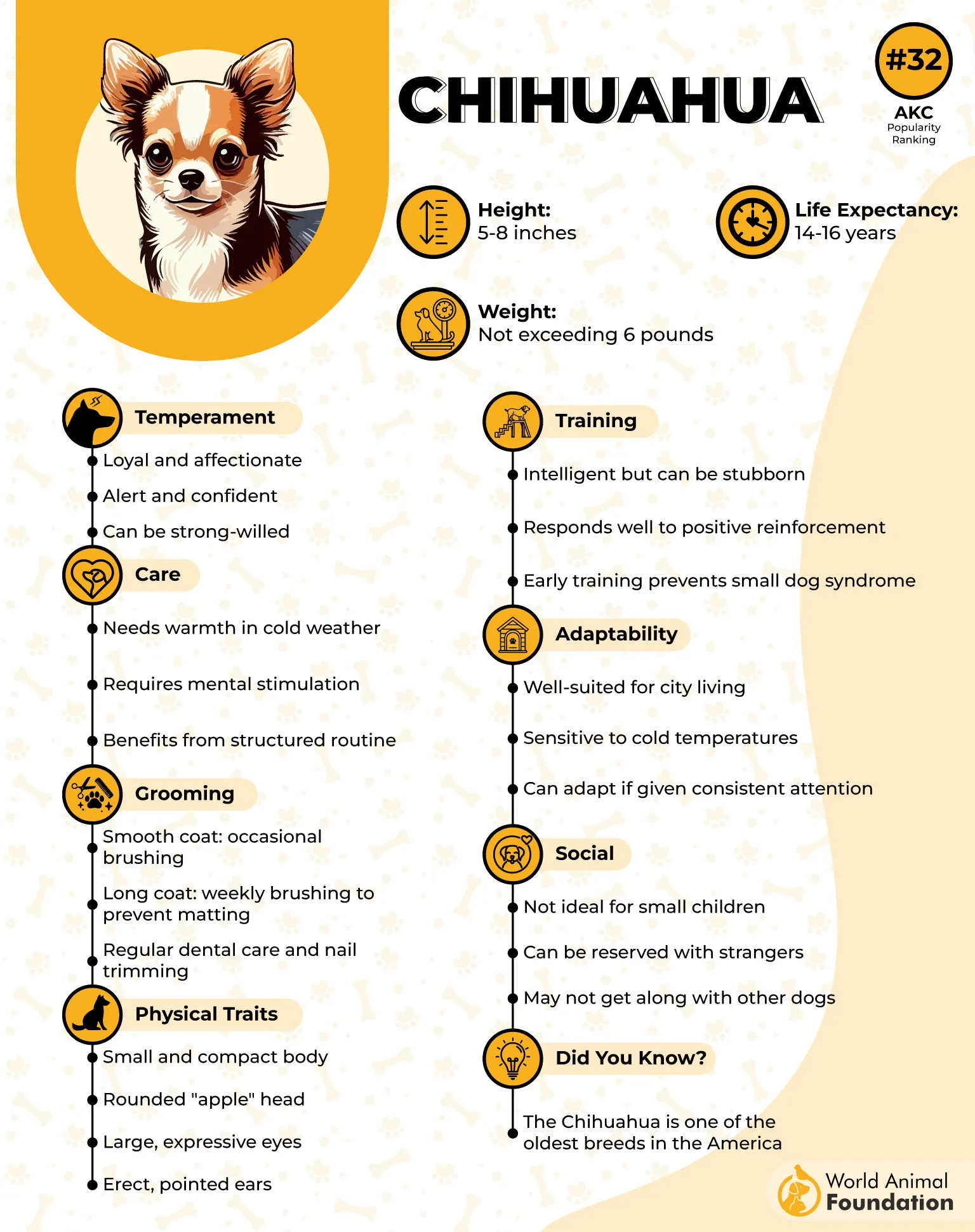
The Chihuahua fits easily into low-cost ownership patterns due to its small size and minimal food needs, with short coats that reduce their grooming costs. Expenses stay relatively light across yearly care compared to larger breeds.
Here is how typical costs break down:
Adoption range: $50 to $2,500
Annual healthcare: $300 to $800
Food cost per year: $240 to $360
Daily behavior in compact form
This furry friend handles movement with ease due to its lightweight structure, making short walks and indoor activity sufficient for routine needs. Its personality can shift between calm companionship and strong-willed reactions in certain situations. This mix gives it a noticeable presence despite its size.
10. Beagle

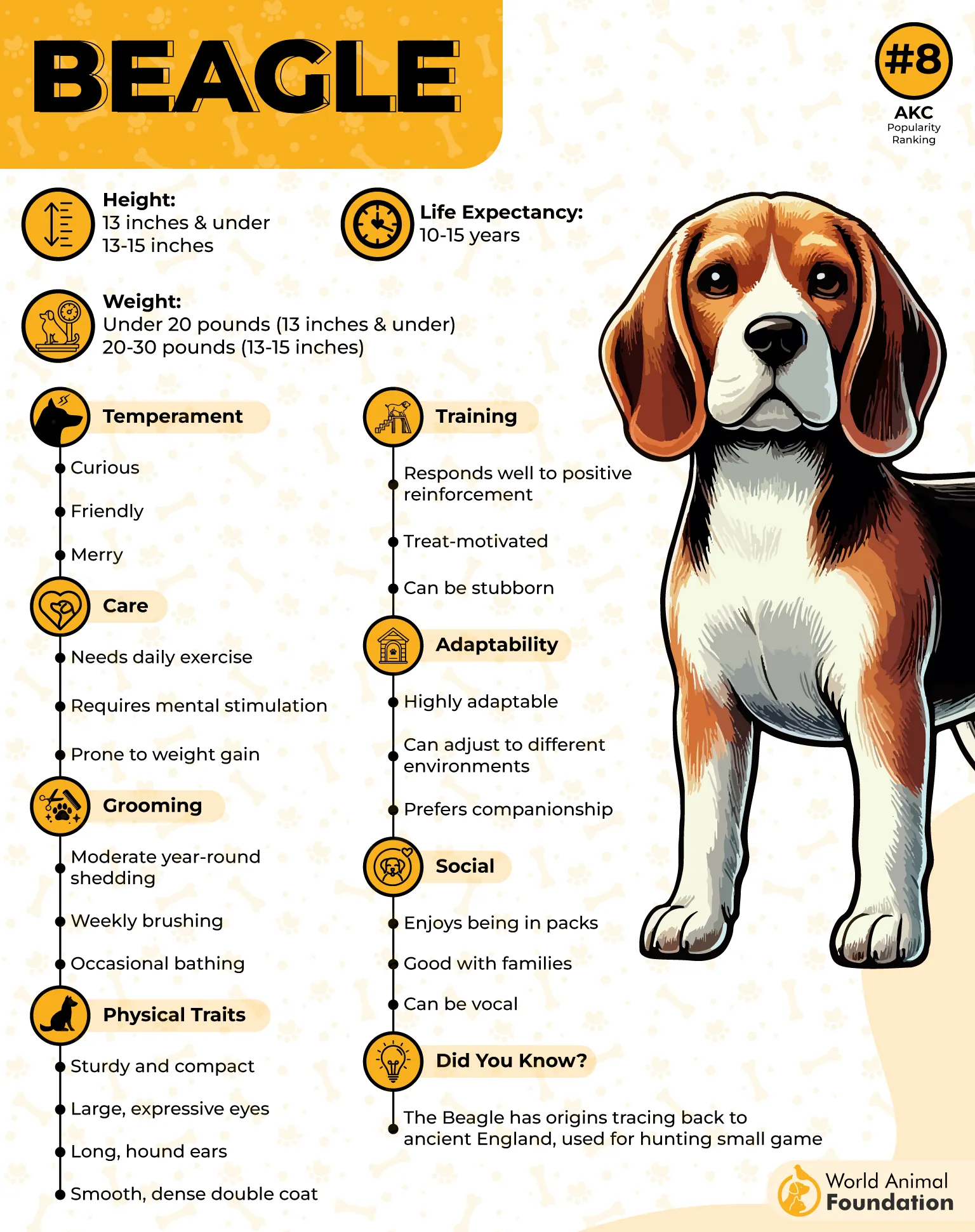
Beagles show a compact, sturdy frame designed for pack hunting, paired with long, low-set ears and a broad head that supports scent detection work.
Their expression often appears alert and curious, shaped by large brown or hazel eyes. This physical setup reflects a dog built for tracking rather than speed bursts alone.
Traits shaped by pack living and behavior
They are comfortable in group settings, reflecting their pack-hunting roots where cooperation mattered more than isolation. Their behavior stays social, often seeking company and reacting to scent-driven curiosity in their surroundings.
This is visible in everyday tendencies:
Responds strongly to scent trails during walks
Interacts easily in group or family settings
Shows curiosity-driven exploration in new spaces
Cost and upkeep reality
Beagles come with varied ownership costs, where adoption ranges between $25 and $1,500 depending on source and lineage. Annual healthcare costs can fall between $1,080 and $2,640, while grooming remains relatively low at up to $480 due to its short coat. Food expenses generally stay moderate, around $360 to $600 yearly.
Conclusion
A lower budget often makes people hesitate, but these breeds show that companionship does not need to come with constant financial stress. For budget-conscious dog owners, the difference often comes down to fewer vet bills and simpler care routines that support a healthy weight.
Over time, dog owners begin to notice how manageable care creates a more relaxed experience overall, especially when regular vet visits stay predictable rather than overwhelming. This also gives prospective pet owners more confidence in their decision.
In the end, affordability is not just about saving money; it is about choosing a companion that keeps life simple, consistent, and easy to maintain without sacrificing connection or presence.
