




Thinking about getting your very first dog? It’s exciting—but it can also feel a bit overwhelming. You want a companion that’s easy to manage, fits into your routine, and doesn’t demand more than you can handle.
That’s where small dogs really shine. Their compact size makes them easier to care for, and as a bonus, they can adapt well to smaller spaces like flats without much trouble.
Don’t be fooled by their size, though—these tiny companions are full of personality, affection, and charming dogs. They love being around their humans and can easily become a big part of your everyday life.
If you’re looking for a low-stress, lovable, and beginner-friendly pet, small dogs might just be the perfect place to start.
Key Takeaways
Small dogs make beginner pet ownership easy with simple care, quick bonding, and low stress.
Pug, Shih Tzu, and Brussels Griffon offer big love, strong loyalty, and playful personalities in tiny bodies.
Havanese, Papillon, and Toy Poodle are smart, trainable, and fun companions that keep daily life active.
Bolognese is calm, gentle, and affectionate, perfect for a relaxed and easy first-dog experience.
Best Pocket-Sized Dog Breeds for Beginners
1. Pug
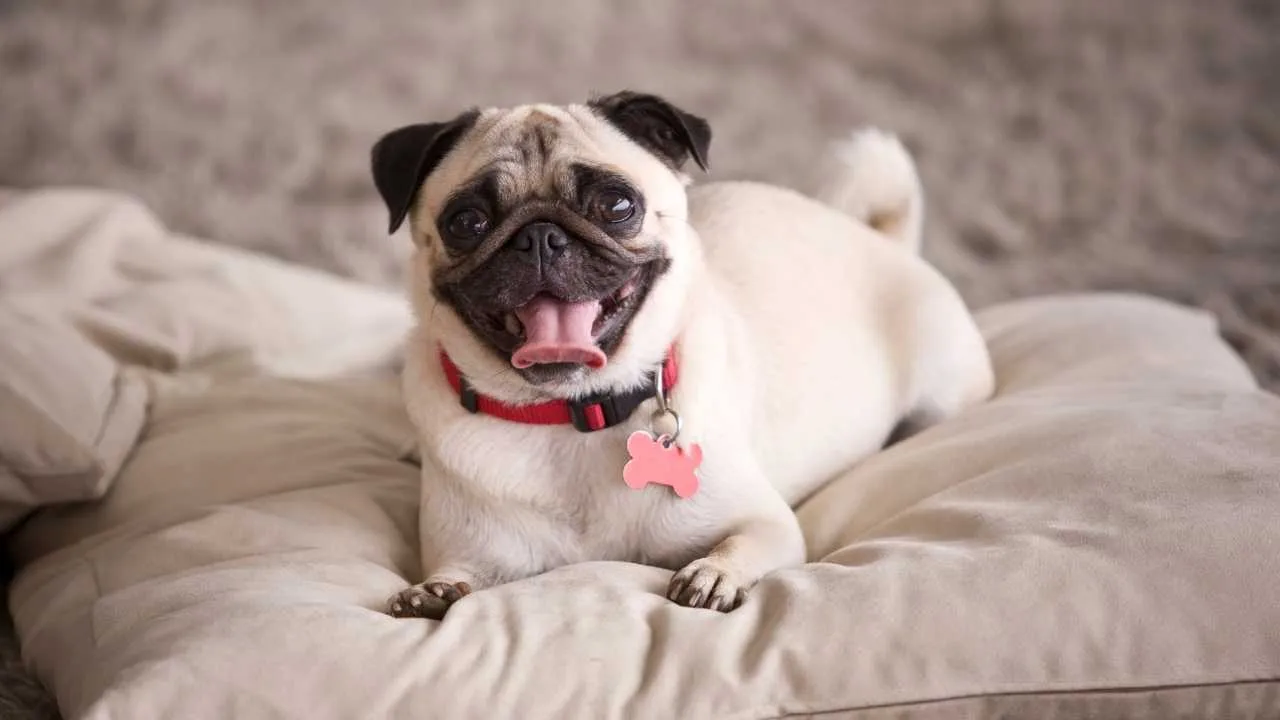
Once a companion of Chinese emperors and later loved by Holland’s royal House of Orange, the Pug has always been close to people. Today, it remains one of the most loved small dogs in the world. Its motto, “multum in parvo” (a lot in a little), fits perfectly.
With a round head, big sparkling eyes, and a wrinkled face, this toy dog shows human-like expressions like joy and curiosity. It comes in fawn shades with a black mask or solid black, and easily wins hearts with its charm.
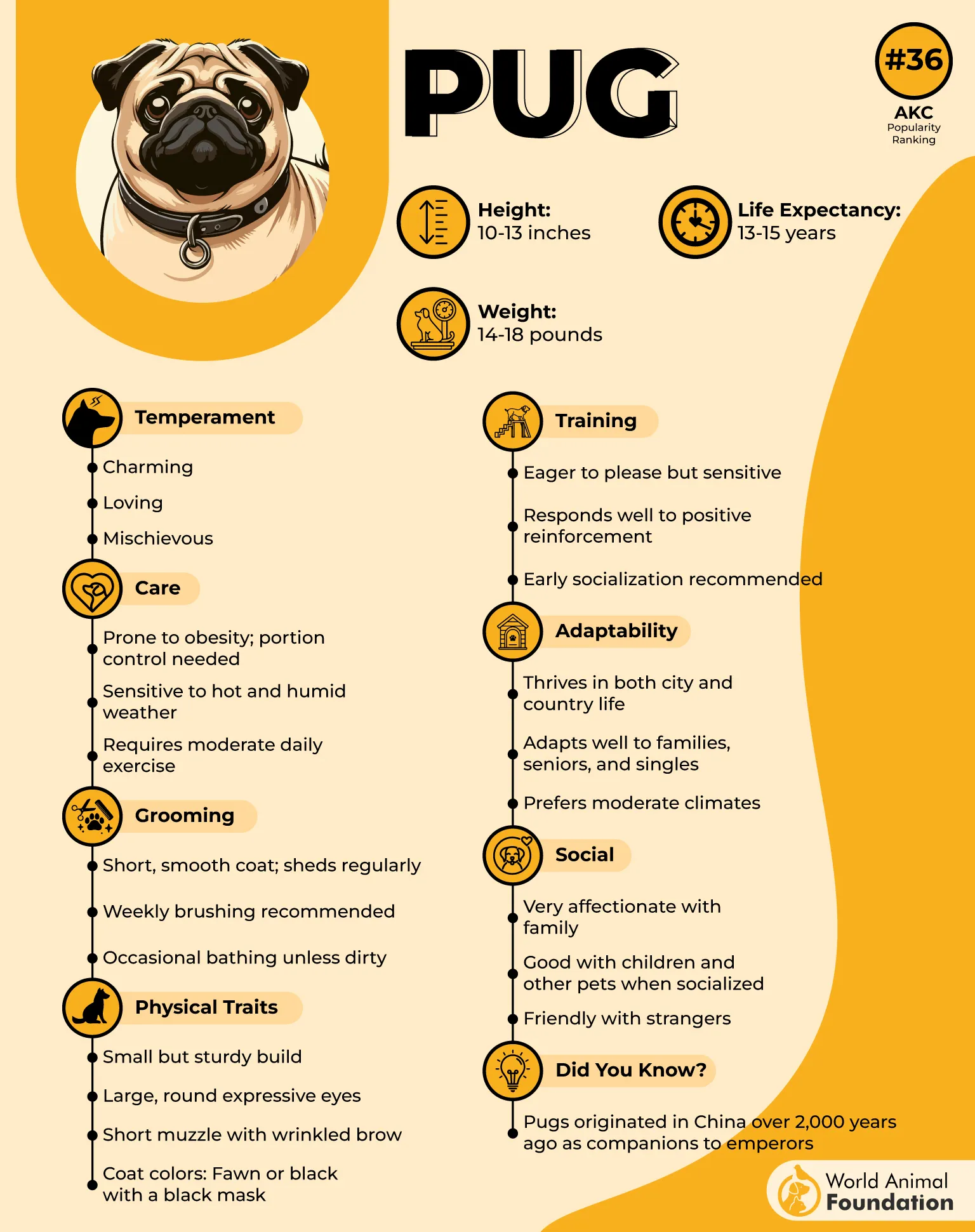
Pugs are known as ideal house dogs. They adjust well to different homes, whether it’s a flat or a large house. According to the American Kennel Club, they are friendly with kids, older people, and even other pets.
Their loving and easy-going nature makes them a great choice for beginners. They enjoy being around their family and do not like being left alone for long.
Why it’s great for beginners
Loving, people-oriented, and calm demeanor
Easy to train and eager to please
Happy in small spaces and simple routines
Needs only moderate exercise, like short walks
Requires minimal grooming, but regular brushing helps

Pugs love to relax but also enjoy light playtime. They need regular nail trimming and occasional baths. Since they love food, it’s important to manage their diet to prevent weight gain.
Being a short-faced breed, they do not tolerate heat well, so keep them cool and avoid heavy activity in warm weather. With gentle training, proper care, and lots of love, a Pug becomes a loyal and easy companion for first-time pet parents.
2. Bolognese
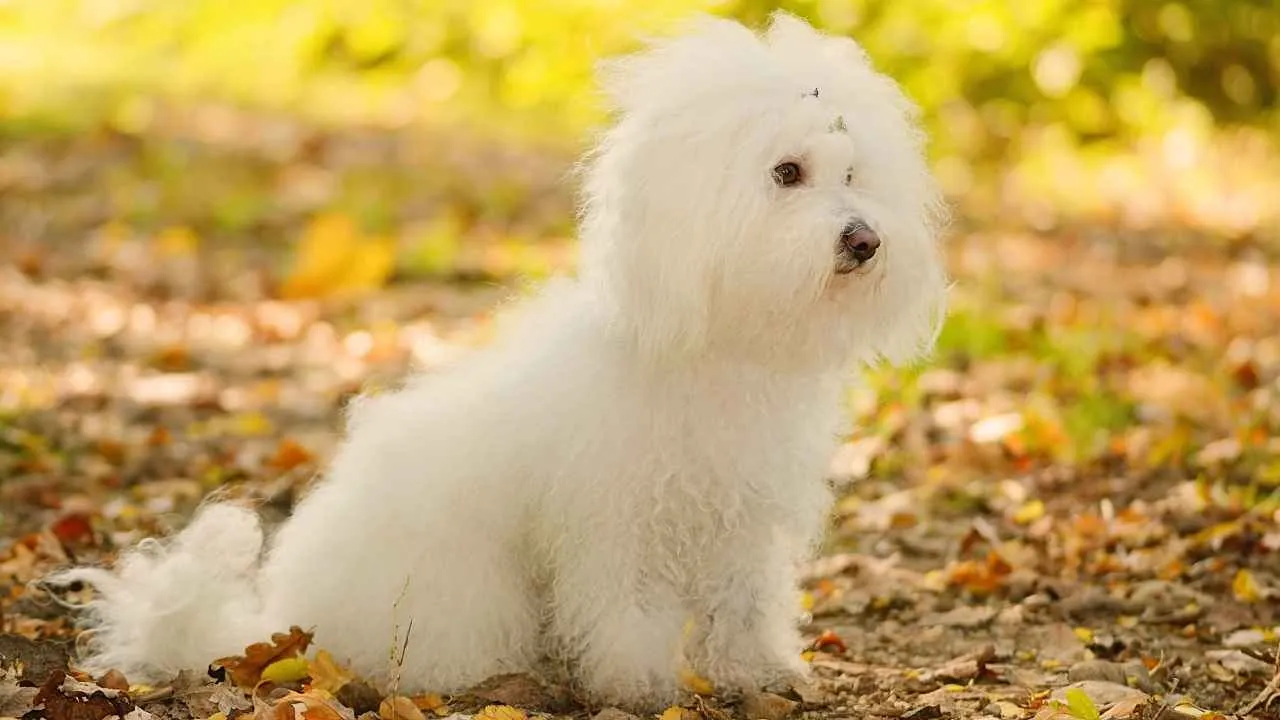
The Bolognese is a charming small dog from Italy and part of the Bichon family. It has a compact, sturdy body and a soft, fluffy white coat that looks like cotton. This breed is calm, loyal, and loves being around people.
It is not very high-energy, but still playful and intelligent. While it may seem a bit shy with strangers at first, it warms up quickly with proper socialization. The Bolognese forms a strong bond with its owner and prefers constant human companionship.
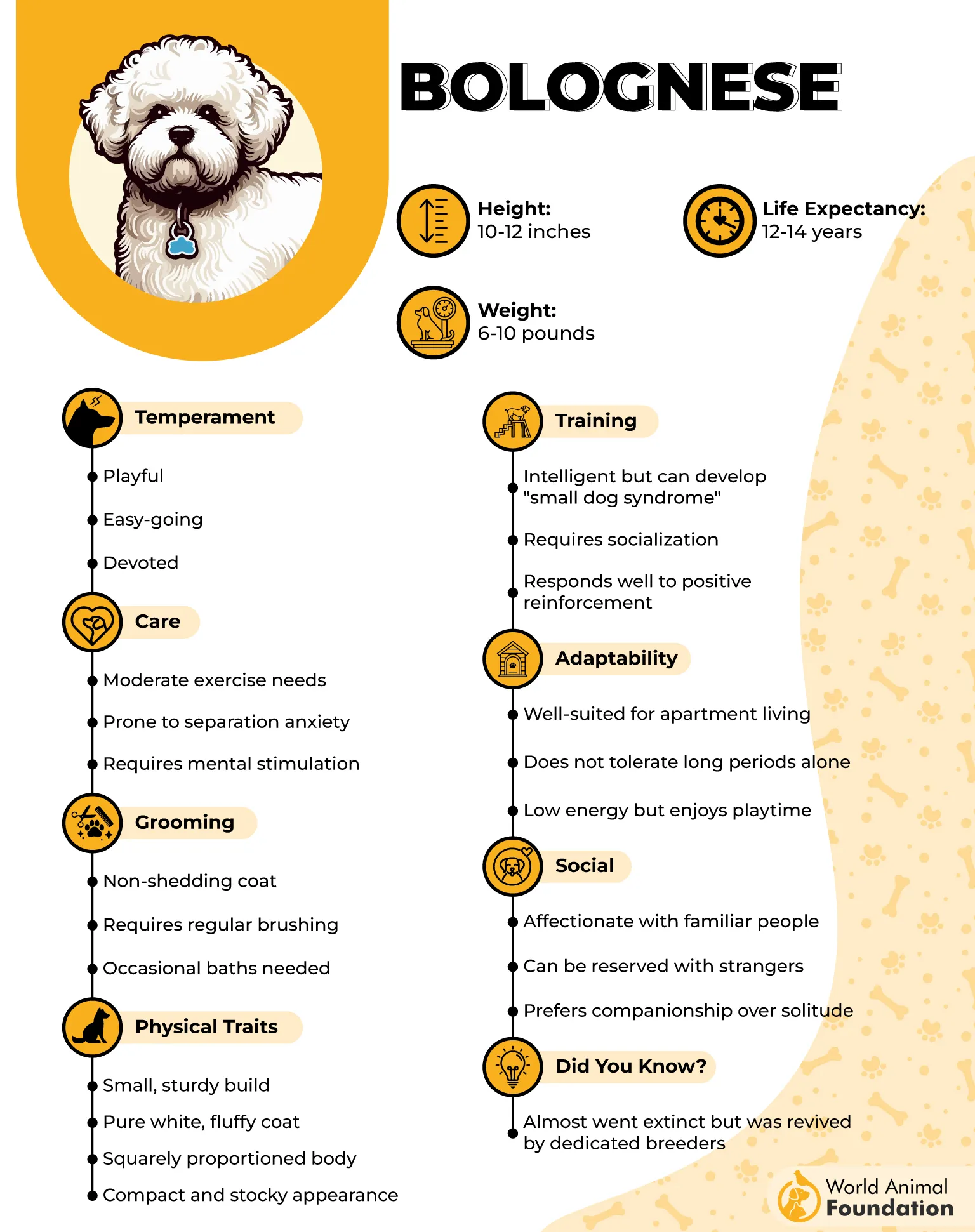
This breed is known for its easy-going and gentle nature, making it a good choice for beginners. It fits well in flats, as long as it gets some daily activity. The Bolognese enjoys simple playtime, short walks, and indoor games like fetch or hide-and-seek.
It is also a great companion for seniors or people who spend a lot of time at home. However, it does not like being left alone for long hours and may develop separation anxiety if ignored.
Why it’s great for beginners
Calm, friendly, and affectionate nature
Intelligent and quick to learn
Low shedding, suitable for mild allergies
Adapts well to apartment living
Enjoys simple exercise and mental stimulation
The Bolognese needs regular grooming to keep its coat clean and tangle-free. Many pet parents prefer a shorter coat for easier care. Occasional baths, nail trimming, ear cleaning, and regular teeth brushing are important. A balanced diet is also necessary, as this breed can gain weight easily.
Training should be gentle but consistent to avoid “small dog syndrome.” With time, care, and attention, this affectionate little dog becomes a devoted and beginner-friendly companion.
3. Havanese
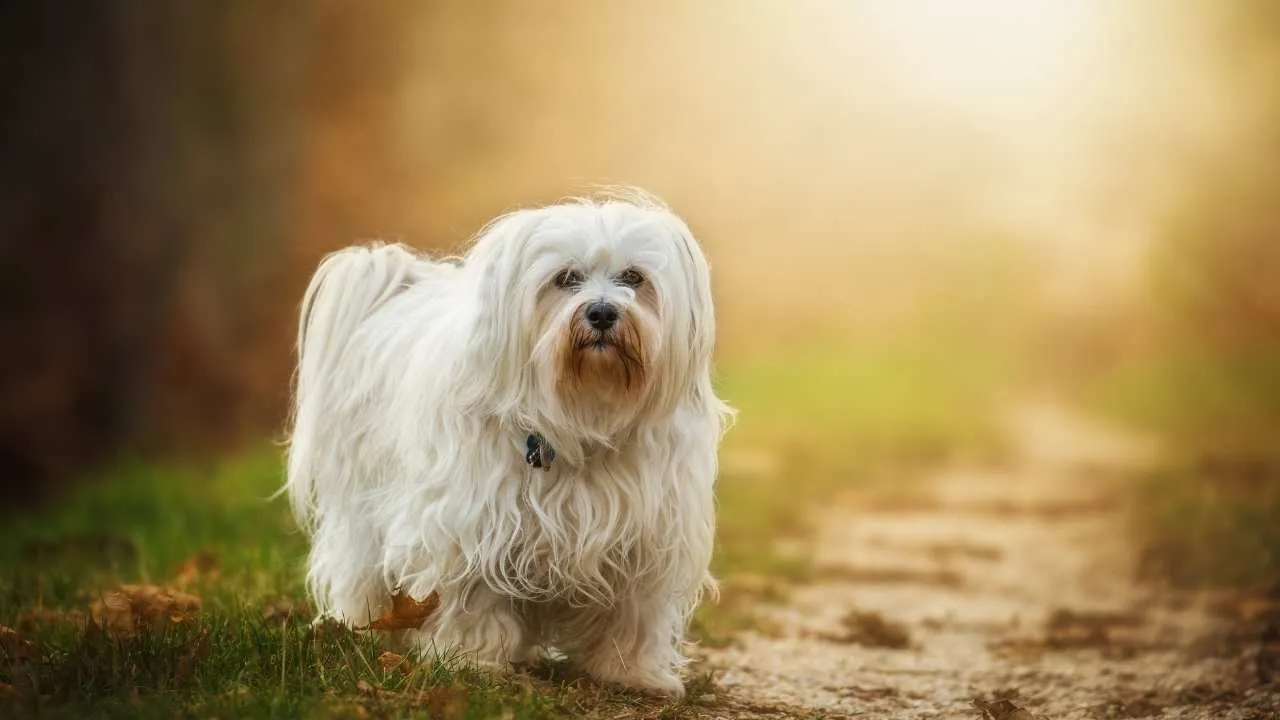
The Havanese, the only dog breed native to Cuba, is a cheerful and lively companion with a charming personality. With its curled tail, big brown eyes, and silky coat that comes in many colors, this breed easily stands out. Often called the “Havana silk dog,” its coat feels soft and smooth.
Havanese are friendly, social, and love being the center of attention. They are small but sturdy dogs, highly adaptable, and do well in both flats and houses—as long as they are close to their people.
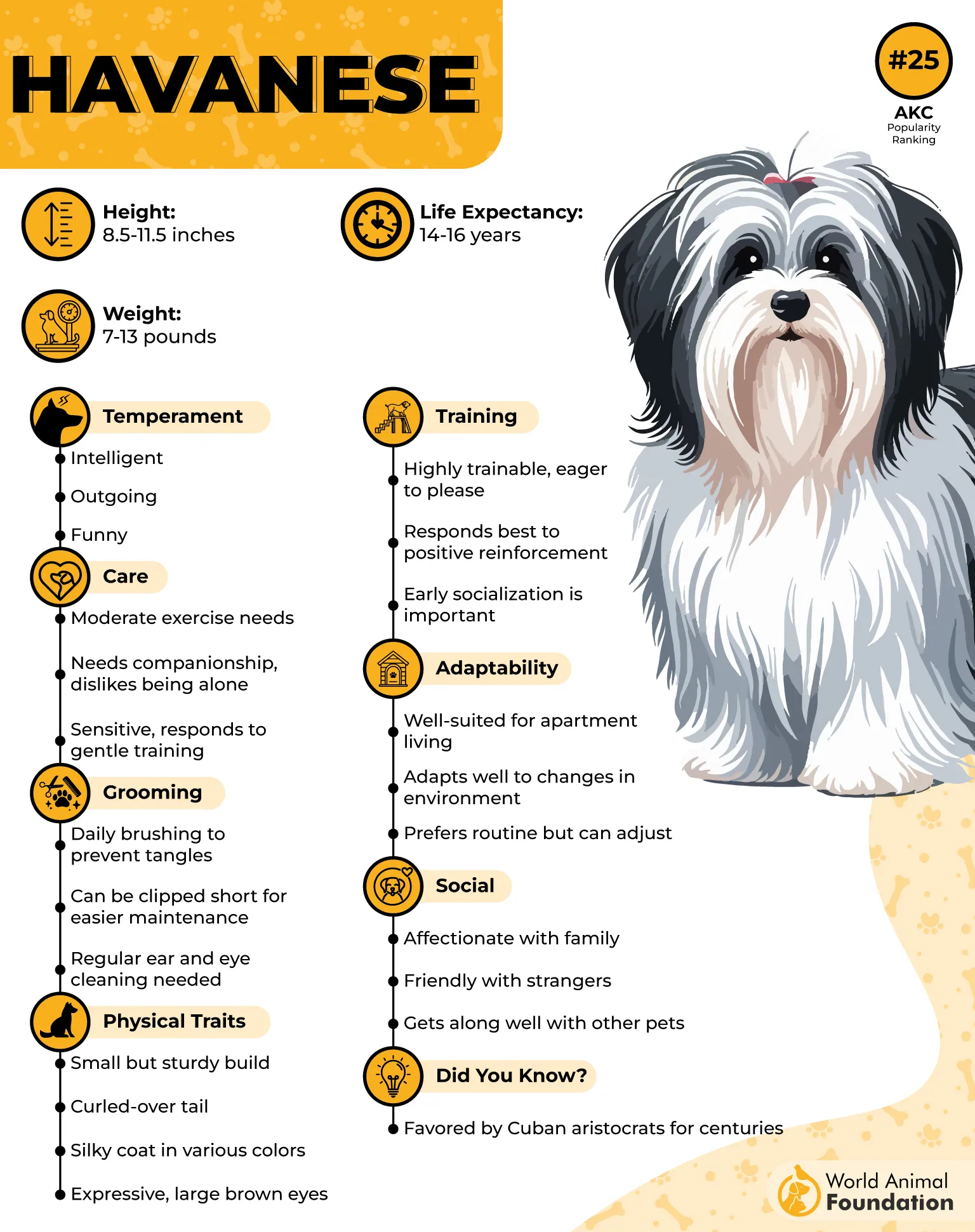
This breed is playful, intelligent, and loves learning tricks, often showing a fun, clown-like personality. Havanese are easy to train with positive methods and are eager to please, making them a great choice for beginners. They are affectionate with family members and usually get along well with other pets.
However, they do not like being left alone for long and need regular interaction to stay happy. Early socialization is important to prevent shyness around strangers.
Why it’s great for beginners
Friendly, social, and people-loving
Intelligent and easy to train
Adapts well to small homes and simple routines
Moderate exercise needs with play and short walks
Good watchdog with minimal barking
The Havanese needs minimal grooming to keep its long, silky coat free from tangles. Many owners choose shorter trims to make care easier. Gentle brushing several times a week, occasional baths, and basic hygiene like ear cleaning and nail trimming are important.
They enjoy daily walks and indoor play, but should not be over-exercised. A balanced diet is essential, as they can gain weight easily. With gentle training, regular care, and plenty of attention, the Havanese becomes a good dog breed for first-time dog owners.
4. Shih Tzu
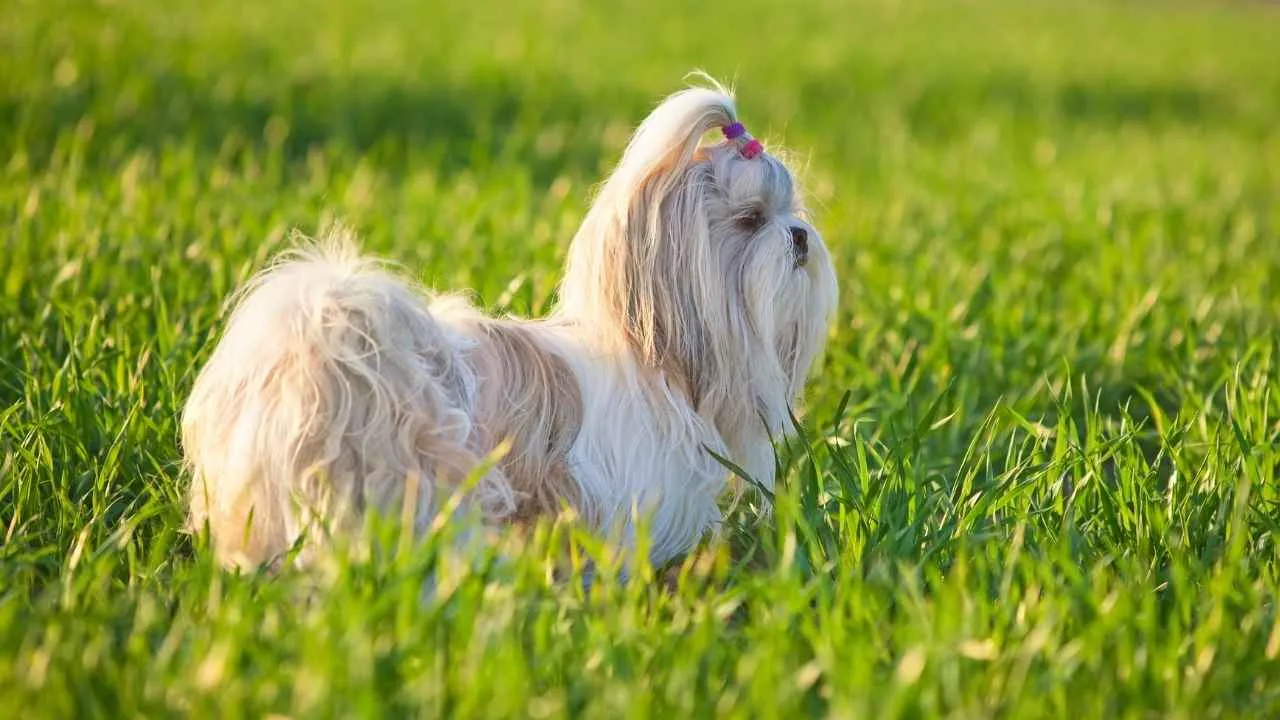
With its big dark eyes and sweet expression, the Shih Tzu has been winning hearts for centuries. Known as the “Lion Dog,” this breed was once a royal companion in palaces and still loves living indoors. It is a small dog breed but surprisingly sturdy, with a long, silky coat that comes in many colors.
Shih Tzus are affectionate, playful, and especially good with children. They enjoy attention and love being close to their family, often happiest sitting in your lap or relaxing beside you.
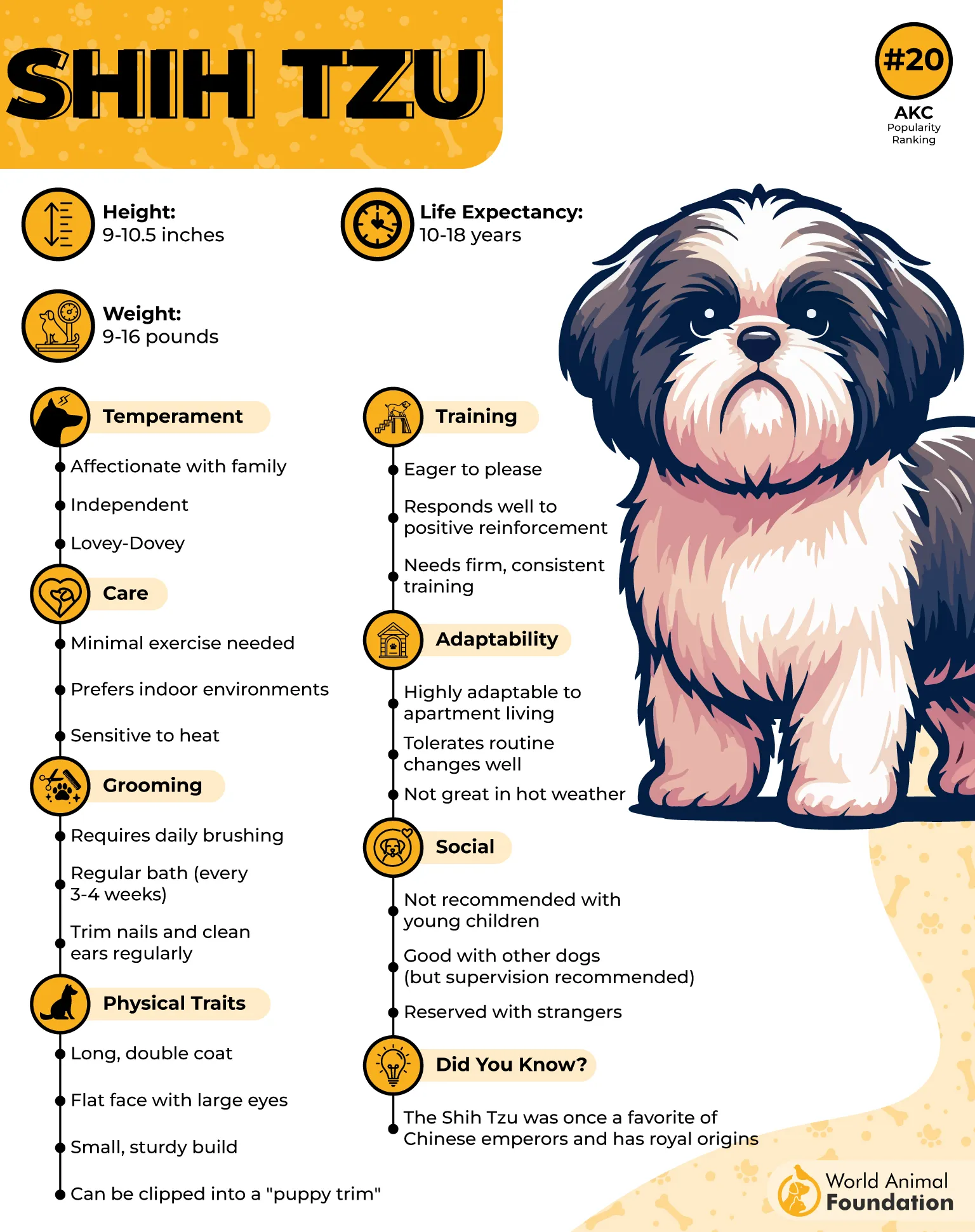
The Shih Tzu is a true companion dog, making it perfect for beginners. It adapts easily to apartment life and does not need much space or heavy exercise. Short daily walks and indoor playtime are enough to keep it happy. This breed is friendly with people and other pets, but it does not like being alone for long.
It can be a bit stubborn, often charming its way into getting what it wants, so consistent but gentle training is important.
Why it’s great for beginners
Loving, friendly, and great with families
Adapts well to flats and indoor living
Needs only light exercise, like short walks
Intelligent and responds well to positive training
Enjoys companionship and simple routines
The Shih Tzu’s coat needs regular care. Daily brushing helps prevent tangles, and many owners choose a shorter “puppy cut” for easier maintenance. Baths every few weeks, along with nail trimming and ear cleaning, are important.
Training should always be gentle, using praise and rewards, as harsh methods do not work well. They may bark to alert you and can gain weight if overfed, so a balanced diet is key. With proper care, attention, and love, this charming little dog becomes a joyful and wonderful companion.
5. Toy Poodle
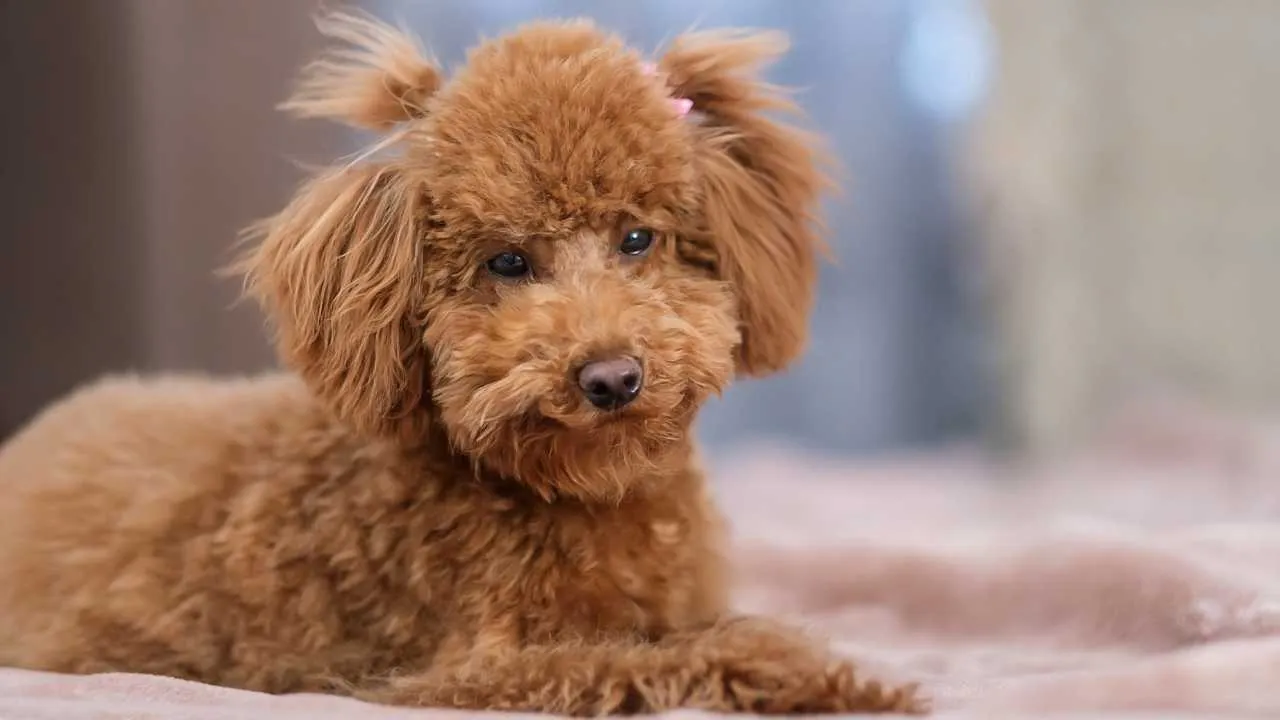
Don’t let the small size fool you—the Toy Poodle is one of the smartest and most elegant dogs you can find. Known for its curly, low-shedding coat and graceful build, this breed has long been seen as a symbol of style and intelligence.
Beneath that fluffy look is an active and athletic dog that loves to stay busy. Toy Poodles are friendly, people-oriented, and enjoy being involved in everyday family life.
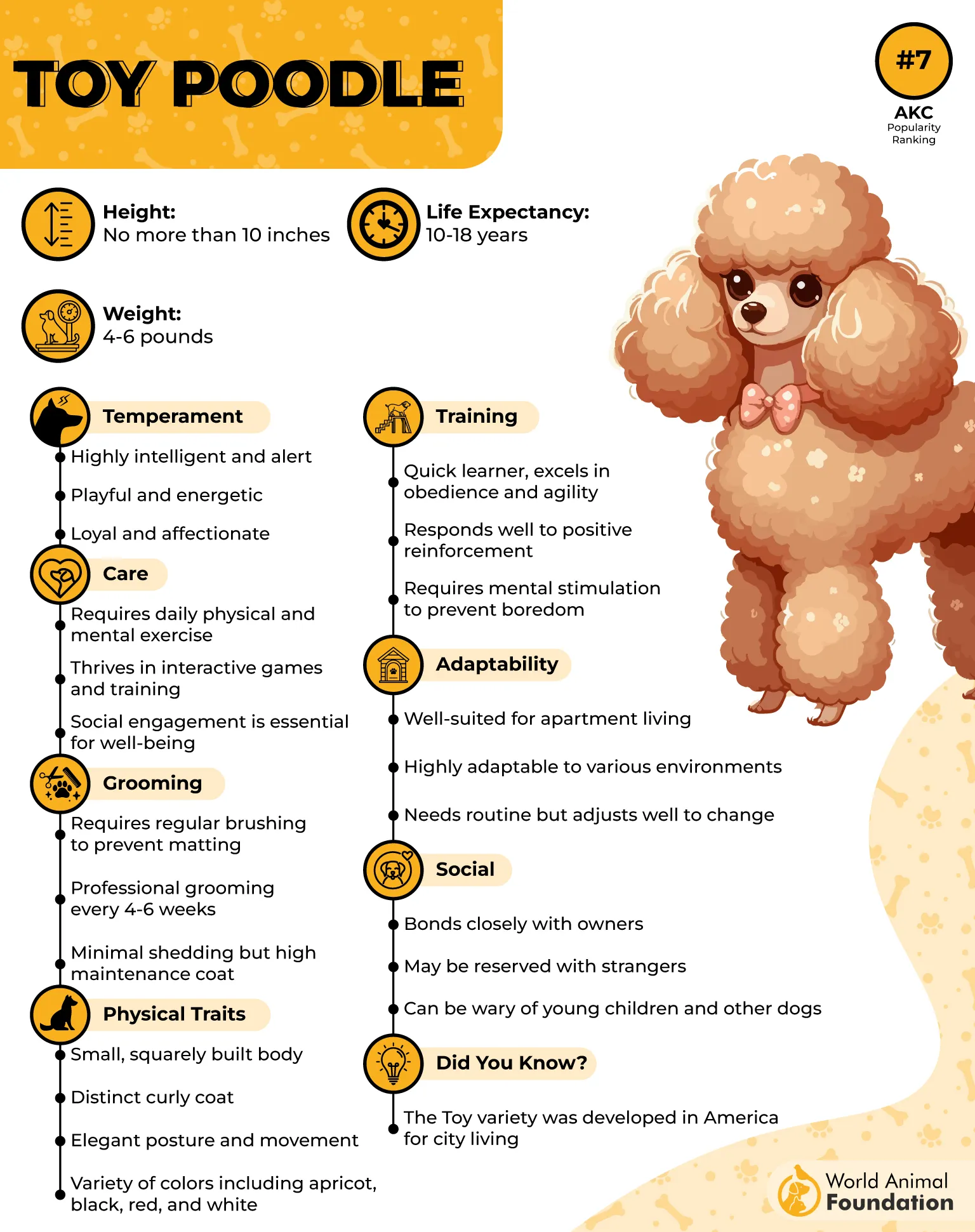
This breed is highly intelligent and easy to train, which makes it a great option for beginners. Toy Poodles learn quickly and respond well to fun, positive training methods. They are gentle, social, and usually get along well with other pets.
They also make good watchdogs and may bark to alert you. However, they are active dogs and need regular exercise like walks, playtime, or even games that challenge their mind.
Why it’s great for beginners
Extremely intelligent and quick to learn
Hypoallergenic coat, good for mild allergies
Friendly, people-focused, and gentle disposition
Enjoys training, games, and mental stimulation
Adapts well to home life with proper activity
The Toy Poodle’s curly coat needs regular care to prevent tangles. Brushing several times a week is important, and many owners choose shorter trims for easier maintenance. Baths and grooming are usually needed every few weeks.
Basic care like ear cleaning, nail trimming, and dental hygiene should also be maintained. With consistent training, proper grooming, and daily activity, this smart and lively little dog becomes an excellent family dog for first-time owners.
6. Brussels Griffon
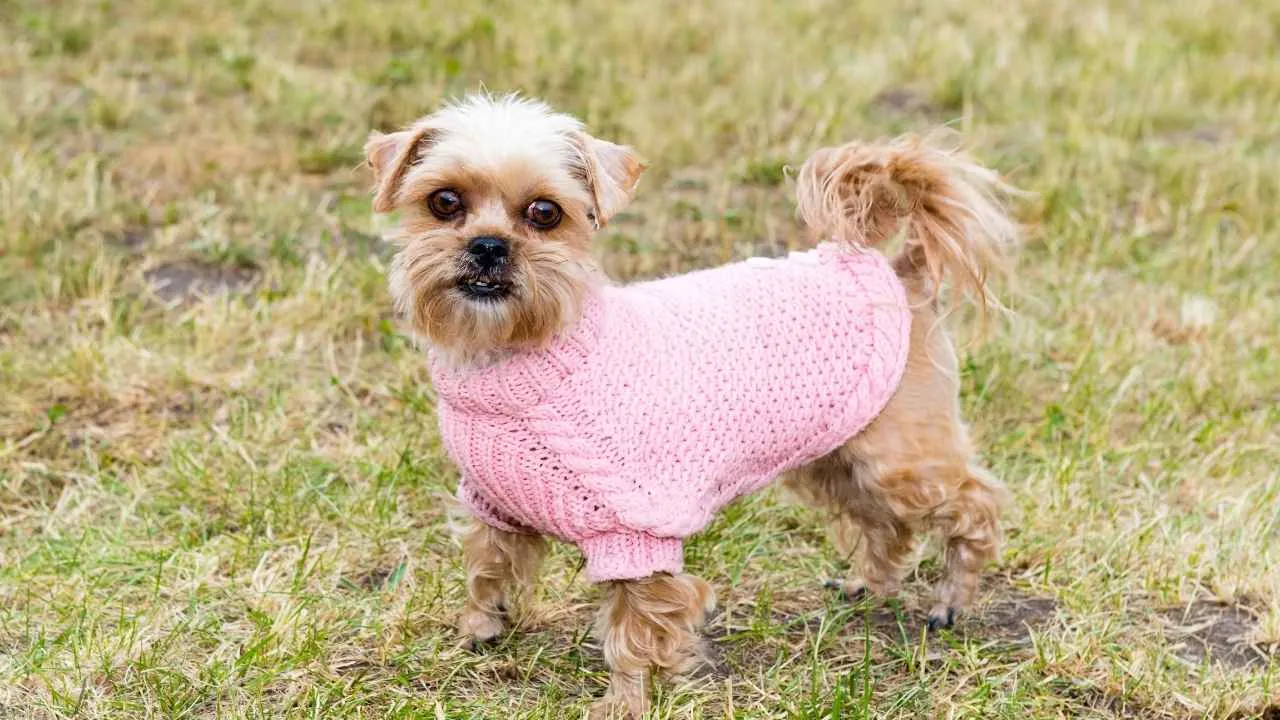
The Brussels Griffon may be small in size, but it carries a personality that feels much bigger than its body. Often described as having a “human-like” expression, this little dog is smart, sensitive, and full of character.
With its big round eyes, short muzzle, and bearded face, it almost looks like a tiny philosopher. It comes in smooth or rough coat types and different colors like red, black, and tan shades. Originally bred in Belgium as a small working dog, it now shines as a loving companion.
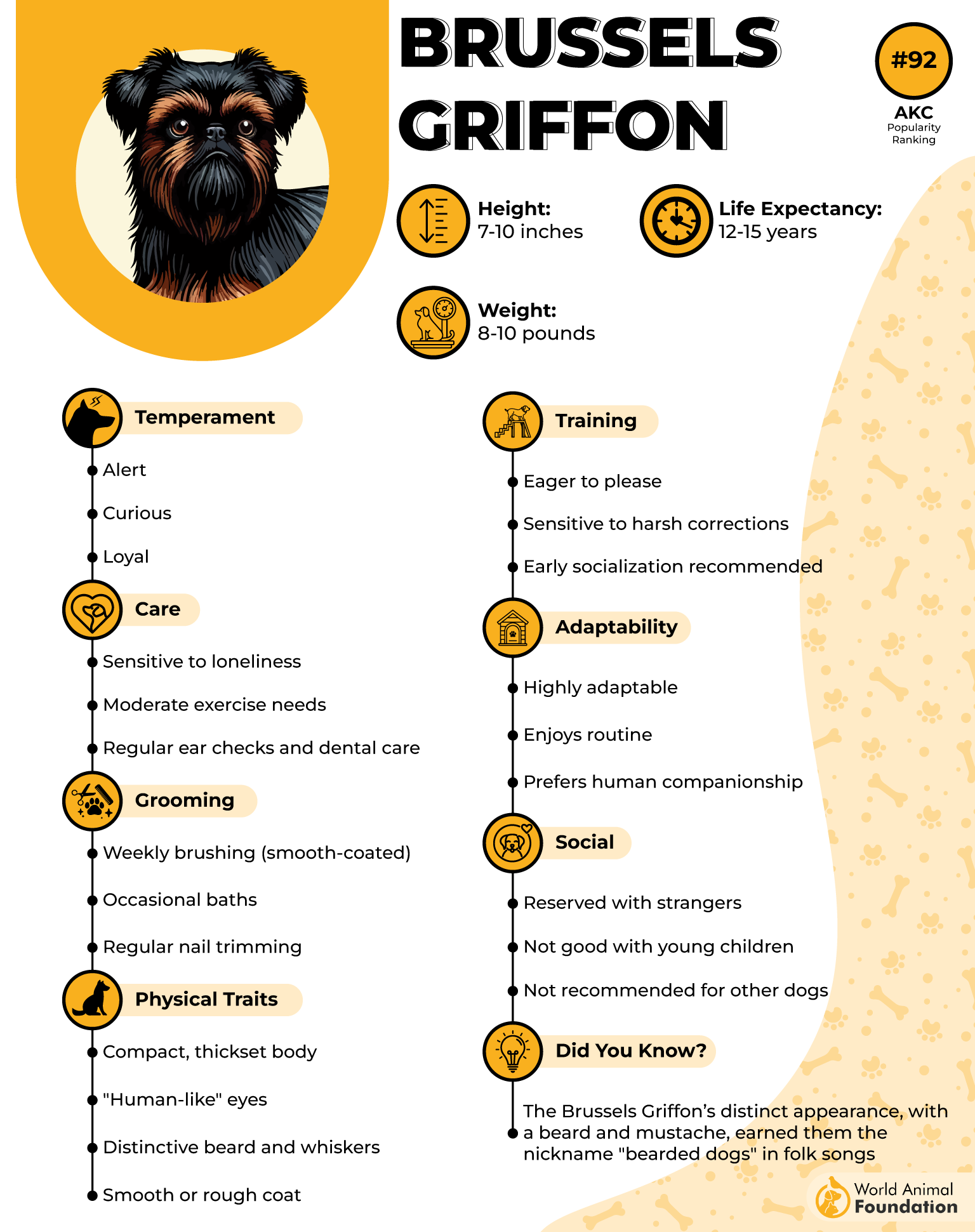
This breed is highly devoted and forms a strong bond with its owner. It loves attention and prefers to stay close to its family, often following them from room to room. Because of this, it is sometimes called a “Velcro dog,” as mentioned by PetMD. It does not like being left alone for long periods.
Brussels Griffons are intelligent and easy to train, but they are also sensitive, so gentle and positive methods work best. They have an alert and playful nature, but are not suitable for rough play with very young children.
Why it’s great for beginners
Extremely loyal and people-focused
Intelligent and responds well to gentle training
Moderate energy with simple daily walks
Adapts well to small homes and indoor living
Fun, expressive personality that keeps life lively
Brussels Griffons need regular but simple care. Smooth coats require weekly brushing, while rough coats need grooming and occasional trimming. Nails should be kept short, and basic ear and coat care is important. They need around 30 minutes of daily activity, like walks or light play.
They are social dogs that thrive on companionship and can become unhappy if ignored. With love, patience, and consistent care, this tiny breed becomes a deeply loyal and entertaining companion for first-time owners.
7. Papillon
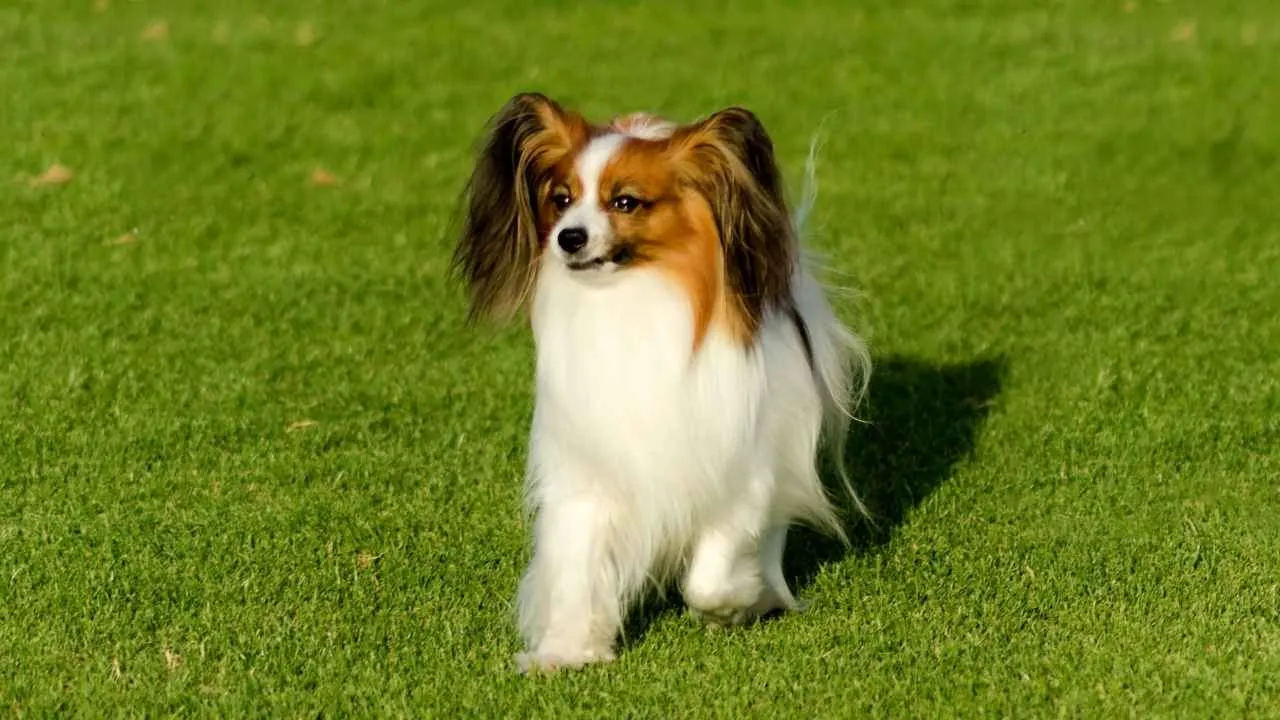
The Papillon is a small dog breed known for its butterfly-shaped ears and lively personality. In fact, its name comes from the French word for “butterfly,” inspired by its large, wing-like ears. Despite its elegant and delicate look, this breed is strong, active, and full of confidence.
It has a silky, long coat with a white base and beautiful color patterns. Papillons have been admired since the 16th century and remain popular family companions today.
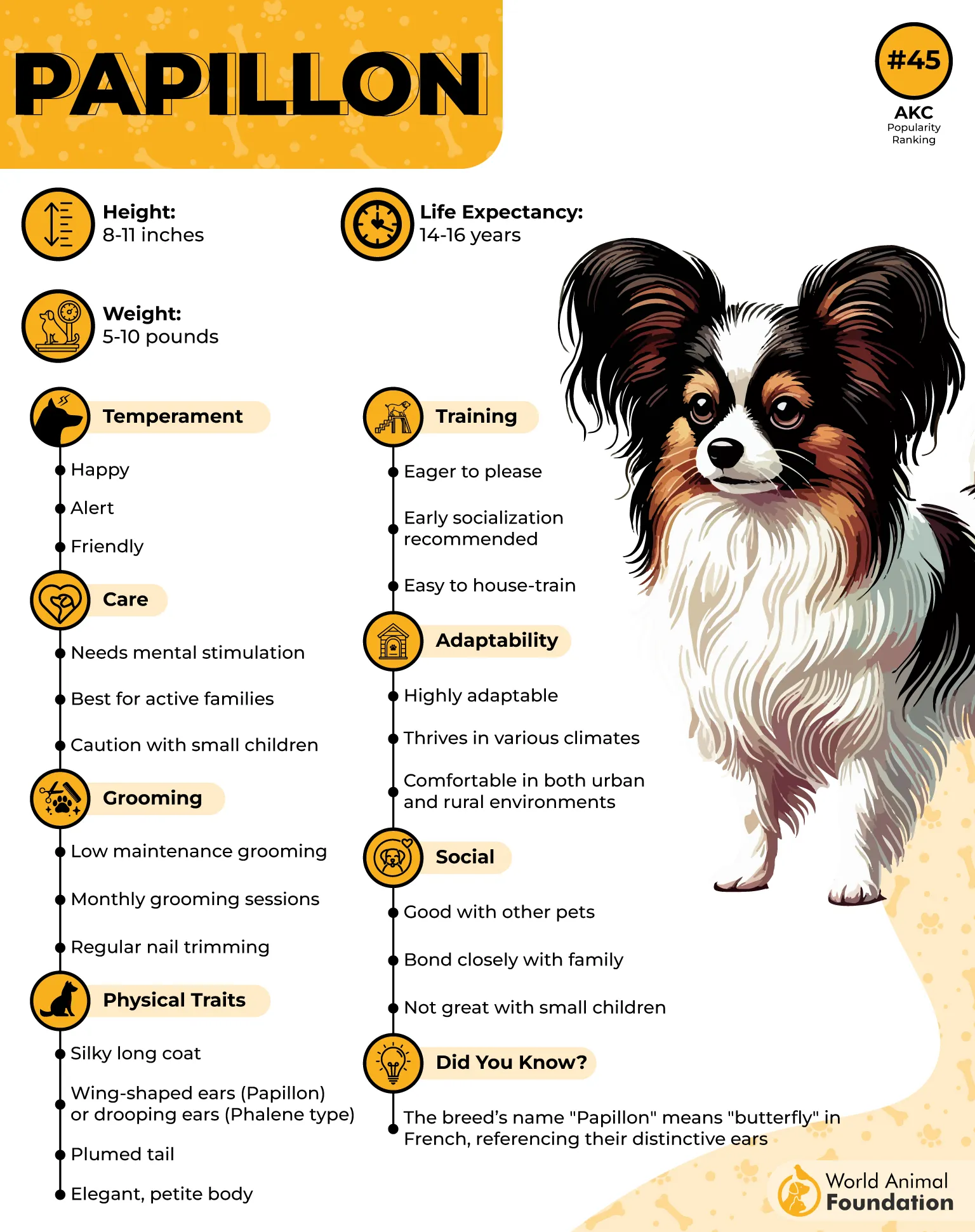
This breed is highly intelligent, friendly, and easy to train, which makes it a great choice for beginners. Papillons love being part of family activities and enjoy both indoor and outdoor play.
They are social dogs that usually get along well with children, other pets, and new people—especially when socialized early. However, they are very active and need daily mental and physical stimulation to stay happy and well-behaved.
Why it’s great for beginners
Very intelligent and quick to train
Friendly, social, and people-loving
Low grooming needs compared to many long-haired breeds
Adaptable to flats and different lifestyles
Active but easy to exercise indoors or outdoors
WebMD mentions that Papillons need only light grooming, as they do not have an undercoat. Occasional brushing and a bath every few months are usually enough. They enjoy games like fetch and short walks, and they also excel in agility and trick training.
Because they are very attached to their owners, they may develop separation anxiety if left alone too long. With attention, training, and companionship, the Papillon becomes an excellent family pet.
Conclusion
Choosing a small breed as a beginner can make the journey of dog owners much smoother and more enjoyable. These pocket-sized companions are not only easier to manage in terms of space and care, but they also bring big personalities, loyalty, and affection into everyday life.
At the end of the day, the right dog breed is the one that fits your lifestyle, energy, and time commitment. A dog is not just a pet—it becomes part of your daily life and emotional world.
So take your time, understand each breed’s needs, and choose a furry friend that truly matches you. When the right connection happens, even the smallest dog can bring the biggest joy.
