




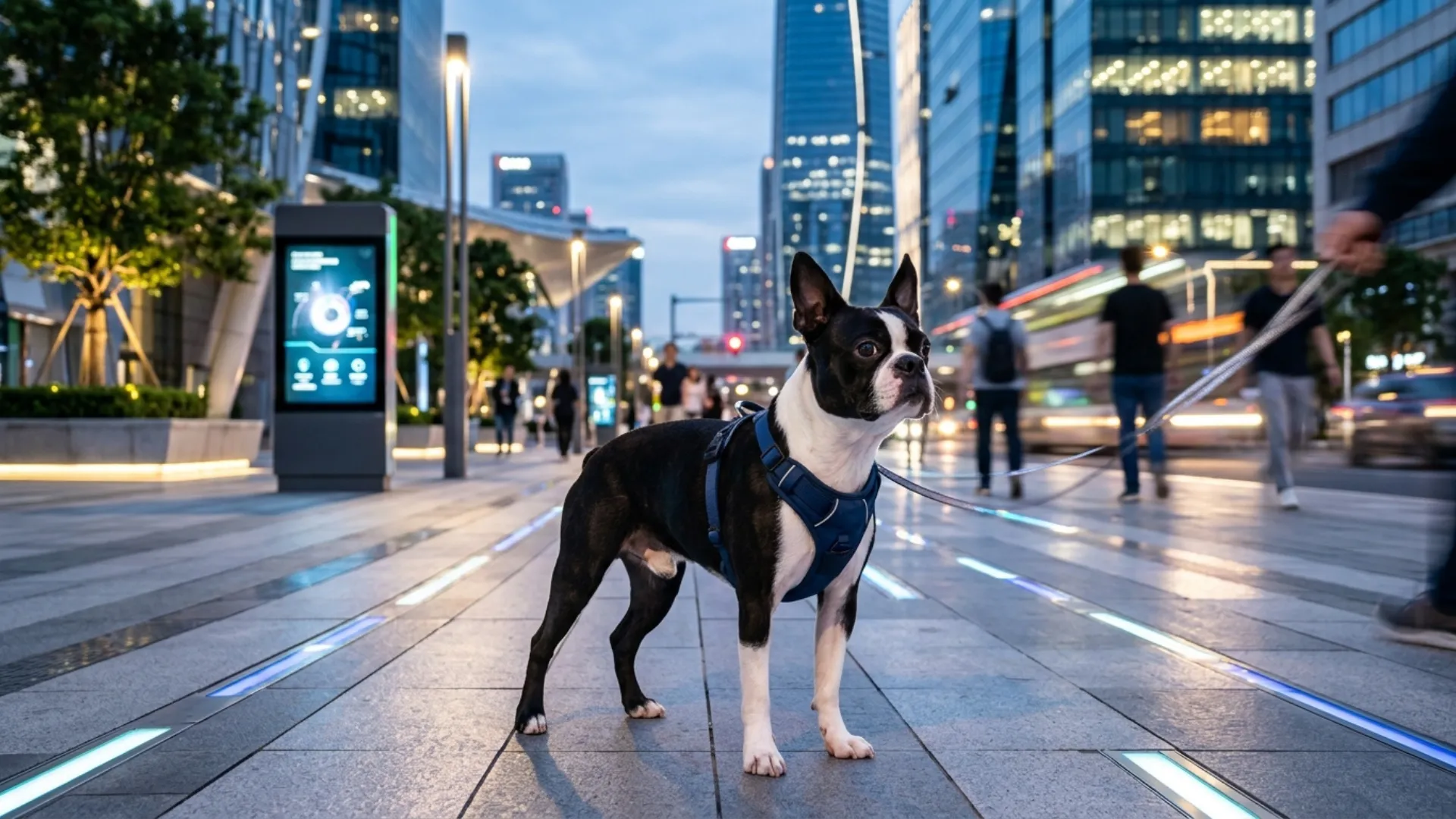
City life can be a great match for the right dog, especially one that is bright, adaptable, and eager to learn.
Intelligent breeds often thrive in busy neighborhoods because they can pick up routines quickly, respond well to training, and enjoy the mental challenges that come with daily walks, new sights, and close living spaces.
Still, a smart dog is not always the easiest dog. These pups usually need plenty of attention, structure, and enrichment to stay happy and well-behaved.
In this guide, we’ll look at intelligent dog breeds that fit smart city living and what makes them such great companions for life in an urban environment.
Intelligent Dog Breeds for Smart City Living
1. Toy Poodle
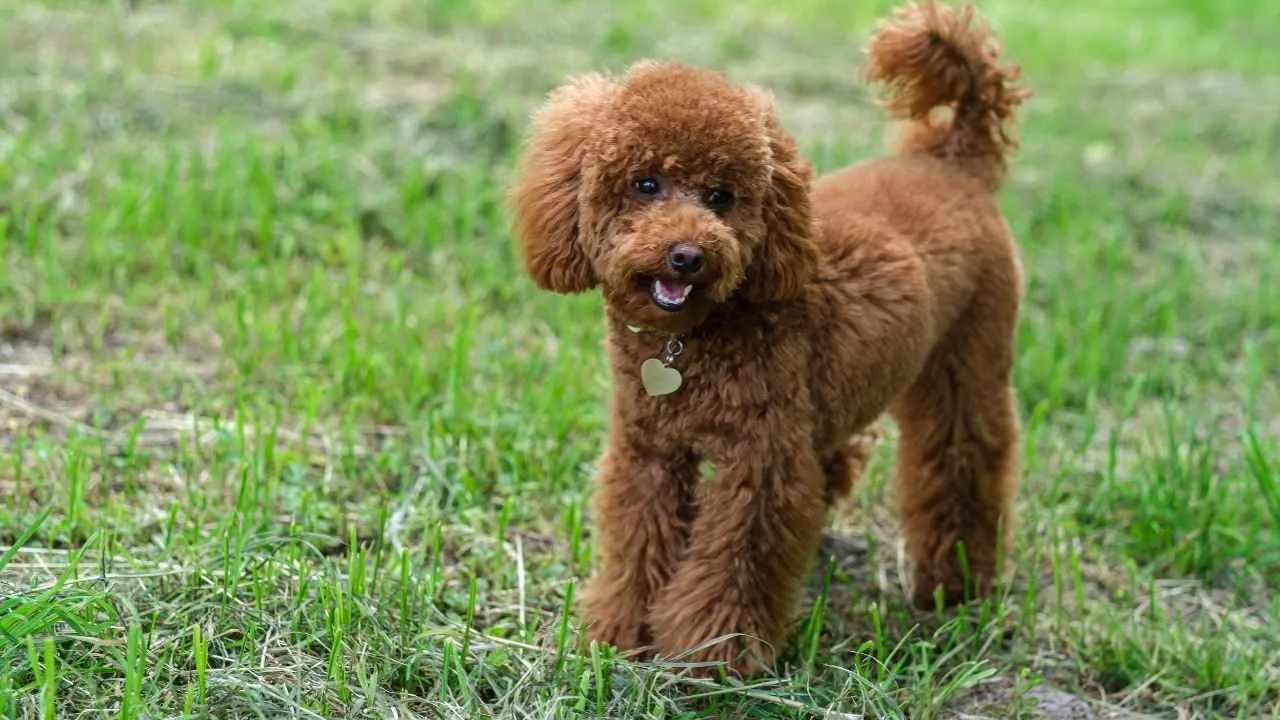
Tiny but never timid, the Toy Poodle packs a lot of brainpower into a very small frame. PetMD describes the breed as one of the smartest dog breeds, and that sharp mind shows up in how quickly these dogs learn and how eager they are to work with their people. Even at no more than 10 inches tall, they have a playful personality that can take over a room.
Training is usually less of a battle and more of a conversation, because Toy Poodles are eager to please and enjoy learning. They still need more than a quick walk around the block, though. Daily walks, play sessions, puzzles, obedience work, and games like nose work or agility help keep that busy mind from inventing its own projects.
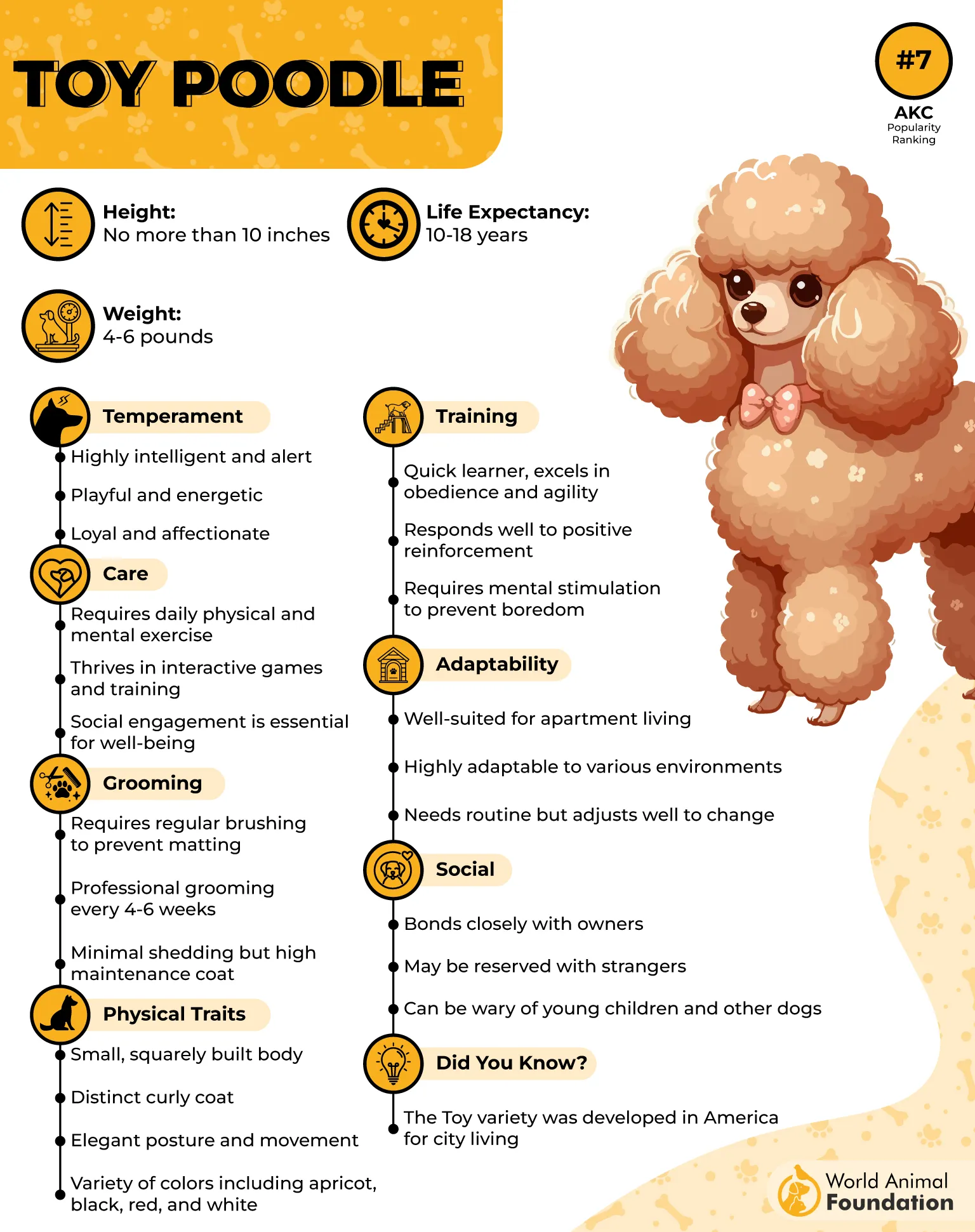
Their curly coat sheds very little, which can make them a smart pick for some allergy-prone homes, but grooming is serious business. The hair keeps growing, mats easily, and usually needs daily brushing plus regular trims every four to six weeks. They also bond closely with their families, so they do best when they get attention, playtime, and company instead of long stretches alone.
Why This Breed Is a Good Fit
Quick learners usually settle into elevators, hallway noise, and daily routines with less fuss.
Their tiny size works nicely in smaller homes, but their love of games keeps life from feeling cramped.
A Toy Poodle can turn a walk, a training session, and a puzzle toy into a very satisfying day, even for first-time dog owners.
2. Cavalier King Charles Spaniel
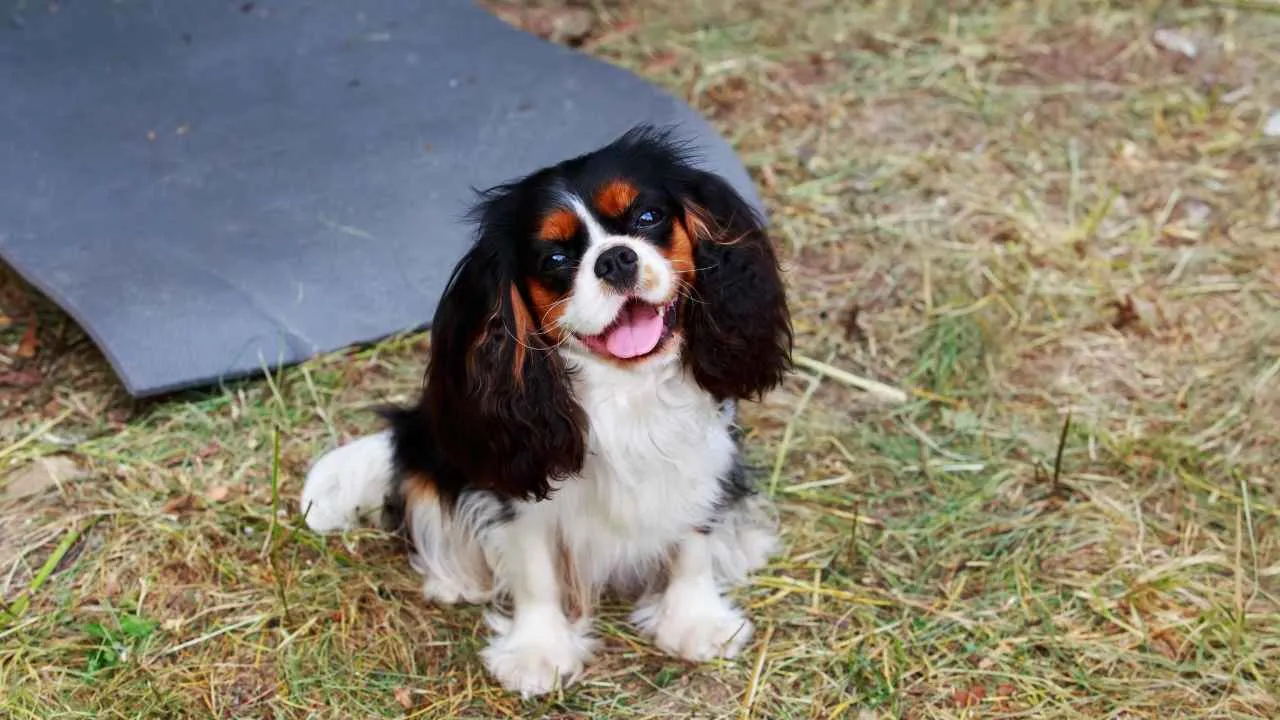
The Cavalier King Charles Spaniel was bred for companionship, and it still acts like being near its people is a full-time career. These little dogs were developed to warm laps in drafty castles and carriage rides, which helps explain why they are so devoted, affectionate, and ready to curl up beside you the second you sit down. Their gentle nature also makes them a welcoming match for first-time dog parents.
Cavaliers are friendly and loyal, and the sources describe them as tolerant and patient with children, cats, other dogs, and even strangers. They need regular exercise and mental stimulation, but the demand is moderate rather than marathon-level. Two 20- to 30-minute walks a day, some playtime, and a chance to be included in family life usually suit them just fine.
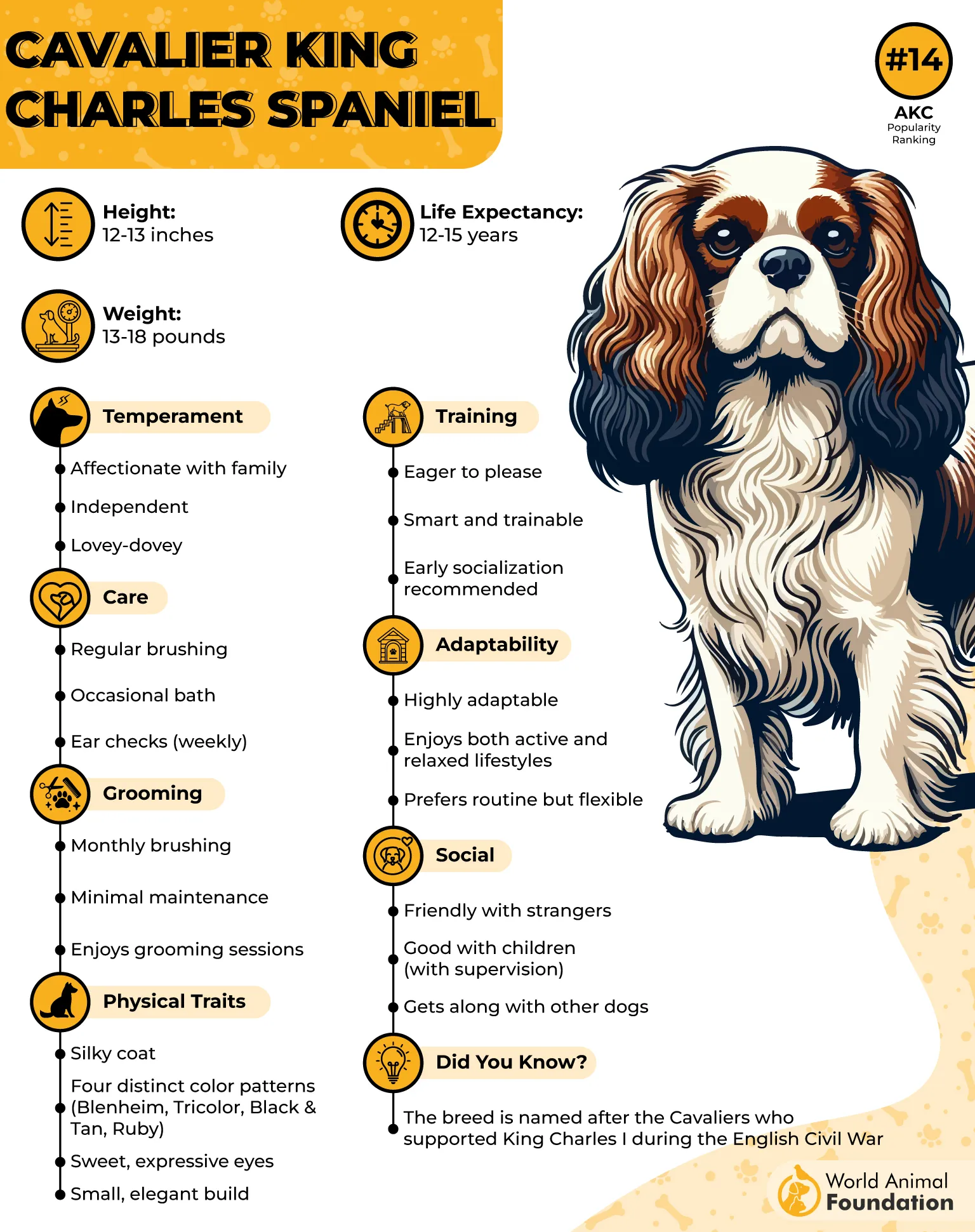
This breed adapts well to different homes, from active families to quieter households, and it can do well in small apartments too. According to Hill’s Pet, training tends to go smoothly because Cavaliers are eager to please and pick up new cues when sessions stay short, fun, and reward-based. They should not be left alone for long stretches, and off-leash outings are a poor idea because an interesting smell can send them wandering.
Why This Breed Is a Good Fit
This breed wants to stay close, which suits homes where the dog is part of everyday routines instead of parked in the background.
Moderate exercise needs make neighborhood walks feel manageable, not like a second job.
Their social, easygoing nature helps them settle into apartments, family homes, and homes with other pets.
3. Boston Terrier
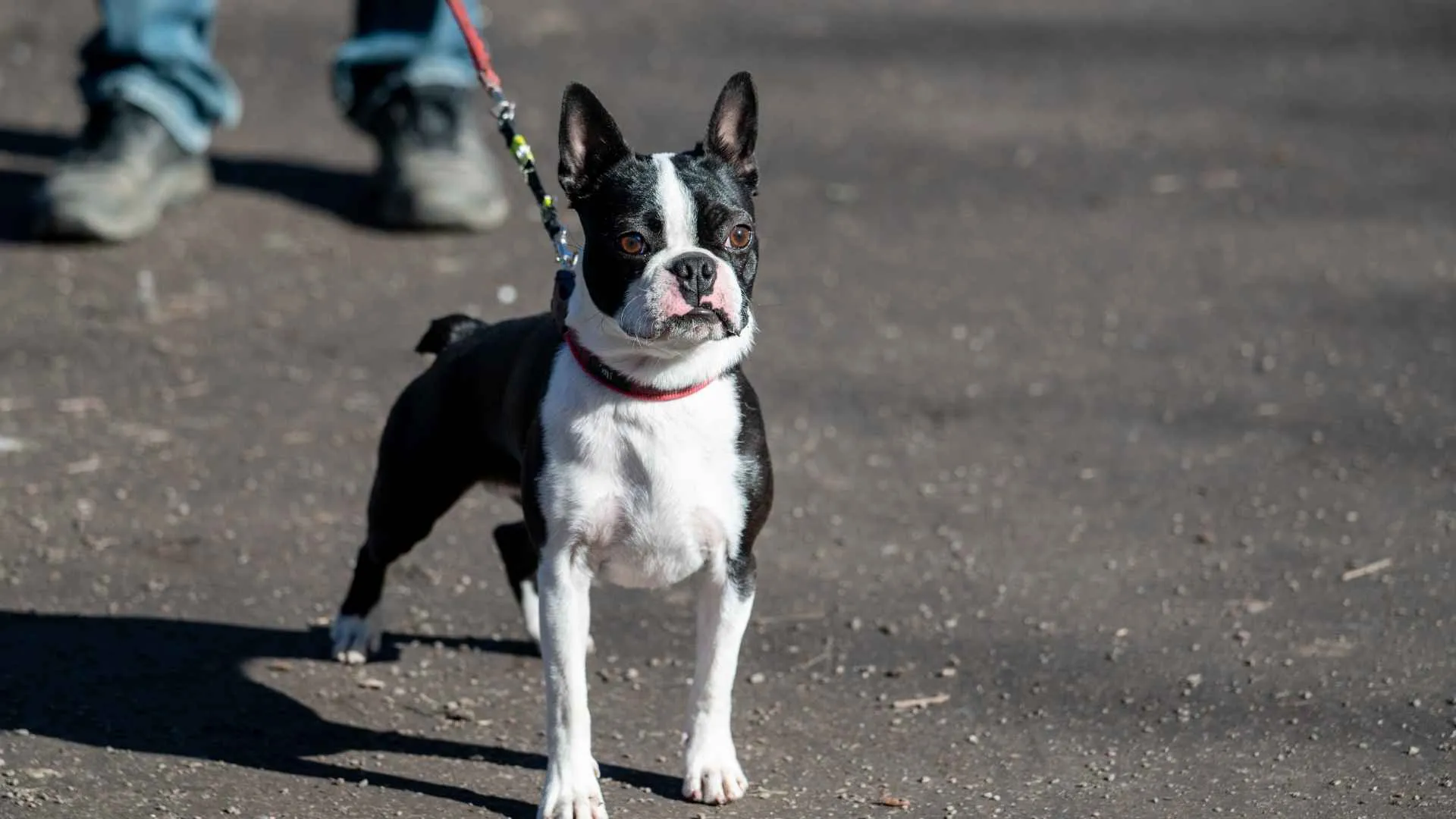
Boston Terriers bring a lot of personality without taking up much space. Their small size makes them comfortable in apartments and easy to travel with, and their square build, short coat, and tuxedo-style markings give them a look that seems ready for a party even when they are just heading out for a walk. Some dogs look serious. A Boston usually looks like it is about to crack a joke.
WebMD states that these dogs are bright, friendly, and extremely people-oriented, so they tend to throw themselves into family life with real enthusiasm. They enjoy engagement, benefit from routine, and are reasonably easy to train, but they are not fans of being ignored for hours. Boston Terriers can also become possessive of toys or food, so clear habits and regular interaction matter.
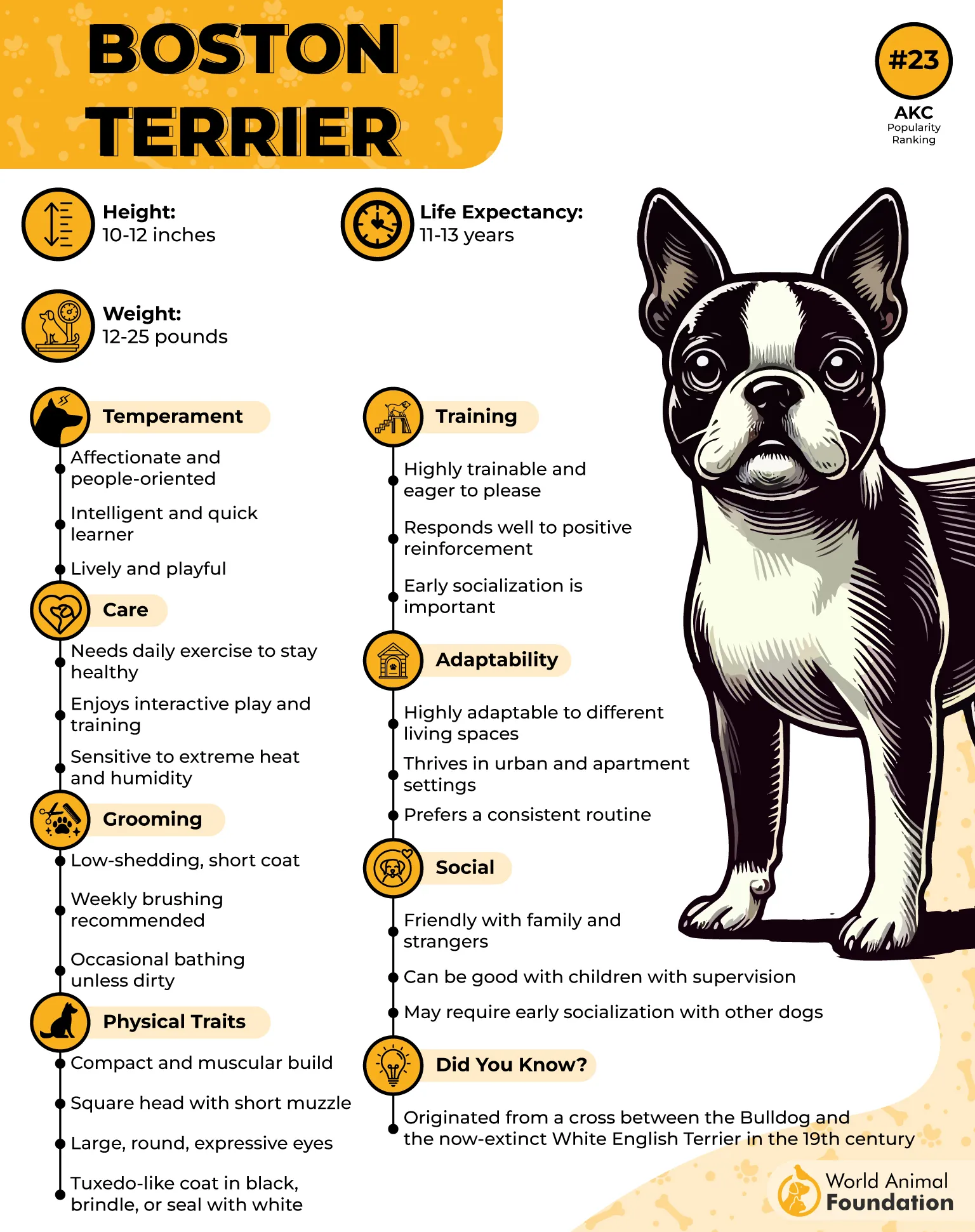
Exercise needs vary, but one to two walks a day are a solid start, and many Bostons are happy to keep going if fetch is involved. Grooming is refreshingly simple with weekly brushing and occasional baths, and they rarely bark without reason or shed very much. Sensitive training works best, especially since this breed can also snore and reverse sneeze because of its tiny nostrils and narrow trachea.
Why This Breed Is a Good Fit
Apartment living is easier with a dog this compact, especially one that rarely barks without reason.
Bostons like action, so city walks, fetch, and regular routines give them plenty to do.
Their people-first attitude makes them a fun company for households that want a smaller dog with a big social battery.
4. Miniature Schnauzer
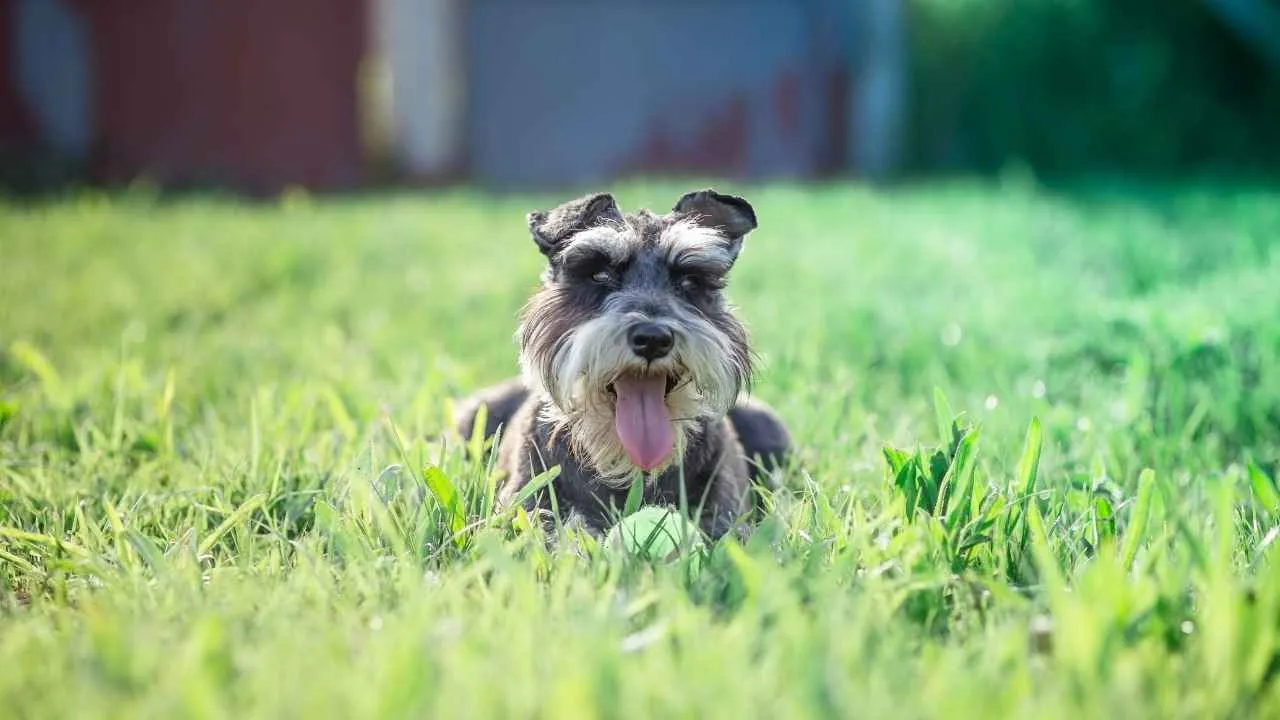
The Miniature Schnauzer has the kind of face that seems ready to offer an opinion, and honestly, that fits. This breed is bright, friendly, obedient, and trainable, with a sturdy little body and a bold attitude that comes from its history as an all-around farm dog and ratter. It is small enough for apartment life, but it does not think of itself as a delicate decoration.
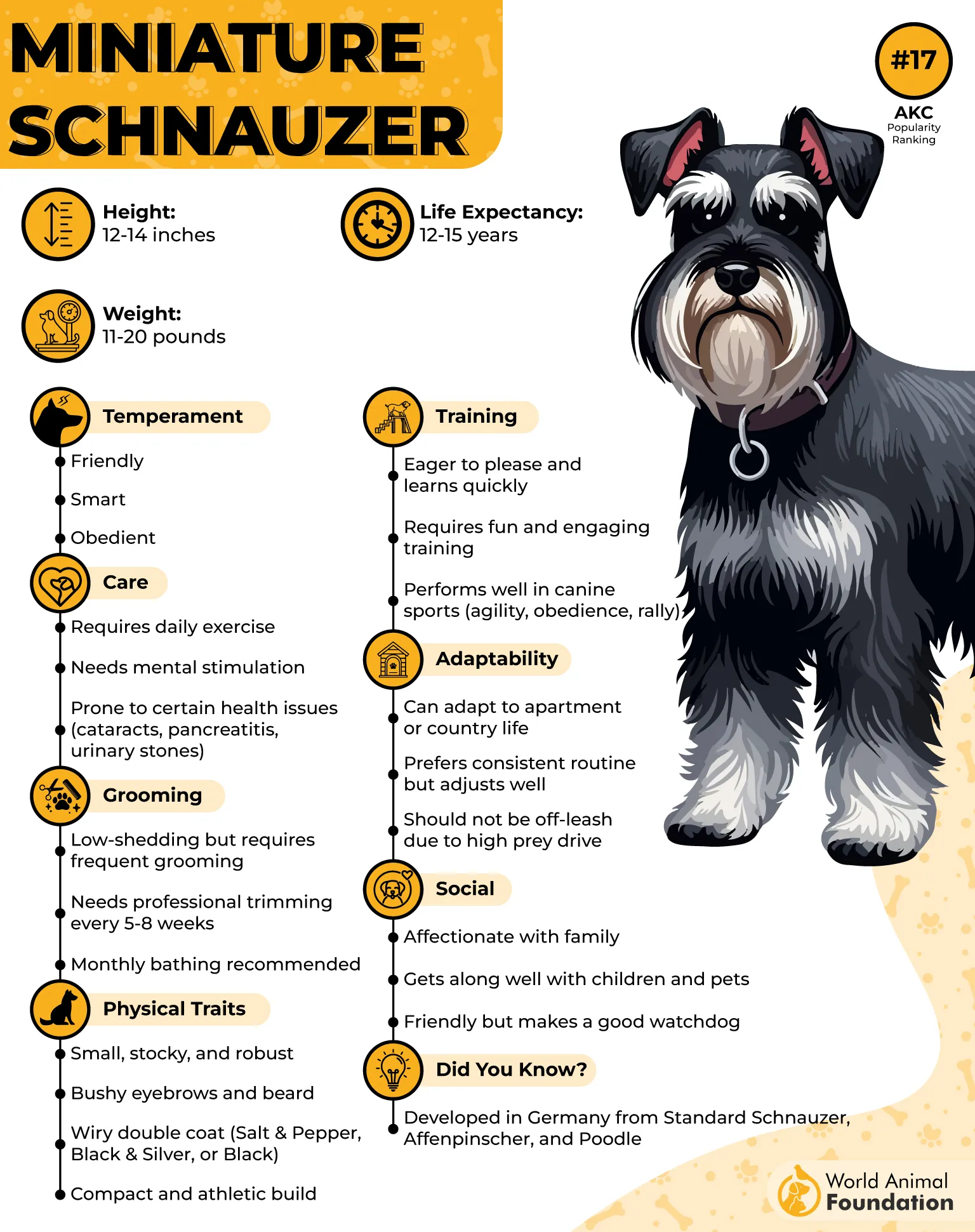
Minis are home-and-family dogs that enjoy vigorous play and like being involved in whatever their people are doing. They adapt to city or country living, need regular daily exercise, and do best when they have a safe space to run or chase a ball. Because they have a strong prey drive, off-leash freedom is a terrible idea unless the area is fenced.

Training usually moves quickly, but repetition can bore them, so lessons need variety and a little spark. Early socialization and puppy classes are useful, and the breed can do well in activities like agility, obedience, rally, and earthdog events. Their wiry double coat sheds very little, though it still needs regular brushing, grooming, and trims every five to eight weeks to stay neat.
Why This Breed Is a Good Fit
Small size plus strong trainability make this breed easier to manage in tighter urban spaces.
They stay mentally engaged when city dogs need it most, as long as walks, play, and training stay in the routine.
A Miniature Schnauzer also brings alert watchdog energy, which many pet parents appreciate in shared buildings.
5. Pomeranian
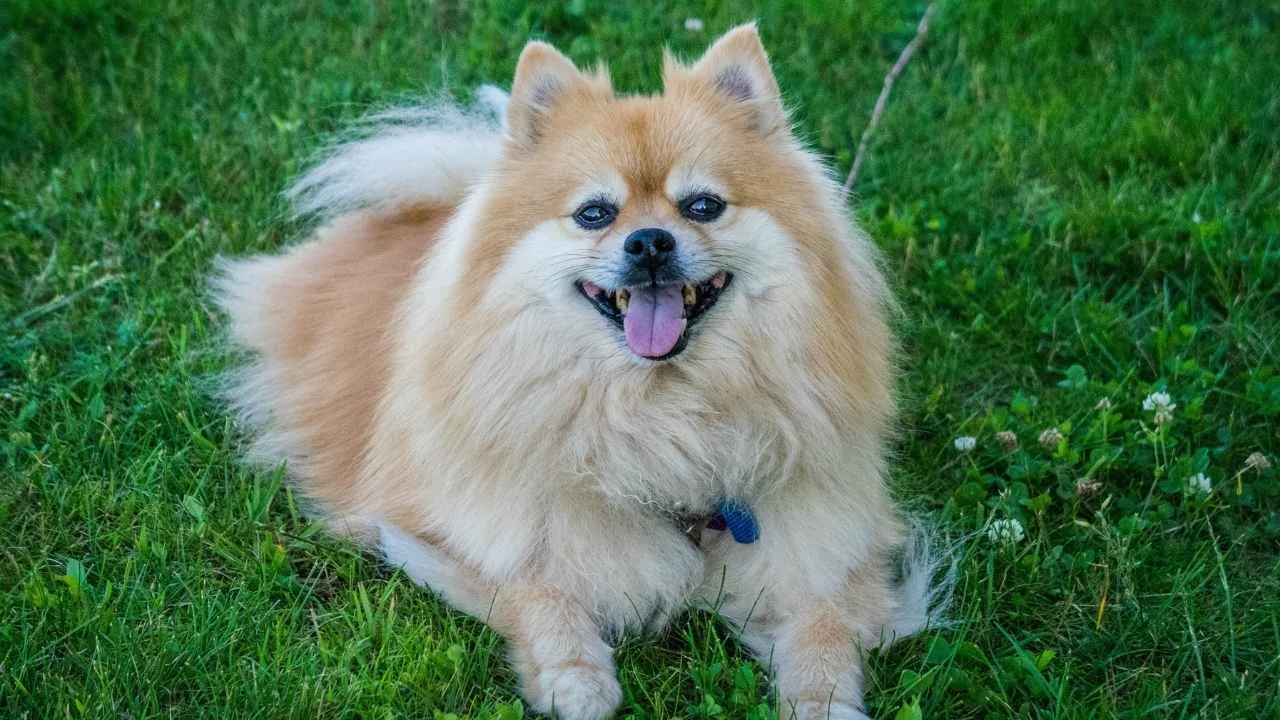
A Pomeranian may be tiny, but it does not arrive quietly. This breed is described as perky, friendly, highly intelligent, and sometimes boldly willing to challenge much larger dogs if training and socialization are skipped. That big-dog attitude can be funny, impressive, and a little dramatic, often all before breakfast.
These dogs enjoy mental stimulation and respond best to positive, reinforced training that works with their intelligence instead of trying to out-stubborn them. They can have an independent streak, and they are very alert, which is why they often make good alarm dogs. That same watchful nature can also tip into excessive barking, so manners matter early and often.
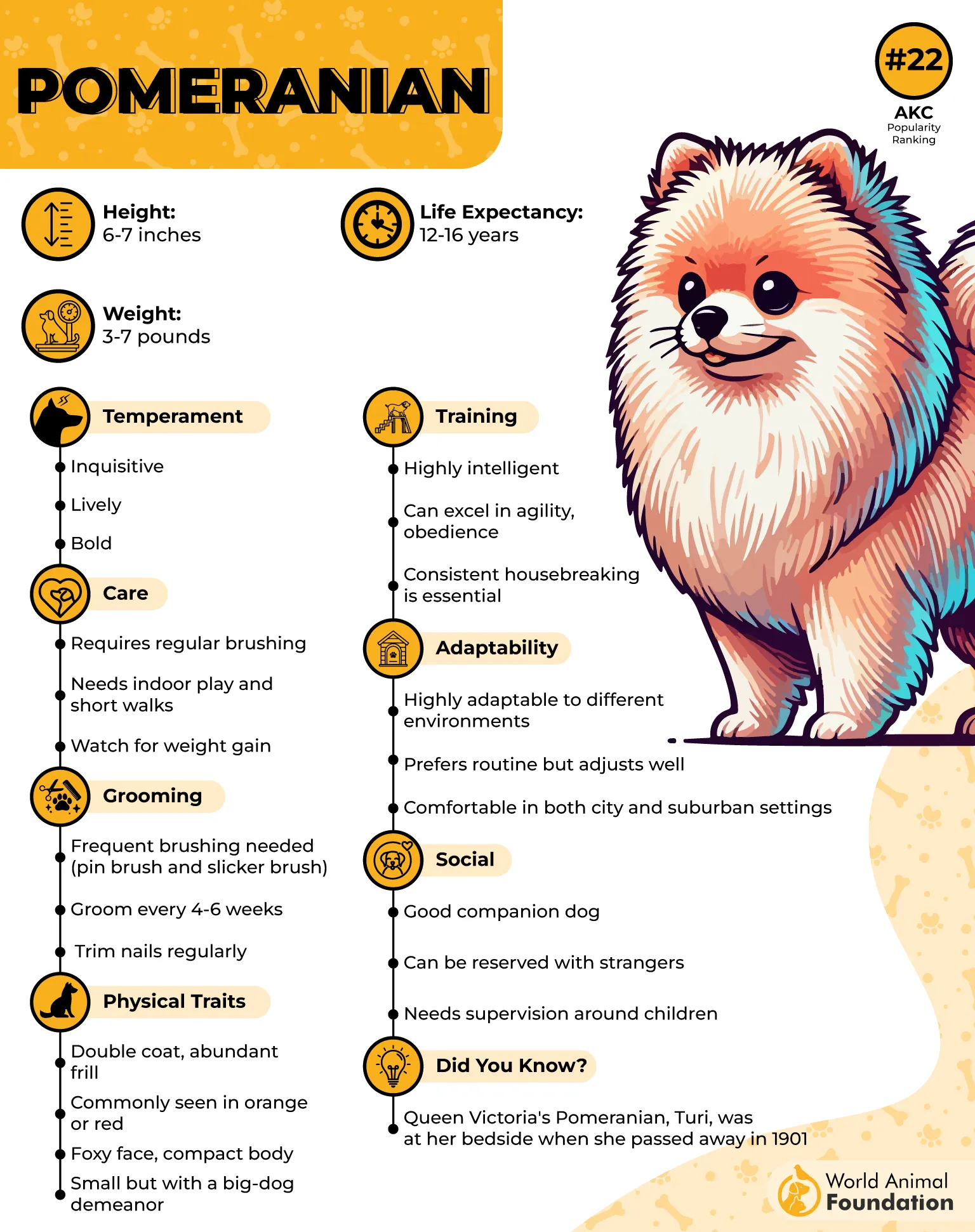
Pomeranians are active, but their small size means they usually do well with indoor play and short walks rather than huge outings. They thrive on companionship and tend to form easy, harmonious bonds with their people and other pets. Their fluffy double coat needs brushing two to three times a week, full grooming every four to six weeks, and a little care, because this is a toy breed that is charming but not especially sturdy around rough handling.
Why This Breed Is a Good Fit
Indoor play and short walks make this breed easy to keep happy when outdoor space is limited.
Their sharp, alert nature helps them stay tuned in to the rhythm of a busy home.
A Pomeranian brings lively company without needing the kind of exercise schedule that takes over your entire day.
6. Havanese
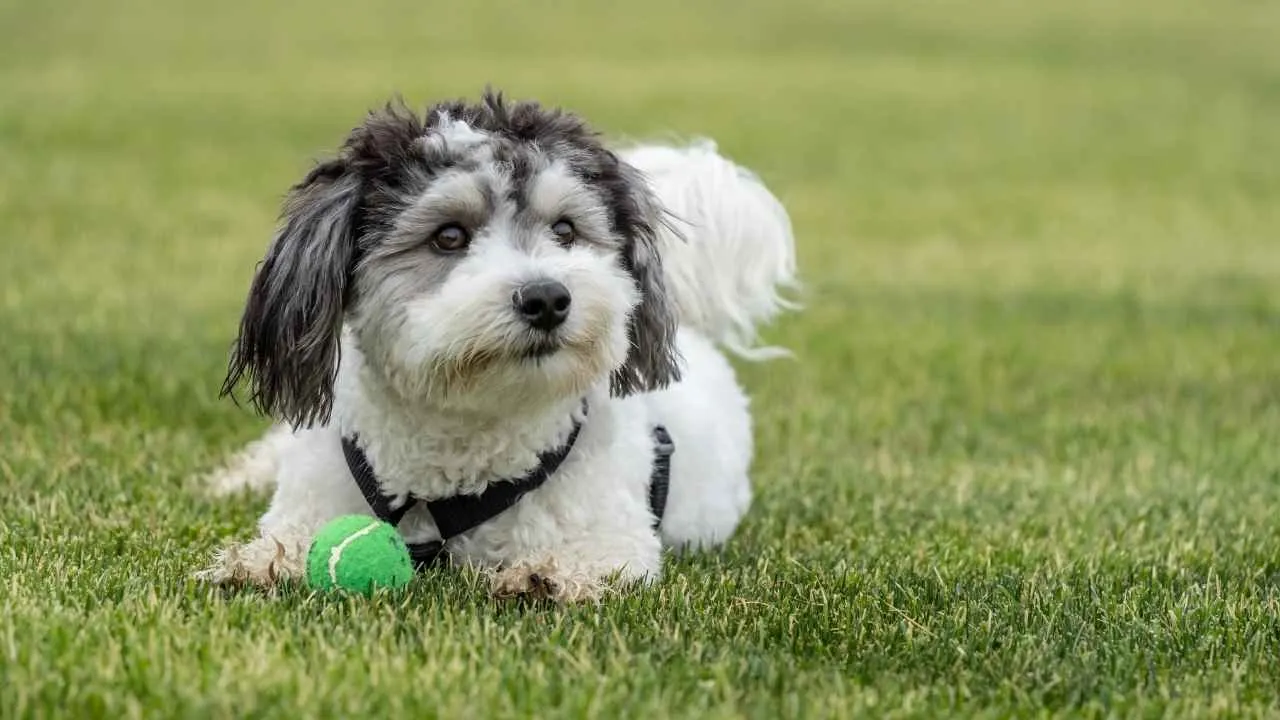
The Havanese was bred for companionship, and it shows in just about everything this little dog does. These dogs are affectionate, clever, cheerful, and very interested in spending time with their owners, whether that means learning tricks, playing games, or simply being nearby with a look that says, “Yes, I am involved in this meeting now.” They adapt easily to different environments, but being included is the part they care about most.
Training is usually a pleasant experience because Havanese are intelligent, eager to please, and responsive to positive methods. They can be sensitive, so early socialization is important to help prevent timidity. Some can bark too much without proper guidance, and since they enjoy interaction so much, they are not happy when left alone for long stretches.
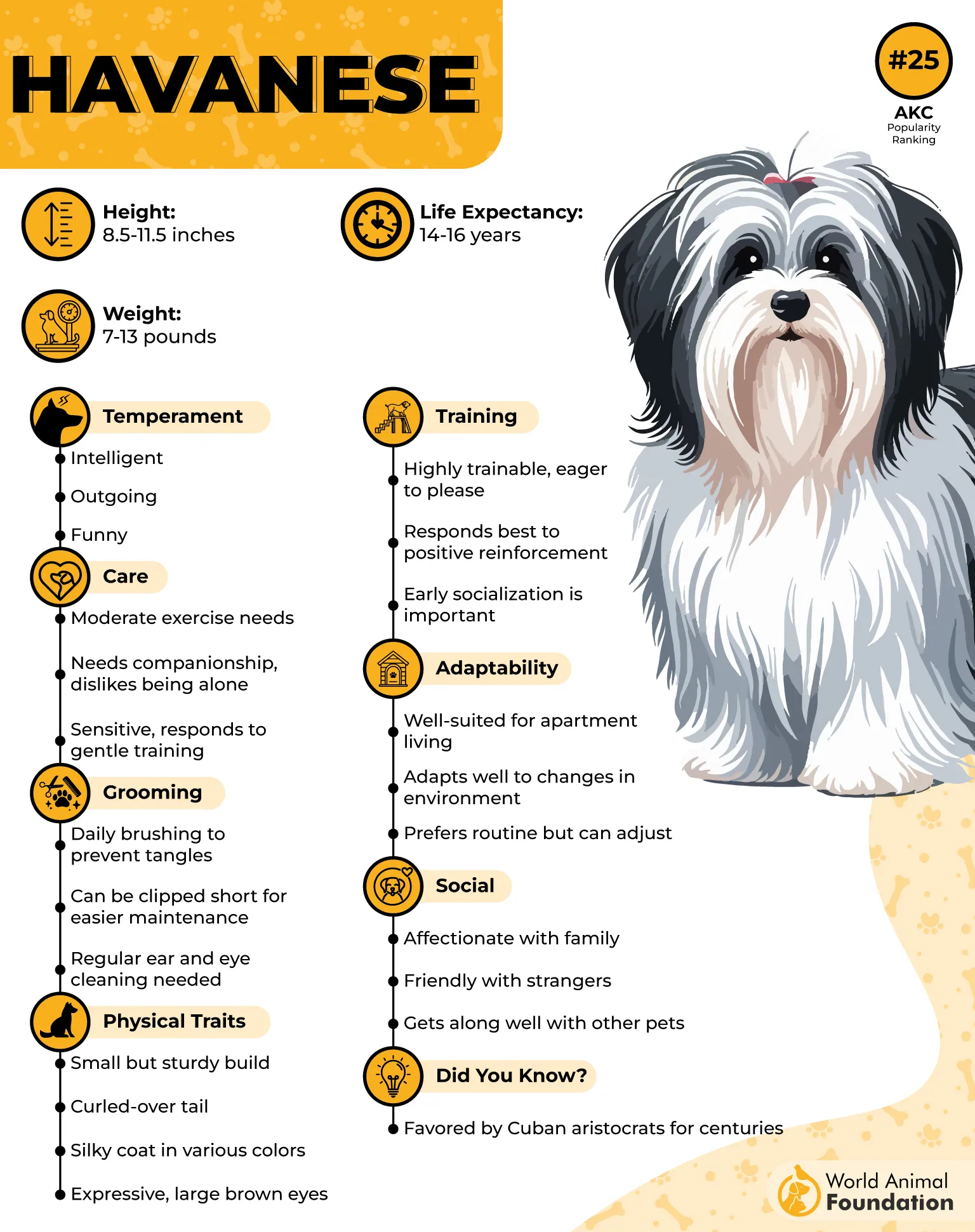
Exercise needs are moderate, with long daily walks or backyard play helping them burn energy without overdoing it. Their silky coat is beautiful, but it comes with homework in the form of daily brushing and combing to prevent tangles and matting. This breed can live comfortably in both apartments and houses, making it a flexible choice for people who want a small dog with an affectionate streak and a playful brain.
Why This Breed Is a Good Fit
This breed adjusts well to different home setups, which is handy when space and routine are not one-size-fits-all.
Havanese tend to make everyday life feel interactive, not just shared, because they truly like being part of the action.
Moderate exercise and strong trainability make them easier to slot into a steady daily routine.
7. Shih Tzu

The Shih Tzu has spent centuries perfecting the art of being adored, and honestly, it still seems very committed to the job. Bred to be a house companion, this lively little dog is affectionate, outgoing, and especially fond of children. A Shih Tzu is perfectly capable of mischief, but it usually delivers it with such charm that people end up laughing first and correcting later.
This breed does not need much exercise, which makes life fairly manageable for owners who want a smaller companion rather than a nonstop athlete. Short daily walks and indoor playtime are enough to satisfy it. Apartment living suits the Shih Tzu well, and it often seems quite pleased with a lifestyle that includes soft furniture, human attention, and a schedule built around comfort.
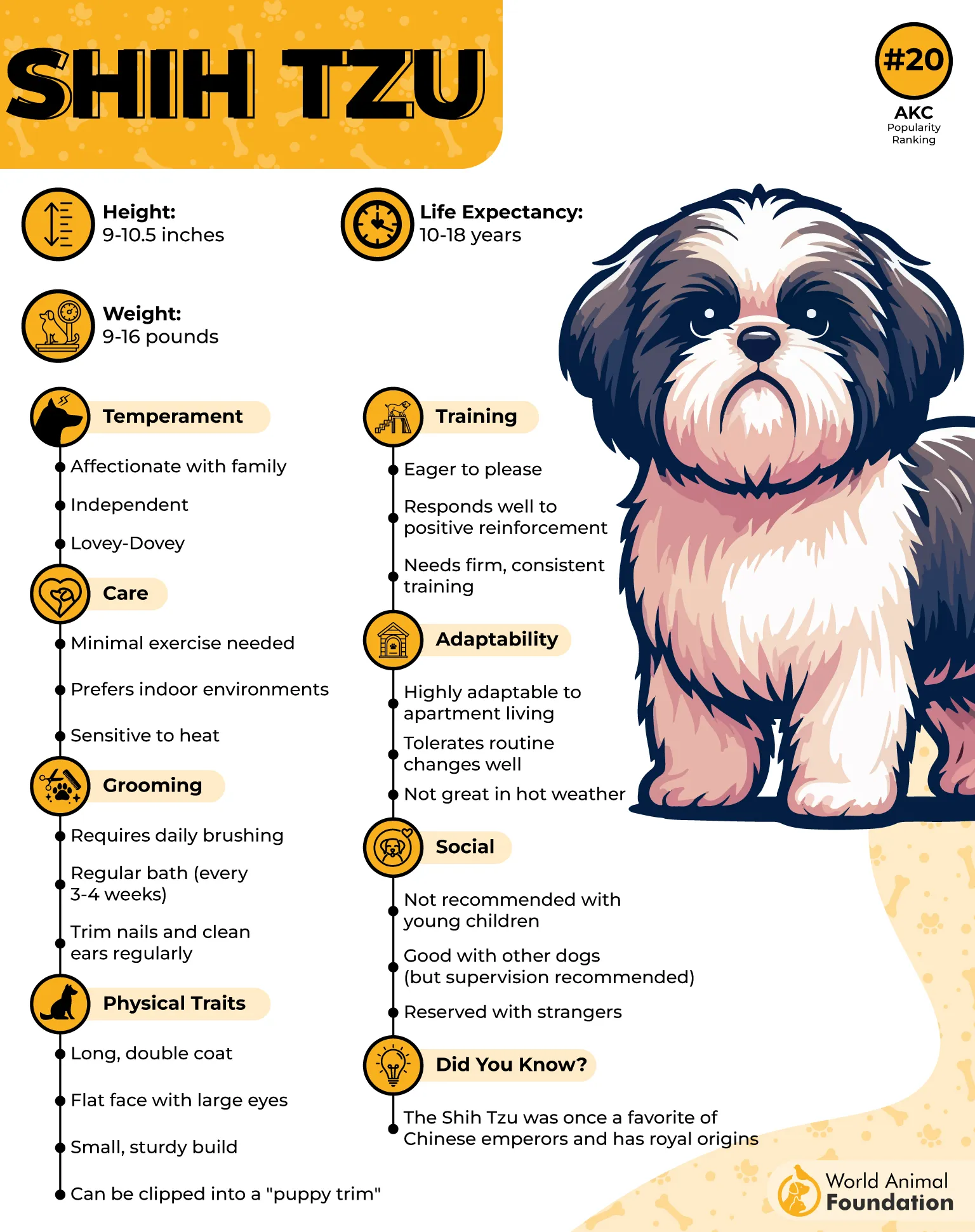
Training can be amusing and frustrating because Shih Tzus are people dogs, but they also know how to persuade owners to let rules slide. Praise and rewards work best, while harsh corrections are a poor fit. Their long coat needs serious upkeep with daily brushing, regular baths, and routine care around the eyes, ears, and nails, though a puppy trim can make grooming much easier for busy households.
Why This Breed Is a Good Fit
Minimal exercise needs are a real advantage for homes that want a companion dog without marathon energy.
This breed was made for indoor living, so smaller spaces feel natural rather than restrictive.
A Shih Tzu adds warmth, playfulness, and a slightly royal attitude to everyday home life.
Conclusion
Smartest dog breeds can be wonderful city companions, but the best match is not always the flashiest brain in the room. A great urban dog needs the right mix of trainability, adaptability, manageable exercise needs, and a personality that fits your daily routine.
Some breeds love learning tricks, some thrive on close companionship, and others are happiest keeping an eye on the world from your living room window.
The key is choosing a dog whose energy, grooming needs, and social style fit your lifestyle. When the match is right, city living with a clever canine can be fun, smooth, and full of personality.
