




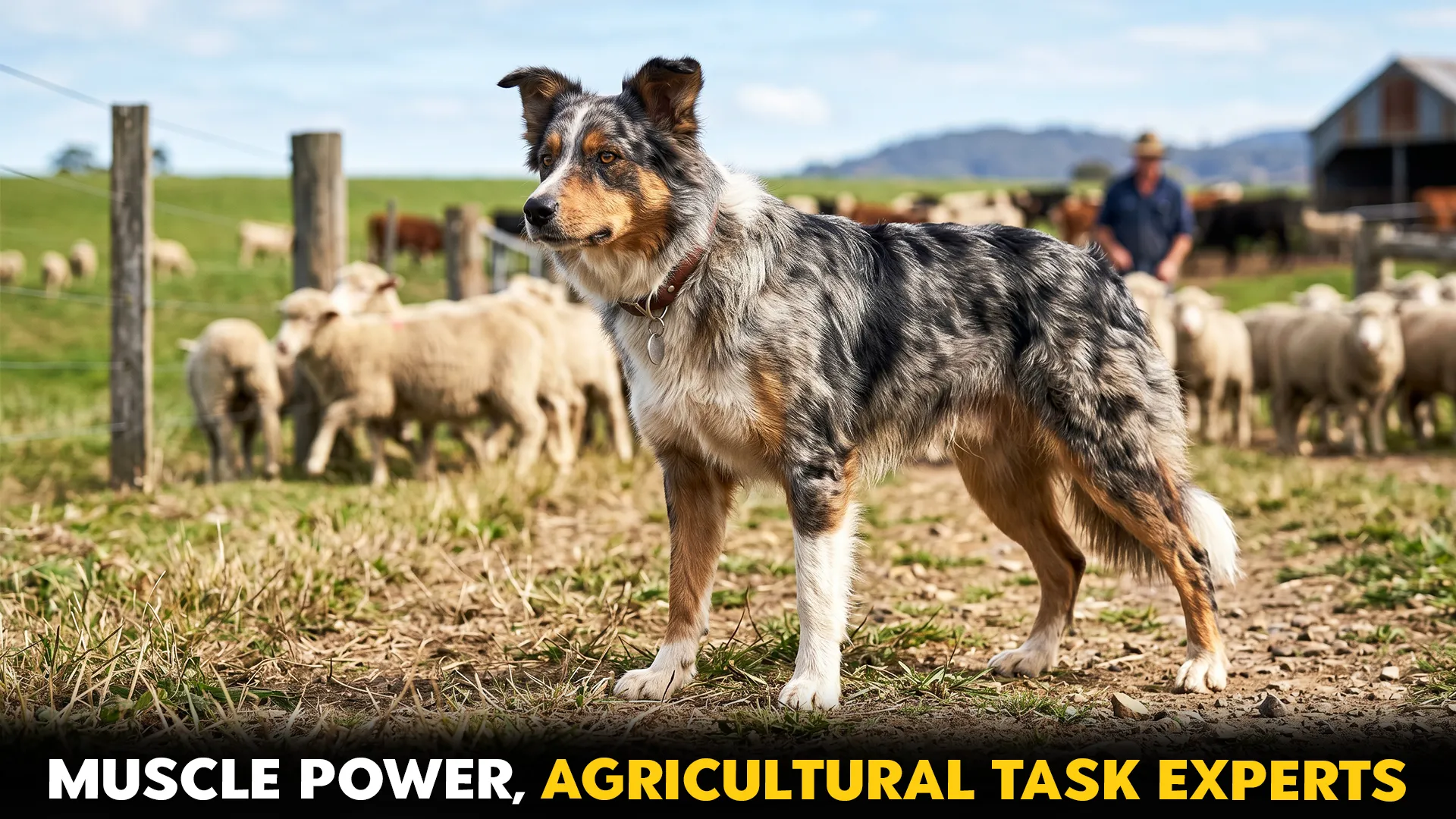
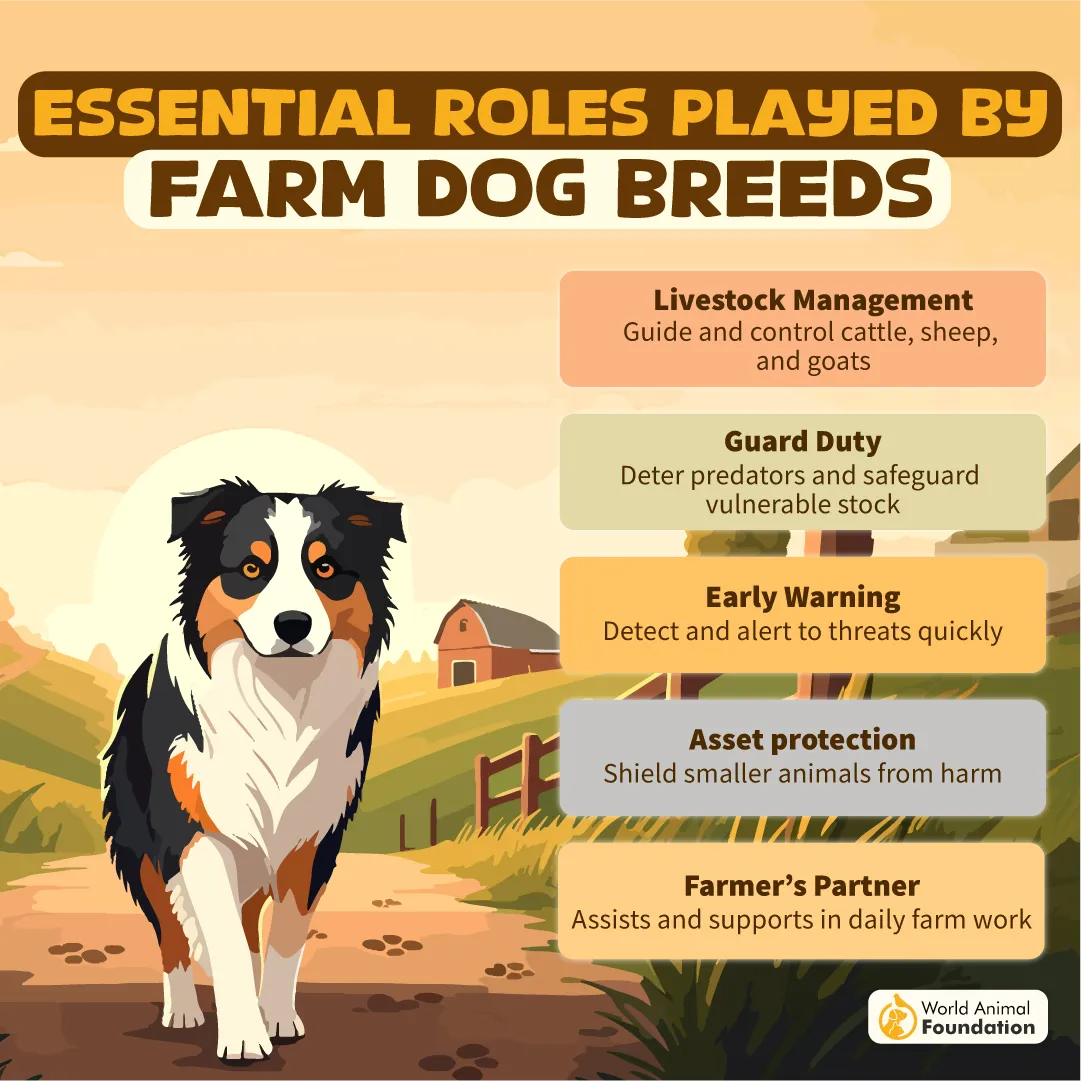
Life on a farm demands more than just routine. It calls for strength, endurance, and a partner that can keep up with long, demanding days. That is where muscular dog breeds truly shine.
These dogs are not just impressive in appearance, but their powerful build is matched by their willingness to work, protect, and adapt to the rugged rhythm of agricultural life.
However, muscle alone is not enough. It is the unique combination of strength with intelligence, loyalty, and resilience. For farmers and rural workers, choosing the right dog can make all the difference. A well-suited breed becomes more than just an animal on the farm. It becomes a dependable partner, a protector, and often a member of the family.
In this article, we will explore some of the most muscular dog breeds that truly excel in agricultural settings and highlight what makes them uniquely suited for the challenges and responsibilities of farm life.
Most Muscular Dog Breeds Ideal for Agricultural Tasks
1. Australian Shepherd
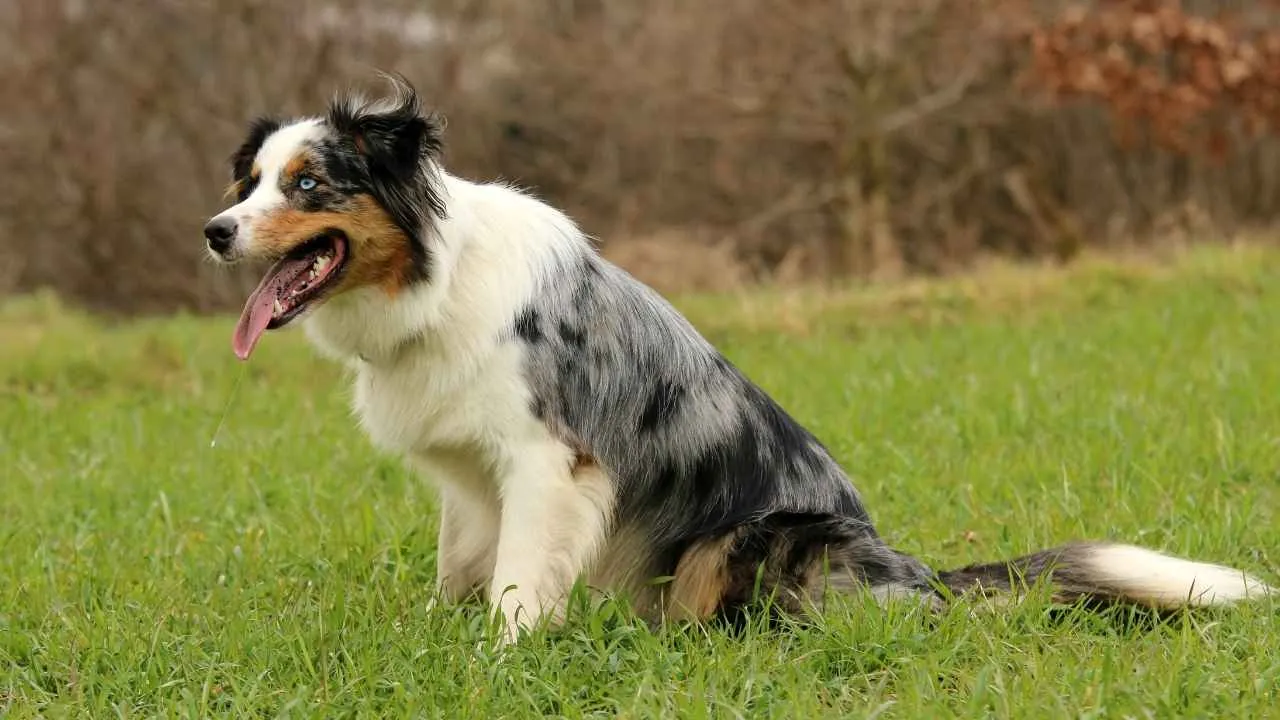
The Aussie is a medium-sized, highly muscular and agile working dog well known for its versatility and exceptional stamina. Despite its name, it was originally bred in the US for herding livestock. Due to its strong, athletic build, it moves quickly and efficiently across rough terrain.
According to Purina, the Aussie is a popular dog breed, appearing at rodeos, horse shows, movies, and on TV.
The Aussie is intelligent, alert, and extremely devoted to its owners. Yes, it has an innate ability to control and direct livestock with precision. Its muscular body and efficient energy use allow it to work for extended hours in the field without getting exhausted.
Since farms are unpredictable, and it excels at thinking on its feet, whether it is managing scattered livestock or responding to sudden changes in the environment. Beyond herding, it can assist in guarding, monitoring boundaries, and even helping with general farm supervision.
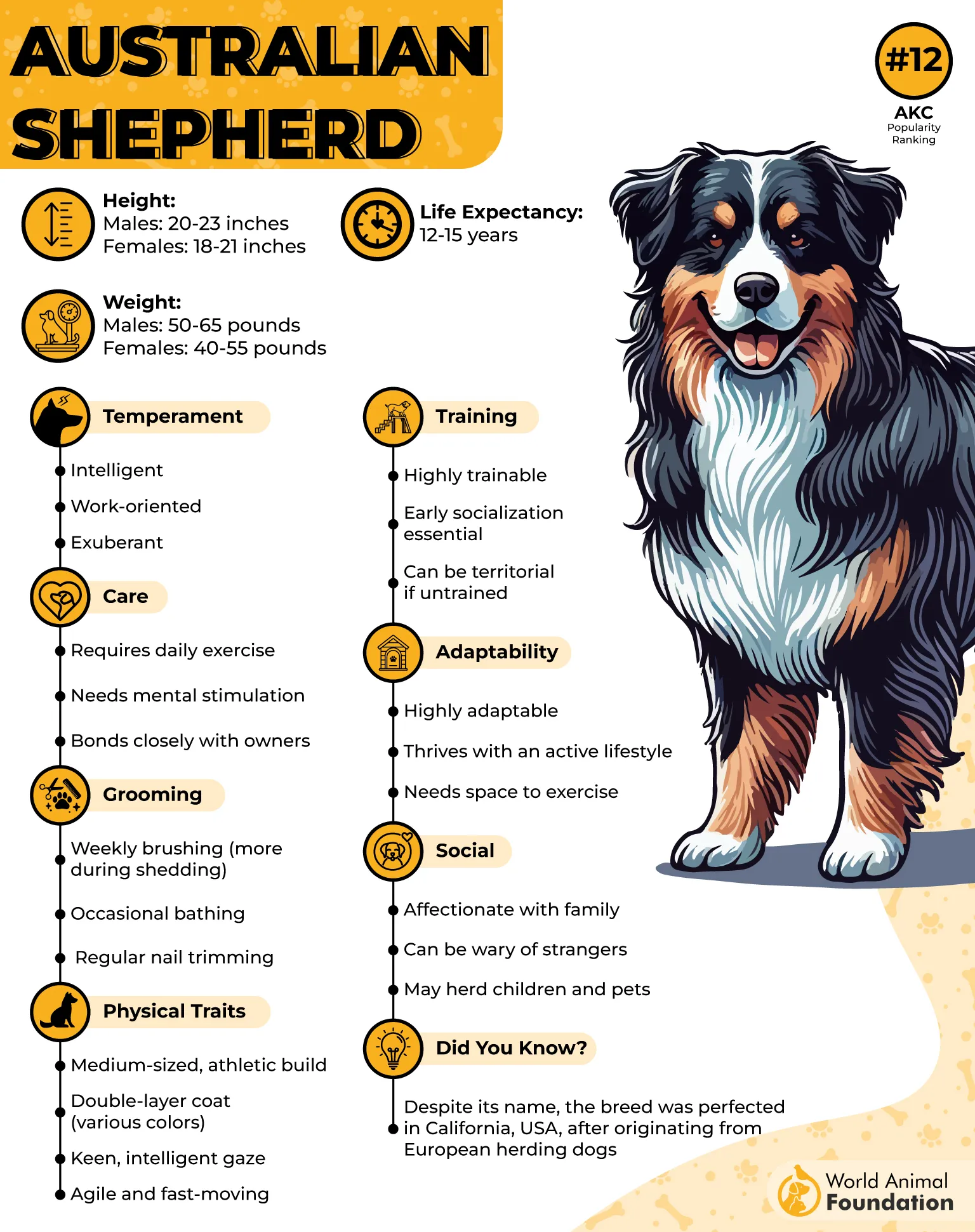
Amazingly, it can quickly learn advanced routines and multitasking, which actually makes it suitable for farms with diverse operational needs. But it demands intense daily exercise and mental stimulation. Of course, it can develop destructive behavior if under-stimulated.
2. Akbash
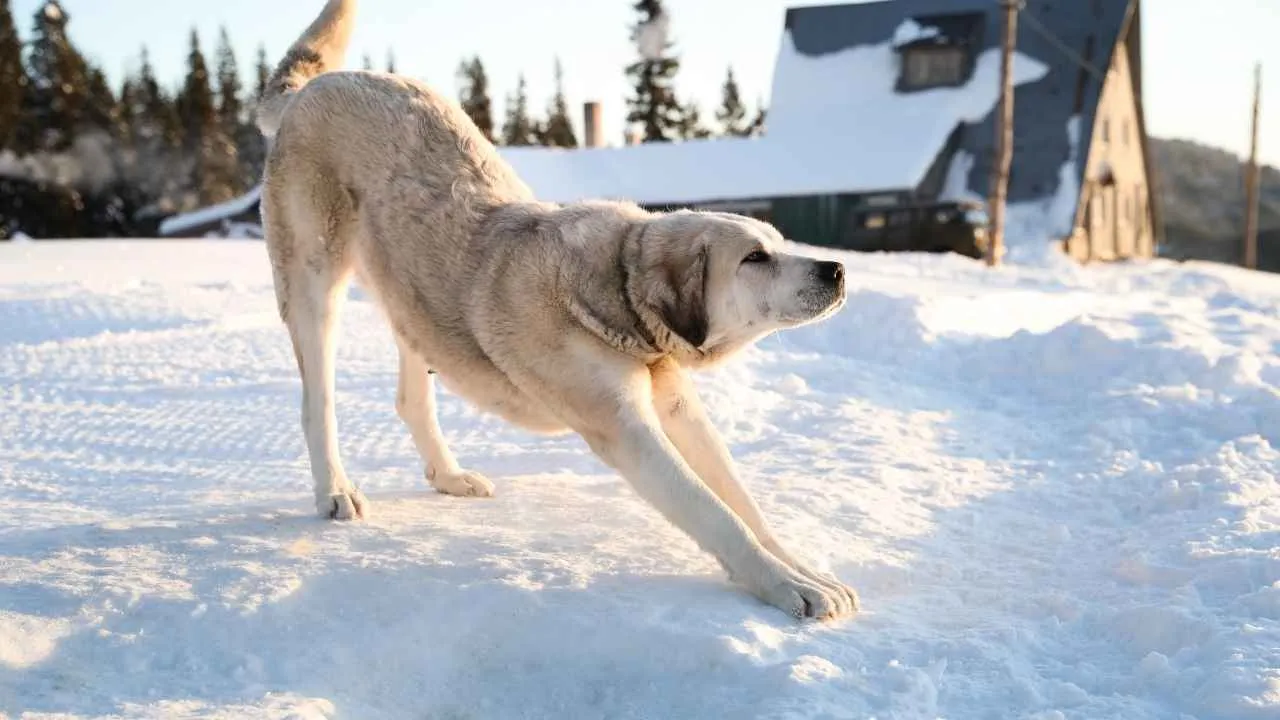
The Akbash is a large, powerfully built, Turkish livestock guardian dog known for its striking white coat, endurance, and strength. Its muscular frame, deep chest, and long legs allow it to patrol vast areas with ease.
The Akbash is naturally calm, independent, highly protective, and forms strong bonds with livestock. It is not overly reactive but acts decisively when it senses a threat. It has indeed been bred for centuries to protect sheep and goats and treat them gently.
Moreover, its large body is enough to scare off predators like wolves and dogs. Interestingly, Akbash is particularly alert during the night, when most predator threats occur. The good thing is that, instead of constant movement, it conserves energy by calmly observing its surroundings.
Unlike herding breeds that rely on commands, the Akbash can assess threats and respond appropriately without human intervention. However, the right training is needed as it can be stubborn and difficult to manage due to its independent nature.
3. Border Collie
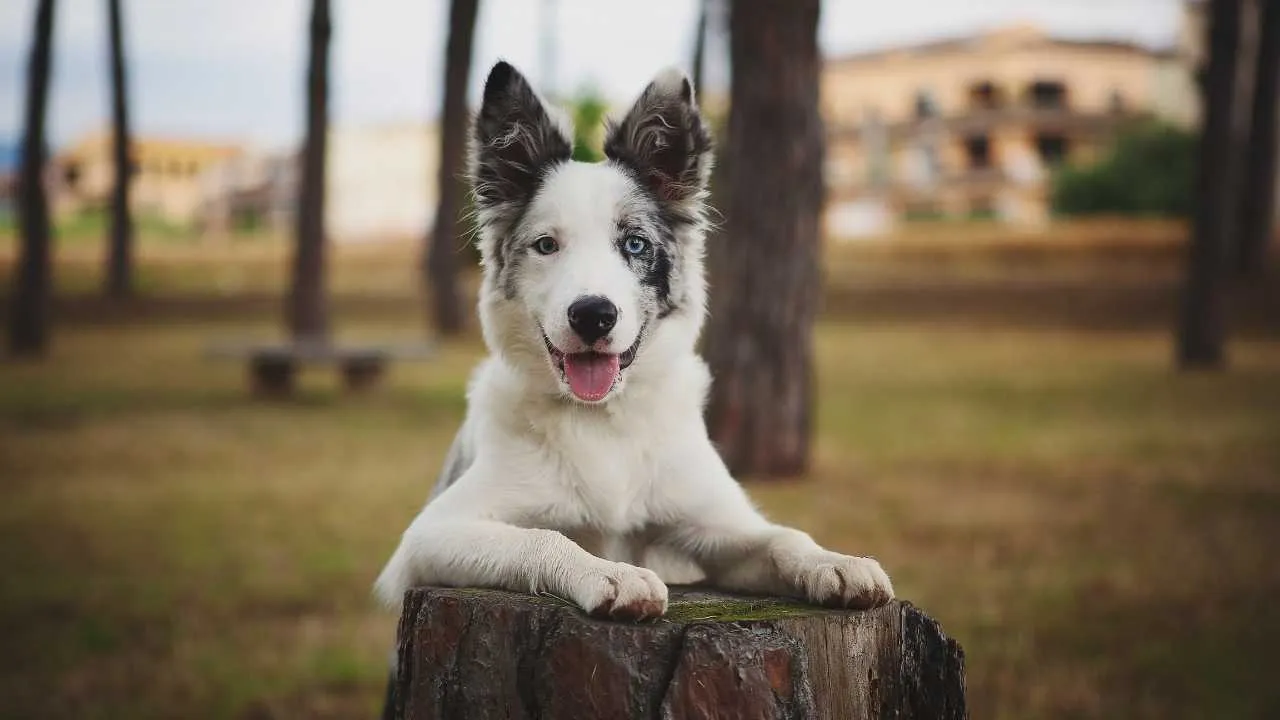
The Border Collie is a medium-sized, lean yet highly muscular farm dog breed with medium-sized fur, and is regarded as one of the most intelligent dog breeds in the world. Its body is built for precision rather than bulk, which allows it to move swiftly and change direction instantly.
An amazing fact reported by Britannica is that it is considered one of the most intelligent dog breeds, as it is the product of crossing ancient Roman-era and Viking-era herding dogs.
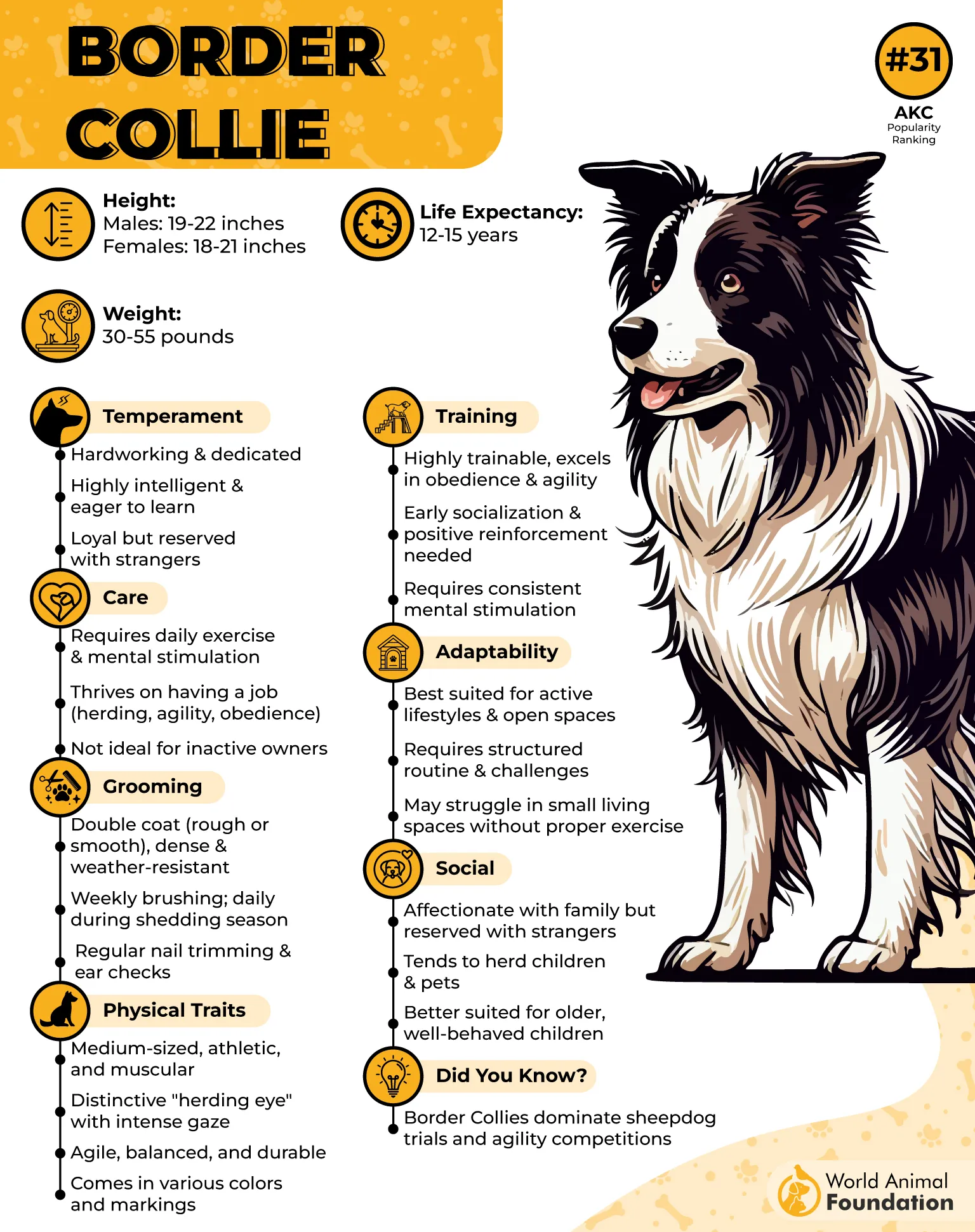
The Border Collie is affectionate and forms deep bonds with family and children. It is generally friendly but can be reserved with strangers and remains highly alert all the time due to its protective instincts. Amazingly, it has the ability to work at long distances and can take and execute commands from far away.
Besides, its controlled and calculated movements reduce panic in animals, which improves overall herd behavior and productivity. A big shout-out to its intelligence, due to which it can anticipate livestock movement and adjust its strategy in real time.
Other than herding, it can assist in other farm work with remarkable accuracy. Nonetheless, it is not ideal for those who are inexperienced in pet or dog keeping. Its strong herding instincts may lead it to chase or control behavior towards people or other animals.
4. Polish Lowland Sheepdog
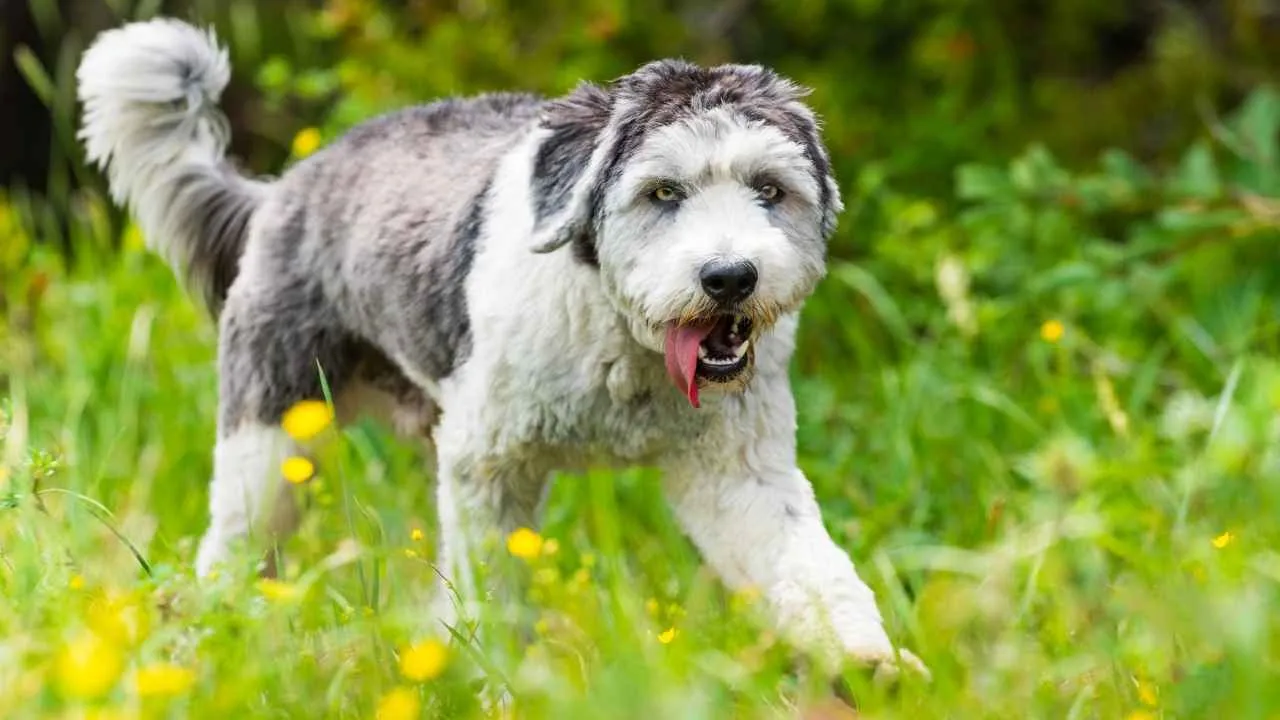
The Polish Lowland Sheepdog is a medium-sized, solidly built, muscular herding breed that has a dense, shaggy coat and incredible endurance. Originating from Poland, it was traditionally bred for both herding and guarding livestock. According to PetMD, since it is a descendant of the Hungarian Puli, it is also called Polish Owczarek Nizinny or PON.
The Polish Sheepdog is confident, lively, and, of course, a highly intelligent dog breed. It remains good-natured with familiar people but reserved with strangers. Unlike many other herding breeds, it excels in multiple roles that a farm requires. Surprisingly, it is good at remembering routines and commands well.
Furthermore, its weather-resistant double coat protects it from cold, rain, and wind. It has great adaptability to different livestock types, be it herding sheep, cattle, or mixed farm animals; it adjusts its approach effectively based on the situation.
It is quick to notice unusual activity and alert the farmer through barking. Nevertheless, it requires regular grooming due to its heavy, shaggy coat. It also requires consistent mental and physical engagement.
5. Bergamasco Sheepdog
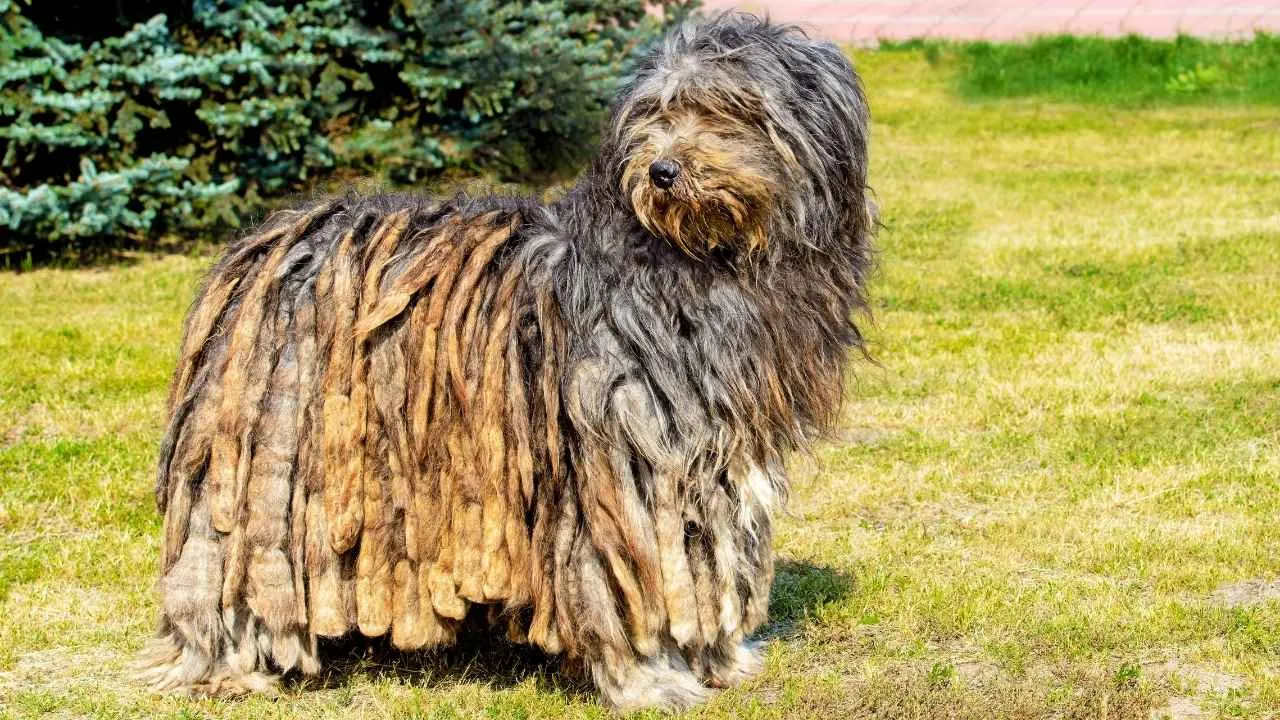
The Bergamasco Sheepdog is a large, powerful dog with a unique coat made up of dense “flocks”. It was bred primarily to work in harsh mountainous conditions, making it incredibly resilient and sure-footed.
An amazing fact about it shared by Purina is that it has extremely long eyelashes that keep its hair out of its eyes and protect it from snow blindness.
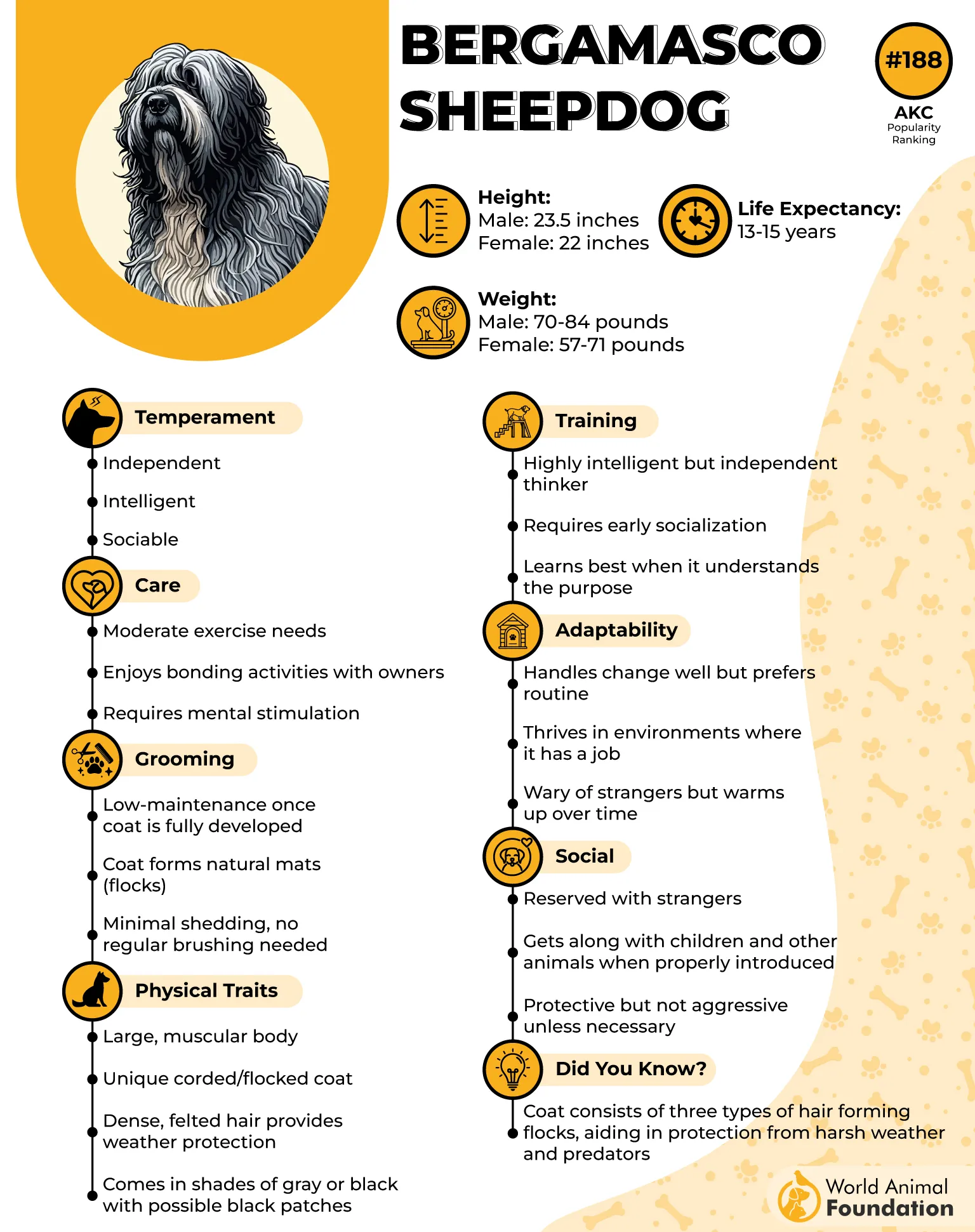
The Bergamasco is a calm, intelligent, and remarkably patient dog. It is naturally protective but not aggressive and shows a quiet confidence in its role. It knows its role very well and does not just move livestock but also keeps a watchful eye on them.
Yes, the good thing is that instead of constant high-speed activity, it conserves energy by working steadily and thoughtfully. Moreover, due to its independent problem-solving ability, it can assess a situation and respond without immediate human direction.
Its composed nature prevents unnecessary panic among livestock and maintains a calm and composed working environment. However, it can be stubborn due to independent thinking. And the hardest thing is that its coat requires a specific kind of maintenance.
6. Pembroke Welsh Corgi
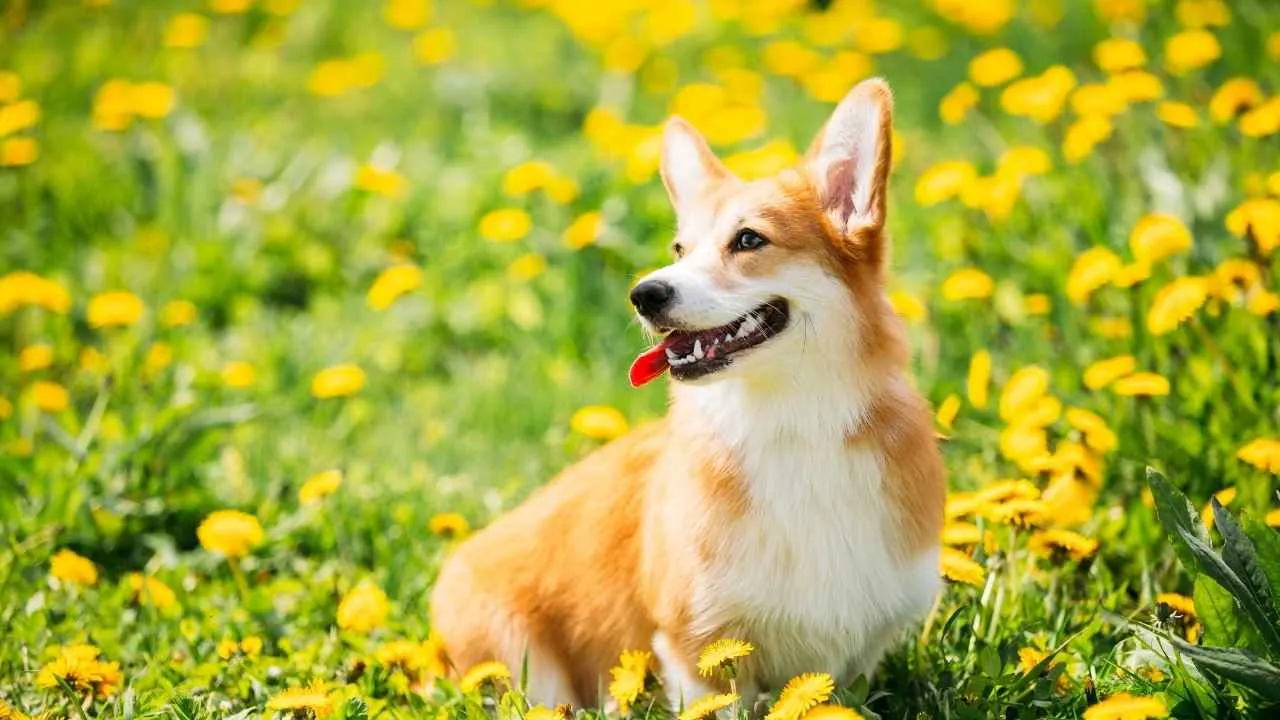
The Pembroke Corgi is a small yet surprisingly sturdy, cute, tricolor dog breed with a muscular build and a low-set body, strong, short legs, and incredible agility. Despite its size, it has a powerful build and a bold working style, which allows it to handle livestock much larger than itself.
The Corgi is a lively, confident, and intelligent canine companion with a big personality. It is known for nipping at the heels of cattle and quickly dodging kicks, making it highly efficient at moving large livestock. Besides, it can remain active and productive throughout the day without requiring as much space or resources as larger working farm dogs.
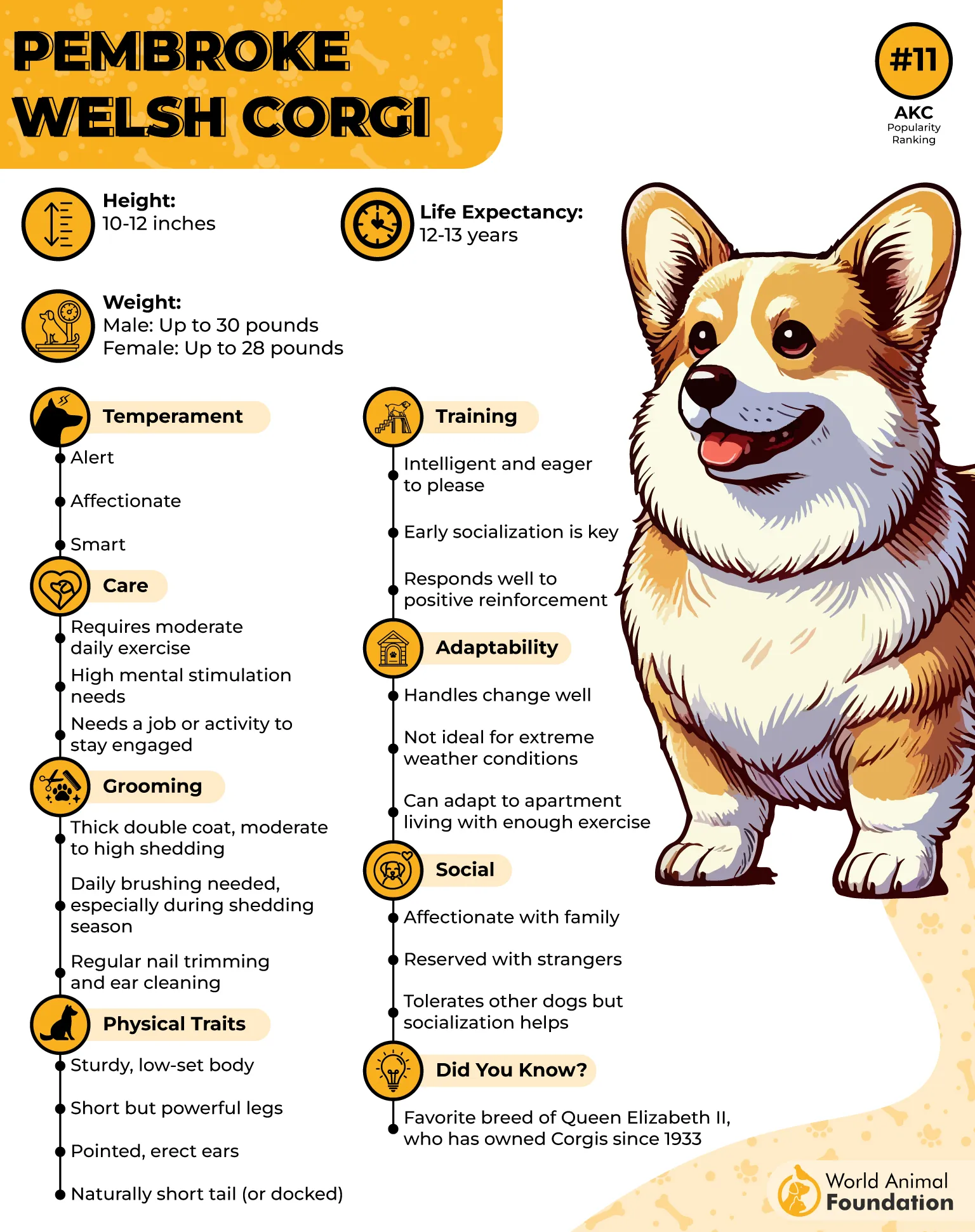
Beyond herding, it is quick to notice unusual activity and alerts farmers, which adds an extra layer of security. Surprisingly, despite its small size, it approaches tasks with confidence and determination, and it often handles situations that might intimidate larger dogs.
The biggest advantage of it is its low stature, which keeps it safe from any kind of injury while working closer to larger animals. Nonetheless, it is prone to excessive barking if there is no proper training.
7. Belgian Malinois
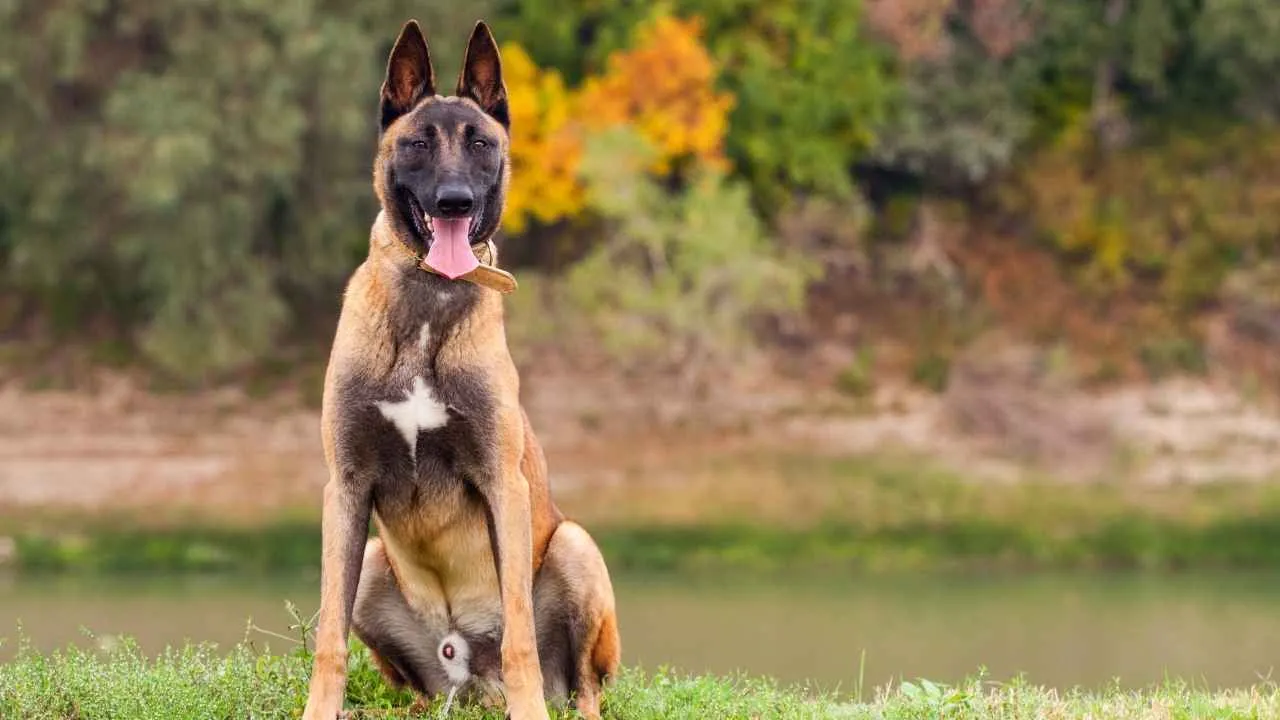
The Belgian Malinois is a medium to large, lean yet highly muscular working dog with an intimidating presence and explosive power. Of course, its athletic build, strong bite force, and exceptional endurance allow it to perform physically demanding tasks with precision and intensity. According to VCA, after World War II, American enthusiasts began to import dogs from Belgium to reestablish the breed.
The Malinois is intensely driven, intelligent, and highly faithful to its handlers. Interestingly, it forms strong working bonds and is always eager to perform tasks. Due to its exceptional responsiveness to commands, it reacts almost instantly to verbal cues, whistles, and hand signals.
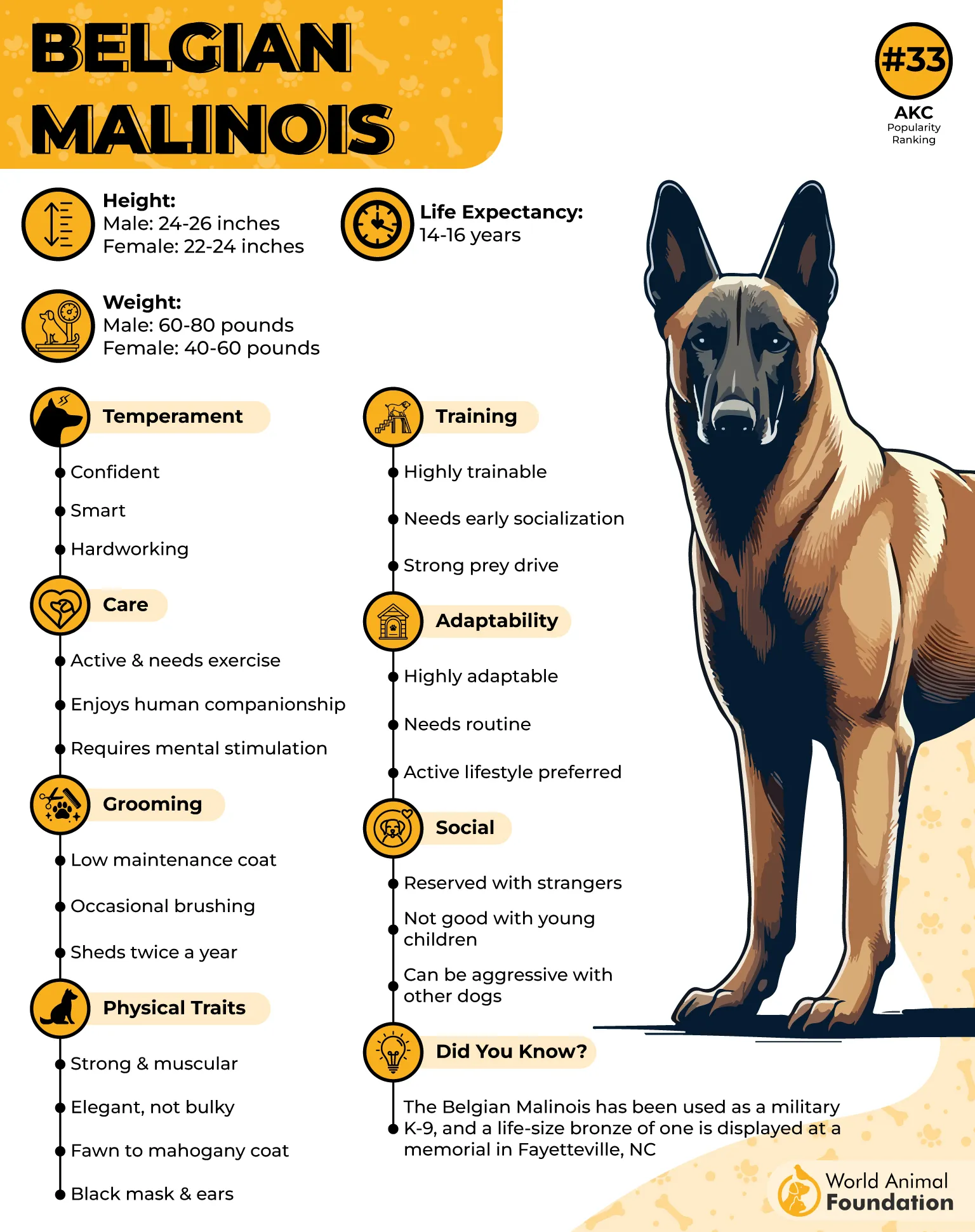
It naturally defends livestock and property, which act as a reliable deterrent against intruders. Beyond herding, it can assist in guarding, patrolling, and general supervision, which enables it to adapt easily to different agricultural needs.
To your surprise, it does not tire quickly and maintains both mental and physical engagement over extended periods. But it is not suitable for inactive dog owners. It may develop destructive behavior when bored or underworked.
8. German Shepherd
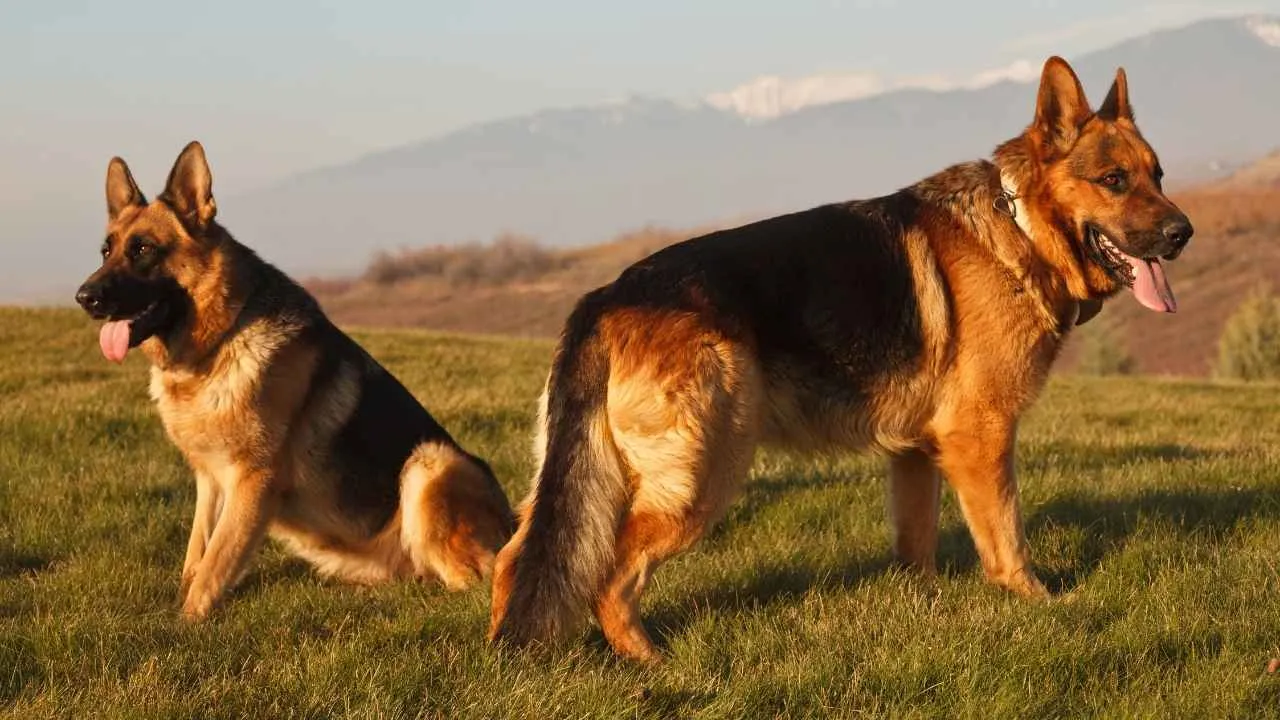
The GSD is a large, highly brawny dog breed famous for its double-thick coat, versatility, and balanced physical structure. It combines endurance with controlled power, which makes it perfect for long hours of demanding farm work.
The GSD is confident, intelligent, fiercely protective, and one of the most loyal dog breeds. Yes, it is naturally protective of the family and its territory. It is good at various farm tasks, including herding, guarding, patrolling, and even search-style tasks on the farm.
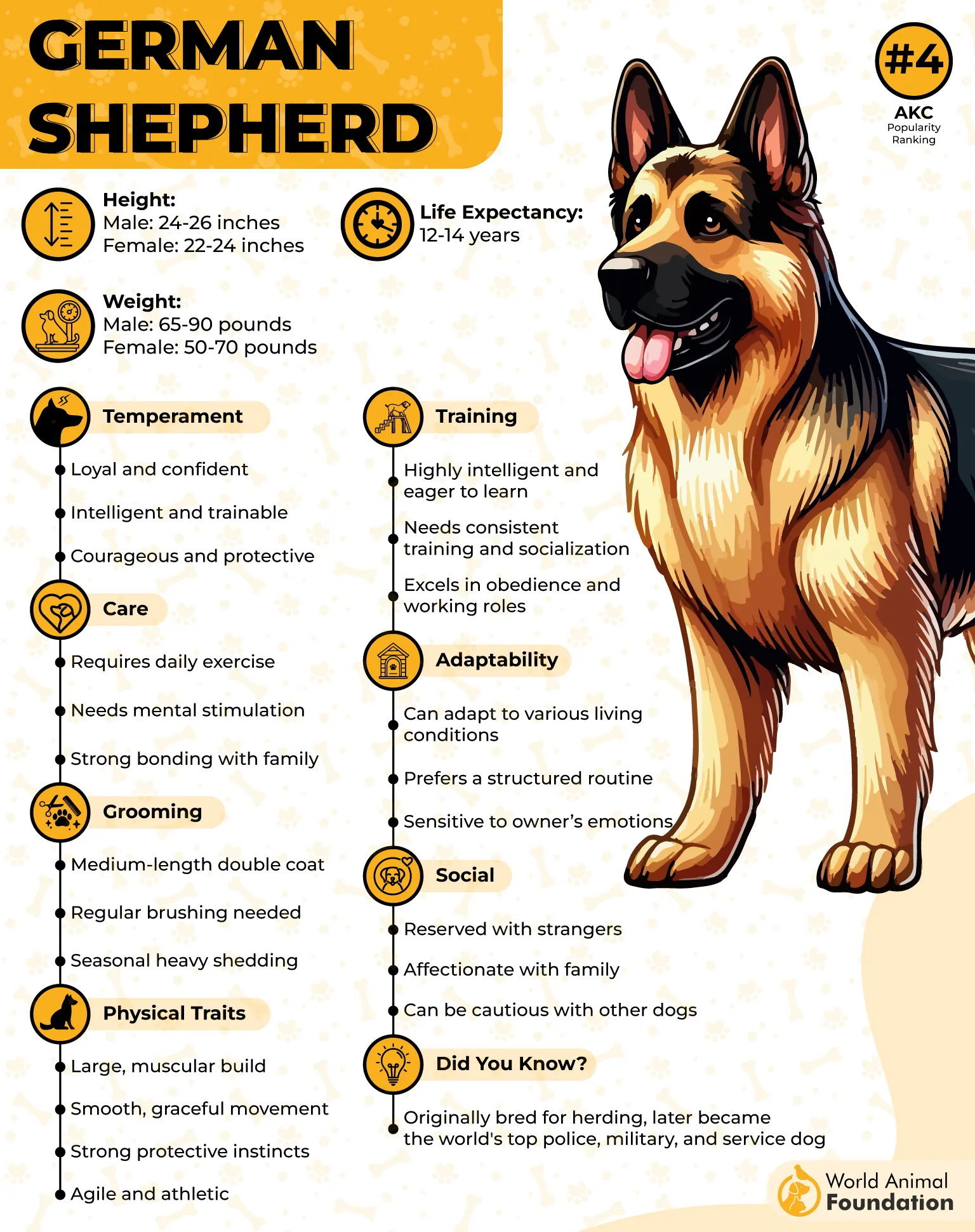
It has a great ability to understand and remember multi-step commands, which allow it to assist in structured and demanding agricultural routines.
Furthermore, it is capable of sustaining physical and mental effort throughout the day without losing efficiency. It maintains close attention to its owner’s instructions, even in a distracting or chaotic farm environment.
GSD’s sharp senses allow it to detect unusual sounds, movements, or intrusions early. However, it needs regular exercise to prevent restlessness. It can develop separation anxiety if left alone for longer periods.
9. Anatolian Shepherd
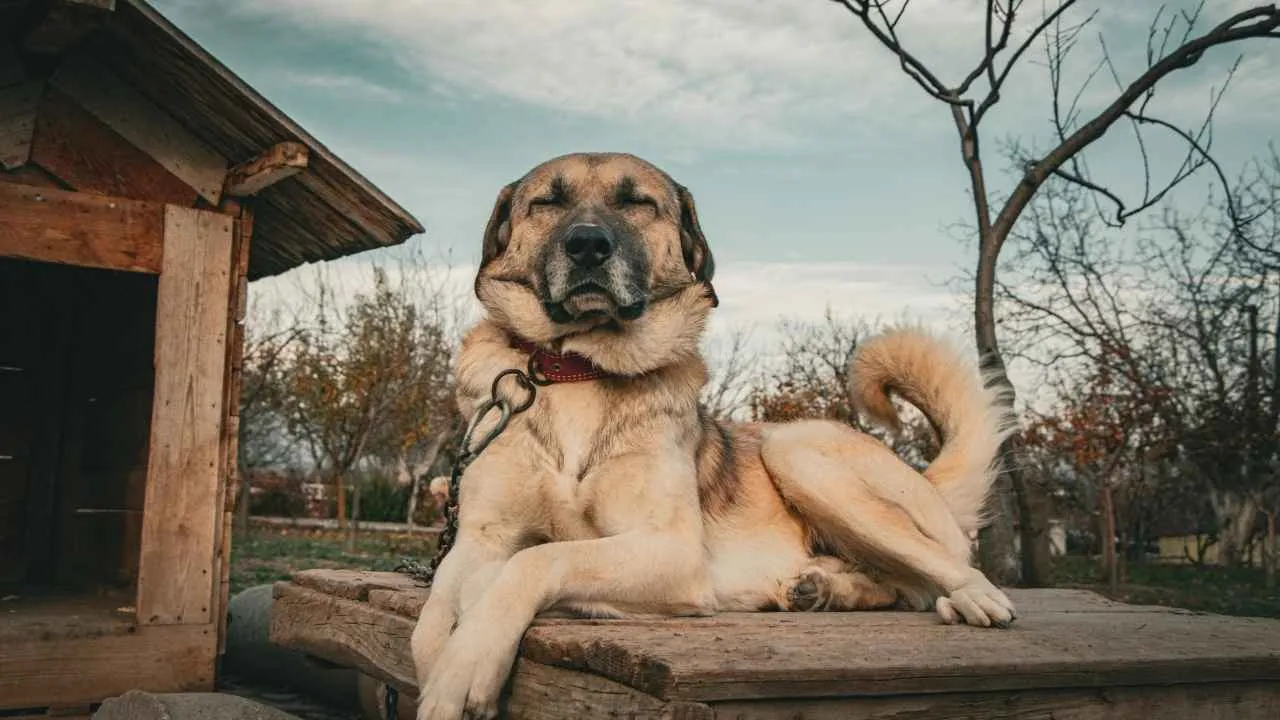
The Anatolian Shepherd is a huge, mountain dog breed with a powerful build, deep chest, and strong limbs, which allow it to cover vast and uneven terrain with ease. It is built for endurance rather than speed with a naturally imposing presence.
It is calm but not overly affectionate, but deeply loyal to its assigned flock and farm. It is naturally cautious, observant, and quick to assess threats without unnecessary aggression. To be honest, it prefers to make decisions on its own as it does not rely heavily on commands.
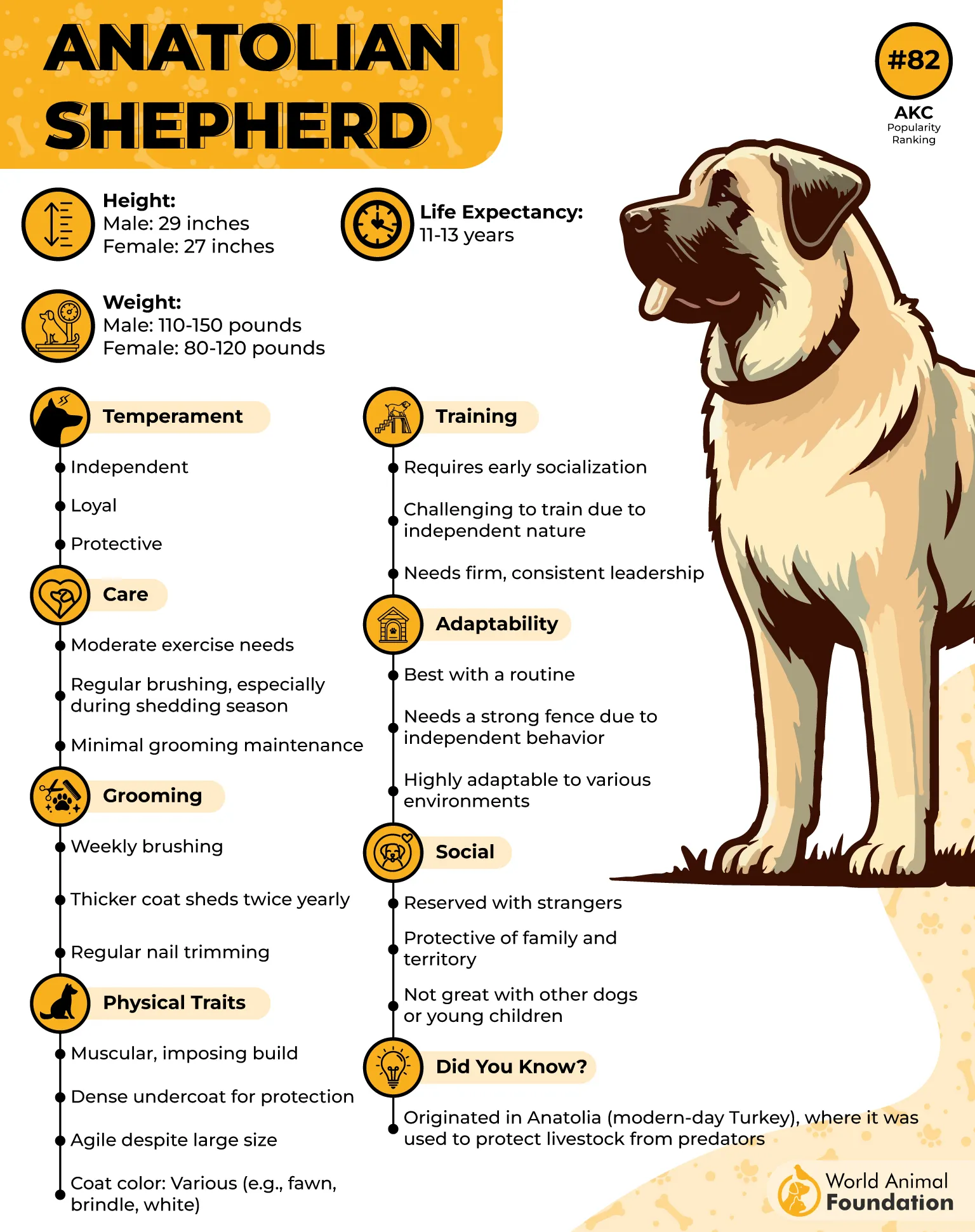
Besides, it can patrol and protect very large grazing areas efficiently, which makes it ideal for extensive agricultural lands. It is more active during early morning and night hours and provides reliable protection when predator threats are more likely to occur.
The most striking feature about it is that it quickly distinguishes between normal farm activity and real threats, responding only when necessary. But it can be very independent and difficult to train for obedience tasks. It may be overly territorial if not properly managed.
Conclusion
To cut a long story short, when you look at all these muscular working breeds together, one thing becomes very clear: farm life runs better with the right kind of canine partner. Such dogs are not just strong in appearance; they are built for a purpose shaped by generations of selective breeding.
From their explosive energy to calm authority, each breed brings its own style of working intelligence and physical strength. Some rely on speed and sharp instincts, some on patience and sheer protective power. But they all share a common thread that is a deep-rooted work ethic and loyalty.
Ultimately, choosing the right breed is not about strength and looks but about matching the dog’s natural abilities with the specific needs of the farm. Once the bond is formed between owners and canine companion, the farm does not just feel more efficient, it feels more alive, more secure, and a little less lonely.
