




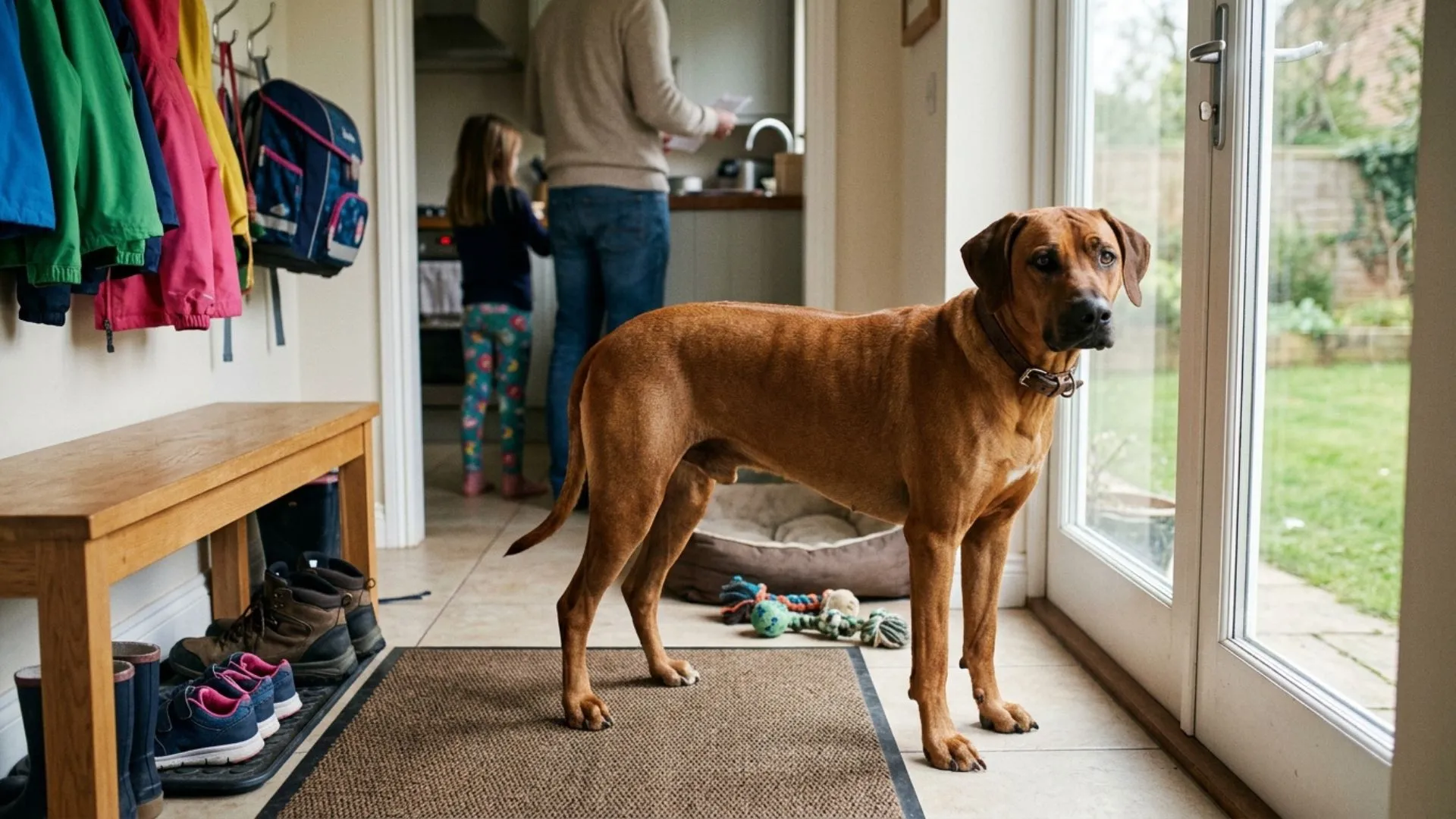
Busy life, endless chores, and still wanting a dog that can lowkey guard the house like a pro? That’s exactly where these breeds step in. They’re not just “watchdogs,” they’re more like calm roommates who occasionally say, “I got this,” when someone suspicious shows up.
The idea of a guard dog doesn’t always mean high-energy chaos or intense training schedules. Some breeds are naturally chill but still deeply alert, like they’ve got a built-in security system running in the background. Think of them as the “silent protectors” of the dog world.
According to the Kennel Club temperament data and working dog behavior studies, many guardian breeds rely more on presence, awareness, and territorial instinct than constant aggression or barking. That’s why families with busy routines often prefer calm-but-watchful breeds.
Let’s break down the dogs that bring the perfect mix of low maintenance, high loyalty, and quiet, secure energy.
Low-Maintenance Guard Dog Breeds for Busy Families
1. Great Pyrenees
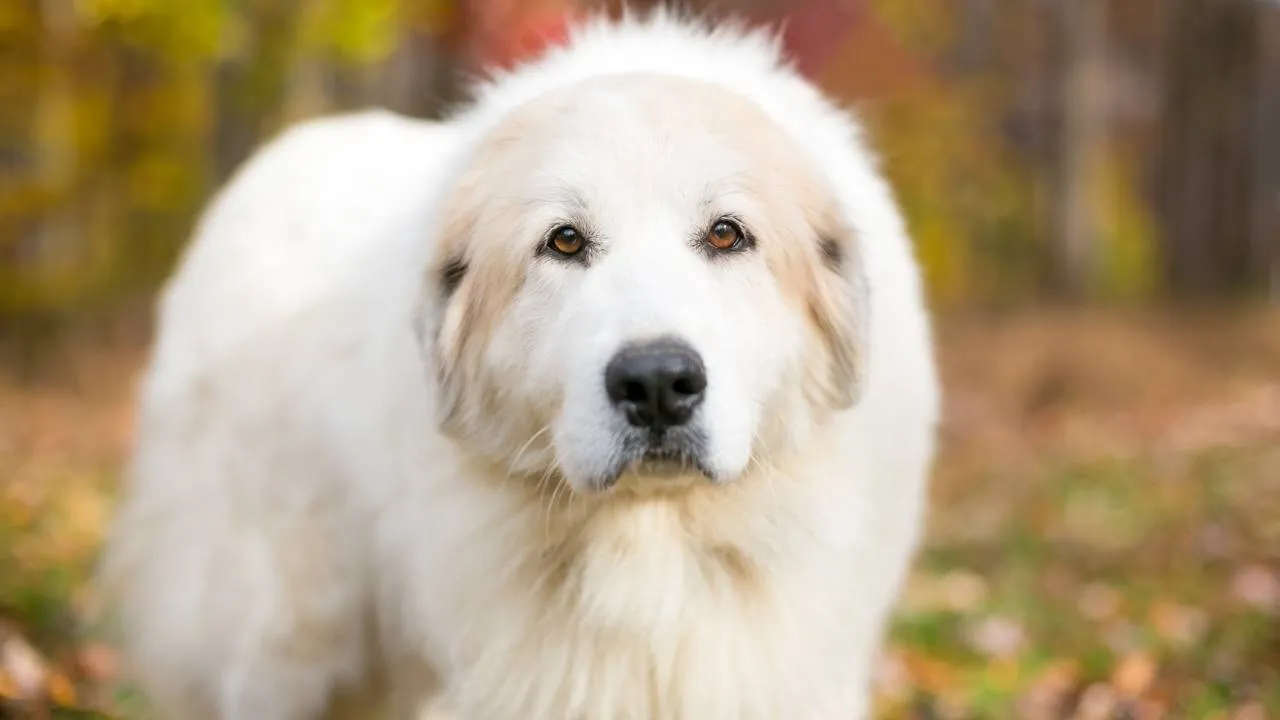
The Great Pyrenees dogs are basically a fluffy bodyguard disguised as a cloud. They were originally bred to protect livestock in the Pyrenees mountains, so independence is literally in their DNA.
Despite their massive size, they’re surprisingly calm indoors and often vibe around the house like oversized floor decorations, as noted by PetMD. But the moment something feels “off,” their protective instinct kicks in instantly.
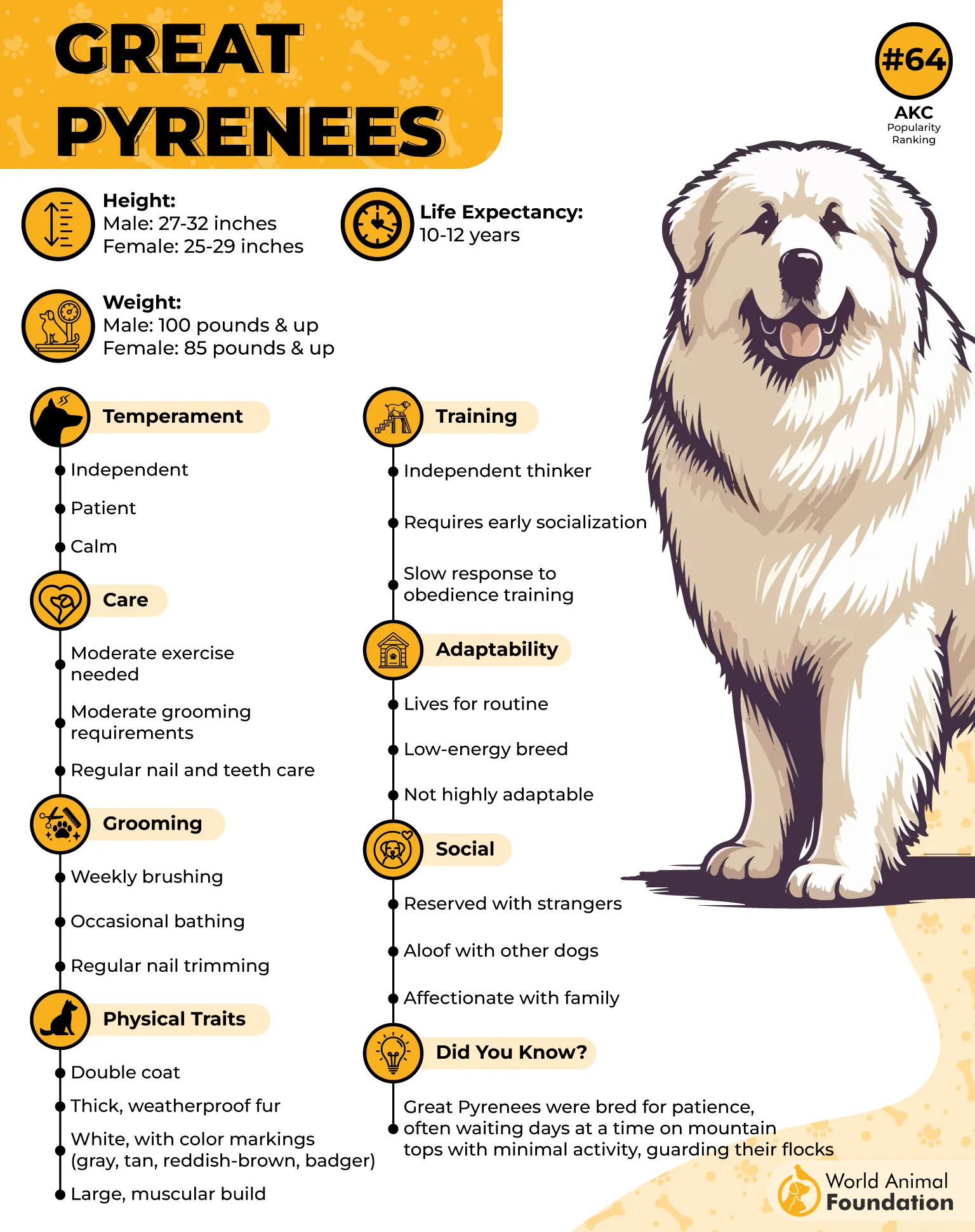
They’re not hyperactive dogs, which is why they fit well into busy households and a demanding family life. A couple of daily walks and a secure yard usually keep them mentally satisfied.
Their grooming is medium-maintenance due to the thick double coat, but not overwhelming if brushed weekly. Owners often describe them as “low drama but high awareness” companions.
They’re best known for silent guarding behavior, meaning they observe first and react only when necessary.
2. Mastiff
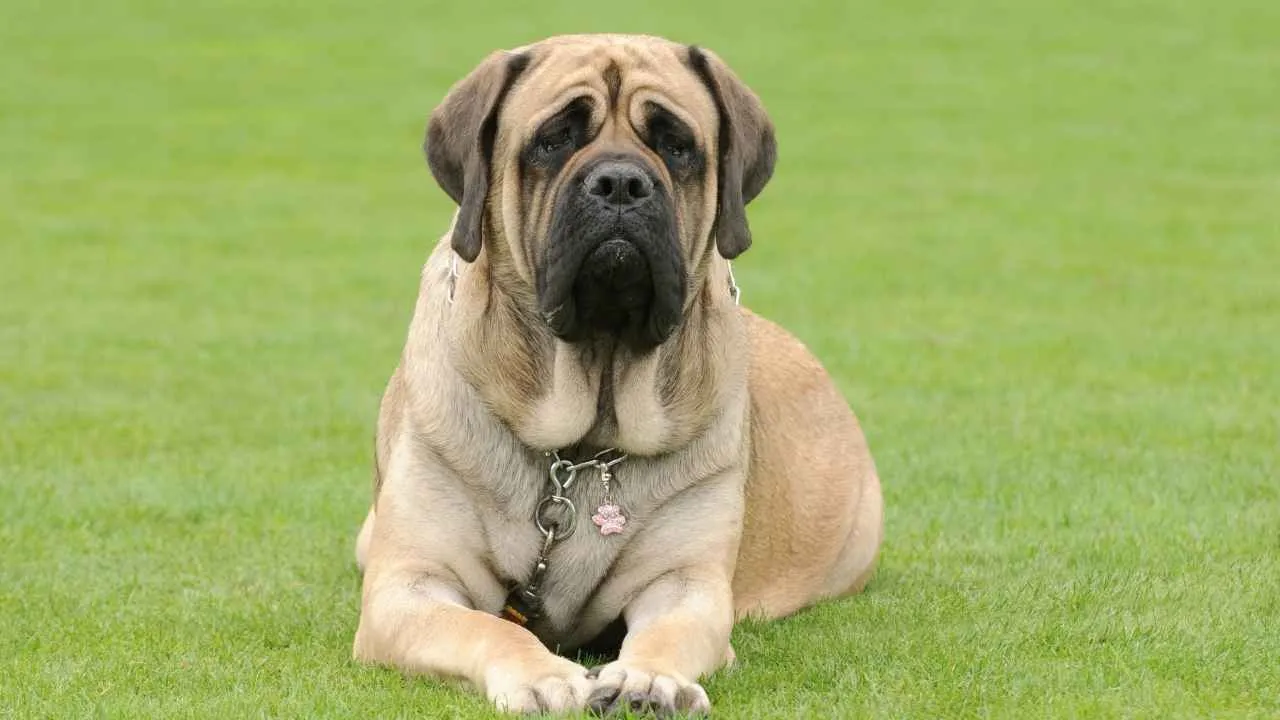
The Mastiff is the definition of “big soft protector energy.”
These dogs are massive, but emotionally, they act like lazy couch guardians who still take their job seriously.
Historically used as estate guards, these energetic dogs rely more on an intimidating presence than constant barking, as mentioned by the AKC. Most intruders are already reconsidering life choices just by seeing them.
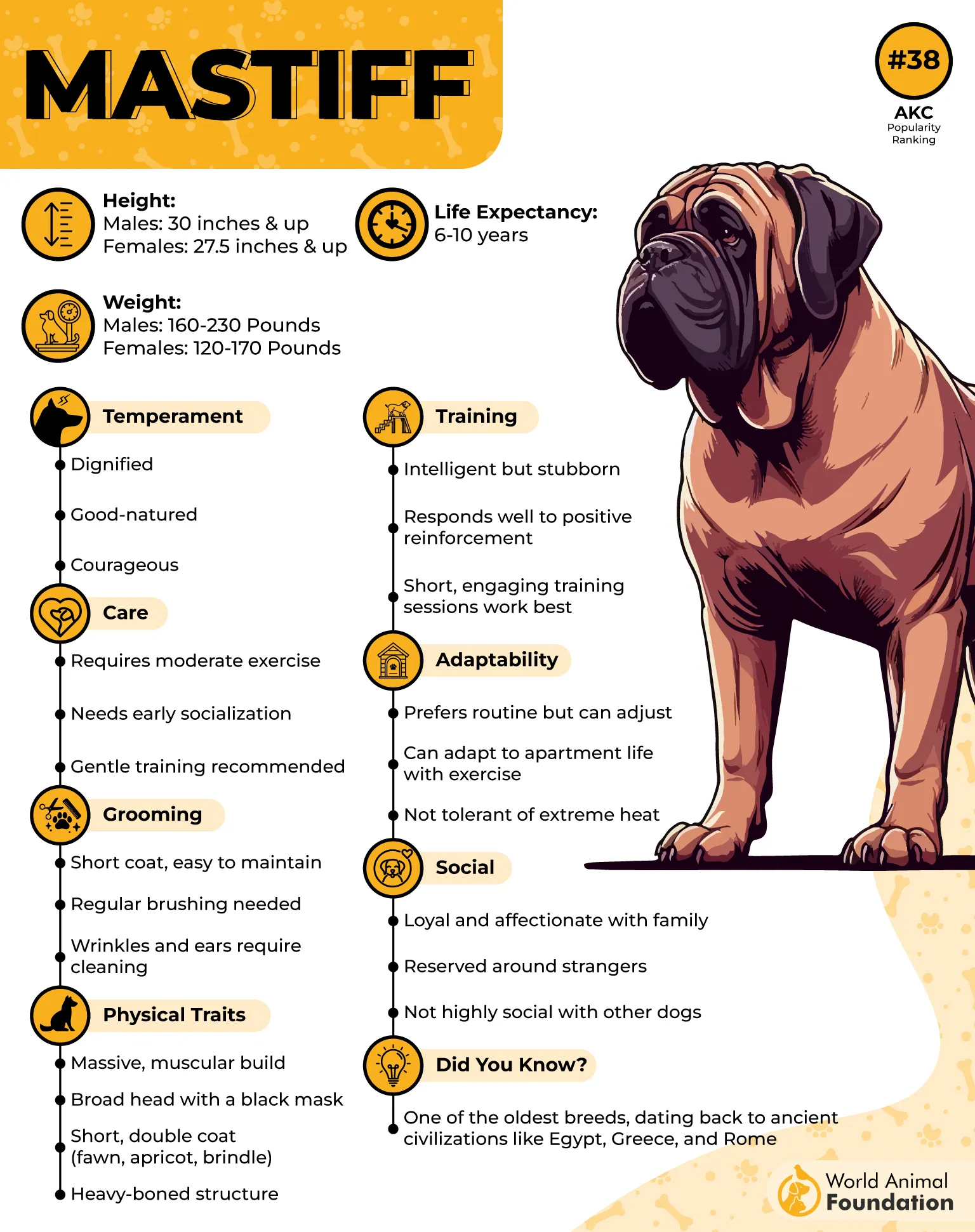
These loving companions are extremely low-energy for their size and are happy with moderate daily exercise. Think slow walks, not marathon training.
Grooming is easy thanks to their short coat, which only needs occasional brushing. This makes them ideal for families who want protection without the hassle of grooming.
Their guarding style is calm but firm—they don’t react fast, but when they do, it’s serious.
A Cool Fact You Can’t Miss: Because they’re generally calm rather than hyperactive, they often demand less daily entertainment than many smaller high-energy breeds. So, the giant guard dog stereotype hides a hilarious truth: sometimes the biggest dog in the house is also the laziest roommate.
3. Newfoundland
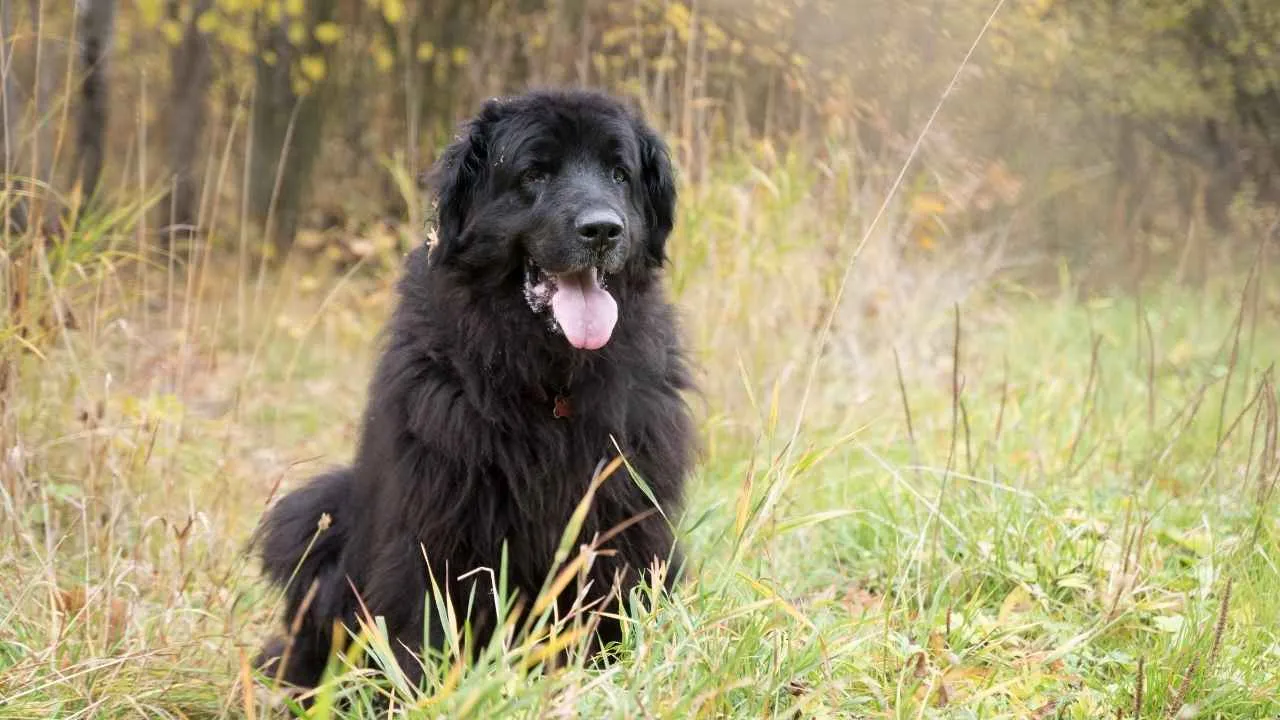
The Newfoundland is the ultimate gentle giant with hidden lifeguard instincts.
They’re famous for water rescues, but they also have a natural protective streak.
Instead of aggression, they use emotional intelligence and positioning to protect their family. Basically, they “block danger vibes” rather than chase them.
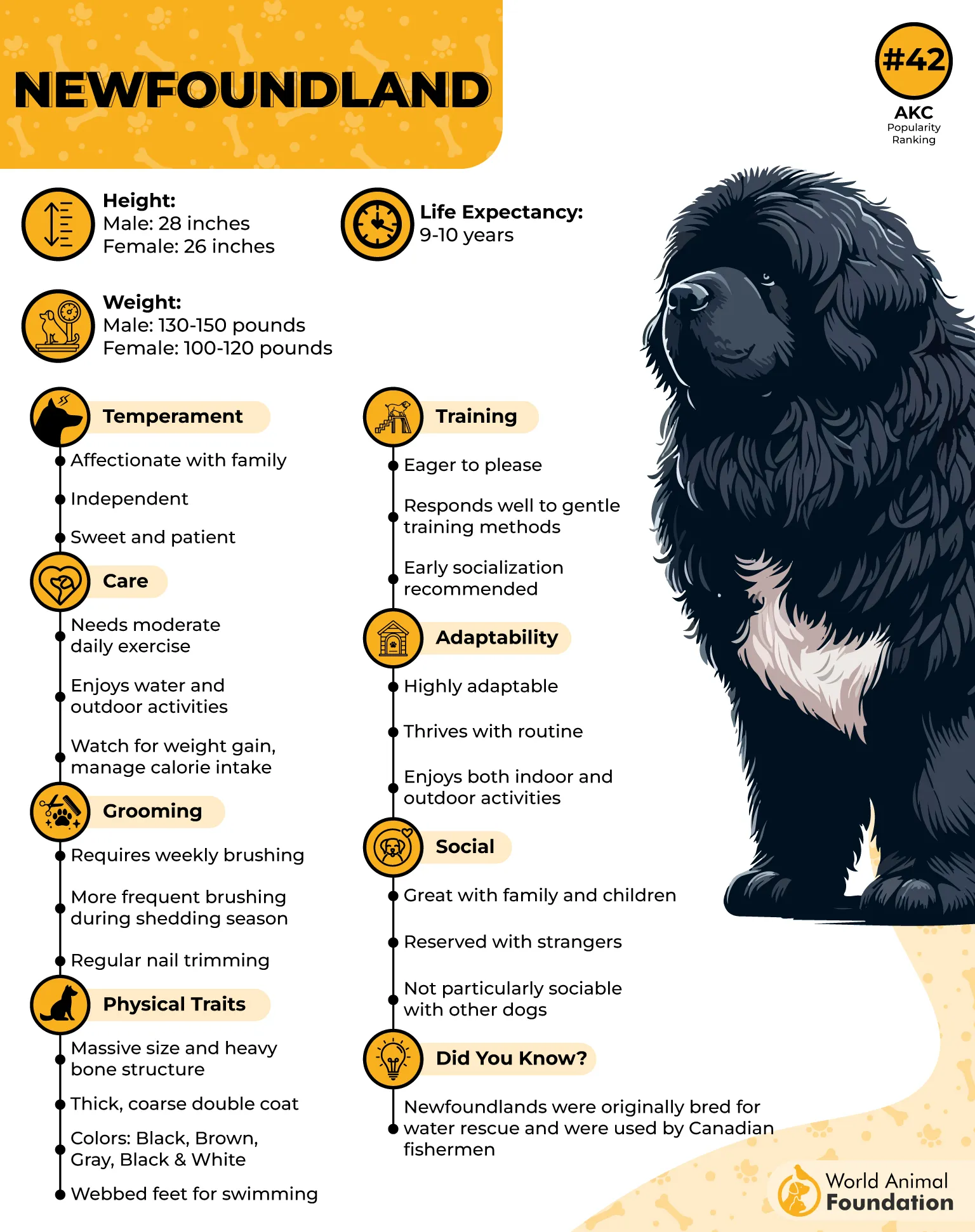
They’re very calm indoors and adapt well to family routines, even chaotic ones. Their temperament makes them especially good with kids. These dogs are surely a great choice for first-time dog owners.
Another reason they fit busy families is that their exercise needs are often moderate rather than extreme. They enjoy walks and activity, but they’re usually not the kind of dog requiring hours of intense daily stimulation like some working breeds.
They guard through calm presence and physical shielding, not loud reactions.
Did You Know? They’ve earned the nickname “nature’s nanny” because of their famously gentle reputation with children. That calm, dependable temperament is a huge part of why many active households love them.
4. Great Dane
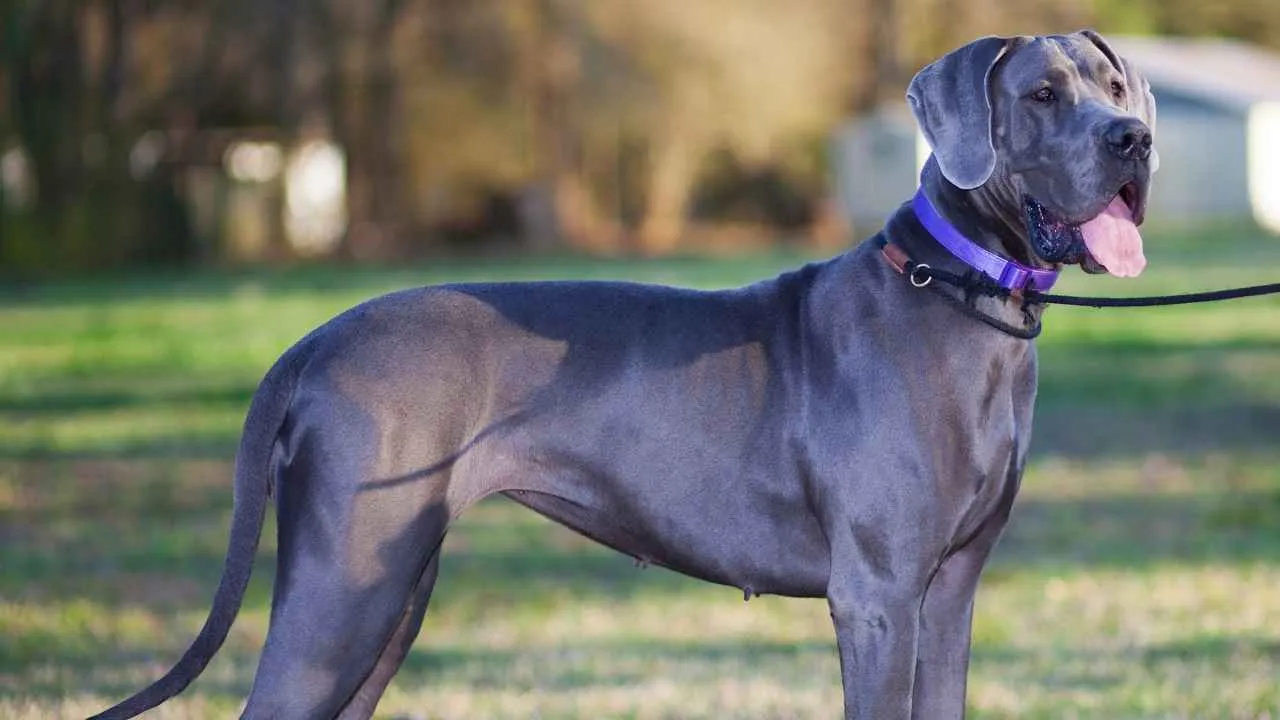
The Great Dane is what happens when elegance meets accidental intimidation.
They look like they could guard a castle, but inside they’re just oversized lap dogs.
Their protective instinct is rooted in awareness—they observe first and only act when truly needed. This makes them excellent “silent alarm systems.”
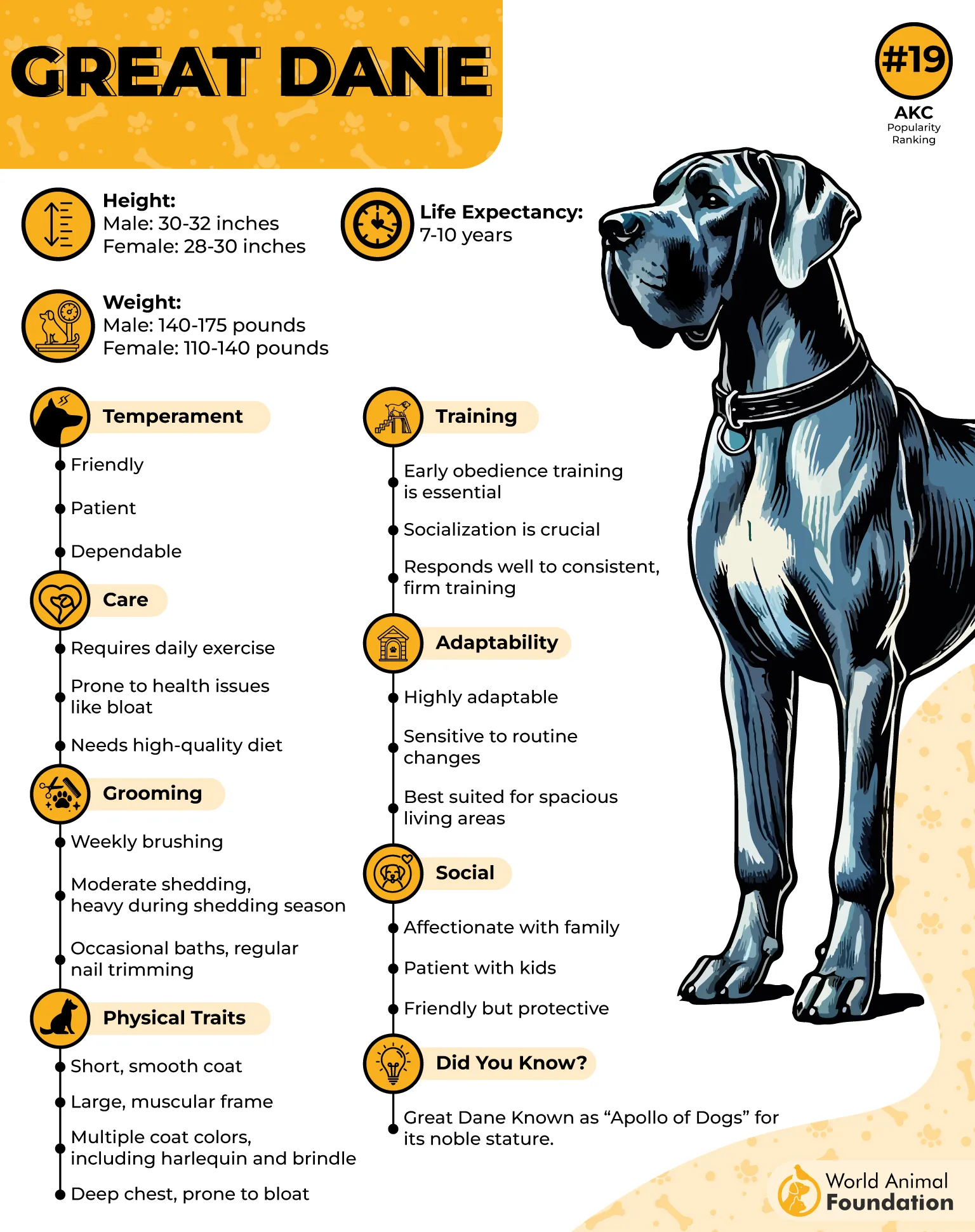
They require moderate exercise and proper training, but they’re not overly demanding for busy owners. A couple of walks and indoor bonding time usually work fine.
Their short coat keeps grooming simple, making them one of the easier giant breeds to maintain. Families love how low-effort their upkeep is.
They excel at deterrence through size + calm confidence, which is surprisingly effective.
5. Rhodesian Ridgeback
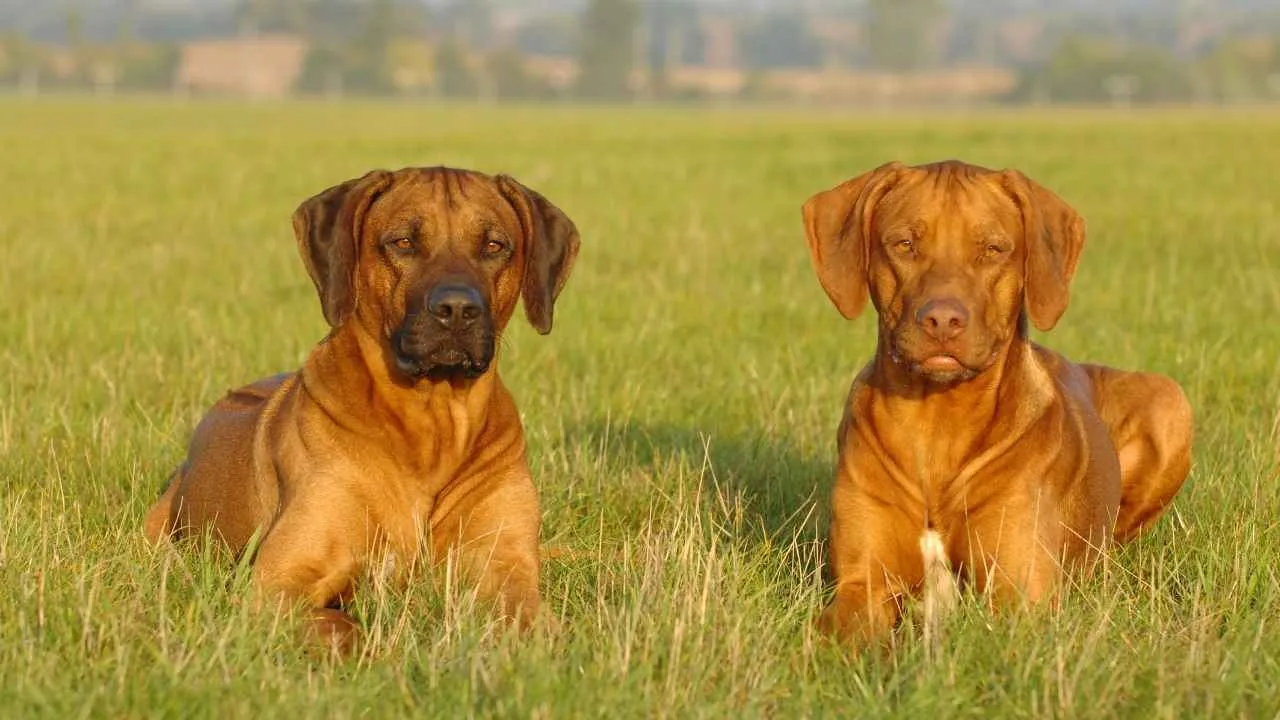
The Rhodesian Ridgeback is a calm, athletic watchdog originally bred to track lions in Africa. That alone tells you everything about its confidence level.
They are independent thinkers, meaning they don’t panic or overreact easily. Instead, they assess situations like professionals.
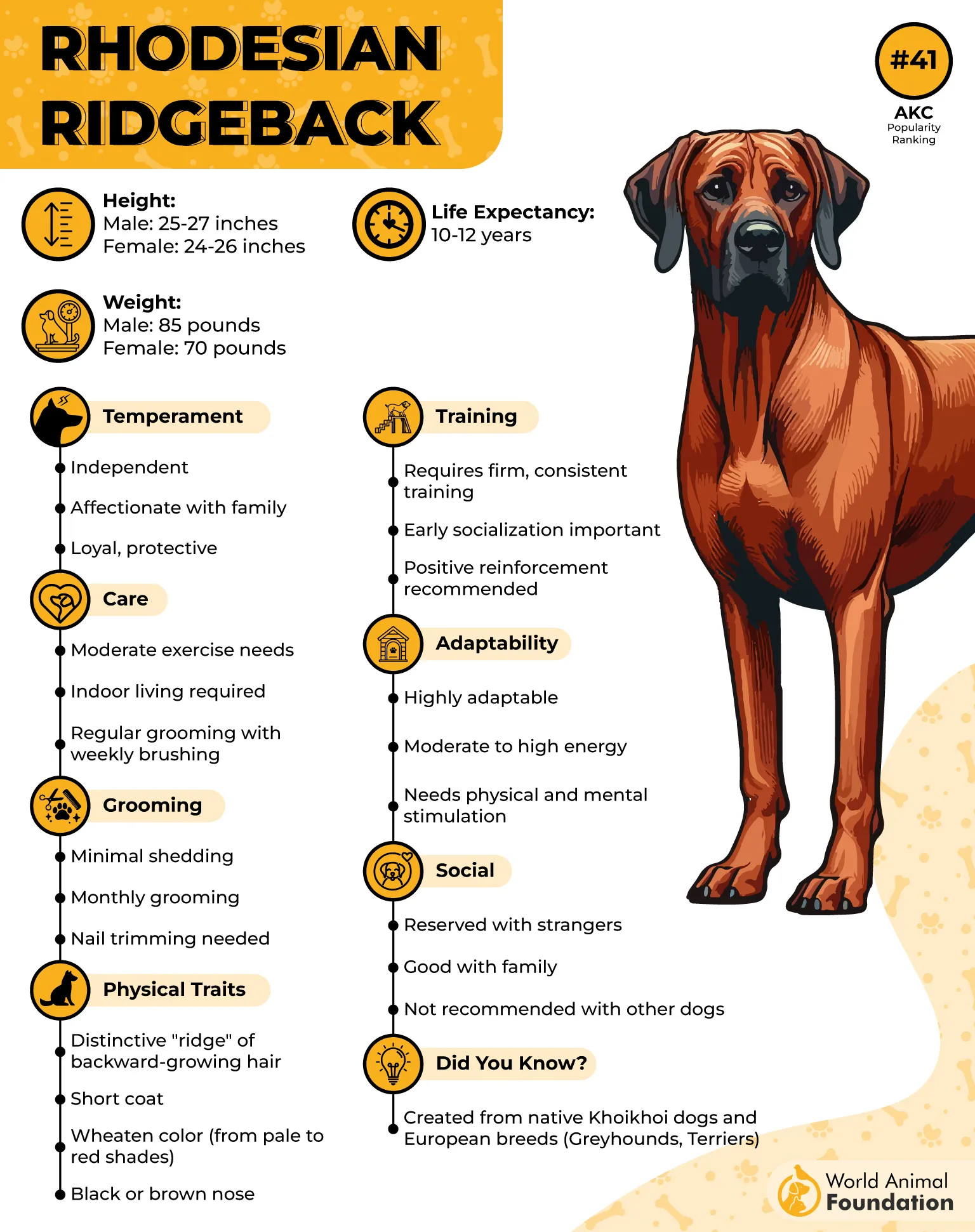
They’re relatively low-maintenance in grooming thanks to their short coat, requiring only weekly brushing. Exercise needs are moderate but consistent.
Ridgebacks are known for being quiet dogs, barking only when they truly sense something unusual. That makes them great for peaceful homes.
Their guarding style is calculated, silent, and highly controlled, not reactive chaos.
A Lesser-Known Fact: the famous “ridge” on a Rhodesian Ridgeback’s back — that strip of hair growing in the opposite direction — is tied to a unique genetic trait shared with very few breeds worldwide. It isn’t just a cool look; it’s one of the breed’s defining biological signatures.
6. Airedale Terrier
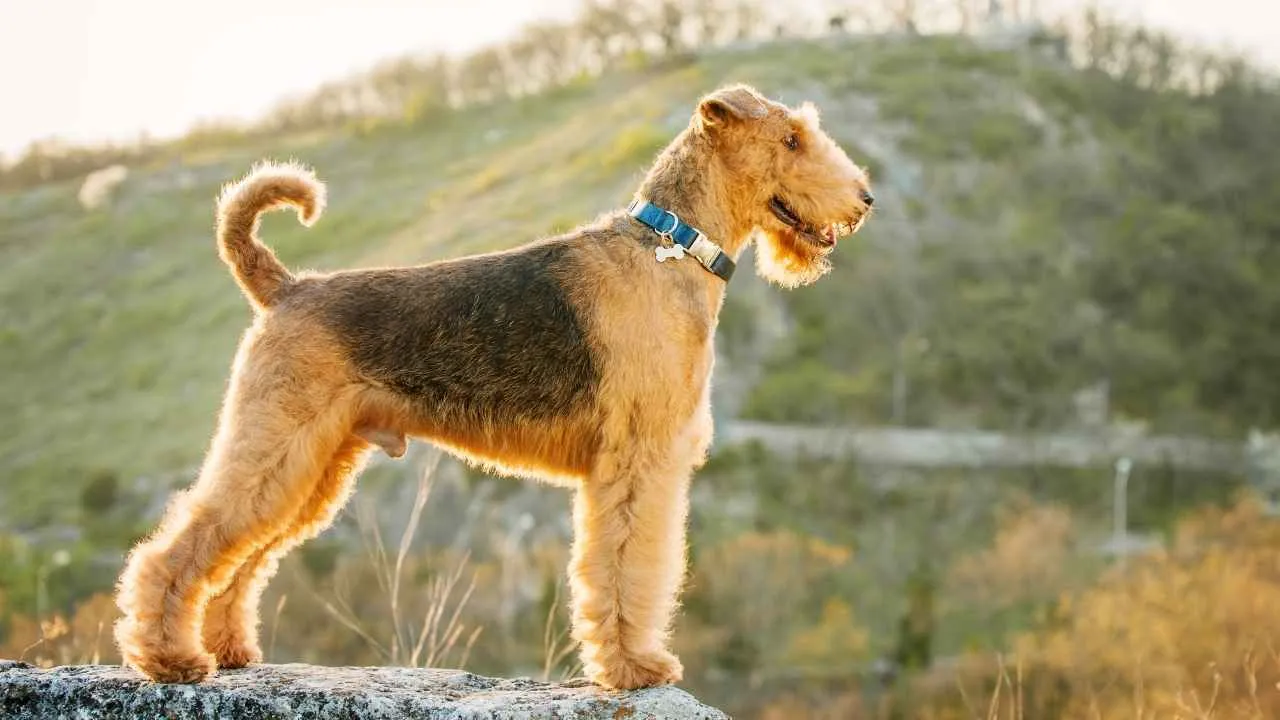
The Airedale Terrier is often called the “King of Terriers,” and honestly, it fits.
They’re smart, alert, and naturally protective without being overly aggressive.
They were historically used for both hunting and guarding, so they’ve got a balanced instinct profile. That makes them adaptable family protectors.
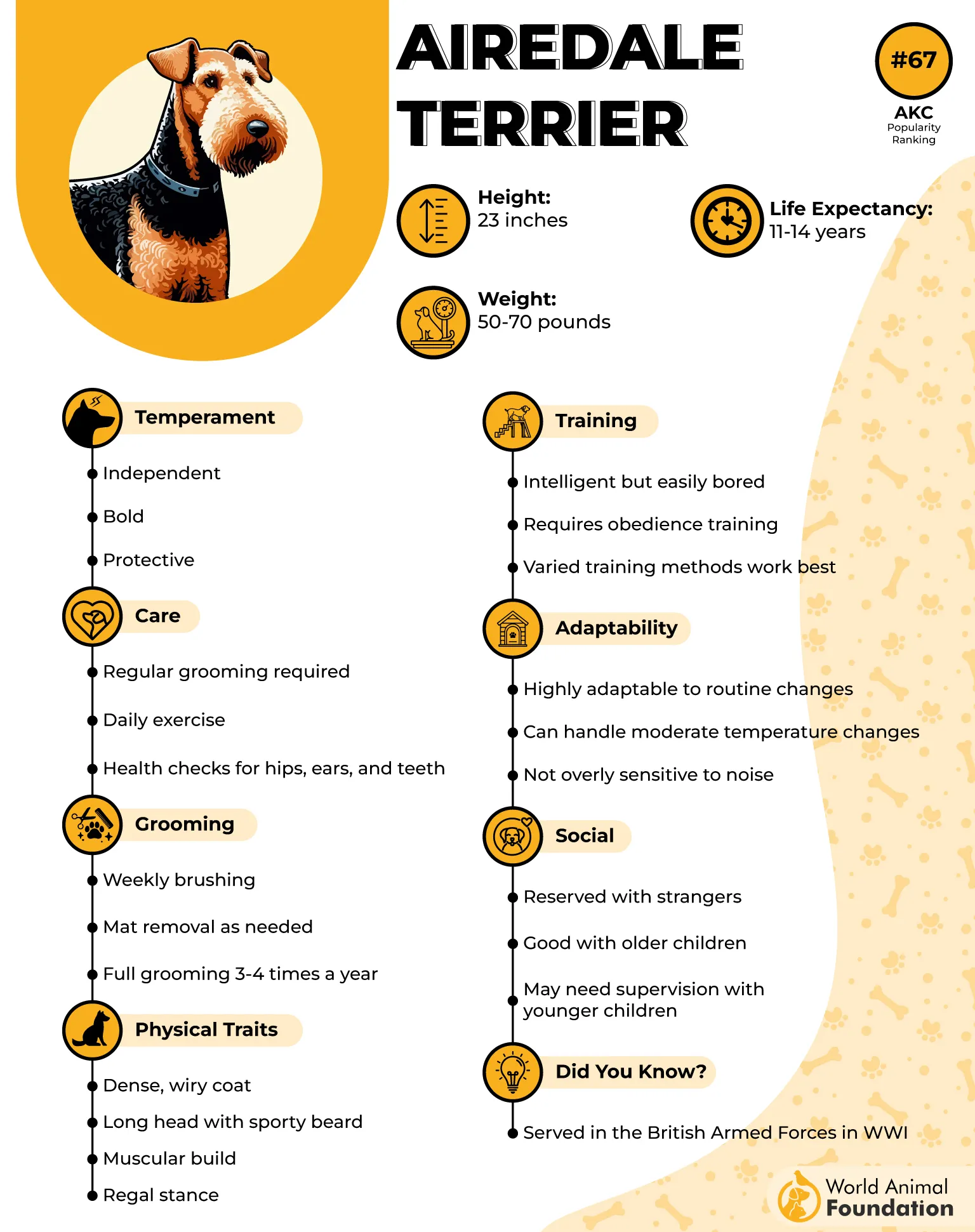
These great guard dogs need moderate exercise and mental stimulation, but they’re not as demanding as working herding breeds. A daily routine keeps them stable and happy.
Purina says their wiry coat is low-shedding but does need occasional grooming to stay neat. Many owners opt for professional trimming.
Properly trained protection dogs guard through alert intelligence and controlled territorial awareness, not constant barking.
7. Bergamasco Sheepdog
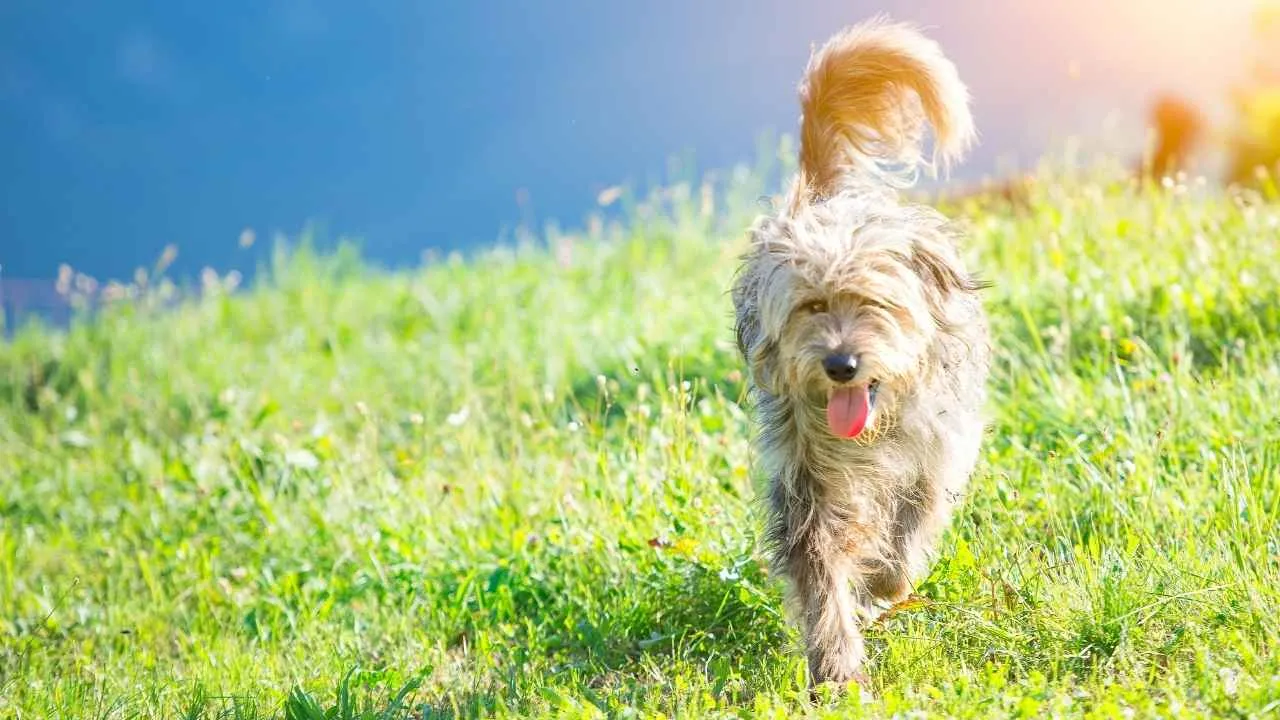
The Bergamasco Sheepdog is one of the most unique-looking guardian dogs out there.
Their “flocked” coat makes them look like a walking mop, but it’s actually a functional protective layer.
Some of the best guard dogs out there were bred as livestock guardians in the Alps, so independence and patience are core traits. They don’t panic easily, even in unfamiliar environments.
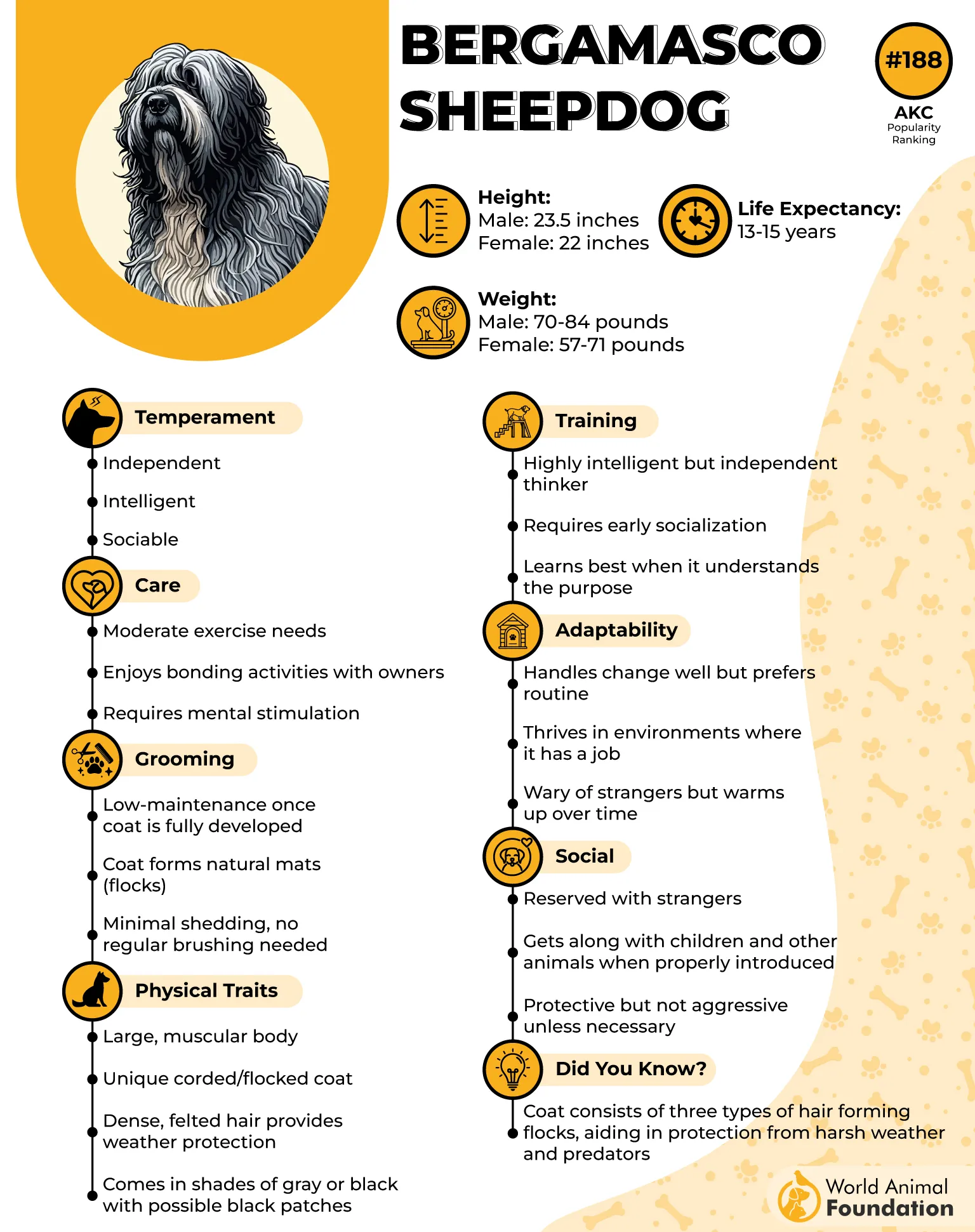
One thing many people don’t realize is that Bergamascos were bred to work independently alongside shepherds, which made them excellent problem-solvers and highly attuned to household rhythms. In a busy family, this often translates into a dog that observes, adapts, and settles into routines rather than needing constant management.
These loving family pets are calm, observant, and emotionally intelligent, often reading family moods accurately. This makes them gentle but effective watchdogs.
A great fit for urban families is its reputation for being patient and steady with children. Many owners describe them as almost thoughtful in their interactions, which can work well in a lively household.
Conclusion
Low-maintenance guard dogs aren’t about laziness—they’re about efficiency. These breeds balance calm personalities with strong protective instincts, making them ideal for modern families who don’t have time for high-drama pet routines.
What makes them special is their ability to “switch modes.” One minute, they’re chilling as if nothing matters, and the next, they’re fully alert if something feels off. German Shepherds, Doberman Pinschers, and Belgian Malinois are also incredibly loyal dogs that make great family pets.
Across behavior studies and real owner experiences, breeds like Mastiffs, Great Pyrenees, and Ridgebacks consistently show that protection doesn’t always mean aggression—it often means awareness and presence.
