




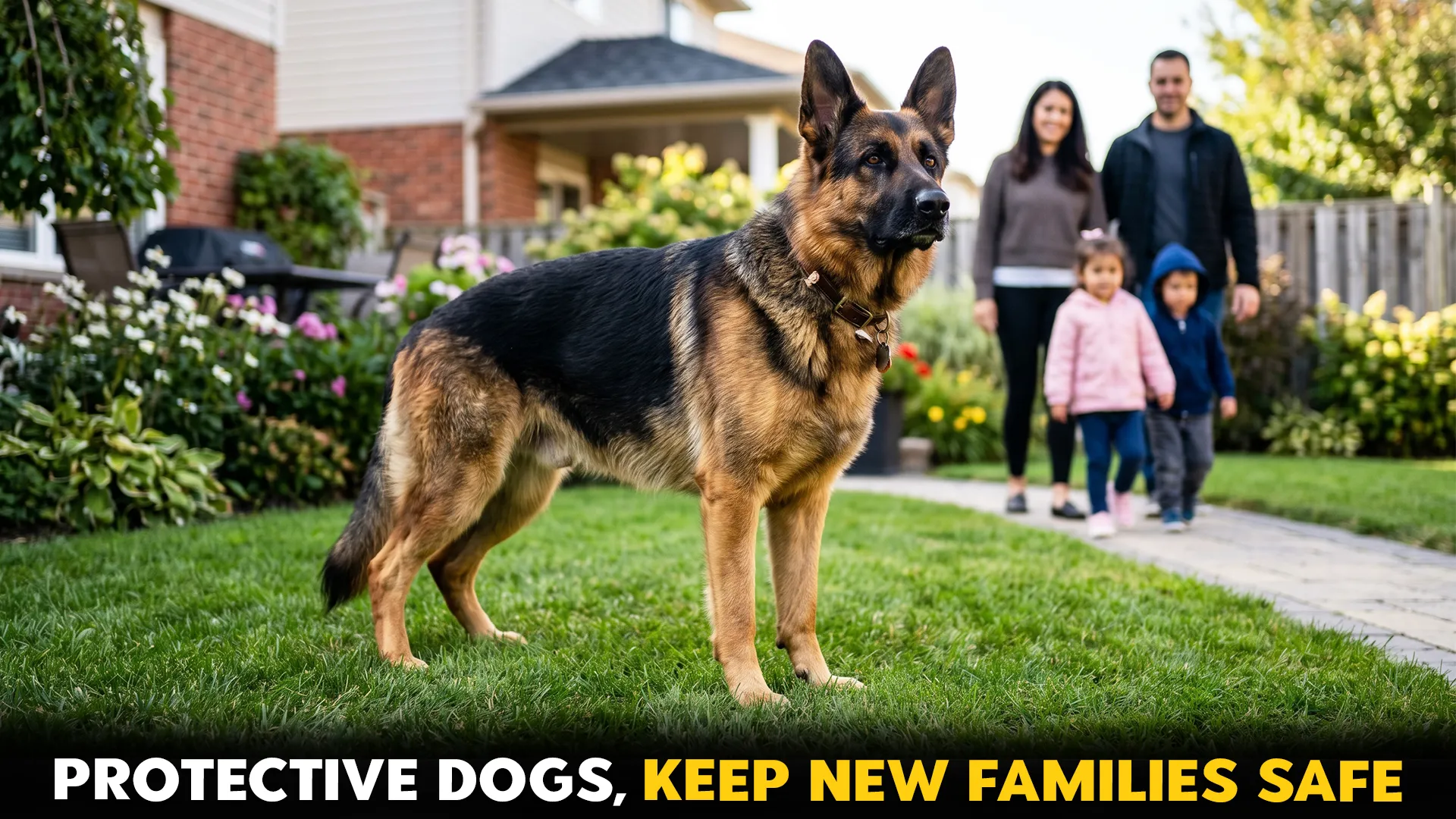
Bringing a dog into a new family is exciting, but choosing a protective breed takes more than picking the biggest or bravest pup.
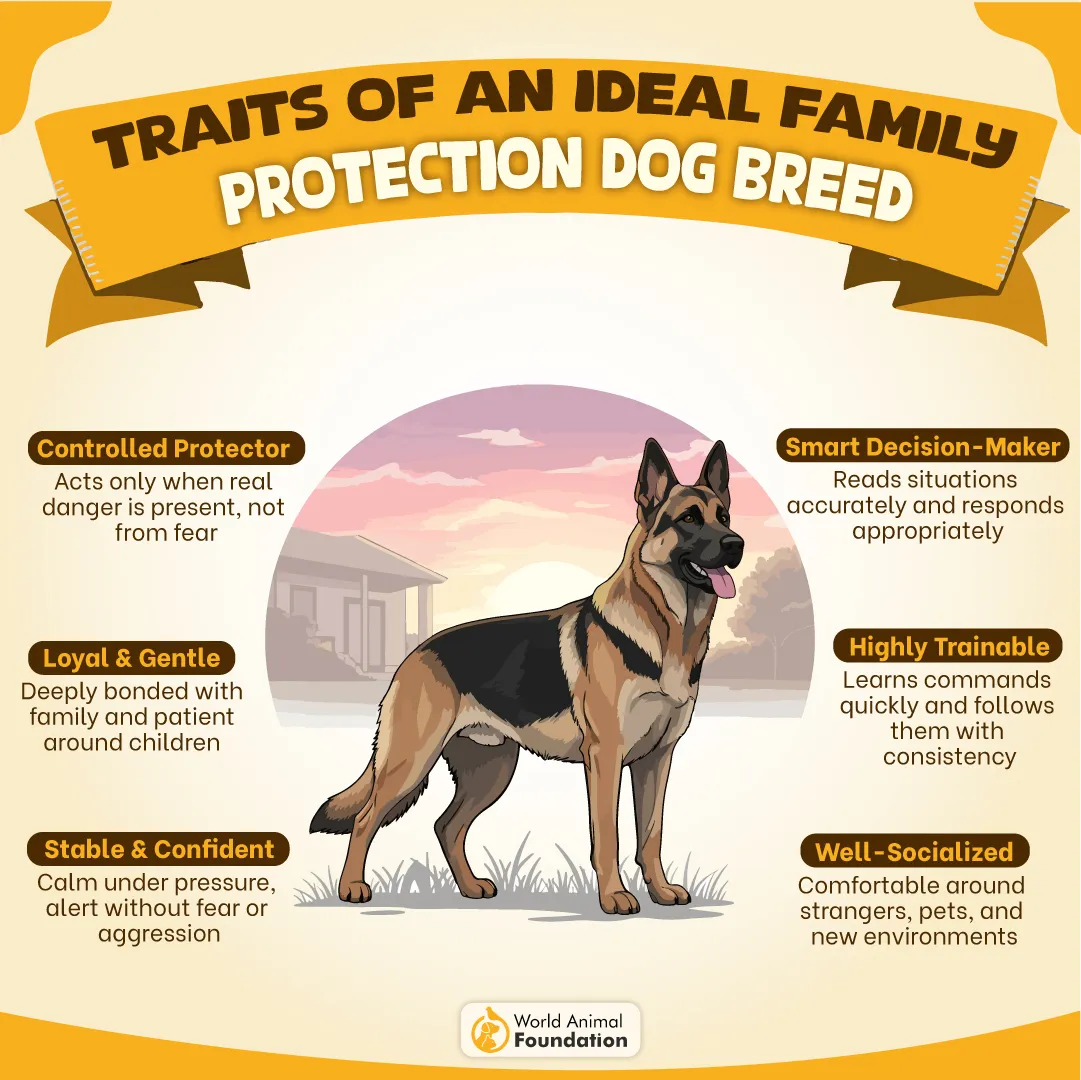
The best family guard dogs are loyal, alert, trainable, and steady enough to be gentle with children while still noticing when something feels wrong. Protective instincts can be helpful, but they need proper training, socialization, and daily guidance to become safe, reliable pets.
A good family protector should feel like a loving companion first and a guardian second.
In this guide, we’ll look at 10 protective dog breeds that may suit new families, along with the traits that make each one worth considering.
Most Protective Dog Breeds for New Families
1. Newfoundland
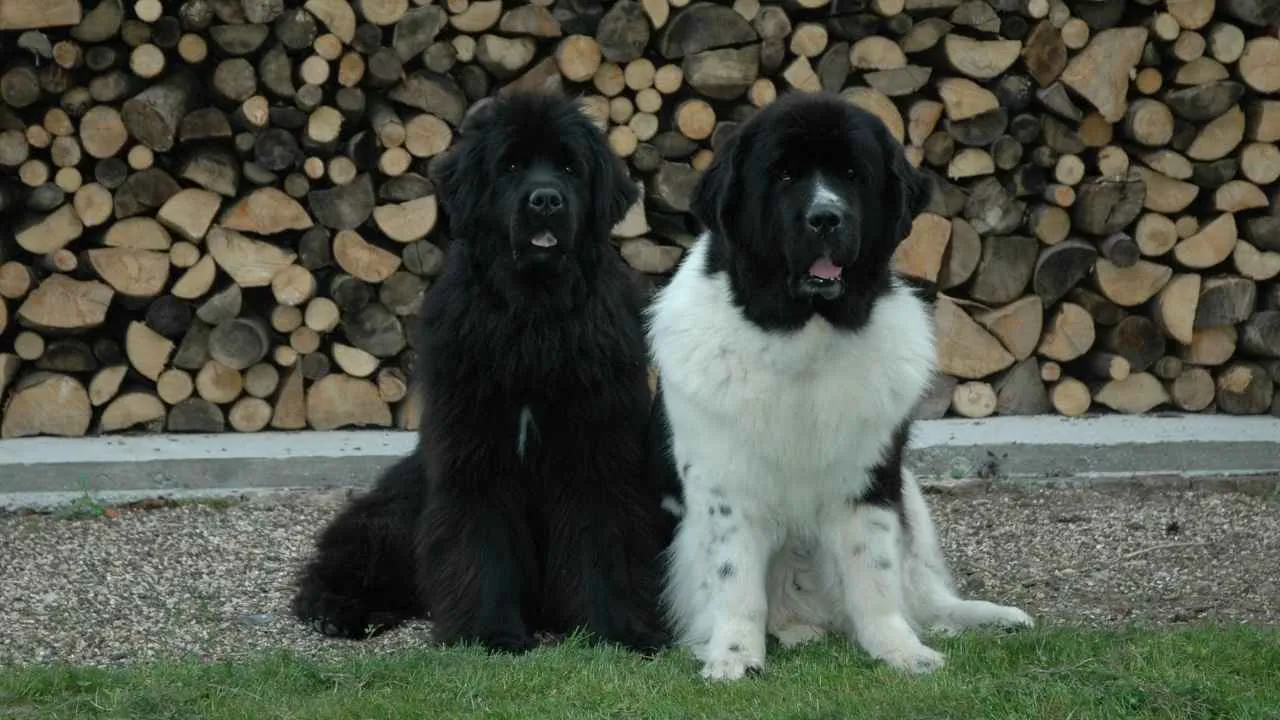
The Newfoundland is the gentle heavyweight of the dog world, built like a furry tugboat and known for a sweet, patient nature. AKC describes this breed as a massive, powerful working dog with a dignified look and a famously soft spot for children.
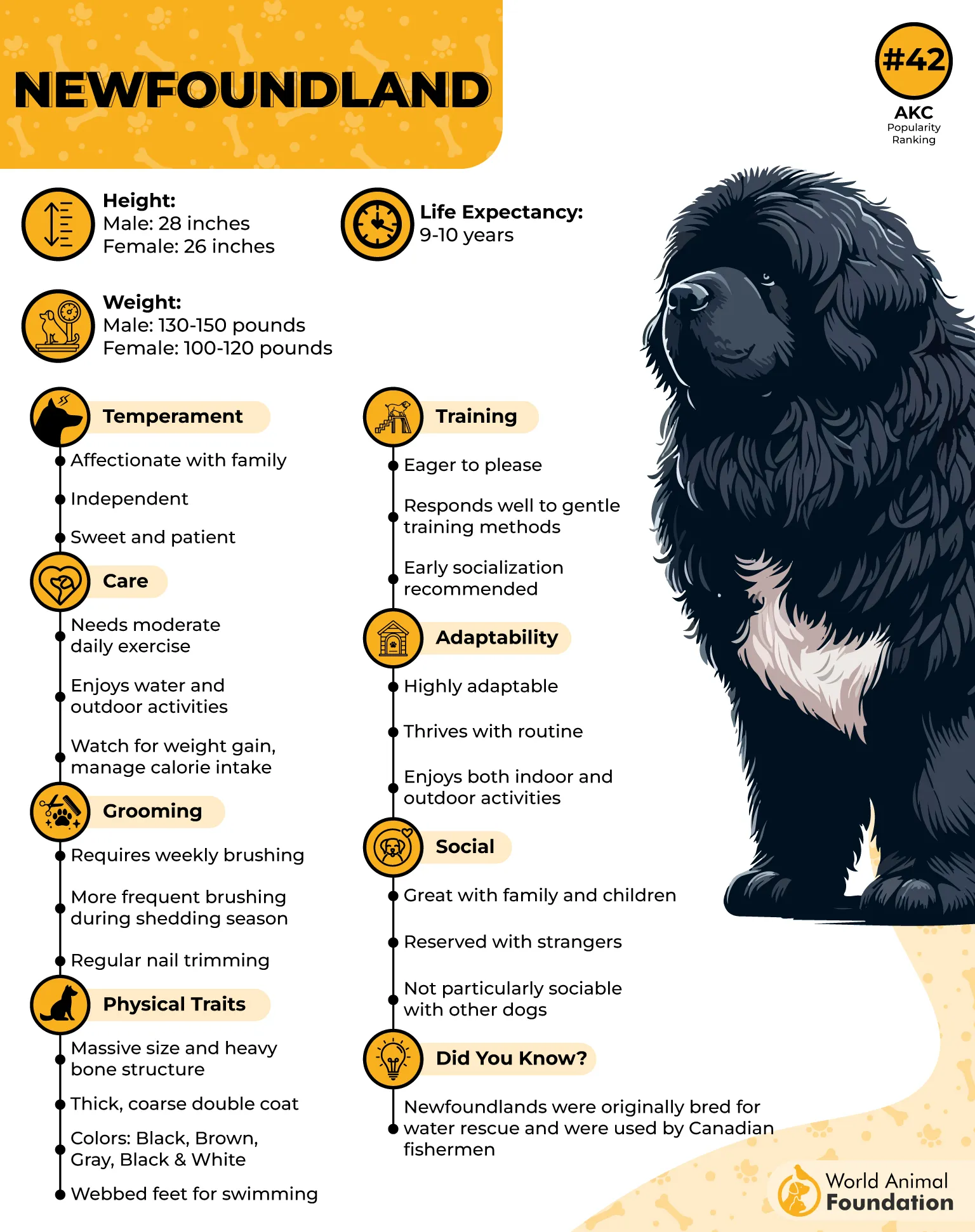
That calm personality matters because a Newfoundland can be huge, with males reaching up to 150 pounds. Their size may turn heads, but their best quality is not bulk alone. The breed standard highlights sweet temperament as the most important trait, which says a lot about the Newfie’s family-first personality.
Daily life with a Newfoundland is not all couch cuddles and soulful eyes. Their heavy coat needs thorough brushing at least once a week, and they need moderate daily exercise to stay healthy and happy. They are also eager to please and usually respond well to gentle guidance, while harsh correction is not their style at all.
Why This Breed Is a Good Fit
Their patient, watchful nature can bring a steady presence to busy family homes.
They are trusting and trainable, which helps new owners build good habits early.
Their love of people makes them more “big-hearted babysitter” than backyard tough guy.
2. Boxer
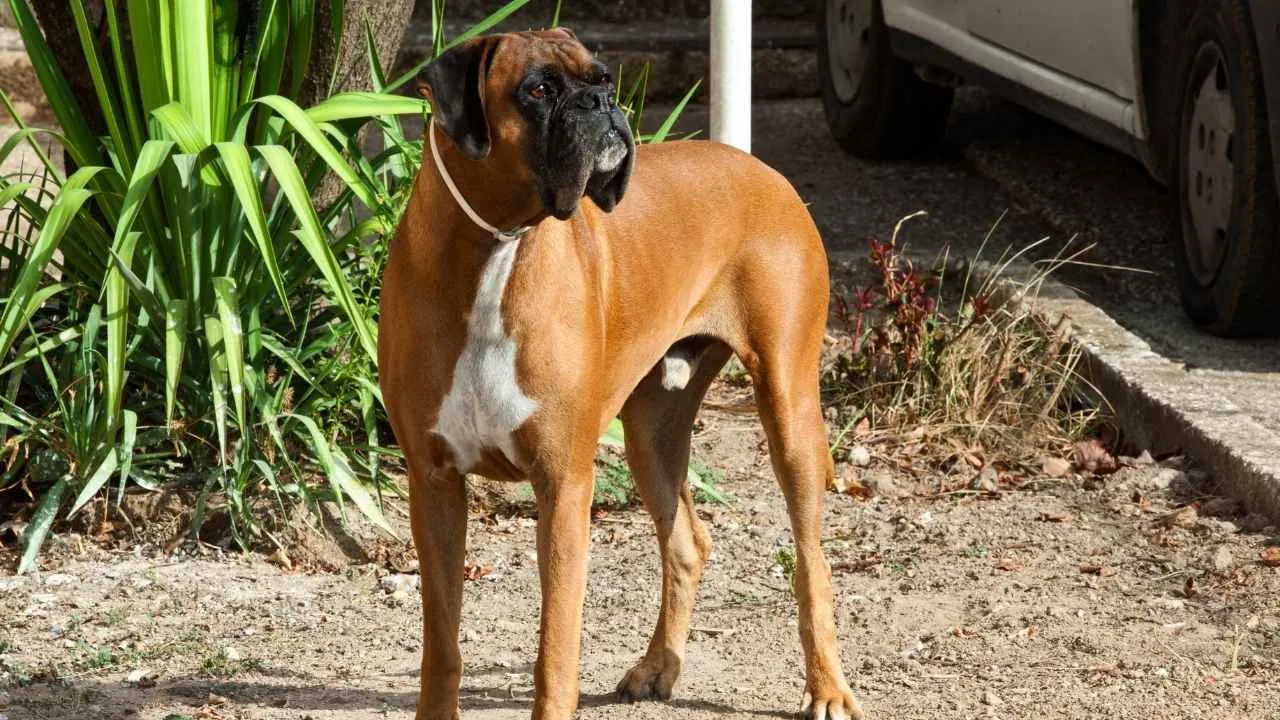
The Boxer is the family clown with a security badge tucked somewhere behind those big brown eyes. Boxers are intelligent, energetic, loyal, playful, spirited, and inquisitive, which is basically a dog résumé written in all caps.
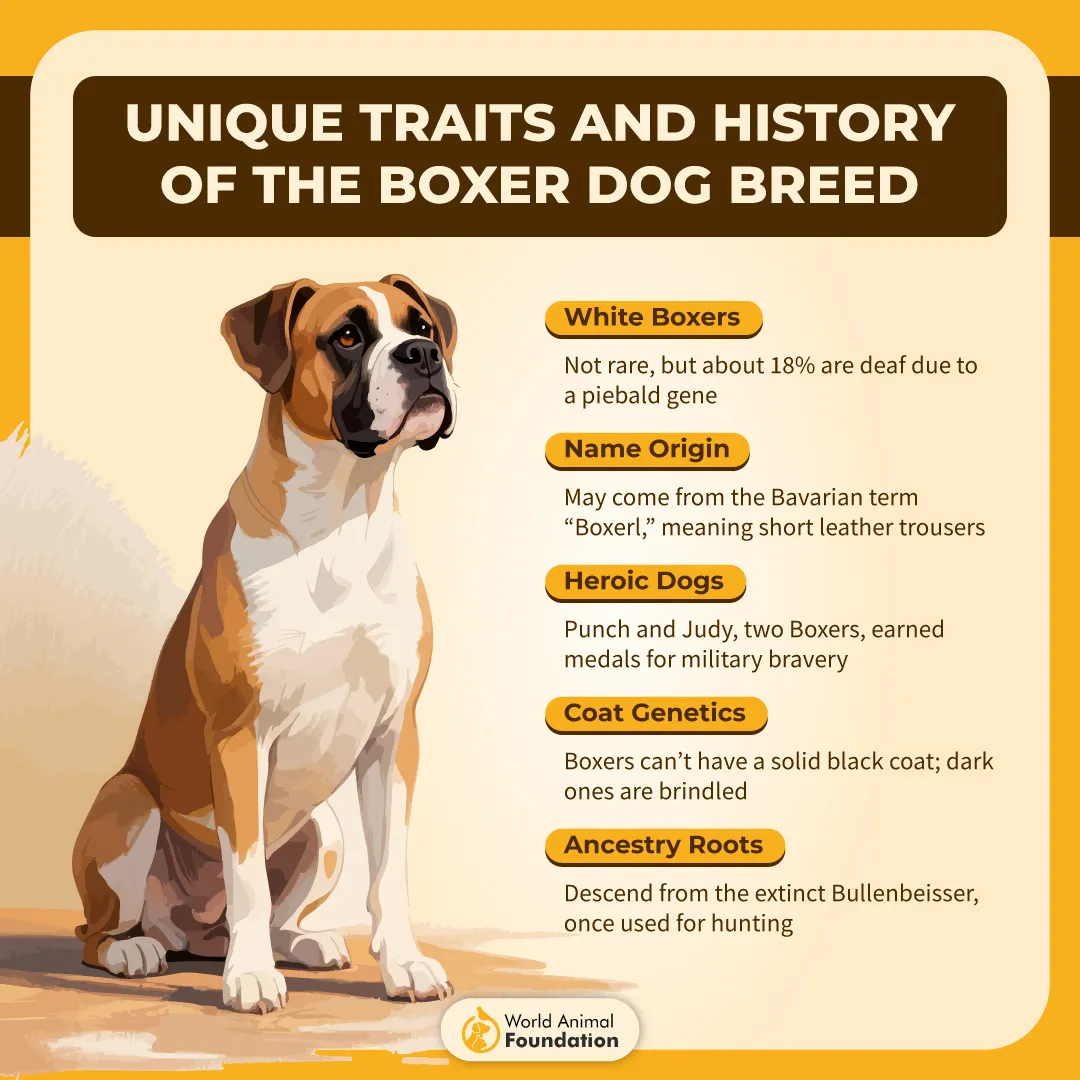
This breed is strong and athletic, with a lean, muscular body, short muzzle, and alert expression. Boxers can be gentle and fun-loving with kids, but their energy needs direction because an excited Boxer may turn a simple hallway into a bounce house. Early positive training helps, ensuring it doesn’t turn into a daily destructive event for your furniture.
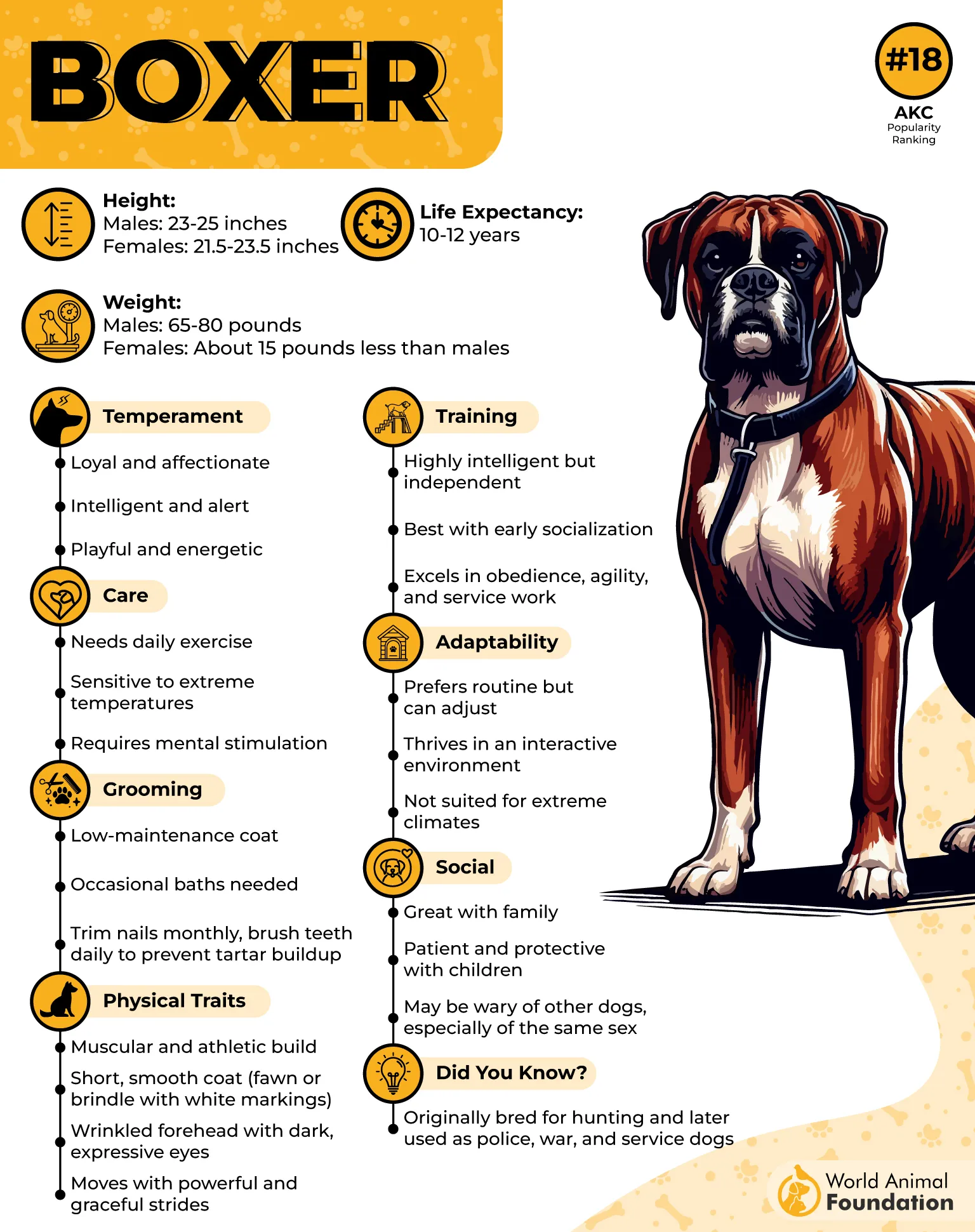
As per Orvis, Boxers are attentive and alert, and they may bark when people approach the home. They are also very protective if they sense a threat to their family. Because they need long walks, playtime, and mental stimulation, they fit best with families ready to move, laugh, train, and repeat.
Why This Breed Is a Good Fit
Their alert nature can help a household notice visitors before the doorbell gets dramatic.
They mix affection with courage, making them fun companions who still take family seriously.
Their need for activity suits families who want a dog that joins the action, not one that watches from the sofa.
3. Rhodesian Ridgeback
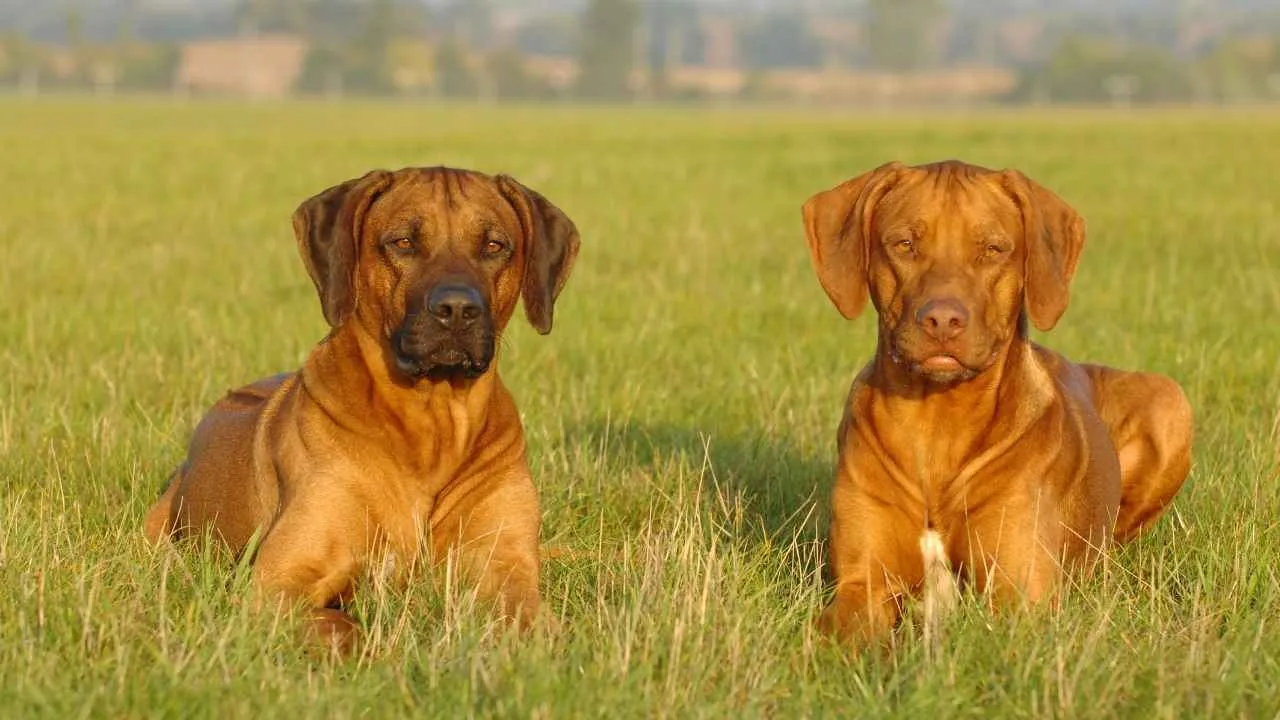
The Rhodesian Ridgeback has a quiet confidence that does not need much barking to make a point. Hill’s Pet describes the breed as strong, muscular, balanced, athletic, and known for endurance with a fair amount of speed.
This dog was bred to hunt and protect the family, and that history shows in its calm but watchful personality. Ridgebacks are devoted and affectionate with their owner, while often being reserved with strangers. They rarely bark, so when one does react, it may feel less like background noise and more like a serious memo.
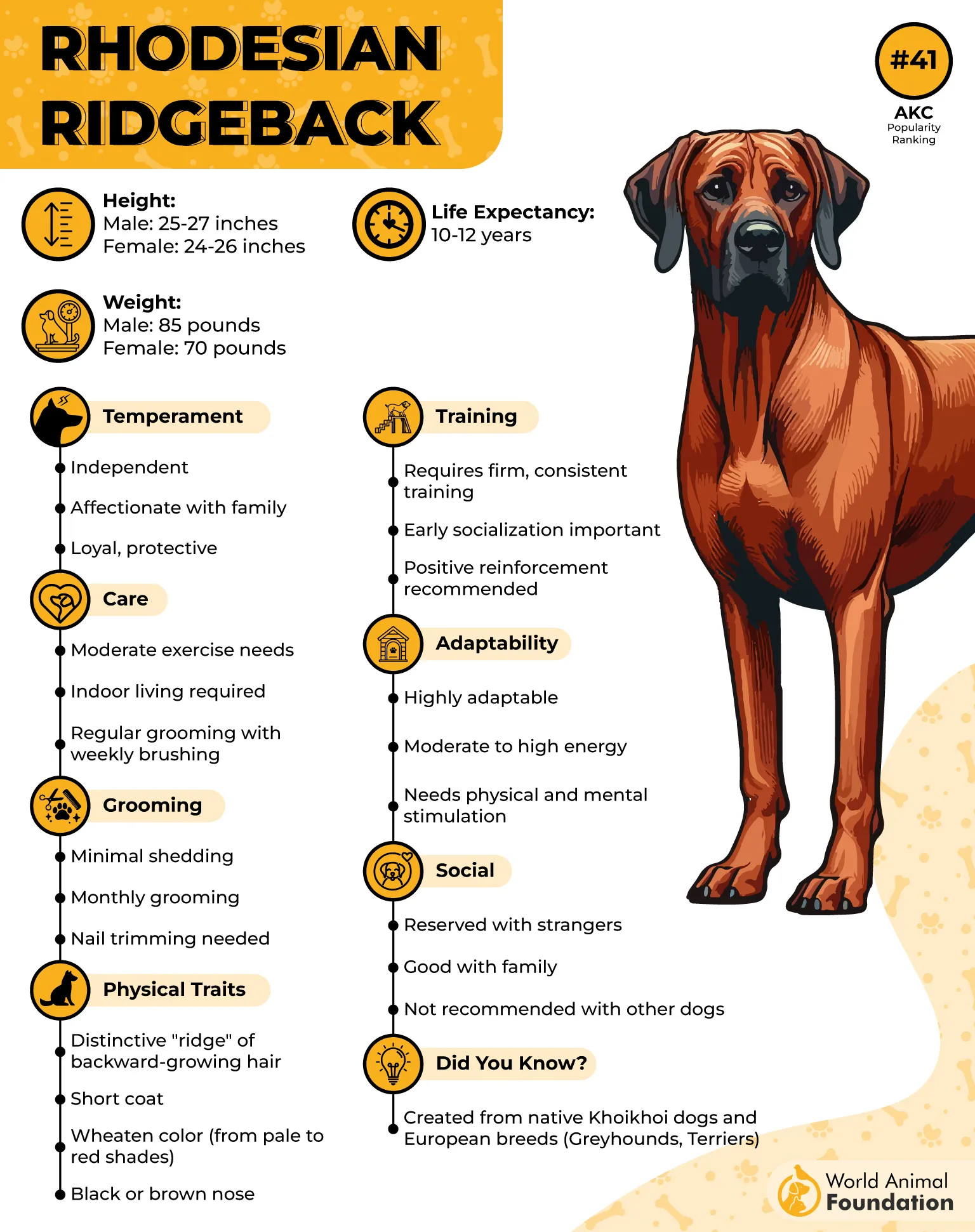
For families, the Ridgeback can be an excellent companion, but it needs owners who understand control, training, and boundaries. Their natural protective instinct should be guided through elementary obedience rather than protection training. They can be good with children, though both child and dog need to learn how to behave around each other.
Why This Breed Is a Good Fit
Their natural watchdog style is quiet, observant, and not usually bark-happy.
They offer loyalty without needing to act dramatic about every passing squirrel.
Their athletic build suits families who can provide exercise and clear leadership.
4. Great Pyrenees
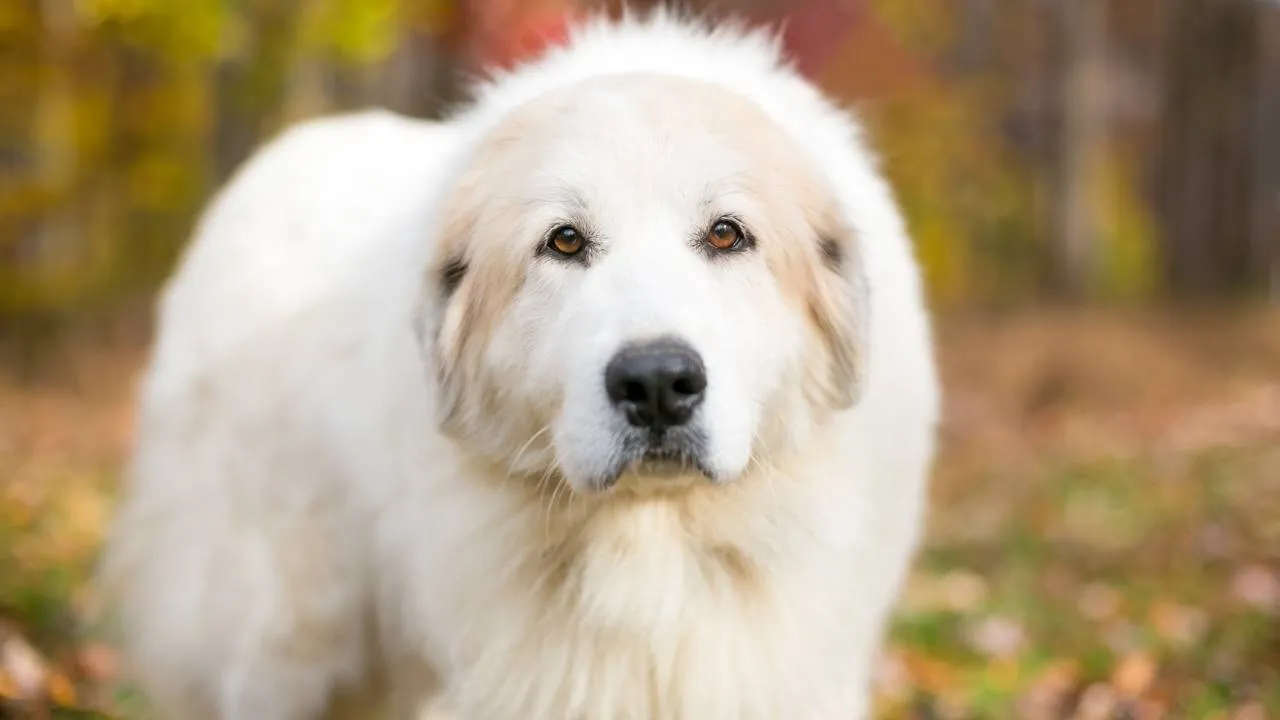
The Great Pyrenees looks like it stepped out of a snowy mountain painting, then calmly decided to supervise your entire household. The breed is elegant, perceptive, intelligent, kind, and protective, with a calm demeanor that can shift quickly if a threat appears.
This breed was developed to keep wolves and other predators away from sheep, so independence is part of the package. Great Pyrenees dogs often roam carefully while guarding, and they were bred to work without constant direction. That can make training interesting in the same way that convincing a mountain to move would be interesting.
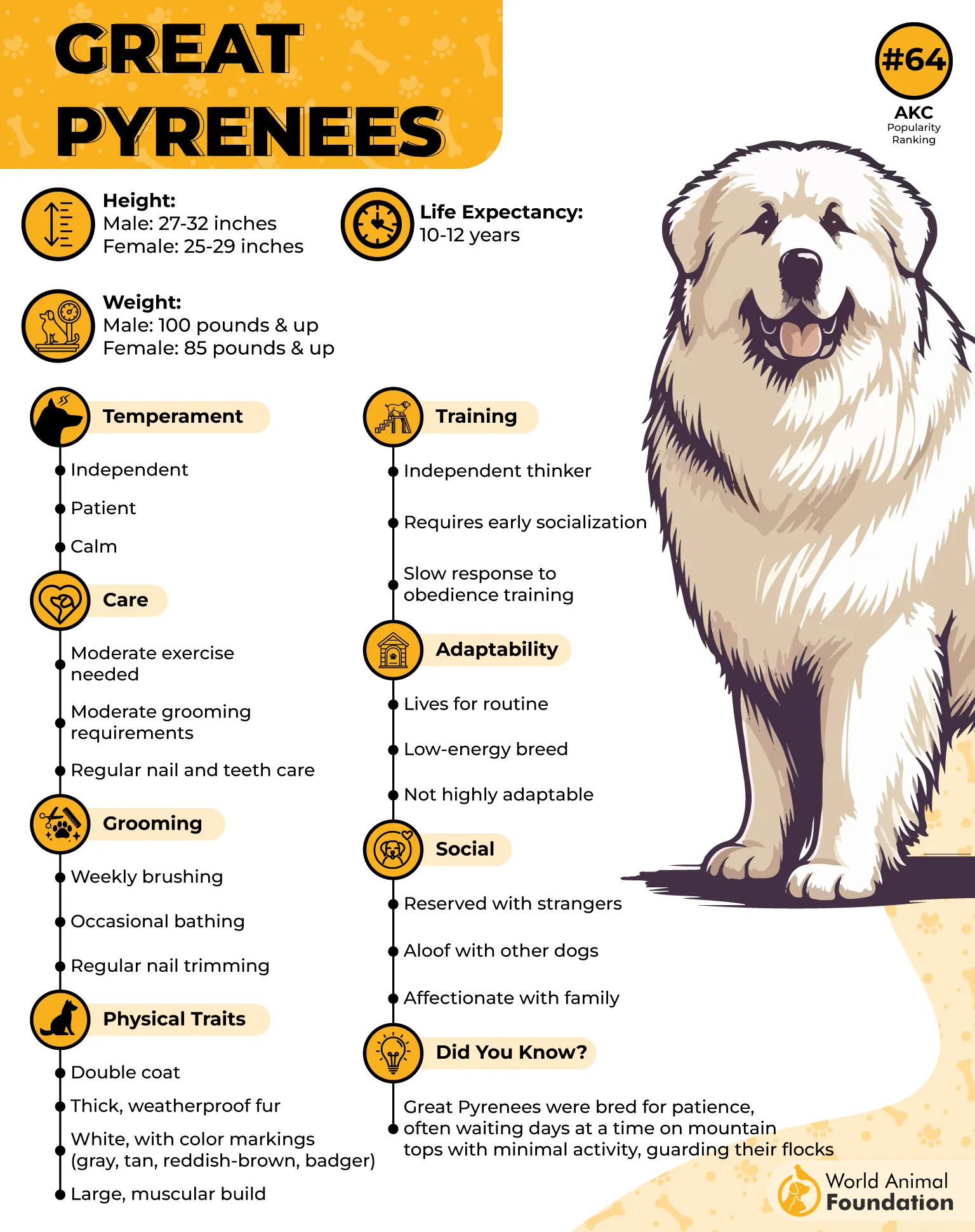
At home, they are natural guardians who nurture and care for their flock or family. They are protective of children in their families, but their response to roughhousing can be serious if they think someone is being attacked. A secure fenced yard, early training, and good socialization are important because this breed likes to roam and has barking as a first line of defense.
Why This Breed Is a Good Fit
Their calm watchfulness can suit families that want a guardian with a steady mood.
They are naturally caring toward their household, especially vulnerable family members.
Their protective style works best for owners who respect training, fences, and bedtime barking possibilities.
5. Great Dane
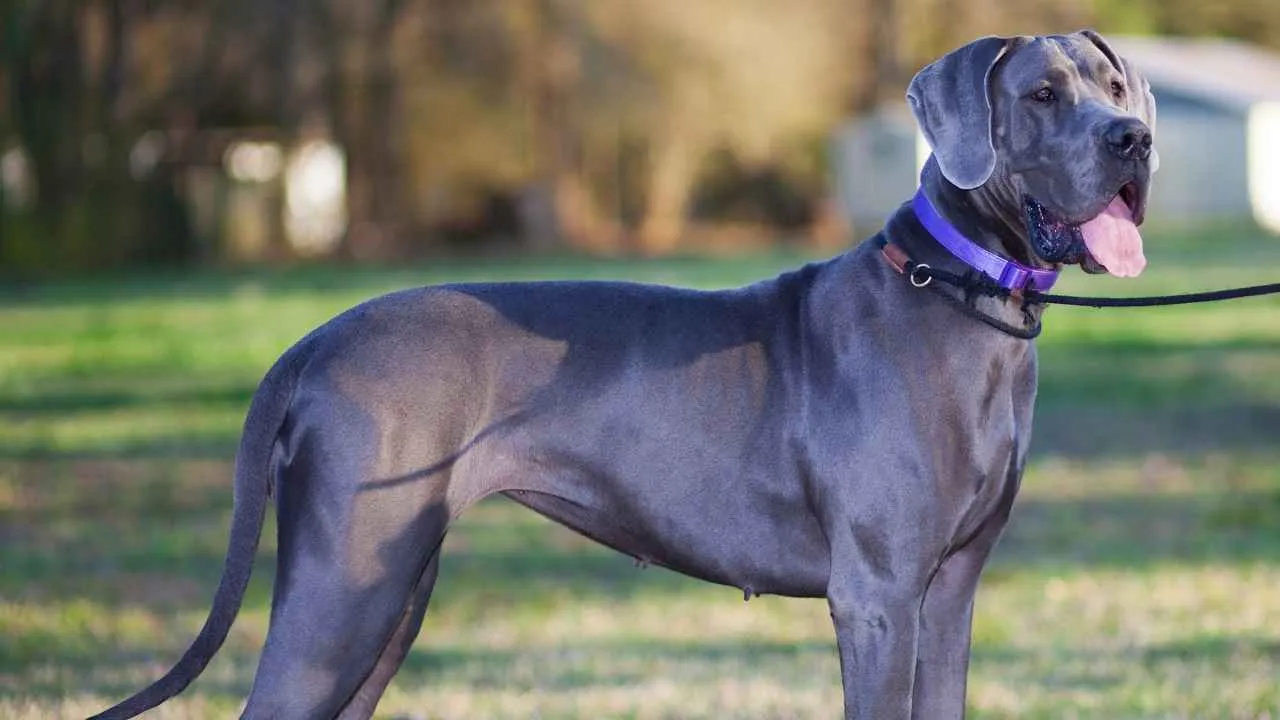
The Great Dane is the dog that enters a room before it fully realizes its tail has followed. The breed is often called “Gentle Giant,” and that nickname fits a dog known for noble carriage, affectionate nature, courage, and dependability.
Great Danes were originally bred in Germany to hunt boar, but today’s version is much sweeter than that backstory sounds. They are friendly, spirited, and often want to stay close when their people are home. Their size alone can be intimidating, and they have powerful barks that may announce visitors with impressive volume.
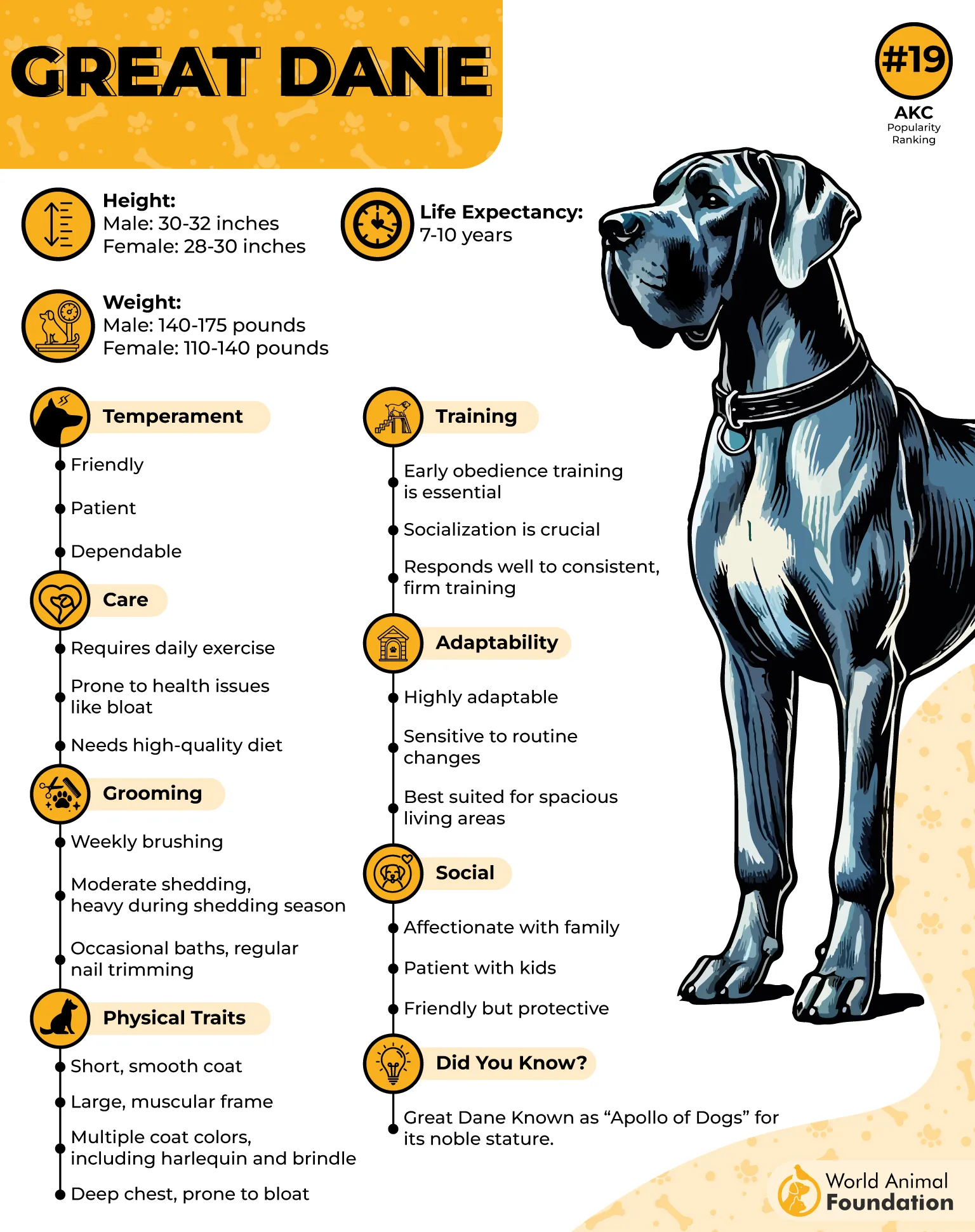
With children, Great Danes can be surprisingly gentle, but supervision is important because a wagging tail can become a toddler-level weather event.
Consistent training with praise and rewards is critical, since an unruly dog of this size is not a small problem. They enjoy walks, fenced-yard play, and indoor life, but they should not be over-exercised while their bones and joints are developing.
Why This Breed Is a Good Fit
Their size and bark can discourage trouble before anything actually happens.
They bring a soft, affectionate personality to homes that have room for a giant shadow.
Their trainable nature helps families shape good manners before “big puppy” becomes “very big puppy.”
6. Staffordshire Bull Terrier
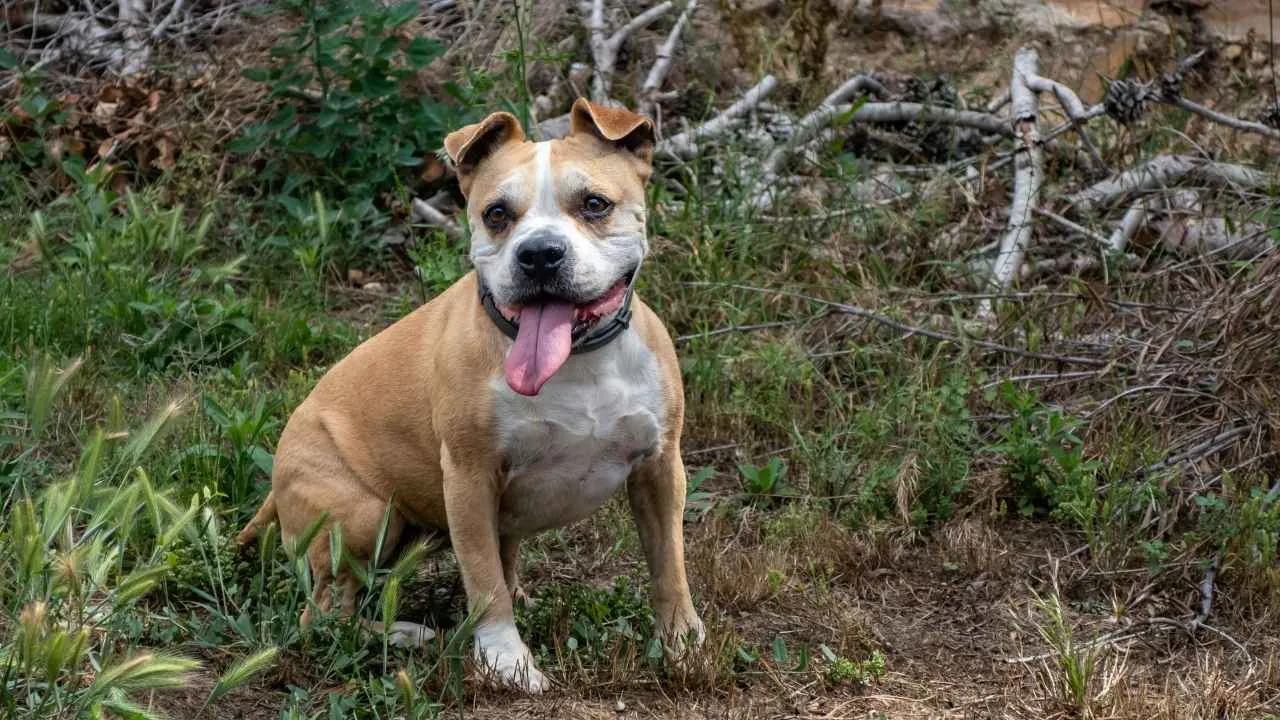
The Staffordshire Bull Terrier may look like it walks into every room ready for a push-up contest, but Staffords are affectionate, loving, loyal, and great family companions. They are medium-sized, strongly built dogs with short, shiny coats and people-loving personalities.
This breed has a fearless and intelligent streak, which explains why it needs early training and socialization rather than guesswork from the couch. Staffords enjoy outdoor games, chase, and active play, so they are not the best match for a family whose biggest sport is finding the remote.
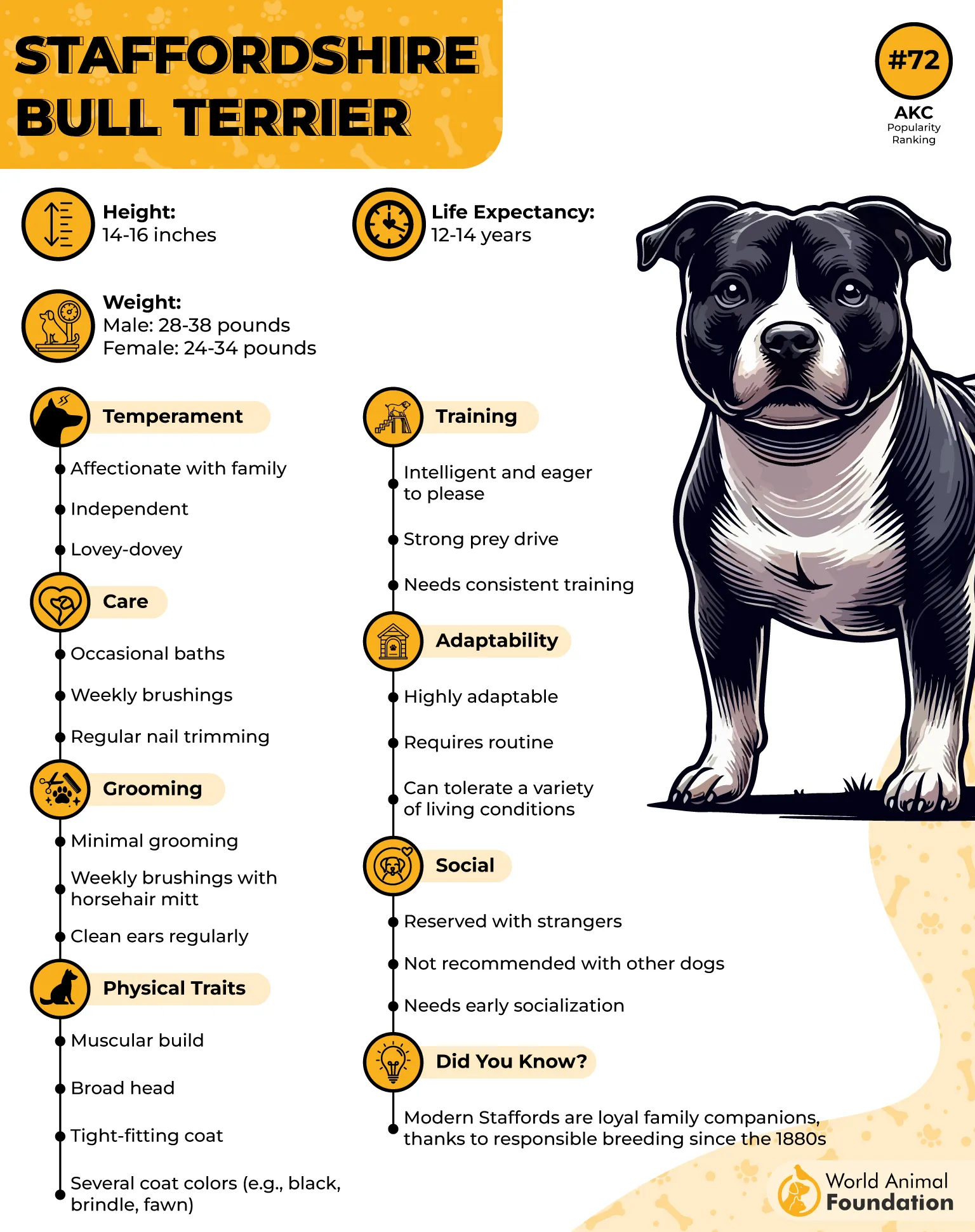
Their watchdog side comes from being vocal and alert when they sense danger. They may be friendly with people, but they can show aggression toward unfamiliar dogs and have prey-drive tendencies, so leash manners matter.
With kind handling, supervision around kids, and steady training, the Staffy can be a cheerful little bodyguard with a big heart and an even bigger opinion about playtime.
Why This Breed Is a Good Fit
Their love of children and family time gives them a warm, home-centered personality.
Their barky alertness can help families notice strangers or odd activity.
Their compact size brings protective confidence without needing a giant-breed living space.
7. Saint Bernard
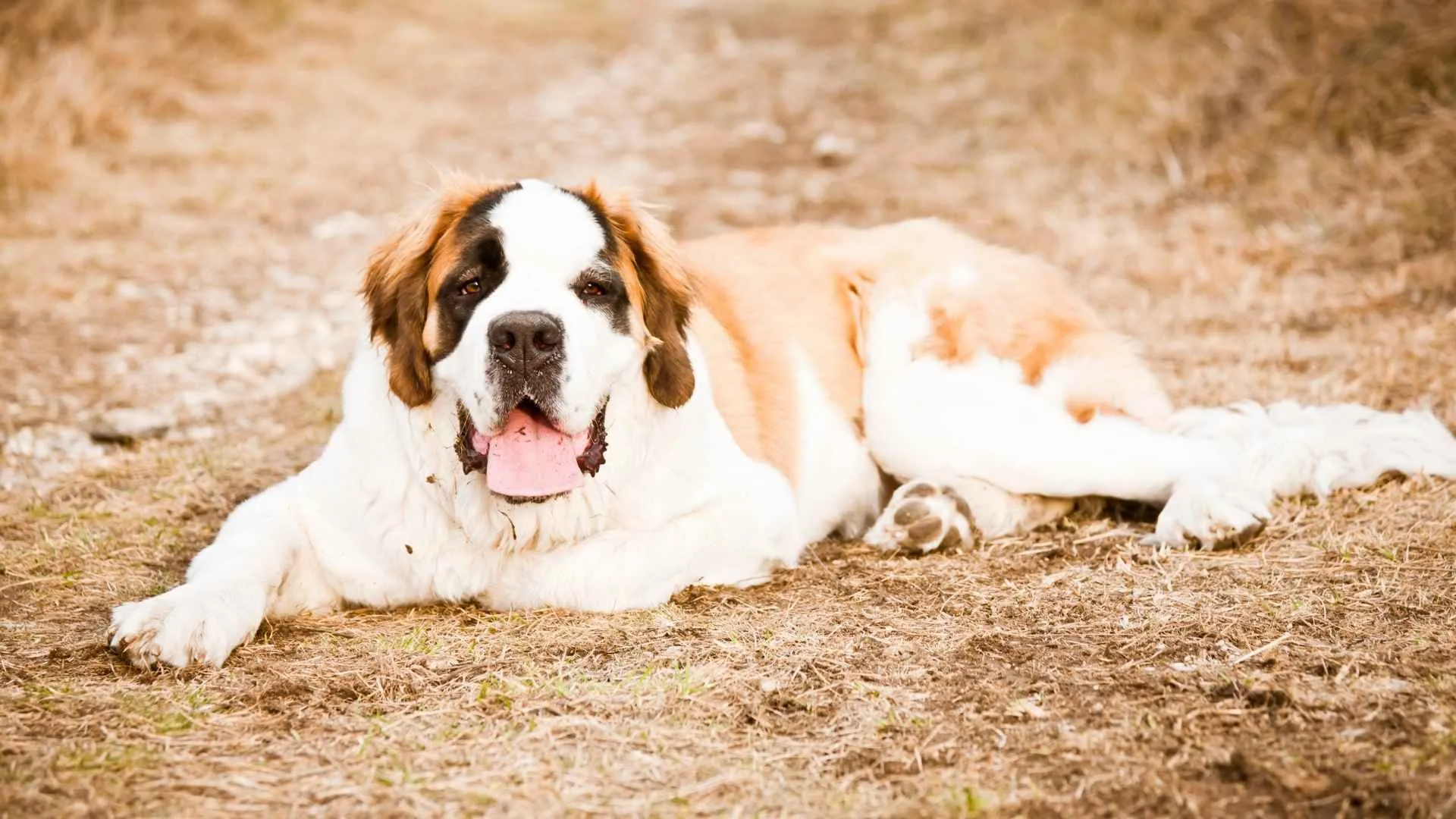
The Saint Bernard is huge, friendly, and built like a walking winter blanket. The breed is powerful, gentle, patient, warm, easygoing, and loving, with a famous history of helping rescue lost or injured travelers in the Swiss Alps.
This dog is not especially territorial or quick to act tough, which may surprise anyone expecting a furry security officer. Its size and deep bark can be intimidating, but the breed is generally easygoing and not prone to aggression. In other words, a Saint Bernard is more likely to win hearts than start drama.
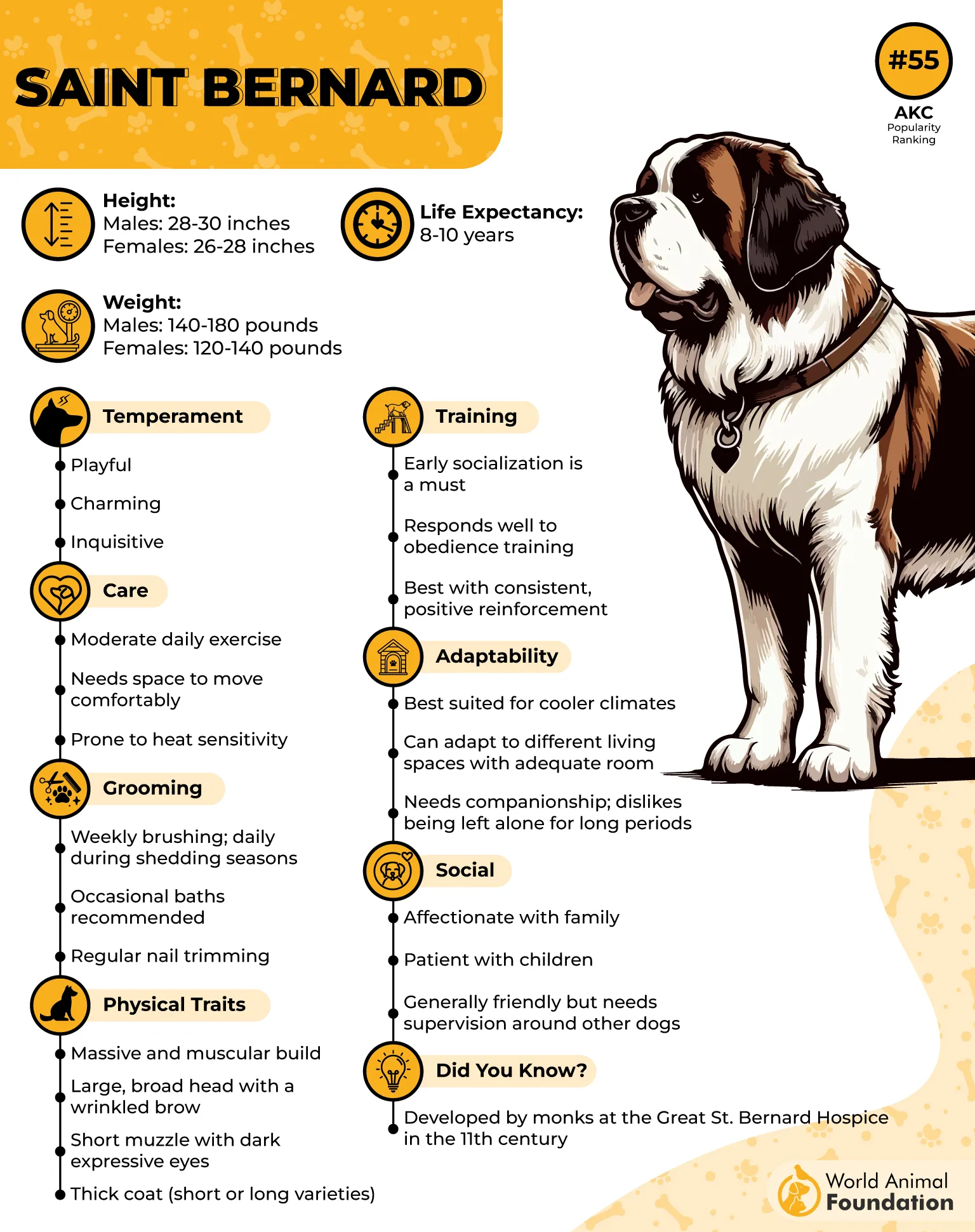
Family life with this breed needs space, cool temperatures, and a tolerance for shedding and drool. Saint Bernards are known to be good with kids, though their massive size means small children can get accidentally bumped.
They enjoy several long walks a day, short play sessions, and lots of company, making them sweet companions for families that want a calm giant rather than a high-speed watchdog.
Why This Breed Is a Good Fit
Their patient nature can help create a relaxed mood in homes with children.
Their deep bark and large frame may discourage unwanted visitors without constant suspicion.
Their people-focused personality suits families that want a companion who stays close.
8. Boerboel

The Boerboel is not a casual “let’s see how it goes” kind of dog. Chewy describes Boerboels as fierce guard dogs with strong protective instincts, dignified behavior, and the ability to distinguish friend from foe when properly handled.
This breed is enormous, muscular, and determined, with many dogs weighing from 150 to 200 pounds. Boerboels are calm, intelligent, loyal, and eager to please, but they also need a firm hand because dominant dogs can quickly decide they are running the family meeting. That is funny only until the dog weighs more than the furniture.
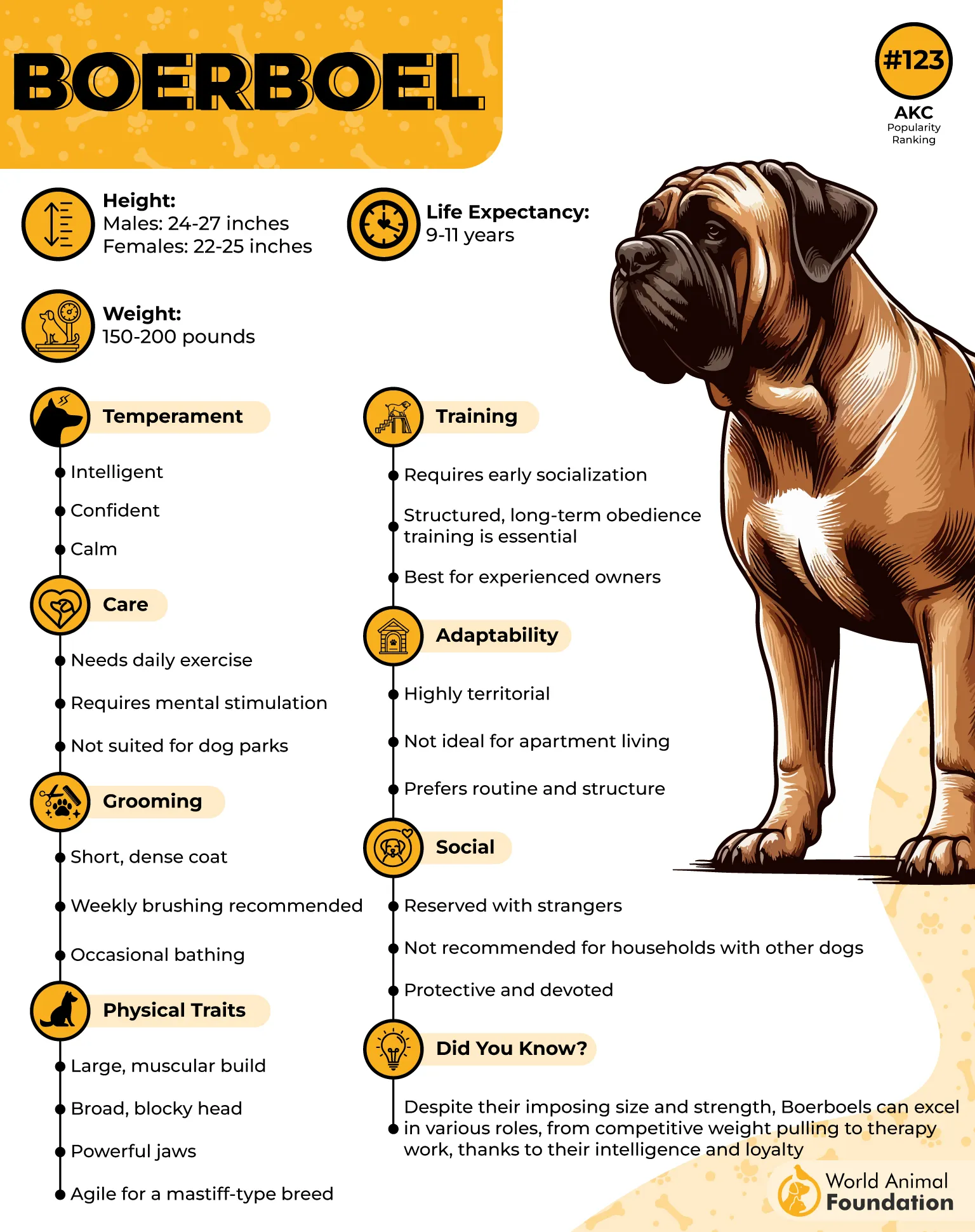
Training and socialization are not optional here. Boerboels can become unmanageable without early work, and they are not right for every home, especially for first-time owners or people unfamiliar with powerful breeds. They need daily exercise, fenced play, mental work, and careful control around other dogs, since their protective instincts mean they may not back down when challenged.
Why This Breed Is a Good Fit
Their strong guardian instincts suit experienced families who want serious home awareness.
Their loyalty can become a major strength when paired with structure and confidence.
Their calm, controlled side shines when owners commit to early training.
9. Leonberger
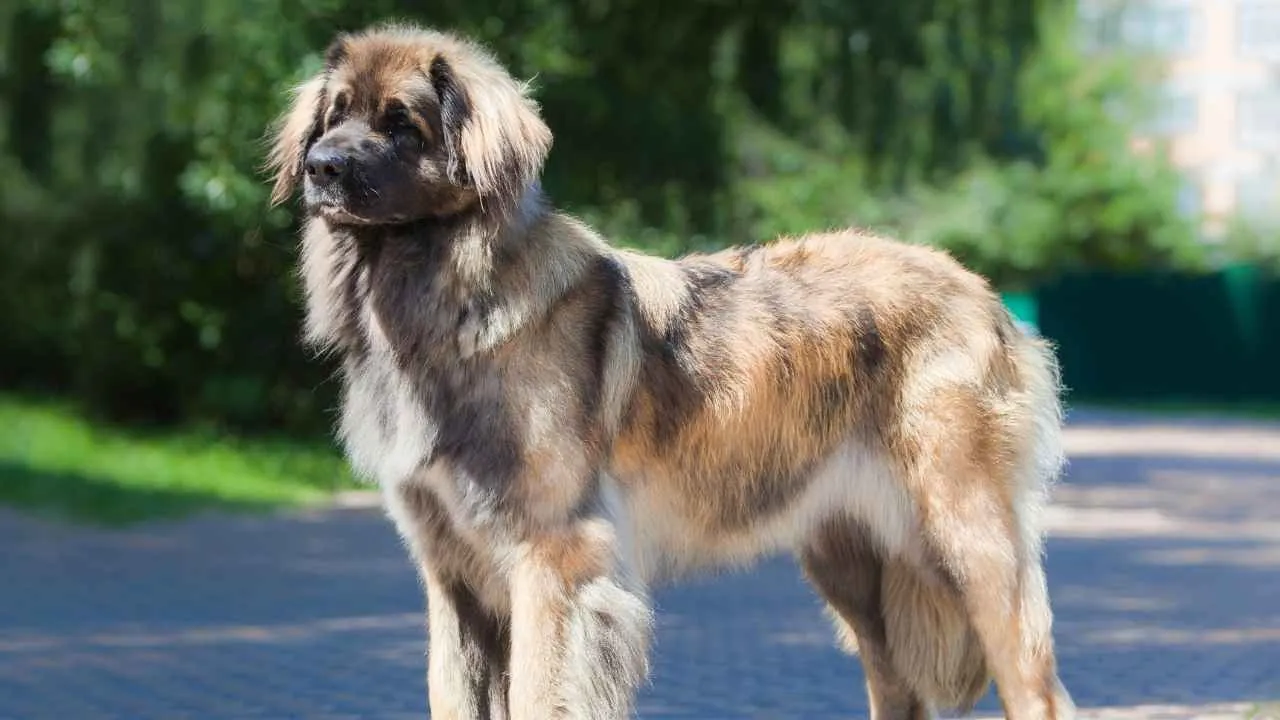
The Leonberger sounds almost too charming to be real: playful, docile, cuddly, and giant. Orvis describes this German breed as gentle, elegant, family-oriented, and sweet-natured, with a lion-like mane and a deep bark that can make strangers rethink bad decisions.
Leonbergers were bred to be guardians, and they may routinely walk through the house to check that everyone is safe. That is a very large dog doing a very serious job, even if it looks like a fluffy hallway inspection. They tend to be fairly quiet, but their size and voice can be enough to keep would-be intruders away.
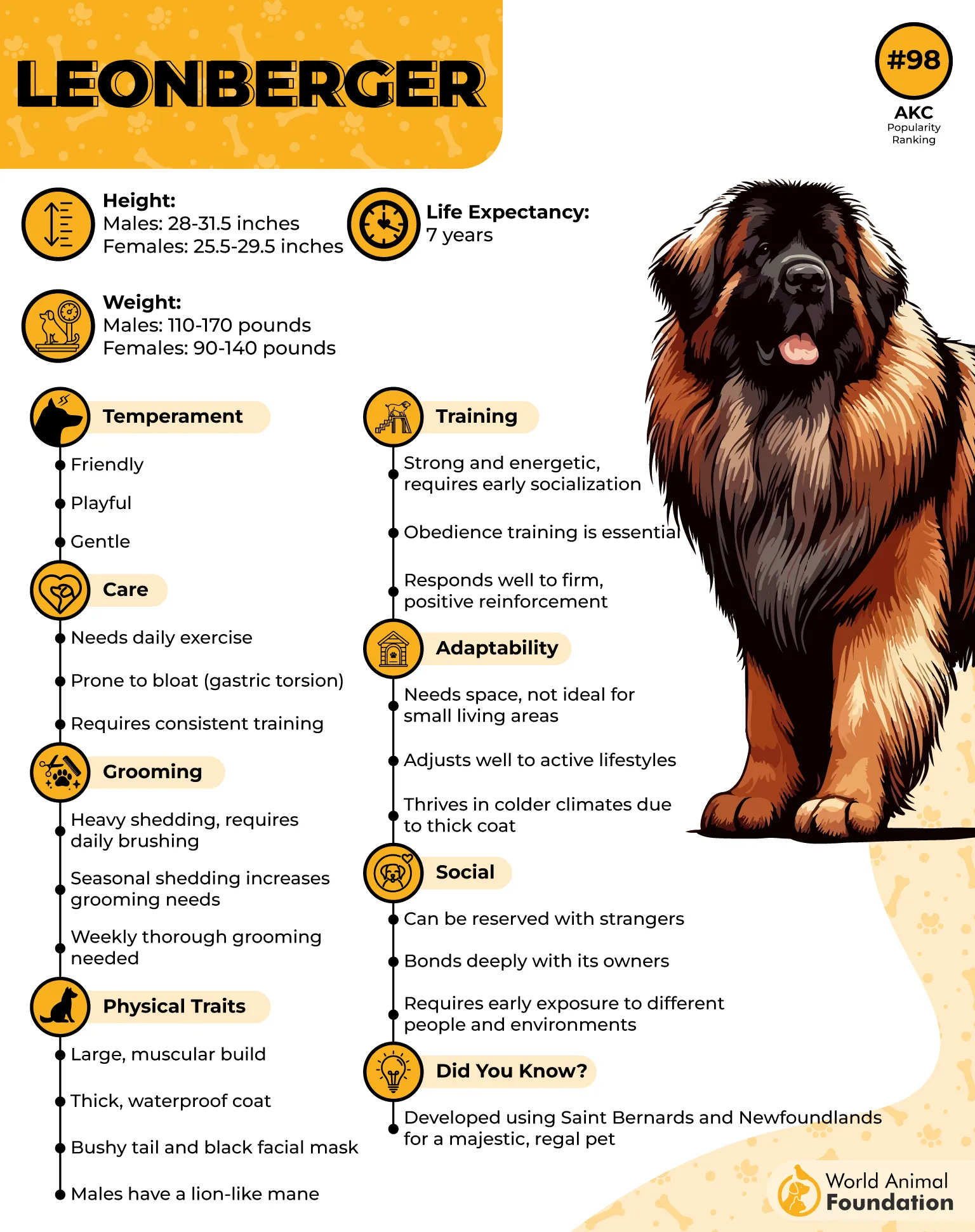
This breed loves being near family and does not do well with long stretches of loneliness. Leonbergers need early training, socialization with family and friends, and regular grooming because their thick double coat is a full-time fashion project. They enjoy long walks and swimming, which is especially useful because water is easier on their large limbs than rough, high-impact exercise.
Why This Breed Is a Good Fit
Their habit of checking the home gives families a naturally watchful companion.
Their gentle manner works well for households that want protection without sharp edges.
Their love of water and walks makes them fun for active families with room to spare.
10. Mastiff
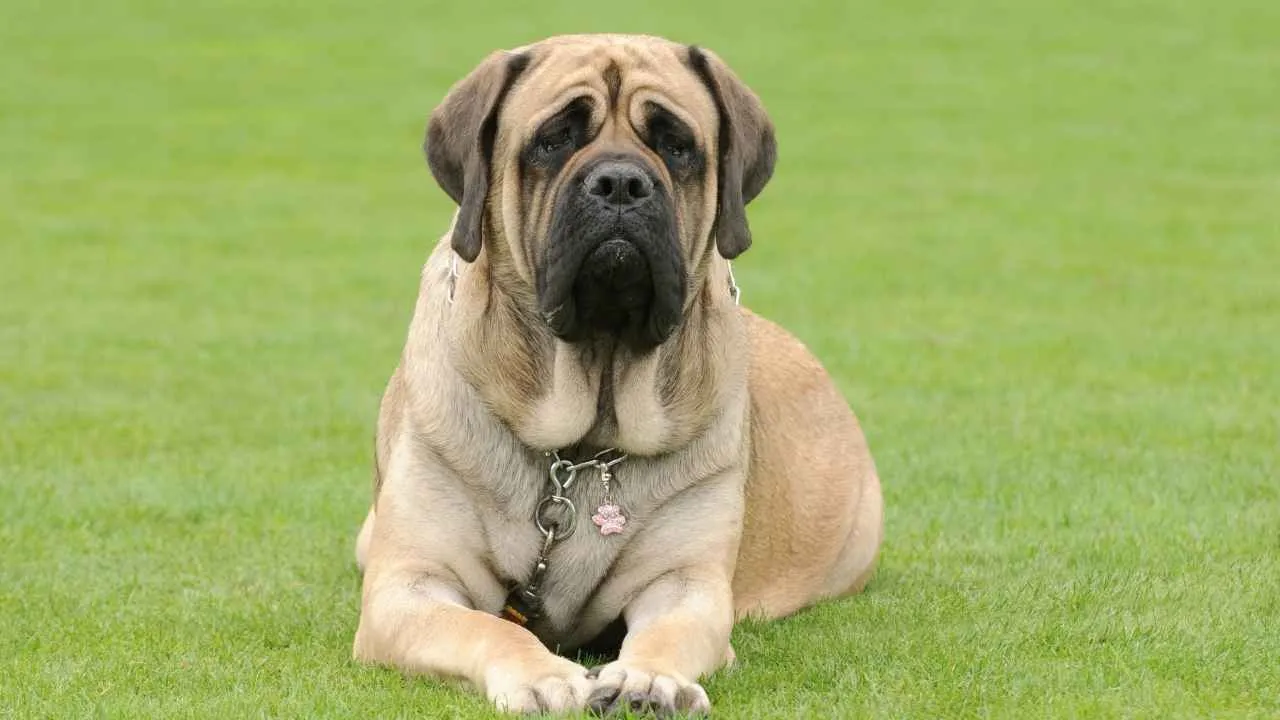
The Mastiff is dignified, noble, loyal, and absolutely convinced that your lap is available, no matter how much dog is involved. The English Mastiff is a gentle giant who wants to stay near family and can become a friendly, steadfast companion with steady training.
This breed is calm and quiet indoors, but it is not a plug-and-play choice for new owners. Mastiffs can be stubborn, strong-willed, and sensitive to harsh punishment, abrupt changes, strangers, and new situations. Proper socialization matters because a dog this large should never be left to invent its own manners.
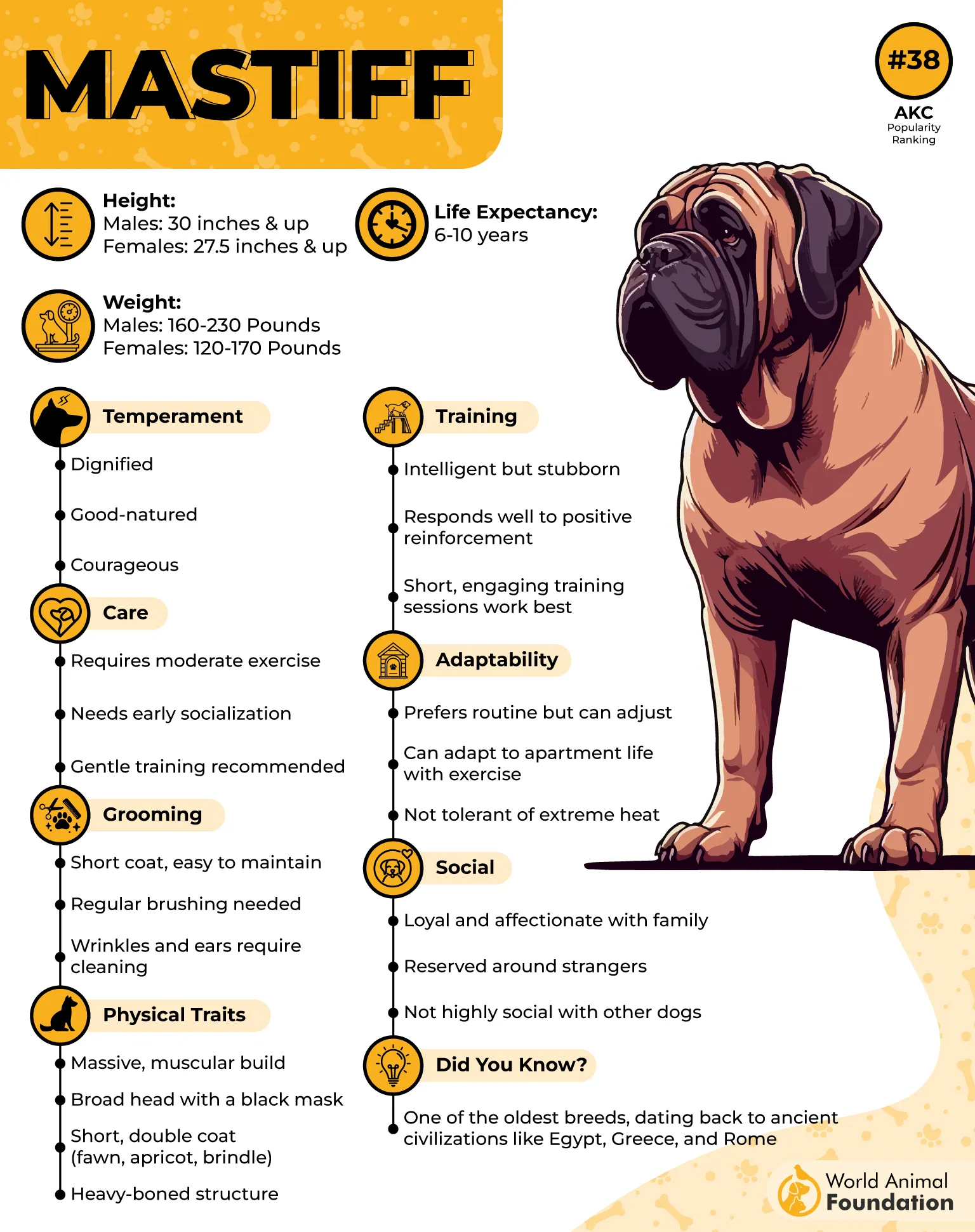
The Mastiff’s protective nature is best handled carefully, not encouraged into threatening behavior. Its gigantic bark may be enough to discourage thieves, and pushing guard-dog behavior can be risky because the breed may already have territorial tendencies.
With positive training, supervised family interactions, and moderate daily exercise, a Mastiff can become a mellow household heavyweight who prefers loyalty over loudness.
Why This Breed Is a Good Fit
Their enormous bark can do plenty of warning work without constant action.
Their calm indoor style suits families that want a low-energy protector.
Their loyalty feels steady and reassuring when guided by a consistent owner.
Conclusion
Protective guard dog breeds can make wonderful family companions when their instincts are matched with the right home, training, and daily care. The best guard dog choice is not always the loud bark or the most powerful build. It is the dog whose temperament, energy level, grooming needs, and training style fit your family’s real life.
Some breeds are gentle giants, some are alert athletes, and some need experienced owners from day one. Whichever breed you choose, early socialization, kind training, and supervision around children are essential. A great family protector should feel like a trusted friend first, and a guardian second.
