




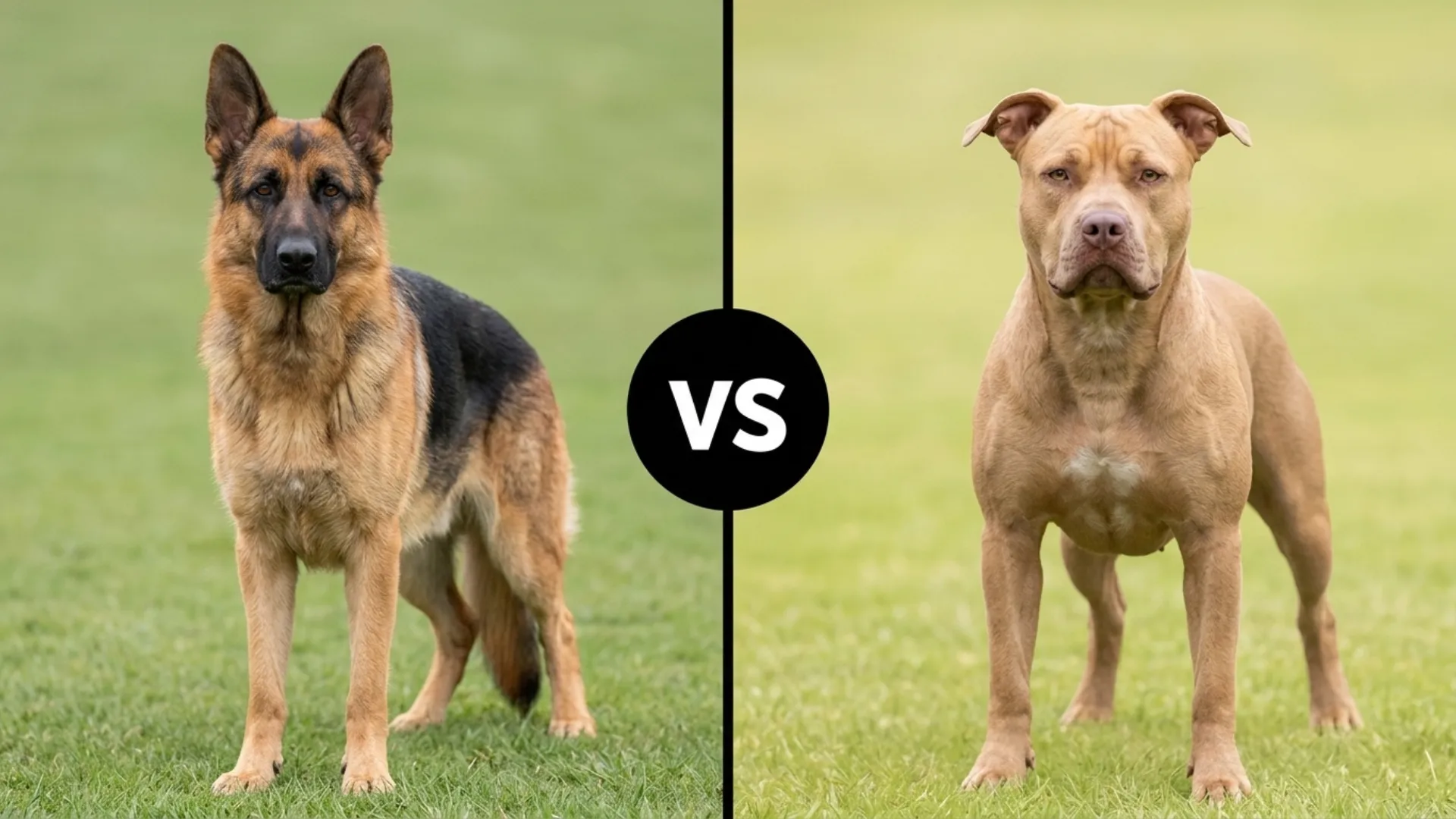
Choosing between a German Shepherd and a Pit Bull involves far more than comparing appearance or popularity. Both breeds are highly intelligent and form strong emotional bonds with people, but living with them can be very different day to day.
Many pet owners find that the reality of owning a dog often differs from what they first expected. One breed may thrive with structured training and purposeful tasks, while the other may need constant human connection and engagement.
Making the right choice comes down to understanding the real differences in temperament, lifestyle needs, and companionship styles.
Fun Fact
German Shepherds were originally bred as herding dogs in Germany, but went on to become one of the most trusted working breeds in the world because of their intelligence and discipline.
Pit Bulls, despite many modern misconceptions, were historically valued as affectionate family companions and were often considered reliable around children when properly raised and socialized.
German Shepherd vs. Pit Bull: What Pet Owners Wish They Knew First
Navigating the choice between a German Shepherd and a Pit Bull requires a deep look beyond surface-level traits, as both breeds offer profound loyalty paired with intense, distinct needs. Understanding what experienced owners wish they had known about training, socialization, and energy requirements is essential before welcoming either of these powerful, devoted protectors into your home.
Size & Physical Traits
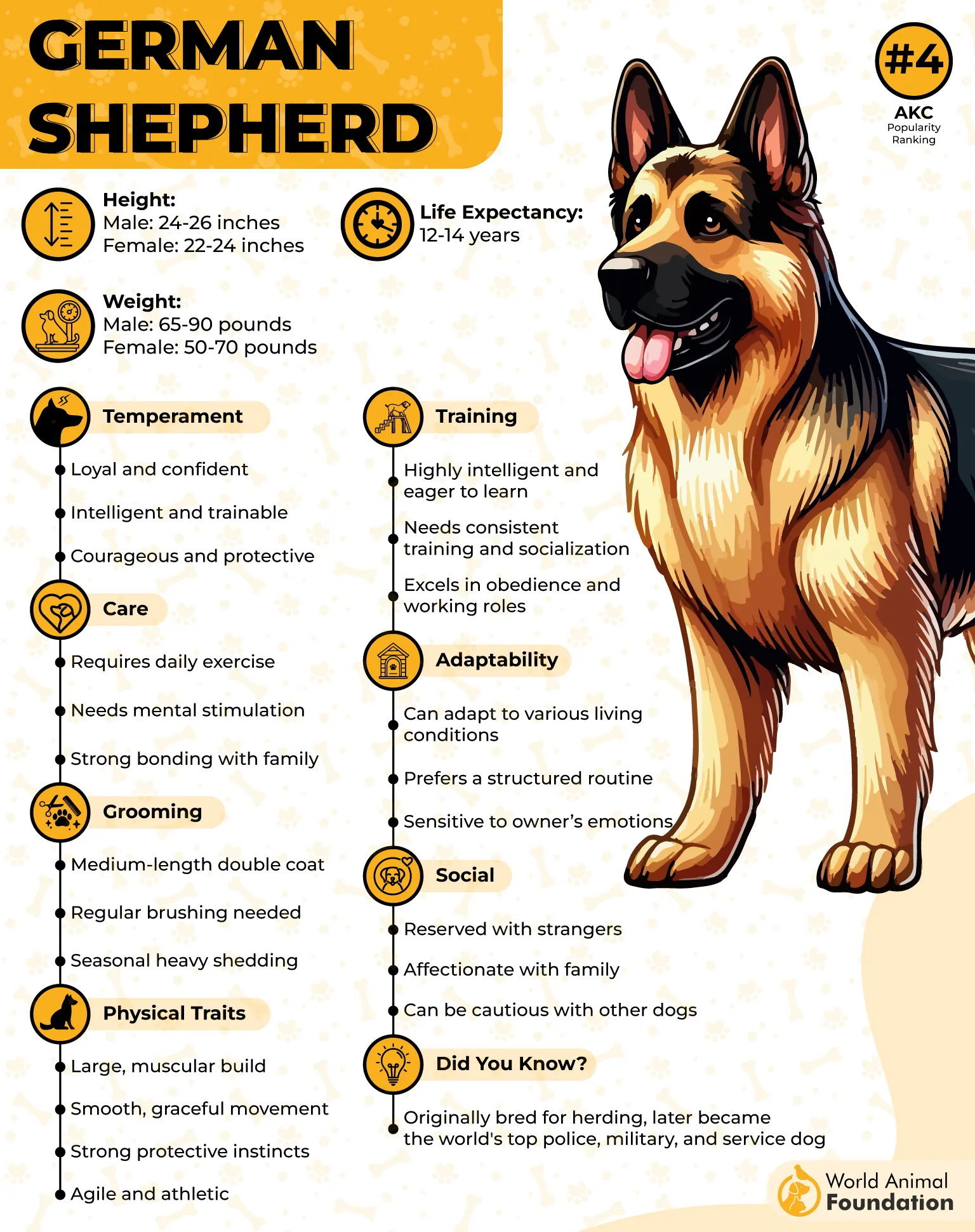
German Shepherds have an athletic build that allows them to work efficiently for extended periods. Their structure includes strong hind legs that support running, agility, and herding movements. They also have a double coat that provides protection from different weather conditions through its insulating two-layer design.
Pit Bulls, on the other hand, have a muscular build that gives them a powerful and compact body structure. With a broad chest, strong shoulders, and a thick neck, their physique is built for short bursts of strength and power rather than long-duration physical activity.
The American Kennel Club classifies both breeds as medium-to-large dogs, but their physical traits serve different purposes. German Shepherds are known for their agility and endurance, allowing them to perform demanding tasks over long periods, while Pit Bulls are recognized for their strength and compact power.
The well-balanced structure of the German Shepherd makes it especially suited for working roles, as it can move efficiently and sustain activity over time.
Temperament & Personality
German Shepherds are known for their loyalty, alertness, and strong protective instincts. These natural guarding traits often develop early in life, especially in environments where they are raised around consistent routines and people who spend time at home. They may take time to build trust, as they tend to carefully assess new situations before fully accepting them.
Pit Bulls, in contrast, often display highly social and affectionate behavior. They tend to form strong emotional bonds through playful interaction and close companionship. It is important to note that aggression in Pit Bull-type dogs is commonly a result of poor training or environment rather than natural temperament.
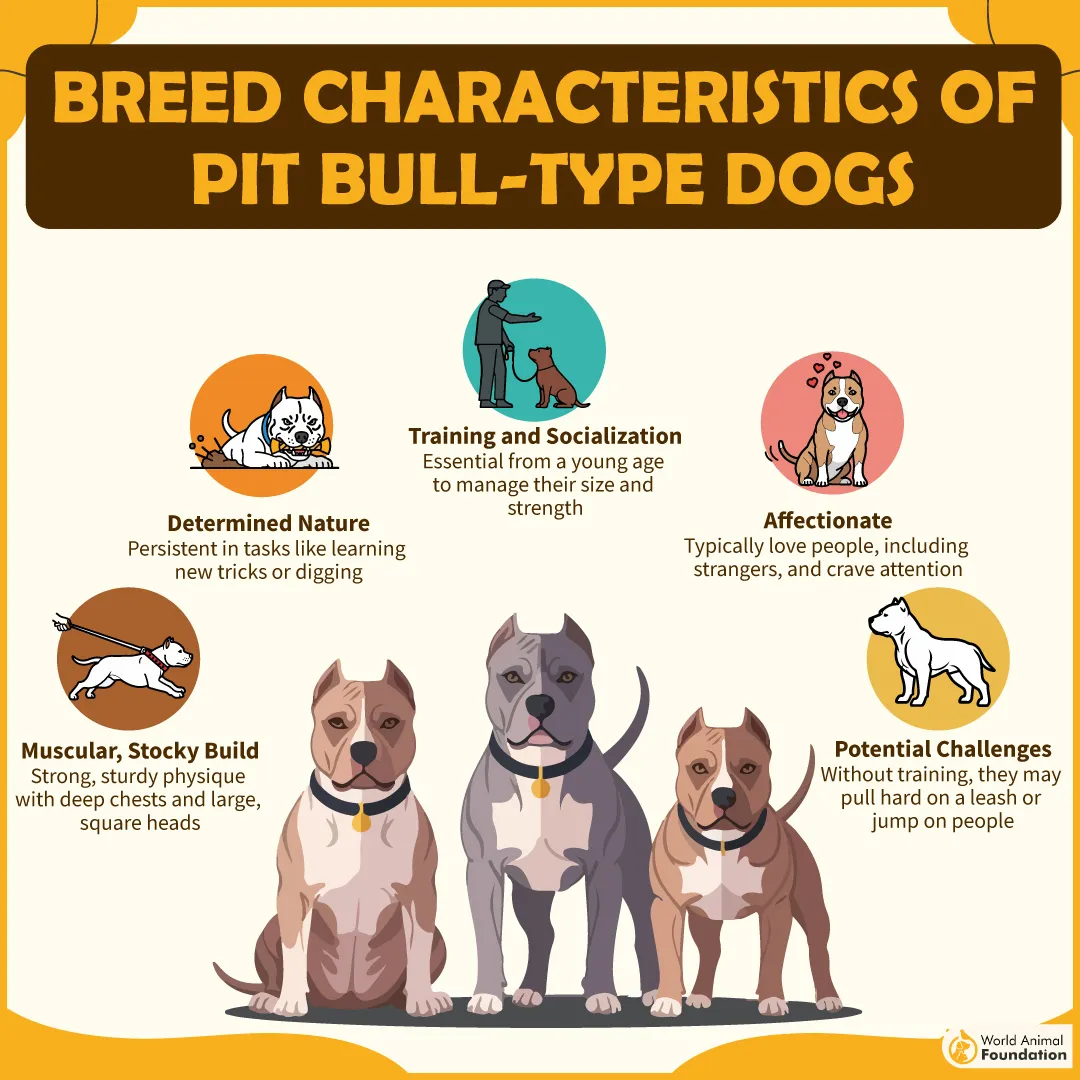
In reality, the behavior of both breeds largely depends on their upbringing, environment, and training methods. Pit Bulls are often more openly affectionate, while German Shepherds may appear more reserved and observant.
German Shepherds generally thrive in structured environments where they receive consistent guidance, emotional stability, and regular interaction, allowing them to perform best as balanced and well-adjusted companions.
Trainability & Intelligence
The highly intelligent nature of German Shepherds allows them to learn commands quickly through structured training programs. This breed is widely used in police work, rescue missions, and service roles because of its ability to understand and execute instructions with precision. Their natural focus, discipline, and self-control make them especially suited for tasks that require concentration and reliability.

Pit Bulls also demonstrate strong intelligence, but they tend to respond best to reward-based training methods. Their behavior develops most effectively through motivation, consistency, and positive reinforcement, rather than strict correction techniques, which are generally less effective for this breed.
According to PetMD, early-life training plays a key role in shaping the long-term behavior patterns of both breeds. German Shepherds typically adapt well to structured, disciplined training systems, while Pit Bulls often thrive in environments that emphasize trust, encouragement, and positive interaction between trainer and dog.
Overall, German Shepherds tend to excel in controlled obedience settings that require precision and structure, making them highly effective working dogs in professional environments.
Grooming & Maintenance
German Shepherds have a dense double coat that sheds throughout the year. Regular brushing is essential to manage shedding and keep the coat healthy and clean. During seasonal shedding periods, grooming needs increase significantly as they tend to lose larger amounts of fur.
Pit Bulls, on the other hand, have short, smooth coats that require minimal maintenance. Britannica states that occasional brushing and an occasional bath are usually enough to keep their coat clean and their skin in good condition.
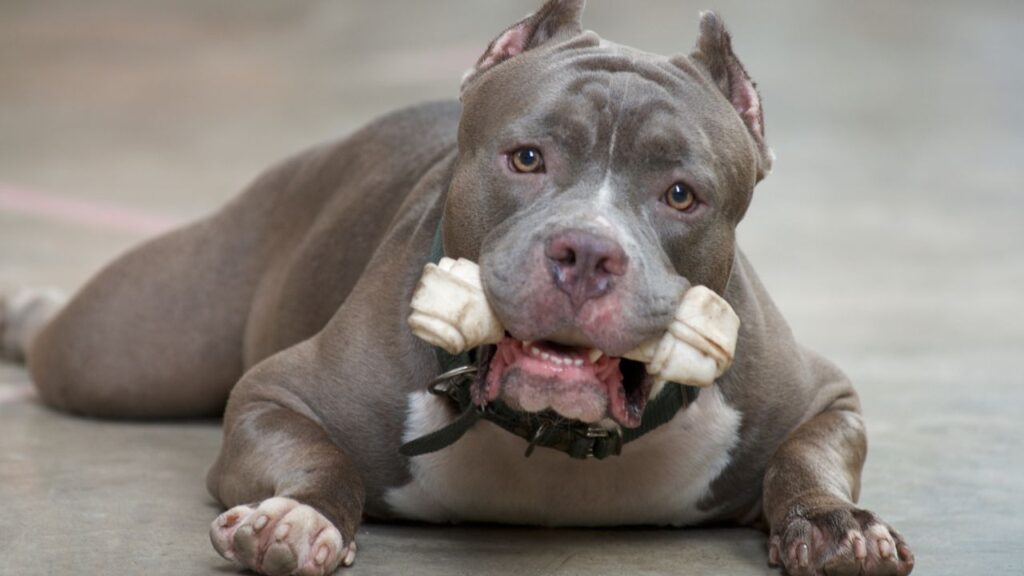
Regular grooming practices are important for both breeds as they help prevent skin issues and maintain overall coat health.
German Shepherds, in particular, benefit from a structured grooming routine due to their heavy shedding patterns, which can result in frequent and noticeable hair loss.
Energy Levels & Exercise Needs
German Shepherds require both physical and mental exercise on a daily basis due to their high energy levels and working-dog background. PDSA notes that their routine typically includes long walks, proper training sessions, and structured play to keep them physically fit and mentally stimulated.
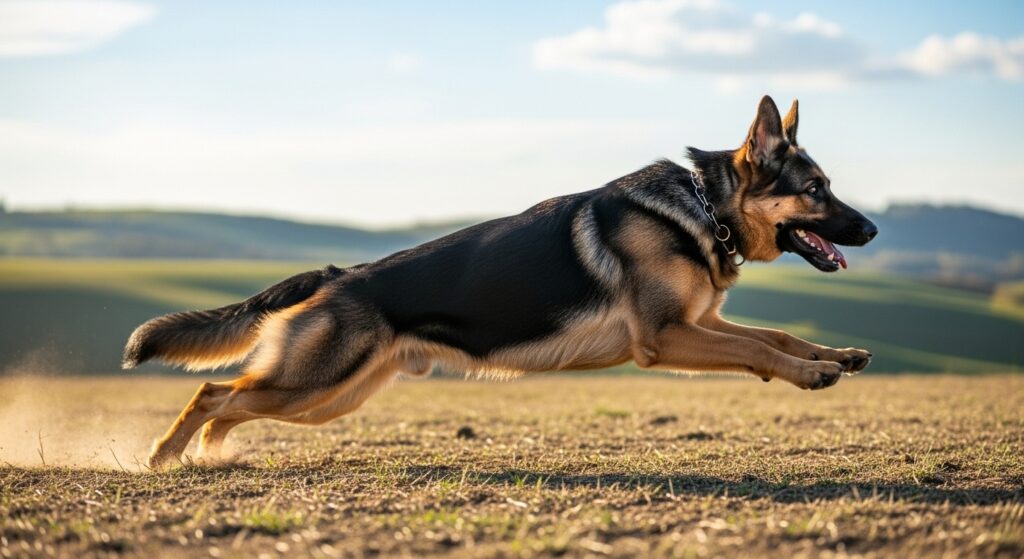
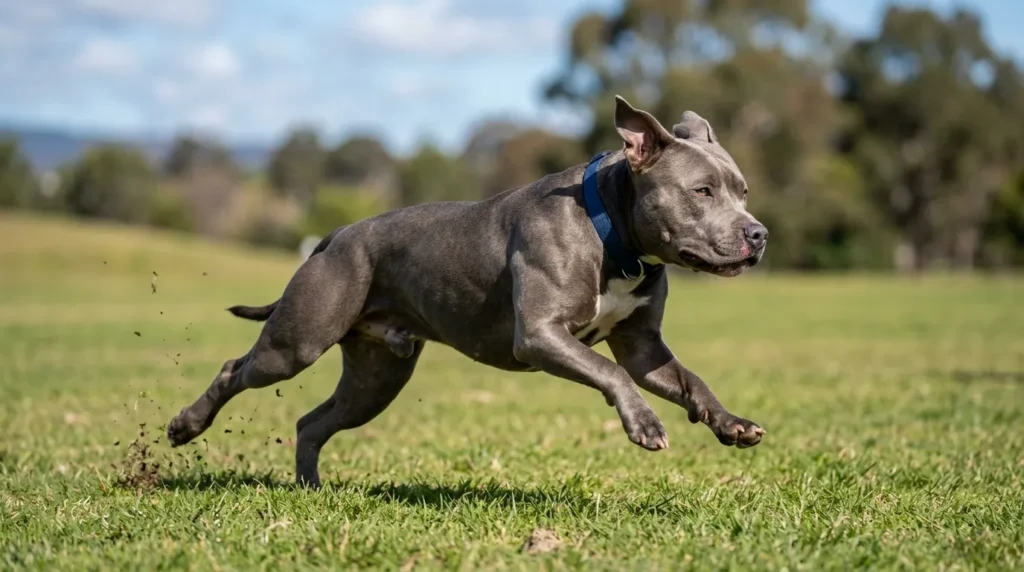
Pit Bulls also have strong energy levels, but they tend to release it in shorter bursts rather than sustained activity. A combination of interactive play and regular short exercise sessions helps them stay balanced and calm indoors.
Active dog breeds can become bored if they do not receive enough exercise, which may lead to undesirable behaviors such as chewing, restlessness, and excessive barking.
German Shepherds generally need longer, more structured exercise routines to maintain mental stability and focus. Pit Bulls, on the other hand, often respond better to shorter but more frequent activity periods throughout the day, which helps them manage their energy more effectively.
Health Issues & Lifespan
German Shepherds are at a higher risk of developing conditions such as hip dysplasia, elbow dysplasia, and degenerative myelopathy. These issues often require preventive care, early detection, and proper dietary management to support long-term joint and mobility health.
Pit Bulls generally have a longer lifespan, but they can be prone to skin allergies, digestive sensitivities, and weight gain if their diet is not properly managed. Maintaining balanced nutrition plays an important role in supporting their overall health and well-being.
Breed-specific health awareness combined with regular veterinary check-ups can improve lifespan and reduce health risks. German Shepherds often benefit from joint support and monitoring of mobility changes over time, while Pit Bulls require careful dietary planning and skin sensitivity management to maintain optimal health.
Aggression & Social Behavior
German Shepherds often show reserved behavior because their protective instincts can make them cautious in unfamiliar environments. Early socialization plays an important role in reducing overprotective tendencies and building confidence in new situations.
Pit Bull behavior, on the other hand, is strongly influenced by training methods, environment, and handling. Pit Bulls that are raised with proper care, structure, and positive guidance typically display calm, friendly, and welcoming behavior.
In reality, no dog breed is naturally aggressive; behavior is shaped by upbringing, training, and human interaction. German Shepherds benefit from structured exposure to different environments to develop balanced responses, while Pit Bulls need consistent positive interaction with both people and other animals to build healthy social behavior.
Guarding Ability & Working Roles
Security work, police duties, and rescue missions are among the primary fields where German Shepherds are commonly employed. Their strong intelligence, discipline, and focus make them highly dependable working dogs capable of performing demanding tasks with precision.
Pit Bulls, while not typically used in formal working roles, can still display natural alertness and protective behavior in a home environment. Their role is more centered around companionship, where strength and loyalty combine to form strong bonds with their owners.
In general, working ability depends more on training, environment, and temperament than on breed classification alone. German Shepherds tend to excel in structured professional roles due to their trainability and focus, while Pit Bulls are often better suited for companionship and informal home presence rather than organized security systems.
Role & Lifestyle Fit
Active households need to invest time in training their dogs while also providing enough space and structure for German Shepherds to exercise properly. A well-organized daily routine supports both mental balance and physical well-being in this breed.
Pit Bulls, on the other hand, can adapt well to different environments, including apartments, as long as their exercise and attention needs are met. Their strong emotional bonds with people play a major role in shaping their behavior and overall stability.
Ultimately, the most important factor when choosing between these two breeds is finding a dog that matches your lifestyle rather than focusing on appearance or reputation alone.
German Shepherds thrive in disciplined environments with consistent engagement and structured activity. Pit Bulls, meanwhile, need emotional connection and regular interaction to remain balanced, happy, and well-adjusted.
Conclusion
German Shepherds and Pit Bulls are both intelligent, loyal, and deeply connected to humans, but their lifestyle needs differ significantly. One breed excels in structured working environments, while the other thrives in emotionally engaging companionship settings.
Choosing between them should be based on lifestyle, available time, and understanding of each breed’s needs rather than appearance or reputation. With responsible ownership, both breeds can become loyal, trustworthy, and loving companions.
