




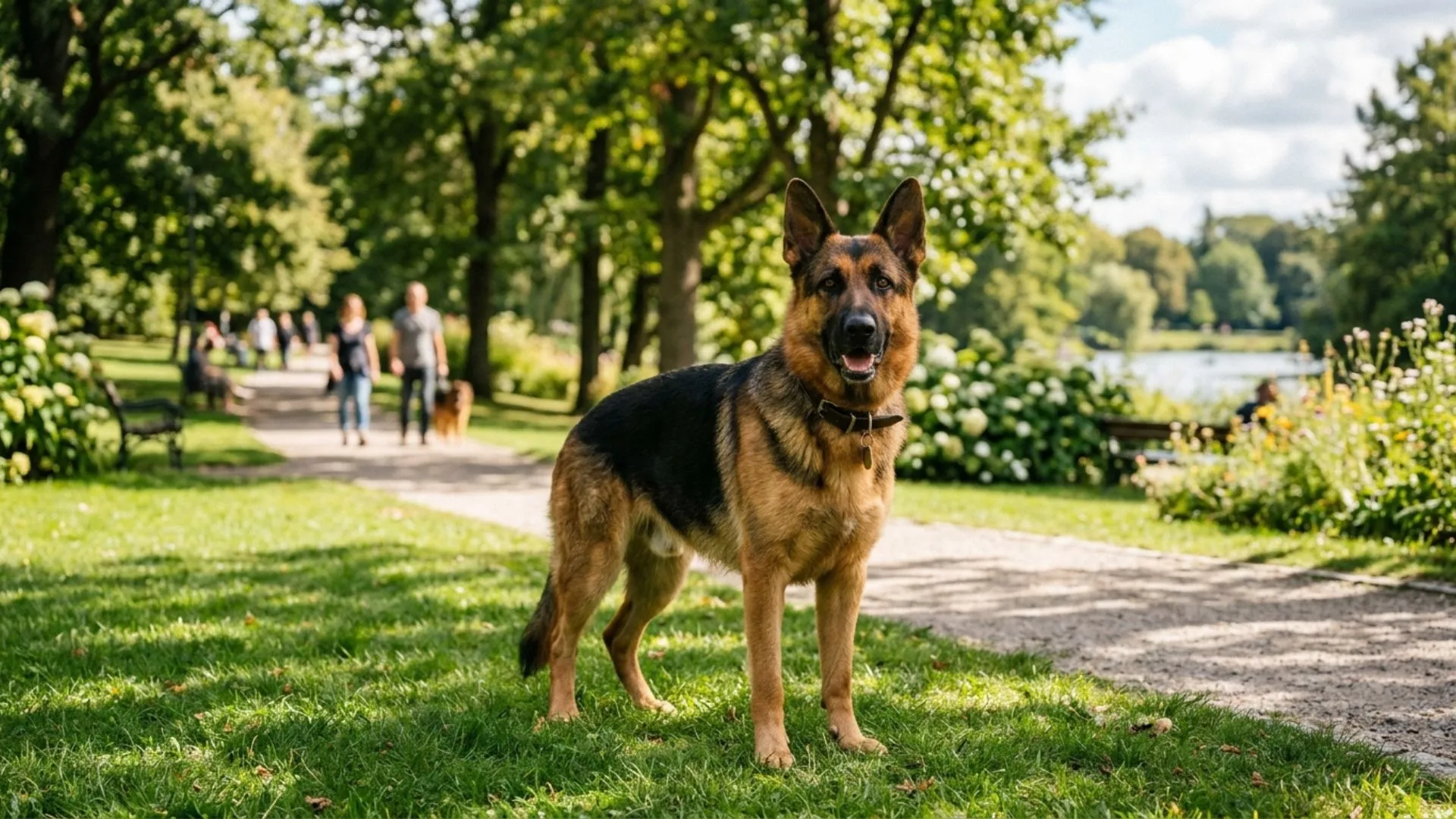
There’s something instantly captivating about a dog with a sable coat—it’s not just a color, it’s a living gradient.
Each strand of fur starts lighter at the base and deepens toward the tip, creating a soft, natural ombré effect that seems to shift with every movement and change in light. It gives these dogs a rich, dimensional look that feels both wild and elegant at the same time.
A fascinating detail is that sable puppies often change color as they grow—their coat can lighten or darken over time as the adult fur replaces the puppy coat.
Sable coats also come in subtle variations, from lighter, warmer tones with delicate dark tips to deeper, more shaded sable appearances across the back and head. Despite the range, they all share that signature blended look that makes them stand out without being overly bold.
If you’re drawn to dogs with natural beauty and a touch of uniqueness, sable-coated companions offer a perfect mix of charm and individuality.
Key Takeaways
From Belgian Malinois to Pomeranian, sable coats make every breed stand out.
Learn what sable really means and why each coat is unique.
See how breeds like German Shepherd, Akita, and Malamute differ beyond looks.
Find the sable dog that fits your lifestyle and personality.
Dog Breeds Boasting Magnificent Sable Coat Colors
1. Belgian Malinois
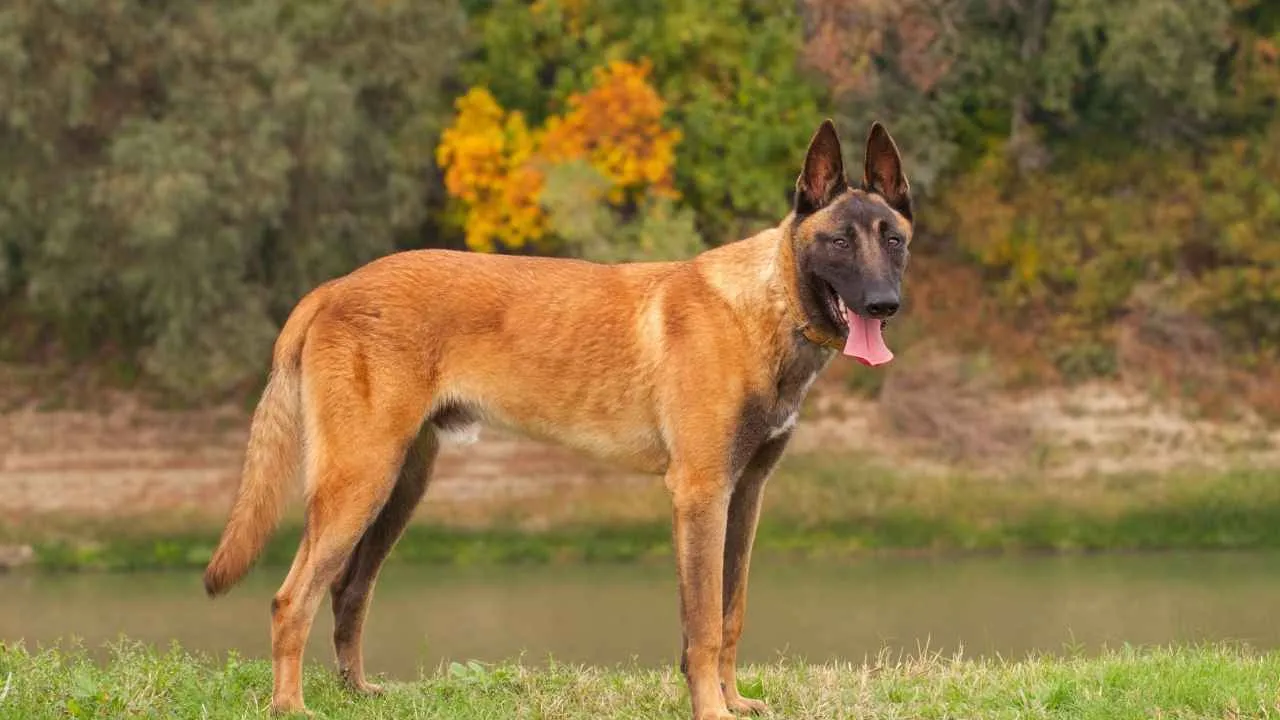
The Belgian Malinois is a smart, confident, and highly driven working dog. It forms a strong, almost unbreakable bond with its owner. This breed lives for purpose, activity, and companionship. If ignored or underworked, it quickly becomes restless.
Mals are proud, alert, and always ready for action. Their sable coat—ranging from rich fawn to deep mahogany with black tips—adds to their striking, no-nonsense appearance. The black mask and ears highlight their sharp, expressive eyes.
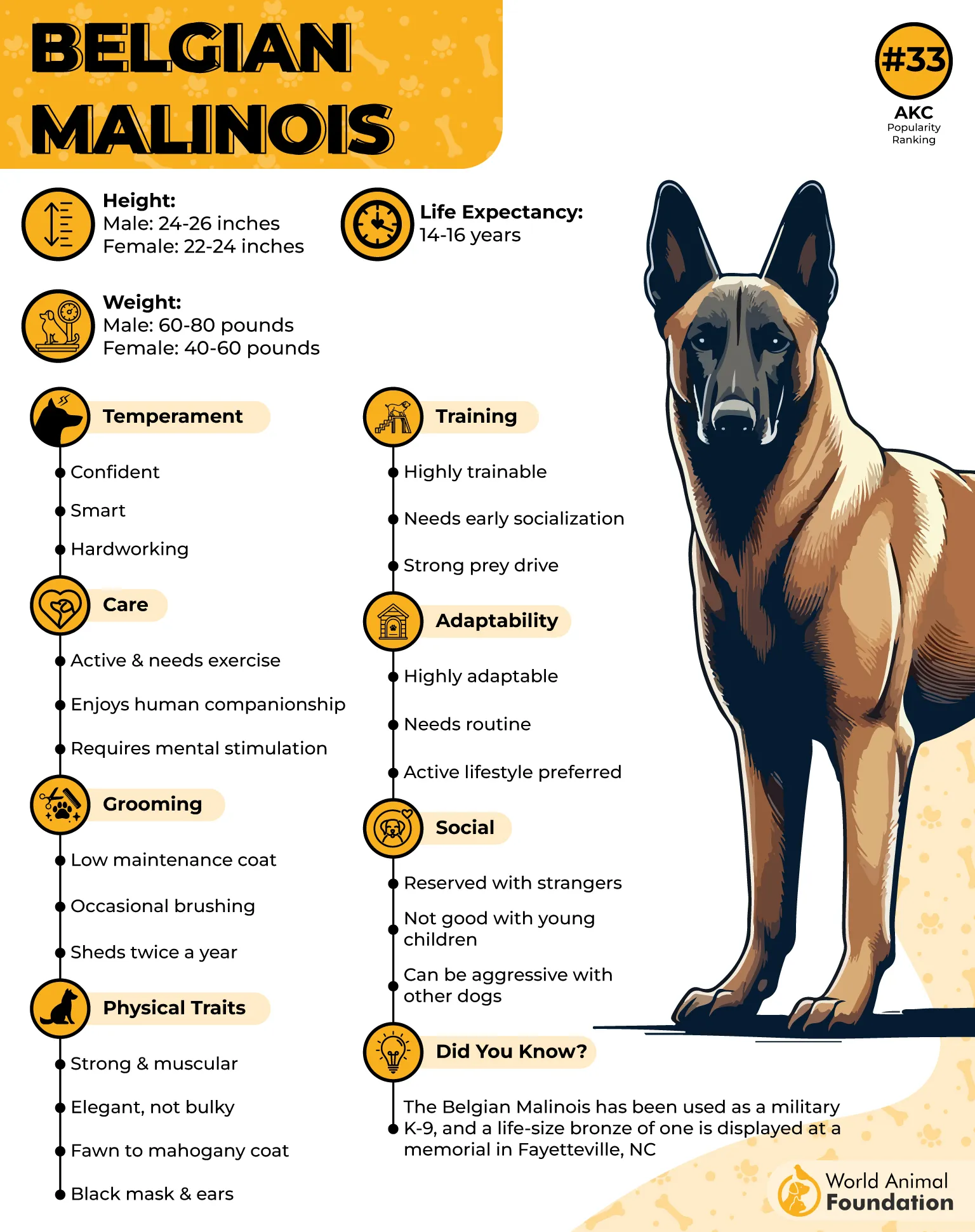
Coat & Sable Traits
Standard color: sable with a black mask
Shades vary from light fawn to deep mahogany
Black tipping creates that classic sable effect
Differences appear in shading, mask size, and color intensity
A short, waterproof coat is easy to maintain
Their coat follows a sable pattern due to specific genetics, but even then, no two dogs look the same. Some have deeper shading, while others appear lighter. Regular brushing keeps the coat healthy and helps manage seasonal shedding.
The Belgian Malinois is not for a laid-back lifestyle. This dog needs constant movement and mental challenges. Long runs, hikes, and training sessions are ideal. PetMD says that it is an extremely intelligent and easy to train, which is why it often works in police and rescue roles.
However, this high energy and strong prey drive mean early training and supervision are essential—especially around kids and other animals. With the right owner, this sable-coated athlete becomes a loyal, hardworking, and deeply devoted companion.
2. German Shepherd
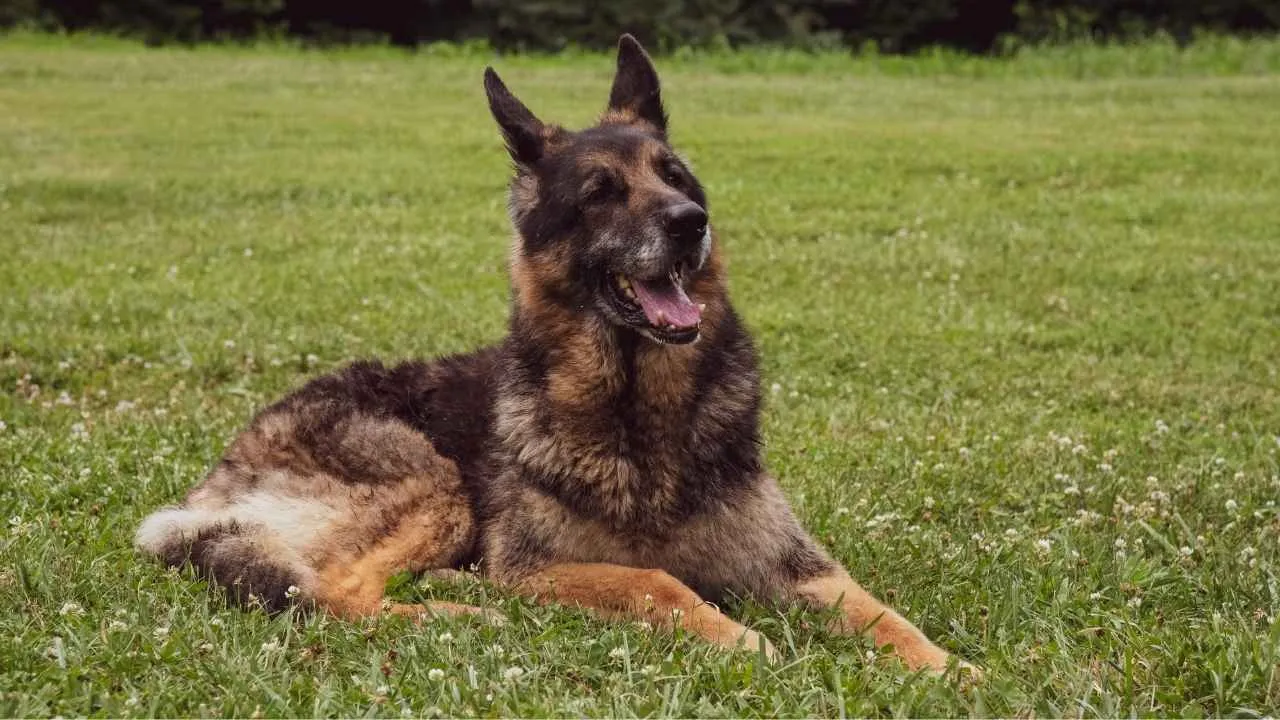
A sable German Shepherd isn’t a different breed—it’s a stunning coat variation within the German Shepherd Dog. The sable pattern comes from the agouti gene, where each hair has light and dark bands with black tipping.
This creates a shaded, almost wolf-like look that can range from light tan or gray to deep, dark overlays. Paired with their classic athletic build, erect ears, and alert expression, these dogs truly embody both beauty and function.
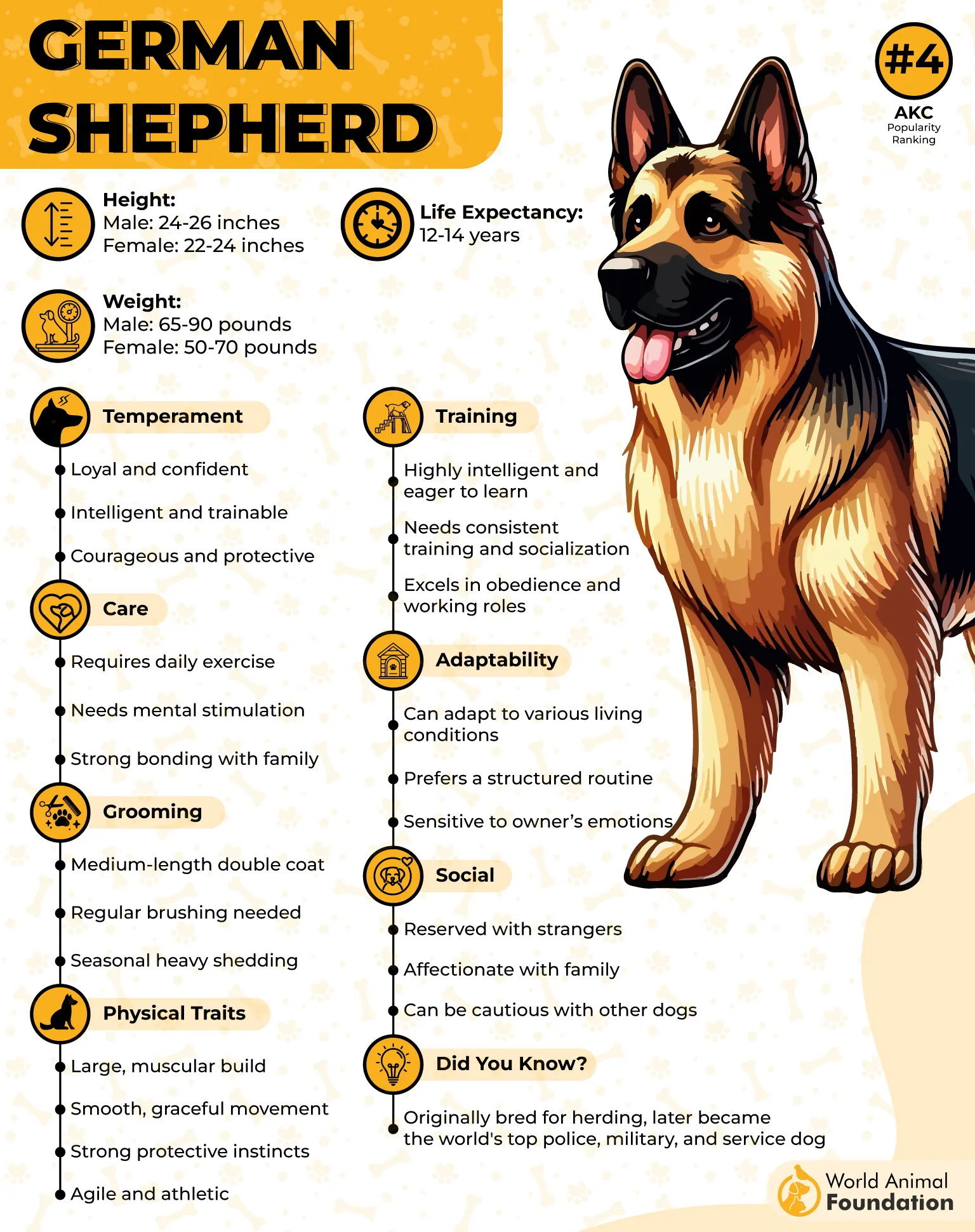
Coat & Sable Traits
Sable (agouti) coat with banded hairs and black tips
Color ranges from light to dark with a shaded effect
Dense double coat for weather protection
Natural camouflage pattern seen in wild canids
Seasonal shedding, with easy routine grooming
Beyond looks, their coat is practical. The double layer helps protect against harsh weather, while the texture sheds dirt and moisture. Regular brushing keeps it healthy, especially during heavy shedding seasons.
Sable German Shepherds are known for intelligence, loyalty, and a strong protective instinct. They are quick learners and thrive in training, making them ideal for roles like search-and-rescue and detection work.
Early socialization and consistent training are essential, especially due to their alert nature. These dogs need daily exercise and mental stimulation to stay balanced. In an active home, they become devoted companions—confident, capable, and always ready to stand by their family.
3. Akita
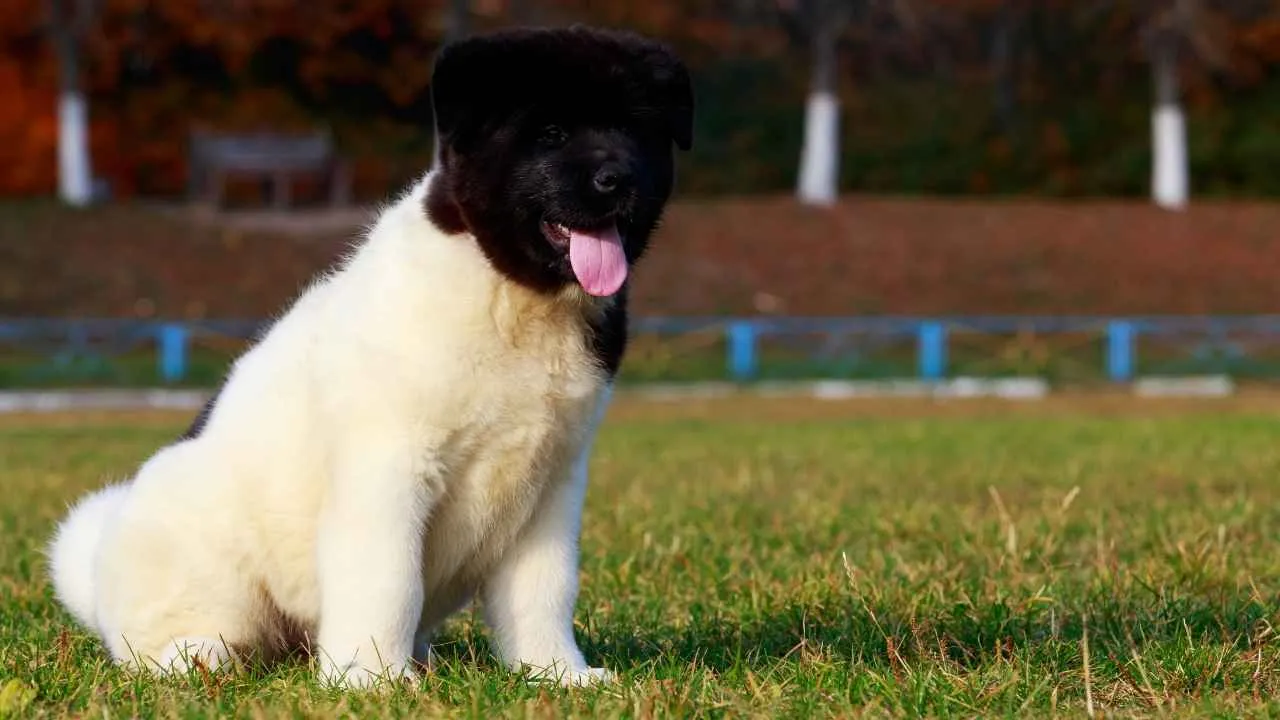
The Akita is a powerful and dignified dog with deep roots in Japan. Known for courage and loyalty, it has long been seen as a symbol of protection and good fortune. This breed carries itself with quiet confidence.
It is affectionate with family but naturally reserved with strangers, as mentioned by Pedigree. Akita forms strong bonds and prefers calm, familiar environments over busy, noisy settings.
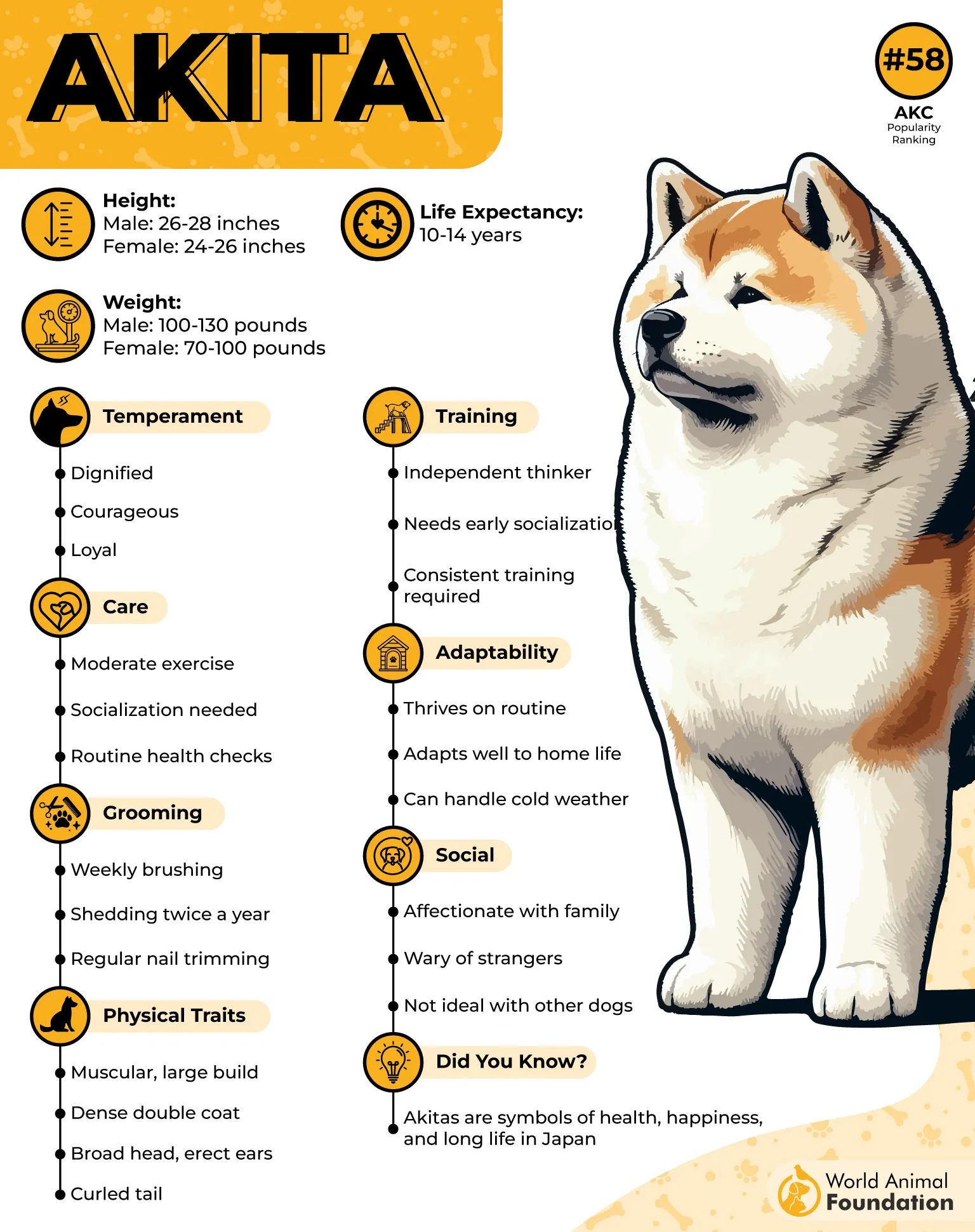
Coat & Sable Traits
Thick double coat with a soft underlayer
Common colors include fawn and sesame (red-fawn with black tips)
Sesame pattern reflects a sable-like shading effect
Seasonal heavy shedding (“coat blow”) twice a year
Weekly brushing keeps the coat healthy and clean
The sesame coat gives the Akita a subtle sable appearance, with darker tips adding depth and texture. Its fur is both beautiful and functional, offering protection against harsh weather.
Akitas are intelligent but independent and strong-willed. They need consistent training from an early age. Early socialization is important, as they can be wary of strangers and may not get along with other dogs. They are natural guardians and stay deeply loyal to their family.
While calm indoors, they are active and alert outside. With an experienced owner, the Akitas become a devoted, steady, and protective companion.
4. Rottweiler
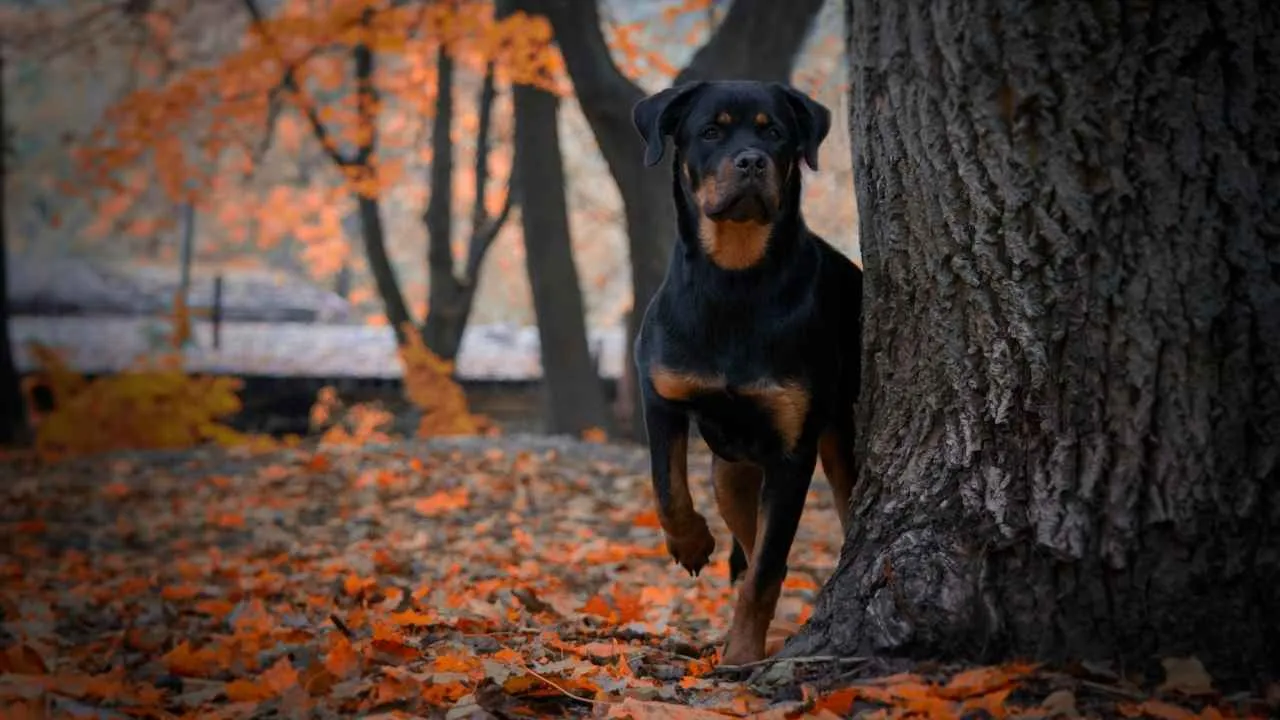
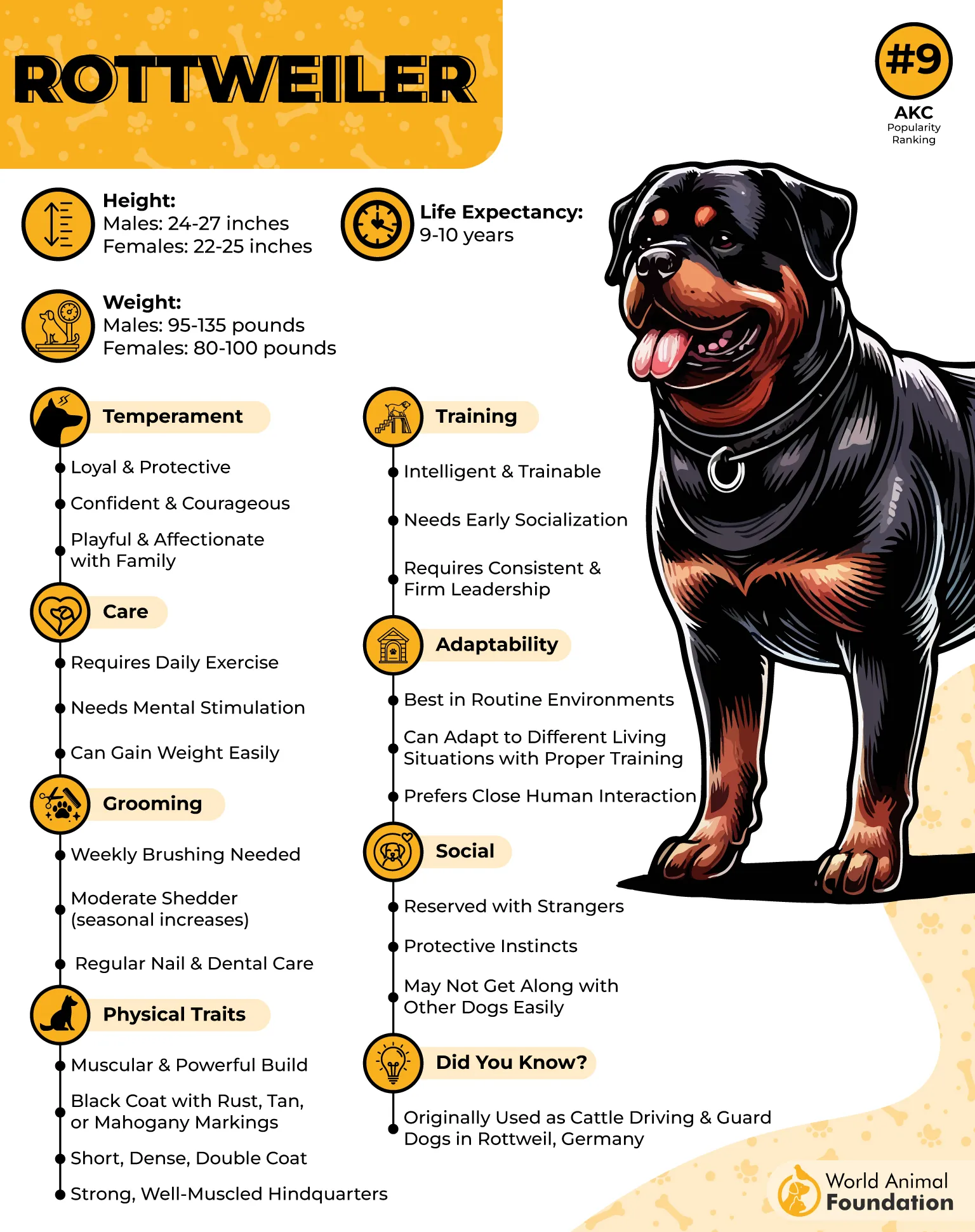
The Rottweiler is a powerful and confident working dog with roots tracing back to Roman drover dogs. Known for strength and loyalty, this breed is both a protector and a playful companion at home.
Rottweilers are calm, self-assured, and naturally watchful around strangers, yet affectionate and even goofy with their families. With proper upbringing, they show courage without unnecessary aggression and form strong bonds with their people.
Coat & Sable-Like Traits
Short, dense coat with a coarse texture
Classic black base with rich rust markings
Subtle shading can give a slight sable-like depth in certain lighting
Moderate shedding, with heavier seasonal shedding
Weekly brushing keeps the coat sleek and healthy
While not a true sable coat, Rottweilers’ rich color contrast and natural shading create a similar depth and visual appeal. Their coat is easy to maintain and is designed for durability.
Rottweilers are intelligent and highly trainable, but need consistent guidance from an early age. They thrive when raised closely with their family and do not do well in isolation. Early socialization and structured training help positively channel their protective instincts.
With the right balance of discipline and companionship, the Rottweiler becomes a loyal, hardworking partner—steady, strong, and deeply devoted.
5. Alaskan Malamute
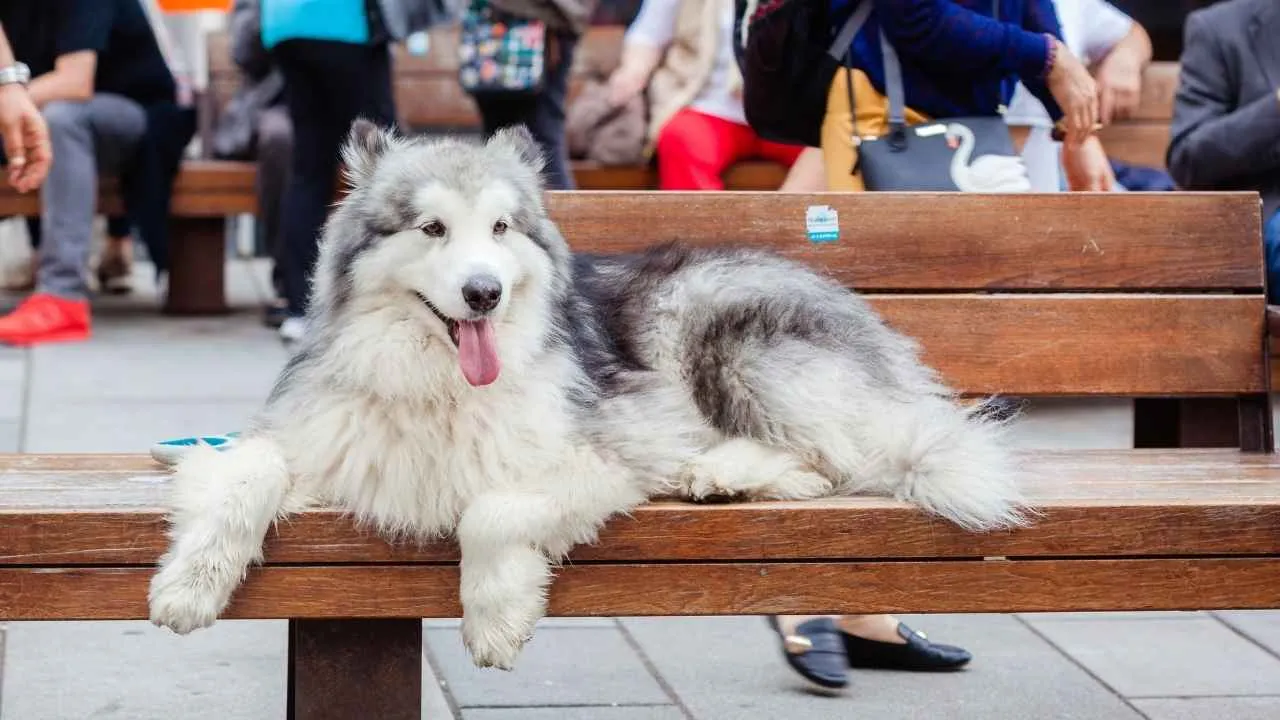
The Alaskan Malamute is a strong and hardworking spitz-type dog, originally bred for pulling sleds in harsh Arctic conditions. Everything about this breed reflects endurance and power, yet it has a warm, affectionate side.
Mals are loyal, playful, and love being part of their family “pack.” They are friendly with people and enjoy companionship, often showing a gentle and social nature rather than acting as guard dogs.
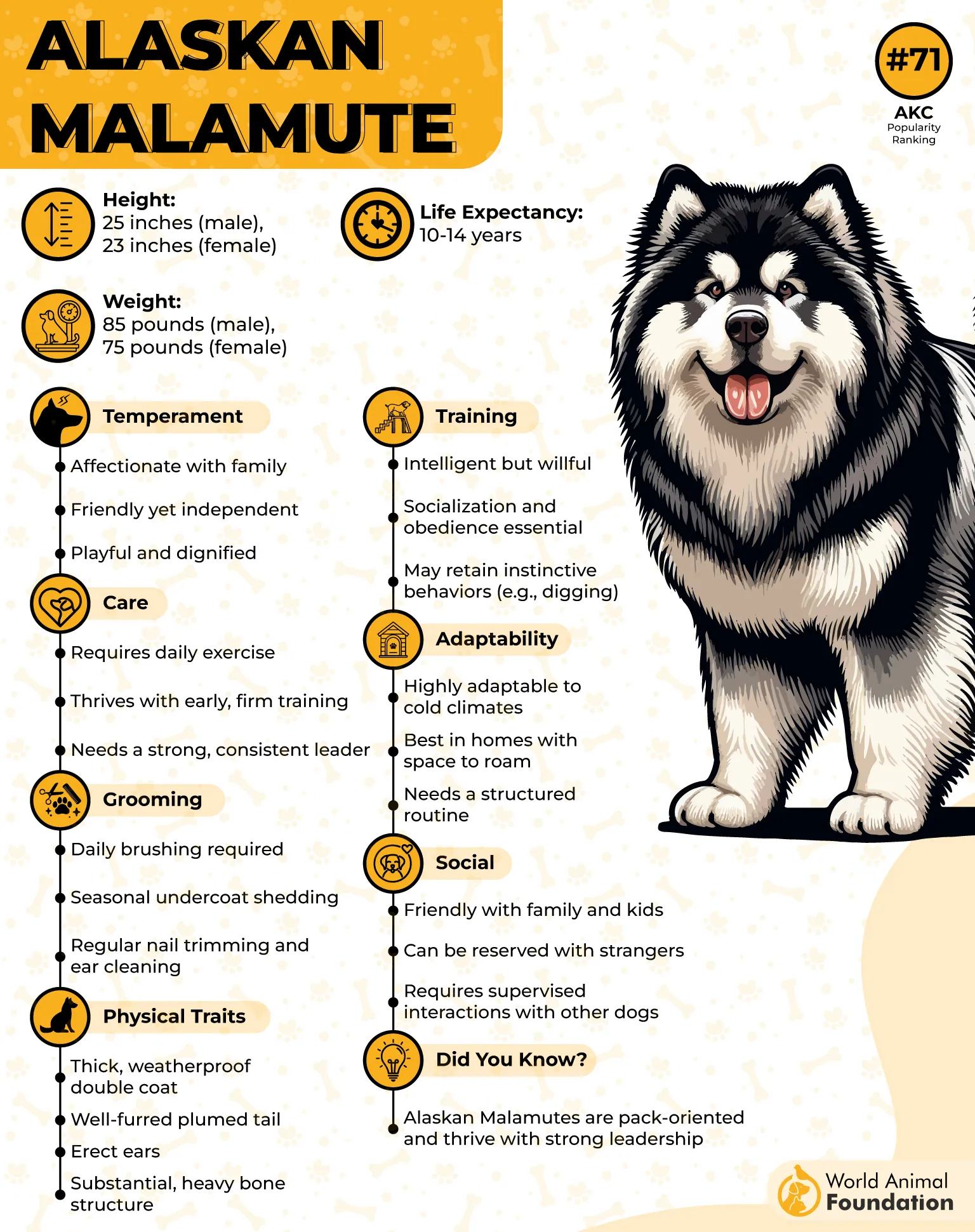
Coat & Sable Traits
Thick, waterproof double coat built for extreme weather
Common colors include gray, black, red, and sable combinations
Sable shading adds depth with darker-tipped hairs
Heavy seasonal shedding (“coat blow”) twice a year
Daily brushing helps maintain coat health
Their dense coat is not just beautiful but highly functional. The sable tones, often mixed with white markings and other shades, create a natural, rugged look similar to wild canids.
Alaskan Malamutes are intelligent but independent and can be stubborn, according to the American Kennel Club. Early training and socialization are essential to manage their strong personality. They need firm but patient guidance and plenty of activity to stay happy.
These dogs love outdoor adventures, from hikes to playtime, and will happily include you in everything they do. With the right leadership, they become friendly, loyal, and fun-loving companions.
6. Pomeranian
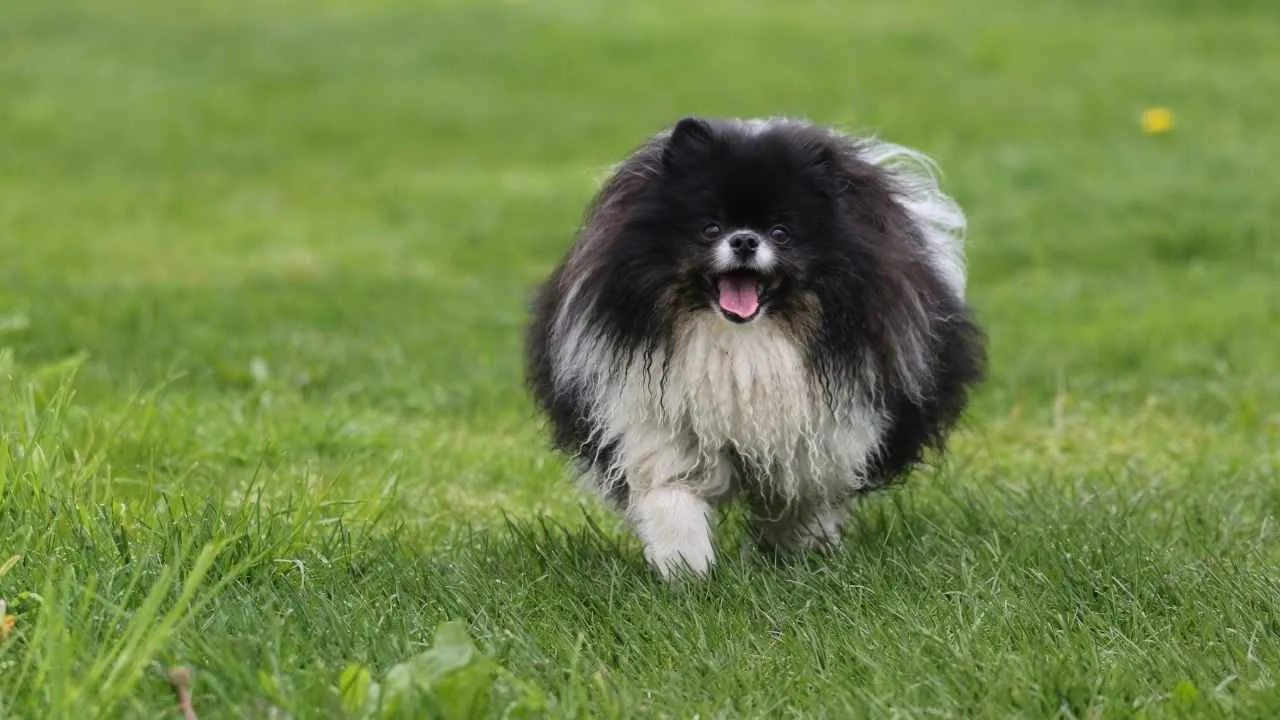
The Pomeranian may be small in size, but its personality is anything but small. Known for its lively spirit and fox-like face, this toy breed has long been a favorite companion. The Pom is an alert, intelligent, and charming pup.
They love attention and are easy to train, often learning tricks quickly. Despite their tiny frame, they carry a bold, confident attitude and enjoy being the center of family life.
Coat & Sable Traits
Double coat with a dense underlayer and fluffy outer coat
Lighter base with darker-tipped sable hair
Shades include orange, cream, red, wolf, blue, and chocolate sable
Sabling can be heavy, moderate, or light across the body
Most commonly seen on the back (“saddle”), but may appear on the head, chest, and tail
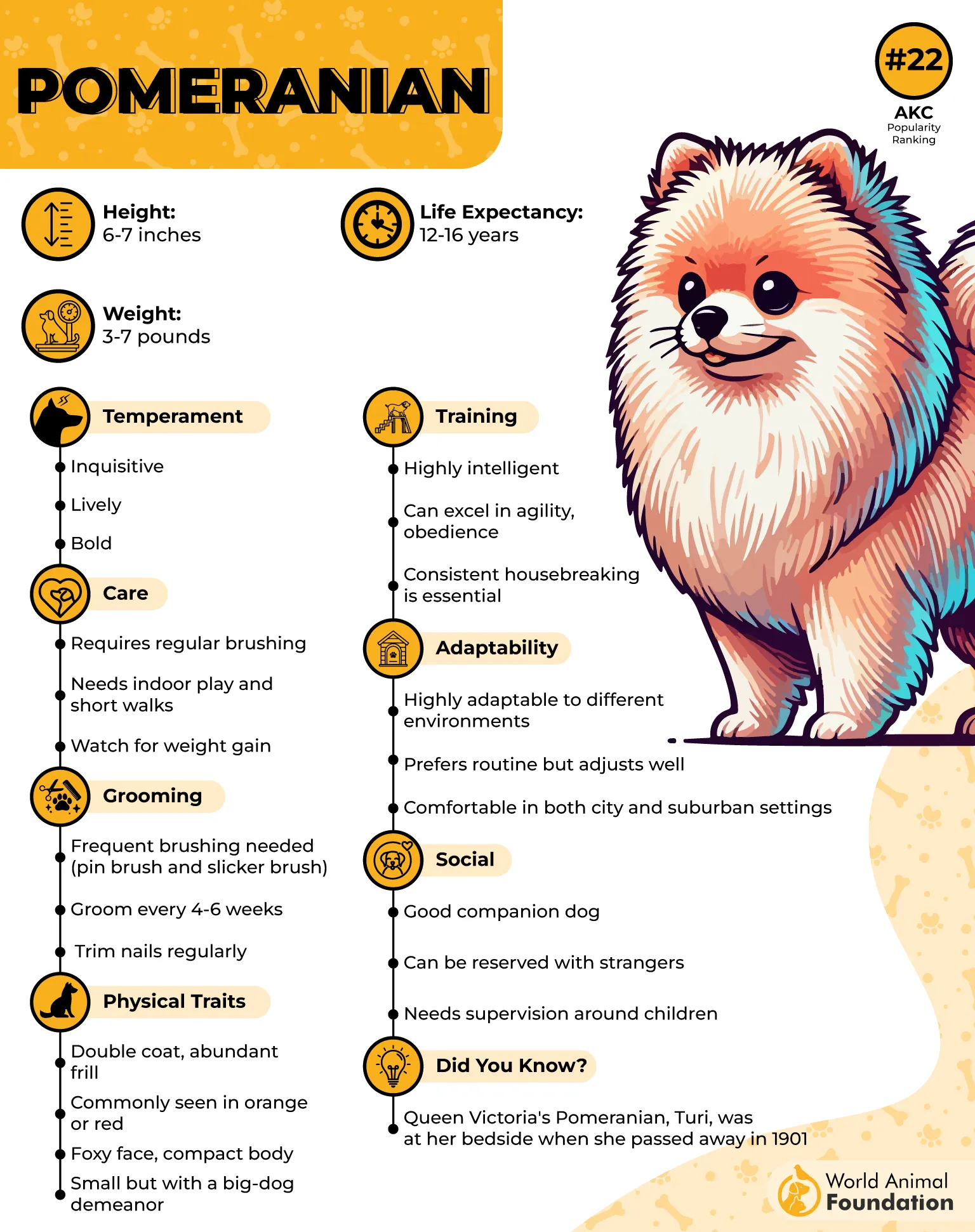
The sable effect creates a layered look, almost like a soft overlay of a darker color. Some Poms may have a dark coat with heavy sabling, while others show just a hint. Interestingly, sable coats often change as the dogs grow—many lighten over time, while some deepen, making each Pom’s coat unique.
Pomeranians need regular grooming to keep their coat in top shape. Brushing a few times a week helps prevent tangles and removes loose hair. They shed like all Poms, but sable hairs may be more noticeable on light surfaces.
Regular baths, nail trimming, and dental care are also important. With proper care, these fluffy sable-coated companions stay healthy, vibrant, and always ready to steal the spotlight.
7. Dachshund
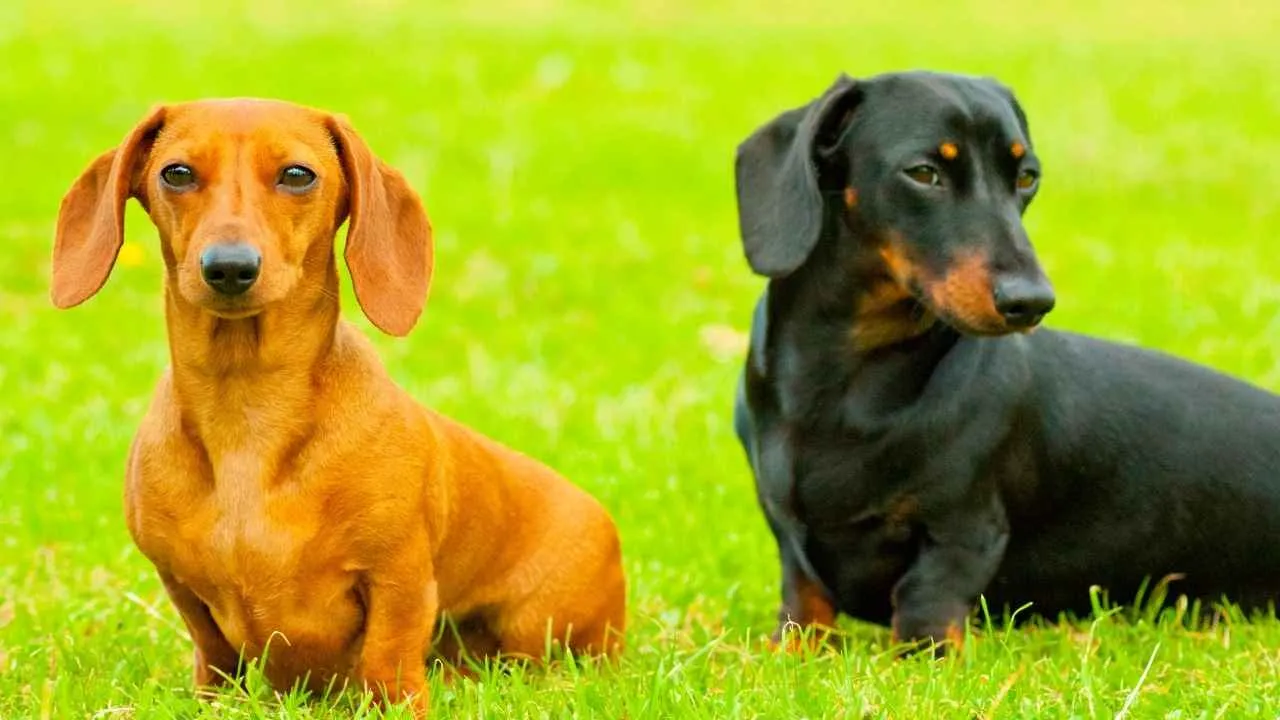
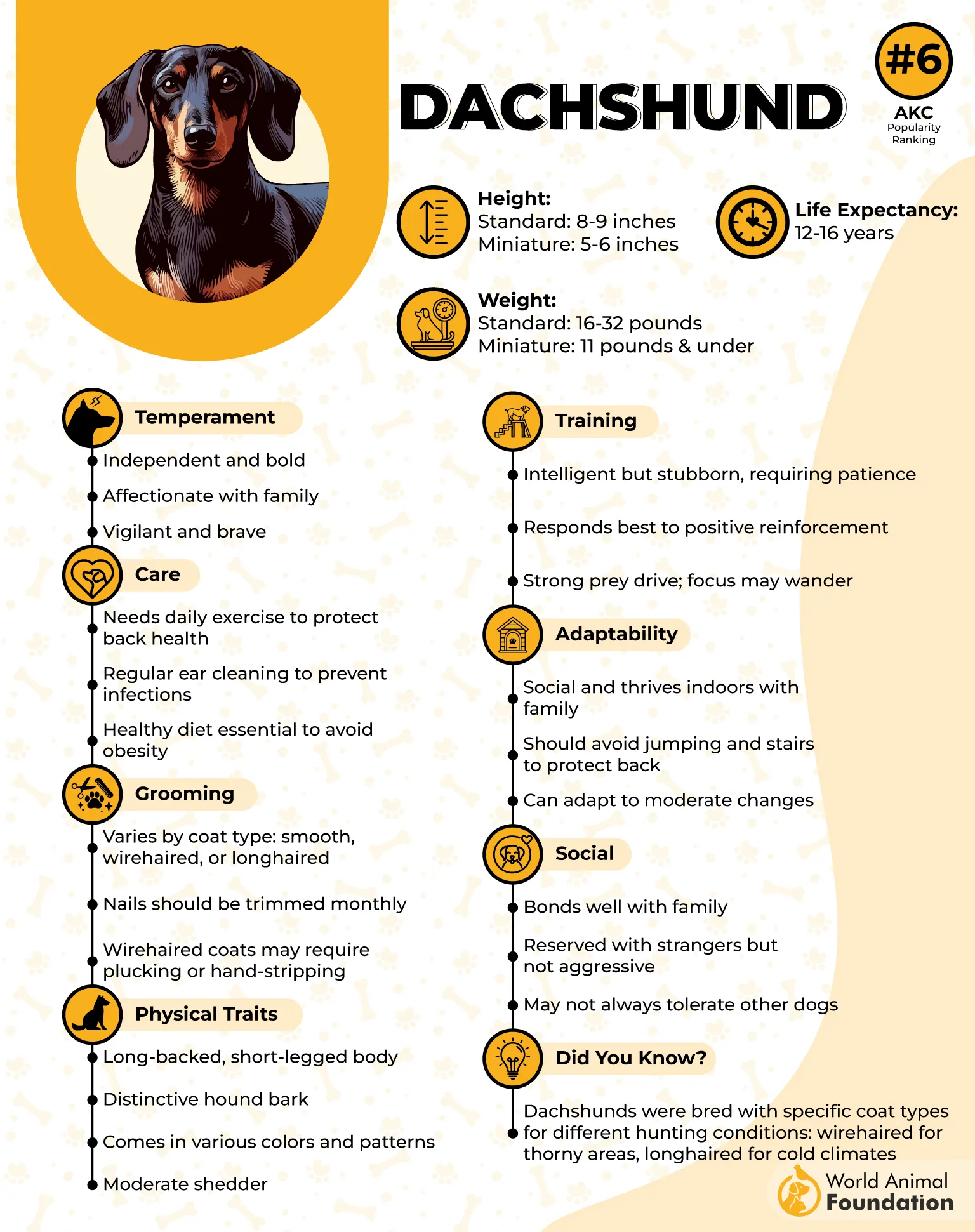
The Dachshund may be small, but it has the heart of a true hunter. Lively, brave, and full of personality, this breed loves having a purpose. This dog follows its nose and enjoys scent-based activities that keep its mind busy.
They are loyal to their families but can be independent thinkers, often acting like tiny guardians on patrol. From alert barking to playful mischief, a Dachshund brings both energy and humor into everyday life.
Coat & Sable Traits
Comes in three coat types: short, long, and wire-haired
Sable pattern: lighter base with darker-tipped hairs
One of several patterns alongside brindle, dapple, and piebald
Sable adds a soft, shaded effect across the coat
Moderate shedding, depending on coat type
The sable pattern gives Dachshunds a subtle, layered look. It may appear across the body or blend with other colors, creating a unique finish. No matter the coat type, the sable effect adds extra depth to their already charming appearance.
Dachshunds need early training and socialization to manage their bold and sometimes stubborn nature. They may be wary of strangers and not always friendly with other pets. Because of their delicate back and necks, they must be handled carefully, especially around young children.
Daily walks and outdoor sniffing time keep them happy, along with safe outlets for digging. With the right care, this sable-coated pup becomes a loyal, clever, and endlessly entertaining companion.
Conclusion
Sable-coated dogs truly stand out for their natural beauty and depth of color. From large, powerful working dogs to tiny, lively companions, this unique coat pattern appears across a wide range of breeds—each with its own personality, needs, and charm.
What they all share is that signature blend of lighter and darker tones that gives their coat a rich, ever-changing look. Beyond appearance, these dogs are intelligent, loyal, and thrive when given proper care, training, and attention.
If a sable-coated dog has caught your eye, take the time to choose one that fits your lifestyle. These dogs aren’t just about looks—they need the right environment, activity level, and commitment to truly shine.
Whether you’re looking for an active partner or a loving companion, there’s a sable beauty out there for you. And once you find the right match, you won’t just admire their coat—you’ll appreciate the incredible bond that comes with it.
