




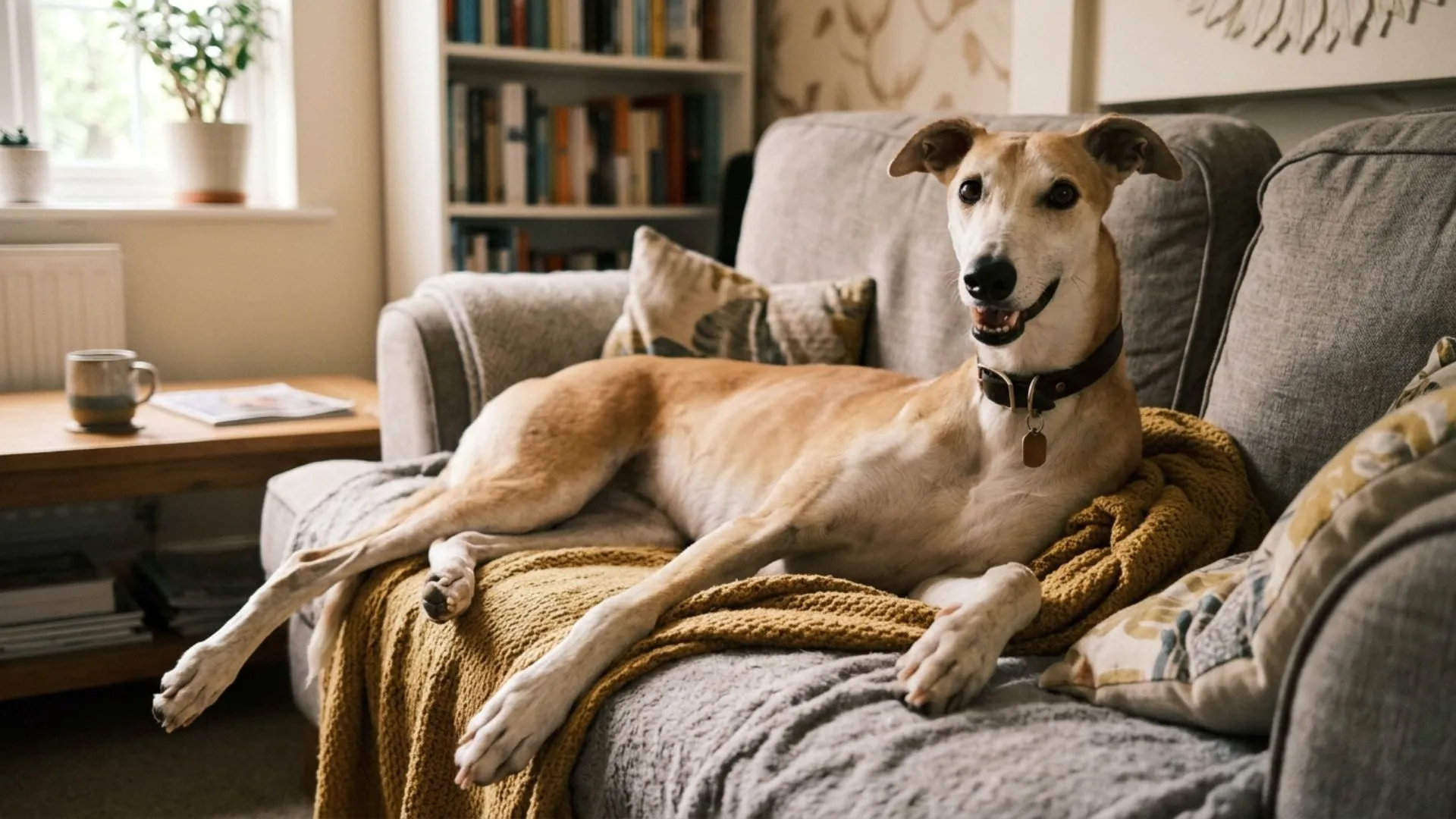
The first few days felt uncertain. A lively dog sounded like a risky choice for someone who preferred quiet evenings and minimal activity. There was an expectation of constant movement, noise, and the kind of energy that would be difficult to manage in a slower routine.
But that expectation didn’t last long. Instead of overwhelming the space, the dog adapted in a way that felt natural. It stayed playful in short bursts, showed curiosity without being demanding, and spent most of its time resting comfortably nearby.
The balance was unexpected, but it made everything easier. There was no pressure to constantly engage or adjust the day around its needs. Over time, it became clear that liveliness and low energy could exist together without conflict. That realization changes how people approach this decision.
What follows are dogs that bring that same kind of steady, easygoing presence into everyday life.
Key Takeaways
A fast or energetic dog usually sounds like the opposite of a couch-friendly lifestyle, yet reality often turns out different.
Clumber Spaniel settles into that rhythm with ease, while Tibetan Spaniel brings alert curiosity without constant demands on attention.
Greyhound and Pug show how energy and rest can coexist, shifting between short activity and long stretches of calm indoors.
Each breed reveals a different way comfort and liveliness meet in everyday life, and what follows shows how that balance actually works in real homes.
Most Lively Low-Energy Dog Breeds Perfect for Couch Potatoes
1. Newfoundland
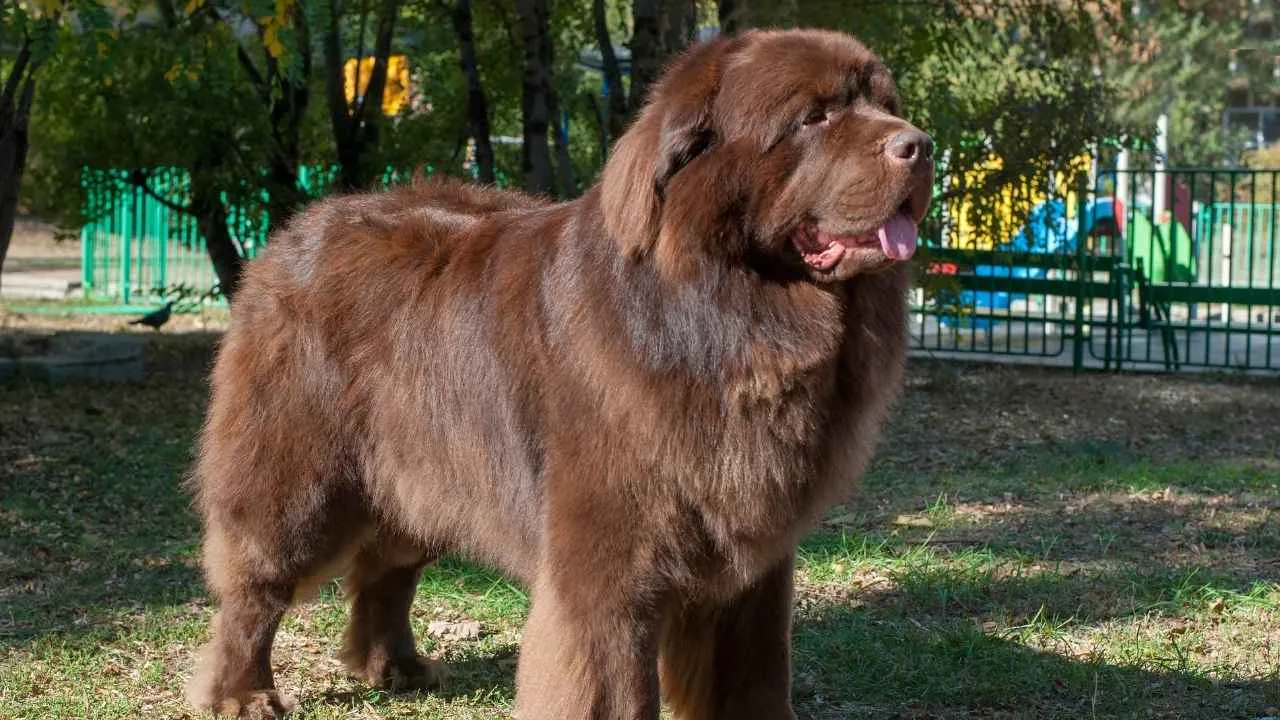
Newfoundland is a giant working breed built with heavy bones and a broad, powerful structure that reflects strength without urgency. Its expression often appears soft and composed, giving a calm visual contrast to its size. The coat lies flat and coarse, shaped for protection in wet environments.
Gentle interaction patterns
This large dog has a calm nature and behaves with a steady, patient manner, often showing tolerance in close contact with children and other animals. Its role as a dependable companion is tied to its gentle response rather than reactive behavior.
That steady nature appears in daily living traits:
Shows patience during close interaction with kids
Accepts other pets without tension in shared spaces
Responds calmly to gentle handling and guidance
Activity shaped around balance
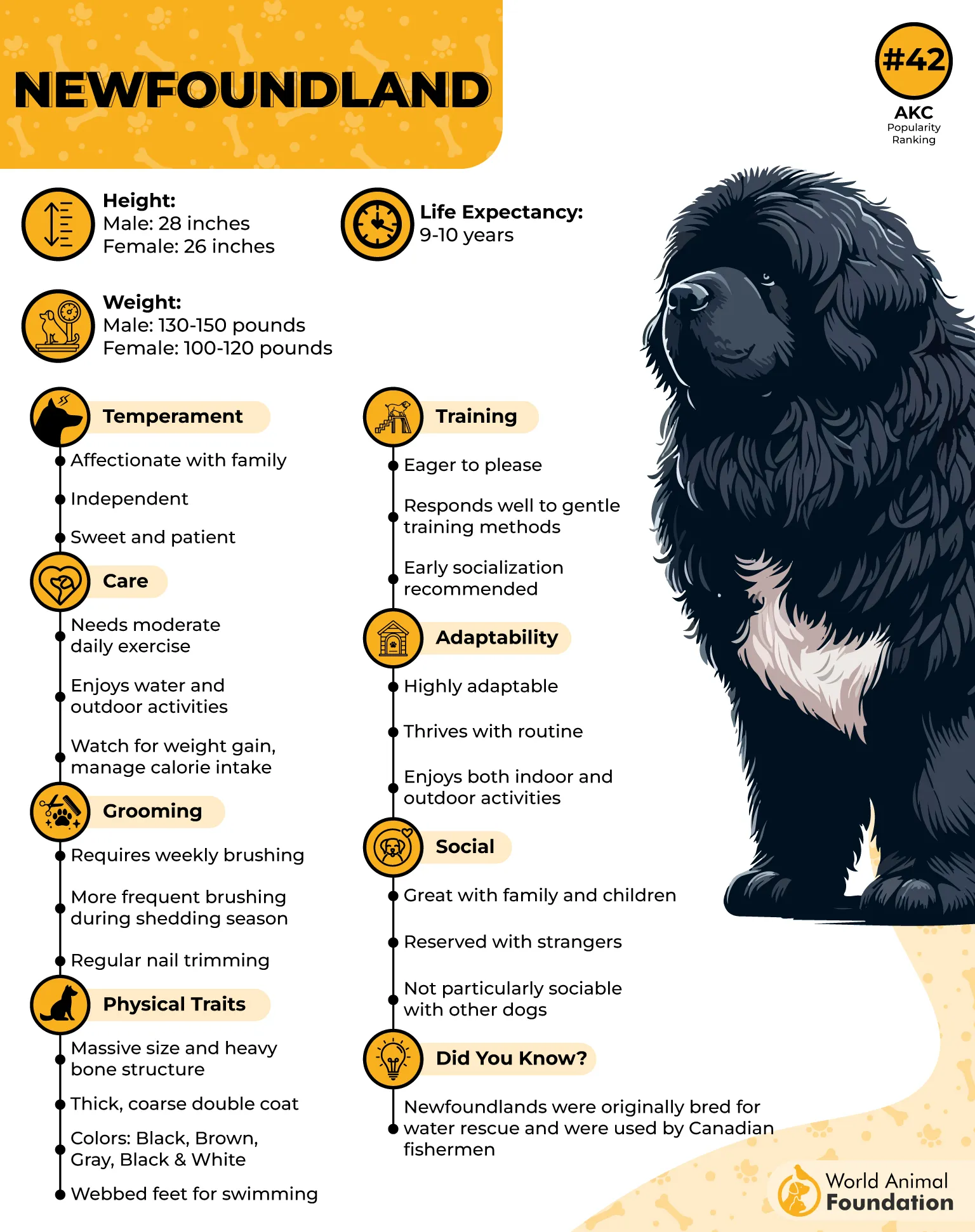
As a gentle giant, they prefer low-intensity routines like walking or swimming rather than high-speed activity, using movement as steady engagement instead of exertion, as PetMD writes.
Its large frame requires monitored activity to prevent weight-related strain. Water-based activity often aligns naturally with its physical design.
2. Tibetan Spaniel
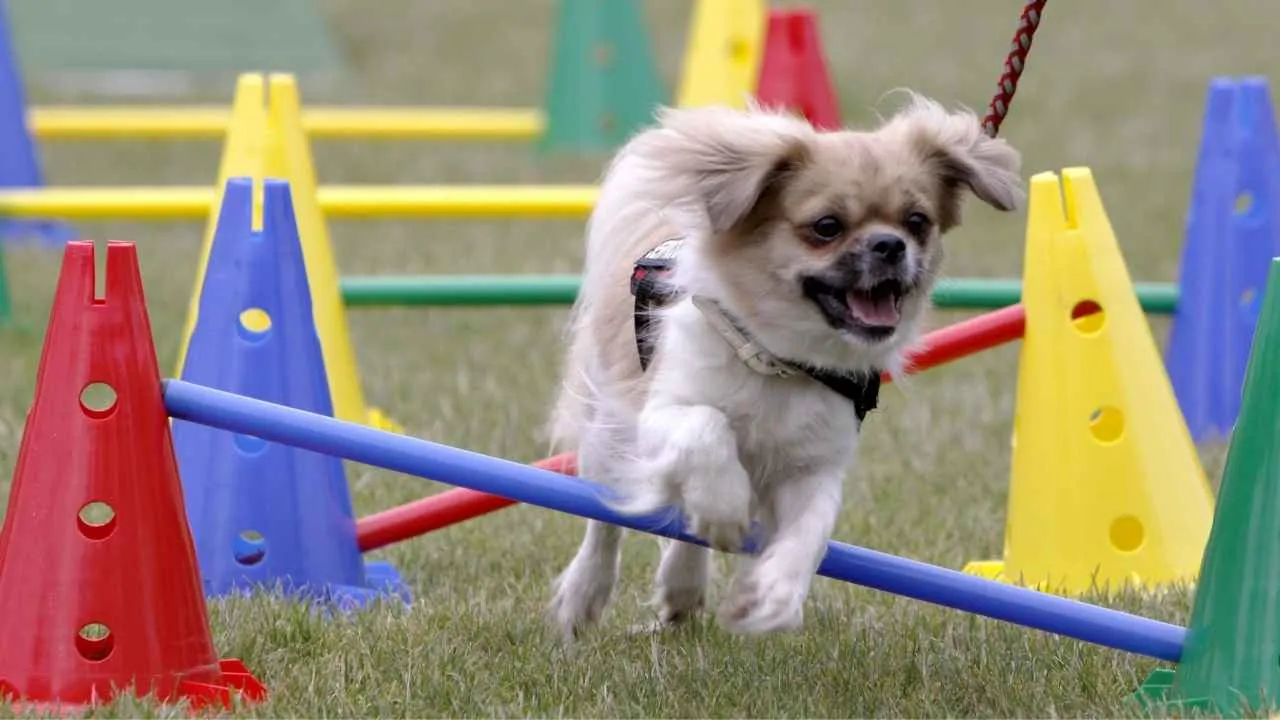
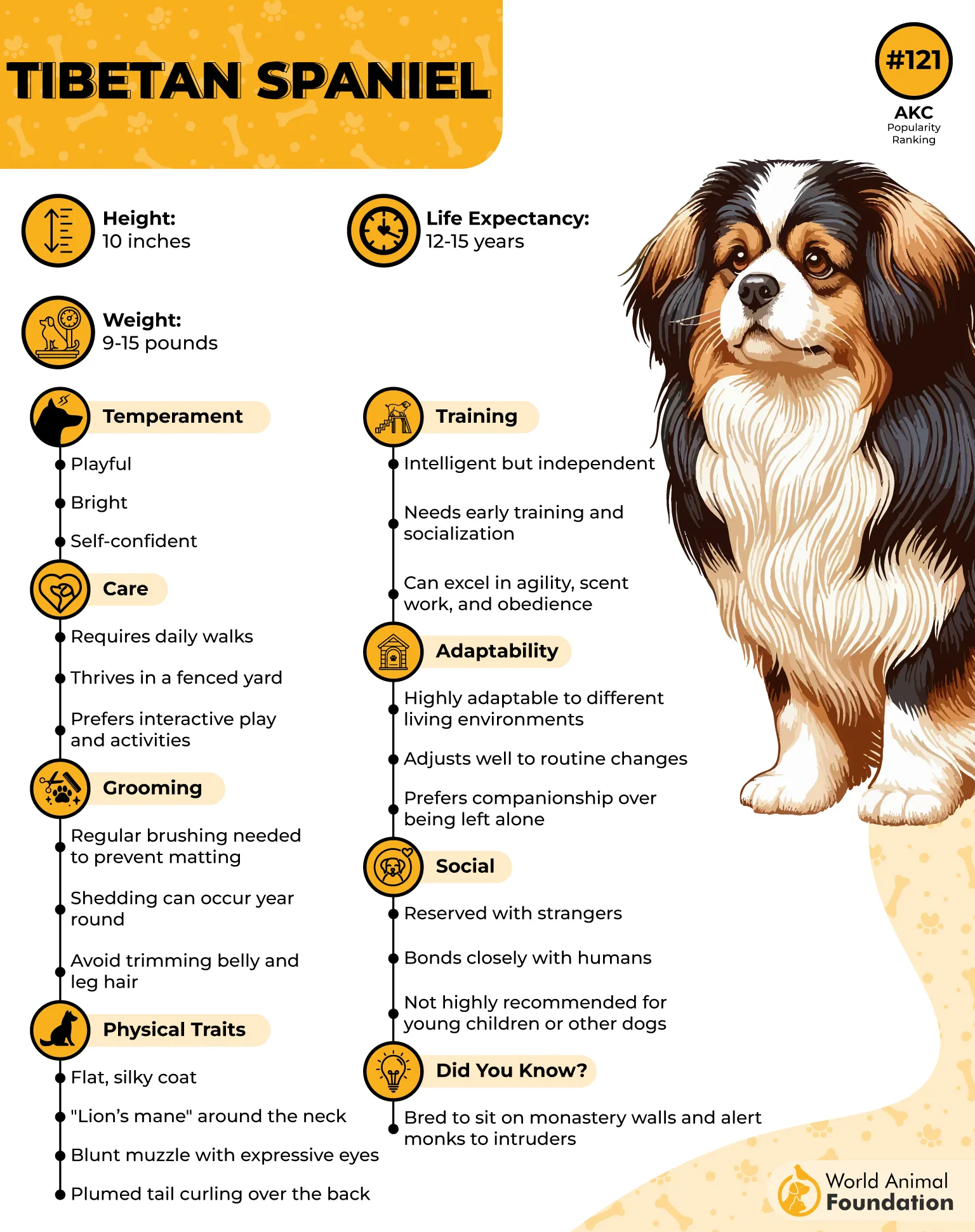
The Tibetan Spaniel comes from Tibetan monastery life, where it lived alongside monks and observed its surroundings from high stone walls.
Its small frame and expressive face reflect a dog shaped for alert observation rather than physical force. This setting built a natural tendency to stay elevated and observant.
Elevated watch behavior in daily life
According to Orvis, they often choose higher resting spots, continuing their instinct of scanning their surroundings from raised positions. Their reaction style focuses on quick awareness of change rather than confrontation.
This behavior appears through clear, repeated actions:
Perches on windowsills or furniture edges
Reacts quickly to unfamiliar sounds or movement
Uses elevated spots for constant observation
Lifestyle balance between rest and activity
As a laid-back breed, it adjusts easily between relaxed indoor living and short outdoor activity, showing comfort in both stillness and movement. Its compact size fits well into smaller homes without demanding space or intensity. This flexibility makes daily routines easier to manage.
3. Greyhound
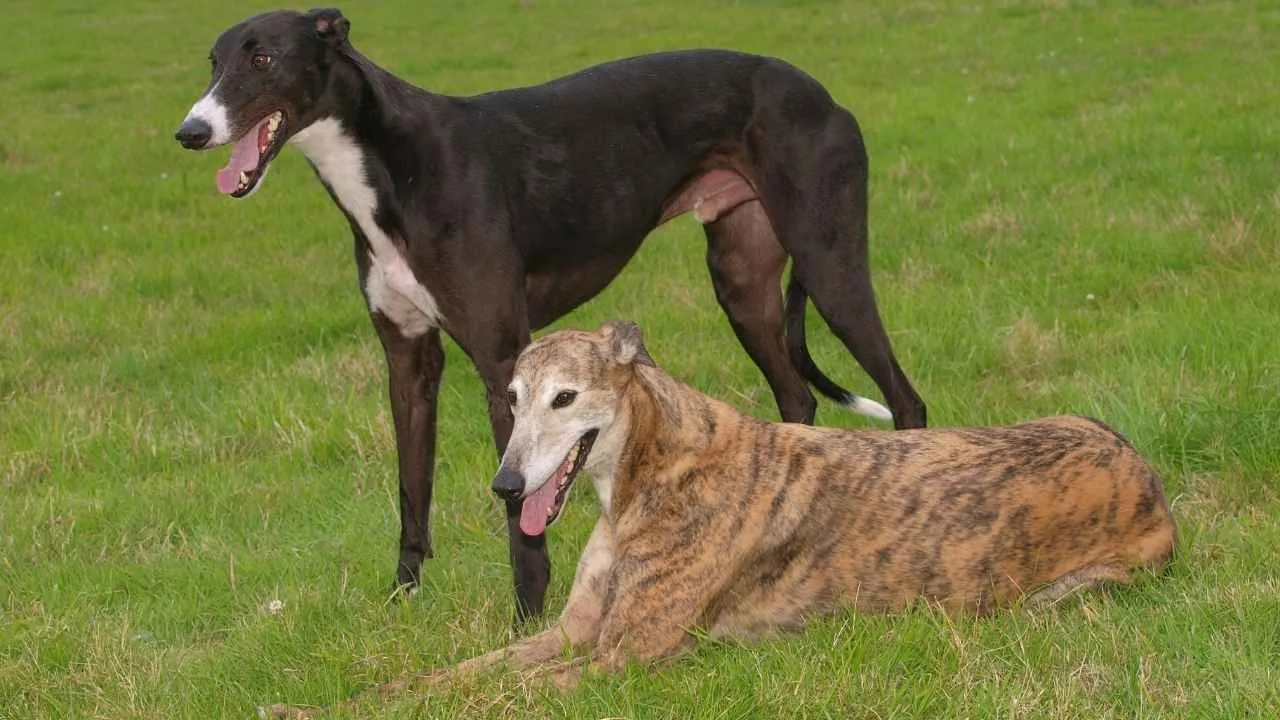
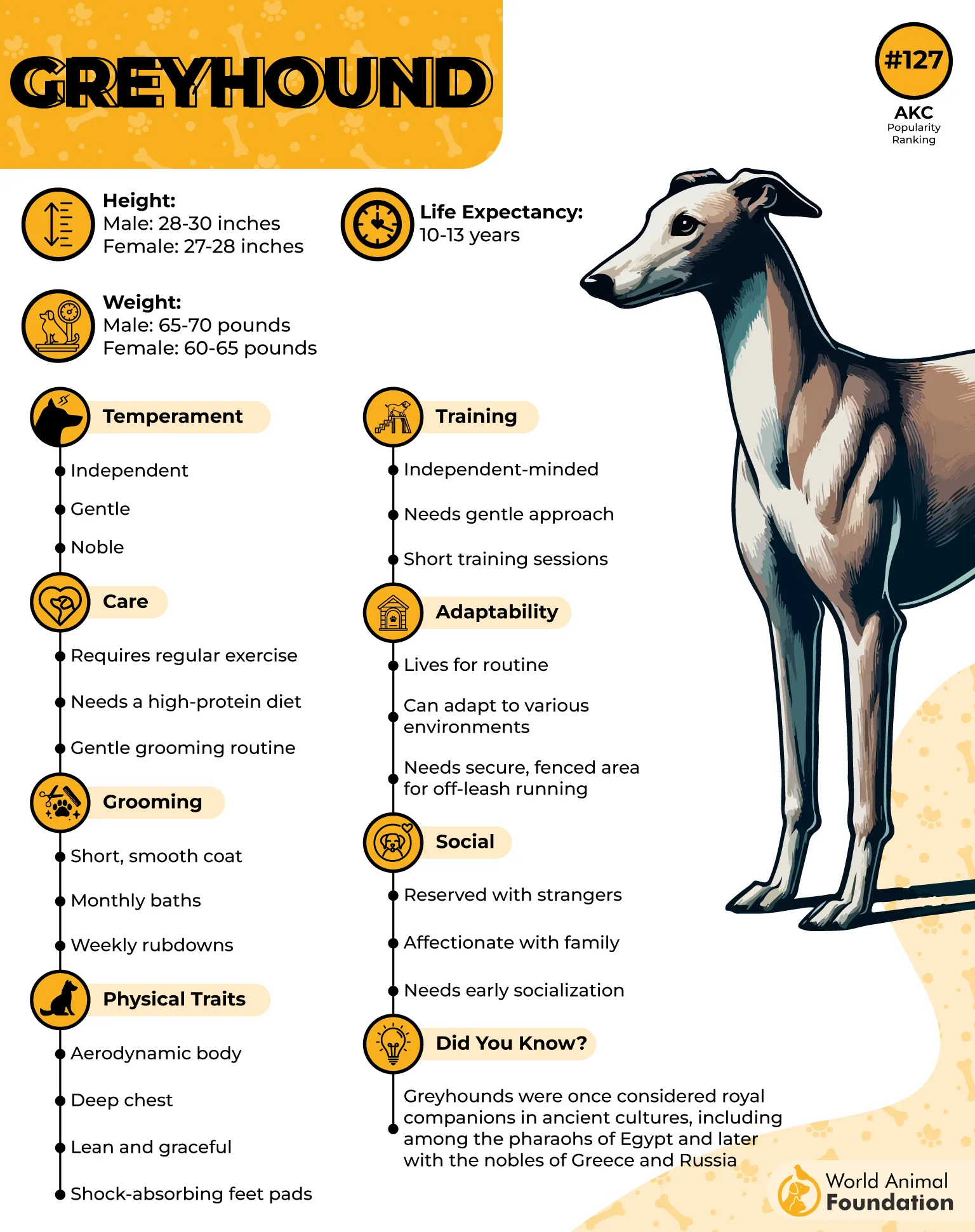
The Greyhound shows a body engineered for extreme speed, with a narrow aerodynamic head, deep chest, and tightly tucked waist forming an “inverted S” shape.
Every element of its structure reflects purpose-driven design rather than excess. Even the feet are shaped with shock-absorbing pads for high-impact ground contact.
Design that explains performance
Its frame reveals how function guides form, giving it both sprinting power and surprising calmness indoors. Its lean structure has been admired for centuries in art and literature, reflecting a balance between elegance and utility.
This structure becomes clearer through key physical traits:
Deep chest supports powerful stride extension
A narrow skull reduces air resistance during sprinting
Tucked waist improves flexibility and speed control
Quiet nature inside the home
Greyhounds spend long stretches in calm rest, often choosing stillness over activity when not engaged, as per the AKC. Their temperament reflects a gentle and independent nature, making it easy to coexist with them in indoor spaces. The contrast between stillness and sudden speed defines its daily rhythm.
4. Pekingese
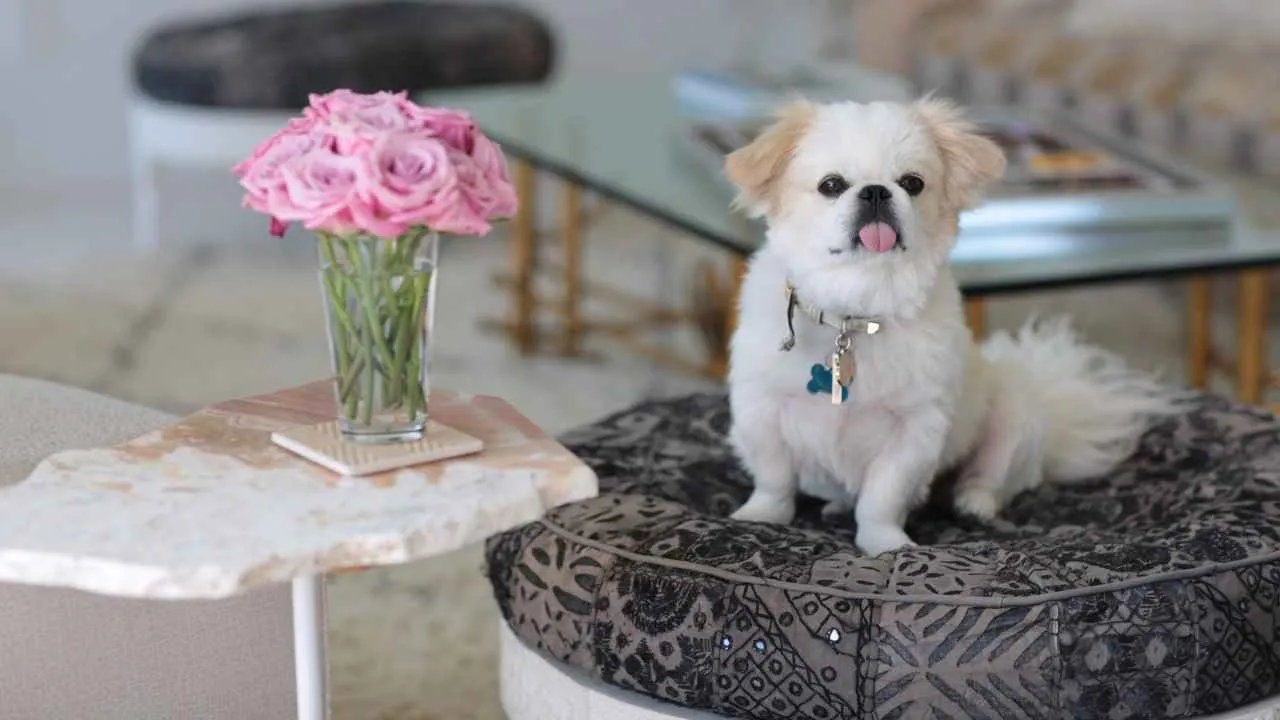
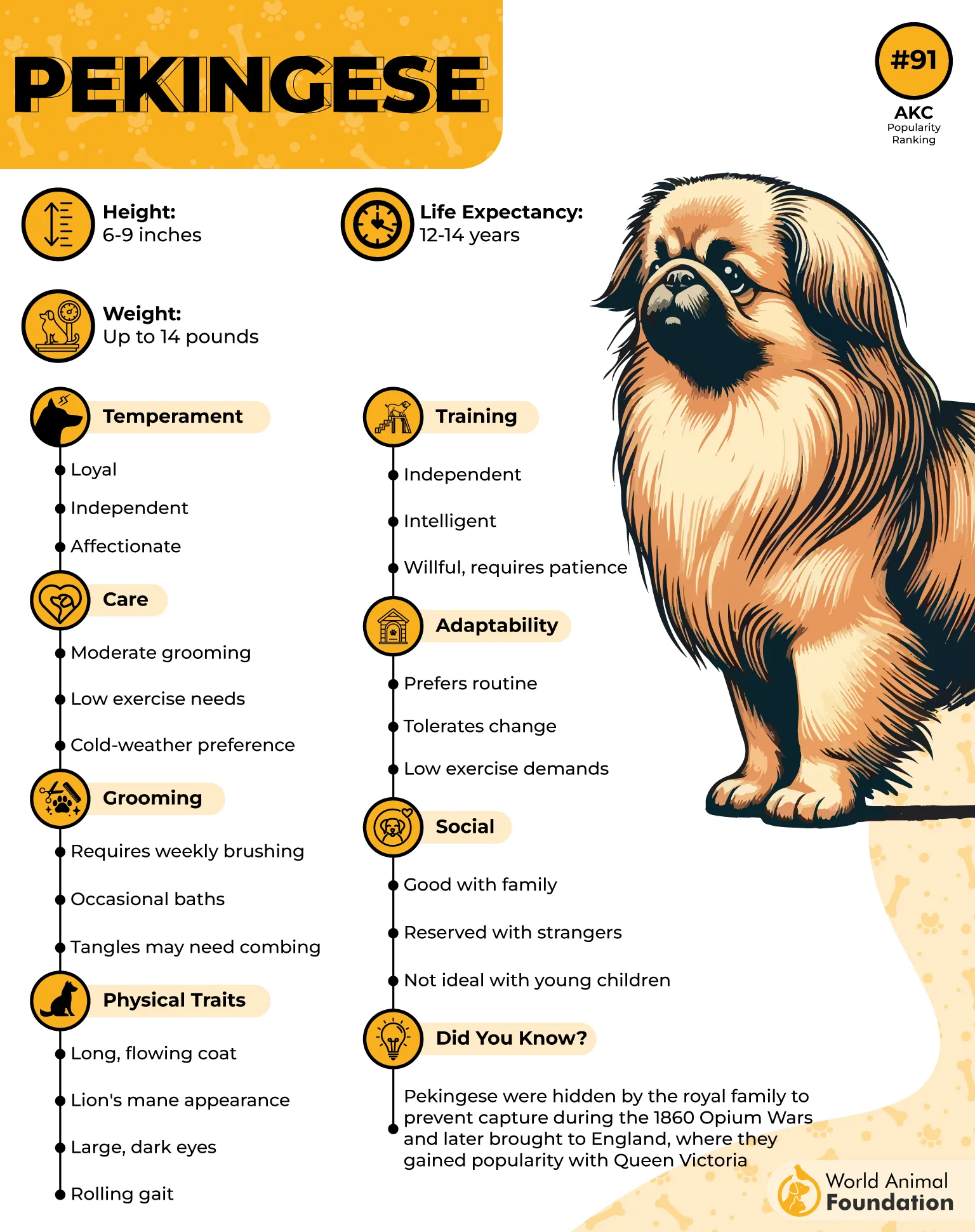
Pekingese reflects a compact toy form shaped for palace life, with a broad, short-muzzled head and a distinctive envelope-like facial structure.
Its rolling gait gives its movement a smooth, effortless rhythm that feels deliberate rather than rushed. The overall frame carries a calm, composed physical presence.
Personality that centers on select bonds
This small dog breed forms a strong attachment to one preferred person, showing confidence and selective social connection rather than wide interaction. Its alert nature also gives it a natural role in noticing changes around its space.
This behavior becomes clearer in small daily patterns:
Choose one primary human connection
Observes surroundings with constant awareness
Reacts strongly to rough handling or chaos
Temperament guided by comfort and limits
This dog prefers gentle engagement and responds best in calm conditions where interaction is respectful. It tolerates children but resists rough play, showing clear boundaries in behavior. Its energy level stays modest, with interest in light activities at its own pace.
5. Irish Wolfhound
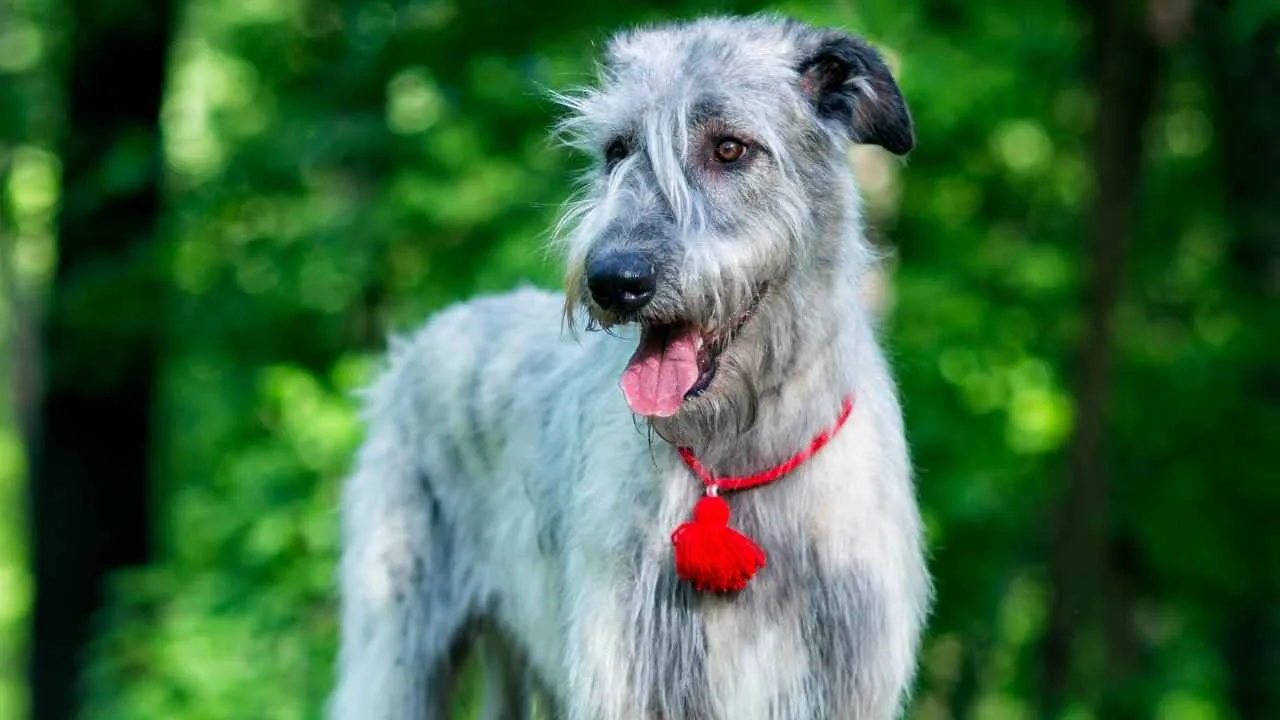
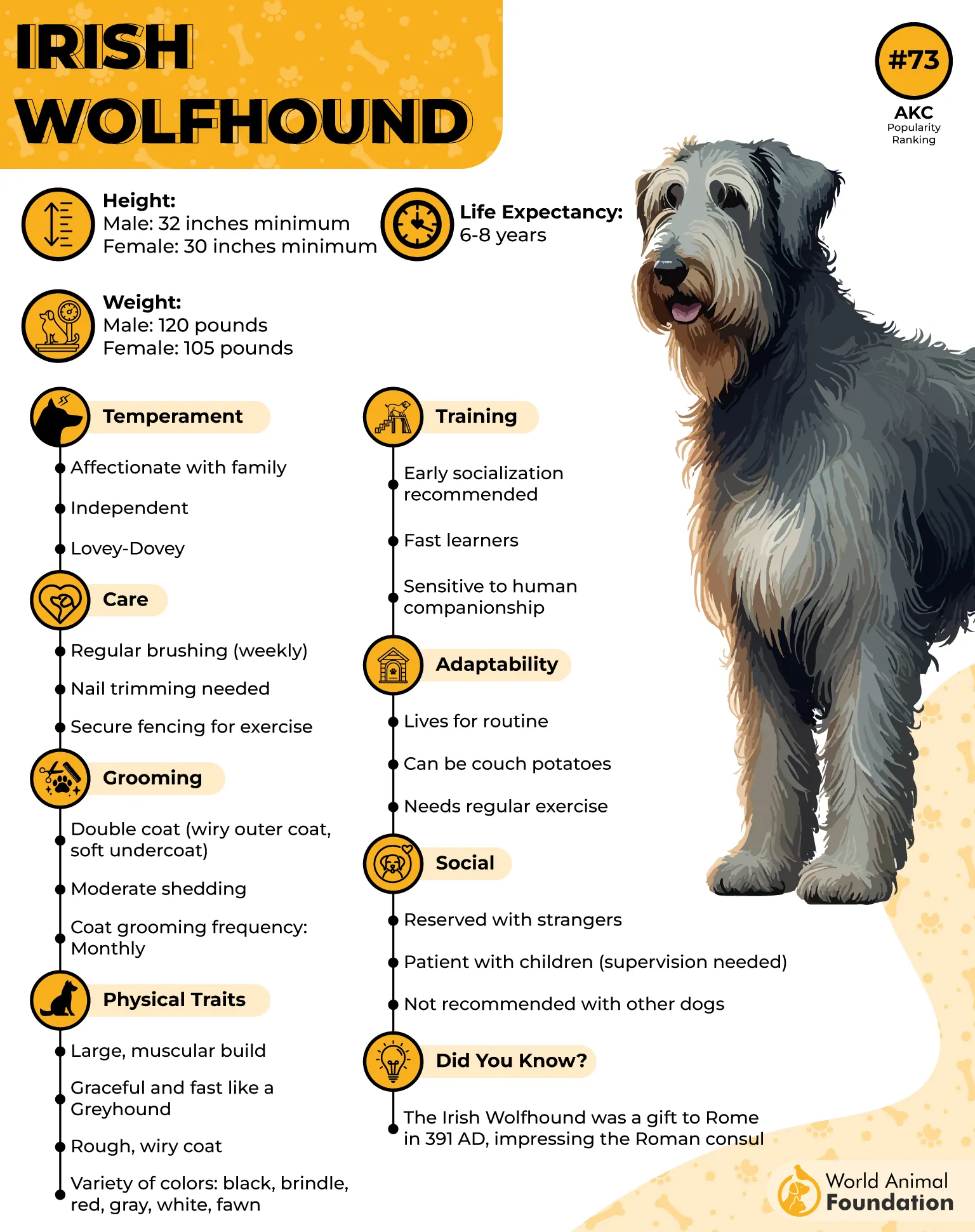
Irish Wolfhound holds the tallest structure among recognized breeds, built with long limbs and a deep muscular frame that reflects its ability for speed at full stretch.
Its Greyhound-like outline gives it a flowing, athletic shape rather than bulk-heavy mass. The overall form suggests controlled power rather than aggression.
Former pursuit role translated into tracking instinct
They once worked in large-game pursuit, including high-risk quarry, which shaped their chasing instinct and wide-ground awareness. Even today, movement across open space remains part of their natural response pattern.
This working tendency appears in clear behaviors:
Covers large ground with an extended stride
Responds strongly to moving targets
Requires controlled space during outings
Lifestyle shaped by a balance of rest and motion
The Irish Wolfhound can lean toward long resting periods when activity is not structured, yet it still benefits from steady walks and regular movement.
Without guided exercise, its natural inclination shifts toward inactivity. Fenced environments and controlled outings help balance its chase instinct with calmer living conditions.
6. Pug
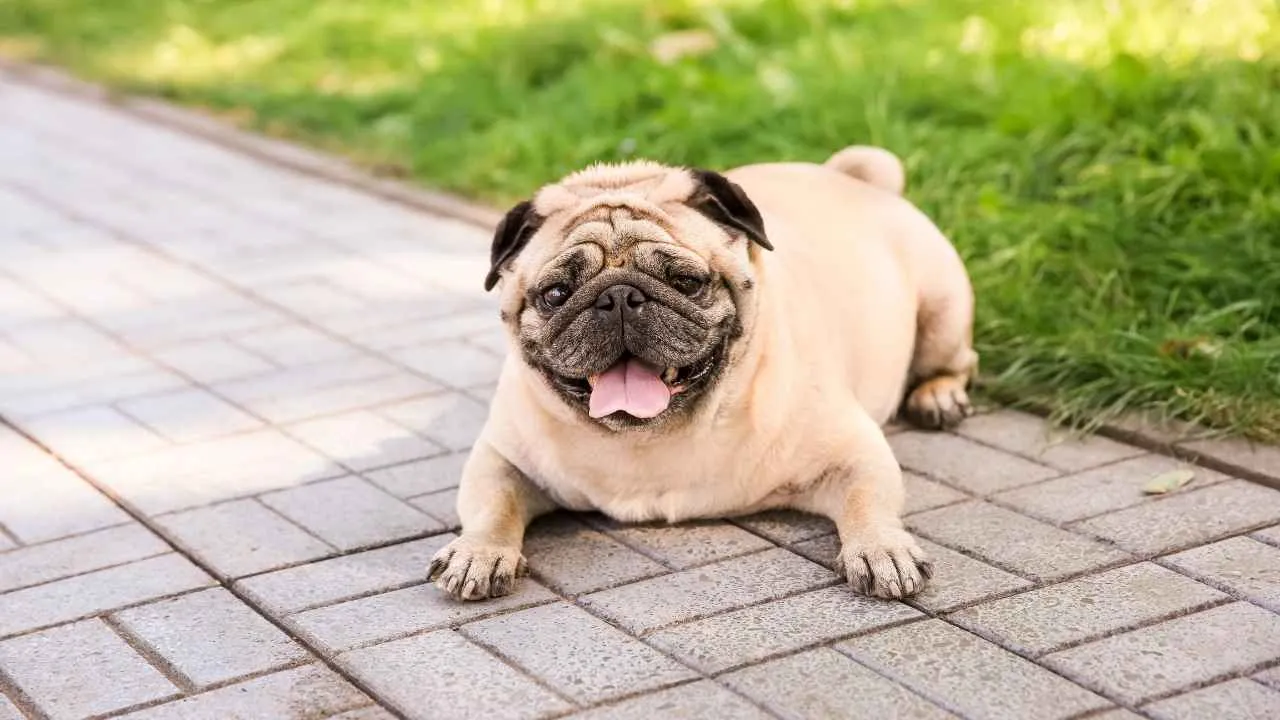
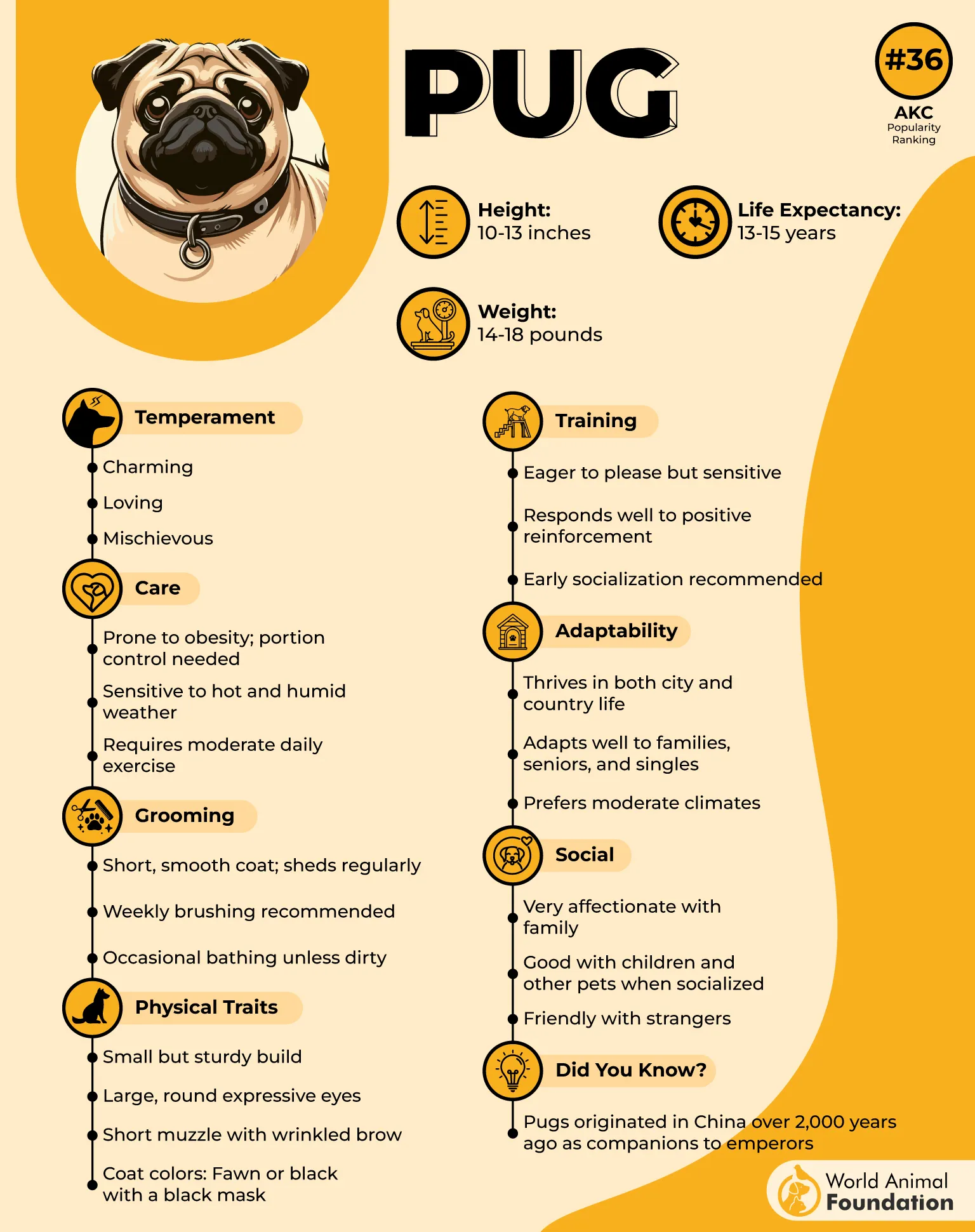
The Pug is recognized for its small but solid frame, paired with a muscular build that fits easily into indoor living spaces. Its expression shifts through wrinkled brows and large eyes that reflect clear emotional cues. The Latin idea “a lot in a little” captures its dense personality within a compact body.
Expression that feels unusually readable
This low-maintenance breed interacts through visible facial reactions, often showing curiosity, surprise, or calm interest in everyday situations. Its attention naturally stays close to people, making engagement feel direct rather than distant.
That expression appears in simple living patterns:
Uses face and posture to signal mood shifts
Responds quickly to human attention cues
Seeks proximity instead of independent roaming
Lifestyle shaped around comfort
Due to its laid-back demeanor, apartment living or quieter rural homes are well-suited for this dog. It blends into family settings, including homes with children, older adults, or other pets, without needing complex routines. Moderate climate suits its comfort range more consistently.
7. Cavalier King Charles Spaniel
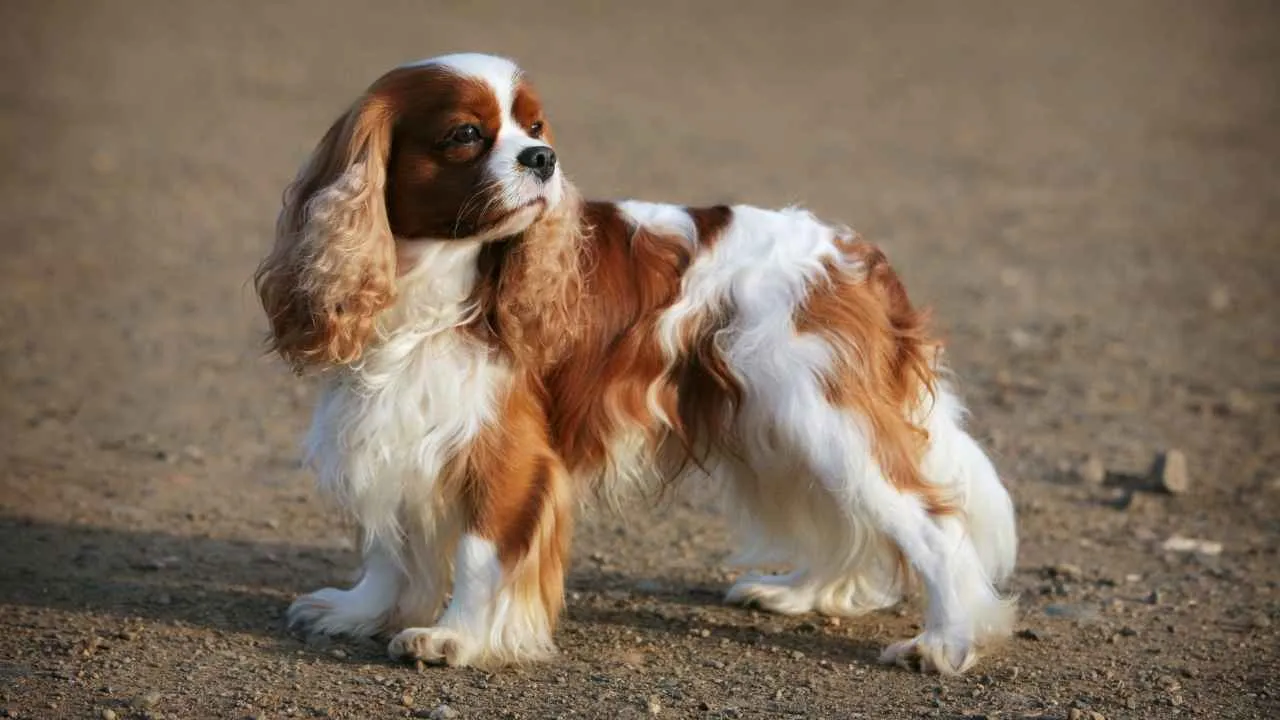
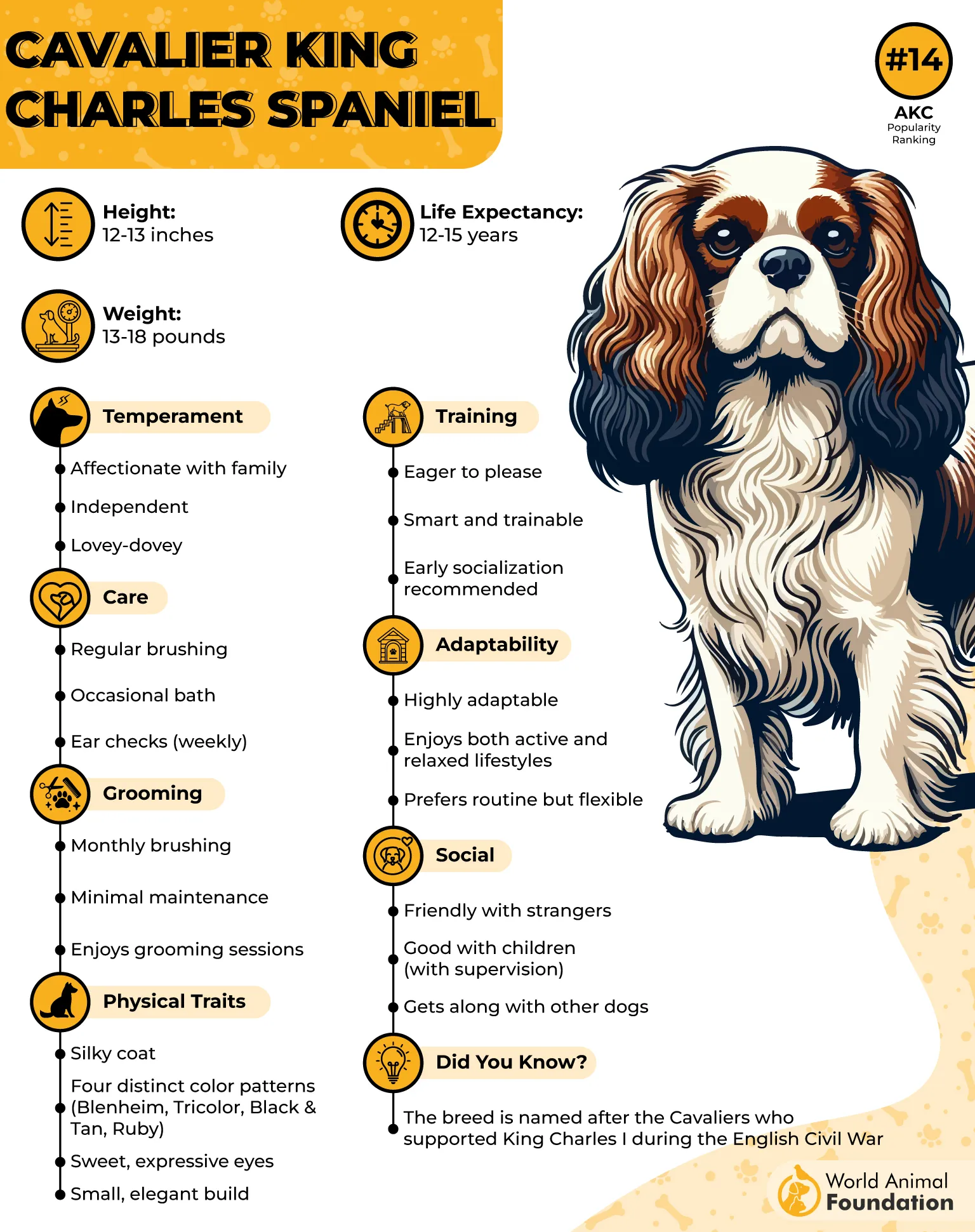
Cavalier King Charles Spaniel reflects British royal association through its name, carrying a refined yet approachable presence. Its expression comes through large, round eyes that give a soft, gentle look. The silky coat and balanced frame add to its composed appearance.
Personality that blends softness and spark
This Spaniel dog shows a calm, affectionate way of interacting while still responding to playful moments outdoors. It shifts easily between quiet companionship and brief bursts of activity without losing its gentle tone.
That balance appears clearly in daily behavior:
Engages warmly with children and other dogs
Responds to both calm and playful settings
Adjusts quickly to different household rhythms
Flexible activity patterns in daily life
As one of the best dog breeds, it participates in short walks and light outdoor moments with ease. This dog does best in dog parks, too. Its sporting lineage appears in occasional bursts of energy, especially during outdoor exploration. The rest of its time is often spent in relaxed indoor comfort.
Conclusion
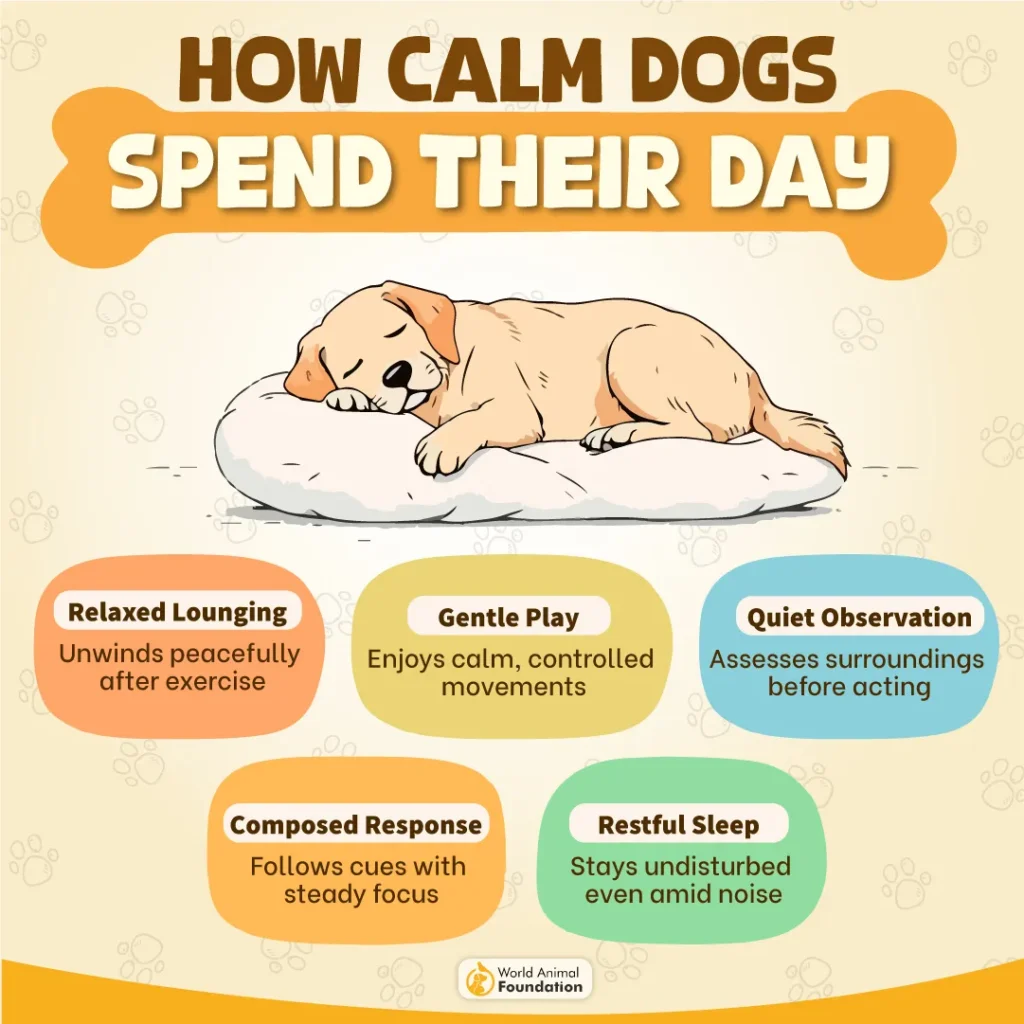
Liveliness does not always mean constant movement, and these breeds show how easily that idea can shift in real life. Each one brings small bursts of activity that never disrupt the overall calm of the home, often shaped by a calm demeanor and the needs of a lazy dog breed that thrives on minimal exercise.
Over time, that balance becomes the reason everything feels easier to manage for pet parents.
There is no pressure to keep up, no need to reshape your routine around endless energy. Instead, the dog settles into your pace without resistance. In the end, the right choice creates a space where comfort and light activity exist together, making everyday life feel steady, relaxed, and quietly enjoyable.
