




Boosting your dog’s skills through bonding-based training is an important part of raising a well-behaved and confident companion. While all dogs need proper training and socialization to adjust well to family life and their environment, some breeds stand out because they are naturally quick learners and highly responsive. Many owners assume that obedience or positive reinforcement alone is enough, but effective training goes beyond basic commands.
In reality, successful training involves consistency, patience, communication, and understanding your dog’s individual personality. Along with structured training methods, the real foundation of a well-behaved dog is the attention, care, and time invested by the owner.
In this guide, we will explore small dog breeds that excel in training, along with their key traits, trainability levels, and essential do’s and don’ts for effective learning. By focusing on these elements, you can build a stronger bond and create a trusting, well-balanced relationship with your furry companion.
Small Dog Breeds That Excel at Simple Training Techniques
Below mentioned is a list of adorable dog breeds that are easier to train because of their temperament, intelligence, and adaptability.
1. Toy Poodle
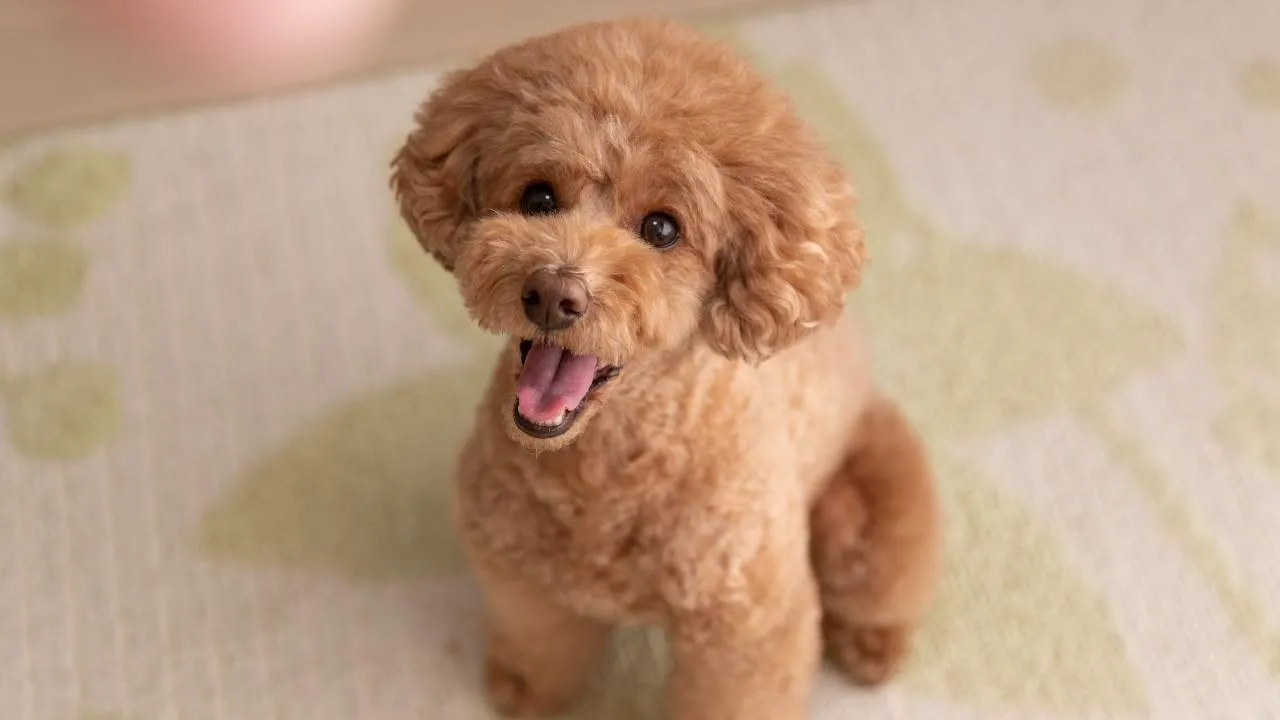
The Toy Poodle may be small in size, but it has a big heart and an even bigger personality. This breed is playful, energetic, affectionate, and highly intelligent. Standing around 10 inches tall and weighing approximately 4–6 pounds, it is known for being eager to please, which makes training both enjoyable and effective, especially when positive reinforcement and tasty rewards are used.
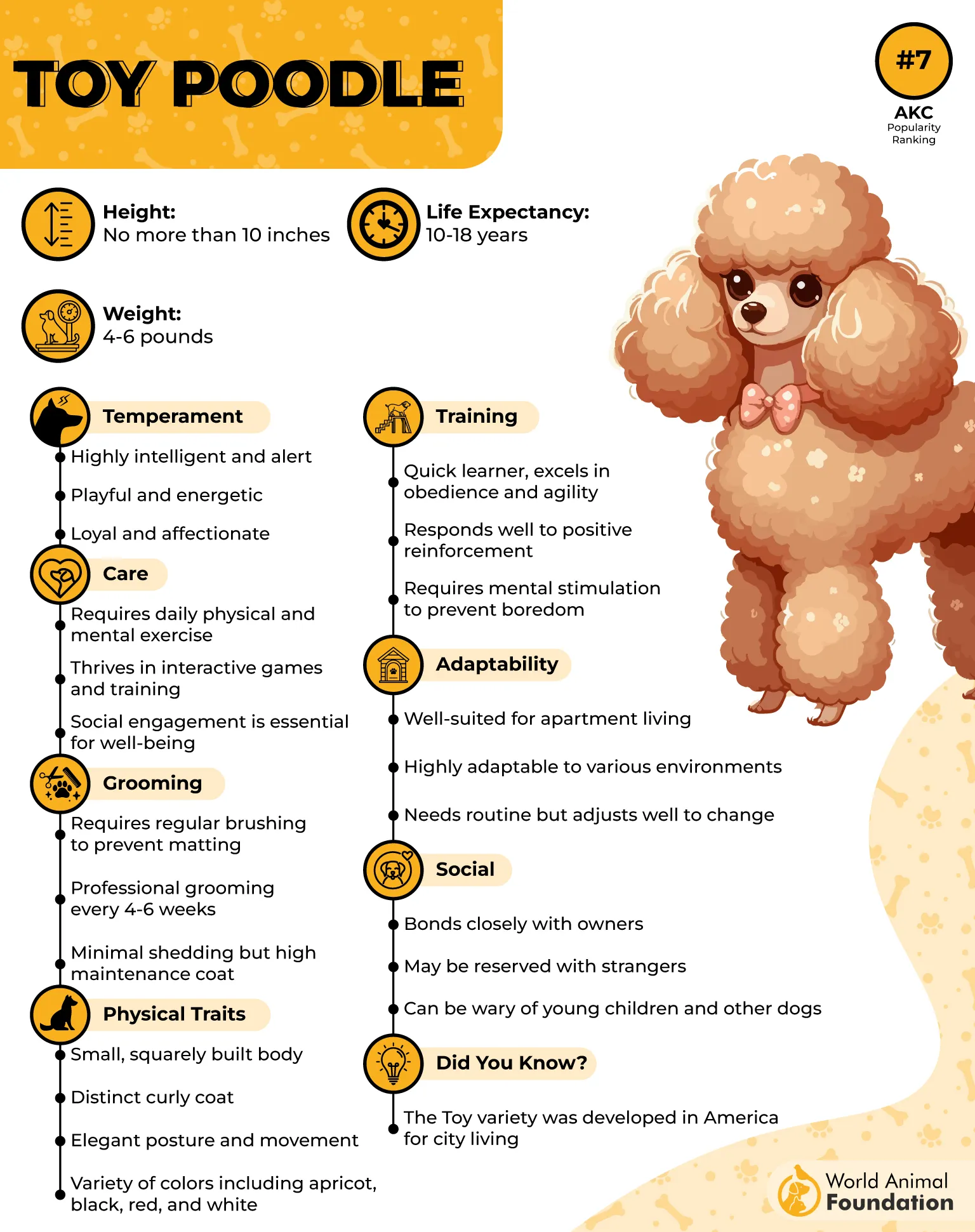
Toy Poodles are highly responsive and can learn commands quickly, often enjoying the process of learning new tricks. They thrive in training sessions that include games, challenges, and mental stimulation. However, they can become bored with too much repetition, so variety is important to keep them engaged and motivated.
This breed thrives on interaction and companionship, making it well-suited for families with children, dedicated owners who can spend quality time with them, individuals, and small living spaces.
2. Shih Tzu
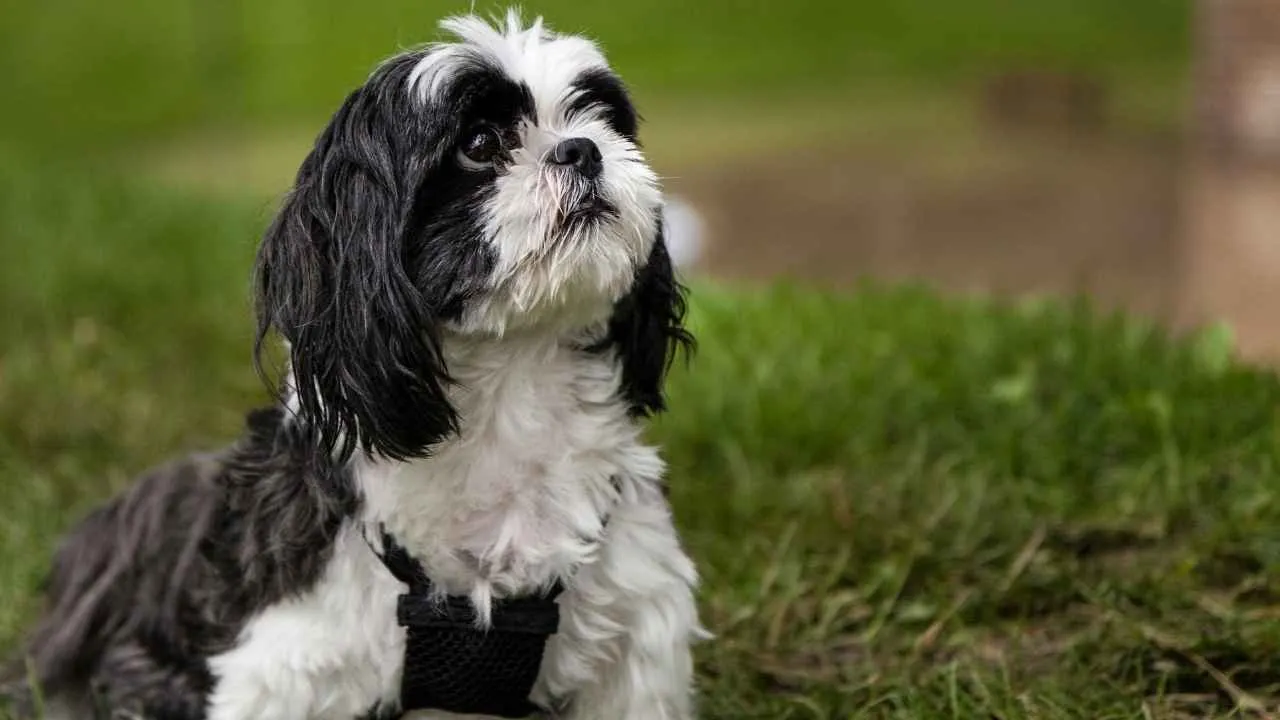
The Shih Tzu is an affectionate, lovable, intelligent, and loyal breed that makes an excellent family companion. Originally bred in China to resemble lions, these dogs were also kept in imperial courts where they would alert rulers to visitors with their sharp bark, earning them the nickname “lion dogs.” They typically weigh around 9–16 pounds and stand about 10 inches tall.
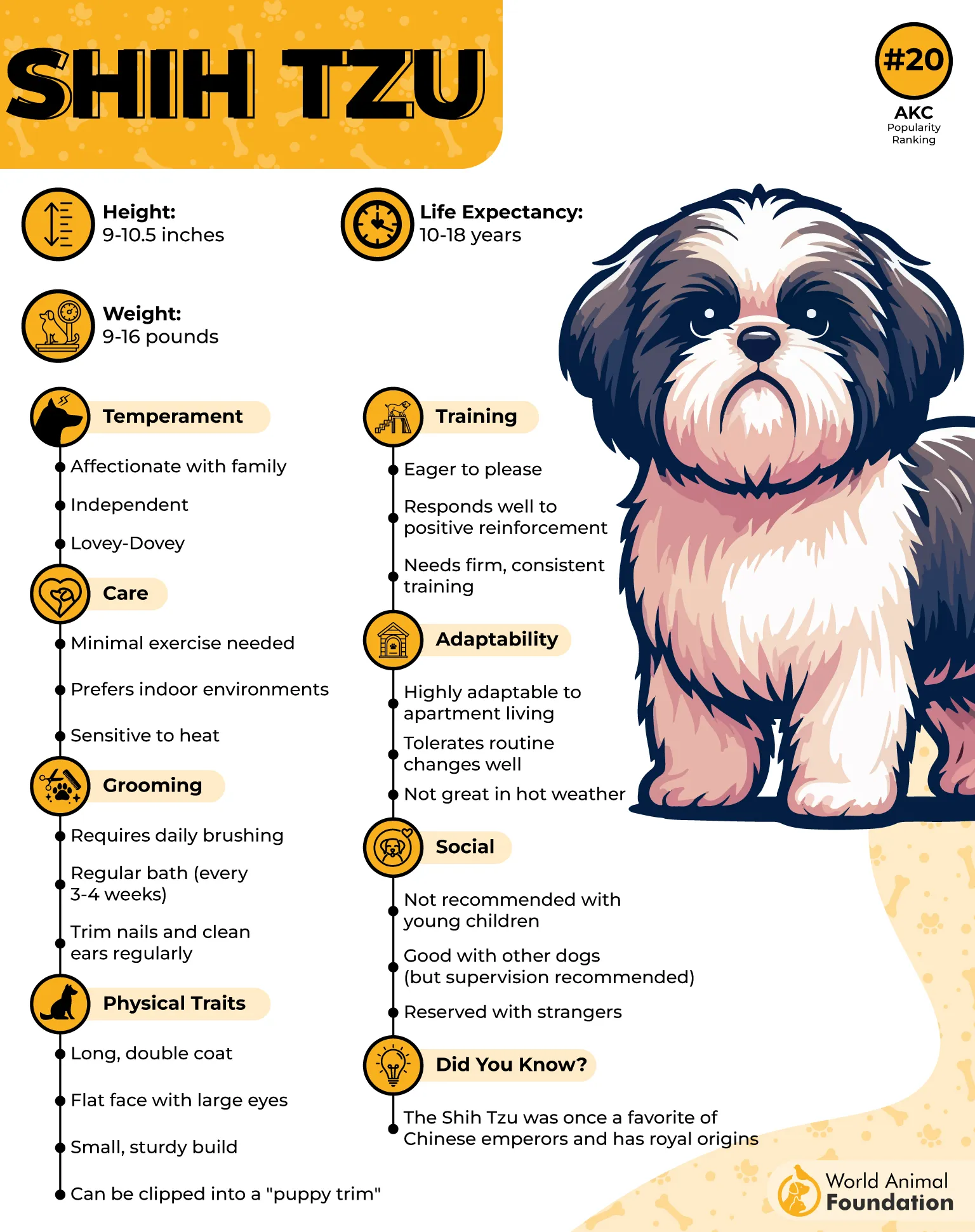
When training a Shih Tzu, it’s important to understand that they respond very well to attention, praise, and treats, which helps them learn quickly. Structured and consistent training sessions work best, as this breed enjoys mental engagement and prefers clear routines rather than random instruction.
Beyond basic training, Shih Tzus also enjoy participating in dog sports such as rally, agility, and scent work. Early training and socialization are essential, as they help the breed develop good behavior around other dogs and improve their ability to understand and follow simple commands.
3. Brussels Griffon
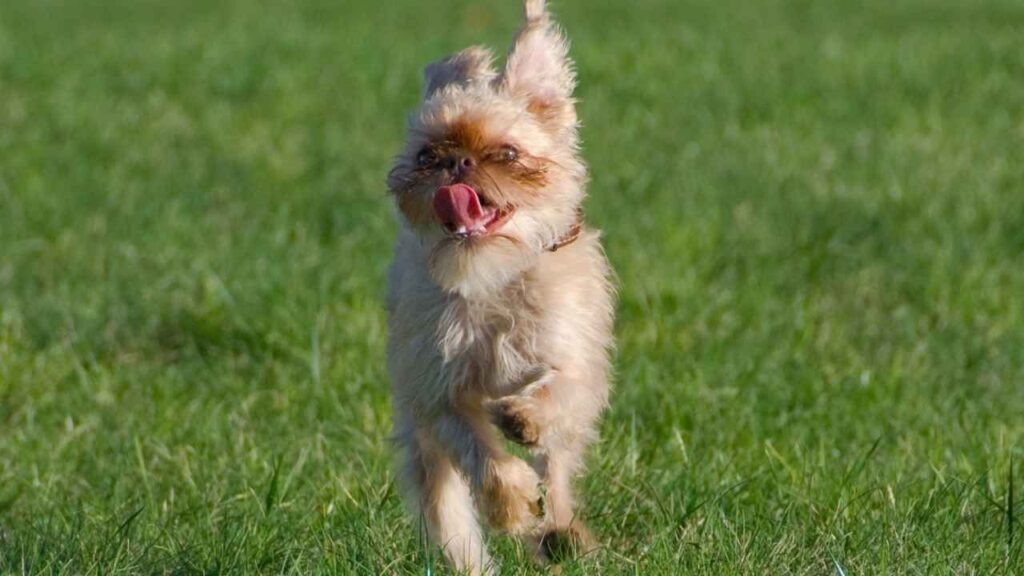
The Brussels Griffon is a sensitive, alert, and affectionate companion dog known for its lively and expressive personality. Deeply attached to its owners, this smart dog breed does not enjoy being left alone for long periods, making it best suited for families or individuals who can give it consistent attention.
Weighing around 6–14 pounds and standing 7–10 inches tall, its small size and engaging nature make it a popular choice as a wonderful family pet.
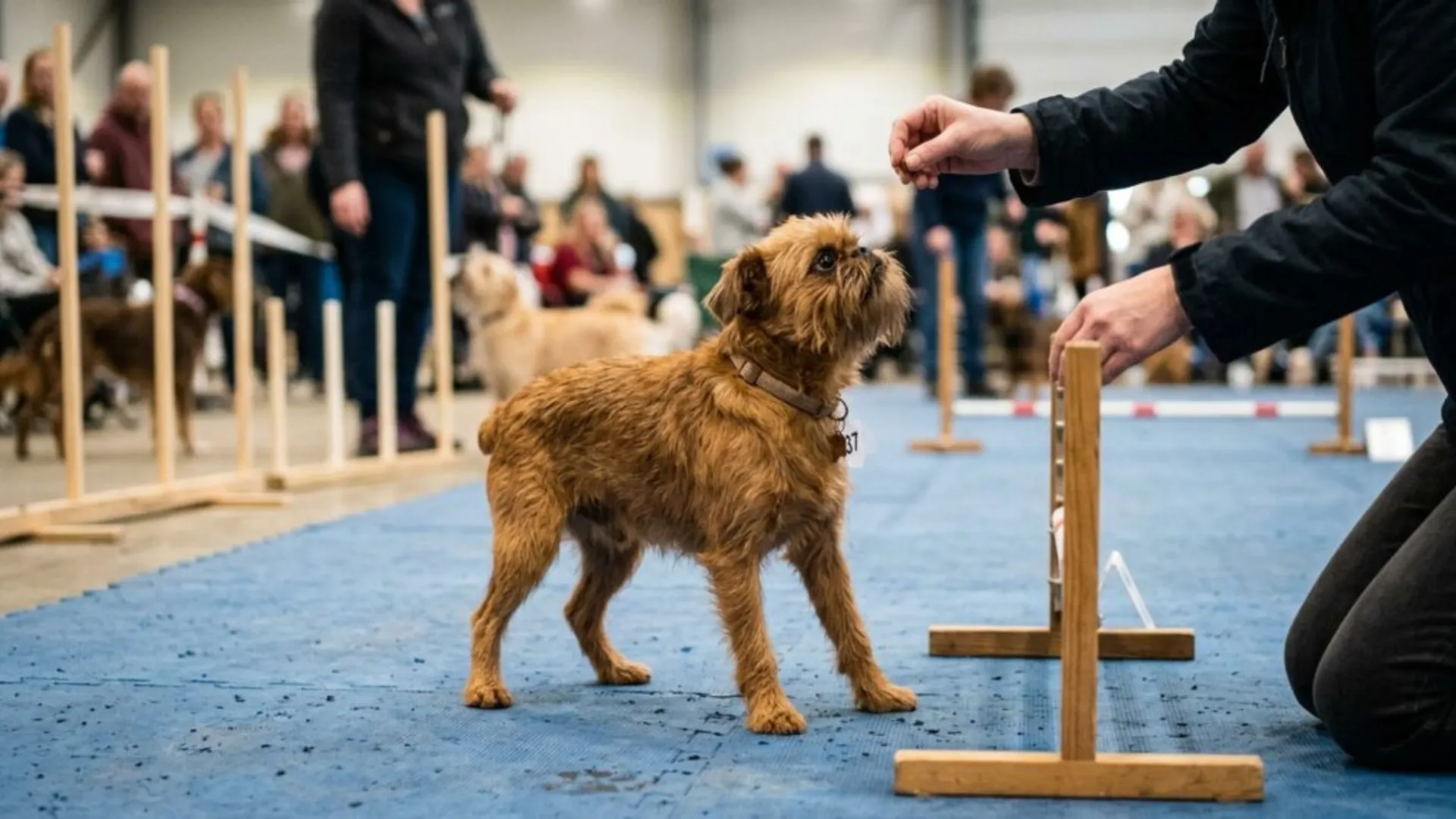
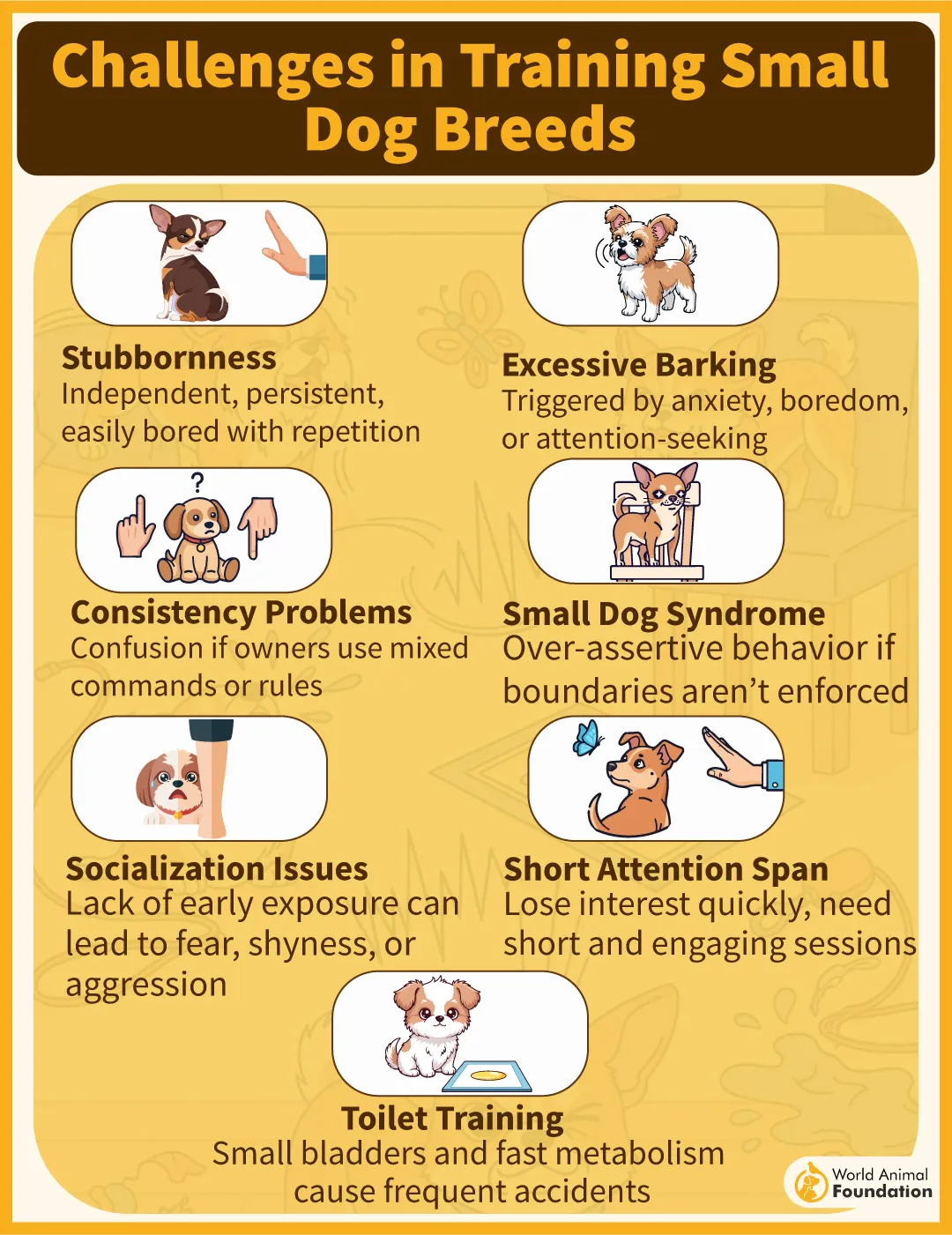
Training a Brussels Griffon can be somewhat challenging, as the breed may occasionally show stubborn or reactive behavior. To improve focus, a short exercise session before training is helpful. Training sessions should remain brief, engaging, and rewarding, using praise, treats, and varied games or new tricks to maintain interest.
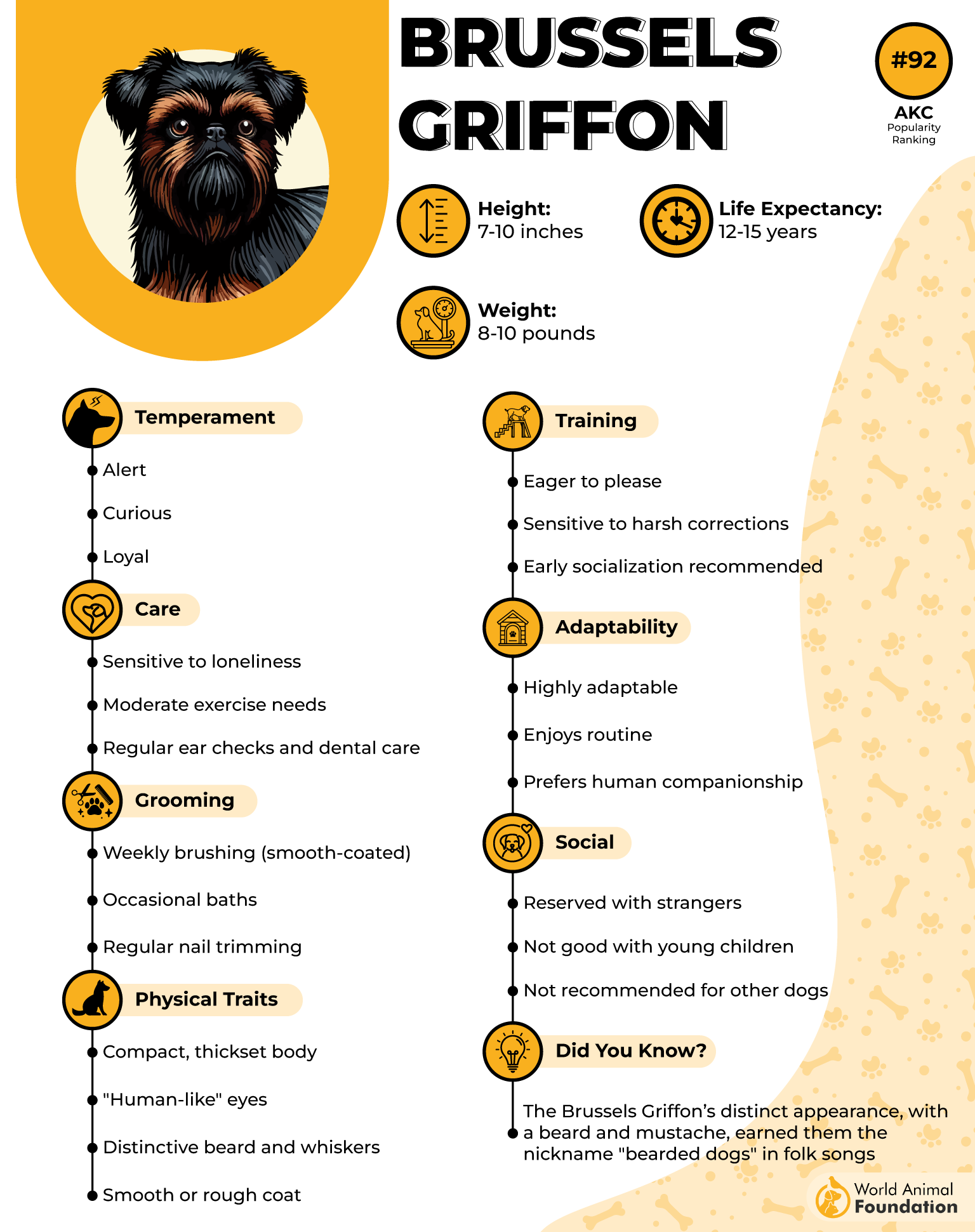
According to Orvis, crate training can also help prevent destructive behaviors and support better structure at home. Additionally, because Brussels Griffons are brachycephalic (short-nosed) dogs, they may be prone to respiratory, dental, and eye issues, making regular veterinary check-ups important for maintaining long-term health.
4. Havanese
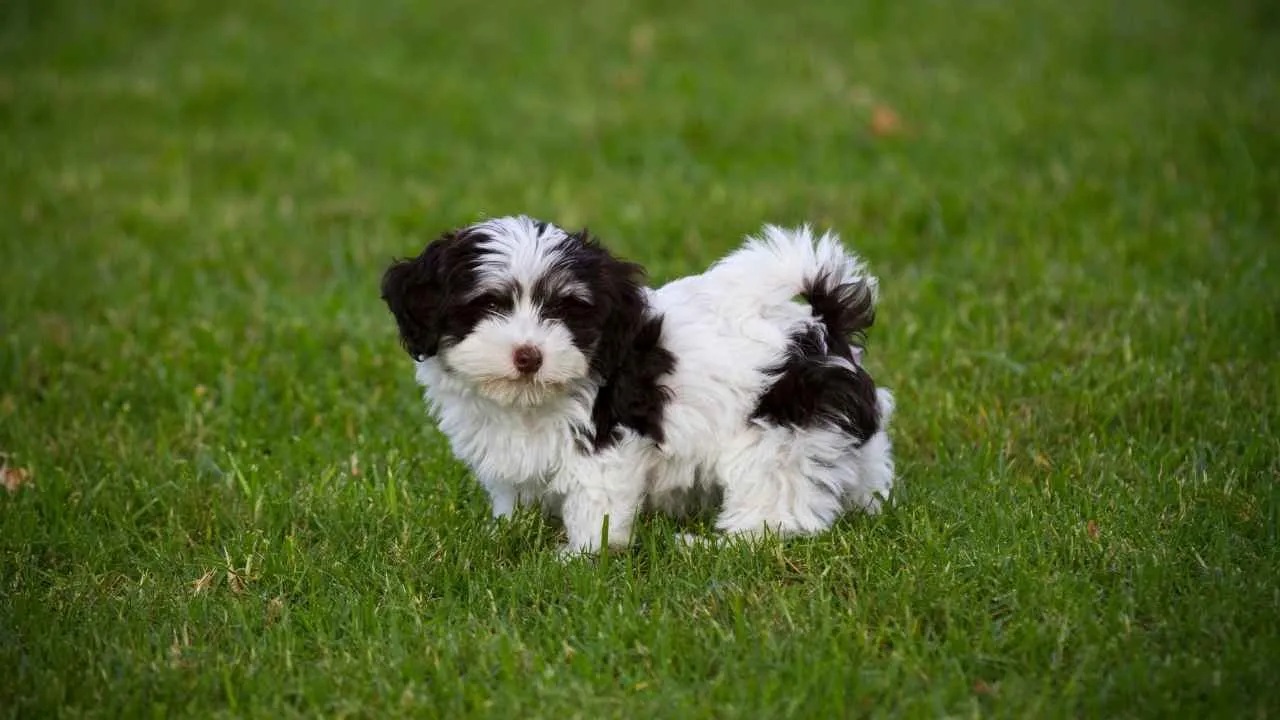
The Havanese is a playful, affectionate, intelligent, and highly responsive breed that is known for being easy to train. It typically weighs around 7–13 pounds and stands about 8–11 inches tall. With its spirited and friendly nature, it makes an excellent companion dog for a wide range of households. However, early training is important to help prevent habits such as excessive barking.
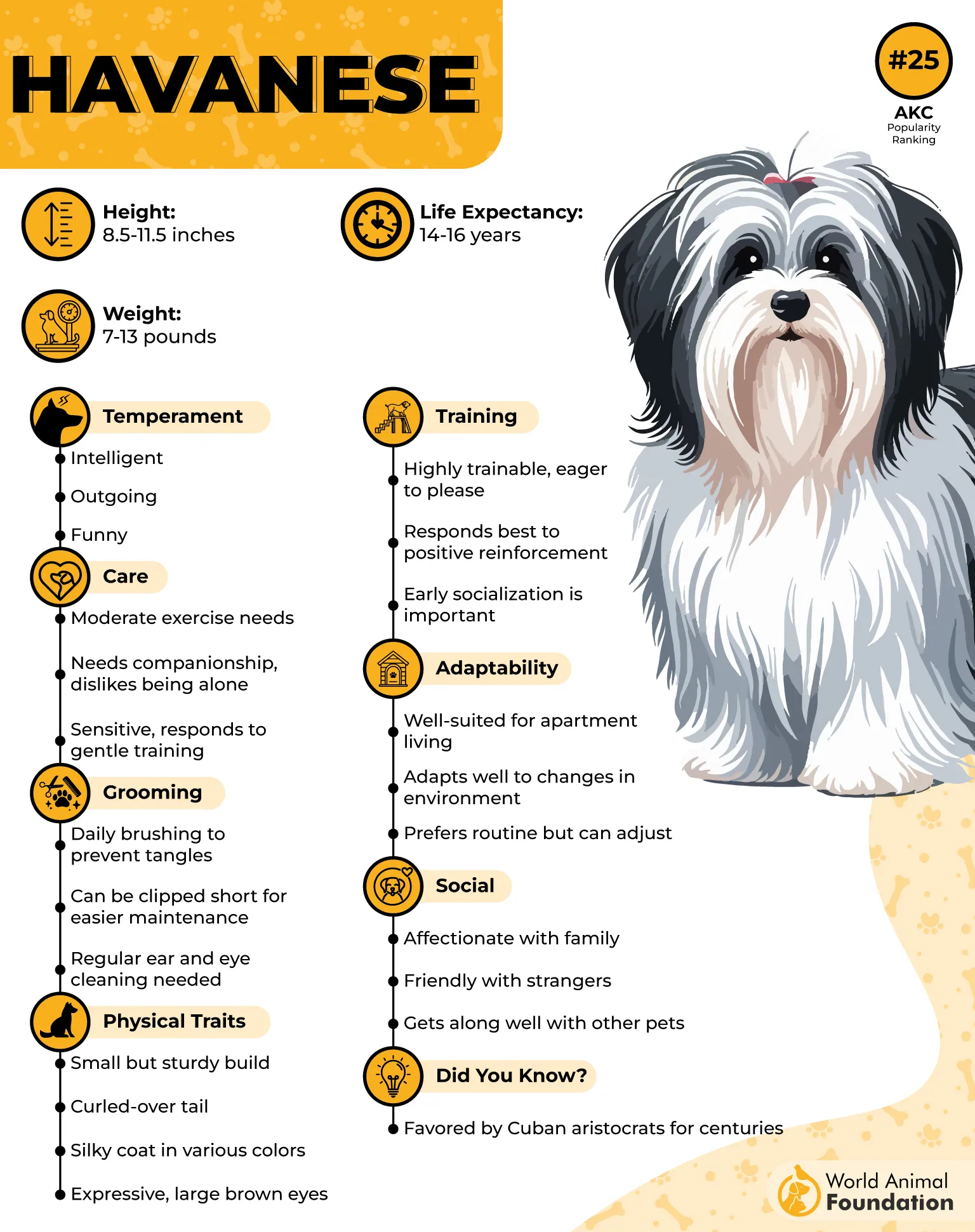
Training a Havanese is generally straightforward. Owners are encouraged to use engaging training games, introduce leash training early, and teach basic commands from a young age. One of the breed’s strongest traits is its friendly and non-aggressive temperament; it tends to remain sociable and warm toward people rather than showing territorial behavior.
Along with training, grooming sessions can also be turned into bonding experiences, helping strengthen the connection between the dog and its owner.
For exercise, the Havanese benefits from daily walks and around 30 minutes of physical activity. Activities such as agility training, nose work, scent walks, and outdoor family time help keep the breed both mentally stimulated and physically healthy.
5. Papillon
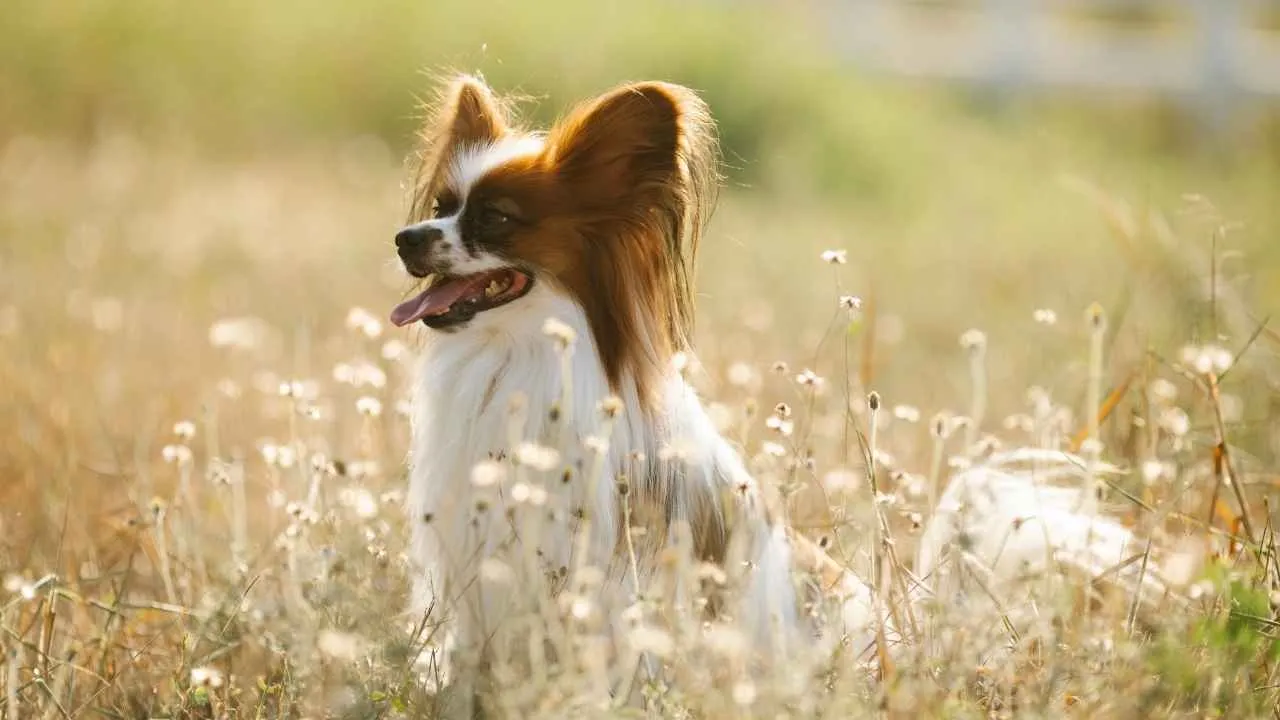
The Papillon is a happy, alert, friendly, and athletic small dog breed with a surprisingly big personality. It is easily recognized by its distinctive butterfly-like ears, which give it a charming and elegant appearance. Energetic yet highly adaptable, the Papillon adjusts well to different living environments, whether in small apartments or larger homes.
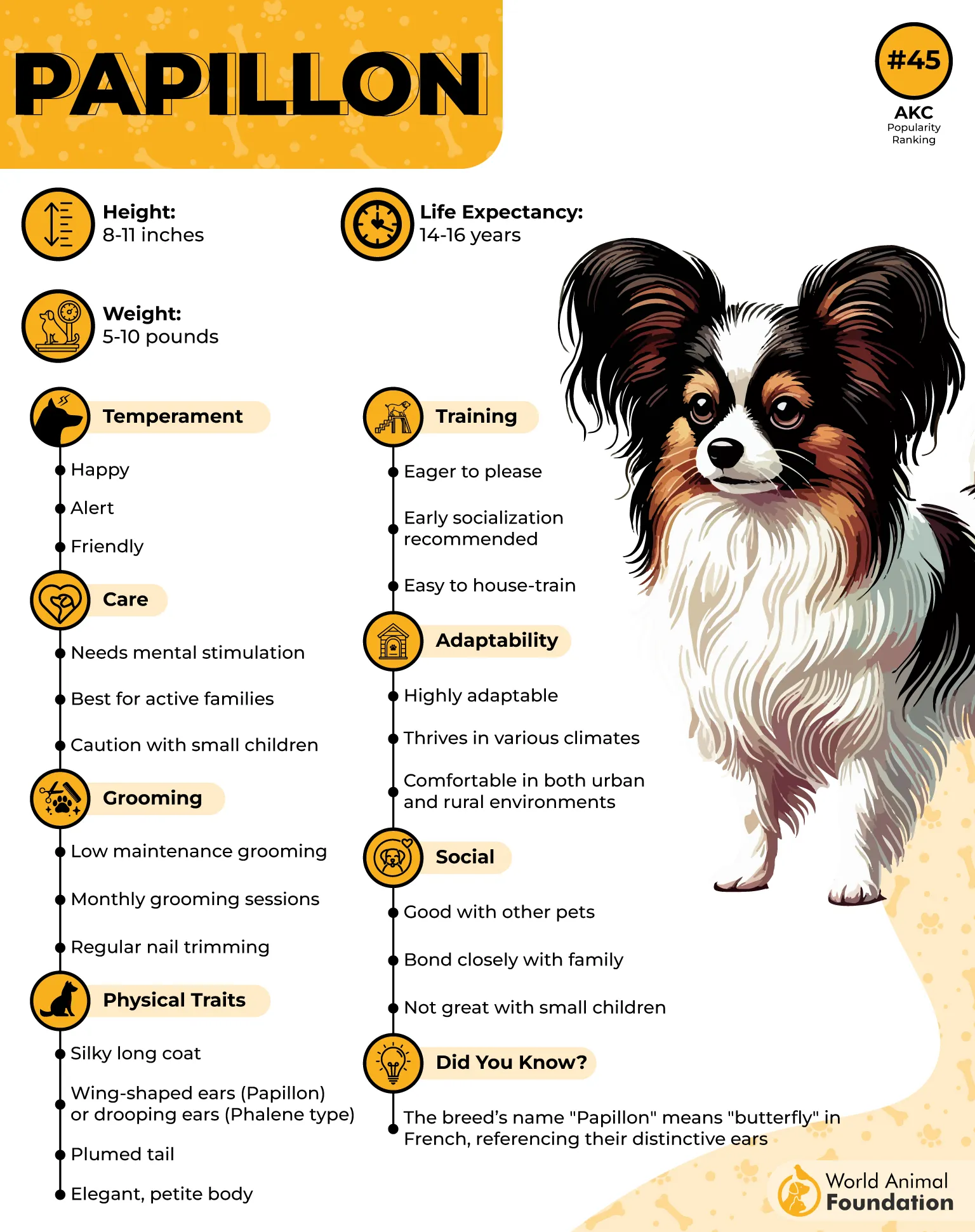
Known for its intelligence, the Papillon is considered one of the easiest small breeds to train. It responds very well to consistent, positive reinforcement and is a quick learner that enjoys mastering new commands and tricks. Although originally bred as a lap dog, it also thrives in activities that allow it to perform, such as trick training and dog shows.
Before beginning training sessions, it is always recommended to ensure the dog is in good health and has a positive, attentive mindset. To keep the Papillon balanced and engaged, owners should include both physical activities and mentally stimulating tasks in its daily routine.
6. Japanese Chin
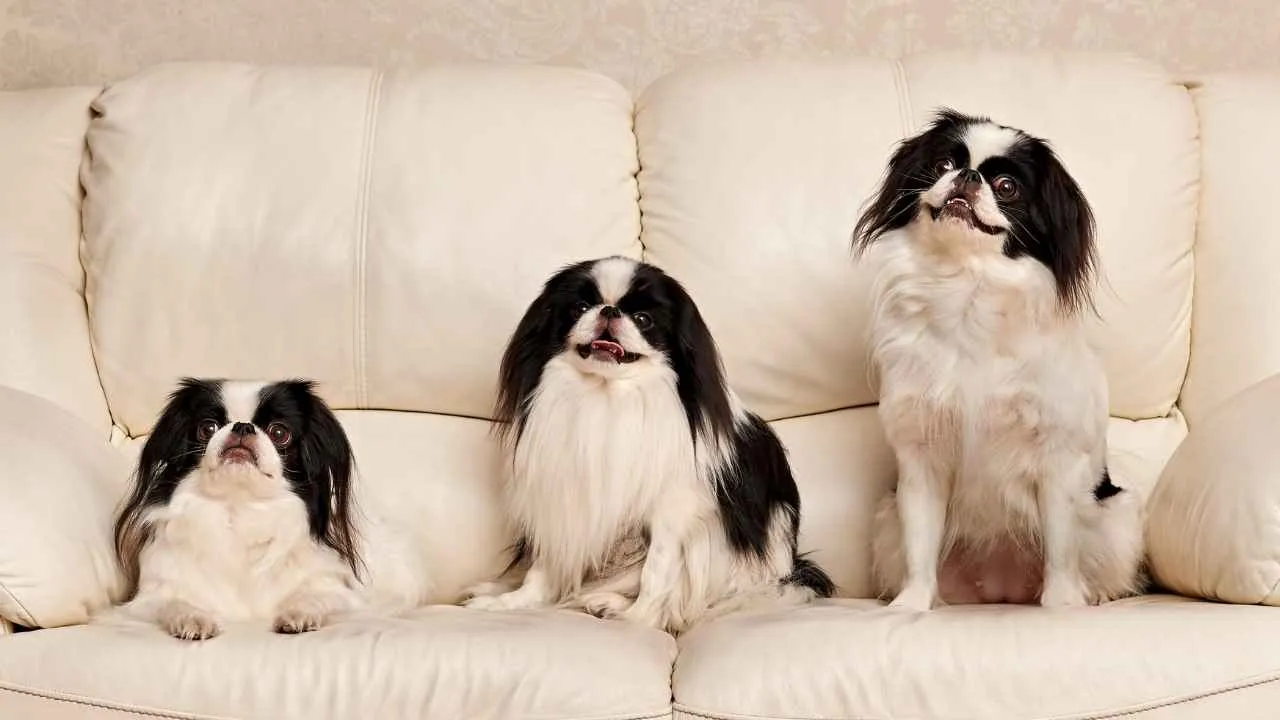
The Japanese Chin, also known as the Japanese Spaniel, is an intelligent, loyal, alert, and affectionate breed with a calm yet playful personality. Standing around 8–11 inches tall and weighing approximately 11 pounds, it is well known as a classic lap dog that enjoys close companionship with its owners. Its gentle and loving nature also makes training an enjoyable experience when approached correctly.
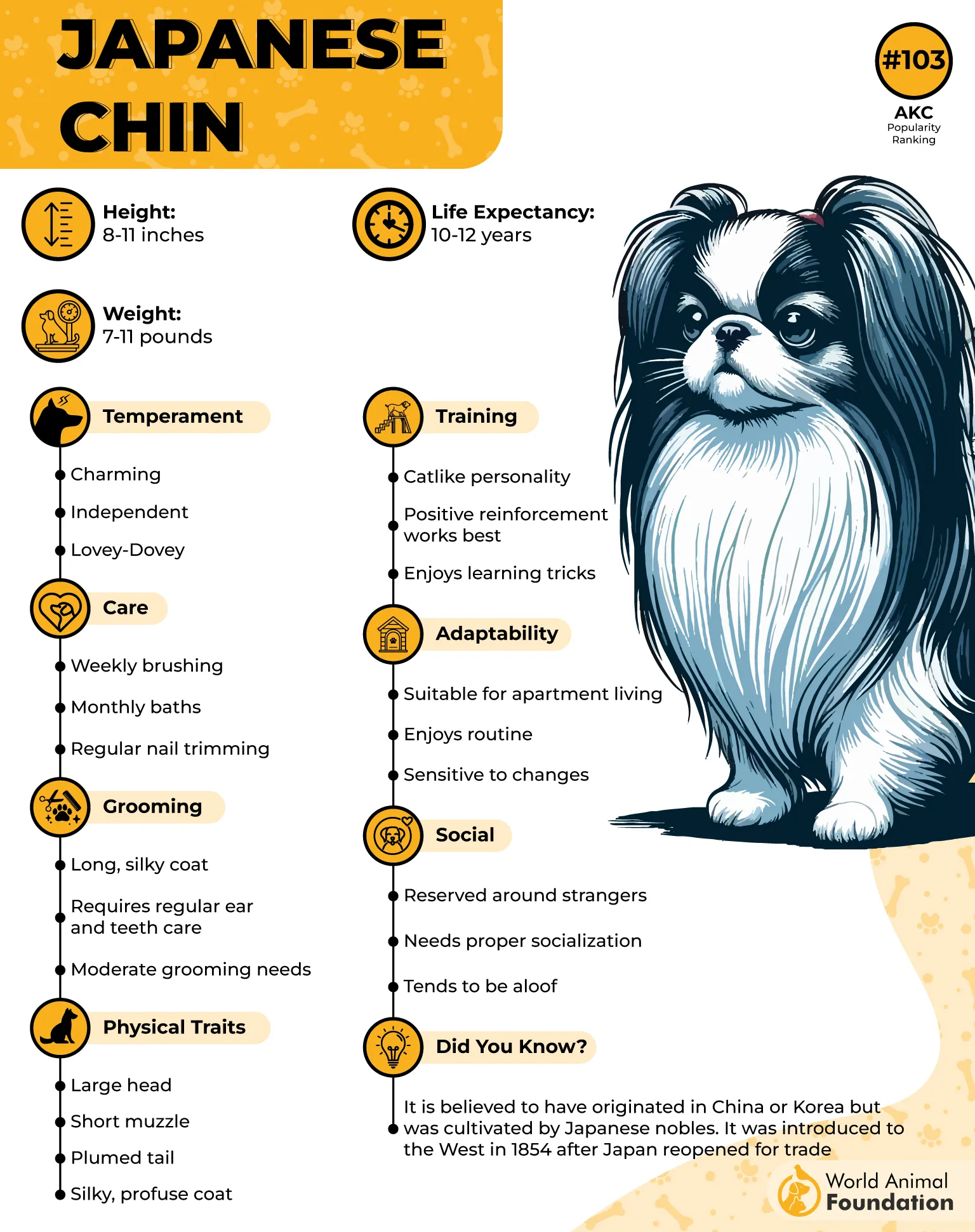
According to WebMD, Japanese Chins are sensitive dogs that can easily develop separation anxiety, making early training and socialization especially important. Harsh training methods should be avoided, as they may lead to stubbornness or stress. Instead, short training sessions using treats, praise, and positive reinforcement work best to keep them engaged and willing to learn.
This breed does not require extensive exercise, but around 30 minutes of daily activity is important to support its overall health and well-being. With proper care, the Japanese Chin becomes a well-adjusted companion that generally gets along well with children, other pets, and dogs.
7. Yorkshire Terrier
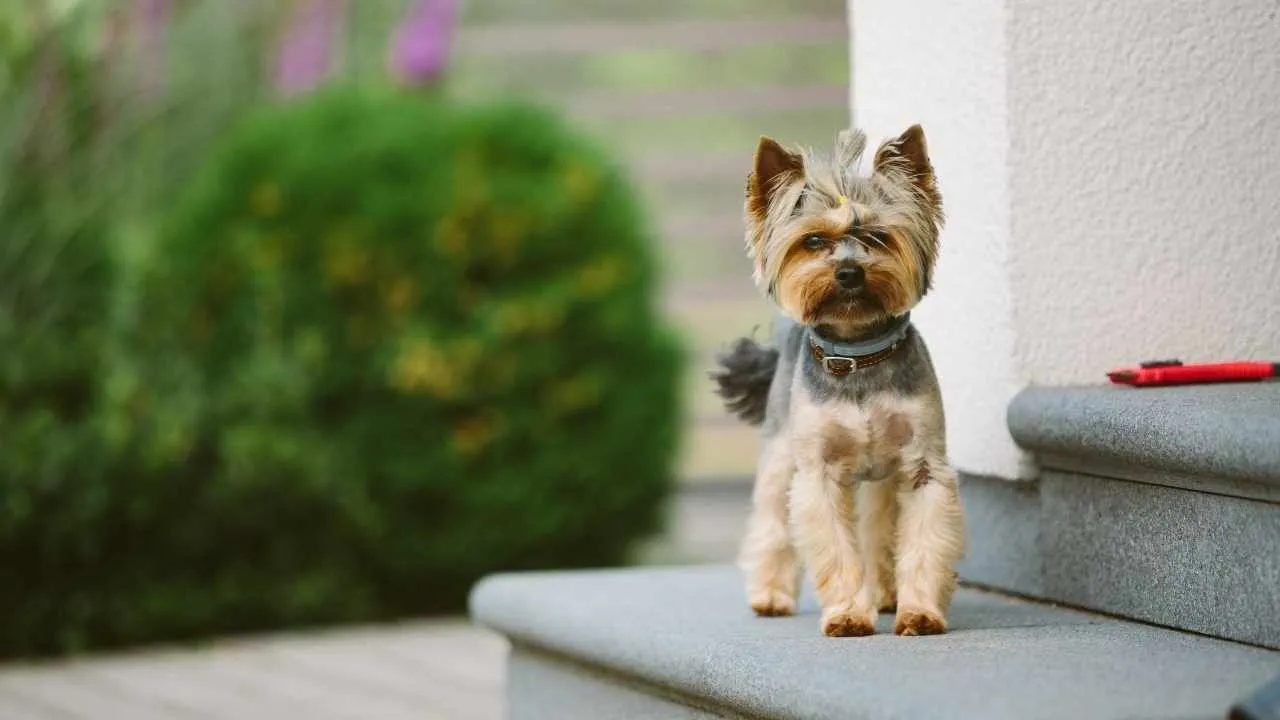
The Yorkshire Terrier is an intelligent, bold, independent, and trainable small dog breed known for its lively and entertaining personality. Originally bred to chase rodents in textile mills, today it is a popular companion dog that typically weighs around 7 pounds and stands about 7–8 inches tall. Its energetic and feisty nature requires consistent training, patience, and positive reinforcement to bring out the best in its behavior.
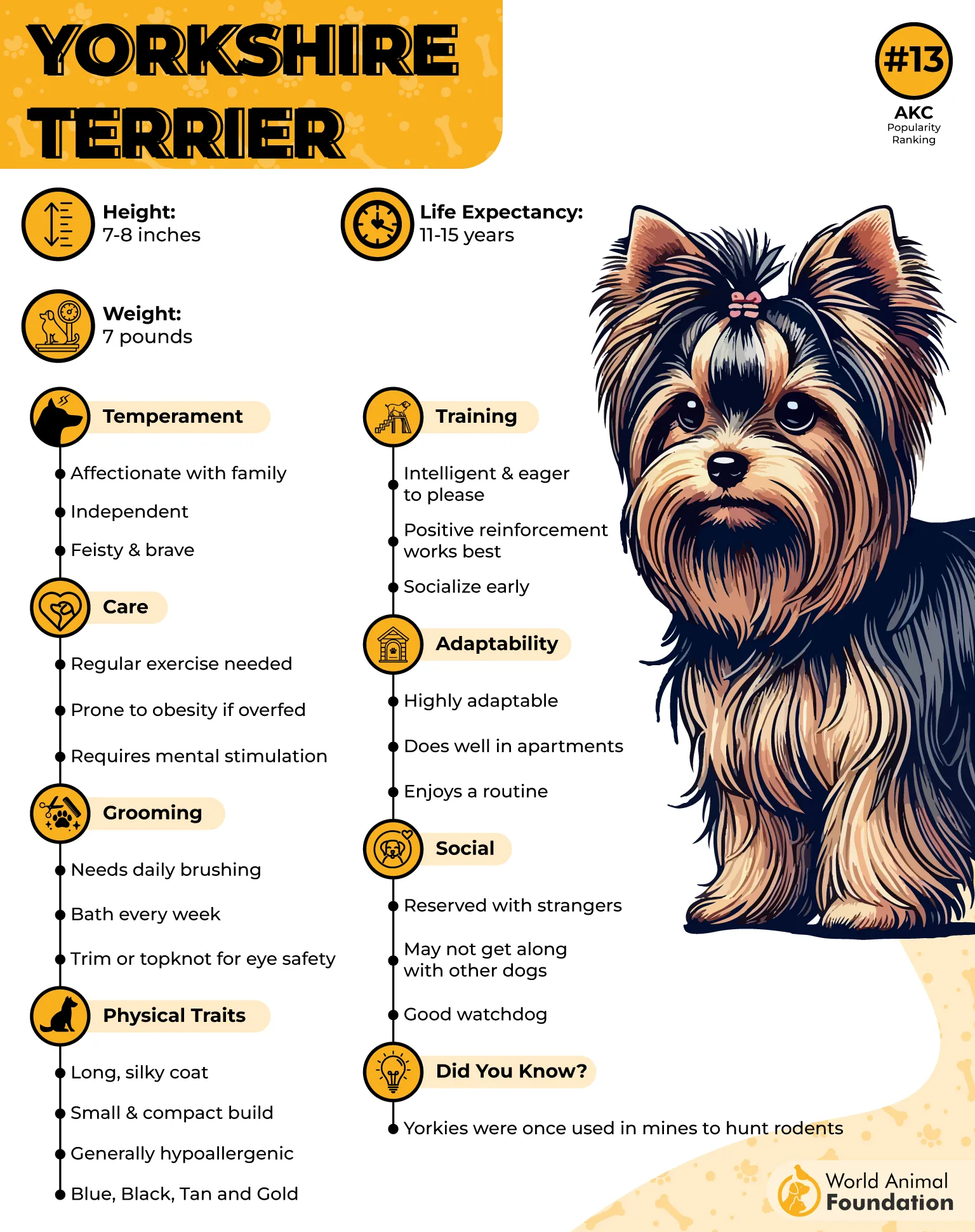
While training a Yorkie, owners should handle them with care, as they are sensitive dogs that respond best to gentle guidance rather than harsh methods. They have a long, silky coat that requires regular maintenance, so weekly brushing with a moisturizing shampoo is recommended to keep their fur healthy and tangle-free.
Yorkshire Terriers are also sensitive to cold weather, so providing sweaters or coats is often necessary during cooler months. They can learn simple tricks quickly due to their intelligence, but potty training may require extra time and consistency. Careful introduction to new routines and activities helps ensure a well-adjusted and confident Yorkie.
8. Silky Terrier
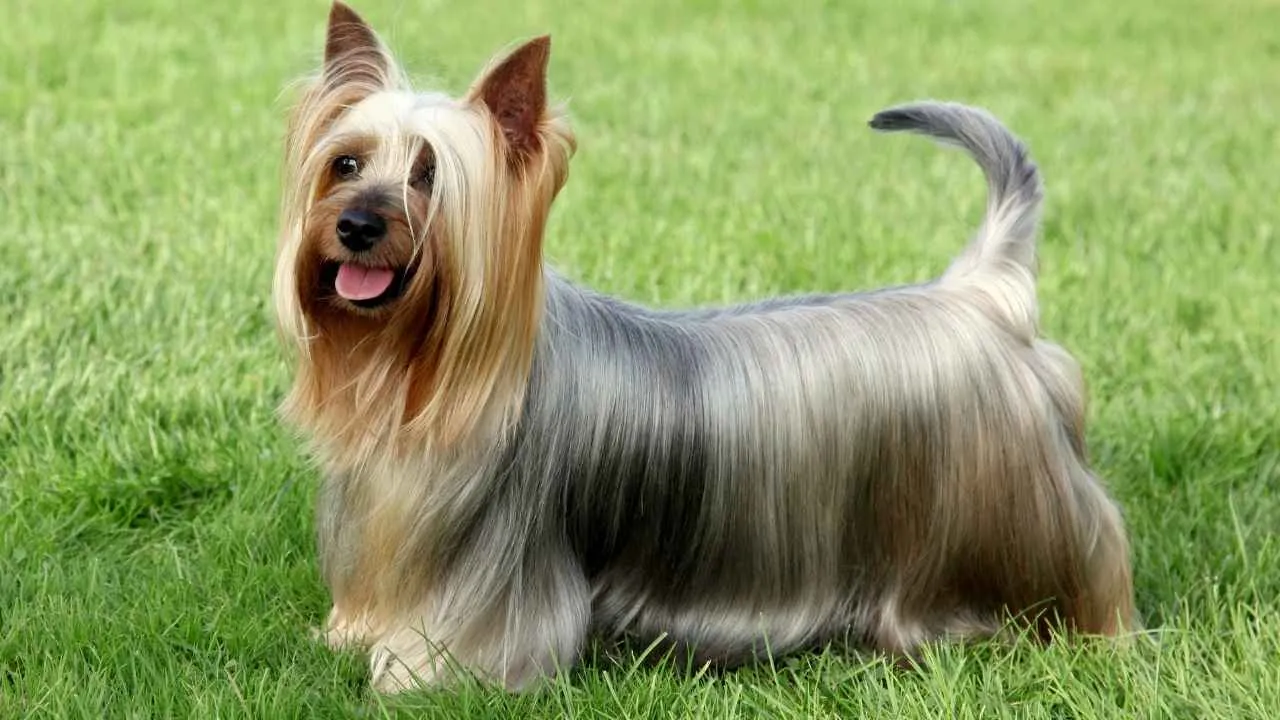
The Silky Terrier is a responsive, friendly, alert, and cheerful toy breed originally developed for hunting vermin. Small but energetic, it typically weighs around 10 pounds and is known for its quick reflexes and lively personality.
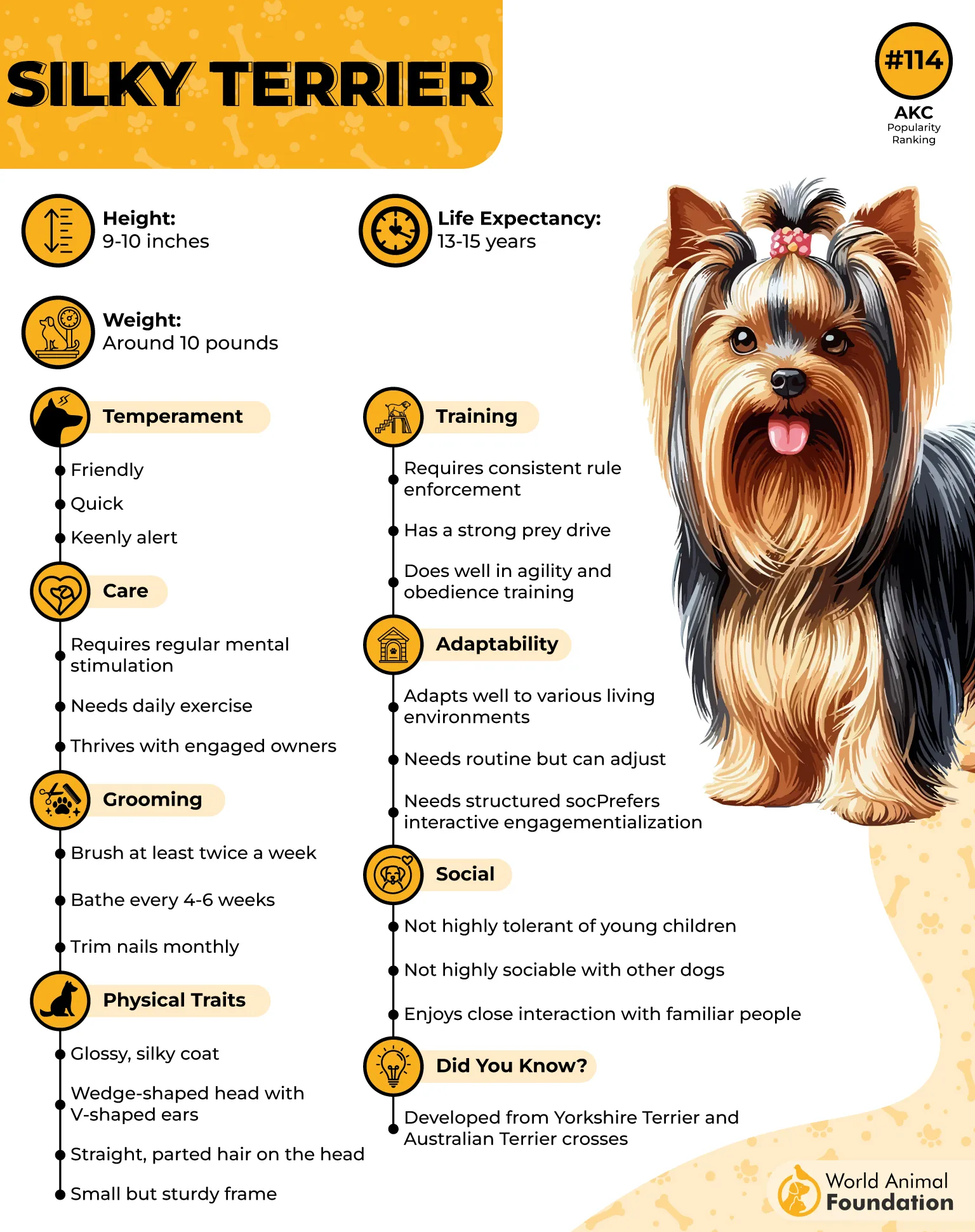
When training a Silky Terrier, it is important to avoid creating anxiety or fear and never force the dog into uncomfortable situations. As loyal and energetic companions, they require around an hour of daily exercise, which can include long walks as well as activities like agility, flyball, and earthdog trials.
Training should be gradual and patient, allowing the dog time to understand and adapt. Positive reinforcement and praise work best, helping reinforce good behavior and build trust. Due to their tendency to jump, teaching basic obedience commands early is helpful for redirecting their energy in a positive way.
According to Purina, grooming is also essential for this breed. The Silky Terrier has a fine, smooth coat that needs regular brushing and bathing to prevent matting and maintain both hygiene and confidence.
9. Cavalier King Charles Spaniel
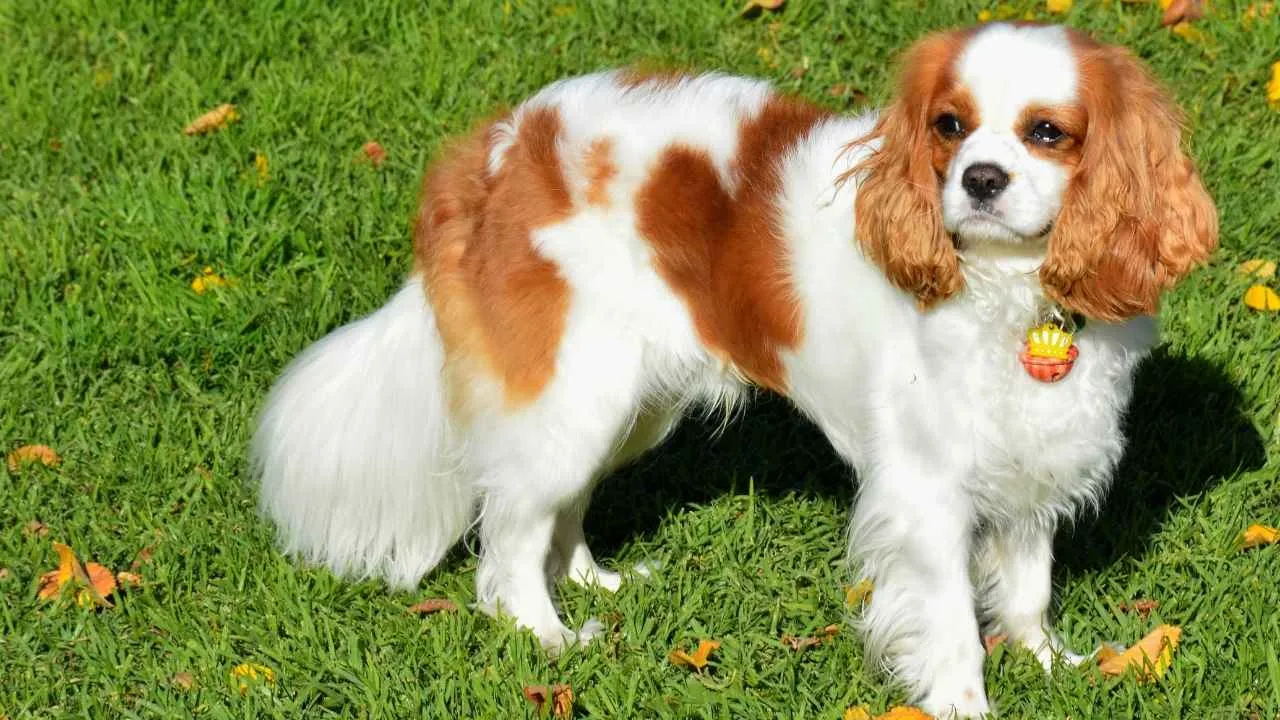
The Cavalier King Charles Spaniel is an affectionate, playful, sociable, and gentle dog known for its adaptable nature. Originally bred as a companion dog, it thrives on human attention and close bonding with its owners.
Training is generally easy when approached with patience, gentleness, and reward-based methods rather than harsh corrections. This intelligent dog breed typically weighs around 13–18 pounds and stands about 12–13 inches tall.
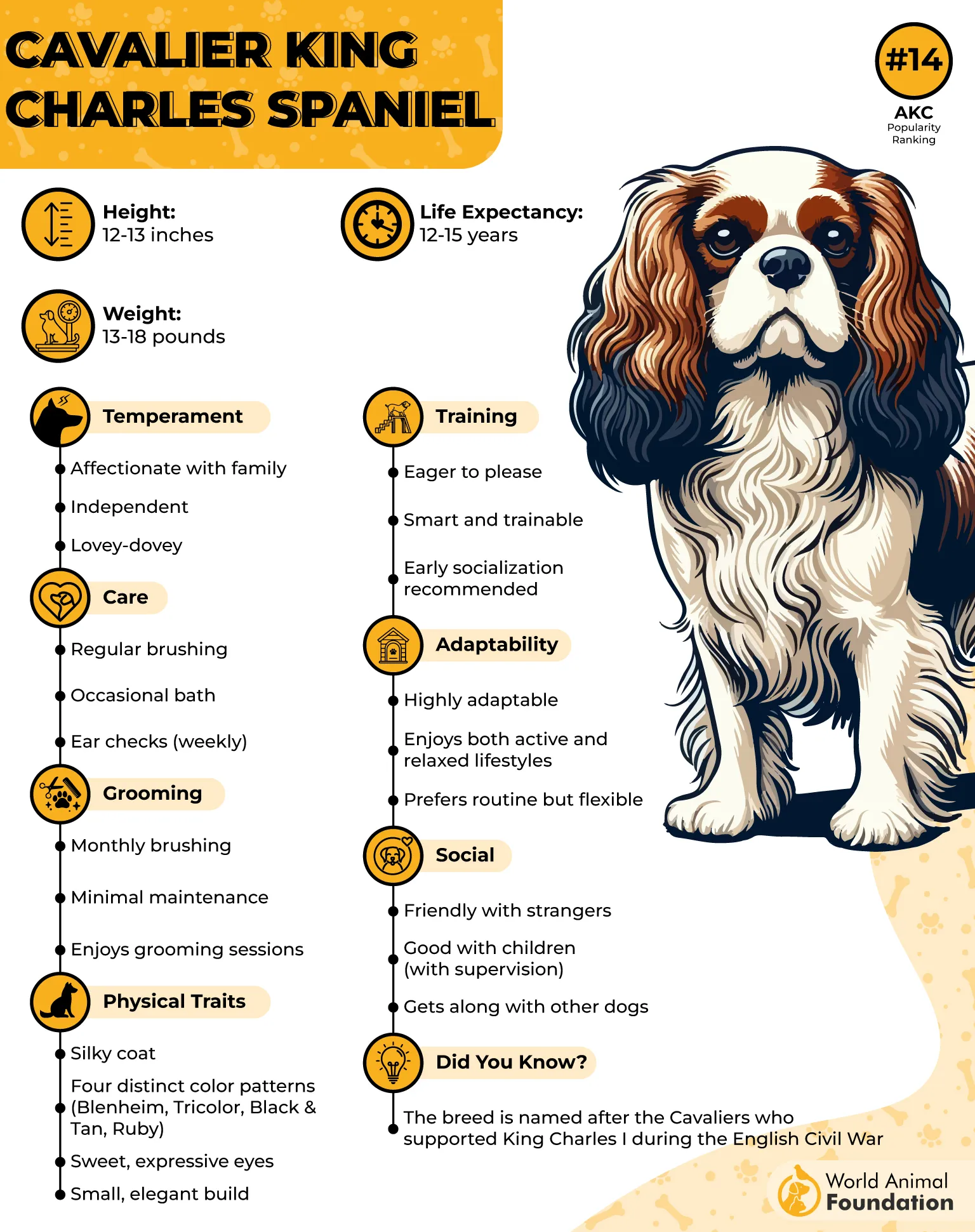
Cavaliers are highly motivated by praise and affection, which helps them learn commands and tricks quickly when they feel encouraged and appreciated. They require regular exercise and mental stimulation to stay healthy, active, and emotionally balanced. Along with positive reinforcement training, early socialization is essential to help them grow into confident and well-mannered companions.
Leash training is also recommended, often using treats or food rewards to guide and encourage good walking behavior. In addition, they enjoy participating in light dog sports and activities such as flyball, rally, hiking, backyard playtime, and agility, all of which help keep them engaged and happy.
Conclusion
Every dog is capable of learning commands and responding to training; however, each one adapts at its own pace and in its own way. While teaching essential commands and good manners is important, consistency and routine are the real foundations of successful training.
To begin on a safe and structured note, many owners first focus on basic boundary training, such as teaching the dog to stay within the yard or designated areas. This helps establish clear limits and encourages better control in everyday situations.
By reinforcing positive training methods, pet owners can help their dogs build confidence, reduce fear-based reactions, and prevent unwanted behaviors. Over time, this approach strengthens trust and creates a more balanced, well-behaved companion.
