




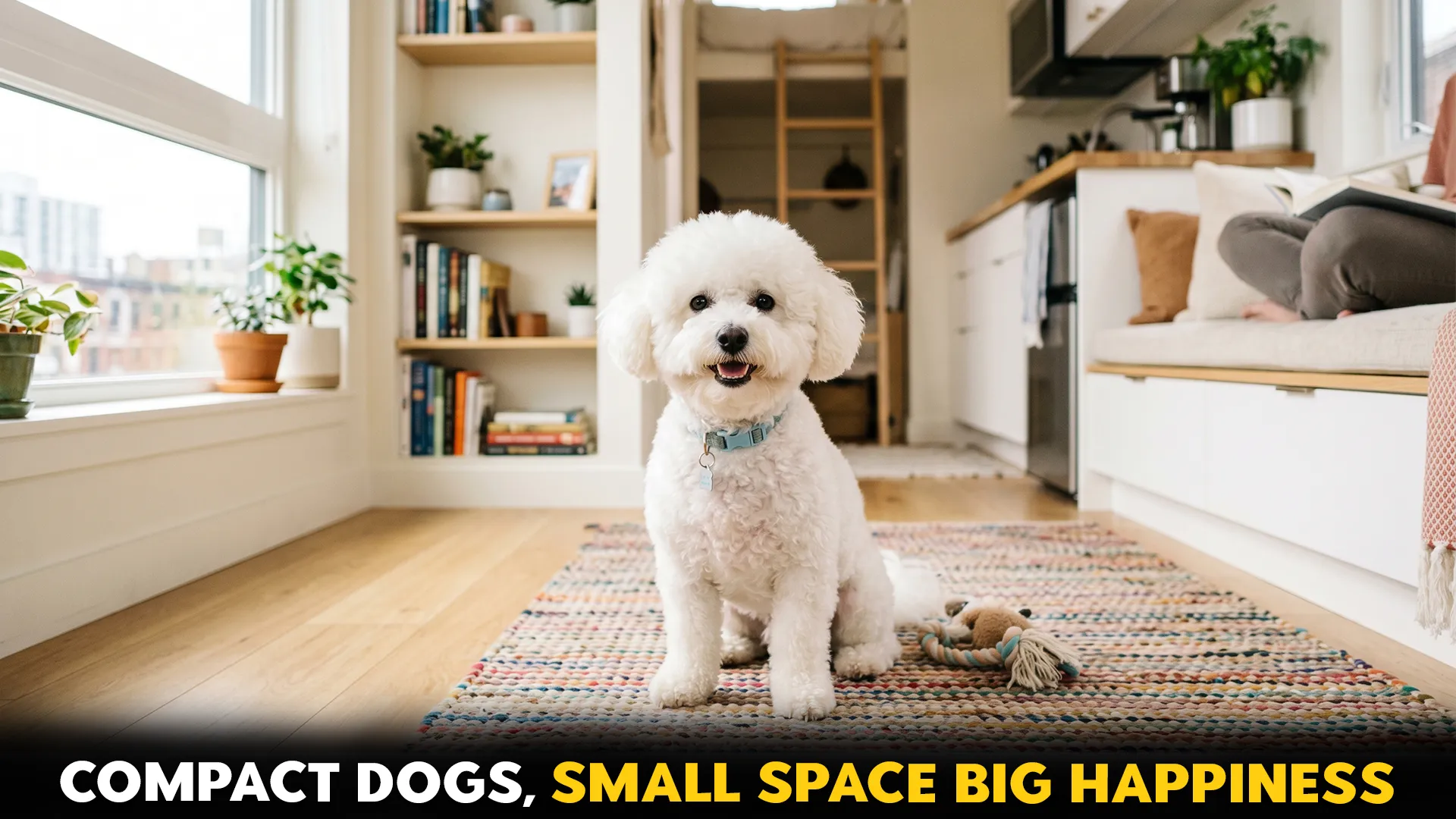
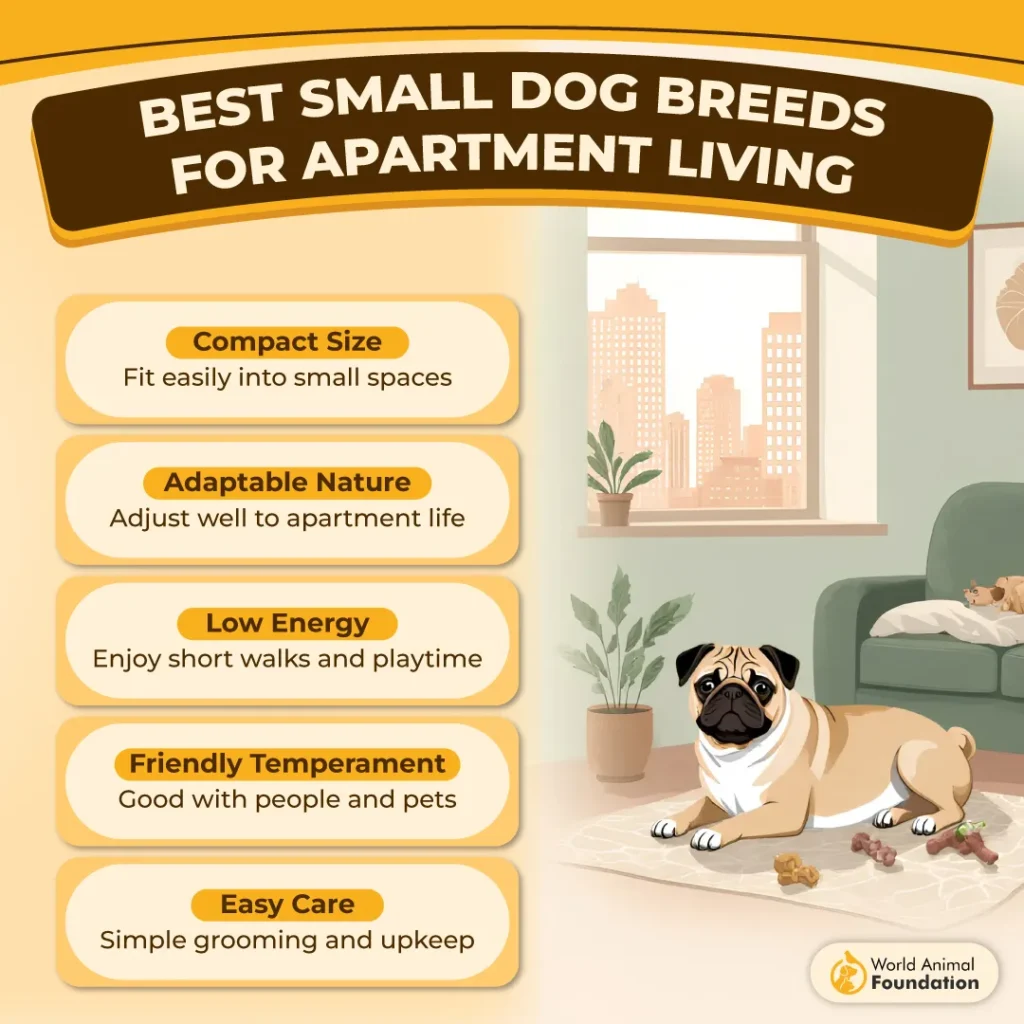
So you live in a tiny home or a cozy studio and are wondering whether you can still have a dog? The answer is yes, but not every breed is suited for compact living spaces. The key is choosing a dog that adapts comfortably to your environment and lifestyle.
The ideal companion is one that happily curls up in a favorite corner, follows you around the house, and doesn’t need excessive space or constant high-energy activity. These small dog breeds are not only easy to manage in compact homes but also bring warmth, companionship, and personality into everyday life. They are especially great for individuals who prefer a calm, low-maintenance, or introverted lifestyle.
In this guide, we’ve listed 7 small dog breeds that are well-suited for compact homes and studio living. You don’t need a large house to enjoy life with a dog; you just need the right match. This list will help you explore their personalities, grooming needs, and exercise requirements so you can choose the one that fits your home and lifestyle best.
Best Small Dog Breeds for Tiny Homes and Studios
1. Bichon Frise
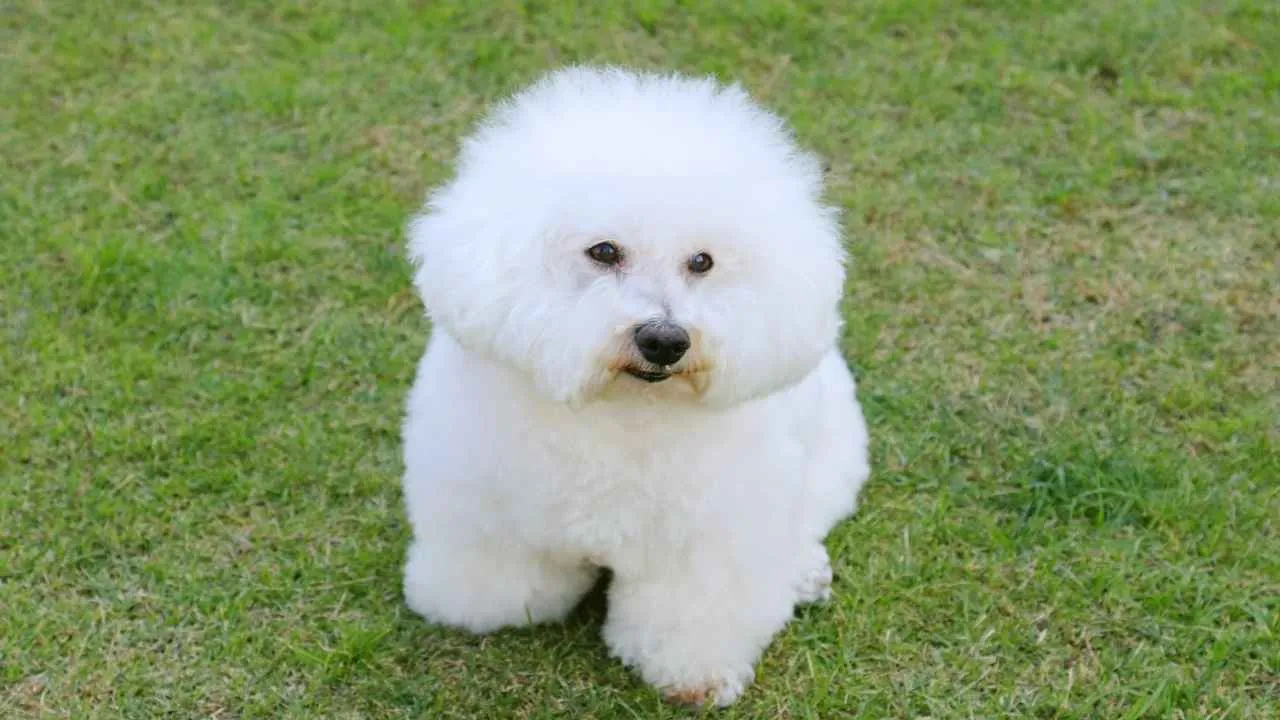
The Bichon Frise is a cheerful, gentle, and affectionate little dog that loves staying close to its people. Playful and full of charm, it brings joy to everyday life and thrives on human companionship. Originally bred purely as a companion dog, it has little to no prey drive, which makes it an excellent choice for families and first-time dog owners.
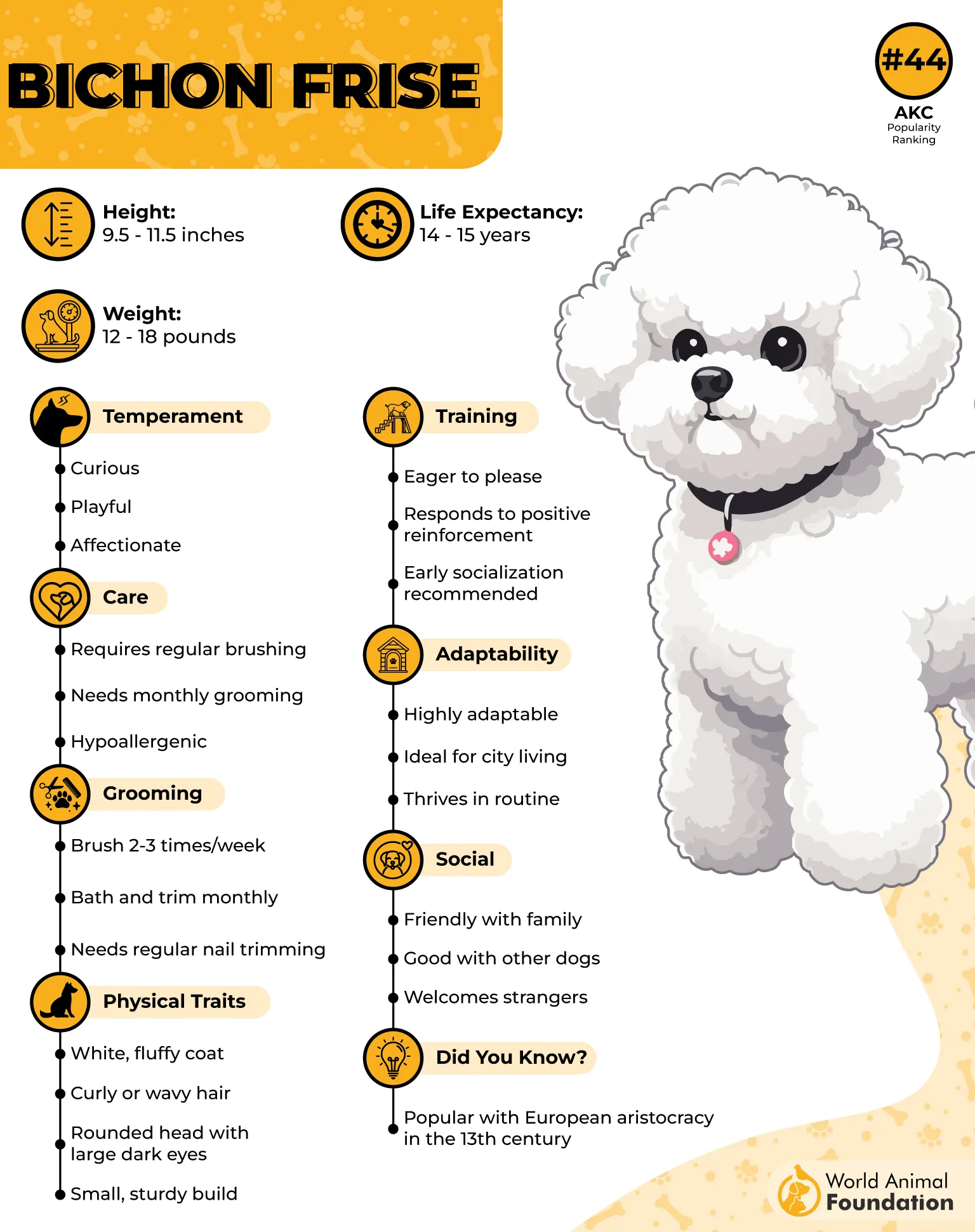
The Bichon Frise is one of the best apartment-friendly breeds due to its calm, adaptable nature. It does not require large outdoor spaces or intense exercise and is generally happy with a few short daily walks and indoor playtime. Eager to please and highly trainable, it responds well to positive reinforcement and consistent routines.
One of its most distinctive features is its soft, white, fluffy coat, often compared to a marshmallow. While it is considered a low-shedding breed, regular grooming is essential; brushing a few times a week helps keep its coat clean, healthy, and free of tangles.
2. Toy Poodle
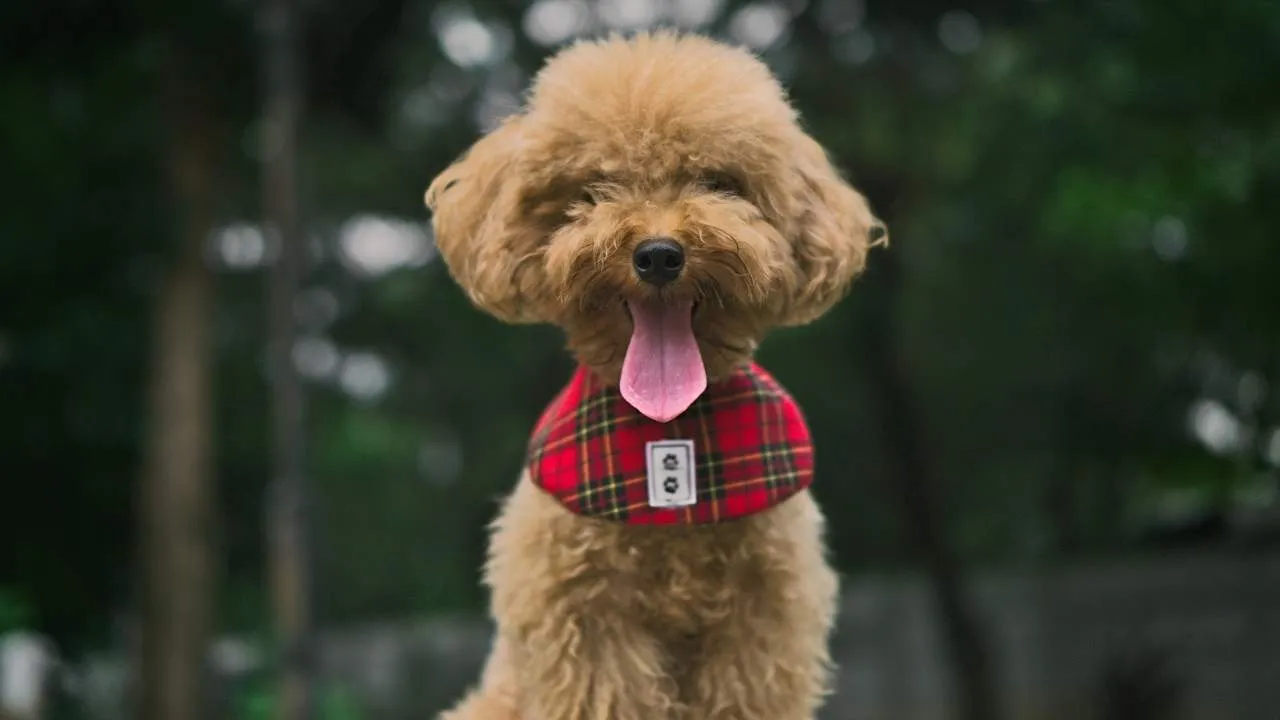
The Toy Poodle is an intelligent, loving, and highly adaptable little dog that forms strong emotional bonds with its owners. Originally bred in France as a companion dog, it was designed to stay close to people, and it continues to excel in that role today.
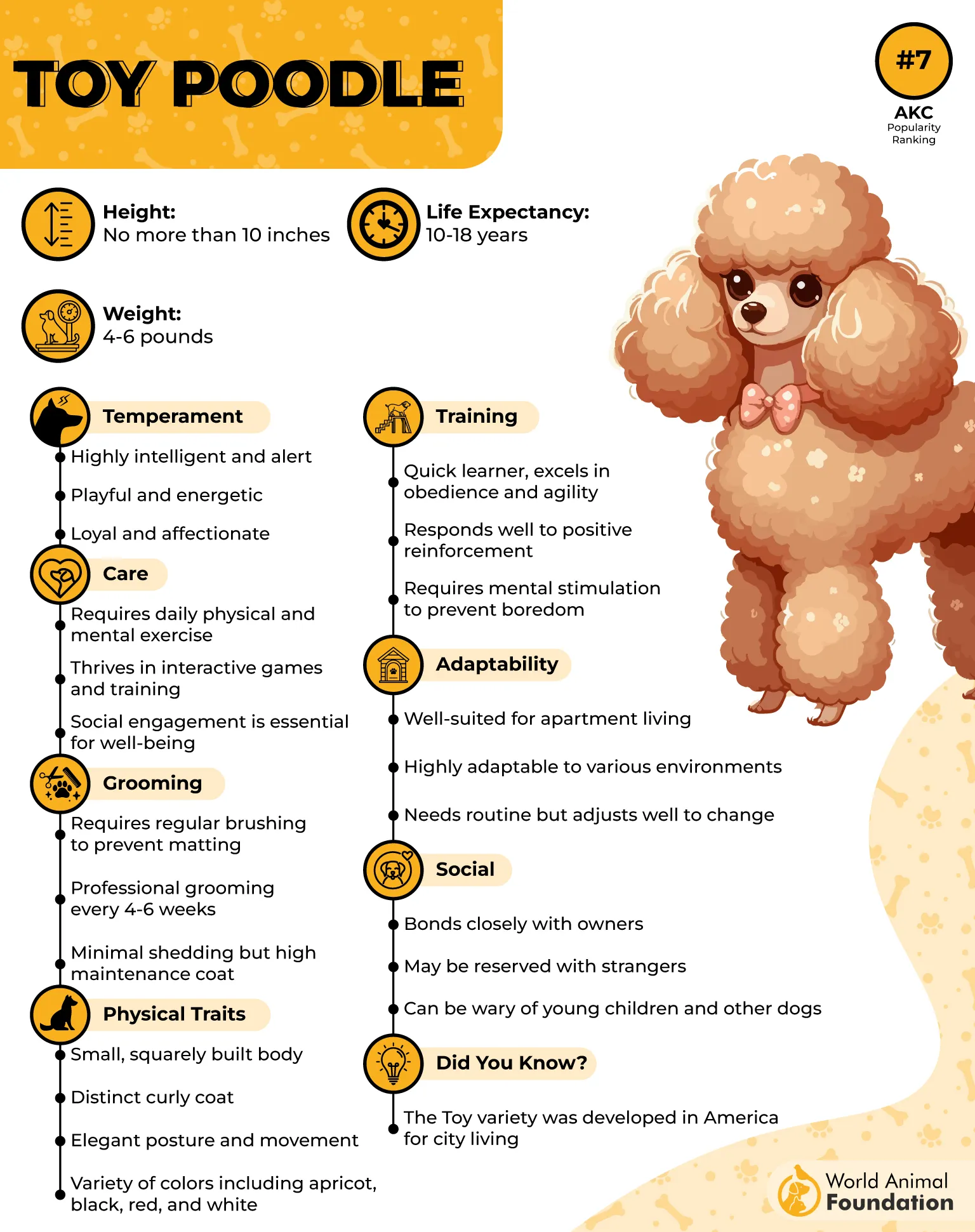
This small breed is an excellent choice for tiny homes and studio apartments, as it is naturally indoor-oriented and comfortable in compact living spaces. The Toy Poodle is also recognized as one of the smartest dog breeds. According to PetMD, it can learn new commands in as few as five repetitions, making it highly trainable and responsive.
It has a curly or wavy, low-shedding coat that requires regular maintenance. Brushing several times a week is essential, along with professional grooming every 4 to 6 weeks to keep its coat healthy, clean, and tangle-free.
3. Cavalier King Charles Spaniel
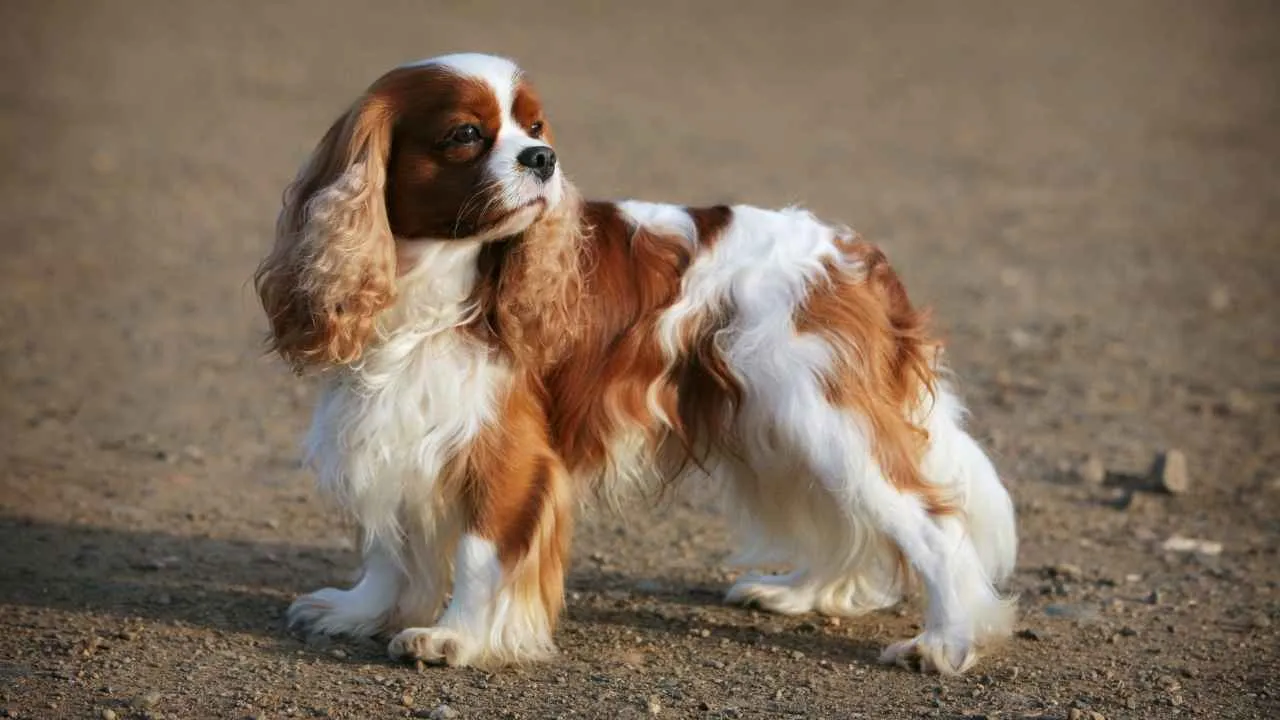
The Cavalier King Charles Spaniel is one of the most gentle, affectionate, and warm-hearted dog breeds, originally developed as a companion lapdog. Its small size and calm indoor temperament make it an excellent choice for tiny homes and studio apartments. Cavaliers do not require large gardens or open spaces and are generally content with a few short daily walks.
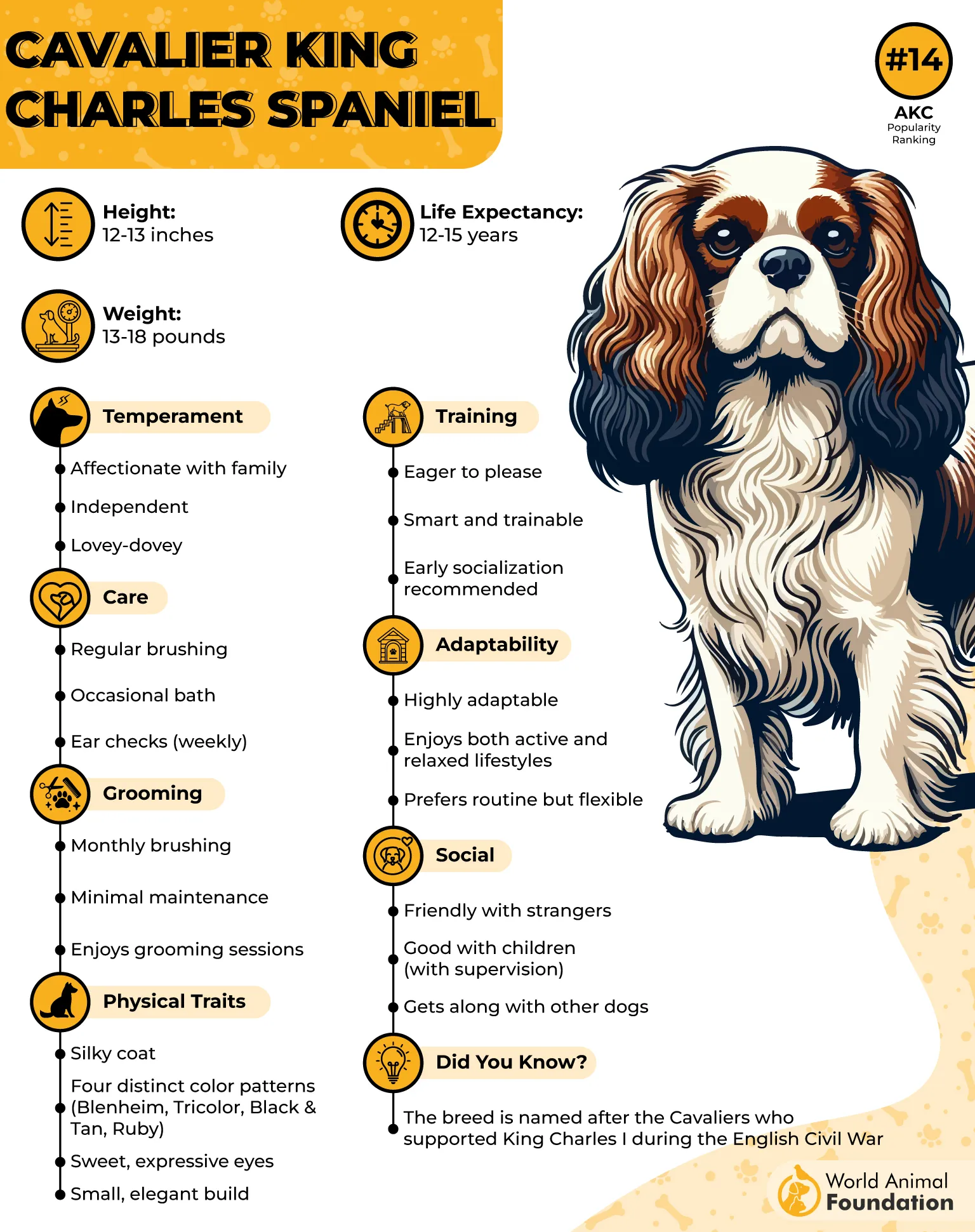
Named after British Kings Charles I and II, as recognized by the American Kennel Club, this breed is known for its loving and people-oriented nature. Cavaliers are eager to please, which makes training relatively easy, but they are also sensitive dogs, so patience and consistency are important during training.
They have a silky, medium-length coat with soft feathering, which requires regular brushing a few times a week to keep it healthy and tangle-free. While they are not considered completely hypoallergenic, they are moderate shedders, which can be manageable for many households with proper grooming.
4. Shih Tzu
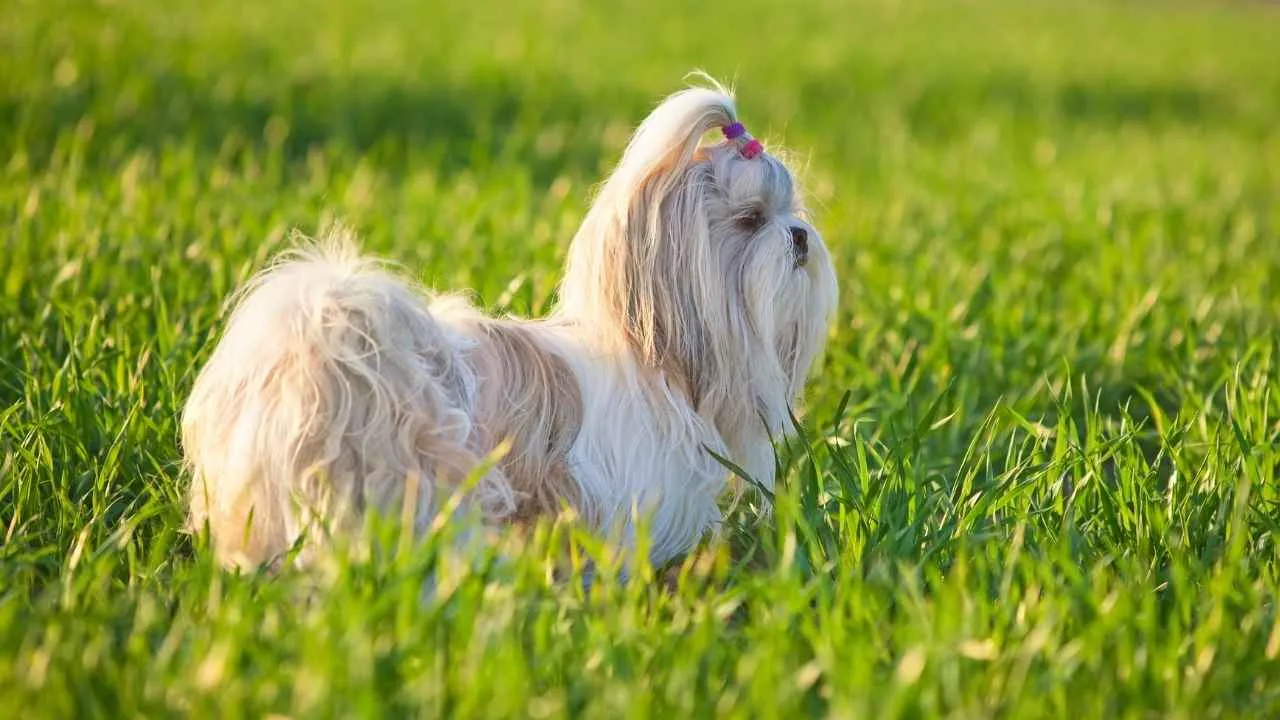
The Shih Tzu is a playful, outgoing, and affectionate dog breed that originated in China and Tibet, where it was bred as a royal companion. Historically, these dogs lived indoors and were often kept as lapdogs for emperors, which is why they are naturally well-suited to indoor and compact living spaces today.
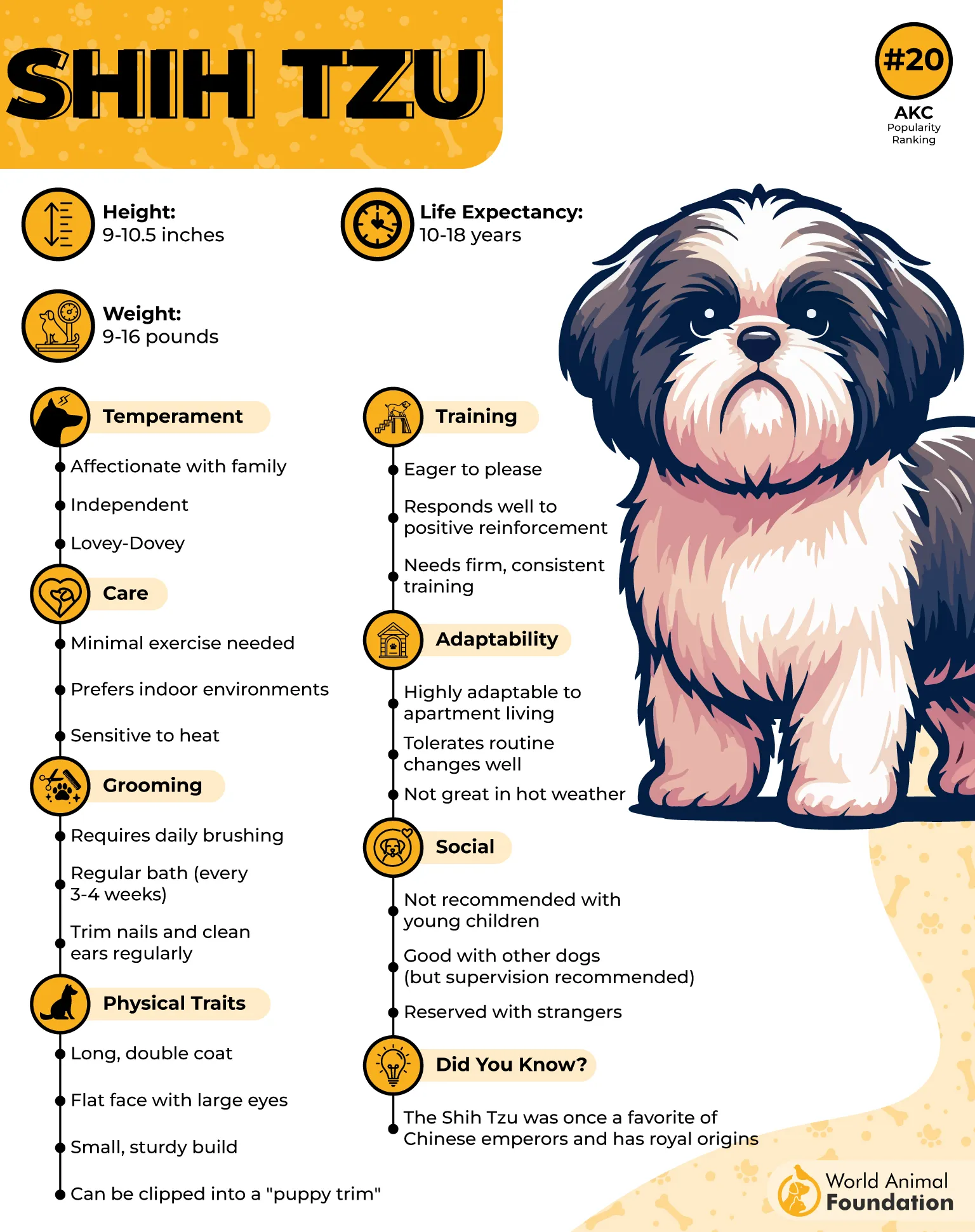
Often referred to as the “Little Lion,” the Shih Tzu is also known as the Chinese Lion Dog and the Chrysanthemum-Faced Dog, as noted by Orvis. Its long history as a palace companion has shaped its friendly and people-oriented personality.

Shih Tzus are generally easy to train, although they can occasionally show a stubborn streak, perhaps a reflection of their royal heritage. They have a long, flowing double coat that does not shed heavily, but it does require regular grooming. Brushing a few times a week is essential to keep their coat healthy, smooth, and tangle-free.
5. Maltese
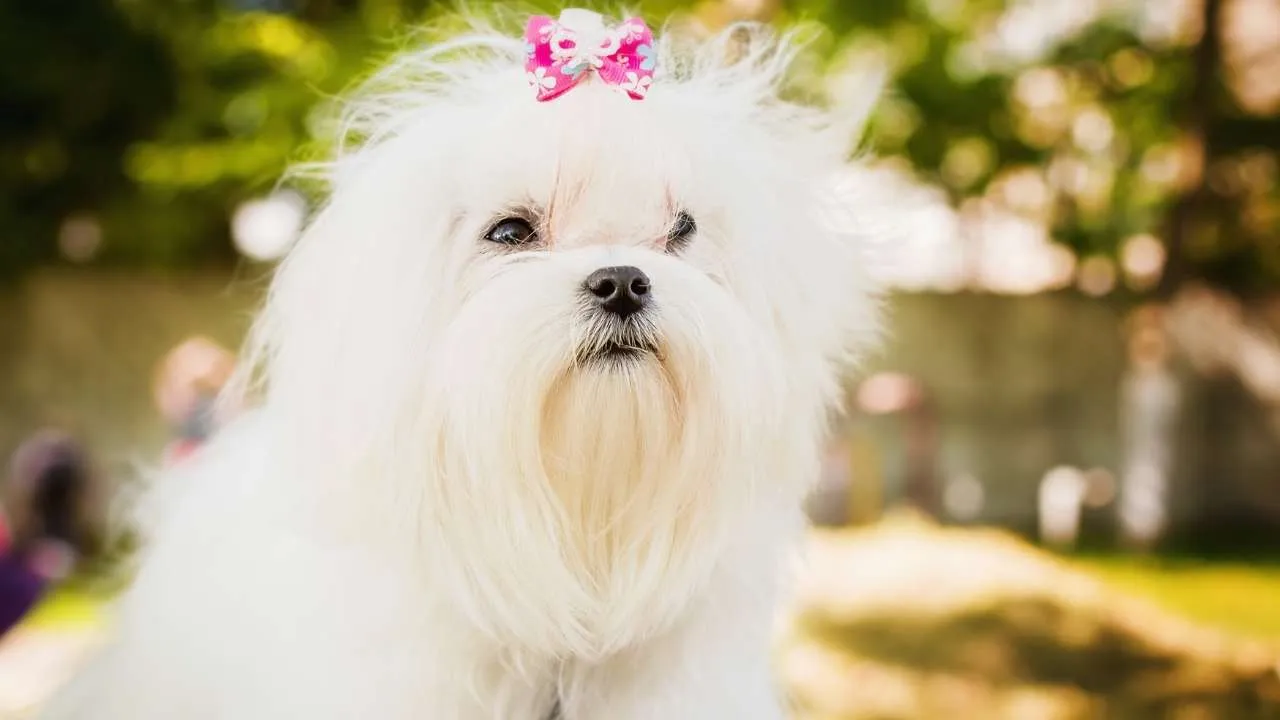
The Maltese is well known for its elegant white, floor-length coat and affectionate, gentle nature. Bred specifically as a companion dog, it is naturally easy to live with and adapts well to indoor environments. Like many small breeds, the Maltese is especially suited for apartment living and compact spaces.
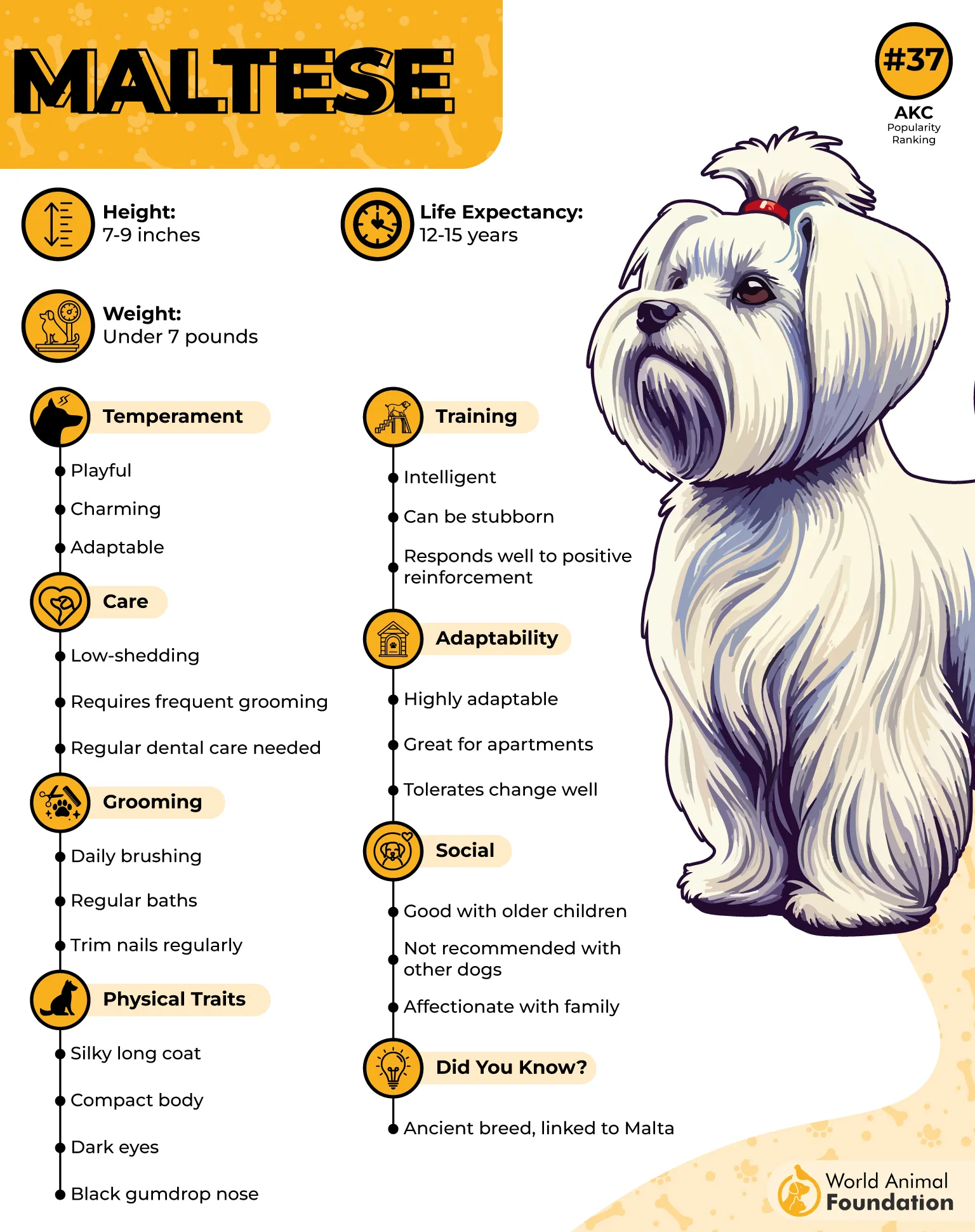
This breed does not require large outdoor areas or long walks, although it enjoys spending time with its owner during short strolls or play sessions. The Maltese is generally calm, quiet, and content to relax indoors, often happily acting as a “couch companion” while you unwind. At the same time, it is intelligent, sweet-natured, and quite sensitive.
Training a Maltese is usually straightforward when done in short sessions using positive reinforcement. It has a silky coat that sheds very little, but daily brushing is important to keep its long hair clean, smooth, and free of tangles.
6. Pomeranian
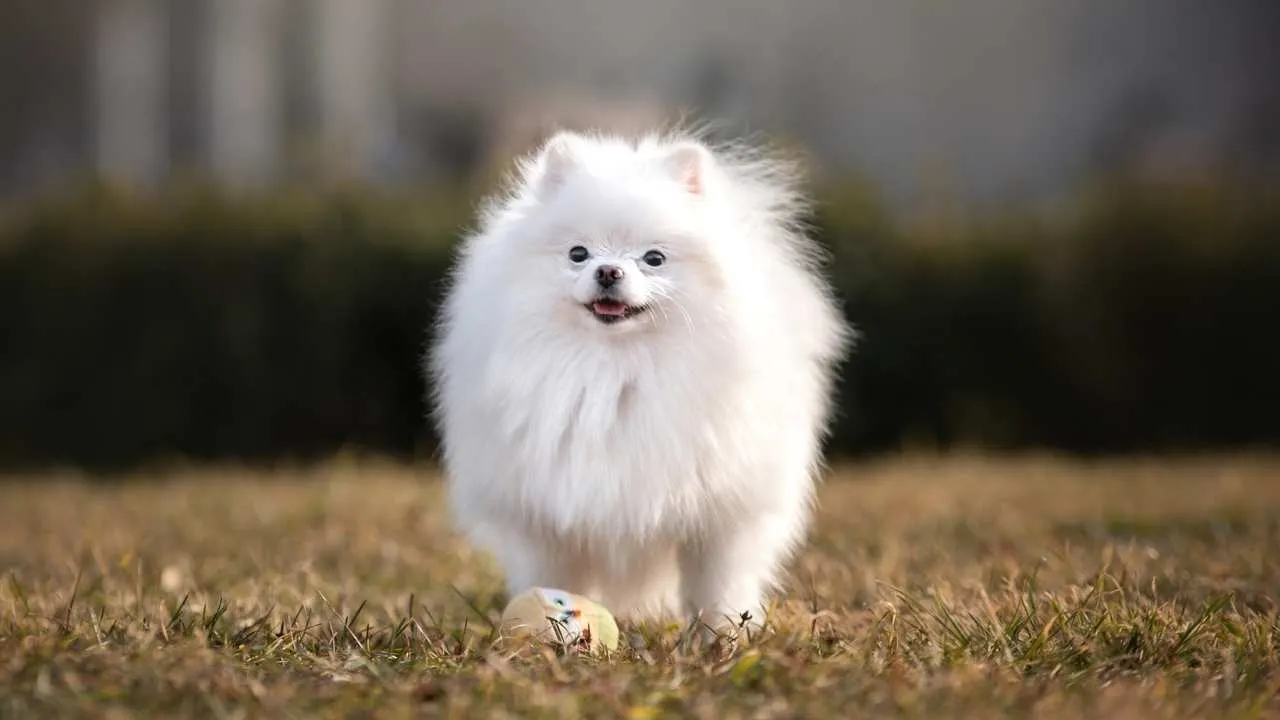
The Pomeranian is a bold, lively, and outgoing small dog with a big personality packed into a tiny body. Curious, alert, and highly affectionate, it forms strong bonds with its family. Interestingly, this breed was developed from larger sled-pulling Spitz-type dogs and was later miniaturized in popularity during the time of Queen Victoria, who famously adored them.
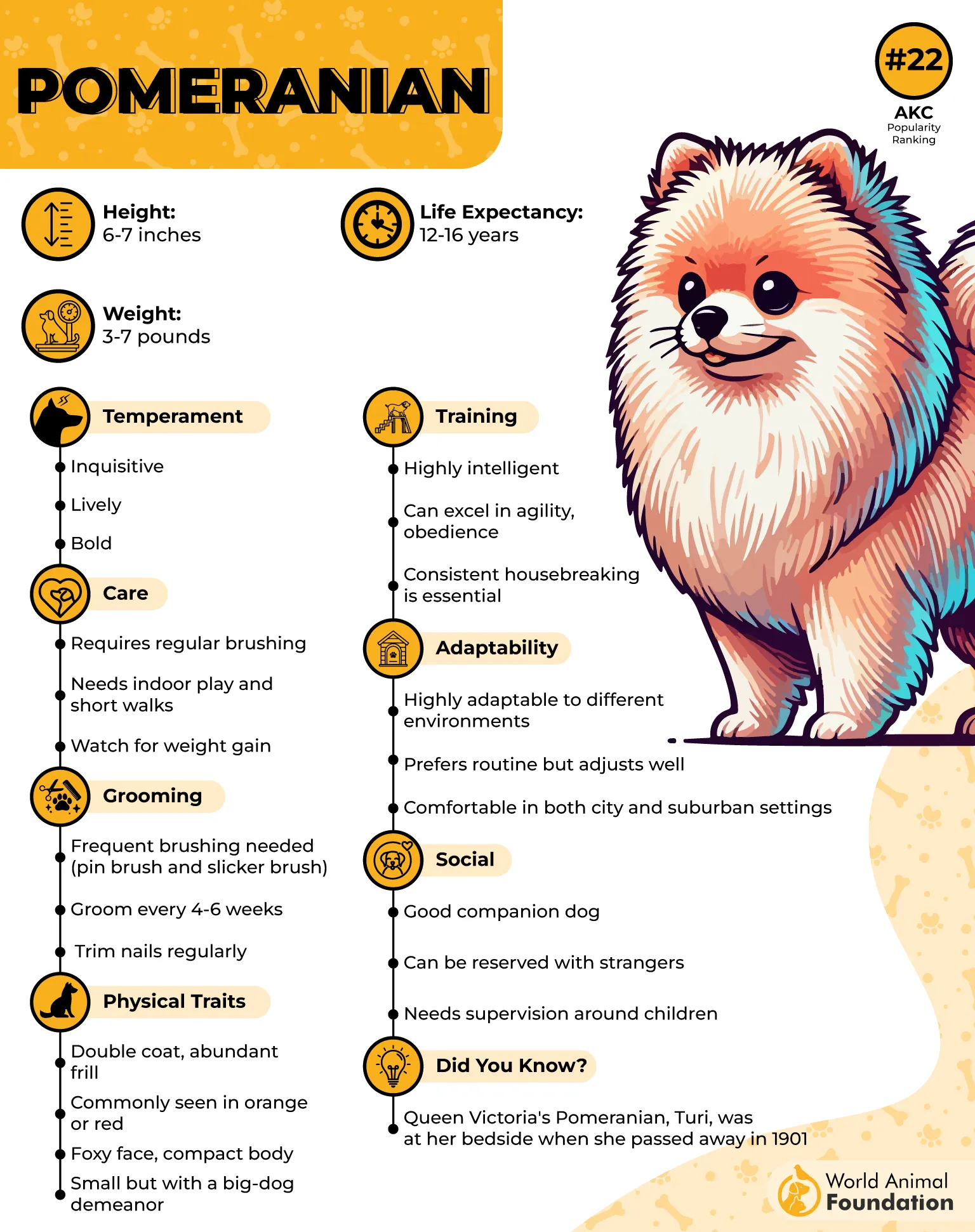
The Pomeranian is a great choice for tiny homes or apartments, as it requires very little living space to stay comfortable. It is not a high-endurance breed and is generally satisfied with short daily walks and light indoor play rather than long, demanding exercise routines.
While intelligent and quick to learn, the Pomeranian also has an independent streak, which means training requires patience and consistency. It responds best to positive reinforcement and gentle guidance.
This breed has a thick, fluffy double coat that needs regular care. Brushing a few times a week is important to prevent tangles, along with professional grooming every 4 to 6 weeks to maintain the coat’s health and appearance.
7. Pug
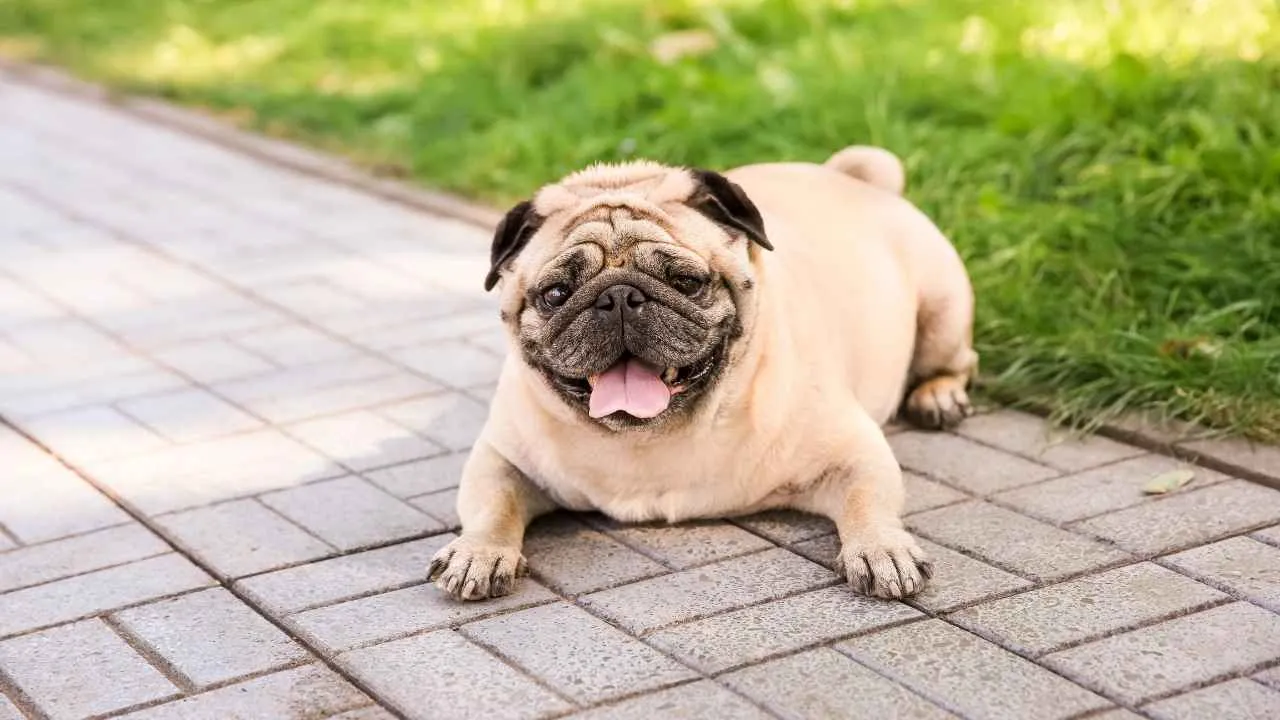
The Pug is a charming, mischievous, and affectionate little dog that was originally bred to sit on the laps of Chinese emperors thousands of years ago. Today, it is one of the most popular dog breeds in the United States because of its adaptable nature; it is happy living in almost any environment and with almost any type of family.
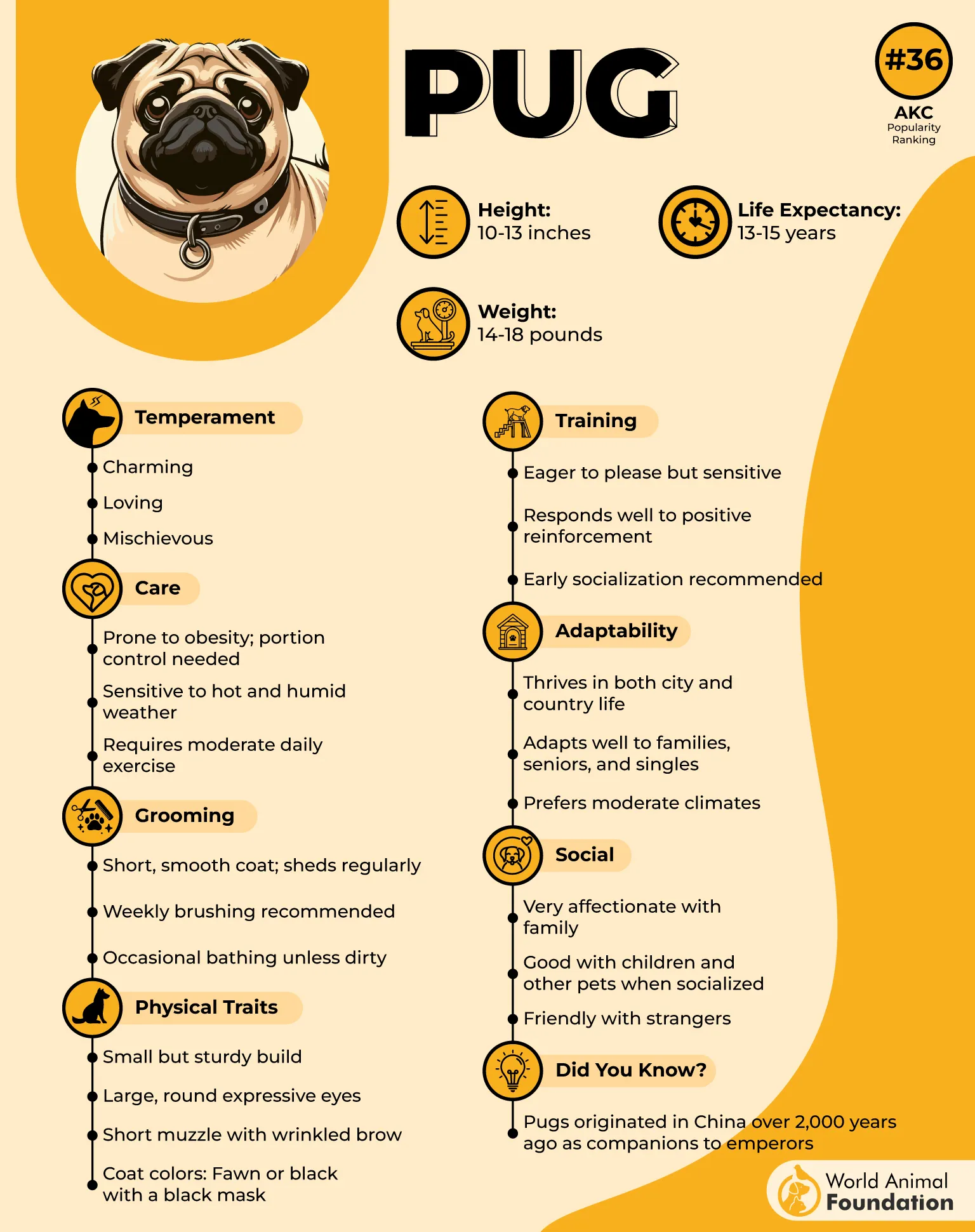
Pugs are naturally calm dogs that enjoy lounging and spending most of their day close to their owners. They are loving and social, often forming strong emotional bonds and can even show a playful “jealous” side when attention is given to other pets. Their large, expressive eyes and adorable facial expressions make them especially endearing.
While Pugs are eager to please, they can also be a bit stubborn, so training should be kept short, fun, and engaging. They respond best to positive reinforcement and creative interaction.
They have a short, smooth coat that requires minimal brushing, but their facial wrinkles need daily cleaning to prevent irritation or infections.
Conclusion
The seven dog breeds mentioned above are well-suited for apartment life, tiny homes, and studio living. What they share in common is their adaptability; they are generally content in smaller spaces as long as they receive attention, care, and companionship from their owners.
While some apartment dogs, like the Pug, have short, low-maintenance coats, others, such as the Maltese and Shih Tzu, have longer coats that require more regular grooming. Similarly, their exercise and maintenance needs vary from breed to breed, so understanding each dog’s requirements is important before making a choice.
Most of these are considered the best apartment dog breeds, which were originally developed as companion dogs rather than hunters or working dogs, which means they typically have a lower prey drive and a strong focus on human interaction. This makes them especially suitable for families, as they tend to be affectionate, people-oriented, and reliable indoor companions.
