




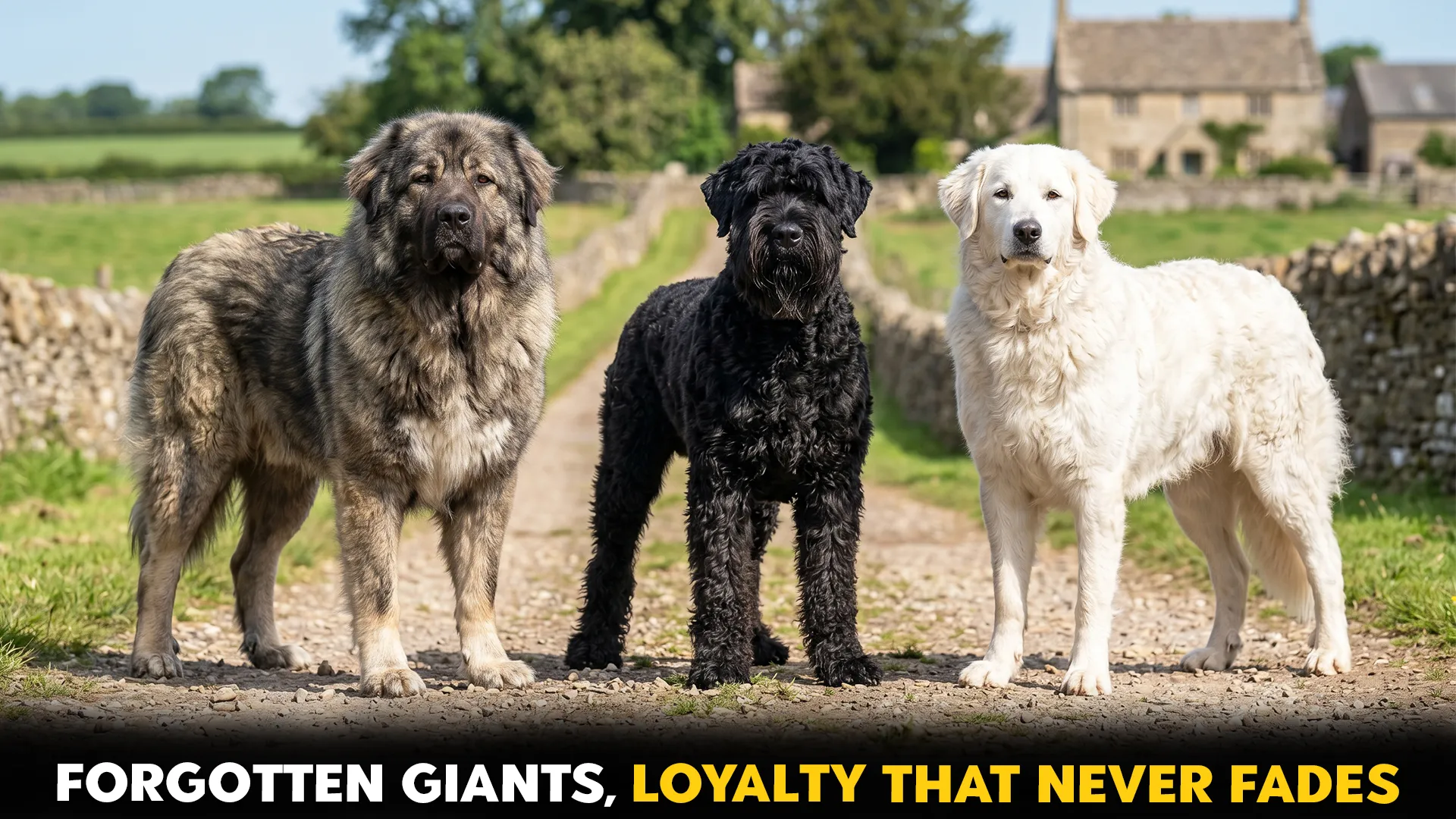
Large dog breeds leave a lasting impression the moment they enter a space, combining an imposing presence with a sense of comfort and calm. Despite their massive size, many giant dogs are known for their gentle temperament, affectionate nature, and deep bond with their human families.
Throughout history, many giant breeds have earned a reputation for unwavering loyalty, though they are often overlooked in favor of more popular dog breeds. Originally bred for demanding tasks like guarding property, patrolling harsh terrains, and protecting their people in challenging conditions, these dogs have long proven their devotion and courage.
Now it’s time to discover some of these lesser-known big dog breeds that stand out for their immense loyalty and unforgettable devotion to humans. Let’s get to know them.
Fun Fact
Most giant dog breeds mature more slowly than smaller breeds, which means their playful, puppy-like behavior often lasts much longer. Some even keep their oversized puppy charm well into adulthood.
Forgotten Giant Dog Breeds With Unmatched Loyalty
1. Caucasian Shepherd Dog
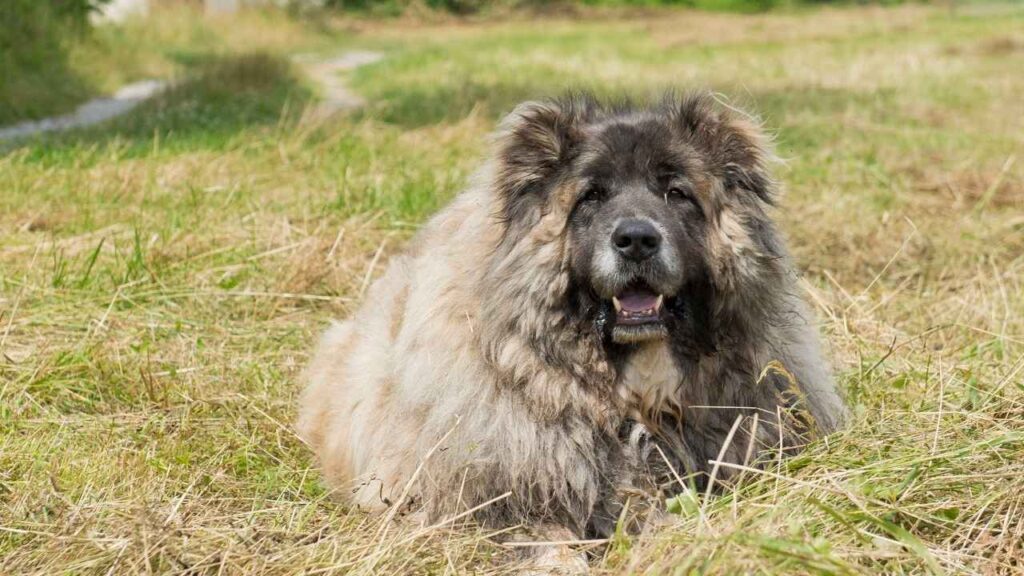
The Caucasian Shepherd Dog is a powerful, giant breed known for its immense strength and fearless nature. Originally bred in rugged mountain regions to guard livestock from predators, this dog developed extraordinary courage and protective instincts that remain a defining trait of the breed today.
Despite its imposing size and serious demeanor, the Caucasian Shepherd forms deep emotional bonds with its family. It is intensely loyal and naturally protective, always alert and watchful around unfamiliar people. Because of its strong guarding instincts and independent nature, this breed needs experienced owners who can provide proper training, space, and understanding.
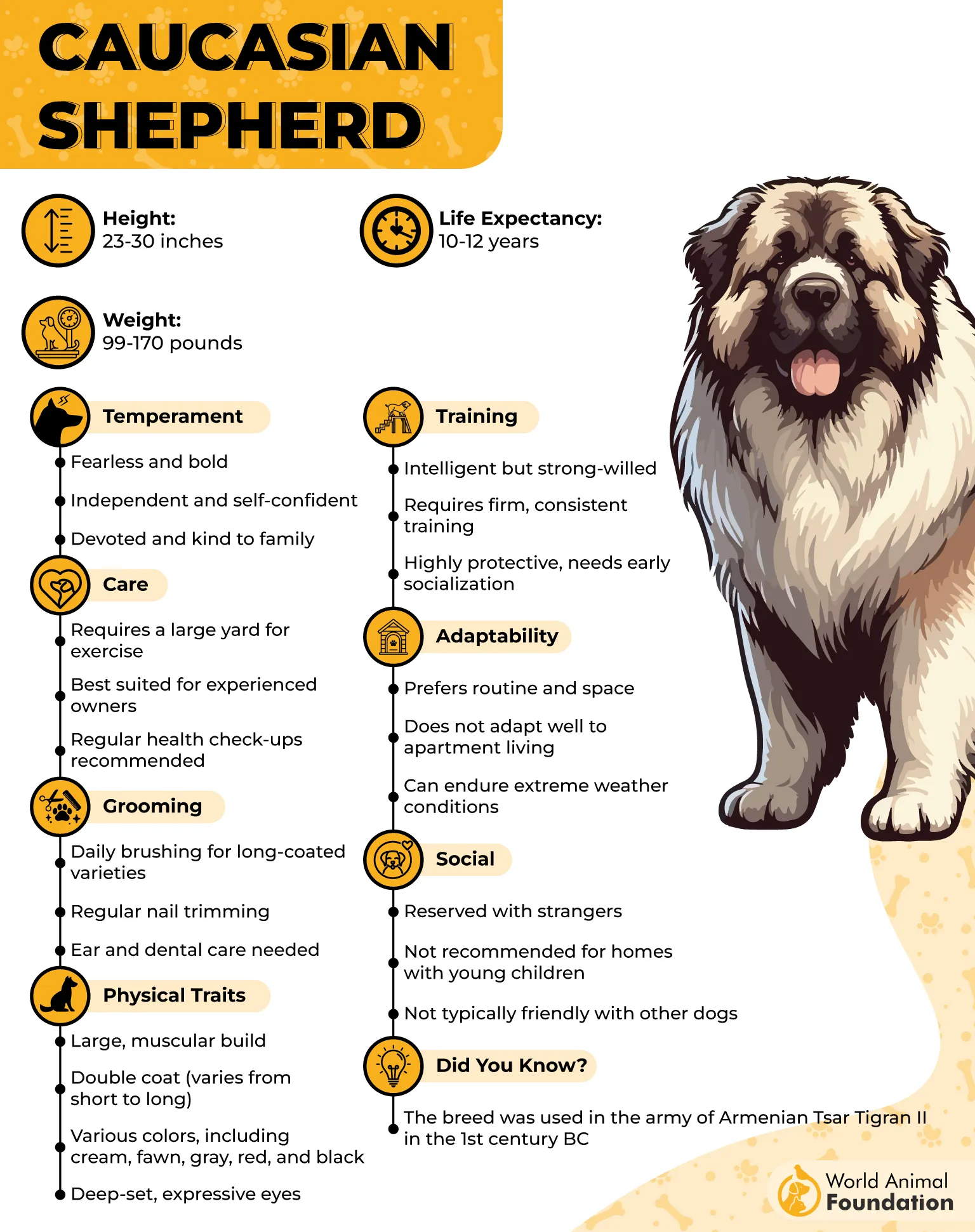
Open spaces are ideal for this breed, as it thrives in environments where it has room to move and stay active. While the Caucasian Shepherd needs moderate daily exercise, mental stimulation is equally important to keep it engaged and balanced. According to Purina US, early socialization plays a crucial role in helping this breed develop into a well-adjusted and confident companion.
2. Black Russian Terrier
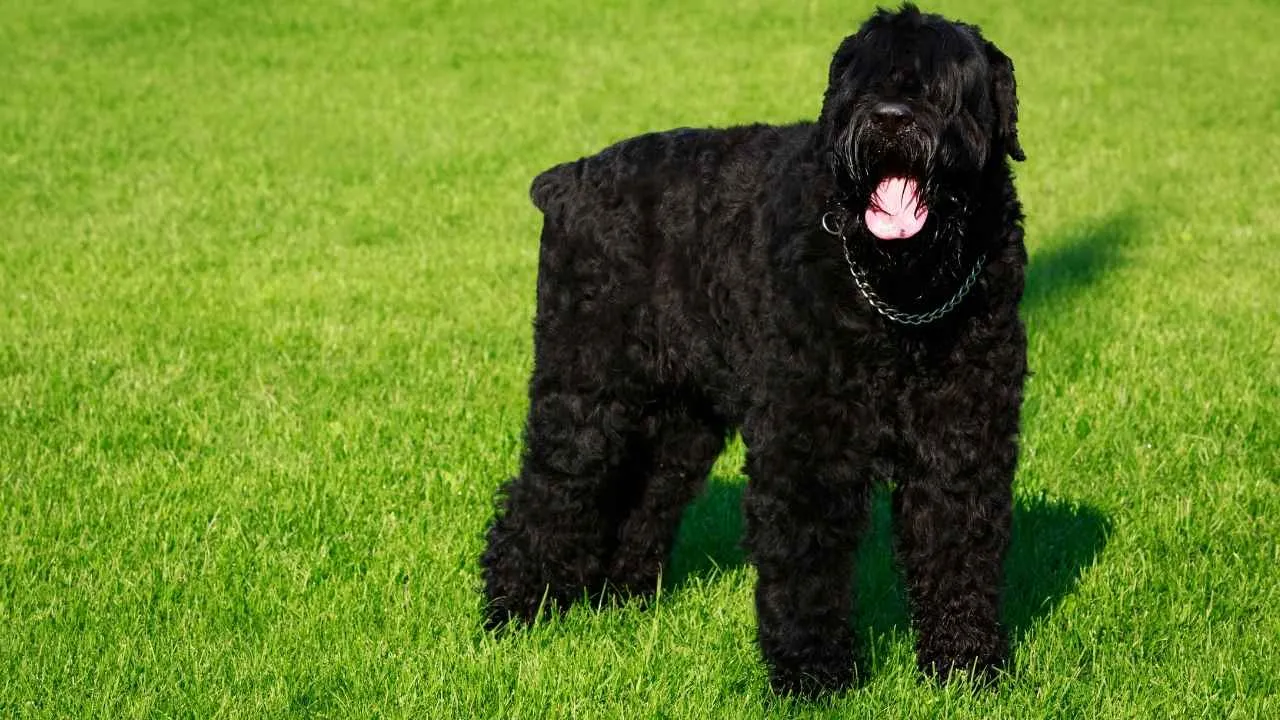
The Black Russian Terrier has an imposing appearance, but beneath its thick black coat lies an intelligent, devoted, and highly capable companion. Originally developed for military and security work, this powerful breed was trained for demanding tasks that showcased its strength, focus, and versatility.
Despite its serious working background, the Black Russian Terrier forms deep bonds with its family and responds exceptionally well to consistent, structured training. It tends to be reserved around strangers but shows unwavering loyalty and dedication to those it knows and trusts. Its disciplined nature makes it a great fit for owners who appreciate routine and can provide firm, confident guidance.
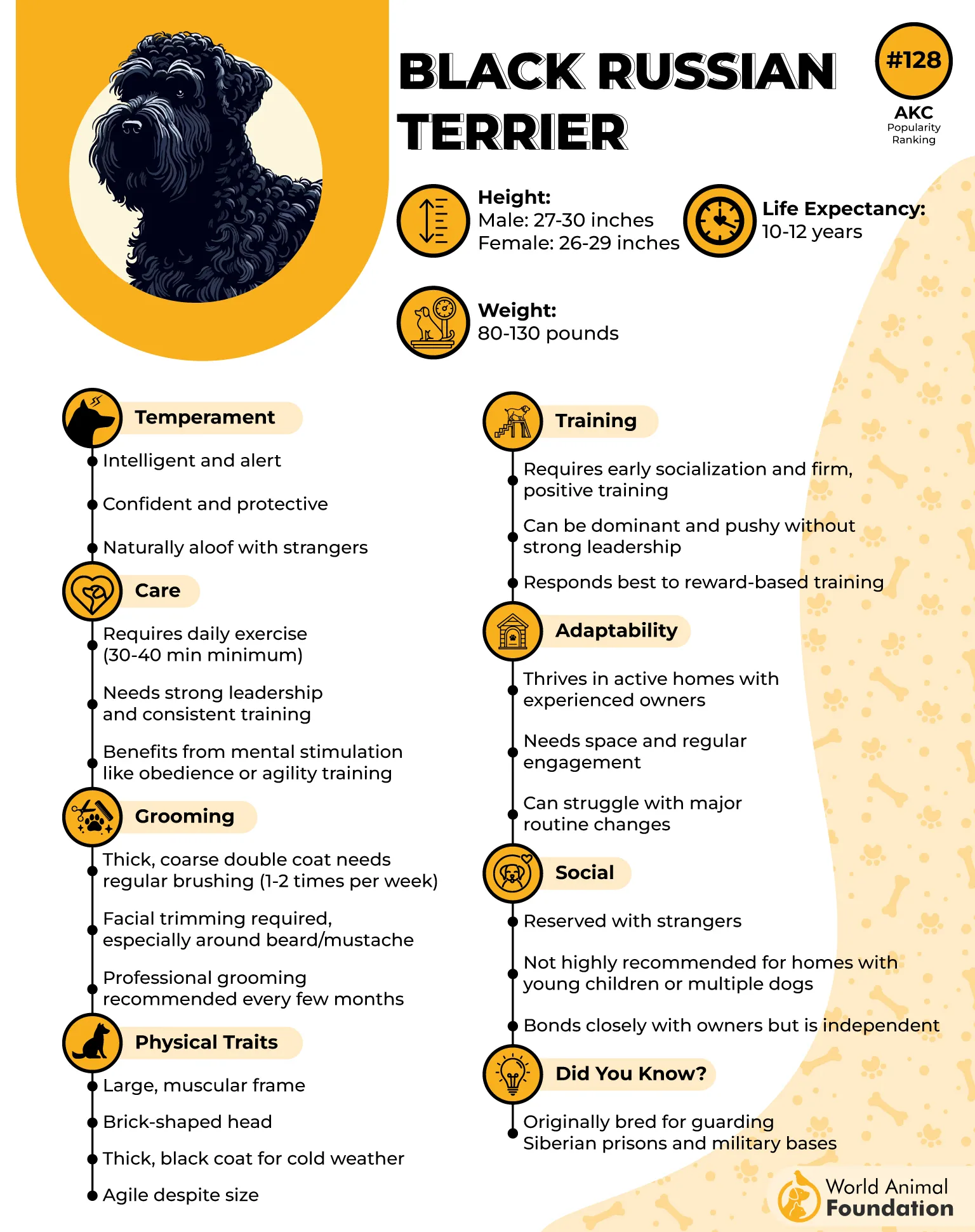
This breed needs daily exercise and plenty of mental stimulation to stay balanced and well-behaved. Training and socialization should begin early to channel their intelligence and strong instincts in a positive direction. According to the American Kennel Club, confident leadership and proper training are key to raising a well-adjusted Black Russian Terrier.
3. Kuvasz
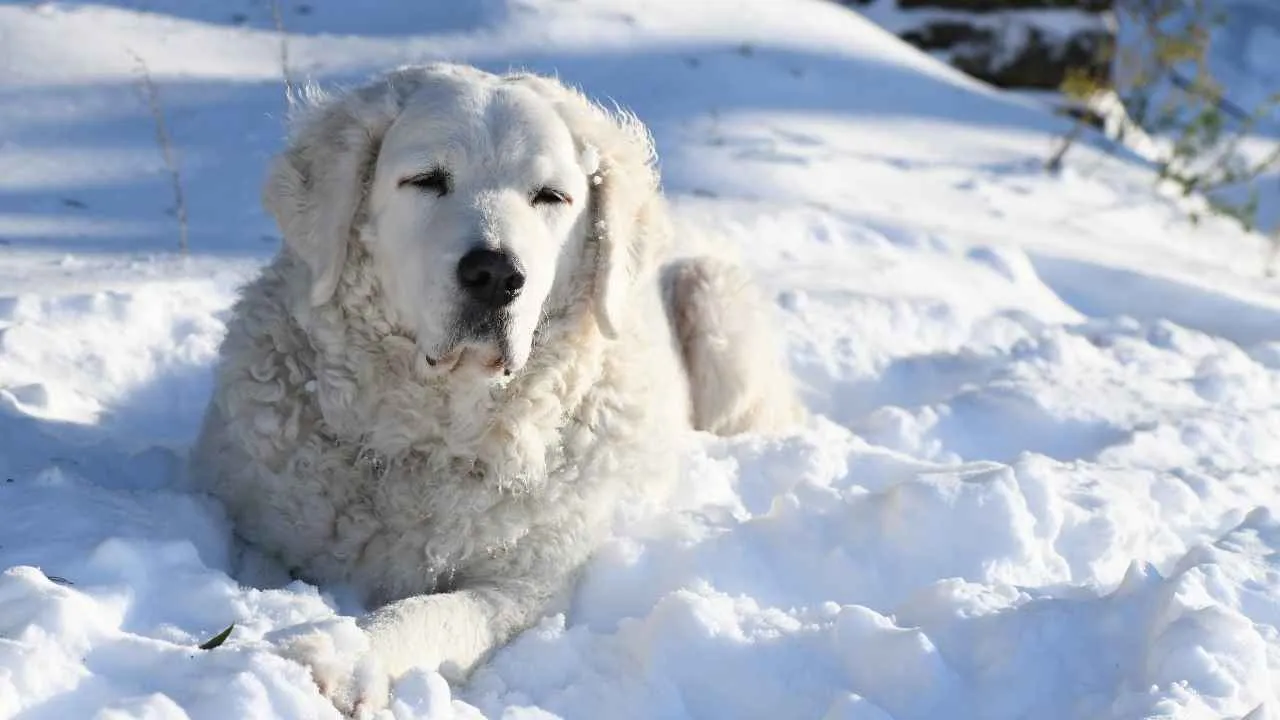
The Kuvasz stands out for its striking white coat, noble presence, and exceptional character. This ancient breed was originally developed to guard livestock in harsh conditions and also served as a protector for royalty. That rich history helps explain the breed’s intelligence, confidence, and independent nature today.
The Kuvasz forms strong bonds with its family, but it also values its independence. While affectionate and loyal, it is not overly clingy and often prefers space while remaining watchful and devoted. Protectiveness is deeply rooted in the breed, making early socialization and exposure to different people and environments especially important.
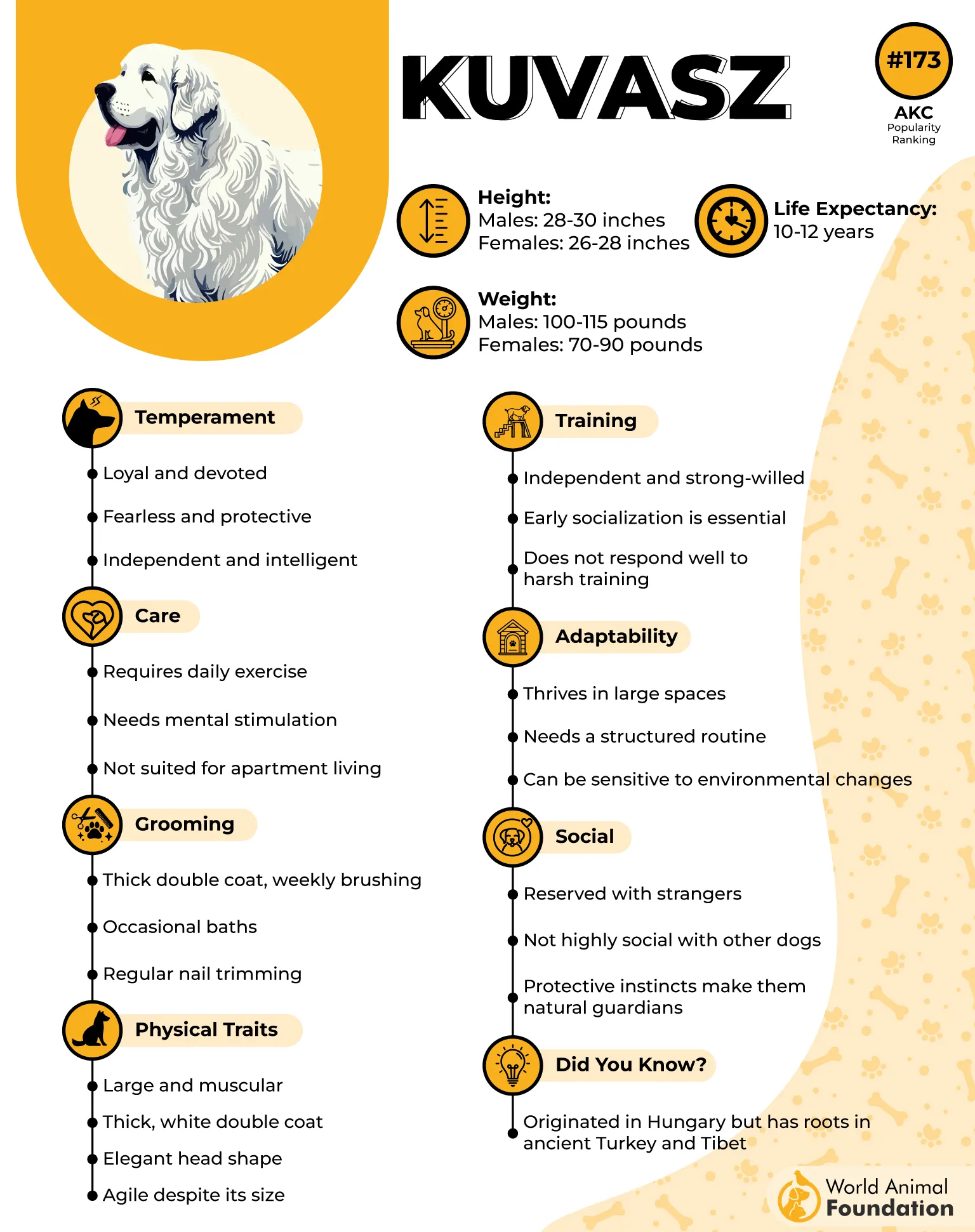
This breed requires regular grooming, as it sheds heavily throughout the year. The Kuvasz also needs regular moderate exercise to stay healthy and balanced. According to Hill’s Pet Nutrition, structured routines that combine physical activity, mental stimulation, and training help this breed thrive.
4. Scottish Deerhound
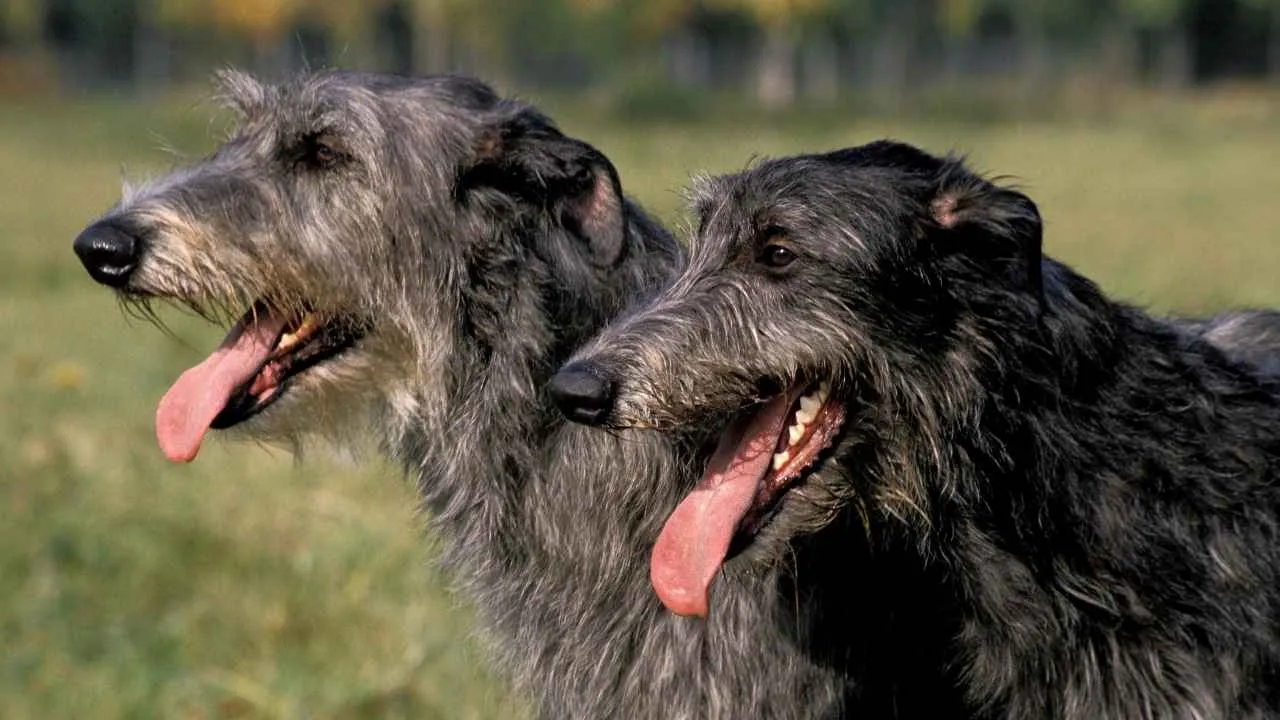
The Scottish Deerhound combines majestic beauty with graceful movement and quiet strength. Unlike many giant breeds known for guarding instincts, this breed is celebrated for its gentle temperament and calm, dignified nature. Originally bred for hunting, it developed remarkable speed and agility that still define the breed today.
Despite its athletic background, the Scottish Deerhound is famously relaxed indoors, often content to lounge and nap for long stretches. Outside, however, it enjoys bursts of energy and opportunities to run and stretch its legs. Affectionate yet independent, this breed forms loving bonds while maintaining a self-sufficient spirit.
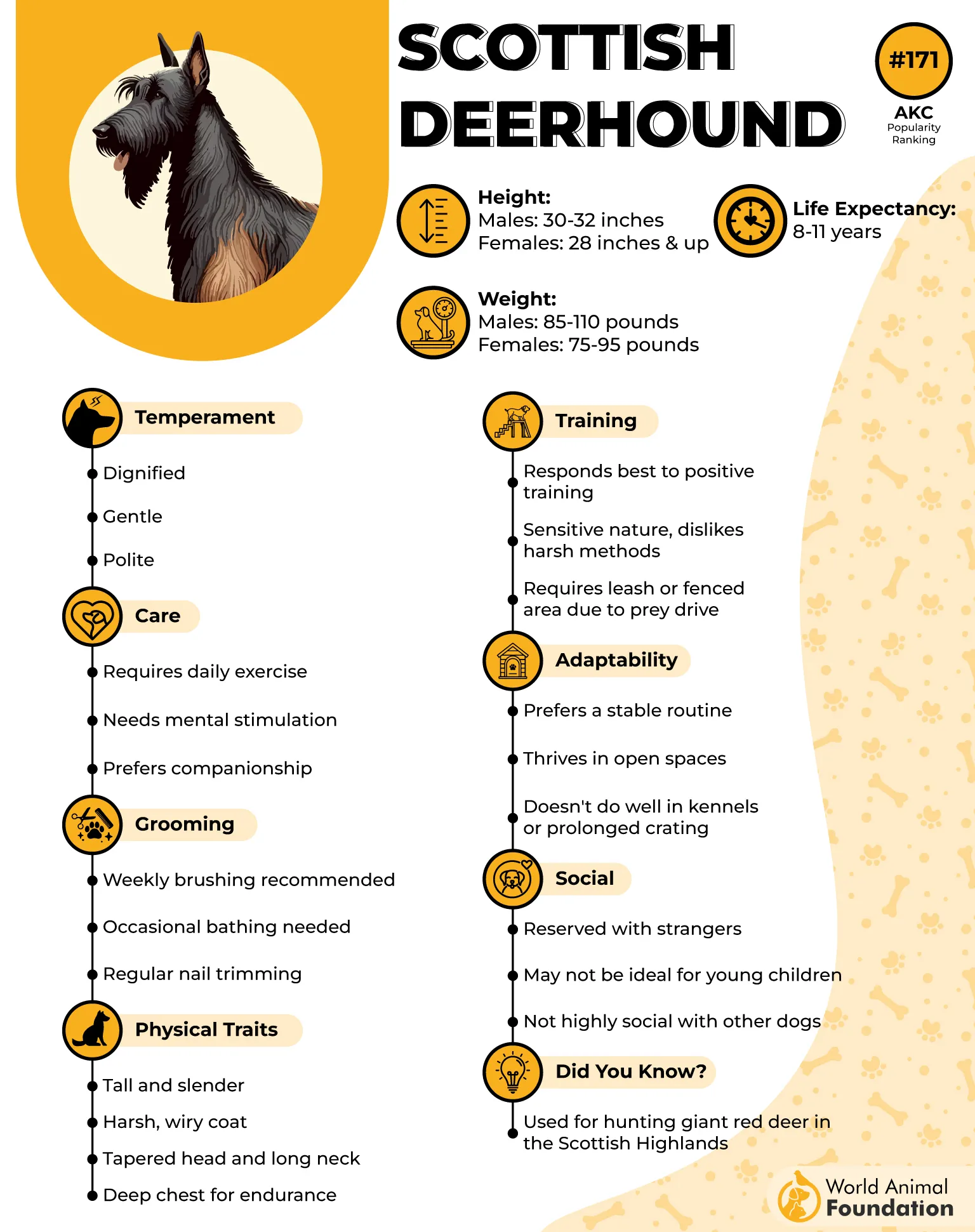
Daily walks and access to a secure outdoor area are important for keeping this breed healthy and fulfilled. Training may require patience, as Scottish Deerhounds can have an independent, thoughtful nature. According to PetMD, providing mental stimulation along with physical exercise can help prevent boredom-related destructive behaviors and support overall well-being.
5. Neopolitan Mastiff
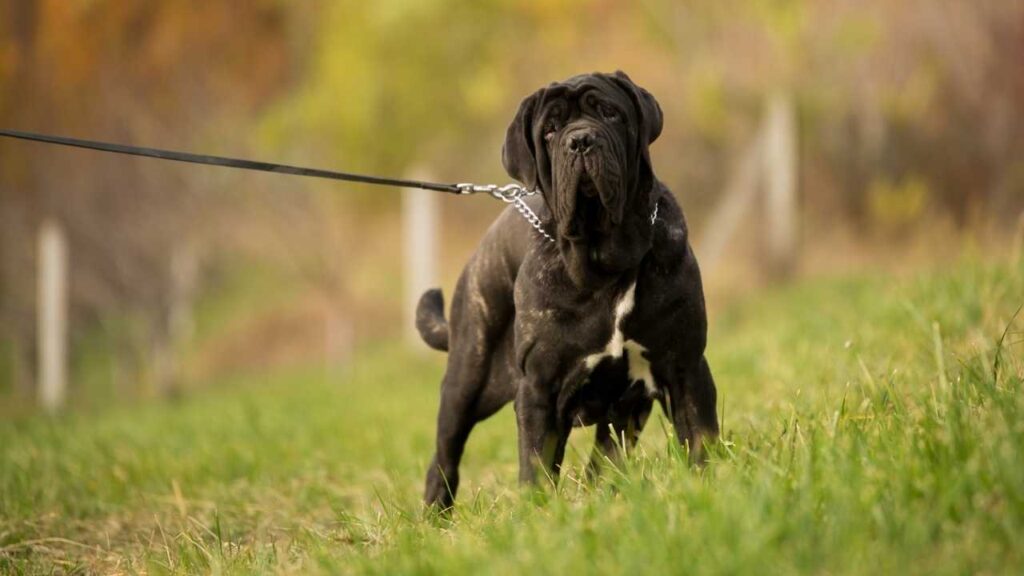
The Neapolitan Mastiff has an unmistakable presence, defined by its massive build and loose, wrinkled skin that reflects its ancient role as an estate guardian. Every movement of this powerful breed reflects quiet strength, while it still forms a deep and steady bond with its human family.
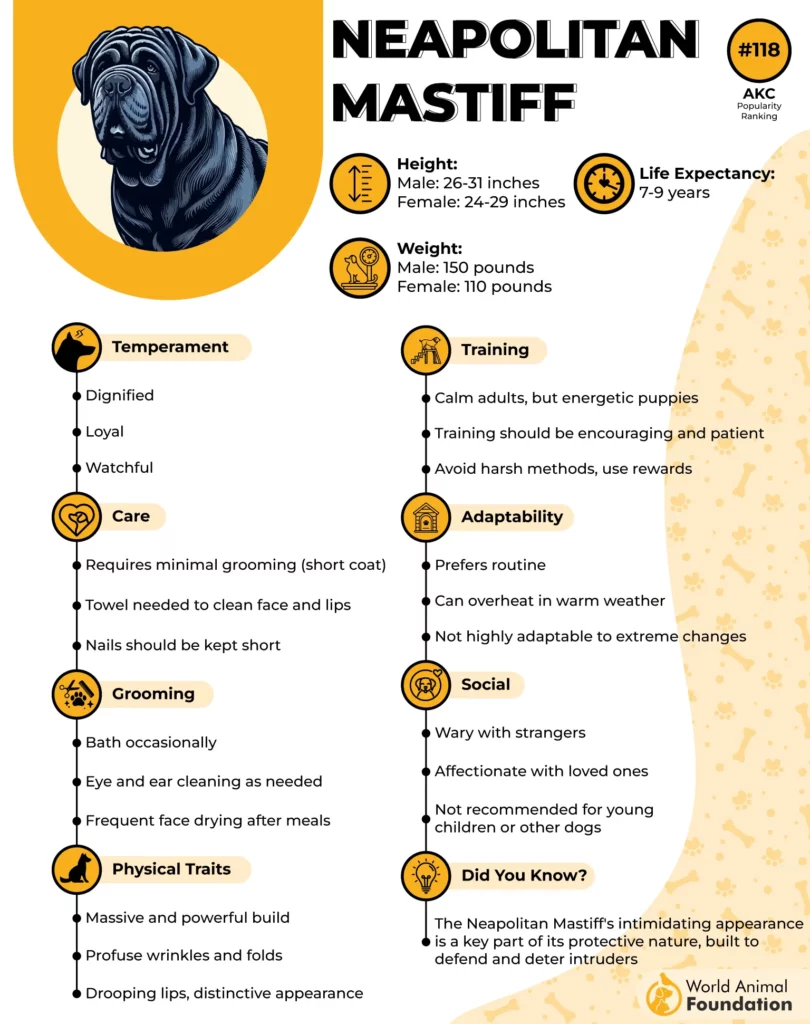
Indoors, the Neapolitan Mastiff is generally calm and relaxed, but it remains naturally alert and observant throughout the day. Beneath its calm exterior lies strong devotion, making it deeply loyal and closely connected to its household
Like many giant breeds, the Neapolitan Mastiff benefits from moderate daily exercise to support joint health and overall well-being. Its distinctive skin folds also require regular cleaning to prevent irritation and maintain hygiene. According to Purina, maintaining a healthy weight is especially important for giant dogs, as it helps reduce the risk of joint-related issues and supports long-term mobility.
6. Boerboel
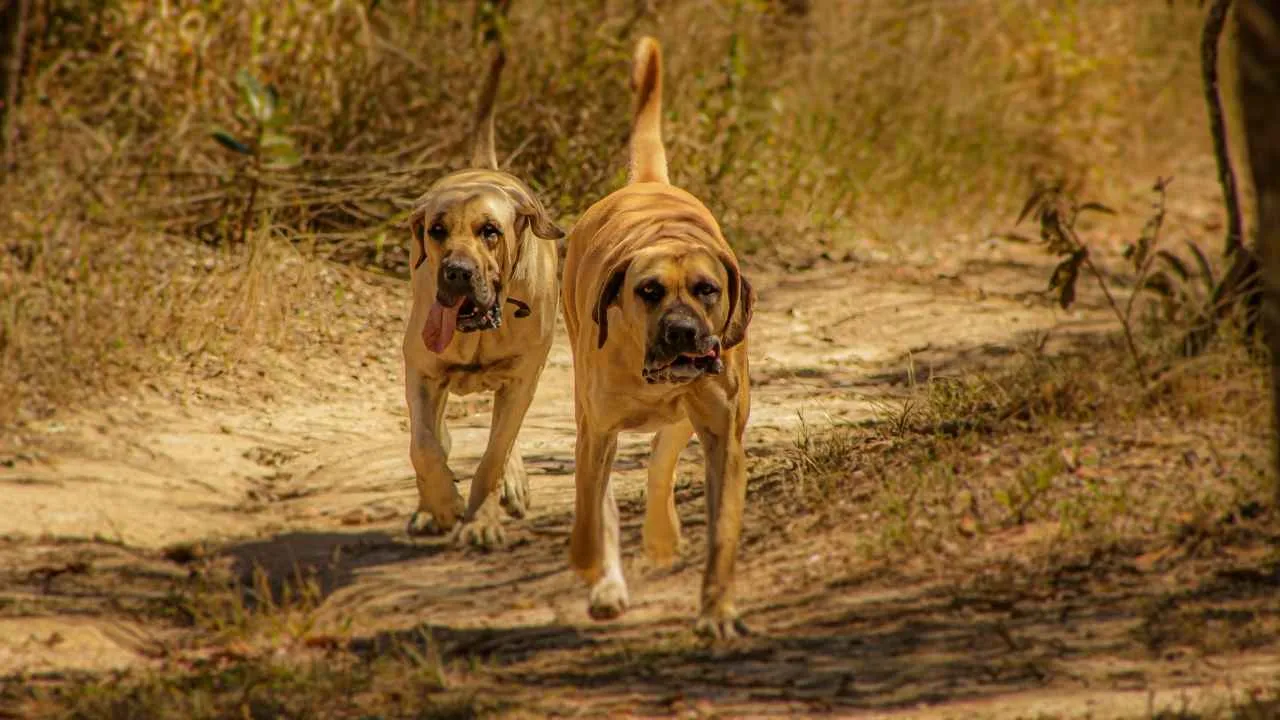
The Boerboel, a powerful breed from South Africa, is known for its confidence, strength, and natural guarding instincts. Originally developed to protect homes and farms, this large working dog became highly skilled at detecting potential threats through its sharp awareness and observant nature.
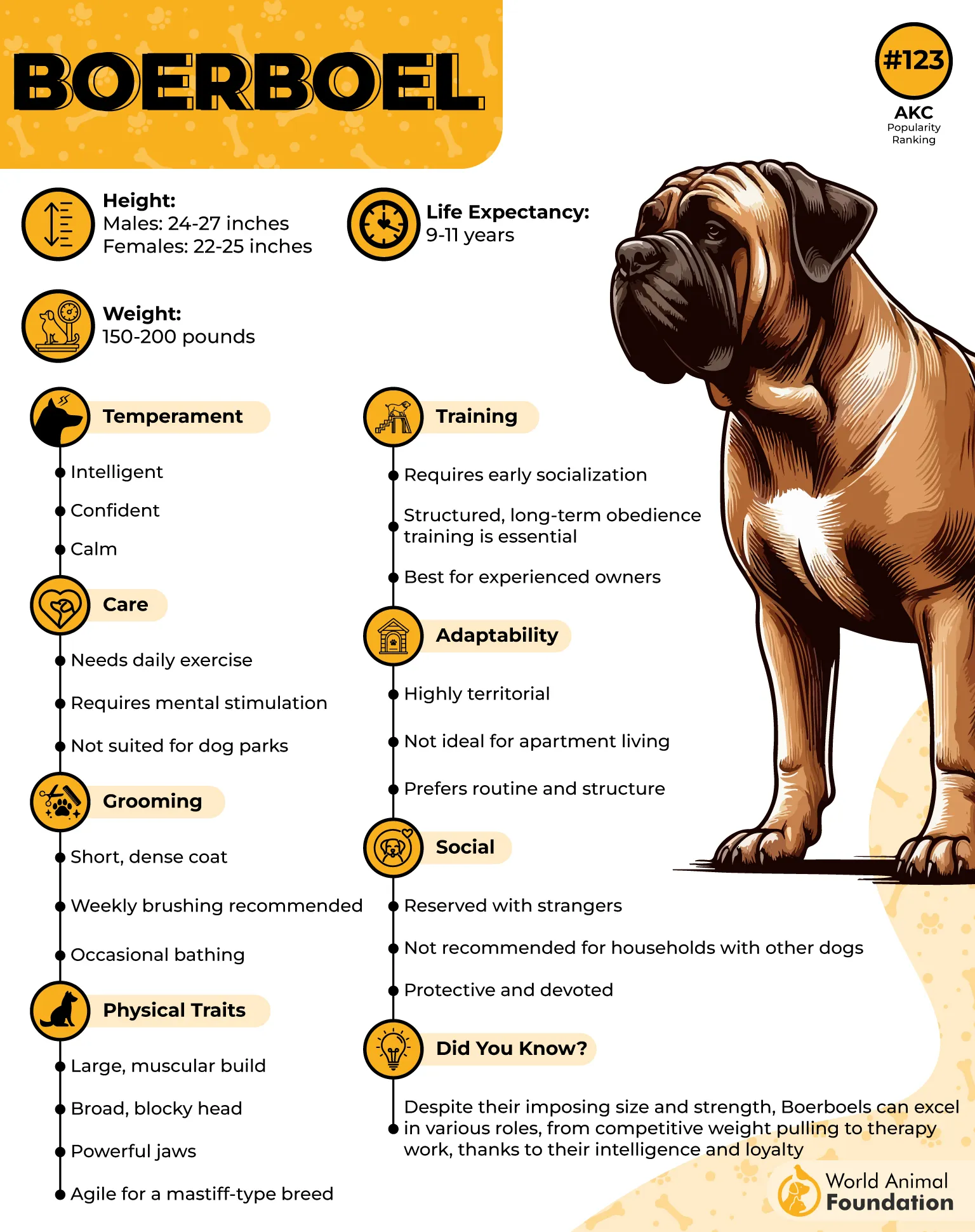
While the Boerboel is a strong territorial protector, it is also deeply affectionate with its family. It enjoys spending time with its loved ones and thrives in environments that offer structure, stability, and predictable routines.
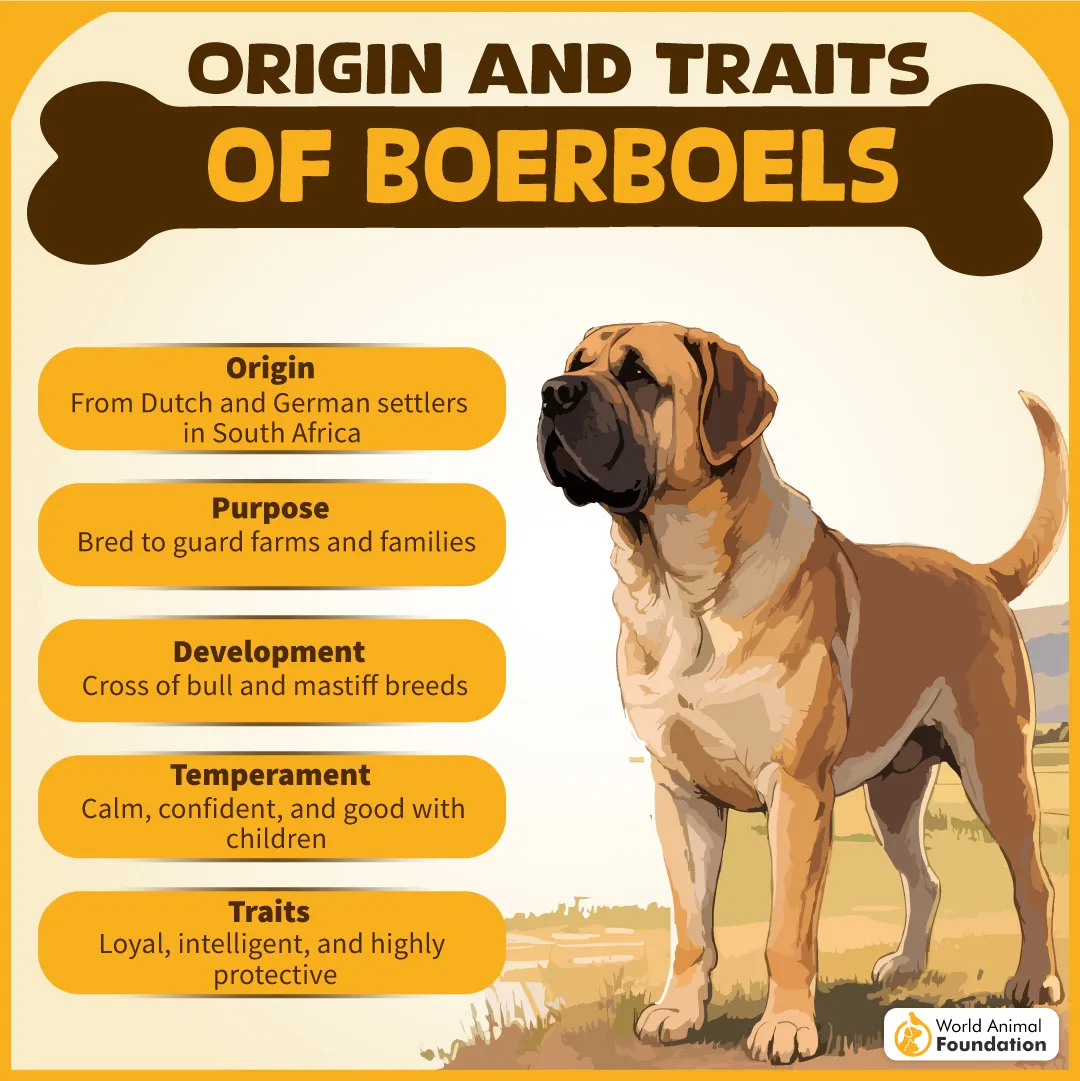
This breed requires consistent daily training to properly channel its physical strength and mental energy. Although grooming needs are relatively basic, regular care and attention are still important for overall health. These large dog breeds benefit greatly from regular exercise, which supports their physical fitness, joint health, and overall well-being.
7. Dogue De Bordeaux
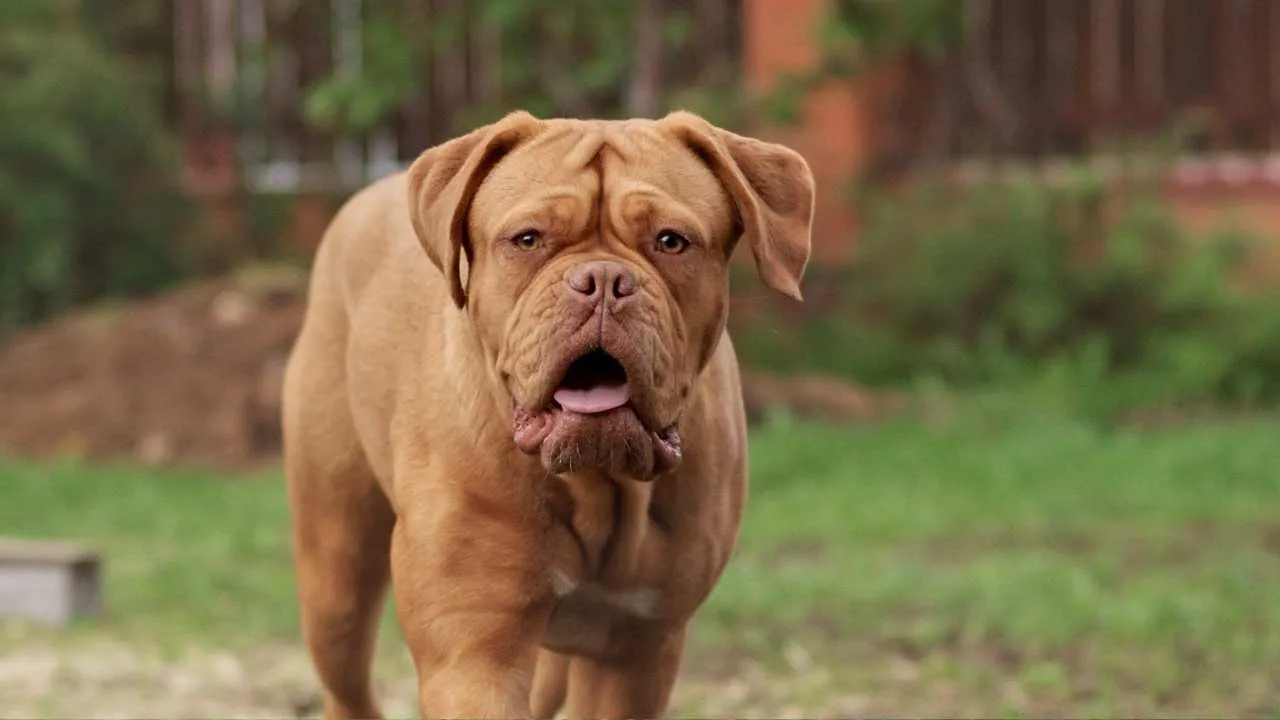
The Dogue de Bordeaux combines impressive physical strength with surprising emotional sensitivity. This large breed forms deep bonds with its human companions, using its sturdy build and expressive face to communicate affection and loyalty.
Despite its imposing appearance, the Dogue de Bordeaux is generally calm and steady in temperament, while still retaining strong protective instincts. Training can require patience due to occasional stubbornness, but its loyalty and willingness to bond make the effort worthwhile.
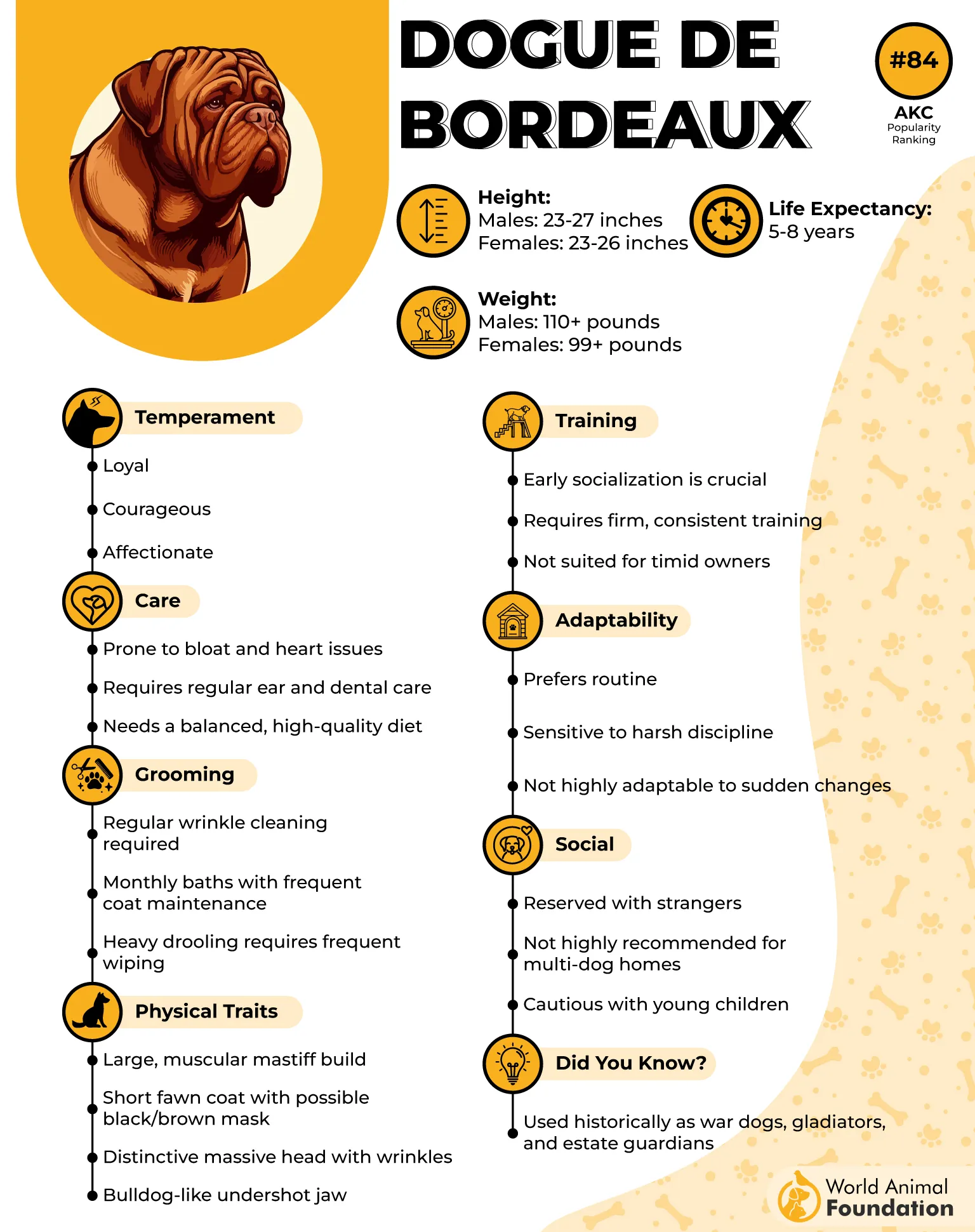
Moderate daily physical activity is important for maintaining this breed’s health, along with early obedience training to establish good behavior patterns. Regular cleaning is also necessary, as drooling is common in this breed.
Consistent routines help the Dogue de Bordeaux remain calm, balanced, and well-mannered. According to Omlet, early discipline and structured training play a key role in shaping stable and well-adjusted behavior.
8. Tibetan Mastiff
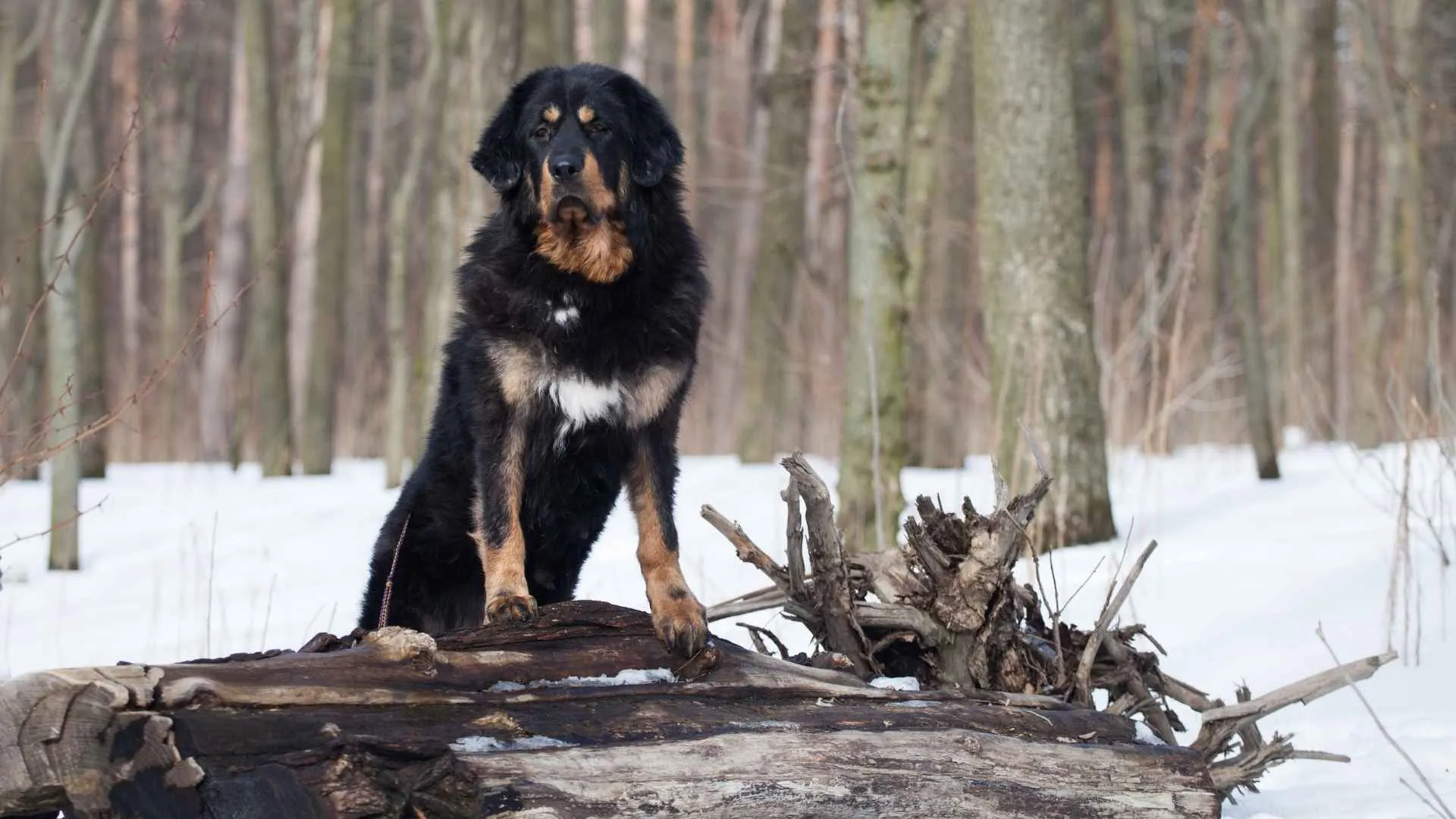
The Tibetan Mastiff carries a strong sense of independence shaped by its origins in the Himalayas. This ancient breed was developed to guard homes and livestock against predators in harsh, remote conditions, which contributed to its self-reliant and strong-willed nature.
Despite its independence, the Tibetan Mastiff forms a deep bond with its family and is highly devoted to those it trusts. However, its powerful protective instincts mean it requires experienced owners who can set clear, consistent boundaries through firm and patient training.
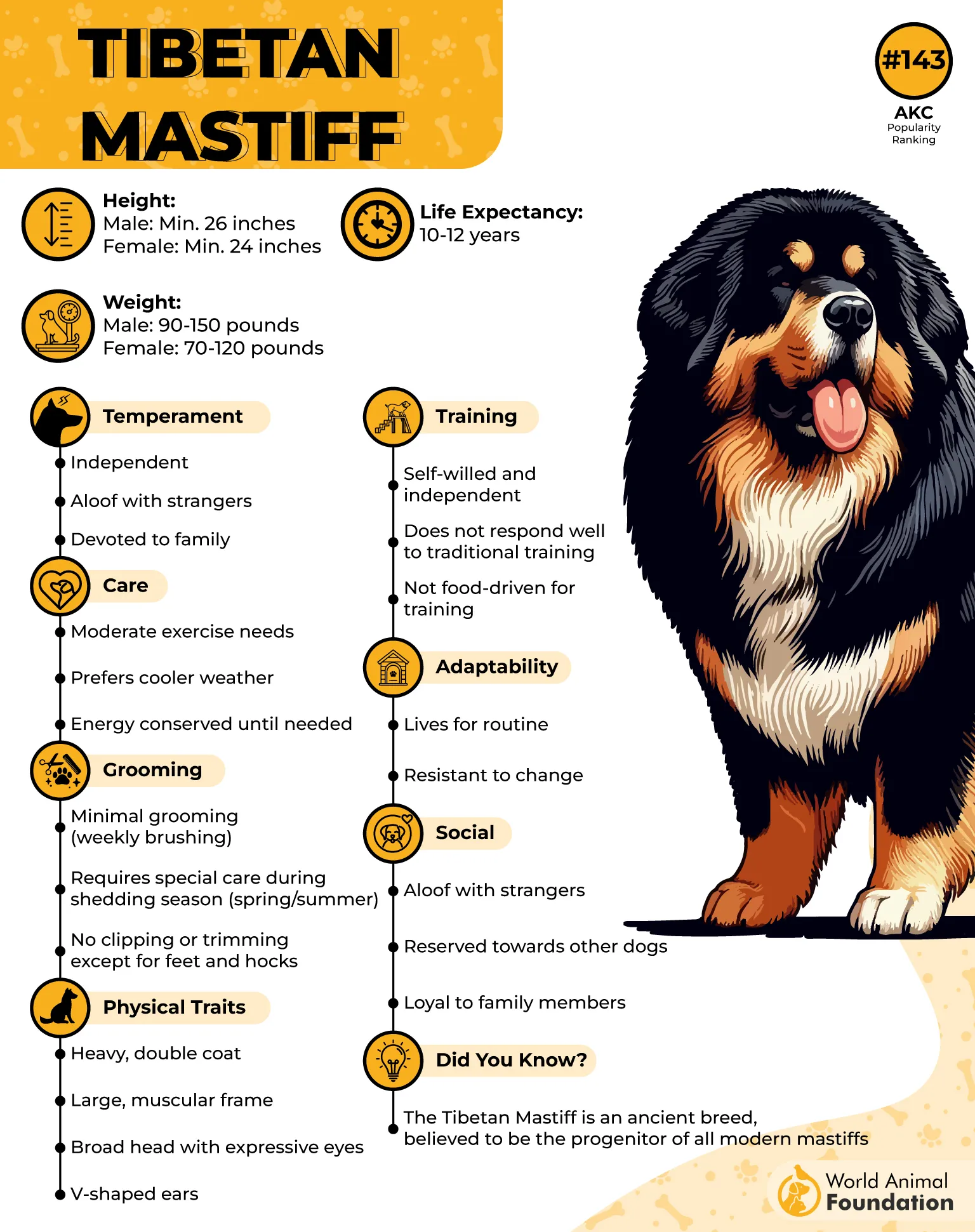
This breed needs regular training and consistent mental stimulation to stay balanced and engaged. Without enough mental activity, dogs may develop unwanted or destructive behaviors as a way to cope with boredom. Structured daily routines and organized schedules help keep the Tibetan Mastiff focused, calm, and well-behaved.
9. Irish Wolfhound
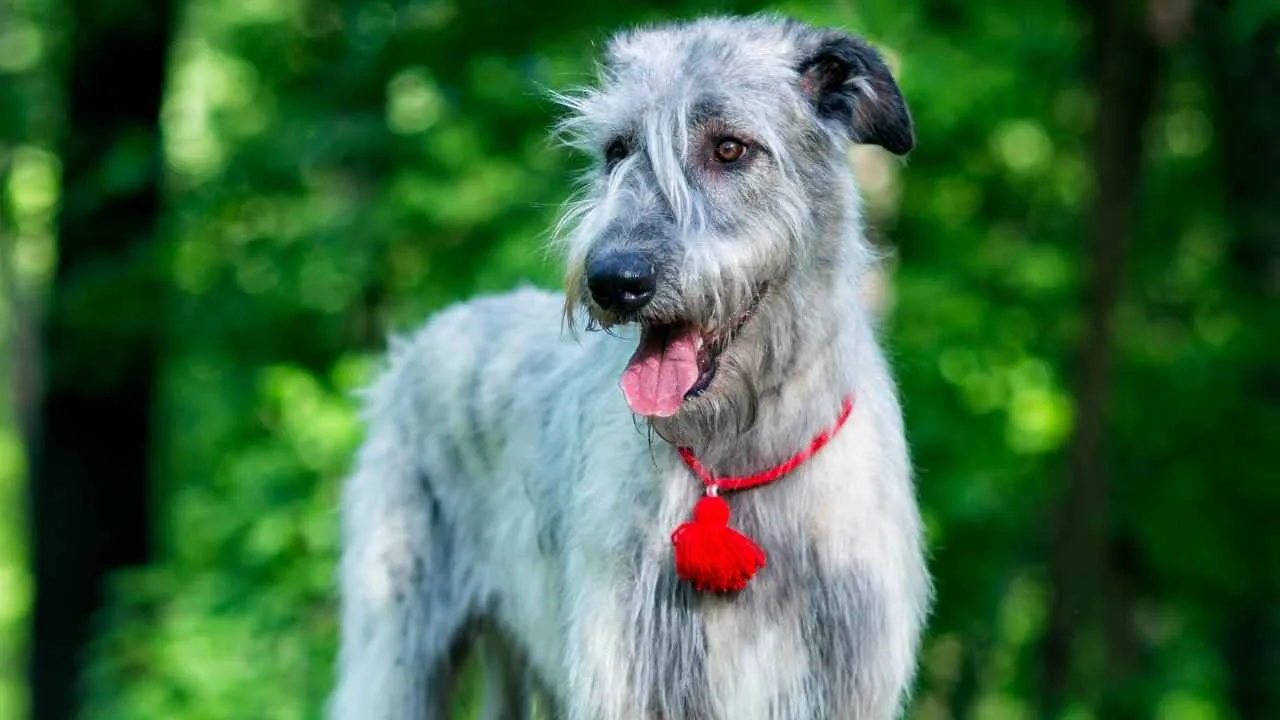
The Irish Wolfhound is one of the tallest dog breeds in the world, admired for its calm temperament and gentle nature. Originally bred as a hunting dog, it has evolved into a quiet and dignified companion known more for affection than aggression.
Unlike traditional guard dogs, the Irish Wolfhound prioritizes companionship over protection. It combines impressive physical strength with a soft, patient personality, making it a truly unique member of the giant breed category.
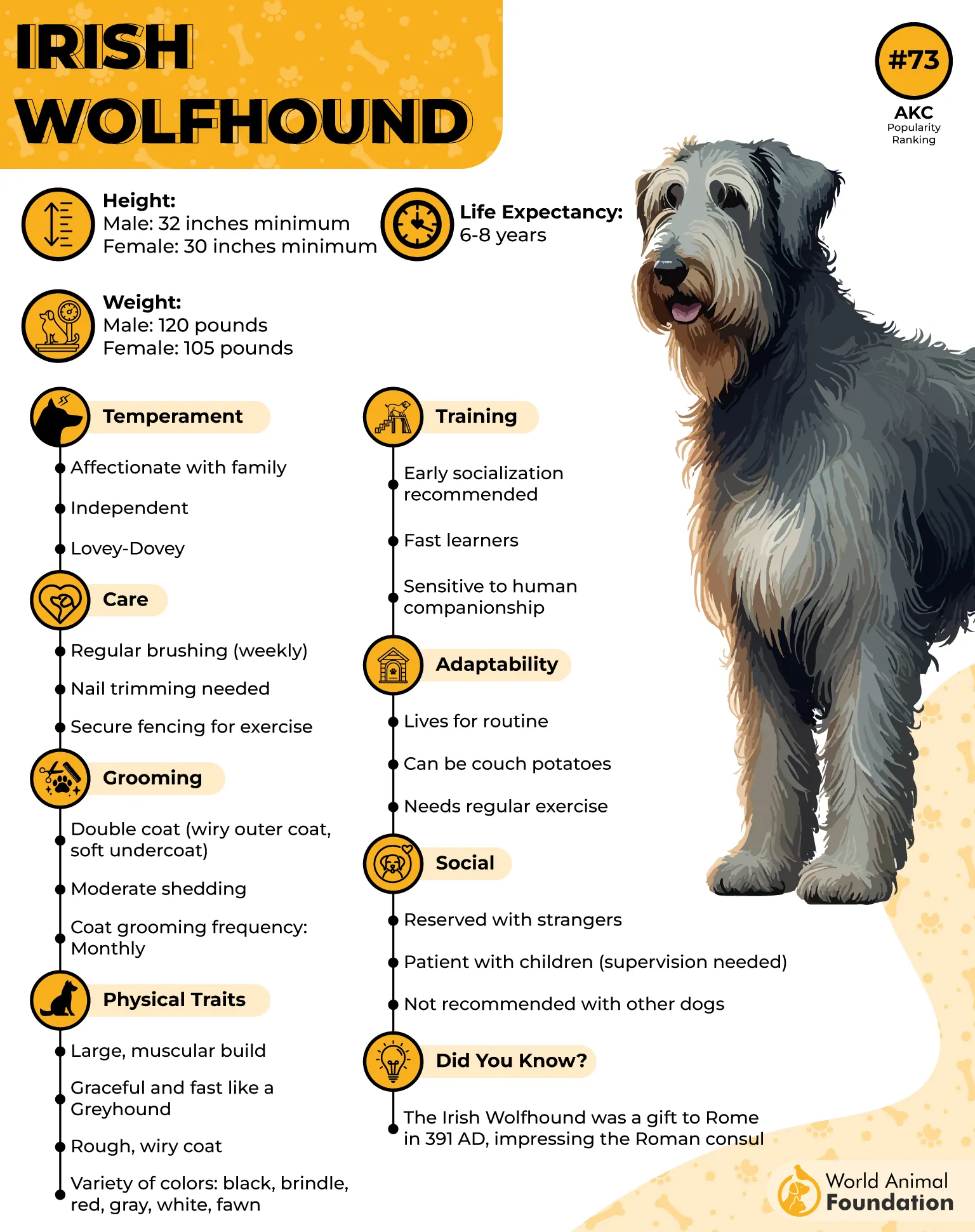
This breed requires daily exercise to maintain healthy joints and overall fitness, but activities should be moderate and avoid excessive strain. A balanced and steady lifestyle is essential for long-term well-being. With proper care, the Irish Wolfhound thrives as a noble companion that maintains a calm and steady temperament.
Conclusion
The world of forgotten giant dog breeds holds stories that go far beyond size and strength. These family dogs were shaped by history, bred to meet specific human needs and to serve in demanding, often dangerous roles. Today, that legacy lives on in their loyal nature, calm temperament, and deep emotional bonds with people.
Choosing a giant breed involves much more than simply appreciating its appearance. It requires understanding the level of care, training, space, and commitment these dogs need to thrive. When properly raised, these gentle giants grow into lifelong companions, combining quiet strength with unwavering devotion for those experienced dog owners who invest time, patience, and responsibility into their care.
