





Dog lovers and cat lovers often find themselves divided, yet many households happily welcome both species under one roof.
While popular belief paints dogs and cats as natural rivals, the reality is far more flexible when temperament, training, and breed tendencies are considered.
Certain breeds are especially known for their calm nature, lower prey drive, and sociable disposition, making them more likely to coexist peacefully with feline companions.
This is where the idea of selecting compatible breeds becomes important for maintaining harmony in a shared home.
In this guide, we will explore the top dog breeds that get along with cats and are generally recognized for their gentle behavior and adaptability in multi-pet environments.
With proper introduction, consistent training, and respectful space for both animals, these breeds often learn to live alongside cats without tension.
For families who refuse to choose between a wagging tail and a purring friend, these dogs can offer a balanced and peaceful companionship experience. Choosing the right breed can significantly reduce stress during introductions and improve long-term harmony between pets.
Dog Breeds That Avoid Conflict With Cats
1. Bichon Frise

Bichon Frise is a small, cheerful companion breed widely recognized for its gentle temperament and sociable nature, making it a strong candidate among dog breeds that tend to avoid conflict with cats.
It is known for its soft, hypoallergenic coat and expressive features that give it an approachable, friendly appearance in multi-pet households.
The breed is typically easygoing, adaptable, and enjoys companionship, which helps it integrate smoothly with resident cats when properly introduced.
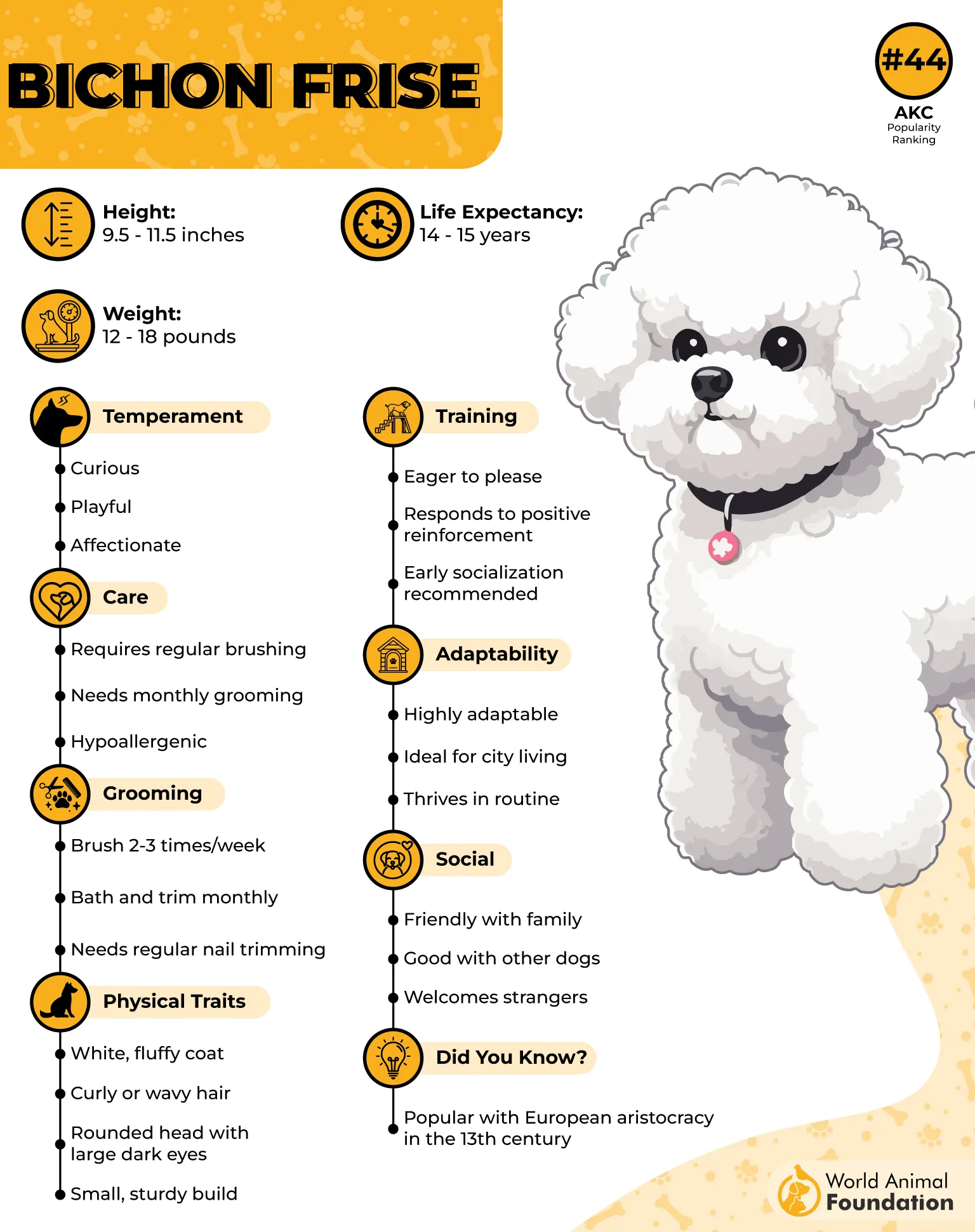
Bichons are alert and playful but not aggressive, preferring interaction and attention over territorial behavior, which reduces tension in shared spaces.
They respond well to training and socialization, allowing owners to guide positive interactions with cats and other household animals.
Their confident yet gentle personality makes them well-suited for homes where cats are already established, as they are more likely to approach with curiosity rather than aggression, supporting peaceful coexistence over time.
With proper introduction and routine, they often become affectionate companions that share space comfortably with feline friends in calm, balanced household environments, in daily life.
2. Beagle

Beagles are friendly, social, and energetic breeds often included among dogs that can coexist with cats when properly guided, as mentioned by Petplan.
Known for its cheerful personality and strong pack-oriented nature, it generally enjoys companionship and does not prefer isolation, which can help it adjust well in a multi-pet household.
Beagles are intelligent and respond well to consistent training, especially when mental stimulation and routine activities are provided to keep them engaged and content.
Their naturally sociable temperament allows them to bond with both humans and other animals, including cats, particularly when introductions are handled gradually and positively.

However, because the breed has a well-developed hunting instinct, early supervision is important to ensure respectful behavior around smaller household animals. With proper structure, they can learn boundaries and coexist peacefully rather than showing chase-driven reactions.
Their playful yet affectionate disposition often supports long-term harmony in homes with cats, making them a manageable choice for families seeking balance between canine energy and feline calm.
When raised in a stable environment, Beagles can adapt well and become friendly companions that share space with cats without ongoing conflict or tension in everyday living situations.
3. Havanese

Havanese is a small, affectionate companion breed often regarded as a suitable choice for households with cats due to its gentle, people-oriented temperament.
It thrives on frequent interaction with humans and generally adapts well to other pets when properly socialized, which supports peaceful multi-pet living environments.
This small breed is active and enjoys outdoor play, walks, and interactive games, yet remains manageable in indoor settings.
While it can serve as an alert watchdog, its small frame and friendly nature make it unsuitable as a guard dog. Proper training is important because occasional barking may occur without guidance.

In cat-friendly homes, Havanese usually coexist peacefully with feline companions when introductions are gradual and supervised. They require regular grooming several times per week to maintain coat health and prevent tangling.
This breed does best in homes where it is not left alone for long periods and receives consistent companionship and mental stimulation.
Additionally, its calm, affectionate temperament helps it adjust to feline household routines, making it a reliable companion in multi-pet homes where cats are present in daily life
4. Labrador Retriever

Labrador Retriever is widely recognized as one of the most friendly and adaptable dog breeds, making it a strong candidate for households that include cats.
Originally developed as a working and retrieving companion, it has evolved into one of the most popular family dogs due to its affectionate and people-oriented nature.
Labradors are highly social, enjoying constant interaction with both humans and other animals, which often helps them adjust well in multi-pet environments.

Their even temperament and willingness to please make training relatively straightforward, allowing owners to establish boundaries that support peaceful coexistence with cats.
In most cases, they are gentle, playful, and non-aggressive, which reduces the likelihood of conflict when properly introduced to feline companions. Early socialization plays an important role in shaping calm behavior around smaller animals in the home.
Their energetic but friendly personality allows them to share space comfortably with cats, especially in structured environments where both pets understand routines.
With consistent guidance, Labradors typically form tolerant, respectful relationships with cats, making them one of the most dependable breeds for families seeking harmony between canine and feline companions in everyday household life.
5. Golden Retriever

Golden Retriever is widely known for its gentle temperament and friendly disposition, making it one of the most dependable breeds in households where cats are present.
Originally developed as a retrieving and working companion, it has become a popular family dog due to its affectionate, social, and easygoing nature.
This breed generally shows a strong desire to bond with all members of the household, including other pets, which often allows it to coexist peacefully with feline companions.

With proper introductions and early socialization, Golden Retrievers are typically patient and tolerant, reducing the chances of territorial or aggressive behavior toward cats.
Their playful personality means they may occasionally approach cats with enthusiasm, so giving feline companions space and control over interactions helps maintain balance.
They respond well to training and household routines, which support structured, calm living environments.
Because of their cooperative and non-aggressive nature, they are often included among dog breeds that can avoid conflict with cats, especially in homes where both animals are raised with guidance and mutual respect from an early stage.
6. Cavalier King Charles Spaniel

Cavalier King Charles Spaniel is a gentle and affectionate companion breed that is widely appreciated for its calm temperament and strong desire for close human interaction.
Historically developed as a lap companion for nobility, it has retained its deeply social and people-oriented nature, which also translates into positive behavior around other household pets.
This breed is known for its patience, friendliness, and adaptability, making it especially suitable for homes where cats are already present, as mentioned by PetMD.

When introduced properly, this cat-friendly dog typically shows curiosity and warmth rather than aggression, allowing it to share space peacefully with feline companions.
Its easygoing personality helps reduce tension in multi-pet environments, and it often prefers companionship over confrontation. With consistent socialization, it learns to respect boundaries and coexist harmoniously with other breeds in the home.
The breed’s calm demeanor and affectionate character make it a reliable choice for families seeking harmony between dogs and household cats, as it is naturally inclined toward companionship and avoids territorial behavior in most situations.
Because of its stable temperament and gentle approach to interaction, it is frequently considered one of the more cat-compatible dog breeds for peaceful household living.
7. Basset Hound

Basset Hound is a calm, easygoing scent hound known for its gentle temperament, which can make it a suitable companion in homes that include cats when proper introductions are made.
Despite its background as a tracking breed, it is generally laid-back indoors and prefers relaxed environments over high activity, which often reduces conflict with feline housemates.
With early socialization, it can learn to respect boundaries and share living spaces peacefully with other pets. This breed is typically affectionate, social, and enjoys companionship, making it less likely to show persistent territorial behavior.

However, consistent supervision during initial interactions with cats is important to ensure smooth adjustment and mutual comfort.
Basset Hounds also benefit from mental stimulation and regular interaction, as they can become bored if left alone for long periods.
Providing toys, company, or structured routines helps maintain balanced behavior in multi-pet households.
Their steady temperament and tolerant nature often allow them to coexist peacefully with cats, especially in homes where routines and introductions are managed thoughtfully, and patience is prioritized over rushed integration.
8. Pug

Pugs are charming, affectionate companion breeds often included among dogs that can peacefully share homes with cats when properly socialized.
Known for its playful yet gentle personality, it thrives on human attention and tends to form close bonds with family members and other household pets.
Its generally easygoing temperament allows it to adapt well to multi-pet environments, especially when introduced to cats calmly and gradually.
Pugs are not typically aggressive and prefer companionship over confrontation, which supports peaceful coexistence in shared living spaces.

They enjoy indoor living and moderate activity, making them well-suited to stable household routines where cats are already present. Early training and supervision help reinforce respectful behavior and prevent jealousy or overexcitement around feline companions.
With consistent guidance, they often learn to respect boundaries while still maintaining their friendly and social nature.
Their affectionate disposition and desire for companionship make them reliable candidates for families seeking harmony between dogs and cats in everyday home life, with consistent calm supervision and patience applied.
9. Boston Terrier

Boston Terrier is a lively, intelligent, and friendly breed often considered suitable for households that include cats when properly guided through early socialization.
Known for its affectionate and people-oriented personality, it tends to form strong bonds with family members and generally extends that friendly attitude toward other pets in the home.
This breed is playful and energetic, enjoying interactive activities and mental engagement, yet it can adapt well to structured household routines.
With consistent training, it learns boundaries that help reduce possessive behavior around toys or food, which supports smoother coexistence with feline companions.

Boston Terriers are typically sociable and open in temperament, which allows them to adjust to multi-pet environments without significant conflict.
However, their strong attachment to owners means they may require attention and gradual training to avoid overexcitement around cats. When introduced carefully, they can coexist peacefully and even enjoy shared living spaces with feline housemates.
Their combination of friendliness, intelligence, and adaptability makes them a practical choice for families seeking a balanced home environment where dogs and cats live together with mutual respect and minimal tension.
10. Maltese

Maltese is a gentle, affectionate, and highly people-oriented companion breed often regarded as suitable for homes that include cats when properly socialized.
Known for its lively and playful nature, it thrives on close companionship and prefers staying near its family, which helps it adapt to multi-pet environments where constant interaction is present.
This breed is generally friendly and sociable with other animals, including cats, especially when introductions are handled calmly, and early boundaries are established, as mentioned by Omlet.
Its intelligent and responsive nature makes training relatively straightforward, allowing owners to encourage respectful behavior in shared spaces.

Maltese dogs enjoy indoor living and light activity, making them well-suited for households where cats are already established and routines are consistent.
While they may form strong attachments and dislike being left alone for long periods, structured companionship helps maintain emotional balance.
With proper socialization, they typically coexist peacefully with feline housemates and show curiosity rather than aggression.
Their gentle temperament, affectionate personality, and desire for constant companionship make them a reliable option for families seeking harmony between small dogs and cats in everyday home life with calm supervision and patience.
Conclusion
Dogs and cats can share a peaceful and enriching home when compatibility, training, and early socialization are prioritized.
Choosing dogs with calm temperaments, moderate energy levels, and lower prey instincts greatly increases the chances of harmony in multi-pet households.
Gradual introductions, consistent routines, and respectful boundaries allow both animals to feel secure and reduce the likelihood of tension. Supervision during initial interactions is essential, along with providing each pet its own safe space.
With patience and proper guidance, many dogs can coexist comfortably with feline companions, creating a balanced and cooperative household environment.
