




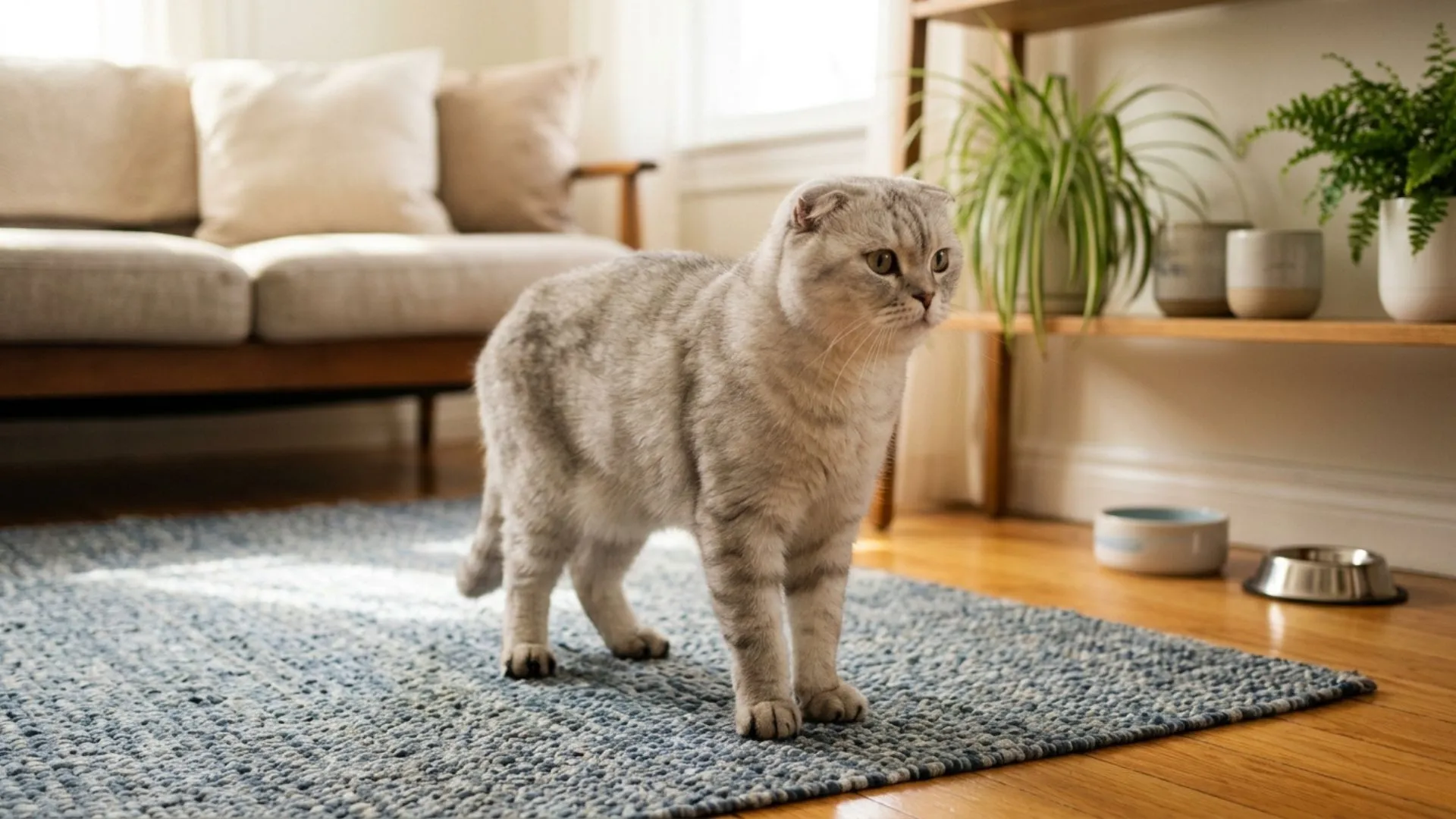
MD: Explore cat breeds that thrive on routine, discovering why structure, consistency, and daily schedules help these felines feel secure and happy.
Cats are often celebrated for their independence, but beneath that self-assured exterior, many breeds rely heavily on routine to feel secure. For some cats, predictability isn’t just a preference—it’s essential.
Regular feeding times, consistent play sessions, and familiar daily patterns help these felines stay calm, confident, and emotionally balanced. When routines are disrupted, stress-related behaviors can quickly appear, especially in breeds that depend on structure to navigate their world.
Understanding why some cats depend on routine more than others comes down to temperament, sensitivity, and instinct. Certain breeds are naturally more cautious and observant, thriving when their environment follows a steady rhythm.
Structure supports a cat’s mental health by reducing anxiety and giving them a sense of control, while also benefiting physical health through regulated eating, sleeping, and activity cycles.
If you value order—or already live by one—these cats can be ideal companions. In this article, we’ll explore cat breeds that truly thrive on routine and why consistency helps them live happier, healthier lives alongside their humans.
Cat Breeds That Thrive on Routine
1. Persian
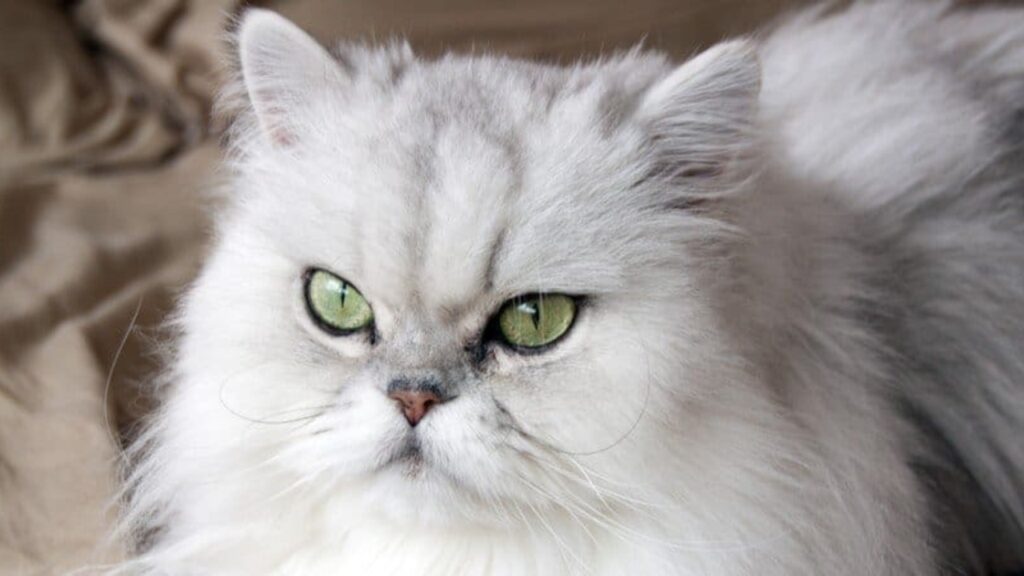
According to Britannica, the Persian—also called the longhair—is a popular long-haired cat breed recognized for its dignified appearance, flat nose, doll-like face, and stocky build.
Persians carry a calm, regal presence and are happiest in homes where life moves at a steady, predictable pace.
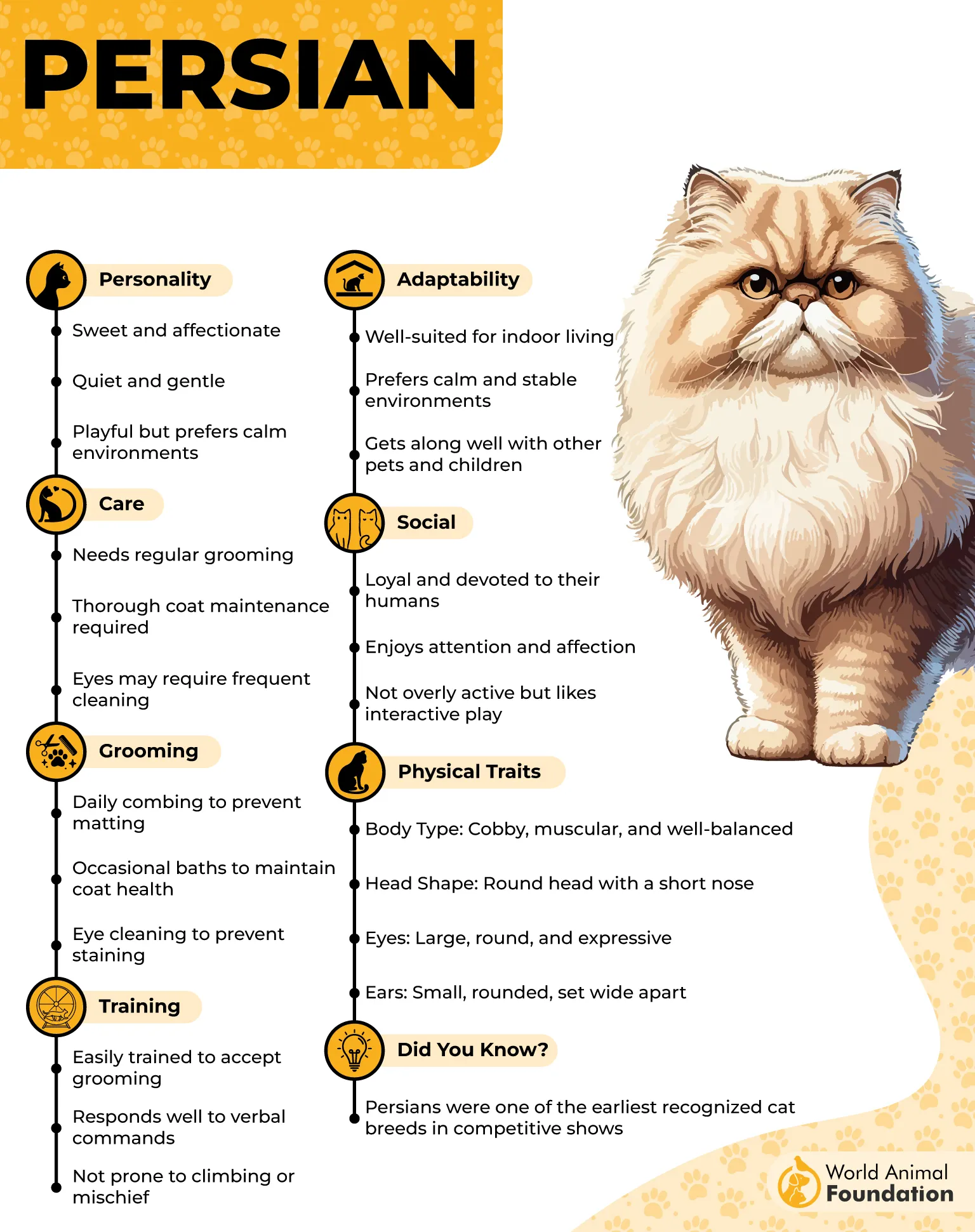
Routine is deeply comforting for Persians, who prefer meals, grooming, and rest to happen at familiar times each day. Sudden changes, loud environments, or frequent disruptions can easily unsettle them, making consistency essential to their emotional well-being.
These cats flourish in quiet households where afternoons are spent lounging in favorite sunny spots and evenings follow a familiar rhythm. Regular grooming sessions become a soothing ritual rather than a chore, reinforcing the bond between cat and owner.
Persians form strong attachments to their families but appreciate slow introductions to new people or pets. Their laid-back nature makes them ideal companions for owners who value structure, tranquility, and routine-driven comfort.

Fact: Persian cats are known for thriving best in calm homes with predictable daily schedules and consistent grooming routines.
2. Ragdoll
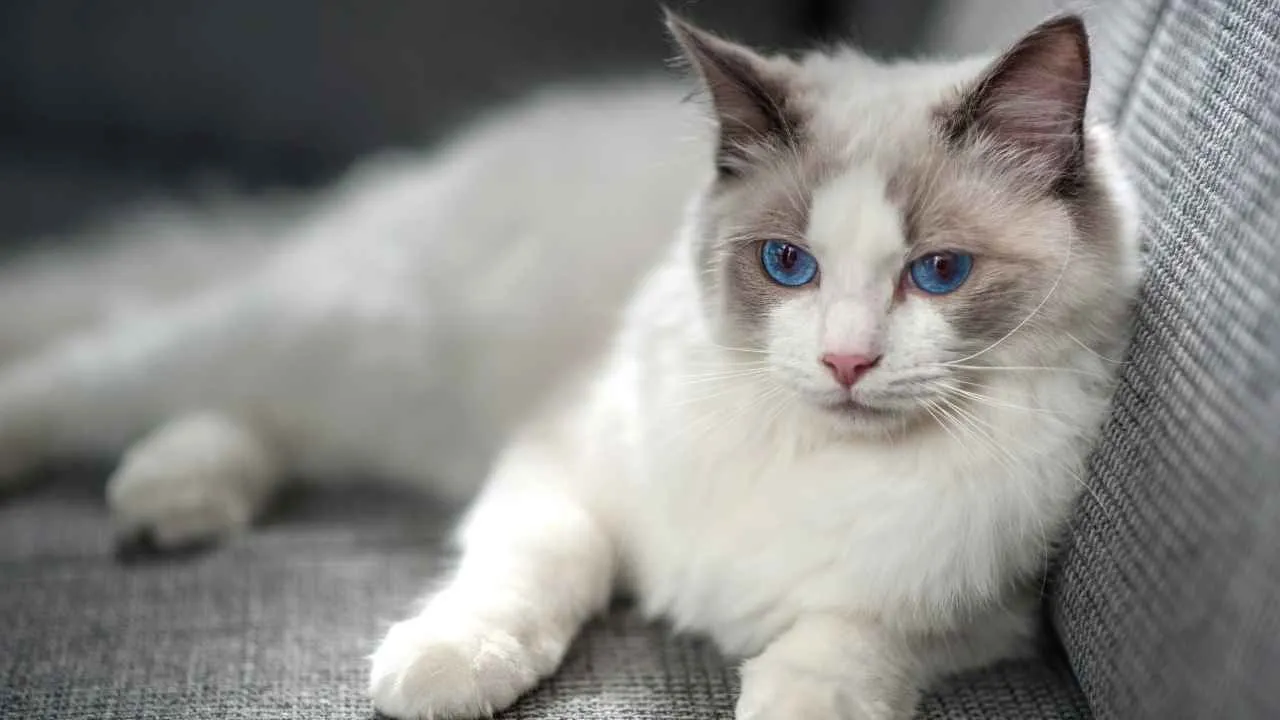
Ragdolls, also known as “floppy cats” due to their tendency to relax completely when held, are large, blue-eyed felines with soft, semi-long coats and an unmistakably gentle presence.
According to PetMD, the Ragdoll is named for its well-known tendency to go completely limp and relaxed when it is petted, cuddled, or held.
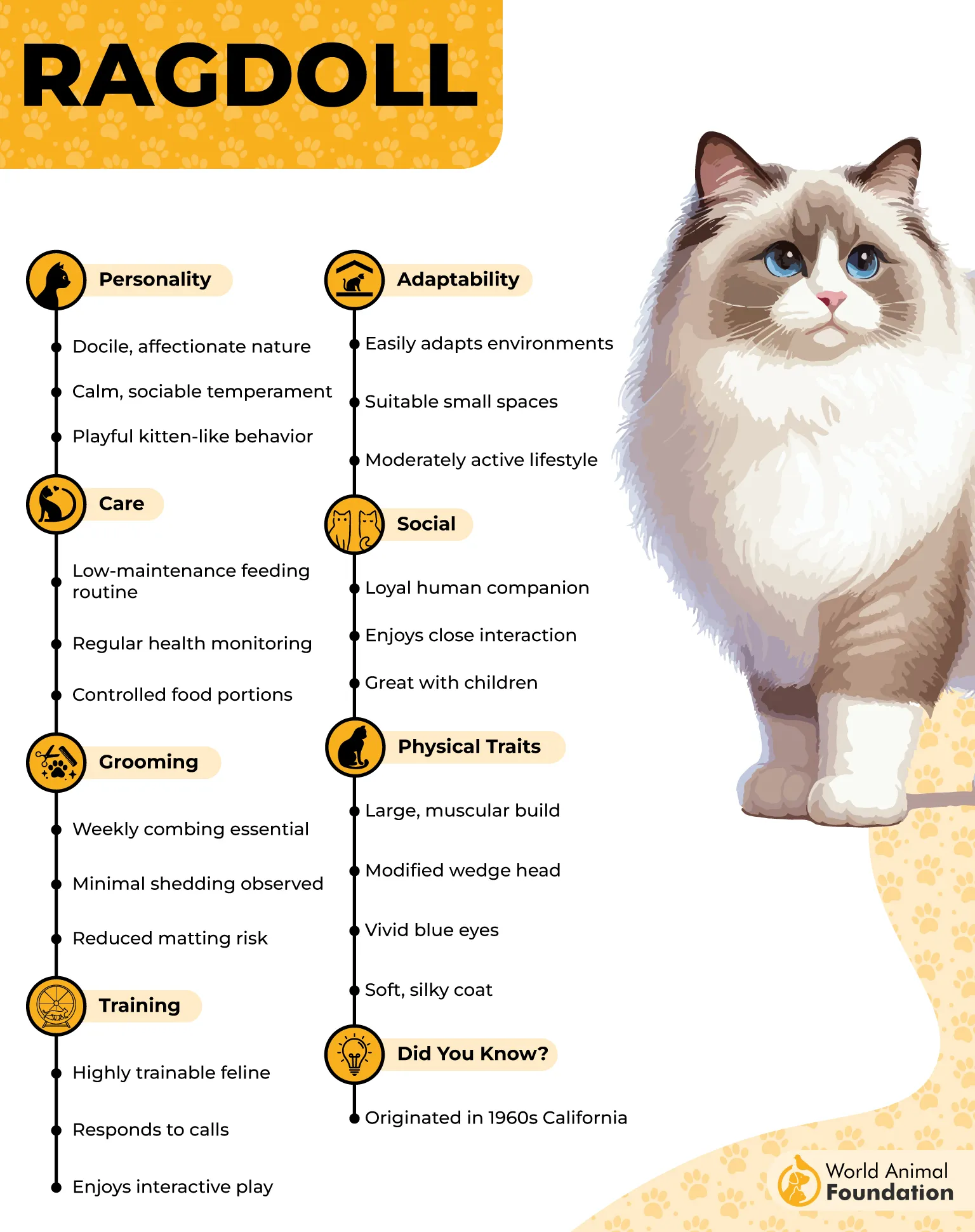
A predictable daily schedule is truly a Ragdoll’s comfort zone. Regular meal times, planned play sessions, and consistent cuddle routines help them feel secure and emotionally balanced. Sudden changes in timing or environment can leave them unsettled.
Because they’re sensitive to household energy, Ragdolls thrive in homes that value structure over chaos. Quiet evenings, repeated rituals, and familiar faces allow their relaxed nature to shine and prevent stress-related behaviors.
They’re intelligent and respond well to routine-based training, quickly learning litter habits, simple tricks, and even games like fetch when reinforced consistently.
Fact: Ragdolls are known to roll onto their backs and expose their belly when they feel safe, relaxed, and fully trust their routine and people.
3. British Shorthair
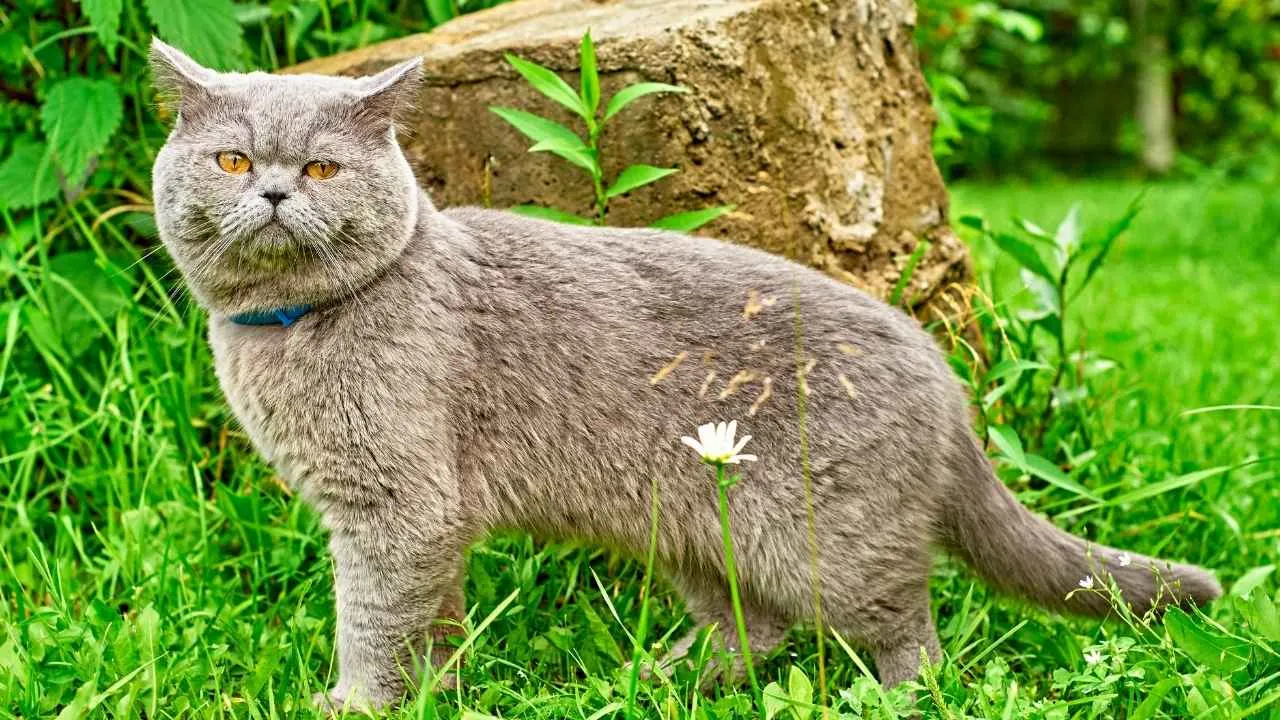
Often called the British Blue, the British Shorthair is instantly recognisable by its round face, dense plush coat, and solid, teddy-bear build.
According to WebMD, British Shorthairs are relaxed cats that can do well when left on their own. Calm and dignified, this breed is known for its quiet confidence and steady temperament.
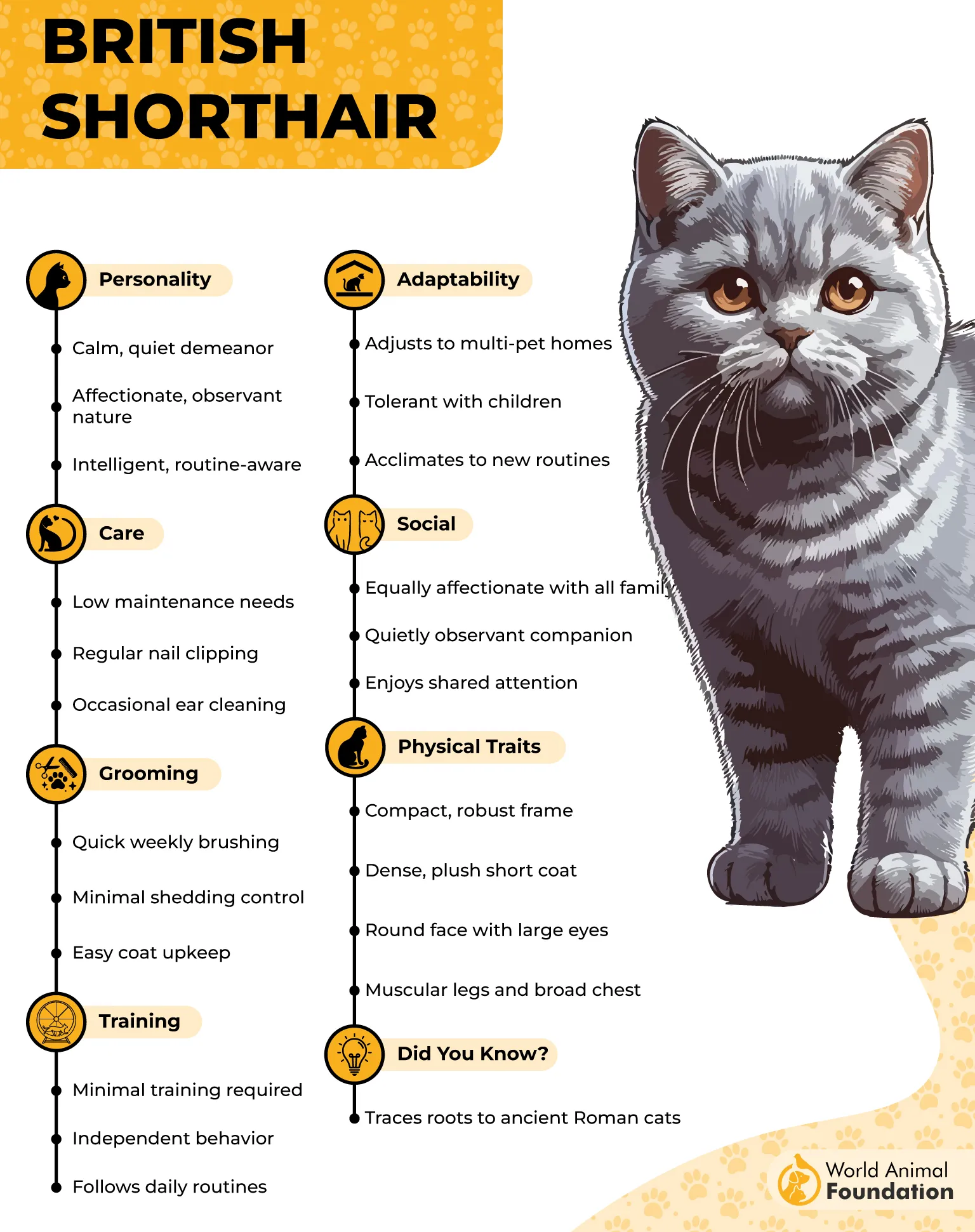
British Shorthairs are creatures of habit who feel most comfortable when daily routines stay the same. Regular feeding times, familiar sleeping spots, and predictable human schedules help them remain relaxed and emotionally balanced.
Sudden changes—like rearranged furniture or delayed meals—can make them uneasy, as they prefer a low-stress environment with minimal surprises. They show affection subtly and on their own terms, thriving when their boundaries are respected.
This breed suits households with consistent rhythms, such as people who work regular hours and enjoy orderly living. British Shorthairs rarely demand attention but quietly enjoy shared routines that reinforce trust and stability.
Fact: British Shorthairs are often described as gentle, quiet cats that bond strongly with their owners while remaining patient, independent, and comforted by consistency.
4. Scottish Fold
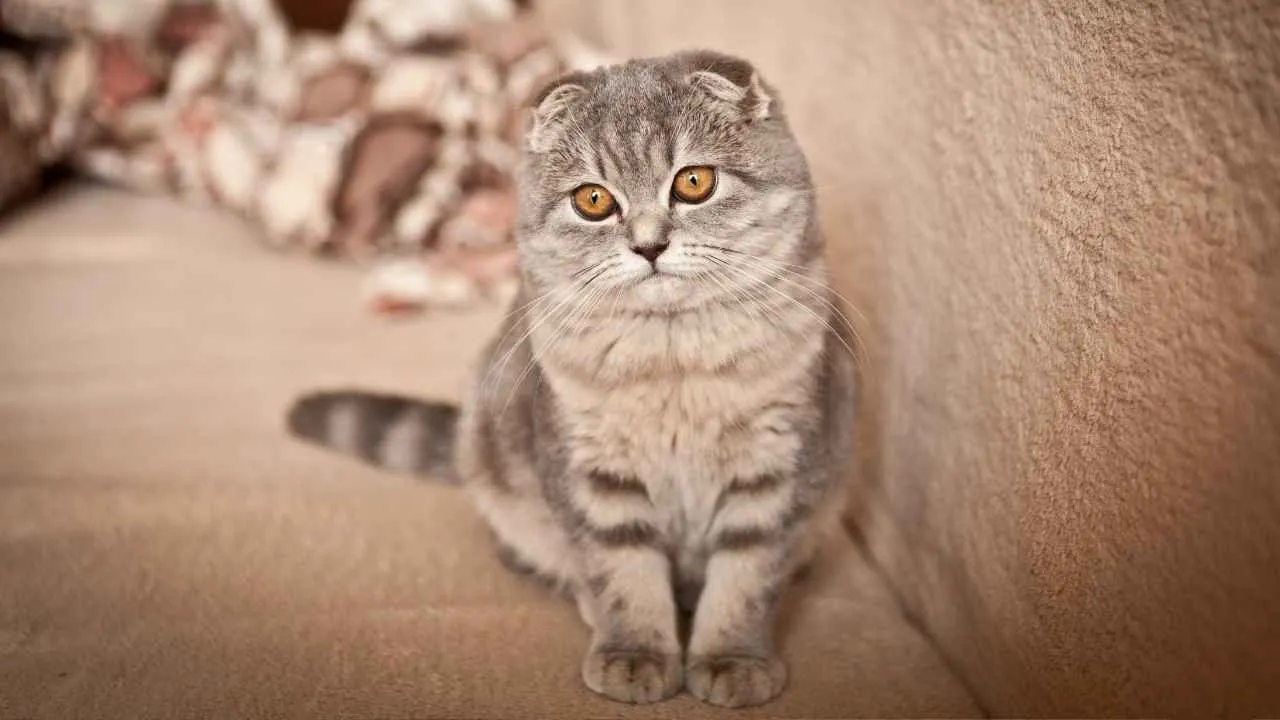
Often called the Scottish Fold cat, this breed is instantly recognized by its signature folded ears and round, expressive eyes. Medium-sized and plush-coated, they come in both short- and long-haired varieties with a calm, affectionate presence.

Scottish Folds feel most at ease when their days follow a predictable rhythm. Timed meals, familiar sleeping spots, and regular play sessions help them feel secure and emotionally balanced. Sudden changes can make them withdrawn.
This breed forms strong bonds with family members and prefers quiet, steady households. Daily rituals—like evening cuddles or scheduled play—allow their gentle personality to shine without overstimulation or stress.
Because they thrive indoors and value familiarity, Scottish Folds do best in homes that respect consistency. Their loyalty grows stronger when routines stay intact, and expectations remain clear.
Fact: Scottish Folds are known to retreat when feeding or sleeping routines are disrupted, showing how deeply they rely on consistency.
5. Russian Blue
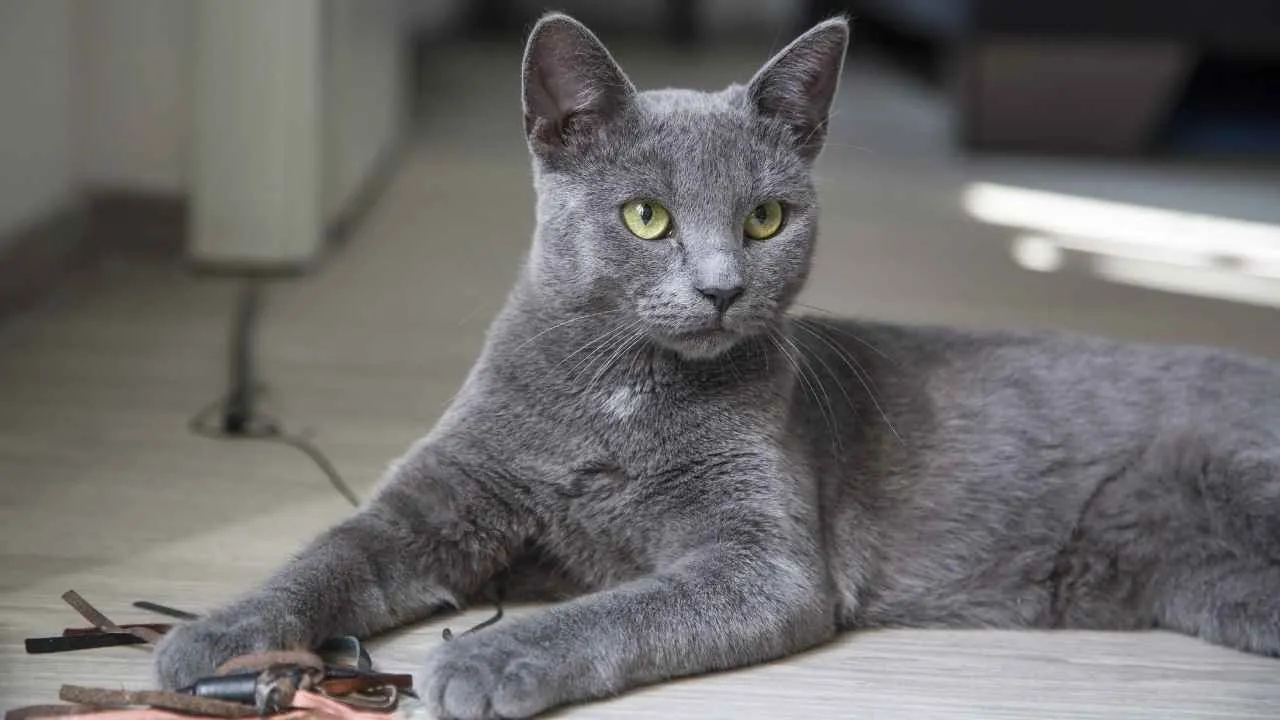
Also known simply as the Russian Blue, this elegant breed is instantly recognizable by its silver-blue coat, vivid green eyes, and refined build. Reserved yet affectionate, they form strong bonds and favor calm, orderly homes.
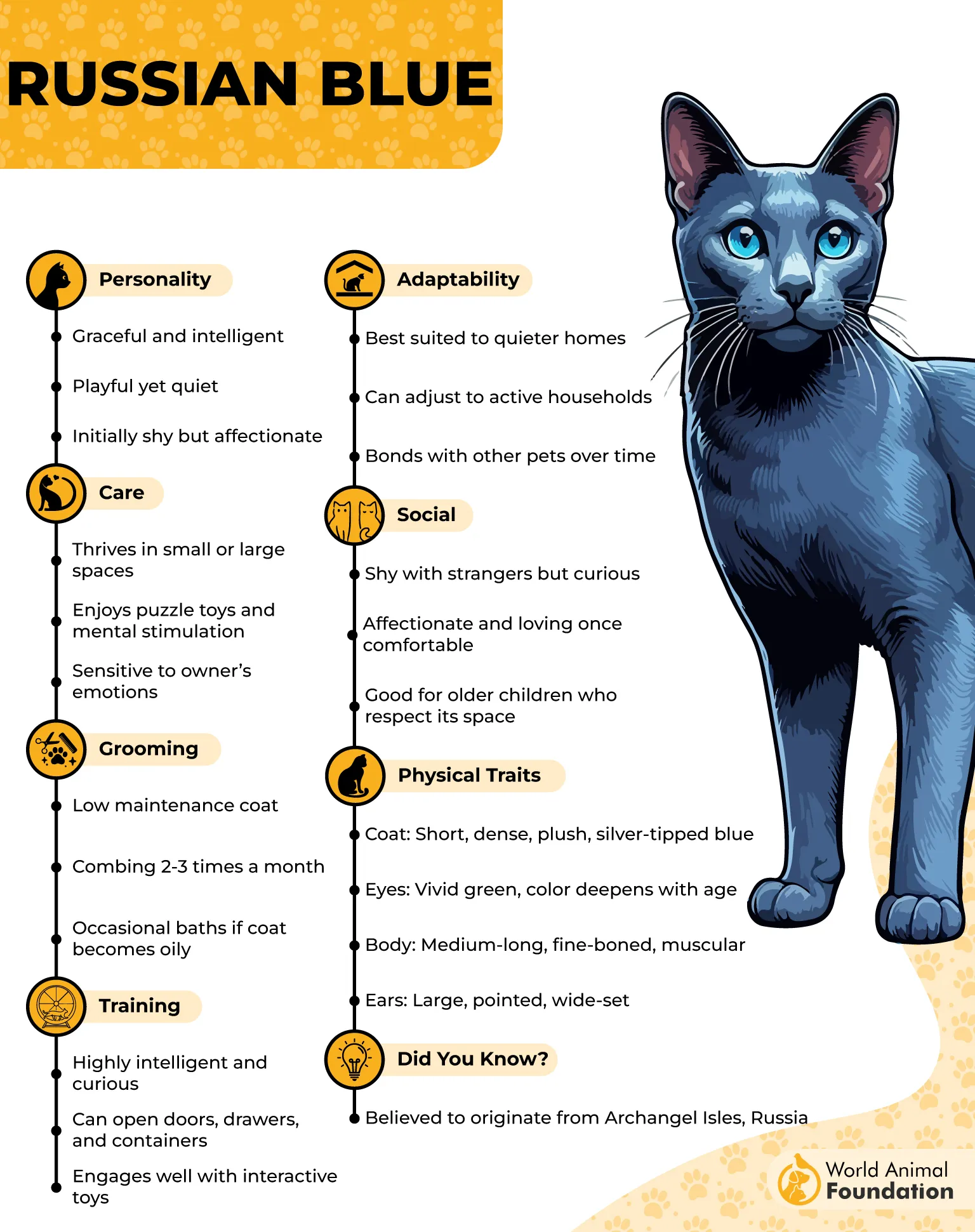
Russian Blues are true creatures of habit, quickly memorizing feeding times, quiet hours, and preferred nap spots. Consistent daily schedules help them feel secure and reduce anxiety caused by unexpected changes.
Even small disruptions—like moving furniture or switching food bowls—can unsettle them, making routine especially important. They thrive when introductions to new people or objects happen slowly and predictably.
With their gentle temperament, Russian Blues appreciate peaceful environments where life follows a steady rhythm. Once comfortable, they reward routine-loving owners with loyalty, soft affection, and dependable companionship.
Fact: Russian Blues are known to hide during noisy gatherings and feel happiest in quiet homes with predictable daily routines.
6. Birman
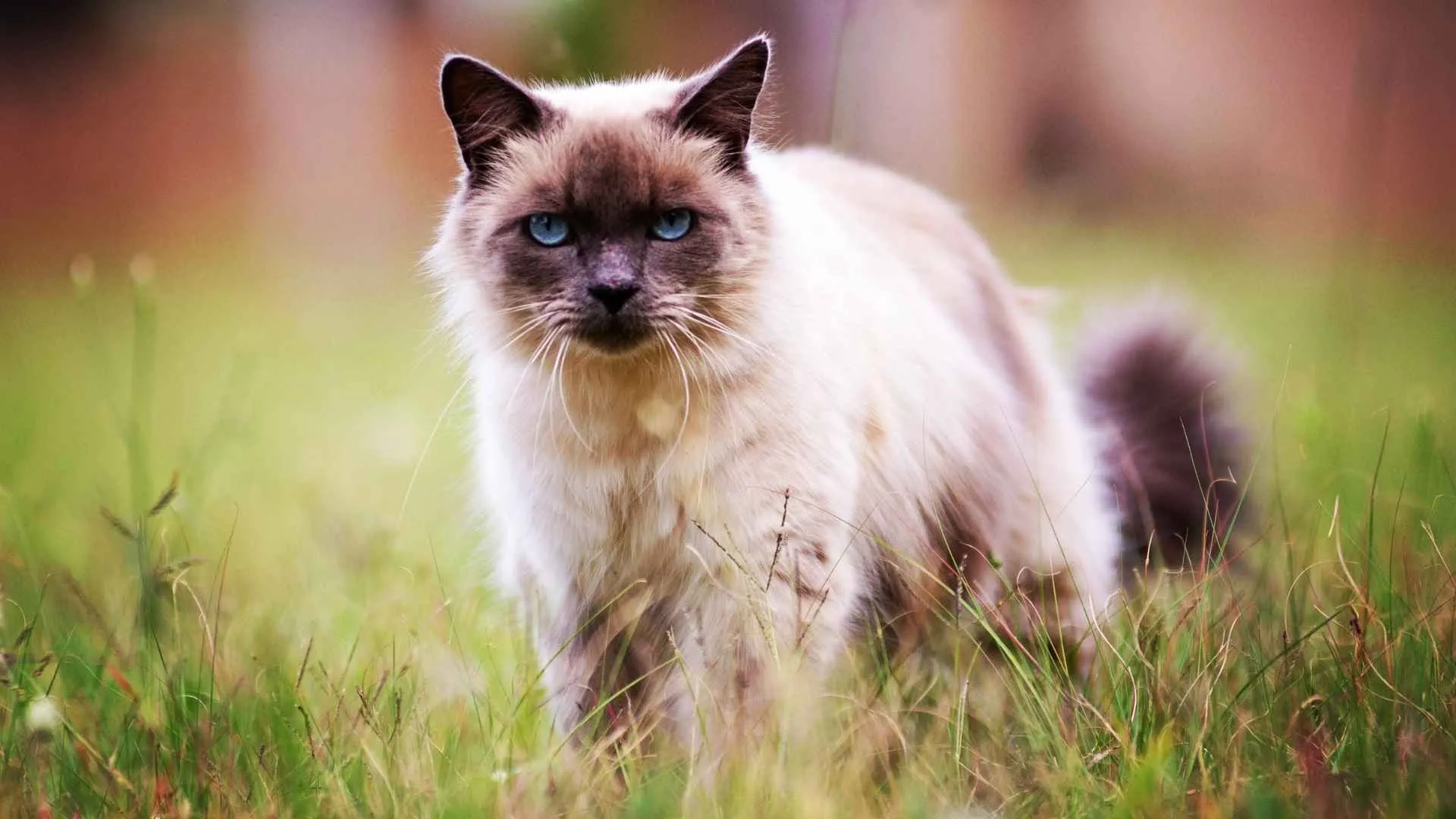
Often known as the Sacred Cat of Burma, the Birman is admired for its calm presence, silky coat, and striking blue eyes. This breed is deeply family-oriented and feels most secure when daily life follows familiar rhythms.

Birmans are happiest in homes where routines are predictable and consistent. Regular feeding times, scheduled play, and quiet evening cuddles help them feel settled and emotionally balanced in their environment.
Sudden changes can easily unsettle a Birman, causing them to withdraw or become anxious. Because they are sensitive to even small disruptions, they thrive when structure supports their gentle, observant nature.
While adaptable and curious, Birmans prefer knowing what comes next in the day. A stable routine allows them to offer affectionate companionship and remain relaxed, content, and closely bonded to their humans.
Fact: Birmans are often described as “shadow cats,” staying close and quietly participating in their family’s daily routine.
7. Chartreux
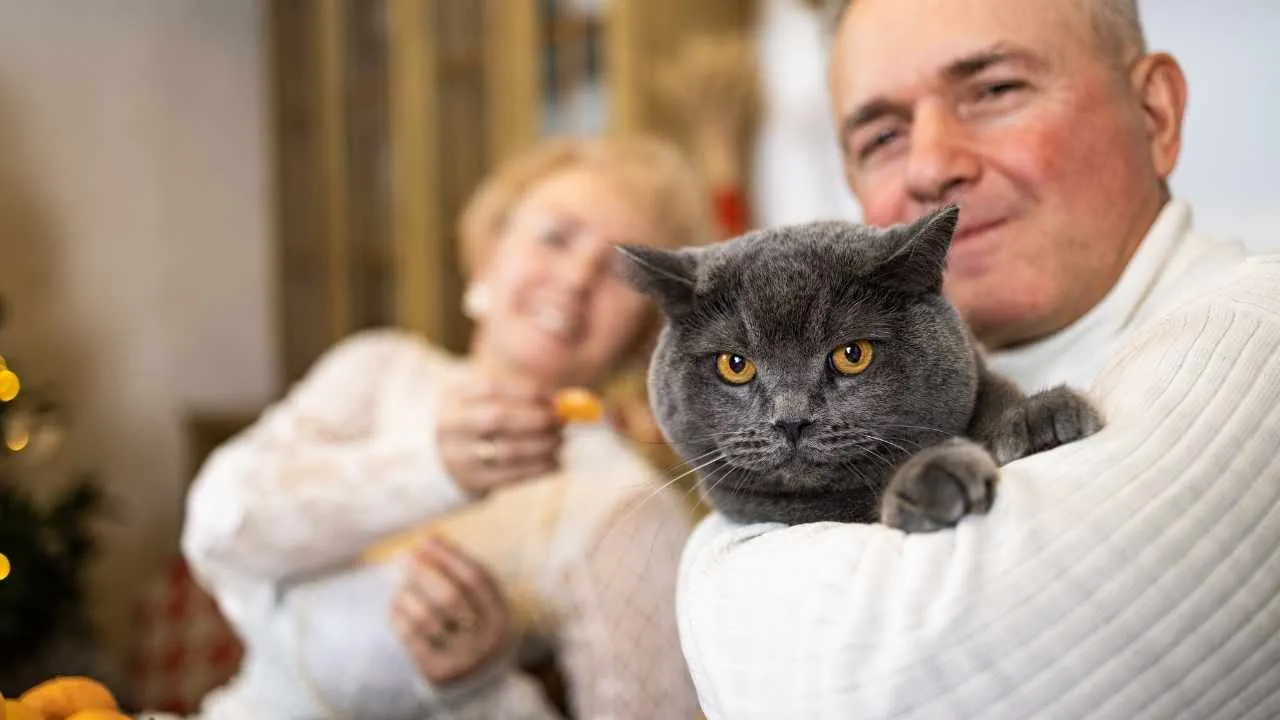
Also known simply as the French Blue cat, the Chartreux is a rare breed admired for its plush blue-gray coat, copper eyes, and calm, observant demeanor. With a sturdy build and a soft, smiling expression, this breed carries a quiet confidence that suits orderly homes.
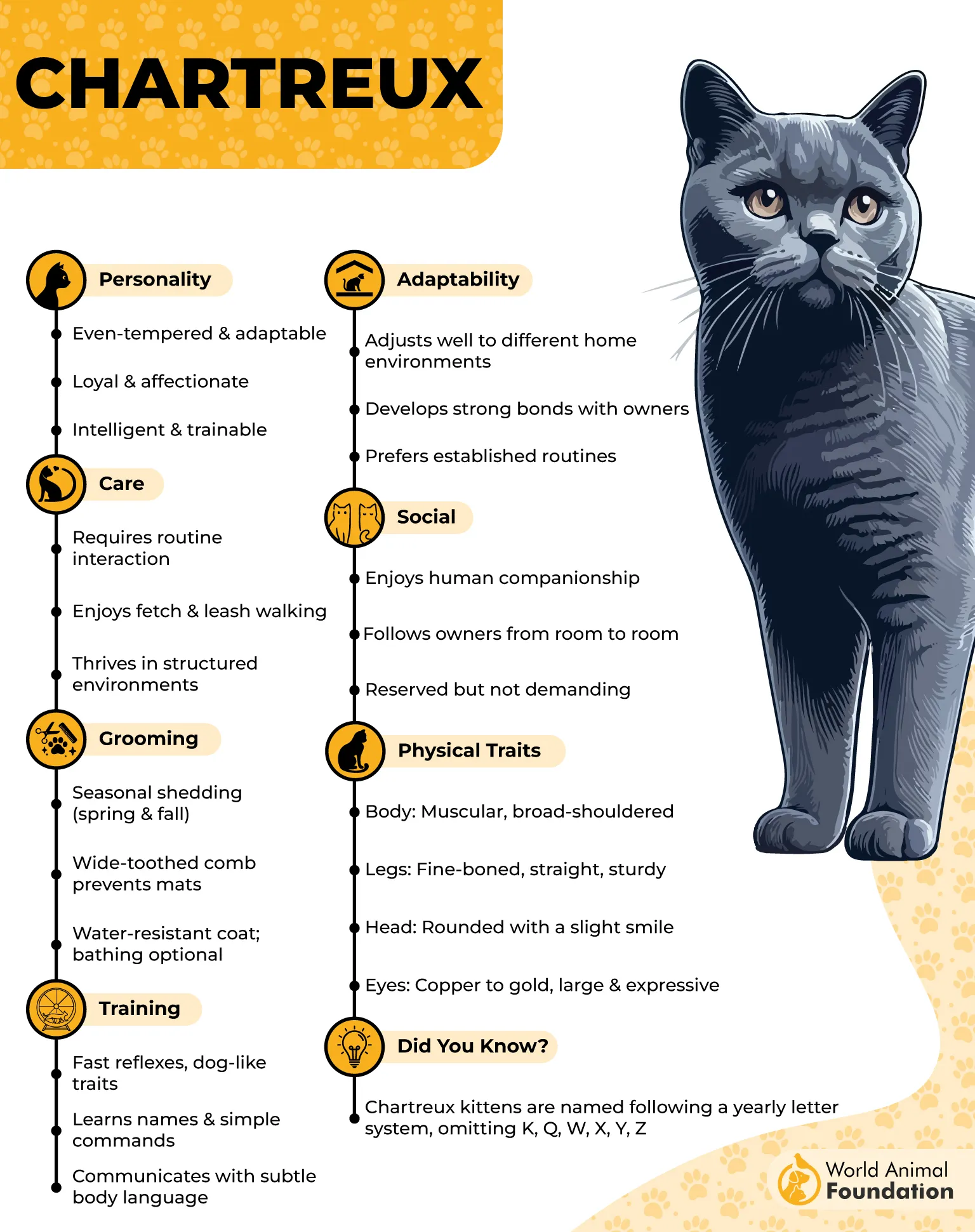
Chartreux cats truly shine in predictable environments. They feel safest when meals, rest, and family activities follow a familiar rhythm, often anticipating daily events like feeding time or evening relaxation. Consistency helps them remain relaxed and emotionally balanced.
While deeply bonded to their humans, Chartreux cats are cautious with change. New people or sudden schedule shifts can make them temporarily reserved, so gradual adjustments and steady routines are essential for their comfort and trust.
Their gentle, undemanding nature makes them ideal for households that value calm and repetition. Though affectionate, they express loyalty quietly, preferring shared routines over constant attention.
Fact: Chartreux cats are known for being soft-spoken and often communicate needs through subtle gestures rather than loud meowing.
Conclusion
Cats that thrive on routine remind us how deeply structure supports a feline companion’s emotional balance and overall well-being.
Regular mealtimes, a clean litter box, and familiar spaces such as a cat tree or scratching posts help cats thrive while honoring their natural instincts. Even high-energy and playful cats benefit from predictable schedules paired with interactive play and positive reinforcement.
For a family home, routine also strengthens the bond between a feline friend and their humans. Shared quality time, environmental enrichment, and calm interactions support healthy behavior and may even reduce health issues.
Whether living alongside dogs or other pets, gentle giants and curious climbers alike feel safer when expectations are clear. With structure, patience, and thoughtful care, these cats don’t just adapt—they truly flourish.
