




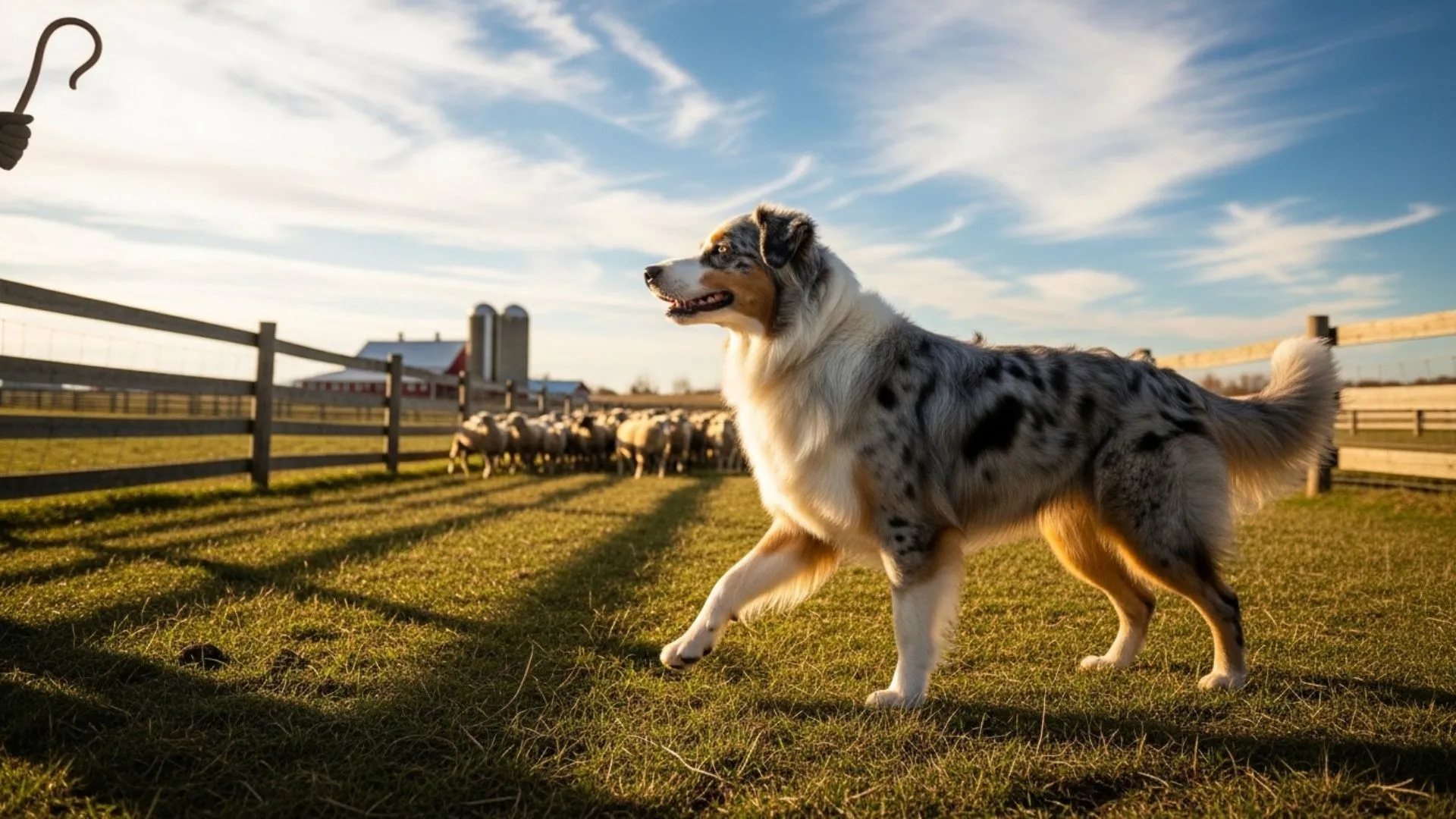
There’s something undeniably impressive about dogs that don’t just look cute; they actually get the job done. On a busy farm, where every day brings new challenges, the right dog isn’t just a pet, but a trusted partner.
Herding, farming, and working dogs have been helping humans for centuries, using their intelligence, strength, and instincts to protect property and manage livestock. What truly sets them apart is their ability to read situations, respond to subtle cues, and handle animals with remarkable precision.
But life with a herding dog isn’t only about work. It’s about the strong bond that forms when you rely on each other. Over time, they become part of your daily rhythm, your routine, and your way of life. Their energy, focus, and drive keep them ready for action whenever they’re needed.
In this guide, we’ll explore some of the most powerful and capable dog breeds that truly excel in herding and farm work, and why they’ve earned their place as some of the most trusted working dogs in the world.
Mighty Dog Breeds Ideal for Herding and Farm Work
1. Australian Cattle Dog
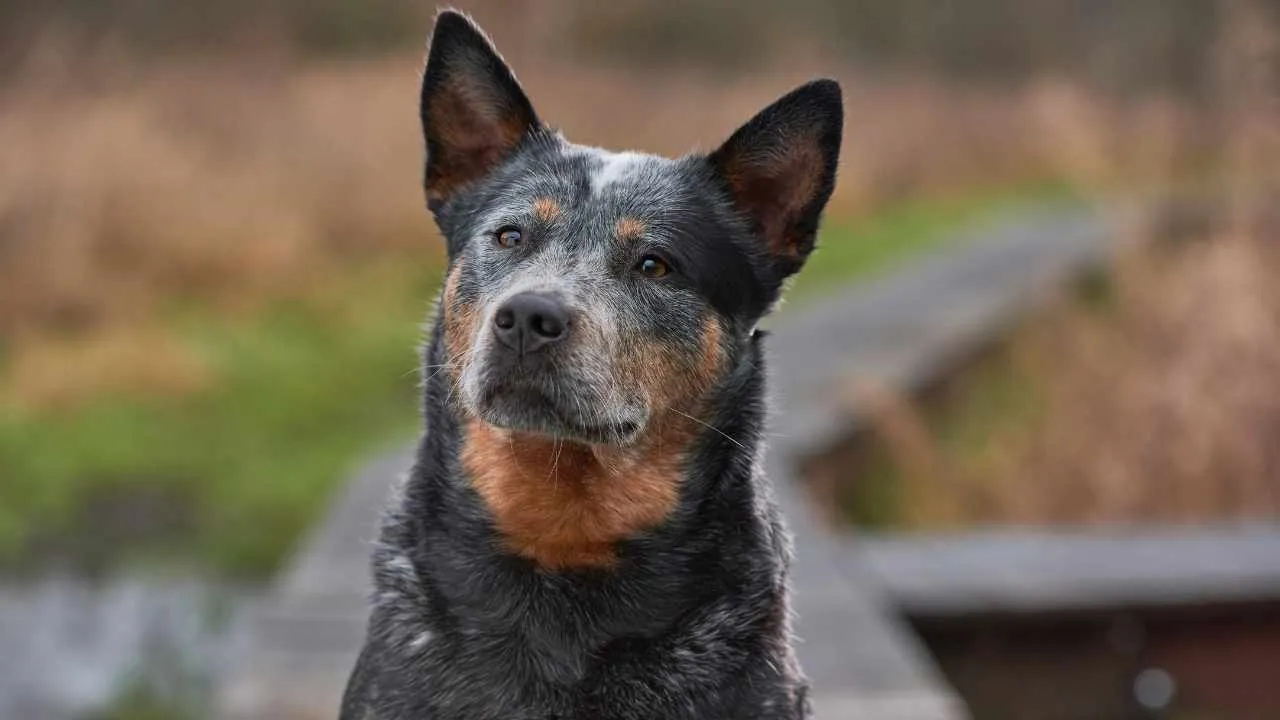
The Australian Cattle Dog is a compact, muscular, and incredibly tough working dog originally bred to handle cattle across the vast and harsh landscapes of Australia. Its short, dense coat is low-maintenance and easy to care for, making it well-suited for demanding outdoor work.
Fact
According to Purina, Australian Cattle Dogs are born completely white before their signature markings develop as they grow.
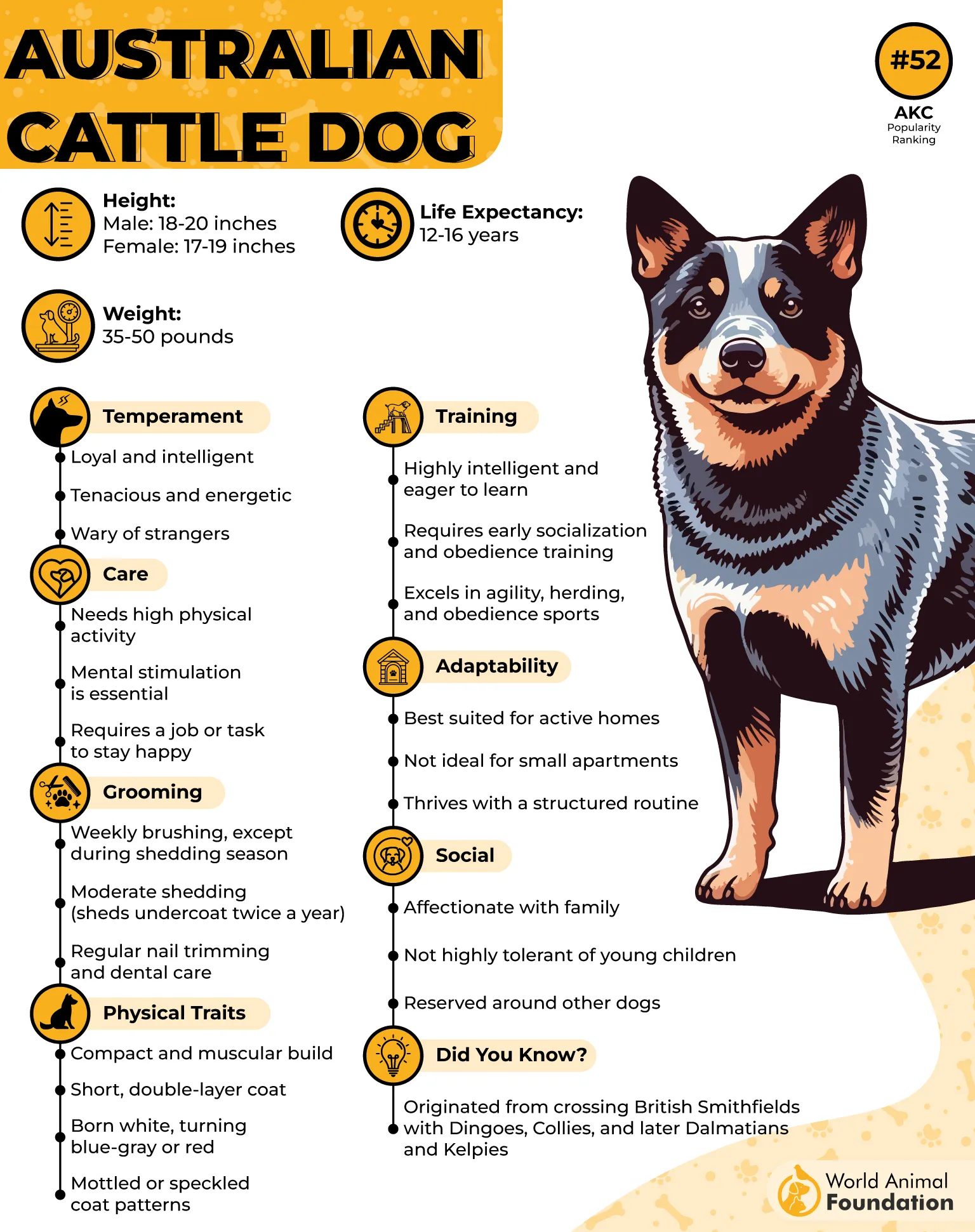
This breed is loyal to the core, but not overly clingy. It builds a strong bond with its owner and naturally develops protective instincts. Thanks to its sharp intelligence, it learns quickly and retains training exceptionally well.
Known for its incredible stamina, the Australian Cattle Dog can work for long hours without tiring. Its strong problem-solving ability allows it to handle unpredictable livestock behavior independently, while its alert and observant nature ensures that nothing on the farm goes unnoticed.
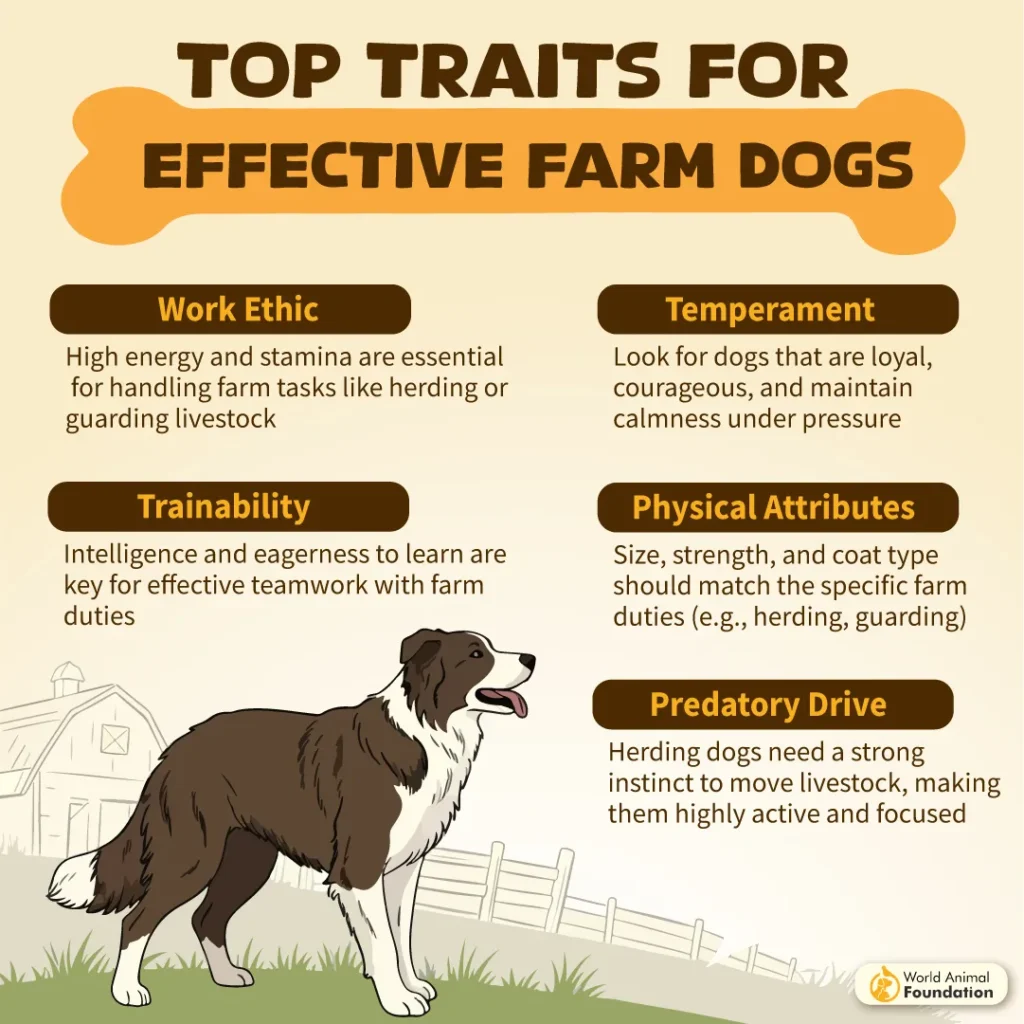
Highly versatile, it can work effectively with different types of livestock, including cattle and sheep. However, this intelligence and energy come with a need for constant physical and mental stimulation. Without it, the breed can become stubborn, which may make training more challenging if not handled with consistency and patience.
2. Border Collie
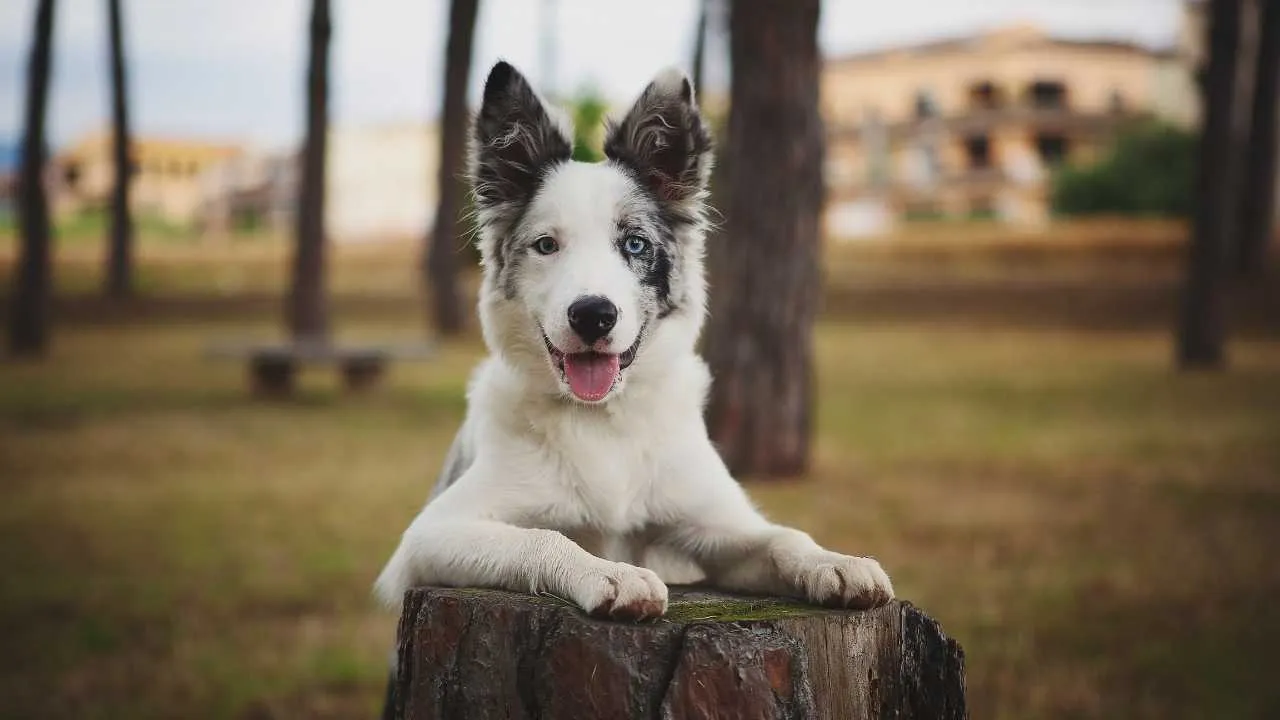
The Border Collie is a lean, agile, and highly intelligent herding breed built for speed, precision, and endurance. Often regarded as the gold standard among working dogs, it is famous for its intense “herding eye,” a focused stare that helps it control livestock with remarkable efficiency and minimal effort.
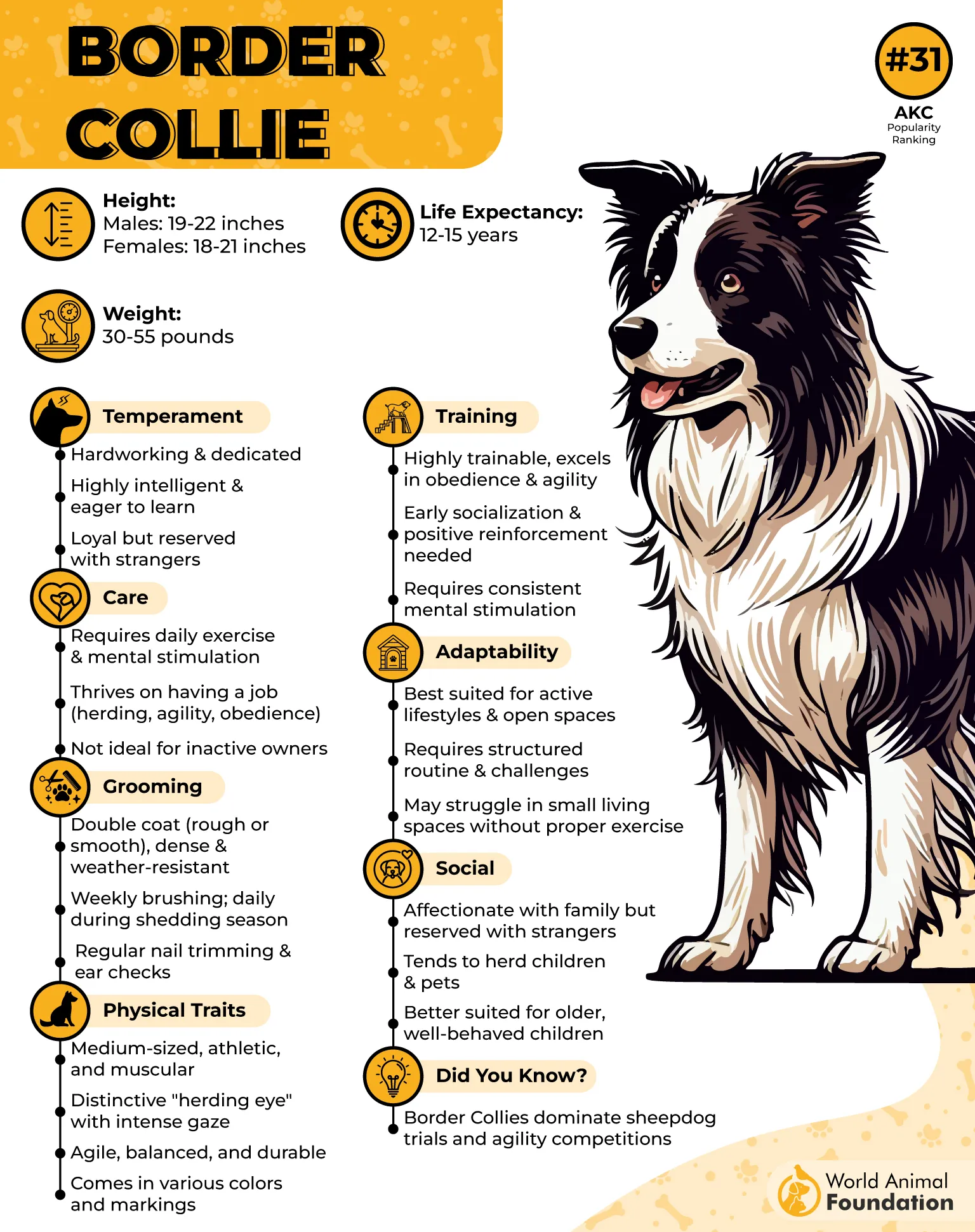
The Border Collie is eager to please and typically friendly, forming strong and loyal bonds with its owner. At the same time, it is extremely driven, focused, and naturally work-oriented. Its strong herding instincts allow it to guide livestock with very few commands.
Its exceptional speed and agility make it perfect for managing fast-moving or scattered flocks. It can also learn and execute highly complex instructions, including whistle cues and distant hand signals, with impressive accuracy.
Because of its ability to maintain high energy levels for long periods, the Border Collie thrives in demanding working environments. However, this same intensity means it can develop obsessive behaviors, such as constantly chasing or herding anything that moves, if not properly guided.
Without enough mental and physical challenges, it may become stressed or anxious, so it needs a clear sense of purpose to stay balanced and happy.
3. Australian Shepherd
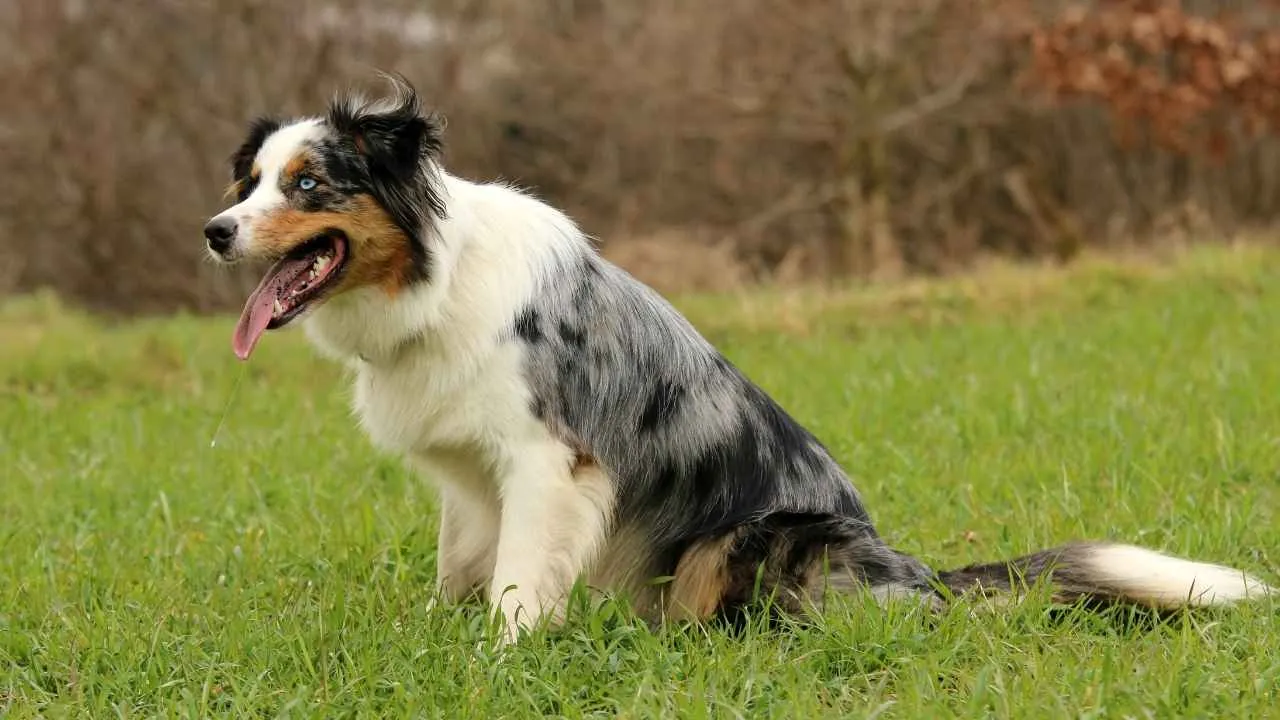
The Australian Shepherd, often called the “Aussie,” is a strikingly athletic and versatile herding dog known for its stamina, agility, and strong working instincts. Its medium-length coat helps protect it from changing weather conditions, making it well-suited for outdoor life. What truly defines this breed is its sharp intelligence combined with an eagerness to work and stay active.
Fact
According to VCA Animal Hospitals, despite its name, the Australian Shepherd actually developed in the United States on farms and ranches, not in Australia.
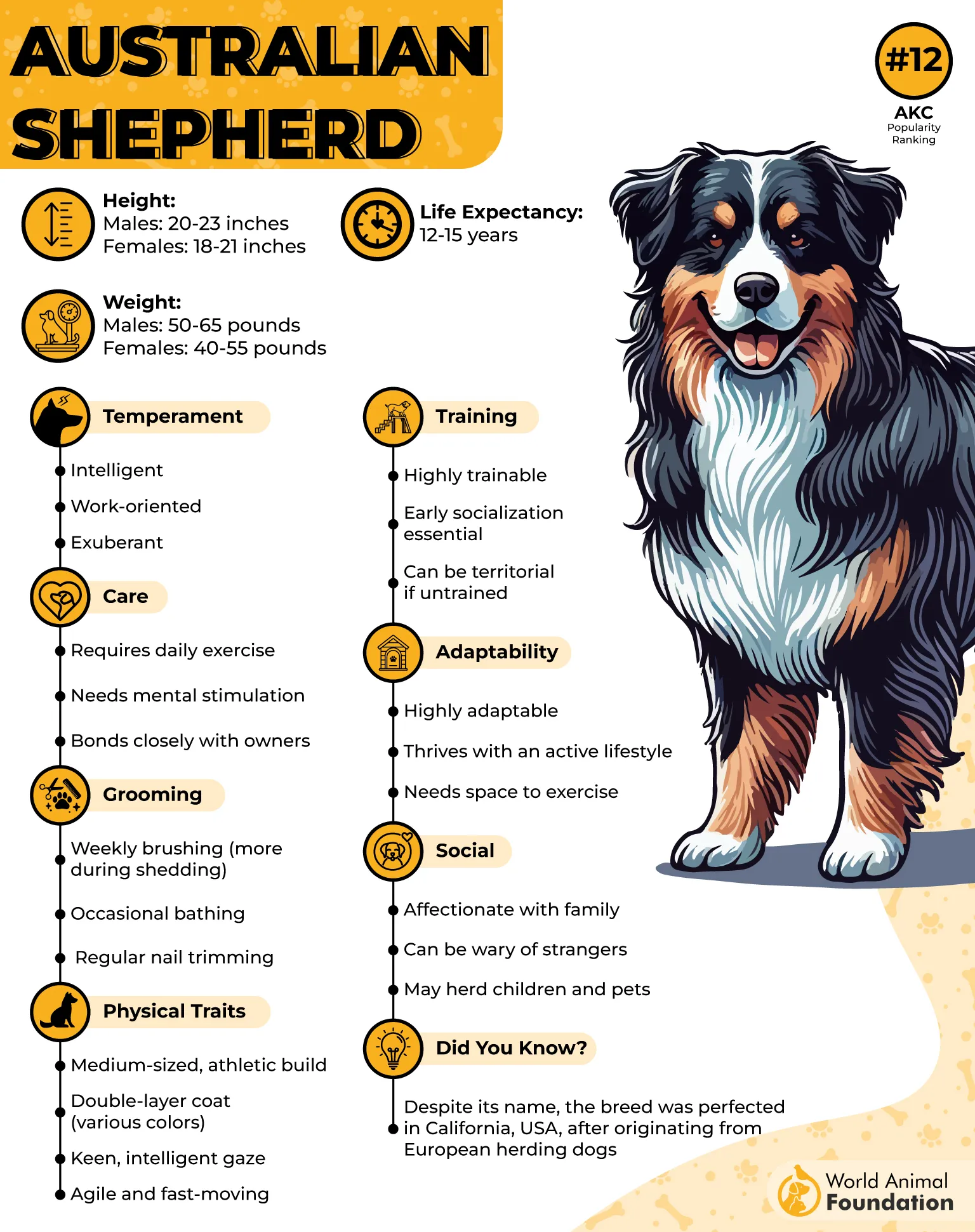
The Australian Shepherd is an energetic dog that forms strong and loyal bonds with its family. Its naturally alert and protective personality makes it an excellent working and farm companion. This versatile breed can herd sheep, cattle, and even poultry with impressive ease.
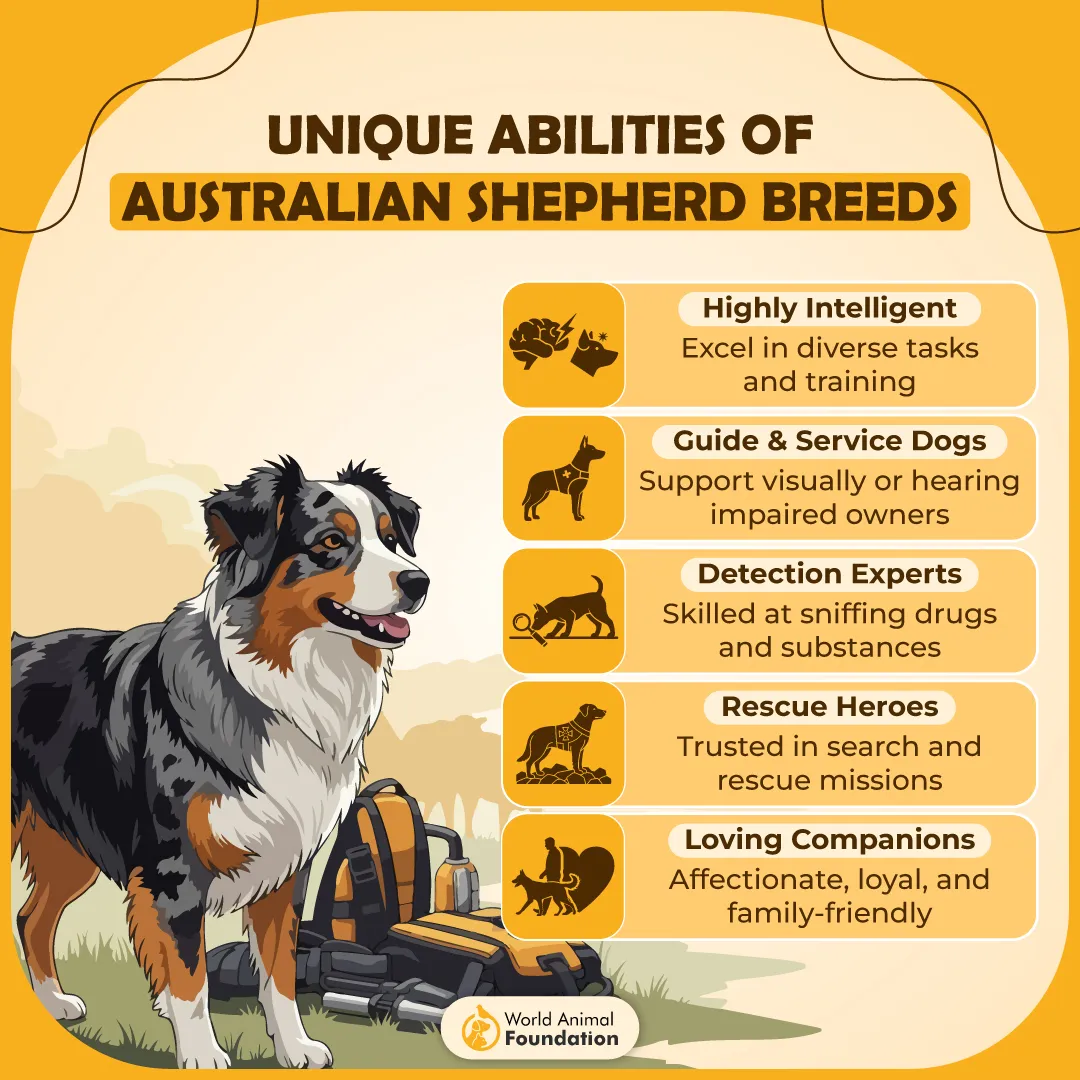
Its agility and coordination allow it to move smoothly across rough, uneven terrain, making it especially useful in active farm environments where tasks change frequently. Thanks to its quick decision-making skills, it handles unpredictable livestock behavior with confidence.
The breed is also highly adaptable, capable of working in a wide range of climates, from hot open fields to cooler regions. However, its high energy levels can become a challenge in inactive households. Without proper training, exercise, and mental stimulation, it may become restless or even display herding behavior toward children or other pets.
4. Belgian Malinois
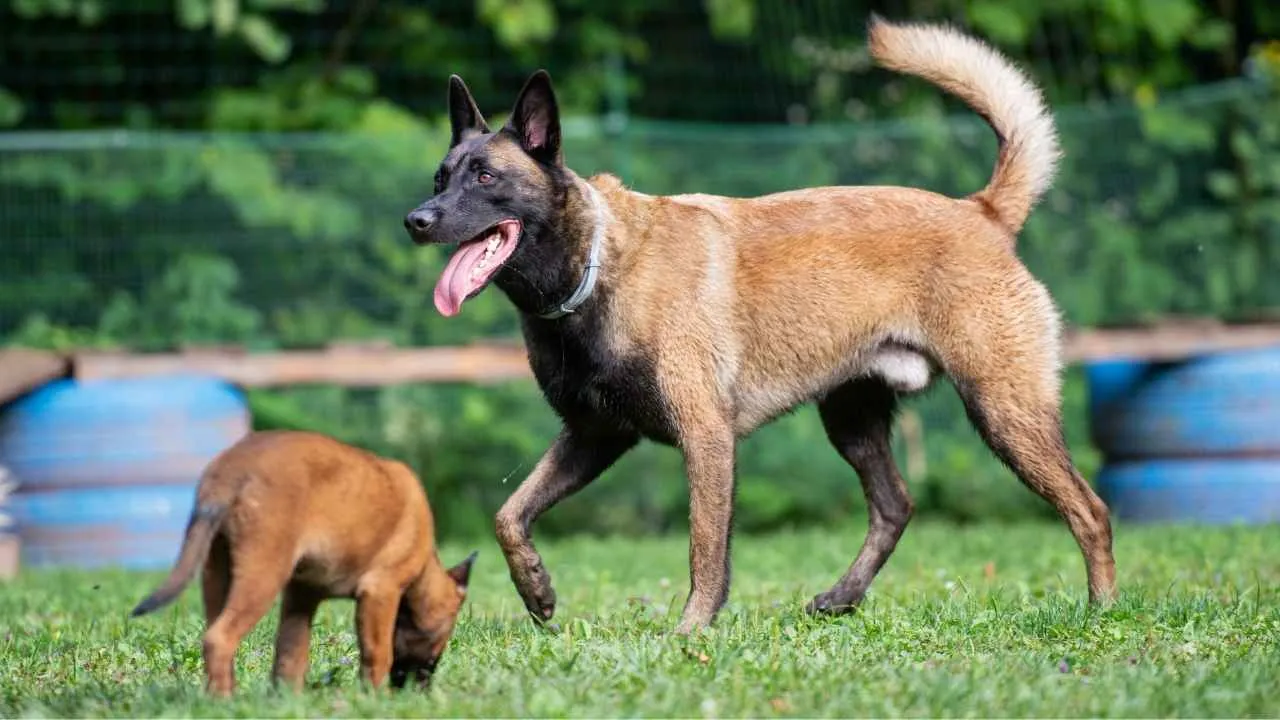
The Belgian Malinois is a medium-sized, lean, and highly athletic working dog known for its speed, precision, and strength. With a short coat and powerful build, it is often described as a true powerhouse in motion. Its lightning-fast reflexes, intense focus, and extremely high drive make it one of the most capable working breeds in the world.
Fact
According to PetMD, although the Belgian Malinois was originally bred for herding, it is now widely used in roles such as police work, search and rescue, and bomb and drug detection.
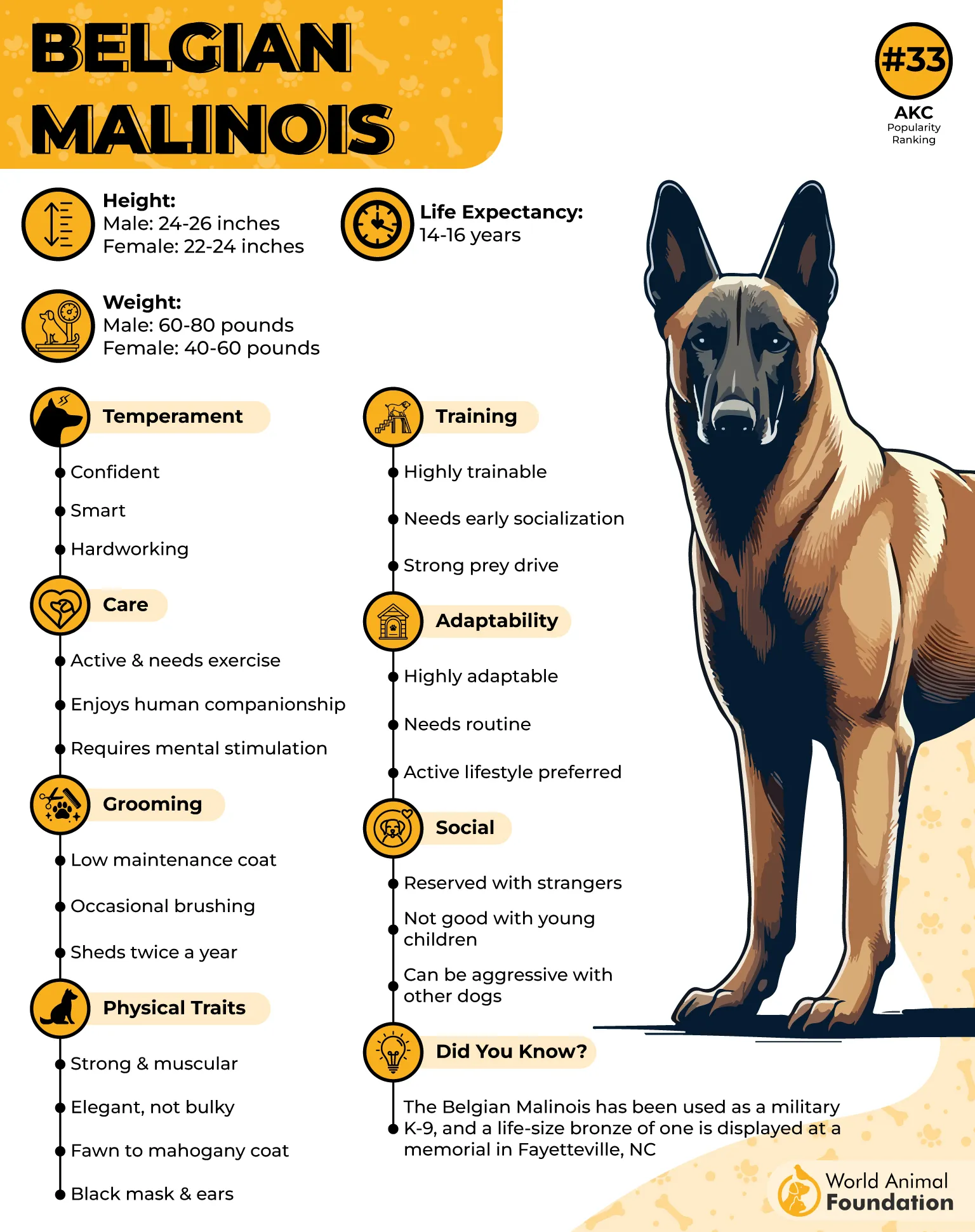
The Belgian Malinois is deeply loyal, confident, and highly affectionate with its handler. Its strong protective instincts make it excellent for guarding livestock and securing farm environments. With exceptional intelligence, it maintains focus and discipline even in highly distracting situations.
Its unmatched stamina allows it to work for long hours without tiring, while its natural speed and reflexes help it respond quickly to fast-moving animals. This makes it especially effective in managing active or chaotic herds.
The breed also performs extremely well under pressure and can maintain control during stressful or unpredictable situations. However, despite its many strengths, it is not ideal for inexperienced owners. The Belgian Malinois requires consistent training, structure, and daily physical and mental exercise to stay balanced and well-behaved.
5. German Shepherd
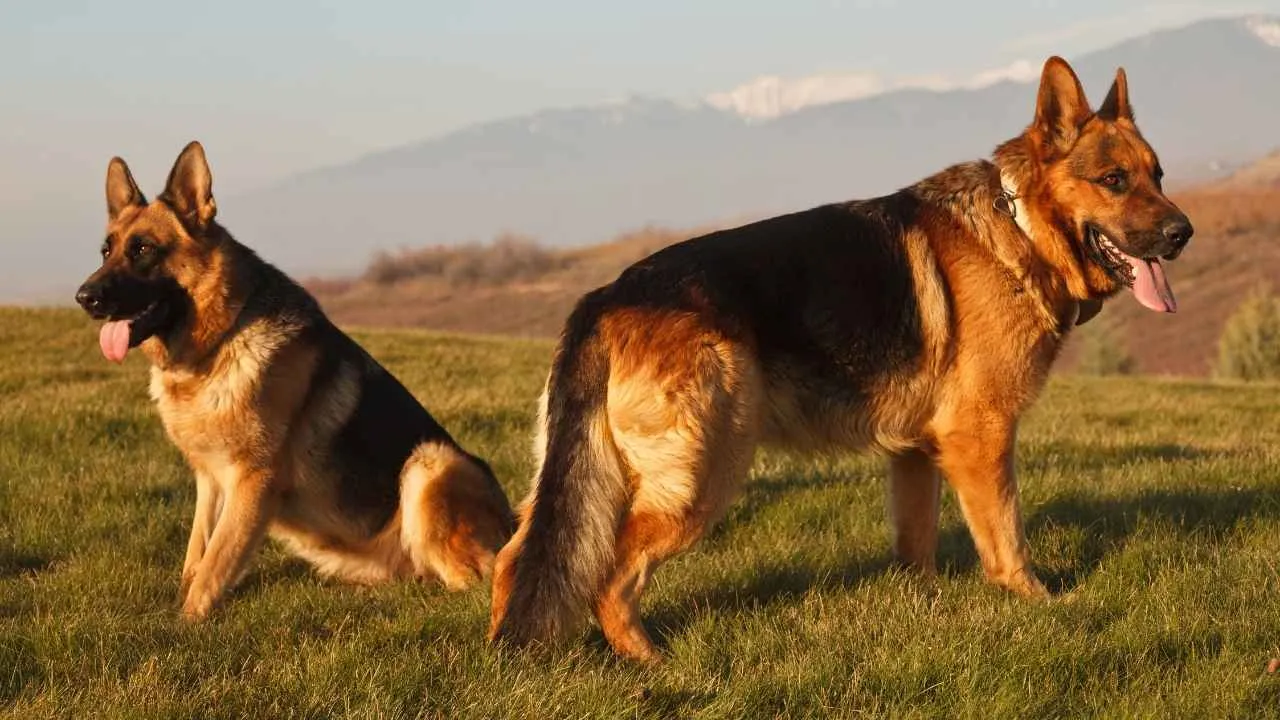
The German Shepherd Dog (GSD) is a powerful, medium-to-large working dog with a dense double coat. Known for its balance of strength, intelligence, and versatility, it can smoothly switch between herding and guarding roles without hesitation.
The German Shepherd is loyal, courageous, and deeply devoted to its owners. Confident and highly alert, it is always aware of its surroundings and carefully evaluates situations before reacting. Its natural protective instincts make it an excellent guardian for livestock and farm property.
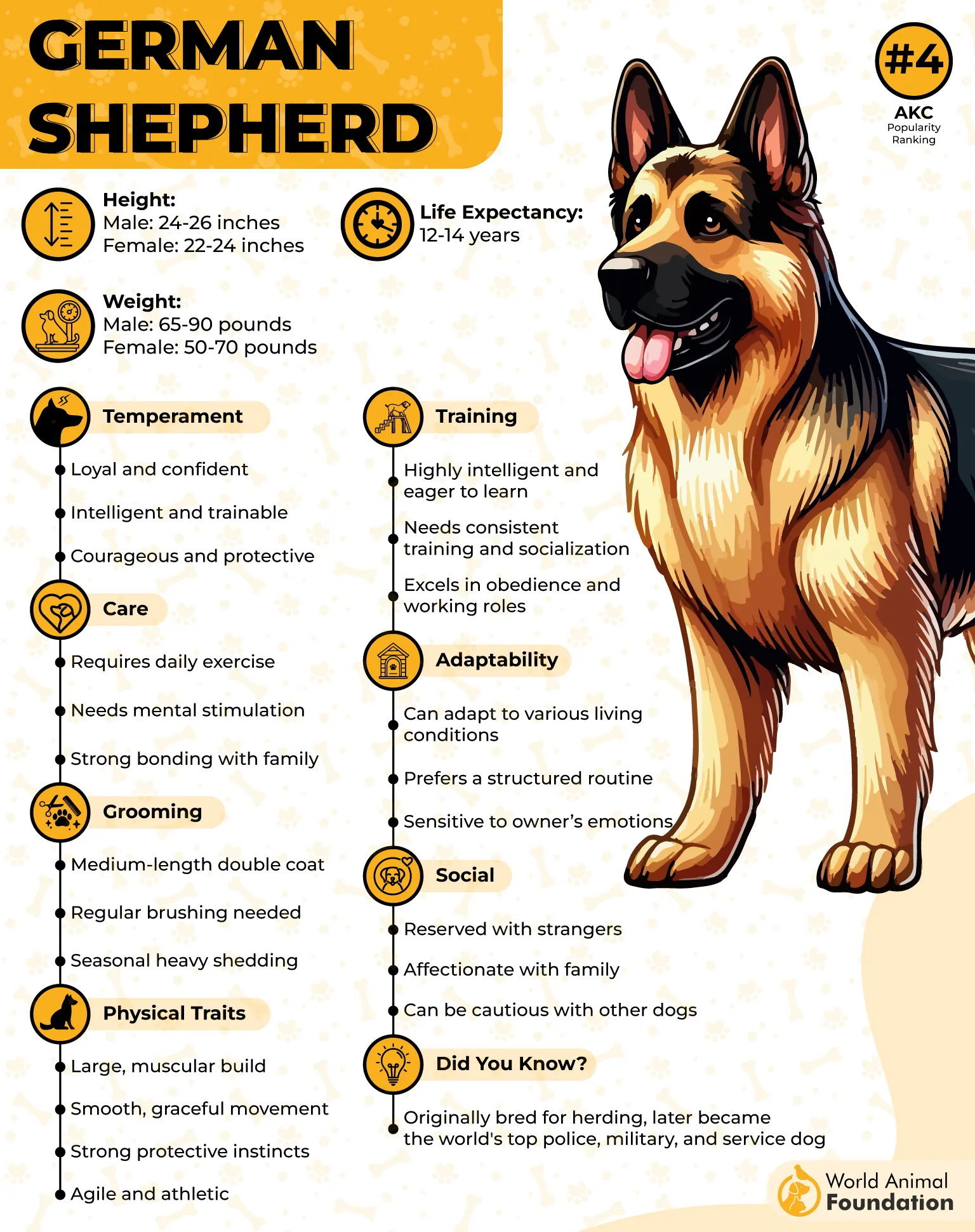
Thanks to its strength and endurance, the GSD is well-suited for managing larger animals such as cattle, while also being capable of multi-purpose roles like property protection. It can work for long hours without losing focus or energy, making it a reliable working partner.
Its strong bond with handlers ensures high levels of obedience during tasks. However, it does shed heavily, so regular brushing and grooming are necessary. The breed also requires regular exercise, mental stimulation, and structured training to stay healthy, balanced, and well-behaved.
6. Anatolian Shepherd
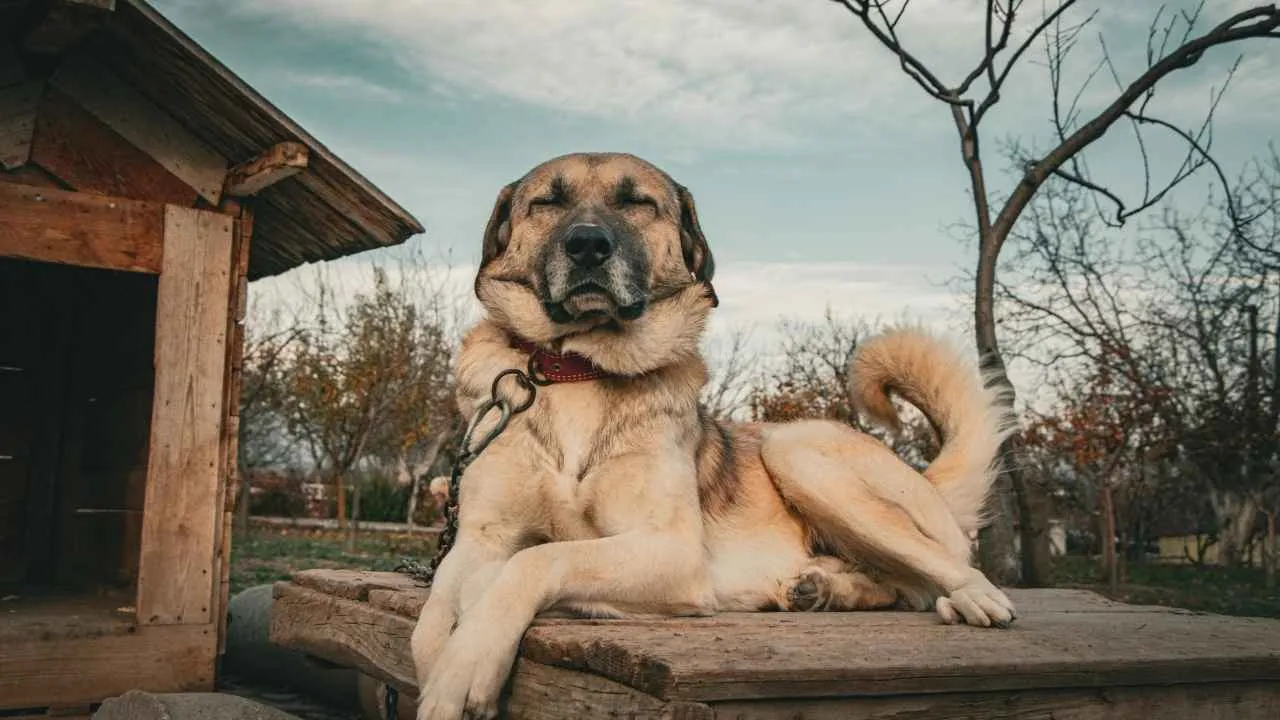
The Anatolian Shepherd Dog is a powerful, large guardian breed known for its incredible resilience and natural protective instincts. Originally developed in Turkey to protect livestock, it relies less on speed and more on presence, intelligence, and authority to keep predators away.
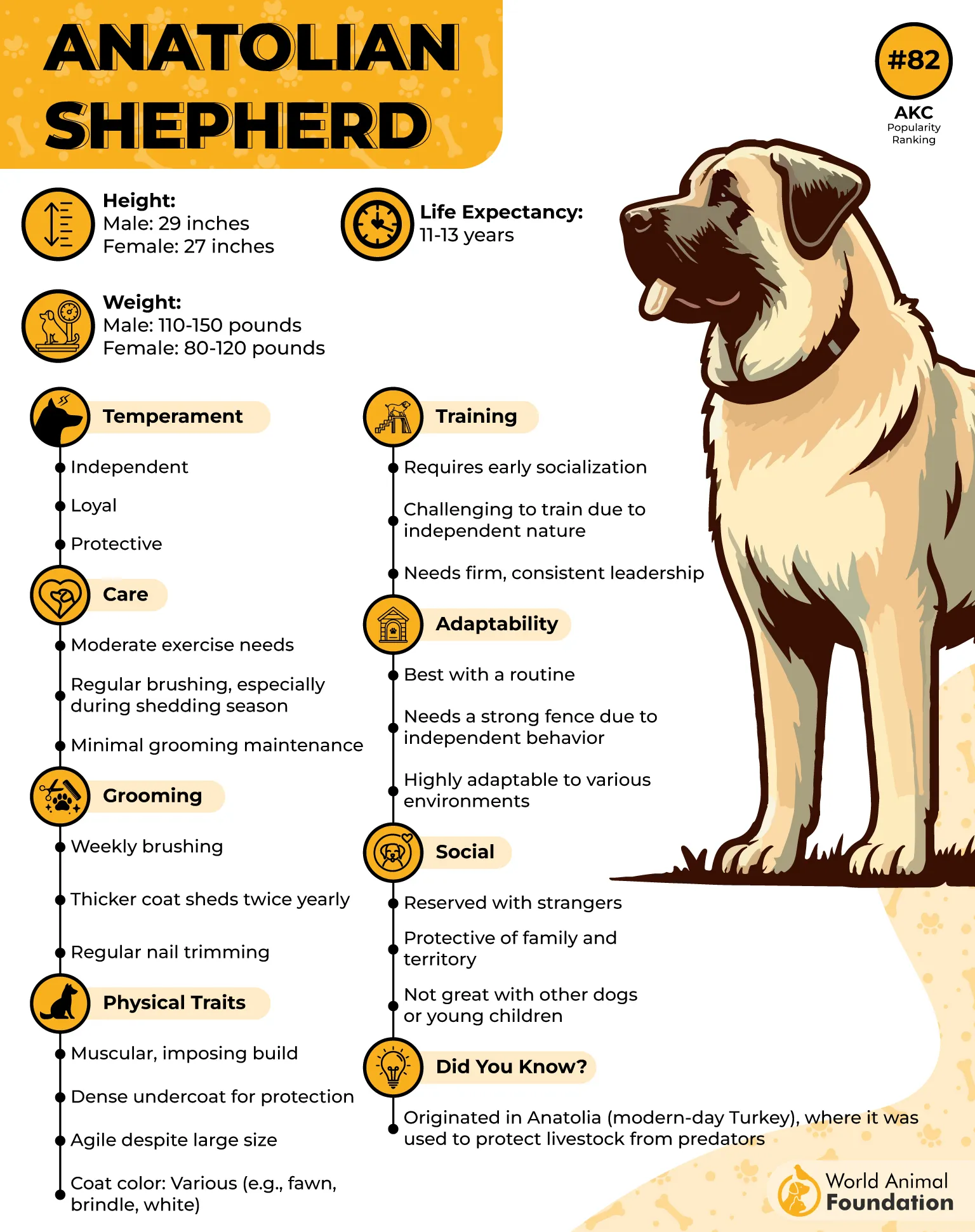
The Anatolian Shepherd has a calm, confident temperament. It is not overly affectionate, but it shows deep loyalty through its commitment to its work and responsibility. Its strong independent thinking allows it to make decisions on its own, often without needing constant human direction.
Highly territorial by nature, it stays dedicated to protecting its designated area at all times. With strong night vigilance, it remains alert during quiet hours when threats are more likely. It also forms a close bond with the livestock it guards, treating them as its own responsibility.
Because of its independence, it is especially well-suited for large farms and open-range environments. Unlike traditional herding dogs, it acts more as a guardian than a controller of livestock. However, its strong-willed personality can make training challenging, requiring patience, consistency, and experience.
7. Great Pyrenees
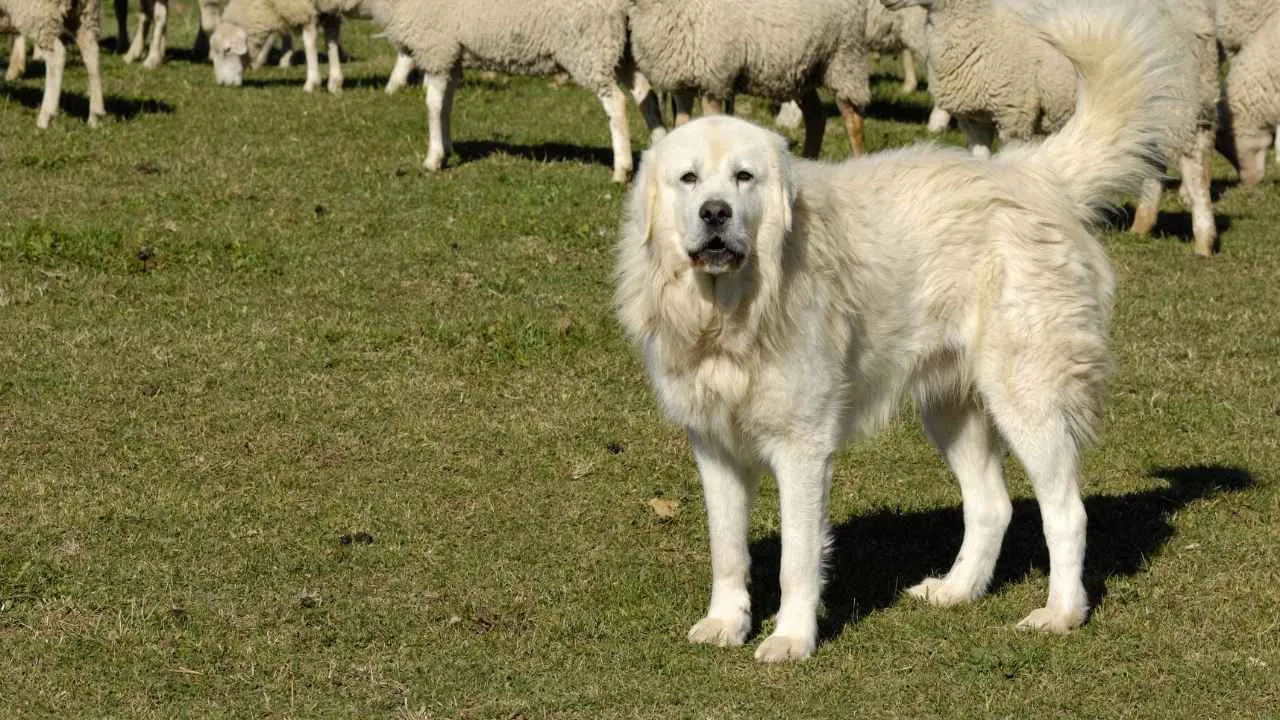
The Great Pyrenees is a large, majestic working dog known for its calm strength and natural protective instincts. With a thick, weather-resistant double coat, it is built for cold climates and long hours outdoors. This breed is especially skilled in guarding livestock, using patience and quiet authority rather than aggression.
Fact
According to Encyclopedia Britannica, the Great Pyrenees was even used during World War I to carry contraband goods between Spain and France.
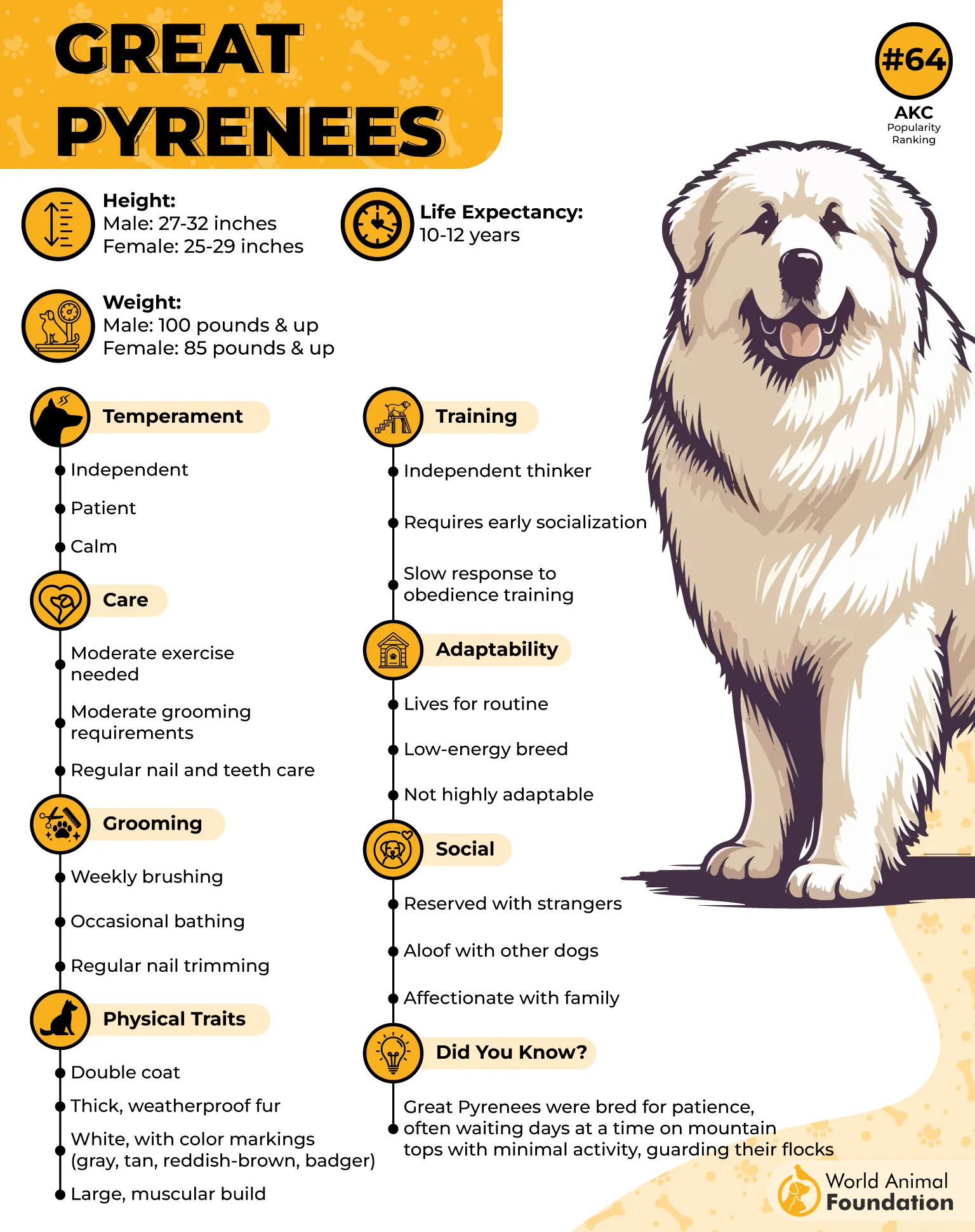
The Great Pyrenees is gentle, composed, and deeply loyal to its family. It is typically patient and tolerant, even around smaller animals, making it a steady and reliable presence on the farm.
Rather than actively herding livestock, it focuses on protection. Its strong territorial instincts help it safeguard farm boundaries consistently and effectively. It is especially active at night, when predators are more likely to appear, using vigilance and presence to deter threats instead of direct confrontation.
This breed prefers to work independently and requires minimal supervision once properly trained. However, its thick coat needs regular grooming to stay healthy and clean. It may also bark frequently, particularly at night, as part of its natural guarding behavior.
Conclusion
All in all, choosing the right farm dog really comes down to the job you need them to do. Some of the herding dog breeds we’ve discussed are fast and agile, others rely on strength and presence, while some are calm, quiet guardians. But they all share one important trait: they know how to protect, manage, and work with livestock.
What connects these breeds is not just intelligence or strength, but purpose. These are not dogs that enjoy sitting idle. They thrive when they have a job to do and a reason to stay active. In fact, they are happiest when their day has structure, responsibility, and movement.
If you meet their needs with proper training, exercise, and care, they return it with loyalty, affection, and unwavering dedication. So whether you’re managing a large herd or simply need a dependable guardian, these working breeds can become truly invaluable partners on the farm.
