




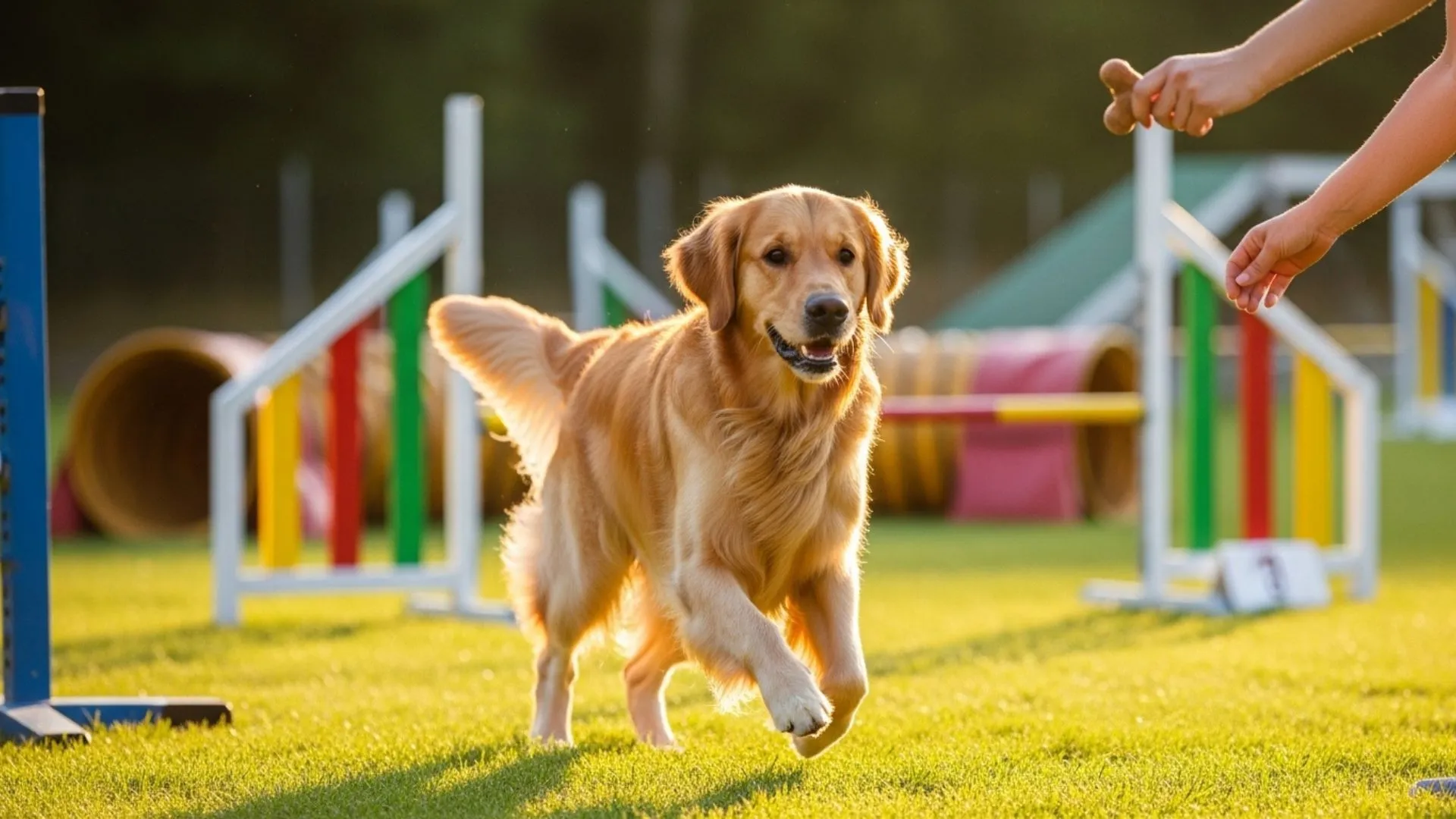
Most dogs are either admired for how they look or respected for how they think, but rarely both at the same time. This gap becomes clear once daily life begins and expectations start to shift.
A dog that looks impressive may not always respond well to training, while a highly intelligent dog may not carry the same visual impact. Over time, this imbalance can affect how satisfying the experience feels. The real difference comes from dogs that naturally bring both qualities together.
They are not just appealing to look at, but also quick to understand, learn, and adapt. This combination reduces effort, improves communication, and creates a more balanced relationship. It is not something that happens by chance, but rather a trait seen in specific dogs.
The following sections highlight those that stand out for carrying both beauty and intelligence in a way that feels complete.
Key Takeaways
Some dogs carry a presence that feels polished at first glance, yet what stands out more is how quickly they understand their world.
German Shepherd and Border Collie stand out early, not just for their sharp presence but for the way they read situations and respond like they already understand the task.
Golden Retriever and Labrador Retriever bring a calmer kind of intelligence, blending friendly looks with real working ability that shows in training, service work, and daily life.
Keep going till the end to see how breeds like Shiba Inu and Papillon balance beauty with brains in ways that are not always expected.
Dog Breeds That Combine Beauty with Brainpower
1. German Shepherd
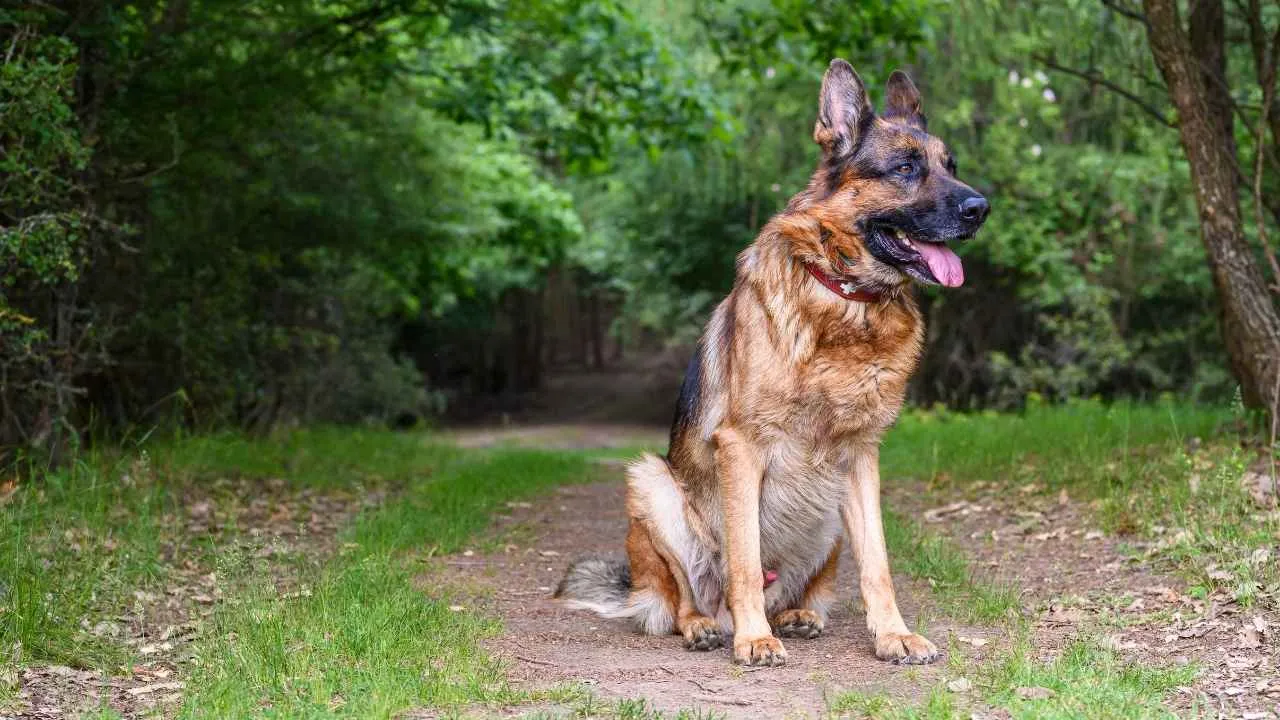
German Shepherd presents a balanced outline with smooth, flowing lines instead of sharp angles, giving it a composed yet powerful look, as the AKC mentioned.
Its muscular build supports agility while maintaining a controlled and graceful trot. This structure reflects a breed built for both endurance and precision.
Intelligence that demands direction
This smart dog processes training with depth, often responding best when learning continues beyond basic commands. It connects closely with its handler, forming a strong working relationship that depends on clear leadership.
That connection becomes clearer through:
Responds well to advanced training routines
Seeks direction through structured tasks
Learns quickly when guidance remains consistent

Drive linked to mental engagement
As a guard dog, they require consistent mental challenges, as inactivity often leads to restless or destructive behavior indoors. Its energy is tied more to thinking and problem-solving than to simple physical output. Regular engagement keeps its focus aligned with its environment.
2. Golden Retriever
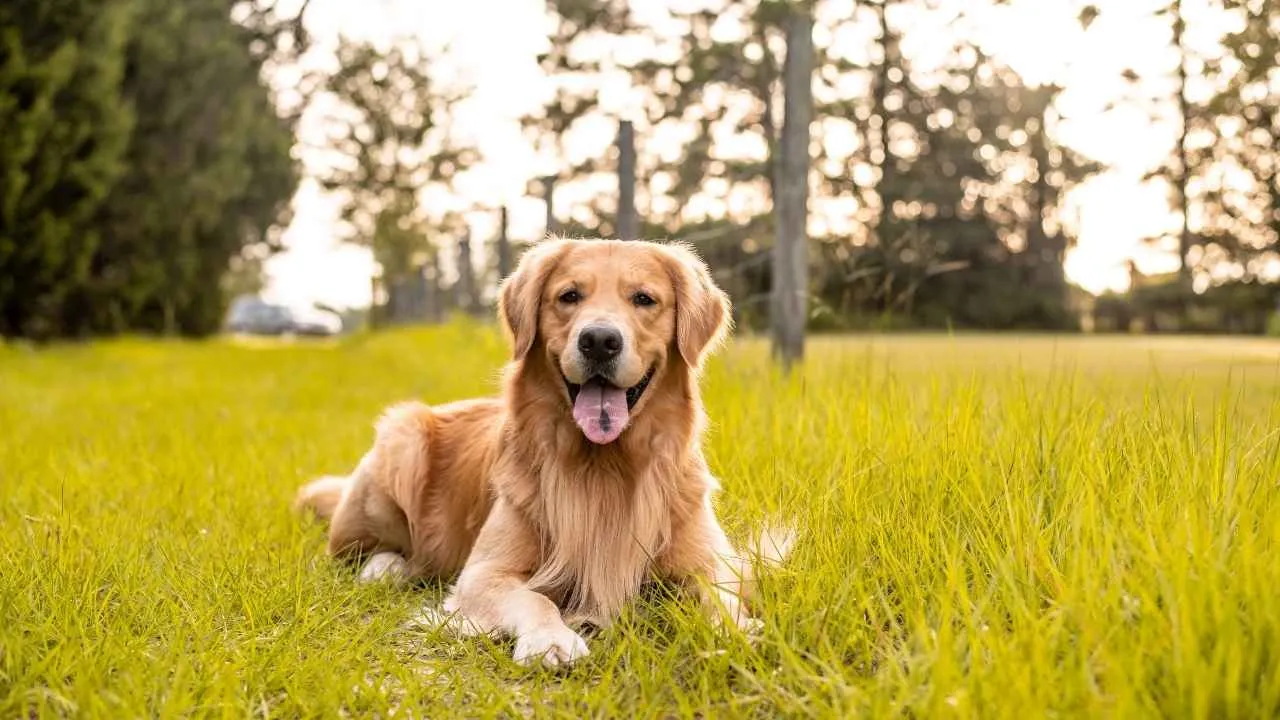
The Golden Retriever is instantly recognized by its dense golden coat and a balanced, muscular frame that supports smooth, flowing movement. The broad head, soft eyes, and straight muzzle reflect both alertness and approachability. Its overall form blends visual appeal with functional design.
Intelligence expressed through work
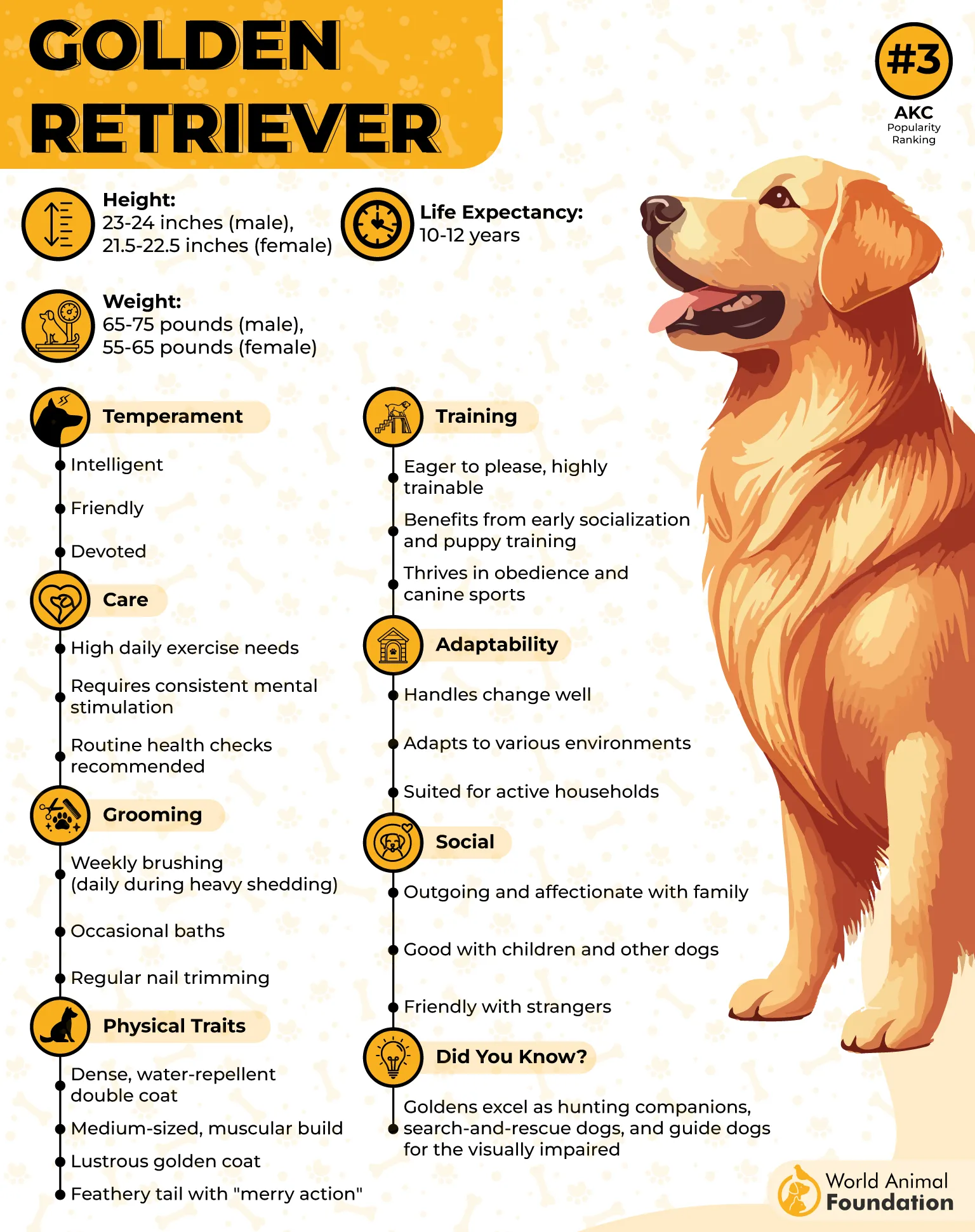
They engage deeply in structured tasks, from field work to guiding, and even as a search and rescue dog, showing focus through action rather than display. Its willingness to learn connects directly with how it performs across different activities.
This ability shows in clear working patterns:
Responds well to obedience and competitive tasks
Adapts to guided roles like assistance work
Stays engaged during proper training sessions
Temperament that shapes interaction
According to Omlet, they maintain an open and affectionate approach, forming bonds across family members and even new visitors. Its gentle behavior extends to children and other dogs, creating a socially fluid environment. This ease of interaction reflects a naturally balanced temperament.
3. Papillon
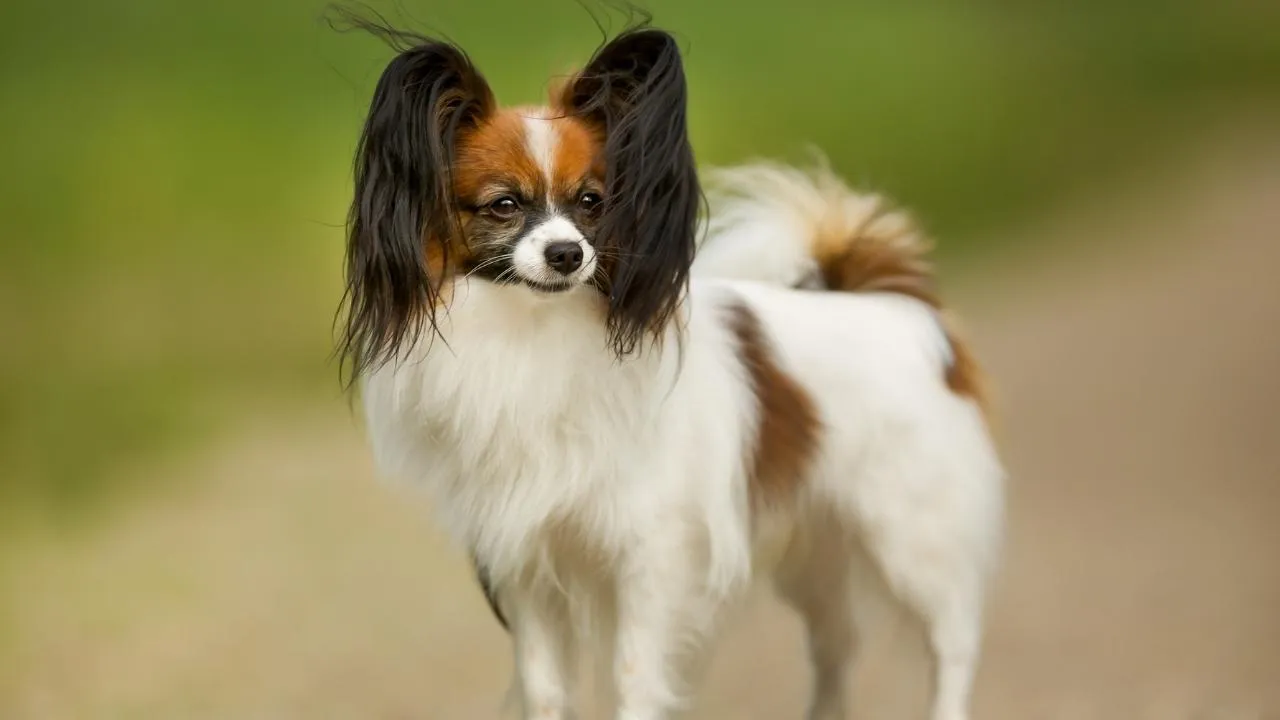
Papillon catches attention with its large, wing-shaped ears, paired with a fine, silky coat and plumed tail that add to its refined appearance.
Its alert expression reflects a dog that stays engaged with everything happening around it. The visual elegance connects closely with an active, curious nature.
Social behavior with independence
They stay involved in daily activity, often seeking attention while still maintaining a sense of personal space. Its interaction style shifts between engagement and independence depending on mood and environment.
That balance becomes clearer in everyday behavior:
Joins the activity but steps away when needed
Greets familiar animals and people with ease
Reacts to door sounds through quick barking
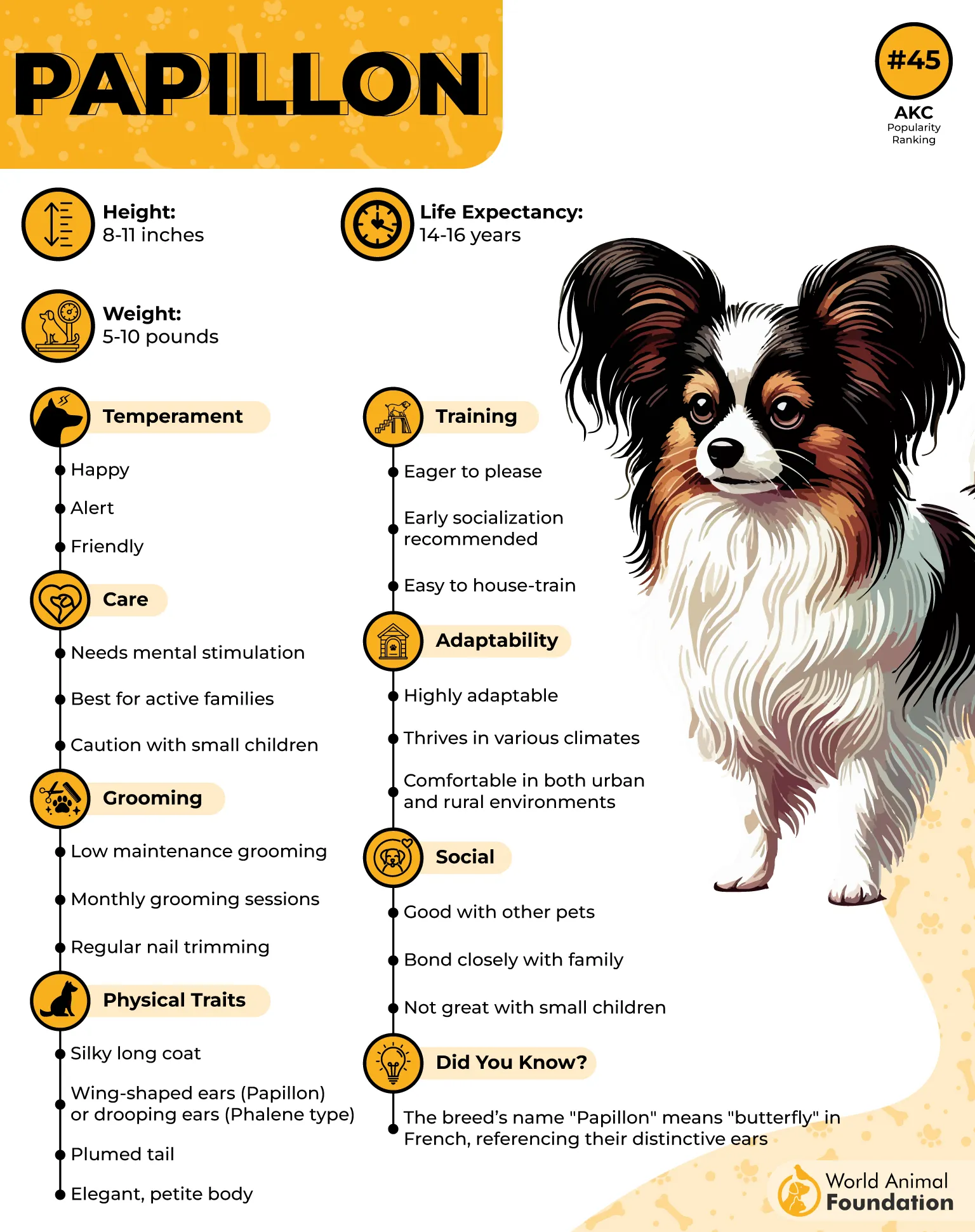
Learning ability and responsiveness
This intelligent breed picks up training quickly, responding well to praise, play, and structured repetition during learning sessions.
Its interest in interaction supports trick training, obedience, and agility-based activities, as PetMD noted. The breed shows strong recall and stays attentive during guided tasks.
4. Shetland Sheepdog
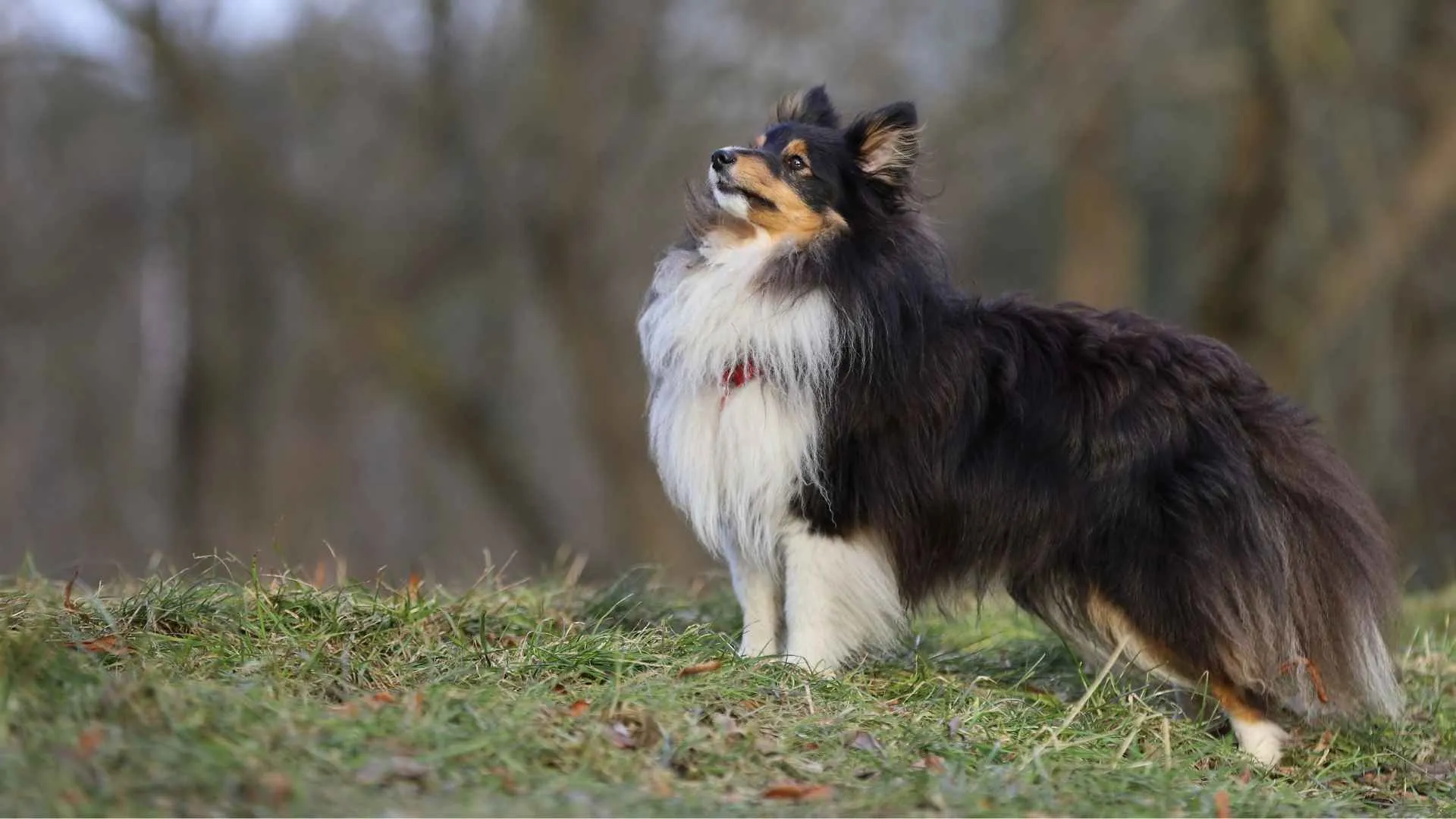
The Shetland Sheepdog reflects a compact herding specialist shaped in the rugged Shetland Islands, known for quick thinking and responsiveness.
Its resemblance to the Collie appears in a smaller, tightly structured form with a defined head and alert ear set. The long double coat adds to a composed, polished appearance.
Intelligence expressed through action
Shelties approach tasks with speed and accuracy, responding closely to direction during structured activities. Its ability to process commands shows clearly in performance-based settings and guided work.
That clarity becomes visible in how it engages:
Excels in obedience and agility tasks, and dog sports
Handles herding and tracking with precision
Responds quickly during structured routines
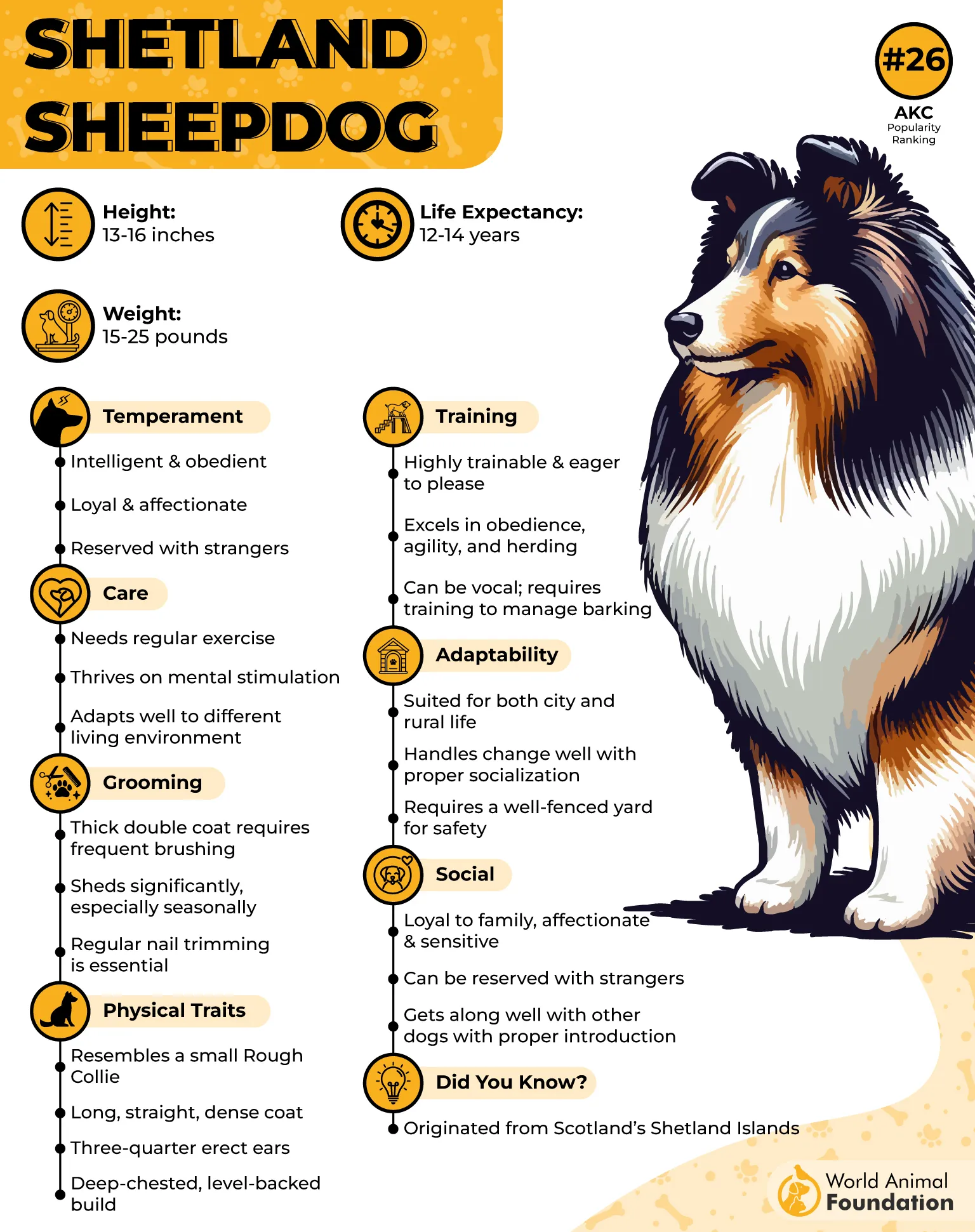
Adaptability in daily environments
Even used as a therapy dog, they adjust well between active outdoor routines and indoor living when given enough engagement. It fits into urban spaces when mental and physical outlets remain consistent. This balance reflects a dog that aligns with varied household patterns.
5. Border Collie
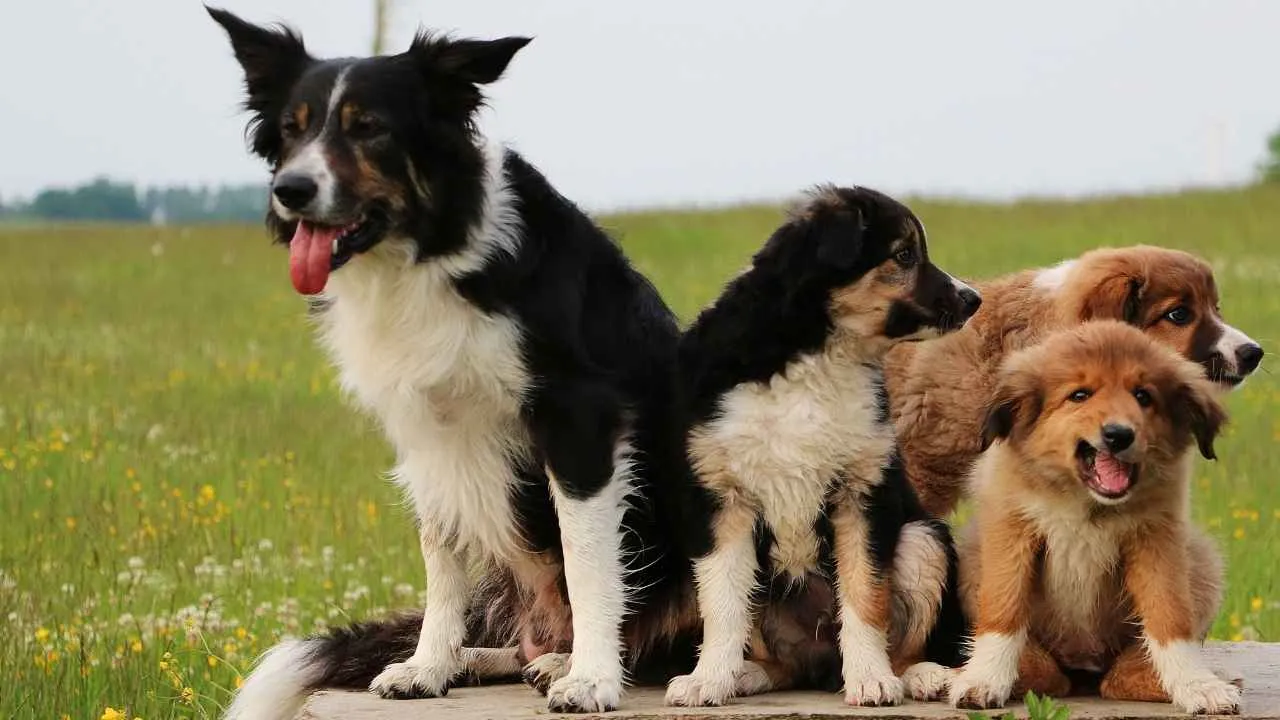
Border Collie reveals its thinking through sharp almond-shaped eyes, often fixed in a steady, focused gaze known as the herding eye.
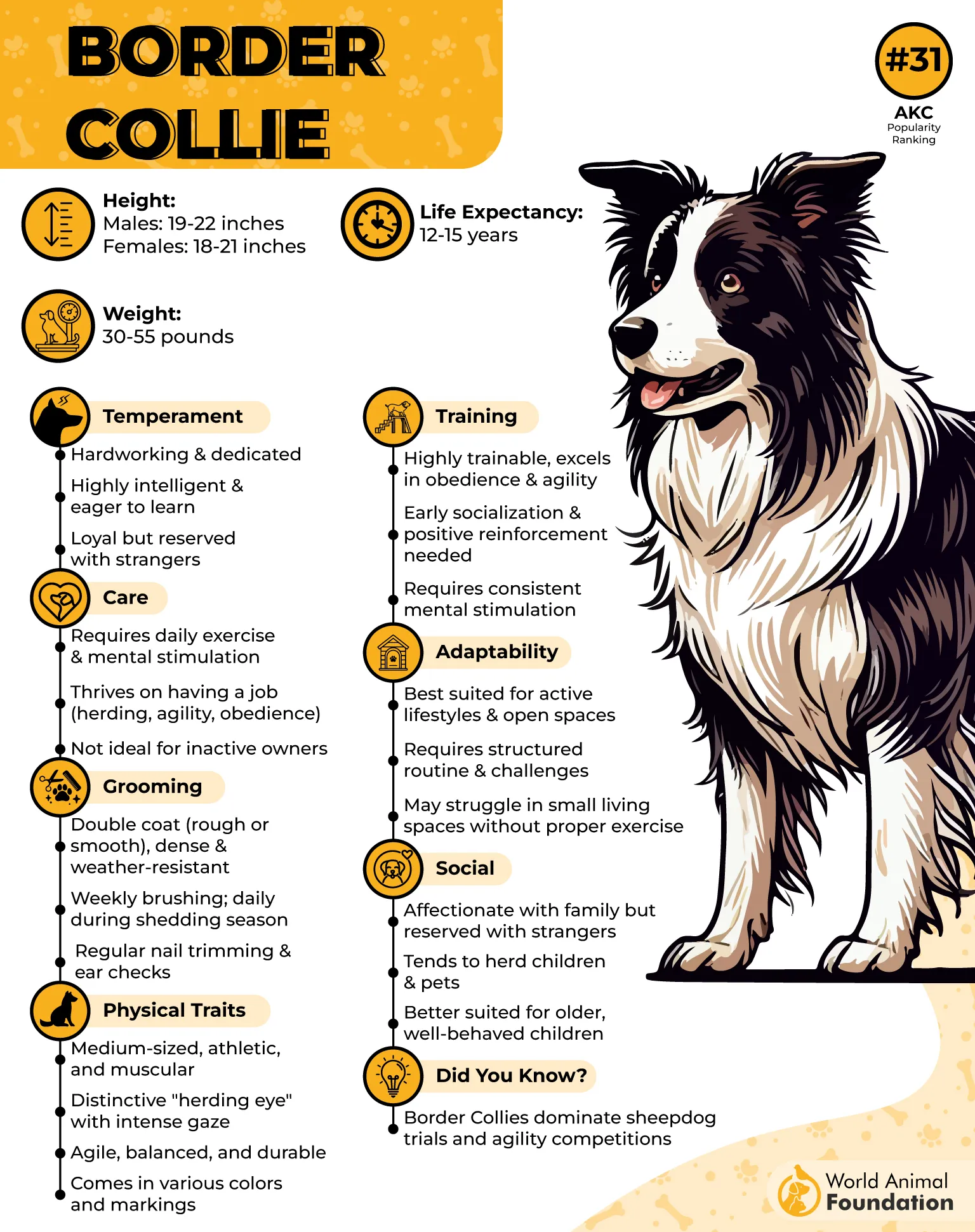
Its body reflects a balance of muscle and agility, built for precision rather than bulk. The coat varies in form and color, yet the expression remains the defining feature.
Herding instinct in action
As one of the intelligent dog breeds, they apply their focus through their herding behavior, often directing movement around them with quiet control rather than noise. This instinct extends beyond livestock and can include other pets or even children within a home setting.
That instinct shows itself in distinct ways:
Uses intense eye contact to influence direction
Circles and controls movement patterns
Reacts quickly to shifting motion
Energy tied to purpose
This herding dog operates with a level of energy that demands structured outlets, often engaging in dog competitions and activities like agility, frisbee, or flyball.
Open space alone does not satisfy this need, as the drive is linked to active work rather than passive roaming. Without engagement, restlessness begins to surface.
6. Labrador Retriever
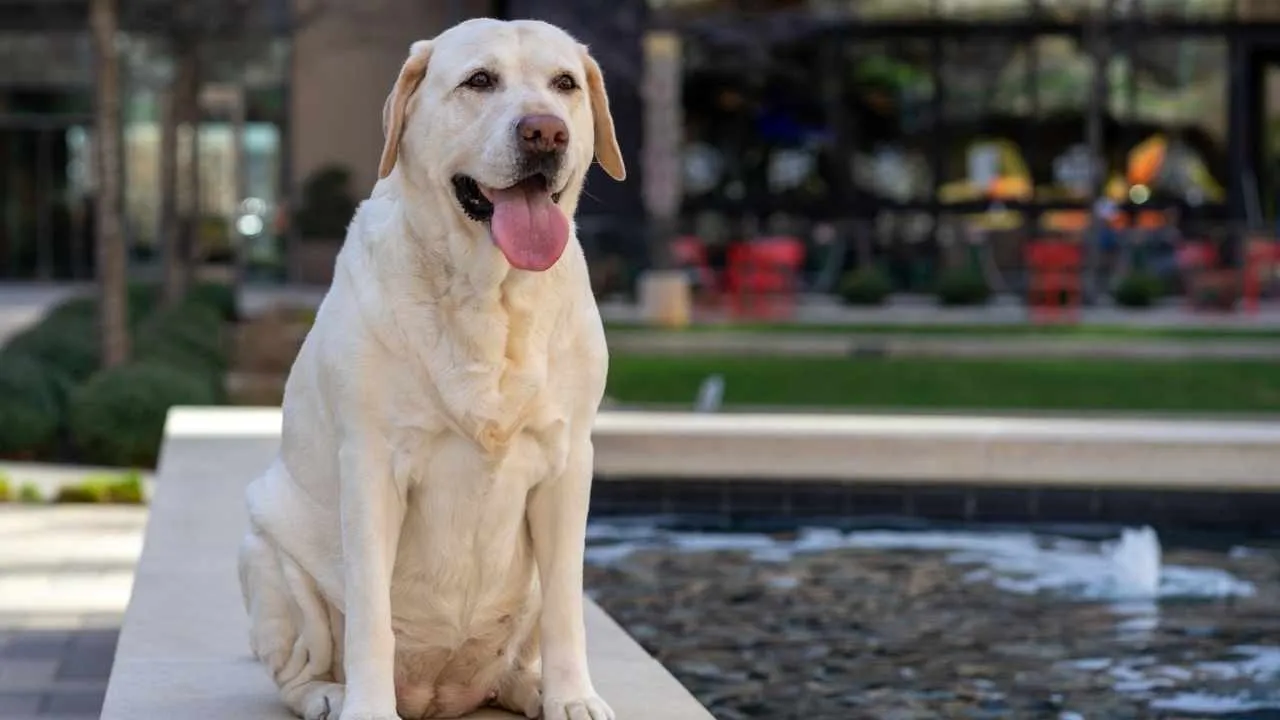
The Labrador Retriever was originally bred as a lighter, all-black working dog in Newfoundland, quite different from the heavier Newfoundland seen today.
Its dense coat and strong “otter tail” reflect a build suited for water tasks and steady retrieval. The wide head and soft expression add a distinct visual warmth.
Physical traits with purpose
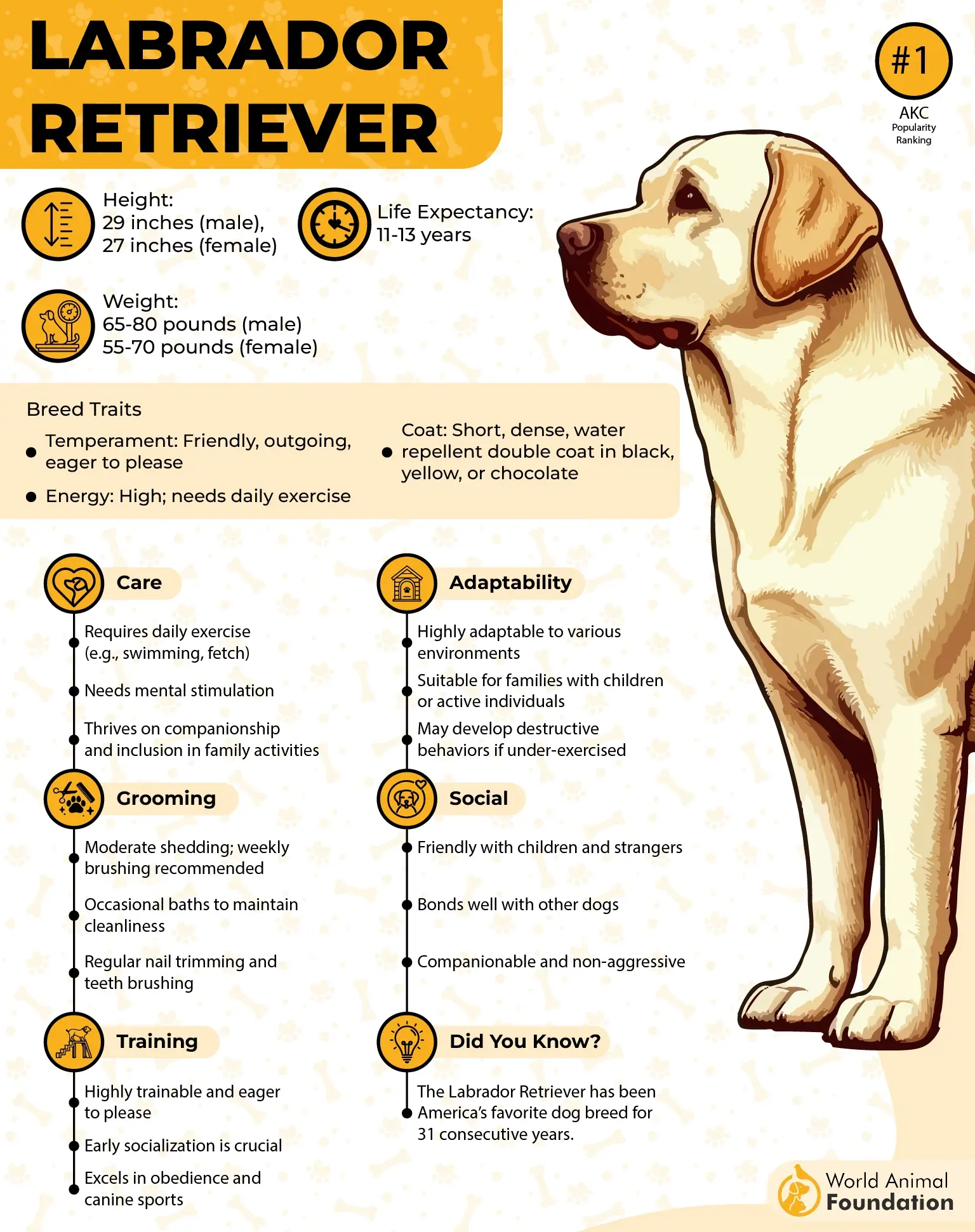
Lab combines a thick, weather-resistant coat with a body built for repeated outdoor activity. The tail works as a guiding tool in water, while the coat protects during long sessions in cold conditions.
That functional design shows through clear features:
Dense coat in black, yellow, or chocolate shades
Strong tapering tail used during swimming
Broad head with a soft, expressive look
Intelligence applied through work
Labs respond quickly to training, which is why it is widely used as service dogs, in therapy, and in detection roles. Its ability to learn and adapt makes structured tasks easier to handle over time. Activities like swimming and retrieving align directly with how it engages both mentally and physically.
7. Australian Shepherd
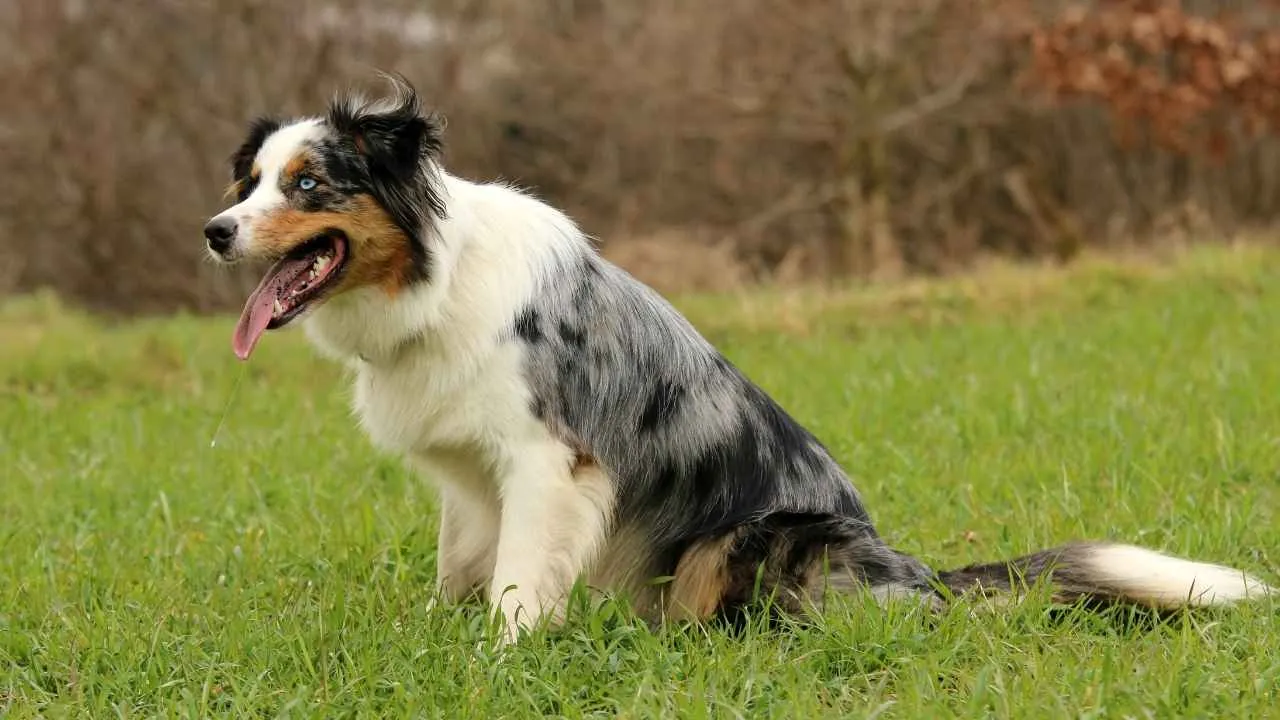
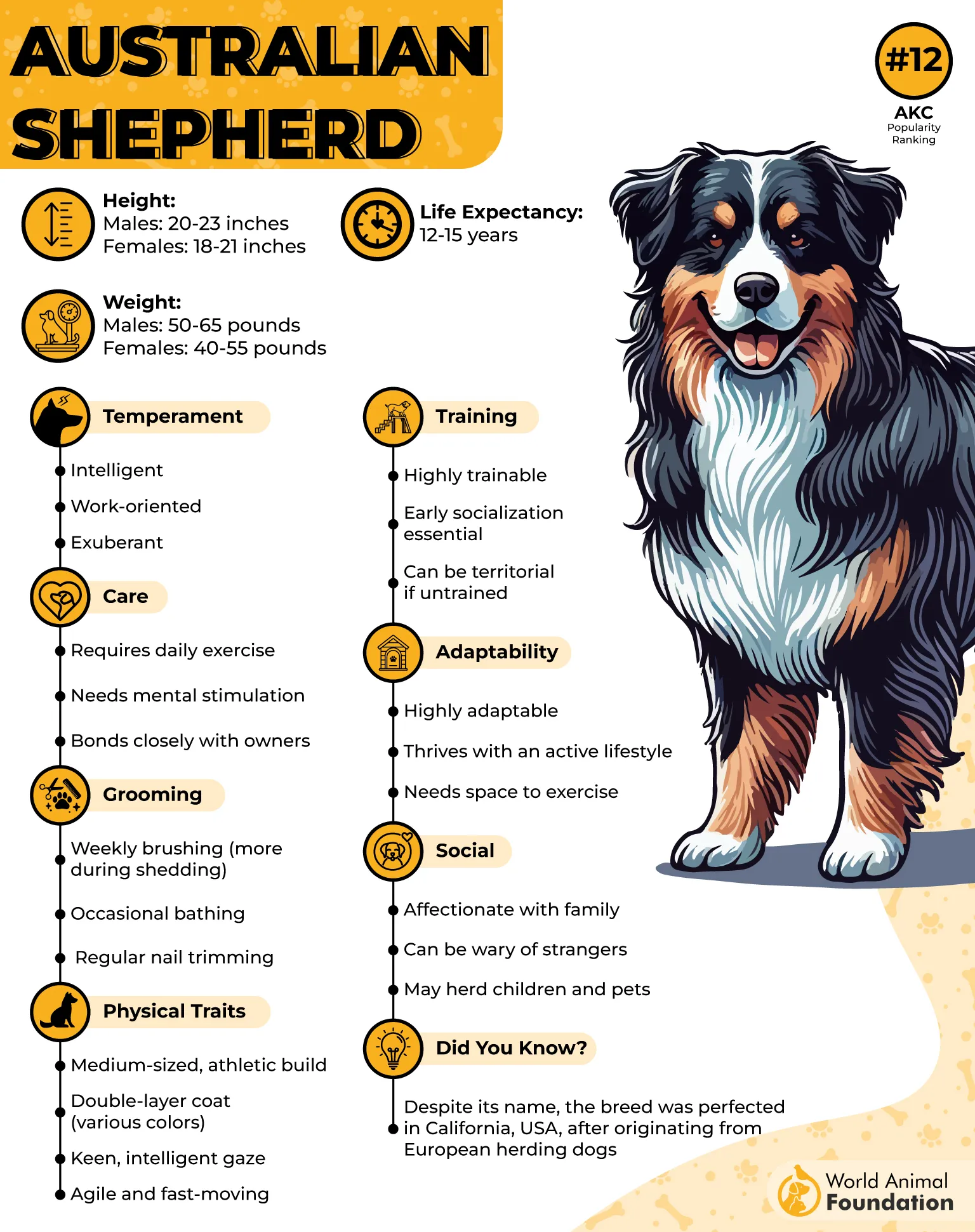
Australian Shepherd reflects a lean, athletic build shaped for handling livestock across wide ranch landscapes. Its connection to rodeo culture and cowboy work gives it a constant readiness for action and direction. Coat patterns like merle add visual variation without affecting its working focus.
Herding instinct in daily behavior
They respond to movement with a strong herding impulse, often treating anything mobile as something to organize or control. This instinct extends beyond livestock into everyday surroundings if not guided.
This behavior appears clearly in practical patterns:
Attempts to gather moving animals or people
Reacts quickly to shifting motion in surroundings
Engages actively with fast-paced visual triggers
Social balance through early shaping
This sharp breed may appear reserved when meeting unfamiliar people at first, showing caution before acceptance. With proper introduction, it gradually becomes open and comfortable around new faces and home environments. Early social exposure plays a key role in shaping how it interacts with children, cats, and other dogs.
8. Doberman Pinscher
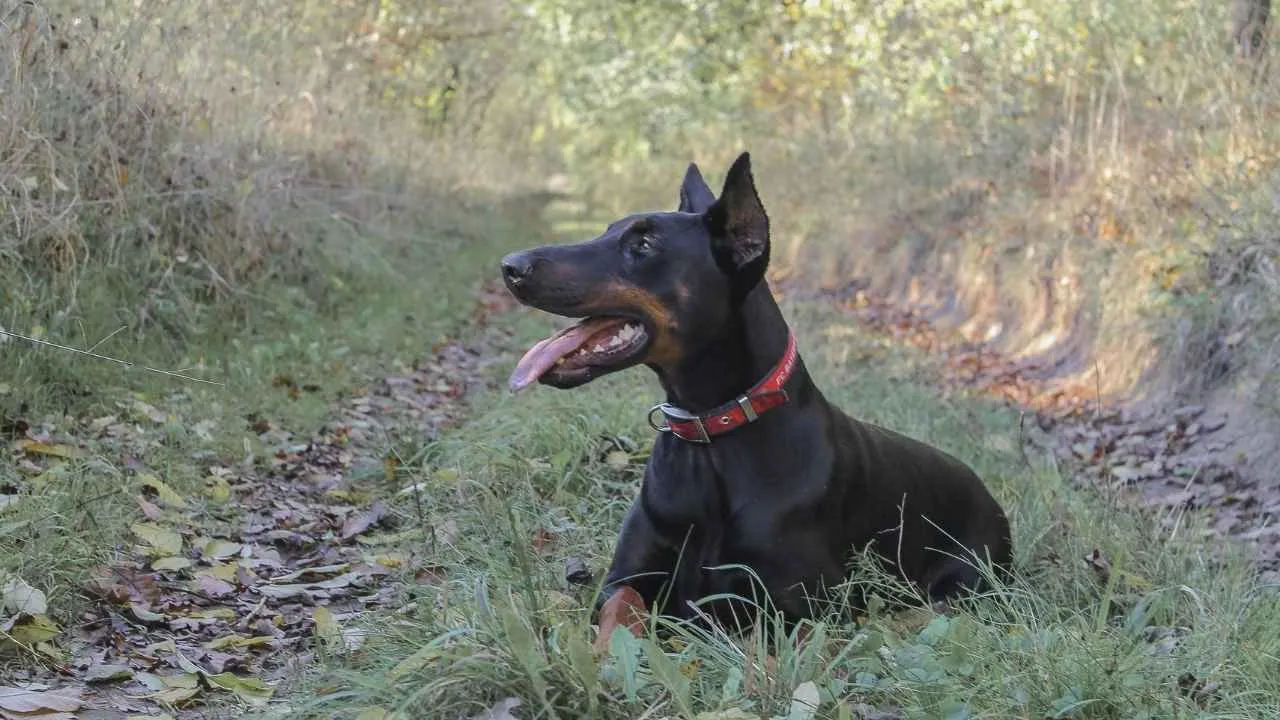
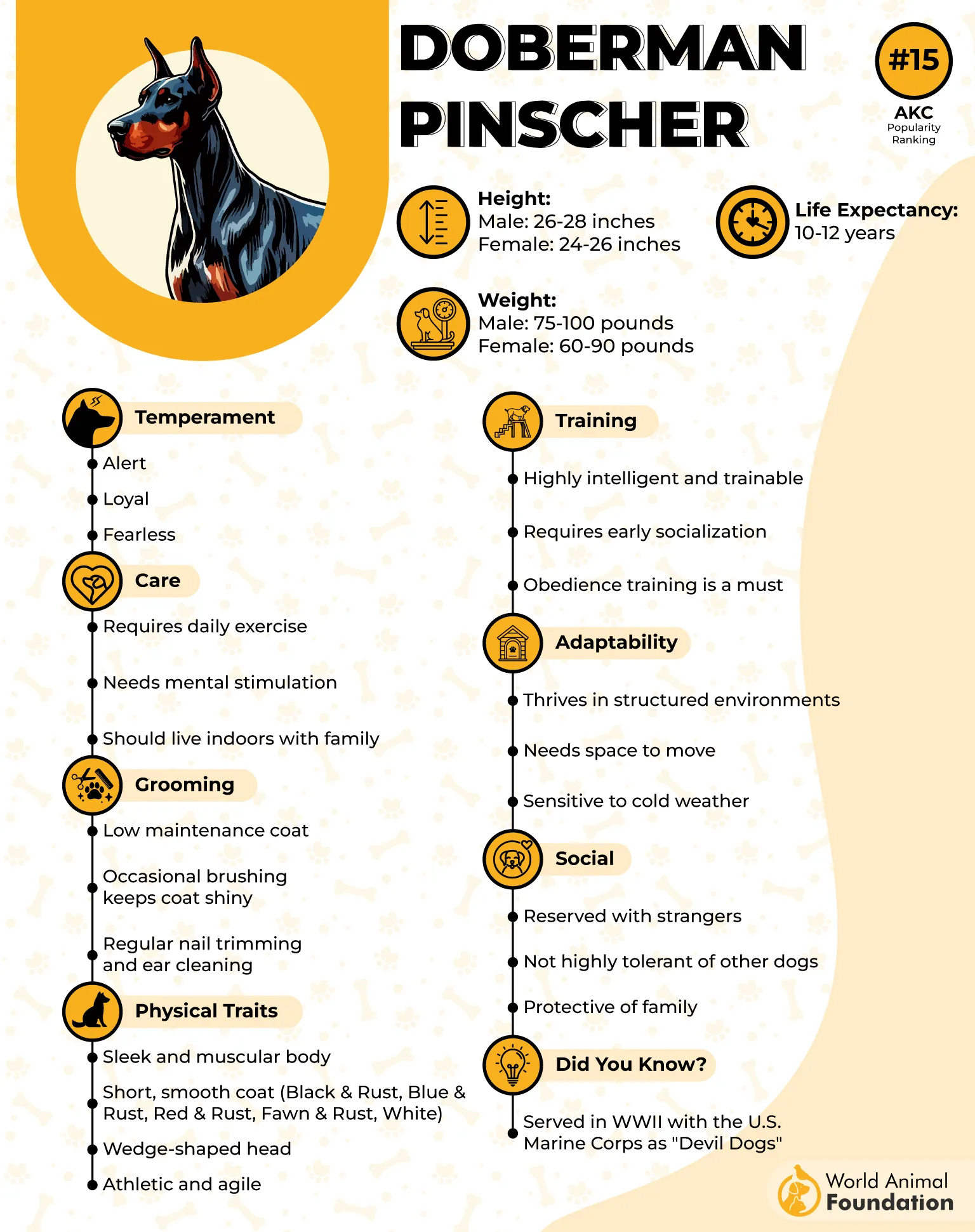
Doberman Pinscher presents a sleek yet substantial frame, marked by a wedge-shaped head and a coat that reflects light across black, blue, red, or fawn tones with rust markings. Its build combines visual refinement with physical strength, creating a presence that reads as composed and alert.
Intelligence expressed through structured response
They respond strongly to mental engagement, showing focus during obedience training and tasks that require direction. It learns quickly when stimulation is consistent, often working with precision when guided.
This structured behavior is visible in key aspects:
Excels in obedience-focused training routines
Requires consistent mental engagement to stay balanced
Responds strongly to clear handler direction
Affection within familiar surroundings
Dobbies form close bonds within its household, often showing physical closeness and comfort-seeking behavior with trusted people.
Despite its powerful structure, it tends to act with sensitivity in family spaces, showing ease with children and known pets. This blend of strength and familiarity shapes its everyday interaction style.
9. Miniature Poodle
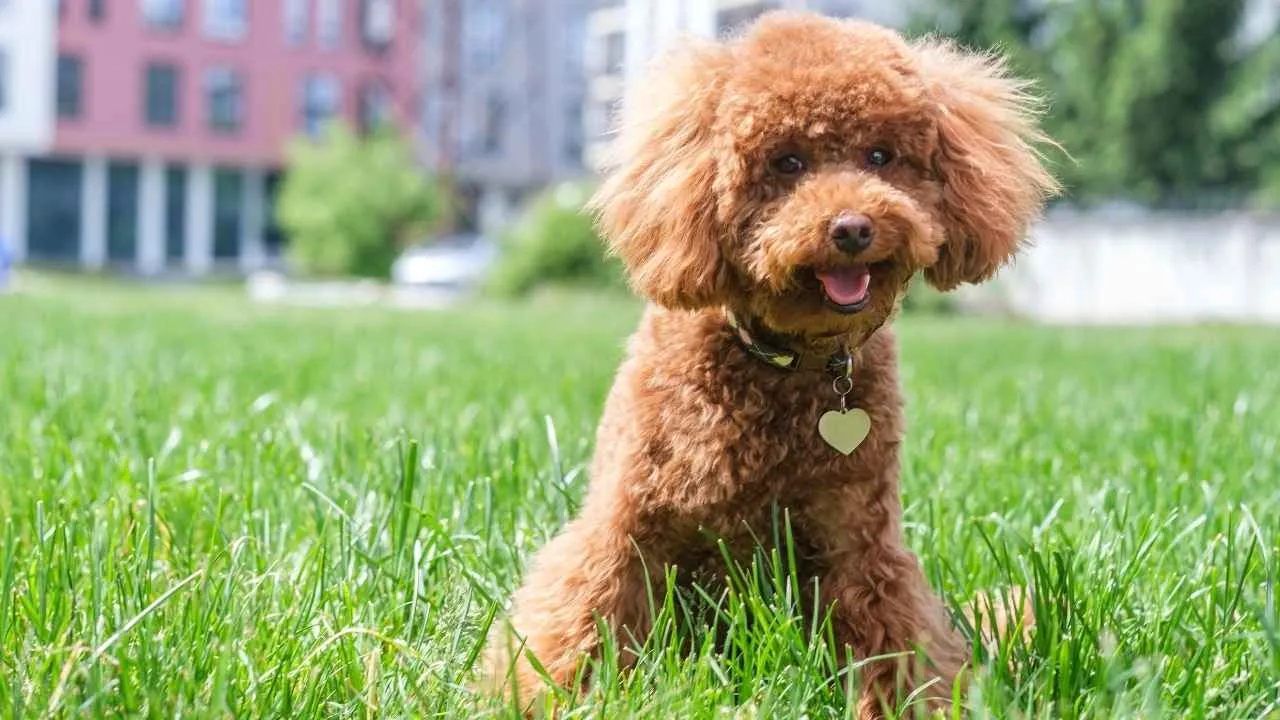
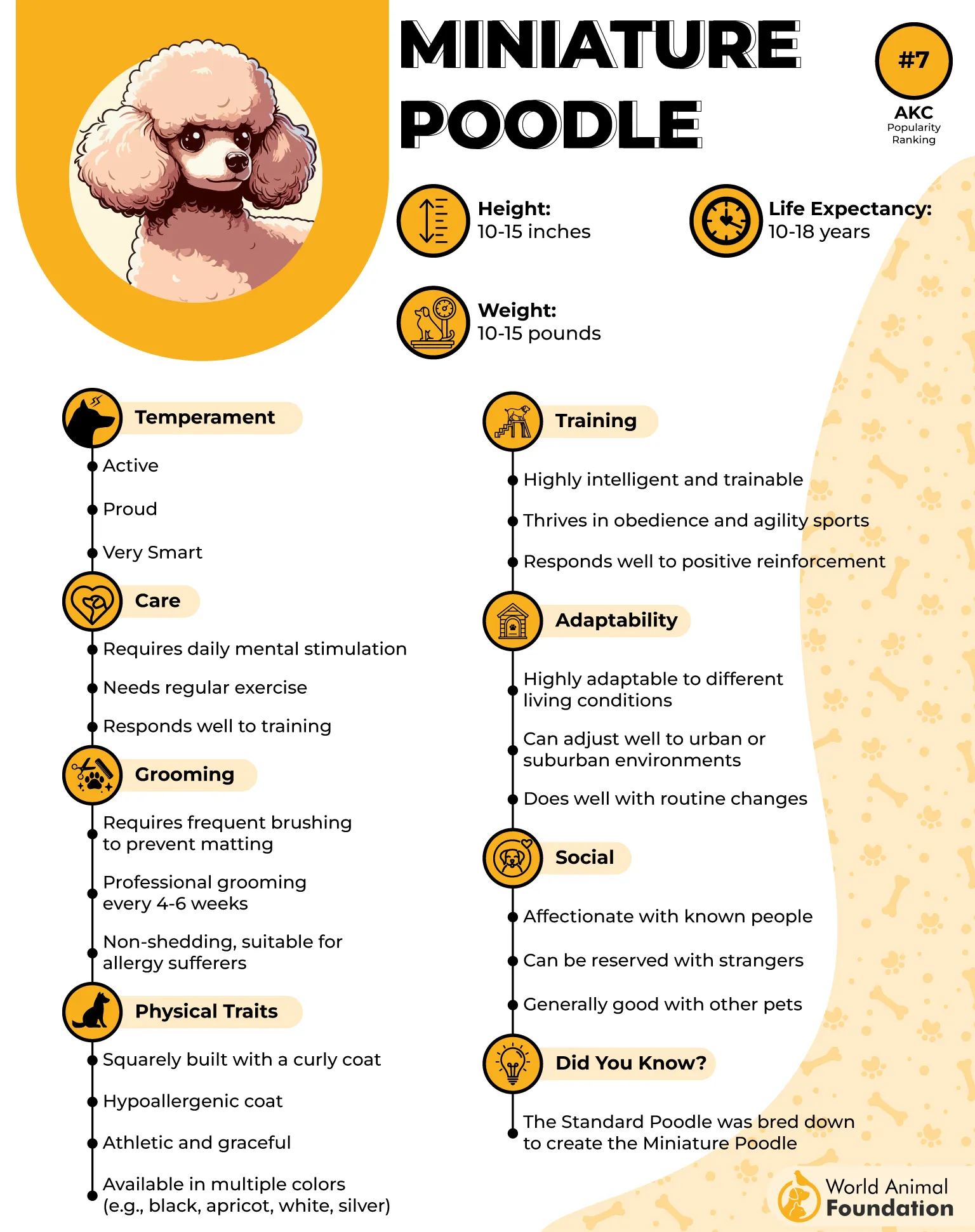
Miniature Poodle shows a refined frame with a long neck, slim muzzle, and a dense curly coat often shaped in styled patterns. Its appearance is not just decorative, as its structure supports agility and quick response. This breed reflects a balance between form and practical movement ability.
Fast learning and a responsive mind
This small dog processes information quickly, often understanding new cues after minimal repetition. Its thinking pattern leans toward problem-solving, making it responsive during structured learning sessions.
This mental sharpness appears in everyday behavior:
Grasps new commands with limited repetition
Responds quickly to reward-based learning
Seeks interaction through guided tasks
Activity needs and behavioral balance
They are highly trainable and channels its energy into structured play like retrieval games, swimming, and agility-based tasks. Without regular engagement, its mental energy remains active and seeks outlets through interaction. This makes routine stimulation an important part of its daily rhythm.
10. Shiba Inu
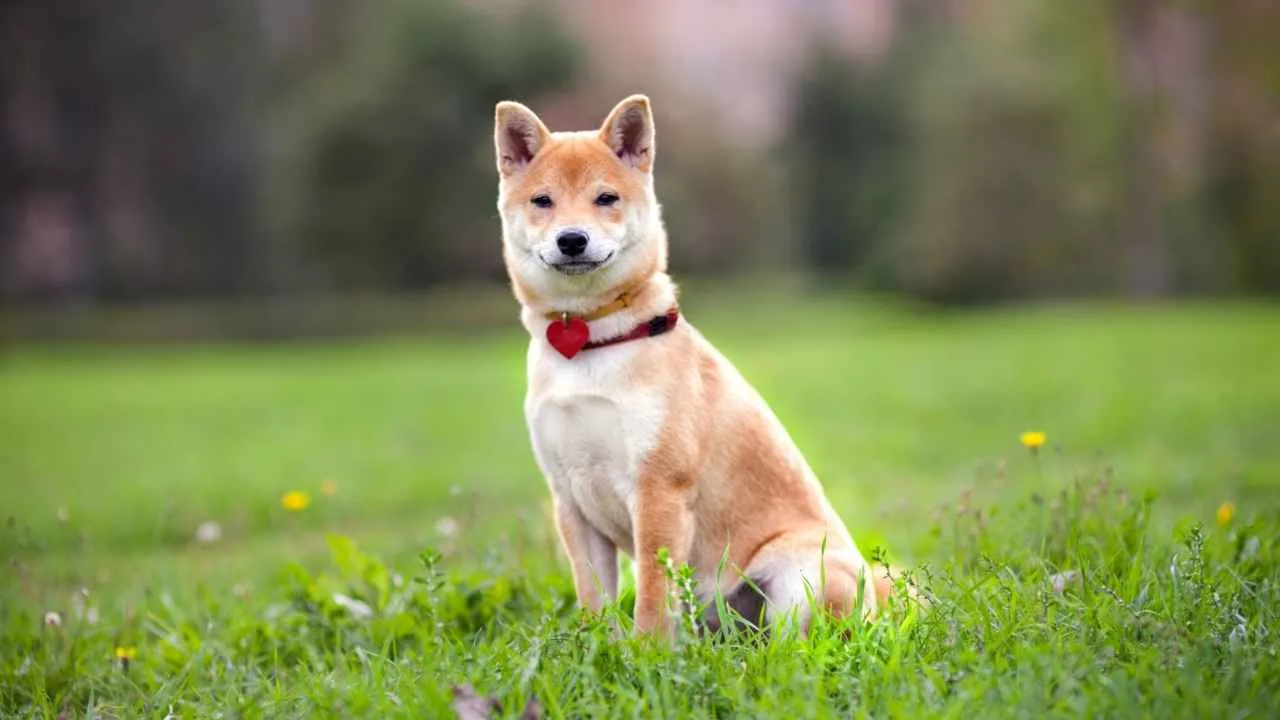
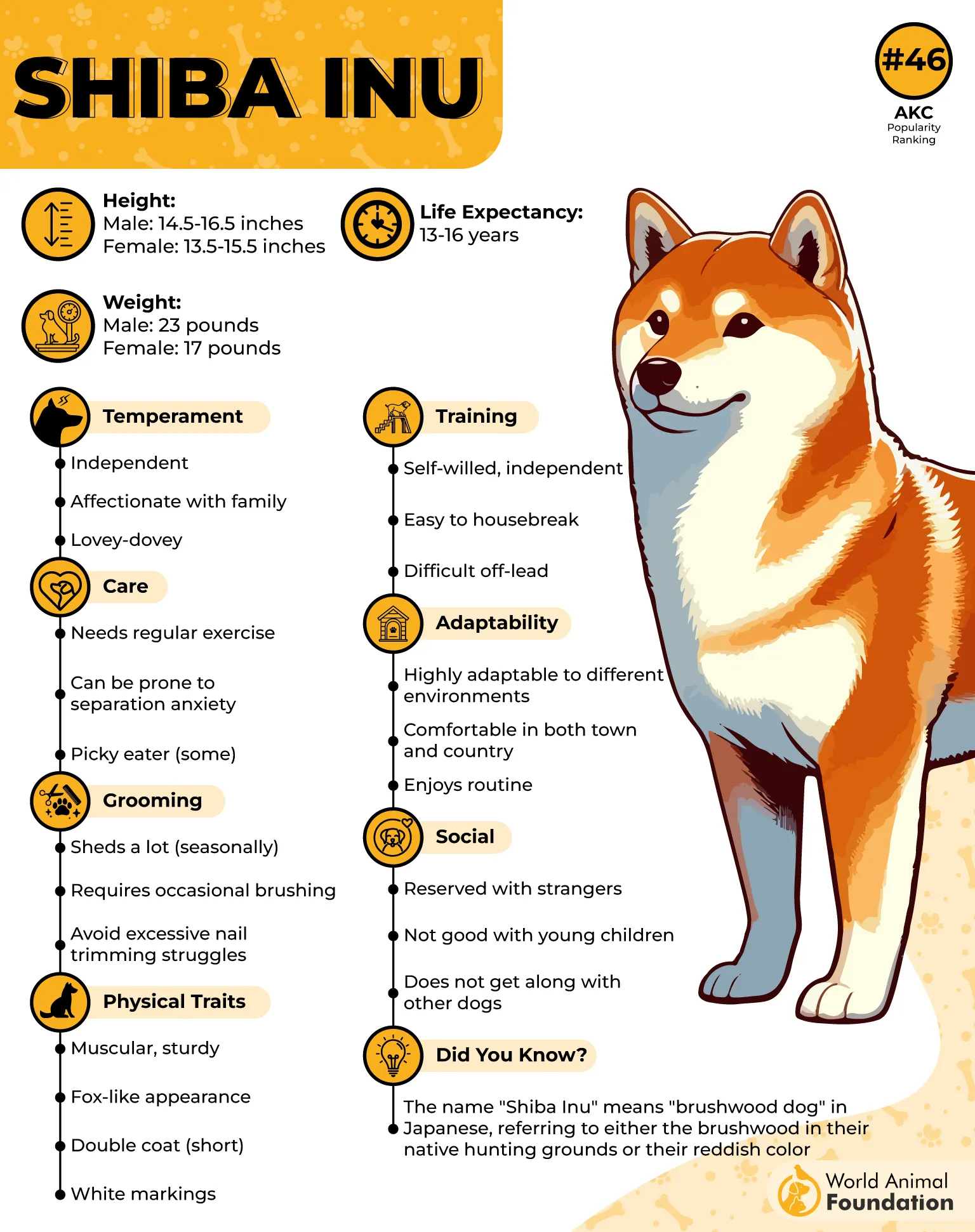
Shiba Inu shows a compact, well-muscled frame with sharp white markings that highlight its foxlike appearance and alert expression.
Its smooth stride reflects control rather than excess motion, giving it a composed visual presence. This physical structure supports quick awareness in changing surroundings.
Behavior marked by independence
They often follows its own judgment during interaction, showing friendliness in some moments and clear independence in others. Its vocal nature becomes noticeable under stress or discomfort, sometimes expressed through a distinct, sharp sound known among owners.
This behavior is visible through key patterns:
Reacts independently rather than with constant obedience
Expresses stress through vocal outbursts
Shifts between friendly and reserved responses
Energy that needs direction
This breed holds a high level of activity paired with strong alertness, requiring consistent engagement to prevent restlessness. Without proper stimulation, this energy can turn into anxious behavior or repetitive vocal reactions. Its movement style stays quick and intentional when engaged properly.
Conclusion
When beauty and intelligence come together, the difference shows in everyday life more than anywhere else. The dogs in this list, often counted among the smartest dog breeds, reflect that balance through how they respond, learn, and stay connected to their surroundings. Their presence feels complete, not just visually appealing but mentally engaging as well, something pet parents often notice early on.
Over time, this combination reduces effort and creates a steady flow in daily routines. The bond grows through understanding rather than adjustment. What begins as attraction becomes something more reliable, where both appearance and awareness work side by side, shaping family pets that feel consistent, responsive, naturally aligned, and easy to train.
