




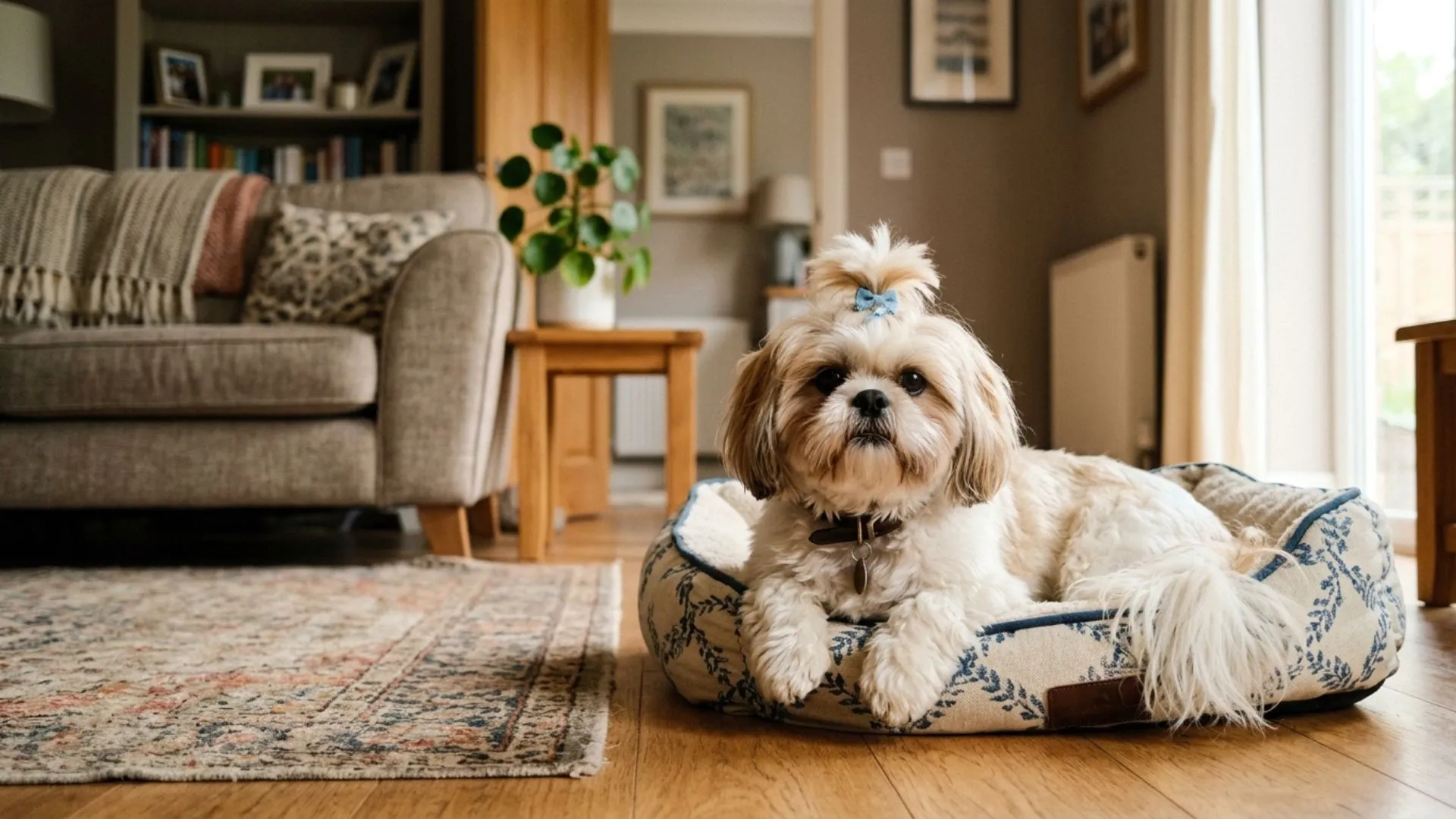
Living in an apartment doesn’t mean you have to give up on having a dog—but it does mean choosing wisely. In smaller spaces, things like barking, shedding, energy levels, and daily exercise needs matter a lot more than they would in a house with a yard.
The right dog can bring comfort, companionship, and joy, while the wrong match can lead to stress for both you and your pet.
Generally, dogs under 20 pounds tend to adjust well to apartment life because they require less space and are easier to manage indoors. But size alone isn’t everything—temperament, trainability, and energy levels also play a big role.
In this article, we’ll explore the best small dog breeds that can thrive in apartment living while keeping your home peaceful and pet-friendly.
Key Takeaways
Find out why small dogs under 20 pounds are perfect for apartment life when the right match is made.
Meet charming breeds like the Yorkshire Terrier, Pug, and Pomeranian—small in size but big in personality.
Discover cuddly companions such as Maltese and Shih Tzu that love close bonding and indoor comfort.
Learn what really matters—temperament, training, and care—not just size, when choosing your ideal apartment dog.
Top Dog Breeds Under 20 Pounds for Apartment Living
1. Affenpinscher
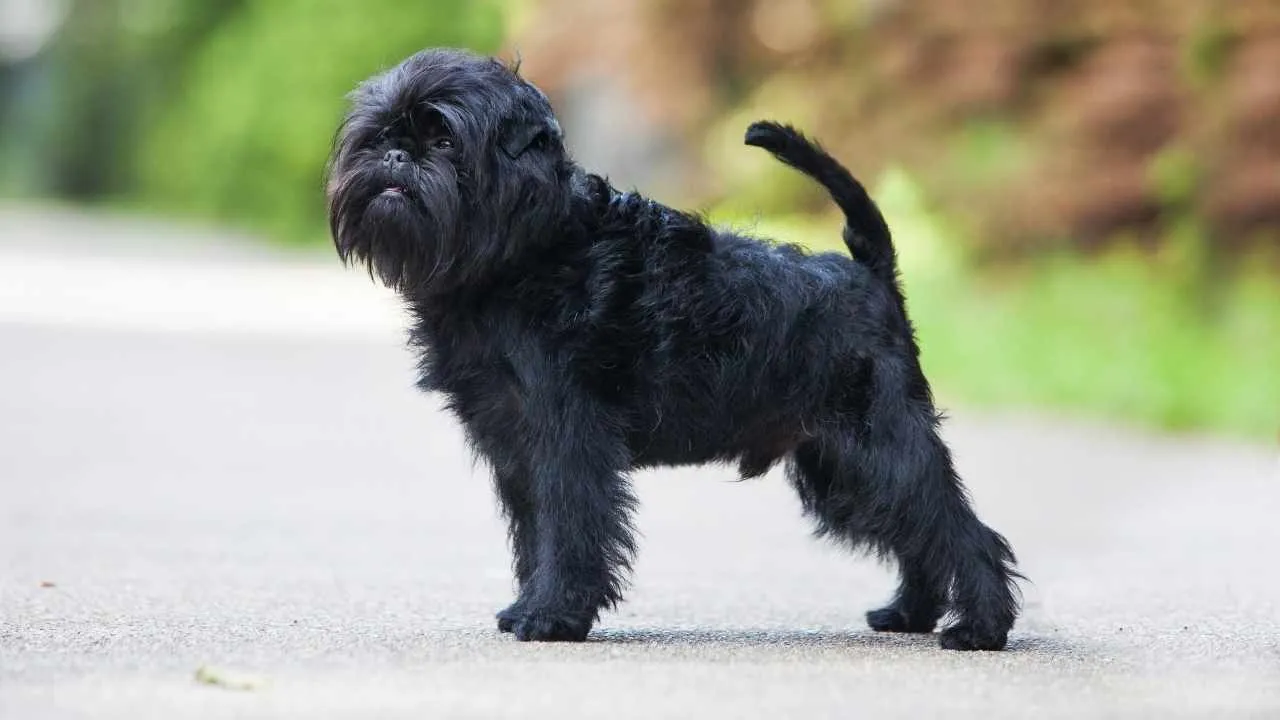
The Affenpinscher is a small, rare toy dog with a very old history, dating back to 17th-century Germany. It was originally used to catch rats in homes and stables, but today it is loved as a companion dog.
Purina says that it is often called the “Monkey Dog” or “Ape Terrier” because of its funny, monkey-like face and bold attitude. This little dog looks unique with its wiry coat, round dark eyes, short muzzle, and expressive face that always looks curious and alert.
Living in Apartments & Daily Life
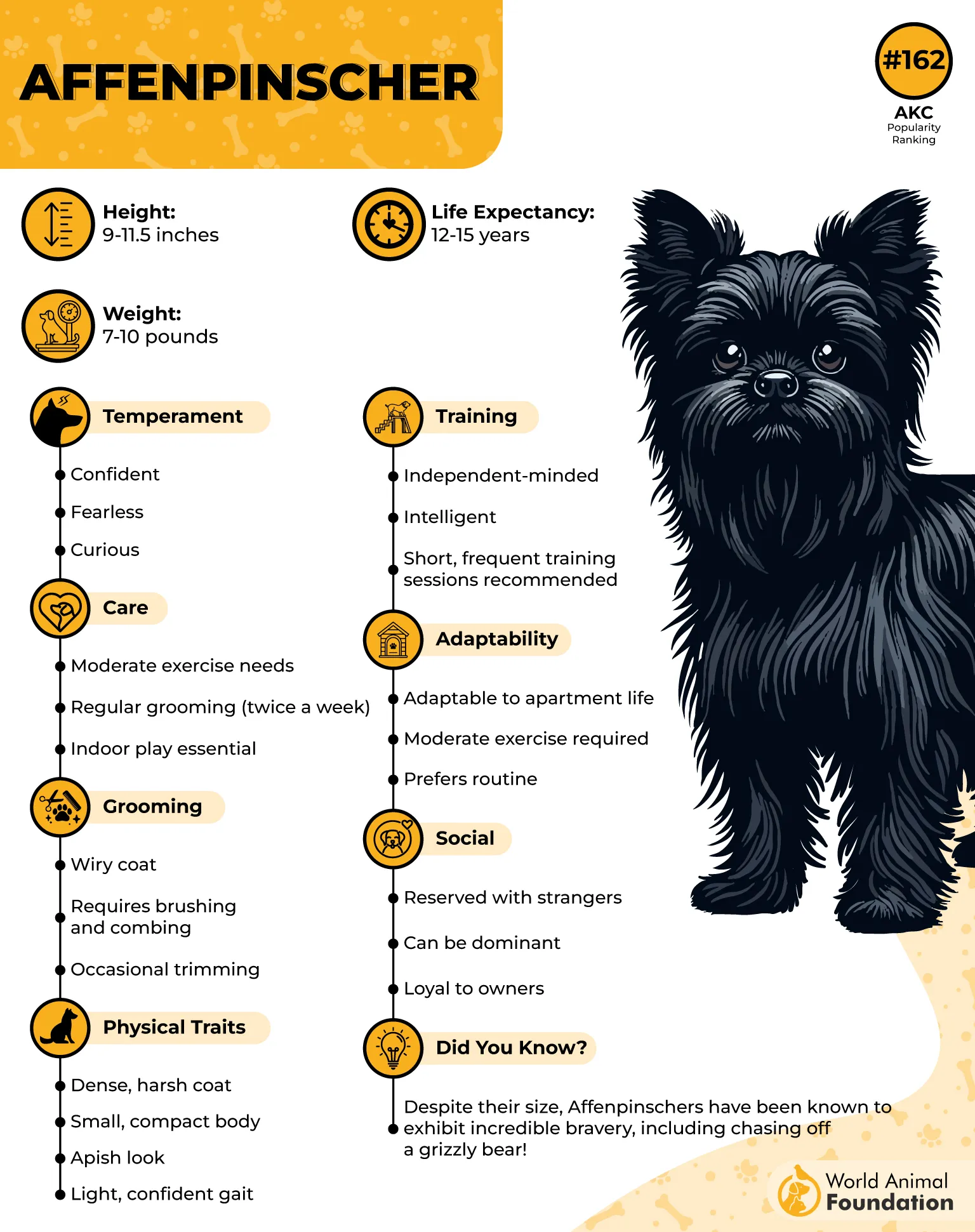
The Affenpinscher is well-suited for apartment living. It does not need a large yard and can stay active with indoor play and short daily walks. However, it is sensitive to extreme temperatures, especially overly warm environments, which can affect its coat.
This breed is small but not delicate. It is active, playful, and enjoys being part of daily family life. It can also become bored easily, so light mental stimulation and variety in routine are important.
Personality, Care & Training Needs
This breed is known for its bold, fearless, and mischievous nature. It is very loyal and forms strong bonds with its family, often choosing one or two favorite people. Affenpinschers are alert and make good watchdogs, but they can bark to signal anything unusual.
They are smart but independent, so training needs patience and consistency using positive reinforcement. Early socialization is important to prevent anxiety in new situations.
Their wiry coat needs brushing a few times a week and professional grooming every few months. They do best in calm homes with close companionship, as they do not like being left alone for long.
2. Maltese
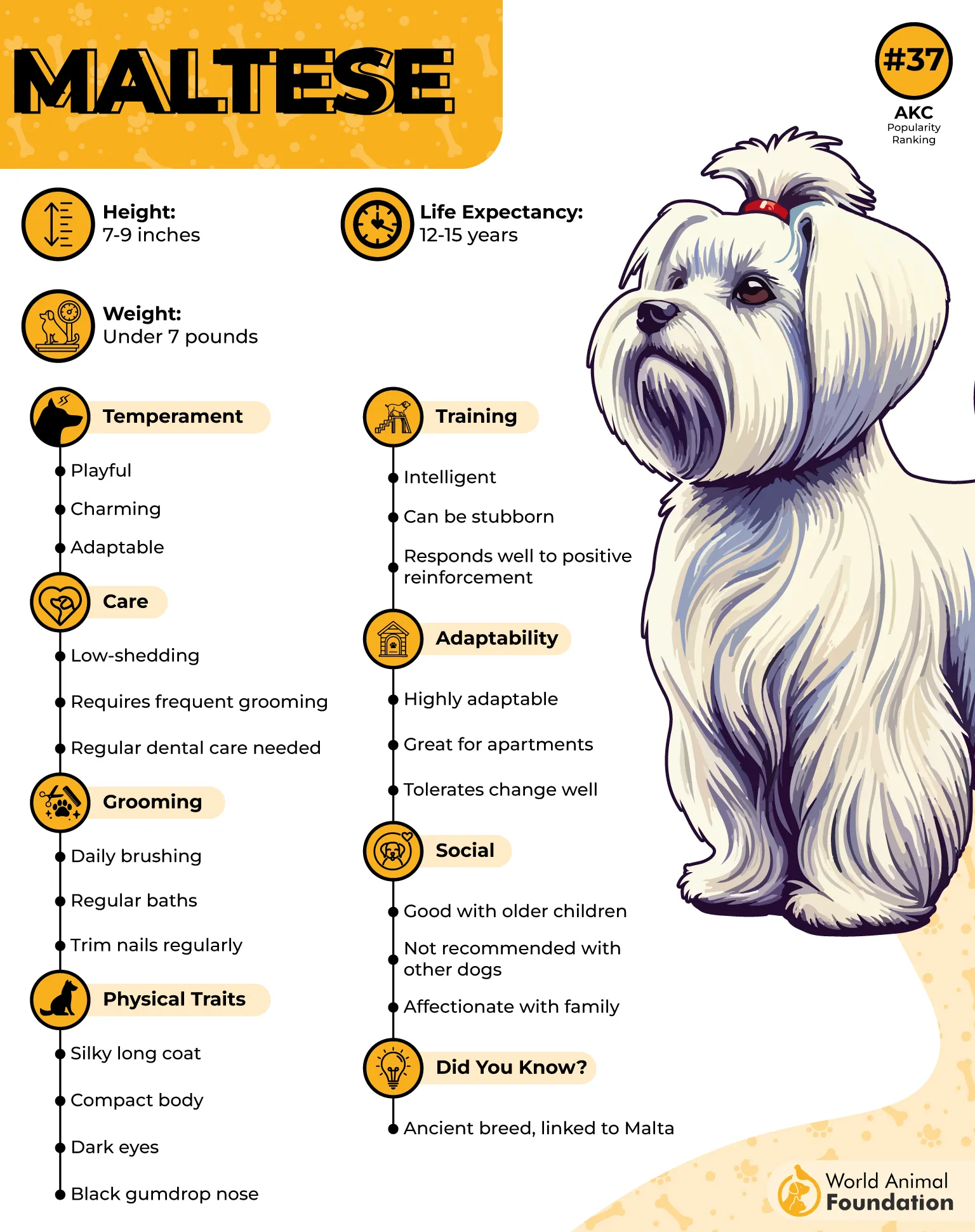
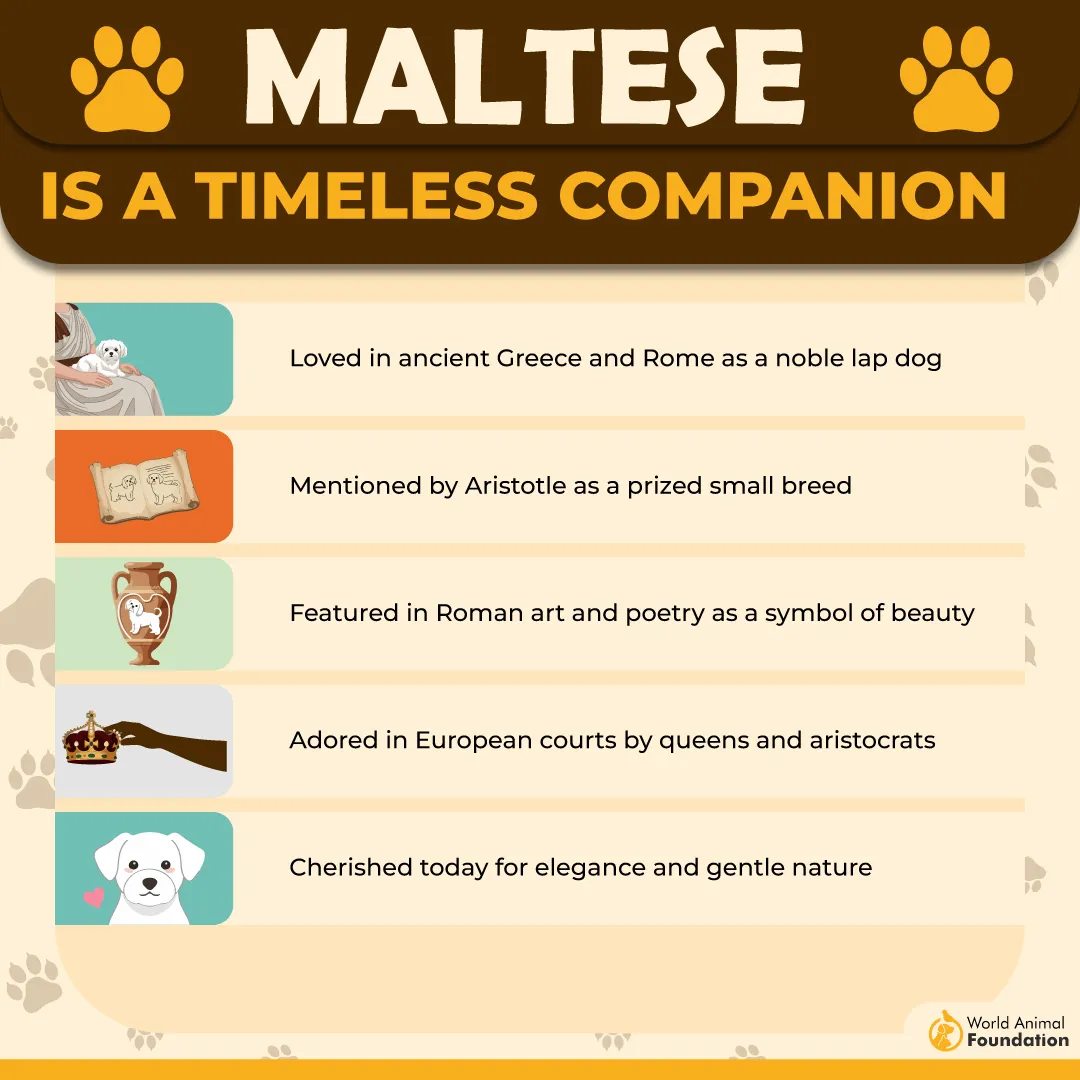
The Maltese is an ancient toy breed from the Mediterranean island of Malta, with a history going back over two thousand years. It has been admired since ancient Greece and was even mentioned by Aristotle.
Over time, it became a favorite among French aristocrats and British royalty. Today, it is one of the most loved companion dogs worldwide, known for its charm, elegance, and affectionate nature.
Appearance & Apartment Living Suitability
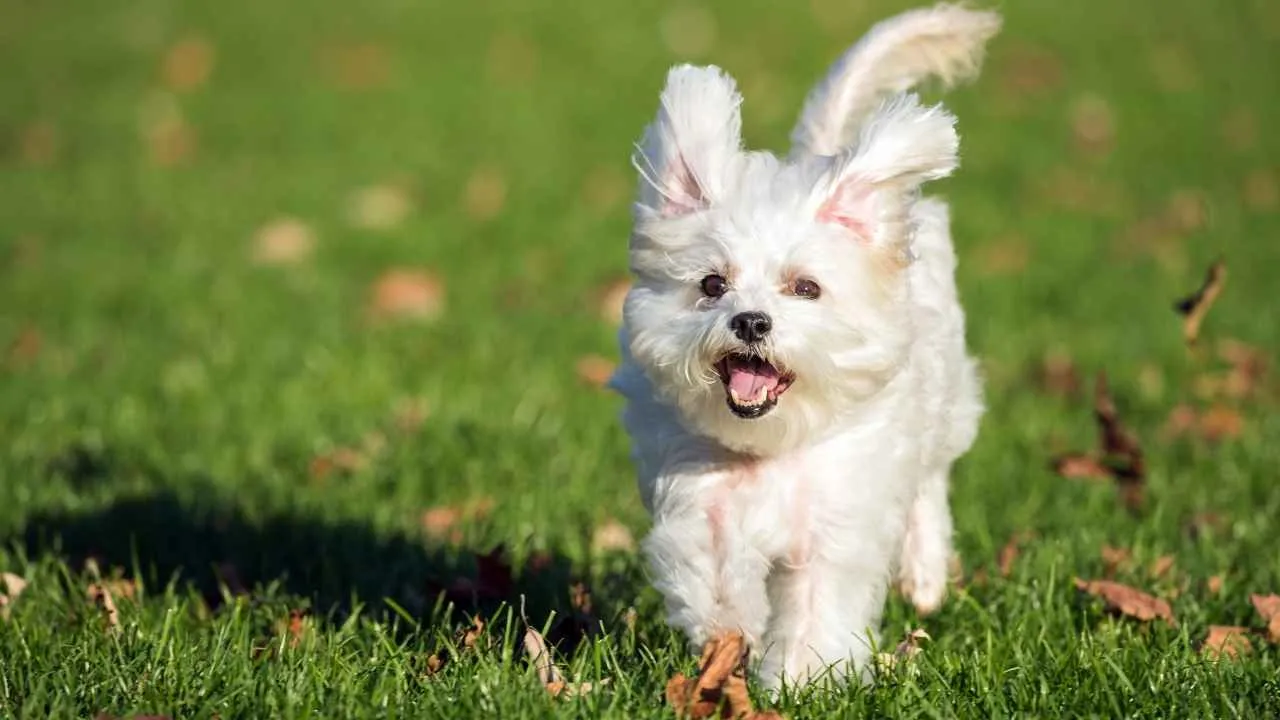
This breed is very small, lightweight, and perfectly suited for apartment life. It has a compact, well-proportioned body and a signature silky white coat that often flows down to the floor. The coat is hypoallergenic and sheds very little, making it a good option for allergy-sensitive owners.
However, it requires daily brushing and regular grooming to prevent tangles. Maltese dogs are indoor-friendly and can stay happy in small spaces as long as they get attention and short daily walks or indoor play.
Temperament, Care & Training Needs
Maltese dogs are gentle, friendly, and highly affectionate. They love being close to their owners and often prefer sitting in laps. They are intelligent and learn quickly, especially with positive reinforcement, but they can also be a bit stubborn or try to “outsmart” their owners.
They do well with other pets but need careful handling around small children due to their fragile size. These dogs are playful and energetic, but do not require heavy exercise—light walks and playtime are enough.
They can develop separation anxiety if left alone for long periods, so they do best in homes where they get plenty of companionship and attention.
3. Yorkshire Terrier
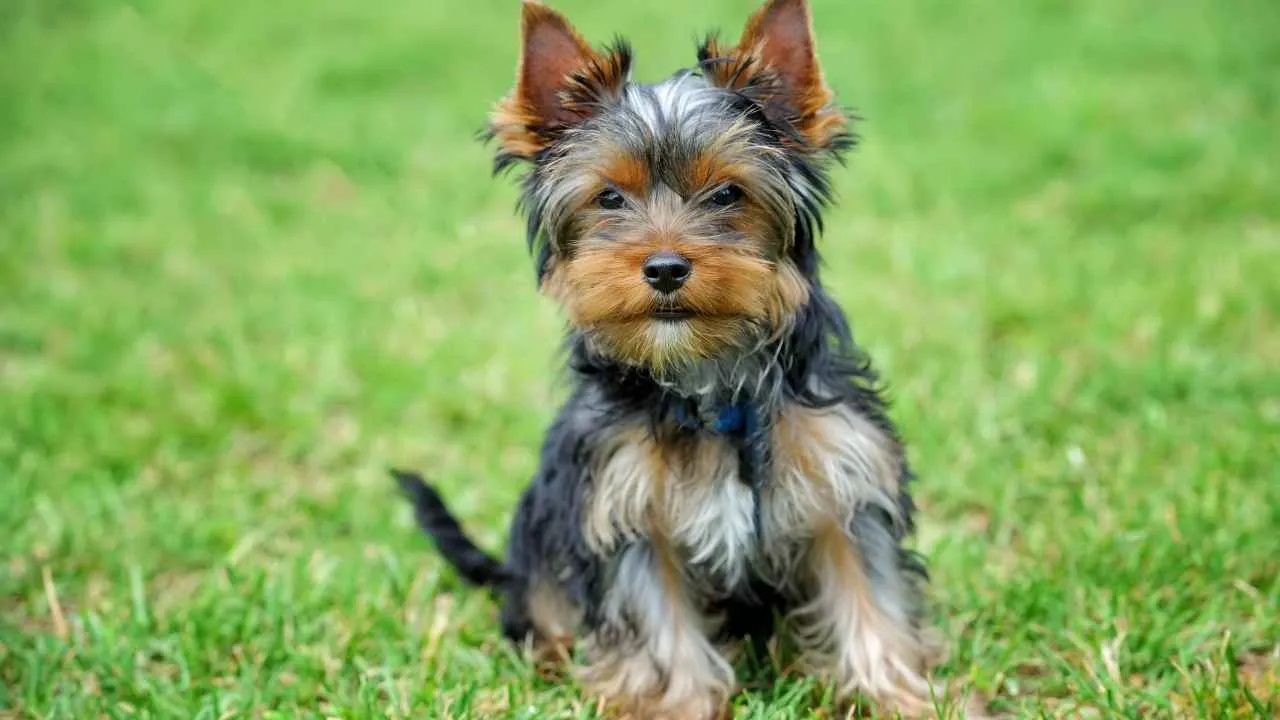
The Yorkshire Terrier, or Yorkie, may look like a pampered lap dog today, but it actually has strong working-class roots. According to PetMD, it was first bred in the mid-1800s by Scottish mill workers in England to hunt and kill rats in textile mills and mines.
Over time, this small but fearless dog moved from factories to royal parlors and became a favorite among Victorian ladies. Even today, it remains one of the most popular city dogs in the world, known for its bold spirit and charming personality.
Appearance & Apartment Living Suitability
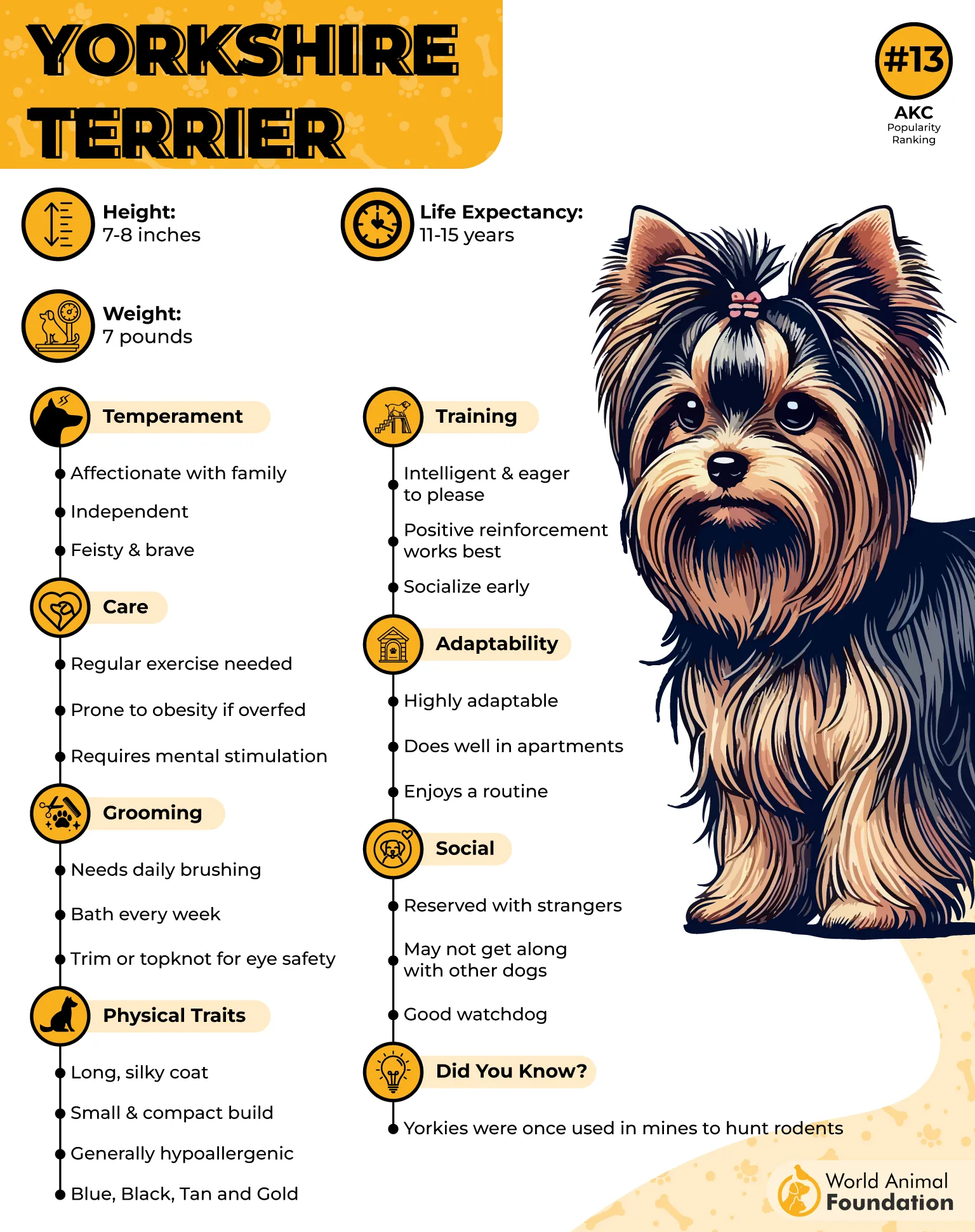
Yorkies are extremely small and lightweight, making them a perfect fit for apartment living. They have a compact body, a short muzzle, erect ears, and bright, intelligent eyes.
Their most famous feature is their long, silky blue-and-tan coat, which can be kept long or trimmed into a shorter “puppy cut” for easier maintenance.
They shed very little but need regular grooming, brushing, and occasional trimming. Because they are sensitive to cold, they may also need protection during chilly weather.
Personality, Care & Training Needs
Yorkies are known for their brave, feisty, and bossy nature. Despite their size, they act like much bigger dogs and are confident, alert, and sometimes stubborn. They are affectionate with their families and love attention, but they can bark at strangers or unusual sounds, making them good little watchdogs.
They are smart and can learn quickly, but training requires patience, consistency, and positive reinforcement. Early socialization helps reduce excessive barking and builds confidence.
Yorkies do not need heavy exercise—short walks and indoor play are enough—but they do need mental stimulation and companionship to avoid boredom or separation anxiety.
4. Shih Tzu
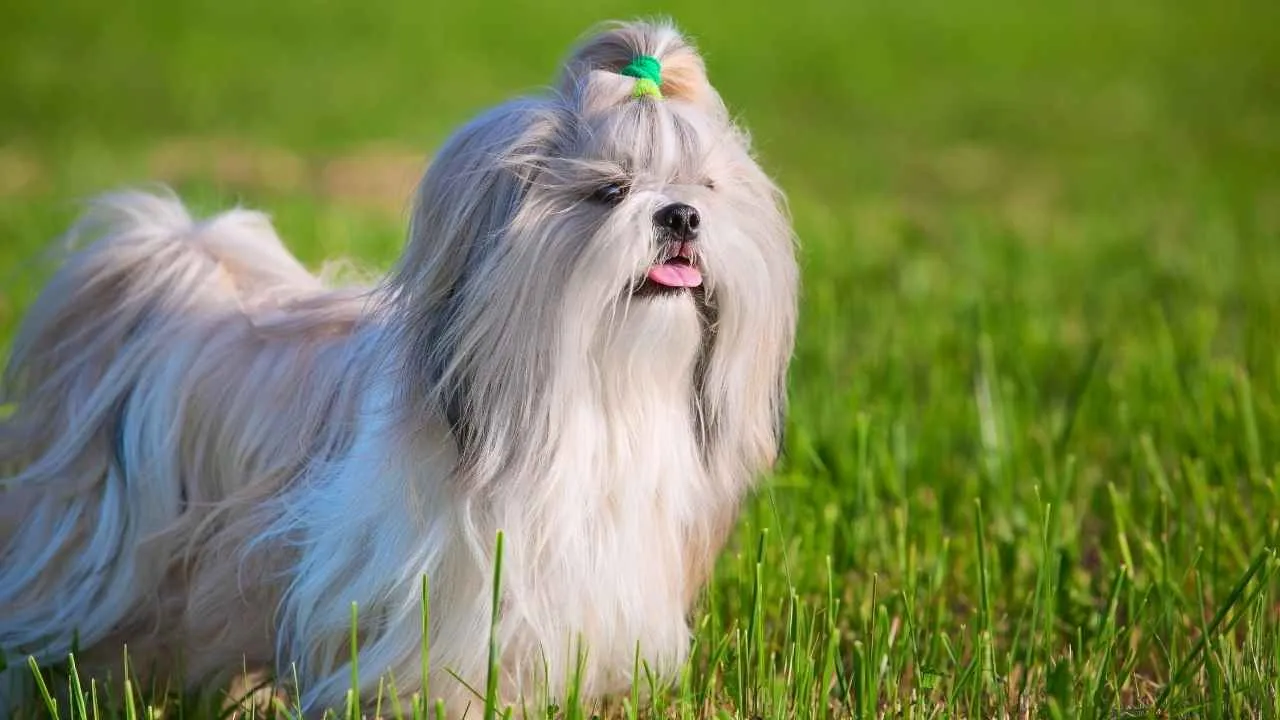
The Shih Tzu is an ancient Tibetan toy breed, once cherished in Chinese imperial palaces as a royal companion. Its name means “Lion Dog,” inspired by its association with Buddhism and its lion-like appearance.
For centuries, it was bred not for work, but to stay close to people and alert them with a sharp bark. Over time, it became a mix of breeds such as Pugs and Pekingese, and eventually evolved into the loving lap dog we know today.
Appearance & Apartment Living Suitability
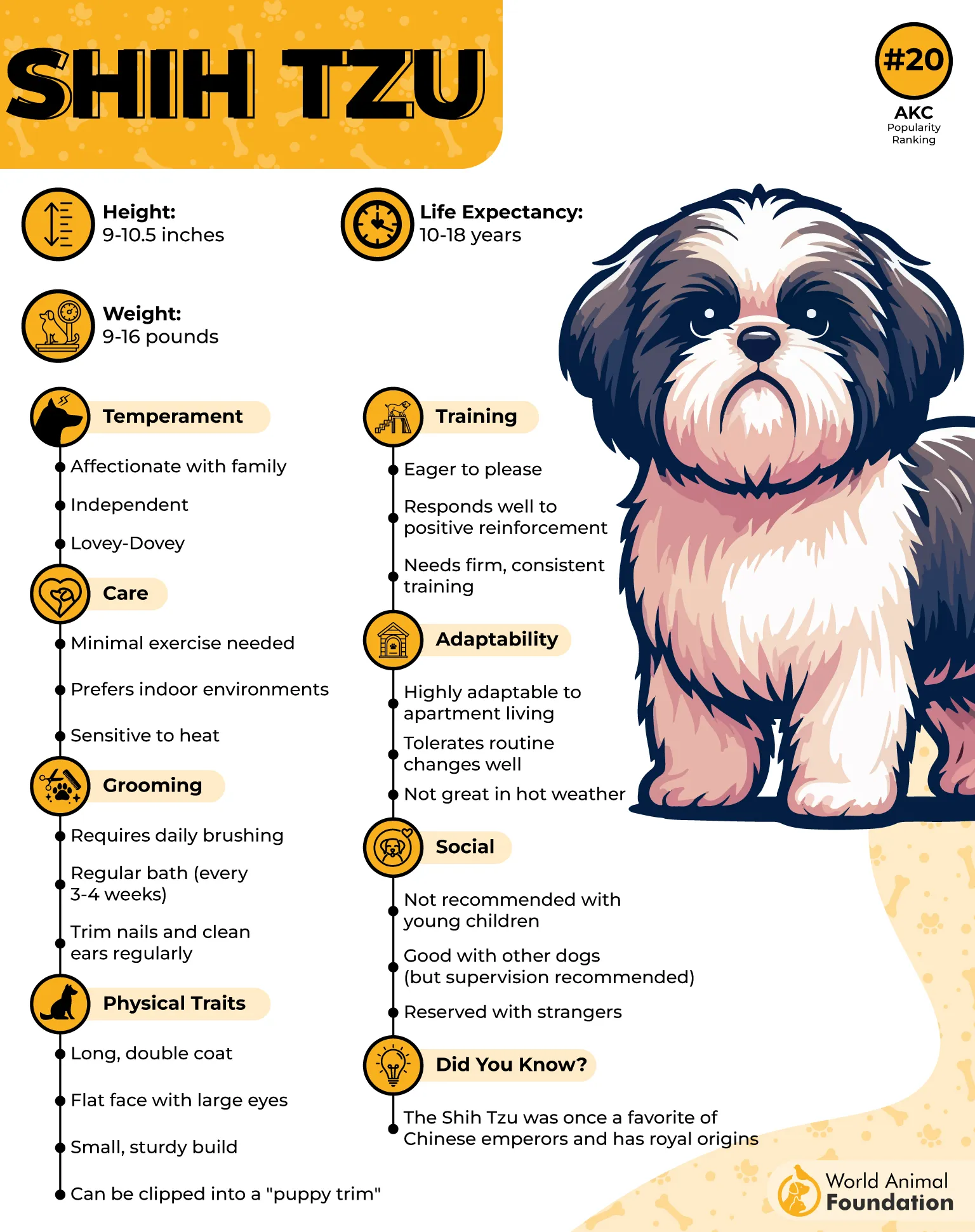
Shih Tzus are small, sturdy dogs that fit perfectly into apartment living. They have a round head, short muzzle, large expressive eyes, and soft floppy ears. Their long, flowing double coat is one of their most striking features and comes in many colors.
While the coat is beautiful, it needs regular care. It does not shed much, but it can easily tangle or mat. Many pet parents keep it in a short “puppy cut” to make grooming easier. Because of their small size and low exercise needs, they adapt very well to indoor living and do not require large outdoor spaces.
Personality, Care & Training Needs
Shih Tzus are friendly, affectionate, and love being around people. They are happiest when they are not left alone for long and enjoy sitting close to their owners. They are gentle with children and usually get along well with other pets when properly socialized.
Their temperament is playful but calm, making them ideal lap companions. They are intelligent and can learn quickly with positive reinforcement, though treat intake must be controlled to avoid weight gain.
They may bark to alert strangers or new sounds, as they were originally bred as alert dogs. Overall, they are loyal, loving, and perfect for apartment dwellers who want a devoted indoor companion.
5. Bolognese
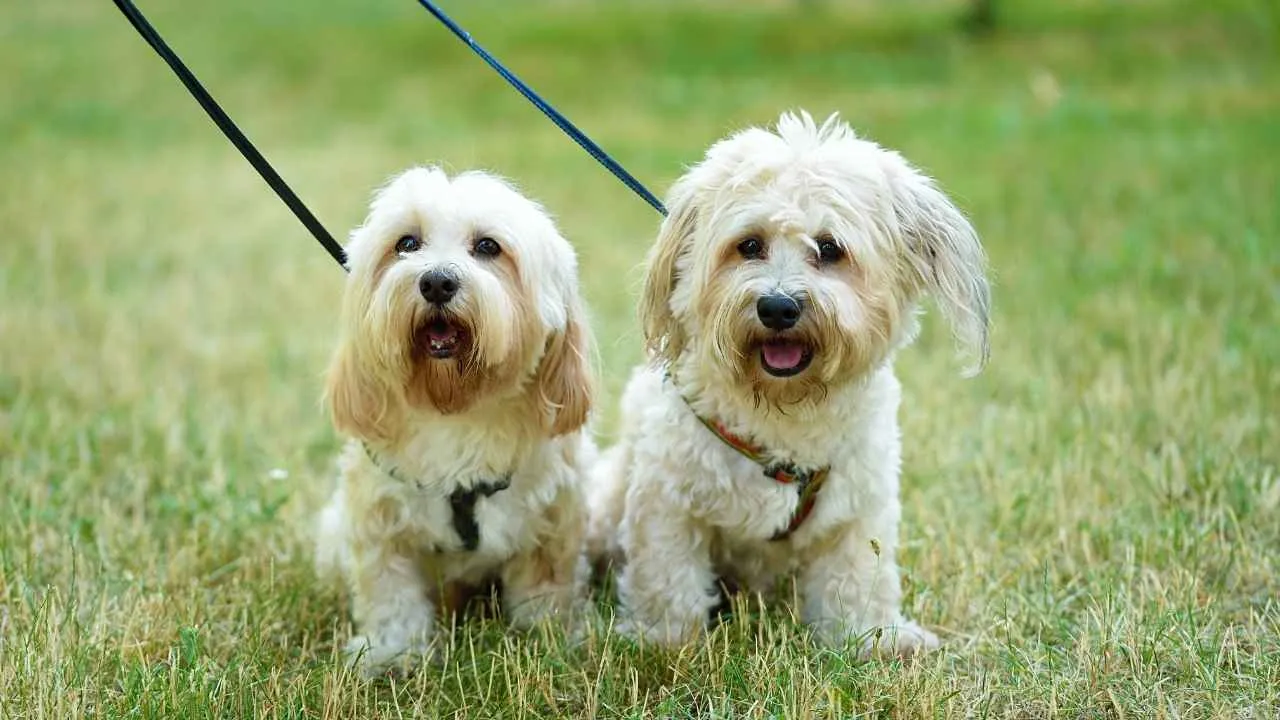
The Bolognese is an ancient toy breed from Bologna, Italy, with a history dating back to the 11th and 12th centuries. It was highly valued by European nobility during the Renaissance and was often gifted among royal families.
However, after the fall of the nobility, the breed nearly disappeared. Dedicated breeders later revived it, and it slowly returned to recognition in modern dog shows. Today, it remains a rare but treasured companion breed.
Appearance & Apartment Living Suitability
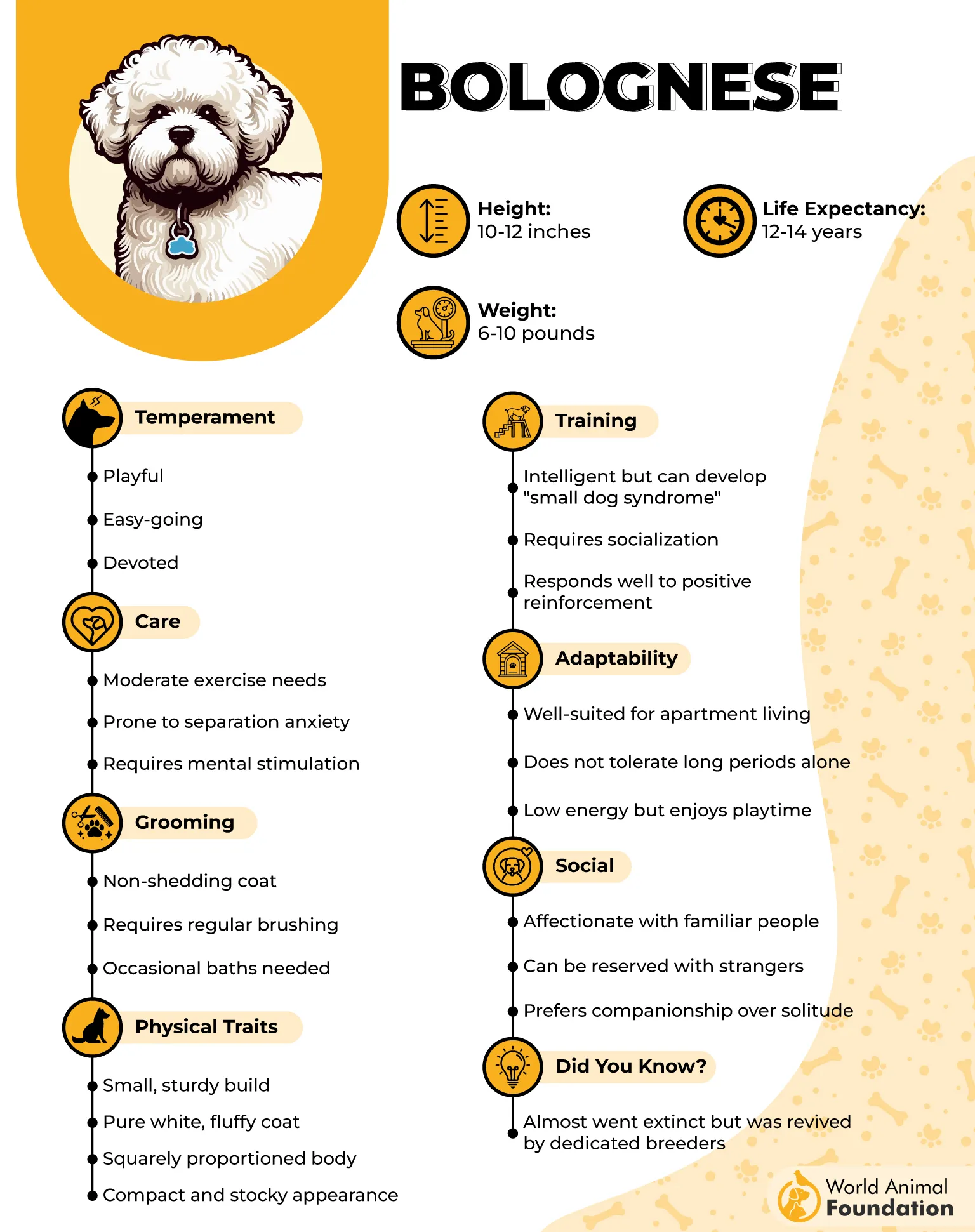
The Bolognese is a small, fluffy white dog that fits perfectly into apartment life. It has a soft, cotton-like coat, a compact body, and a gentle, expressive face. Despite its luxurious appearance, it has a relaxed and low-key nature.
This breed does not need large spaces or heavy exercise, making it ideal for city living. However, its coat needs consistent care, including near-daily brushing to prevent tangles and tear staining. It also thrives best in homes where it gets regular human companionship.
Personality, Care & Training Needs
Bolognese dogs are calm, affectionate, and deeply attached to their owners. They enjoy spending time with people and can become unhappy if left alone for long hours, sometimes developing separation anxiety.
They are intelligent, eager to please, and relatively easy to train when handled with patience and positive reinforcement. Unlike many small dogs, they are not overly noisy, but they will bark to alert their owners to unfamiliar sounds or strangers.
6. Bichon Frise
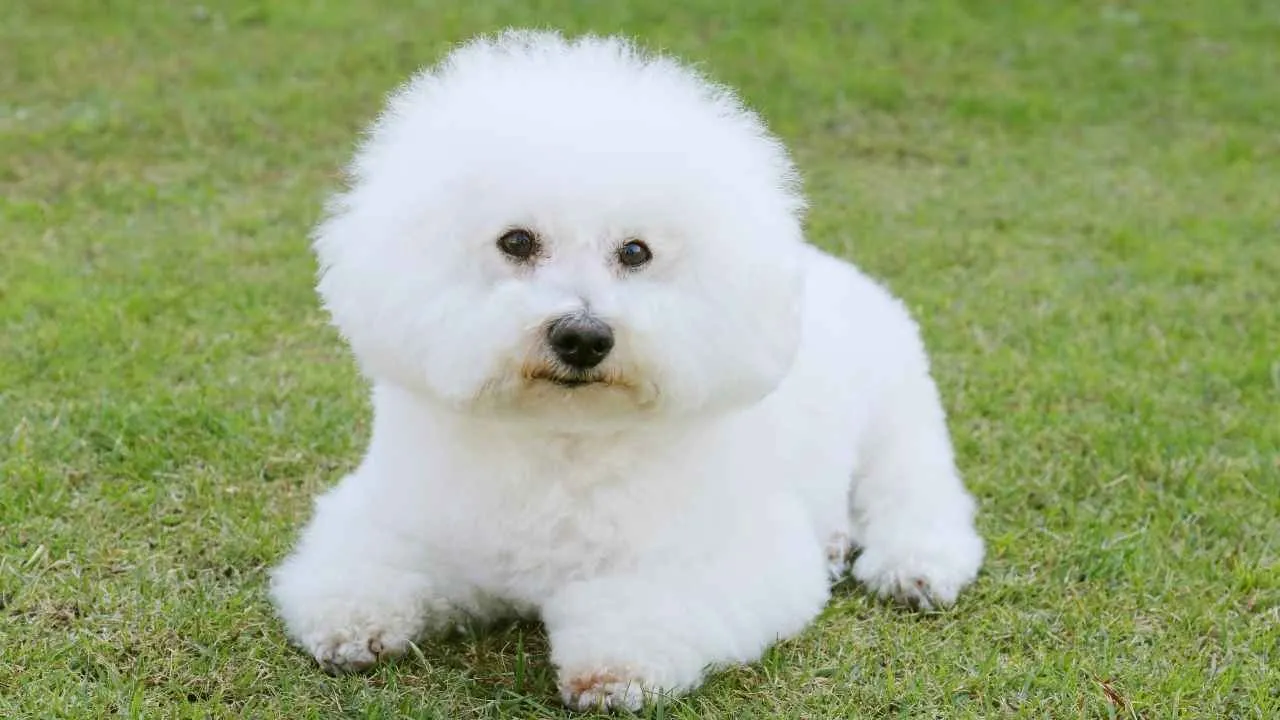
The Bichon Frise is a small, cheerful toy breed known for its playful and affectionate nature. It belongs to the non-sporting group and is often described as a “living stuffed animal” because of its soft, curly white coat and dark, expressive eyes.
This breed is closely related to other Mediterranean companion dogs like the Maltese and Havanese. Bichons are highly people-oriented and do not enjoy being left alone for long periods, as they thrive on companionship and attention.
Appearance & Apartment Living Suitability
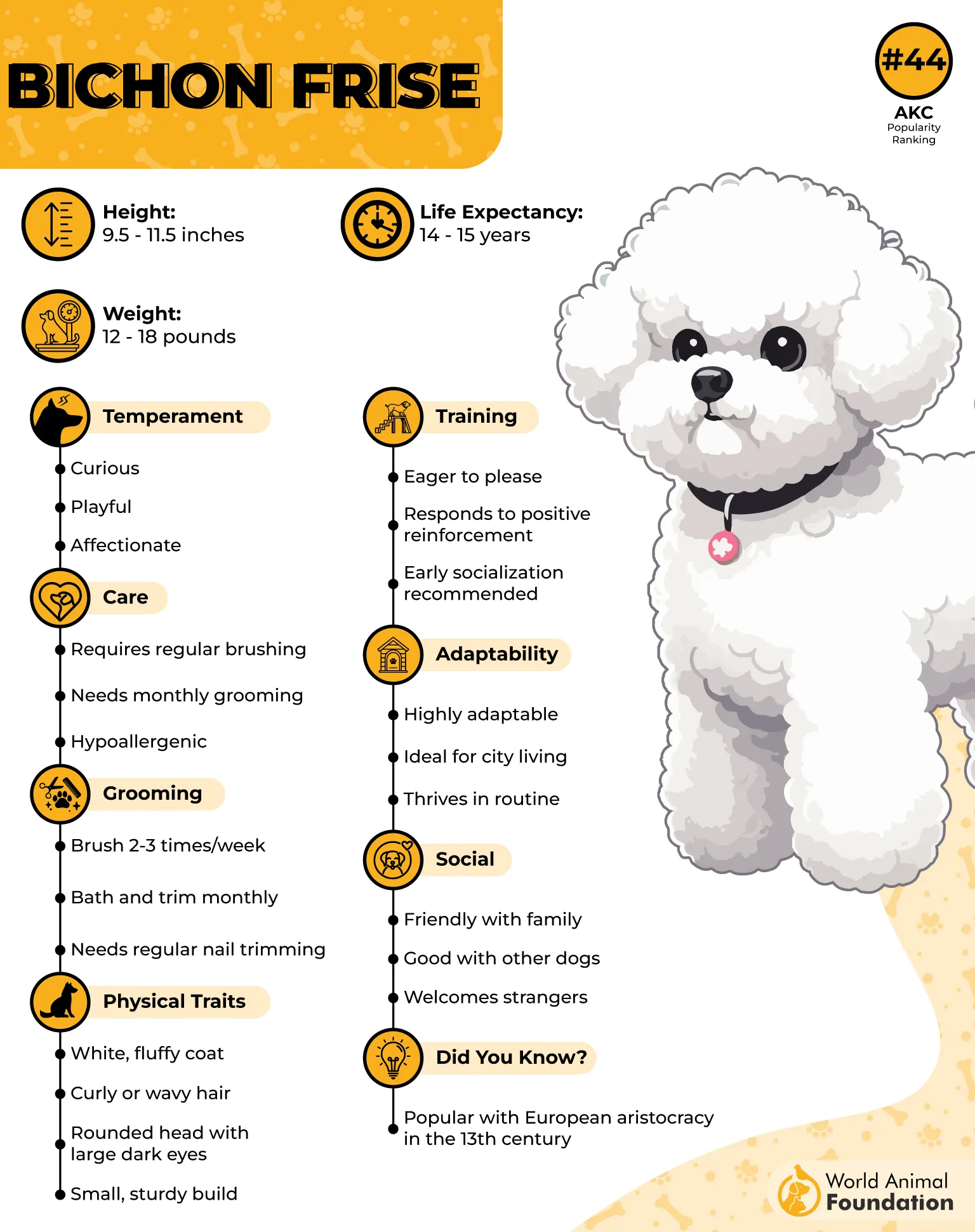
The Bichon Frise is perfectly suited for apartment living due to its small size and adaptable nature. It is active but not overly demanding, often enjoying short bursts of energy followed by calm rest.
Its signature coat is soft, curly, and hypoallergenic, shedding very little, but it requires serious maintenance. Regular brushing (2–3 times a week), bathing about once a month, and grooming every few weeks are necessary to prevent matting.
Tear staining around the eyes, and regular ear and nail care are also important. Despite the grooming needs, this breed adjusts very well to small indoor spaces.
Personality, Care & Training Needs
Bichons are friendly, playful, and highly social dogs that get along well with children and other pets when properly socialized. They are gentle and affectionate, making them excellent lap dogs and family companions.
These dogs are intelligent and eager to please, so they respond well to consistent training and can learn tricks quickly. However, they may develop unwanted behaviors like barking or chewing if left bored or lonely, so daily physical and mental stimulation is important.
7. Pug
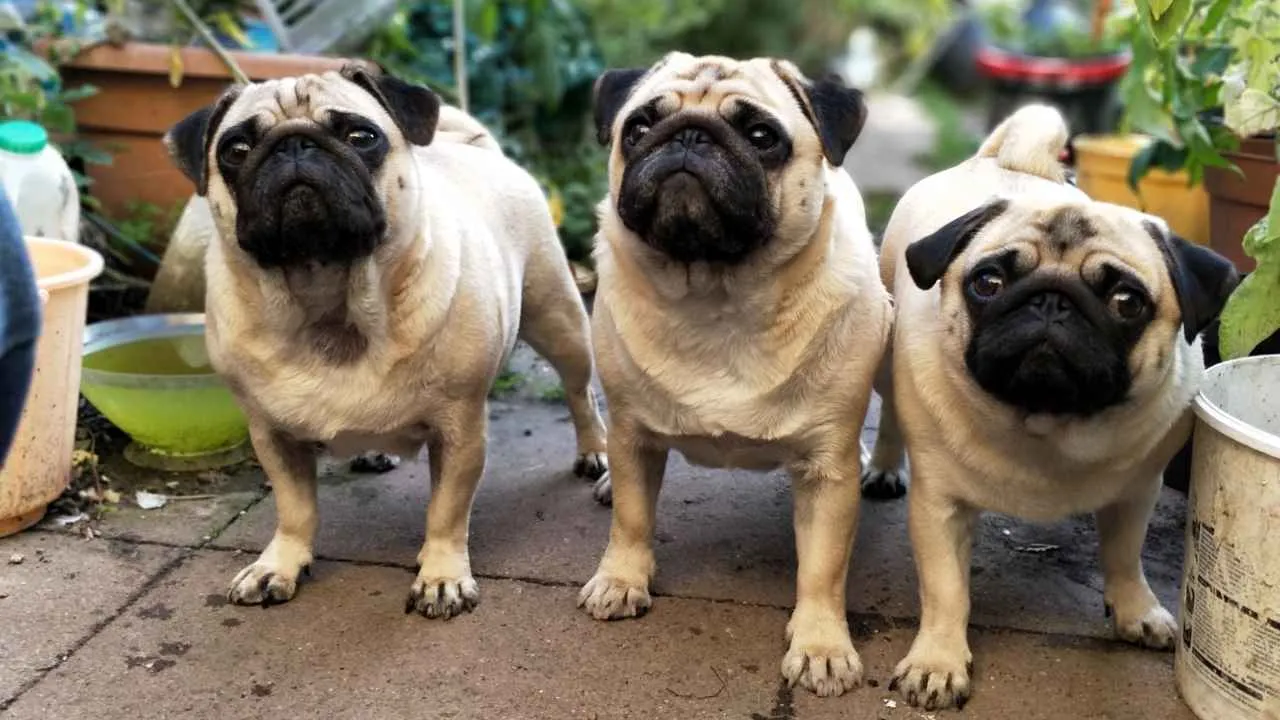
The Pug is often described by the Latin phrase “multum in parvo,” meaning “a lot in a little,” and it truly lives up to this. Known as the “clown of canines,” this small breed is playful, goofy, and full of charm. Pugs were bred as companion dogs and thrive on human attention.
They love being close to their owners—whether it’s cuddling on the couch, going for short walks, or simply following you around the house. Because of their strong attachment, they can become unhappy if left alone for long periods.
Appearance & Apartment Living Suitability
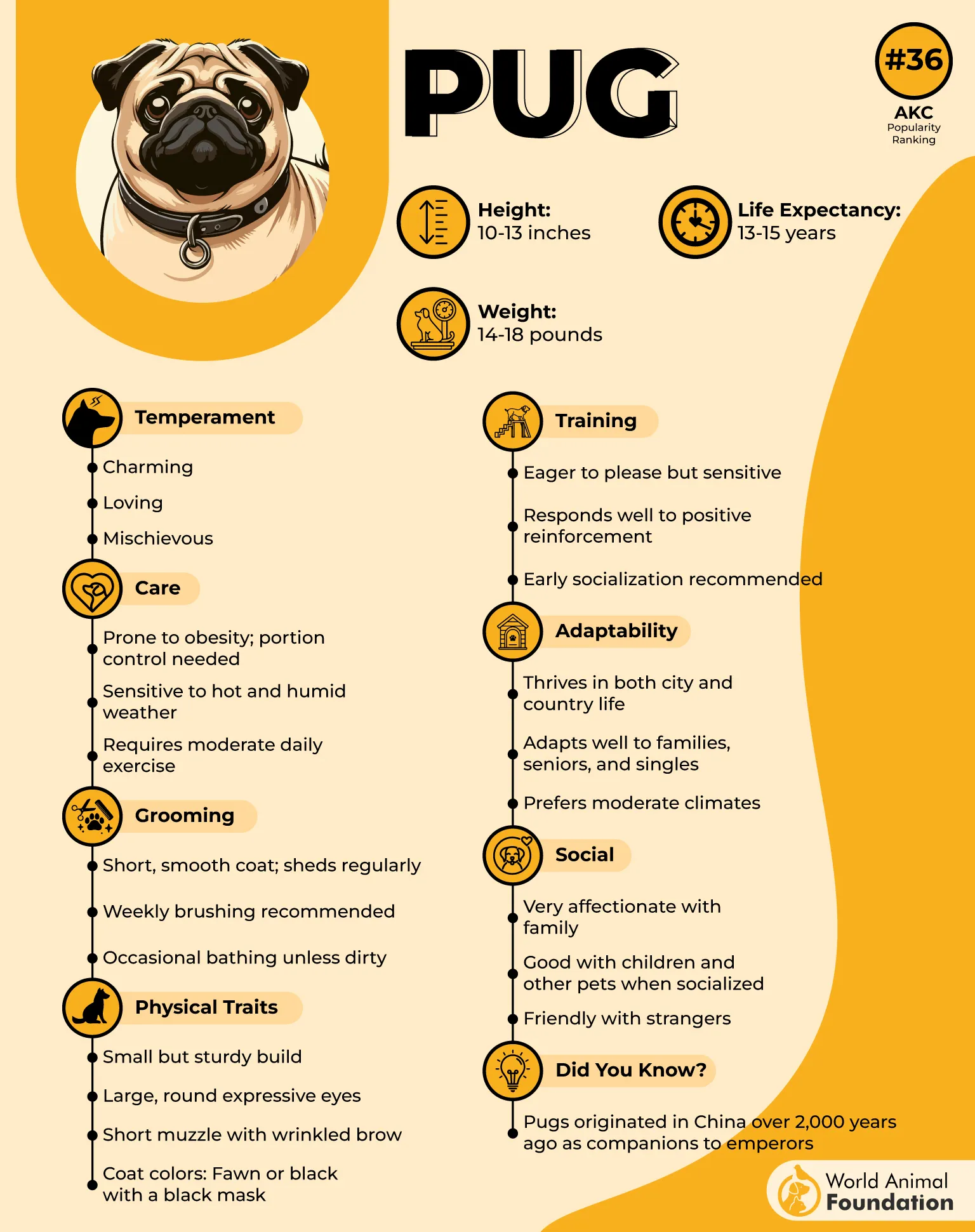
Pugs are small, sturdy dogs with a compact body that makes them ideal for apartment living. They are relatively inactive indoors and often spend much of their time resting or napping. Their short coat is easy to maintain but does shed moderately throughout the year.
They require regular brushing, especially during seasonal shedding periods. Pugs do not need large spaces or intense exercise—short daily walks or light playtime are enough to keep them healthy.
However, they are sensitive to heat and should be kept in cool environments, as hot or humid weather can be dangerous for them.
Personality, Care & Training Needs
Pugs are affectionate, friendly, and love being around people. They get along well with children and other pets, and their sturdy build allows them to handle gentle play.
However, they are not highly active and may not engage in games like fetch for long. They are intelligent but can be stubborn, so training requires patience and positive reinforcement like treats and praise.
Pugs also make good watchdogs, as they will bark briefly to alert their owners, but are generally quiet dogs. They are highly people-oriented dogs and thrive best in homes where they receive constant companionship, care, and attention.
8. Japanese Chin
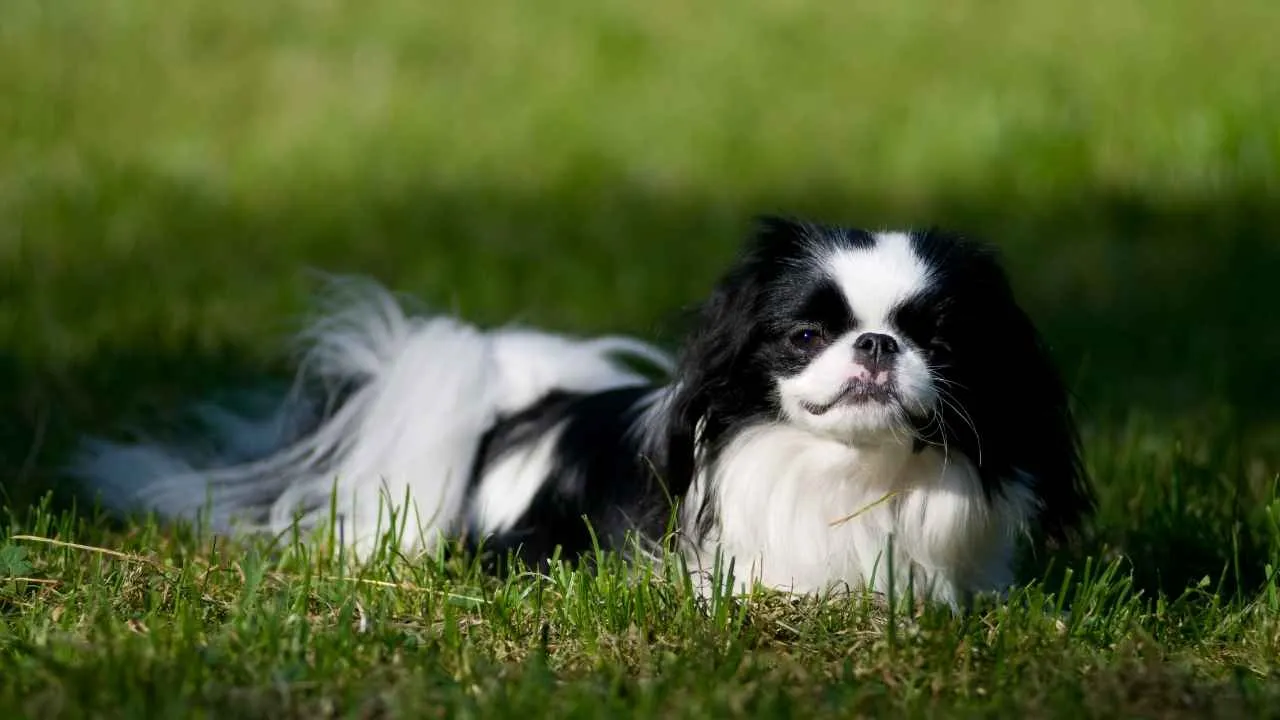
The Japanese Chin is an ancient toy breed known for its graceful, aristocratic appearance and calm personality. Despite its name, its true origin is believed to trace back to China, where it was kept by Buddhist monks and later gifted to Japanese nobility.
It became a treasured companion in imperial palaces and remains a symbol of elegance and refinement. Today, it is loved as a quiet, affectionate indoor dog with a gentle and almost cat-like personality.
Appearance & Apartment Living Suitability
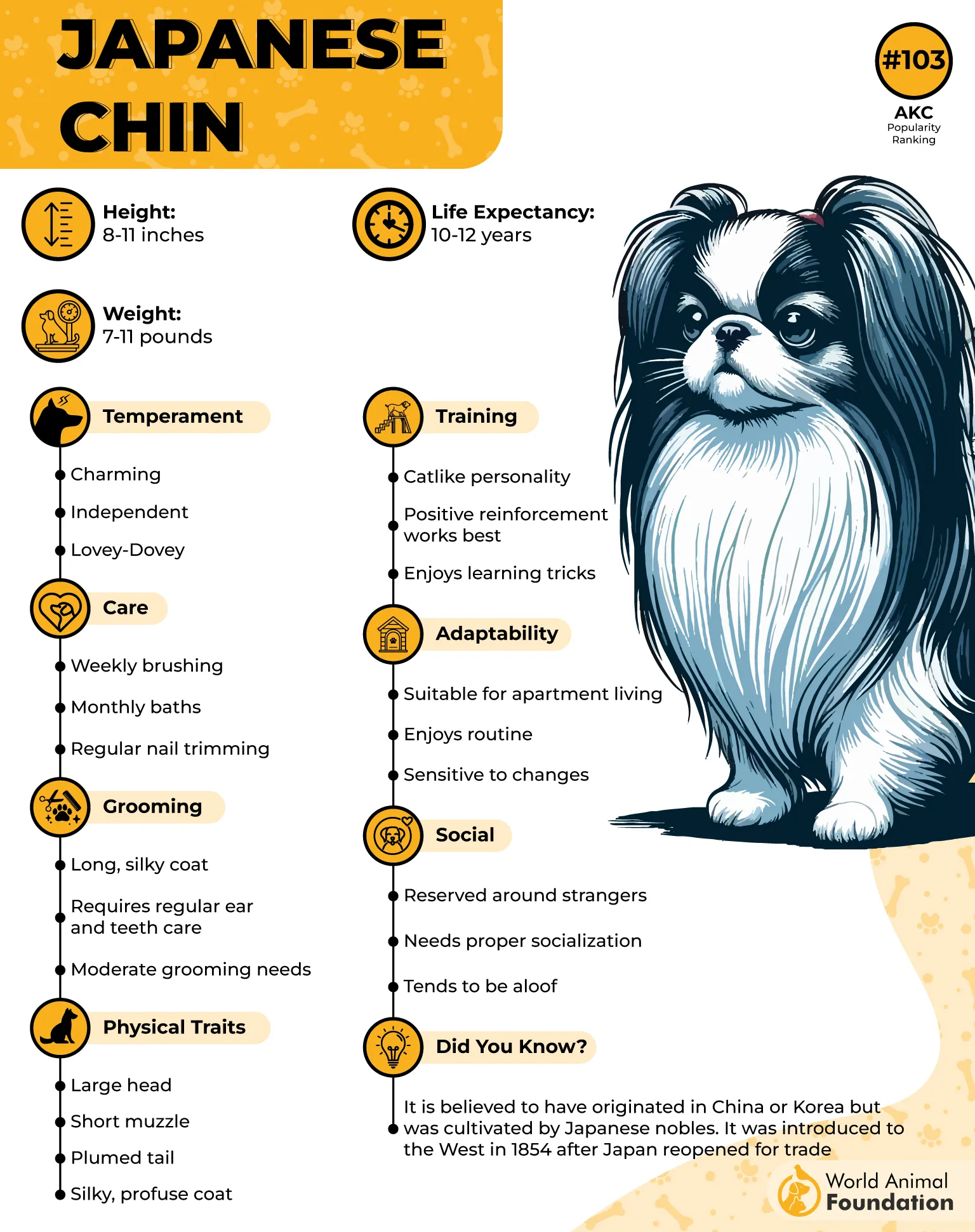
The Japanese Chin is perfectly suited for apartment living due to its very small size and calm indoor nature. It has a silky, profuse coat, a short muzzle, large, round eyes, and a plumed tail that arches over its back, giving it a noble and delicate look.
This breed does not need much space or heavy exercise—just a short daily walk of about 20-30 minutes is enough.
It is generally quiet, low-energy indoors, and prefers resting or staying close to its owner. However, it does not do well in extreme independence and should not be left alone for long periods.
Personality, Care & Training Needs
Japanese Chins are affectionate, gentle, and highly people-oriented dogs. They form strong bonds with their families and often behave like true lap companions. They are smart, fast learners, and respond well to calm, positive training methods.
However, they can be sensitive and may develop separation anxiety if left alone too often, so they do best in homes where someone is usually present. They are generally quiet but can become cautious or defensive if they feel threatened, especially around very young or unpredictable children.
Early socialization is important to help them stay confident and friendly. Their coat is relatively easy to maintain compared to many toy breeds, requiring regular but not excessive grooming.
9. Pomeranian
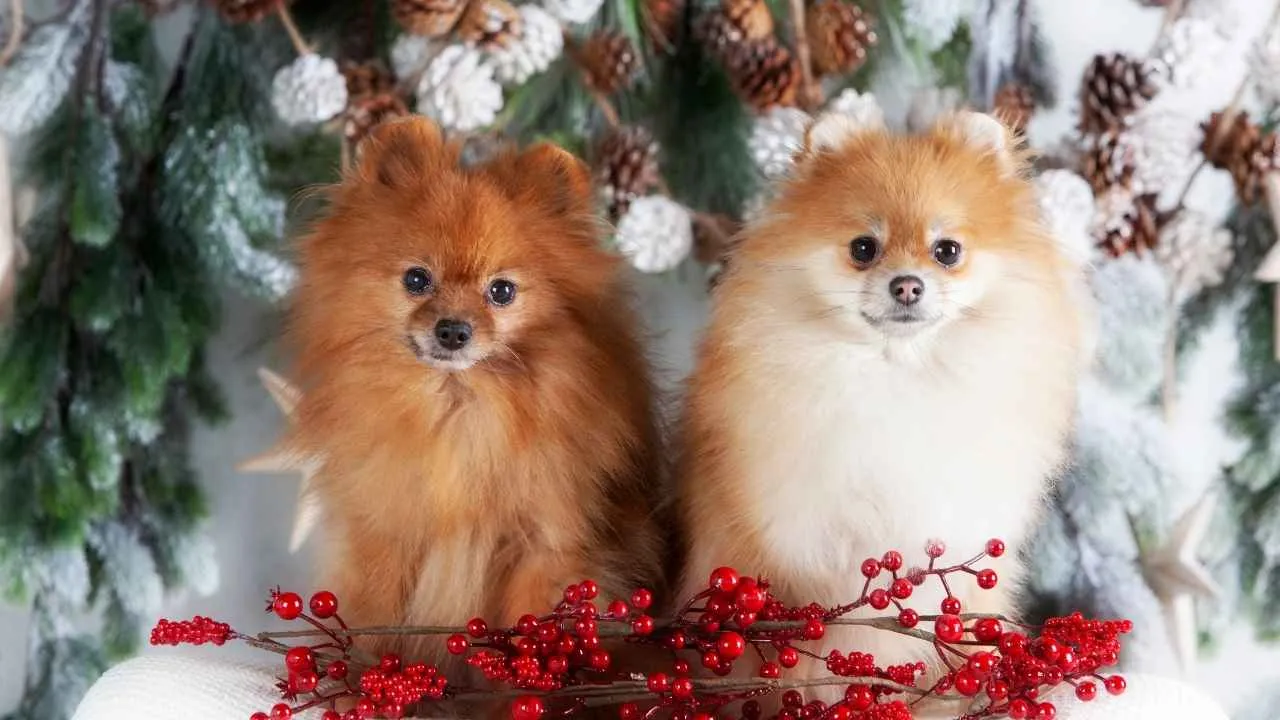
Pomeranians are a small Spitz-type breed with a long history that began as strong Arctic working dogs used for guarding and sled pulling. Over time, they were bred down in size in the Pomerania region of Europe and became popular companion dogs among royalty.
Queen Victoria played a major role in making the breed smaller and more popular, and since then, Pomeranians have been loved worldwide. Even today, they are known for their bold spirit, charm, and lively personality despite their tiny size.
Appearance & Apartment Living Suitability
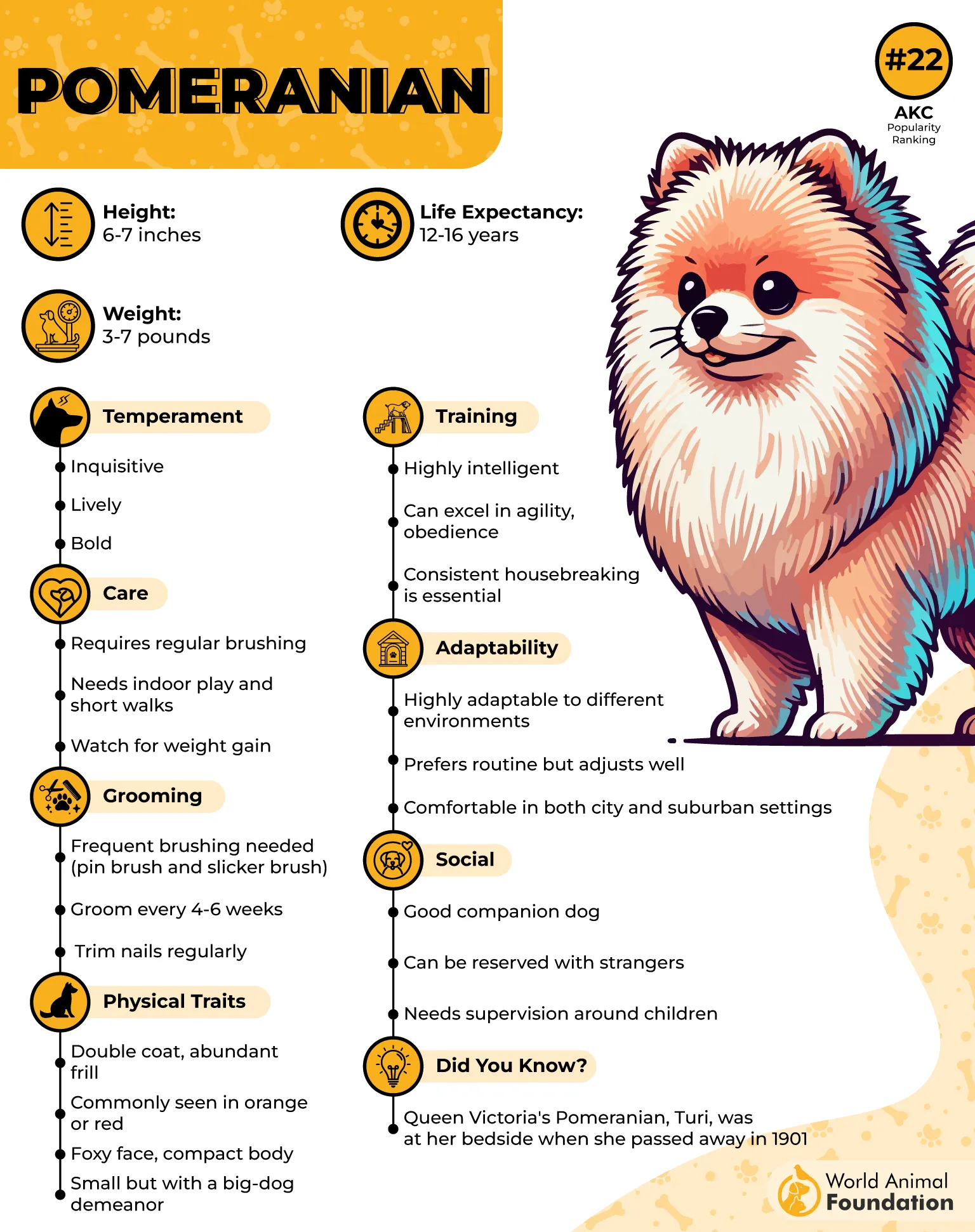
Pomeranians are ideal for apartment living because of their small size and adaptable nature. They have a fluffy double coat, bright eyes, and perky ears that give them a fox-like, eye-catching appearance. Even though they look delicate, they are active and energetic dogs.
They do not need large spaces and can stay happy with short daily walks and indoor play. However, they are sensitive and need mental stimulation to avoid boredom. Their coat requires regular grooming to keep it clean and tangle-free, as they shed moderately.
Personality, Care & Training Needs
Pomeranians are confident, playful, and full of personality. They often behave like much larger dogs and are known for being bold, curious, and sometimes stubborn. They are very affectionate with their families and love attention, forming strong bonds with their owners.
They are intelligent and learn quickly, but training needs consistency and positive reinforcement, as noted by the AKC. Early socialization is important to manage their alert nature and tendency to bark at unfamiliar sounds.
They get along well with children and other pets when raised properly, but supervision is needed due to their small and delicate build.
Conclusion
Choosing a dog for apartment living isn’t just about size—it’s about personality, adaptability, and how well a breed fits into your daily routine.
As we’ve seen, many dogs under 20 pounds are perfectly suited for smaller spaces because they are easier to manage, need moderate exercise, and can thrive with indoor play and regular companionship.
At the end of the day, the best apartment dog is the one that matches your lifestyle, energy level, and ability to give time and care. If you’re ready to bring home a furry friend, focus on a breed that won’t just survive in your space—but truly feel at home in it.
Because in the right environment, even the smallest dogs don’t just share your apartment… they fill it with life, warmth, and unconditional companionship.
Looking for more small breed dogs ideal for an apartment lifestyle? You can also check out the Cavalier King Charles Spaniel, French Bulldog, Italian Greyhound, Chihuahua, Pekingese, and Lhasa Apso.
