





Although all dogs act smart, there are dog breeds that are the gifted dogs who figure out puzzles, learn new tricks, and understand what we say. These are the smartest pups with extraordinary intelligence.
There are two parameters to measure the intelligence of dogs, including their trainability and ability to solve problems independently, said Mary, R. Burch, who is also the director of the AKC family dog program.
They are unique, so they do have specific training and exercise requirements. Honestly, a gifted dog that is bored is a destructive pup. But if you challenge and meet its needs, then it is the best companion you could ever ask for.
We have listed the seven most intelligent dog breeds in the world in this guide. We will discuss what makes them so smart, what they can do, and their training requirements. You can also learn about their grooming and care, so you won’t regret it later.
Most Gifted Dog Breeds and How to Nurture Their Intellect
1. Border Collie
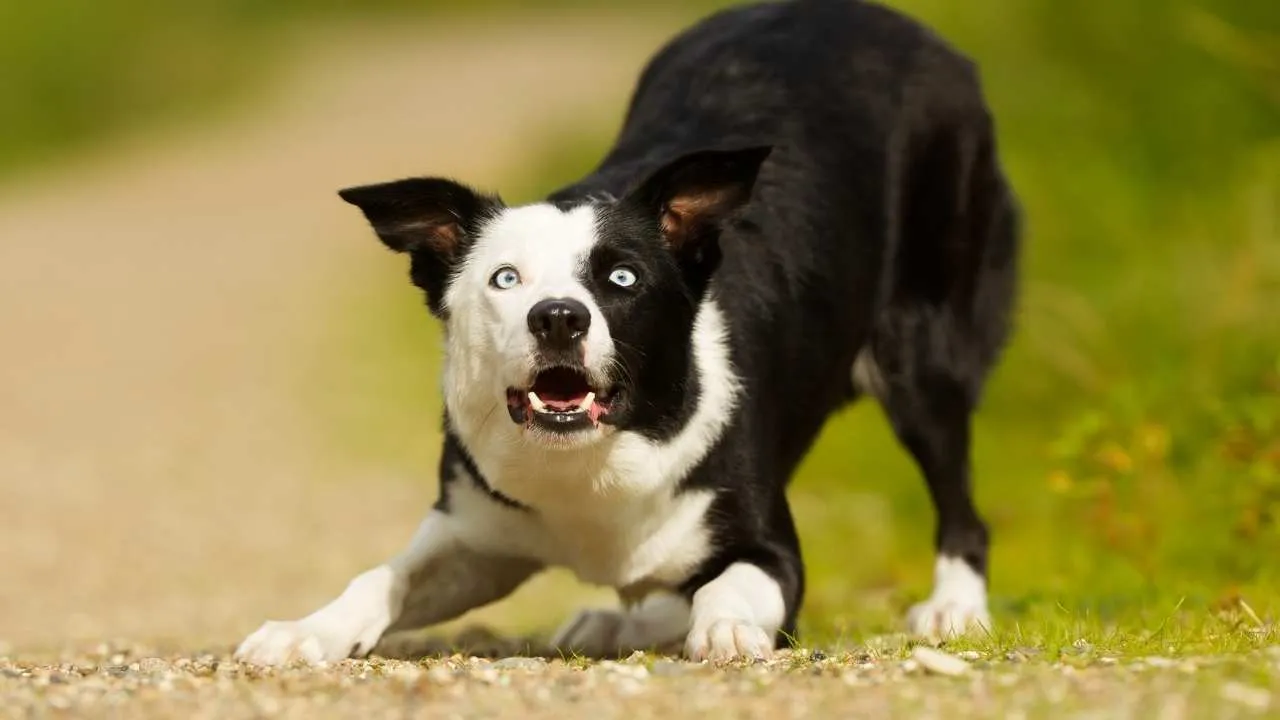
Border Collies are one of the smartest dog breeds in the world, and no one is close to them. They are focused, highly energetic, and devoted to their families. Border Collies were originally bred in the border regions of England and Scotland to herd sheep.
These medium-sized dogs are independent, so they think, plan, and then solve the problem on their own. They can learn a command in fewer than 5 repetitions, whereas most breeds require 25 to 40 repetitions.
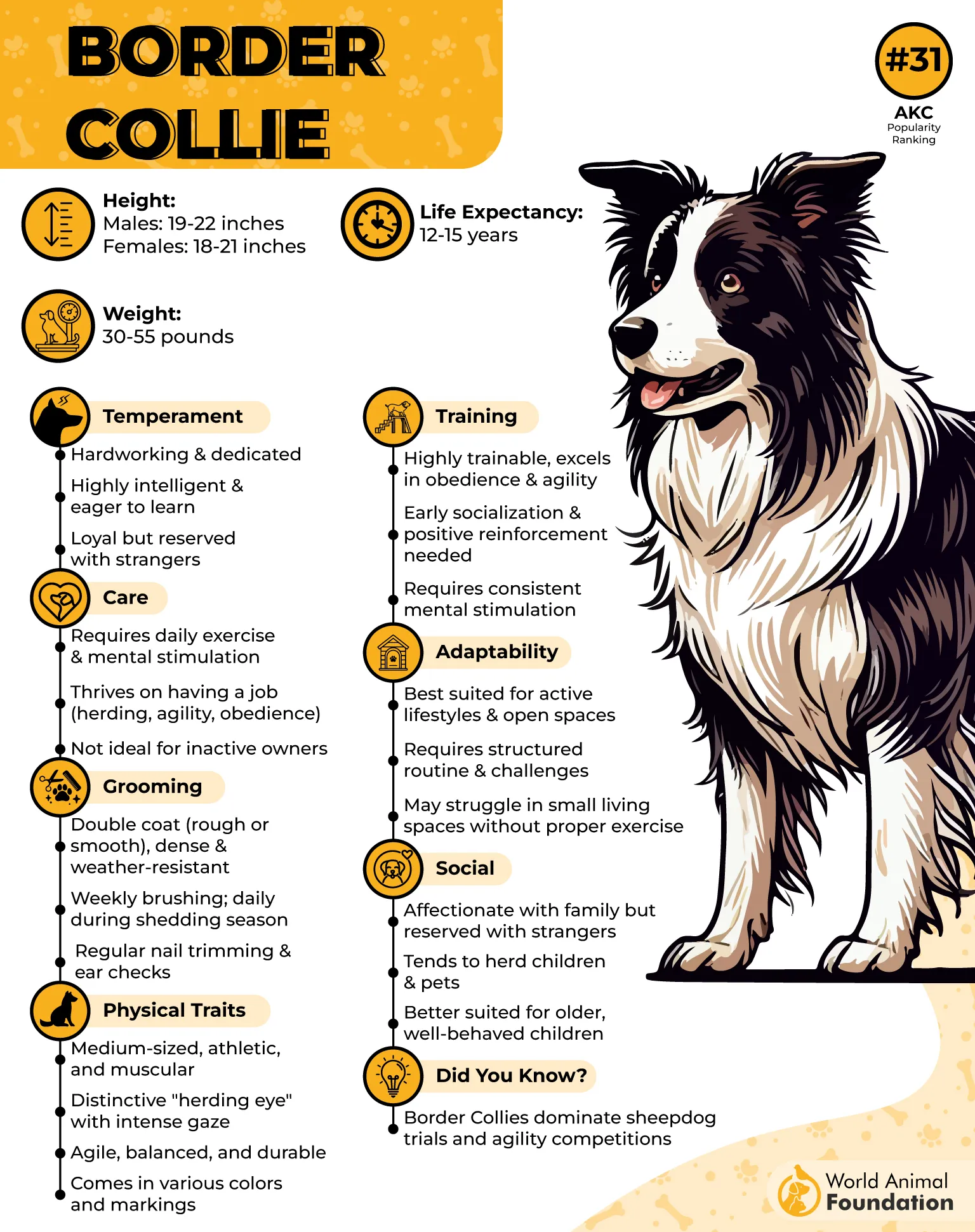
A Border Collie named Chaser is the most intelligent dog that learned over 1,000 words, as per Wikipedia. That being said, they require intense physical and mental exercise for 1 to 2 hours.
They can be stubborn due to their independent nature, but positive reinforcement works best. Plus, they can have a smooth or rough coat, so the grooming also varies. However, they shed moderately year-round.
2. Poodle
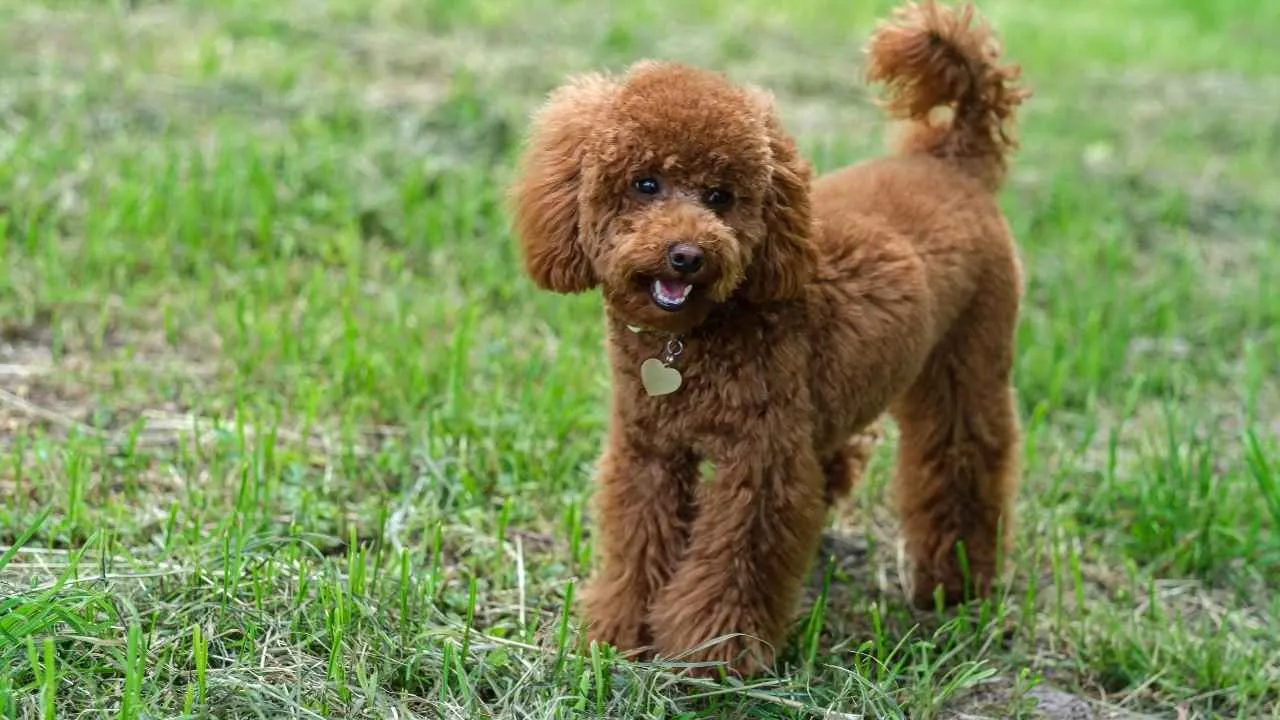
Poodles are affectionate, alert, and people-oriented pups that genuinely want to make you happy. They are the second most intelligent dog breed in the world, as they can also learn new commands in fewer than 5 repetitions. And that’s not the limit because they also obey them 95% of the time.
This curly-coated pup was actually bred in Germany as a water retriever. This working breed figures out your daily routine, tries to read your emotions, and also tries to act for what it needs.
Poodles need around 60 minutes of daily exercise, and it can be swimming, fetching, or puzzles. With that being said, they are not stubborn but eager to please, so you can easily train them. You can nurture their intellect by socializing, enrolling in obedience training, and teaching them scent work.
3. German Shepherd
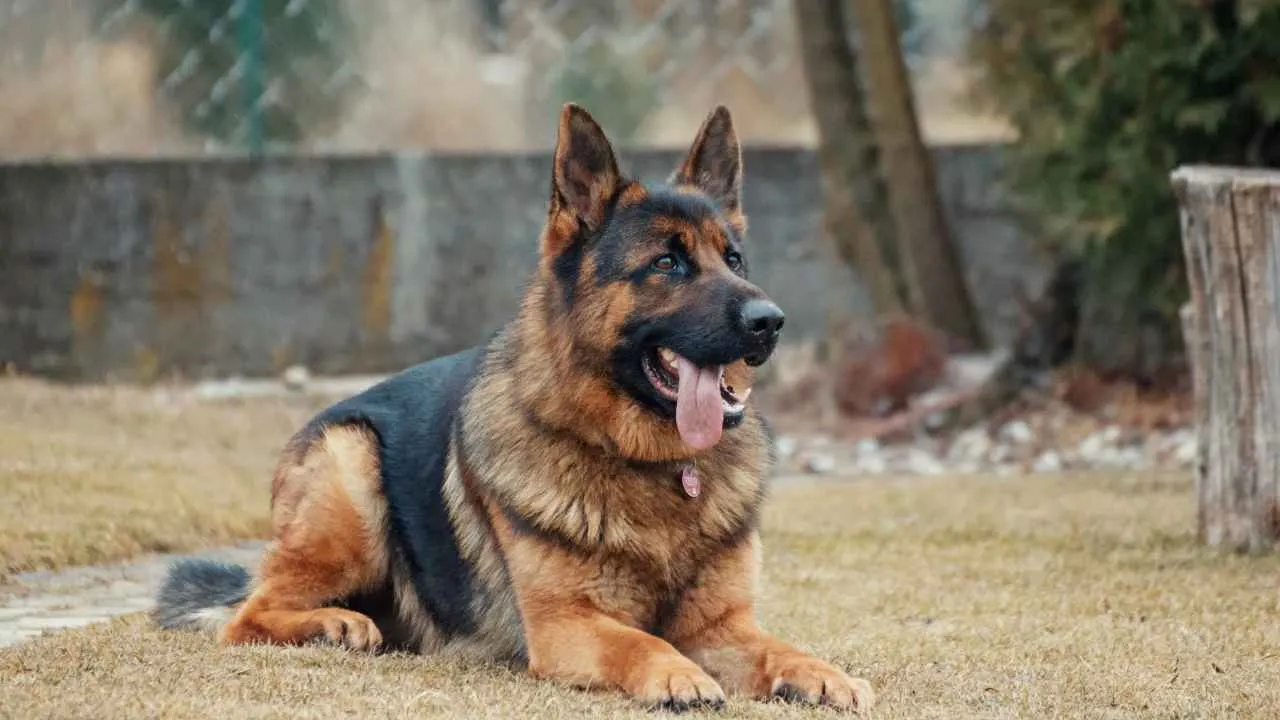
German Shepherds are confident, courageous, and agile dogs that were bred as a working breed. They have served as police dogs, military dogs, guide dogs, and even detection dogs.
GSDs are highly trainable, intelligent, physically powerful, and loyal to their families. They are actually the perfect combination of power and brains. These large dog breeds also learn faster with just a few repetitions.
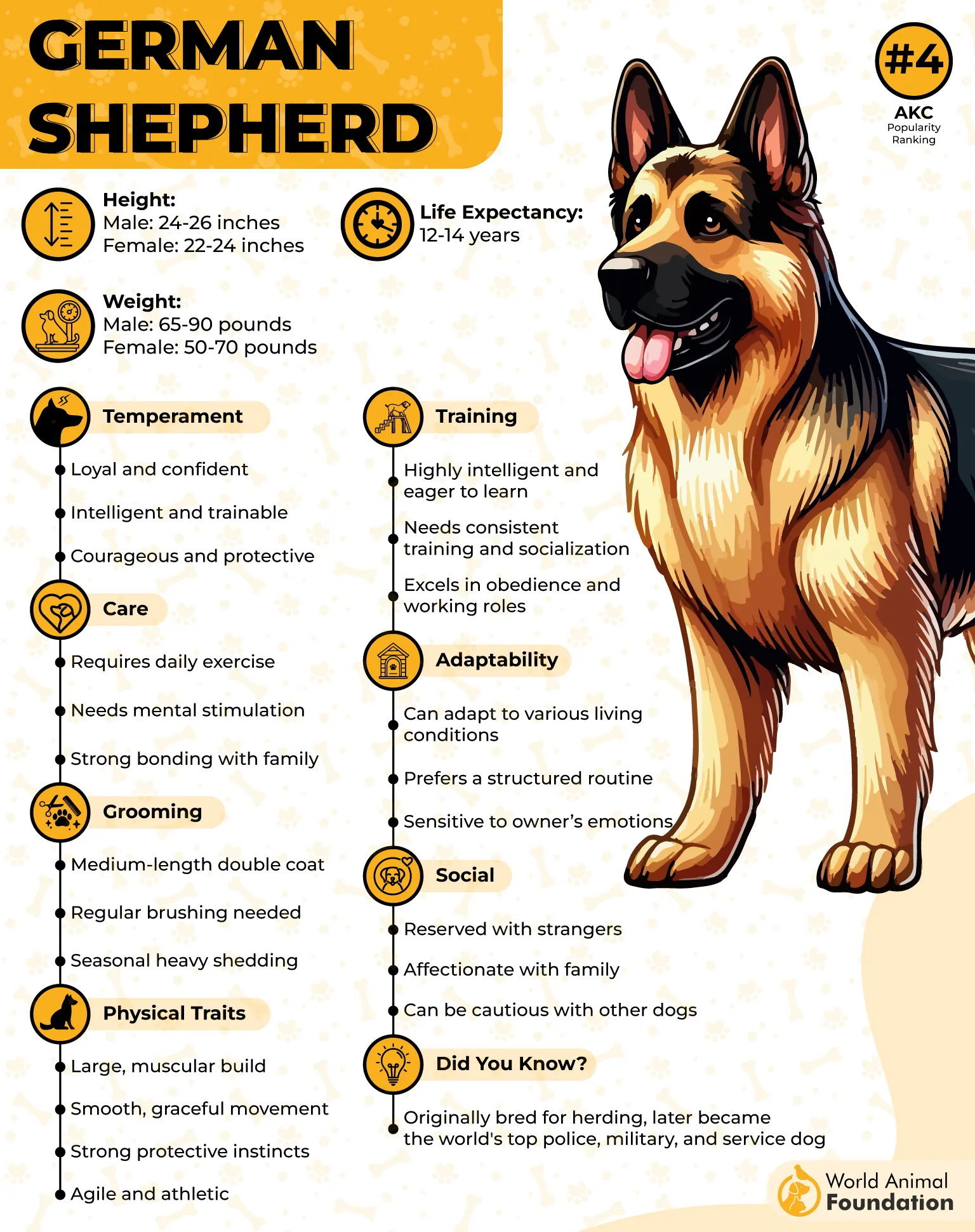
They like to observe people, and if they have nothing to do, then they get destructive. German Shepherds are not aggressive but generally reserved with strangers. That being said, they have high exercise requirements and require experienced owners.
4. Golden Retriever
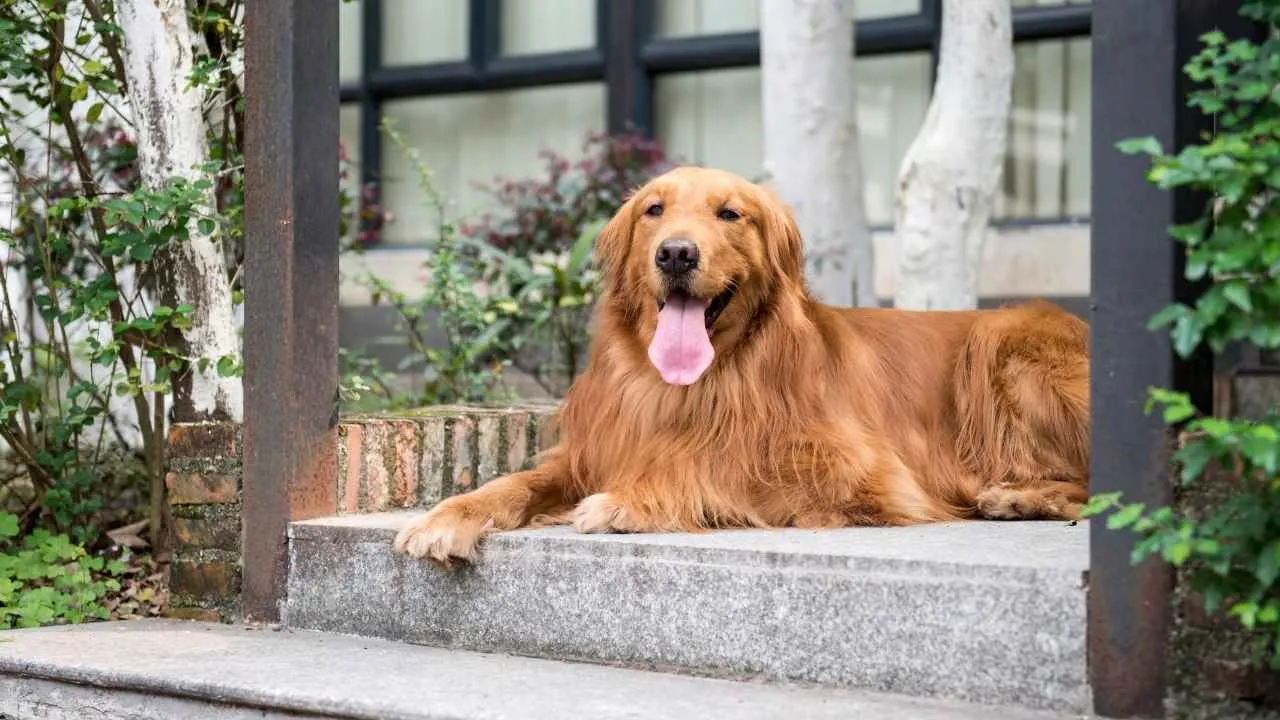
Golden Retrievers, also known as Goldies, are kind, patient, and good-natured dog breeds with a muscular build. They love everyone, from strangers to children and even other pets. They are one of the emotionally gifted dogs.
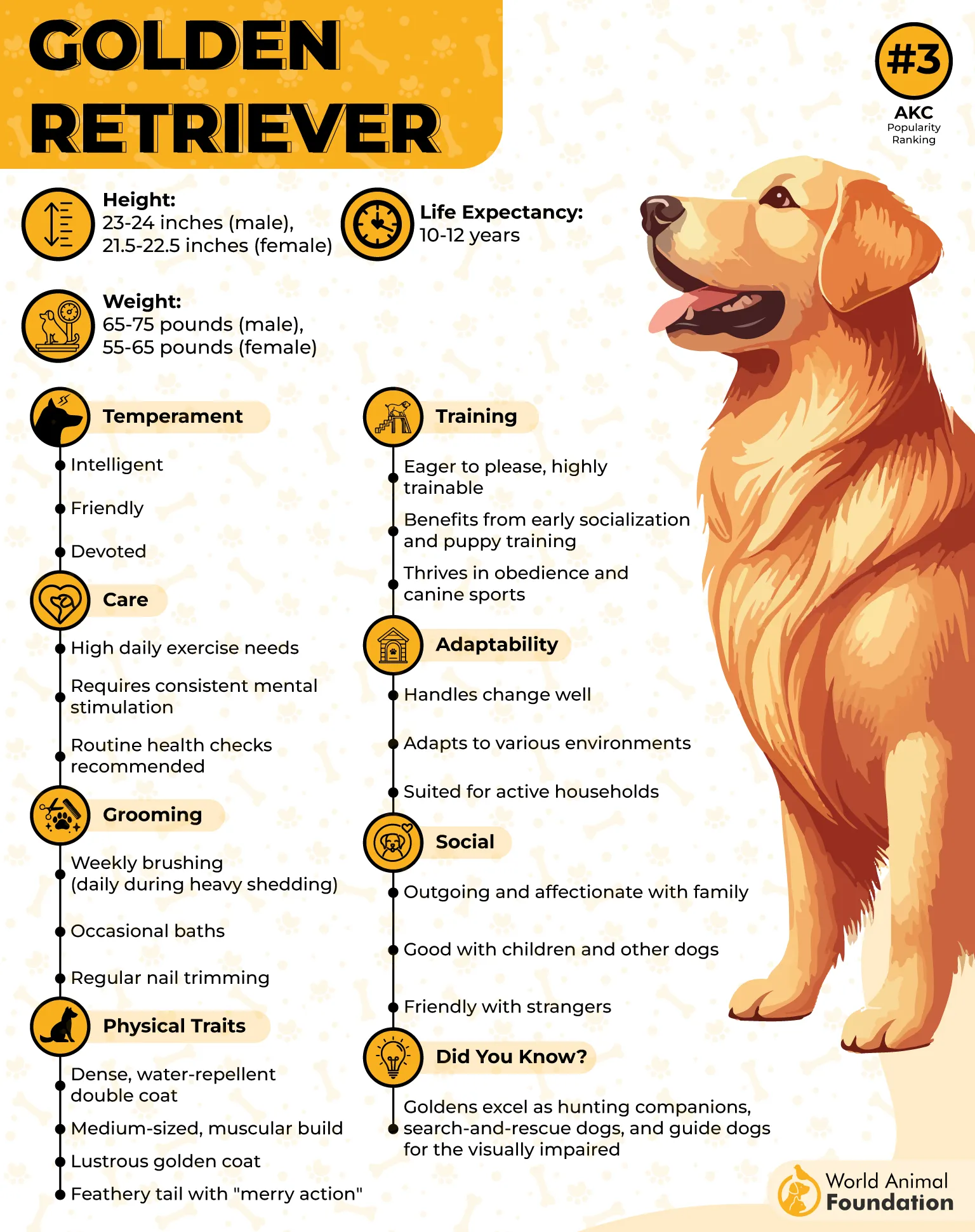
They were bred as hunting dogs, but they soon became family pets due to their loving heart. Golden Retrievers’ intelligence is in their emotional and social dimensions.
Honestly, they can read your emotions, and that’s why they are the number one choice for therapy and service dogs. That being said, they are highly trainable with praise, rewards, and enjoy training sessions.
They have exercise requirements, and they like swimming, fetching, hiking, and running for mental stimulation. However, Goldies have a water repellent coat that sheds heavily, so only pet them if you are not allergic to dog hair.
5. Doberman Pinscher
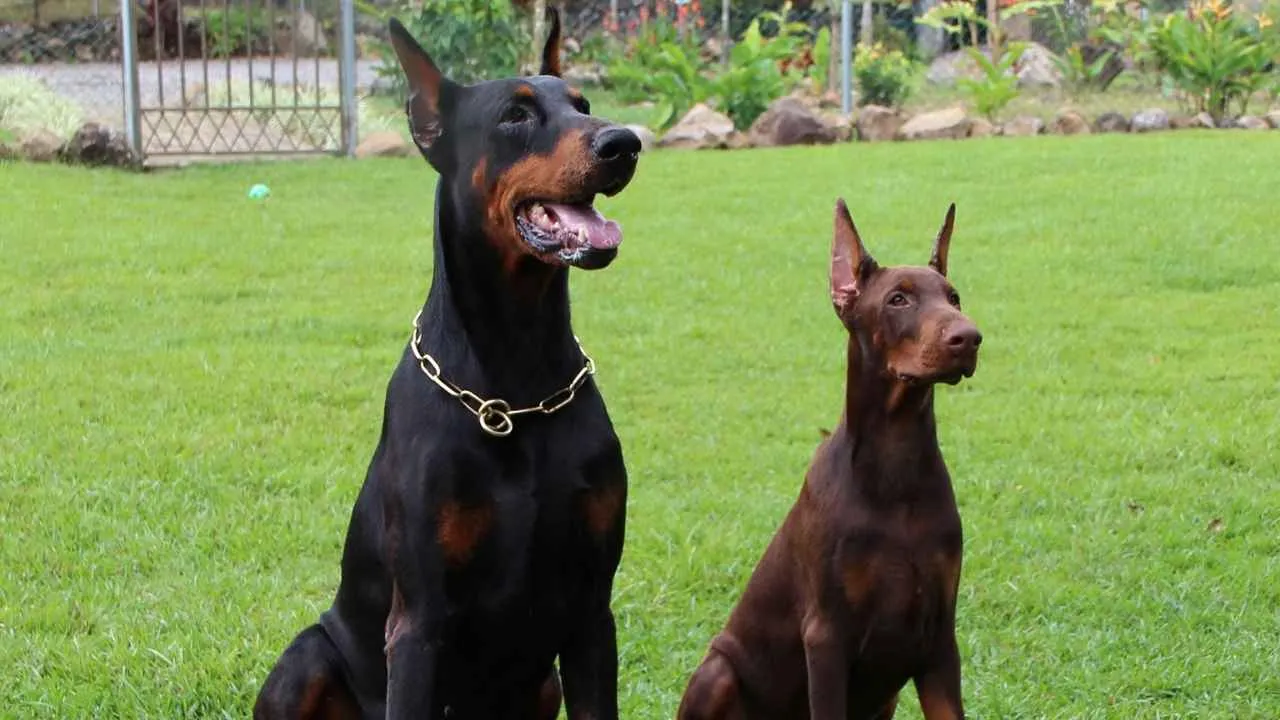
Dobermans are loyal, alert, and affectionate dogs with innate protective instincts. They were bred in Germany by a tax collector for personal protection. These athletic dogs are fast, fearless, and smart enough to make their own independent decisions.
These smart dogs stand out because they assess threats and make decisions in seconds. And that’s exactly why they are one of the trusted military and police dogs. They have also served the nation during World War II and earned the title of always faithful, as per Purina.
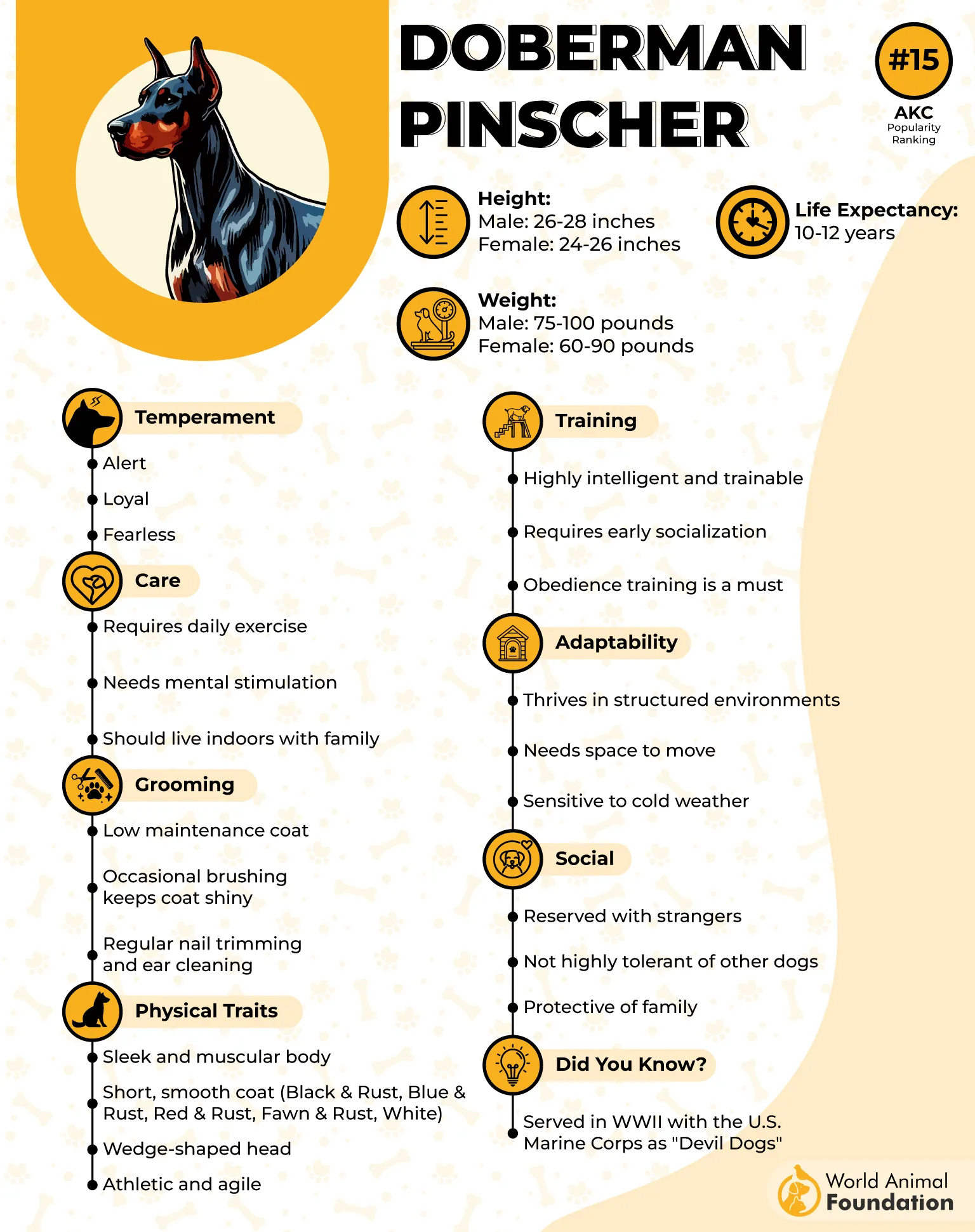
They need intense exercise for almost 90 minutes for mental stimulation. Dobermans are quick learners but respond better to positive reinforcement.
However, they have a short, smooth coat that does not require much grooming. But they do shed low to moderate, so you have to brush once a week to remove loose hairs.
6. Labrador Retriever

Labrador Retrievers are active, outgoing, friendly, and good-natured dogs that stay patient with children. They are energetic but rarely get aggressive or anxious. Labs were originally developed in Newfoundland to help fishermen.
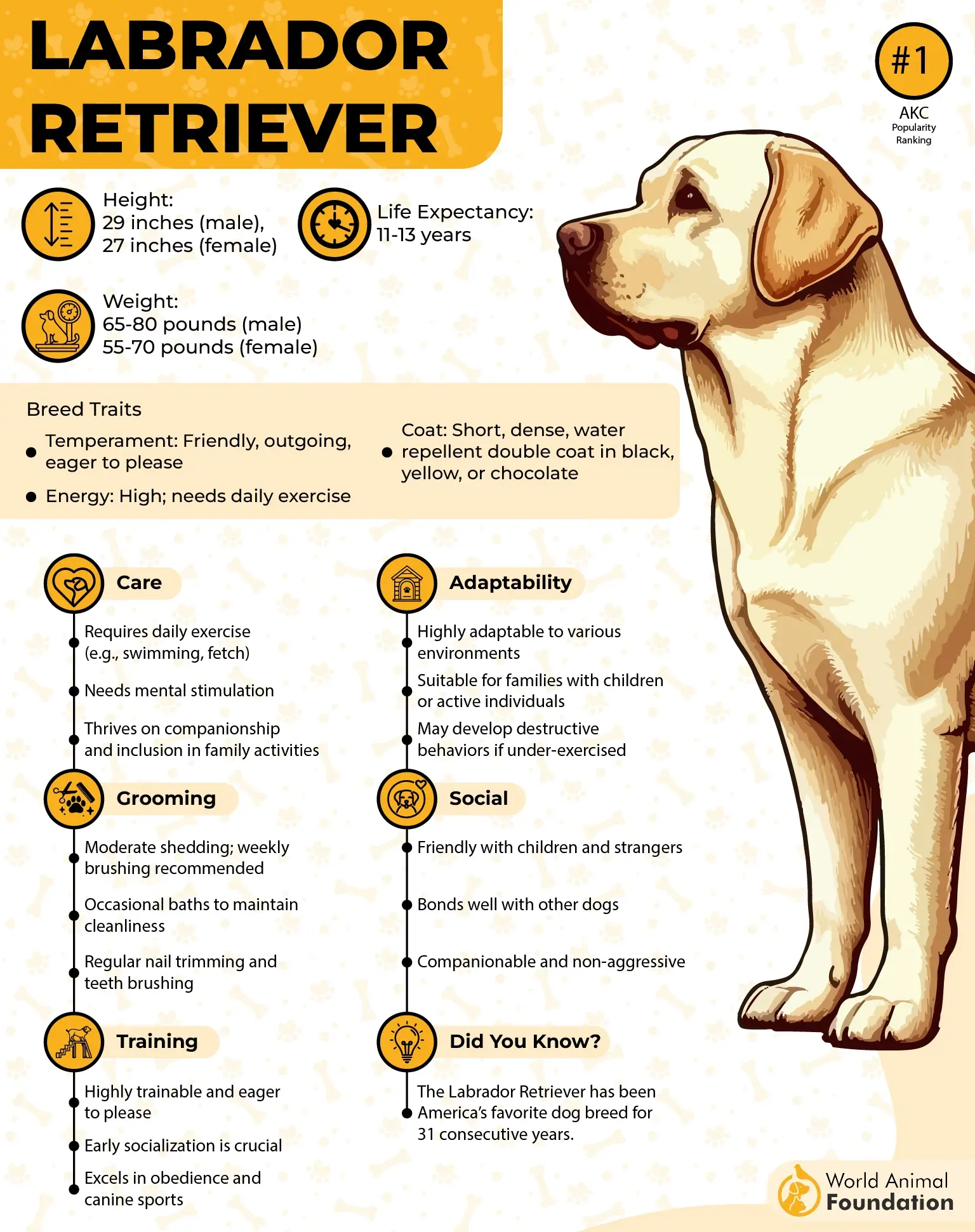
But they are one of the best guide, therapy, and medical alert dogs today due to their intelligence. They are one of the easiest breeds to train due to their eager-to-please nature. They are food-motivated, so it’s quite easy to train them provided you are consistent.
You can nurture their intelligence with puzzles, scent games, carrying or fetching tasks. Apart from this, they have a short, dense double coat that sheds heavily throughout the year and requires frequent brushing.
7. Papillon
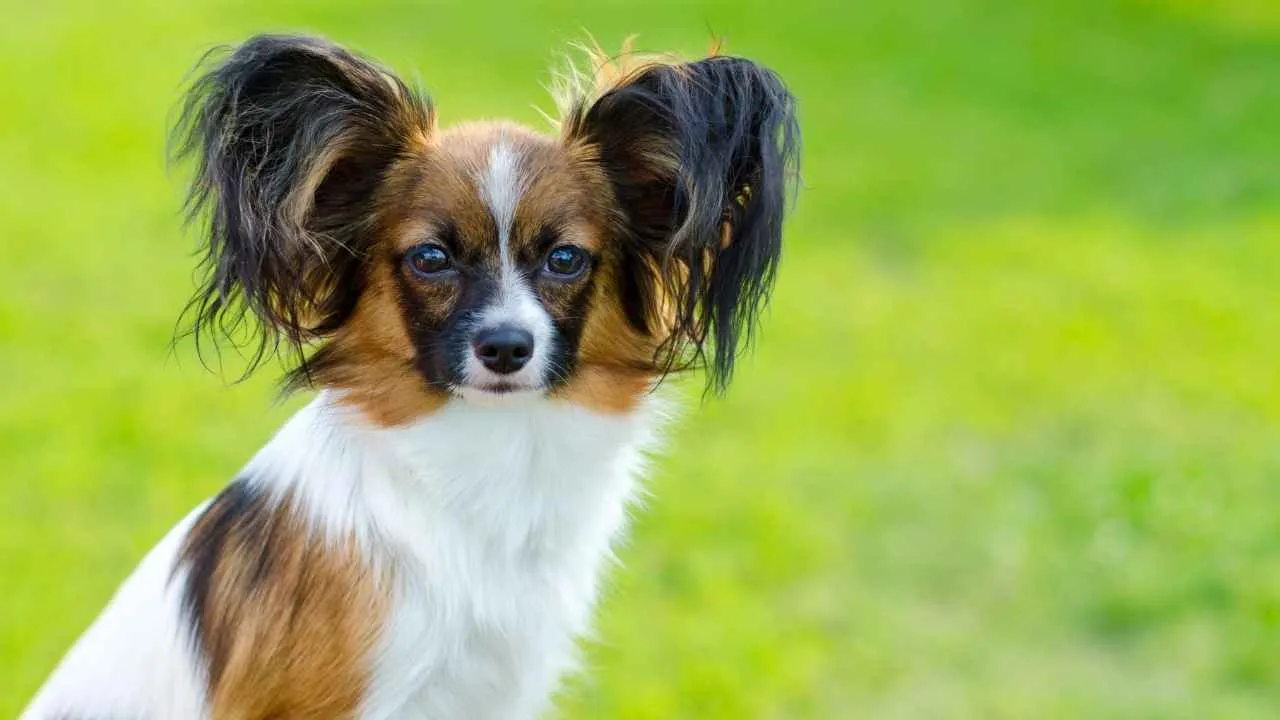
Many people assume that small dogs are less intelligent. However, Papillon dogs are bursting those myths. They were bred in Europe as lapdogs, but have one of the smartest minds. Papillons can actually learn commands in 5 to 10 repetitions, and to be honest, it’s surprising for a 5 to 10-pound dog.
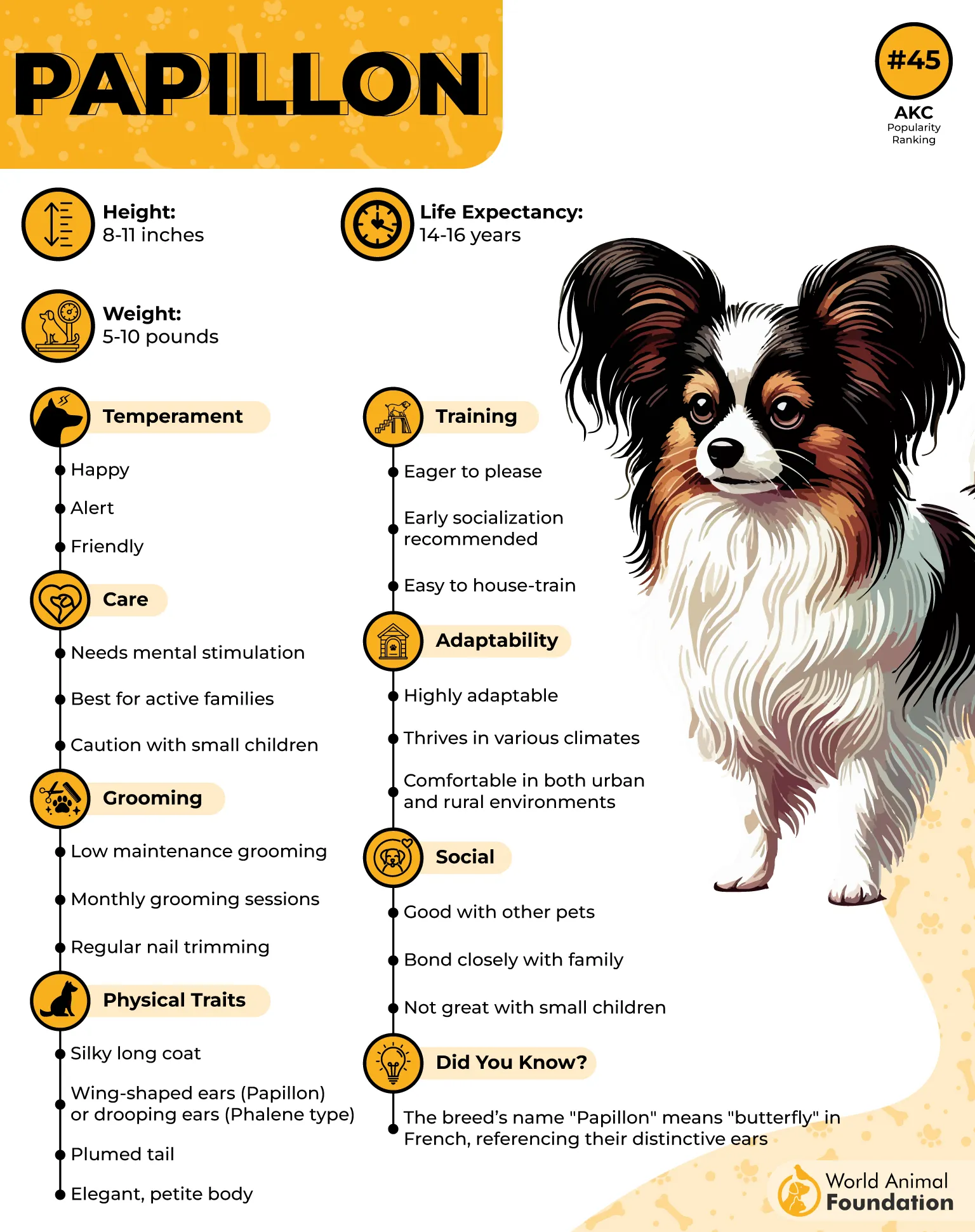
They are lively, bold, and confident, and are curious about everything around them. They rarely yap or show nervousness, which is quite common in other breeds.
Papillons require 30 to 40 minutes of daily exercise to keep their mind active. They are easy to train with positive reinforcement, and when enrolled in obedience competitions, but can be willful sometimes.
That being said, they have a long, silky single coat that requires frequent brushing and grooming to maintain it. You have to brush two to three times every week and give them baths after 3 to 4 weeks.
Conclusion
Gifted dog breeds bring more than just obedience—they offer curiosity, problem-solving ability, and a deep desire to engage with their world. But intelligence alone isn’t enough; it needs the right environment to truly shine. Without proper stimulation, even the smartest dogs can become bored or develop unwanted behaviors.
Nurturing their intellect means going beyond basic training. Regular mental challenges, interactive toys, advanced obedience work, and activities like agility or scent games help keep their minds active. Consistency, patience, and positive reinforcement build not only their skills but also a stronger bond with you.
