




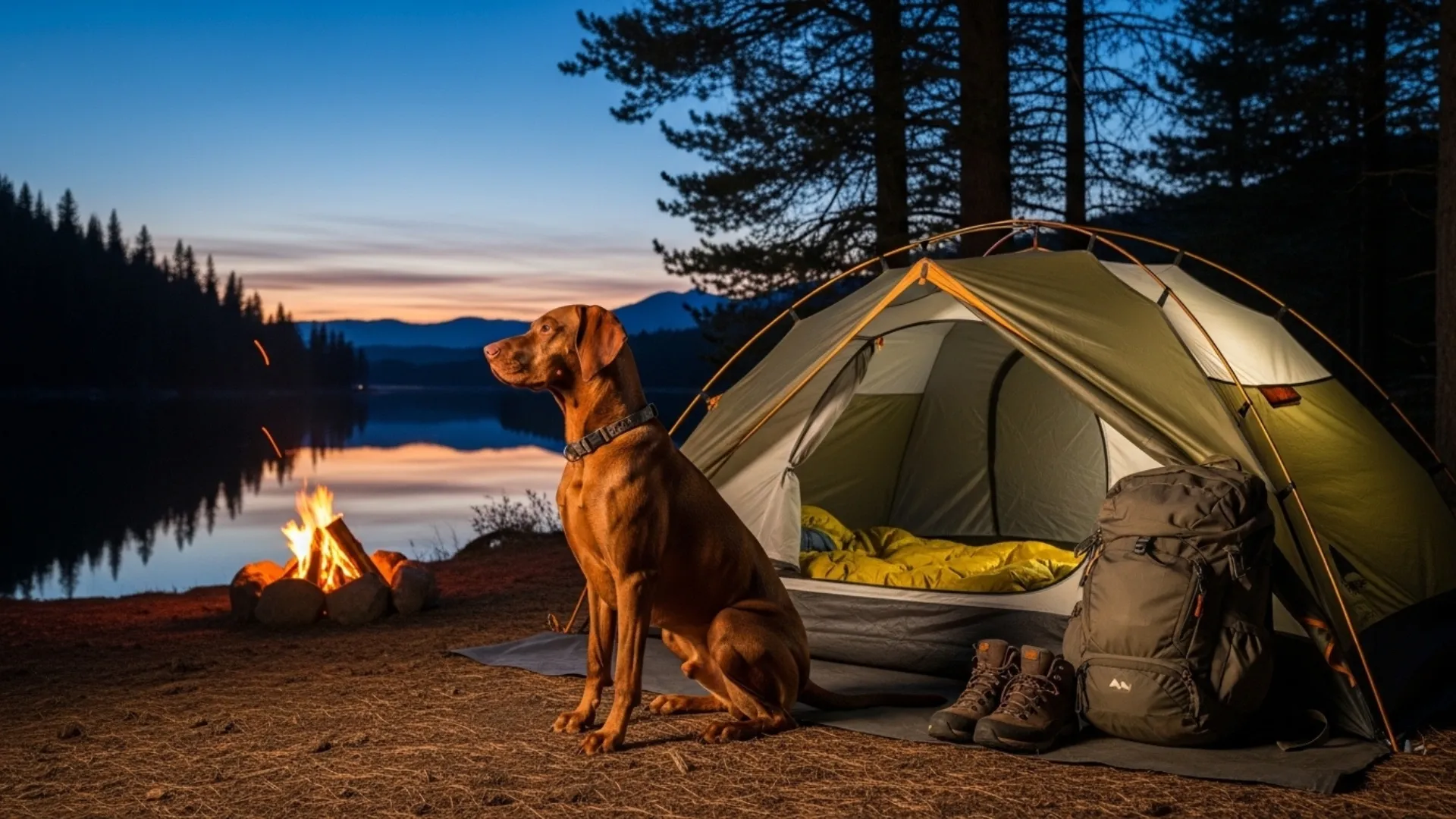
You planned the perfect camping trip, the tent, the s’mores, the playlist. But something still feels missing. That is probably because someone has not told you that a campfire hits differently with a dog resting at your feet.
According to Condor Ferries, over 37% of pet parents now bring their dogs along on outdoor trips. Some dogs were practically built for wilderness: thick coat, powerful legs, and a nose that makes your GPS look embarrassing.
These multi-purpose dogs will protect you, guide you through the complex path of the woods, and above all, give you company that no other animal can
This guide rounds up the seven best trail companions who will match your energy, carry your spirit, and probably steal your sleeping bag.
Wilderness‑Worthy Dog Breeds for Camping Retreats
1. Labrador Retriever
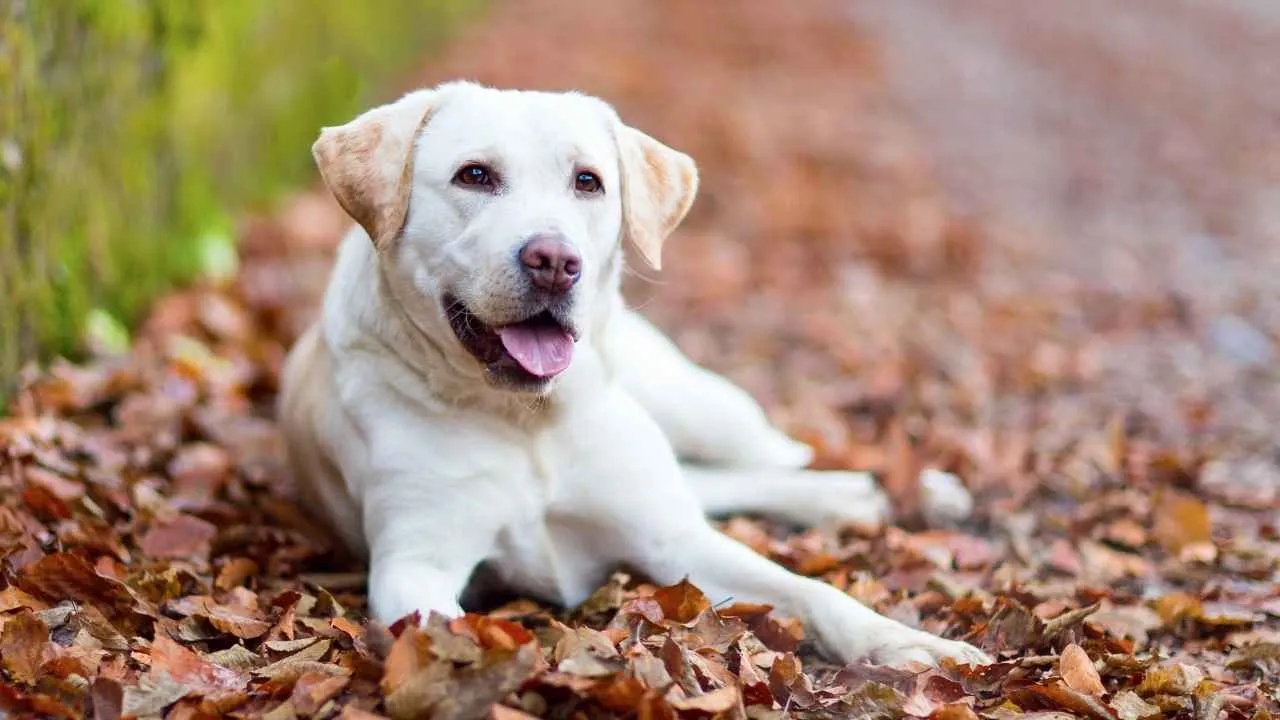
According to the American Kennel Club, the Labrador Retrievers have been holding the top spot in U.S. breed ranking for over 31 consecutive years. Originally bred in the United Kingdom, the Labrador is a retrieving gun dog. Though the primary function was hunting, this dog has been used as a military dog, a therapy companion, and, of course, the best hiking dog breed.
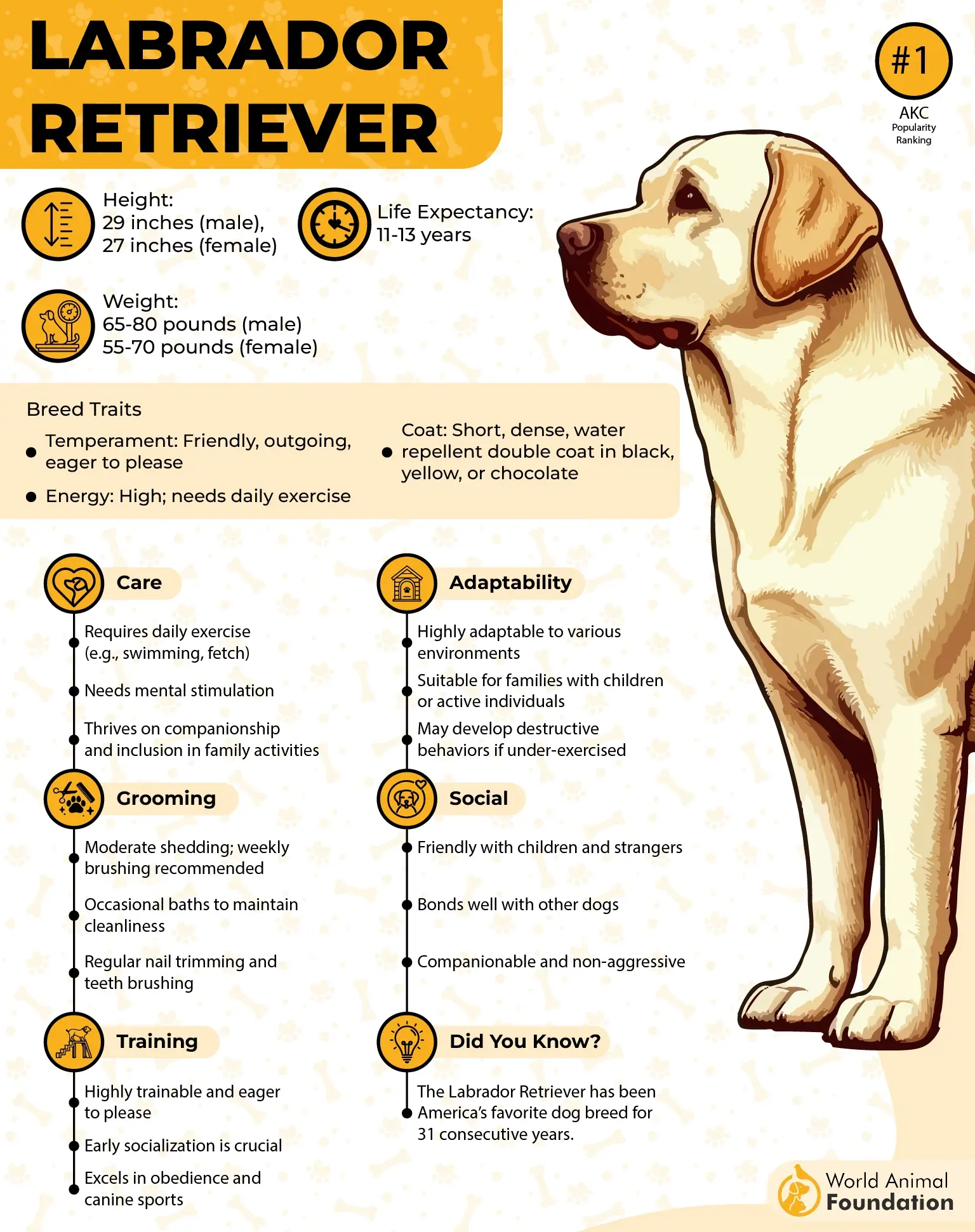
What makes a Labrador Retriever perfect for camping is their double weather-resistant coat, webbed feet, high energy levels, adaptability, and social personality. They can swim under the cold water to retrieve small game. They are curious and love to explore the mysterious path of the forest. They get along with strangers too, thus safe for your human hiking companions (not a protection dog).
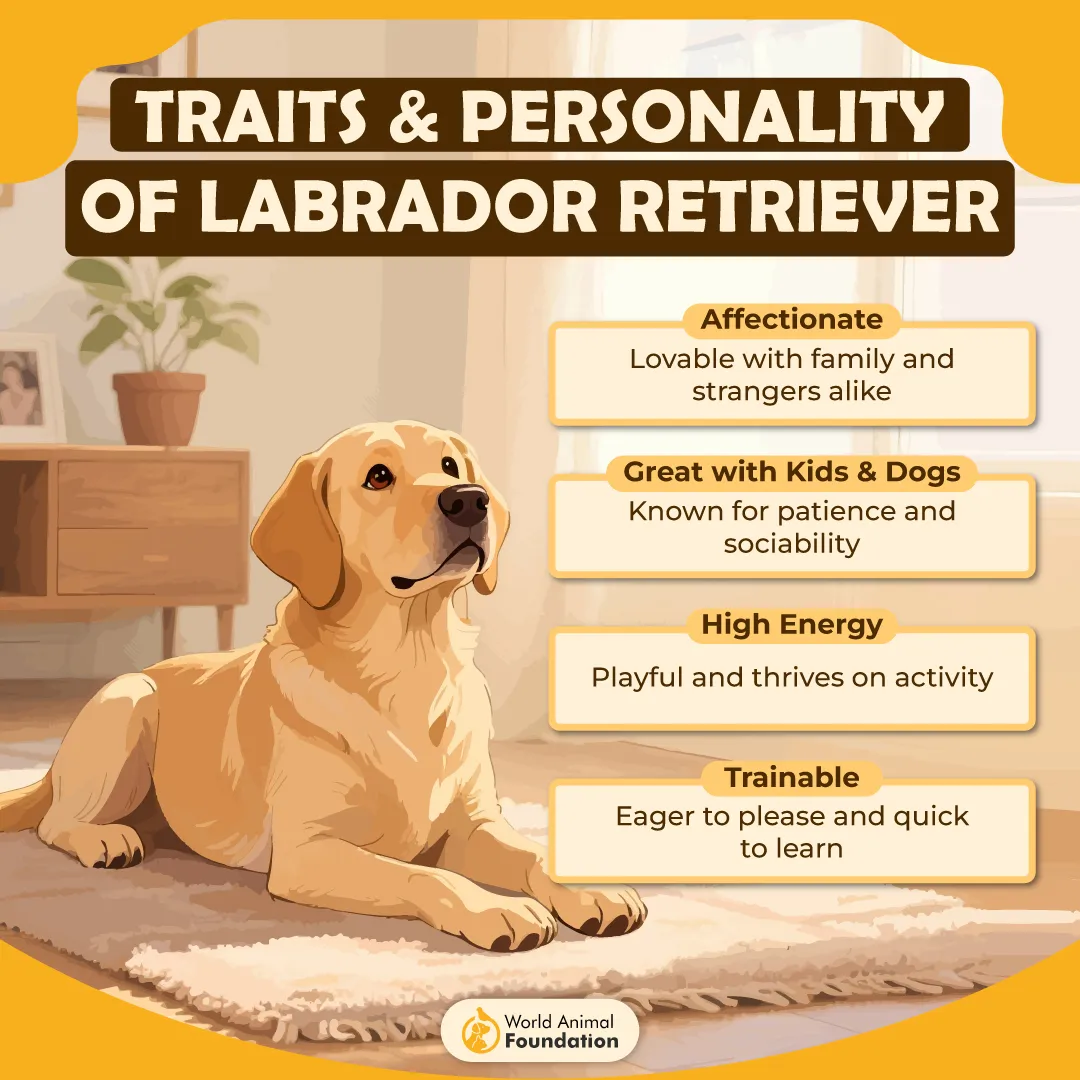
The Labradors are velcro dogs and form strong bonds with their owners. This makes them excellent watchdogs. While you are sleeping soundly in your tent, they will watch over your surroundings and bark when they notice any suspicious activity. They are adaptable to both hot and cold climates, so you can take them for a hike whenever you want.
2. Siberian Husky
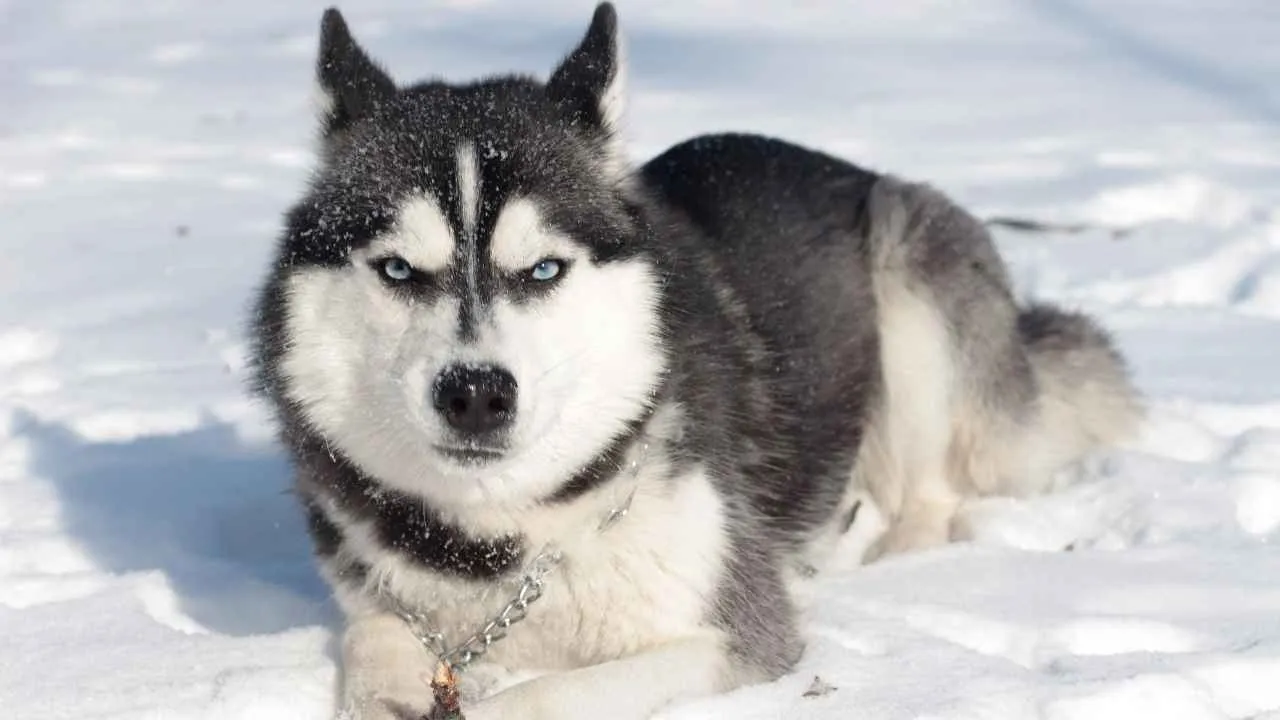
Bred by the Chukchi people of Siberia to run hundreds of miles across frozen tundra, the Siberian Husky is an elegant dog with prominent features, such as distinctive markings, triangular ears, a thick furry double coat (which protects them in the cold weather of -50 to -60 degrees), and a resemblance to an Alaskan malamute. Their primary function was human companionship and sled pulling.
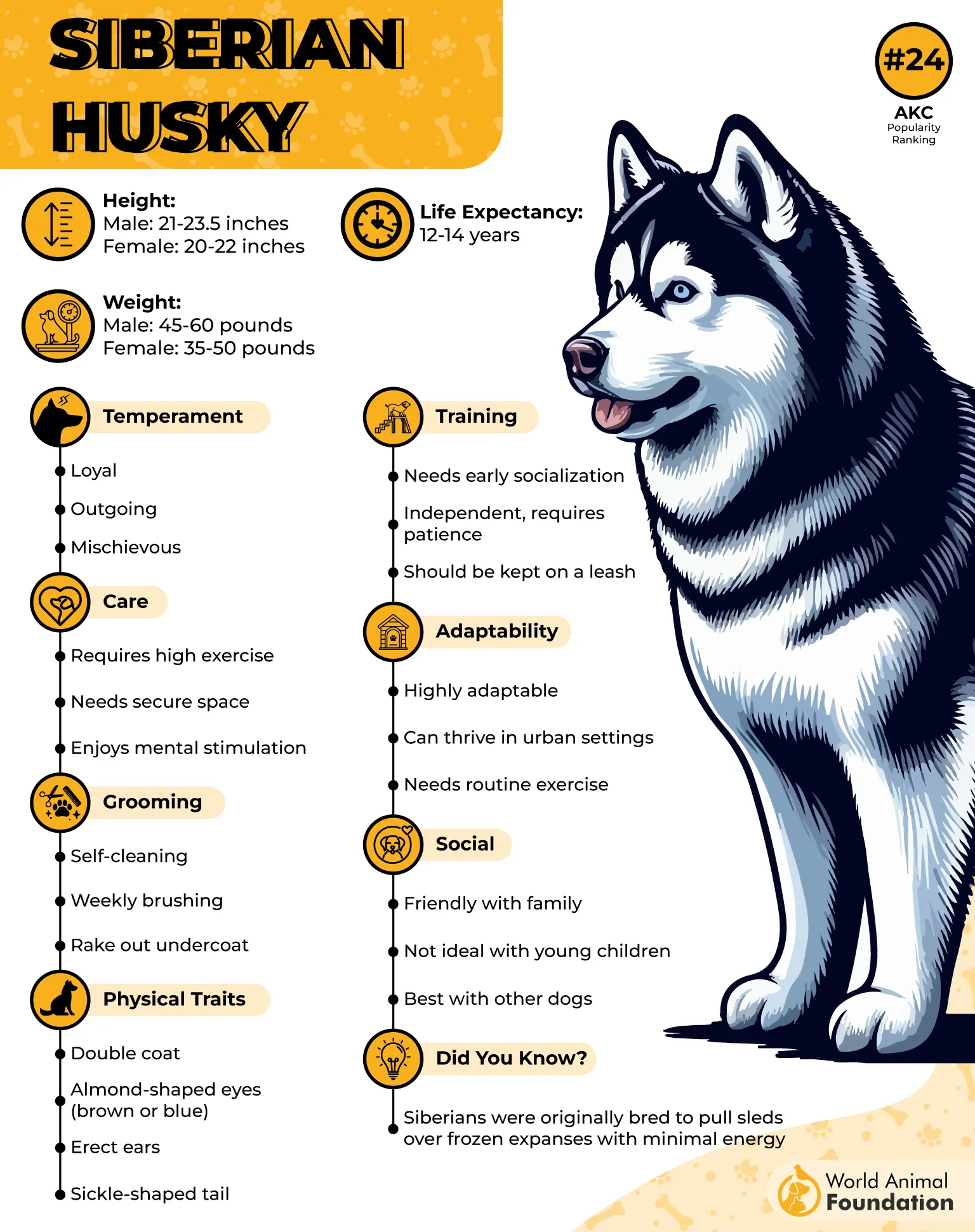
Because of their powerful history, they can carry a heavy weight over long distances. They curl up their body with their long and bushy tail to protect their nose from the cold while sleeping. The fur on their paws provides protection while walking on snow and rough terrain. They show cat-like behavior by cleaning themselves with their tongue, need a rare bath, and have minimal grooming requirements.
The Siberian Huskies are friendly and social, making friends with children, strangers, and other pets. Thus, a perfect hiking buddy for families. Because of their strong intelligence, they are highly trainable, but their independent and stubborn behavior may cause trouble. Thus, consistent training and early socialization are required. Keep an eye on them while hiking, since they are excellent escape artists, too.
3. Australian Shepherd
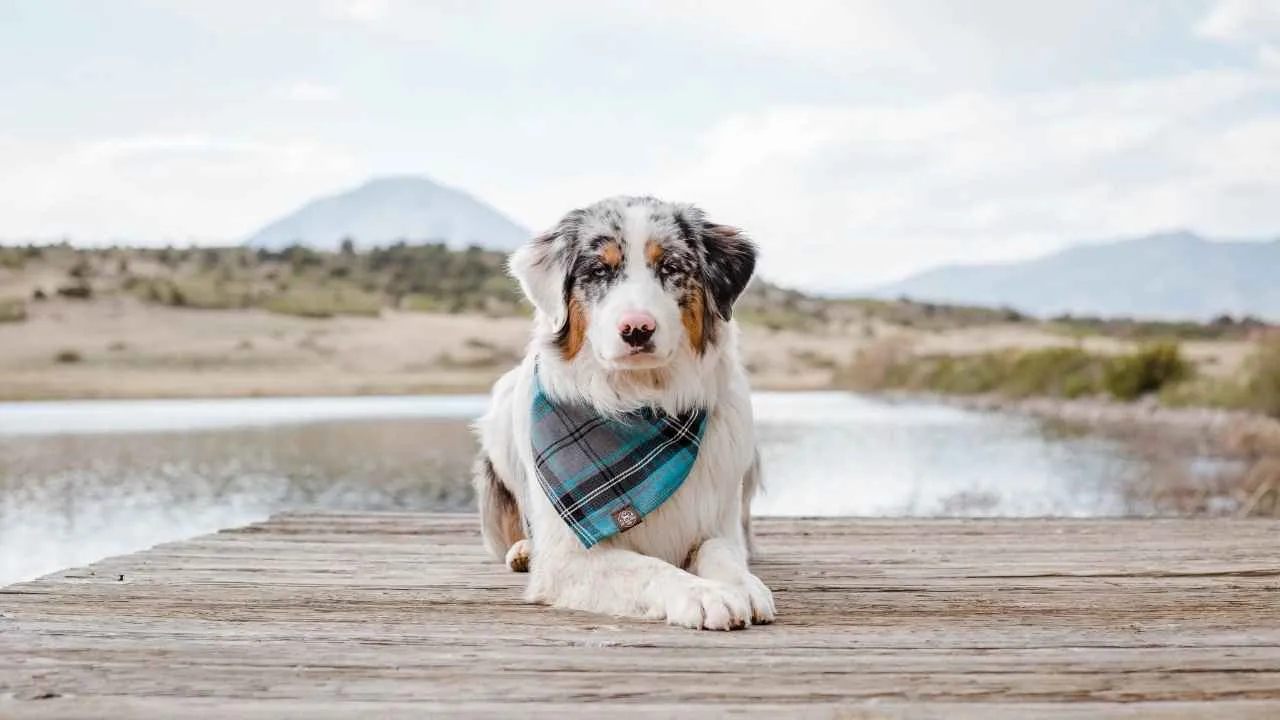
Originally developed in the American West, the Australian Shepherd used to work alongside ranchers and cowboys across rugged terrain. The reason for their high speed is their unique stride in which their front and back legs cross over. The “pounce” position helps them deal with the cattle that try to kick them.
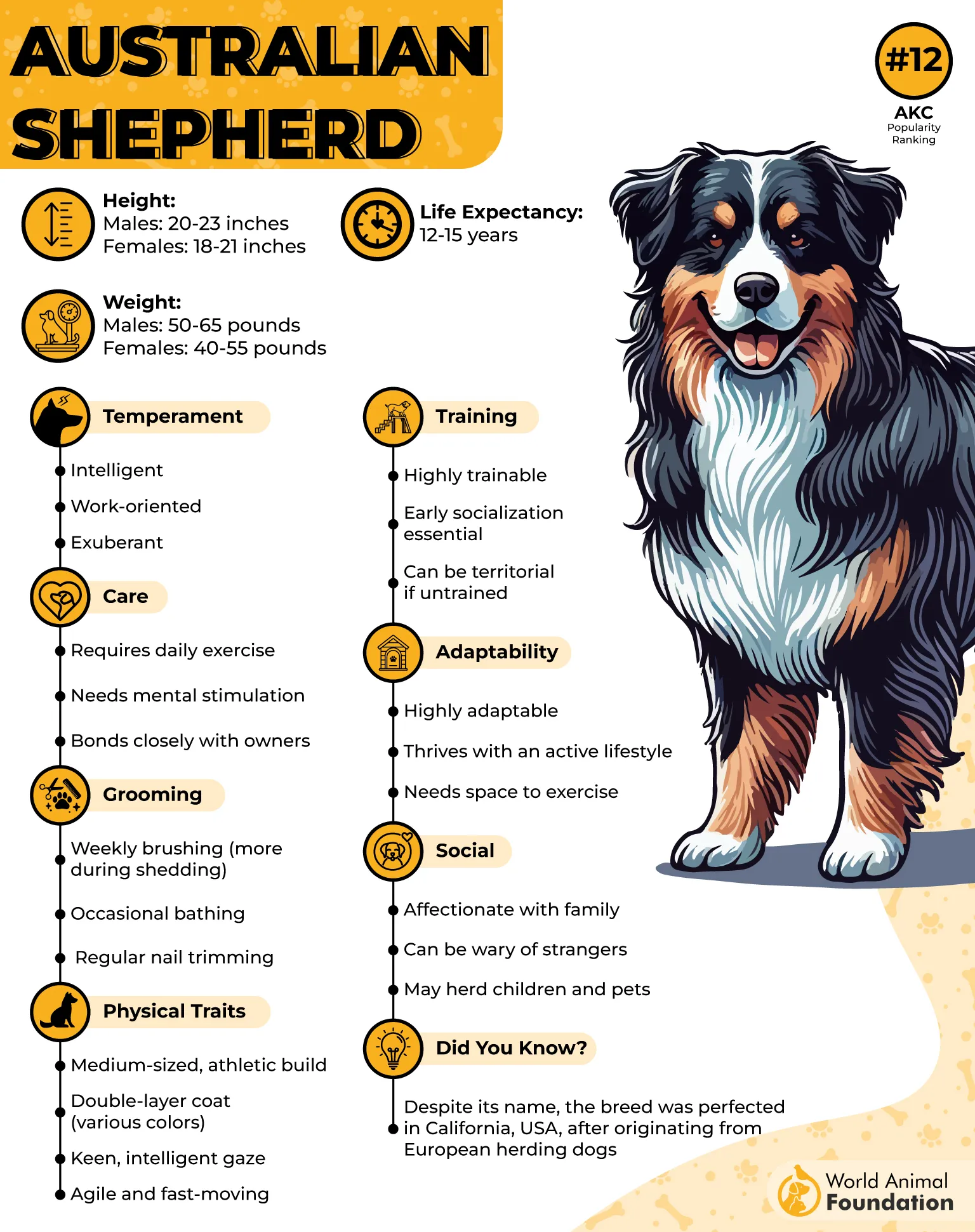
Their velcro nature makes it easier to handle them since they can walk around off-leash and prefer staying closer to the owner on outdoor adventures. They have heterochromic eyes and use their “herding eyes” to guide and control the livestock without being physical. Proper training is needed by experienced hikers as they are good at hoodwinking.
They are excellent watchdogs because of their alert behavior, and a moderate protection dog because of their aloofness with strangers and intimidating personality. However, they can not physically engage in combat and don’t show aggression, so they can not be a professional protection dog.
4. Vizsla
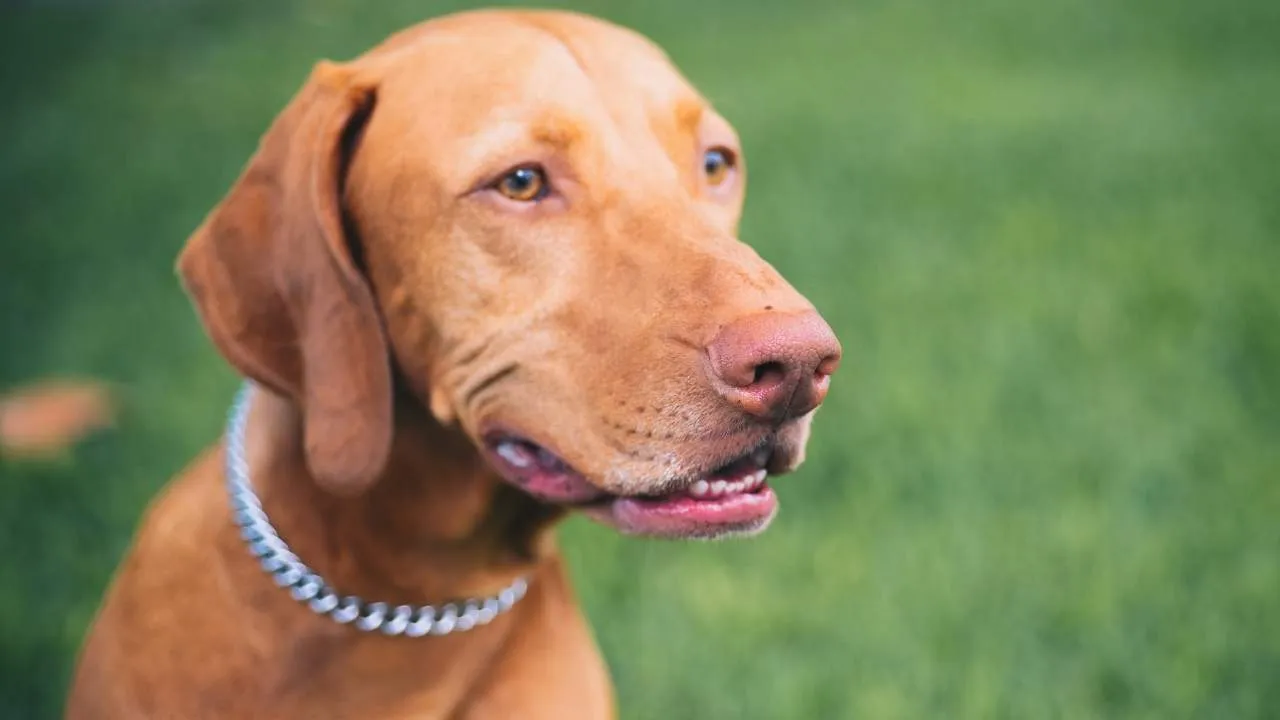
Originally from Hungary, Vizslas were bred as versatile hunting dogs, pointing, retrieving, and tracking across open fields and dense forests, as mentioned in Wikipedia. Their lean and muscular build makes them one of the most efficient trail canine companions. Their gentle and affectionate nature makes them a great lapdog.
They are emotionally attuned to human moods. This four-legged friend of yours will sit quietly by your side, at your feet, or lean their body weight against you to console. Great outdoors activities such as hiking, running, and trail tracking are a good way of communicating with them.
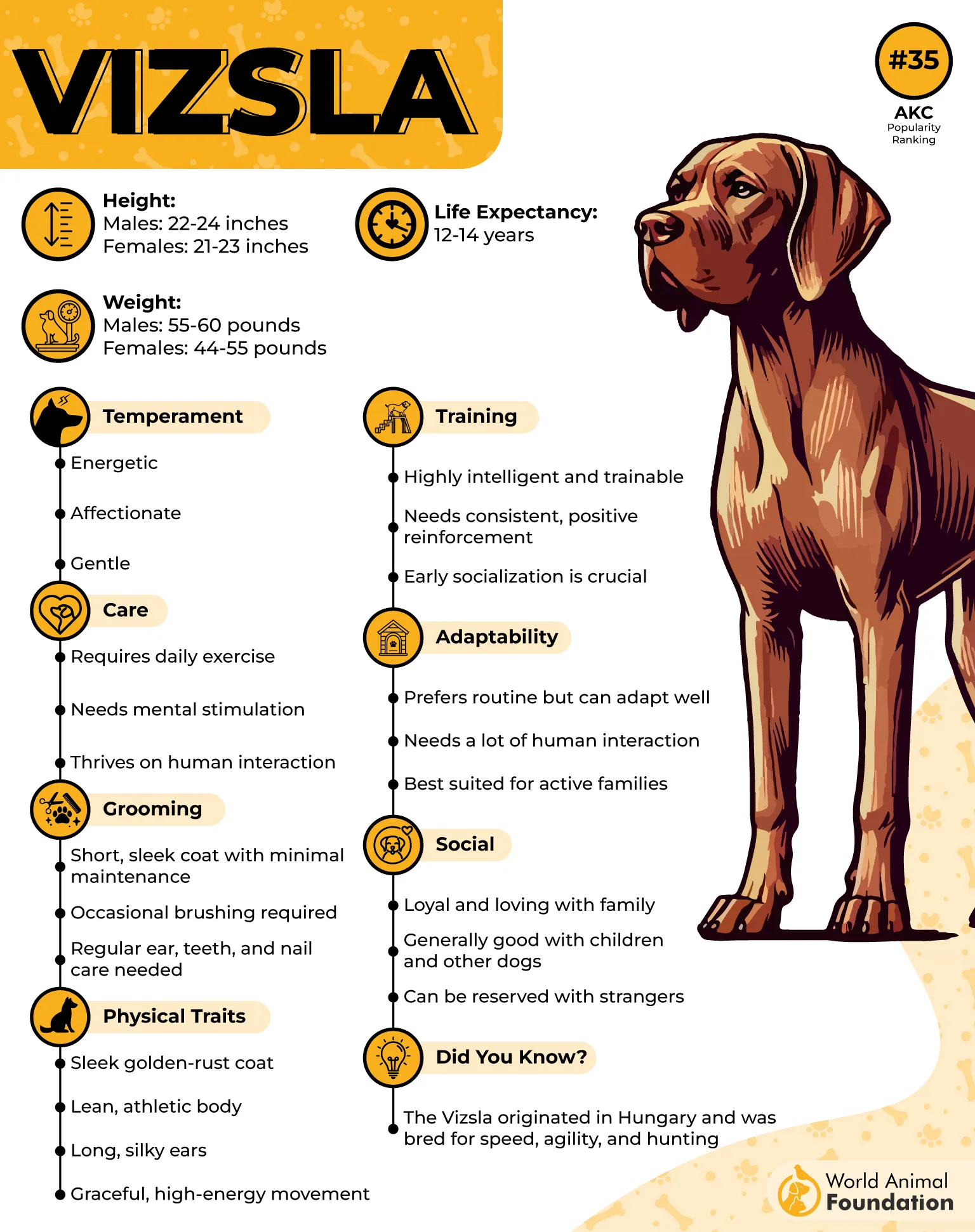
They are good learners and can learn camping manners quickly. With sharp memory, they can recall the path through the woods for weeks.
They have remarkable tracking instincts, great for scent-based outdoor adventures, especially in warmer climates. They have high exercise needs (1.5-2 hours). When their fast pace is combined with high prey drive, they become a great hiking partner. Careful handling is needed while hunting in the deep forest.
5. Bernese Mountain Dog
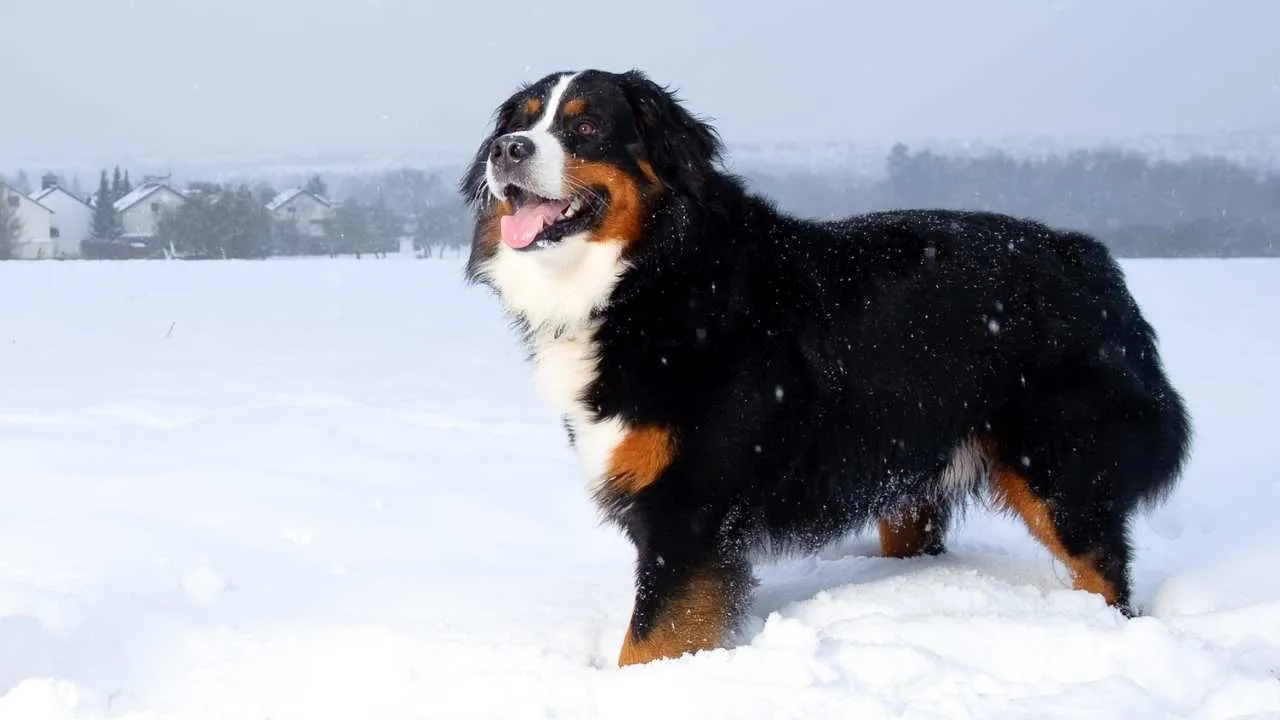
Having ancestral roots in Roman Mastiffs, this best dog breed was developed in the Swiss Alps. They were historically used as general farm dogs, but they also pull carts. This outdoor enthusiast is active and aloof to strangers, hence, a good watchdog. They don’t bite and are less aggressive, thus, moderate protection dogs.
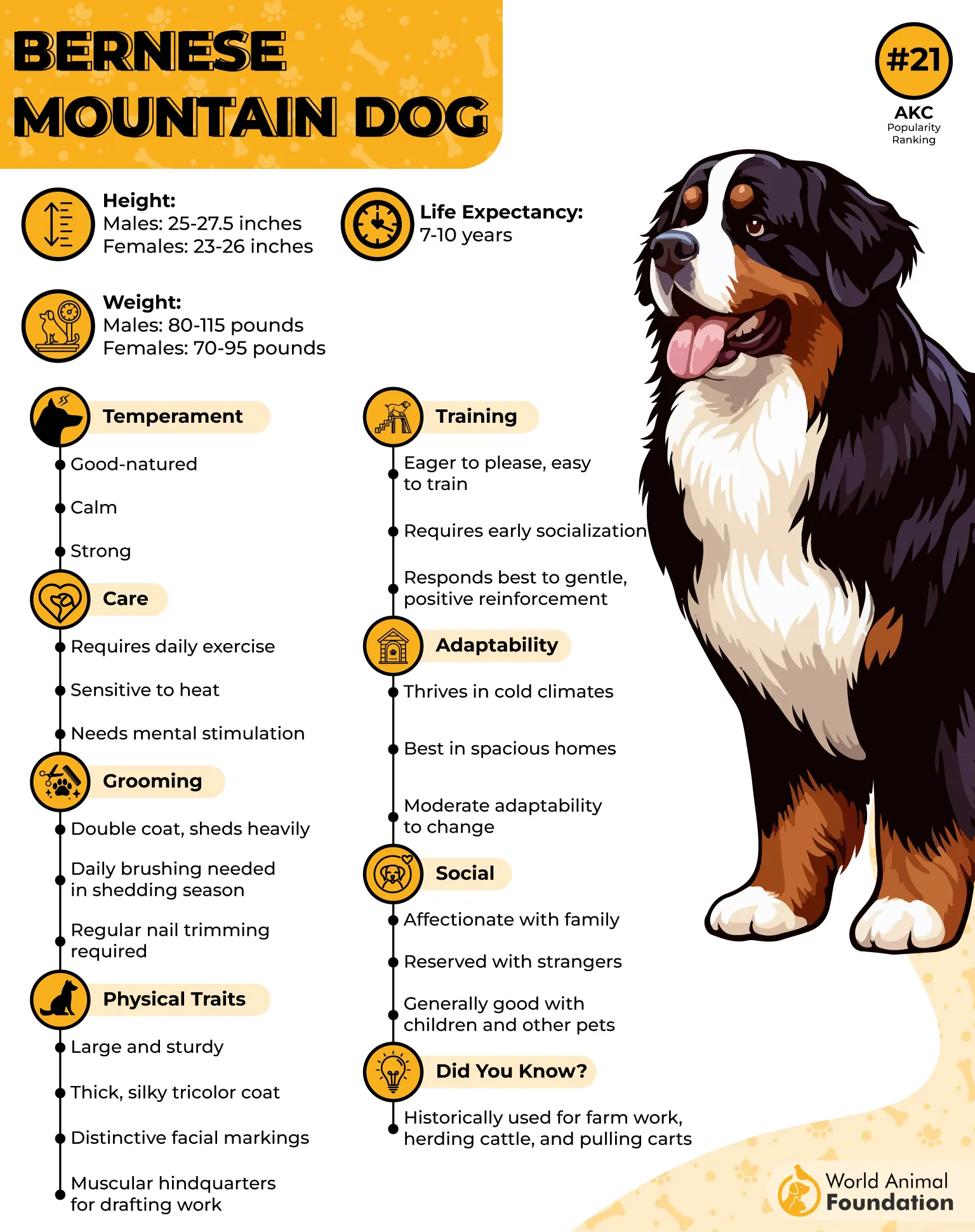
They are cold-weather tolerant because of a thick double coat, making them an ideal companion for chilly mountains and autumn environments. They do not tend to run off because of their velcro nature and love to stay closer to the owner. They bark when they sense anything unusual. Being a “draft dog,” they are capable of dragging a heavy wagon filled with people and luggage.
They are highly trainable, eager to please, and respond well to positive reinforcement. They thrive on hiking and walking, but need calm breaks to rest. They need to sleep inside the tent and not outside to avoid unnecessary drama. Despite being a large dog breed, they have a longer life expectancy and live up to 7-10 years.
6. German Shorthair Pointer
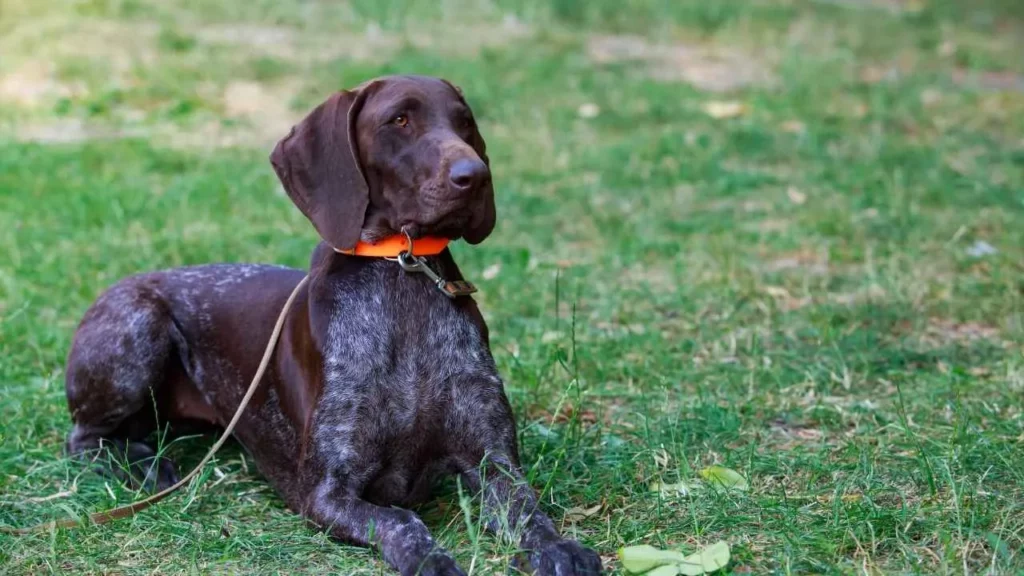
The GSPs were bred in 19th-century Germany as an all-purpose hunting breed, built to track, point, and retrieve across varied terrain. Orvis suggests that German Shorthair Pointers can sustain a steady pace of 6-8 miles per hour over long distances, thanks to their adventurous spirit.
Because of their agility and high speed, they can work tirelessly for 6-8 hours without stopping. Be it a hot and rough weather, or a freezing cold day, they are happy to work anyway. They love swimming because of their webbed feet.
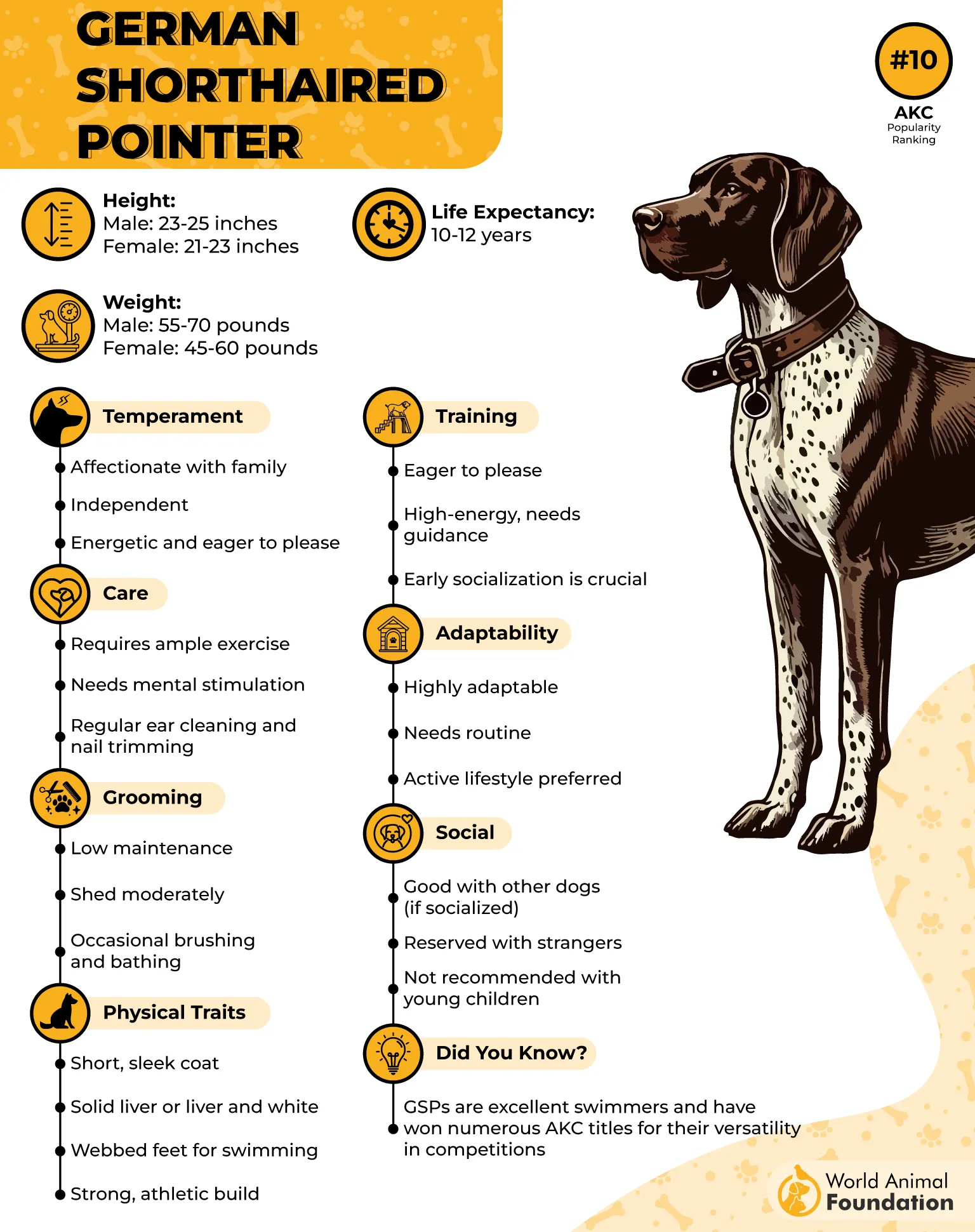
Add water-based activities to your camping trip to have fun together. However, keeping them outdoors for too long in a freezing environment, they can catch a cold since they have a short coat.
They are affectionate and protect their owners by barking and attacking strangers. Leash training is important. They are ranked as the fifth most trainable hunting breed and the fourth most playful dog breed, perfect for long hikes.
7. Rhodesian Ridgeback
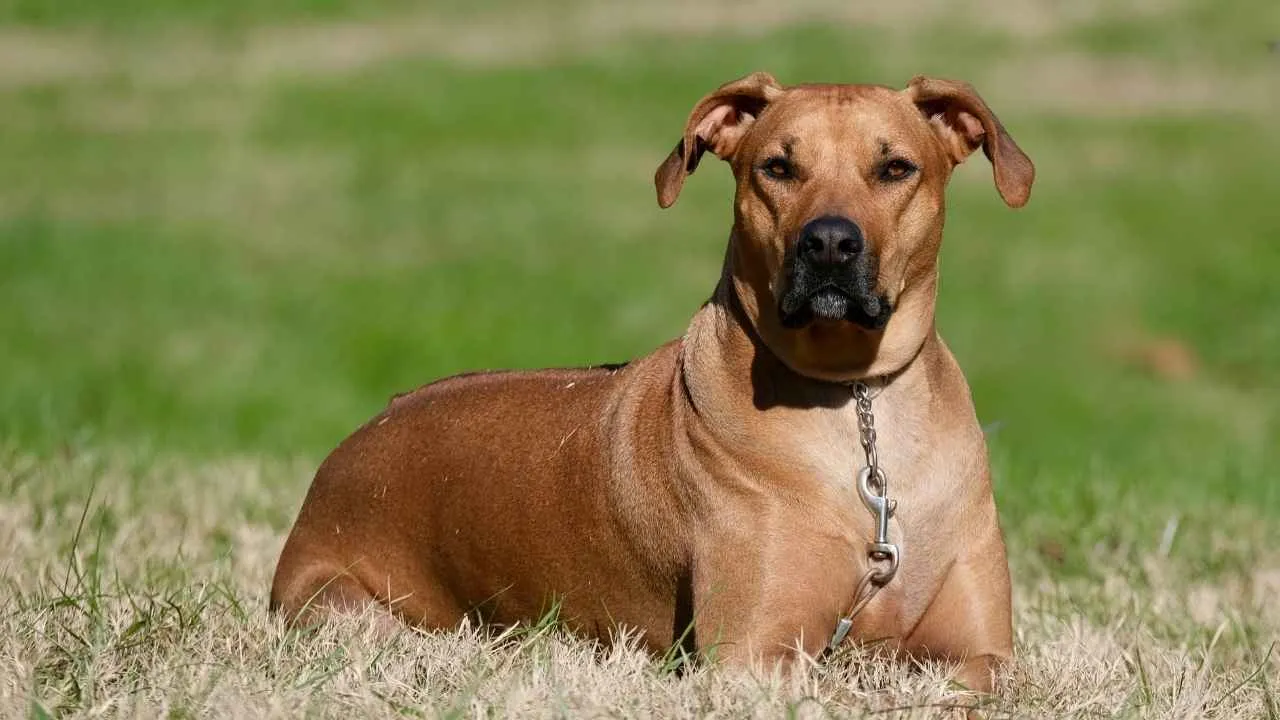
The Rhodesian Ridgeback was originally bred in South Africa to track, hold, and hunt lions. With their short and dense coat, they are heat-tolerant. The “ridge” is a distinctive strip of backward-growing hair along the spine. It is a defining genetic trait that goes back to the Khoikhoi people of South Africa.
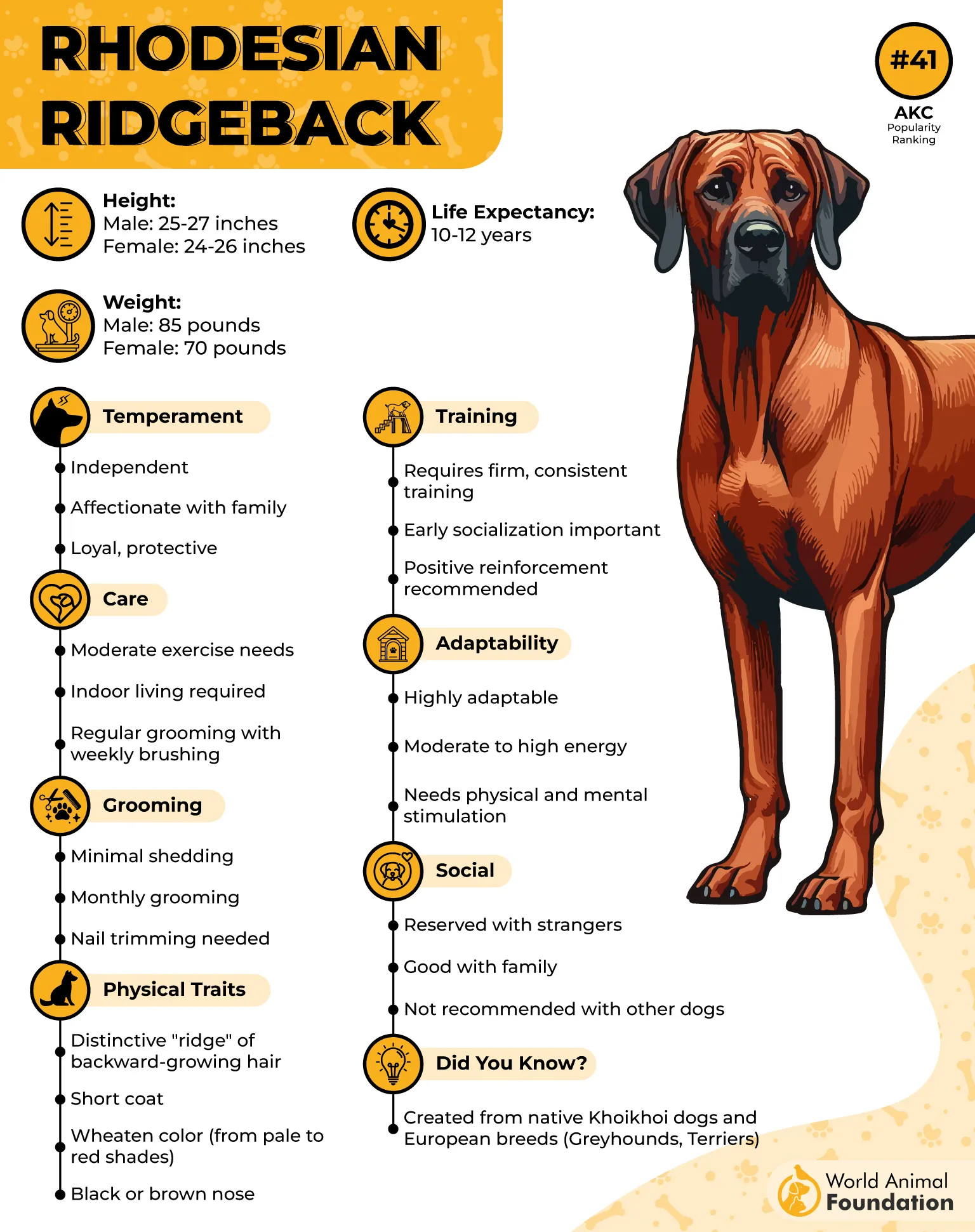
They do not bark unnecessarily and are keen observers. They quietly monitor the surroundings and have natural instincts to protect the owner. They have an independent spirit, but their affection towards their owner makes them stay closer to them. They are prone to colder environments. Get them a warm sweater or just avoid taking them outdoors on a cold day.
They are energetic and curious, making them the right dog for outdoor adventures. And they turn off their alert instincts as long as they reach home and comfortably sit on the couch and enjoy watching Netflix with you. They are sensitive to harsh training; thus, gentle and positive training is recommended.
Conclusion
Any dog can go camping. But these seven breeds do not just tolerate the wilderness. They belong to it. From the Labrador’s joyful adaptability to the Ridgeback’s ancient, stoic trail presence, each of these breeds brings something genuinely irreplaceable to a camping retreat.
Pick the breed that fits your trail style. Pack the gear. Hit the road. And when you are sitting under an open sky with your dog at your side, you will understand why no camping playlist, no perfect weather forecast, and no amount of s’mores can match that feeling. Some bonds are just built for the wild.
